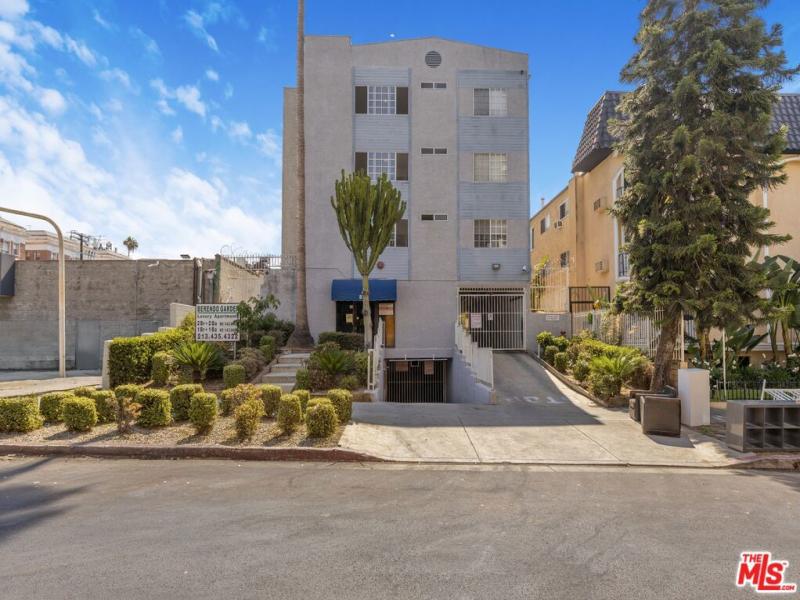
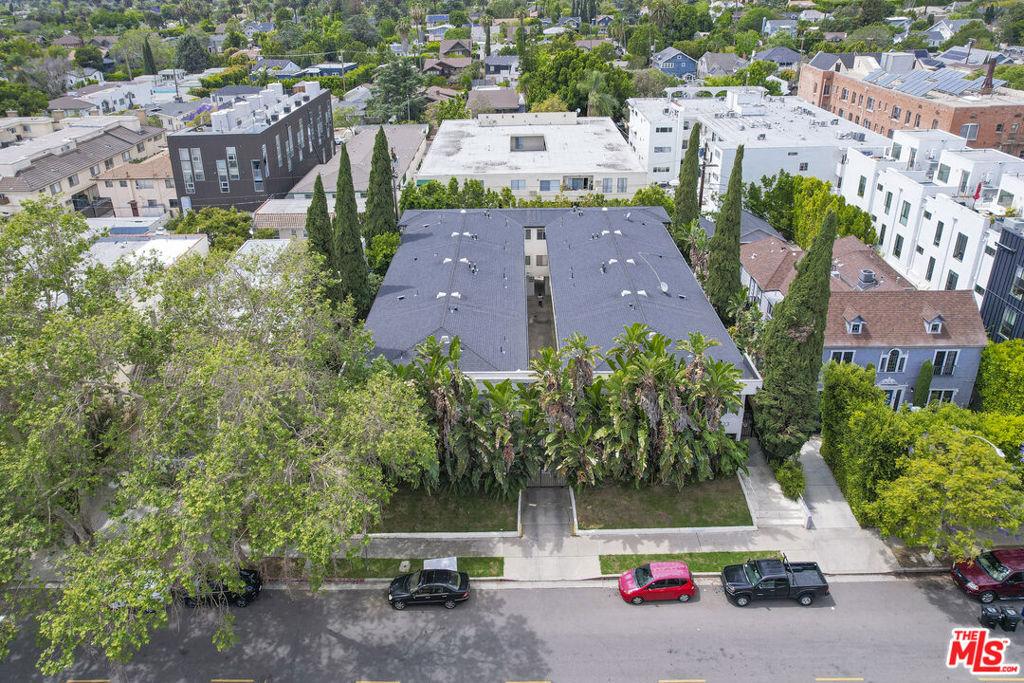
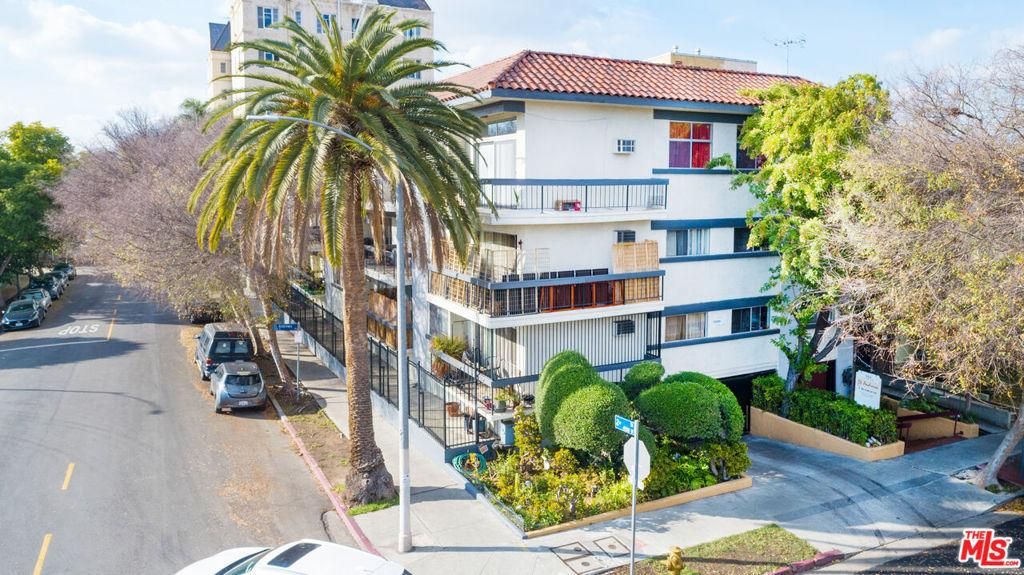
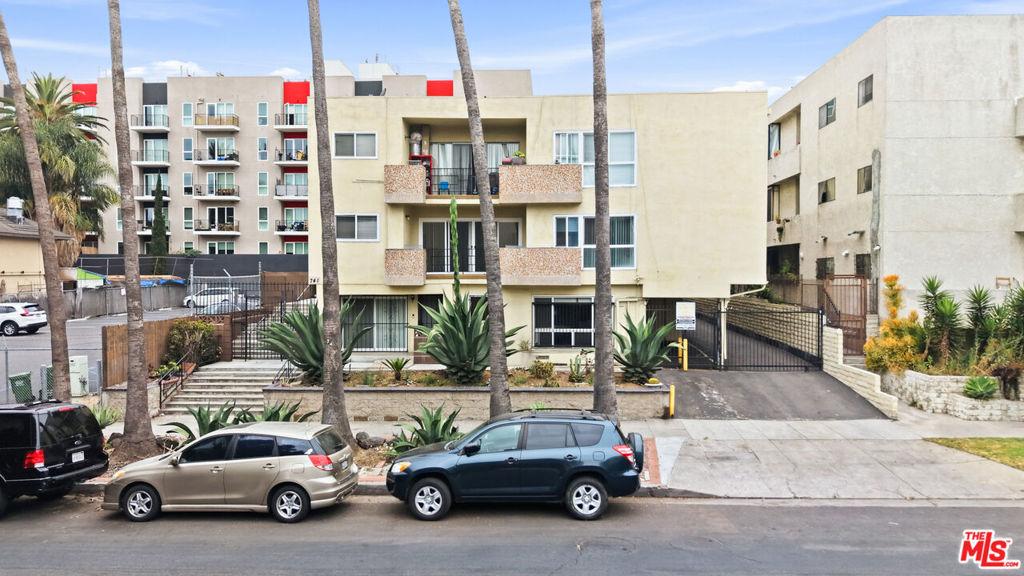
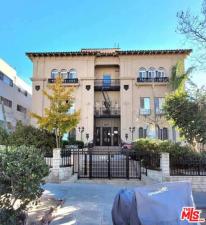
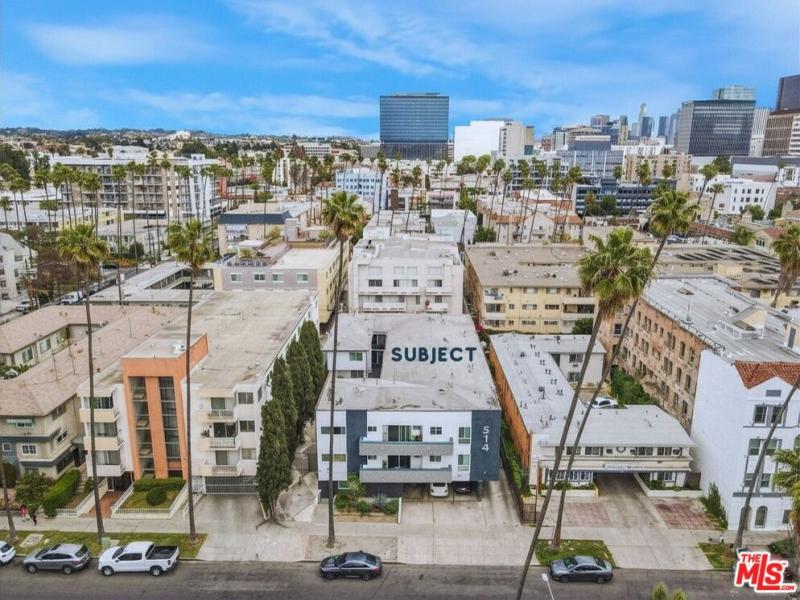
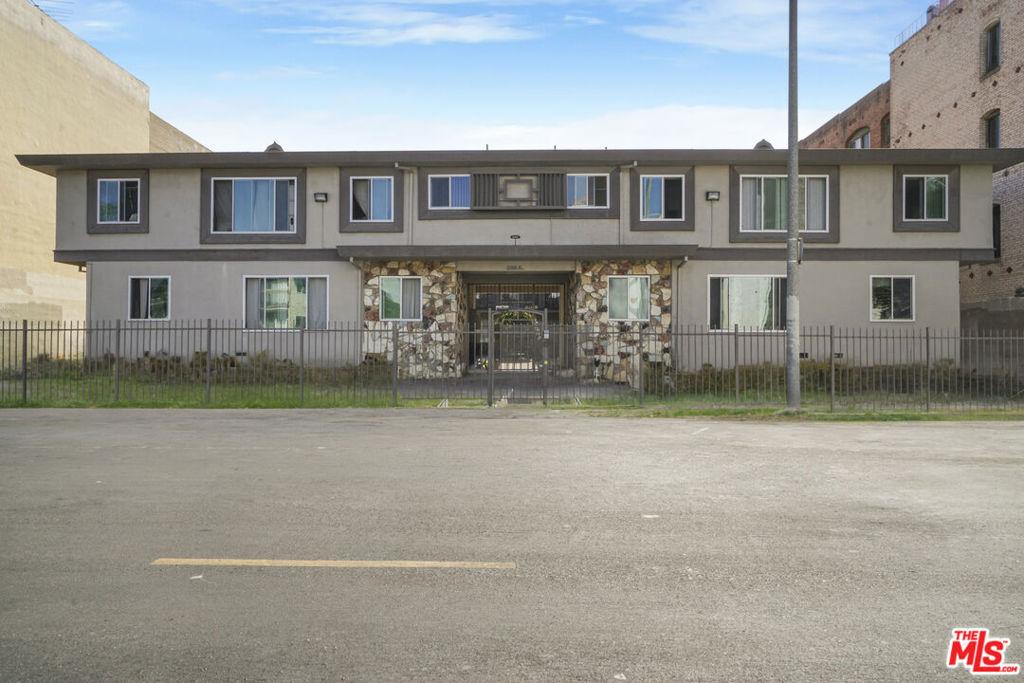
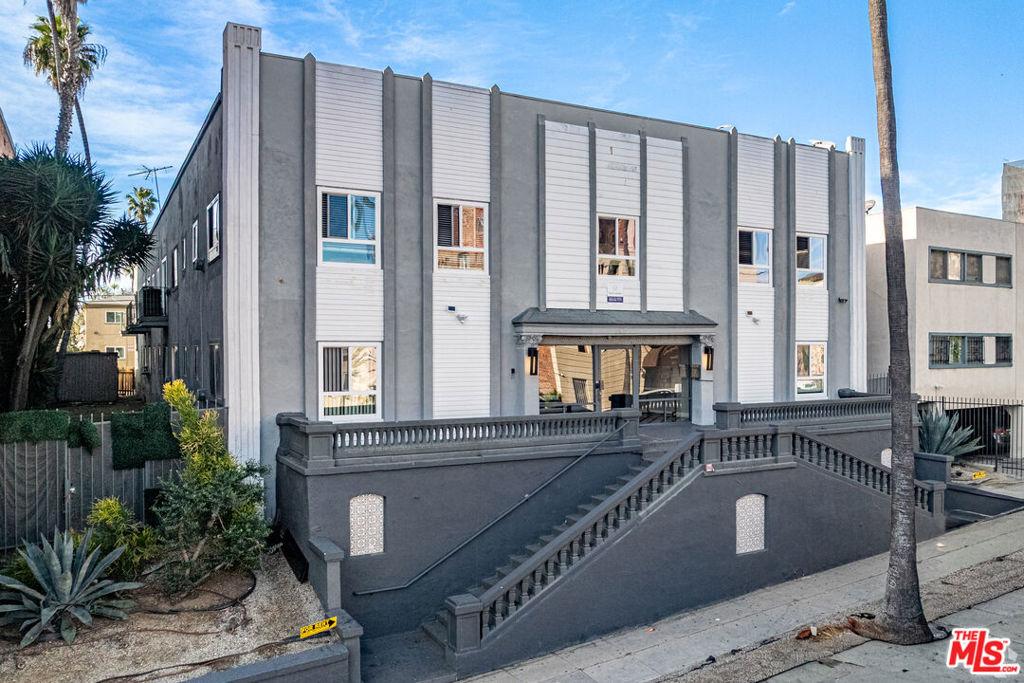
Homes for Sale in KoreatownListings

Homes for Sale in Koreatown, Los Angeles

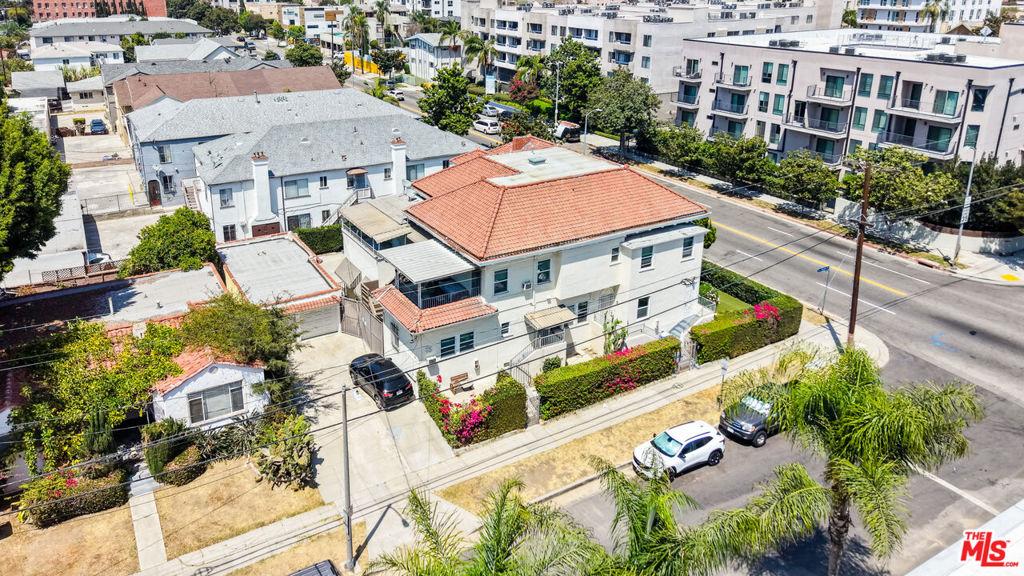
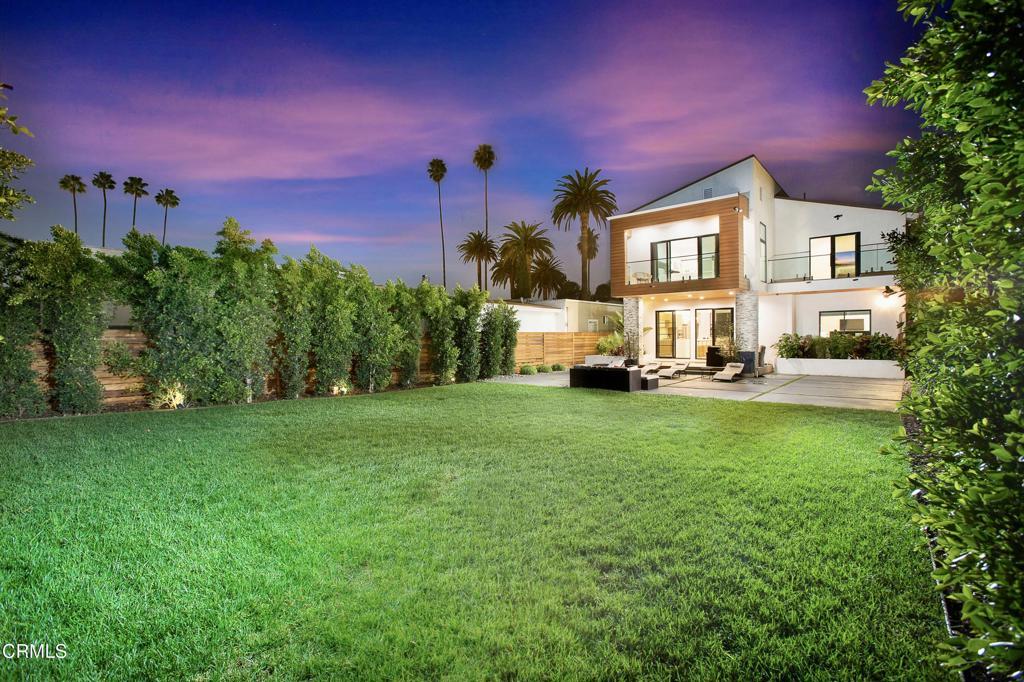
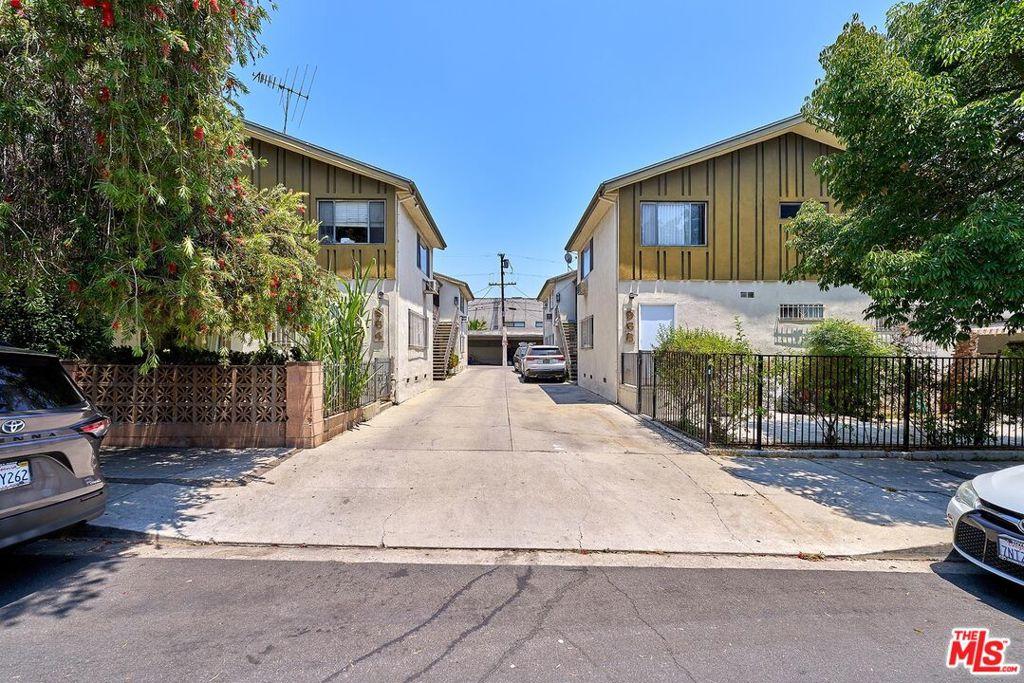
In Koreatown homes for sale ranging from $1.0M to $1.3M+. This event transforms Olympic Boulevard into a showcase of Korean culture, featuring traditional performances, K-pop concerts, and endless food stalls. The Knight Group works this area directly, including off-market inventory that never reaches Zillow or Redfin.

Buyers in In Koreatown should move on well-priced properties quickly — competition is consistent. The Knight Group tracks off-market inventory here and can provide early access.

Homes for Sale in Koreatown in Central Los Angeles

Community

What makes Koreatown unique?

You’ve heard the buzz about Koreatown, but nothing prepares you for the sensory overload of actually being here. It’s a place where traditional Korean barbecue joints share blocks with Michelin-starred restaurants, where elderly ladies practice tai chi in parks while hipsters line up for the latest dessert craze.

Location, Location, Location (and Did We Mention Food?)

Koreatown isn’t just centrally located – it’s the belly button of Los Angeles. You’re a quick Metro ride from homes for sale in downtown los angeles, a short drive from the beaches of Santa Monica, and walking distance from some of the best food you’ll ever taste.

A Historical Perspective

Koreatown’s transformation from a suburban residential area to a urban center is a fascinating tale of cultural evolution. The neighborhood’s roots trace back to the 1960s when Korean immigrants began settling in the area. By the 1970s, Olympic Boulevard had become the heart of the Korean American community in Los Angeles.

The 1992 Los Angeles riots marked a turning point for Koreatown. In the aftermath, the community rallied together, rebuilding and reinvesting in the neighborhood. This period of renewal laid the foundation for the modern Koreatown we see today – a diverse, dynamic district that blends Korean, Latino, and American cultures.

Who Lives in In Koreatown

In Koreatown draws buyers who have made deliberate trade-off decisions. Koreatown isn t just centrally located – it s the belly button of Los Angeles. The buyer profile here tends toward established professionals and families — people who have evaluated comparable options and chosen this pocket for specific reasons: lot size, privacy, school access, commute profile, or community character.

Properties ranging from $1.0M to $1.3M+ range from [entry-level in the pocket] to larger estate-scale homes depending on the specific street. Knowing the sub-block matters when pricing or making an offer here.

How can The Knight Group help in Koreatown?

The Knight Group maintains active relationships in In Koreatown, including off-market sellers who haven’t listed publicly. For buyers, this means access to inventory before it reaches the portals. For sellers, it means qualified buyers who are already researching this specific area.

In a market like In Koreatown, where well-priced properties move quickly, having a relationship with an agent who knows the off-market layer changes what’s available to you. The Knight Group can typically show more options than what’s publicly listed at any given time.

What property types are in Koreatown?

The residential stock in In Koreatown reflects the area’s development history and zoning profile. Properties here vary in lot size, setback, architectural era, and condition — factors that affect both livability and long-term value more than square footage alone. Buyers who can read those signals before making an offer have a material advantage.

The Knight Group’s knowledge of In Koreatown includes off-market transactions, which provide a cleaner picture of true market value than the MLS alone. Distressed sales and non-arm’s-length transactions on the MLS skew averages; off-market data doesn’t have that noise.

What Experienced Buyers Do Differently in In Koreatown

Experienced buyers in In Koreatown move fast on well-priced properties and slow on everything else. They pre-screen addresses against school assignments, fire zone status, and lot encumbrances before touring. They know the difference between a home priced to the market and one priced to the list. The Knight Group provides that context as standard preparation before any offer.

Area Details

Beyond the Numbers: Living the Koreatown Dream

Sure. The market data is crucial. But let’s talk about what really matters – the Koreatown lifestyle.

Imagine waking up to the smell of freshly baked pan de sal from the Filipino bakery down the street. You grab your yoga mat and head to a rooftop class, where you salute the sun as it rises over the Downtown skyline. Later, you meet friends for a marathon karaoke session, belting out K-pop hits until the wee hours.

This is the Koreatown experience – a perfect blend of Korean, Latino, and American cultures, creating a tapestry unlike anywhere else in Los Angeles.

Cultural Immersion

Koreatown isn’t just a place to live – it’s a cultural experience. The neighborhood hosts numerous events throughout the year that celebrate its diverse heritage:

  • Korean Festival & Parade: Held annually in October. This event transforms Olympic Boulevard into a showcase of Korean culture, featuring traditional performances, K-pop concerts, and endless food stalls.
  • Lunar New Year Celebrations: Every February, Koreatown comes alive with dragon dances, traditional games, and special menus at local restaurants.
  • Latin American Festival: Reflecting the neighborhood’s significant Latino population. This summer festival brings the sounds of salsa, merengue, and reggaeton to the streets of K-town.

These events not only provide entertainment but also foster a sense of community among residents, making Koreatown feel like a small town within the big city.

Culinary Paradise

Koreatown’s food scene is legendary, offering everything from hole-in-the-wall gems to upscale dining experiences. Some local favorites include:

  • Park’s BBQ: Widely regarded as one of the best Korean BBQ restaurants in the U.S., Park’s offers prime cuts of meat and impeccable service.
  • Soban: This unassuming restaurant is famous for its ganjang gejang (soy sauce marinated raw crab), a delicacy that draws food enthusiasts from across the city.
  • Monty’s Good Burger: For the vegans and vegetarians, Monty’s offers plant-based burgers that rival any meat patty in town.
  • Guelaguetza: This James Beard Award-winning restaurant serves authentic Oaxacan cuisine, including their famous mole.

Living in Koreatown means having access to this culinary wonderland right at your doorstep.

Amenities That’ll Make Your Friends Jealous

Koreatown isn’t just about location – it’s about luxury living. Many newer developments offer amenities that rival five-star hotels:

  • Rooftop pools with cabanas and city views
  • State-of-the-art fitness centers and yoga studios
  • Co-working spaces for the WFH crowd
  • Pet spas (because Fido deserves pampering too)
  • 24/7 concierge services

And let’s not forget the neighborhood itself. You’re steps away from some of the best dining in Los Angeles, world-class spas, and enough karaoke bars to keep you singing for years.

The Pearl on Wilshire

The Pearl on Wilshire is a prime example of the high-end living experience available in Koreatown. This apartment complex, developed by CityView, offers:

  • A coworking space for remote workers
  • A state-of-the-art fitness center
  • A pet spa for four-legged residents

The Pearl has been a resounding success, with over 240 units leased since early summer 2018, reaching about 76% occupancy. This rapid leasing success demonstrates the high demand for luxury living options in Koreatown.

How do you get around Koreatown?

Koreatown isn t just centrally located – it s the belly button of Los Angeles. Drive times to major employment centers vary by time of day — this is Los Angeles. Buyers prioritizing specific commutes should test their route at the relevant time before committing to an address.

Most buyers in In Koreatown are car-dependent for daily errands. The Walk Score and transit access vary by specific street. If walkability is a priority, The Knight Group can identify which streets within In Koreatown score highest before narrowing your search.

What is Homes for Sale in Koreatown’s neighborhood infrastructure like?

The In Koreatown area is served by standard Los Angeles infrastructure: LADWP for utilities, LAPD or LASD for public safety depending on the specific address, and LAUSD or a local district for schools (confirm your specific school assignment by address). Trash collection, street maintenance, and other city services generally reflect the standards of the surrounding area.

For buyers coming from out of state or out of the area: property taxes in Los Angeles County are assessed at purchase price. Expect approximately 1.1–1.25% of purchase price annually, depending on any local supplemental levies.

Market Trends

What’s driving Koreatown’s real estate growth?

Let’s talk numbers, because in this market, knowledge is power (and potentially a killer deal on your right property).

As of December 2024, the median home value in Koreatown sits at a tantalizing $793,582. Now, before you start hyperventilating, remember – this is prime Los Angeles real estate we’re talking about. In fact, compared to the Los Angeles median of $983,000, Koreatown is looking like a bargain.

Translation? If you see a place you love, don’t hesitate. In this market, fortune favors the bold (and the pre-approved).

Market Trends and Analysis

into the Koreatown real estate market:

  • Price per Square Foot: As of November 2024, the median price per square foot for homes sold in Koreatown was $642. This represents a significant value compared to other central Los Angeles neighborhoods.
  • Price Trends by Bedroom Count: Here’s how prices changed from October to November 2024:
  • 1 Bedroom: Increased by 9.7% to $395,000
  • 2 Bedrooms: Increased by 14.7% to $774,500
  • 3 Bedrooms: Increased by 27.0% to $965,000
  • 4 Bedrooms: Decreased by 12.4% to $1.1 million
  • 5+ Bedrooms: Decreased by 83.9% to $1.3 million
  • Housing Inventory: The inventory of homes for sale remained relatively stable for 1, 2, and 3 bedroom homes. However, there was a decrease in 4 bedroom homes by 6.7% and an increase in 5+ bedroom homes by 13.3%.
  • Sales Activity: In November 2024, 18 homes were sold or pending, representing a 28.6% increase from the previous month. A significant 88.9% of these homes were sold below the asking price.

These statistics paint a picture of a dynamic market with opportunities for both buyers and sellers. The increase in prices for smaller homes suggests strong demand from first-time buyers and investors, while the decrease in larger home prices could indicate opportunities for families looking to upgrade.

From Cozy Condos to Palatial Pads

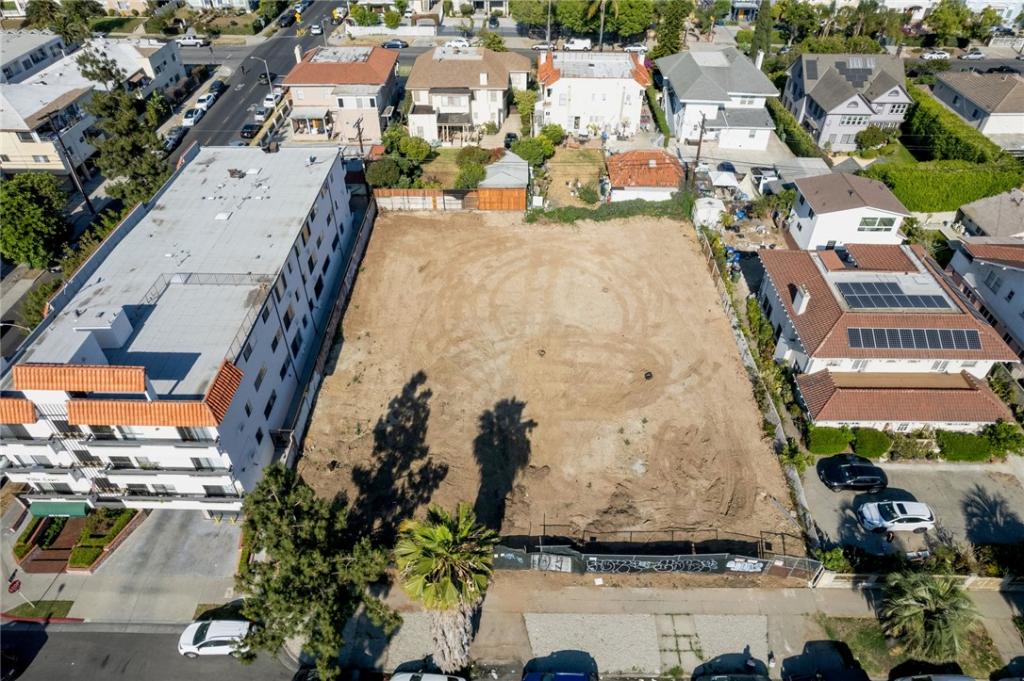
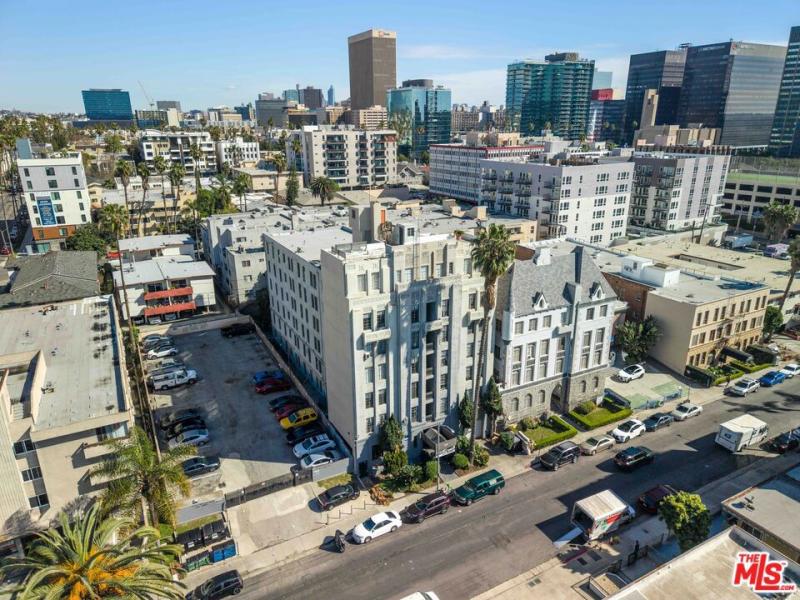
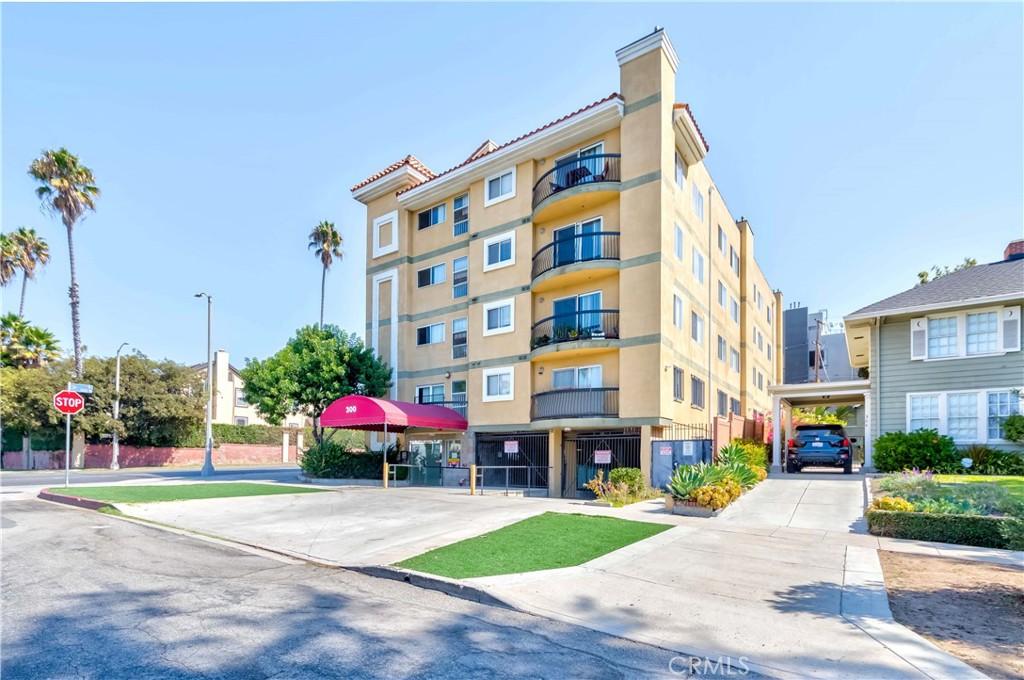
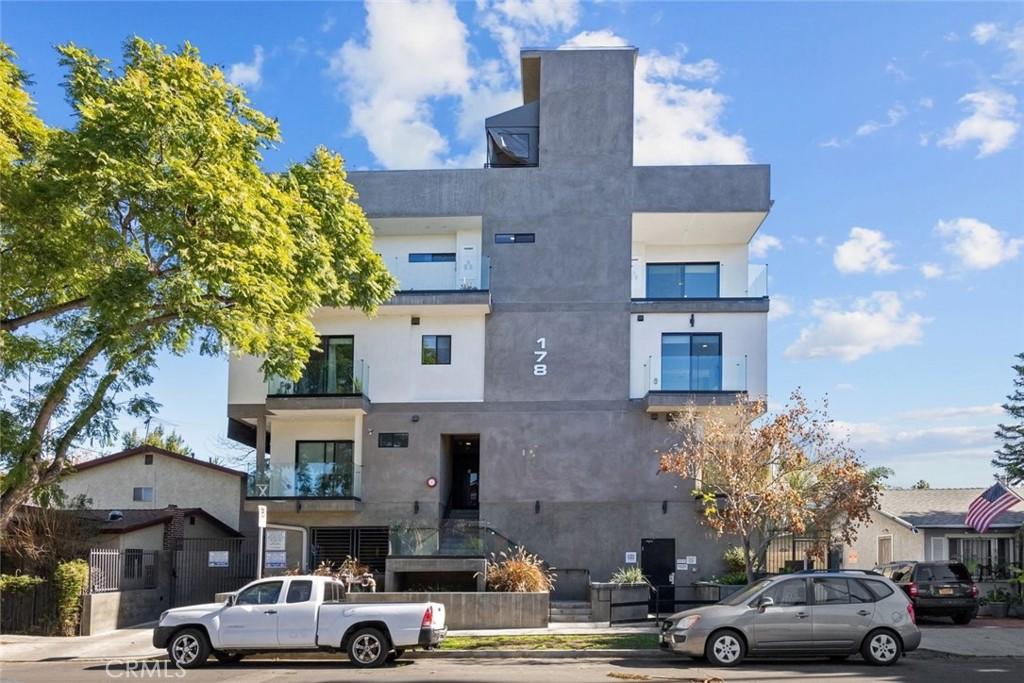
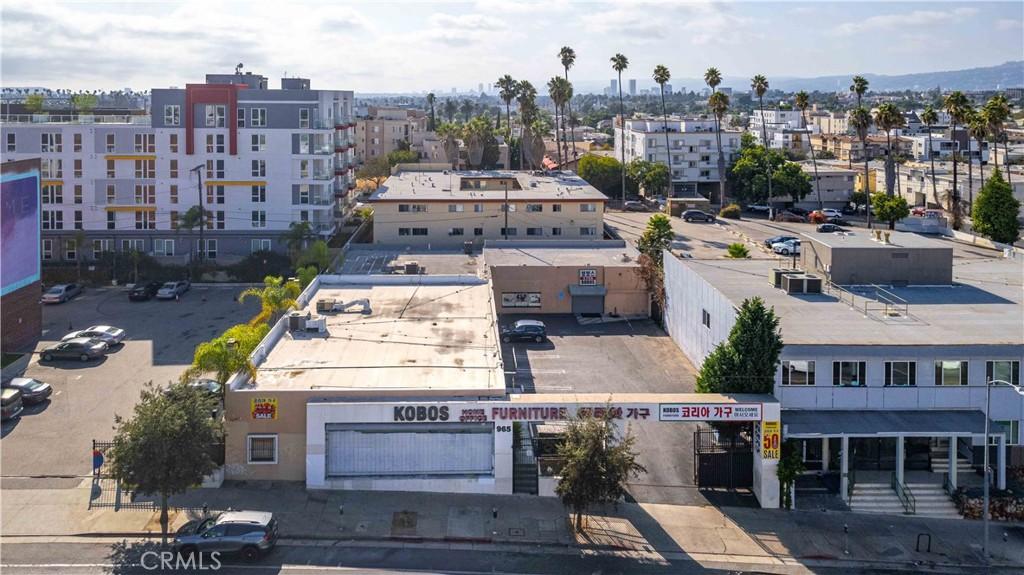
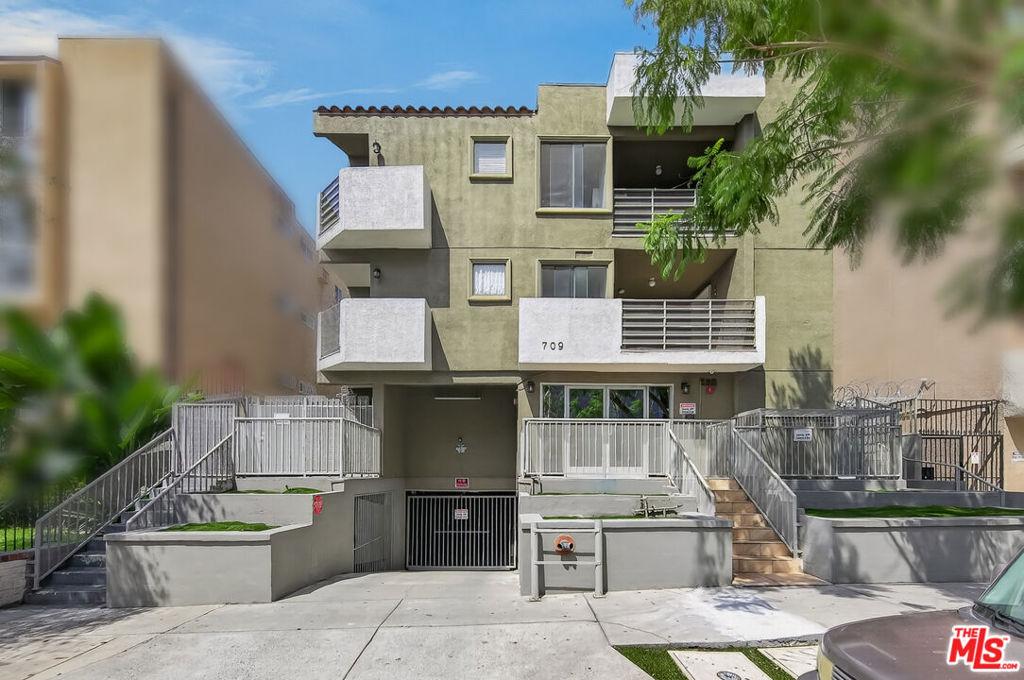
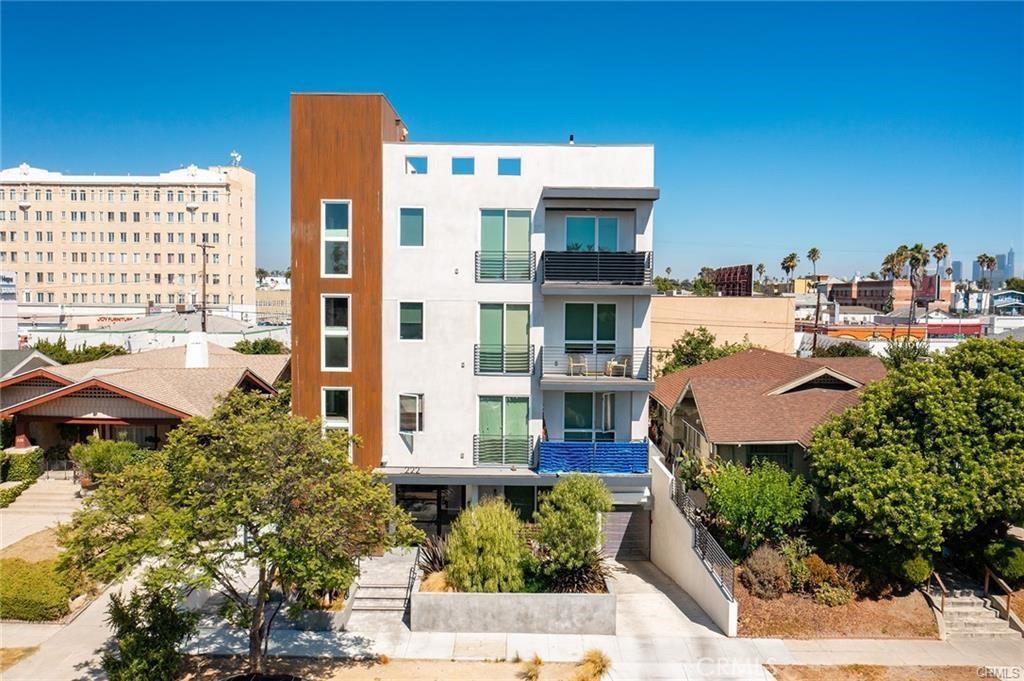
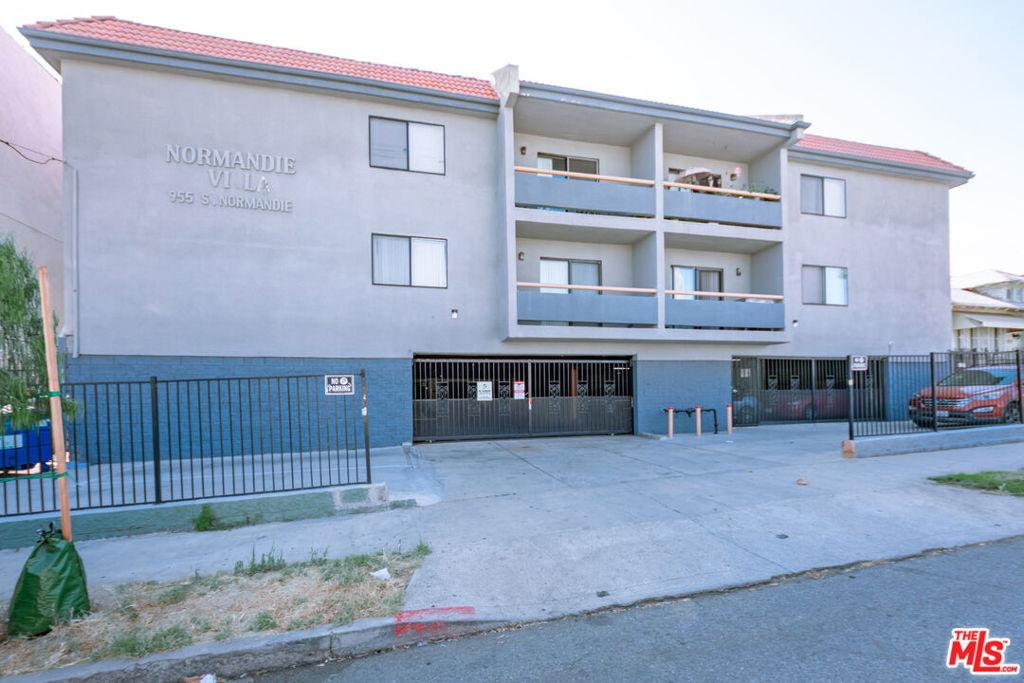
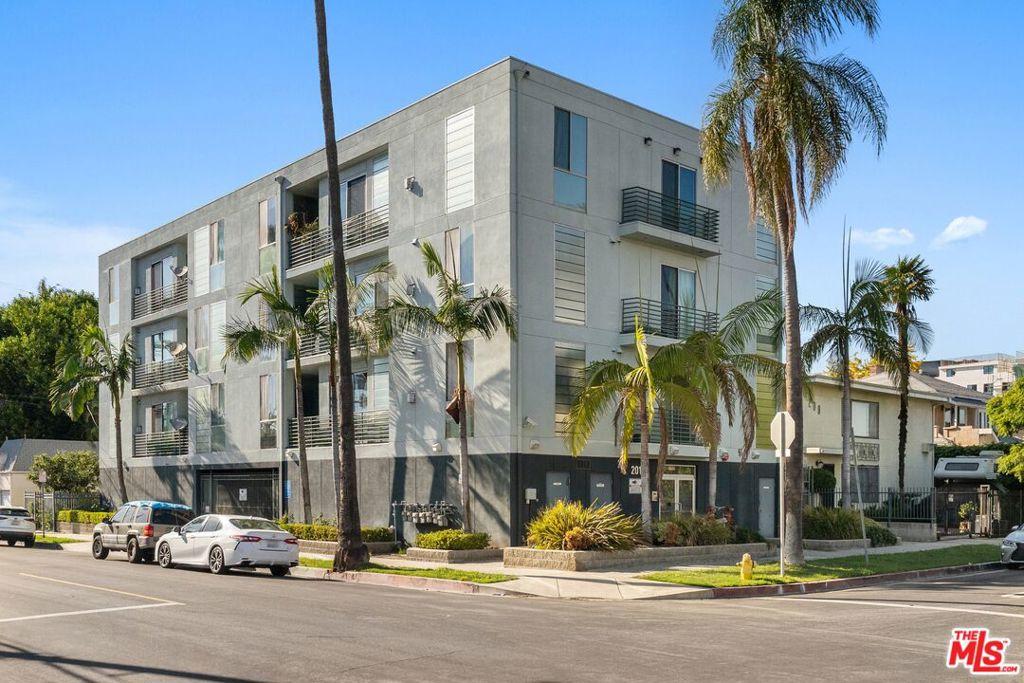
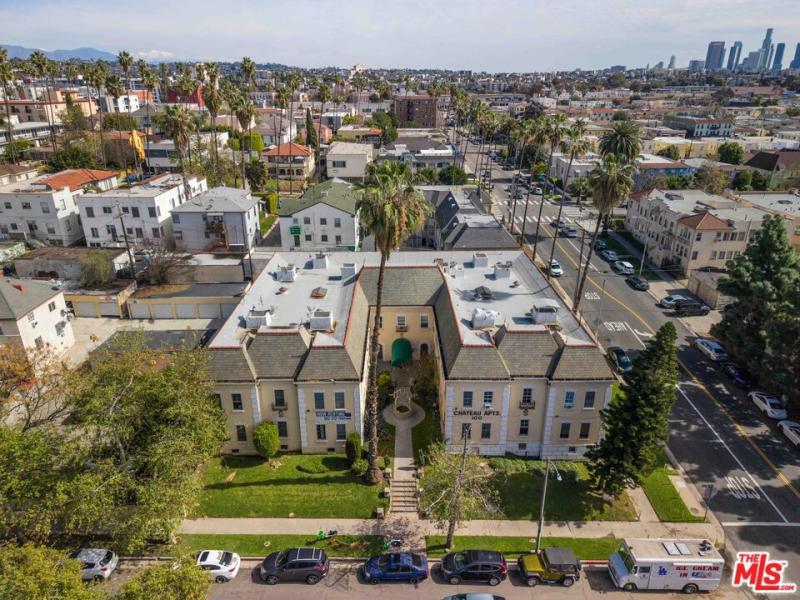
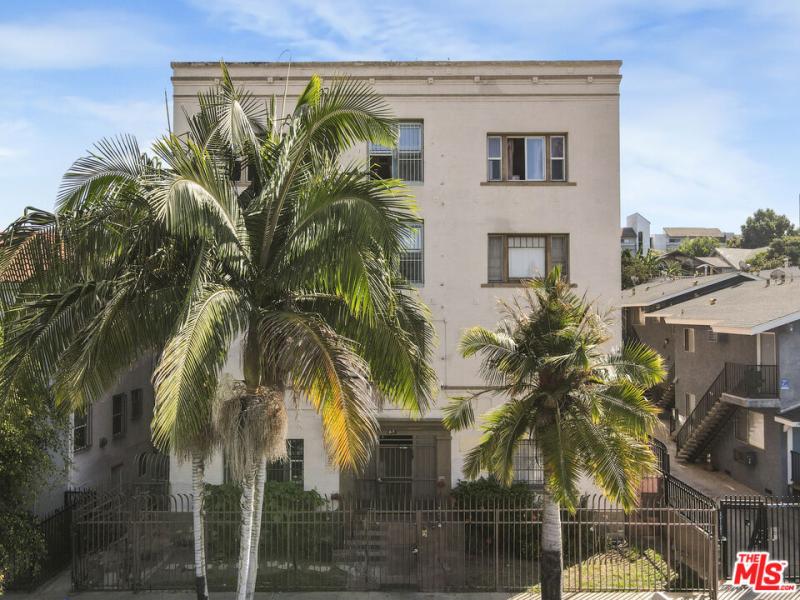
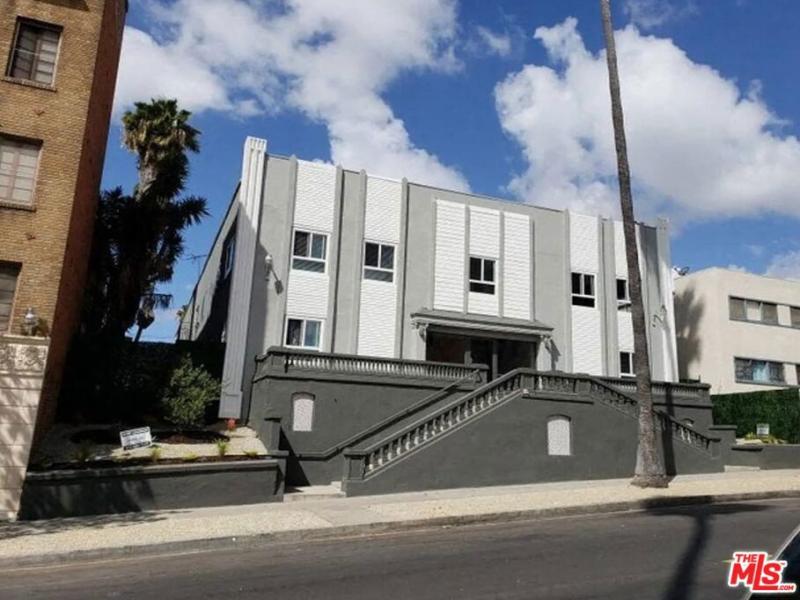
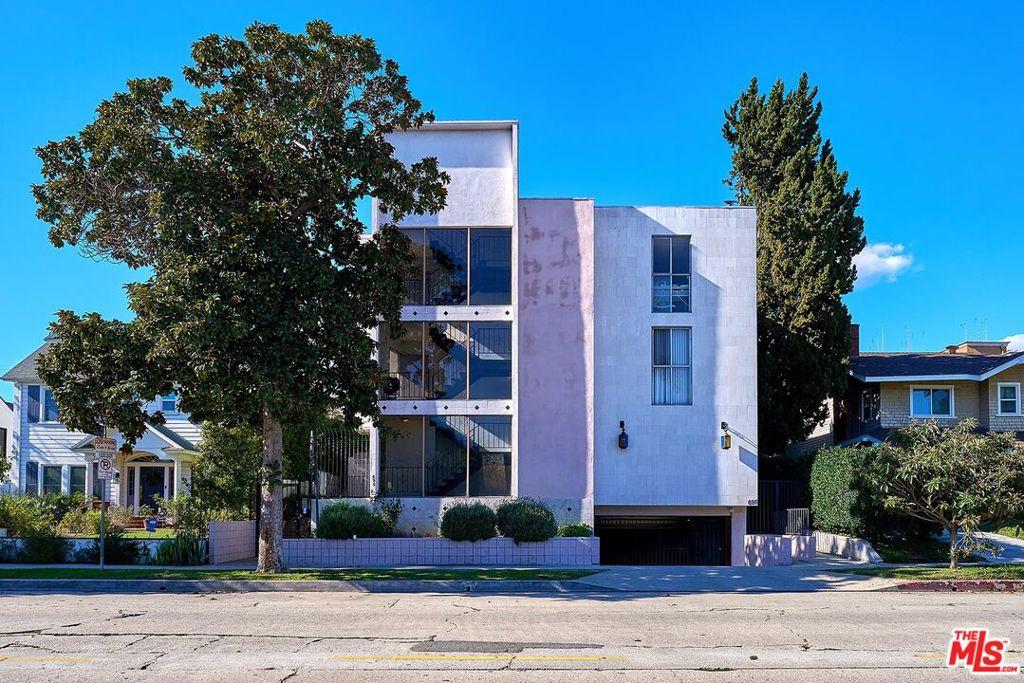
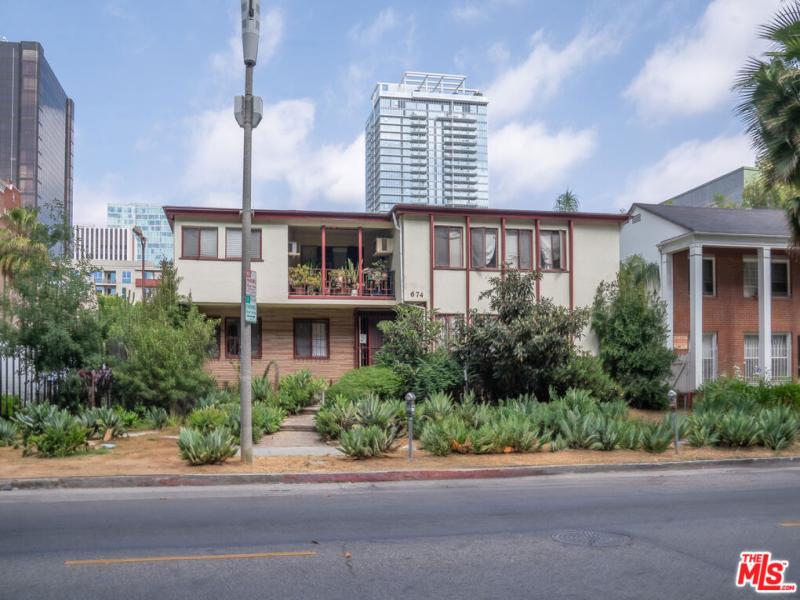
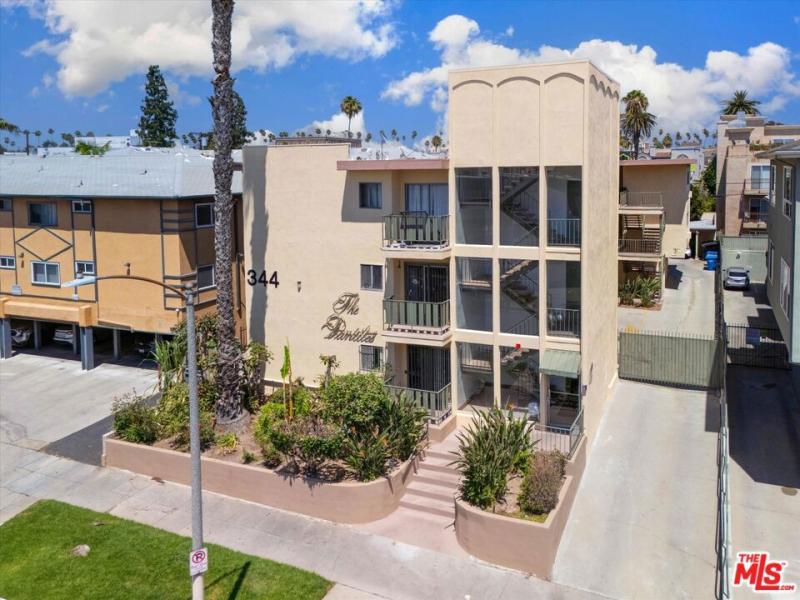
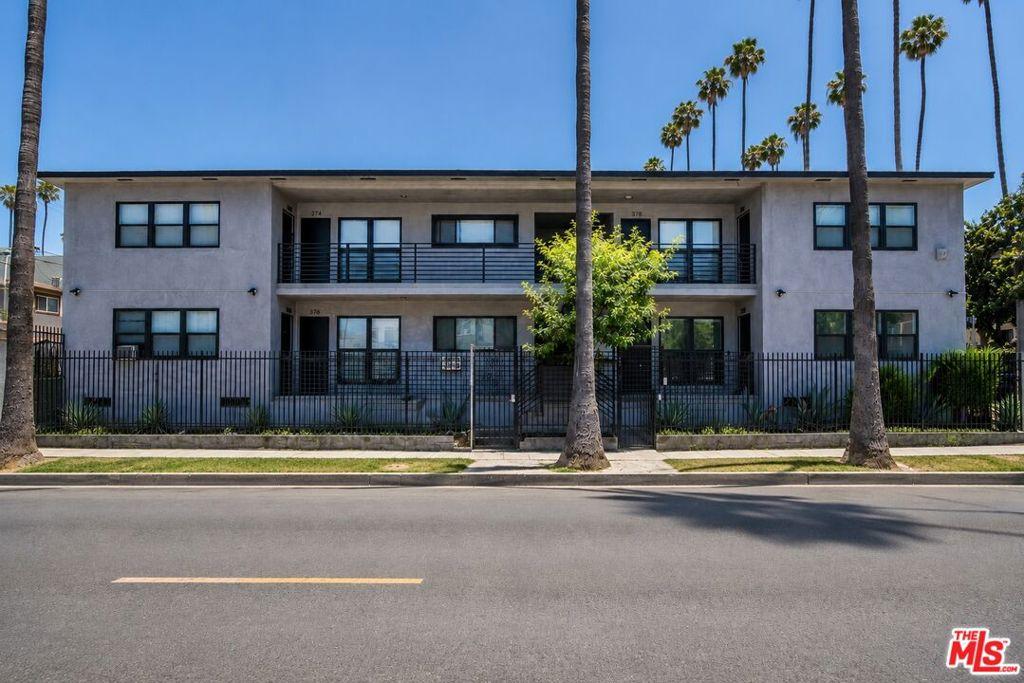
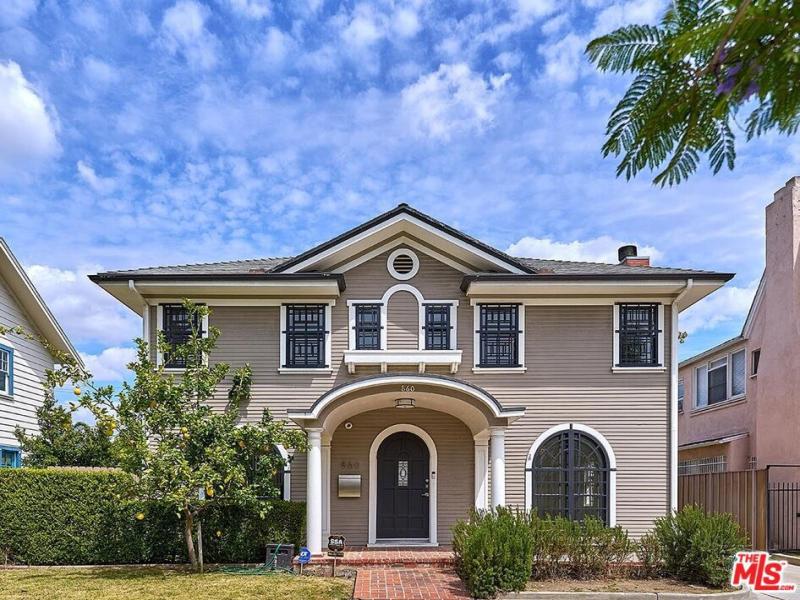
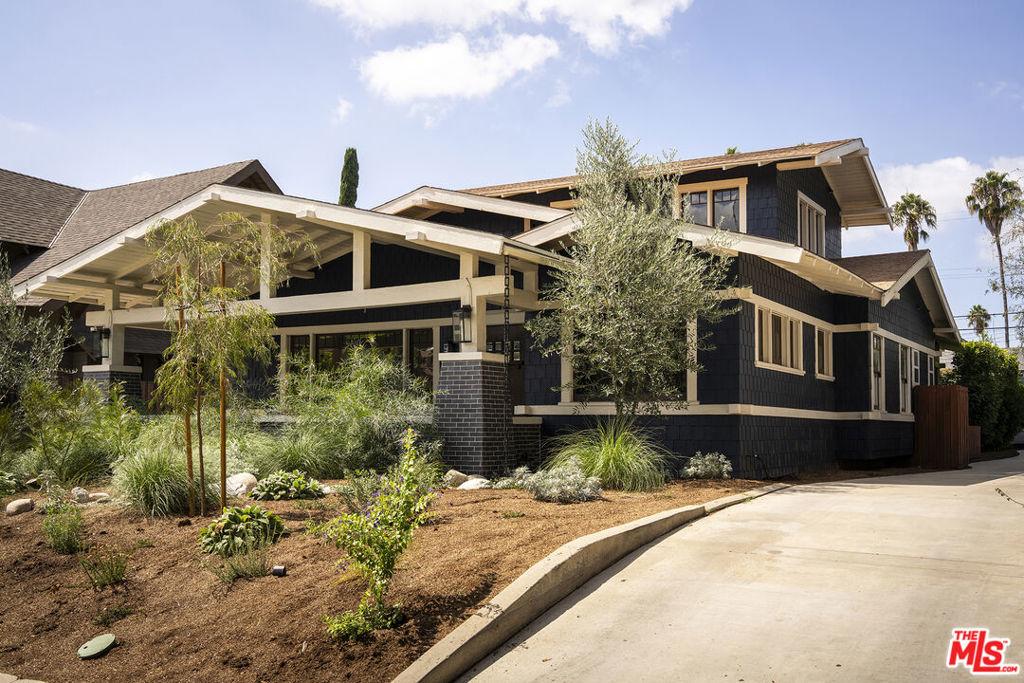
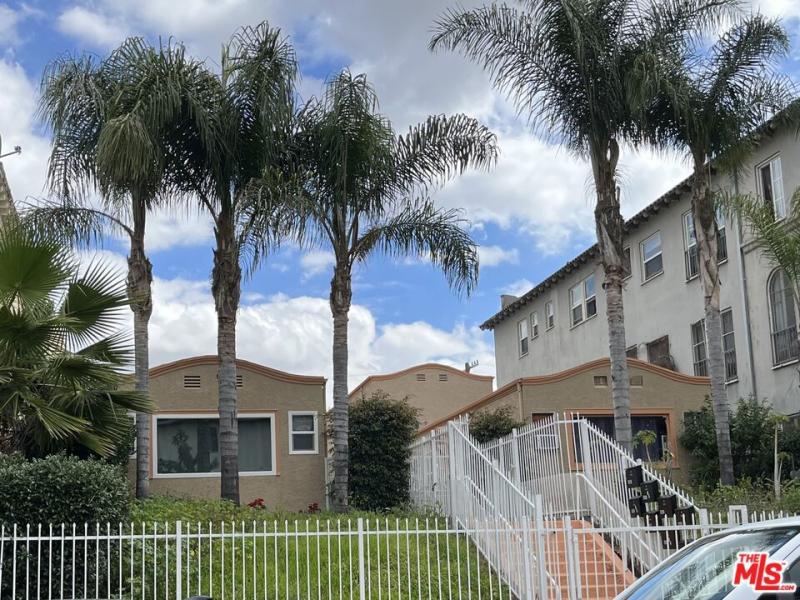
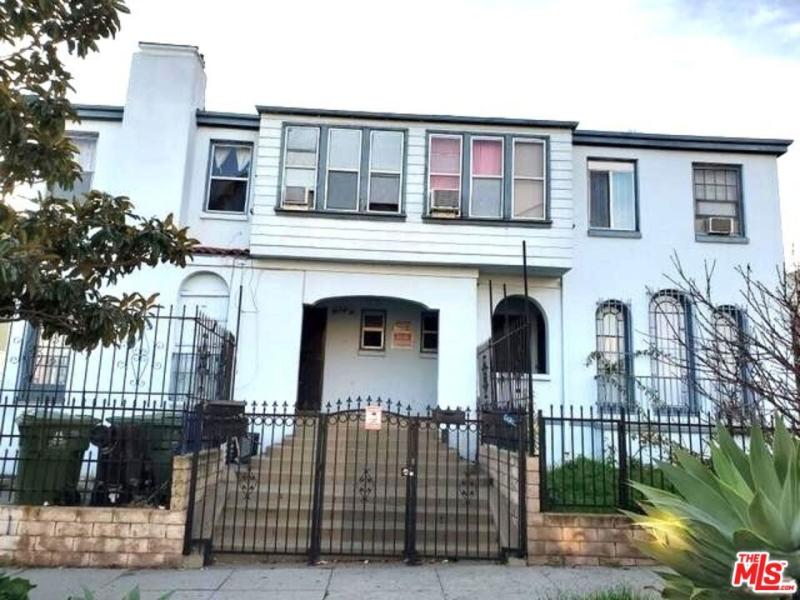
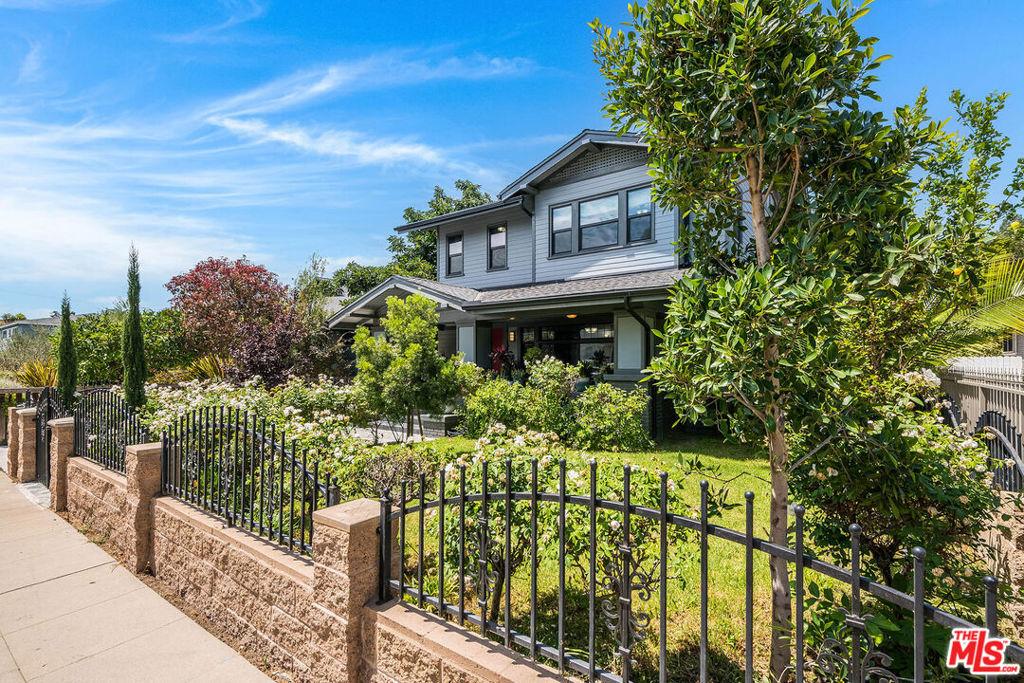
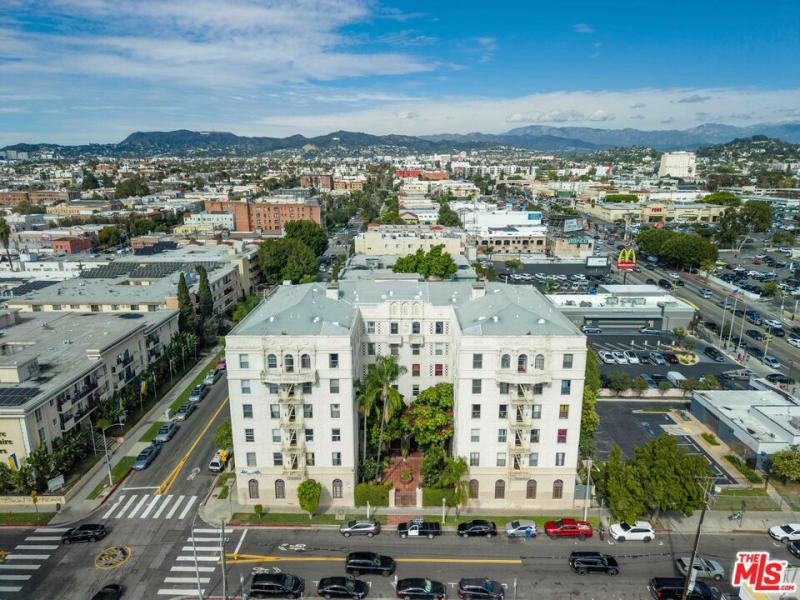
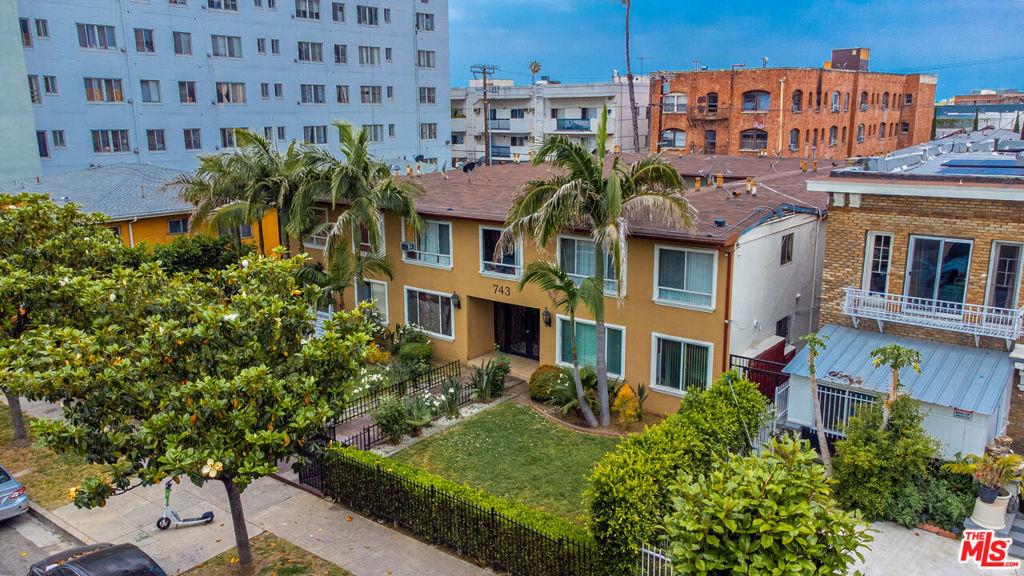
Koreatown’s housing stock is as diverse as its population. You’ll find everything from sleek, modern condos to historic Art Deco apartments and even the occasional single-family home.

Let’s break it down:

  • Looking for a starter home? One-bedroom condos average around $467,759.
  • Need more space? Two-bedroom homes hover around $685,284.
  • Want room for a home office (or three)? Three-bedroom properties average $979,260.
  • Dreaming big? Four-bedroom homes in Koreatown will set you back about $1,386,572.

But remember, these are averages. We’ve seen two-bedroom condos with panoramic city views listed for over $1 million, and spacious four-bedroom homes priced under $1 million. In Koreatown, there’s truly something for every budget and taste.

Case Study: The Element 436 Project

To give you a real-world example of Koreatown’s real estate dynamics, let’s look at the Element 436 project. This development faced initial challenges with slow sales, achieving only 1-2 sales per month instead of their target 4-5.

To address this, the development team:
1. Hired a full-time on-site sales team with deep community ties.
2. Developed a targeted marketing plan and messaging strategy.
3. Implemented an extensive broker outreach and open house program.

The result? An additional 15 homes sold over just six weeks, significantly boosting sales and demonstrating the potential for success in Koreatown’s competitive market.

What’s the current Koreatown market like?

As we look to the future, Koreatown’s real estate market shows no signs of slowing down. Several factors are likely to influence the neighborhood’s continued growth:

  1. Transit-Oriented Development: With the expansion of the Metro Purple Line, we expect to see more transit-oriented developments near subway stations. These projects often command premium prices due to their convenience.
  2. Mixed-Use Projects: Developers are increasingly focusing on mixed-use projects that combine residential, retail, and office spaces. These developments create mini-communities within the neighborhood and are particularly attractive to millennials and Gen Z buyers.
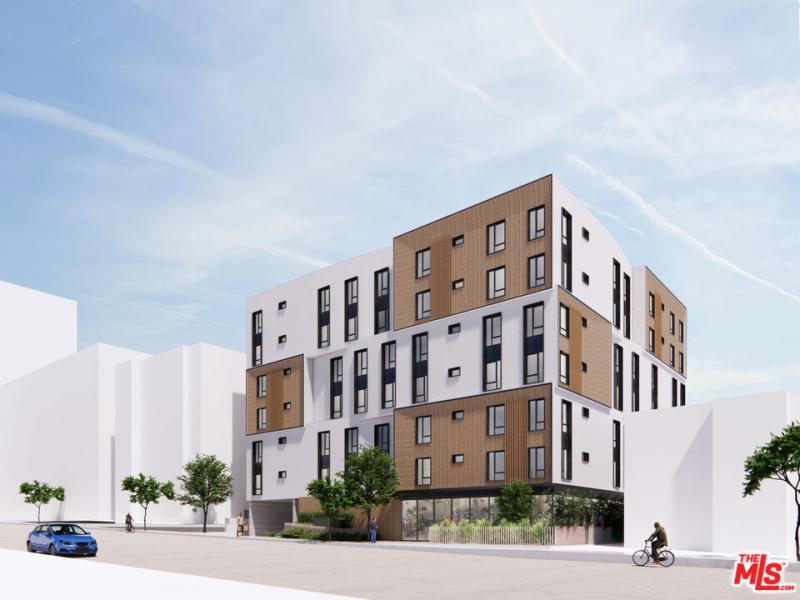
  3. Adaptive Reuse: Koreatown has many historic buildings ripe for adaptive reuse. We’re seeing a trend of developers converting old office buildings and hotels into unique residential spaces, appealing to buyers looking for character and charm.
  4. Green Initiatives: As Los Angeles pushes for more sustainable development, we anticipate seeing more eco-friendly features in new constructions and renovations. This could include rooftop gardens, solar panels, and energy-efficient systems.
  5. Tech Hub Potential: With its central location and relatively affordable commercial rents, Koreatown is attracting start-ups and tech companies. This influx of high-paying jobs could further drive up residential demand and prices.

Koreatown is at a fascinating crossroads. It’s balancing rapid development with the preservation of its unique cultural identity. The next decade will likely see the neighborhood transform into one of LA’s premier urban centers, while hopefully maintaining the diversity and character that make it special.

As you consider making Koreatown your home, keep these future trends in mind. They could significantly impact your property’s value and your living experience in the years to come.

You’ve just taken a whirlwind tour of Koreatown’s real estate landscape. From sizzling market trends to the lifestyle that awaits. It’s clear why this neighborhood is one of LA’s hottest tickets.

But here’s the thing – reading about Koreatown is like looking at a menu without tasting the food. To truly understand the magic of this neighborhood, you need to experience it for yourself.

Verify current figures per MLS before making pricing decisions.

Buyer’s Market Context: In Koreatown

The Los Angeles residential market is hyperlocal. Broad city-level or county-level trends describe the average — and the average doesn’t tell you what’s happening on a specific street in In Koreatown. The factors that affect pricing, days on market, and buyer competition here are micro-level: lot size, views, condition, and proximity to specific amenities.

Price range in In Koreatown: $1.0M to $1.3M+. This reflects the current spread between entry-level and top-end properties in this area. Where you land within that range depends on lot size, condition, bedroom count, and street positioning. Verify all figures per MLS before making pricing decisions.

How do you make an offer in Koreatown?

Buyers in In Koreatown should come prepared: pre-approval in hand, comparable sales reviewed, and a clear sense of their must-haves versus trade-offs. In a well-priced property situation, multiple offers are common. The Knight Group prepares buyers with a current market analysis specific to the address before any offer is submitted.

For sellers: The Knight Group’s approach in In Koreatown includes pre-marketing to qualified buyers before any public listing, which reduces days on market and increases the probability of a clean transaction.

FAQs

FAQs: Your Burning Koreatown Questions, Answered

Q: What’s the average home price in Koreatown? A: As of December 2024, the median home value in Koreatown is $793,582. However, prices can range from the high $400,000s for a one-bedroom condo to over $1.5 million for larger homes.

Q: How’s the public transportation in Koreatown? A: Excellent! Koreatown is served by the Metro Purple Line, with three stations in the neighborhood. You’re just a quick ride from Downtown, homes for sale in hollywood ca, and beyond. Plus, numerous bus lines crisscross the area.

Q: What amenities are common in Koreatown homes? A: Many newer developments offer luxury amenities like rooftop pools, fitness centers, and co-working spaces. In-unit, expect to find modern finishes, open floor plans, and often, city views.

Q: Is Koreatown safe? A: Like any urban area, Koreatown has its challenges. However, crime rates have been steadily decreasing, and many residents report feeling safe in their neighborhood. As always. It’s important to stay aware of your surroundings.

Q: What’s the parking situation like? A: Let’s be real – parking in Koreatown can be challenging. Many newer buildings offer dedicated parking, but it’s often an additional cost. Street parking is available but can be competitive. Many residents find they can live car-free thanks to the excellent public transportation.
Q: Are there good schools in Koreatown? A: Koreatown has a mix of public and private schools. Some of the higher-rated public schools include Young Oak Kim Academy and UCLA Community School. There are also several well-regarded private schools in the area, such as Wilshire Private School and St. James’ Episcopal School.

Q: What’s the nightlife like in Koreatown? A: Koreatown is famous for its nightlife. From trendy speakeasies to all-night karaoke rooms, there’s always something happening after dark. The neighborhood is particularly known for its soju bars and pojangmacha (outdoor drinking tents).

Q: How diverse is Koreatown? A: Koreatown is one of the most diverse neighborhoods in Los Angeles. While it has a large Korean American population. It’s also home to significant Latino, Bangladeshi, and Filipino communities. This diversity is reflected in the neighborhood’s cuisine, businesses, and cultural events.
How does In Koreatown compare to nearby neighborhoods?

In Koreatown offers a distinct combination of location, price point, and community character. The right comparison depends on your priorities — buyers choosing between In Koreatown and nearby options typically trade off commute distance, lot size, school options, and price. The Knight Group can walk you through the trade-offs for your specific situation.
What should I know about schools in In Koreatown?

School assignments in In Koreatown depend on your exact address. The Knight Group recommends confirming your assignment directly with the local district before committing to a purchase — school boundaries do not follow neighborhood or zip code lines and can change. We can identify which addresses within In Koreatown fall into specific school zones.
What is the buying process like in In Koreatown?

Buyers in In Koreatown should expect to move quickly on well-priced properties. The Knight Group prepares buyers with a current market analysis before any showing — comparable sales, days on market, and pricing trend — so you can make a confident decision on the spot if needed. Pre-approval from your lender should be in hand before touring.

Hey, You ALMOST MISSED IT!

Lucky for you we’re looking out.

Subscribe to this Custom Search to be alerted when new properties hit the market in the area.

Choose the frequency that works for you.

get alerts

[showcaseidx_contact]