Browse all Los Angeles real estate — or explore the full Los Angeles luxury real estate market.

Browse all Los Angeles real estate — or explore the full Los Angeles luxury real estate market.
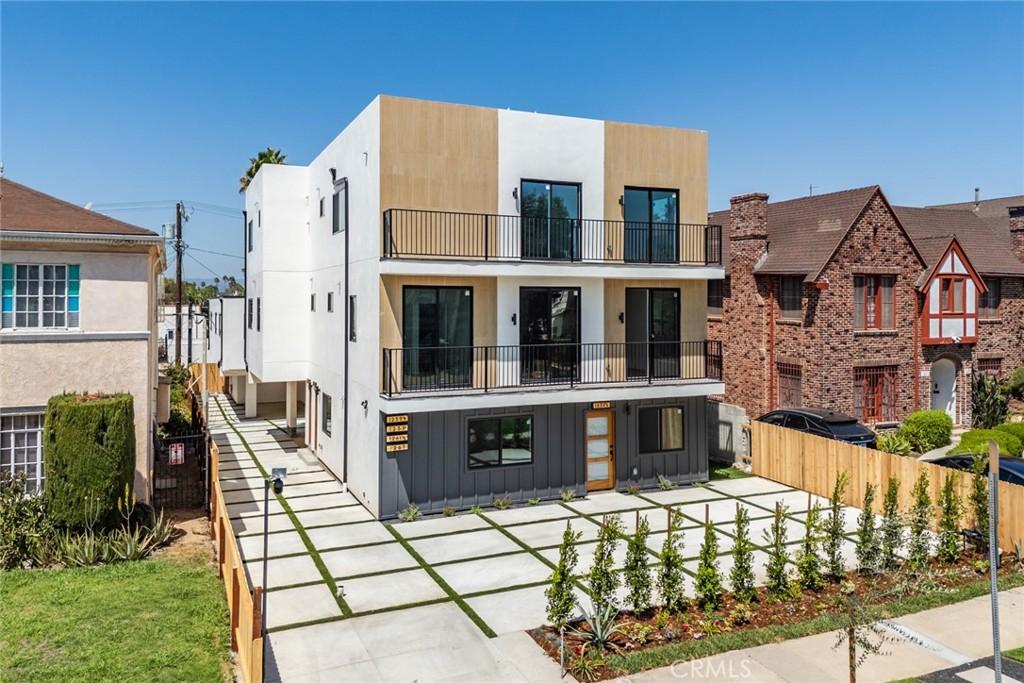
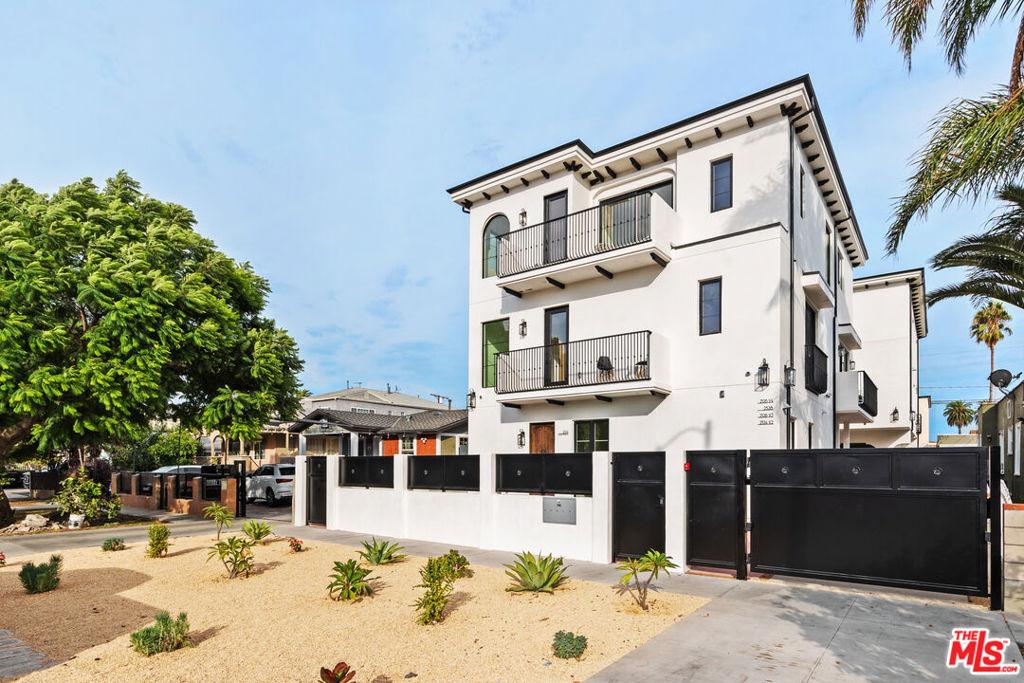
Most buyers looking at Mid City homes for sale are here for two reasons: pre-1930 architecture and a basis that has historically sat below the neighborhoods immediately north. The district runs roughly 3.47 square miles between Pico Boulevard and the Santa Monica Freeway, from Crenshaw Boulevard west toward Robertson and La Cienega, mostly in ZIP codes 90016 and 90019. You are close to the Westside, Culver City, and Downtown. Several pockets carry Historic Preservation Overlay Zone protection, which limits what you can change on a facade and, in exchange, keeps the streetscape stable.
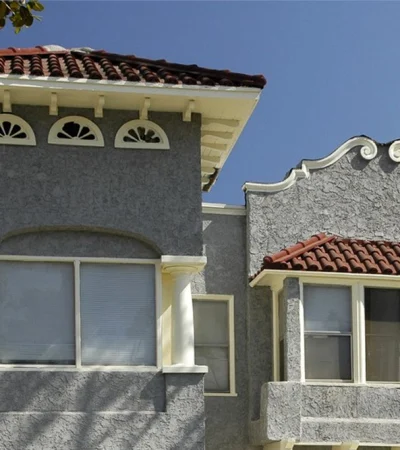
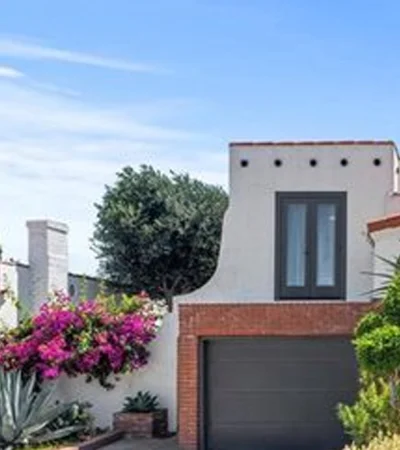
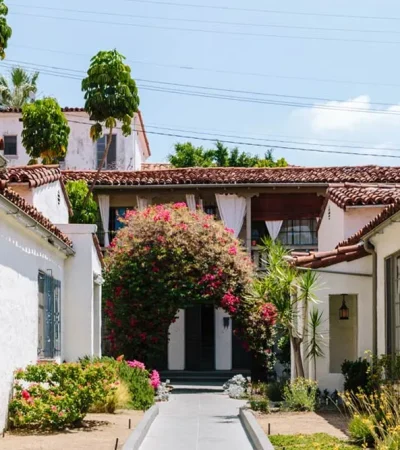
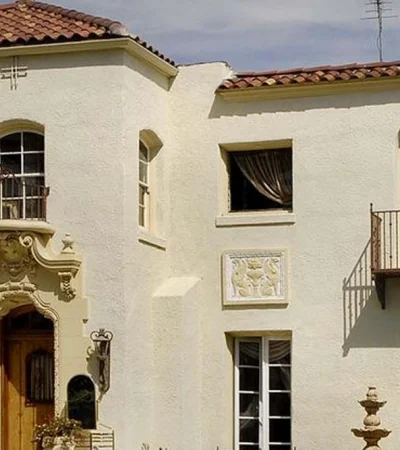
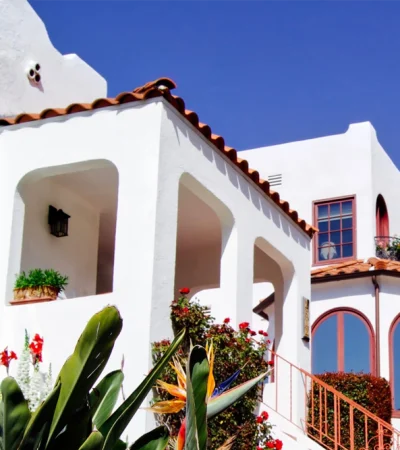
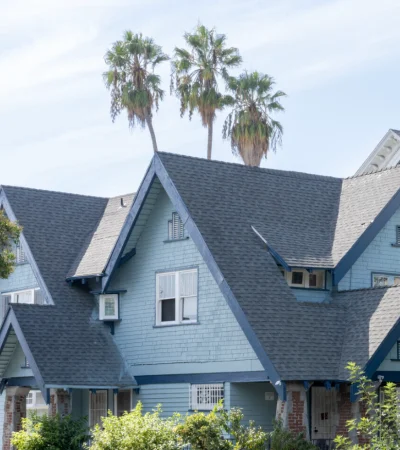
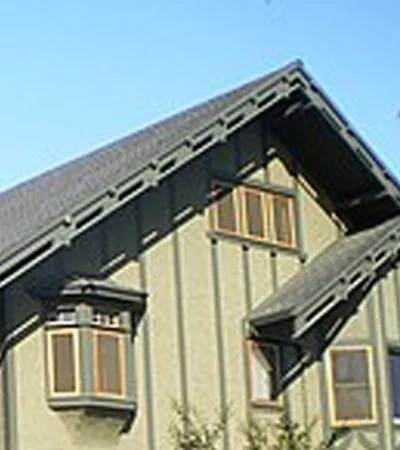
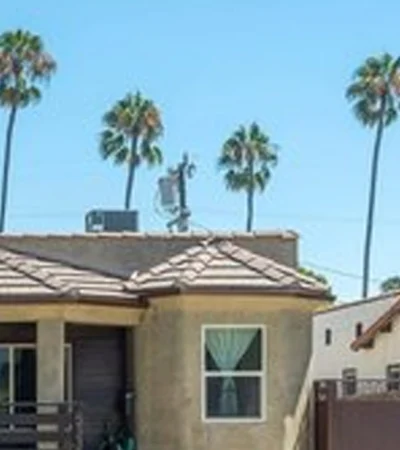
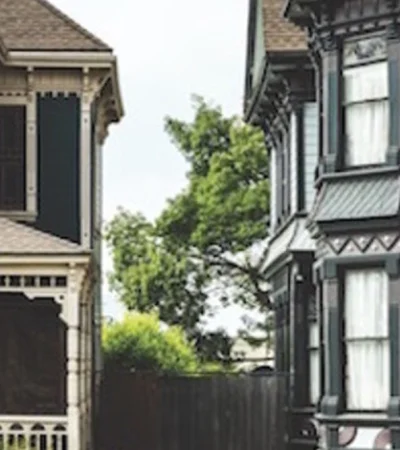
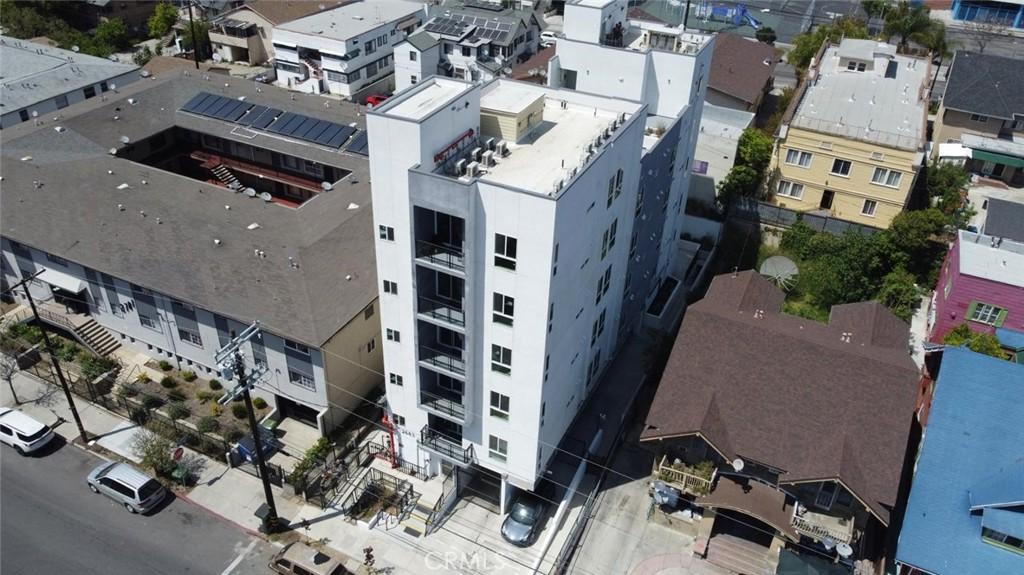
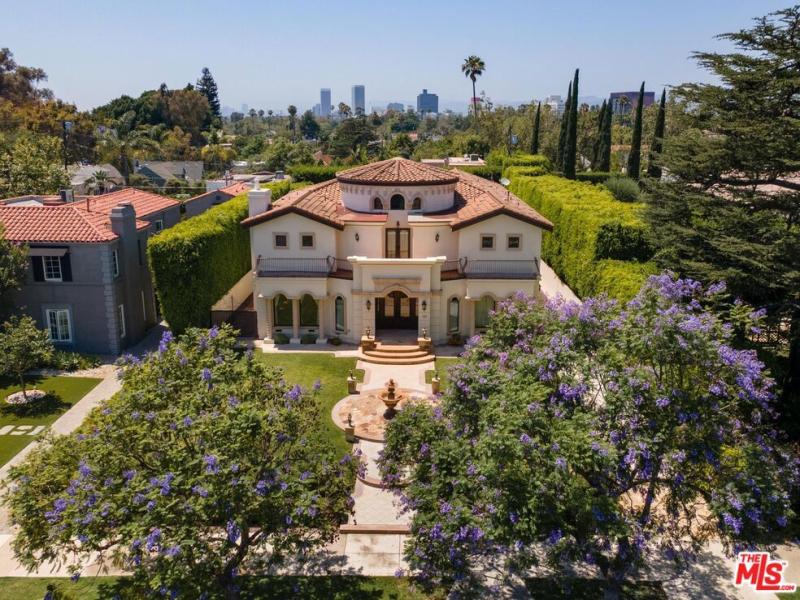
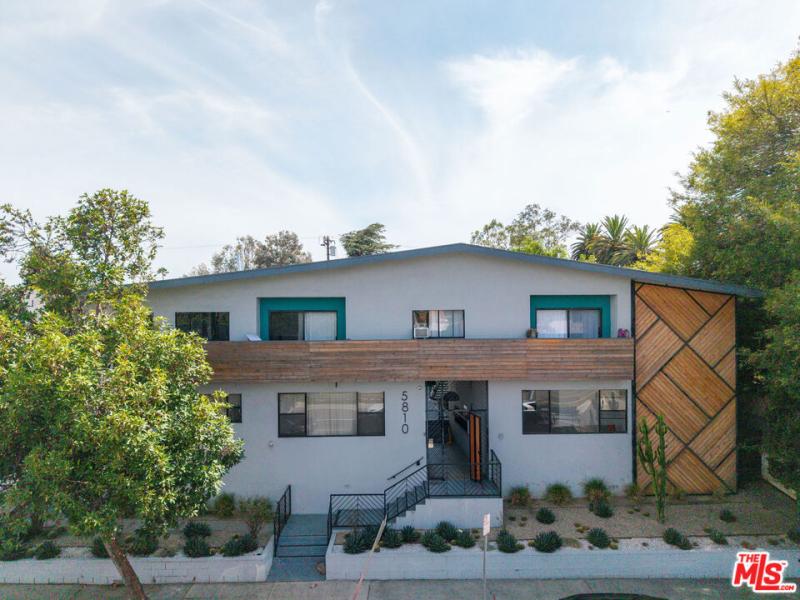
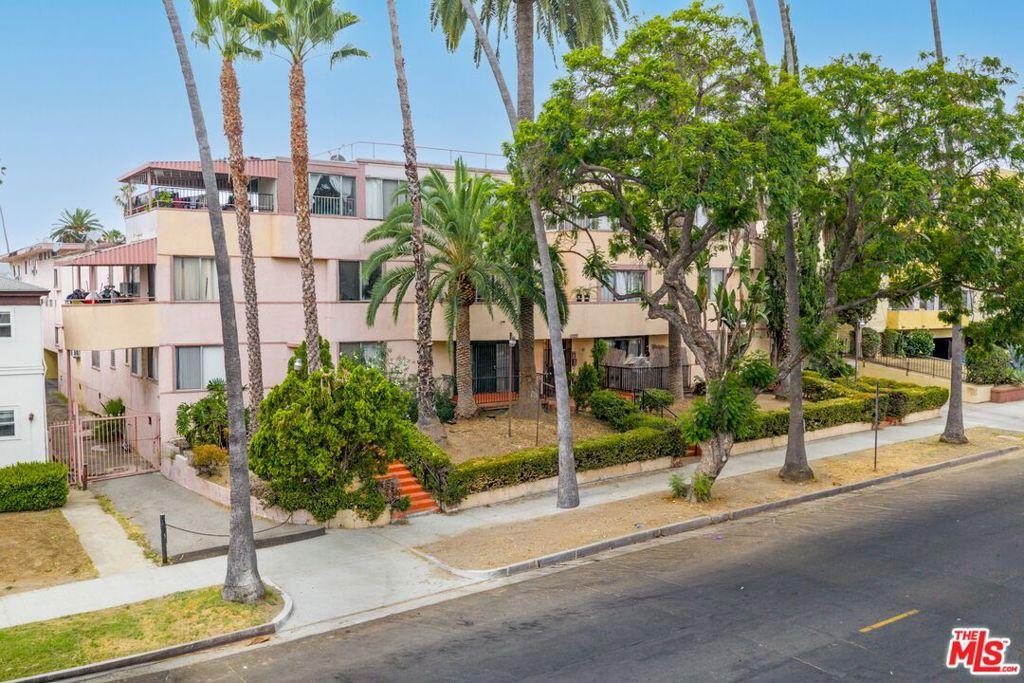
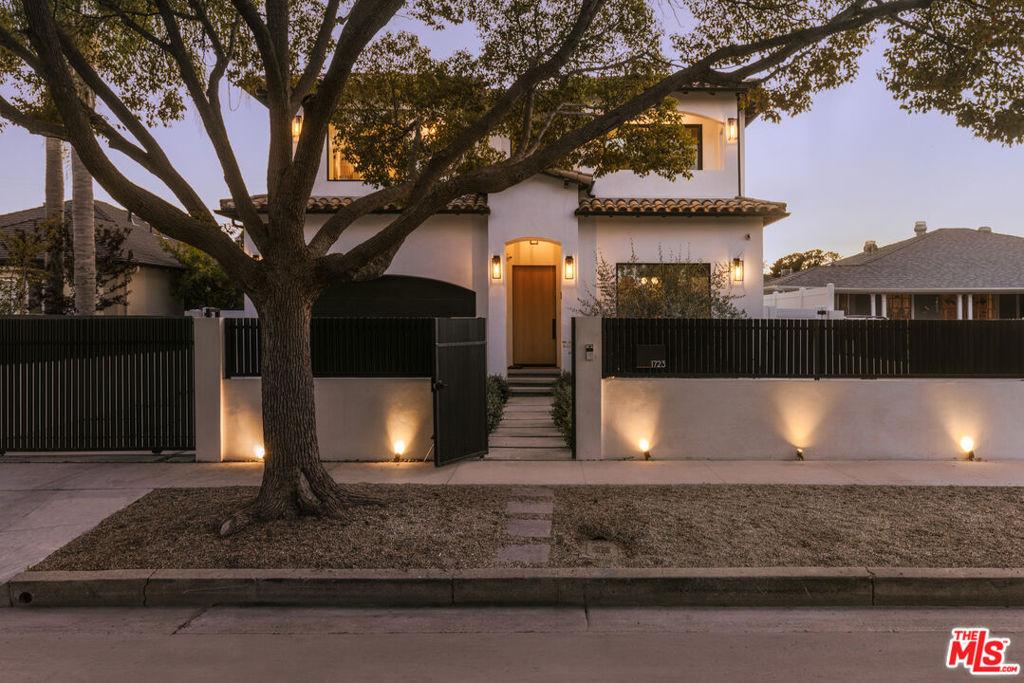
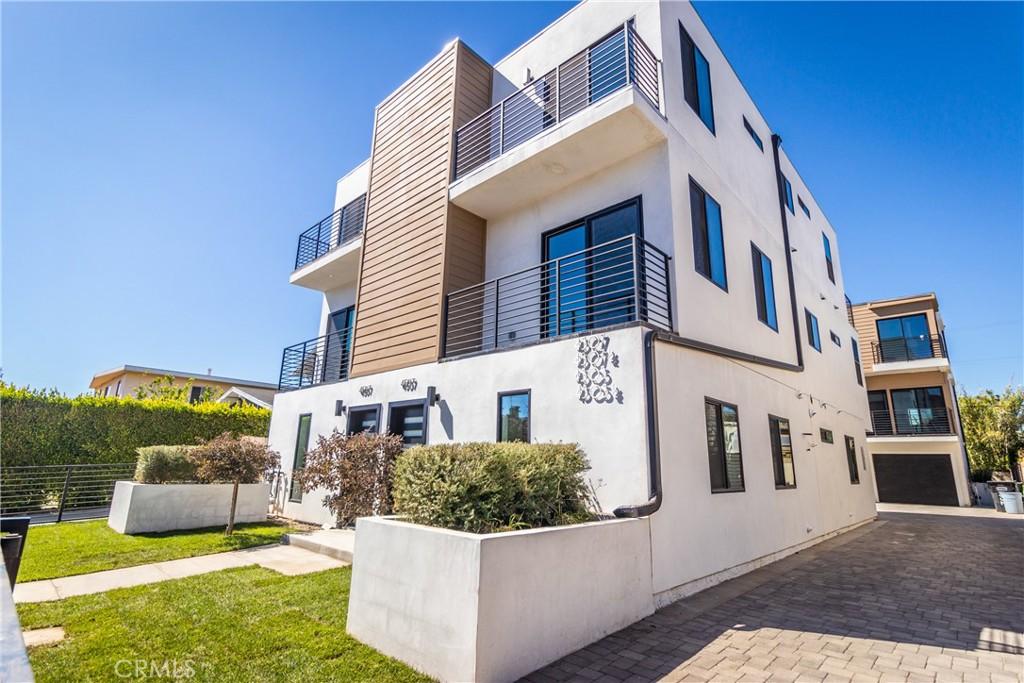
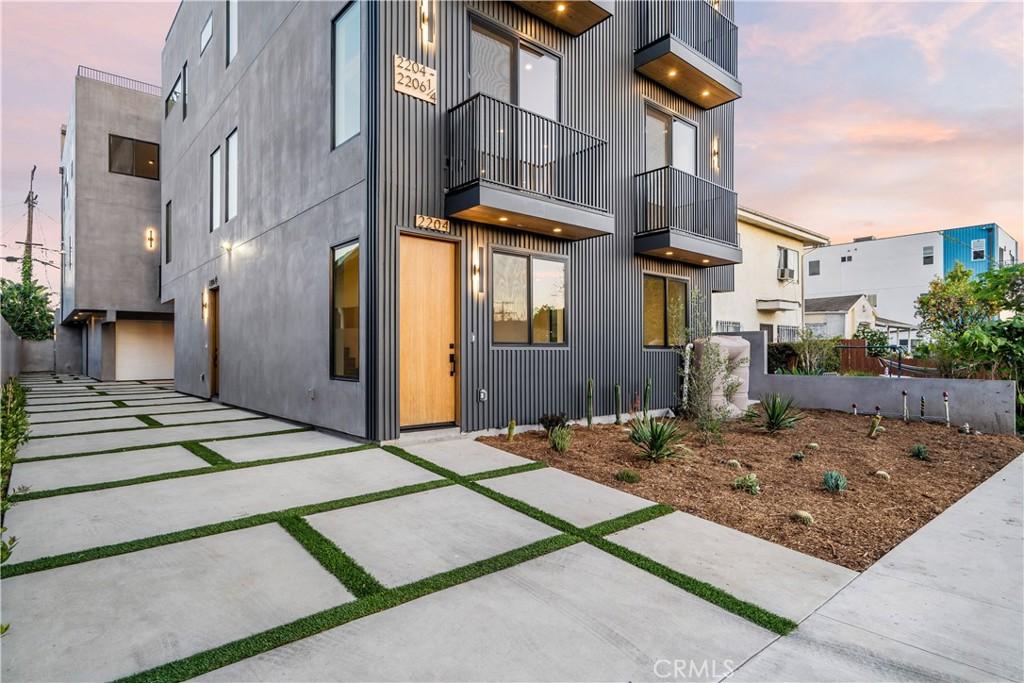
The stock is mostly detached single-family houses built between about 1902 and the late 1930s, plus duplexes and small apartment buildings. Craftsman, Spanish Colonial Revival, Mediterranean Revival, and Tudor Revival dominate. Scale swings hard: Lafayette Square averages around 3,600 square feet, while blocks nearby are modest bungalows. In Picfair Village, north-south streets hold 5,000 to 6,000 square foot lots and east-west streets hold smaller ones. Two streets four blocks apart can differ more than two cities.
Browse current Mid City listings below, or contact The Knight Group for a block-by-block read before you commit to a tour route. Here the difference between two streets four blocks apart is often larger than the difference between two cities.
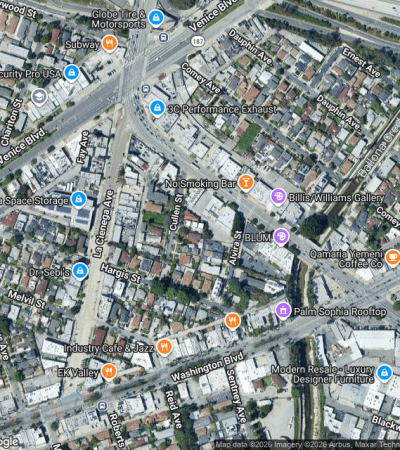
Per the Los Angeles Times Mapping L.A. project, Mid City is bounded on the north by Pico Boulevard, on the east by Crenshaw Boulevard, and on the south by the Santa Monica Freeway, with western edges formed by Robertson Boulevard, La Cienega Boulevard, and Cadillac Avenue. It borders Carthay and Mid-Wilshire to the north, Arlington Heights to the east, Culver City and West Adams to the south, Palms to the southwest, Beverlywood to the west, and Pico-Robertson to the northwest.
Ballona Creek runs through the area, crossed by three bridges at Hauser Boulevard, Burnside Avenue, and Thurman Avenue. Those crossings matter more than they look, because they determine how you move north to south through the district.
One practical warning. The name “Mid City” gets used loosely in listings, and several neighborhoods marketed under it sit outside that line: Wilshire Park is north of Olympic, Pico-Union is well east, and the Culver City Arts District is a separate incorporated city. Confirm jurisdiction before assuming anything about taxes, rent rules, or school assignment.
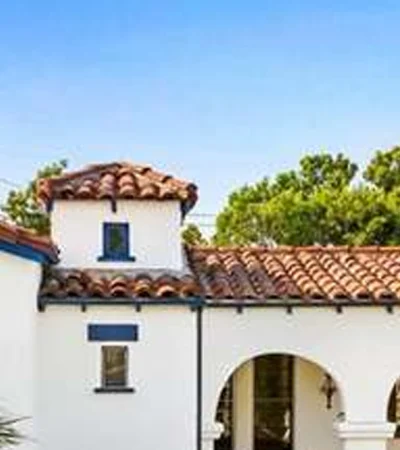
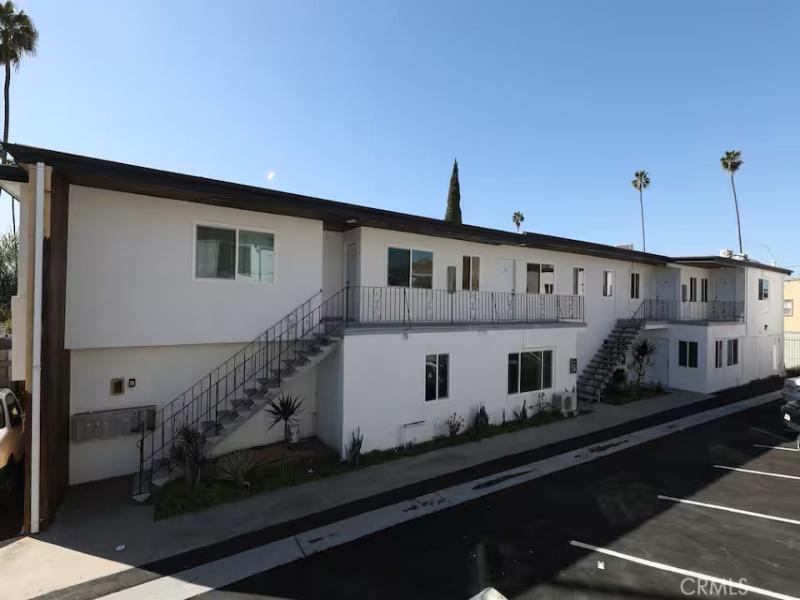
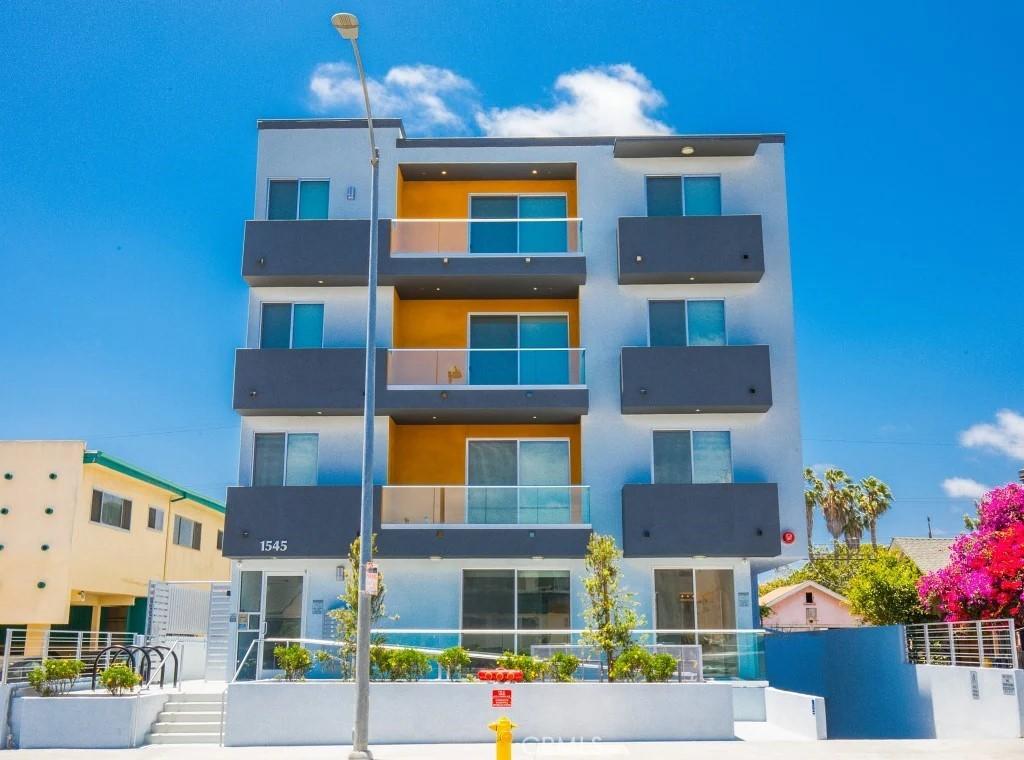
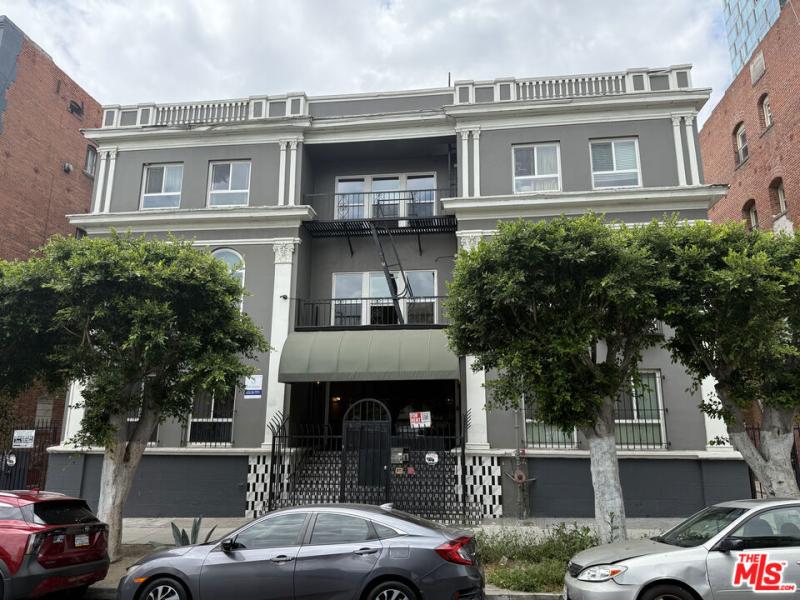
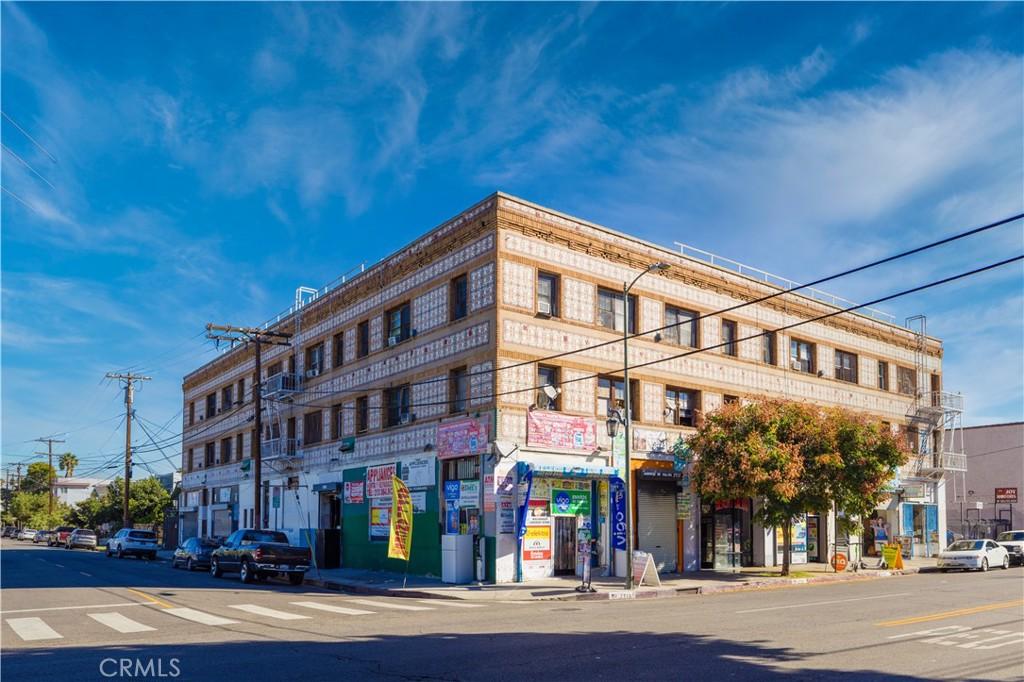
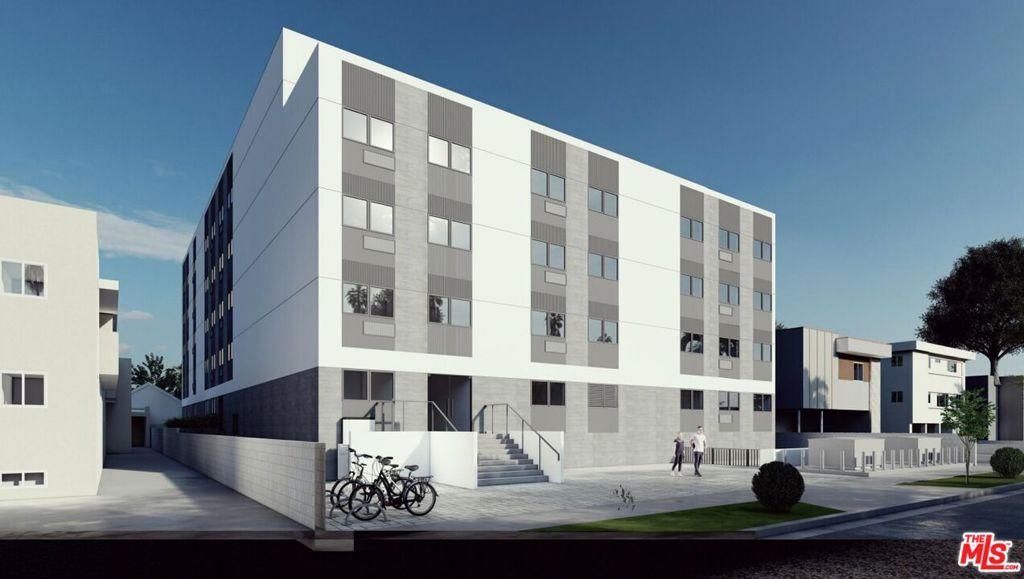
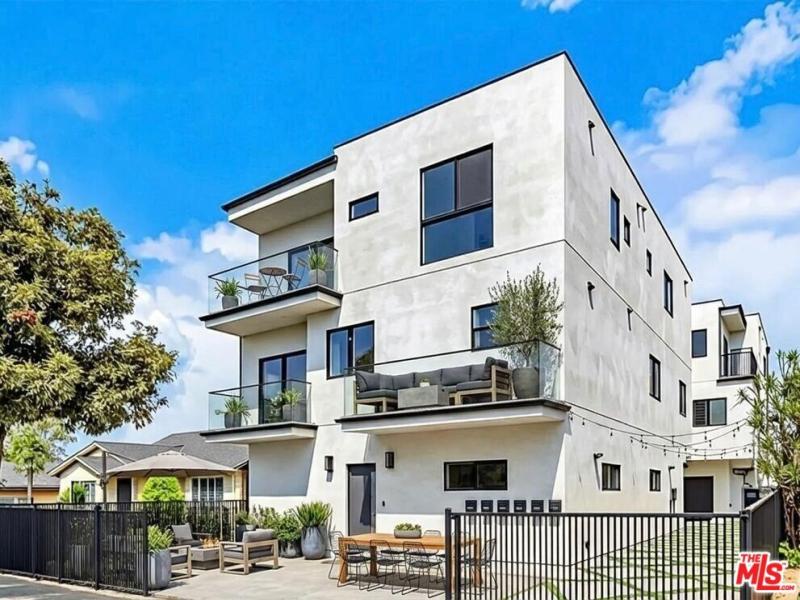
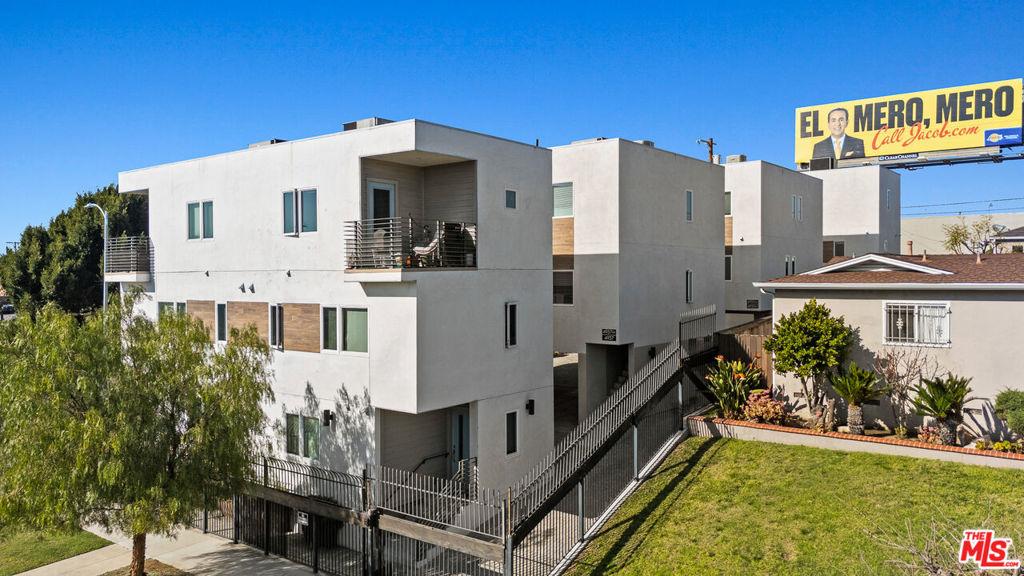
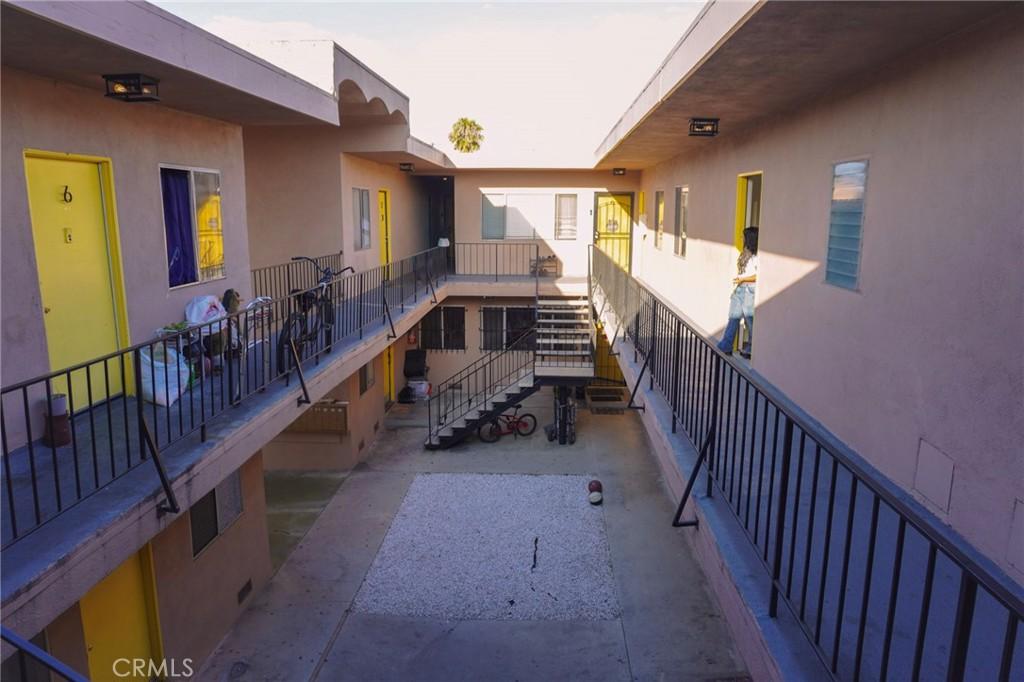
Mostly detached single-family houses built between roughly 1902 and the late 1930s, plus a meaningful layer of duplexes and small apartment buildings. Dominant styles are Craftsman, Spanish Colonial Revival, Mediterranean Revival, Tudor Revival, and Colonial Revival, with pockets of Art Deco and mid-century multi-unit construction.
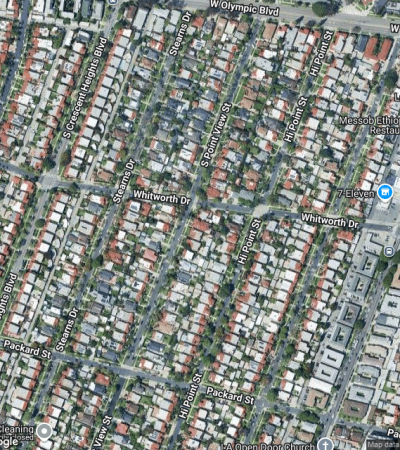
Lot geometry varies by street orientation in a way that catches buyers out. In Picfair Village, full-size lots of roughly 5,000 to 6,000 square feet run along the north-south streets, while the east-west streets carry smaller bungalow lots. That single fact explains much of the price spread inside one neighborhood.
Scale ranges widely. Lafayette Square homes were originally built at 5,000 to 6,000 square feet, and the average there is now about 3,600 square feet. A few blocks away the stock is modest bungalows. Mid City is not a uniform market and should not be underwritten as one.
Rental exposure is high. If you are buying to occupy, expect a mixed-tenure block.
This is a district of named tracts, each with its own character, price behavior, and rule set.
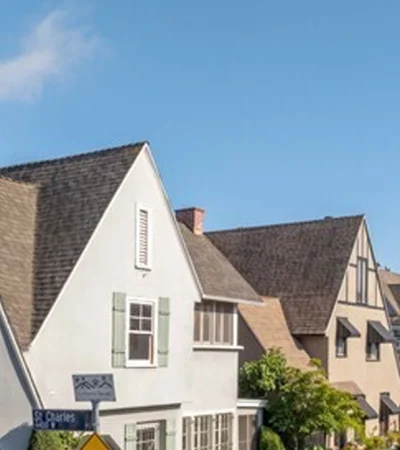
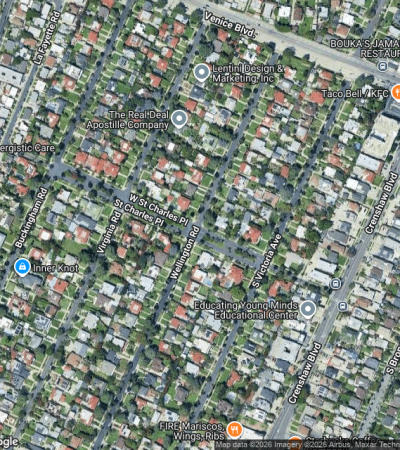
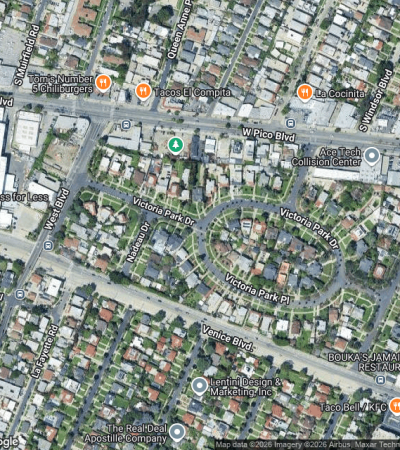
The historic squares along Crenshaw and West Boulevard. Lafayette Square is the marquee address: established in 1913 by developer George Lafayette Crenshaw, eight blocks holding 236 homes between Venice and Washington, HPOZ-designated in 2000. Gates at four street ends were approved in 1989 and built in the early 1990s, so car entry is restricted to St. Charles Place. Past residents include Joe Louis, Little Richard, and architect Paul R. Williams. Victoria Park was first reported January 20, 1907, when a syndicate of a dozen businessmen bought the tract and set a $4,000 minimum construction cost per home. Its houses date mostly to 1910 through 1915 in Arts and Crafts and Craftsman styles, on a circular street plan influenced by Frederick Law Olmsted. Wellington Square is gated and small: four streets holding 209 homes in Spanish Colonial, Tudor, Craftsman, and French Norman styles, subdivided in 1912.
The eastern HPOZ belt. Harvard Heights is the architectural heavyweight: Craftsman homes built between 1902 and 1910, including the only remaining Greene and Greene house in Los Angeles. Its HPOZ, adopted in 2000, covers 34 blocks. Western Heights was developed from around 1903 across seven original subdivisions and includes homes by Paul Williams and John C. Austin. Its HPOZ was approved June 13, 2001, covering roughly 138 parcels of which 117 are contributing. Arlington Heights began in 1904 when a 60-acre tract sold for $75,000, with lots selling between $995 and $2,900 by 1906.
The Carthay side. South Carthay is unusually coherent: 147 Mediterranean homes built from the early 1930s by developer Spyros George Ponty with architect Alan Ruoff, all with red-tile roofs, stucco walls, and wrought iron and glazed-tile detailing, varied by flipped floor plans rather than different styles. It became the city’s second HPOZ in 1984. Carthay Square is one of three HPOZs inside the half-square-mile Carthay district.
The Pico and Fairfax corridor. Picfair Village takes its name from the Picfair movie theatre that stood at Pico and Fairfax. It was developed in 1922 as “Pico Boulevard Heights” by the Santa Monica Land and Water Company, and Los Angeles magazine named it one of the “10 Most Overlooked Neighborhoods” in 2004. Faircrest Heights holds 1920s and 1930s stock between La Cienega and Fairfax.
The western triangle. La Cienega Heights runs between Sawyer and Cadillac, La Cienega and Robertson. Previously called Cadillac-Corning, it took its current name in 2003, is primarily single-family, and is zoned to Hamilton High School. Reynier Village is the triangular pocket bordered by Cadillac Avenue, Robertson Boulevard, and Interstate 10, developed around 1921 and named for a family whose home stood where Reynier Park is today. Its Rocha House on Shenandoah Street is Historic-Cultural Monument No. 13.
The northern and eastern edges. Wilshire Park sits between Wilshire and Olympic, Wilton Place and Crenshaw, developed between 1908 and 1926 in Dutch Colonial, Spanish Colonial, Craftsman, Colonial Revival, and Mediterranean styles. Its HPOZ was approved unanimously in 2008 after residents surveyed every home and parcel themselves without city funding, a first in Los Angeles. Pico-Union sits east of Mid City proper and became the city’s 19th HPOZ on August 10, 2004. It contains two National Register districts, the South Bonnie Brae Tract and Alvarado Terrace, and is one of the densest neighborhoods in Los Angeles, with more than 40,000 residents in 1.67 square miles.
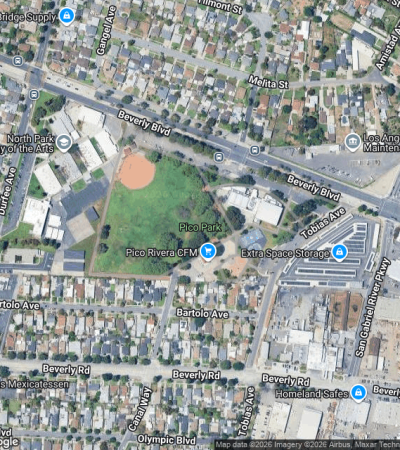
The Culver City edge and the loosely named pockets. The Culver City Arts District occupies the eastern portion of Culver City and grew out of the downtown revitalization of the 1990s and 2000s, drawing an influx of galleries and restaurants. Nearby anchors include the Helms Bakery building of 1930, built in PWA Moderne style, and the Hayden Tract, associated with the architectural experiments of Eric Owen Moss. Culver City’s largest employers include Sony Pictures Entertainment, Apple, Amazon Studios, and TikTok. This district sits inside the City of Culver City, and the rules differ. Then there are the corridor names that appear in listings without formal boundaries: Mid City Los Angeles as the district-wide search, Mid City Heights, Pico del Mar, and Pico Park, all keyed to the Pico Boulevard spine. Treat those four as search conveniences rather than defined districts.
An HPOZ is the most consequential regulatory fact in Mid City, and most buyers underestimate it. Lafayette Square, Harvard Heights, Western Heights, South Carthay, Carthay Square, Wilshire Park, and Pico-Union all carry one. Victoria Park does not: an HPOZ was debated from 2002 but residents never submitted a formal application, though a 2016 city report concluded the tract was an excellent example of an Arts and Crafts neighborhood.
In practice, exterior alterations visible from the public right of way go through review, and properties classified as contributing face tighter scrutiny. Commercial frontages along the main boulevards were generally excluded from the zones.
The trade-off runs both ways. HPOZ status protects your neighbors’ facades as much as it constrains yours, which is why these blocks held their character while unprotected streets nearby did not. It also means a gut renovation with a modern front elevation is off the table, and your remodel timeline includes a review step other buyers do not have. Before your inspection contingency expires, pull the property’s HPOZ status and contributing classification, and read the applicable preservation plan.
This is the strongest argument for the district. The Santa Monica Freeway forms the southern boundary, which puts Downtown, Culver City, and the 405 within a short drive of most addresses. Crenshaw, La Brea, Fairfax, La Cienega, and Robertson run north to south, and Pico, Venice, Washington, and Olympic run east to west.
Rail sits along the southern edge. Metro‘s E Line runs just south of the freeway, with Expo/Crenshaw, Farmdale, Expo/La Brea, La Cienega/Jefferson, and Culver City stations serving the area. Phase 1 opened April 28, 2012, and the Santa Monica extension opened May 20, 2016.
The history matters. Mid City held two major transit junctions: the Rimpau Loop, which served Los Angeles Railway streetcars until 1963, and Vineyard Junction, where Pacific Electric Red Car lines met. Much of the street grid was laid out to feed those lines, which is why so many blocks read as walkable streetcar suburb rather than postwar tract.
Mid City is in the Los Angeles Unified School District. High schools serving the area include Hamilton High School, Los Angeles High School, and the Los Angeles Center for Enriched Studies, with eight elementary schools in the district.
Alexander Hamilton High School sits at 2955 South Robertson Boulevard, opened in Fall 1931, designed by John C. Austin and Frederic M. Ashley in Northern Italian Renaissance style. It served roughly 2,051 students in 2024 through 2025 and operates an Academy of Music and Performing Arts. La Cienega Heights is zoned to Hamilton. Carthay Center Elementary at 6351 West Olympic Boulevard became an environmental studies magnet beginning Fall 2014.
Attendance boundaries in central Los Angeles change, and magnet and permit routes matter as much as the zoned school. Verify the assignment with LAUSD for the exact address.
Pico Boulevard is the commercial spine for the western half, carrying cafes, restaurants, and small retail, and it is where Picfair Village concentrates its neighborhood life. Midtown Crossing is the main large-format retail center.
Cultural anchors are unusually good for a residential district at this price tier. The Nate Holden Performing Arts Center is here, as is The Mint, a music venue established in 1937, and Beth Chayim Chadashim, the world’s first LGBTQ synagogue. The Ray Charles Post Office was renamed in his honor in 2005. Jewel’s Catch One in Arlington Heights opened in 1973 as the nation’s first Black gay and lesbian disco.
The district is genuinely diverse. The 2000 census recorded Mid City at 45.2 percent Latino, 38.3 percent Black, and 9.5 percent non-Hispanic white, with a median age of 31. Those figures are decades old, but the character of a mixed, long-tenured community has held.
Name them before you tour, not after.
Freeway proximity. The Santa Monica Freeway is the southern boundary, and its construction cut through the core of West Adams and took numerous homes by eminent domain. Blocks nearest the freeway carry noise and air quality considerations that blocks six streets north do not.
Renovation constraints. Inside an HPOZ you are buying a facade you cannot substantially change. Outside one, you are buying a neighbor who can.
Block-level variance. Median statistics for a district with this much housing diversity are close to meaningless. A Craftsman on a Victoria Park circle and a duplex on a commercial corner share a ZIP code and nothing else.
Older systems. Stock built between 1902 and the late 1930s means knob-and-tube possibilities, unreinforced foundations, and original sewer laterals. Budget for foundation and sewer inspections on every property here, not just the tired-looking ones.
It applies to properties inside City of Los Angeles limits above the threshold, and most of Mid City is inside those limits. The Culver City Arts District is not.
Measure ULA took effect April 1, 2023, imposing a transfer tax of 4 percent on sales above the lower threshold and 5.5 percent at or above the upper one. Thresholds adjust annually for inflation: as of July 1, 2025, they stood at $5.3 million and $10.6 million. The seller bears the tax, and it applies to the full sale price rather than the amount above the threshold, which is why a number just under behaves very differently from a number just over. It sits on top of the existing documentary transfer taxes of 0.56 percent.
Most Mid City single-family sales will not trigger it. Larger Lafayette Square and Wilshire Park properties, and multifamily or land assemblages anywhere in the district, can. Confirm the current threshold at listing, because it moves every July 1.
Start with the tenure ratio. About 69 percent of Mid City housing units were rentals as of the 2000 census, with Arlington Heights at 81.6 percent renters and Pico-Union at 90.5 percent. This is a rental district with an owner-occupied overlay, not the reverse.
Two regulatory layers govern what you can charge. California’s Costa-Hawkins Rental Housing Act of 1995 preempted parts of local rent control and ended vacancy control, so rents generally reset between tenancies. Statewide, AB 1482 of 2019 caps annual increases at 5 percent plus regional inflation, exempts buildings built within the prior 15 years and most single-family homes unless corporate-owned, and adds just-cause eviction requirements. On top of that, the City of Los Angeles Rent Stabilization Ordinance covers a large share of older multifamily buildings. Verify a property’s RSO status with the Los Angeles Housing Department before you underwrite it.
For rental search by neighborhood, start with Victoria Park rentals, Lafayette Square rentals, Carthay Square rentals, and Arlington Heights homes for rent.
Because pricing varies so sharply block to block, search by tract rather than by district.
On the historic squares: Lafayette Square homes for sale, Victoria Park homes for sale, Wellington Square homes for sale, and Western Heights homes for sale.
On the eastern HPOZ belt: Harvard Heights homes for sale, Pico-Union homes for sale, and Wilshire Park homes for sale.
On the Carthay and Fairfax side: South Carthay homes for sale, Carthay Square homes for sale, Picfair Village homes for sale, and Faircrest Heights homes for sale.
On the western triangle and Culver City edge: La Cienega Heights homes for sale, Reynier Village homes for sale, and Culver City Arts District homes for sale.
Along the Pico corridor: Mid City Heights homes for sale, Pico del Mar homes for sale, and Pico Park homes for sale.
Because the district was assembled tract by tract, evaluating Mid City real estate works better as a comparison between individual streets than as a search across the whole 3.47 square miles. Start with three questions on any address you tour. Is it inside an HPOZ, which constrains facade changes and exterior work? What is the lot orientation, since street direction alone can separate a full-size parcel from a bungalow lot within the same neighborhood? And is it actually in the district at all, given how loosely the name gets applied in listings across 90016, 90019, and beyond?
Then weigh the trade-offs. Gated tracts like Lafayette Square and Wellington Square restrict car access and carry preservation rules; the eastern HPOZ belt offers earlier Craftsman stock on larger blocks. A house built between 1902 and the late 1930s will need mechanical, electrical, and foundation scrutiny regardless of address. Tour several tracts before narrowing.
Most of it is, which determines whether Measure ULA, the city Rent Stabilization Ordinance, and Los Angeles HPOZ rules apply. The Culver City Arts District is not. Confirm jurisdiction by address, not neighborhood name.
Two. Lafayette Square is semi-gated, with gates approved in 1989, built in the early 1990s, and car entry limited to St. Charles Place. Wellington Square is also gated, covering four streets and 209 homes.
Most of the district was built between about 1902 and the late 1930s. Harvard Heights dates predominantly to 1902 through 1910, Victoria Park to 1910 through 1915, Wilshire Park to 1908 through 1926, and South Carthay from the early 1930s.
Yes, but exterior work visible from the street goes through preservation review, and constraints are tighter on contributing properties. Each zone has its own adopted preservation plan. Read it before you buy a house you intend to substantially alter.
The E Line runs along the southern side of the district, with Expo/Crenshaw, Farmdale, Expo/La Brea, La Cienega/Jefferson, and Culver City stations. Those opened in 2012, with the Santa Monica extension following May 20, 2016. Pico-Union is served by the B and D Lines.
Hamilton High School, Los Angeles High School, and the Los Angeles Center for Enriched Studies, all within LAUSD.
It can be. The rental base is deep and the entry basis has historically sat below the neighborhoods directly north. The risk is regulatory rather than market: confirm RSO status and the condition of foundation, sewer, and electrical before you model returns.
We work this district block by block, because that is the only level at which it makes sense. Before you tour, we will tell you which side of Pico an address sits on, whether it is inside an HPOZ and how it is classified, which school it feeds, and how far it is from the freeway wall.
For sellers, we price against the tract rather than the district and model the Measure ULA threshold if the number is anywhere near it. For buyers, we build a diligence sequence that front-loads foundation, sewer, and preservation review before your money goes hard.
Start with the neighborhood searches above, then contact The Knight Group with the two or three tracts you want to compare. We will send the comparable set and the regulatory read on each before you spend a Saturday driving.
The Knight Group is here to help you with all your realty needs. To get started, fill out the form below and one of our experienced agents will contact you as quickly as possible.
Copyright © 2024 The Knight Group.
All rights reserved. License: 02133297