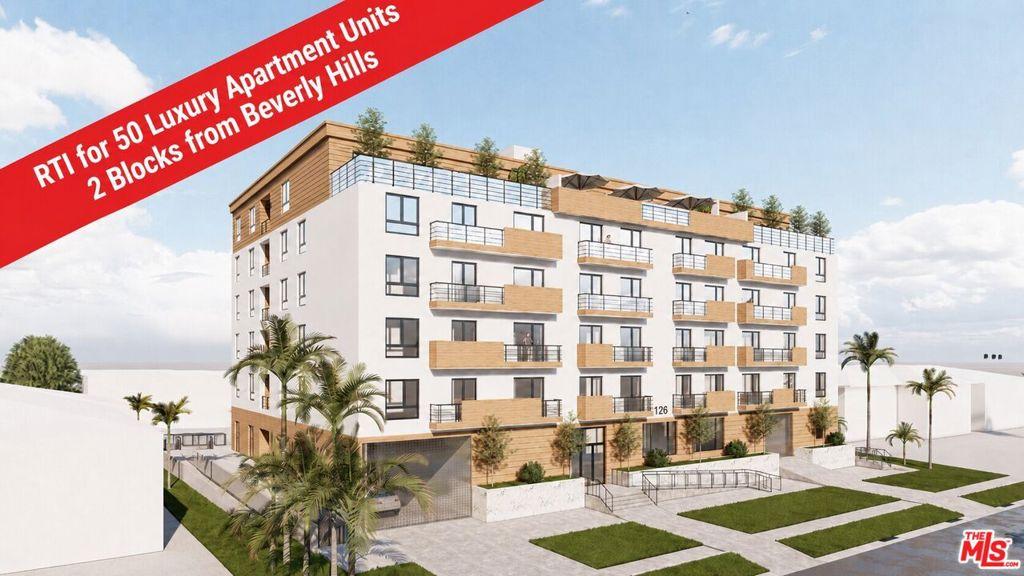
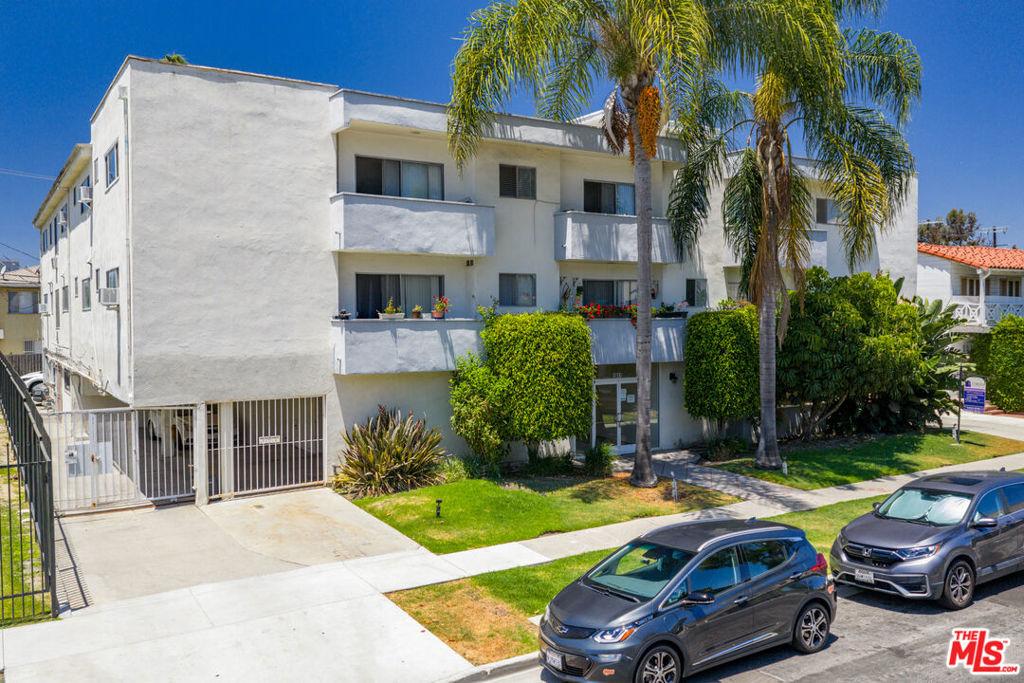
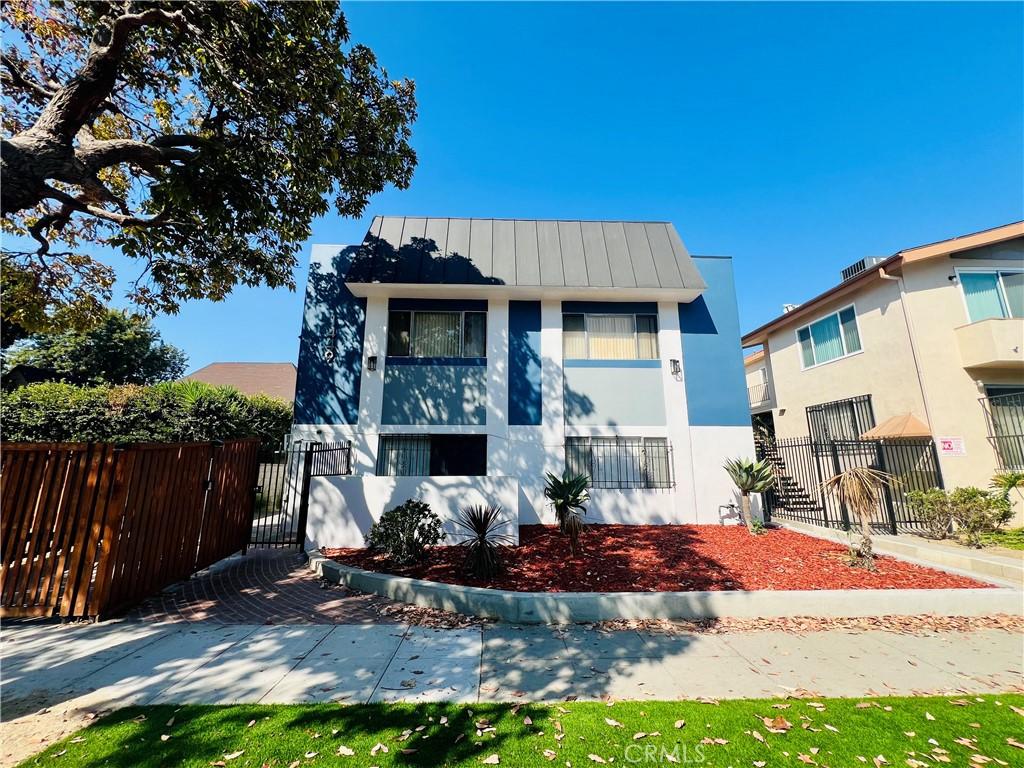
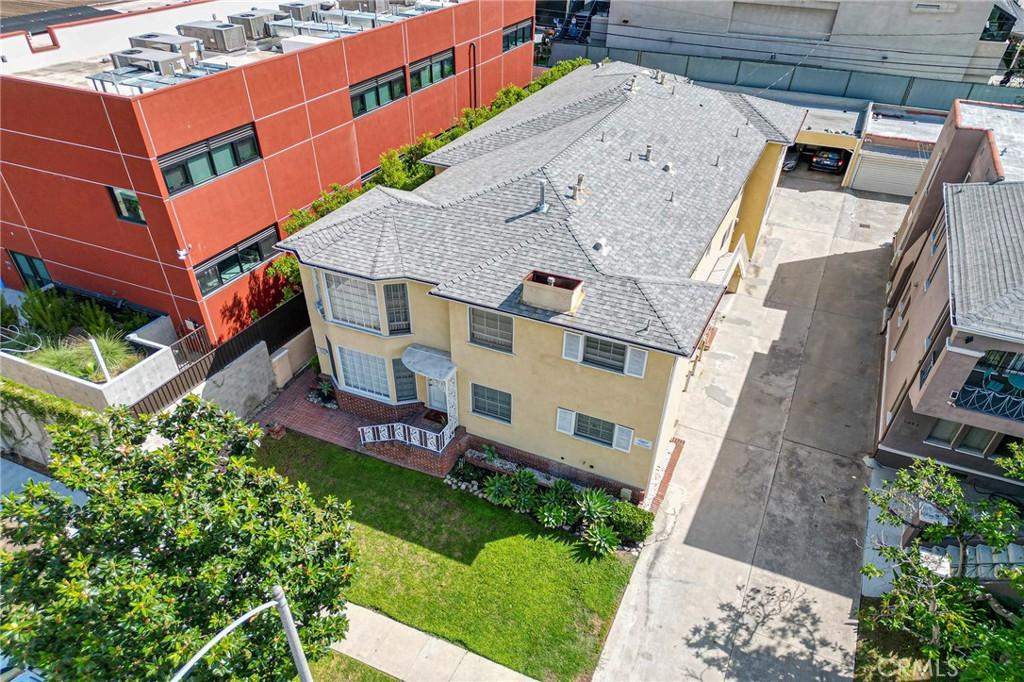
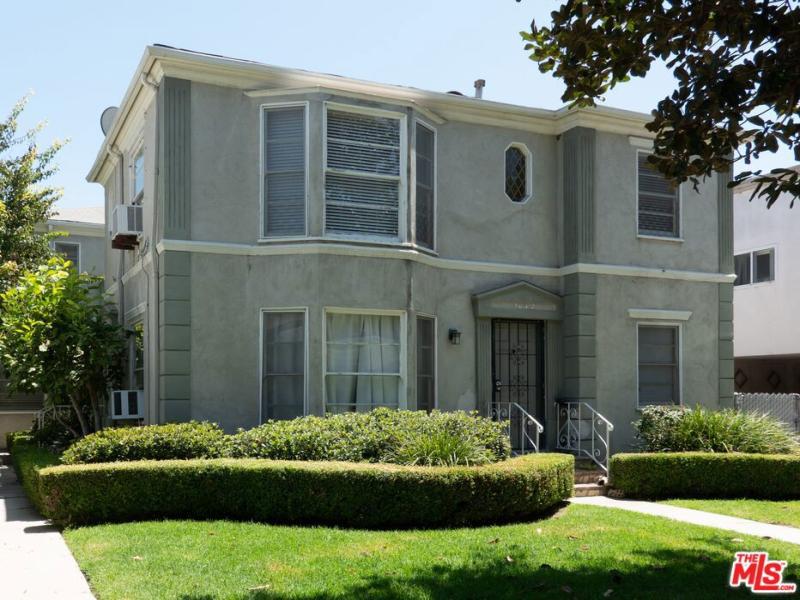
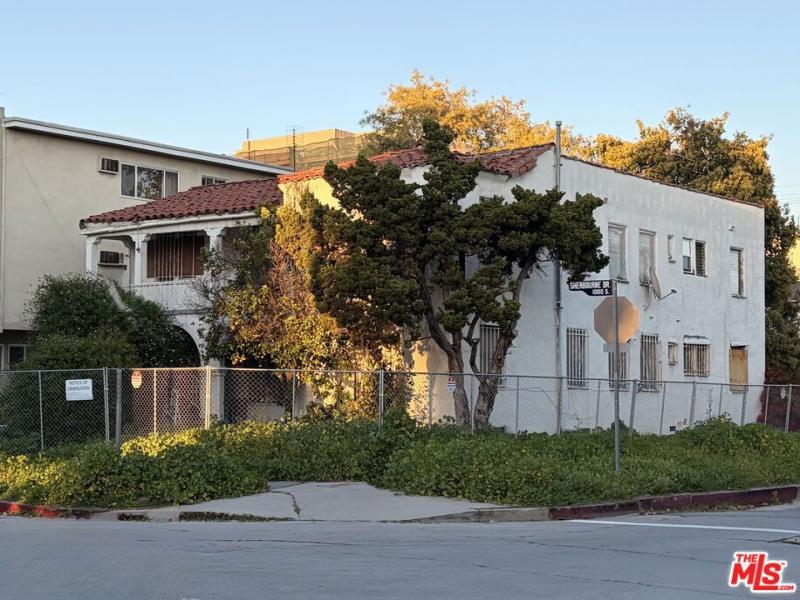
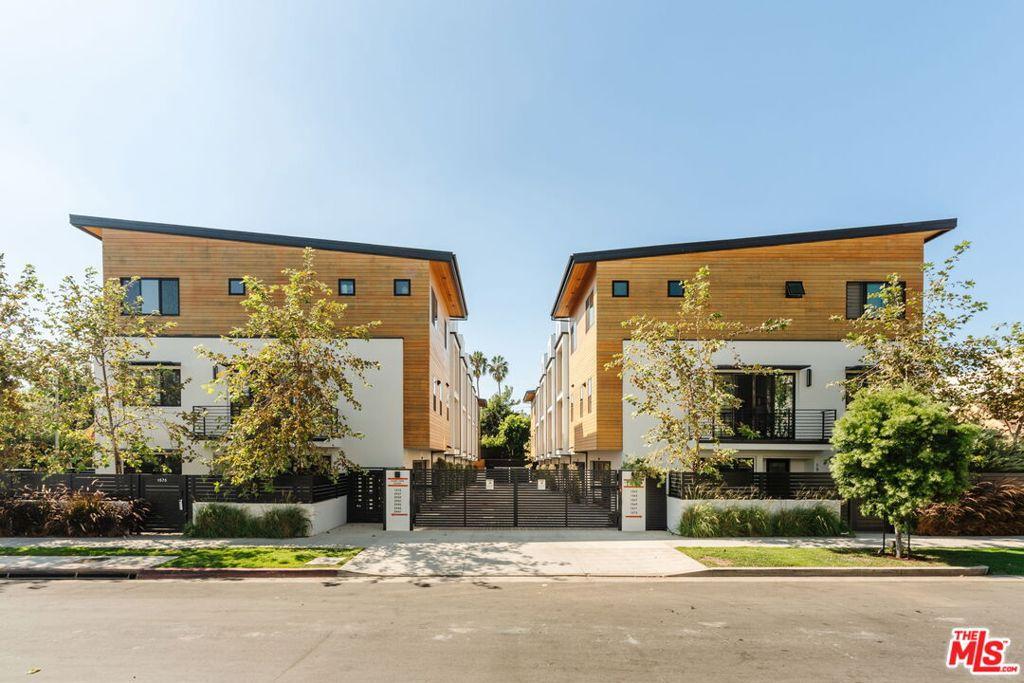
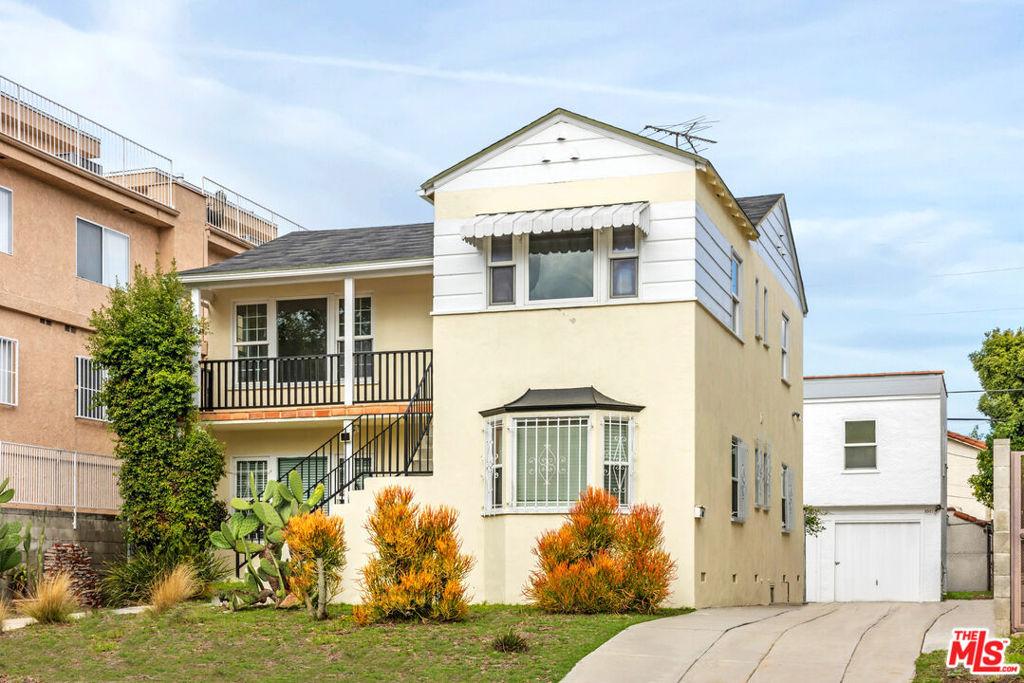
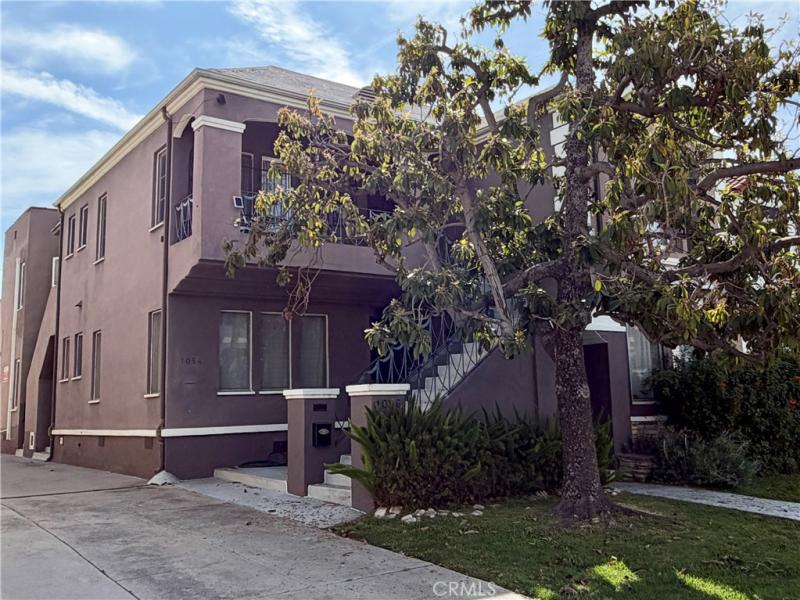
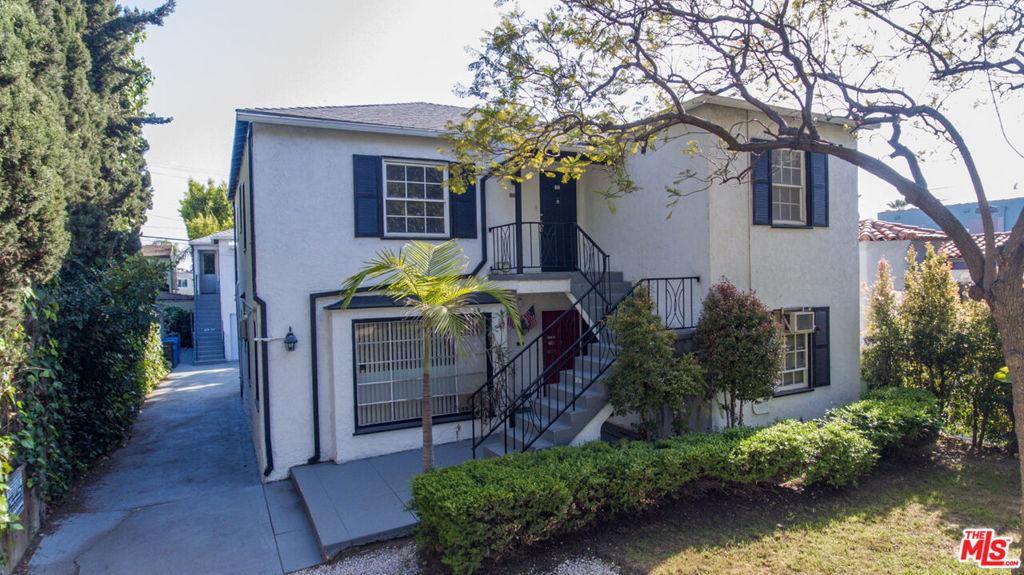
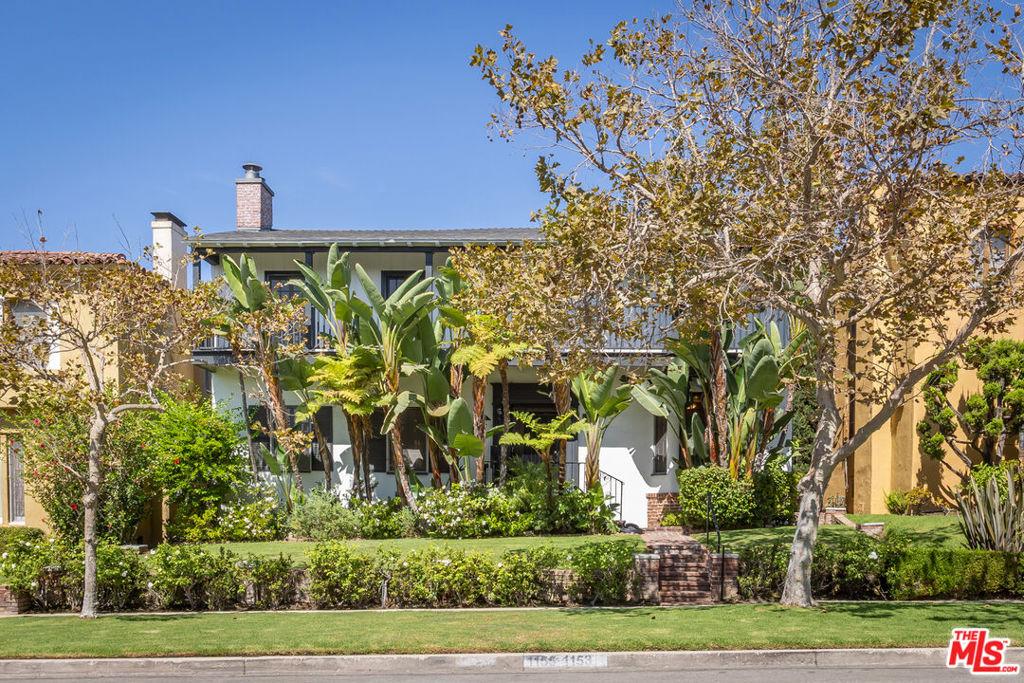
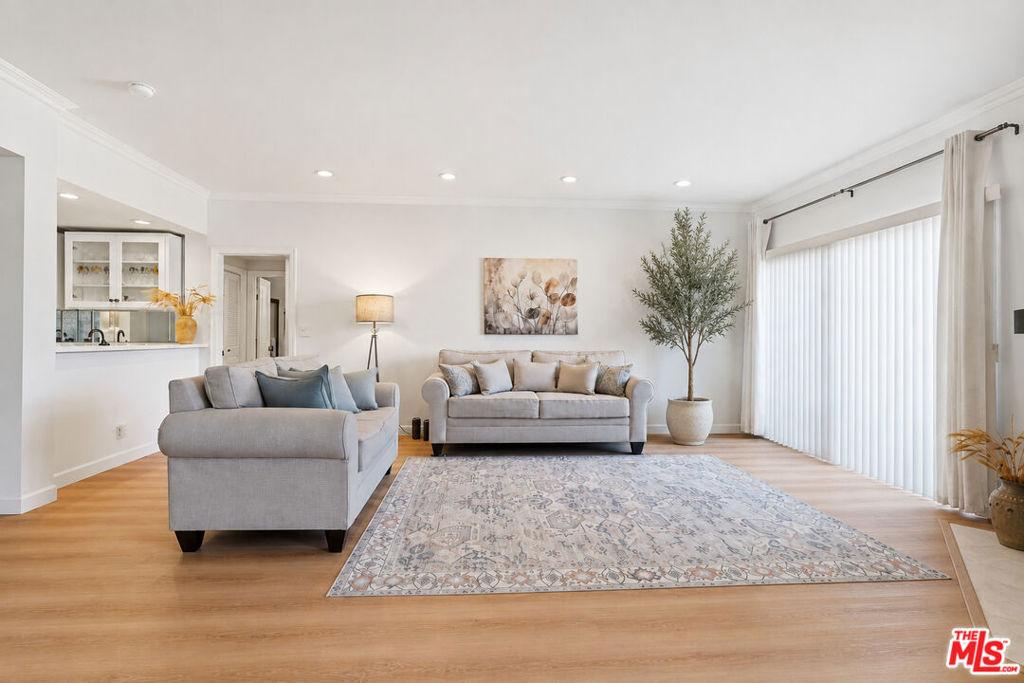
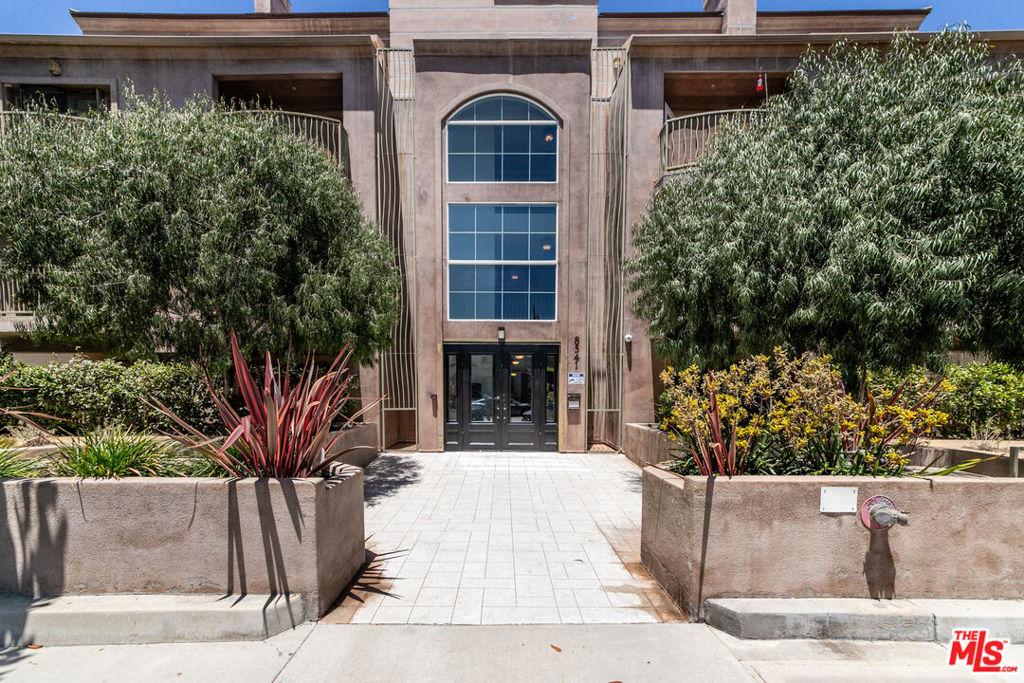
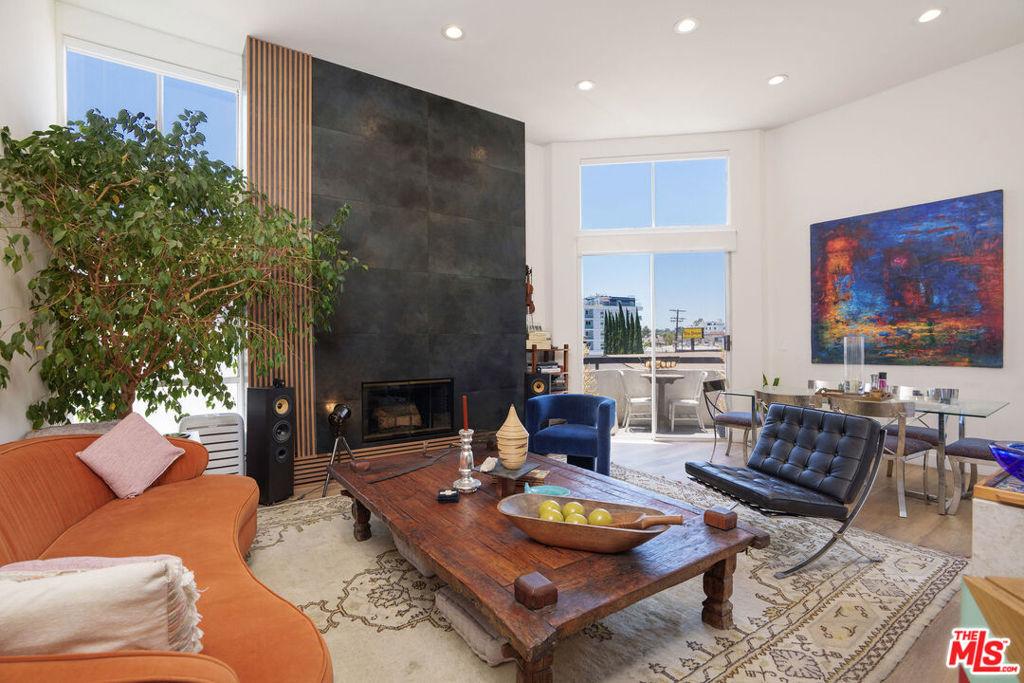
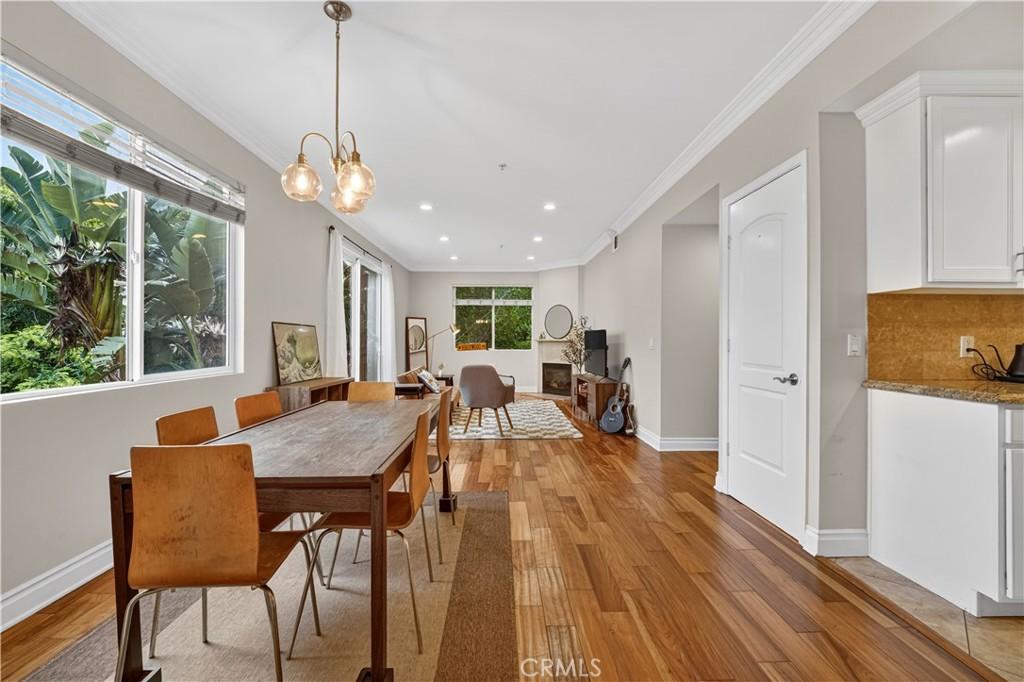
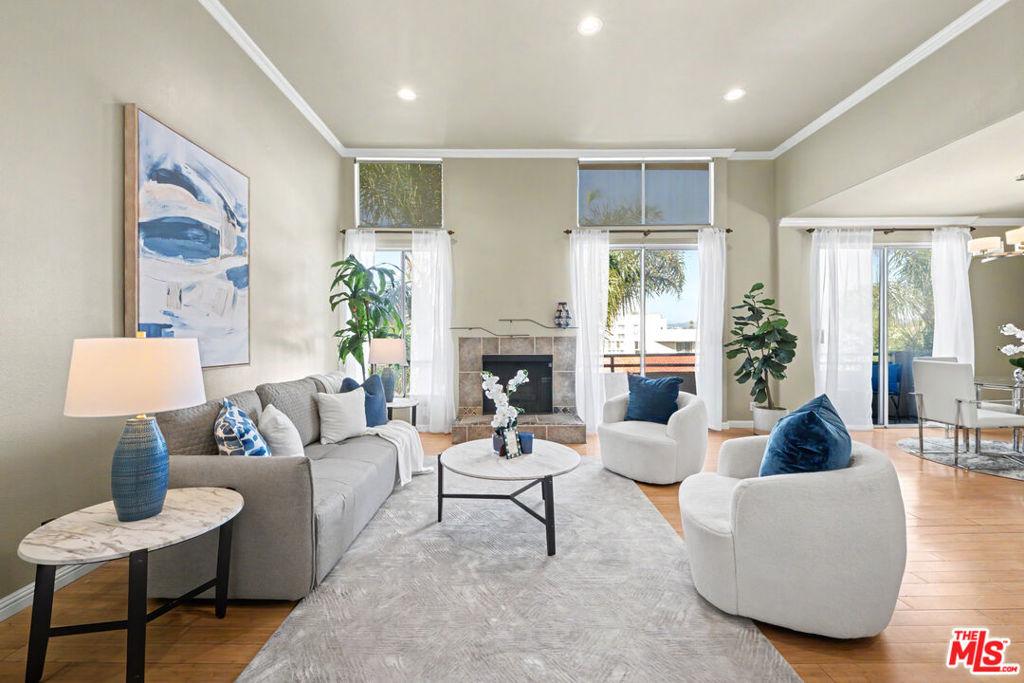
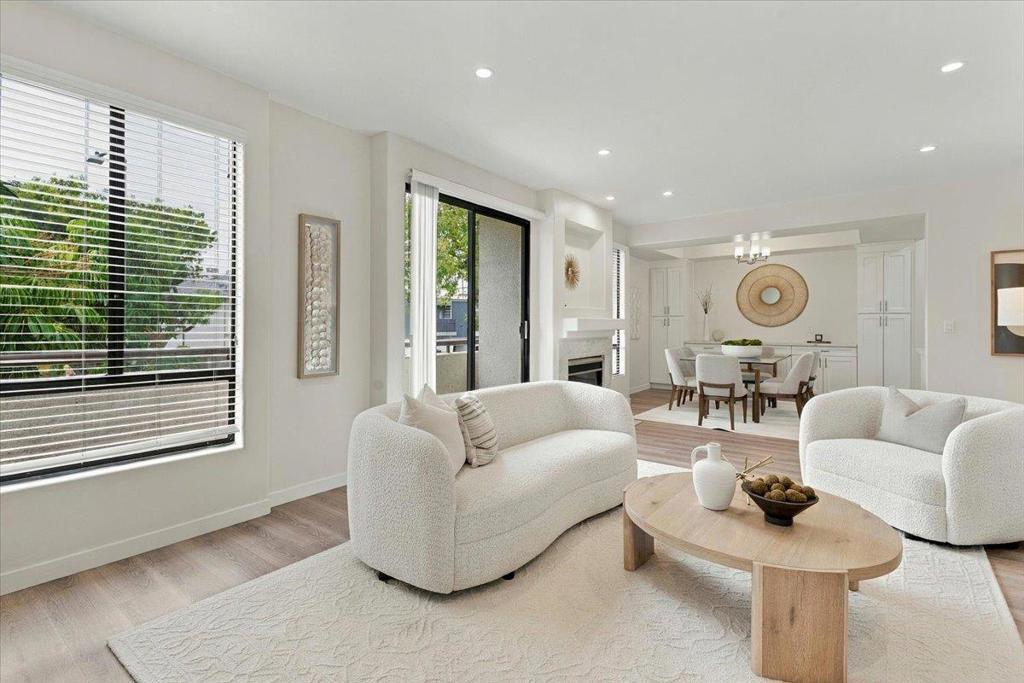
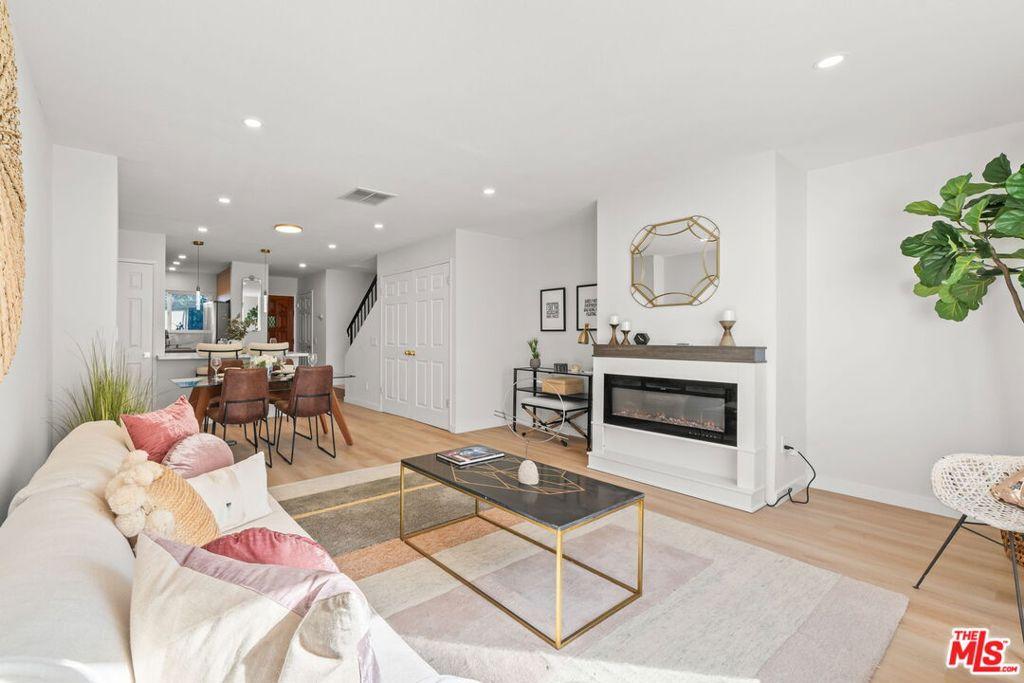
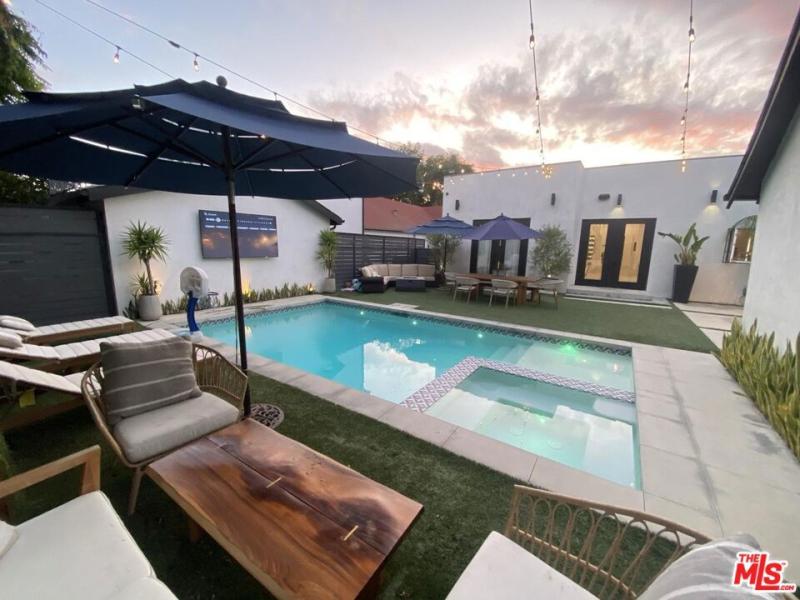
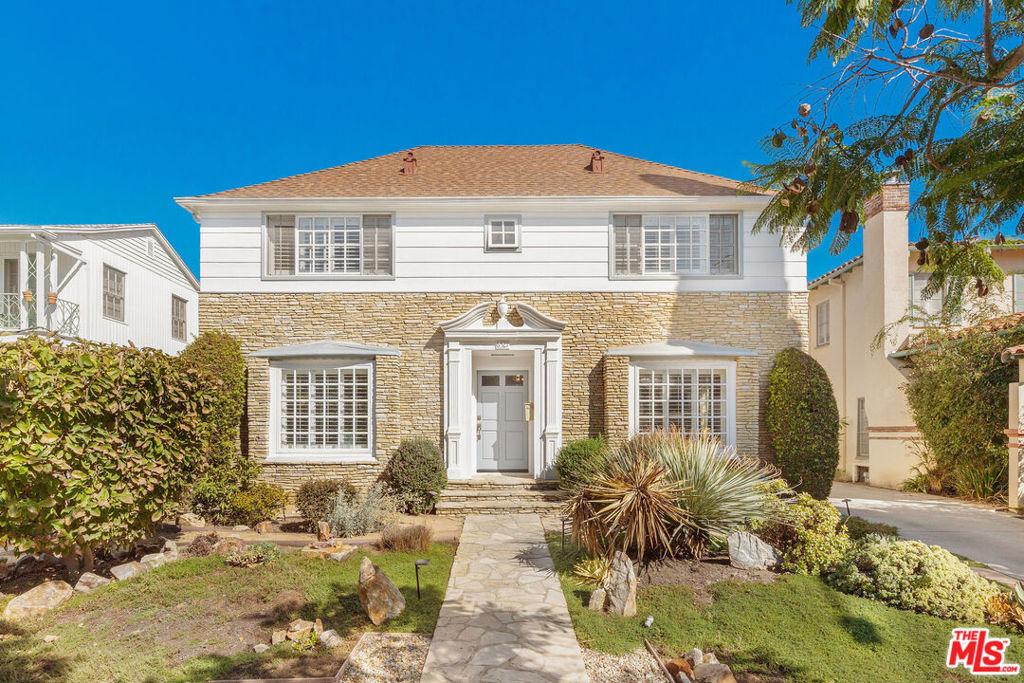
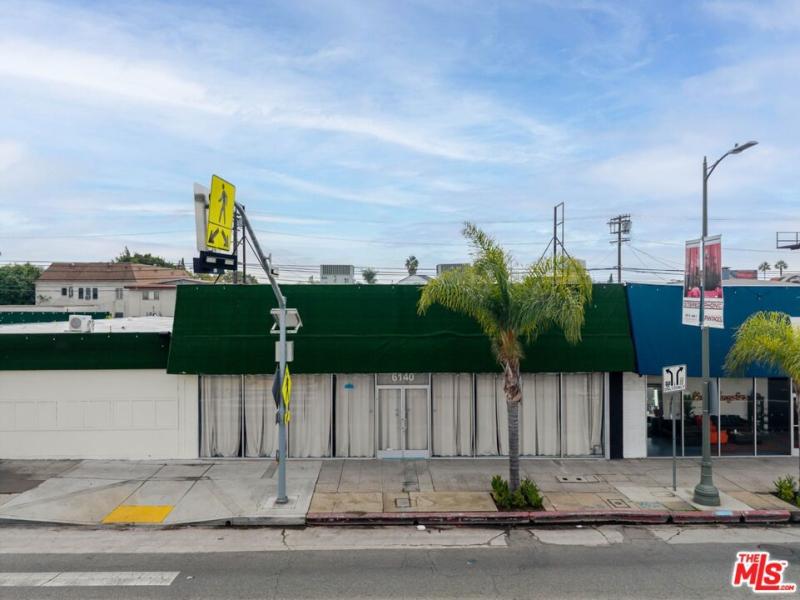
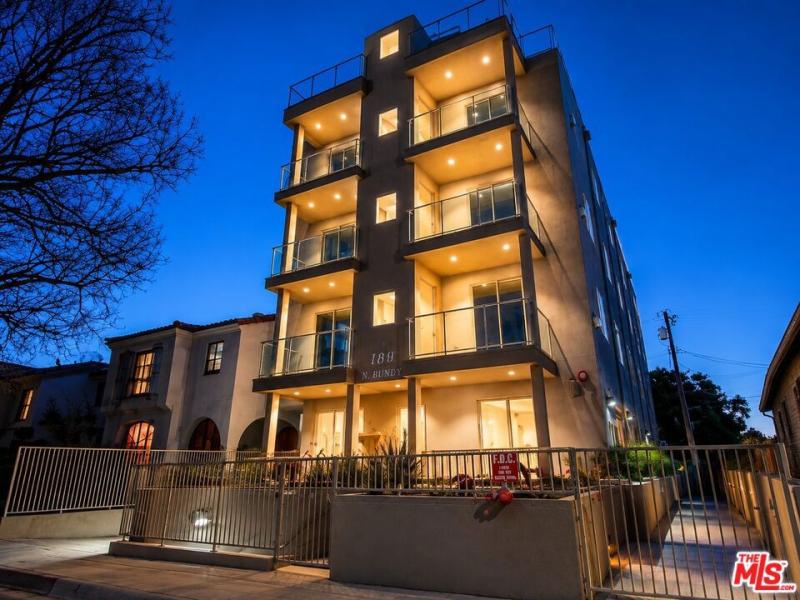
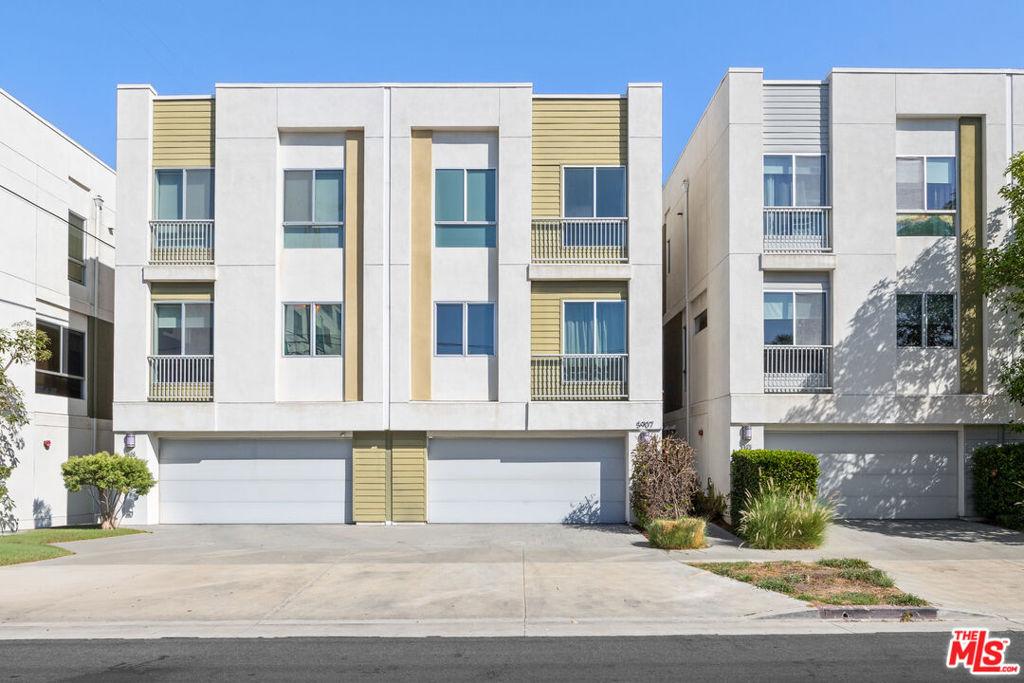
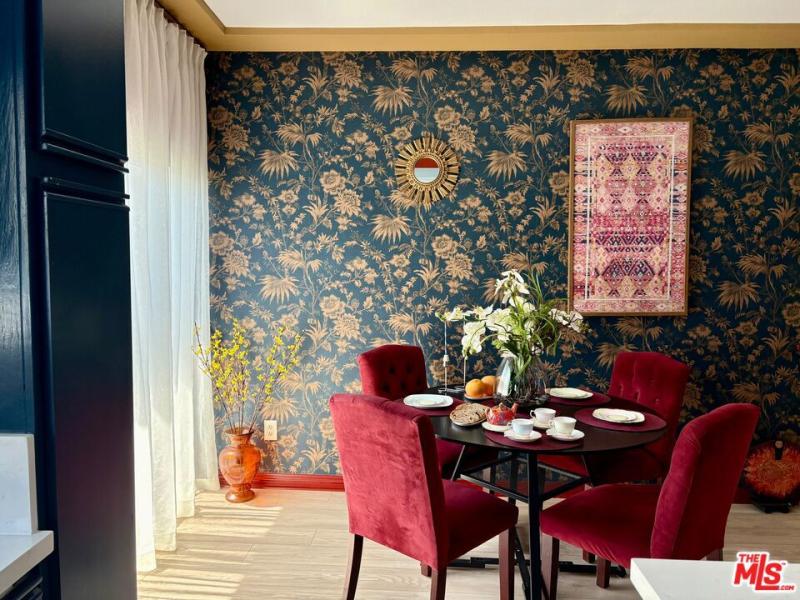
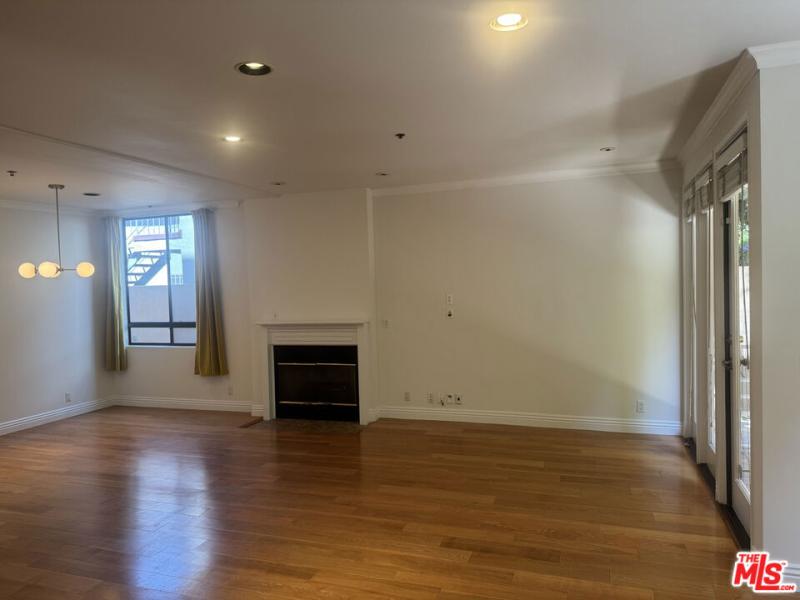
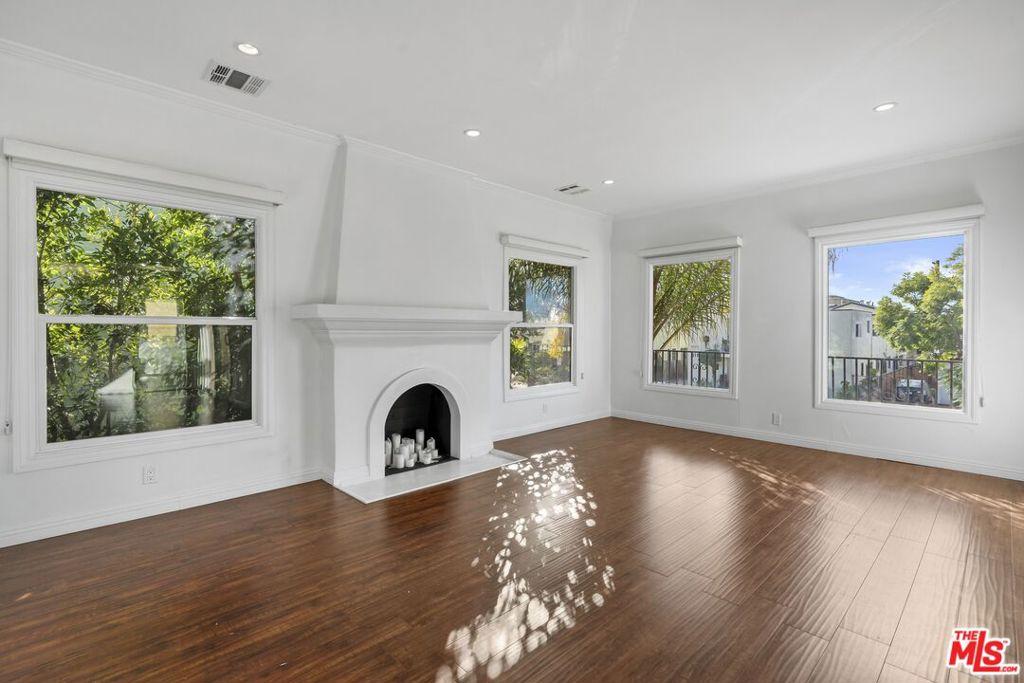
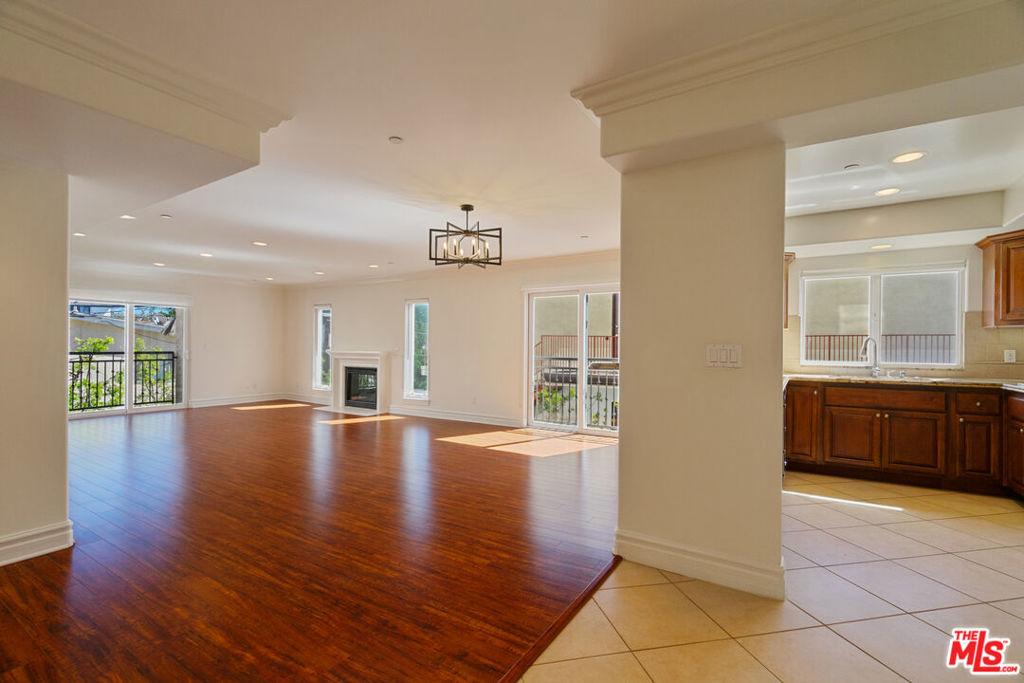
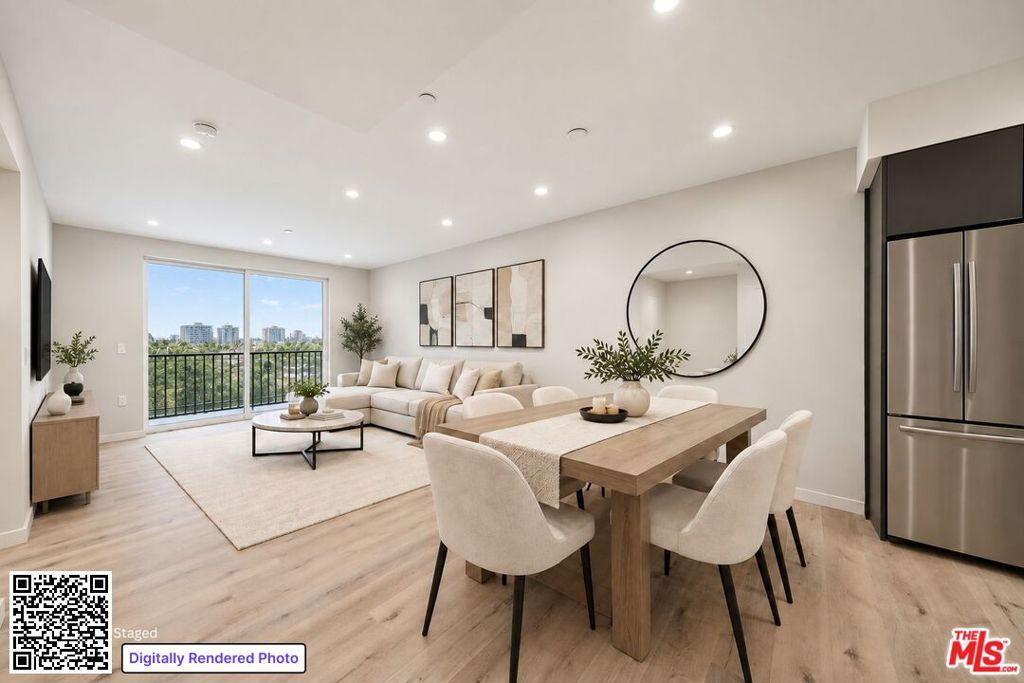
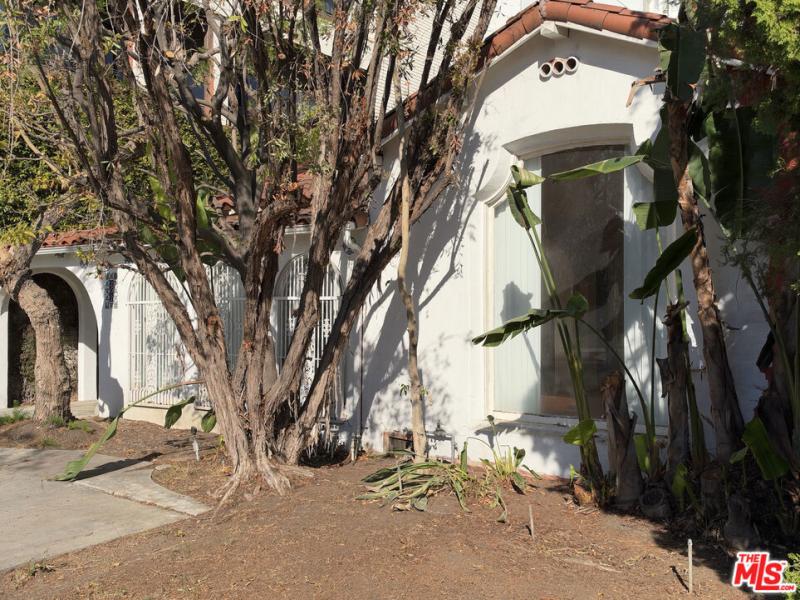
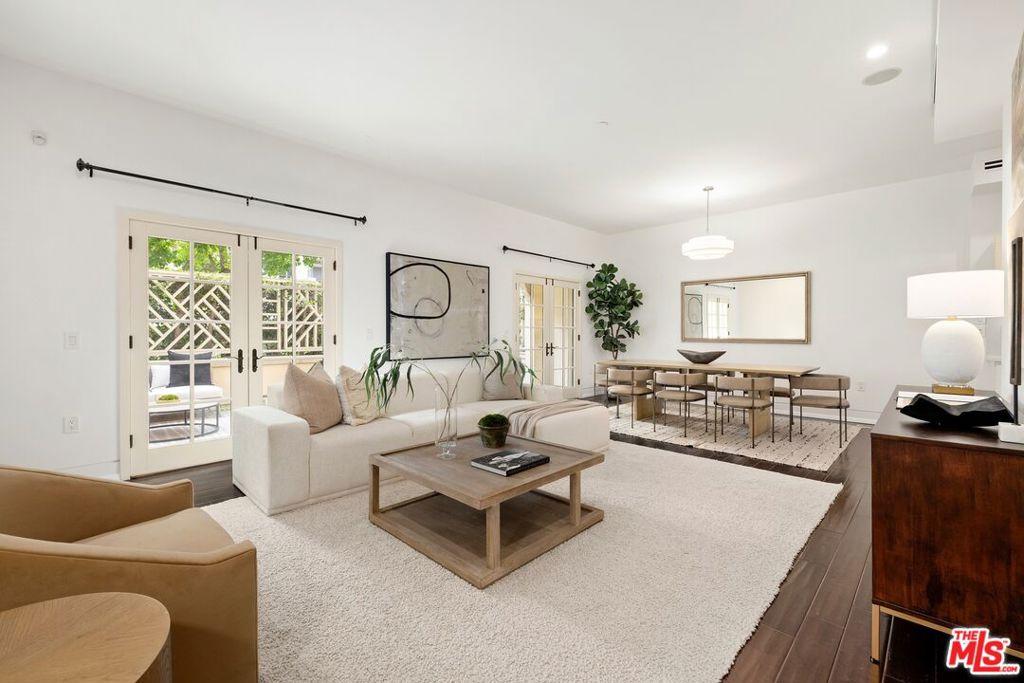
Carthay Square is a neighborhood in Mid City Los Angeles — the central residential zone between Fairfax and Culver City where mid-century and historic architecture, proximity to Westside employment and cultural amenities, and the C Line Metro access create a residential environment that combines character, connectivity, and lifestyle quality at pricing that offers Westside adjacency at more accessible cost. Carthay Square is a Mid City neighborhood adjacent to the historic Carthay Circle — a 1920s planned residential development with Spanish Colonial Revival architecture surrounding a circular green space that is one of Los Angeles’s most intact examples of early twentieth-century residential planning. Mid City’s combination of architectural character, the C Line Metro transit access, and proximity to the Miracle Mile’s cultural institutions and the Westside’s employment centers makes it one of Los Angeles’s most consistently in-demand central residential zones.
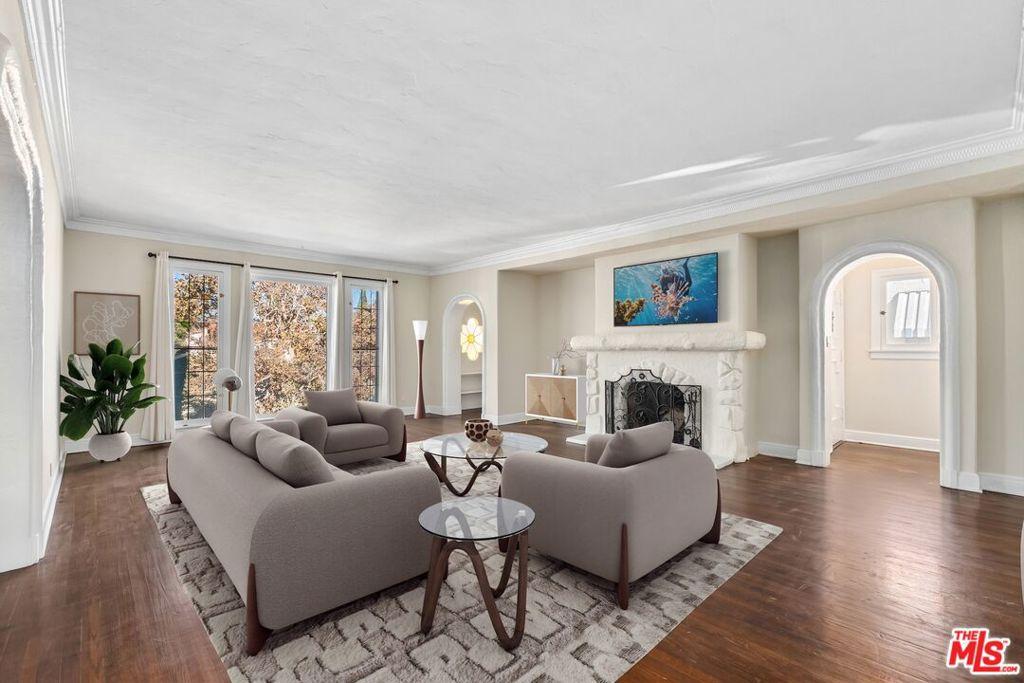
Browse all Los Angeles real estate — or explore the full Los Angeles luxury real estate market.
Carthay Square is one of Mid City’s historically significant residential neighborhoods, carthay square is a mid city neighborhood adjacent to the historic carthay circle — a 1920s planned residential development with spanish colonial revival architecture surrounding a circular green space that is one of los angeles’s most intact examples of early twentieth-century residential planning within a broader Mid City zone whose residential character is defined by its mid-century and early twentieth-century architectural stock — the Spanish Revival, Craftsman, and early modern homes that give Mid City’s best streets a visual quality that Los Angeles’s generic new construction cannot replicate.
Los Angeles Unified School District serves Carthay Square for K-12 education. Mid City’s LAUSD campus assignments reflect the broader district’s variability; specific campus assignments and performance data should be researched for any address. Many Mid City families use private school options given the professional demographic that the neighborhood’s pricing attracts and sustains. The neighborhood’s C Line Metro access makes certain private school destinations accessible by transit for families whose school choices are along or near the rail corridor.
The C Line Metro provides Carthay Square residents with rail transit to Santa Monica (approximately 20 minutes), Culver City (approximately 10 minutes), and downtown Los Angeles (approximately 25 minutes). The La Brea and Fairfax Boulevard corridors provide commercial access by car within the neighborhood. The 10 Freeway is accessible via several on-ramps within minutes, providing freeway connectivity for destinations not served by the C Line. The Beverly Grove, Farmers Market and The Grove, and the Museum Mile along Wilshire Boulevard are accessible within short drives or bike rides from most Mid City addresses.
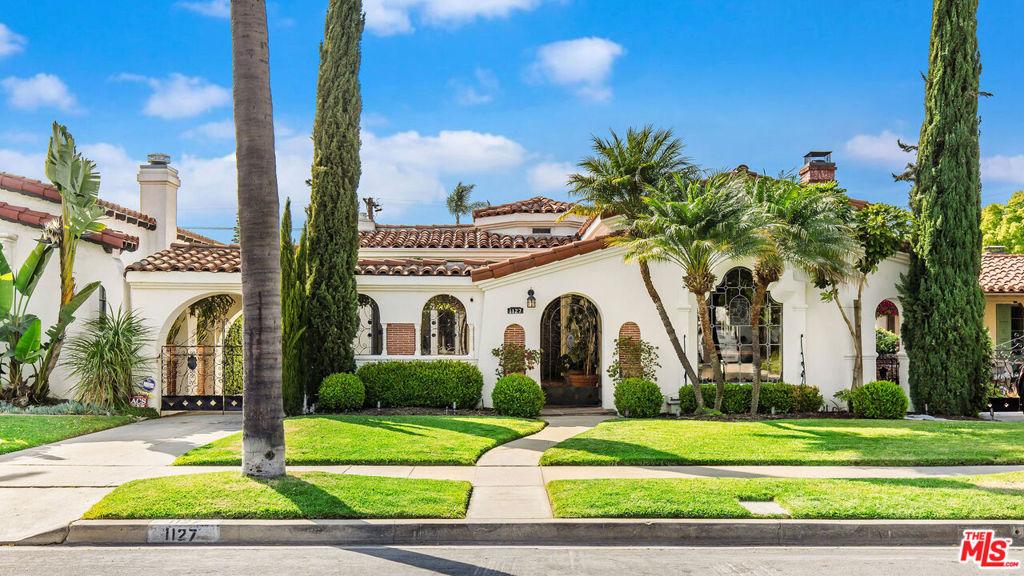
Carthay Square is one of Los Angeles’s most carefully preserved historic residential districts — a 1920s planned residential development (developed by J. Harvey McCarthy, whose name gives “Carthay” its origin) whose Spanish Colonial Revival architecture has been maintained by the neighborhood association and the HPOZ (Historic Preservation Overlay Zone) designation that protects the streetscape from the incompatible development that has transformed the surrounding Mid-City blocks. The district’s three-block core of Spanish Colonial bungalows, courtyard apartments, and the Carthay Circle Theatre site (now part of Disneyland Park’s Carthay Circle Restaurant, a replica of the original 1926 theater that was demolished in 1969) creates the neighborhood identity that distinguishes Carthay Square from the generic mid-city residential fabric. The neighborhood’s position between Beverly Hills to the west, the Miracle Mile museums to the north, and the Fairfax District’s commercial activity to the east creates the cultural and commercial access that sustains the mid-city residential premium that Carthay Square’s historic character and central location commands.
Carthay Square’s single-family residential market reflects the premium that historic district designation and architectural character sustain in the Los Angeles market — the Spanish Colonial bungalows that the HPOZ protects command a premium over comparable-square-footage properties in the surrounding non-historic mid-city blocks, reflecting buyers’ willingness to pay for the neighborhood aesthetic, the historic character protections, and the community identity that the Carthay Square Neighborhood Association sustains through its active historic preservation advocacy. The Expo Line light rail’s La Brea station, within walking distance of Carthay Square, provides the transit access to Santa Monica (30 minutes west) and Downtown LA (20 minutes east) that sustains the transit-oriented residential demand that Metro’s network has activated in the mid-city corridor.
Carthay Square’s position in the Los Angeles residential market reflects the premium that architectural character, historic district protection, and the Mid-City central location create as combined value drivers: buyers who specifically seek the 1920s Spanish Colonial Revival character that the HPOZ protects pay a premium over comparable square footage in the surrounding non-historic Mid-City blocks, reflecting both the aesthetic preference and the supply constraint that the HPOZ’s character-preservation function creates. The neighborhood’s Expo Line transit access (the Expo/Western and Expo/Crenshaw stations within walking distance) creates the Westside commute infrastructure that the tech-sector and entertainment-industry professionals who are drawn to Mid-City’s affordability relative to the Westside require. The proximity to the Miracle Mile’s museum row (LACMA, the Academy Museum of Motion Pictures, the Page Museum at the La Brea Tar Pits), the Fairfax District’s commercial energy, and the Beverly Hills adjacent lifestyle access creates the cultural and commercial richness that sustains Carthay Square’s residential desirability within the Mid-City geographic context.
The renovation economics of Carthay Square’s Spanish Colonial bungalows reflect the HPOZ’s specific design requirements: the exterior renovation investment must conform to the design standards that the Carthay Square HPOZ Board administers, meaning that period-consistent materials (clay tile roofing, stucco exterior, wood windows) are required rather than the cheaper modern alternatives that non-HPOZ properties can use. The HPOZ-compliant renovation premium is typically 15-25% above what comparable non-period-consistent improvements would cost, but the premium also sustains the neighborhood’s character and the future resale value that the preserved architectural quality creates. Buyers who are evaluating HPOZ properties in Carthay Square should understand both the design review process and the material cost premium before committing to an original-condition property that requires significant exterior renovation.
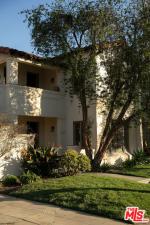
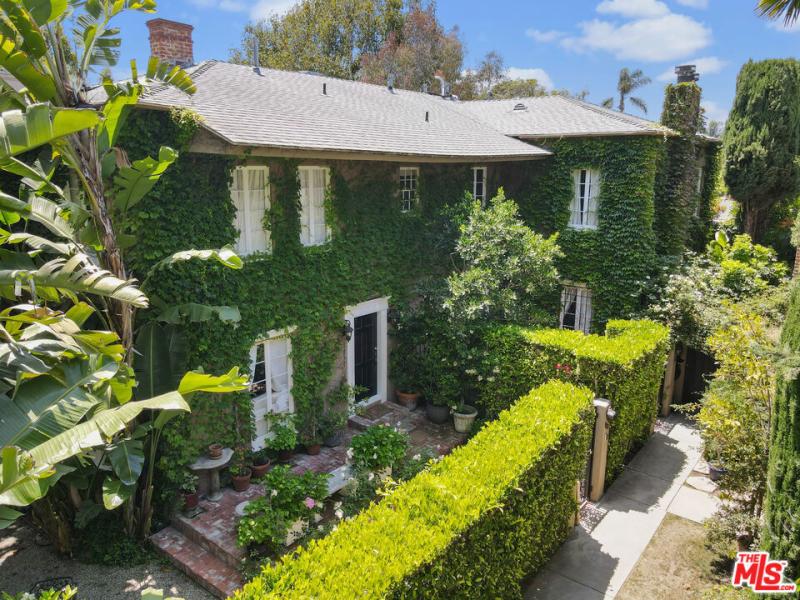
Mid City’s mid-century residential architecture is among its most valued attributes — the Spanish Revival, Craftsman, and early modern bungalow character of streets like Carthay Circle and Wellington Square provides an architectural quality that buyers specifically seeking character-built homes over generic new construction prioritize. The Carthay Circle neighborhood, with its distinctive 1920s Spanish Colonial Revival homes surrounding a circular park, is one of Los Angeles’s few remaining examples of a complete historic residential plan executed at neighborhood scale — a landscape that the city’s Historic Preservation Overlay Zone status protects from the demolition pressures that have erased similar residential character in other parts of Los Angeles. The tree canopy on many Mid City streets — mature elms, Ficus, and London planes — provides a visual character that distinguishes these blocks from the treeless streetscapes common in newer suburban development.
The C Line (formerly Expo Line) Metro stations at La Brea and Fairfax provide transit connectivity from Mid City to Santa Monica in approximately 20 minutes and to downtown Los Angeles in approximately 25 minutes — a transit option that makes Mid City one of the most rail-accessible residential zones in the central Los Angeles basin outside of neighborhoods immediately adjacent to the Metro Red Line subway. The cycling infrastructure along Exposition Boulevard’s protected bike lane connects Mid City to USC and downtown to the east and to Culver City and the Westside to the west, providing a car-optional commute corridor for the most committed cyclists in the neighborhood’s demographic.
The Miracle Mile’s Los Angeles County Museum of Art (LACMA), La Brea Tar Pits, the Academy Museum of Motion Pictures, and Petersen Automotive Museum provide cultural institutions of international significance within walking or cycling distance of Mid City’s residential streets — a cultural amenity concentration that few residential neighborhoods in any American city can match. The Beverly Grove’s commercial district along Beverly Boulevard and the Fairfax District’s Farmers Market and The Grove provide the shopping and dining access that supplements the neighborhood’s residential quality with the commercial life that Los Angeles’s best neighborhoods sustain.
Mid City is a central Los Angeles neighborhood zone between the Fairfax District and Culver City — a predominantly residential area of approximately 55,000 residents where mid-century single-family homes on tree-lined streets create a stable, community-oriented residential environment at pricing that provides Westside proximity at more accessible cost. The 2026 median home price in Mid City ranges from approximately $1.2 to $1.8 million for single-family homes, reflecting the neighborhood’s central positioning between the Westside’s premium real estate geography and the more affordable communities to the east and south. Mid City’s distinct sub-neighborhoods — Carthay Square and Wellington Square among them — each maintain their own architectural character and community identity within the broader Mid City residential zone.
The Expo Line (C Line) Metro runs along Exposition Boulevard at the southern edge of Mid City, providing rail transit access to Santa Monica to the west and downtown Los Angeles to the east. The La Brea, Fairfax, and La Cienega Boulevard commercial corridors provide neighborhood-level retail and dining access that mid-city residents use as their primary commercial infrastructure. The Beverly Grove, the Miracle Mile, and the Museum Mile along Wilshire Boulevard are all accessible within short drives, providing the cultural and commercial amenity access that Mid City’s central positioning enables.
Mid-City Los Angeles occupies the residential corridor between Culver City and the Fairfax District — the interior neighborhoods whose location between the Westside employment centers (Century City, Culver City’s tech and entertainment cluster, the Beverly Hills commercial corridor) and the urban amenities of West Hollywood and Koreatown creates the commute efficiency that sustains Mid-City residential demand among the working professionals who cannot afford Westside pricing but require Westside access. The Carthay Circle neighborhood’s Spanish Colonial Revival architecture — protected as a historic district — and the Wellington Square area’s traditional single-family residential character create the established neighborhood identity within the mid-city landscape that distinguishes these communities from the corridor commercial zones that surround them. Mid-City’s position on the Expo Line light rail corridor (connecting to Santa Monica and Downtown LA) supplements the freeway access that I-10 and I-405 provide for the commute-optimized residential buyer.
Mid-City’s residential market occupies the Los Angeles pricing tier between the Westside’s $2M+ single-family market and the Valley’s more affordable family neighborhoods — the $1.2M-$2M range for single-family homes that provides the Los Angeles urban lifestyle at a meaningful discount from the Westside pricing that directly comparable walkability and cultural access would otherwise require. The neighborhood’s renovation wave — the 1920s-1940s Spanish Colonial and English Tudor residential stock that Mid-City’s older housing inventory sustains — has driven investment across the neighborhood as buyers purchase the original-condition homes at discount to comparable renovated properties and capture the renovation premium that the historic neighborhood’s design character rewards. LAUSD serves Mid-City’s K-12 student population; the magnet school network provides academic alternatives to the neighborhood’s assigned campus options for motivated student families.
Mid City single-family homes range from approximately $1.2 to $1.8 million, with historic homes in the Carthay Circle HPOZ and other architecturally protected areas commanding premiums for their preservation status and character. Condominiums and smaller properties provide lower entry points. Carthay Square’s specific pricing depends on property type, architectural character, and condition. Current market data is available from The Knight Group.
Carthay Square — adjacent to the Carthay Circle neighborhood — shares the historical significance of the broader Carthay Circle area, where the 1920s Spanish Colonial Revival residential plan by developer J. Harvey McCarthy created one of Los Angeles’s most complete surviving examples of the period’s planned residential development. The neighborhood’s Historic Preservation Overlay Zone (HPOZ) designation protects the architectural character that makes the area distinctive within the Mid City residential zone and that sustains the premium pricing that architecturally significant Los Angeles neighborhoods command in the broader market.
The C Line Metro provides rail transit from the La Brea and Fairfax area stations with service to Santa Monica in approximately 20 minutes and downtown LA in approximately 25 minutes. Driving is also practical — the 10 Freeway provides access to the Westside and downtown, with the typical congestion challenges of peak-hour Los Angeles freeway driving. Mid City’s central position within the Los Angeles basin means that commute times are reasonable in most directions compared to outlying residential communities, though like all Los Angeles residential areas, peak-hour driving requires patience and schedule flexibility.
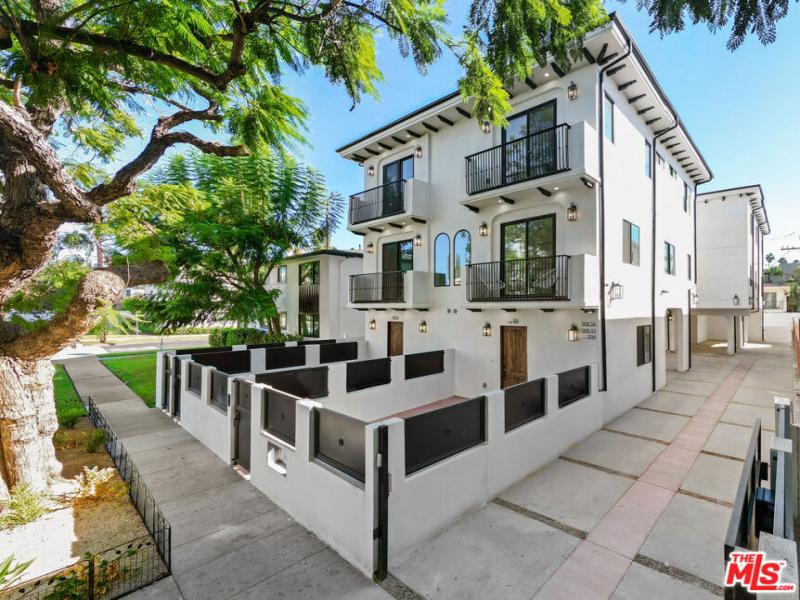
An Historic Preservation Overlay Zone (HPOZ) is a City of Los Angeles planning designation that establishes architectural design review for visible exterior changes to properties within the zone’s boundaries. For Carthay Square property owners, the HPOZ requires that any exterior modifications — additions, window replacements, new fences, roofing changes, and similar alterations visible from the public right-of-way — be reviewed by the Carthay Square HPOZ Board for consistency with the district’s design standards. The standards prioritize preservation of the Spanish Colonial Revival character: new additions should be subordinate to the original structure, windows should match the original style and proportions, and materials should be consistent with the 1920s construction vocabulary. The HPOZ review adds a step to renovation permitting but provides the neighborhood protection that has maintained Carthay Square’s architectural coherence against the teardown-and-rebuild pressure that Los Angeles’s strong real estate market creates in unprotected residential blocks.
Carthay Square’s Mid-City location provides access to the recreational open space that the surrounding museum and park infrastructure creates without being directly adjacent to a major park. The Pan Pacific Park (approximately 1 mile north, adjacent to CBS Television City) provides the neighborhood-scale outdoor recreation — the athletic fields, the small lake, and the dog park that the park’s 30 acres sustain — that Carthay Square’s immediate residential blocks lack. The La Brea Tar Pits and the LACMA sculpture garden (approximately 1 mile north on Wilshire Boulevard) provide the walkable cultural-and-park combination that the Miracle Mile corridor creates as a linear outdoor experience. Rancho Park and the Cheviot Hills Recreation Area (approximately 2 miles west) provide the larger park experience with golf, tennis, and the athletic facilities that the Westside’s most significant recreational park sustains. For the daily dog walk and the informal outdoor exercise, the tree-lined residential streets of Carthay Square itself — the Alcott Avenue, Whitworth Drive, and Clinton Street streetscape — provide the pleasant pedestrian environment that the neighborhood’s residential character and the HPOZ’s street tree preservation sustains.
Explore more Mid City neighborhoods:
Lucky for you we’re looking out.
Subscribe to this Custom Search to be alerted when new properties hit the market in the area.
Choose the frequency that works for you.