Hollywood Real EstateListings

Hollywood Real Estate in Central Los Angeles

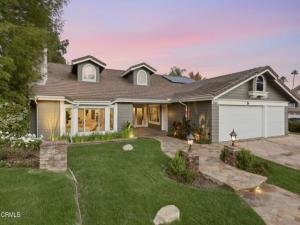
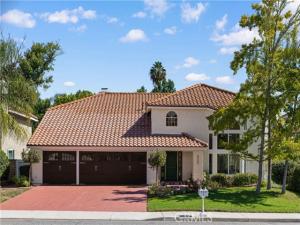
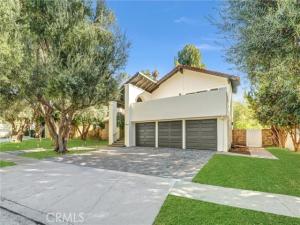
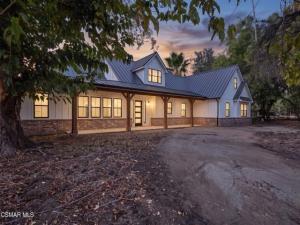
Hollywood Real Estate currently number 136 active listings with a median asking price of $1,200,000 (CRMLS, September 2026).

Hollywood real estate sits at the center of the entertainment industry, in a part of Central Los Angeles where the film and television business is the local economy rather than a backdrop. The Walk of Fame, the Dolby Theatre, the TCL Chinese Theatre, and the Hollywood Bowl draw the tourists, but behind that there is a working residential community of entertainment professionals and artists. Metro subway access and real walkability — rare in Los Angeles — mean you can live here without depending on the car for everything.

Housing is dense and urban, built largely around mid-century residential neighborhoods. What changes as you move across the area is character: Hollywood proper carries the entertainment heritage, while West Hollywood leans toward design and nightlife. Proximity to studio employment is the constant.

Hollywood Real Estate in Central los Angeles Homes for Sale

Community

What should I know about investing in Hollywood?

Hollywood is one of Central Los Angeles’s residential communities, hollywood is the global epicenter of the entertainment industry — a neighborhood whose name is synonymous with the film and television business and where the walk of fame, the dolby theatre, the tcl chinese theatre, and the hollywood bowl anchor a cultural tourism infrastructure alongside a genuine residential community of entertainment professionals and artists within a zone whose identity is anchored by the entertainment industry’s physical presence — the studios, agencies, production companies, and the talent that populates them — and by the cultural infrastructure that decades of creative industry investment has produced in the form of theatres, clubs, museums, and the street-level commercial character that urban creative economies sustain.

Los Angeles Unified School District serves Hollywood for K-12 education. Central LA’s LAUSD campuses include both historically strong and more challenged schools; West Hollywood has specific school options that reflect the area’s professional demographic; Hollywood’s school situation reflects the neighborhood’s residential diversity. Many Central LA families use private schools or the LAUSD magnet program structure. Specific campus assignments should be verified with LAUSD for any address under consideration.

The Metro B Line (Red Line) subway is Central LA’s most significant transit asset — providing frequent service to downtown Los Angeles, North Hollywood, and the connecting Metro network. Bus service across Hollywood and West Hollywood’s commercial corridors provides local connectivity. The proximity to the 101 Freeway and the 405 Freeway provides freeway access when rail transit is impractical. For residents of Hollywood who work in the entertainment industry’s Hollywood and Studio City cluster, the commute is among the shortest in the Los Angeles metropolitan area — often achievable by walking or short drive without freeway exposure.

Hollywood: Entertainment Capital and Urban Neighborhood in Transformation

Hollywood’s residential identity has undergone a fundamental shift over the past two decades — from the declining entertainment district that the 1970s-1990s saw deteriorate into the crime and neglect that its civic reputation suffered, to the urbanizing neighborhood that the CityLine development, the Hollywood & Highland entertainment complex, the Academy Museum of Motion Pictures, and the sustained restaurant and nightlife investment have begun to restore. The residential market that has emerged reflects Hollywood’s dual identity: the historic apartment buildings and bungalow courts of the flat Hollywood grid (east of La Brea, west of Vermont) providing the most affordable urban rental and entry-level ownership market on the west side of the LA Basin; and the increasingly redeveloped mixed-use towers and transit-adjacent buildings along Hollywood Boulevard and Sunset Boulevard that serve the young-professional creative class working in the entertainment-adjacent economy. The Pantages Theatre’s Broadway touring productions, the Frolic Room’s old-Hollywood bar character, and the concentration of recording studios along Vine Street and the east Hollywood corridor sustain the music-industry heritage that complements the film and television production identity.

Hollywood Real Estate: The Investment and Lifestyle Case

Hollywood’s residential investment case rests on the transit infrastructure and the redevelopment trajectory that the Hollywood entertainment economy sustains: the Metro B Line (Red Line) and D Line (Purple) stations at Hollywood/Highland, Hollywood/Vine, and Hollywood/Western create the transit access that connects Hollywood to Downtown (15 min), Century City (via the Purple Line’s extension, now operational), and the San Fernando Valley (through the B Line’s North Hollywood terminus). The transit access positions Hollywood as the most transit-connected residential neighborhood in the inland LA Basin, supporting the urbanist residential demand that walkability-focused buyers increasingly express in the Southern California market. The Hollywood Master Coordinated Development plan (the City of Los Angeles’s long-range planning framework for the Hollywood corridor) envisions the mixed-use densification along the commercial corridors that the Metro stations’ transit-oriented development zones permit — the new residential towers, the adaptive reuse of historic commercial buildings as residential lofts, and the ground-floor retail activation that the plan projects will transform the Hollywood Boulevard and Sunset Boulevard corridors over the coming decade.

The lifestyle case for Hollywood draws on the neighborhood’s authentic urban energy: the Arclight Hollywood (now the AMC Hollywood 6), the TCL Chinese Theatre’s IMAX experience, the comedy clubs (Laugh Factory, The Comedy Store on Sunset), the music venues (The Fonda, The Palladium), and the Amoeba Music independent record store create the cultural infrastructure density that no other LA neighborhood matches per square mile. The Sunday morning Farmers Market at Ivar and Selma provides the neighborhood commercial gathering that sustains the Hollywood residential community’s social fabric alongside the tourist-oriented commercial character that Hollywood Boulevard presents to the global visitor. Franklin Avenue and Beachwood Drive’s restaurant strip and the Gelson’s Market serve the residential neighborhood’s daily-use commercial needs with the neighborhood-scale commercial character that distinguishes the residential Hollywood from the tourist-facing corridor.

What’s the condo market like in Hollywood?

Hollywood’s ownership market is primarily condominiums and the smaller multi-unit residential buildings — the single-family inventory is limited and priced in the $1.5M-$3M range for the architecturally significant homes that remain in the Hollywood residential landscape. The condo and townhome market offers the Hollywood address and the transit access at the $600K-$1.2M range that the urban professional buyer who is priced out of the single-family market but seeking the Hollywood urban lifestyle can access. The newer mixed-use residential developments along Hollywood Boulevard’s transit-oriented development corridor — the apartment towers with ground-floor retail that the Metro station area plans have generated — add the rental market supply that the transit-oriented residential demand requires. The Hollywood HPOZ zones (the Whitley Heights, the Outpost Estates areas) protect the single-family character that remains in the Hollywood residential landscape from the teardown pressure that the land values in the Metro-adjacent neighborhoods create.

Who lives in Hollywood and what should buyers know?

  • Hollywood is the global epicenter of the entertainment industry, a neighborhood whose name is synonymous with the film and television business.
  • Walk of Fame, Dolby Theatre, TCL Chinese Theatre, and Hollywood Bowl anchor a cultural tourism infrastructure alongside a genuine residential community of entertainment professionals and artists.
  • Studios, agencies, production companies, and the talent that populates them give Hollywood its physical identity as a working industry center.
  • Theatres, clubs, museums, and street-level commercial character reflect decades of creative industry investment in the urban fabric.
  • Many Central LA families use private schools or the LAUSD magnet program structure, and campus assignments should be verified for any address under consideration.
  • Metro B Line subway service is Central LA’s most significant transit asset, running frequently to downtown Los Angeles and North Hollywood.
  • Bus service across Hollywood and West Hollywood commercial corridors provides local connectivity, with nearby freeway access when rail transit is impractical.
  • Commutes for residents working in the Hollywood and Studio City entertainment cluster rank among the shortest in the metropolitan area.
  • Historic apartment buildings and bungalow courts on the flat Hollywood grid provide the most affordable urban rental and entry-level ownership market on the LA Basin’s west side.
  • Redeveloped mixed-use towers along Hollywood Boulevard and Sunset Boulevard serve the young-professional creative class working in the entertainment-adjacent economy.
  • Pantages Theatre productions, the Frolic Room’s old-Hollywood bar character, and Vine Street recording studios sustain the music-industry heritage complementing film and television.

Area Details

What makes Hollywood’s entertainment scene so walkable?

Hollywood’s walkability — the Walk of Fame, the Hollywood Farmers Market, Amoeba Music, the Hollywood Bowl within reach by short drive or Metro — creates the urban pedestrian lifestyle that distinguishes Central LA’s residential areas from the car-dependent suburban neighborhoods that dominate most of the Los Angeles metropolitan area. West Hollywood’s Santa Monica Boulevard and the surrounding restaurant and nightlife district provide commercial energy that sustains a genuinely urban 18-hour street life. The density of cultural amenities, restaurants, and entertainment venues per square mile in Central LA is exceeded in the Los Angeles area only by the downtown core itself.

The Metro B Line (Red Line) runs through Hollywood with stations at Hollywood/Vine, Hollywood/Highland, and Hollywood/Western, providing subway access to downtown Los Angeles (approximately 20 to 25 minutes) and to North Hollywood in the San Fernando Valley. The Metro D Line (Purple Line) extension under construction will connect Westwood and Century City to the Metro system by the late 2020s, improving transit access from West Hollywood and adjacent communities. The combination of existing subway access and the improving transit network makes Central LA one of Los Angeles’s most transit-accessible residential zones.

The Hollywood Hills’ recreational trail access is within driving distance of most Central LA addresses — Runyon Canyon is accessible from Hollywood’s residential streets by a short walk or drive, and Griffith Park’s extensive trail network is accessible via the 101 Freeway or surface streets in approximately 15 to 20 minutes. The combination of urban walkability for commercial and entertainment access and nearby natural trail access creates a dual-lifestyle option that distinguishes Central LA’s quality of life from purely suburban alternatives at comparable price points.

What is it like to live in Hollywood?

  • Hollywood’s walkability centers on the Walk of Fame, the Hollywood Farmers Market, and Amoeba Music, all reachable on foot from residential streets.
  • Urban pedestrian lifestyle distinguishes Central LA’s residential areas from the car-dependent suburban neighborhoods that dominate most of the Los Angeles metropolitan area.
  • Hollywood Bowl sits within reach by short drive or Metro, putting a major performance venue close to everyday residential life.
  • Santa Monica Boulevard in West Hollywood anchors a restaurant and nightlife district that sustains a genuinely urban eighteen-hour street life.
  • Density of cultural amenities, restaurants, and entertainment venues per square mile in Central LA is exceeded in the Los Angeles area only by the downtown core.
  • Metro B Line stations at Hollywood/Vine, Hollywood/Highland, and Hollywood/Western give residents subway access without depending on a car.
  • Subway service from Hollywood reaches downtown Los Angeles and continues to North Hollywood in the San Fernando Valley.
  • Metro D Line extension under construction will connect Westwood and Century City to the system, improving transit access from West Hollywood and adjacent communities.
  • Existing subway access combined with the improving transit network makes Central LA one of Los Angeles’s most transit-accessible residential zones.
  • Runyon Canyon is accessible from Hollywood’s residential streets by a short walk or drive, putting trail recreation within everyday reach.
  • Griffith Park’s extensive trail network is reachable via the freeway or surface streets from most Central LA addresses in a short drive.
  • Dual-lifestyle option of urban walkability plus nearby natural trail access distinguishes Central LA quality of life from purely suburban alternatives at comparable price points.

Market Trends

How is the Central Los Angeles Real Estate real estate market?

Central Los Angeles encompasses the city’s historic core — Hollywood, West Hollywood, and the broader central Los Angeles residential zone where the entertainment industry, the creative economy, and the dense urban fabric of mid-century development create a residential landscape defined by character, walkability, and access to the cultural infrastructure that no other Los Angeles neighborhood can replicate. The 2026 median home price across Central LA’s communities ranges from approximately $900,000 for smaller Hollywood bungalows to $2 to $3 million or beyond for West Hollywood’s premium condominium and single-family homes, with significant variation based on specific location, property type, and the neighborhood’s proximity to the entertainment and commercial infrastructure that defines Central LA’s identity.

Hollywood’s transformation from mid-century decline to early twenty-first century renaissance is one of the Los Angeles urban story’s most dramatic chapters — the rehabilitation of the TCL Chinese Theatre, the Dolby Theatre (home of the Academy Awards), and the Hollywood Walk of Fame as genuine tourist attractions, combined with the revitalization of the Hollywood & Highland retail complex and the development of residential projects that have brought thousands of new residents to the urban core, has turned Hollywood into a genuinely mixed-use urban neighborhood after decades of primarily commercial and tourist-oriented identity. The Metro B Line (formerly Red Line) provides subway service that connects Hollywood and West Hollywood to downtown Los Angeles without requiring driving through the famous traffic congestion that Hollywood’s tourist infrastructure generates.

Central Los Angeles Real Estate: Where the City Converges

Central Los Angeles — encompassing Hollywood, West Hollywood, and the urban core neighborhoods that connect the Westside to the San Fernando Valley and Downtown — occupies the geographic and cultural heart of America’s second-largest metropolitan area. The entertainment industry’s global headquarters concentration (the major studios, talent agencies, production companies, and the ecosystem of suppliers and services that the film, television, and music industries require) creates the high-income creative professional employment base that drives demand for the urban neighborhoods where walking to the office, the restaurant scene, and the cultural venues that the entertainment industry fuels is possible. Hollywood’s Walk of Fame, the Dolby Theatre, and the concentration of music venues along the Sunset Strip and in the Hollywood Hills create the tourism and entertainment infrastructure that sustains the neighborhood economy alongside the residential lifestyle that the urban-creative professional class seeks.

West Hollywood — an independent incorporated city surrounded by the City of Los Angeles — provides the most walkable, urbane residential environment on the west side of the LA Basin. The Santa Monica Boulevard commercial strip, the Design District (Robertson Boulevard and Melrose Avenue furniture and design showrooms), the Sunset Strip’s nightlife, and the WeHo Farmers Market create the pedestrian commercial infrastructure that supports the urban lifestyle without a car that WeHo’s 1.9-square-mile footprint enables more genuinely than almost anywhere else in the LA metropolitan area. The City of West Hollywood’s renter-protective municipal policies and its LGBTQ+ community’s cultural identity create the progressive urban character that has sustained WeHo’s residential desirability across demographic shifts. The central LA market’s appreciation trajectory reflects the sustained demand pressure that the entertainment industry employment concentration and the urban lifestyle premium create against the constrained housing supply that Los Angeles’s slow permitting and NIMBY political environment sustains.

What is the Hollywood real estate market like?

  • Central Los Angeles encompasses the city’s historic core, including Hollywood, West Hollywood, and the broader central residential zone shaped by the entertainment industry.
  • Median home prices across Central LA’s communities range from smaller Hollywood bungalows to West Hollywood’s premium condominiums and single-family homes.
  • Price variation across Central LA depends on specific location, property type, and proximity to the entertainment and commercial infrastructure that defines the market’s identity.
  • Hollywood’s transformation from mid-century decline to renaissance stands among the most dramatic chapters in the Los Angeles urban story.
  • Rehabilitation of the TCL Chinese Theatre, the Dolby Theatre, and the Walk of Fame restored Hollywood’s standing as a genuine tourist attraction.
  • Residential development has brought thousands of new residents to the urban core, turning Hollywood into a genuinely mixed-use urban neighborhood.
  • Metro B Line subway service connects Hollywood and West Hollywood to downtown Los Angeles without driving through the famous traffic congestion.
  • Entertainment industry headquarters, talent agencies, and production companies create the high-income creative professional employment base driving demand for urban neighborhoods.
  • Sunset Strip music venues and the Dolby Theatre sustain the tourism and entertainment infrastructure that supports the neighborhood economy alongside residential life.
  • West Hollywood operates as an independent incorporated city surrounded by the City of Los Angeles, offering the most urbane residential environment on the LA Basin’s west side.
  • Renter-protective municipal policies and the LGBTQ+ community’s cultural identity create the progressive urban character sustaining West Hollywood’s residential desirability across demographic shifts.
  • Appreciation reflects sustained demand pressure from entertainment employment and the urban lifestyle premium against constrained supply from slow permitting.


FAQs

What is the price range in Hollywood?

Central LA pricing varies significantly by community — West Hollywood single-family homes and premium condominiums trade from $1.5 to $3 million or beyond; Hollywood proper spans from $800,000 for smaller bungalows to $2 million for larger single-family homes in premium locations. The specific pricing within Hollywood depends on property type, condition, and precise location within the neighborhood. Current market data is available from The Knight Group.

Is Central LA walkable?

Central LA has among the highest walkability scores in the Los Angeles metropolitan area. Hollywood and West Hollywood’s commercial corridors — Sunset Boulevard, Santa Monica Boulevard, Melrose Avenue, and Hollywood Boulevard — are accessible on foot from most Central LA residential streets. The Metro B Line’s Hollywood stations allow car-free commuting to downtown LA. Grocery, dining, and entertainment access on foot distinguishes Central LA from the car-dependent suburban neighborhoods that dominate most of the Los Angeles basin at comparable price points.

How is traffic in Central LA?

Central LA’s location at the intersection of the 101, 10, and adjacent freeway network means that traffic congestion is a constant element of daily life for residents who drive. The Hollywood and Sunset Boulevards’ tourist and entertainment traffic creates additional congestion beyond standard commute patterns. The Metro subway’s availability is particularly valuable in Central LA precisely because driving alternatives are often less reliable in time than the subway’s schedule. Many Central LA residents adapt by walking, using rideshare, or scheduling around peak-hour congestion.

What is living in Hollywood really like as a neighborhood?

Hollywood as a residential neighborhood offers the urban density, walkable commercial streets, and cultural energy that the entertainment industry’s concentration creates — alongside the challenges that tourist-destination neighborhoods manage: the pedestrian congestion on Hollywood Boulevard between La Brea and Vine, the service-industry nighttime economy that the Sunset Strip and the Hollywood club scene generate, and the homeless population that Hollywood’s central location in the LA services geography concentrates. The residential blocks north of Hollywood Boulevard (the Beachwood Canyon and Whitley Heights hillside communities) and west toward Hancock Park provide the quieter residential character that families and buyer who want the Hollywood address without the boulevard congestion seek. Metro’s B Line (Red/Purple) and D Line (Purple) extension through Hollywood to the Westside provides the transit access that makes Hollywood increasingly viable as a car-light residential address for the transit-comfortable urban professional.

What are Hollywood’s best residential streets for buyers avoiding the tourist corridor?

Hollywood’s best residential streets for buyers who want the neighborhood without the tourist-area congestion are generally found north of Franklin Avenue (the Beachwood Canyon, Whitley Heights, and Cahuenga Pass residential areas) and on the blocks south of Sunset between La Brea and Vermont. The Franklin Avenue corridor itself — the tree-lined residential street that runs parallel to Hollywood Boulevard one block to the north — provides the neighborhood commercial character (the Birds cafe, the Black Cat Tavern, the independent restaurants) that the entertainment-professional residential community sustains as its local gathering infrastructure. The streets in the 1600-2100 blocks of North Cahuenga, North Vista, North Wilton, and North Normandie provide the single-family and duplex residential character at the entry-level Hollywood market pricing. Buyers who are specifically seeking the flat-grid Hollywood residential experience with the maximum distance from the Walk of Fame’s tourist congestion should focus their search on the Franklin-to-Fountain corridor between La Brea and Vine, where the residential character is most established and the daily-use neighborhood commercial infrastructure is most complete.
Hey, You ALMOST MISSED IT!

Lucky for you we’re looking out.

Subscribe to this Custom Search to be alerted when new properties hit the market in the area.

Choose the frequency that works for you.

get alerts

[showcaseidx_contact]