Browse all Los Angeles real estate — or explore the full Los Angeles luxury real estate market.
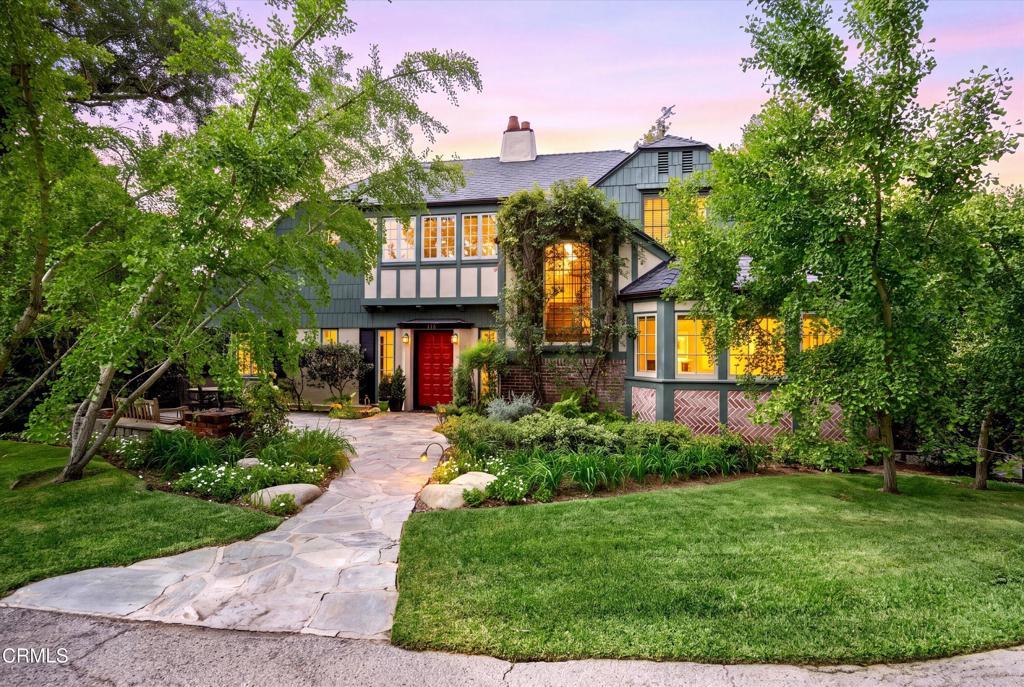
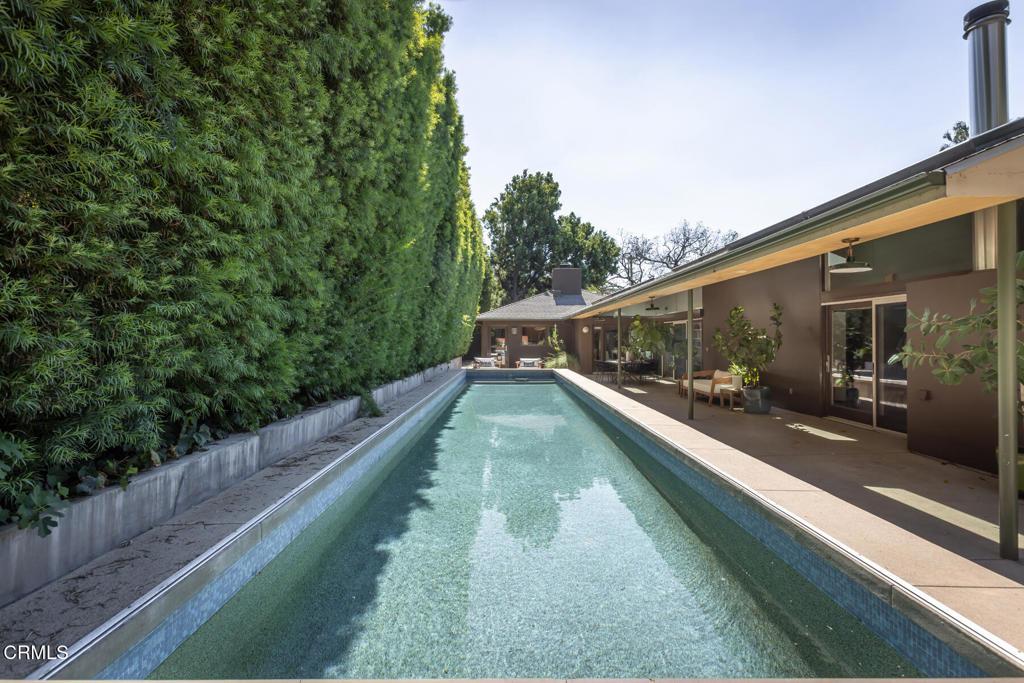
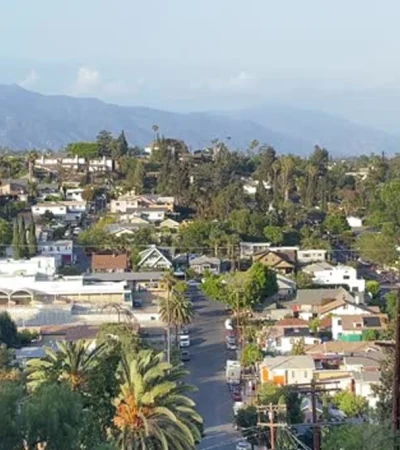
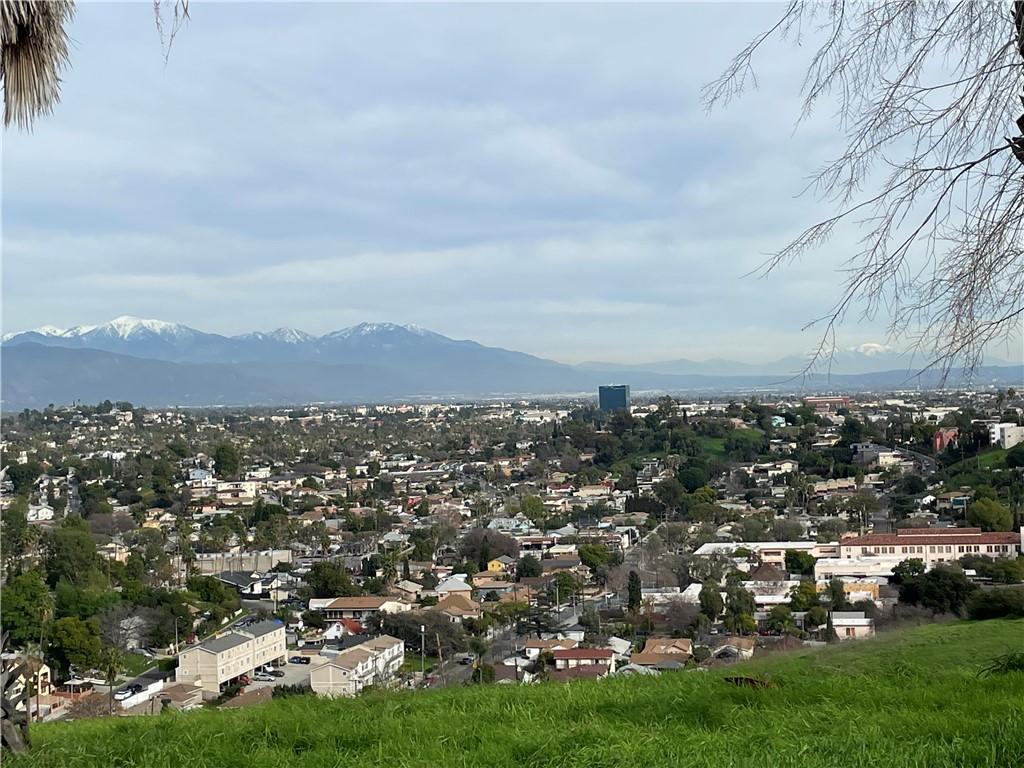
Northeast Los Angeles is the arc of hillside and river-flat neighborhoods between Downtown, Glendale, and Pasadena. The region covers about 17.18 square miles, bounded by Interstate 5 on the south and west, the cities of Glendale and Pasadena on the north, and the Arroyo Seco Parkway on the east. Seven neighborhoods form its core: Atwater Village, Cypress Park, Eagle Rock, Glassell Park, Highland Park, Montecito Heights, and Mount Washington.
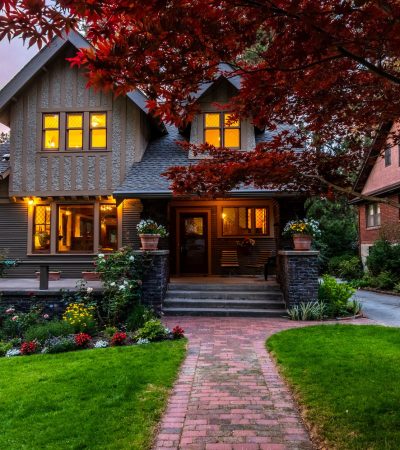
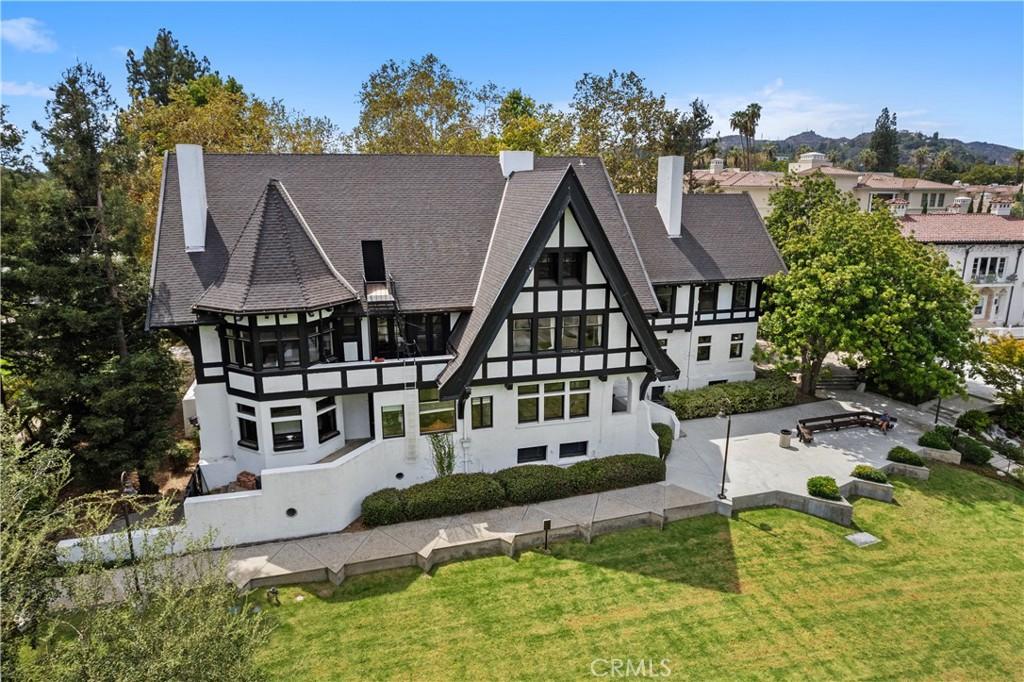
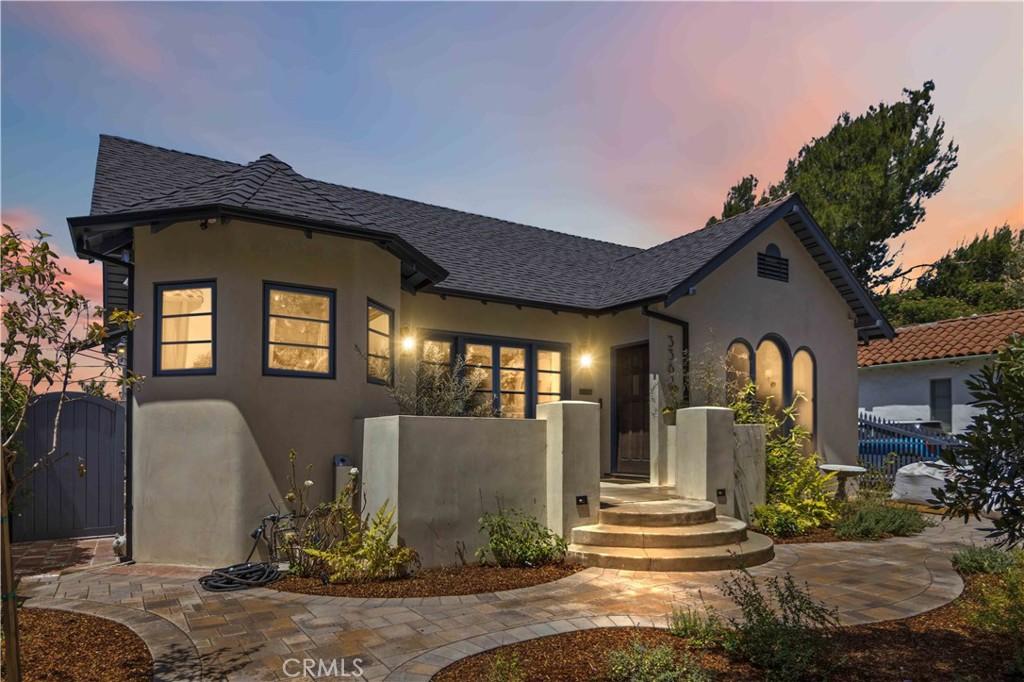
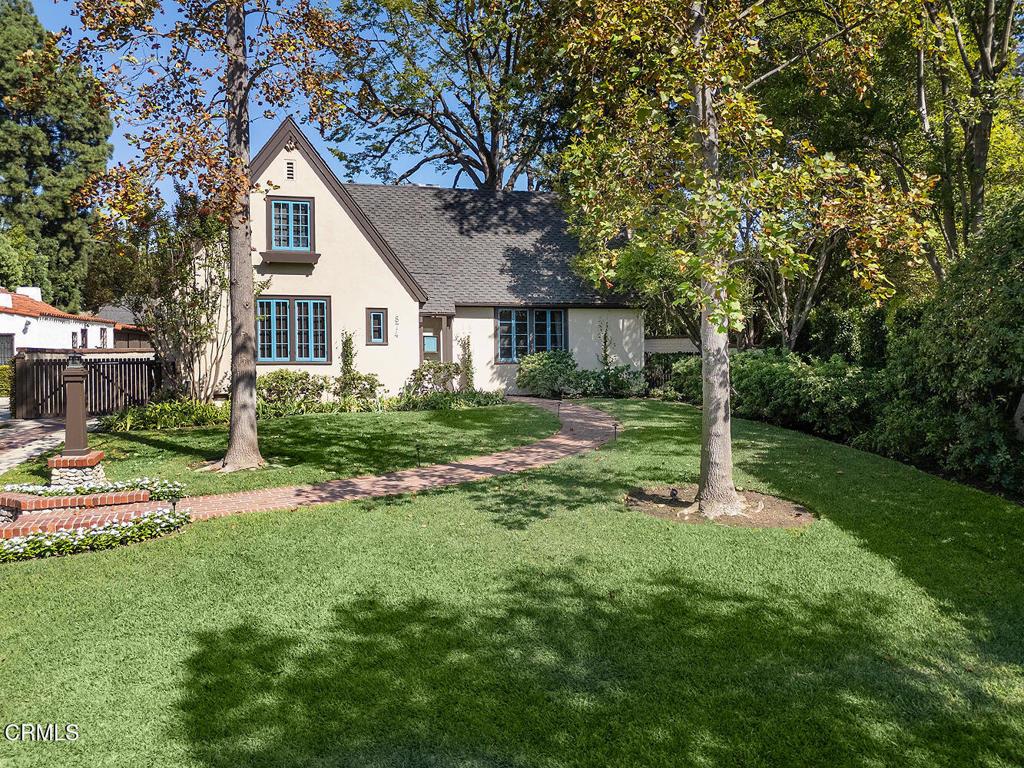
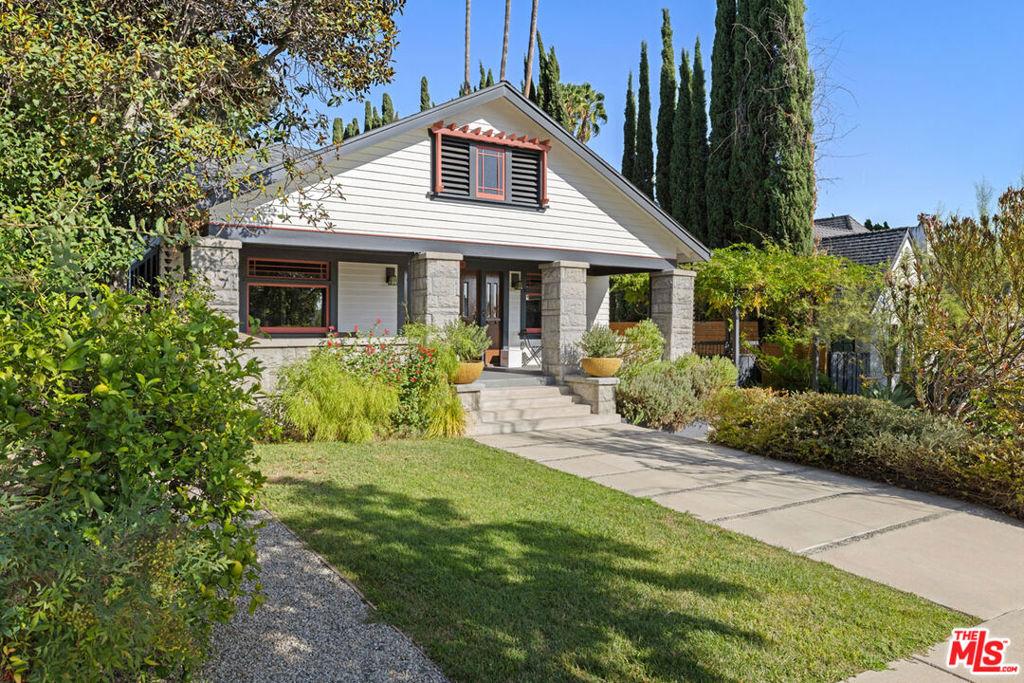
The housing stock is why buyers come. This is some of the oldest intact residential fabric in the city. Highland Park was annexed in 1895, Cypress Park was platted in 1882, and Atwater Village holds one of Los Angeles County’s highest concentrations of pre-1939 structures because most of its original buildings were never demolished. Craftsman bungalows, Spanish Colonial Revival, Streamline Moderne, and mid-century post-and-beam all sit within a few miles of each other.
The trade-offs are real, and we name them below: hillside access, historic-district review, fire and seismic exposure, and a price curve already well off its early-2000s base. Browse the listings below, or contact The Knight Group and we will pull street-level comparables for the pocket you are considering.
Seven, each with its own topography and price logic. To scan the region at once, start with Northeast Los Angeles homes for sale, then narrow.
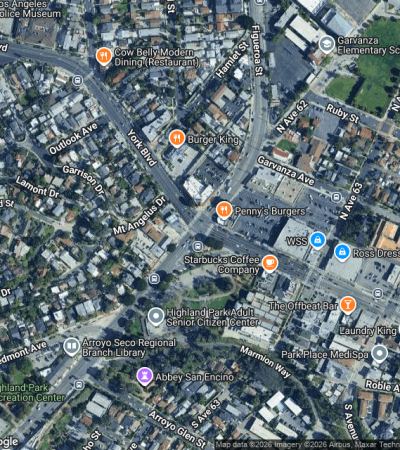
Highland Park is the commercial anchor: roughly 3.4 square miles, subdivided in 1886 and annexed in 1895. York Boulevard and Figueroa Street are the retail corridors. It holds more than 40 Historic-Cultural Monuments, including the Lummis House and Abbey San Encino, plus the city’s largest Historic Preservation Overlay Zone by area, designated in 1992. Start with homes for sale in Highland Park, CA.
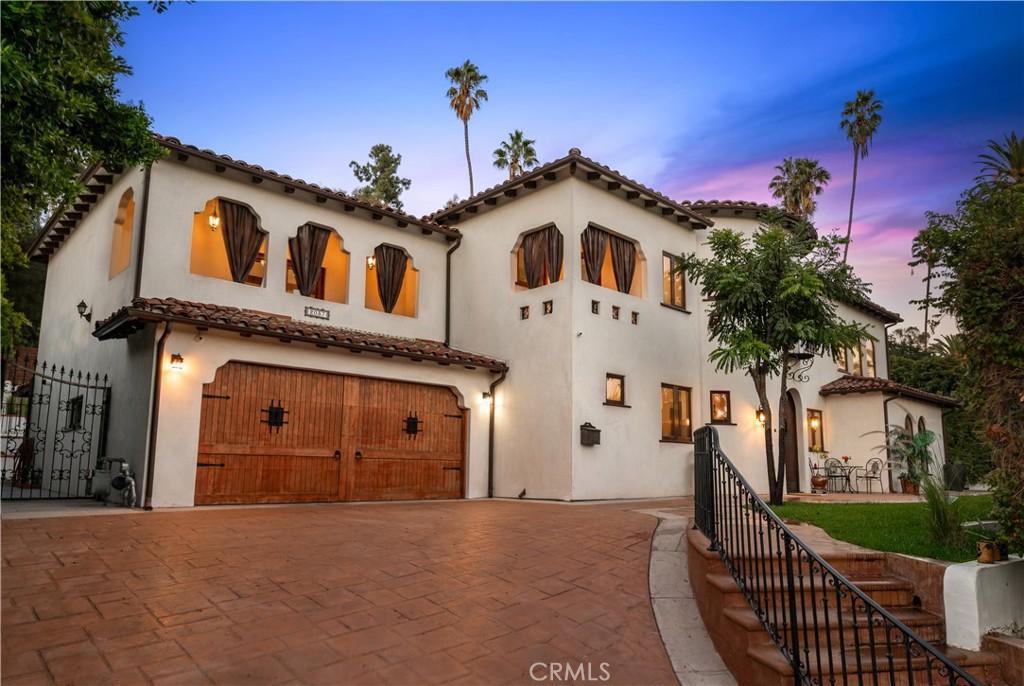
Eagle Rock reads as a small town inside the city. It incorporated as its own city in 1911 and was annexed by Los Angeles in 1923 to secure water supply and a high school. Colorado Boulevard is the spine. It contains 19 Historic-Cultural Monuments, including the 1923 Spanish Colonial Revival City Hall. Occidental College, founded in 1887, moved to its 120-acre campus here in 1914 on a plan by architect Myron Hunt. Lots run larger and flatter. Review Eagle Rock homes for sale.
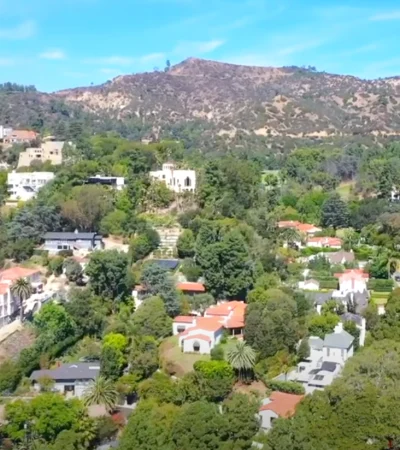
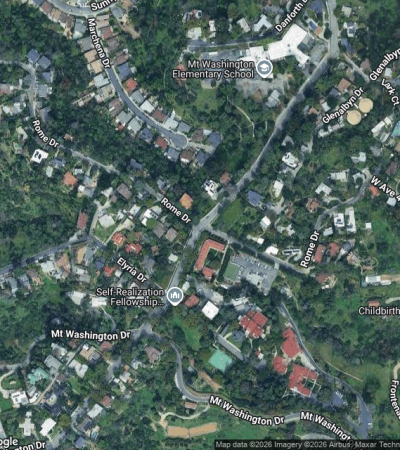
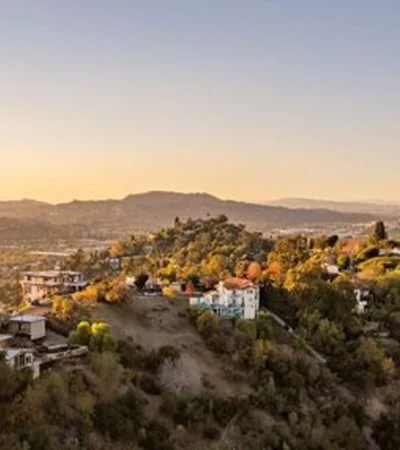
Mount Washington is the premium hillside address: about 1.9 square miles in the San Rafael Hills, founded in 1909 by Robert Marsh, who built a summit hotel served by a funicular railway that ran until January 1919. Paramahansa Yogananda established the international headquarters of the Self-Realization Fellowship in that former hotel in 1925. Streets are narrow and steep. Eldred Street reaches a 33% grade. See Mount Washington homes for sale.
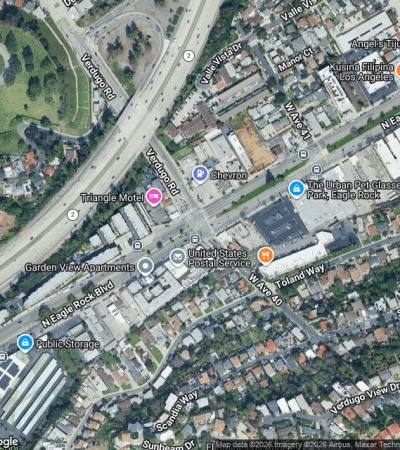
Glassell Park covers about 2.75 square miles and splits cleanly into hillside and flats. The name traces to attorney Andrew Glassell, who received land in the 1871 Great Partition of Rancho San Rafael. Subdivisions sold from 1907, and annexation ran from 1912 to 1916. As of 2021 it had 22,911 residents at roughly 8,524 per square mile, with renters in 56.2% of housing. Verdugo Road and Eagle Rock Boulevard are the corridors. Browse Glassell Park homes for sale.
Atwater Village sits on the Los Angeles River floodplain, bounded by the Ventura Freeway on the north, San Fernando Boulevard on the east, and the river on the south and west, with Griffith Park and Silver Lake beyond. Part of Rancho San Rafael until 1868, it was subdivided in 1902, and “Village” joined the name in 1986. The 2000 census counted 14,888 residents across 1.78 square miles. Gentrification accelerated after 2015. Look at Atwater Village homes for sale.
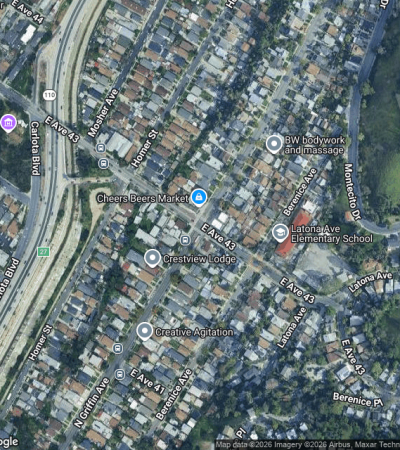
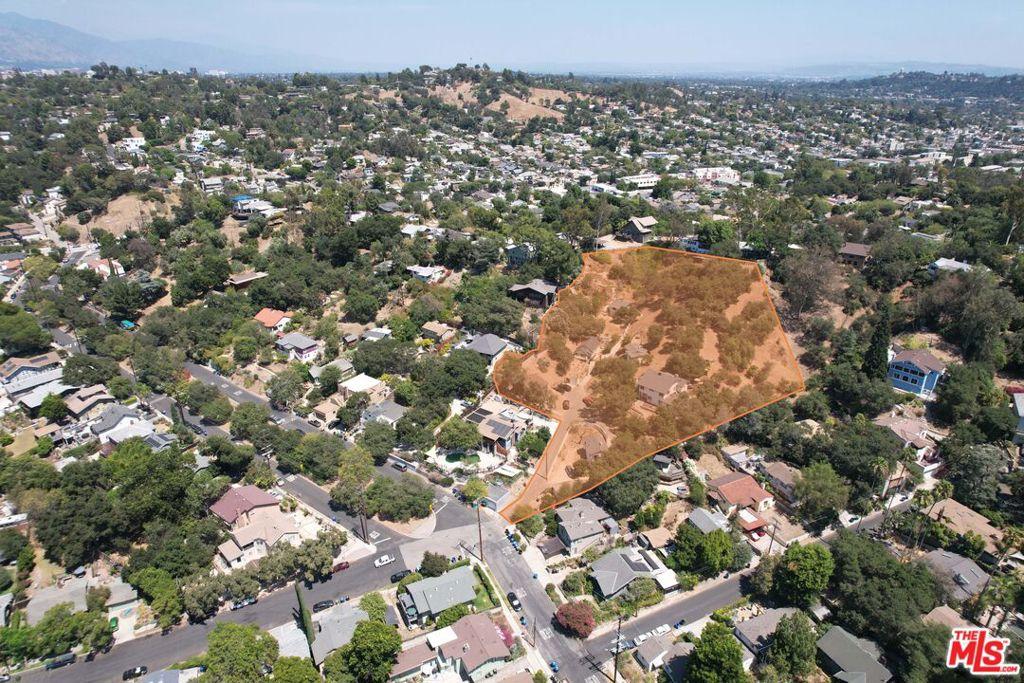
Montecito Heights occupies the Monterey Hills, bounded roughly by the Arroyo Seco and SR-110 on the northwest, Pasadena Avenue on the west, Avenue 35 to the south, Huntington Drive to the southeast, and Monterey Road to the east. Annexed in 1912, most of its hillside homes were built after the 1950s. Ernest E. Debs Regional Park, 282 acres of oak and walnut woodland, is effectively the backyard. Griffin Avenue is the main through route because the terrain permits few. Search Montecito Heights homes for sale.
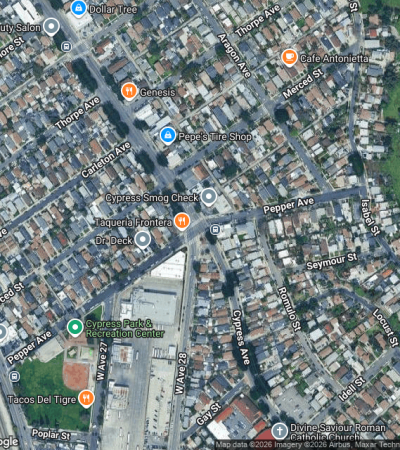
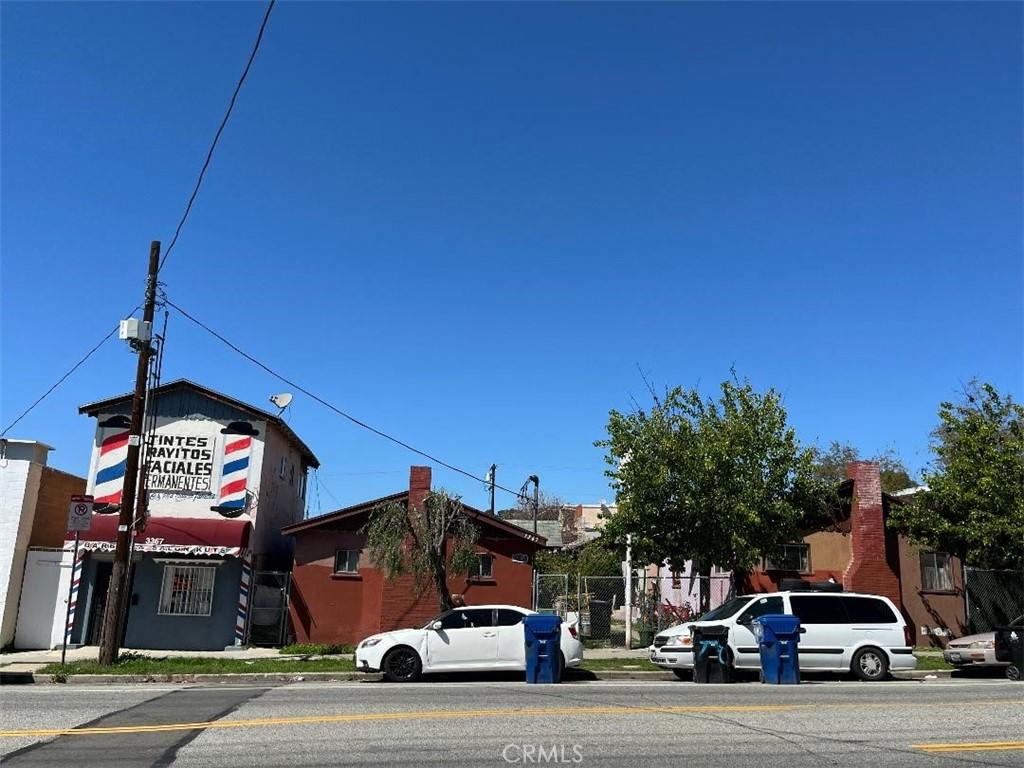
Cypress Park is the oldest and tightest: about 0.72 square miles where the Los Angeles River meets the Arroyo Seco, under 2.5 miles north of Downtown, ringed by hills on three sides. Established in 1882 by Jessie D. Hunter, it was the first Arroyo Seco community, three years ahead of Highland Park. The 2000 census recorded 9,764 residents with a median age of 27 and 58.3% renting. Review homes for sale in Cypress Park.
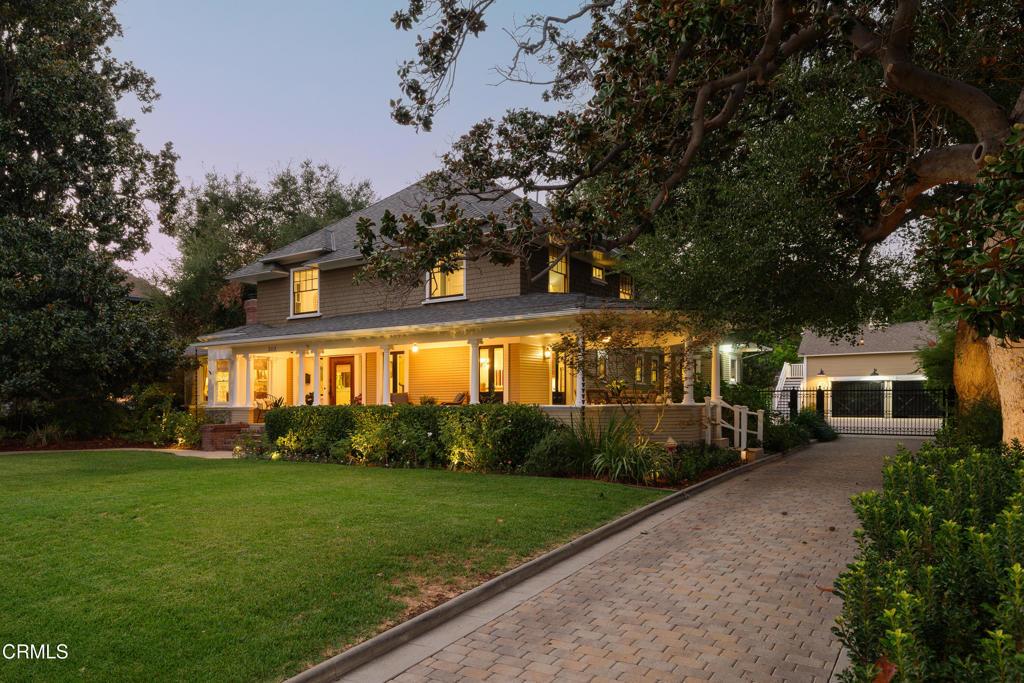
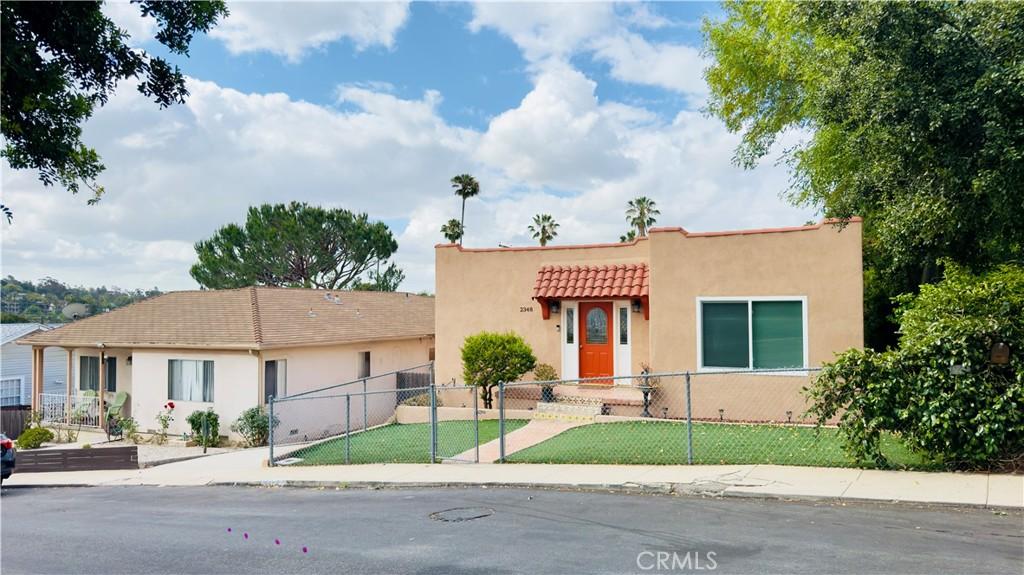
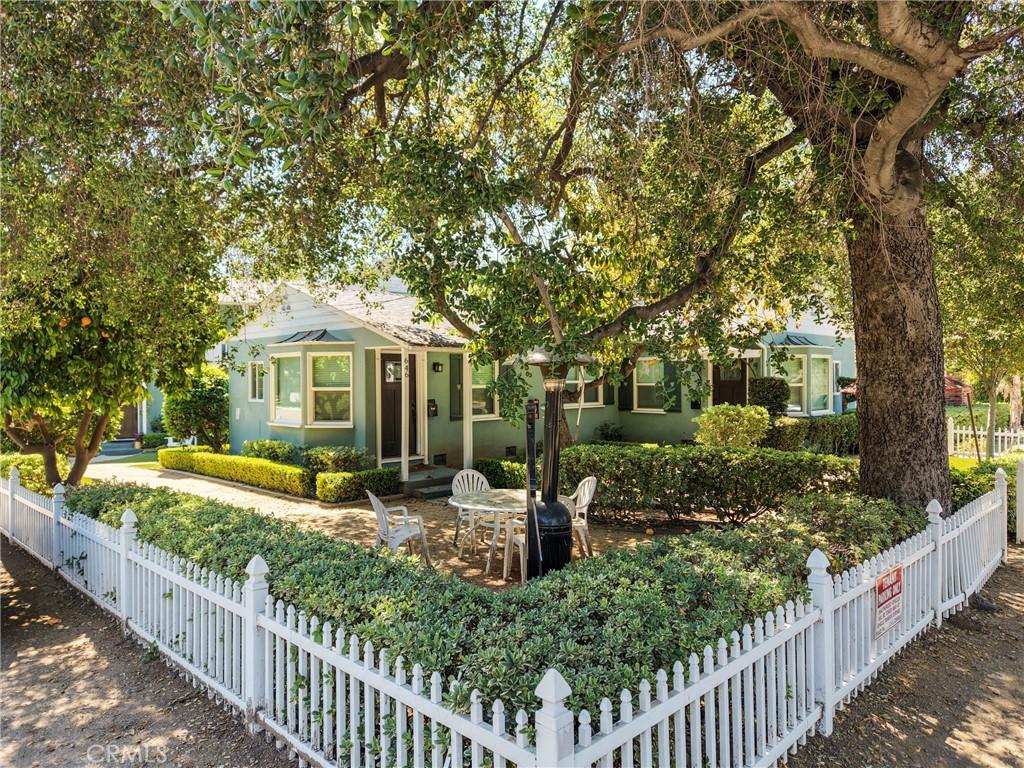
Older, smaller, and more varied than most of Los Angeles. The dominant type across Highland Park, Cypress Park, and the Glassell Park flats is the early-twentieth-century Craftsman bungalow: one story, narrow lot, detached garage at the end of a long driveway. Highland Park, Montecito Heights, and Pasadena together formed one of the historic centers of the Arts and Crafts movement, and the surviving stock reflects it.
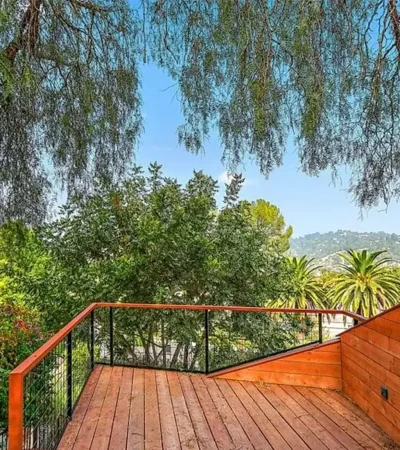
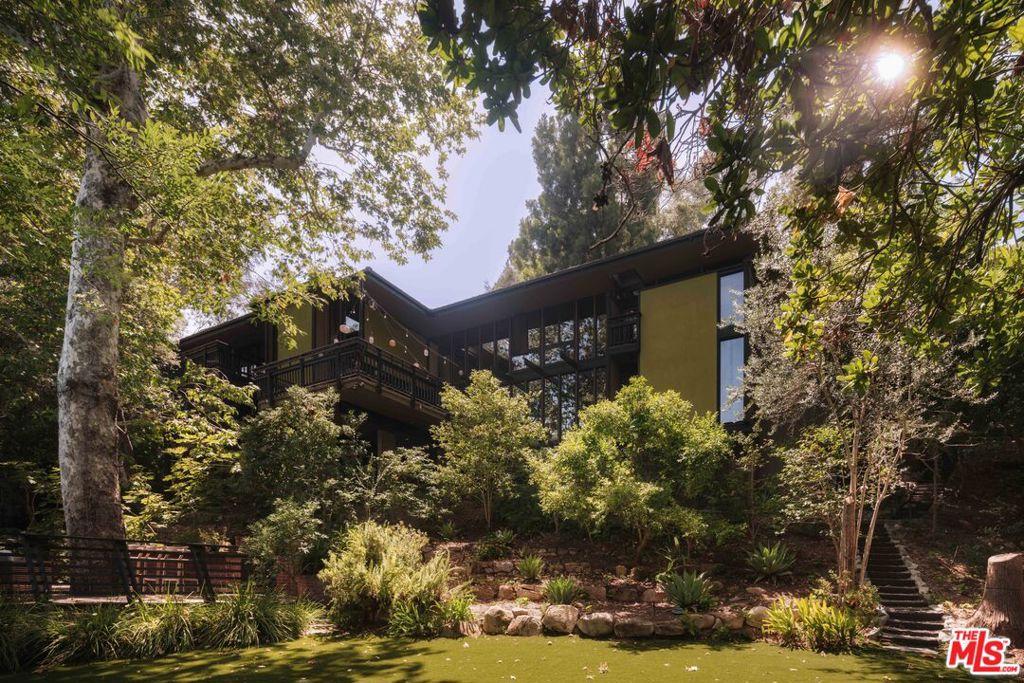
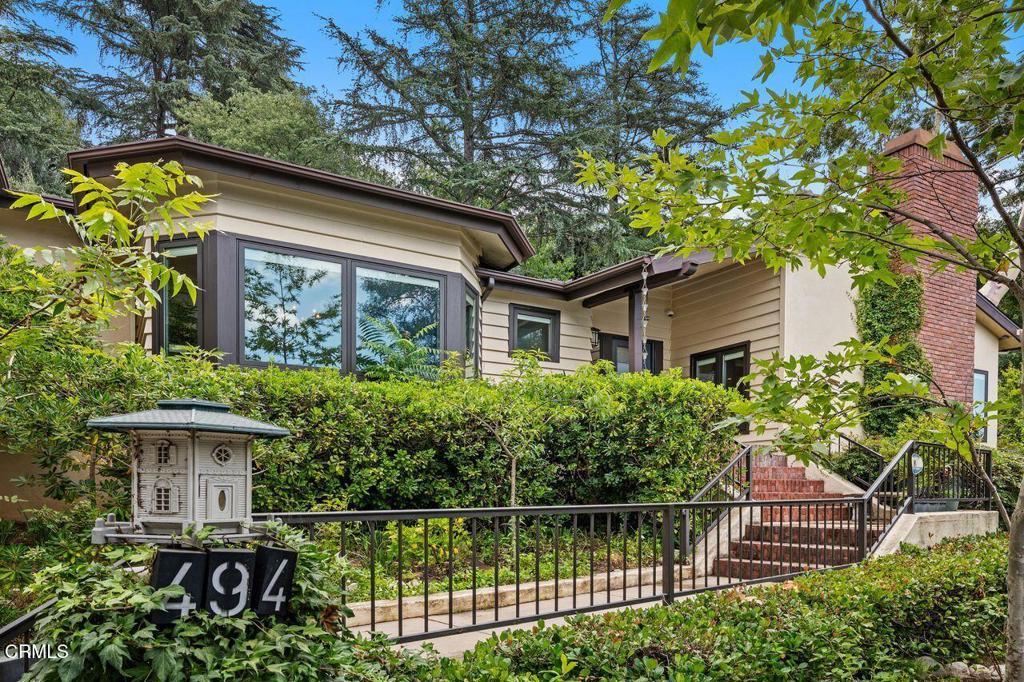
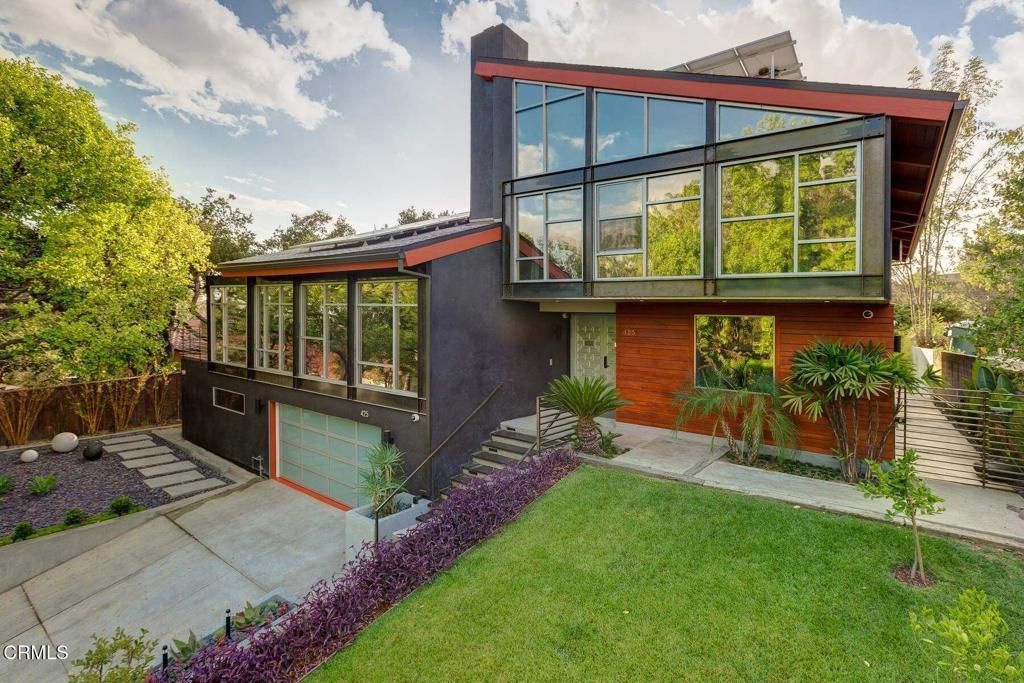
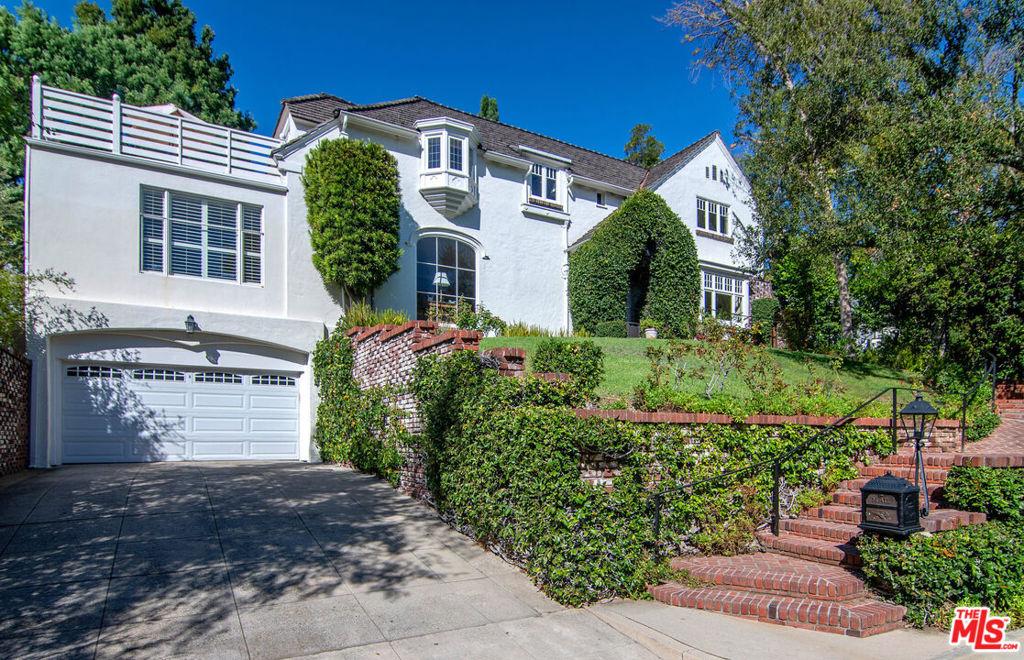
Eagle Rock adds Georgian, Streamline Moderne, Art Deco, and Mission Revival on larger, flatter parcels. Mount Washington and the Glassell Park hillsides speak a different vocabulary: post-and-beam, cantilevered decks, split-level entries, houses that step down from the street.
Two homes on the same block can therefore demand different inspections and budgets. A 1912 bungalow raises foundation bolting, knob-and-tube wiring, and sewer lateral questions. A 1962 hillside house raises caisson foundations, retaining walls, and drainage. We scope them differently before you write an offer.
The difference is measured in access, parking, and construction cost. Mount Washington, upper Glassell Park, and the Montecito Heights hills deliver views, canopy, and privacy. They also deliver single-lane streets, blind curves, stretches with no street parking, long stair runs from curb to door, and higher cost on any addition or structural repair.
The flats give you a walkable grid, driveway parking, easier ADU siting, and simpler permitting, at the cost of proximity to freeways and rail. When we run comparables we hold slope constant, because a flat lot and a downslope lot on the same street are two different assets.
Short to Downtown, short to Pasadena, and improving on transit. The region is framed by Interstate 5, SR-2, SR-134, and SR-110, and Cypress Park sits under 2.5 miles from Downtown.
The Arroyo Seco Parkway, which mostly opened in 1940 as California’s first freeway, connects Downtown to Pasadena. Know what it is before you rely on it. It runs six lanes with 11 to 12 foot travel lanes, is posted at 55 mph, and has no acceleration or deceleration lanes: entrance ramps carry stop signs and exit ramps have a recommended speed of 5 mph. Added to the National Register of Historic Places in 2011, it is a beautiful road that degrades quickly under volume.
On rail, the Metro A Line serves the region with four stations: Lincoln/Cypress, Heritage Square, Southwest Museum, and Highland Park. The Pasadena segment opened July 26, 2003. After the Pomona extension opened September 19, 2025, the line runs from Pomona North to Downtown Long Beach across 57.7 miles and 48 stations.
Yes. The North Hollywood to Pasadena Bus Rapid Transit project is an 18-mile line from North Hollywood station to Colorado/Hill in Pasadena, with three Eagle Rock stations planned at Eagle Rock Plaza, Colorado/Eagle Rock, and Colorado/Townsend. Metro’s Board approved the Final Environmental Impact Report in April 2022 after years of contested design review over the Colorado Boulevard segment. Construction began in Pasadena in April 2026 and expands corridor-wide in summer 2026, with completion targeted for the end of 2027 and service opening ahead of the 2028 Summer Olympics.
This cuts two ways. Long term, a rapid transit stop on Colorado Boulevard is an accessibility asset. Short term, construction on the neighborhood’s main retail corridor affects traffic, parking, and foot traffic. If you are buying within a few blocks of Colorado Boulevard before 2027, factor that window into your timeline.
The Los Angeles Unified School District serves the region, and attendance boundaries vary block by block. Highland Park is zoned to Luther Burbank Middle School and Benjamin Franklin High School, with Garvanza, San Pascual, and Buchanan among its elementary options. Eagle Rock High School opened in 1927, though the current building dates to a 1970 replacement. Glassell Park has nine schools inside its boundaries, including Glassell Park Elementary, listed on the National Register of Historic Places. Cypress Park is served by Florence Nightingale Middle School plus Aragon Avenue, Loreto Street, and Sotomayor.
Mount Washington Elementary has historically ranked among the top-scoring elementary schools in Los Angeles on California’s former Academic Performance Index, and that reputation is priced into the hillside market around it. Verify the current attendance boundary for any address with LAUSD directly. The school claim in a listing description is not a warranty.
Historic Preservation Overlay Zones are the most underestimated variable here. An HPOZ is a City of Los Angeles zoning tool protecting neighborhoods with architectural or historical significance. Inside one, exterior work including landscaping, alterations, additions, and new construction goes through review. Some scopes clear at staff level. Others require the neighborhood HPOZ Board.
The Highland Park HPOZ, designated in 1992, is the largest in the city by area, includes portions of Mount Washington and Montecito Heights, and covers roughly 1,500 structures identified as having historic value. Garvanza has its own HPOZ. Los Angeles has used the tool since Angelino Heights was designated in 1983, so the boards are mature and active.
This is not a reason to avoid the region. It is a reason to confirm HPOZ and contributing-structure status before you buy, particularly if your plan involves a second story, a front-facing addition, or replacement windows. The gap between a contributing and a non-contributing structure can reset a renovation budget.
Four, and all of them are knowable in advance.
Slope and drainage. Hillside parcels in Mount Washington, upper Glassell Park, and Montecito Heights need a geotechnical read, not just a general home inspection. Retaining walls and hillside additions built without permits are common in stock this old.
Wildfire exposure. The hillsides interface with open space at Debs Park, the San Rafael Hills, and the Arroyo Seco. California requires natural hazard disclosure at sale, and the state maintains Fire Hazard Severity Zone mapping. Pull the designation for the exact parcel and price insurance before you remove contingencies. Carrier availability has tightened, which makes this a financing issue.
Age of structure. Pre-1939 wood-frame housing is the region’s signature and its liability. Budget foundation bolting, cripple wall bracing, electrical, plumbing, and sewer lateral work as a matter of course.
Unpermitted work. Converted garages, enclosed porches, and added bathrooms appear frequently. Permit history at the Department of Building and Safety is public. We pull it.
Only at the top of the market, and only inside the City of Los Angeles, which includes all seven of these neighborhoods. Measure ULA, approved by voters in November 2022 with 57.77% support and effective April 1, 2023, is a transfer tax paid by the seller. It started at 4% on sales above $5 million and below $10 million, and 5.5% at $10 million or more. Those thresholds were inflation-adjusted as of July 1, 2025 to roughly $5.3 million and $10.6 million.
The tax applies to the full sale price once a threshold is crossed, not only the amount above it, and it reaches commercial as well as residential property. Most single-family transactions here fall below the line. Where it matters is on multi-parcel assemblages, small apartment buildings, and the occasional hillside estate. If your sale is close, the net-proceeds math changes materially and needs modeling before you set a list price.
Renter-heavy, and heavier in the flats than the hills. Glassell Park was 56.2% renter-occupied as of 2021 figures, and Cypress Park was 58.3% renter-occupied in the 2000 census. Mount Washington runs the other way at 45.1% renters and 54.9% owners in that same census.
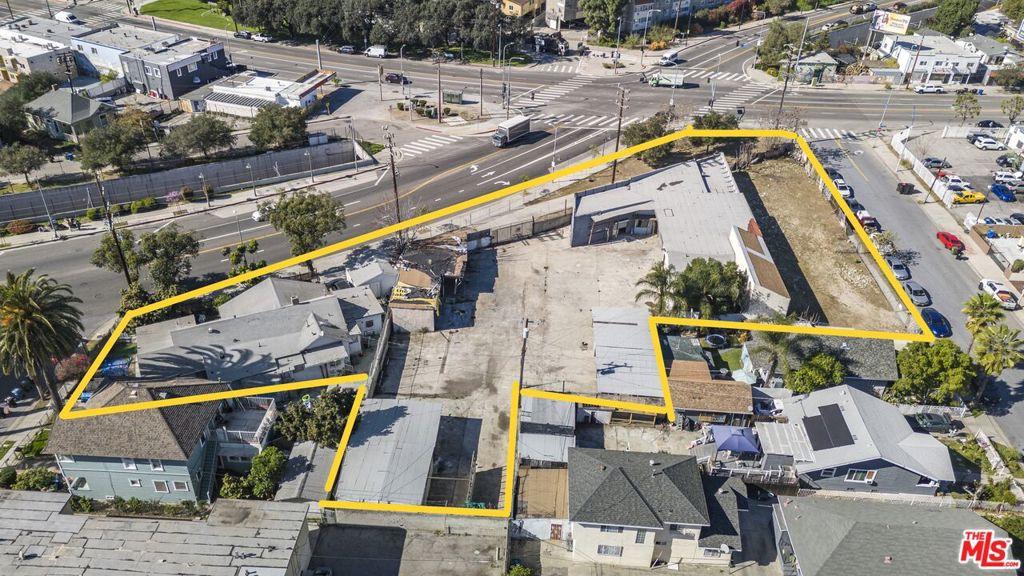
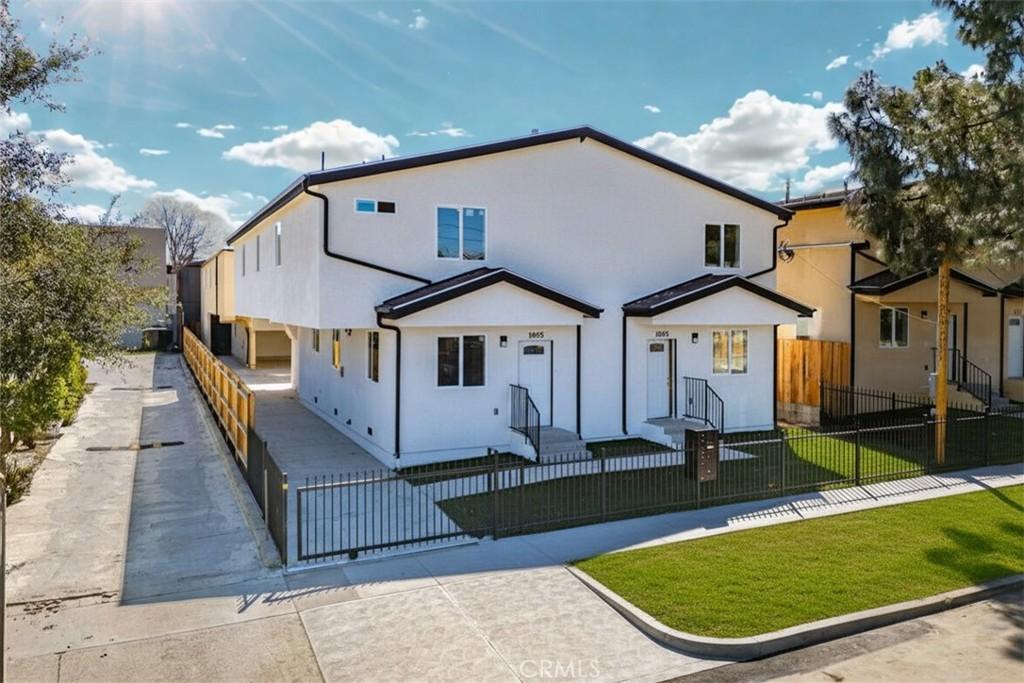
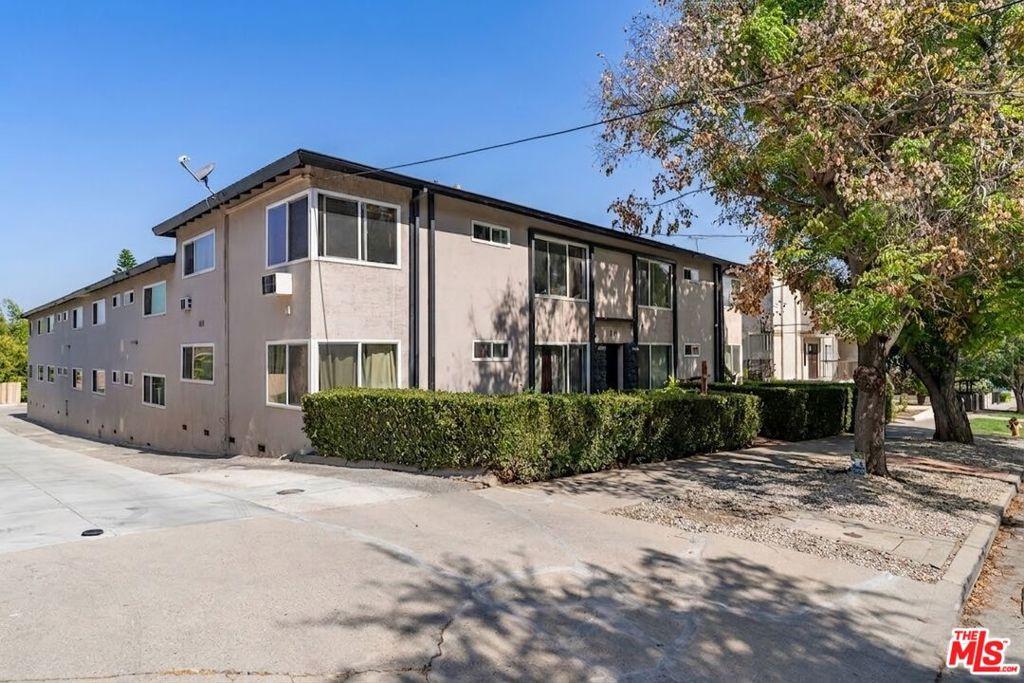
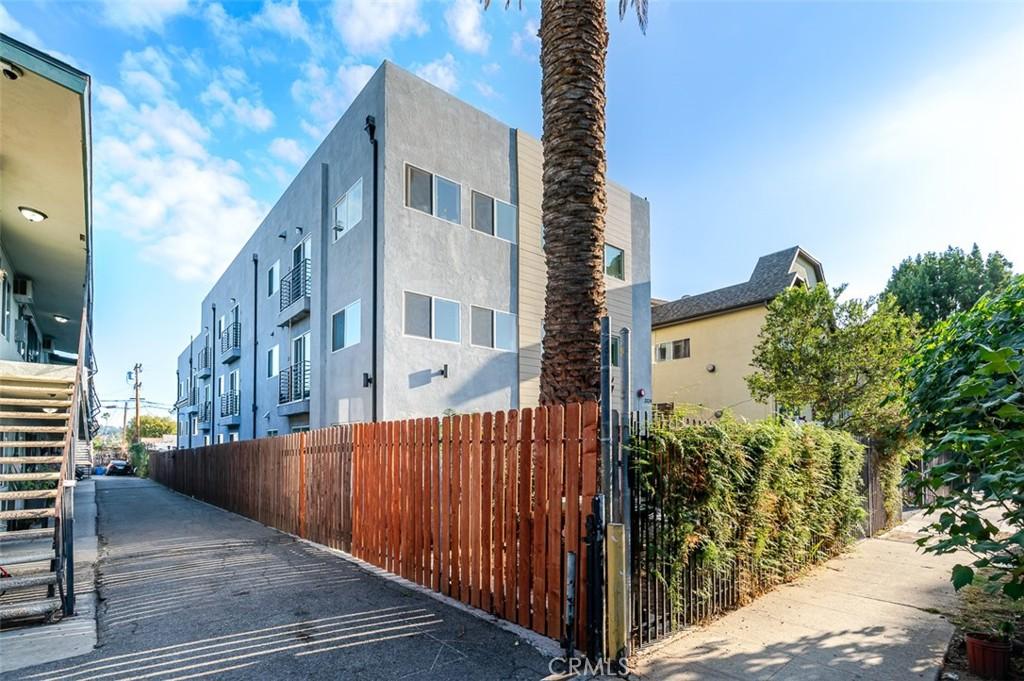
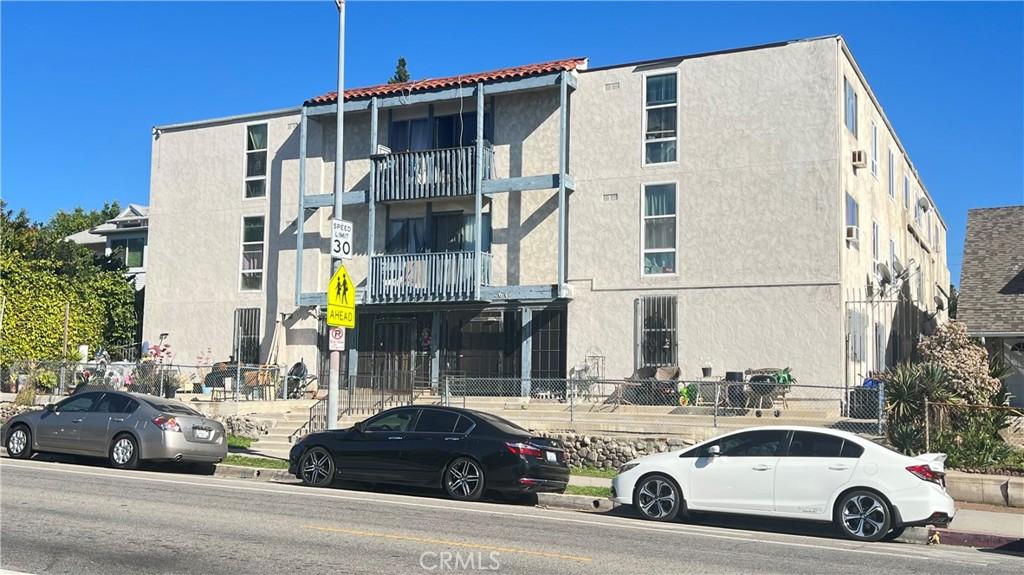
Supply is a mix of single-family rentals, duplexes and triplexes carved from older lots, small pre-war apartment buildings, and a growing number of ADUs. Because so much multifamily stock here predates the 1980s, a large share falls under the City of Los Angeles Rent Stabilization Ordinance, which limits annual increases and requires just cause for eviction. Confirm RSO status with the Los Angeles Housing Department for any building you are underwriting.
If you are renting rather than buying, start with Highland Park, CA rentals for walkable access to York and Figueroa, Eagle Rock rentals for proximity to Occidental and Colorado Boulevard, and Glassell Park homes for rent for the widest range of price points.
For single-family rentals with view and space, review Mount Washington homes for rent and Montecito Heights rentals, both trading elevation for a longer drive to the nearest market. Closer in, Cypress Park rentals sit near the Lincoln/Cypress A Line station, and Atwater Village homes for rent offer the shortest walk to Griffith Park.
Open space is the headline. Ernest E. Debs Regional Park runs 282 acres of native oak and California walnut woodland across the Montecito Hills, with several miles of trails and views of the Arroyo Seco, the San Gabriel Mountains, and the Downtown skyline. The Audubon Center there operates from the first carbon-neutral building constructed in the United States. Along the river, Rio de Los Angeles State Park delivers 40 acres including restored wetlands, and the Los Angeles River Bike Path runs the corridor.
Culturally the region carries Heritage Square Museum, the Southwest Museum of the American Indian site, and the Center for the Arts Eagle Rock in its 1927 building. Retail and dining cluster on York Boulevard, Figueroa Street, Colorado Boulevard, and Glendale Boulevard, all walkable in a way the hillsides are not.
Be clear-eyed here. Northeast Los Angeles was historically a heavily Latino and working-class part of the city, and it has been gentrifying since the early 2000s. As of 2017 the region counted 243,925 residents: 64% Latino, 16.7% white, and 16.5% Asian, with roughly 38% foreign-born. In Highland Park, low rents drew wealthier residents and reversed decades of decline, but the benefits landed unevenly and many longtime Latino-owned businesses closed as costs rose.
The deep-value window closed some time ago. What remains is a market priced on architecture, walkability, and transit access, where condition, permit history, and overlay status all get scrutinized. For an investor, the thesis now rests on specific value-add or ADU capacity rather than an expectation that the region re-rates again.
Cypress Park generally is. It is the smallest of the seven at roughly 0.72 square miles, the closest to Downtown at under 2.5 miles, and it has historically carried the region’s lowest household incomes and highest renter share. That has kept entry pricing below Eagle Rock and Mount Washington. Confirm current pricing with us, since it shifts quarter to quarter.
Yes. All seven core neighborhoods are within city limits, which is why Measure ULA, the Rent Stabilization Ordinance, HPOZ regulation, and Department of Building and Safety permitting all apply. Glendale and Pasadena border the region but are separate cities with separate rules.
Often, but feasibility is site-specific. Flat lots in Highland Park, Cypress Park, Atwater Village, and lower Glassell Park are the most straightforward. Hillside parcels in Mount Washington and Montecito Heights face slope, access, and fire-department turnaround requirements that can raise cost substantially. HPOZ status adds a design review layer.
Short in distance and variable in time. Cypress Park is under 2.5 miles out, and Highland Park is a direct A Line ride. The constraint is the Arroyo Seco Parkway, built in 1940 without acceleration or deceleration lanes, which degrades quickly under volume. Many residents in the rail corridor use the A Line specifically to avoid it.
You need to price it early. Hillside parcels adjacent to open space in the San Rafael Hills, the Arroyo Seco, and Debs Park may fall inside state-designated Fire Hazard Severity Zones, which affects both premium and carrier availability. Get a written insurance quote during your contingency period rather than assuming standard placement.
Garvanza is a distinct historic community within the Highland Park area, annexed in 1899, four years after Highland Park itself, and it carries its own Historic Preservation Overlay Zone. Listings use the two names interchangeably, so check the parcel and its overlay status rather than the label.
We work the parcel, not the postal code. Before you write an offer here we pull HPOZ and contributing-structure status, Building and Safety permit history, the Fire Hazard Severity Zone designation, and slope-adjusted comparables that hold topography constant instead of averaging a hillside view lot against a flat lot two streets away. On the sell side we model Measure ULA exposure before setting price whenever a property is near the threshold.
We will also tell you when a property does not work. A 1920s bungalow with an unpermitted second unit inside an HPOZ is a different asset than the listing photos suggest, and you should hear that before the appraiser does.
Browse the listings on this page, then contact The Knight Group with the address or pocket you are focused on. We will send the permit history, overlay status, and comparable set for that block.
The Knight Group is here to help you with all your realty needs. To get started, fill out the form below and one of our experienced agents will contact you as quickly as possible.
Copyright © 2024 The Knight Group.
All rights reserved. License: 02133297
Lucky for you we’re looking out.
Subscribe to this Custom Search to be alerted when new properties hit the market in the area.
Choose the frequency that works for you.