Eastside Homes for Sale in Los Angeles
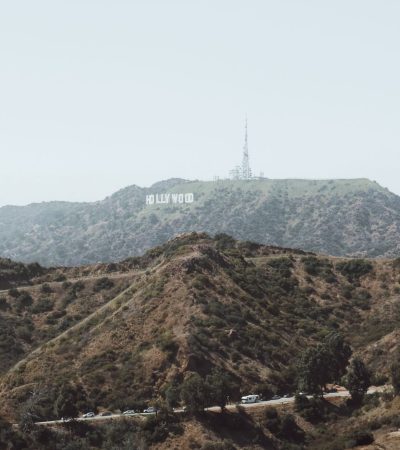
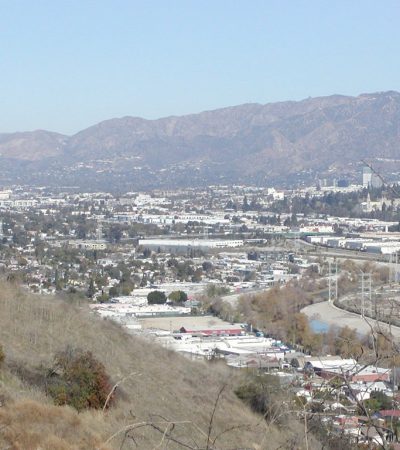
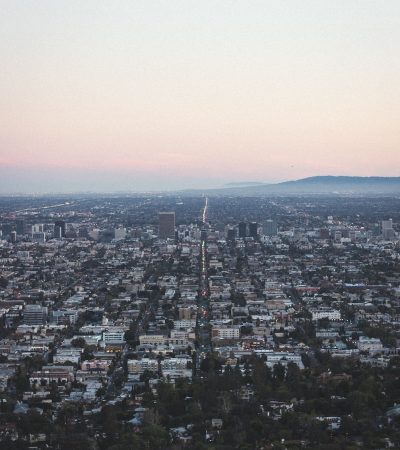
Eastside homes for sale sit in the band of hillside and flatland neighborhoods between Hollywood and the Los Angeles River, wrapping the southern edge of Griffith Park and running down through Silver Lake and Echo Park toward Downtown. This is where Los Angeles built its first suburbs in the 1880s and, later, some of the most significant modernist houses in the country. What you are buying is architectural specificity, walkability, and proximity — design pedigree the Westside largely cannot match at the same price, on lots that are usually smaller and often steeper.
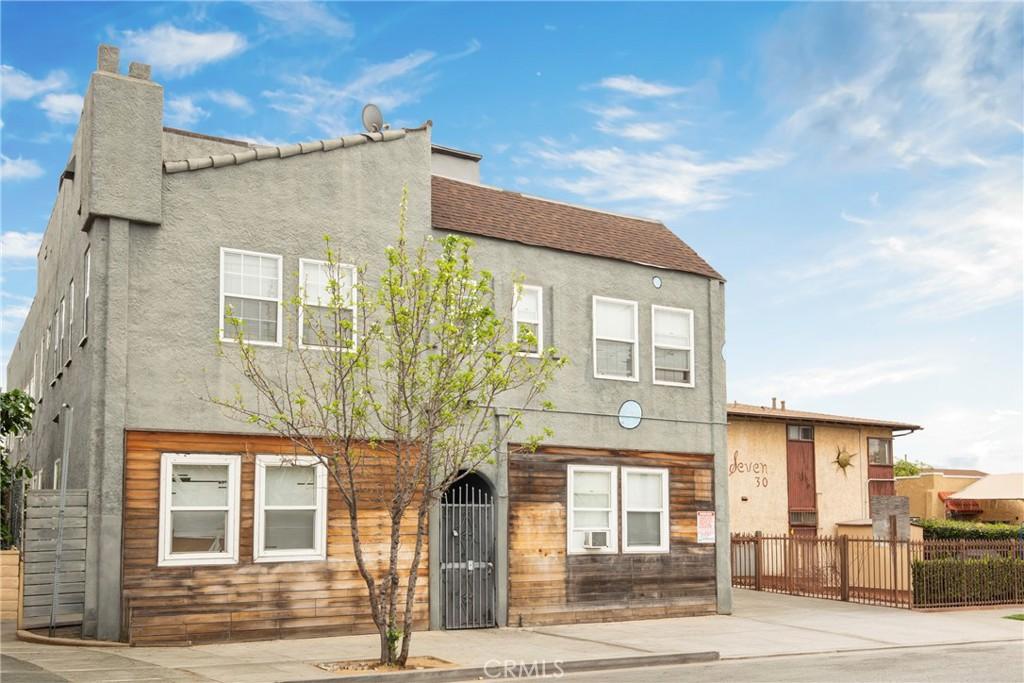
Nothing here is uniform. A block of 1880s Victorians can sit minutes from a 1950s post-and-beam hillside house, which sits minutes from a 1920s Spanish duplex on a walkable corridor. The Eastside is roughly a dozen submarkets that price and trade differently, from Silver Lake’s 2.75 square miles of Neutra and Schindler work to the Victorians of Angelino Heights and the denser, older stock of Historic Filipinotown.
Browse the active listings below, or contact The Knight Group. We will tell you which of these pockets fits what you are trying to buy, and which will fight you on inspection, permits, or parking.
Which neighborhoods make up the Eastside?
The Eastside is not one market. It is roughly a dozen submarkets that price and trade differently.
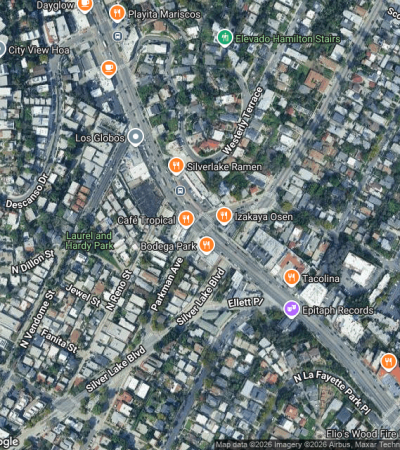
Silver Lake is the anchor. It covers about 2.75 square miles, bordered by Atwater Village and Elysian Valley to the northeast, Echo Park to the southeast, East Hollywood to the west, and Los Feliz to the northwest. Its center is the reservoir complex, two basins named Silver Lake and Ivanhoe, declared Los Angeles Historic-Cultural Monument No. 422 in 1989. A path of roughly 2.2 miles rings the water, and the three-acre Silver Lake Meadow opened in April 2011. Architecturally the neighborhood is defined by concentrated work from Richard Neutra, Rudolph Schindler, John Lautner, Gregory Ain, and Craig Ellwood.
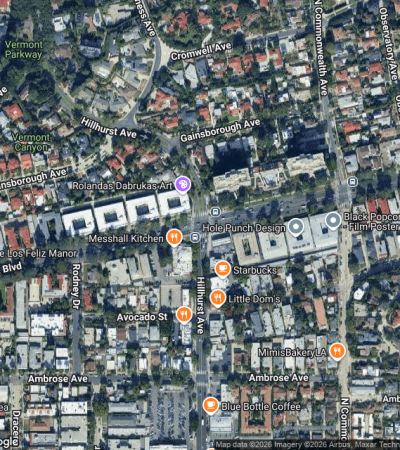
Los Feliz takes its name from the Feliz family of Californios. José Vicente Féliz received the 6,647-acre Rancho Los Feliz land grant in 1795. Griffith J. Griffith acquired 4,071 acres of it in 1882 and donated 3,015 acres to the city on December 16, 1896. What stayed private became the neighborhood. Its commercial spine runs along Vermont and Hillhurst Avenues.
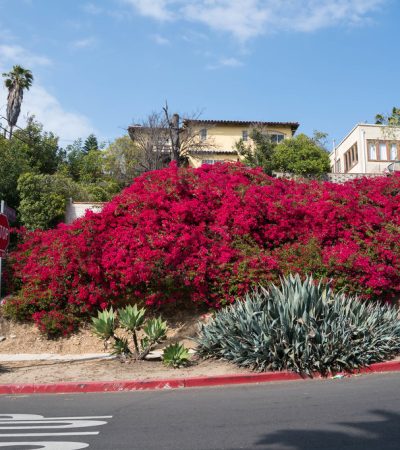
Its priciest pockets sit inside it. Los Feliz Hills covers the winding hillside streets climbing toward the park, where lot geometry and view corridors drive price more than square footage does. Los Feliz Estates covers the larger period-revival properties on the flatter, more formal streets. Laughlin Park is the gated enclave inside Los Feliz, roughly 60 homes behind a private gate, and the most insulated address in the region. Inventory is thin by design.
Franklin Hills sits between Los Feliz Village and Silver Lake, bounded by Franklin Avenue to the north, Talmadge Street to the west, Fountain Avenue to the south, and Hyperion Avenue to the east. Its landmark is the Shakespeare Bridge, Los Angeles Historic-Cultural Monument No. 126. Fourteen public stairways built in the 1920s still connect hillside homes to the streets below, originally to reach the trolley lines.
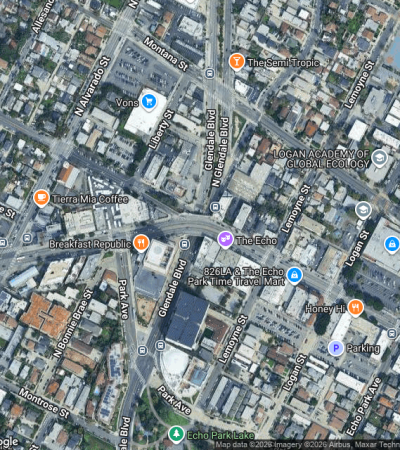
Echo Park runs southeast of Silver Lake toward Downtown. Echo Park Lake began in 1868 as a reservoir and became a public park in 1895. It was drained in 2011 and reopened on June 5, 2013 after a renovation reported at $45 million.
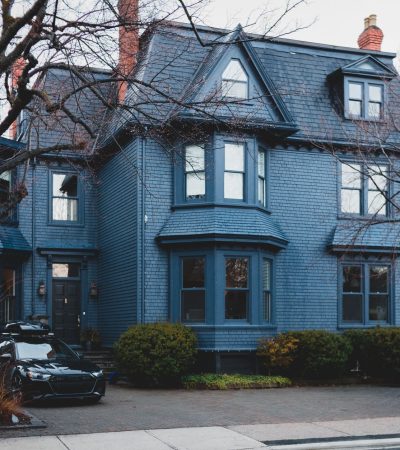
Angelino Heights is the historic core of the whole area. Founded in 1886, it is the second-oldest district in Los Angeles outside Downtown after Bunker Hill and the city’s first recognized historic district. The 1300 block of Carroll Avenue is on the National Register of Historic Places and holds the highest concentration of 19th century Victorian homes in the city. More than 30 houses carry Historic-Cultural Monument status. The Angelino Heights Historic Preservation Overlay Zone was enacted in 1981.
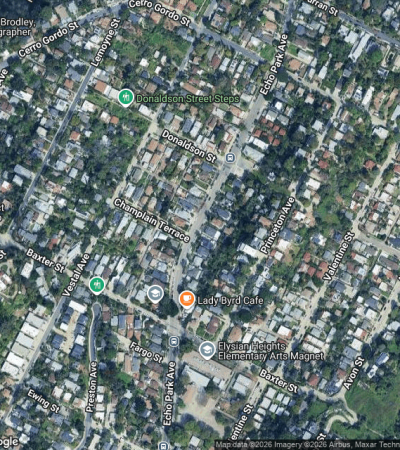
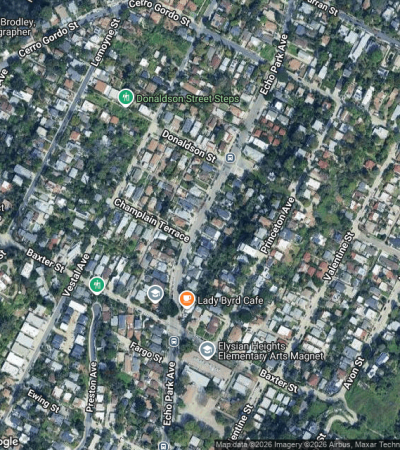
Elysian Heights occupies the hills between Echo Park Lake and Elysian Park, bounded loosely by Sunset Boulevard to the south, Glendale Boulevard to the west, Elysian Park to the east, and Interstate 5 to the north. It has drawn artists, writers, filmmakers, and political radicals since the early 20th century, and in the 1930s locals nicknamed it Red Hill. Elysian Heights Elementary School is on Baxter Avenue.
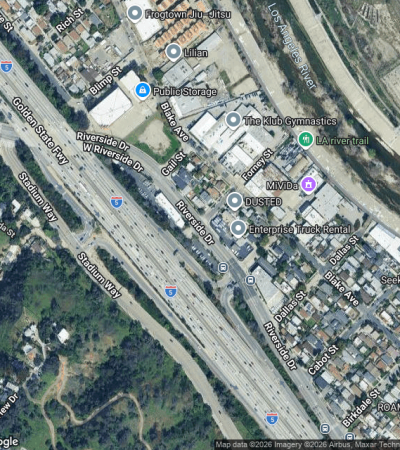
Elysian Valley, known locally as Frogtown, is the narrow strip pinned between the Los Angeles River to the north and Interstate 5 to the south, roughly 0.79 square miles. It is reachable mainly via Fletcher Drive or Riverside Drive, which keeps through traffic out. The name dates to a period between the 1930s and 1960s when western toads emerged into the streets in large numbers. The Glendale Narrows Elysian Valley Bike Path runs 7.4 miles along the river here. Los Angeles River restoration planning is the dominant variable for long-term value in this pocket.
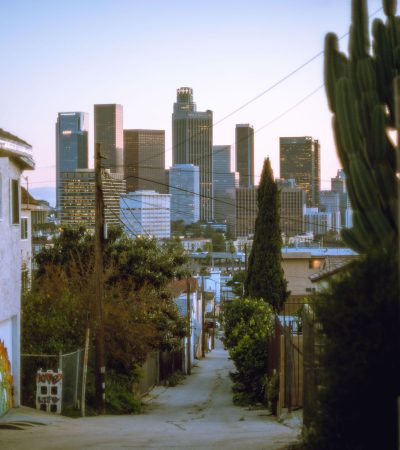
Victor Heights is the steep hillside pocket northwest of Downtown, bounded by Sunset Boulevard to the south, the 110 freeway and Chinatown to the east, and Stadium Way to the north. Residents nicknamed it the Forgotten Edge in 1992, after forming a neighborhood watch group and finding the police department had trouble locating them. Contemporary condominiums now sit beside 1920s bungalows.
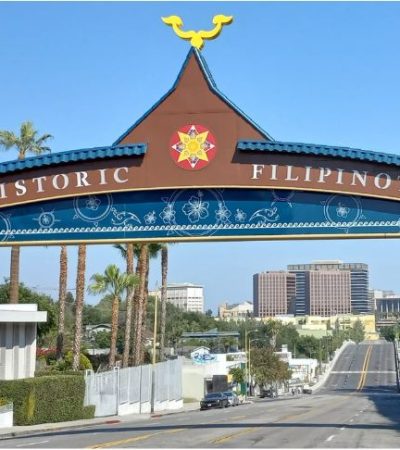
Historic Filipinotown was officially designated by the City of Los Angeles on July 31, 2002. It runs between Glendale Boulevard on the east, the 101 Freeway on the north, Hoover Street on the west, and Beverly Boulevard on the south. Its landmark is the Gintong Kasaysayan, Gintong Pamana mural in Unidad Park, unveiled June 24, 1995 by Eliseo Art Silva. The housing stock skews older and denser than the hillside neighborhoods, which changes the buyer profile.
East Hollywood is bounded by Western Avenue to the west, Hollywood Boulevard to the north, Hoover Street to the east, and the Hollywood Freeway to the south. Thai Town was designated in 1999 and Little Armenia in 2000. Barnsdall Art Park on Olive Hill holds the Frank Lloyd Wright designed Hollyhock House, donated to the city in 1926. It also carries the region’s medical employment cluster: Children’s Hospital Los Angeles, Hollywood Presbyterian Medical Center, and Kaiser Permanente, roughly 1,200 hospital beds in total.
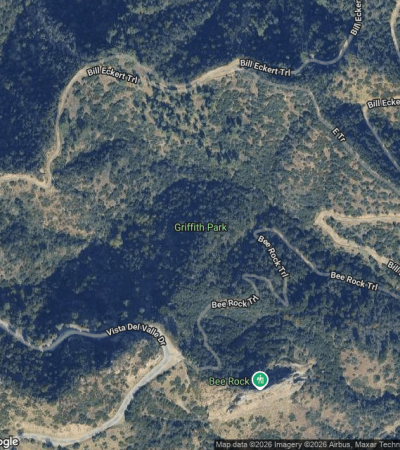
Griffith Park functions as both a park and an address. At 4,310 acres it is the largest municipal park with an urban wilderness area in the United States, holding Griffith Observatory, completed in 1935, the Greek Theatre, completed in 1930, the Los Angeles Zoo, and the Autry Museum. Homes marketed as Griffith Park adjacent sit along its southern and eastern edges, and that adjacency is priced in.
What kind of housing stock will you actually find here?
Four categories, and they do not behave alike.
The first is pre-1900 Victorian, concentrated almost entirely in Angelino Heights: Queen Anne and Eastlake houses, many monument-designated, most inside an HPOZ. Expect restoration costs, design review on exterior changes, and a narrow but committed buyer pool at resale.
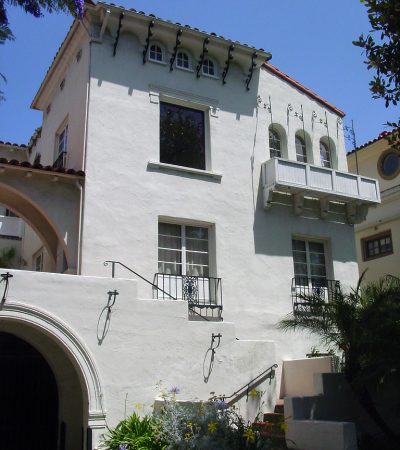
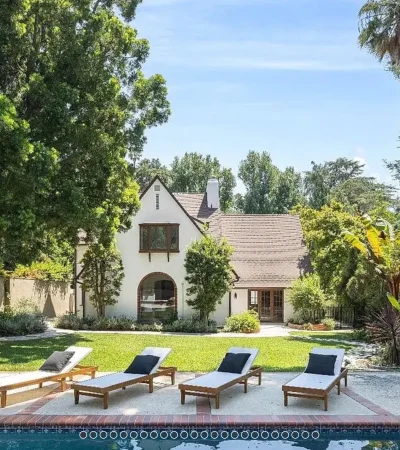
The second is 1910s through 1930s period stock: Craftsman bungalows, Spanish Colonial Revival, Tudor, and Mediterranean, spread through Los Feliz, Franklin Hills, Echo Park, and Historic Filipinotown. This is the volume of the market, and condition varies enormously because much of it has been remodeled twice over a century.
The third is midcentury modern, the reason many buyers come to the Eastside at all. These houses often sit on hillside lots with caisson or pile foundations, walls of glass, and flat roofs, and they reward buyers who understand what they are maintaining.
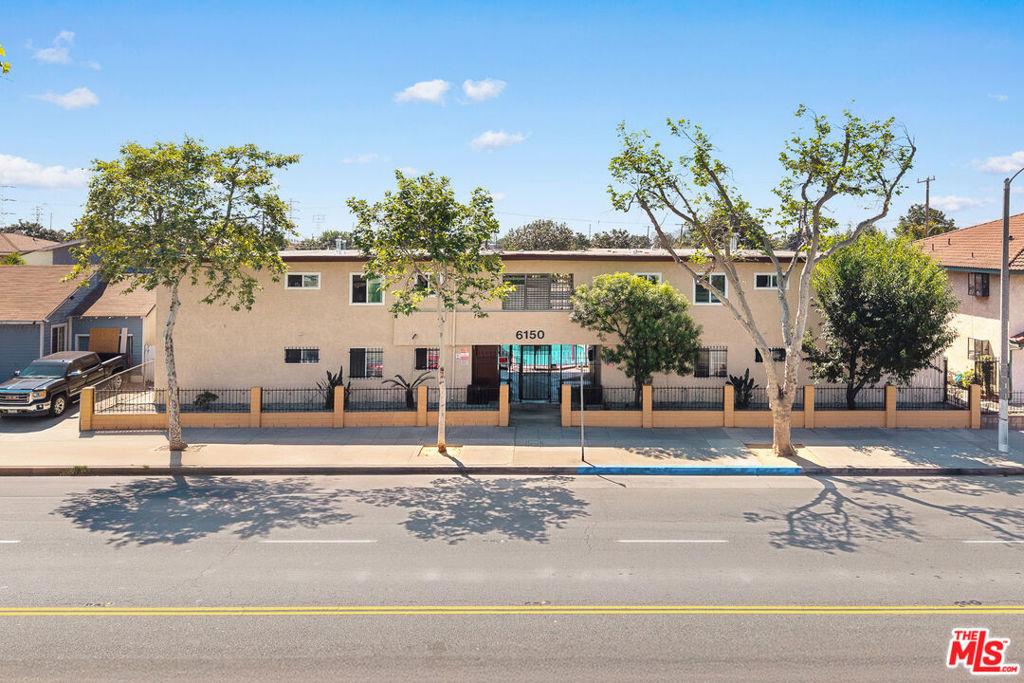
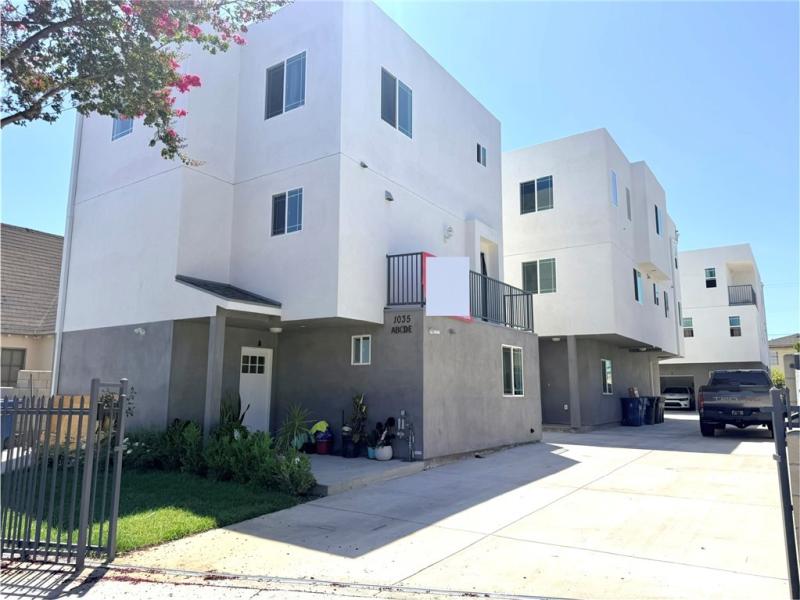
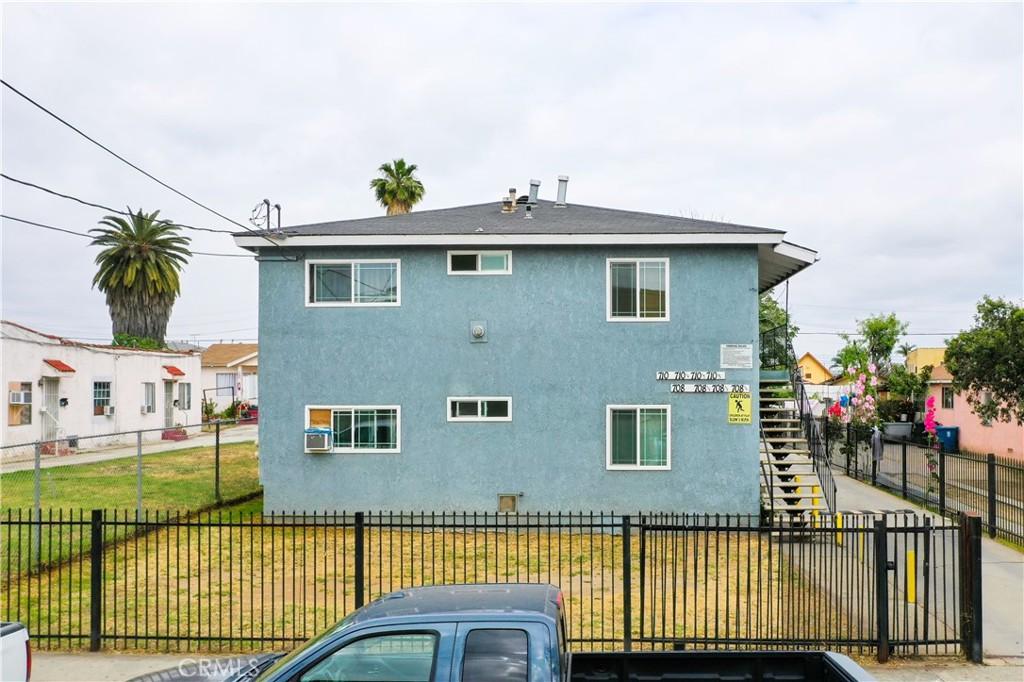
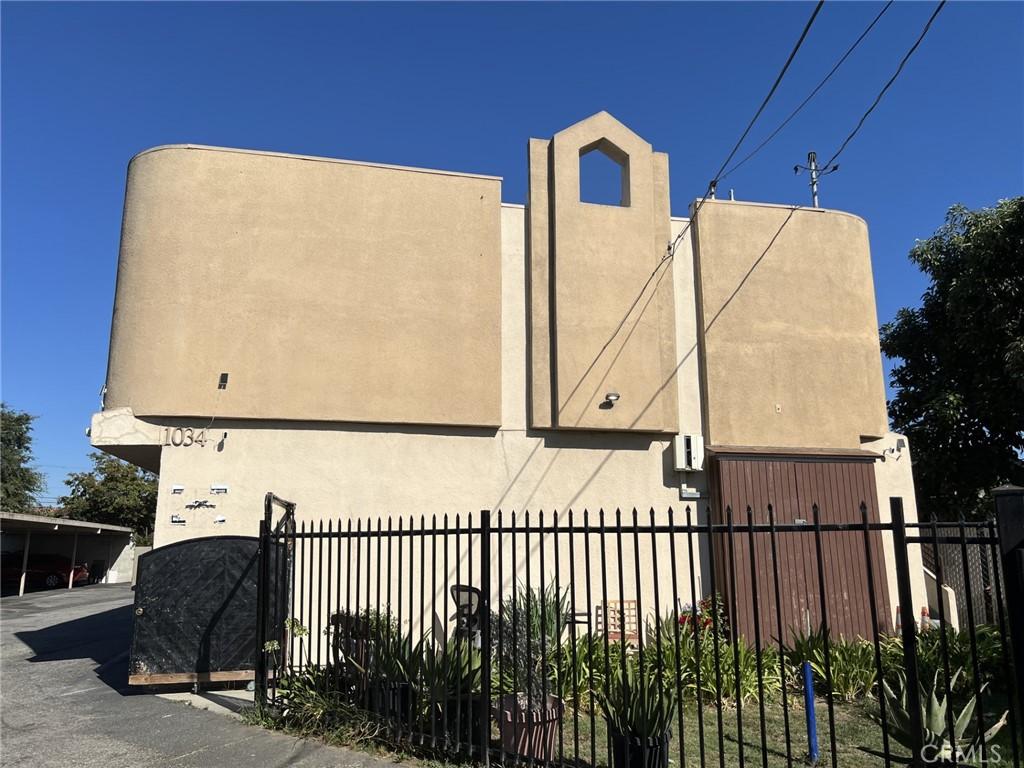
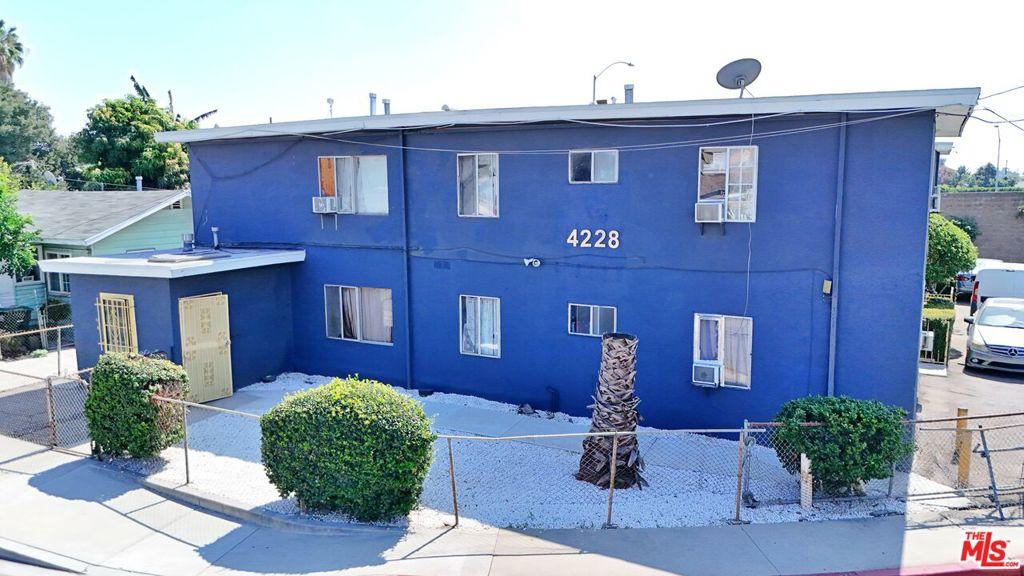
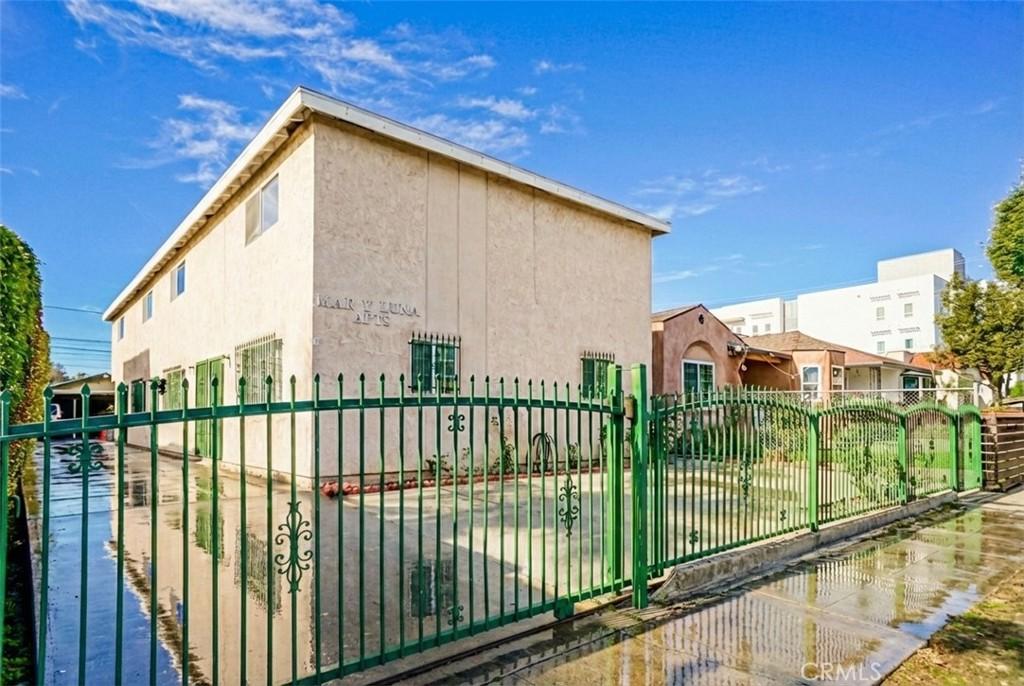
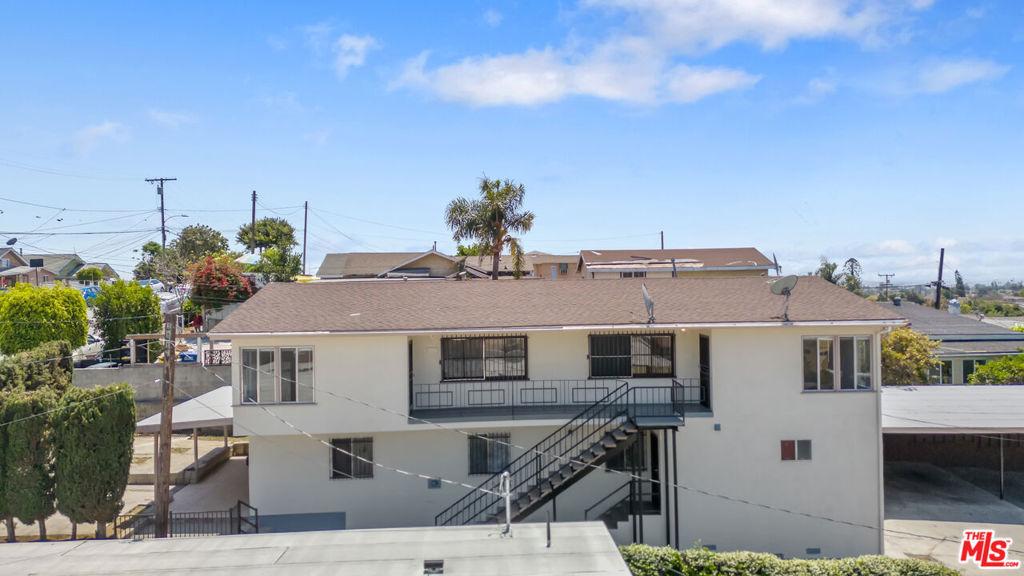
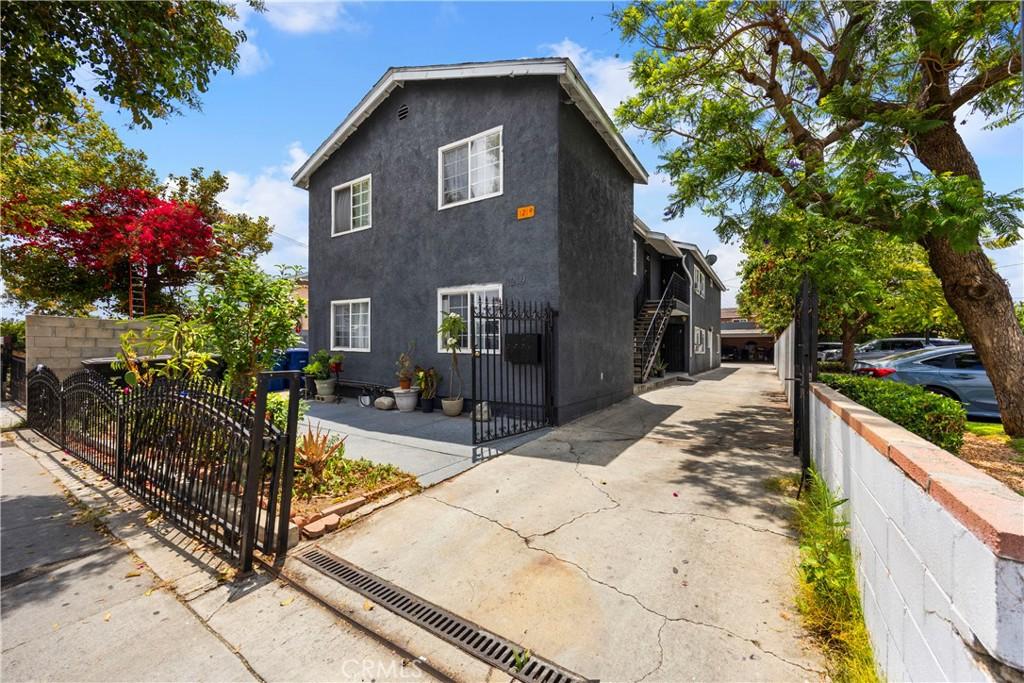
The fourth is small multifamily and newer infill condominiums, densest in East Hollywood, Historic Filipinotown, and the flats of Echo Park and Victor Heights. This is where most rental inventory and investor activity concentrates.
Why does architecture drive price so heavily on the Eastside?
Because provenance is scarce and lots are not distinctive. On the Westside, a large flat lot is itself the asset. Here most lots are modest, sloped, or both, so the differentiator becomes the building. A documented architect, intact original design, and clean permit history can separate two otherwise comparable properties by a wide margin. That cuts both ways: an unsympathetic remodel of a significant house can subtract value. If you own something with a named architect attached, talk to us first.
How do you get around, and what is the commute like?
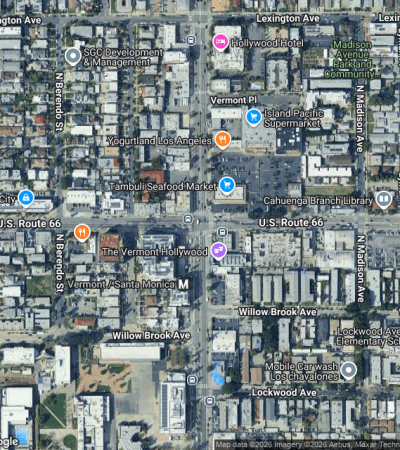
The Eastside is better served by transit than most of Los Angeles. The Metro B Line runs four stations through East Hollywood at Vermont/Beverly, Vermont/Santa Monica, Vermont/Sunset, and Hollywood/Western, all opened in 1999, giving direct rail access to Downtown and North Hollywood. By car, the 101 forms the southern edge of Historic Filipinotown and East Hollywood, the 110 runs along Victor Heights, and the 5 cuts between Elysian Valley and Elysian Heights.
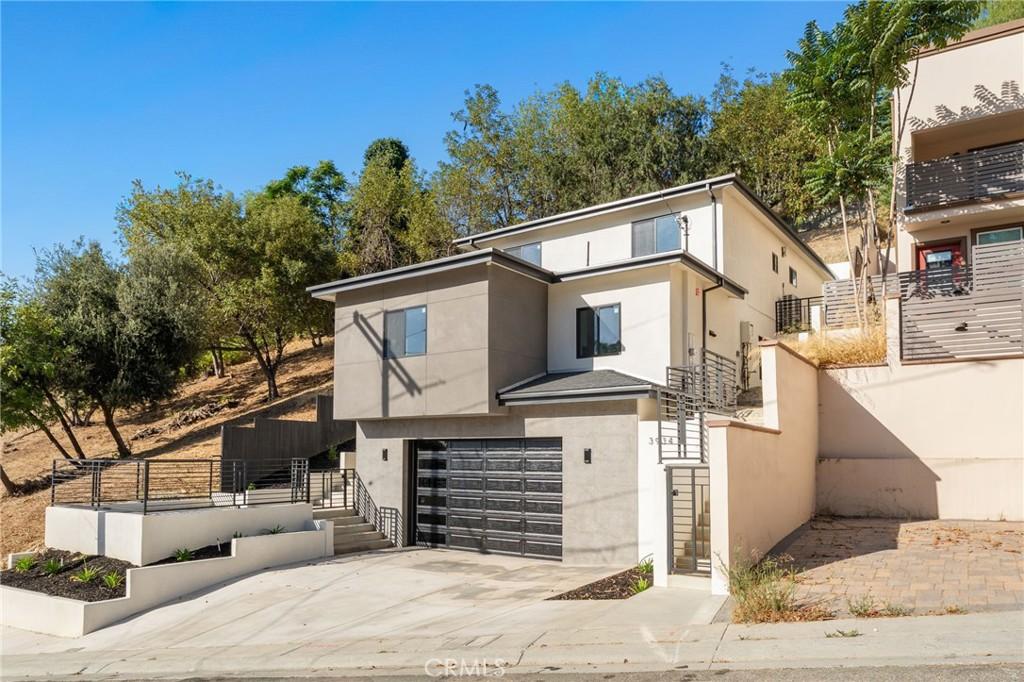
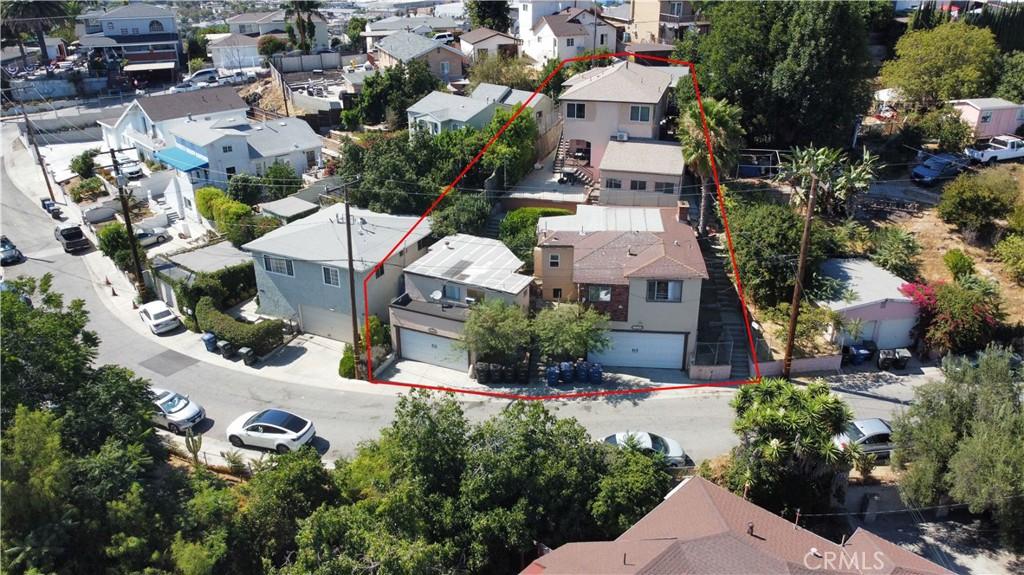
The trade-off is parking and street width. Hillside pockets such as Elysian Heights, Franklin Hills, Los Feliz Hills, and Victor Heights have narrow, steep streets, limited driveways, and in some cases stairway-only access to the front door. Check parking and access before you commit to a floor plan.
What about outdoor space and parks?
This is the region’s structural advantage. Griffith Park sits directly on the northern edge. Elysian Park, at roughly 600 acres, is the oldest park in Los Angeles and borders Echo Park, Elysian Heights, Elysian Valley, and Victor Heights. Echo Park Lake and the Silver Lake Reservoir path add two more walkable open spaces. Very few buyers in Los Angeles get that much open space within minutes of the front door, and it is part of what you are paying for.
What are the schools like?
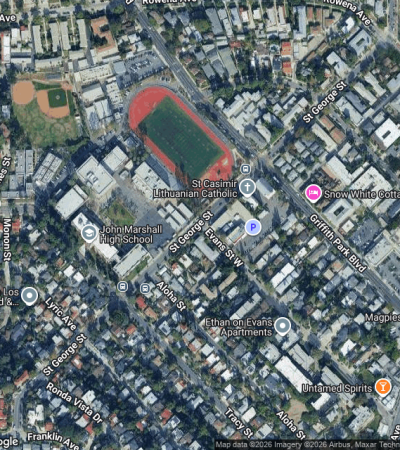
The entire region is served by the Los Angeles Unified School District. Silver Lake alone contains ten LAUSD schools, including Ivanhoe, Micheltorena, and Clifford Street elementary schools and Thomas Starr King Middle School. Echo Park likewise contains ten. John Marshall Senior High School, opened in 1931, is the historic comprehensive high school for the Los Feliz and Silver Lake area, and Los Angeles City College sits in East Hollywood.
Attendance boundaries here are irregular and cross neighborhood lines. Do not assume a boundary from a listing description. Verify the specific address with LAUSD before you write an offer that depends on it.
What are the real risks and trade-offs of buying on the Eastside?
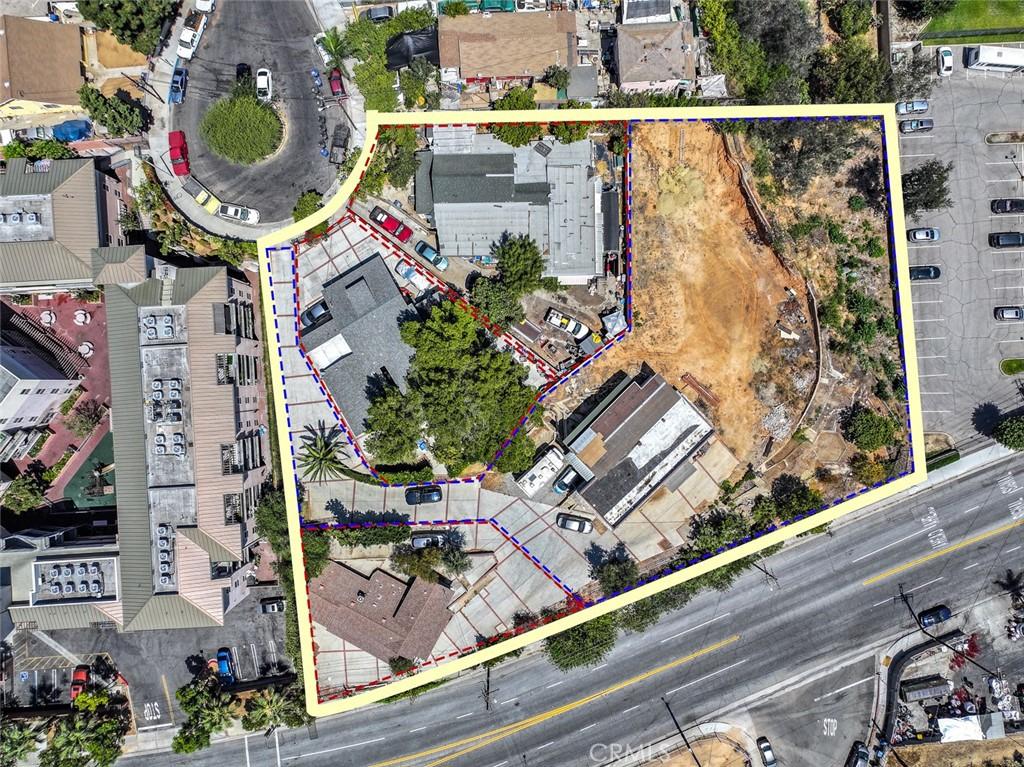
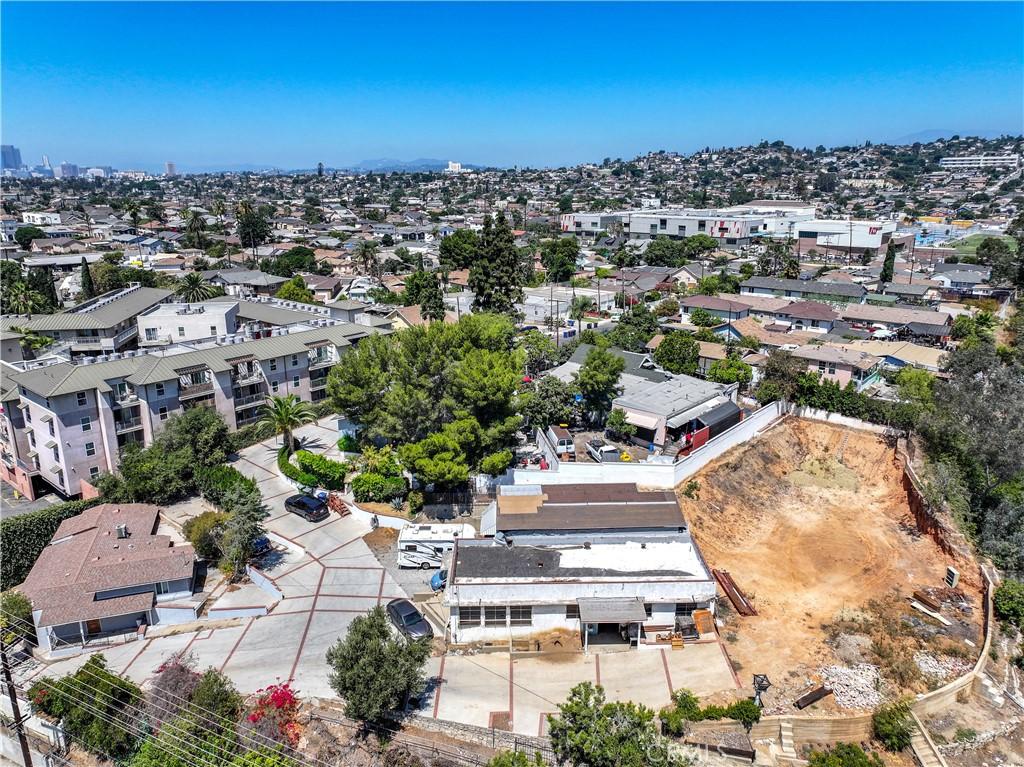
Hillside construction is the first. Many of the best houses sit on slopes with retaining walls, caissons, or pier foundations, so geology, drainage, and slope stability matter more here than anywhere else in the city. Budget for a geotechnical review, not just an inspection.
Historic overlays are the second. The Angelino Heights HPOZ restricts unsympathetic remodeling and requires new construction to match original scale, massing, and materials. That protects value and constrains what you can do next spring.
Fire is the third. Griffith Park has burned repeatedly, including major fires in 1933, 1961, and 2007, the last of which consumed more than 817 acres. On the park edge and in the steeper canyons, confirm insurance availability early rather than in the last week of escrow.
Age of stock is the fourth. Century-old houses come with knob-and-tube wiring, galvanized supply lines, unreinforced chimneys, and unpermitted additions. None of it is disqualifying, and all of it is negotiable if you find it during your inspection contingency.
How does Measure ULA affect selling here?
Measure ULA is the City of Los Angeles transfer tax approved by voters in November 2022 and effective April 1, 2023. It taxes sales within city limits above a threshold at 4 percent in the lower bracket and 5.5 percent above the higher one, applied to the full sale price once a threshold is crossed rather than only the amount above it. Thresholds adjust annually for inflation and stood at $5.3 million and $10.6 million as of July 2025. Every neighborhood on this page sits inside the city, so ULA is live for all of it, though in practice it touches Laughlin Park, Los Feliz Estates, Los Feliz Hills, and the best Silver Lake modernist trades far more than the rest of the region.
The market reacted. A UCLA study found the likelihood of a Los Angeles property selling above its tax threshold fell by as much as 50 percent, and RAND researchers reported high-value sales within the city declined by half over the measure’s first two years. If your property is near a threshold, pricing has to account for that cliff. Confirm current-year thresholds and your exposure with a tax professional, because the numbers move annually.
What should renters and small-building investors know?
Rental demand here is deep, particularly in the denser flats. East Hollywood is overwhelmingly a renter market: an estimate reported for 2008 put renters at 91.3 percent of households. Elysian Valley reported 52.2 percent renters in the 2000 census. Well-located small buildings absorb quickly.
Tenants can start with Silver Lake rentals for the design-forward inventory, Historic Filipinotown rentals for older stock at lower price points with strong freeway access, Griffith Park rentals for park-adjacent listings, and Elysian Heights rentals for the hillside pockets above Echo Park.
Investors should note that older multifamily buildings in the City of Los Angeles may fall under the city’s Rent Stabilization Ordinance, and buildings outside it may still be covered by state tenant protections. Coverage turns on construction date and property type. Verify any building with the Los Angeles Housing Department before underwriting a rent roll, because allowable increases change the return materially.
Where should you start your home search?
Start with the pocket, not the price band. For the estate tier, look at Los Feliz Hills homes for sale, Los Feliz Estates homes for sale, and homes for sale in Laughlin Park. Laughlin Park trades rarely, so set an alert rather than checking manually.
For architecture-driven buying, start with Silver Lake homes for sale and homes for sale in Franklin Hills, which carry the modernist and period-revival inventory that defines the region.
For historic stock, review homes for sale in Angelino Heights and homes for sale in Historic Filipinotown, keeping the overlay rules in mind on the former.
For the hills above Echo Park and the pockets nearest Downtown, see homes for sale in Echo Park, homes for sale in Elysian Heights, and homes for sale in Victor Heights.
For river-adjacent and transit-heavy options, check homes for sale in Elysian Valley and homes for sale in East Hollywood. And for anything on the park’s edge, see Griffith Park homes for sale.
Frequently asked questions about buying on the Eastside
Is the Eastside more affordable than the Westside of Los Angeles?
Historically yes on a per-property basis, though the gap has narrowed in the strongest pockets. Laughlin Park, Los Feliz Estates, and premier Silver Lake modernist houses compete directly with Westside pricing. Ask us for comparable sales on the specific streets you are considering rather than relying on a regional average.
Which Eastside neighborhood is the most exclusive?
Laughlin Park. It is a gated enclave of roughly 60 homes inside Los Feliz, and the limited unit count sustains its position. Turnover is low and off-market activity is meaningful, so representation matters more there than elsewhere.
Do I need special approval to renovate a historic Eastside home?
If the property sits in a Historic Preservation Overlay Zone, yes. The Angelino Heights HPOZ was enacted in 1981 and governs exterior alterations, scale, massing, and materials. Individually designated Historic-Cultural Monuments carry their own review requirements. Confirm scope with the city before you draw plans.
Can I still swim or boat at the Silver Lake Reservoir?
No. The Silver Lake basin was taken offline after bromate contamination was detected in December 2007, and the Ivanhoe basin remains part of the water system. Public use is limited to the perimeter path, the recreation areas, and the Silver Lake Meadow, opened April 2011.
How is the transit access for commuters?
Strong on the western side, weaker in the hills. The Metro B Line’s four East Hollywood stations connect to Downtown and the San Fernando Valley. Silver Lake, Echo Park, and the hillside neighborhoods depend more on bus service and driving. If rail access is a requirement, that narrows the search, and we can filter for it.
Does Measure ULA apply to every Eastside sale?
It applies to sales within the City of Los Angeles above the current thresholds, $5.3 million and $10.6 million as of July 2025, adjusted annually. All the neighborhoods on this page are inside city limits. Most sales fall below the threshold, but sellers near the line should model it before pricing.
Are Eastside hillside homes harder to insure?
Some are. Properties on the Griffith Park edge and in the steeper canyons face more scrutiny given the park’s fire history. Start the insurance conversation in the first week of escrow rather than the last.
What should I inspect that I would not inspect elsewhere in Los Angeles?
Slope stability, retaining walls, drainage, and foundation type on any hillside property. Permit history on any house that has been added to, which is most of them. Sewer lateral condition on pre-war stock. And on significant houses, the condition of original windows, roofing, and anything a future buyer would expect to find intact.
How does The Knight Group work in this market?
We work the Eastside by property type, not by ZIP code. We underwrite an Angelino Heights Victorian differently from a Silver Lake post-and-beam and differently again from a Frogtown infill, because the buyer pools, inspection risks, and resale constraints are not the same.
For buyers, we name the constraint before you commit: the overlay rule, the slope report, the parking reality, the insurance question. For sellers, we position against the comparable set that actually competes with you, and we model Measure ULA exposure before we set a number rather than after an offer arrives.
If you are considering any of the neighborhoods above, reach out. Tell us what you are trying to do and your timeline, and we will give you a straight read on whether this part of Los Angeles fits it.
What is it like to live in Eastside Homes?
- Eastside Homes occupy the band of hillside and flatland neighborhoods sitting between Hollywood and the Los Angeles River near Griffith Park.
- Buyers of Eastside Homes are purchasing architectural specificity, walkability, and proximity rather than the larger flat lots common on the Westside.
- Lots across Eastside Homes tend to be smaller and often steeper than comparable parcels found elsewhere in Los Angeles.
- Victorian blocks, post-and-beam hillside houses, and Spanish duplexes on walkable corridors can all sit minutes apart in this region.
- Silver Lake anchors the region, bordered by Atwater Village, Elysian Valley, Echo Park, East Hollywood, and Los Feliz.
- Silver Lake centers on a reservoir complex of two basins, named Silver Lake and Ivanhoe, designated a Historic-Cultural Monument.
- Richard Neutra, Rudolph Schindler, John Lautner, Gregory Ain, and Craig Ellwood defined the architectural character of Silver Lake.
- Los Feliz draws its name from the Feliz family of Californios, whose rancho land grant later became parkland and private neighborhood.
- Vermont and Hillhurst Avenues form the commercial spine of Los Feliz and its surrounding residential streets.
- Los Feliz Hills covers winding hillside streets where lot geometry and view corridors drive price more than square footage does.
- Laughlin Park is a gated enclave inside Los Feliz, the most insulated address in the region, with inventory thin by design.
- Franklin Hills sits between Los Feliz Village and Silver Lake, bounded by Franklin, Talmadge, Fountain, and Hyperion.
- Public stairways built in the twenties still connect Franklin Hills houses to the streets below, originally reaching the trolley lines.
- Angelino Heights holds the highest concentration of nineteenth century Victorian homes in the city along a National Register block.
- Elysian Heights occupies the hills between Echo Park Lake and Elysian Park, bounded loosely by Sunset, Glendale, Elysian Park, and the freeway.
What should buyers know before buying Eastside Homes?
- Eastside Homes fall within the Los Angeles Unified School District, with attendance boundaries that run irregularly and cross neighborhood lines.
- Silver Lake contains LAUSD campuses including Ivanhoe, Micheltorena, and Clifford Street elementary schools and Thomas Starr King Middle School.
- John Marshall Senior High School serves as the historic comprehensive high school for the Los Feliz and Silver Lake area.
- Los Angeles City College sits in East Hollywood, within reach of the surrounding residential neighborhoods.
- Verification of a specific address with LAUSD matters before writing an offer that depends on a particular school boundary.
- Hillside construction across Eastside Homes means retaining walls, caissons, and pier foundations, so geology and drainage deserve a geotechnical review.
- Historic overlay rules in Angelino Heights restrict unsympathetic remodeling and require new construction to match original scale, massing, and materials.
- Fire history along Griffith Park makes early confirmation of insurance availability essential on the park edge and in steeper canyons.
- Century-old housing stock carries knob-and-tube wiring, galvanized supply lines, unreinforced chimneys, and unpermitted additions, all negotiable during inspection contingency.
- Measure ULA is the City of Los Angeles transfer tax that applies to sales above a threshold within city limits.
- Threshold crossing under Measure ULA applies the tax to the full sale price rather than only the amount above the line.
- Estate-tier trades in Laughlin Park, Los Feliz Estates, Los Feliz Hills, and top Silver Lake modernist houses feel the transfer tax most.
- Rental demand across Eastside Homes runs deep, particularly in the denser flats, where well-located small buildings absorb quickly.
- East Hollywood functions overwhelmingly as a renter market, and Elysian Valley has likewise reported a renter majority among households.
- Older multifamily buildings may fall under the city Rent Stabilization Ordinance or state tenant protections, so verify coverage before underwriting a rent roll.
What questions do buyers ask most about Eastside Homes?
- Laughlin Park stands as the most exclusive address, a gated enclave inside Los Feliz whose limited unit count sustains its position.
- Turnover in Laughlin Park runs low and off-market activity is meaningful, so representation matters more there than elsewhere.
- Historic Preservation Overlay Zone rules govern exterior alterations, scale, massing, and materials on properties inside the Angelino Heights boundary.
- Individually designated Historic-Cultural Monuments carry their own review requirements, so confirm scope with the city before drawing plans.
- Swimming and boating at the Silver Lake Reservoir remain unavailable after bromate contamination took the Silver Lake basin offline.
- Public use at the reservoir is limited to the perimeter path, the recreation areas, and the Silver Lake Meadow.
- Transit access across Eastside Homes runs strong on the western side and weaker in the hills.
- Metro B Line stations in East Hollywood connect riders to Downtown and the San Fernando Valley.
- Silver Lake, Echo Park, and the hillside neighborhoods depend more on bus service and driving than on rail.
- Measure ULA applies to sales within the City of Los Angeles above current thresholds, and every neighborhood here sits inside city limits.
- Sellers priced near the transfer tax line should model exposure before setting a number, even though most sales fall below.
- Insurance scrutiny increases on properties along the Griffith Park edge and in the steeper canyons given the fire history.
- Inspection priorities for Eastside Homes include slope stability, retaining walls, drainage, foundation type, permit history, and sewer lateral condition.
- The Knight Group works Eastside Homes by property type rather than ZIP code, underwriting a Victorian differently from a post-and-beam.
- Buyers hear the constraint named first, whether the overlay rule, the slope report, the parking reality, or the insurance question.