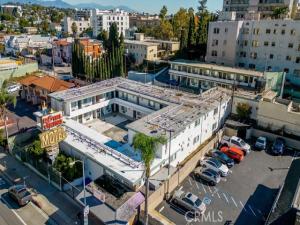
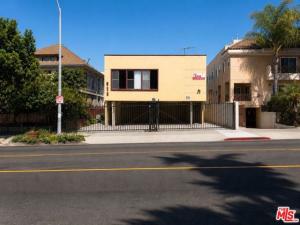
the Land: Historic Filipinotown’s Real Estate Landscape
Picture this: You’re sipping an artisanal latte at Tribal Cafe, scrolling through listings on your phone, when suddenly, you realize you’re sitting in the middle of LA’s next real estate gold rush. Historic Filipinotown isn’t just a neighborhood; it’s a movement.
But don’t let that fool you,this isn’t a market in decline; it’s a rare opportunity in a city where affordable and desirable rarely share the same zip code. You’re looking at a range from modest $500,000 homes to jaw-dropping $13.5 million estates. Talk about options!
But about 90.8% of the real estate here consists of small living spaces,studios and one to two-bedroom apartments. It’s like the neighborhood decided to rebel against LA’s sprawl and create a cozy, walkable urban village instead.
Breaking Down the Numbers
To give you a clearer picture of the real estate landscape, some specific data:
- Median Listing Home Price: $997,000
- Median Home Sold Price: $740,000
- Price Range: $500,000 to $13.5 million
- Median Price per Square Foot: $605
- Average Days on Market: 44
These figures, provided by Realtor.com, paint a picture of a diverse and dynamic market. The wide price range indicates opportunities for various types of buyers, from first-time homeowners to luxury real estate investors.
Housing Types and Architectural Styles
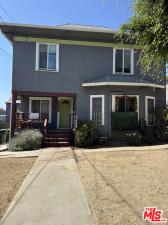
Historic Filipinotown has a diverse architectural landscape that reflects its rich history and ongoing development. You’ll find:
- Craftsman Bungalows: Dating back to the early 1900s, these homes feature low-pitched gabled roofs, wide eaves, and spacious front porches.
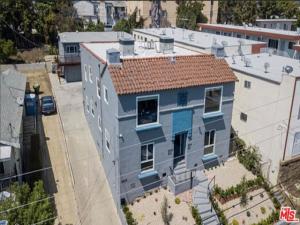
- Spanish Colonial Revival: Popular in the 1920s and 1930s, these homes are characterized by red tile roofs, stucco walls, and arched windows.
- Mid-Century Modern: Clean lines, large windows, and open floor plans define these homes from the 1950s and 1960s.
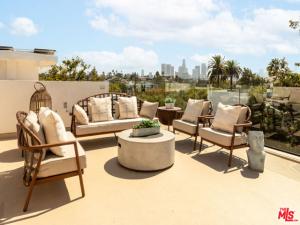
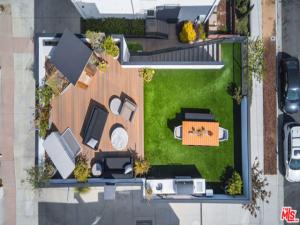
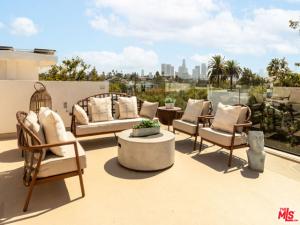
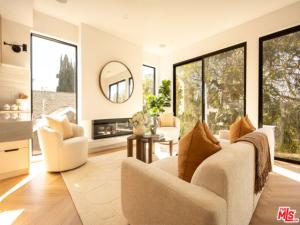
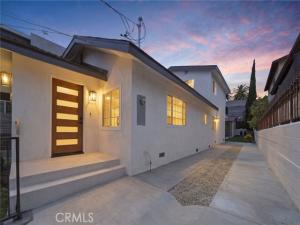
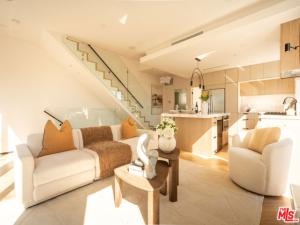
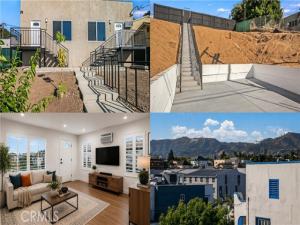
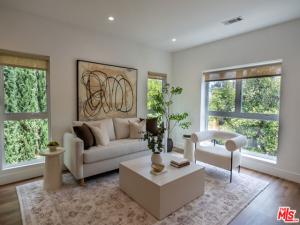
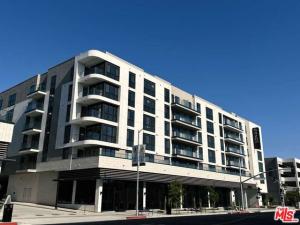
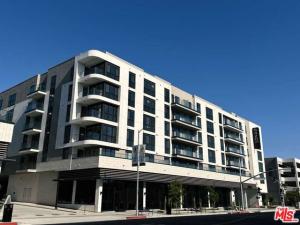
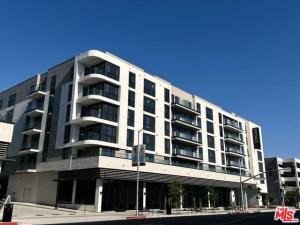
- Contemporary Condos: New developments offer modern amenities and sleek designs, often with rooftop terraces and eco-friendly features.
Jane Smith, a local architect specializing in historic preservation, notes, The architectural diversity in Historic Filipinotown is a preservationist’s dream. Each style tells a story of the neighborhood’s evolution, from its early days as a working-class enclave to its current status as a cultural hotspot.
The Investment Angle: More Than Just a Pretty Facade
Alright, let’s talk turkey. If you’re an investor with a nose for opportunity, Historic Filipinotown is like a truffle pig’s paradise. The neighborhood’s affordability is both its charm and its Achilles’ heel. With about 620 buildings subject to rent control laws, you’re looking at a potential goldmine for the savvy investor.
Case Study
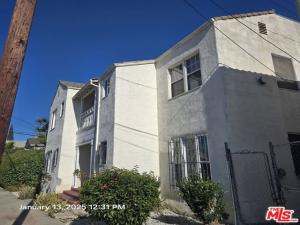
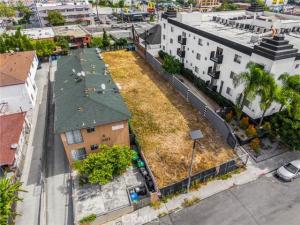
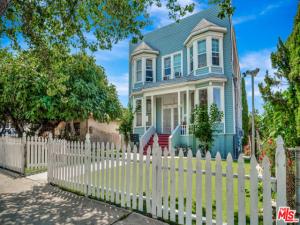
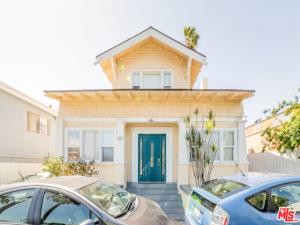
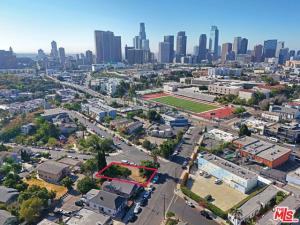
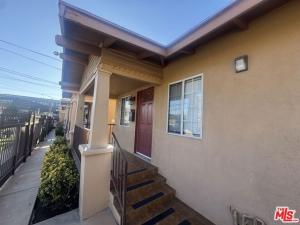
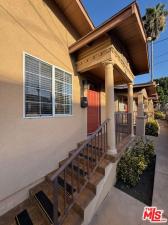
Take the fully vacant triplex at 241 N Park View St, listed at $1,195,000. Built in 1911. It’s not just a property; it’s a time capsule with hefty ROI potential. Let’s break it down:
- Total Rentable Area: 2,592 sq ft
- Lot Size: 7,442 sq ft
- Unit Mix: One 2-bedroom unit, Two 1-bedroom units
- Potential Monthly Rental Income: $7,500 – $9,000 (based on current market rates)
- Estimated Annual Gross Income: $90,000 – $108,000
- Potential Cap Rate: 5.5% – 6.5% (after expenses and vacancy allowance)
The combination of historical charm and development potential makes it an attractive option for both rental income and future resale.
Modern Marvels
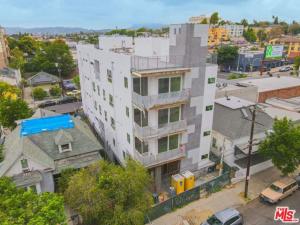
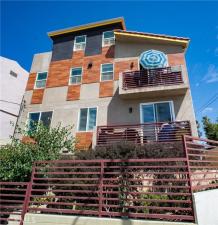
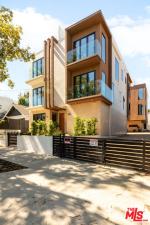
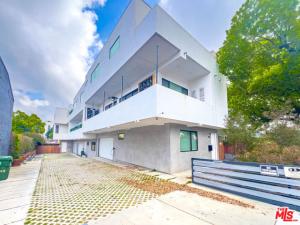
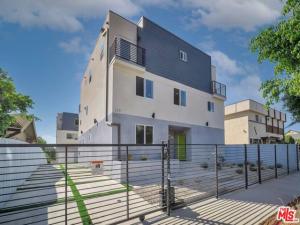
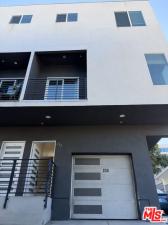
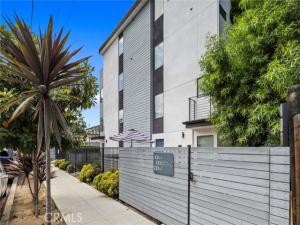
Or consider the modern fourplex plus ADU at 216 N Coronado St, asking $3,400,000. It’s already active on the short-term rental market, proving that in Historic Filipinotown, history and hustle go hand in hand. Here’s the breakdown:
- Total Living Area: Approx. 4,500 sq ft
- Year Built: 2021
- Unit Mix: Four 2-bedroom units, One ADU
- Current Use: Short-term rentals (e.g., Airbnb)
- Estimated Annual Revenue: $300,000 – $350,000 (based on current occupancy rates)
- Potential Cap Rate: 6% – 7% (after expenses and management fees)
Jane Smith, a short-term rental market analyst, comments, The success of properties like this demonstrates the growing demand for unique, high-end accommodations in culturally rich neighborhoods. It’s a perfect blend of location, design, and market timing.
The Social Responsibility Angle
But remember, with great power comes great responsibility. As Joel Jacinto from Search to Involve Pilipino Americans (SIPA) warns, affordable housing is the most pressing need for the immigrant community. So, if you’re going to invest, do it with heart.
According to a recent study by the UCLA Center for Neighborhood Knowledge, nearly 40% of Historic Filipinotown residents are rent-burdened, spending more than 30% of their income on housing. This presents both a challenge and an opportunity for socially conscious investors.
Consider these strategies for responsible investment:
- Participate in affordable housing initiatives: Work with local organizations to create mixed-income developments.
- Preserve cultural landmarks: Invest in properties with historical significance and maintain their character.
- Support local businesses: Rent commercial spaces to local entrepreneurs at below-market rates.
- Engage with the community: Attend neighborhood council meetings and participate in local events to understand the community’s needs.
Navigating the Market: It’s a Jungle Out There
Let’s not sugarcoat it: buying in Historic Filipinotown is like trying to snag the last cronut at a hipster bakery. It’s competitive. It’s fast-paced, and if you blink, you might miss out.
Market Trends and Projections
According to data from the California Association of Realtors, the Historic Filipinotown market has shown resilience even in the face of broader economic uncertainties:
- Year-over-Year Price Change: -20% (indicating a potential buying opportunity)
- Average Days on Market: 44 (faster than the LA County average of 51 days)
- Sale-to-List Price Ratio: 98.2% (suggesting competitive bidding)
- Projected 5-Year Growth: 3-5% annually (based on historical trends and development plans)
Sarah Johnson, a real estate economist at USC, predicts, Historic Filipinotown is poised for steady growth over the next decade. The combination of cultural cachet, proximity to downtown, and ongoing development projects makes it an attractive option for both homeowners and investors.
Hidden Gems and Fixer-Uppers
But here’s a pro tip: focus on properties with potential. That 1908-built home at 415 N Westlake Ave? It’s not just a house; it’s a canvas waiting for your vision. And at $750,000. It’s practically a steal in LA terms.
Let’s break down the potential:
- Purchase Price: $750,000
- Estimated Renovation Costs: $150,000 – $200,000
- Potential After-Repair Value (ARV): $1,100,000 – $1,200,000
- Possible Return on Investment: 15-20% (not accounting for market appreciation)
Mike Thompson, a local contractor specializing in historic renovations, advises, When renovating older homes in Historic Filipinotown. It’s crucial to balance modern amenities with historic preservation. The key is to enhance, not erase, the property’s unique character.
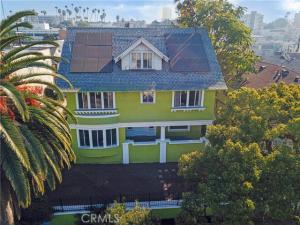
Or how about that 1905-built gem with a solar system and mature fruit trees? It’s not just a home; it’s a sustainable urban oasis. And with the potential for an ADU. It’s like getting two properties for the price of one.
Navigating Zoning and Development Regulations
Before you dive in. It’s crucial to understand the zoning and development regulations in Historic Filipinotown. The area falls under several special designations:
- Transit-Oriented Communities (TOC) Program: Offers density bonuses and reduced parking requirements for developments near public transit.
- Historic Preservation Overlay Zone (HPOZ): Certain parts of the neighborhood have additional regulations to preserve historic character.
- Adaptive Reuse Ordinance: Allows for the conversion of older, economically distressed buildings into residential units.
Lisa Garcia, a urban planning consultant, explains, Understanding these regulations is crucial for anyone looking to invest or develop in Historic Filipinotown. They can provide significant opportunities, but also require careful navigation to ensure compliance and maximize potential.
Verify current figures per MLS before making pricing decisions.