What the Famous Los Angeles Architects Mean for a House’s Value
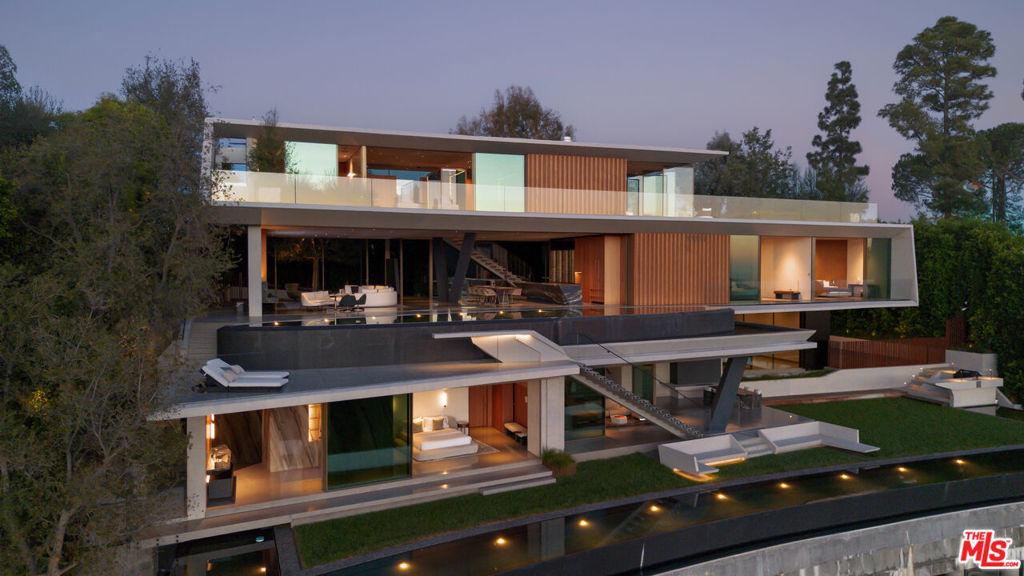
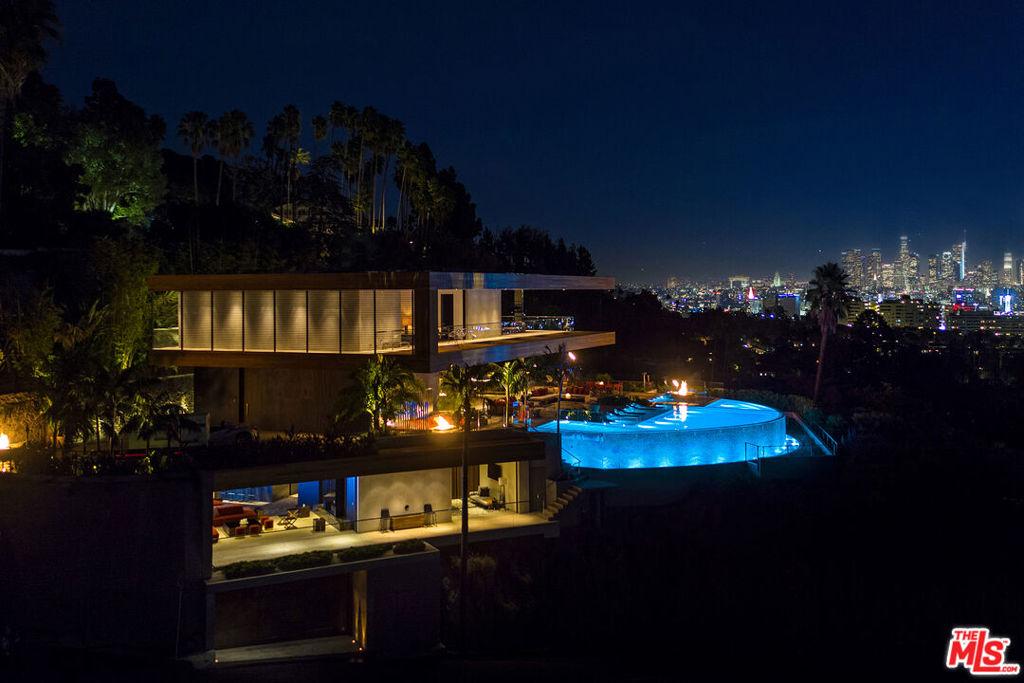
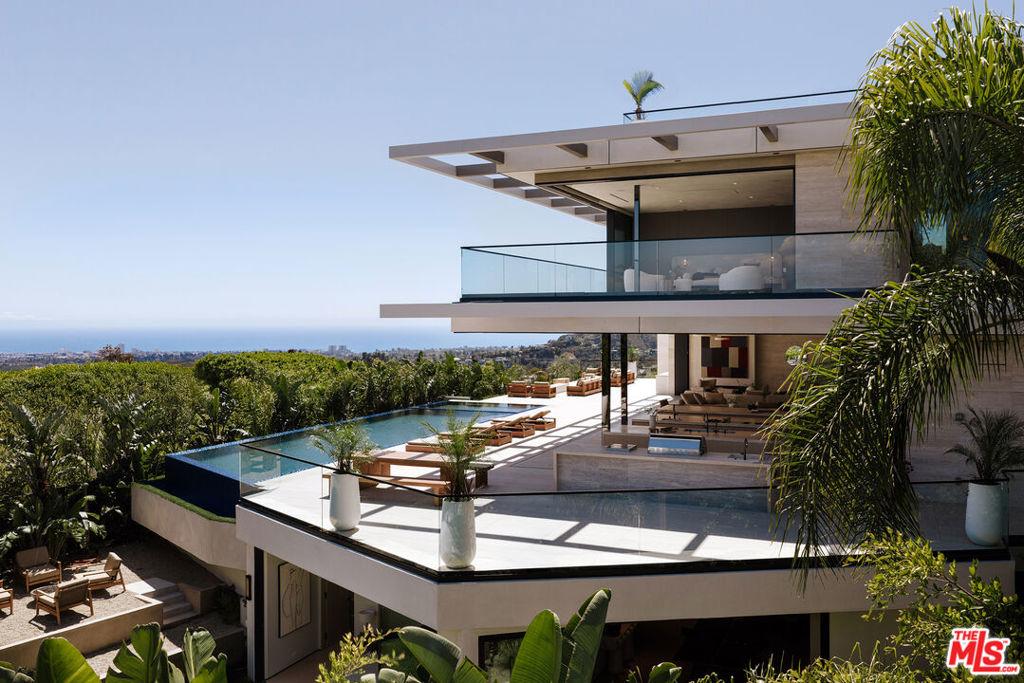
Homes by famous Los Angeles architects trade differently from everything around them, because the name on the drawings is a documented, attributable part of the value. Someone shopping a Richard Neutra house is not comparing it to the stucco spec build three doors down. They are comparing it to the handful of other Neutras that traded in the last decade. That makes it a thin, event-driven market: fewer buyers, fewer comparable sales, wider outcomes on both sides.
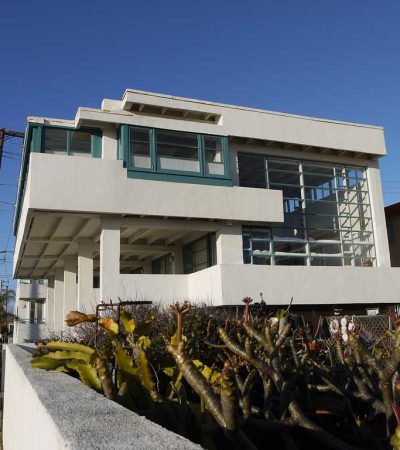
The stock runs from Frank Lloyd Wright’s 1920s textile block houses through Schindler’s tilt-up concrete on Kings Road, Neutra’s open health-house plans, and Koenig’s steel-frame Case Study houses. What varies most is documentation and condition. Original drawings, permit history, published photography, and preservation recognition raise the ceiling; unsympathetic alterations invert the premium entirely.
Browse the architect pages and current listings below, or contact The Knight Group for a read on a specific house, a specific architect’s market, or what a documented attribution is worth right now.
Why does an architect’s name change what a Los Angeles house is worth?
Attribution changes the buyer pool, and the buyer pool sets the price. A well-documented house by a recognized architect draws interest from outside the neighborhood, often from outside California, and sometimes from collectors who are not shopping a zip code at all.
It cuts both ways. The house is harder to appraise, because the comparable sales an appraiser needs may not exist inside a standard search radius or time window. And if the property was altered in ways that damage the original design, the premium inverts: you own a compromised example of a known architect’s work, a smaller market than a clean conventional house.
Documentation is the lever. Original drawings, permit history, published photography, and preservation-body recognition all raise the ceiling. Absent documentation, an attribution is a rumor, and rumors do not appraise. Before you pay a premium for a name, ask what proves it.
Which architects defined Los Angeles modernism?
Frank Lloyd Wright brought his textile block system to Southern California in the early 1920s: the Millard House in Pasadena, the Ennis House, and the Samuel Freeman House in 1923, then the Storer House in 1924. Earlier, between 1919 and 1921, he built Hollyhock House at 4800 Hollywood Boulevard in East Hollywood for oil heiress Aline Barnsdall. The Aline Barnsdall Complex became a National Historic Landmark on April 4, 2007, and in 2019 UNESCO inscribed Hollyhock House as part of “The 20th-Century Architecture of Frank Lloyd Wright,” the first World Heritage Site in Los Angeles.
Rudolph Schindler (1887 to 1953) trained in Vienna, worked in Wright’s Oak Park studio, and moved to Los Angeles in 1920 to oversee the Barnsdall project. He completed his own house at 835 North Kings Road in West Hollywood by late spring 1922, using tilt-up concrete panels with redwood and glass walls. His residential work clusters in Silver Lake, Hollywood Heights, and Studio City.
Richard Neutra (1892 to 1970) also came out of Vienna, reached the United States by 1923, and briefly shared Schindler’s Kings Road arrangement. The Lovell Health House, completed in 1929, is Los Angeles Historic-Cultural Monument number 123, and he built the VDL Research House in Silver Lake in 1932. Neutra interviewed clients with detailed questionnaires and designed open, adaptable plans around the answers, which is one reason his houses absorb changes in how a household lives.
Pierre Koenig (1925 to 2004) pushed the steel frame furthest. In 1960 he designed Case Study House 21, the Bailey House, and Case Study House 22, the Stahl House at 1635 Woods Drive. Julius Shulman’s May 1960 photograph of the Stahl House is widely regarded as the most famous architectural photograph of Los Angeles. Koenig taught at USC from 1964 until his death and received the Gold Medal from the Los Angeles chapter of the AIA.
What was the Case Study House program, and why does it still drive prices?
It was an experiment in postwar housing sponsored by Arts & Architecture magazine under editor John Entenza. Announced in January 1945, it ran into the 1960s and produced 36 designs and 25 built houses, concentrated in Southern California. Participants included Koenig, Neutra, Charles and Ray Eames, Craig Ellwood, and Raphael Soriano.
It still moves money because of scarcity plus documentation: a finite, catalogued, traceable set. In 2013 a group of ten Case Study houses joined the National Register of Historic Places. When one comes to market, the buyer pool is national.
Which mid-century and historic architects have pages on this hub?
Start with the founders: Frank Lloyd Wright for the textile block houses, Rudolph Schindler for the Kings Road lineage and the Silver Lake and Studio City hillside work, Richard Neutra for the health-house tradition, and Pierre Koenig for the steel-frame and Case Study houses.
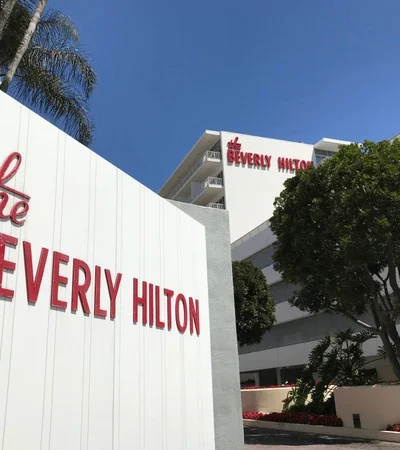
Welton Becket (1902 to 1969) moved to Los Angeles in 1933 and built what became one of the largest architecture offices in the world, under a philosophy he called total design. His work includes the Beverly Hilton in 1955, the Capitol Records Building in 1956, and the Music Center in 1964.
Cesar Pelli (1926 to 2019) spent his formative American years here, as design director at Daniel, Mann, Johnson and Mendenhall from 1964 and design partner at Gruen Associates from 1968. The Pacific Design Center in West Hollywood, completed in 1975 and known locally as the Blue Whale, dates from then.
Edward Fickett (1916 to 1999) is the volume story. He handled planning and design for more than seventy residential communities containing in excess of 40,000 single-family dwellings, working in redwood and adobe brick with clerestory light and indoor-outdoor plans. His Jacobson House was the first contemporary structure in Los Angeles designated a Historic-Cultural Monument.
Joseph Eichler (1900 to 1974) was a developer, not an architect, which is exactly why his houses are attainable. Between 1949 and 1966 Eichler Homes built more than 11,000 houses across nine Northern California communities and three in Southern California, using architects including Anshen & Allen, Jones & Emmons, and Claude Oakland & Associates. The Southern California tracts include Balboa Highlands in Granada Hills, which has 109 homes, plus communities in Orange and Thousand Oaks. Atriums, post-and-beam framing, radiant heating, and floor-to-ceiling glass are the identifiers. Eichler also resigned from the National Association of Home Builders in 1958 when it declined to adopt his non-discrimination sales policy.
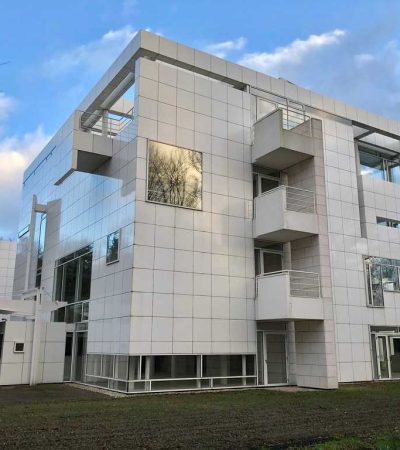
Two global names close out the historic tier. Frank Gehry, awarded the Pritzker Architecture Prize in 1989, remade a 1920 Santa Monica house he bought in 1977, designed the Chiat/Day Building in Venice in 1991 with Claes Oldenburg’s binoculars, and opened Walt Disney Concert Hall in 2003. Richard Meier, awarded the Pritzker in 1984, completed the Getty Center in 1997 and is identified with white, geometrically disciplined buildings.
Which contemporary Los Angeles firms should buyers know?
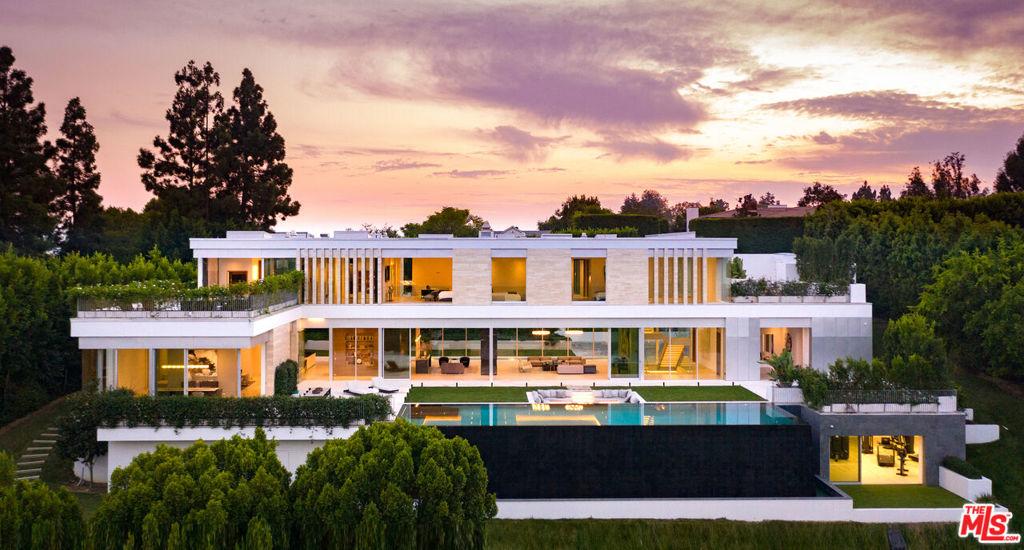
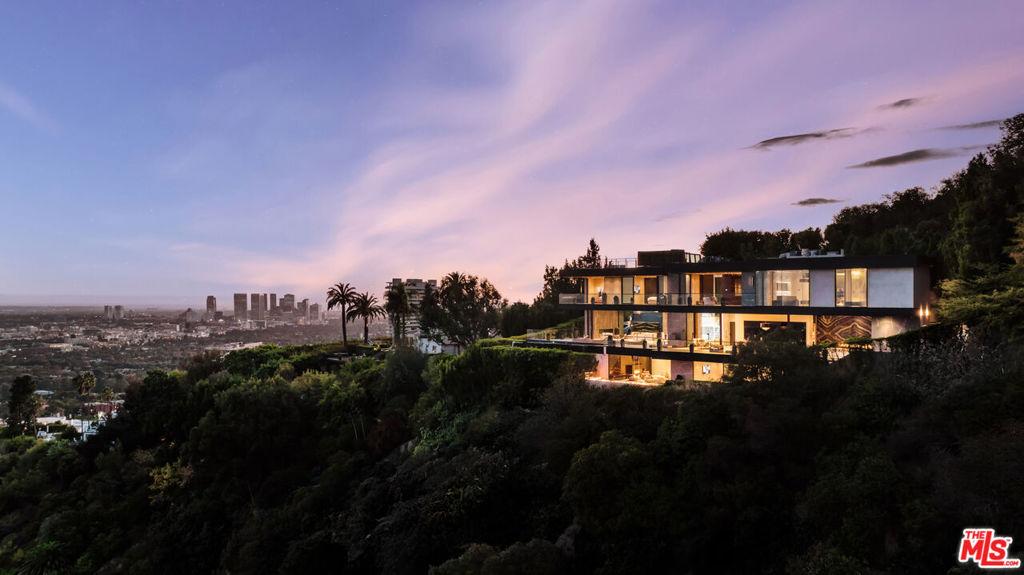
Contemporary attribution works differently. There is no established resale record, so you are buying build quality, site strategy, and a reputation still compounding. That is both the risk and the opportunity.
Michael Maltzan founded his firm in Silver Lake in 1995. His work spans Inner-City Arts, Star Apartments in 2014, One Santa Fe in 2015, and the Sixth Street Viaduct in 2022, the largest bridge project in the history of Los Angeles.
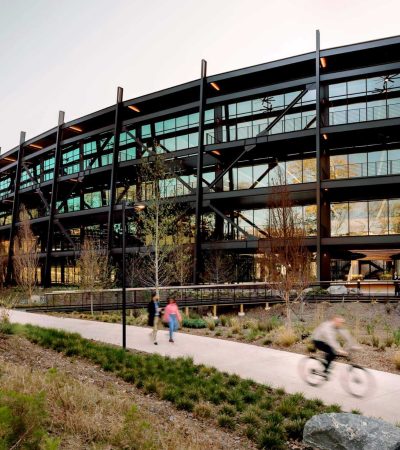
Belzberg Architects was founded by Hagy Belzberg in 1997 and rebranded as BA Collective in 2022. The studio works from a mass timber building it designed on Main Street in Santa Monica.
Montalba Architects operates from Santa Monica with offices in New York and Lausanne, Switzerland. Its work includes Anderson Towers, The Row, and 9720 Wilshire Boulevard, and it received the 2026 AIA California Firm Award.
Ehrlich Yanai Rhee Chaney Architects traces to Steven Ehrlich, who spent six years in Africa including service as the first Peace Corps architect in Marrakesh before settling in Venice, California in 1979. The practice he calls multicultural modernism won the 2015 AIA National Architecture Firm Award and the 2003 AIA California Council Firm Award.
SPF:architects was founded by Zoltan E. Pali, FAIA, and Judit M. Fekete-Pali. The Los Angeles studio’s work includes the Academy Museum of Motion Pictures, the Oberfeld Residence, and The Line Lofts.
Patrick Tighe worked at Frank O. Gehry & Associates and for seven years at Morphosis before founding Tighe Architecture. He has received the Mercedes T. Bass Rome Prize in Architecture, the AIA Young Architect Award, and election as an AIA fellow.
Griffin Enright Architects was co-founded by Margaret Griffin, FAIA, and John Enright, FAIA, who both teach at SCI-Arc. The firm reports more than fifty commendations for design excellence, including the American Architecture Award.
Lehrer Architects was founded by Michael B. Lehrer, FAIA, in 1985 and works from Hyperion Avenue across residential, civic, education, cultural, and planning projects.
KAA Design Group was established in Los Angeles in 1988 by Grant Kirkpatrick, FAIA, and integrates architecture, landscape, and art. Its residential work runs from Manhattan Beach to Montecito, and its books include California Contemporary and Residing with Nature.
Assembledge+ is led by founder David Thompson, AIA, working in what the firm calls warm modernism: natural materials, modernist form, restraint. Projects include the Rustic Canyon, Wonderland, and Laurel Hills residences, and the firm has committed to the AIA 2030 Challenge.
Clive Wilkinson trained at the Architectural Association in London and moved to Los Angeles in 1990, working briefly with Frank Gehry before founding his own practice in 1991. He is known for workplace design, including the TBWA Chiat Day headquarters, Google interiors, and buildings for the UCLA School of Theater, Film and Television.
RIOS and Landry Design Group complete the contemporary set. Landry Design Group describes itself as a Los Angeles practice devoted to high-end custom residential architecture, which tells you what its houses are: large, bespoke, built for a specific owner rather than for resale.
What if I want a Spanish style house instead of a modernist one?
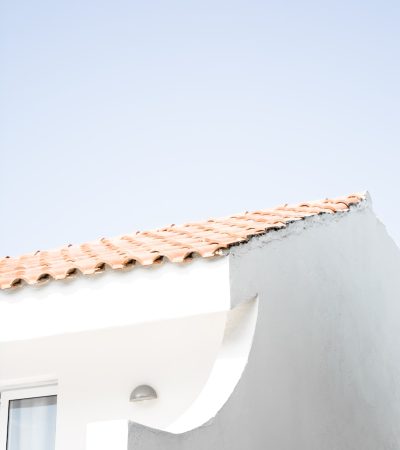
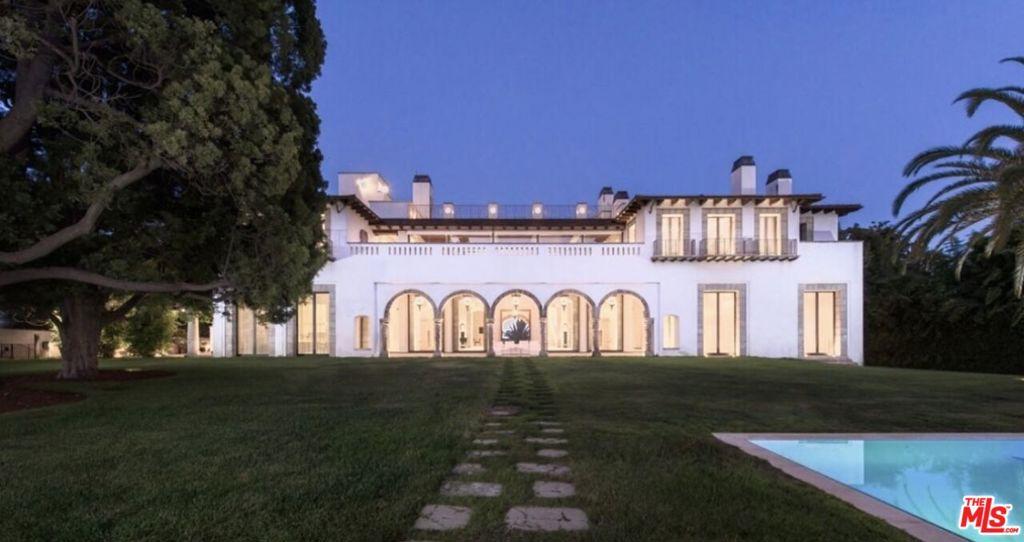
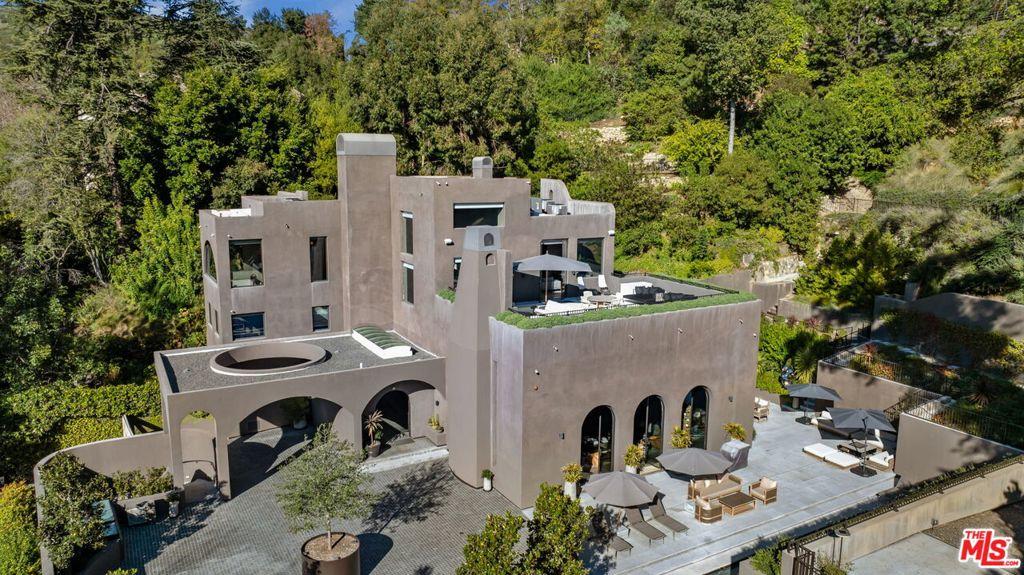
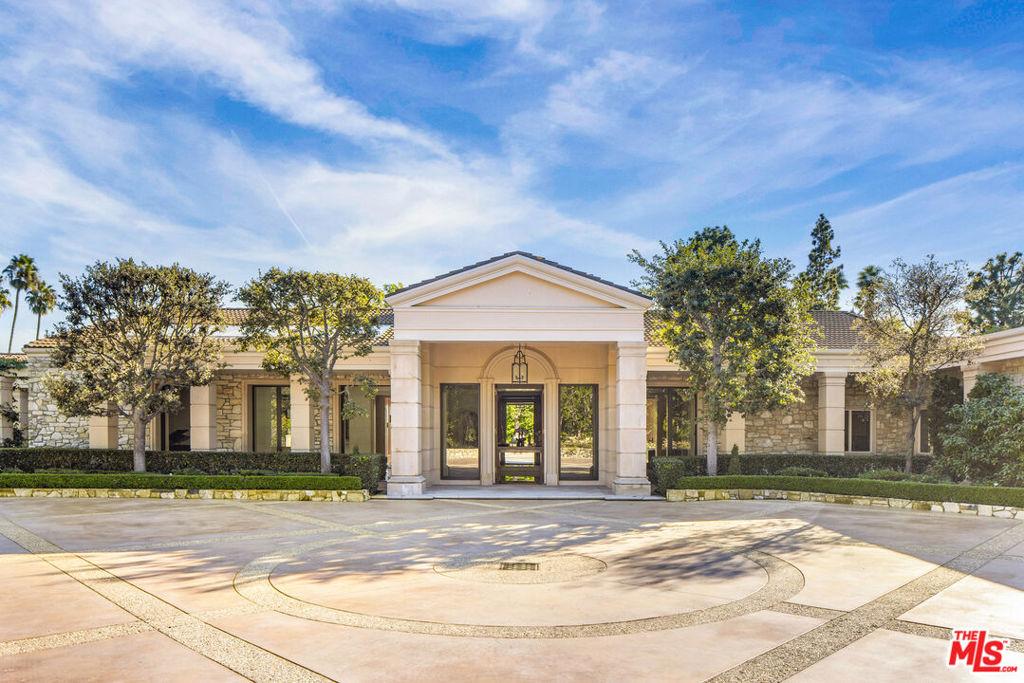
Spanish Colonial Revival is the other native Los Angeles language, and in most price bands it draws a broader buyer pool than modernism. Its breakthrough came at the 1915 Panama-California Exposition in San Diego, where Bertram Goodhue and Carleton Winslow designed the California Quadrangle, and its peak years ran from 1915 to 1931. Identifiers: smooth stucco walls, low-pitched clay tile roofs, terracotta or cast concrete ornament, semi-circular arcades, ironwork, courtyards. Wallace Neff, Paul Revere Williams, and George Washington Smith carry the most weight locally.
If that is the direction, start at Spanish style homes for sale in Los Angeles. The difference from modernist inventory: more supply, easier appraisals, more forgiving resale, but named-architect attributions are rarer and command a sharper premium when they exist.
Where in Los Angeles are architect-designed homes concentrated?
The clusters are historical, not random. Silver Lake and Los Feliz hold the densest Neutra and Schindler concentration, anchored by the VDL Research House and Barnsdall Art Park. The Hollywood Hills carry the steel-frame Case Study lineage, including the Stahl House on Woods Drive. West Hollywood holds the Kings Road house and the Pacific Design Center. Santa Monica, Venice, and Pacific Palisades hold most contemporary work. The San Fernando Valley holds the postwar volume story: Fickett tracts and the Eichler homes at Balboa Highlands in Granada Hills.
One boundary matters before you write an offer. West Hollywood, Beverly Hills, Santa Monica, and Culver City are separate cities, with their own permitting, preservation rules, and transfer taxes.
How do historic designations and the Mills Act affect ownership?
Designation is a constraint and a subsidy at once. In the City of Los Angeles, the Cultural Heritage Commission designates Historic-Cultural Monuments under a preservation ordinance adopted April 30, 1962, and as of 2025 there were more than 1,300 designated properties. Designation does not outright prevent demolition. It routes permits for demolition or substantial alteration through the commission, which can delay a demolition for up to one year.
The offset is the Mills Act, which California voters approved as a constitutional amendment in 1976 and which Los Angeles participates in. Under a Mills Act contract the owner accepts an obligation to rehabilitate, restore, and maintain the property to the Secretary of the Interior’s Standards in exchange for a property tax reduction. On a house carrying a heavy restoration burden, that materially changes annual carrying cost.
Do not assume a contract transfers automatically or that the tax figure in a listing is the one you inherit. Verify contract status, remaining term, and obligations in escrow, in writing, with the city.
What should I inspect before buying an architecturally significant house?
Standard inspections are not enough. Bring specialists.
Envelope and glazing. Steel-frame and glass-wall houses from the 1950s and 1960s were built with single glazing and minimal insulation. Replacing glass without destroying sightlines is expensive and sometimes constrained by designation.
Flat and low-slope roofs. The defining roofline of the modernist inventory is also its most common failure point. Ask for age, membrane type, and drainage plan.
Structure and seismic. Hillside houses on caissons or poles need a structural engineer. Ask about foundation type, retaining walls, and prior soils reports.
Permit history. Pull the file. Unpermitted additions and unsympathetic remodels are the largest single destroyer of attribution premium, and they are frequently invisible in listing photography.
Fire and insurance. Much of the hillside inventory sits in high fire hazard territory, affecting both insurability and premium. Get a written quote before removing contingencies, not after.
Original materials. Textile block, redwood siding, terrazzo, and original steel windows need specialist trades. Confirm they are available before budgeting a restoration.
What taxes and transaction costs apply at this price tier?
If the property sits inside City of Los Angeles limits, Measure ULA applies. Voters approved it in November 2022 with 58 percent support and it took effect April 1, 2023, imposing a 4 percent transfer tax on sales above the lower threshold and 5.5 percent at or above the upper threshold. Thresholds adjust annually for inflation and, as of July 2025, stood at roughly 5.3 million and 10.6 million dollars.
Two consequences follow. The tax is levied on the full sale price rather than only the amount above the threshold, so a sale just over the line carries a large step in cost. And because it applies only inside City of Los Angeles boundaries, an identical house in West Hollywood or Beverly Hills falls under a different regime. Confirm jurisdiction and the current thresholds before modeling net proceeds.
How should I sell an architect-designed home?
Sell the attribution or lose the premium. Most listings fail this.
The work is documentary before it is promotional. Assemble original drawings if they exist, permit history, published photography, and any designation record. Establish the ownership chain. If the house was altered, document what changed, when, and by whom: a buyer will find out, and a late discovery kills deals.
Then price against the right comparable set. Automated valuation and radius-based comparable selection will undervalue a significant house, because the true comparables may be years old and miles away. Expect to defend the price to an appraiser in writing.
Where to Start If You Are Shopping by Architect
Buyers who arrive knowing they want a house by one of the famous LA architects usually face a supply problem before a price problem. There is no steady inventory. A Schindler in Silver Lake, a Neutra in the hills, and a Koenig steel frame are not interchangeable, and each may go years between sales. So the practical question is not which name you prefer but how wide you are willing to cast: one architect and wait, or a period and a construction method and take what surfaces. Widening the search to include Becket, Pelli, or Fickett work, or to other famous architects in California, changes how often something you would actually buy comes to market.
Once a candidate appears, the work is verification and condition. Ask what documents the attribution, what has been altered, and whether preservation recognition applies, because those answers set both the ceiling and the resale pool. Financing and appraisal deserve early attention too, since Los Angeles architects famous enough to draw national buyers rarely have comparable sales sitting nearby.
Frequently asked questions about architect-designed homes in Los Angeles
Does an architect attribution always increase value?
No. It increases value when the attribution is documented and the house is substantially intact. A poorly documented or heavily altered example can trade at a discount to a comparable conventional house: the specialist buyer pool rejects it, and the conventional pool sees unusual maintenance demands.
How do I verify that a house is really by the architect a listing claims?
Ask for primary evidence: original drawings, a building permit naming the architect of record, period publication, or a designation record. Neighborhood tradition is not proof. If the seller cannot produce it, treat the attribution as unpriced.
Can I remodel a historically designated house?
Usually yes, within limits. Historic-Cultural Monument status means permits for demolition or substantial alteration go to the Cultural Heritage Commission, which can delay a demolition for up to one year. A Mills Act contract adds an obligation to maintain the property to the Secretary of the Interior’s Standards. Confirm the constraints on the specific property before planning work.
Are Eichler homes available in the Los Angeles area?
Yes, in limited numbers. Eichler Homes built most of its inventory in Northern California between 1949 and 1966. The Southern California tracts include Balboa Highlands in Granada Hills, which has 109 homes, plus communities in Orange and Thousand Oaks. Listings are infrequent.
Do these houses cost more to insure and maintain?
Generally yes. Flat roofs, extensive glazing, hillside foundations, specialist materials, and high fire hazard locations all raise carrying cost. Build a realistic annual reserve into your model and get insurance quoted in writing during the contingency period.
Will Measure ULA apply to my sale?
Only if the property is inside City of Los Angeles limits and the price is at or above the applicable threshold, which stood at roughly 5.3 million and 10.6 million dollars as of July 2025 and adjusts each year. Neighboring cities have separate transfer tax rules.
How does The Knight Group work in this market?
We treat attribution as a due diligence item, not a talking point. On the buy side that means verifying the architect claim against primary documents, pulling permit history for undisclosed alterations, assembling the correct comparable set even when it falls outside a standard search radius, and getting insurance and restoration costs quoted before contingencies come off. On the sell side it means building the documentary case first and pricing against the specialist pool second.
We will also tell you when a name is not worth paying for. An undocumented attribution, a compromised remodel, or a designation constraint that conflicts with how you intend to live are reasons to walk.
Browse the architect pages and listings above. When you want a specific property evaluated, or you own a significant house and want a candid read on what the market will pay, contact The Knight Group.
What are Famous Architects Los Angeles Homes and why do they cost more?
- Famous Architects Los Angeles Homes trade differently from surrounding inventory because the name on the drawings is a documented, attributable part of the value.
- Buyers shopping a Richard Neutra house compare it to the handful of other Neutras that traded recently, not to the stucco spec build down the street.
- Attribution changes the buyer pool, and the buyer pool sets the price on an architect-designed Los Angeles house.
- Market conditions for Famous Architects Los Angeles Homes are thin and event-driven, with fewer buyers, fewer comparable sales, and wider outcomes on both sides.
- Frank Lloyd Wright brought his textile block system to Southern California, producing the Millard House in Pasadena, the Ennis House, the Samuel Freeman House, and the Storer House.
- Hollyhock House stands at Hollywood Boulevard in East Hollywood, built by Wright for oil heiress Aline Barnsdall.
- The Aline Barnsdall Complex became a National Historic Landmark, and UNESCO later inscribed Hollyhock House as the first World Heritage Site in Los Angeles.
- Rudolph Schindler trained in Vienna, worked in Wright’s Oak Park studio, and moved to Los Angeles to oversee the Barnsdall project.
- Schindler’s own house on North Kings Road in West Hollywood used tilt-up concrete panels with redwood and glass walls.
- Schindler residential work clusters in Silver Lake, Hollywood Heights, and Studio City for buyers tracking his output specifically.
- Richard Neutra also came out of Vienna, reached the United States in the interwar years, and briefly shared Schindler’s Kings Road arrangement.
- The Lovell Health House carries Los Angeles Historic-Cultural Monument status, and Neutra built the VDL Research House in Silver Lake.
- Neutra interviewed clients with detailed questionnaires and designed open, adaptable plans that absorb changes in how a household lives.
- Julius Shulman’s photograph of the Stahl House is widely regarded as the most famous architectural photograph of Los Angeles.
- Documentation is the lever on Famous Architects Los Angeles Homes, since original drawings and permit history raise the ceiling while unsympathetic alterations invert the premium entirely.
Where are Famous Architects Los Angeles Homes located and what should buyers check?
- Silver Lake and Los Feliz hold the densest Neutra and Schindler concentration, anchored by the VDL Research House and Barnsdall Art Park.
- The Hollywood Hills carry the steel-frame Case Study lineage, including the Stahl House on Woods Drive.
- West Hollywood holds the Kings Road house and the Pacific Design Center within its own city limits.
- Santa Monica, Venice, and Pacific Palisades hold most of the contemporary architect-designed work in the region.
- The San Fernando Valley holds the postwar volume story, including Fickett tracts and the Eichler homes at Balboa Highlands in Granada Hills.
- Clusters of Famous Architects Los Angeles Homes are historical rather than random, following where the architects actually practiced and built.
- West Hollywood, Beverly Hills, Santa Monica, and Culver City are separate cities with their own permitting, preservation rules, and transfer taxes.
- Spanish Colonial Revival is the other native Los Angeles language and draws a broader buyer pool than modernism in most price bands.
- Spanish Colonial Revival identifiers include smooth stucco walls, low-pitched clay tile roofs, terracotta ornament, semi-circular arcades, ironwork, and courtyards.
- Wallace Neff, Paul Revere Williams, and George Washington Smith carry the most weight among locally recognized Spanish style architects.
- Spanish style inventory offers more supply, easier appraisals, and more forgiving resale, though named-architect attributions are rarer there.
- The Cultural Heritage Commission designates Historic-Cultural Monuments in the City of Los Angeles under a longstanding preservation ordinance.
- Designation routes permits for demolition or substantial alteration through the commission, which can delay a demolition for up to one year.
- Mills Act contracts trade a property tax reduction for an obligation to rehabilitate and maintain to the Secretary of the Interior’s Standards.
- Inspection of Famous Architects Los Angeles Homes demands specialists for envelope and glazing, low-slope roofs, hillside structure, permit history, fire insurability, and original materials.
- Unpermitted additions and unsympathetic remodels destroy attribution premium on Famous Architects Los Angeles Homes and are frequently invisible in listing photography.
What do buyers most often ask about Famous Architects Los Angeles Homes?
- Architect attribution increases value only when the attribution is documented and the house remains substantially intact.
- Poorly documented or heavily altered examples can trade at a discount to a comparable conventional house in the same market.
- Specialist buyers reject a compromised example, while the conventional buyer pool sees unusual maintenance demands and hesitates.
- Verification of Famous Architects Los Angeles Homes requires primary evidence such as original drawings, a permit naming the architect of record, period publication, or a designation record.
- Neighborhood tradition is not proof of authorship, and an attribution the seller cannot document should be treated as unpriced.
- Remodeling a historically designated house is usually possible within limits set by the reviewing commission.
- Historic-Cultural Monument status sends permits for demolition or substantial alteration to the Cultural Heritage Commission, which can delay a demolition for up to one year.
- Mills Act contracts add an obligation to maintain the property to the Secretary of the Interior’s Standards.
- Eichler Homes built most of its inventory in Northern California, leaving limited Southern California supply for buyers.
- Balboa Highlands in Granada Hills is the main Los Angeles area Eichler tract, joined by communities in Orange and Thousand Oaks.
- Eichler listings in the Los Angeles area come to market infrequently, which keeps that segment competitive.
- Carrying costs on Famous Architects Los Angeles Homes run high because of flat roofs, extensive glazing, hillside foundations, specialist materials, and high fire hazard locations.
- Insurance for architecturally significant houses should be quoted in writing during the contingency period rather than assumed.
- Measure ULA applies only to property inside City of Los Angeles limits at or above the applicable threshold, which adjusts each year.
- Neighboring cities maintain separate transfer tax rules that differ from the City of Los Angeles structure.
- The Knight Group treats attribution as a due diligence item, verifying architect claims, pulling permit history, and assembling comparable sets outside standard search radii.