This site was last updated Jul-23-2026 12:43:21 pm.
Ehrlich Yanai Rhee Chaney Architects. The Knight Group sources properties designed by this architect across Los Angeles, including off-market options not listed on the public portals.
Buyers in Ehrlich Yanai Rhee Chaney Architects should move on well-priced properties quickly — competition is consistent. The Knight Group tracks off-market inventory here and can provide early access.
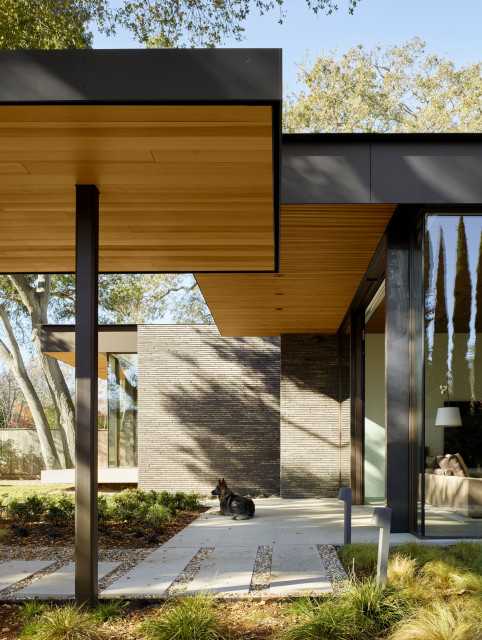
It was about creating a dialogue between the home and its environment. Each home was a carefully orchestrated dance between form and function, pushing the boundaries of what residential architecture could be.
Buyers in Ehrlich Yanai Rhee Chaney Architects should move on well-priced properties quickly — competition is consistent. The Knight Group tracks off-market inventory here.
Browse all Los Angeles real estate — or explore the full Los Angeles luxury real estate market.
Imagine this: It’s the roaring 1920s, and while most architects are churning out traditional homes, Rudolph Schindler is busy revolutionizing residential design. You step into one of his spaces, and suddenly, walls cease to be barriers. They become mere suggestions, gently guiding you through a fluid living experience.
Schindler wasn’t just an architect; he was a spatial sorcerer. He took the boxy constraints of traditional homes and declared, We can do better. And boy, did he deliver. His innovative use of materials like concrete, glass, and wood wasn’t just about aesthetics (though it certainly was ). It was about creating a dialogue between the home and its environment.
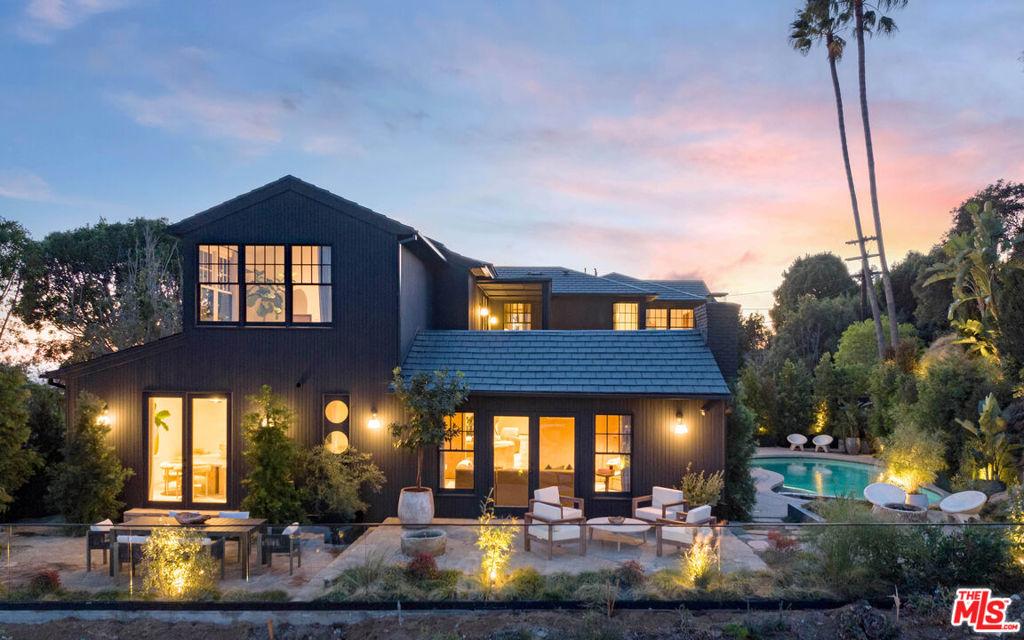
You know that feeling when you enter a space and it just feels right? That’s exactly what Schindler was after. He aimed to create homes that weren’t just lived in, but experienced. Picture sliding glass doors that blur the distinction between inside and outside, open floor plans that make you question the necessity of walls, and strategically placed windows that transform sunlight into an art form.
But Schindler wasn’t just constructing houses. He was crafting lifestyles. Each home was a carefully orchestrated dance between form and function, pushing the boundaries of what residential architecture could be. And let me tell you, in the realm of luxury real estate, that kind of vision is pure gold.
Think you know about groundbreaking architecture? Let’s transport ourselves back to 1922. While America was doing the Charleston and devouring The Great Gatsby, Rudolph Schindler was busy shaking the foundations of the architectural world with his Schindler House in West Hollywood.
This wasn’t just any house. It was a manifesto in concrete and glass. Imagine stepping into a home where the living room is outdoors, and bedrooms are more akin to sleeping porches. Sounds crazy, right? But that’s exactly what Schindler did. He took the conventional idea of a home and turned it inside out – quite literally.
The Schindler House was just the beginning. Over the next three decades, Schindler would go on to design over 150 projects, each one pushing the envelope further. The Lovell Beach House in Newport Beach? It appears to defy gravity. The How House in Silver Lake? It’s a masterclass in integrating a home with its landscape.
What’s truly mind-boggling is how far ahead of his time Schindler was. He was advocating for sustainable design and indoor-outdoor living long before it became trendy. His use of local materials and focus on creating spaces that responded to California’s climate were revolutionary. And guess what? These are the same principles that top-tier luxury real estate is obsessed with today.
But here’s the thing: Schindler wasn’t just building houses. He was crafting experiences. Each home was a unique response to its site, its client, and the California lifestyle. It’s no wonder that these homes have become some of the most sought-after properties in the luxury real estate market.
According to the Los Angeles Conservancy, Schindler designed and built over 150 projects in his lifetime, most of which were in Southern California. This prolific output has left an indelible mark on the architectural landscape of the region.
Curious about the folks who call Schindler-inspired neighborhoods home? Buckle up, because we’re about to take a deep dive into the fascinating world of modernist-loving locals.
These aren’t your average Joes and Janes. We’re talking about a mix of creative professionals, tech entrepreneurs, and design aficionados who appreciate the finer things in life – like, say, a perfectly angled roof overhang that creates just the right amount of shade on a scorching LA afternoon.
The demographics? Think 30-somethings to 50-somethings, with household incomes comfortably nestled in the top 10-20% bracket. According to the U.S. Census Bureau, the median household income in West Hollywood is $69,249, while in Silver Lake it’s $93,264. These are people who don’t just buy homes; they invest in architectural masterpieces.
But it’s not all about the aesthetics. These communities are buzzing with energy. Farmer’s markets every weekend? Check. Yoga studios on every corner? You bet. Art galleries and indie theaters? They’ve got them in spades.
And let’s talk about the events. We’re not just talking about your run-of-the-mill block parties here. Think architectural tours where you can peek inside your neighbor’s Schindler-inspired abode, or outdoor film screenings where the backdrop is a modernist facade.
The cherry on top? These neighborhoods are like magnets for foodies. From vegan cafes to high-end sushi joints, the culinary scene is as diverse and innovative as the architecture. According to Yelp, Silver Lake alone has over 500 restaurants, cafes, and eateries.
Living in a Schindler-inspired community isn’t just about having a cool address. It’s about being part of a lifestyle that values creativity, sustainability, and a deep appreciation for the art of living well. It’s about waking up every morning and feeling like you’re part of something special – because, you are.
Rudolph Schindler wasn’t just building houses; he was reshaping the very DNA of Southern California’s architectural identity. His designs were like a middle finger to the stuffy, traditional homes that dominated the landscape. Schindler looked at the sun-drenched hills of LA and thought, Why are we living in boxes when we could be living in sculptures?
And boy, did that idea catch on. Suddenly, it wasn’t enough to have a nice house. The cool kids wanted homes that blurred the lines between inside and outside, that played with light and shadow like a master painter. Schindler’s work became the architectural equivalent of jazz – improvisational, bold, and utterly American.
But Schindler’s influence went way beyond just making pretty houses. His designs changed how people lived. Those open floor plans? They encouraged a more relaxed, informal lifestyle that became synonymous with California cool. The indoor-outdoor living spaces? They turned backyards into extensions of the home, perfect for those legendary LA pool parties.
And let’s talk about the ripple effect. Schindler’s ideas didn’t just stay in LA. They spread like wildfire, influencing architects across the country and around the world. Suddenly, modernism wasn’t just an architectural style; it was a cultural movement.
According to the MAK Center for Art and Architecture, Schindler’s Kings Road House, built in 1922, is considered one of the first modernist houses in the world. It set a precedent for a new way of living that would influence generations of architects to come.
So, the next time you’re sipping a martini in a glass-walled living room, overlooking the twinkling lights of LA, raise a toast to Rudolph Schindler. Because without him, your view – and your entire lifestyle – might look very different indeed.
Ehrlich Yanai Rhee Chaney Architects draws buyers who have made deliberate trade-off decisions. It was about creating a dialogue between the home and its environment. The buyer profile here tends toward established professionals and families — people who have evaluated comparable options and chosen this pocket for specific reasons: lot size, privacy, school access, commute profile, or community character.
Properties ranging from $2.1M+ range from [entry-level in the pocket] to larger estate-scale homes depending on the specific street. Knowing the sub-block matters when pricing or making an offer here.
The Knight Group maintains active relationships in Ehrlich Yanai Rhee Chaney Architects, including off-market sellers who haven’t listed publicly. For buyers, this means access to inventory before it reaches the portals. For sellers, it means qualified buyers who are already researching this specific area.
In a market like Ehrlich Yanai Rhee Chaney Architects, where well-priced properties move quickly, having a relationship with an agent who knows the off-market layer changes what’s available to you. The Knight Group can typically show more options than what’s publicly listed at any given time.
The residential stock in Ehrlich Yanai Rhee Chaney Architects reflects the area’s development history and zoning profile. Properties here vary in lot size, setback, architectural era, and condition — factors that affect both livability and long-term value more than square footage alone. Buyers who can read those signals before making an offer have a material advantage.
The Knight Group’s knowledge of Ehrlich Yanai Rhee Chaney Architects includes off-market transactions, which provide a cleaner picture of true market value than the MLS alone. Distressed sales and non-arm’s-length transactions on the MLS skew averages; off-market data doesn’t have that noise.
Experienced buyers in Ehrlich Yanai Rhee Chaney Architects move fast on well-priced properties and slow on everything else. They pre-screen addresses against school assignments, fire zone status, and lot encumbrances before touring. They know the difference between a home priced to the market and one priced to the list. The Knight Group provides that context as standard preparation before any offer.
It was about creating a dialogue between the home and its environment. Drive times to major employment centers vary by time of day — this is Los Angeles. Buyers prioritizing specific commutes should test their route at the relevant time before committing to an address.
Most buyers in Ehrlich Yanai Rhee Chaney Architects are car-dependent for daily errands. The Walk Score and transit access vary by specific street. If walkability is a priority, The Knight Group can identify which streets within Ehrlich Yanai Rhee Chaney Architects score highest before narrowing your search.
The Ehrlich Yanai Rhee Chaney Architects area is served by standard Los Angeles infrastructure: LADWP for utilities, LAPD or LASD for public safety depending on the specific address, and LAUSD or a local district for schools (confirm your specific school assignment by address). Trash collection, street maintenance, and other city services generally reflect the standards of the surrounding area.
For buyers coming from out of state or out of the area: property taxes in Los Angeles County are assessed at purchase price. Expect approximately 1.1–1.25% of purchase price annually, depending on any local supplemental levies.
Some properties in Ehrlich Yanai Rhee Chaney Architects may fall within designated fire hazard zones. California’s Department of Forestry and Fire Protection (CAL FIRE) publishes current hazard severity zone maps — confirm the specific designation for any address you’re considering before making an offer. Fire zone status affects insurance availability, cost, and lender requirements.
Homeowner’s insurance availability in Los Angeles has tightened significantly in recent years. Buyers in Ehrlich Yanai Rhee Chaney Architects should verify insurance availability and get a preliminary quote before removing contingencies. The California FAIR Plan covers high-risk properties but at a significant cost premium. Your agent should flag this before your inspection period ends.
Most of Ehrlich Yanai Rhee Chaney Architects is served by LADWP for water and electricity, and SoCalGas for natural gas where applicable. Trash collection is provided through the City of Los Angeles Bureau of Sanitation for city-adjacent properties. Confirm service providers and any active assessments (streetlight, sewer, etc.) during the title review process.
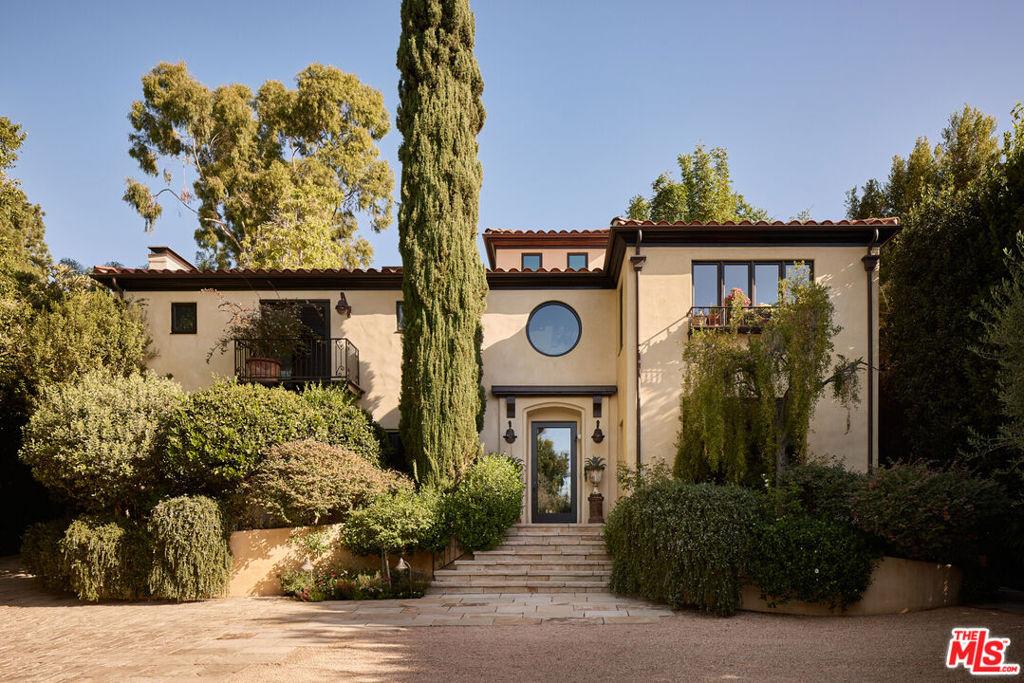
A prime example of this trend is a recent sale in the trendy Silver Lake neighborhood. A beautifully restored 1920s Spanish Colonial Revival home, complete with original tile work and a courtyard, sold for $2.1 million – a whopping 20% over the asking price. The listing agent, Sarah Martinez of Compass, noted, We had multiple offers within days of listing. The combination of historical charm and modern updates made this property irresistible to buyers.
But don’t worry, we’re not just here to tease you with what you can’t have. We’re going to dive into the nitty-gritty of where to find these architectural unicorns, how much you can expect to shell out for one, and why owning a Spanish style home might just be the best decision you make since moving to LA.
Now, let’s talk dollars and cents. Investing in a Spanish style home in LA isn’t just about securing a piece of architectural history – it’s about making a smart financial move.
Verify current figures per MLS before making pricing decisions.
The Los Angeles residential market is hyperlocal. Broad city-level or county-level trends describe the average — and the average doesn’t tell you what’s happening on a specific street in Ehrlich Yanai Rhee Chaney Architects. The factors that affect pricing, days on market, and buyer competition here are micro-level: lot size, views, condition, and proximity to specific amenities.
Price range in Ehrlich Yanai Rhee Chaney Architects: $2.1M+. This reflects the current spread between entry-level and top-end properties in this area. Where you land within that range depends on lot size, condition, bedroom count, and street positioning. Verify all figures per MLS before making pricing decisions.
Buyers in Ehrlich Yanai Rhee Chaney Architects should come prepared: pre-approval in hand, comparable sales reviewed, and a clear sense of their must-haves versus trade-offs. In a well-priced property situation, multiple offers are common. The Knight Group prepares buyers with a current market analysis specific to the address before any offer is submitted.
For sellers: The Knight Group’s approach in Ehrlich Yanai Rhee Chaney Architects includes pre-marketing to qualified buyers before any public listing, which reduces days on market and increases the probability of a clean transaction.
The Ehrlich Yanai Rhee Chaney Architects market follows broader Los Angeles seasonal patterns: inventory typically increases in spring (March–May), peaks in summer, and softens in fall and winter. For buyers, winter and early spring often offer better selection-to-competition ratios. For sellers, spring and early summer listings tend to see the most buyer activity.
That said, well-priced properties in Ehrlich Yanai Rhee Chaney Architects move year-round. Seasonal patterns describe the market on average — specific properties with strong fundamentals (price, condition, location) attract buyers regardless of season.
Sellers in Ehrlich Yanai Rhee Chaney Architects ($2.1M+) should expect buyers to arrive informed — comparable sales data is accessible to anyone. Overpricing relative to recent comps extends time on market and typically results in a final sale price below what an accurate initial price would have achieved. The Knight Group’s seller consultations include a data-backed pricing analysis before listing.
Let’s tackle some of the most common questions about Spanish style homes:
Q: What exactly is a Spanish style house?
A Spanish style house, also known as Spanish Colonial Revival, typically features white stucco walls, red tile roofs, arched doorways and windows, wrought iron details, and courtyards or patios. They’re designed to handle the California climate with thick walls for insulation and indoor-outdoor living spaces.
Q: Are Spanish style homes more expensive than other styles in LA?
Generally, yes. Due to their historical significance, unique character, and limited supply, Spanish style homes often command a premium of 5-15% above comparable homes in the same area.
Q: Are Spanish style homes difficult to maintain?
While any historical home requires some TLC, Spanish style homes are generally built to last. The stucco exterior is durable and low-maintenance, and the tile roofs can last for decades with proper care. However. It’s important to work with contractors experienced in historical renovations for any major updates.
Q: Can I modernize a Spanish style home without losing its character?
Absolutely! Many homeowners successfully update Spanish style homes for modern living while preserving their unique features. The key is to work with architects and designers who understand how to blend old and new.
Ehrlich Yanai Rhee Chaney Architects offers a distinct combination of location, price point, and community character. The right comparison depends on your priorities — buyers choosing between Ehrlich Yanai Rhee Chaney Architects and nearby options typically trade off commute distance, lot size, school options, and price. The Knight Group can walk you through the trade-offs for your specific situation.
School assignments in Ehrlich Yanai Rhee Chaney Architects depend on your exact address. The Knight Group recommends confirming your assignment directly with the local district before committing to a purchase — school boundaries do not follow neighborhood or zip code lines and can change. We can identify which addresses within Ehrlich Yanai Rhee Chaney Architects fall into specific school zones.
Buyers in Ehrlich Yanai Rhee Chaney Architects should expect to move quickly on well-priced properties. The Knight Group prepares buyers with a current market analysis before any showing — comparable sales, days on market, and pricing trend — so you can make a confident decision on the spot if needed. Pre-approval from your lender should be in hand before touring.
Lucky for you we’re looking out.
Subscribe to this Custom Search to be alerted when new properties hit the market in the area.
Choose the frequency that works for you.