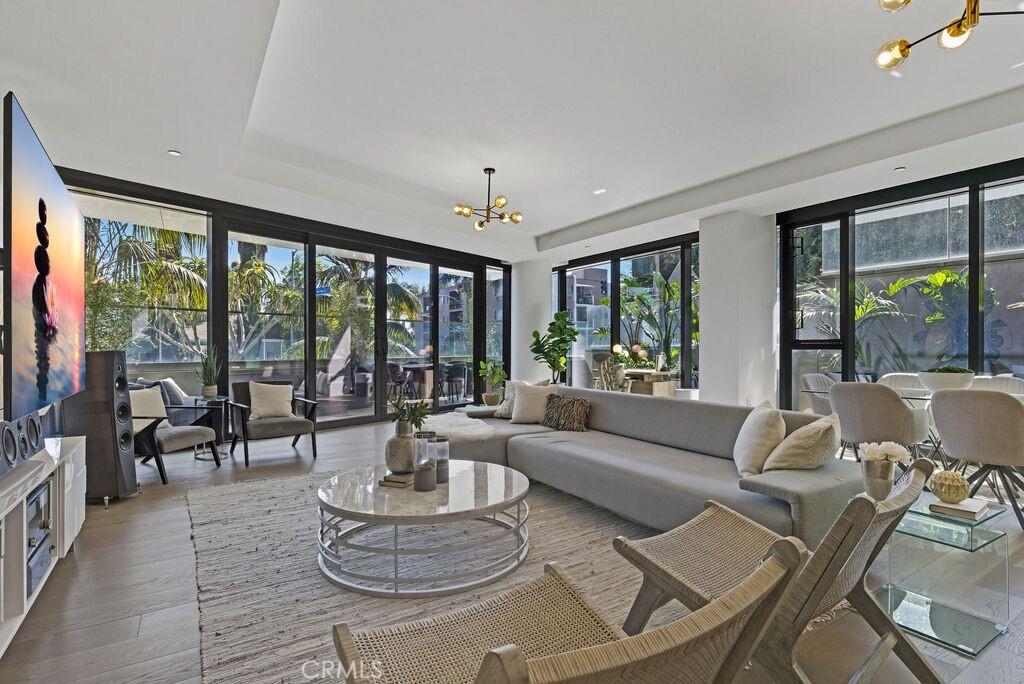
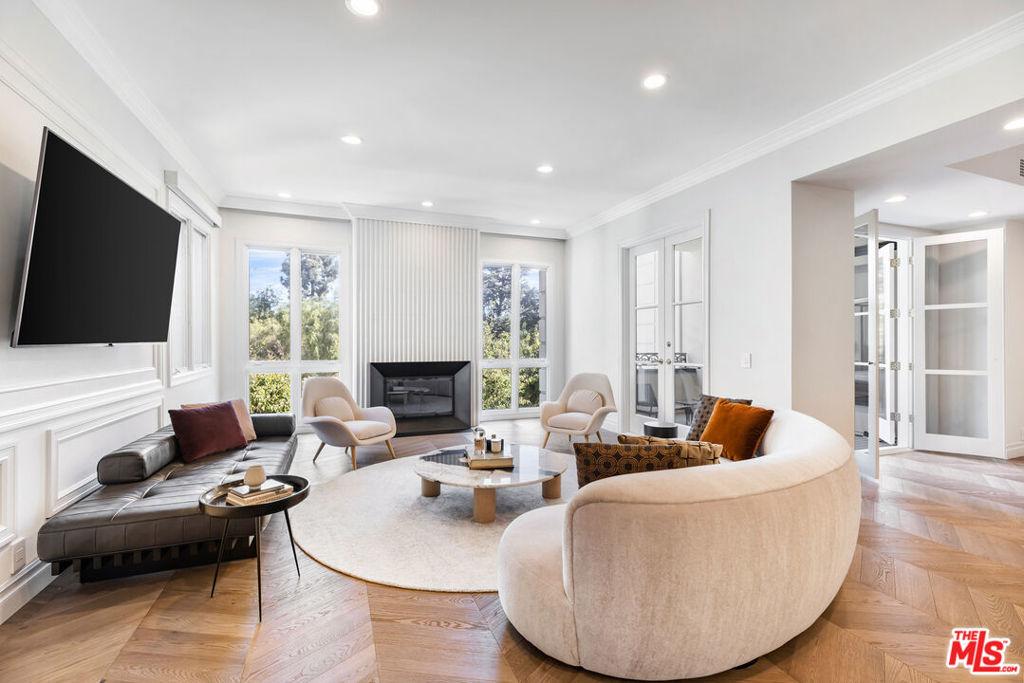
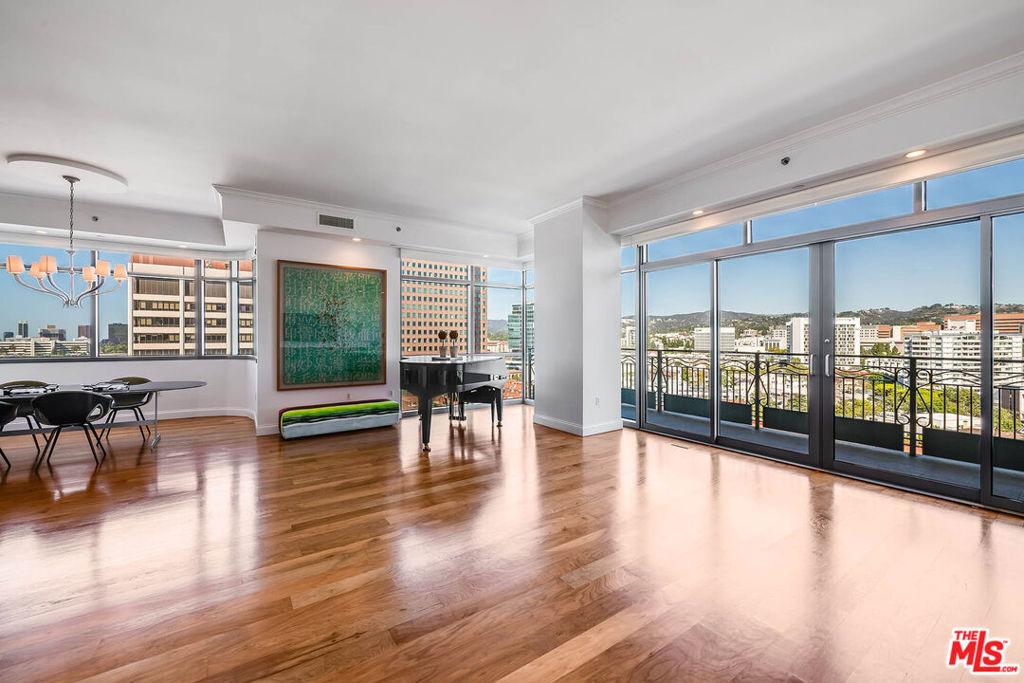
Condos in California Los Angeles: What Buyers Should Know
Condos in California Los Angeles currently number 240 active listings with a median asking price of $1,619,500 (CRMLS, September 2026).
If you are shopping condos in California Los Angeles, you are buying a separately owned unit inside a shared building, governed by an HOA under the state’s Davis-Stirling Act. You own your interior airspace and co-own the roof, elevators, pool deck, garage, and the plumbing between units. That structure is how most buyers reach expensive parts of Los Angeles County without a detached-home budget. It also means you inherit a balance sheet you did not build.
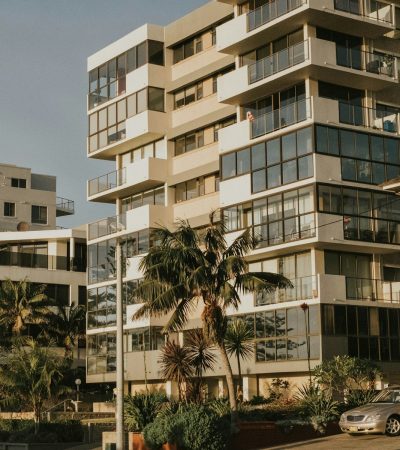
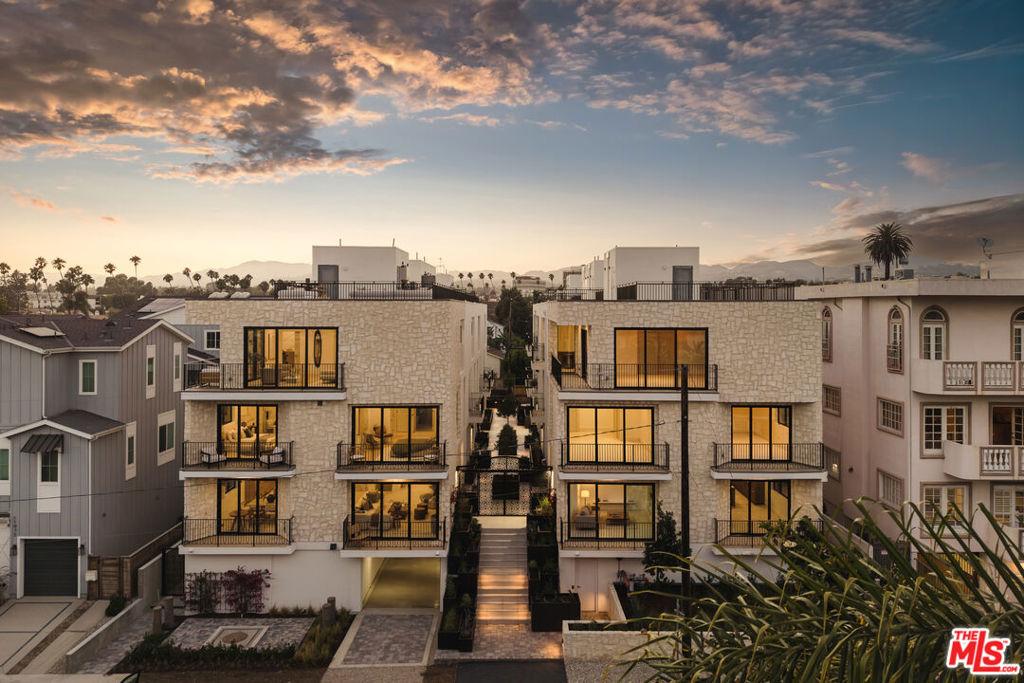
The stock ranges widely. Santa Monica runs from 1970s Ocean Park walk-ups to full-service ocean-view buildings; Century City and Westwood hold the Wilshire Corridor’s 30-plus high-rise towers. Costs vary just as much: Marina del Rey has leasehold land, Playa Vista Phase 1 carries a Mello-Roos tax, and Palisades and Malibu buildings price wildfire insurance into dues.
Browse the condo listings below, or contact The Knight Group and we will pull the HOA financials, the reserve study, and the sales history on any building you are considering before you write an offer.
Why do buyers choose a condo over a house in Los Angeles?
Price per location. A condo buys proximity a house at the same number cannot. Century City, Santa Monica, Beverly Hills, and West Hollywood all have entry points in attached housing that no longer exist in detached housing. Maintenance is the second reason: roof, exterior paint, landscaping, and often insurance move to the association.
The trade-offs are equally concrete. You give up control over major decisions, you inherit your neighbors’ deferred maintenance, and your monthly cost can rise without your vote. Attached housing has also lagged detached on appreciation across most of the county in recent years. Buy a condo for the location and the entry price, not on the assumption it will outrun a house.
What does the Los Angeles condo market look like right now?
Slow. The Real Deal reported on July 10, 2026 that Southern California recorded roughly 41,300 condo sales in the twelve months ending in April, the slowest pace in more than two decades and about 25 percent below the region’s long-run average. The same reporting put the Southern California median condo list price at $685,000 in April 2026.
Prices have held better than volume. Sellers are not capitulating, buyers are not chasing, and the market clears slowly with more negotiation per transaction than the detached side. Days on market run longer, and concession requests are normal rather than insulting.
Three forces explain most of the drag. Carrying costs are higher because HOA dues have climbed with insurance renewals. Financing is harder because agency condo project standards have tightened. And buyers have grown wary of special assessments after several California associations levied five-figure per-unit charges for fire and structural repairs. None of this makes condos a bad buy. It makes diligence the deciding variable: in a slow market, the buyer who reads the reserve study has leverage the buyer who does not will never have.
Which Westside and coastal condo markets should you look at?
The Westside is where Los Angeles condo product is deepest and most expensive. Santa Monica condos for sale run from 1970s Ocean Park walk-ups to full-service ocean-view buildings on Ocean Avenue, in a city with its own rent control regime and tight supply. Directly south, Marina del Rey condos for sale carry a structural quirk no other submarket has at this scale: Los Angeles County owns much of the land, administered through the Department of Beaches and Harbors, so a large share of waterfront units are leasehold rather than fee simple. Marina City Club, for example, sits on a master ground lease running to 2067. Remaining lease term drives financing and resale, so check it first, not last.
Inland from the water, Playa Vista condos for sale represent the county’s most deliberately master-planned attached community, with a two-tier structure: a master association every owner pays into, plus a building-level association on top. Phase 1 parcels also carry a Mello-Roos special tax tied to infrastructure bonds maturing in 2031, while Phase 2 does not, so two units at the same price can have materially different carrying costs. Nearby, condos for sale in Venice, CA skew smaller and more design-driven, with walkability to Abbot Kinney doing much of the pricing work.
North along the coast, Pacific Palisades condos for sale and Malibu condos for sale are thin, high-value markets where wildfire exposure is now the dominant underwriting question. Cal Fire released updated Fire Hazard Severity Zone maps for Los Angeles on March 24, 2025, and the Very High zones across the Palisades and Malibu were largely unchanged from prior mapping. Master insurance placement there drives HOA dues and, in some cases, whether a building is financeable at all. In the South Bay, Manhattan Beach condos for sale are scarce by design: low-density zoning keeps attached inventory limited and slow to turn over.
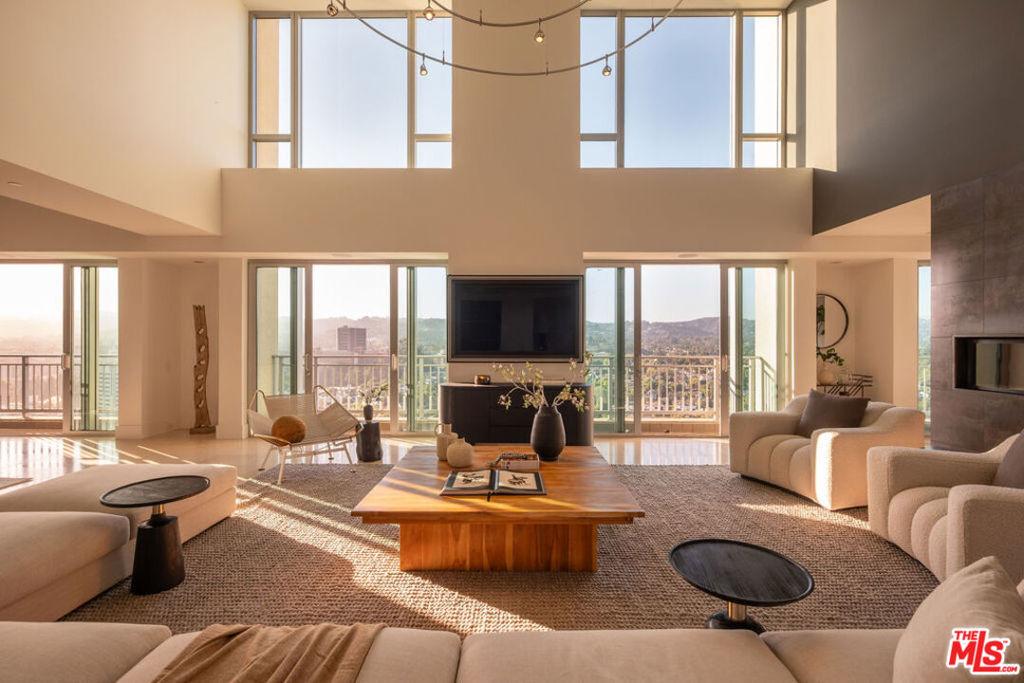
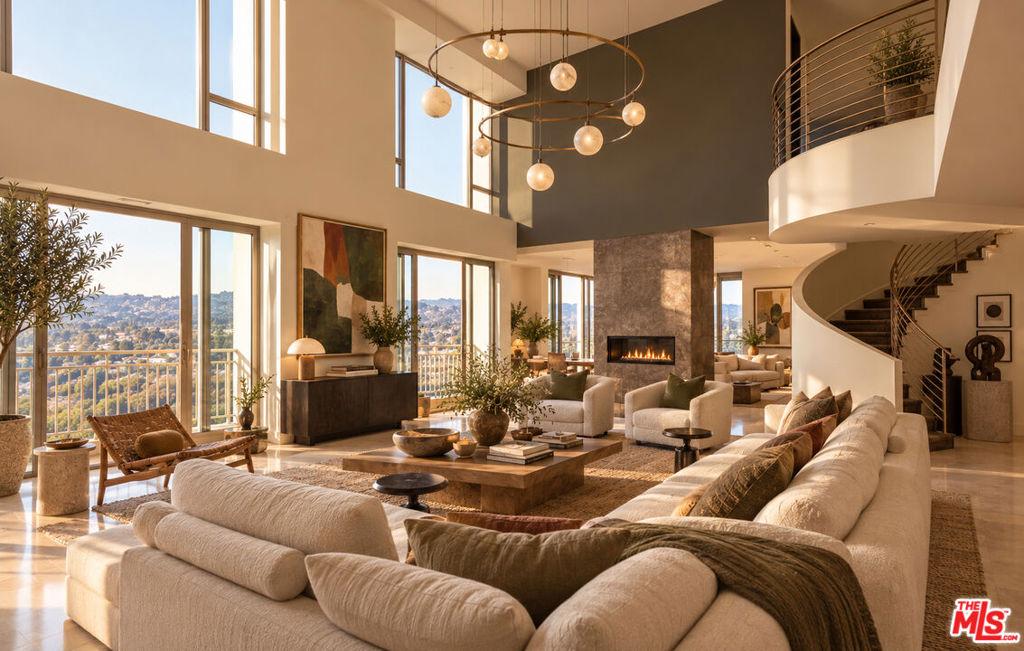
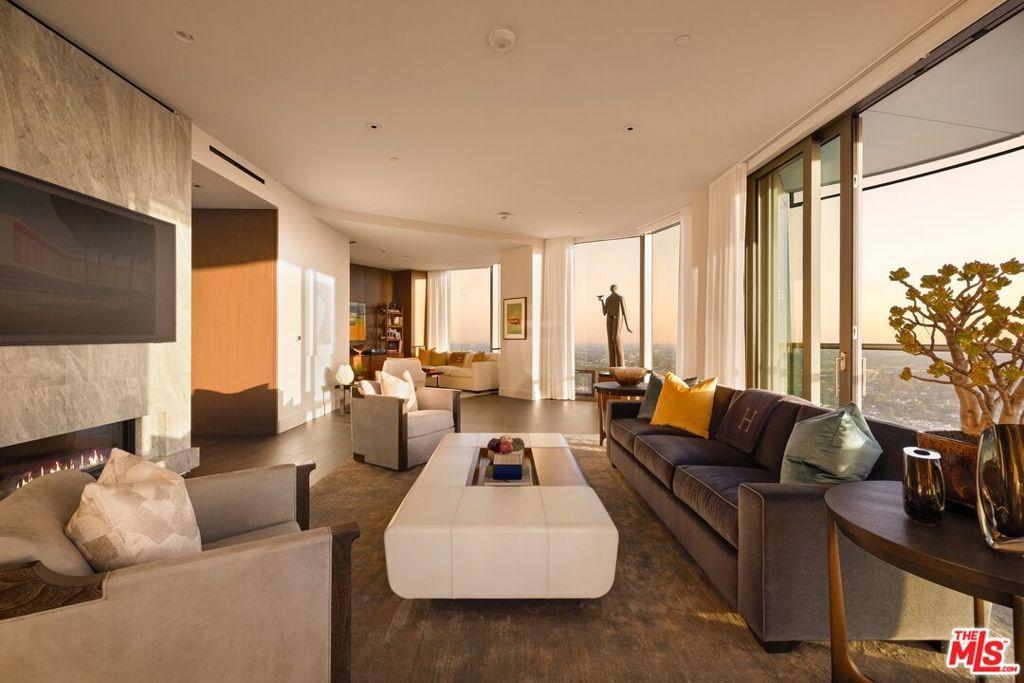
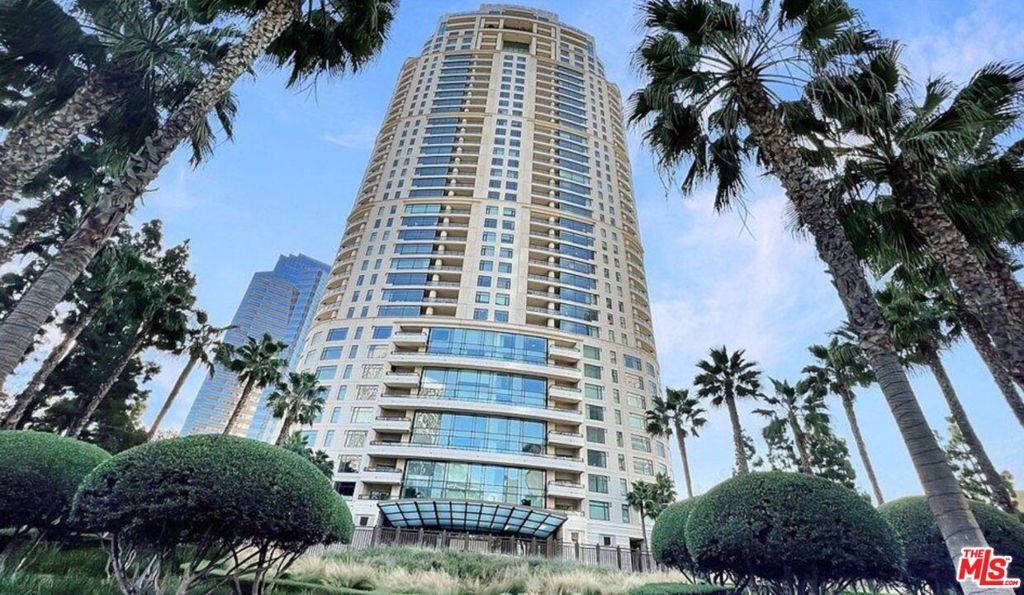
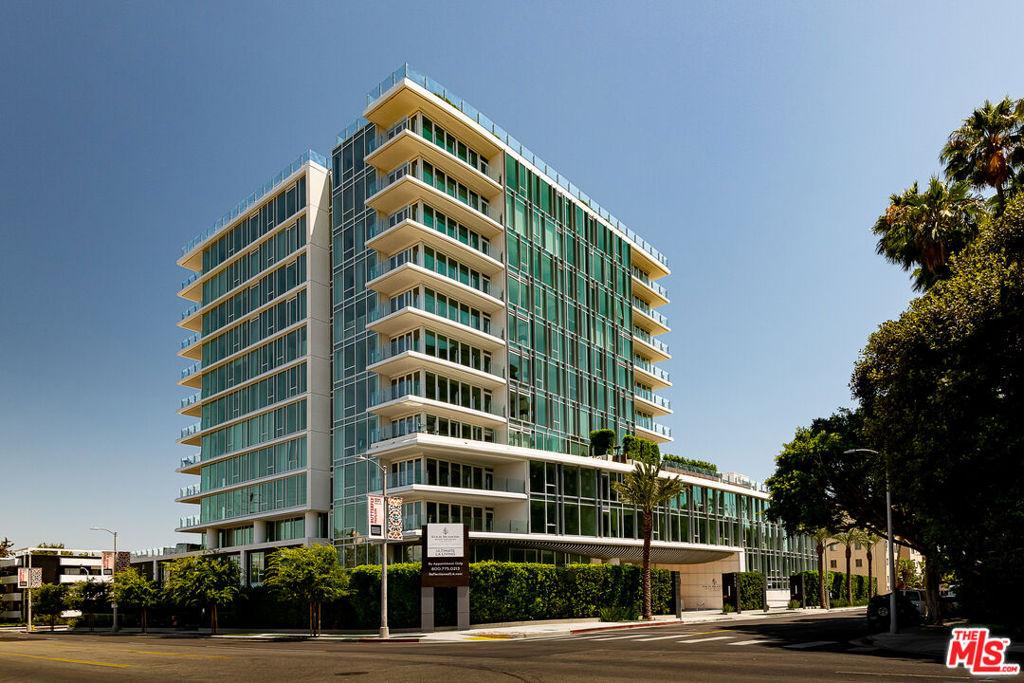
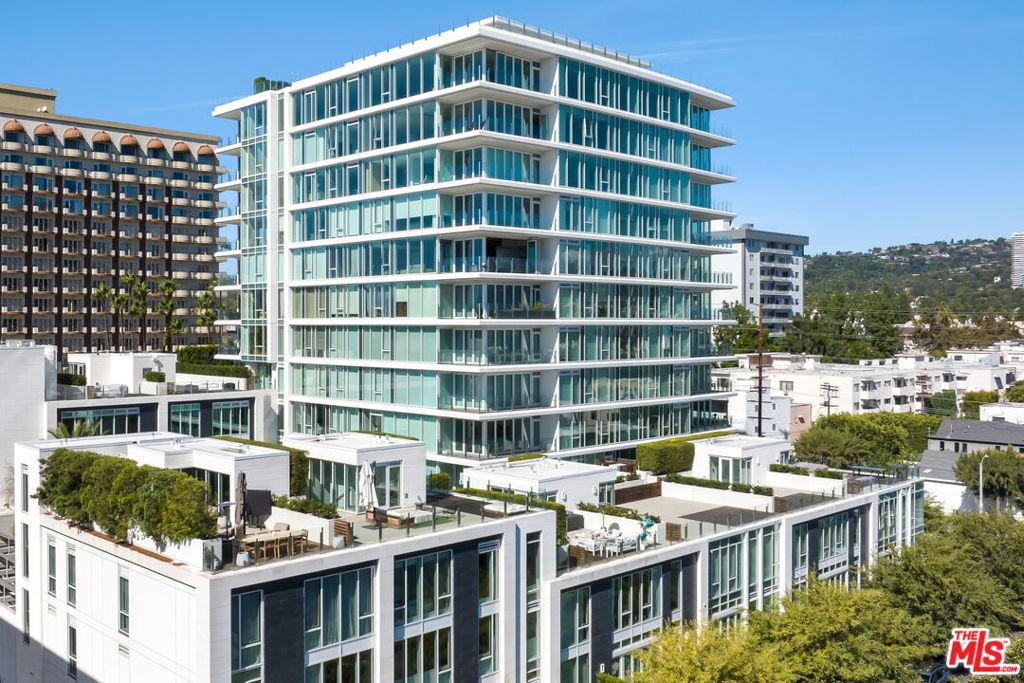
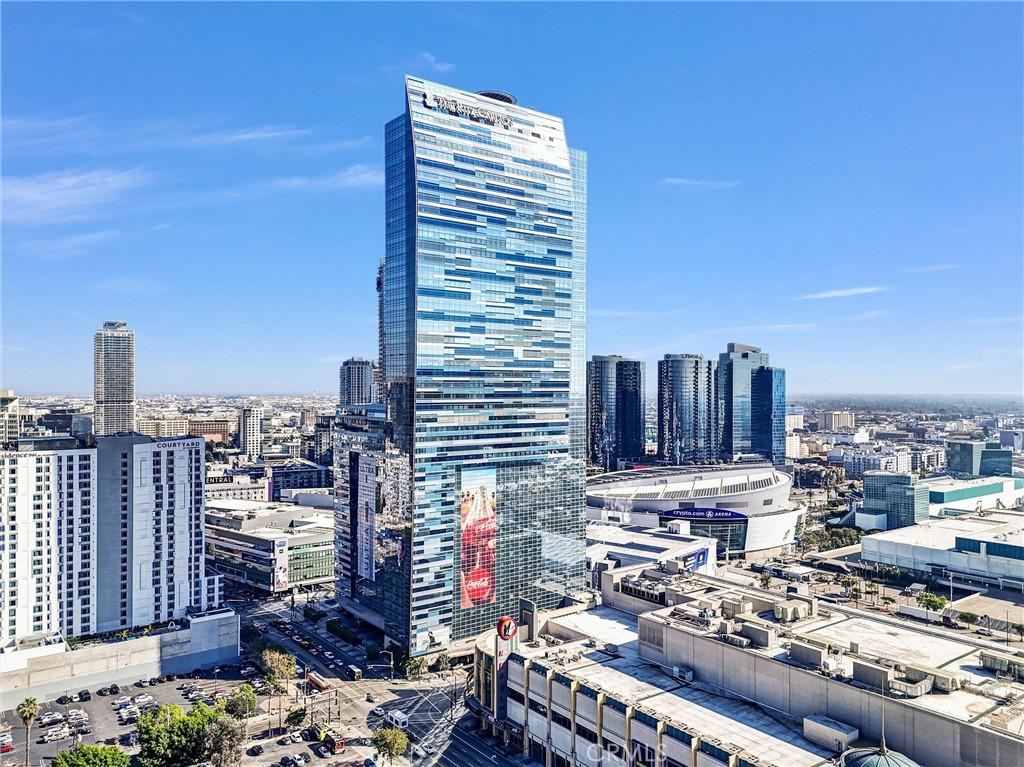
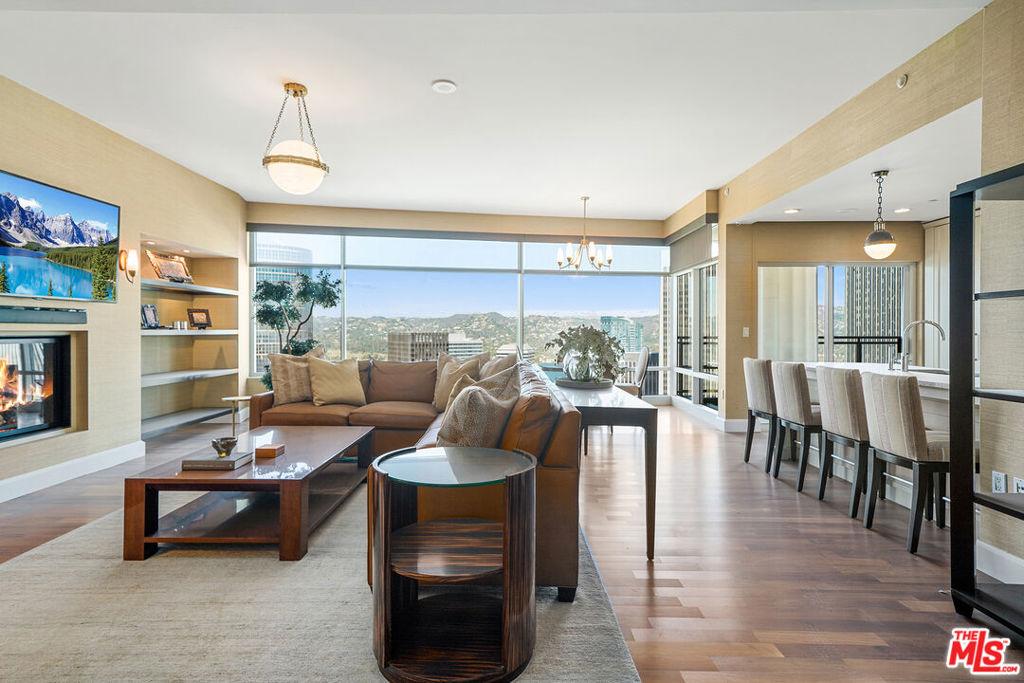
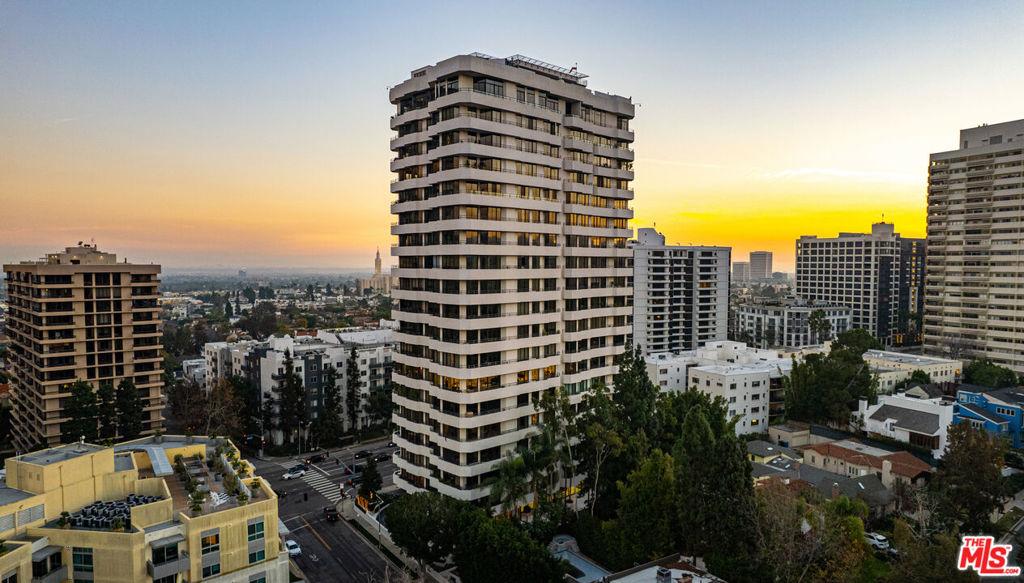
The prime Westside interior runs on high-rise and full-service product. Century City condos for sale and Westwood condos for sale together contain the Wilshire Corridor, a stretch of more than 30 high-rise towers long nicknamed the Millionaire Mile. The Century, completed in 2010, is a 42-story tower of roughly 140 units and serves as the benchmark for the top of this tier. Beverly Hills condos for sale, Brentwood condos for sale, and condos for sale in West Hollywood round out the corridor, each with its own municipal rules on rentals, permits, and tenant protections.
Transit is changing this map. Metro opened Section 1 of the D Line subway extension on May 8, 2026 at Wilshire/La Brea, Wilshire/Fairfax, and Wilshire/La Cienega. Section 2 reaches Century City in spring 2027, and Section 3 reaches Westwood, UCLA, and the VA in fall 2027. Buildings walkable to those portals are worth watching.
What about central Los Angeles and the high-rise market?
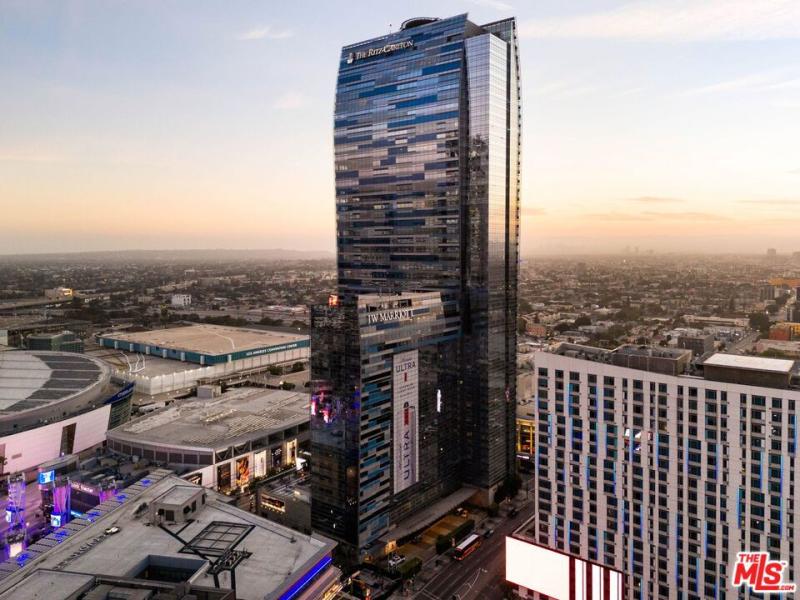
If you want density, this is where it lives. High-rise condos in Los Angeles concentrate in a few corridors: Downtown, the Wilshire Corridor, Century City, and increasingly Koreatown and Hollywood. Full-service towers carry the highest dues in the county because you are paying for staff, elevators, and structured parking, and those costs do not compress.
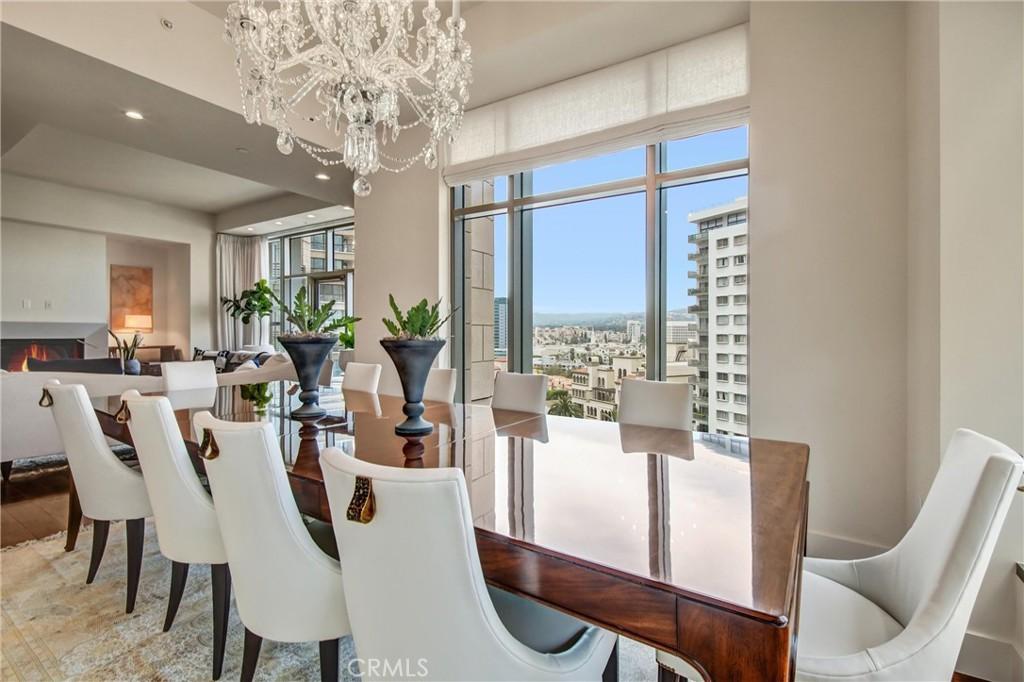
Los Angeles luxury condos as a category means something specific: doorman or concierge coverage, secured parking with valet, and a services package closer to a hotel than a housing complex. New condos for sale in Los Angeles matter for a different reason. New construction falls outside the seismic retrofit ordinances that affect older stock and typically arrives with a builder warranty. It also often starts with thin reserves, so read the budget rather than assuming the absence of history is the absence of risk.
Koreatown condos for sale offer some of the strongest transit access in the city and a mix of prewar conversions and modern towers. Hollywood condos for sale follow a similar pattern with more new mid-rise product. Up the hill, Hollywood Hills condos trade views and privacy for hillside access, slope maintenance, and fire-zone insurance exposure. East of there, Los Feliz condos lean smaller and older, and Hancock Park Terrace condos serve buyers who want that location in an attached format. For a county-wide view across every submarket, start with condos for sale in Los Angeles County.
Where are the best condo values in the Valley and the foothill cities?
The San Fernando Valley is where the county’s attached-housing value sits. Sherman Oaks condos for sale and condos for sale in Studio City anchor the south Valley with strong school demand and quick canyon access to the Westside. Toluca Lake condos for sale serve the same buyer from the east side of the 101, minutes from the Burbank media campuses. Moving west, Encino condos and condos for sale in Tarzana, CA deliver larger floor plans per dollar than anything comparable on the Westside.
Woodland Hills condos for sale sit next to the most significant redevelopment plan in the Valley: the Warner Center 2035 Specific Plan, adopted by the City of Los Angeles in 2013, which targets roughly 20,000 residential units, about 14 million square feet of nonresidential space, and 49,000 jobs at buildout. That pipeline is the main reason to watch Woodland Hills over a ten-year hold. Adjacent, condos for sale in West Hills, CA and condos for sale in Porter Ranch cover the northwest Valley, where hillside parcels put fire hazard zoning back into the insurance conversation. At the county’s western edge, Westlake Village condos for sale and Agoura Hills condos offer planned-community living oriented toward the 101 corridor rather than central Los Angeles, and both sit in or near mapped fire hazard areas, so master policy terms deserve early review.
East of the Valley, the foothill cities have their own condo markets and their own governance. Burbank condos for sale draw entertainment-industry buyers who want to live near work, and homes for rent in Burbank, CA is a useful read on rental demand if you are underwriting a unit as an investment. Condos for sale in Glendale, CA include a deep supply of mid-rise buildings near Americana and Brand Boulevard. Pasadena condos for sale span historic conversions to new construction near Old Town. Because Glendale, Burbank, and Pasadena are separately incorporated, they sit outside the City of Los Angeles transfer tax entirely.
How do HOA dues and reserves actually work here?
Your dues fund two things: this year’s operating costs and future replacement of shared components. The second is where buildings fail. A reserve study projects when the roof, elevators, boilers, and decks need replacement and what share of that liability is funded today. A low funded percentage is not necessarily a bad building, but it is a building with a bill coming.
Insurance is the pressure point in 2026. Industry forecasts for the year put standard California property coverage increases in the high single digits to around 10 percent, with far steeper renewals for associations in wildfire-exposed areas. When a master premium jumps, a board can raise dues, levy a special assessment, reduce coverage, or raise the deductible. Three of those four transfer risk directly onto owners. Ask what the association did at its last renewal and what it expects at the next. Then read the minutes: the last twelve to twenty-four months will surface litigation, water intrusion, and pending assessments faster than any financial statement.
What should you know about financing a Los Angeles condo?
Condo financing has two approvals, not one. The lender underwrites you, then separately underwrites the project, and a building can disqualify a perfectly strong borrower.
Fannie Mae maintains a list of projects it considers ineligible, informally called the blacklist. It is not public, though lenders and HOA board members can check project status through Fannie Mae’s Condo Status Finder. Common triggers include critical deferred maintenance, safety-related litigation, special assessments for unresolved repairs, owner delinquencies above 15 percent, heavy investor ownership, inadequate reserves, and master policies without full replacement cost coverage. California’s insurance market has made that last item far more common.
Standards are tightening again. For loan applications dated on or after August 3, 2026, borrowers are no longer eligible for limited or streamlined condo project review, so more projects face full review. Confirm project eligibility before you spend money on inspections, and build a financing contingency that accounts for project denial, not just borrower denial.
Which building-safety laws affect Los Angeles condos?
Three matter most. First, Senate Bill 326 added Civil Code section 5551 to the Davis-Stirling Act and requires every California condominium association with three or more units to inspect exterior elevated elements: balconies, decks, stairways, and walkways that are substantially supported by wood and sit six feet or more above ground. The first inspections were due by January 1, 2025, with re-inspection on a nine-year cycle.
Second, Senate Bill 410, chaptered in 2025 and effective January 1, 2026, added the most recent SB 326 report to the disclosure packet a seller must deliver under Civil Code section 4525. Inspection status is now part of every California condo sale disclosure, a meaningful improvement for buyers.
Third, City of Los Angeles Ordinance 183893 mandates seismic retrofit of pre-1978 wood-frame soft-story buildings and of non-ductile concrete buildings permitted before January 13, 1977, with full non-ductile concrete compliance required by 2041. If you are buying in an older building inside city limits, ask whether the property received a retrofit order and how the work is funded.
How do taxes and transfer costs change when you buy or sell?
The line that matters is the City of Los Angeles boundary. Inside it, Measure ULA applies an additional transfer tax to the gross sale price of any property type, condos included. For transactions closing after June 30, 2026, sales above $5,400,000 and below $10,900,000 are taxed at 4 percent, and sales at $10,900,000 or above at 5.5 percent, per the City of Los Angeles Office of Finance. The thresholds adjust annually against the Chained CPI.
Most condo transactions fall well under that line. The high-rise tiers in Century City, the Wilshire Corridor, and Downtown do not always. The tax applies to gross price rather than gain, with no partial exemption above the line, so pricing near $5.4 million deserves modeling before you list.
Outside the boundary, in Glendale, Burbank, Pasadena, Santa Monica, Beverly Hills, West Hollywood, Malibu, Agoura Hills, and Westlake Village, different municipal rules apply and several of those cities levy their own transfer tax. Verify jurisdiction before assuming.
Can you rent out a Los Angeles condo?
Sometimes, and there are two gates. The first is your association. Many CC&Rs cap the number of rented units, impose minimum lease terms, or prohibit short-term rental outright, and that restriction is enforceable regardless of what the city allows.
The second gate is municipal. The City of Los Angeles adopted its Home-Sharing Ordinance in December 2018. It limits short-term rental to a host’s primary residence occupied more than six months a year, allows one home-sharing unit per host, caps standard registrations at 120 days per calendar year, requires registration with City Planning, and excludes units covered by the Rent Stabilization Ordinance. Other cities in the county have their own regimes, several stricter.
For long-term holds, run rent minus dues minus taxes minus insurance minus vacancy, before debt service. In high-dues buildings, dues alone can consume a large share of gross rent, which is why Valley and foothill condos often pencil better as rentals than prime Westside towers.
How to Compare Buildings Before You Buy a Condo in Los Angeles
Once you narrow to two or three submarkets, the decision stops being about neighborhoods and starts being about individual associations. Two buildings on the same street can carry very different risk. Ask for the reserve study and read what percentage of the roof, elevators, plumbing, and garage structure is actually funded, then compare that against the age of those systems. Pull the last several years of board minutes and look for repair discussions that never turned into a funded project. Confirm the master insurance policy is in place and what it costs, since renewals are the main reason dues have climbed. If you are financing, verify early that the project meets agency standards, because a building that fails review narrows your lender options considerably.
Ownership structure matters just as much. Ask whether the land is fee simple or leasehold, whether a special tax applies to the parcel, and whether a master association sits above the building association. Then check the city’s rules on rentals and tenant protections, which differ across the county. A condominium in Los Angeles is a share of a shared balance sheet, and the documents tell you what you are joining.
Frequently asked questions about Los Angeles condos
Are condos a good investment in Los Angeles right now?
They are a better location purchase than a pure appreciation play at the moment. Southern California sales volume is running roughly 25 percent below its long-run average per The Real Deal’s July 2026 reporting, and attached housing has trailed detached on price growth. That softness favors buyers with time and diligence. It does not favor short holds.
What is a reasonable HOA dues figure in Los Angeles?
There is no single number, and anyone who quotes one is guessing. Dues scale with services and structure, from a small walk-up with no amenities to a full-service high-rise with valet and structured parking. The useful question is not whether dues are high but whether they are sufficient. Underfunded low dues cost more over five years than adequate high dues.
What documents should I demand before removing contingencies?
The governing documents, the current budget, the most recent reserve study, twelve to twenty-four months of board minutes, the master insurance certificate, the litigation disclosure, any special assessment notices, and as of January 1, 2026 the most recent SB 326 inspection report. Civil Code section 4525 obligates the seller to deliver most of this package.
Why did my lender decline a specific building?
Almost always project eligibility rather than borrower credit. Delinquencies above 15 percent, deferred maintenance flagged as critical, active safety litigation, insufficient master insurance, or heavy investor concentration will each do it. Ask your lender to run the project through Fannie Mae’s Condo Status Finder before you order an appraisal.
What is the difference between fee simple and leasehold in Marina del Rey?
Fee simple means you own the land under the improvements. Leasehold means you own the right to use it for a defined term while Los Angeles County retains title through the Department of Beaches and Harbors. Leasehold units price lower, finance differently, and hinge on remaining term. Marina City Club’s master ground lease runs to 2067.
Are hillside and coastal condos harder to insure?
Generally yes. Cal Fire’s 2025 Fire Hazard Severity Zone maps kept large portions of the Palisades, Malibu, and the Santa Monica Mountains foothills in Very High zones. Associations there have faced the steepest master policy renewals in the state, and some have moved to FAIR Plan coverage supplemented by difference-in-conditions policies. Ask for the master policy declarations page early.
How does The Knight Group work in the condo market?
We treat the building as part of the purchase. Before you write an offer, we pull the association’s budget, reserve study, insurance certificate, minutes, and assessment history, and we check the project’s financing status so you learn about an eligibility problem before it costs you an appraisal fee. If the numbers do not support the price, we say so and move on.
On the sell side, the work runs in reverse. We assemble the Civil Code 4525 disclosure package early, including the SB 326 report now required, so contingencies do not stall over documents the association takes three weeks to produce. Where a sale approaches the Measure ULA thresholds, we model the tax into the pricing strategy before the listing goes live.
Los Angeles condo transactions fail on paperwork and financing far more often than on price, so that is where we put the effort. Browse the listings below, or tell us which buildings you are considering and we will tell you what we know, including the parts that argue against buying.
What should buyers know about Condos In California Los Angeles?
- Condos In California Los Angeles means owning a separately titled unit inside a shared building governed by an HOA under the Davis-Stirling Act.
- Ownership covers your interior airspace while the roof, elevators, pool deck, garage, and plumbing between units stay commonly owned.
- Attached housing is how most buyers reach expensive parts of Los Angeles County without carrying a detached-home budget.
- Buyers inherit a balance sheet they did not build, which makes association finances part of the purchase decision.
- Santa Monica stock spans Ocean Park walk-ups through full-service ocean-view buildings on Ocean Avenue.
- Century City and Westwood hold the Wilshire Corridor’s high-rise towers, the deepest concentration of vertical product on the Westside.
- Marina del Rey carries leasehold land, Playa Vista Phase One carries a Mello-Roos tax, and Palisades and Malibu buildings price wildfire insurance into dues.
- Price per location drives most purchases, since a condo buys proximity that a house at the same number cannot.
- Century City, Santa Monica, Beverly Hills, and West Hollywood all retain attached entry points that no longer exist in detached housing.
- Maintenance shifts to the association, covering roof, exterior paint, landscaping, and often insurance.
- Trade-offs include lost control over major decisions, inherited deferred maintenance, and monthly costs that can rise without your vote.
- Attached housing has lagged detached housing on appreciation across most of the county in recent years.
- Condos In California Los Angeles reward buyers shopping for location and entry price rather than betting on outrunning a house.
- Market conditions are slow, with volume well below the region’s long-run average and prices holding better than sales pace.
- Carrying costs, tighter agency project standards, and wariness about special assessments explain most of the drag on Condos In California Los Angeles.
- Marina City Club sits on a master ground lease, so remaining lease term drives financing and resale and deserves checking first.
How do dues, financing, and laws work for Condos In California Los Angeles?
- Dues fund this year’s operating costs plus future replacement of shared components, and the second category is where buildings fail.
- Reserve studies project when roofs, elevators, boilers, and decks need replacement and what share of that liability is funded today.
- Low funded percentages do not automatically signal a bad building, but they do signal a bill coming.
- Insurance is the pressure point for Condos In California Los Angeles, with far steeper renewals for associations in wildfire-exposed areas.
- Boards facing a master premium jump can raise dues, levy a special assessment, reduce coverage, or raise the deductible.
- Board minutes surface litigation, water intrusion, and pending assessments faster than any financial statement.
- Condo financing carries two approvals, since the lender underwrites the borrower and then separately underwrites the project.
- Fannie Mae maintains a non-public list of ineligible projects that lenders and HOA board members can check through the Condo Status Finder.
- Common ineligibility triggers include critical deferred maintenance, safety-related litigation, unresolved-repair assessments, owner delinquencies, heavy investor ownership, and inadequate reserves.
- Master policies without full replacement cost coverage disqualify projects, an issue California’s insurance market has made far more common.
- Limited and streamlined condo project review is going away, pushing more projects into full review.
- Financing contingencies for Condos In California Los Angeles should account for project denial, not merely borrower denial.
- Measure ULA applies an additional transfer tax on gross sale price inside city limits, reaching high-rise tiers in Century City, the Wilshire Corridor, and Downtown.
Are Condos In California Los Angeles a good buy right now?
- Condos In California Los Angeles read as a better location purchase than a pure appreciation play at the moment.
- Southern California sales volume runs well below its long-run average, and attached housing has trailed detached on price growth.
- Softness favors buyers with time and diligence rather than anyone planning a short hold.
- Reasonable dues figures do not exist as a single number, and anyone quoting one is guessing.
- Dues scale with services and structure, from a small walk-up with no amenities to a full-service high-rise with valet and structured parking.
- Underfunded low dues cost more over several years than adequate high dues, so sufficiency beats sticker price.
- Documents worth demanding include governing documents, the current budget, the most recent reserve study, and recent board minutes.
- Master insurance certificates, litigation disclosures, special assessment notices, and the most recent inspection report round out the diligence package.
- Lender declines on Condos In California Los Angeles almost always trace to project eligibility rather than borrower credit.
- Delinquencies, critical deferred maintenance, active safety litigation, insufficient master insurance, and heavy investor concentration each disqualify a project.
- Fee simple ownership means owning the land under the improvements, while leasehold grants use rights for a defined term.
- Los Angeles County retains title on Marina del Rey leasehold land through the Department of Beaches and Harbors.
- Leasehold units price lower, finance differently, and hinge on remaining lease term, as at Marina City Club.
- Hillside and coastal buildings in the Palisades, Malibu, and Santa Monica Mountains foothills face the steepest master policy renewals in the state.
- The Knight Group pulls budgets, reserve studies, insurance certificates, minutes, and financing status before an offer, and says so when numbers do not support price.