Los Angeles Townhomes For Sale Homes for Sale

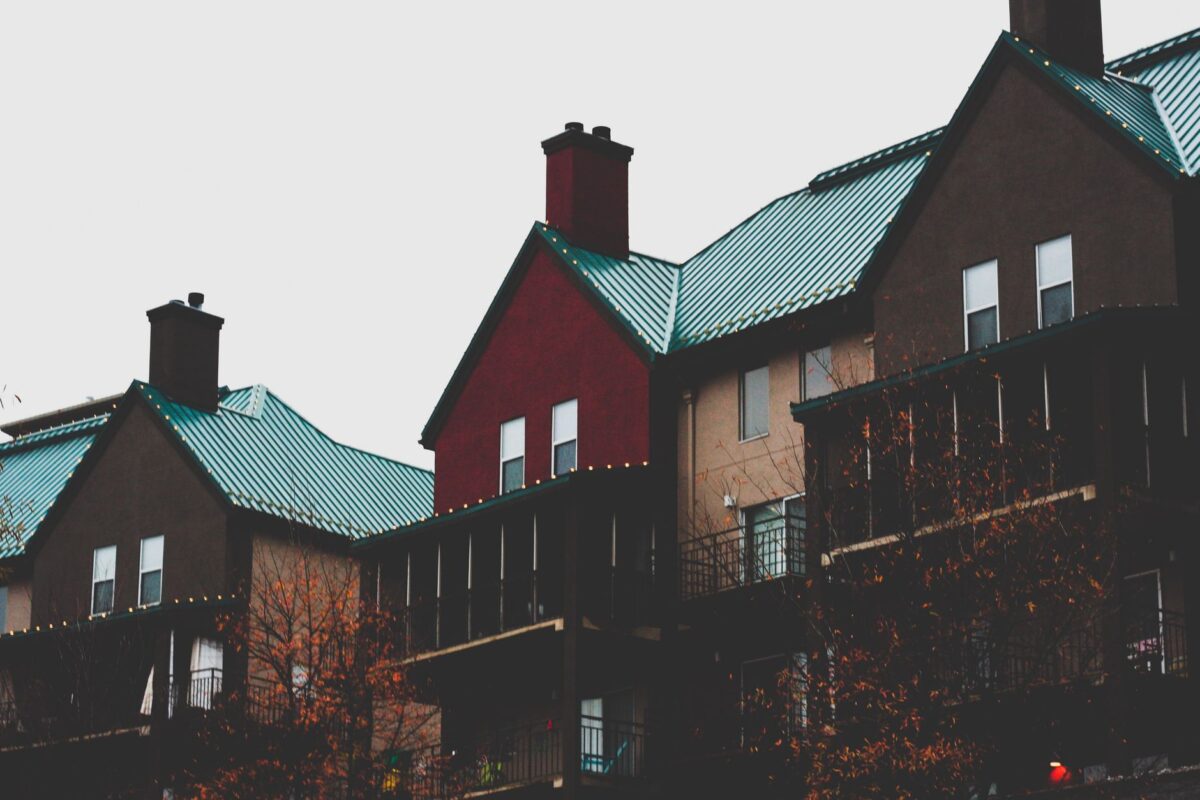
Because who really wants to mow the lawn.

Browse all Los Angeles real estate — or explore the full Los Angeles luxury real estate market.

Our extensive guide through the neighborhoods below will help you identify the one for you.

Similarneighborhoods

gray high-rise building during daytime

Condos in Lifornia los Angeles Condos for Sale

Los Angeles Townhomes for Sale: What Buyers Should Know

Los Angeles townhomes for sale run from about $500,000 for a two-bedroom with modest finishes up to roughly $2.9 million for luxury units with as many as five bedrooms and ocean views. Almost every one carries an HOA fee, averaging around $285 a month, with newer projects that include pools, gyms, and security running higher. A townhome is an attached, multi-level home sharing one or two walls, usually with a garage and often a small patio, at a price below the detached houses on the same block.

Supply concentrates in the mid-density parts of the county. On the Westside, Playa Vista, Marina del Rey, and Playa del Rey carry newer product, with Playa del Rey ranging from the $350,000s to past $3 million. Over the hill, Sherman Oaks, Studio City, Valley Village, and Toluca Lake anchor Valley inventory near Ventura Boulevard.

Browse the current townhome listings below, or contact The Knight Group and we will pull the specific inventory that fits your neighborhood, budget, and financing situation.

How is a townhome different from a condo?

The two words describe different things. “Townhome” describes architecture: an attached, multi-story unit. “Condo” describes a legal ownership structure: you own the interior airspace of your unit and share ownership of everything else through the association. Those categories overlap constantly. In California, a building that looks like a row of townhomes is very often condominium on title.

Ownership is where it matters. A true fee-simple townhome, usually organized as a planned unit development, means you own your unit and the land under it. You are responsible for maintaining your own structure, and the HOA dues cover shared community areas and amenities rather than your roof and walls. A townhome-style condominium means you own the interior only, and the association maintains the building envelope, the roof, and the grounds. That difference changes who pays for a new roof, how large the monthly dues run, and how the property gets insured.

Because the label on the listing does not guarantee the legal form, the recorded map, the CC&Rs, and the title report are the documents that tell you what you actually own. We read those before you write an offer, not after.

What does a townhome cost in Los Angeles?

The range is wide. At the entry end, two-bedroom townhomes with more modest finishes trade around the $500,000 mark. At the top end, luxury townhomes with up to five bedrooms, ocean views, and high-end finishes start near $2.9 million, per the Los Angeles townhome market data compiled by HighRisesCondos. Where a specific unit lands inside that range depends on neighborhood, square footage, age of the building, the size of the HOA reserve, and whether the project qualifies for standard financing.

Almost every Los Angeles townhome carries an HOA fee. That figure averaged around $285 per month per the same HighRisesCondos market survey, though newer projects with pools, gyms, and security run higher, and small fee-simple communities with minimal shared property run lower. Treat the dues as part of the monthly carrying cost, not a footnote. A lower purchase price paired with high dues and a thin reserve fund can cost more over five years than a higher price with a well-funded association.

Where are the townhomes in Los Angeles?

Townhomes cluster in the mid-density parts of the county: planned developments in the inner-ring suburbs and infill projects on former commercial or multifamily land. They show up where the zoning allows attached housing at moderate density but the neighborhood still reads as residential.

On the Westside, Playa Vista, Playa del Rey, and Marina del Rey carry a deep bench of newer condo and townhome product. New construction in Playa Vista tends to sell quickly, sometimes before completion, driven by steady corporate relocation demand. Playa del Rey is a beachside pocket where townhomes range from smaller units in the $350,000s up past $3 million for larger ocean-view homes, per Zillow and South Bay listing data. Marina del Rey layers in waterfront and near-waterfront attached homes across a large number of newer communities.

Over the hill, the San Fernando Valley is the other major supply. Sherman Oaks, Studio City, Valley Village, and Toluca Lake all carry townhome inventory, much of it walkable to Ventura Boulevard and close to the studios. That corridor draws entertainment-industry buyers who want a short commute and a residential street without paying detached-house prices in the same ZIP code. Additional pockets appear across Palms, Mar Vista, Del Rey, West Los Angeles, and select Downtown and mid-city infill projects.

Are townhomes a good option for first-time buyers?

Often, yes. A townhome is frequently the most house a first-time buyer can control in a given Los Angeles neighborhood. You get a multi-level floor plan and usually a garage at a price point below the detached houses down the block, and the association handles the exterior work that a new owner may not have the time or tools to manage.

The caution is financing, not the format. Whether you can use an FHA or conventional low-down-payment loan depends on the project, not just on you. We flag that early so you are not three weeks into escrow before a lender raises it. More on that below.

What should I know about the HOA before I buy?

The HOA is a second budget you are joining, and its health is as important as the condition of the unit. California’s Davis-Stirling Common Interest Development Act governs these associations and requires real transparency. When you buy into an HOA property, the disclosure packet must include the CC&Rs, the articles of incorporation, the bylaws, the operating rules, the annual budget report, and the most recent reserve study summary. The seller must also disclose current dues, pending special assessments, enforcement actions, violations, and any litigation involving the association.

Read those documents. The reserve study is the one people skip, and it is the one that predicts pain. Under Davis-Stirling, associations must complete a reserve study at least every three years, and Civil Code section 5300 requires the annual budget report to disclose how well the reserves are funded, projected assessments, and deferred maintenance. A thinly funded reserve on an aging building is a special assessment waiting to happen, and that assessment lands on you as the new owner. A well-funded reserve is worth paying up for.

You have the right to these records. Under Davis-Stirling, the association must provide access to financial statements, governing documents, and meeting minutes, typically within ten business days of a written request. We use that window during your contingency period to look for anything the marketing did not mention.

Can I finance a townhome with an FHA or conventional loan?

Sometimes, and it depends on the project. When a townhome is legally a condominium, the lender is not only underwriting you. It is also underwriting the project: the HOA’s finances, the master insurance policy, pending repairs, the owner-occupancy mix, and any litigation. A unit can be financeable with a conventional loan but not FHA, or the reverse, depending on which approvals the project carries.

The shorthand the industry uses is “warrantable.” A condominium project is warrantable when it meets Fannie Mae and Freddie Mac eligibility standards, which include benchmarks like majority owner-occupancy and no single investor owning more than 20 percent of the units. Warrantable projects open the door to conventional loans with as little as 3 percent down, FHA at 3.5 percent, and VA at zero down for eligible buyers. FHA financing generally requires the project to appear on the FHA-approved condo list. A non-warrantable project can still be bought, but often only with a larger down payment and a specialty loan.

Fee-simple townhomes in a planned unit development usually avoid the condo-project review entirely and finance more like a standard house. That is one more reason the legal structure matters. We confirm a project’s financing status before you fall for a unit, so the loan question is answered up front rather than at the closing table.

What are the ongoing costs beyond the mortgage?

Three recurring lines sit on top of principal and interest. First, the HOA dues, which we treat as a fixed monthly cost. Second, property taxes, which in California are based on your purchase price under Proposition 13 and reset when you buy, so budget from the price you are paying, not from the seller’s old assessment. Third, your own interior maintenance and, depending on the ownership structure, potentially your own roof and exterior in a fee-simple community.

Two variable costs deserve a look during due diligence. Special assessments are one-time charges the HOA can levy for major repairs the reserves do not cover, which is why the reserve study matters so much. Insurance is the other. In a condominium structure the association carries a master policy and you carry an interior “walls-in” policy, while in a fee-simple townhome you may be insuring the full structure yourself. Confirm which arrangement applies before you assume your premium.

Do townhomes appreciate as well as houses?

Attached homes and detached houses do not always move in lockstep, and honesty here is more useful than a sales pitch. Detached single-family houses in Los Angeles carry land value that attached homes carry less of, and in the hottest cycles detached inventory can pull ahead. Townhomes, in exchange, let you buy into a neighborhood you could not otherwise afford, which is its own form of return. What protects townhome value most reliably is a well-run association with funded reserves, a healthy owner-occupancy ratio, and clean financing status, because those are the factors that keep the next buyer’s lender comfortable. A project that slides into non-warrantable status shrinks its own buyer pool and drags its resale values with it. That is why we underwrite the HOA as hard as we underwrite the unit.

Are townhomes good for downsizers and lock-and-leave owners?

They are one of the better formats for it. A buyer leaving a large detached house often wants less square footage, no yard work, and a home they can lock and leave for weeks without arranging maintenance. A townhome delivers that while keeping a garage and multi-room layout that a single-level condo may not. The San Fernando Valley corridor around Ventura Boulevard and the Westside beach communities both hold inventory that fits this buyer, close to dining and services with the exterior upkeep handed off to the association. The trade-off to name honestly is stairs. Most townhomes are multi-level, so a buyer planning to age in place should weigh whether a two- or three-story plan still works in ten years, or whether a primary suite on the entry level is a requirement.

What should I inspect before buying a townhome?

Inspect the unit and the association. On the unit, a standard home inspection still applies: systems, appliances, plumbing, electrical, windows, and any signs of water intrusion at shared walls. On attached construction, pay attention to sound transmission and to the condition of any shared or party walls.

On the association, read the reserve study, the last twelve months of board meeting minutes, the current budget, and the insurance certificate. The minutes are where you find the problems the seller would rather not volunteer: a looming roof project, a plumbing failure across multiple units, a pending assessment, or active litigation. The insurance certificate confirms the building is actually covered and tells you where the master policy stops and your interior policy has to begin. We build this review into your contingency period so you can still walk if the association’s finances do not hold up.

How do regulations like Measure ULA affect townhome buyers?

Most townhome purchases sit below the thresholds that trigger the City of Los Angeles transfer tax known as Measure ULA, which applies to high-value property sales inside city limits. It is more likely to touch a top-tier luxury townhome sale than a typical purchase, and it is levied on the transfer, so it is a seller-side consideration in most transactions. It still belongs on the checklist for high-end units, and it is one of several location-specific items, along with any Mello-Roos community facilities district charges on newer developments and the specifics of each association’s rules, that we confirm rather than assume. The point is not to alarm you. It is to make sure nothing that changes your numbers surfaces after you are already committed.

Choosing Between Complexes: What to Compare Before You Tour

Once you start narrowing options, the differences that matter are rarely visible in the photos. Two projects a mile apart can carry similar asking prices and wildly different monthly costs, depending on what the association maintains and how well it has funded its reserves. Named communities come up constantly in buyer searches — Portofino townhomes in Los Angeles is a common one — but a project’s reputation tells you less than its budget report, its reserve study, and whether its owner-occupancy and litigation status let a lender write a loan on it.

Geography does the rest of the sorting. Beachside pockets trade views and walkability for older buildings and tighter parking, while Valley inventory near the studios tends to favor square footage and garage space. When you compare townhomes in Los Angeles for sale, line up the dues, the reserve funding, and the financing eligibility side by side with the price. We can pull that documentation on any townhomes for sale in Los Angeles you are considering before you spend a Saturday touring them.

Frequently asked questions about Los Angeles townhomes

Is a townhome the same as a condo?

Not exactly. “Townhome” describes the architecture, an attached multi-story home, while “condo” describes a legal ownership structure. Many Los Angeles townhomes are condominiums on title, and some are fee-simple planned-unit developments. The recorded documents, not the listing headline, tell you which one you are buying.

Do all townhomes have HOA fees?

Nearly all Los Angeles townhomes carry an HOA fee, because there is almost always shared property to maintain. The Los Angeles townhome average has run around $285 per month per HighRisesCondos market data, with newer amenity-rich projects higher and small fee-simple communities lower.

Can I get an FHA loan on a townhome?

Sometimes. If the townhome is legally a condominium, FHA financing generally requires the project to be on the FHA-approved condo list. If it is a fee-simple planned unit development, it usually finances more like a standard house. We check a specific project’s status before you commit to it.

What is a warrantable townhome?

Warrantable means a condominium project meets Fannie Mae and Freddie Mac eligibility standards, including benchmarks such as majority owner-occupancy and no single investor owning more than 20 percent of units. Warrantable projects qualify for standard low-down-payment loans. Non-warrantable projects usually need a larger down payment and a specialty lender.

What is a reserve study and why does it matter?

A reserve study is the association’s plan for funding major future repairs like roofs and plumbing. Under California’s Davis-Stirling Act, HOAs must complete one at least every three years and disclose how well reserves are funded in the annual budget. A thin reserve on an aging building signals a likely special assessment, which would land on you as the new owner.

Are townhomes a good investment in Los Angeles?

They can be, particularly as a way into a neighborhood where detached houses are out of reach. The strongest protection for townhome value is a well-run association with funded reserves and clean financing status, because those keep the next buyer’s lender comfortable. We evaluate the HOA as carefully as the unit for exactly this reason.

Do townhomes come with a garage and a yard?

Most Los Angeles townhomes include an attached garage, and many include a small private patio or yard. The exact configuration varies by project, and the amount of private outdoor space is one of the features we screen for when we pull inventory for you.

Can I rent out my townhome?

That depends on the association’s rules and any rental caps in the CC&Rs, and rental restrictions can also affect a project’s warrantable status. We review the governing documents for rental provisions before you buy if leasing the unit is part of your plan.

How does The Knight Group work in the townhome market?

We start with the ownership structure, because it drives everything else. Before you tour, we identify whether a project is fee-simple or condominium, whether it is warrantable, and what its financing options look like, so you are not chasing a unit your loan cannot reach. That single step prevents most of the disappointment buyers hit in this category.

From there we underwrite the association the way a careful lender would. We read the reserve study, the recent meeting minutes, the budget, and the insurance certificate during your contingency period, and we tell you plainly if the numbers do not hold up. Our job is to price the whole cost of ownership, dues and taxes and likely assessments included, not just the sticker.

When you are ready, browse the townhome listings below, or contact The Knight Group and we will assemble the current inventory that matches your neighborhood, budget, and financing, and walk the trade-offs with you before you write an offer.

What are Los Angeles Townhomes for sale and where do you find them?

  • Los Angeles Townhomes for sale are attached, multi-level homes sharing one or two walls, usually with a garage and often a small patio.
  • Townhome pricing sits below the detached houses standing on the very same block, which is the format’s core appeal for buyers.
  • Entry-level units are two-bedroom townhomes with more modest finishes, while the top of the market brings ocean views and high-end finishes.
  • Almost every Los Angeles townhome carries an HOA fee, with newer projects that include pools, gyms, and security running higher.
  • Small fee-simple communities with minimal shared property tend to carry lower monthly dues than amenity-rich newer developments.
  • Supply concentrates in the mid-density parts of the county, where zoning allows attached housing but neighborhoods still read as residential.
  • Planned developments in the inner-ring suburbs and infill projects on former commercial or multifamily land make up much of the inventory.
  • Westside neighborhoods including Playa Vista, Marina del Rey, and Playa del Rey carry newer condo and townhome product.
  • New construction in Playa Vista tends to sell quickly, sometimes before completion, driven by steady corporate relocation demand.
  • Playa del Rey is a beachside pocket running from smaller units up to larger ocean-view homes at the top of its range.
  • Marina del Rey layers in waterfront and near-waterfront attached homes across a large number of newer communities.
  • Valley inventory anchors near Ventura Boulevard through Sherman Oaks, Studio City, Valley Village, and Toluca Lake.
  • Townhome describes architecture while condo describes a legal ownership structure, and the two categories overlap constantly in California.
  • Fee-simple Los Angeles Townhomes, usually organized as planned unit developments, mean you own your unit and the land beneath it.
  • Recorded maps, CC&Rs, and title reports reveal what you actually own, because a listing label never guarantees the legal form.

What should buyers know before purchasing Los Angeles Townhomes?

  • Three recurring lines sit on top of principal and interest: HOA dues, property taxes, and your own interior maintenance.
  • Fee-simple ownership can leave you responsible for your own roof and exterior on top of everything inside the walls.
  • Special assessments are one-time charges an association levies for major repairs the reserves cannot cover.
  • Reserve studies matter enormously because thin reserves are what turn deferred repairs into assessments landing on the owner.
  • Condominium structures pair a master association policy with an interior walls-in policy carried by the individual owner.
  • Insurance in a fee-simple townhome may fall entirely on you for the full structure, so confirm the arrangement before assuming a premium.
  • Detached houses carry land value that attached homes carry less of, and detached inventory can pull ahead in the hottest cycles.
  • Los Angeles Townhomes let buyers into neighborhoods they could not otherwise afford, which is its own form of return.
  • Well-run associations with funded reserves, healthy owner-occupancy, and clean financing status protect townhome value most reliably.
  • Projects that slide into non-warrantable status shrink their own buyer pool and drag resale values down with them.
  • Downsizers leaving large detached houses gain no yard work and a home they can lock and leave for weeks.
  • Los Angeles Townhomes keep a garage and multi-room layout that a single-level condo may not deliver to a downsizing buyer.
  • Stairs are the honest trade-off, so buyers planning to age in place should weigh whether a multi-level plan still works later.
  • Inspection covers both the unit and the association, including reserve studies, board meeting minutes, budgets, and the insurance certificate.

What are the most common questions about buying Los Angeles Townhomes?

  • Nearly all Los Angeles Townhomes carry an HOA fee, because there is almost always shared property that requires maintenance.
  • Newer amenity-rich projects run higher on monthly dues, while small fee-simple communities with little shared property run lower.
  • FHA financing on a legal condominium generally requires the project to appear on the FHA-approved condo list.
  • Fee-simple planned unit developments usually finance more like a standard house than like a condominium project.
  • Warrantable means a condominium project meets Fannie Mae and Freddie Mac eligibility standards for majority owner-occupancy and investor concentration.
  • Warrantable projects qualify for standard low-down-payment loans, while non-warrantable projects usually need a larger down payment and a specialty lender.
  • Reserve studies are the association’s plan for funding major future repairs such as roofs and plumbing systems.
  • California’s Davis-Stirling Act requires associations to complete a reserve study regularly and disclose reserve funding in the annual budget.
  • Thin reserves on an aging building signal a likely special assessment that would land on the new owner.
  • Los Angeles Townhomes can work as an investment, particularly as a way into a neighborhood where detached houses are out of reach.
  • Most Los Angeles Townhomes include an attached garage, and many include a small private patio or yard.
  • Private outdoor space varies by project and is one of the features screened for when inventory gets pulled for a buyer.
  • Renting out a unit depends on association rules and any rental caps written into the governing documents.
  • Rental restrictions can also affect a project’s warrantable status, so governing documents get reviewed before purchase when leasing is planned.
  • Ownership structure comes first, because identifying fee-simple versus condominium and financing options prevents chasing a unit a loan cannot reach.

Work With Us

The Knight Group is here to help you with all your realty needs. To get started, fill out the form below and one of our experienced agents will contact you as quickly as possible.

The Knight Group Logo

The Knight Group

8560 W Sunset Blvd., Floor 3
West Hollywood, CA 90069
503-200-4823
[email protected]

Copyright © 2024 The Knight Group. 
All rights reserved.  License: 02133297

Hey, You ALMOST MISSED IT!

Lucky for you we’re looking out.

Subscribe to this Custom Search to be alerted when new properties hit the market in the area.

Choose the frequency that works for you.

get alerts

[showcaseidx_contact]