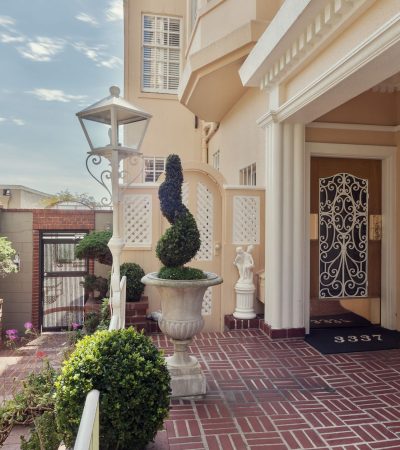
Lavish Ammenities

Luxury living at its finest.

Browse all Los Angeles real estate — or explore the full Los Angeles luxury real estate market.

Our extensive guide through the neighborhoods below will help you identify the one for you.
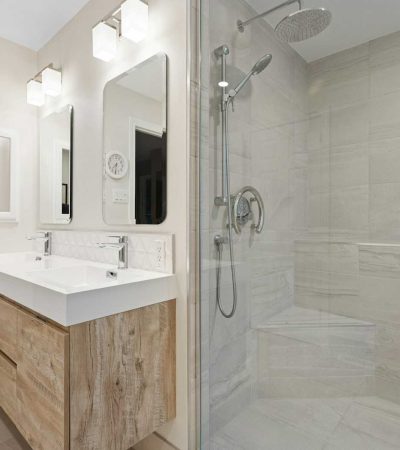
a bathroom with a glass shower

Accessible

brown leather car seat with white leather seat

Airplane Hanger

gray and white concrete building over body of water

Amazing Pools

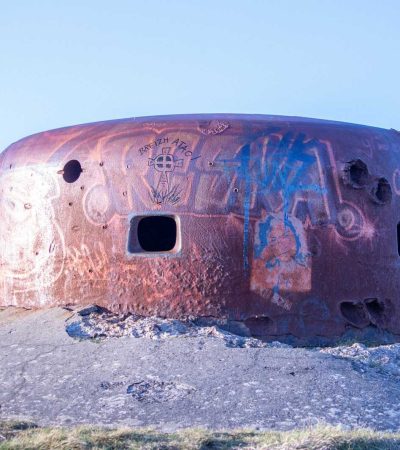
a rusted out round building with graffiti on it

Bunkers

a close up of a wheel on a sports car

Car Elevator

brown wooden kitchen shelf with ceramic jars on top

Chef’s Kitchen

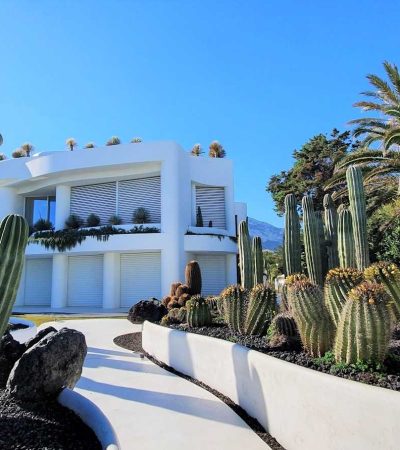
water poll near house during golden hour

Desert Vibes

a wooden fence in a field with mountains in the background

Farm+Ranch

brown wooden framed yellow padded chair

Furnished

empty black helicopter

Helipads

grayscale photography of two horses on field

Horses

clear glass bottles on black table

Indoor Bowling Alley

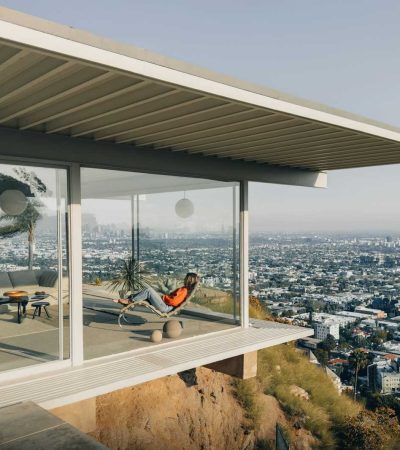
a person sitting on a balcony overlooking a city

Jetliner Views

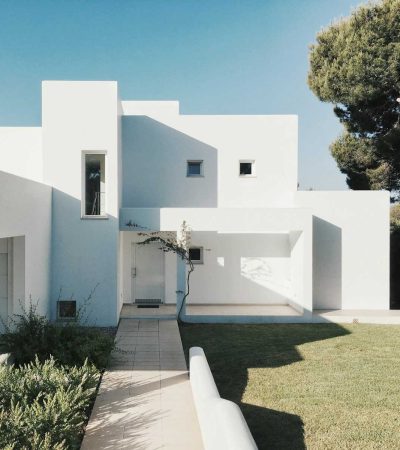
a white house with a palm tree in front of it

Mansions

white boats on body of water at daytime

Marina

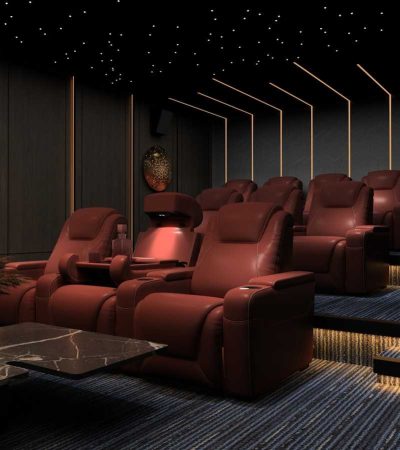
a room filled with red chairs and a table

Movie Theater

blue and white wooden house surrounded by green trees

Off Grid

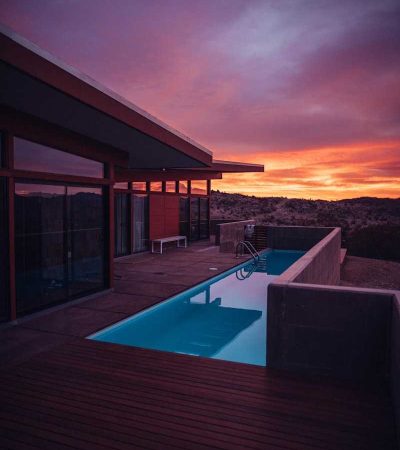
a night view of a building with a pool in front of it

OMG!

woman in orange dress lying on ground

Paparazzi Proof

aerial photography of penthouses in los angeles

Penthouses for Sale in Los Angeles California

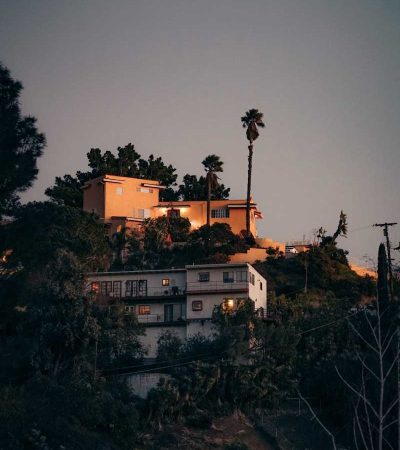
buildings near green trees during nighttime

Promonotory

several guitars beside of side table

Recording Studio

opened secret door inside library

Safe Room

brown vehicle

Showcase Garage

a person pressing a button on a coffee machine

Smart Home

brown wooden egg rack on brown wooden table

Spa

aerial photography of basketball court

Sport Courts

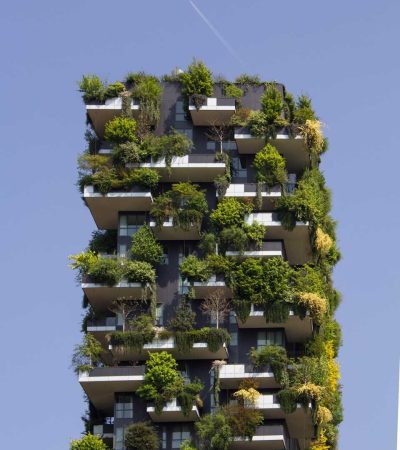
building covered in plants

Sustainable

aerial photo of tennis court surrounded with trees

Tennis Court

green leaf trees at daytime

Vineyard

a wine cellar filled with lots of bottles of wine

Wine Cellar

What are lavish amenities in Los Angeles real estate?

Lavish amenities are the specialty features that change what a house can do, not just how it looks. A wine cellar, a recording studio, a helipad, a private dock, a safe room, a working vineyard: each one is a piece of infrastructure with its own permits, its own maintenance schedule, and its own resale audience. In Los Angeles, these features are common enough at the top of the market that buyers search for them directly instead of scrolling through general listings.

This hub organizes the Los Angeles market by amenity rather than by ZIP code, because amenity supply is not evenly distributed. Equestrian property clusters in a handful of zoning districts. Slips exist in one harbor. Tennis courts survive mostly on lots subdivided before current grading limits. If the feature is the reason you are moving, searching by feature beats searching by city and hoping.

Browse the listings below by category, or contact The Knight Group and we will build the search around the two or three features you actually refuse to compromise on.

Why does one amenity change the price of a Los Angeles house so much?

Scarcity, not cost to build. Plenty of amenities cost real money to install and return very little, because a buyer can add them later. The features that move price are the ones a buyer cannot add later at any price: the flat pad that fits a tennis court, the promontory position, the slip that conveys with the deed, the zoning that permits horses.

That distinction should drive your budget. Replaceable amenities are negotiating leverage for a buyer and a weak argument for a seller. Non-replaceable amenities are the reason a property trades above its block. Conflating the two is the most common way sellers overprice and buyers overpay.

Los Angeles adds a second variable: regulation. A feature that is routine in one jurisdiction requires a public hearing three miles away. Aviation, equestrian, agricultural, and marine amenities all carry approval histories that need to be verified in escrow rather than assumed from the listing photos.

Which entertainment and wellness amenities define the LA luxury house?

Los Angeles is a production town, and its housing stock reflects that. Purpose-built screening space is close to standard at the high end, and you can browse homes with a dedicated movie theatre across the region. Sound-isolated work space follows the same logic: a properly floated, acoustically treated recording studio is expensive to retrofit and easy to verify, since the construction detail either exists or it does not. Homes with an indoor bowling alley are rarer, and they usually signal a subterranean level built well beyond code minimums.

Collectors drive demand for a climate-controlled wine cellar, and design coverage of the 2025 Los Angeles market listed dedicated cellars and tasting rooms among the features high-end buyers ask for by name. Entertaining pulls the same buyer toward a professional-grade chefs kitchen, where the details that matter are ventilation, gas or induction service, and prep zone, not the brand on the range.

Wellness is now a search term rather than a bonus. A full spa program means steam, sauna, cold plunge, and treatment space, not a jetted tub. So is water: browse amazing pools for vanishing edges over canyon drops and pool pavilions. On the sport side, a regulation tennis court is among the hardest features to add in the hills because of grading limits, while multi-use sport courts for pickleball, basketball, or paddle fit smaller pads and have expanded quickly.

How do car, aviation, and marine amenities actually work here?

These are the categories where the paperwork matters most. A showcase garage is a display space with gallery lighting, climate control, and finished floors, and it is the cleanest of the group because it is still just an accessory structure. A car elevator is different: it is permitted equipment with an inspection history and a service contract, and you should ask for both before removing contingencies.

Helicopter access is the most heavily gated amenity on this page. A private residential facility in the City of Los Angeles runs through several agencies at once: the FAA notification process under Form 7480-1, a state heliport permit administered by Caltrans Aeronautics, Los Angeles Fire Department requirements for the landing facility itself, and city planning review. Los Angeles City Planning’s own guidance for heliports states that the FAA determination is required before a public hearing will even be scheduled. Homes marketed with helipads therefore split into two very different groups: those with a permitted, currently valid facility, and those with a flat pad someone once landed on. Confirm which one you are buying.

Fixed-wing ownership is rarer still. True residential airparks, where a home fronts a taxiway with an attached hangar, are a recognized property type, and California is estimated to have roughly 28 of them. In the Los Angeles basin most owners instead lease hangar space at a general aviation field such as Van Nuys. Search homes tied to an airplane hanger with that structure in mind, and read the lease term as carefully as the grant deed.

On the water, marina property centers on Marina del Rey. The County of Los Angeles owns the land under much of the harbor, so a meaningful share of the condominium stock sits on a ground lease with a finite term. Slips can be individually owned, assigned by an association, or leased from the County, and slip rights do not automatically follow the sale of a residence. Verify the slip, the term, and the transferability in writing.

Which privacy and security amenities are worth paying for?

Security has moved from the fringe to the mainstream in this market. Trade coverage in The Hollywood Reporter and Robb Report has documented a sharp rise in inquiries for hardened rooms across Los Angeles following a run of high-profile residential burglaries, with builders reporting that requests now appear on spec homes well below the eight-figure tier. Homes with a purpose-built safe room pair reinforced construction with independent power, communications, and air handling. The extreme end, subterranean shelter construction, sits under bunkers, and those require a look at the original permit set because the excavation is structural.

Site design does more work than hardware for most buyers. Properties classified as paparazzi proof earn the label through geometry: a long gated approach, no public sightline into the motor court, mature perimeter planting, and outdoor living oriented away from adjacent hillsides. That last point is where glass hillside houses fail. A home can be invisible from the street and completely exposed to the ridge across the canyon. Walk the opposing slope before you decide a property is private.

What should you know about land, agriculture, and equestrian properties?

Zoning, first. Los Angeles County still holds genuine acreage inside the metro, and farm and ranch property covers everything from a working operation to a compound with usable pasture. Verify permitted uses on the parcel rather than the marketing description, because agricultural and residential zones diverge on water, structures, and animal counts.

Equestrian property is the clearest example. Within the City of Los Angeles, horsekeeping is governed by the base zone plus a supplemental K Equinekeeping district, and the code layers in lot-area minimums, a per-animal area ratio, and setback distances between stables and dwellings. Neighborhoods like Shadow Hills and the Burbank Rancho persist as horse communities specifically because that overlay survived. If you are shopping horses property, pull the zoning record before you count stalls, and confirm trail access separately, since a barn without a legal route to a riding corridor is a much smaller asset.

Wine is a smaller but real category. The Malibu Coast AVA was established in 2014 and spans roughly 44,590 acres across Los Angeles and Ventura counties, yet planted vineyard inside it totals only about 198 acres, with Saddle Rock-Malibu and Malibu-Newton Canyon as its sub-appellations. That ratio tells you what to expect from a vineyard estate here: the plantings are boutique, the view premium is often larger than the agricultural yield, and the operating cost is ongoing whether or not you bottle anything.

Further inland, the aesthetic shifts. Properties in the desert vibes category run toward low-slung desert modern architecture, walled courtyards, boulder landscaping, and pool-forward site plans built for heat rather than fog.

How do smart home, sustainable, and off-grid categories differ?

They overlap, but they solve different problems. A smart home is about control: lighting, shades, climate, audio, cameras, and access on one platform. The risk is obsolescence. Ask which system is installed, when it was last updated, and whether the integrator who programmed it still services the house. An orphaned proprietary system is a renovation line item, not a feature.

A sustainable home is about consumption: envelope performance, electrification, water reuse, and generation. California’s 2025 Energy Code, which took effect for permit applications filed on or after January 1, 2026, generally requires solar photovoltaics on new single-family construction and pushes battery-ready electrical provisions, so newer inventory arrives with much of this built in. Older estates require verification rather than assumption.

An off grid property is about independence: generation plus storage plus water plus wastewater, sized to carry the house without utility service. In fire country that resilience has practical value during a public safety power shutoff. It also concentrates risk in equipment you now own outright, so the well report, the septic certification, and the battery age belong in your due diligence package.

The accessible category applies universal design at the high end: single-level living or a residential elevator, no-threshold entries, wide doorways, curbless showers, and a primary suite on the entry level. It is the most under-supplied amenity in hillside Los Angeles, where multi-level plans and long stair approaches are the norm, so start that search early.

What do view, scale, and format categories tell you about a property?

View language in Los Angeles has specific meaning. A jetliner views listing describes a wide unobstructed panorama, typically sweeping from downtown across the basin toward the ocean, and the value sits in how much of that arc is protected by topography rather than by a neighbor’s current landscaping. A promontory position takes it further: the lot projects out from the ridge, so the view wraps and the buildable pad usually sits above everything around it. Promontory lots are finite, which is exactly why they hold value through soft markets.

Scale is its own search. The mansions category covers large-format estates where the practical constraints are staffing, systems, and the cost of conditioning square footage you may not use daily. The OMG category is the catchall for properties whose defining feature does not fit any standard field: the architectural one-off, the extreme site, the amenity nobody else built.

Vertical living is a separate market with separate rules. A penthouse in Los Angeles usually means a full-service building on the Westside or the Sunset Strip corridor. Sierra Towers, completed in 1965 to a design by architect Jack A. Charney, remains the reference address on the Strip, while Century City’s tower market set the current Los Angeles condominium price record at $39.2 million at The Century, as reported by The Real Deal in April 2026. Newer buildings such as Ten Thousand, which opened in 2017 at 40 stories, brought hotel-style service programs to the corridor. Buying vertically means underwriting the association: reserves, litigation, insurance, and the rules governing renovation and short-term occupancy.

Finally, timing. A furnished purchase transfers the interior with the house. It is the fastest path to occupancy and the right structure for relocations and second homes, but the contents need to be inventoried on a schedule attached to the contract, not described in conversation.

How does Measure ULA affect buying and selling in this segment?

It applies to almost everything on this page that sits inside City of Los Angeles limits. Measure ULA, approved by city voters in 2022, imposes an additional transfer tax on high-value property transfers. Per the Los Angeles Office of Finance, the rates effective July 1, 2025 are 4 percent on transfers from $5,300,000 to $10,600,000 and 5.5 percent at $10,600,000 and above, with the thresholds adjusted annually using the Chained CPI. The tax is on the gross transfer value, not the gain.

The market effect is measurable. A Cato Institute research brief found that the tax reduced the transaction rate of eligible properties by 38 percent. Practically, that means thinner comparable sales, longer marketing times above the threshold, and more negotiation over who absorbs the tax.

Two things follow. Sellers near a threshold should model the net at several price points first, because the step is a cliff rather than a slope. Buyers should confirm jurisdiction early: the tax applies inside the City of Los Angeles, so parcels in Beverly Hills, West Hollywood, Malibu, Calabasas, and the unincorporated county sit outside it. Verify current rates with the Office of Finance, since they index annually and the measure remains the subject of ongoing legal and legislative activity.

What risk factors apply to amenity-heavy properties in Los Angeles?

Fire exposure is the first one. On March 24, 2025, Cal Fire released updated Fire Hazard Severity Zone maps for Southern California, the first comprehensive revision since 2007, and the Los Angeles Fire Department stated that the new maps would increase the number of affected parcels in the city. Zone designation drives defensible space obligations, building material requirements for new work, and increasingly the availability and cost of insurance. Estates with vineyards, pastures, or long private driveways deserve extra scrutiny, because vegetation management and emergency access are part of the same equation.

Hillside construction rules are second. Under the Baseline Hillside Ordinance, grading is capped at 500 cubic yards plus 5 percent of lot size, to a maximum of 1,000 cubic yards, excluding foundation, driveway, and remedial grading, and LADBS requires a grading permit for hillside cut or fill above 50 cubic yards. That provision explains why flat pads are scarce in the hills and why an existing legal court is worth more than a place one could theoretically go.

Third is unpermitted work. Studios, cellars, gyms, and shelters are often built into space permitted as something else. Order the building permit history early: a finished lower level with no permit record is a valuation problem, an insurance problem, and sometimes a lending problem.

Frequently asked questions about lavish amenities in Los Angeles

Which amenities hold value best at resale?

The ones tied to land and position: promontory siting, protected views, a legal flat pad, a conveying slip, and zoning that permits horses or agriculture. Theaters, gyms, and studios support price when well executed, but a buyer can add them, so they rarely carry a property alone.

Can I add a helipad to a Los Angeles home I already own?

Assume no unless proven otherwise. A residential facility requires FAA notification, a state heliport permit through Caltrans, fire department compliance, and city land use approval, and Los Angeles City Planning requires the FAA determination before scheduling a hearing. Treat an existing permitted facility as the asset and a new approval as a project with an uncertain outcome.

Does a Marina del Rey listing include the boat slip?

Not automatically. Slips may be owned, assigned by the homeowners association, or leased from Los Angeles County, which owns the land under much of the harbor. Get the slip rights, the term, and the transfer mechanics in writing during your contingency period.

How many horses can I keep on a Los Angeles property?

It depends on the base zone and whether the parcel sits in a K Equinekeeping supplemental district, and the code sets both a minimum lot area and a per-animal area ratio, along with separation distances between stables and dwellings. The zoning record governs, not the number of stalls that exist. We pull it before writing an offer.

Is a home vineyard in Los Angeles a real agricultural operation?

Usually it is boutique scale. The Malibu Coast AVA covers roughly 44,590 acres but contains only about 198 planted acres, so most estate vineyards here are small plantings maintained for use and character rather than commercial yield. Budget for ongoing viticulture cost and confirm the water source.

Does Measure ULA apply to my sale?

Only if the property is within City of Los Angeles limits and the transfer value meets the current threshold. Neighboring jurisdictions including Beverly Hills, West Hollywood, Malibu, and unincorporated county areas are outside it. Because the thresholds index annually, verify the current figures with the Los Angeles Office of Finance rather than relying on a prior year’s numbers.

Are panic rooms and bunkers actually common now?

More common than they were. Trade reporting in The Hollywood Reporter and Robb Report has tracked a steep rise in demand across Los Angeles, with hardened rooms appearing in spec construction rather than only in trophy estates. What varies enormously is quality, so ask what the walls, door, power, and ventilation actually are.

How do I verify that a specialty amenity was built legally?

Pull the permit history, compare it to what you can see, and have an engineer look at anything structural, subterranean, or mechanical. Studios, cellars, shelters, elevators, and courts are the usual sources of surprises, and each leaves a paper trail if it was done correctly.

How does The Knight Group work in this market?

We start with the constraint, not the wish list. In the first conversation we separate the features you cannot replace from the ones you can add later, because that split determines whether you are shopping five properties or fifty, and it determines what you should be willing to pay over the block comparables.

From there the work is verification. We pull zoning and permit history, confirm heliport, slip, hangar, and equestrian rights in writing, check the current Fire Hazard Severity Zone designation and what it implies for insurance, and model Measure ULA exposure at multiple price points before an offer or a listing price is set. Where an amenity cannot be documented, we say so and price accordingly.

On the sell side, the approach runs in reverse: document what is genuinely scarce, present it to the audience that searches for it, and price the replaceable features honestly so the negotiation does not fall apart in escrow.

Browse the categories above and the listings below. When you want a specific property checked out, or you want to know what your amenity-heavy home is worth in this market, contact The Knight Group and we will get you the documented answer.

Work With Us

The Knight Group is here to help you with all your realty needs. To get started, fill out the form below and one of our experienced agents will contact you as quickly as possible.

The Knight Group Logo

The Knight Group

8560 W Sunset Blvd., Floor 3
West Hollywood, CA 90069
503-200-4823
[email protected]

Copyright © 2024 The Knight Group. 
All rights reserved.  License: 02133297

Hey, You ALMOST MISSED IT!

Lucky for you we’re looking out.

Subscribe to this Custom Search to be alerted when new properties hit the market in the area.

Choose the frequency that works for you.
get alerts

[showcaseidx_contact]