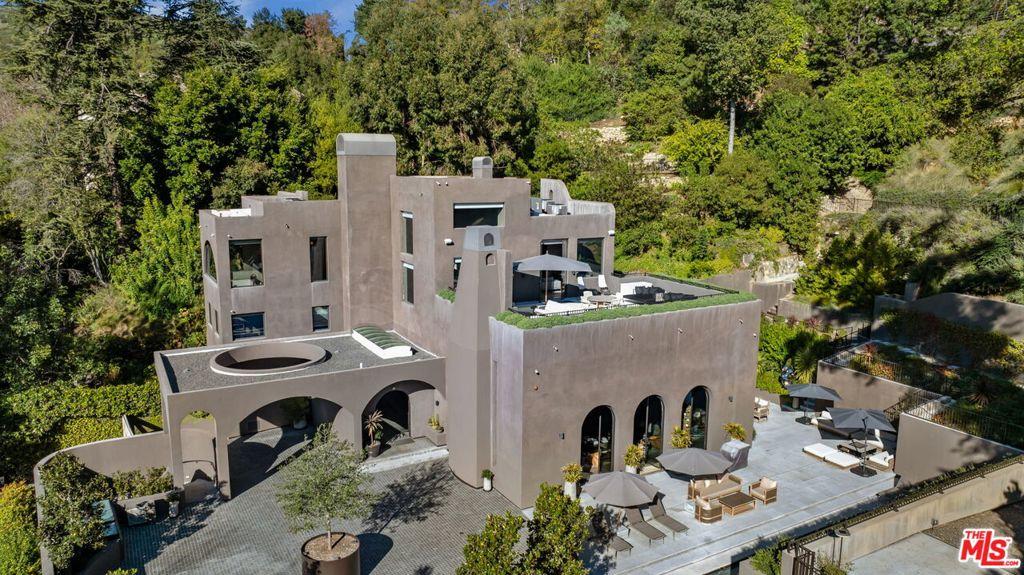
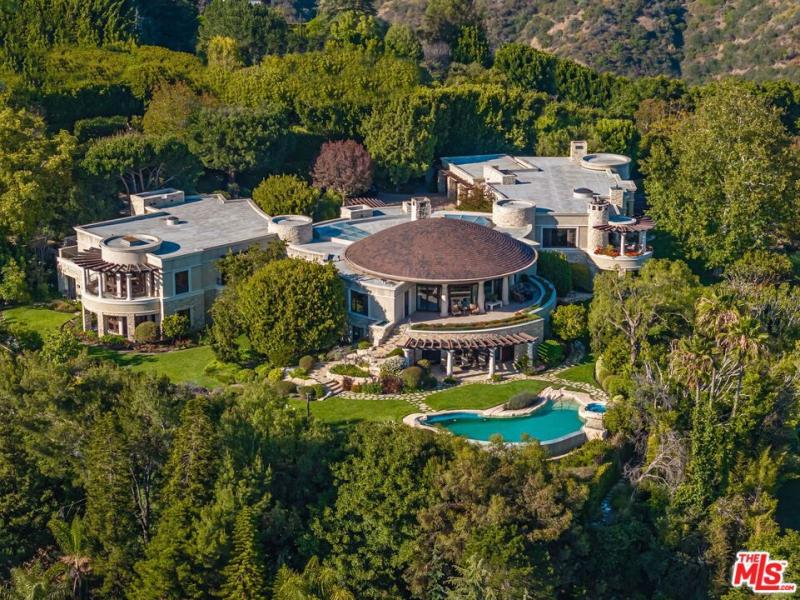
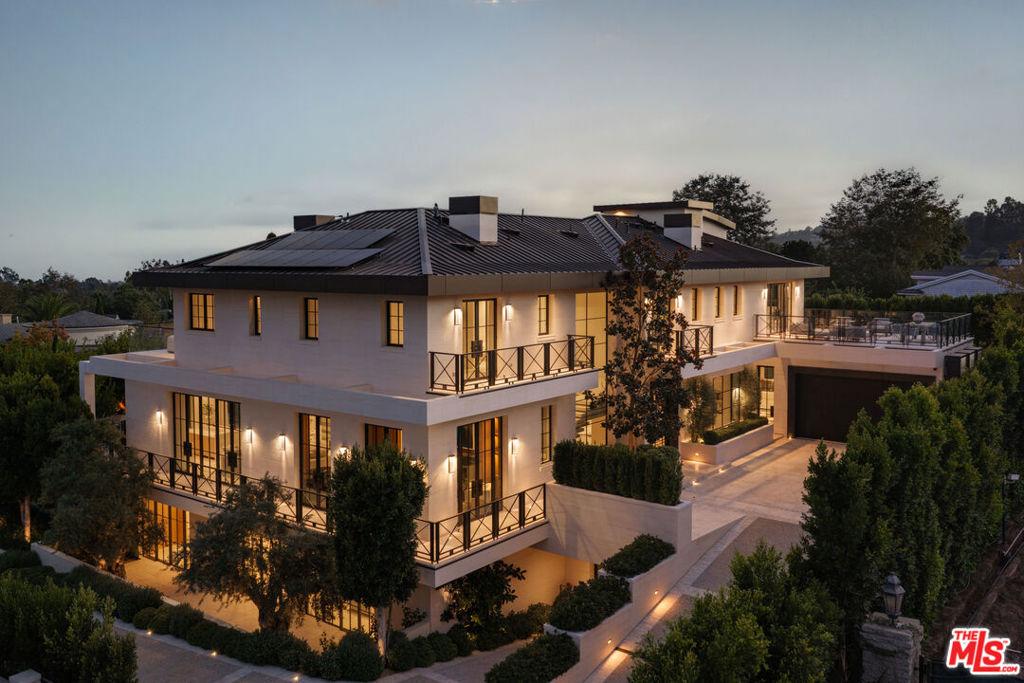
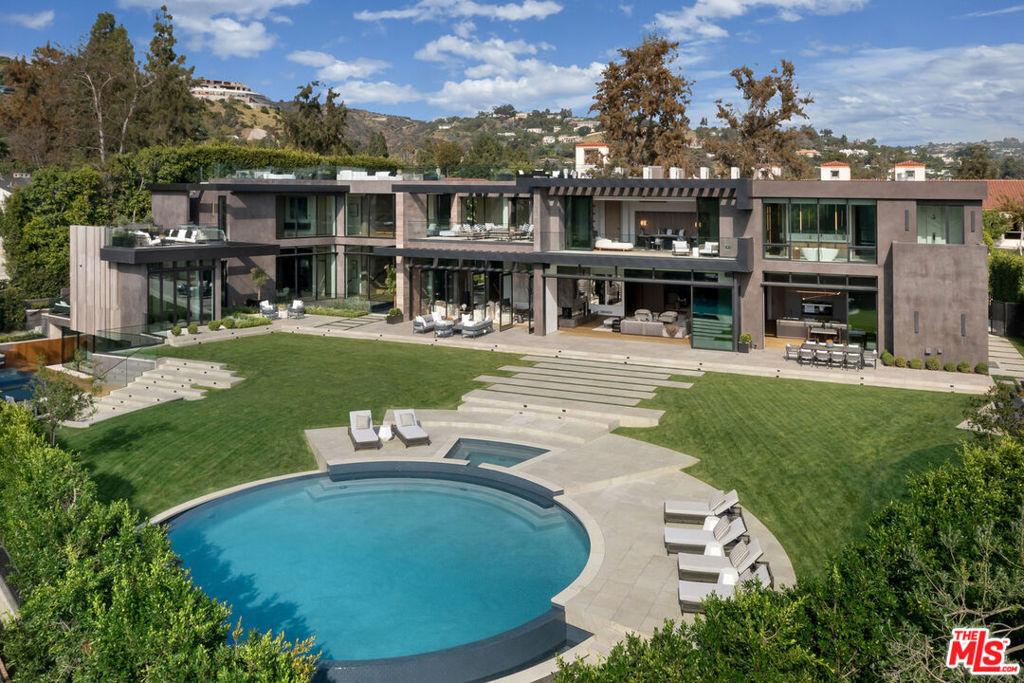
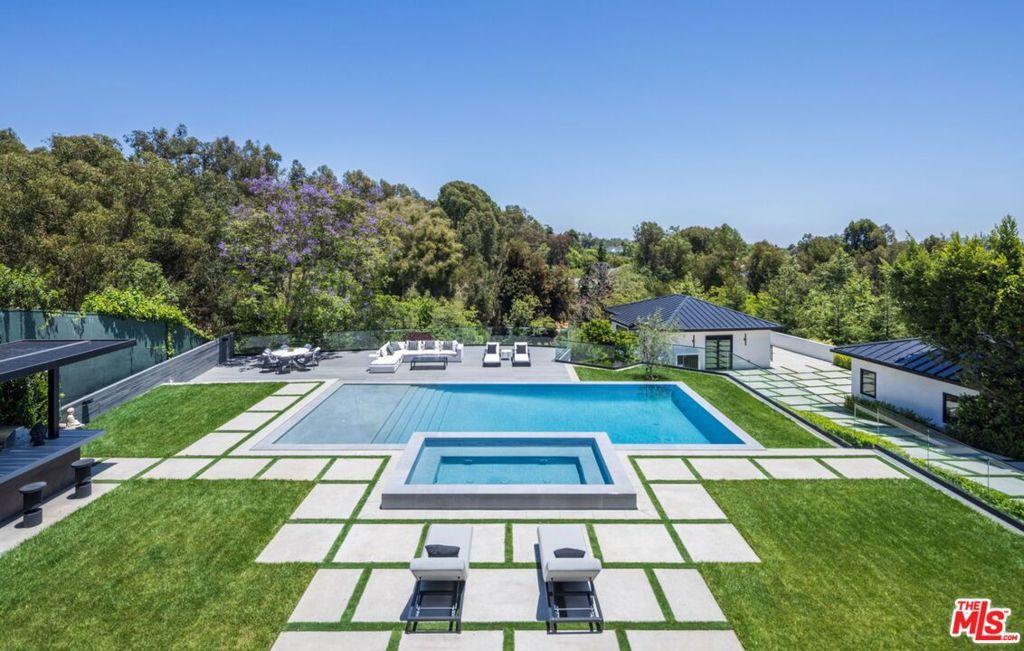
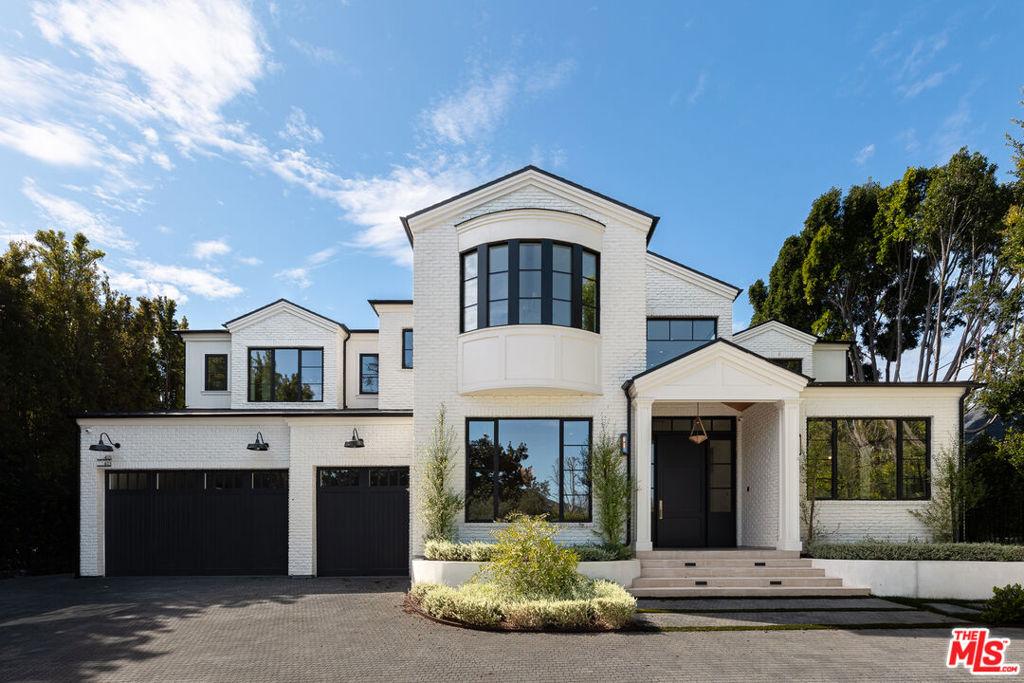
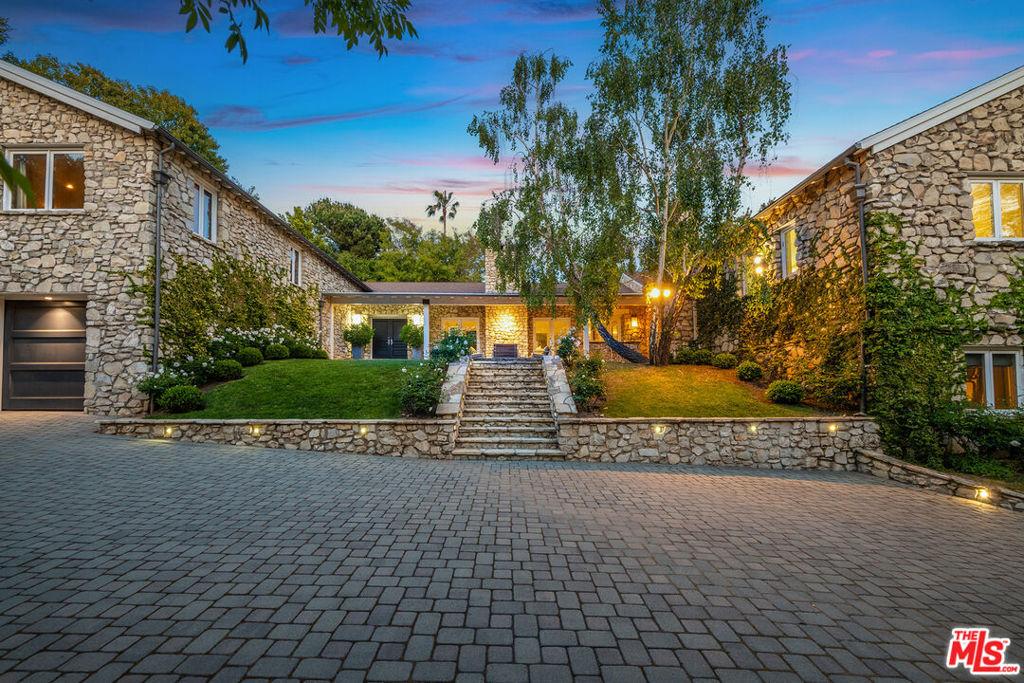
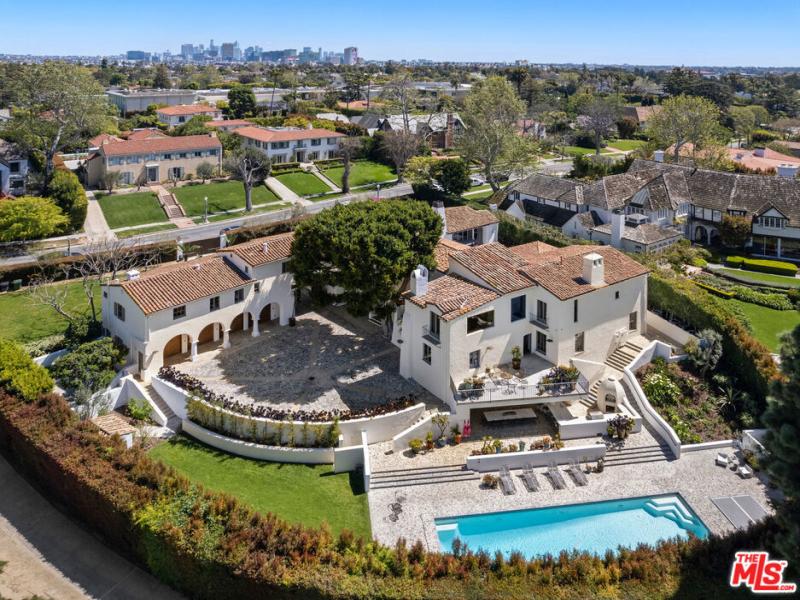
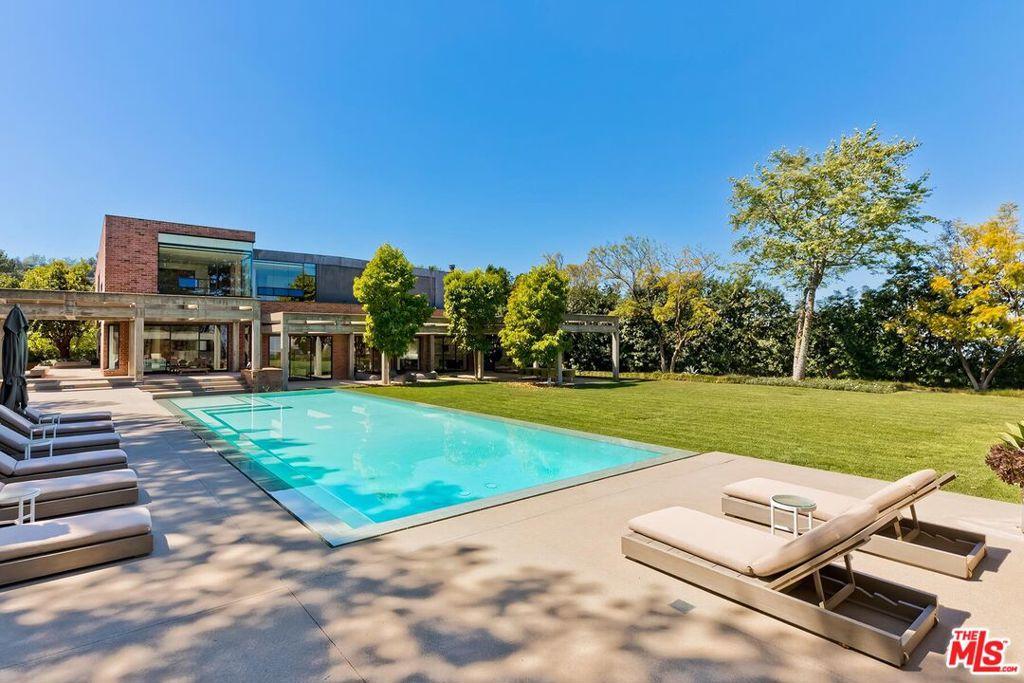
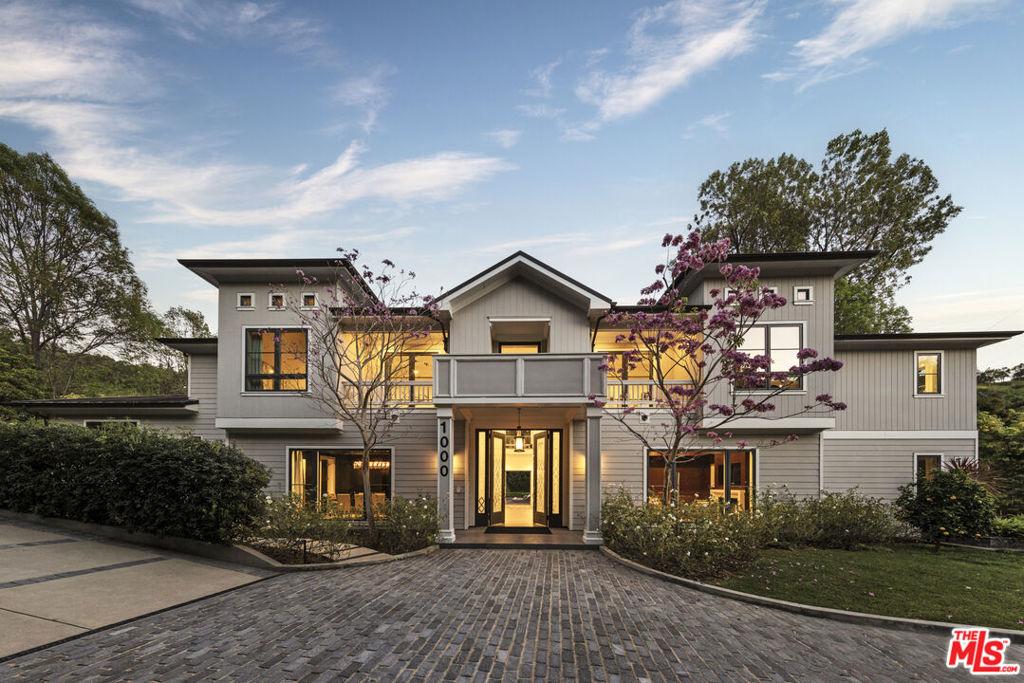
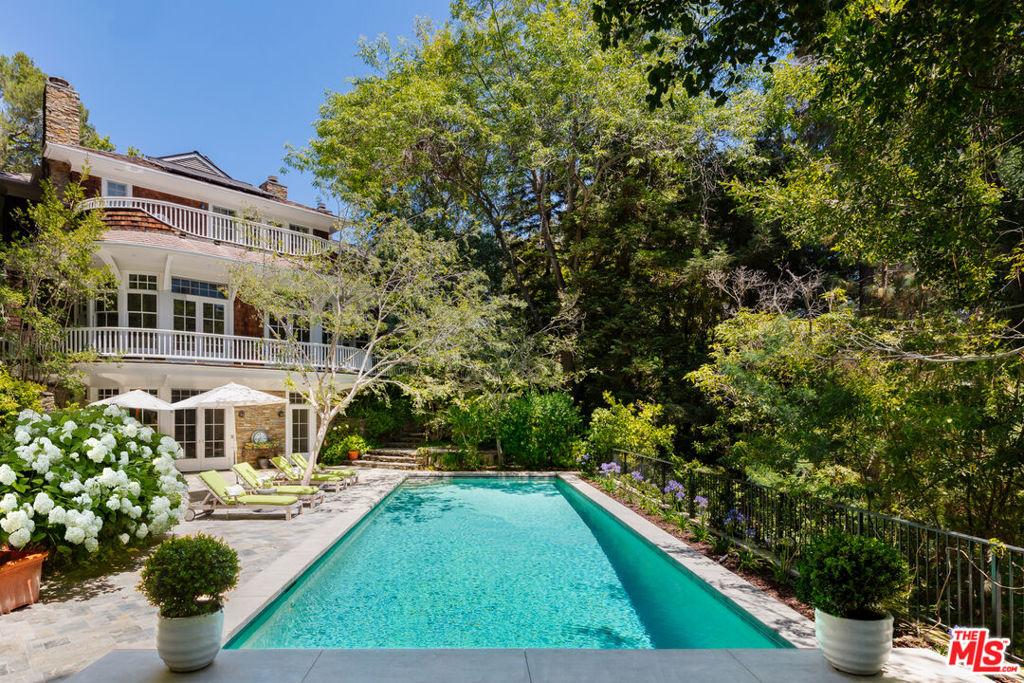
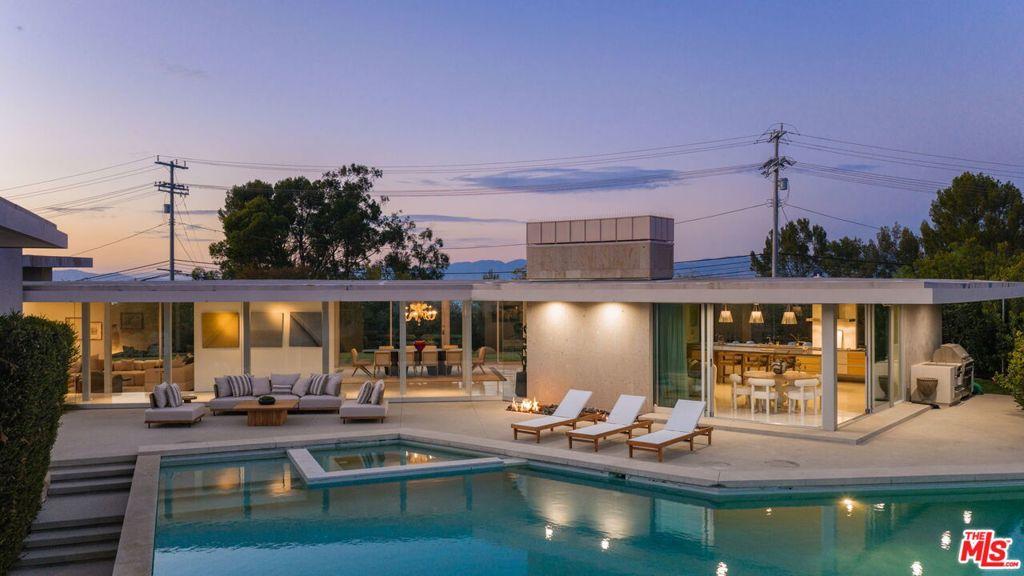
When buyers ask us about the cellar Beverly Hills homes are known for, they’re usually picturing something specific: stone walls, custom racking, a tasting table that seats eight to twelve. The good ones hold 55°F and 60–70% relative humidity year-round on a dedicated HVAC system, not the home’s central air. Capacity tells you who built it — 500 bottles serves a regular consumer, 2,000–5,000 signals a dedicated collector, and above 5,000 you’re looking at wine investor territory.
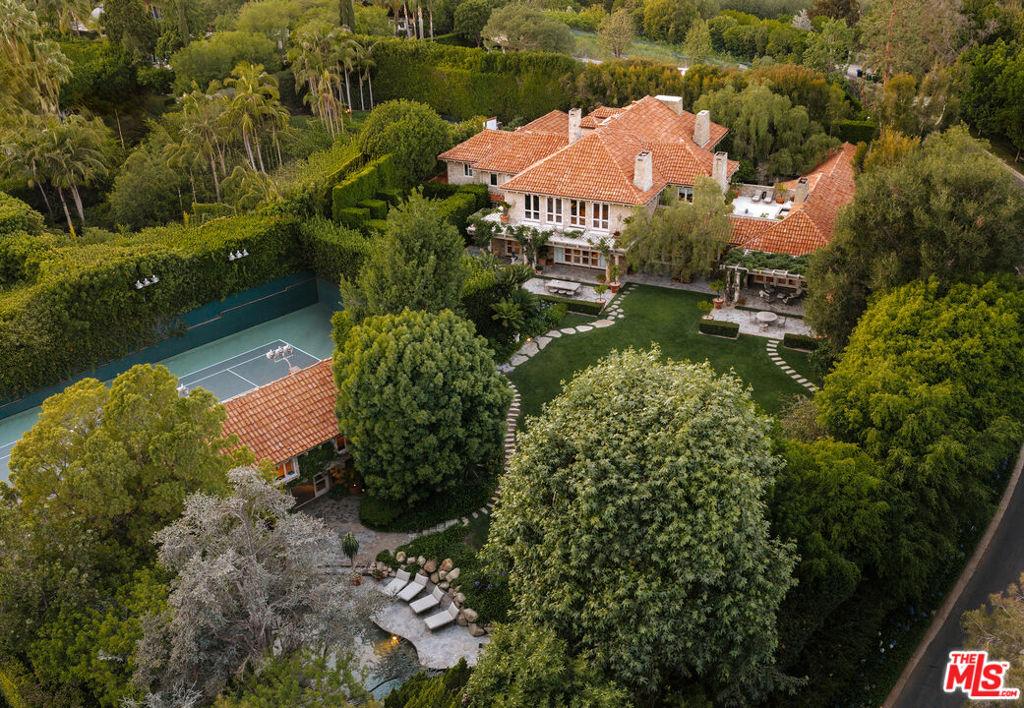
Los Angeles homes rarely have basements, so the best cellars here are cut into hillsides behind Bel Air and Beverly Hills properties, where earth insulation does real work. Everything else is a ground-floor build — converted garages, mechanical rooms, under-stair spaces — which can work with the right envelope and cooling design. Style tracks the architecture: glass and LED pin lighting in contemporary homes, stone and barrel vaults in Mediterranean and French Chateau builds, reclaimed wood in the canyons. Adding one runs $50,000–$200,000+.
Wine storage requires consistent temperature (ideally 55°F) and humidity (60–70% relative humidity). Fluctuations accelerate aging, can push corks out of bottles, and degrade wine quality over time. A great cellar maintains these conditions even during LA’s hot summers — which means dedicated HVAC systems sized specifically for the cellar, not shared with the home’s central air. Self-contained “through-the-wall” cooling units work for smaller cellars (under 1,000 bottles); larger installations require split-system or ducted refrigeration specifically engineered for cellar conditions.
Racking is where functionality meets design. Options range from simple wooden individual bottle racks to custom metal display systems, solid mahogany cases, and elaborate diamond-bin storage for bulk quantity of a single wine. Capacity tells you a great deal about the seriousness of a collection: a 500-bottle cellar serves a regular consumer; 2,000–5,000 bottles suggests a dedicated collector; above 5,000 bottles, you’re in wine investor territory. The finest cellars in LA feature custom millwork that treats the wine collection like a museum installation, each bottle visible and accessible without disturbing others.
The best cellars incorporate a tasting area — sometimes just a high-top table and stools, sometimes a full stone-slab harvest table with seating for 8–12. Some integrate a sink and glassware storage. The most elaborate combine the cellar with a tasting room that functions as a private wine bar, with curated bottle displays, professional stemware, decanters, and service equipment. These spaces are among the most intimate and atmospheric entertaining venues in any home.
Below-grade (basement or hillside cut) locations are ideal for wine cellars because they benefit from natural earth insulation that moderates temperature swings. In Los Angeles, where homes rarely have basements, hillside locations offer the next best option — a cellar cut into the slope behind a Bel Air or Beverly Hills home can be truly cave-like in the best sense. Ground-floor installations work with the right insulation and cooling system design. Some of the most creative wine cellar installations in LA are converted garages, former mechanical rooms, and under-stair spaces turned into intimate bottle storage environments.
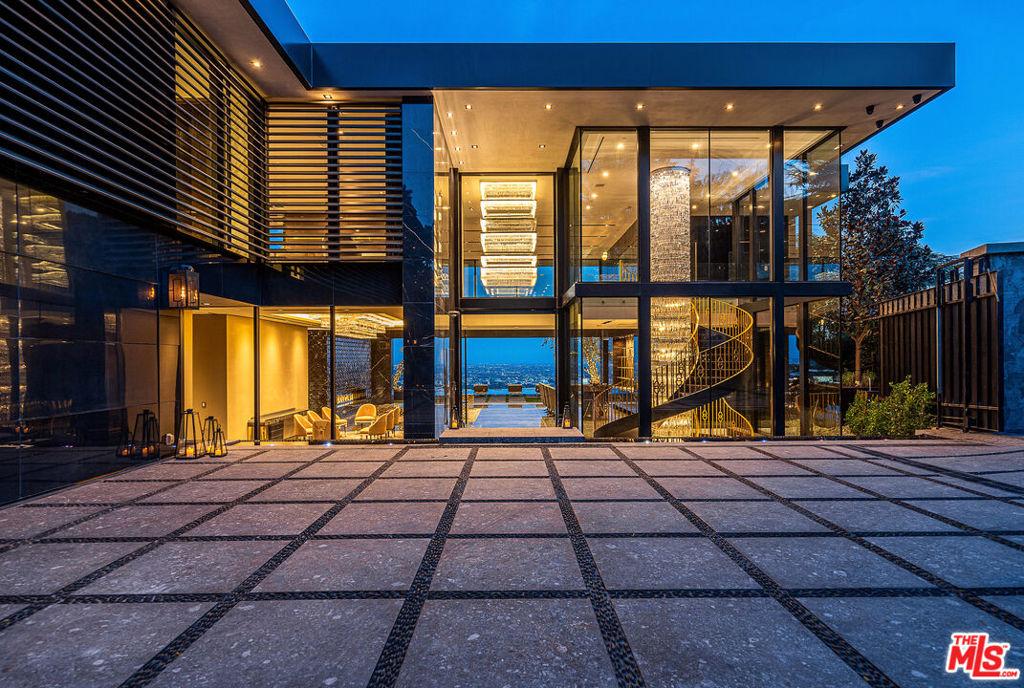
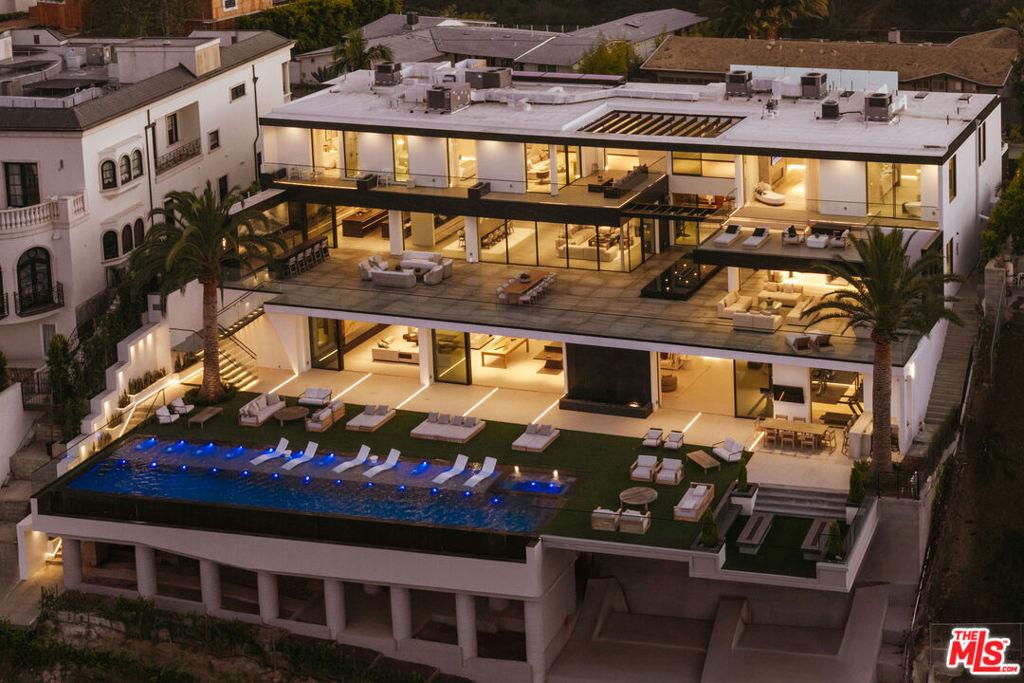
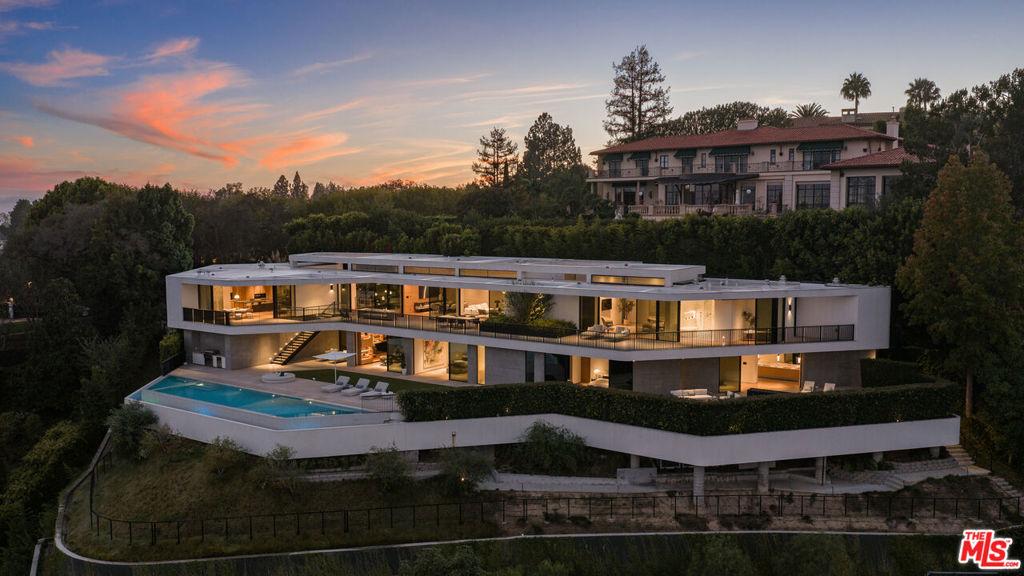
Glass walls, LED pin lighting, and floating metal racking systems create a gallery-like presentation. Contemporary LA homes frequently feature cellars visible from the kitchen or living area, the wine collection serving as living sculpture. Black and charcoal finishes against wine labels create a visually dramatic effect.
Stone walls, barrel-vaulted ceilings, wrought iron racking, and terracotta tile floors evoke the wine cellars of Bordeaux and Burgundy chateaux. This style suits Mediterranean and French Chateau-style homes in Bel Air, Beverly Hills, and Malibu and creates an extraordinary sense of place — stepping into this cellar feels like stepping into France.
Reclaimed wood, exposed stone, and handcrafted wooden racking create an earthy, tactile cellar environment. These designs often incorporate raw elements — brick arches, slate floors, wooden beam ceilings — that contrast beautifully with the ordered geometry of bottled wine. Popular in canyon properties and homes with a natural aesthetic emphasis.
Before purchasing a home with a wine cellar as a key feature, evaluate: the condition and adequacy of the cooling system (check for refrigerant leaks, cycling frequency, and age of equipment), the insulation quality of the room envelope, the capacity versus your actual collection, the lighting (UV light degrades wine — lighting should be LED with zero UV emission), and the security and access control system. Moving a large wine collection is expensive and risky — factor moving costs and climate-controlled transport into your budget.
If the cellar is a major purchase driver, engage a wine storage specialist for an independent assessment before close. They can quickly identify a cellar that looks impressive but has fundamental issues versus one that will properly protect your collection for decades.
Adding a wine cellar to a home that doesn’t have one is a significant project. Expect $50,000–$200,000+ for a quality below-grade installation with professional racking and HVAC, depending on size and finishes. The return on a well-executed cellar varies by neighborhood — in Bel Air or Beverly Hills, where wine culture is deep among the buyer pool, a beautiful cellar may return 80–100% of its cost in added value. In more suburban contexts, the return is more modest. Prioritize installation quality over elaborate finishes; the HVAC system and vapor barrier are far more important than the decorative elements.
We maintain visibility into wine cellar properties across Bel Air, Beverly Hills, Malibu, and the Westside, including off-market listings where sellers prize the discretion of a private transaction. If a wine cellar is among your must-have features, call The Knight Group at 503-200-4823 and let us match you with the right property.
Moving a wine collection is among the most logistically sensitive aspects of a high-end property purchase. Professional wine collection moving services in Los Angeles use climate-controlled vehicles that maintain constant temperature throughout transport, custom packing materials that prevent vibration damage, and GPS tracking for high-value collections. The largest moving firms serving the LA luxury market can handle collections of 10,000+ bottles and provide collection insurance during transit. For very large collections — over 3,000 bottles — plan on 2–3 days of careful packing and transport. Wire transfer of custody documentation is standard for collections with appraised insurance value above $100,000.
The current generation of wine cellar technology has moved far beyond simple cooling systems. Smart wine management platforms (Cellartracker, Vivino premium, WineStock) allow digital cataloging of every bottle with purchase date, drink window projections, and valuation tracking. RFID bottle tagging enables digital inventory without manual logging. Temperature and humidity monitoring systems with cellular or WiFi connectivity send alerts to the owner’s phone if conditions deviate from target — providing insurance-grade documentation of storage conditions that matters if you ever need to make a claim for collection damage. Some installations incorporate voice-assistant integration: ask your home system to find a specific bottle and the cellar lighting illuminates the exact row and position.
A wine collection stored in a private cellar is not automatically covered by your homeowner’s policy. Scheduled personal property endorsements for wine collections require: professional appraisal (typically every 2–3 years for a growing collection), documentation of purchase records and current market value, and specific coverage for wine-related risks including power failure (if cooling fails during an extended outage), earthquake and fire, and breakage. The major specialty insurers (Chubb, AIG Private Client, Berkley One) offer wine-specific riders that most homeowner’s policy carriers don’t. Annual premiums typically run 0.5–1.5% of collection value — reasonable insurance for a collection that may represent $100,000–$500,000+ in value. Call The Knight Group at 503-200-4823 and we can refer you to the right specialist insurance broker.
If you’re building or significantly renovating, integrating the wine cellar into the design from the start produces far better results than retrofitting. Key early decisions: location (ideally below grade or on the north wall of the home for natural temperature buffering), dedicated electrical circuit for the cooling system with backup generator connection, plumbing rough-in for the tasting room sink, and vapor barrier specification in the building envelope. Architects and contractors who haven’t built wine cellars before often underspecify these elements; working with a specialist cellar designer alongside the primary team ensures the infrastructure is right before the walls are closed.
Moving a wine collection is among the most logistically sensitive aspects of a high-end property purchase. Professional wine collection moving services in Los Angeles use climate-controlled vehicles that maintain constant temperature throughout transport, custom packing materials that prevent vibration damage, and GPS tracking for high-value collections. The largest moving firms serving the LA luxury market can handle collections of 10,000+ bottles and provide collection insurance during transit. For very large collections — over 3,000 bottles — plan on 2–3 days of careful packing and transport. Wire transfer of custody documentation is standard for collections with appraised insurance value above $100,000.
The current generation of wine cellar technology has moved far beyond simple cooling systems. Smart wine management platforms (Cellartracker, Vivino premium, WineStock) allow digital cataloging of every bottle with purchase date, drink window projections, and valuation tracking. RFID bottle tagging enables digital inventory without manual logging. Temperature and humidity monitoring systems with cellular or WiFi connectivity send alerts to the owner’s phone if conditions deviate from target — providing insurance-grade documentation of storage conditions that matters if you ever need to make a claim for collection damage. Some installations incorporate voice-assistant integration: ask your home system to find a specific bottle and the cellar lighting illuminates the exact row and position.
A wine collection stored in a private cellar is not automatically covered by your homeowner’s policy. Scheduled personal property endorsements for wine collections require: professional appraisal (typically every 2–3 years for a growing collection), documentation of purchase records and current market value, and specific coverage for wine-related risks including power failure (if cooling fails during an extended outage), earthquake and fire, and breakage. The major specialty insurers (Chubb, AIG Private Client, Berkley One) offer wine-specific riders that most homeowner’s policy carriers don’t. Annual premiums typically run 0.5–1.5% of collection value — reasonable insurance for a collection that may represent $100,000–$500,000+ in value. Call The Knight Group at 503-200-4823 and we can refer you to the right specialist insurance broker.
If you’re building or significantly renovating, integrating the wine cellar into the design from the start produces far better results than retrofitting. Key early decisions: location (ideally below grade or on the north wall of the home for natural temperature buffering), dedicated electrical circuit for the cooling system with backup generator connection, plumbing rough-in for the tasting room sink, and vapor barrier specification in the building envelope. Architects and contractors who haven’t built wine cellars before often underspecify these elements; working with a specialist cellar designer alongside the primary team ensures the infrastructure is right before the walls are closed.
A wine cellar in Beverly Hills isn’t a standalone amenity — it competes with the same square footage as a gym, a screening room, or a guest suite, and on a hillside lot that space is often the hardest to build. That’s part of why the cut-into-the-slope cellars behind Bel Air and Beverly Hills homes carry a premium: the earth insulation that makes them work is a function of the lot, not the finishes. A ground-floor conversion can hold the same conditions, but it leans entirely on the envelope and the cooling equipment to do it.
For buyers, that changes what you’re actually paying for. Ask whether the room’s performance comes from its construction or from a machine that will need replacing. A converted garage with a properly sized system and a real vapor barrier may serve a 500-bottle collection better than a handsome stone room with an undersized unit cycling constantly through an LA summer.

Browse all Los Angeles real estate — or explore the full Los Angeles luxury real estate market.
In the Los Angeles market, homes marketed with wine cellar represent properties where this feature is a meaningful, installed amenity — not simply a cosmetic aspiration. These include temperature and humidity-controlled storage rooms (typically 55°F, 70% RH), custom racking systems (wood or metal), tasting room adjacency, proper vibration isolation, and lighting systems that protect label integrity.
The presence of a significant amenity like wine cellar typically signals a level of investment in the property that correlates with broader quality across the home. Buyers who search specifically for this feature tend to be informed, motivated, and clear on what they want — which means the transaction tends to move faster once the right property is identified.
The buyer pool for Los Angeles homes with wine cellar primarily consists of wine collectors, hospitality-oriented buyers who entertain frequently, buyers who value curated storage for collections, and buyers for whom the wine cellar is a functional rather than decorative feature. Unlike the broader LA market where buyers are evaluating multiple competing properties, buyers searching for specific amenities often have a single defining requirement that narrows their search significantly — and makes them less price-sensitive once they find the right match.
Los Angeles is uniquely positioned as a market for rare amenity properties. The city’s entertainment industry has normalized extraordinary residential investments, its climate extends the usable year-round value of outdoor amenities, and its buyer pool includes both local high-net-worth individuals and international buyers who have self-selected for the city’s lifestyle proposition. Properties with distinctive amenities here attract broader interest than comparable properties in most US markets.
For buyers seeking homes with wine cellar in Los Angeles, the most compelling opportunities rarely appear on the open market. Properties with significant amenity installations are often sold through private networks — estate attorneys, trusted listing agents, and relationship-based introductions — long before they hit Zillow, Redfin, or even the MLS. This off-market dynamic is especially pronounced for amenity-rich properties where sellers value privacy and targeted buyer selection over maximum marketing exposure.
The Knight Group operates extensively in the off-market segment for luxury and specialty-amenity properties. Our team maintains direct relationships with sellers, estate representatives, and other agents who manage high-value listings discretely. Buyers who work exclusively through public listing platforms miss a meaningful portion of the available inventory for properties with wine cellar in the Los Angeles market.
Properties with significant amenities require a more detailed due diligence process than standard residential purchases. In addition to standard home inspection, buyers of Wine Cellar homes should evaluate: the permit status and sign-off documentation for any installed amenity infrastructure, the ongoing maintenance requirements and associated annual costs, insurance implications specific to the amenity type, and HOA or CC&R restrictions (if applicable) that govern use or future expansion of the facility.
The Knight Group coordinates specialized due diligence for specialty amenity properties and can connect buyers with inspection professionals who have direct experience evaluating the specific amenity type. This coordination is part of our standard buyer representation service for properties in this category.
Properties featuring Wine Cellar represent a specialized segment of the luxury market where buyer pools are smaller but motivation levels are significantly higher. Buyers who specifically search for Wine Cellar have typically already gone through a broader home search and narrowed their criteria to properties that include this specific feature — which means they arrive at the table with sharper intent and fewer competing priorities pulling them in different directions.
For sellers, the presence of Wine Cellar creates both an opportunity and a challenge. The opportunity is that the right buyer will pay a meaningful premium for a property that eliminates the need to retrofit or build out this feature post-purchase. The challenge is that overpricing on the basis of the feature — without accounting for the property’s overall condition, location, and comparables — can result in extended days on market that ultimately harm the final sale price.
The Knight Group takes a data-led approach to positioning Wine Cellar properties. That means reviewing recent sales of comparable properties with and without the feature, quantifying the actual premium the market has demonstrated (as opposed to the premium a seller assumes), and crafting marketing that speaks to the specific buyer who considers Wine Cellar a primary requirement rather than a nice-to-have.
If you’re looking to buy a property with Wine Cellar or sell one that includes it, contact The Knight Group to discuss current market conditions, realistic pricing, and the off-market channels that often surface these properties before they reach public listings.
Properties with wine cellar are distributed across the Los Angeles market, but concentrate in neighborhoods where lot size, zoning, and buyer demographics align: Bel Air, the Hollywood Hills, Pacific Palisades, Malibu, Calabasas, Hidden Hills, and Agoura Hills. Each of these areas has specific zoning, HOA, and CC&R considerations that may affect how the amenity is used or expanded.
Significant amenity installations in Los Angeles require permits, and the permit history of an installed amenity is an important due diligence item. The Knight Group recommends verifying that all structures and installations have been properly permitted and signed off before committing to a purchase. Unpermitted work can affect financing, insurance, and future resale.
Properties in gated communities and planned developments may have HOA rules that govern the use or construction of certain amenity types. Before purchasing a property with wine cellar in a managed community, The Knight Group recommends a full review of HOA documents, CC&Rs, and any architectural restrictions that might affect the amenity’s current use or future expansion.
Specialized amenities come with specialized insurance and operating cost considerations. The Knight Group can connect buyers with insurance brokers and property managers experienced with these property types to establish realistic ongoing cost estimates before purchase.
While Wine Cellar properties appear across Los Angeles County, they concentrate in specific geographic corridors where lot size, zoning, and buyer demographics align. Understanding which neighborhoods have the highest density of wine cellar properties helps buyers focus their search efficiently and gives sellers context for positioning their property competitively within its geographic subset.
The Knight Group maps the inventory of specialty amenity properties by neighborhood on an ongoing basis. If you have a specific geographic preference within the Los Angeles market alongside your requirement for wine cellar, we can provide a targeted inventory analysis and estimated time-to-find based on current market conditions.
The practical access requirements for properties with wine cellar vary significantly by property type and location. Lot access, utility availability, fire-zone considerations (particularly relevant for estate properties in the Santa Monica Mountains and Malibu areas), and driveway and motor court configuration all affect the long-term usability of specialty amenity properties. The Knight Group evaluates these infrastructure factors as part of the buyer advisory process for properties in this category.
LA’s fine dining culture and the density of the wine trade in Southern California have created enduring demand for dedicated wine storage. Properties with properly built, climate-controlled wine cellars sell faster and at higher prices than comparable properties without them. Understanding the supply dynamics for properties with this specific amenity is essential for buyers establishing price expectations and for sellers calibrating their pricing strategy.
Los Angeles homes with wine cellar typically trade in the range of $1.2M to $18M+ — wine cellars appear across a range of luxury properties. Price is determined not only by the amenity itself but by the overall property context — lot size, neighborhood, total square footage, renovation quality, and view. The amenity alone does not determine value, but it does affect the depth and motivation of the buyer pool.
A significant portion of properties with rare luxury amenities in Los Angeles trade off-market. Sellers of these properties are often privacy-conscious, and buyers are often willing to move quickly when the right opportunity surfaces. The Knight Group maintains a network of relationships in this off-market segment and can provide access to properties that never appear on Zillow or Redfin.
Properties with distinctive, well-installed amenity packages have historically demonstrated resilience in the LA luxury market. The amenity serves as a differentiator that sustains buyer interest even in slower market periods. For investors, rental income potential is meaningful — furnished, amenity-rich properties in the LA market command premium short-term and executive rental rates.
The Knight Group has direct experience representing buyers and sellers of specialty amenity properties in Los Angeles. If you are searching for a property with wine cellar, contact us to begin a targeted search — including properties not publicly listed — or to discuss your selling strategy if you own a property with this amenity.
The market for specialty amenity properties in Los Angeles does not follow the same seasonality patterns as the broader residential market. While standard homes tend to see peak inventory in spring and early summer, properties with wine cellar often trade on individual owner timelines rather than seasonal patterns. This means buyers who are actively engaged with The Knight Group year-round — not just during peak season — have access to the broadest inventory over any given 12-month window.
From a seller’s perspective, the most motivated buyers for Wine Cellar properties are typically not seasonal — they are buyers who have a specific, defined requirement that transcends market timing preferences. When the right buyer and the right property connect, transactions can move quickly regardless of season.
Many buyers of properties with wine cellar are evaluating whether to purchase an existing installation or buy a property with strong bones and add the amenity. Both strategies have merit depending on the specific amenity type, the buyer’s timeline, and the cost differential between a completed installation and the land/structure. The Knight Group has experience advising buyers on this build-versus-buy calculation for specialty amenity properties and can connect buyers with contractors and designers who specialize in the relevant amenity type.
Properties with well-documented, properly permitted, and professionally maintained specialty amenities have historically outperformed comparable non-amenity properties on both price appreciation and days-on-market in the Los Angeles luxury market. The amenity serves as a genuine differentiator in a market where buyers are increasingly sophisticated and are looking for properties that offer something that cannot easily be replicated elsewhere.
The Knight Group tracks the resale performance of specialty amenity properties over multiple market cycles. Contact us to discuss the specific appreciation profile for wine cellar properties in the neighborhoods most relevant to your search.
Inventory for wine cellar properties is constrained by definition — these are properties with a specific, significant installed amenity that limits the available pool. The Knight Group tracks both publicly listed and off-market opportunities for buyers with this requirement. Contact us to discuss current availability.
Pricing for properties with wine cellar typically ranges from $1.2M to $18M+ — wine cellars appear across a range of luxury properties. The amenity itself affects price only in the context of the full property — location, condition, overall size, and the quality of the installation all contribute to value. The Knight Group can provide a current market analysis for the specific type of property you are considering.
Distinctive amenities can both accelerate and complicate resale. They accelerate it by attracting a specific, motivated buyer who has been actively searching. They can complicate it if the amenity is poorly maintained, unpermitted, or so specialized that the buyer pool becomes very narrow. Proper installation, permitting, and maintenance are the key variables that determine whether an amenity enhances or complicates resale.
Many of the best wine cellar properties in LA are not publicly listed. The Knight Group maintains relationships with owners, listing agents, and estate attorneys that provide access to unlisted properties. Contact us directly to discuss your search — we can often surface opportunities before they come to market.
The Knight Group recommends requesting a full permit history from the county or city building department for any significant amenity installation. Properly permitted work will have final sign-off documentation, and the permit record should be verifiable through public records. The Knight Group coordinates permit verification as part of the standard buyer due diligence process for specialty amenity properties. Unpermitted installations carry risk for financing, insurance, and resale — it is always worth verifying before committing to a purchase.
Yes — a significant portion of the most compelling Wine Cellar properties in Los Angeles are sold before or without ever being publicly listed. The Knight Group maintains relationships in the off-market network for specialty amenity properties and can provide buyers with access to properties not available through standard listing platforms. This off-market access is one of the most meaningful advantages of working with a specialist agency rather than searching independently through public portals.
Selling a property with wine cellar requires a targeted marketing approach. The buyer pool is specific, and marketing through general-audience channels often misses the most motivated buyers. The Knight Group’s approach for specialty amenity sellers focuses on off-market introductions to qualified buyers, precision digital marketing to targeted buyer demographics, and discreet representation that protects seller privacy while maximizing exposure to the right audience. Contact us to discuss our marketing approach for your specific property.
Explore more Lavish Ammenities neighborhoods:
Lucky for you we’re looking out.
Subscribe to this Custom Search to be alerted when new properties hit the market in the area.
Choose the frequency that works for you.