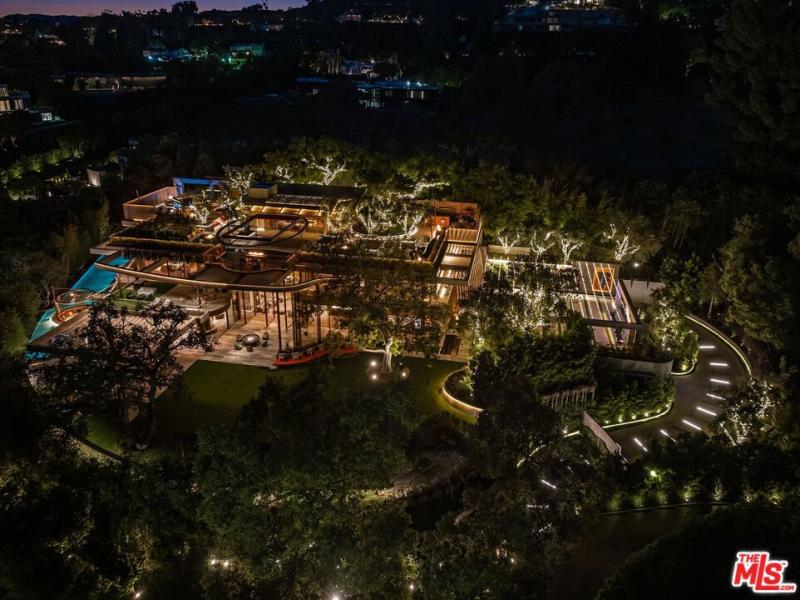
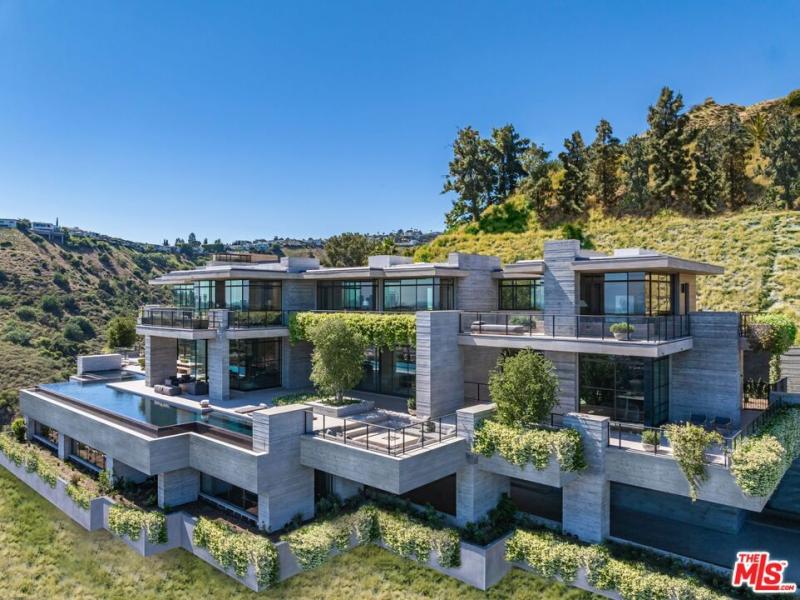
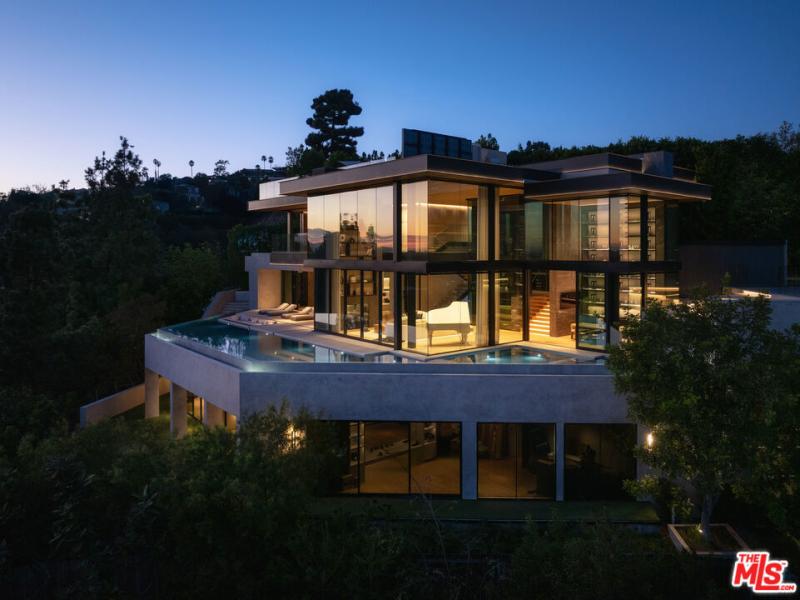
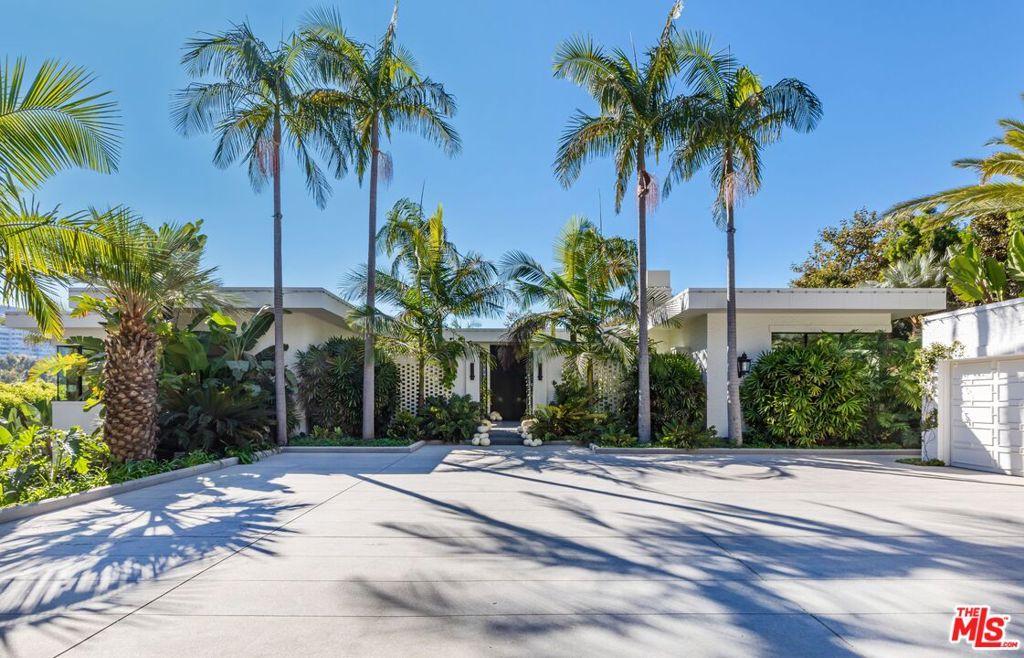
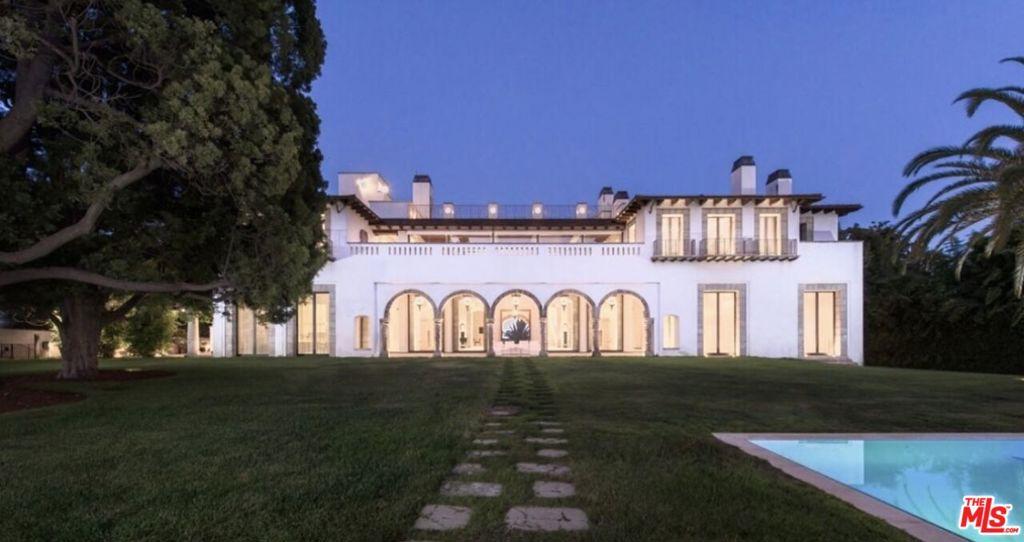
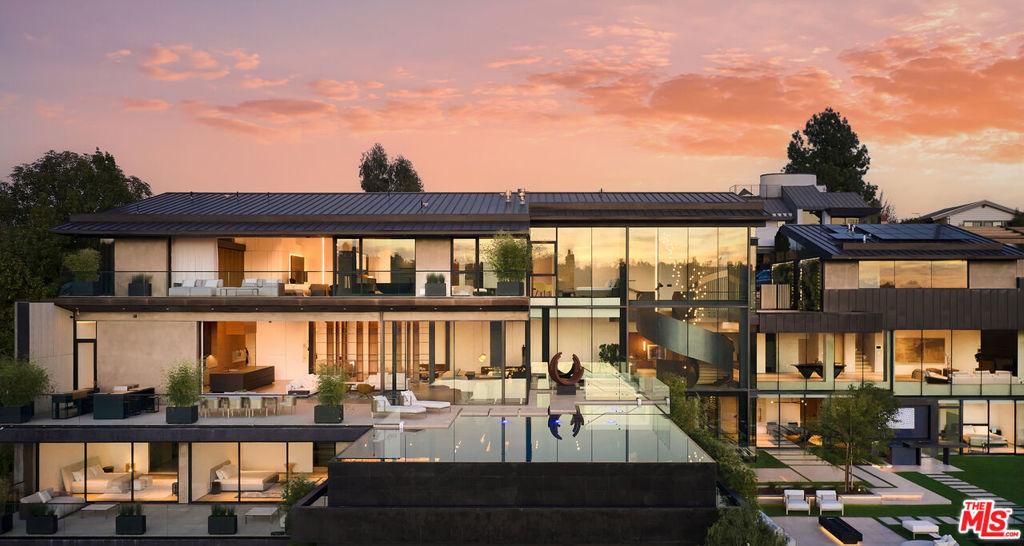
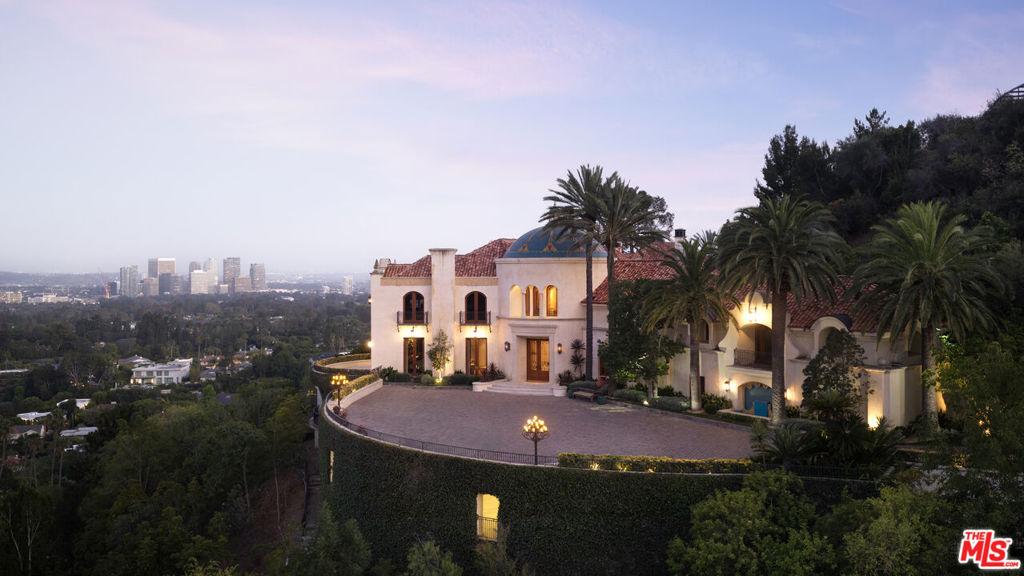
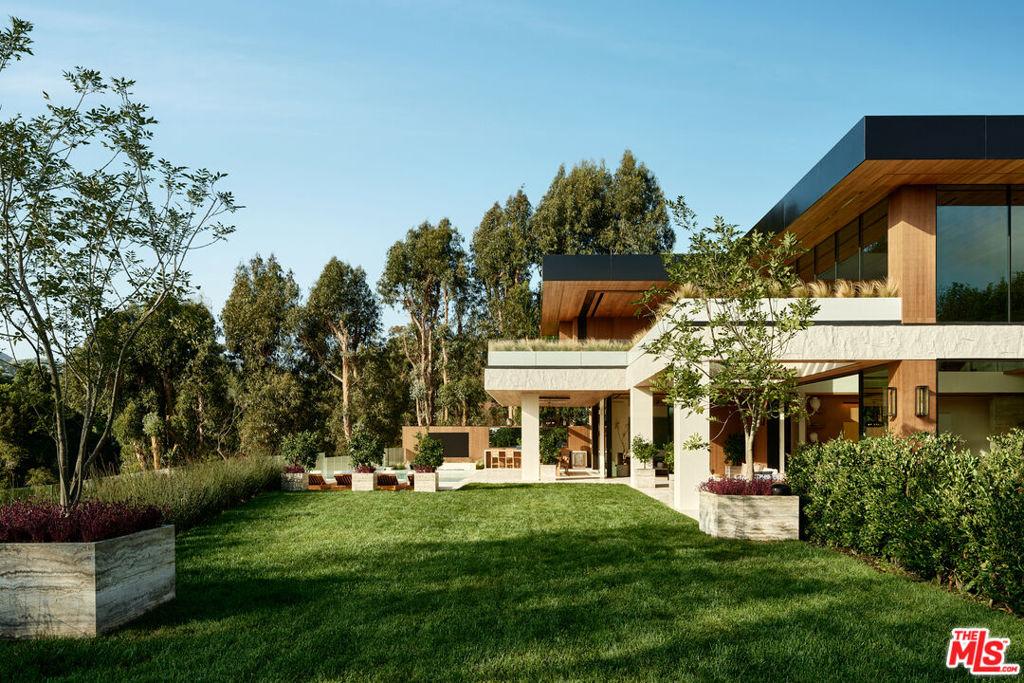
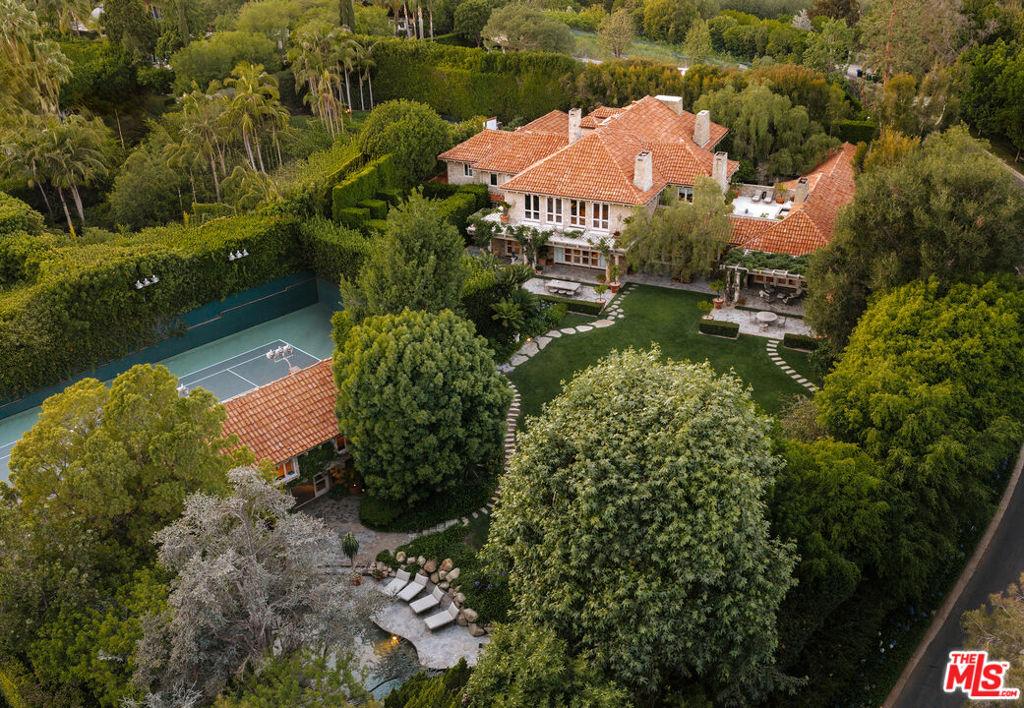
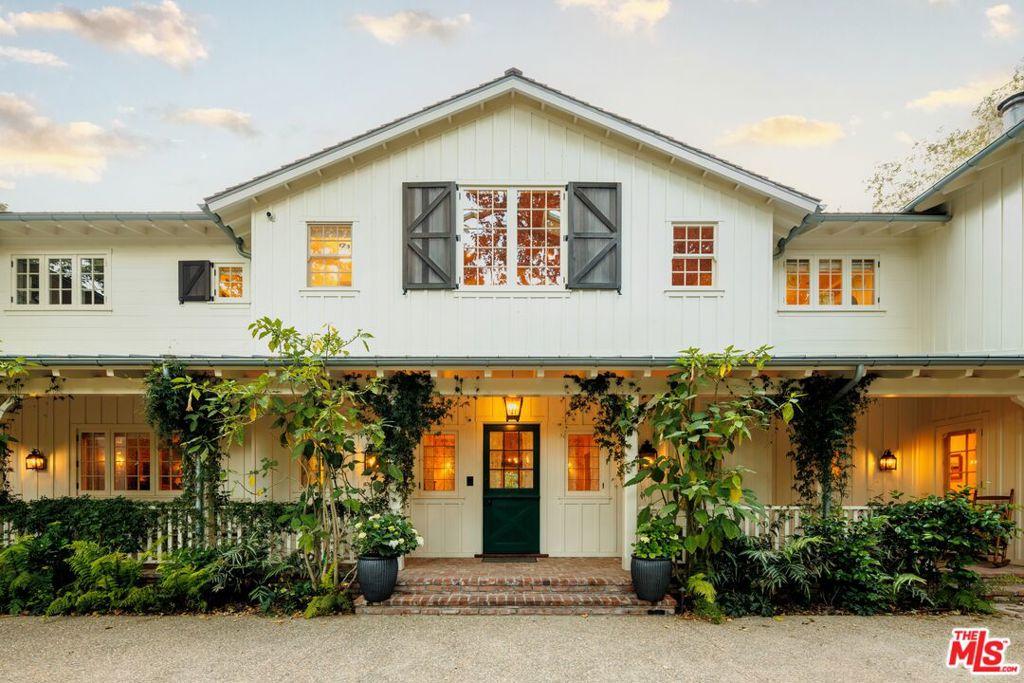
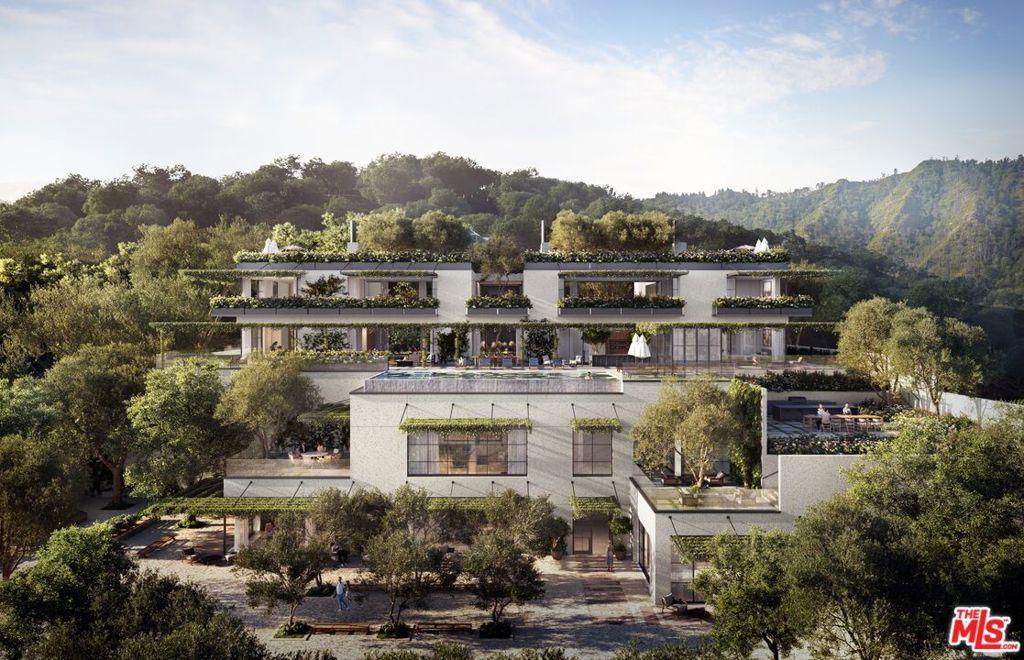
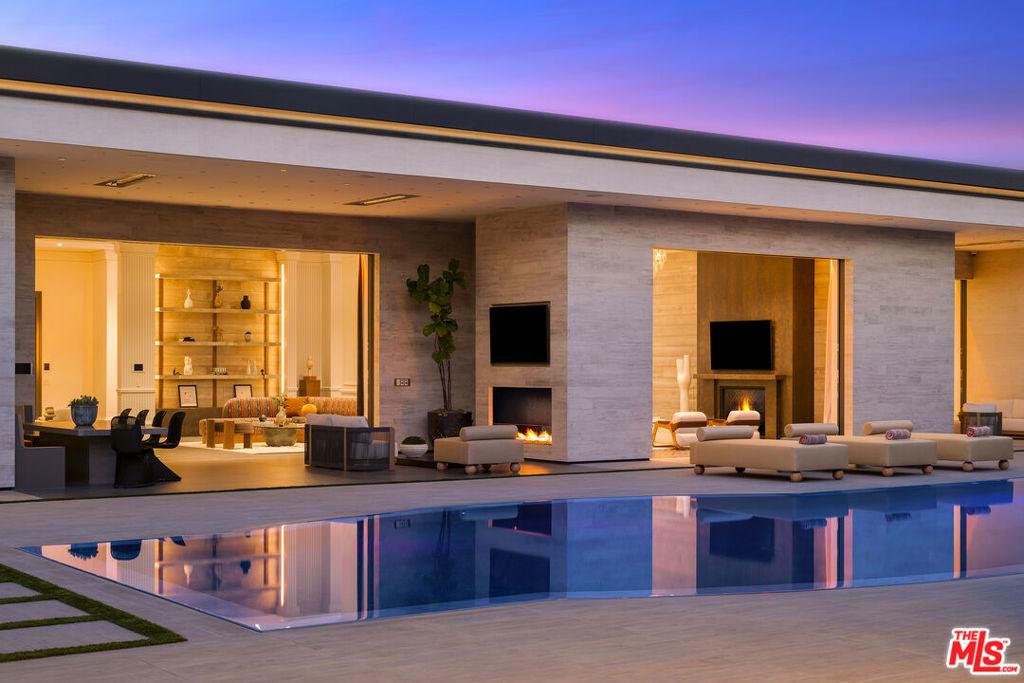
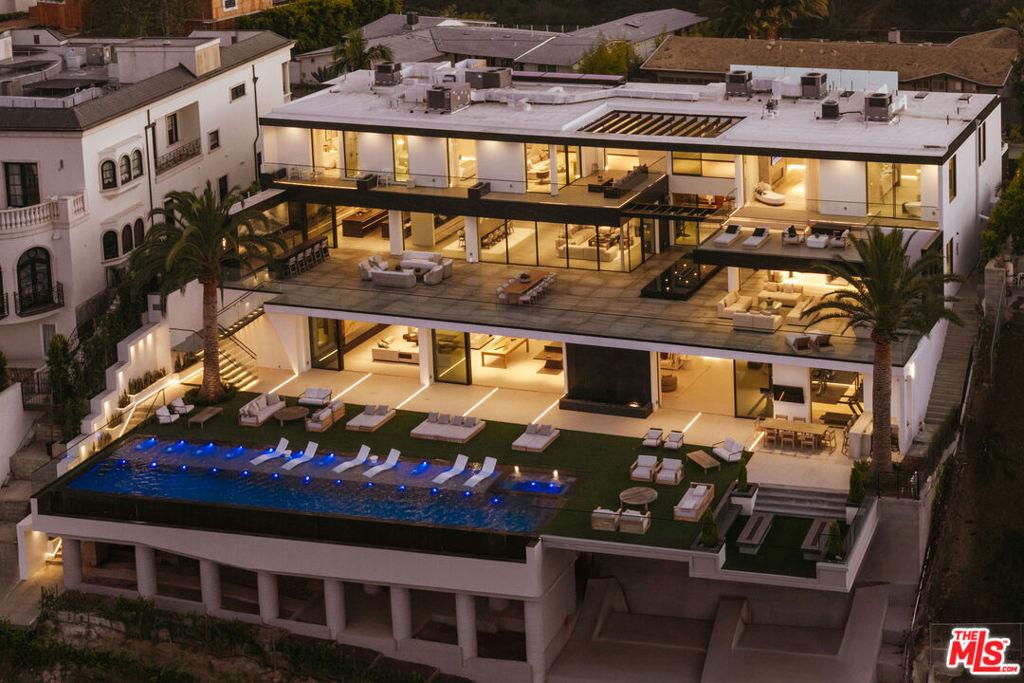
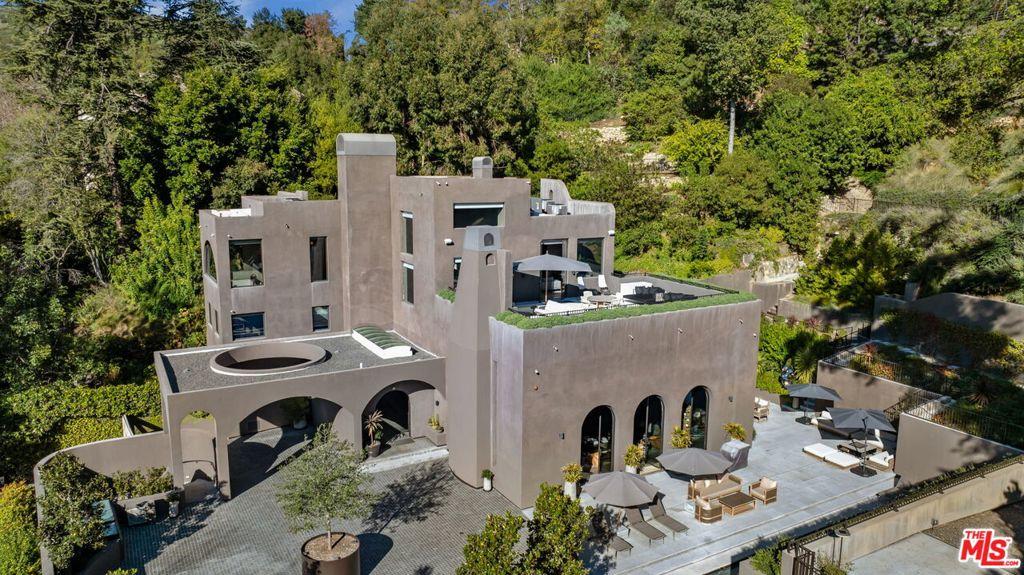
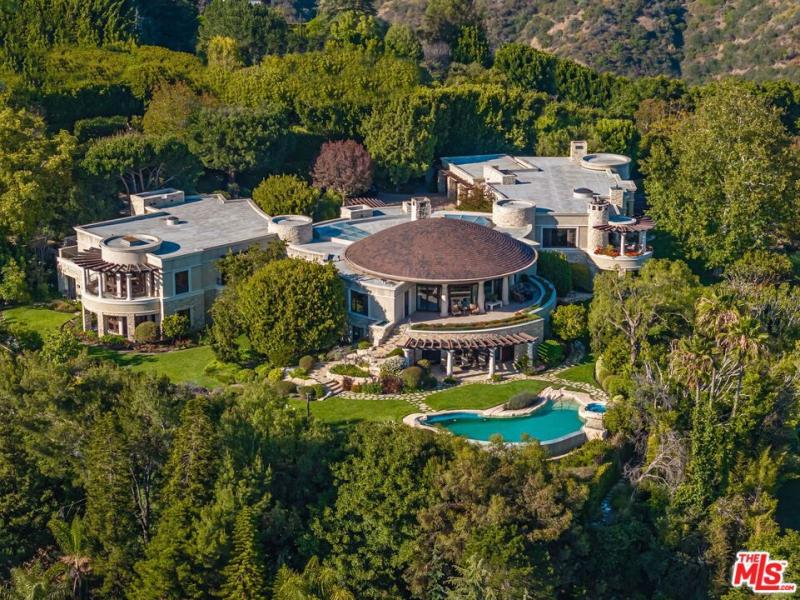
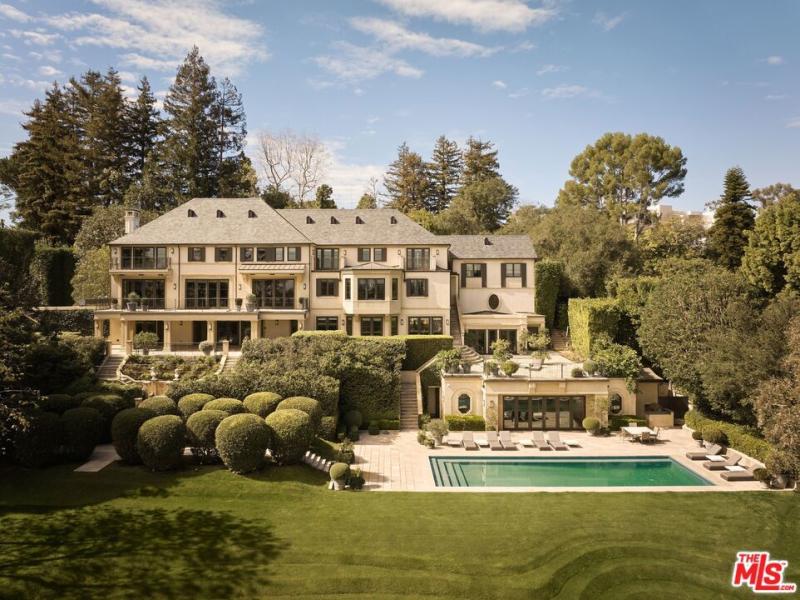
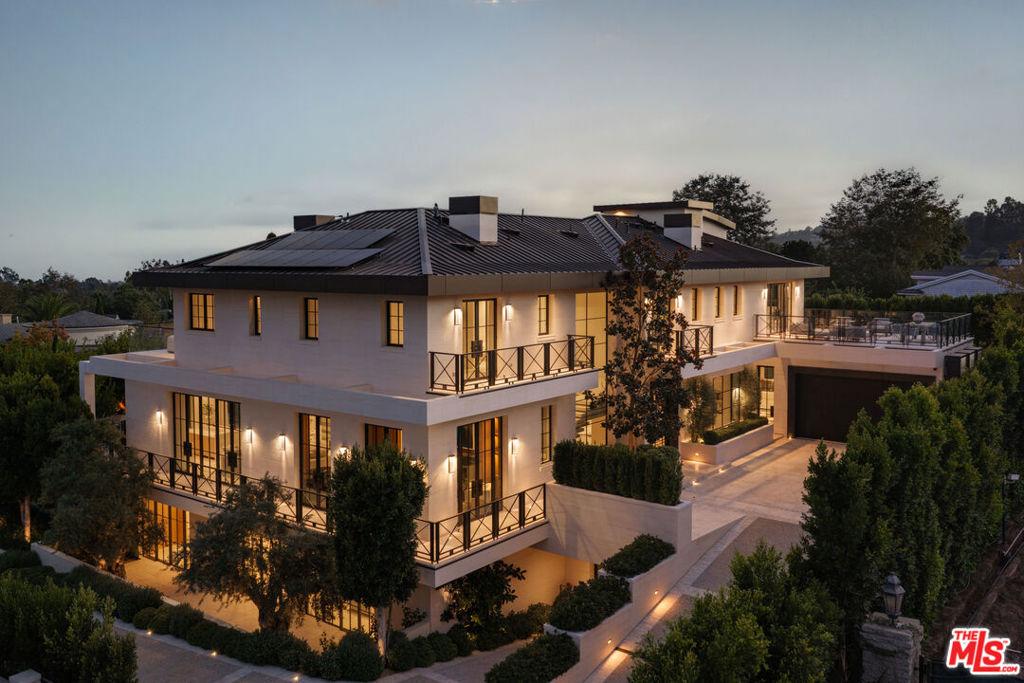
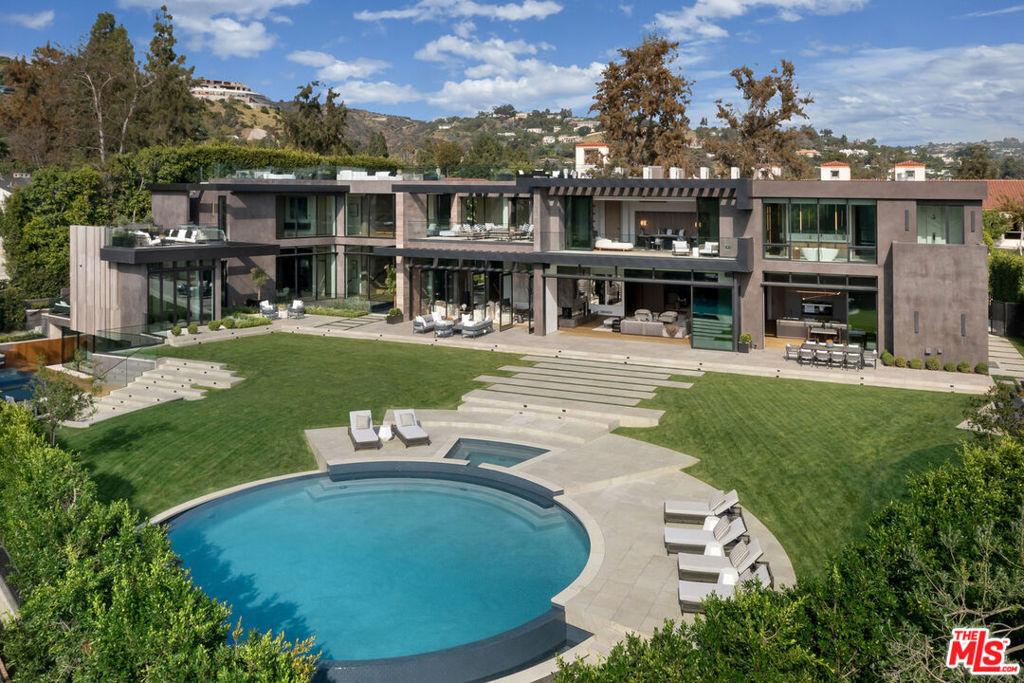
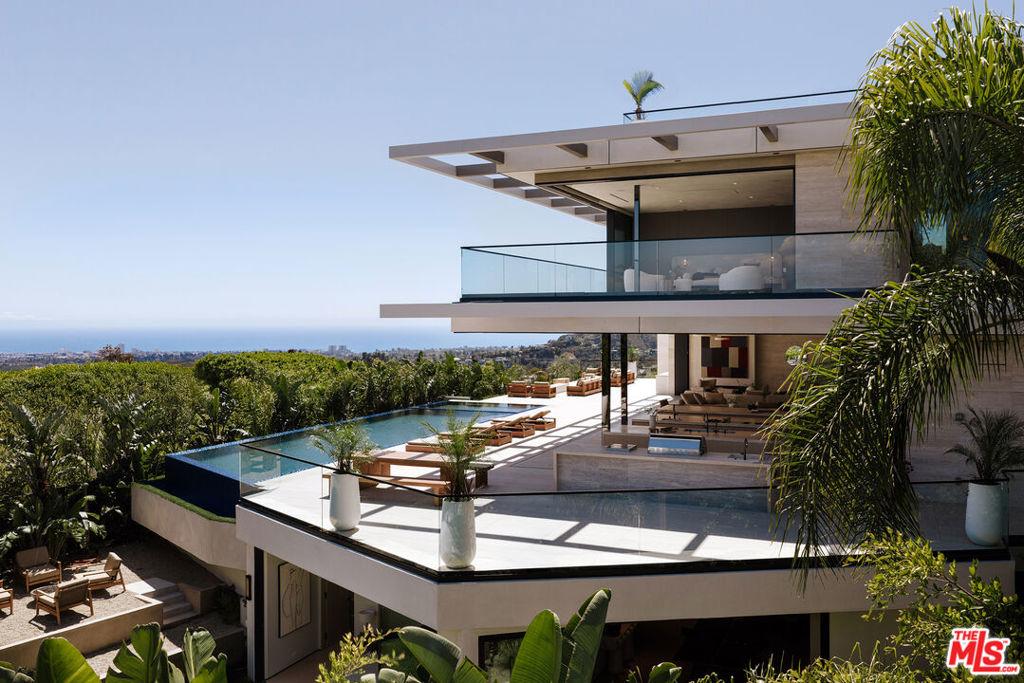
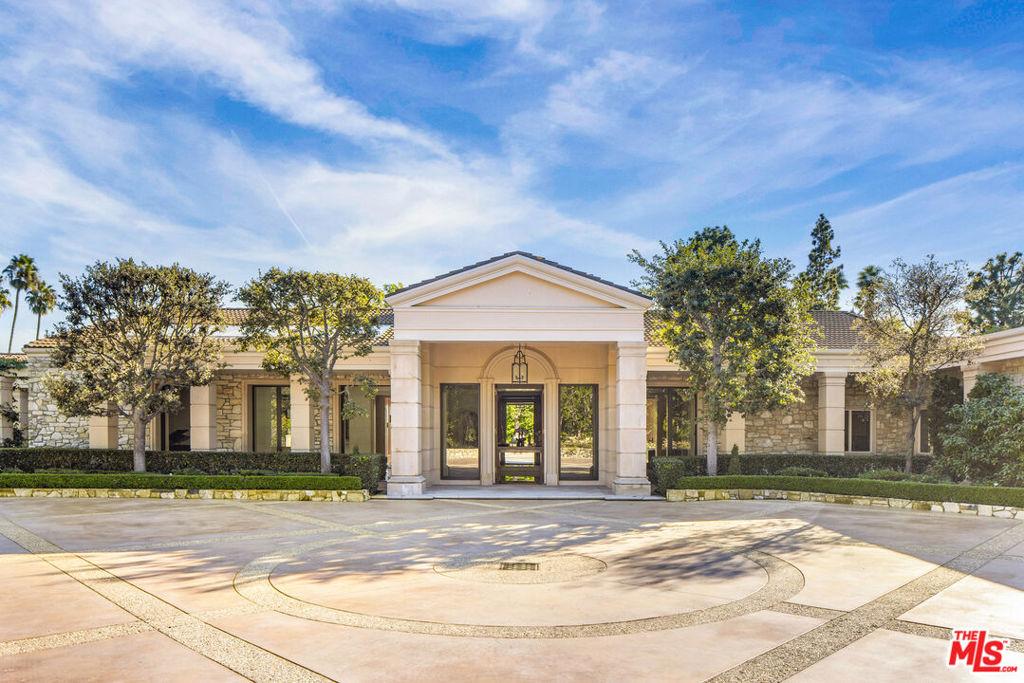
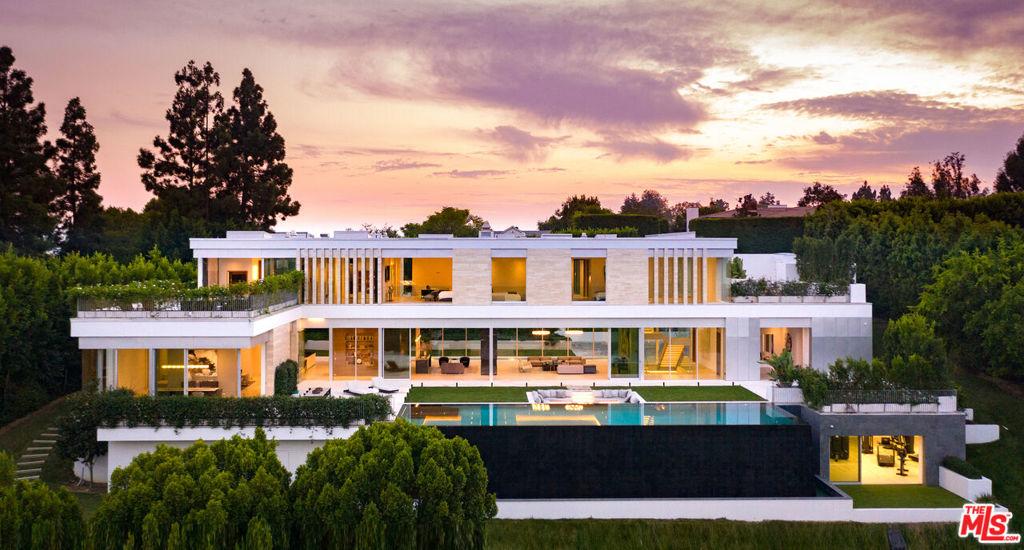
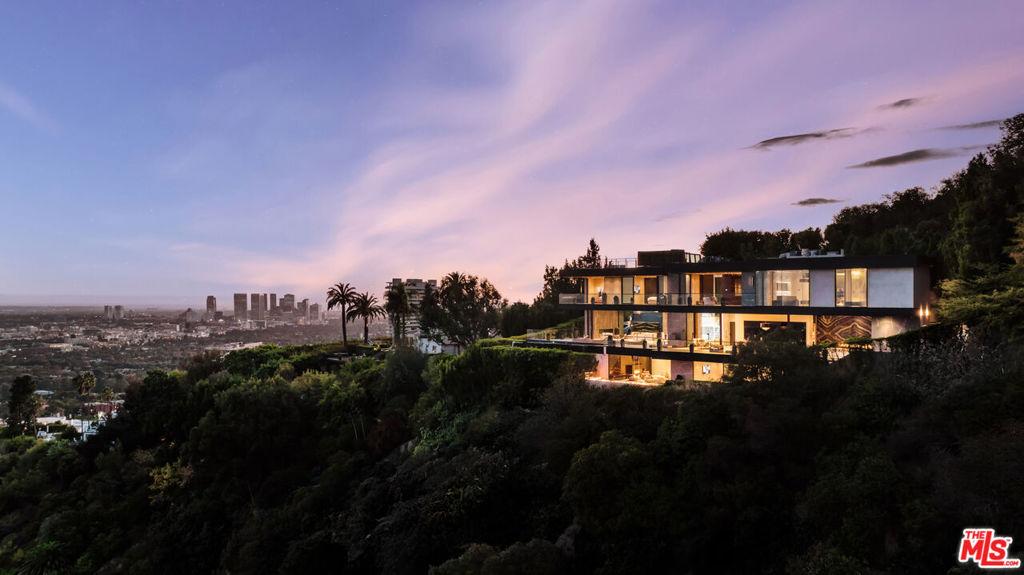
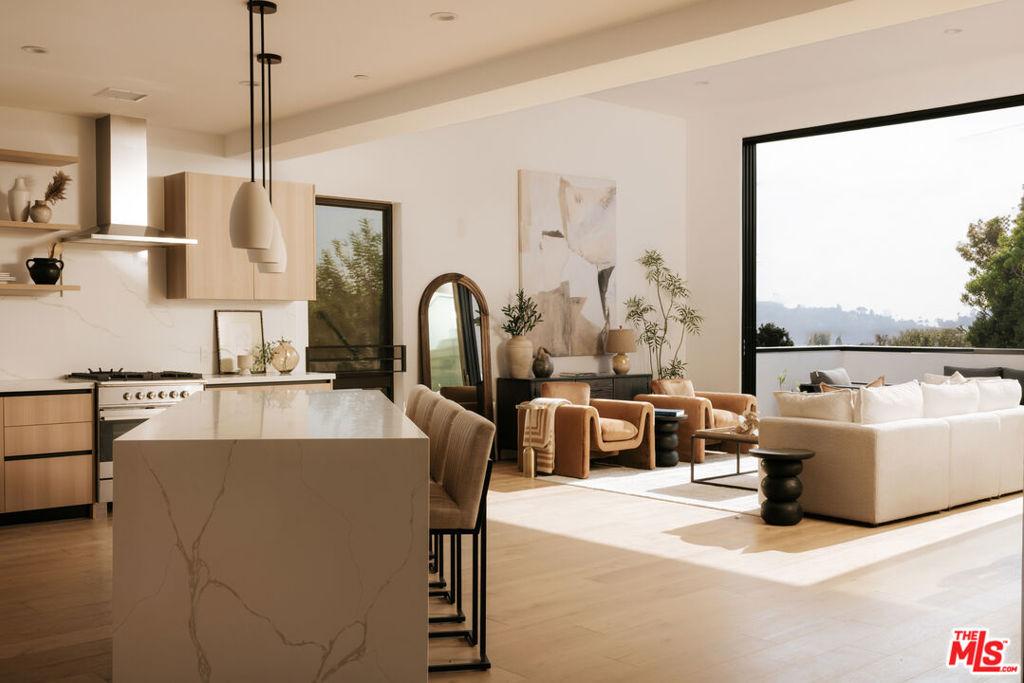
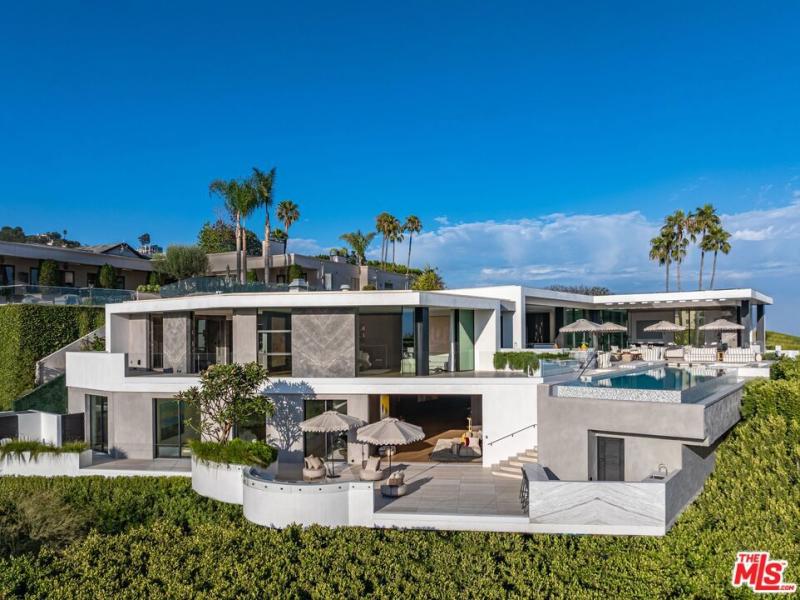
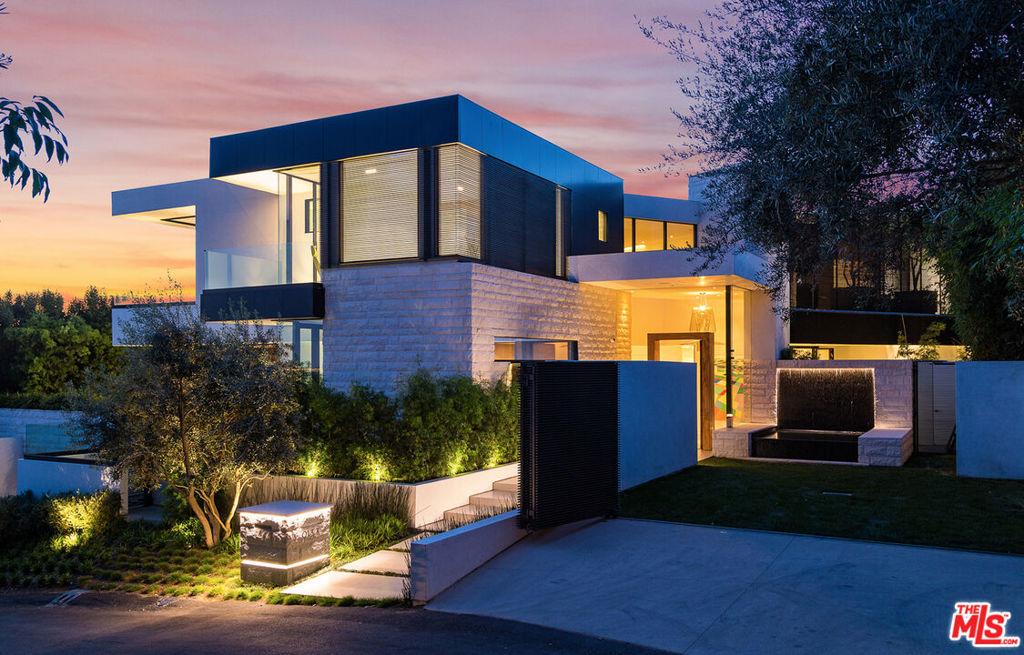
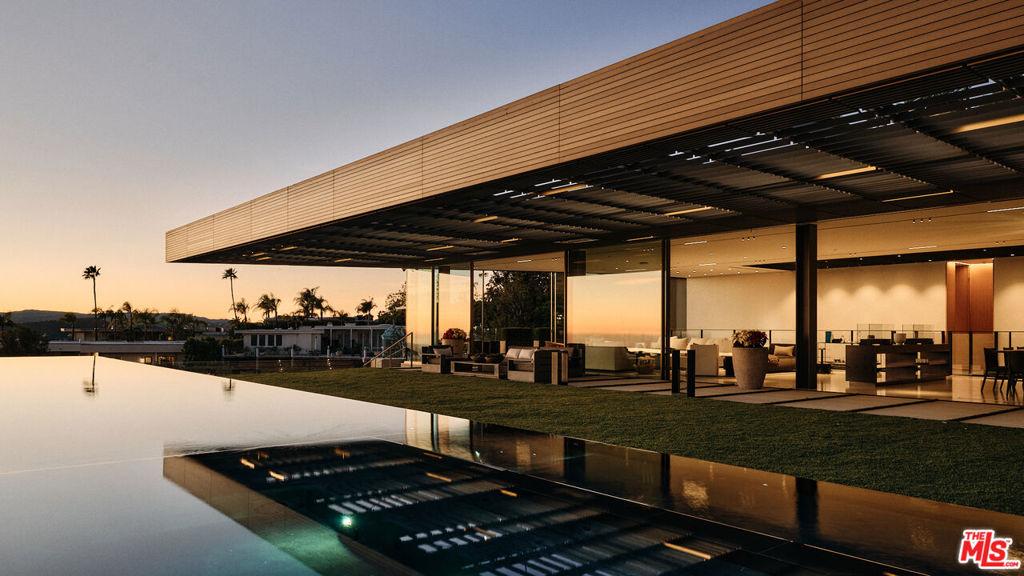
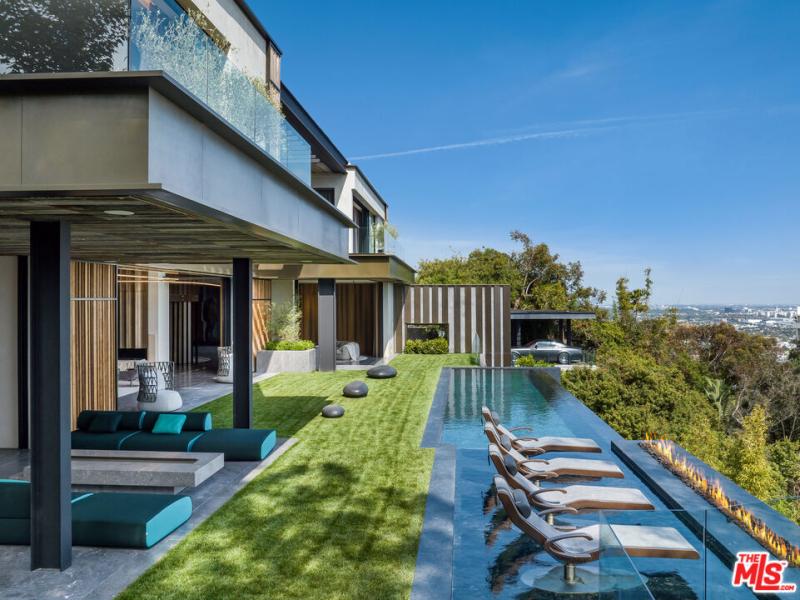
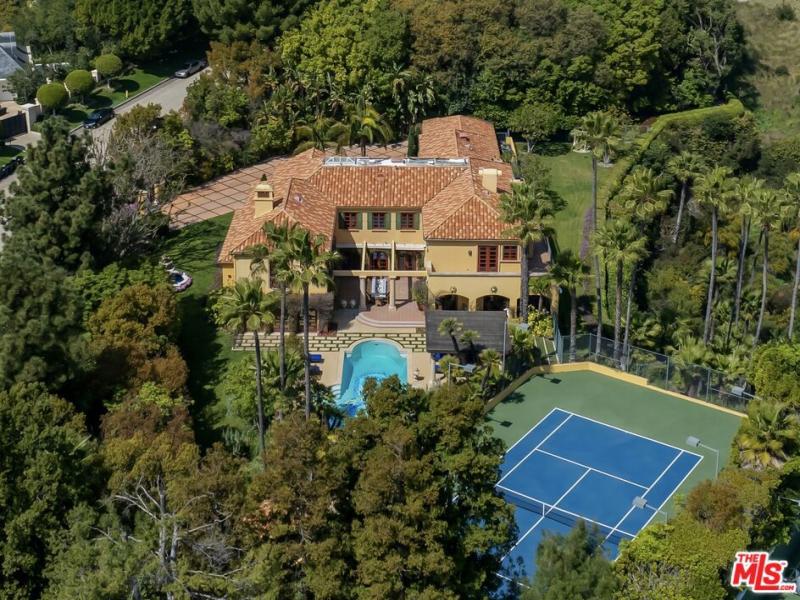
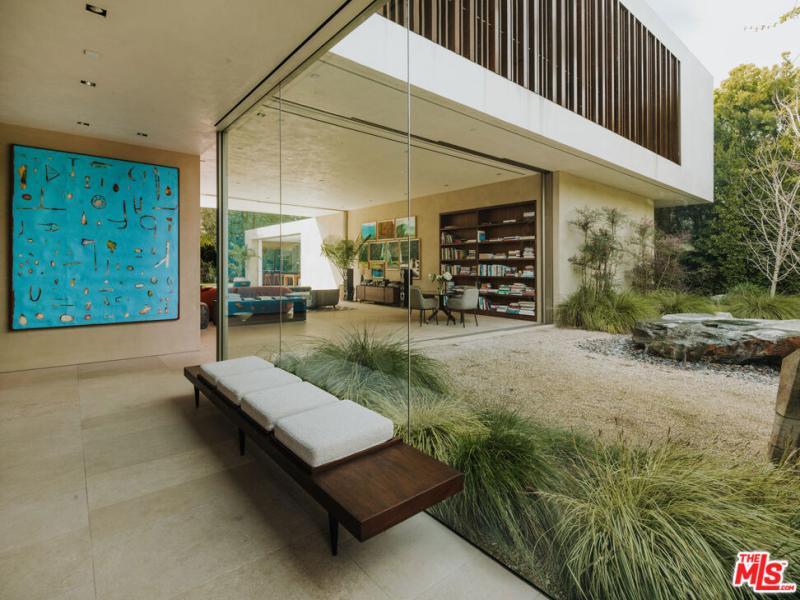
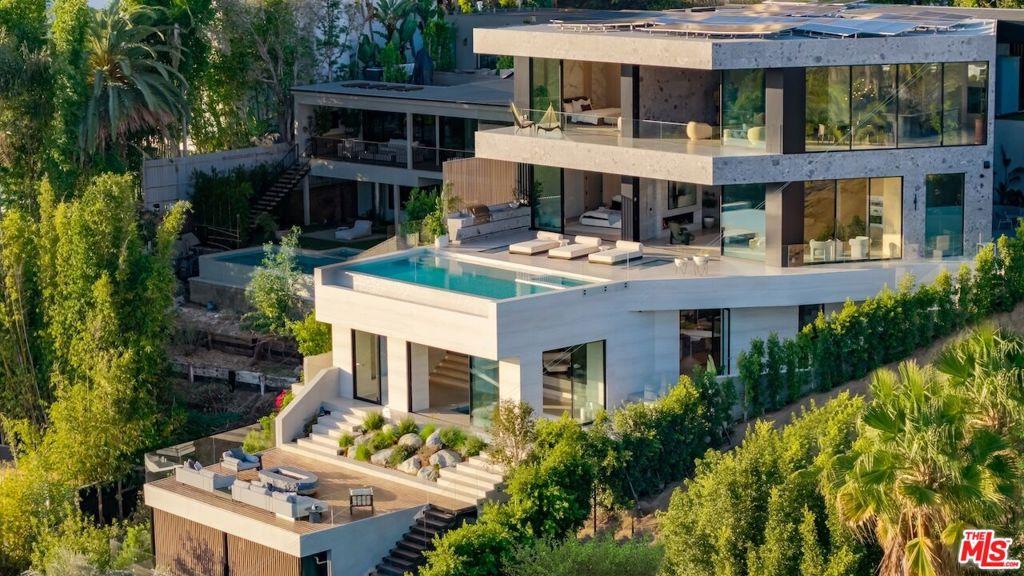
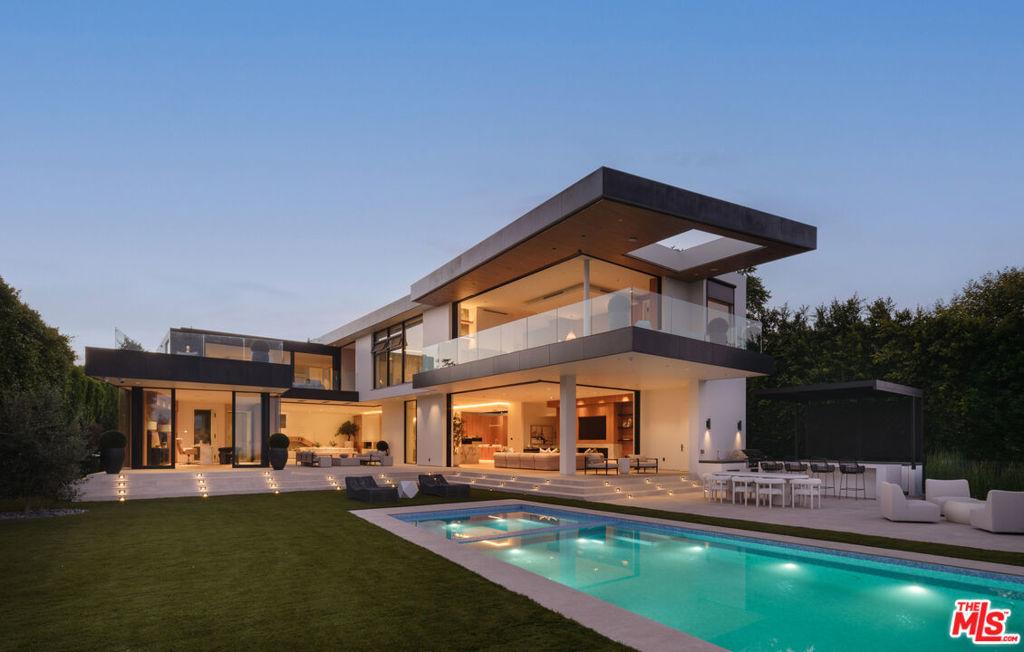
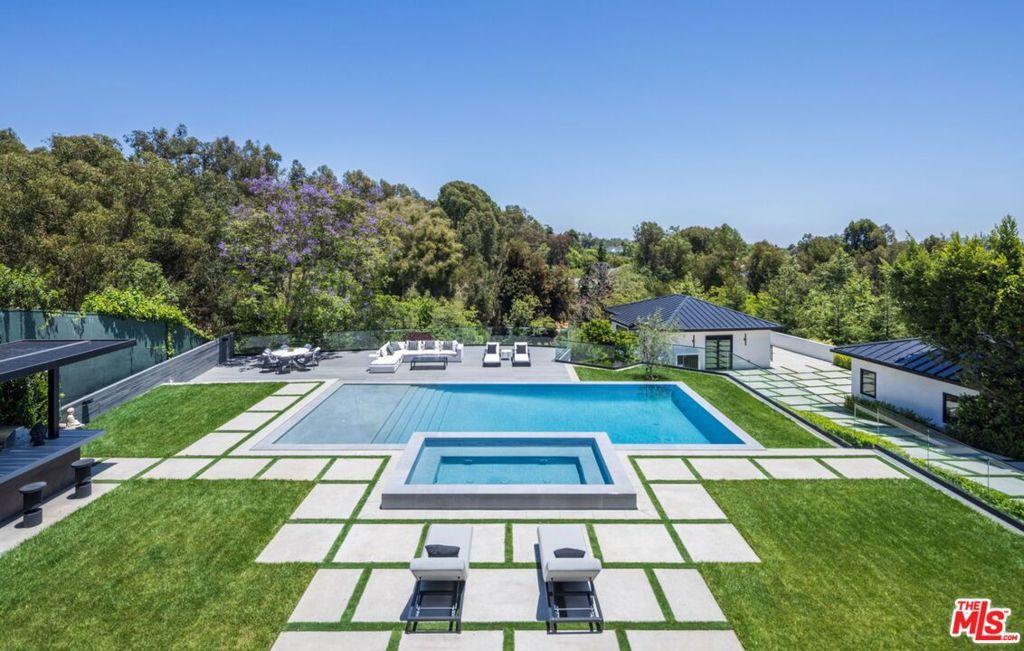
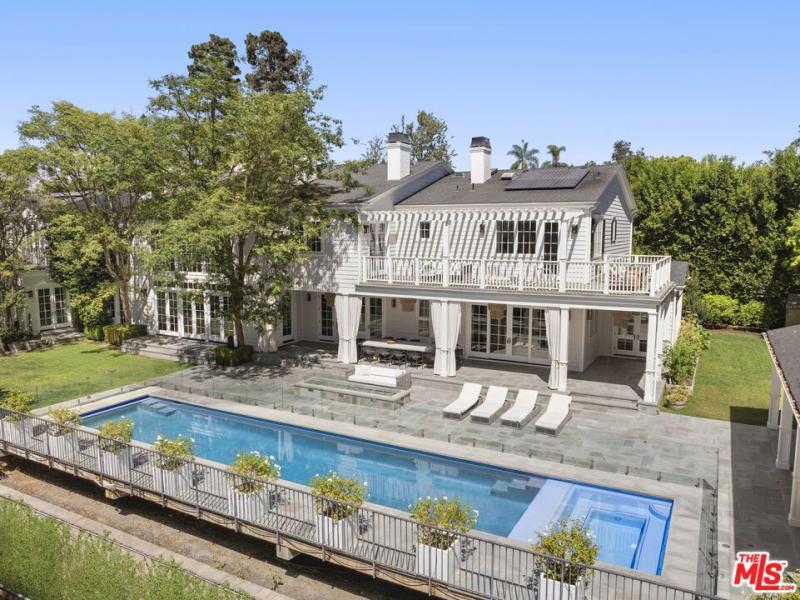
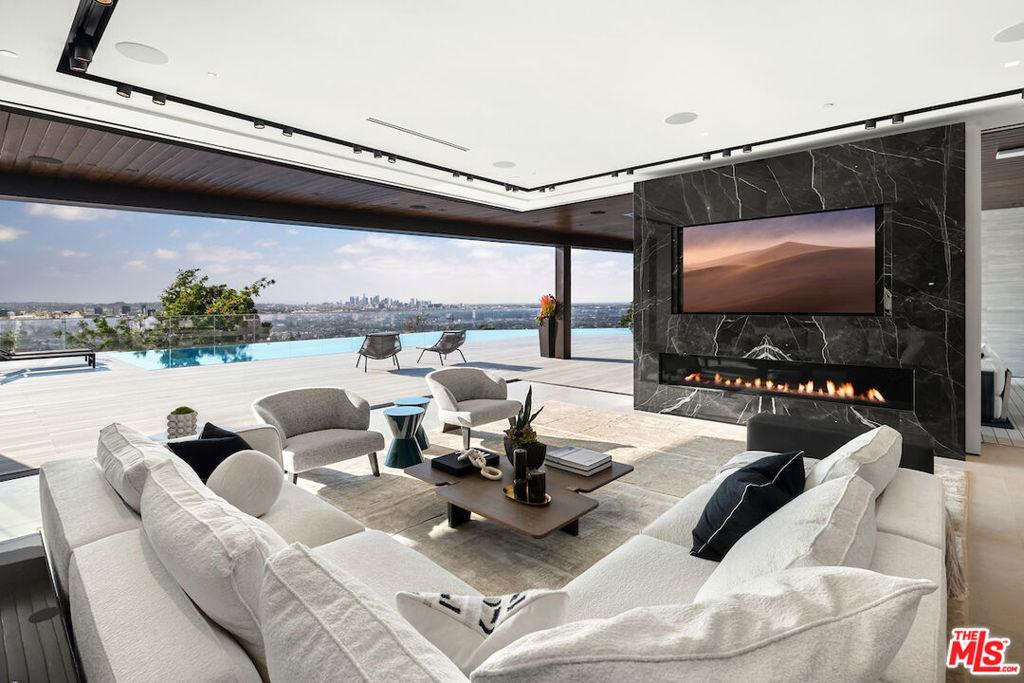
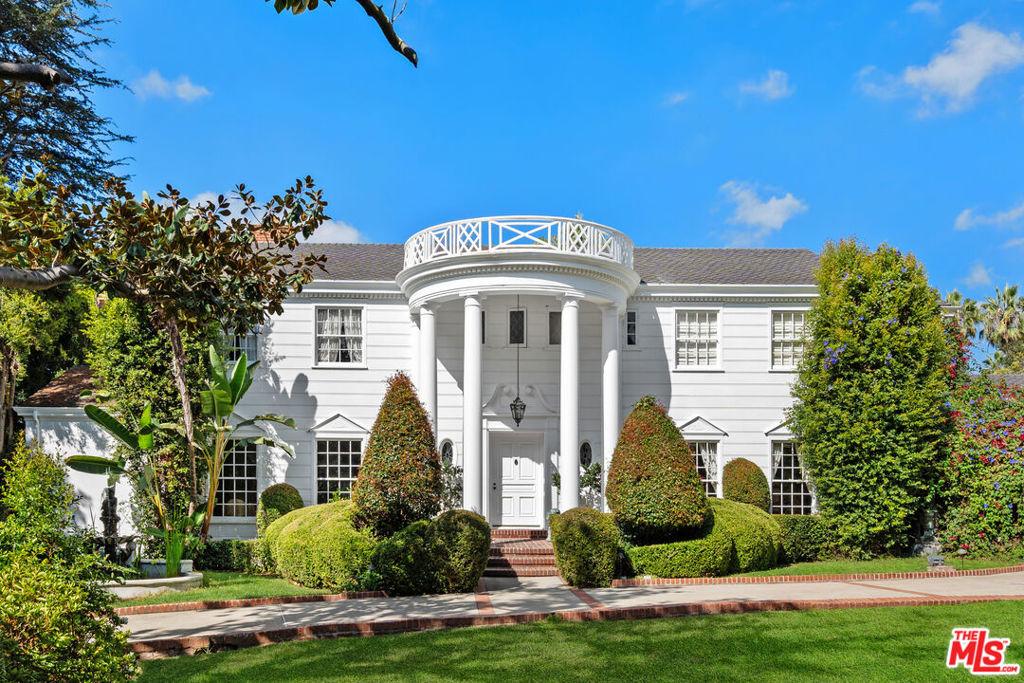
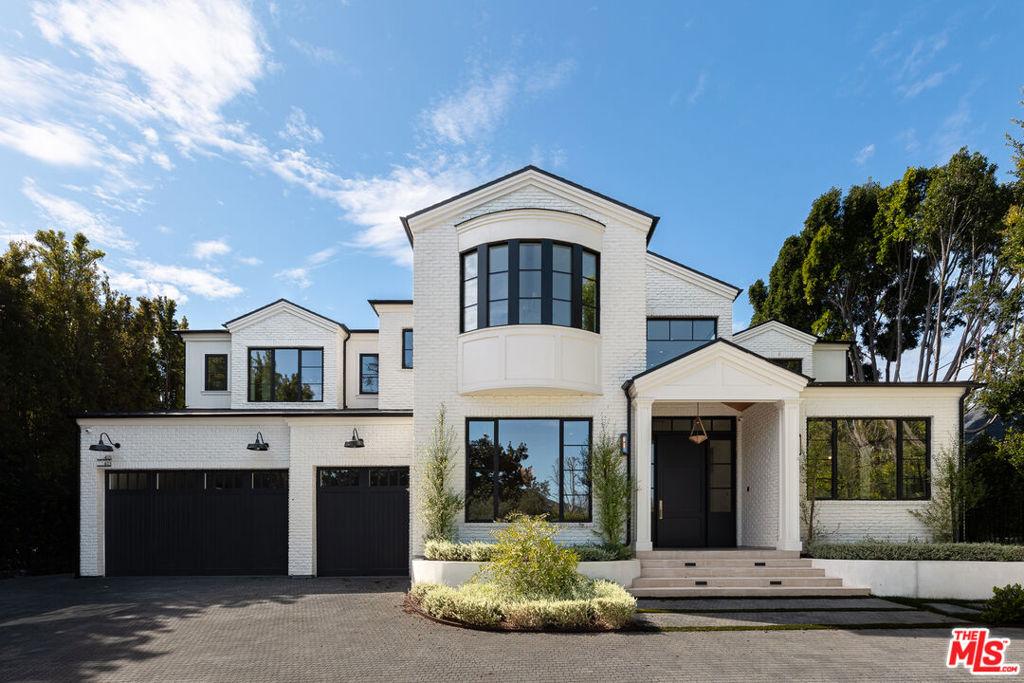
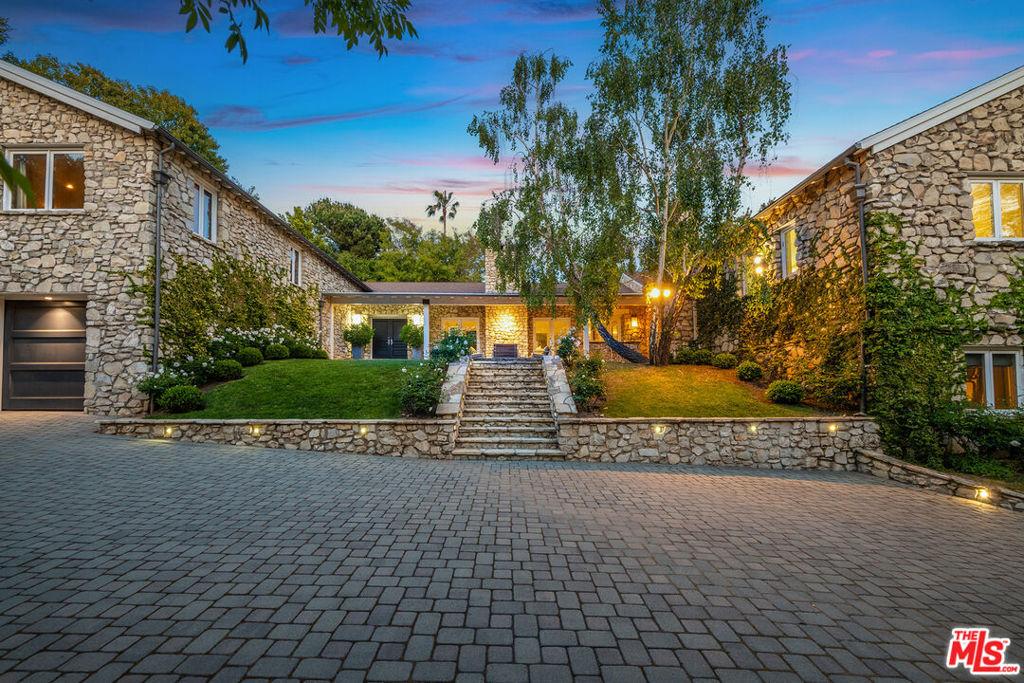
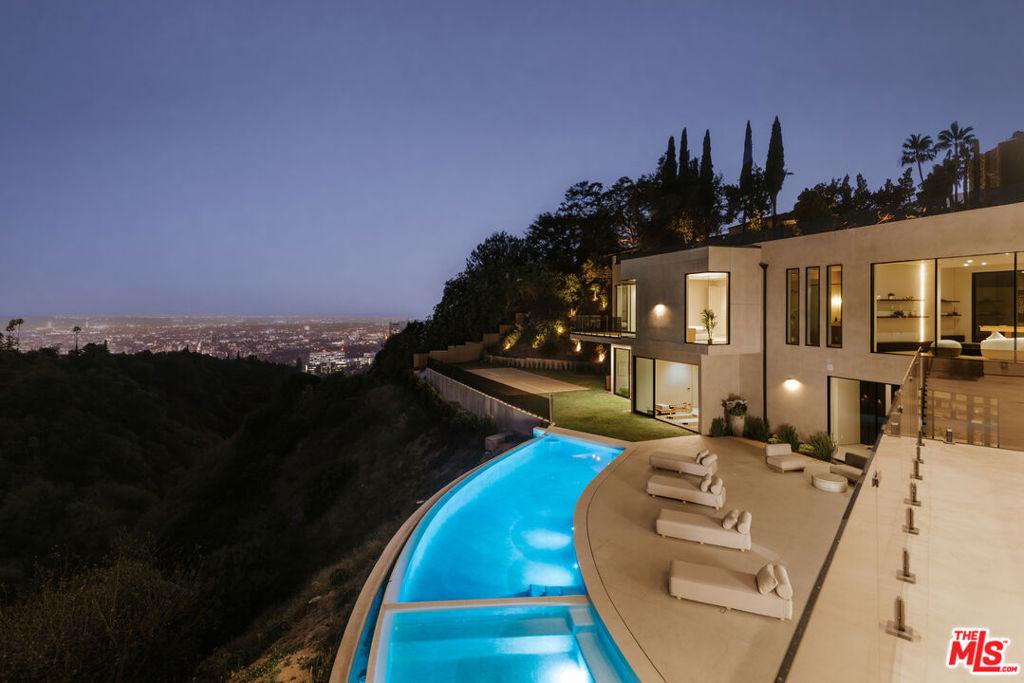
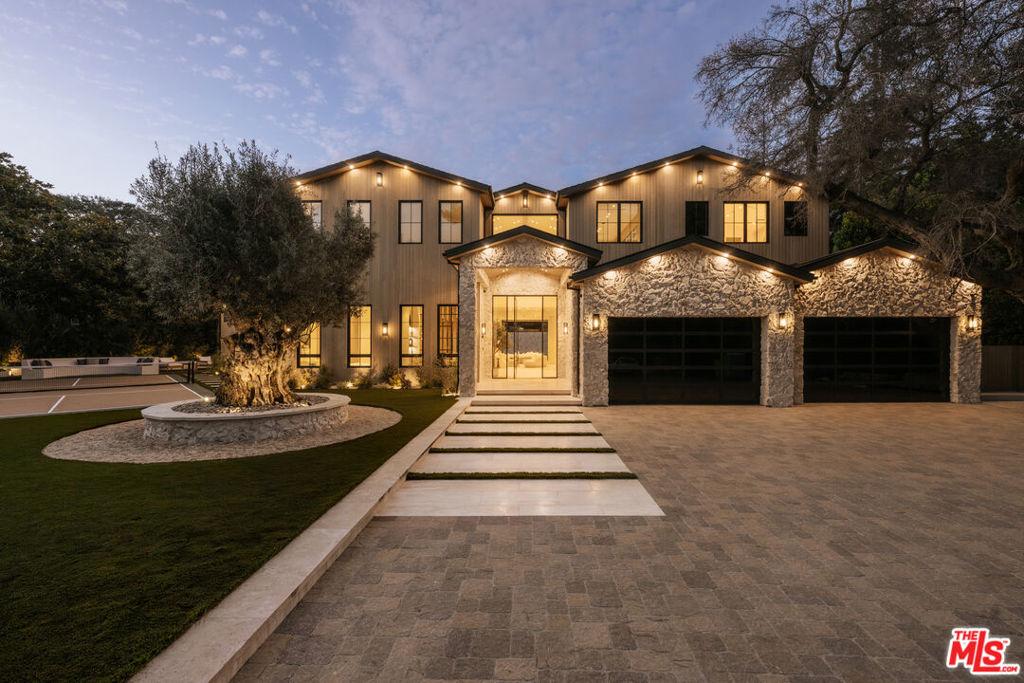
Smart Homes for Sale currently number 238 active listings with a median asking price of $9,646,500 (CRMLS, September 2026).
Most smart homes for sale in Los Angeles at the luxury level are running real automation infrastructure, not a collection of plug-in devices. Lighting, climate, security, entertainment, energy, irrigation, and access control are managed through one unified system you can operate by voice, touch panel, or phone from anywhere. At the top of the market, the quality of that system is a genuine differentiator, and it’s worth knowing what you’re actually inheriting before you write an offer.
What varies most is the platform underneath. Crestron is the commercial-grade backbone on the largest estates — most serious smart home investments in Bel Air and Beverly Hills use it — and it requires professional programming and ongoing maintenance. Savant trades some of that for the most polished interface, which matters if no one in the house wants IT support. Control4 covers the same essential functions at the mid-luxury tier for meaningfully less. Lutron Homeworks handles lighting in nearly all of them.
Sophisticated lighting control was the first major residential automation category, and it remains the most impactful in daily life. A fully integrated lighting system replaces traditional switches with motorized dimmers controlled by centralized processors (Lutron Homeworks, the industry gold standard for luxury applications), touch panels, mobile apps, and voice commands. Scenes can be programmed — “Morning,” “Entertaining,” “Film,” “Away” — that set every light in every room to a specific intensity and color temperature simultaneously. Motorized window shades and draperies are typically integrated into the same system, allowing unified control of both electric light and daylight. The result is a home that can shift mood and atmosphere at a single voice command or the touch of a single button.
Zone-based climate control, managed by a central automation system rather than individual thermostats, allows precision temperature management that a standard HVAC installation can’t match. The best systems track occupancy (using motion sensors or mobile device location) to precondition rooms before the occupant arrives, optimize energy use by not conditioning unoccupied spaces, and learn patterns over time to minimize active management. Integration with fresh air ventilation, dehumidification, and air purification (HEPA-MERV filtration at hospital grades for wildfire smoke events) makes the climate system a complete indoor environment manager.
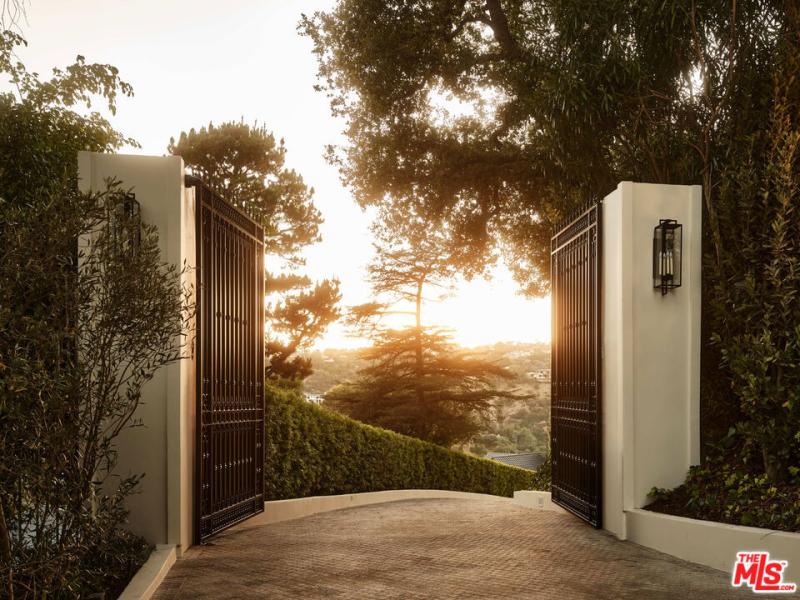
At the luxury level, security automation extends well beyond a ring doorbell. Integrated systems combine: facial recognition cameras at entry points, license plate readers at motor court entries, biometric access (fingerprint, retina, or facial recognition) at secondary entries, automated gate and door control, full-property camera networks with AI-powered motion detection that distinguishes people from animals, integration with professional monitoring services, and safe room access control. The best systems allow the property owner to monitor every camera on their estate from their smartphone while traveling internationally, with instant alerts for anomalies.
Whole-home audio and video distribution — delivering music, television, film, and video calls to any room or zone in the house — is now entirely wireless-capable but is still most reliably deployed as hardwired infrastructure in new construction. The best systems (Crestron, Control4, Savant) integrate all sources (streaming services, physical media, broadcast, security cameras) into a unified interface accessible from a single app, voice, or touchscreen. Integration with home theater systems — 4K/8K projection, Dolby Atmos audio, motorized screens and blackout shades — allows a living room to transform into a true cinema in seconds.
Smart home technology enables the sustainable home. Energy management systems monitor real-time consumption by circuit, automatically shift high-energy tasks (EV charging, pool heating, dishwashers) to periods of low grid cost or peak solar generation, and provide detailed analytics on where energy is going. Integration with solar arrays and battery storage creates a home that actively manages its energy budget rather than passively consuming from the grid. The best systems can automatically island the home (disconnect from grid and run on solar/battery) during outages, maintaining all essential systems seamlessly.
The most established commercial-grade home automation platform. Crestron is typically specified for the most complex, large-scale installations where reliability and customization are paramount. The hardware is expensive and requires professional programming and maintenance, but it delivers performance that consumer platforms can’t match at scale. Most of the major estate properties in Bel Air and Beverly Hills that have had serious smart home investments use Crestron as the backbone.
Known for the most polished user interface in luxury home automation. Savant’s touchscreens and app are visually elegant and exceptionally intuitive, which matters in a market where non-technical homeowners need to operate sophisticated systems without IT support. Savant has grown strongly in the Los Angeles luxury market specifically because it handles complexity without sacrificing ease of use.
The most widely deployed professional-grade automation platform, with a robust dealer network and extensive hardware ecosystem. Control4 represents excellent value at the mid-luxury tier — capable of the same essential functions as Crestron at a significantly lower investment threshold.
The undisputed leader in residential lighting control, typically deployed as a component alongside Crestron or Savant for AV/security. Lutron’s reliability record is exceptional and its systems integrate with virtually every major automation platform. Any serious luxury home with a smart lighting upgrade should have Lutron.
Smart home infrastructure requires careful due diligence. Questions to ask: What platform is installed? Is the programming documented and are credentials transferable to the new owner? Are system licenses current and transferable? Is there a dealer or integrator relationship that can provide ongoing support? What’s the condition of the structured wiring (ethernet, coaxial, fiber backbone) that the automation depends on? Systems that were cutting-edge in 2015 may require significant updates to function with current devices. Budget $20,000–$100,000+ for updating an older smart home infrastructure to current capabilities.
We know the smart home landscape in the Los Angeles luxury market and can help you identify properties where the technology infrastructure is genuinely best-in-class versus homes where it’s been over-marketed. If you’re building or upgrading, we maintain relationships with LA’s best smart home integrators. Call us at 503-200-4823 to discuss how technology factors into your search or sale.
The single most important piece of advice for buyers investing in smart home infrastructure: prioritize the wiring over the devices. Wireless technology improves rapidly; Cat6A ethernet, fiber backbone runs, and robust structured cabling last 20–30 years and make future technology upgrades straightforward. A home wired for audio distribution throughout will be easy to upgrade when speaker technology improves; a home that relied entirely on the best wireless mesh system of 2020 may struggle with 2030’s demands. We advise buyers to request full documentation of all structured wiring during due diligence: cable maps, termination labels, patch panel locations, and the condition of the distribution closet where all this infrastructure converges.
Every connected device in a smart home collects data. Voice assistants hear every conversation in their range. Smart cameras record continuously. Energy management systems track every appliance and occupancy pattern. For high-profile buyers — executives, entertainers, politicians — the data security implications of a networked home are significant. The best smart home installations for privacy-conscious owners use local processing (no cloud dependency for critical functions), network segmentation that keeps IoT devices isolated from personal computing, enterprise-grade firewalls and intrusion detection, and physical controls that allow cameras and microphones to be hardware-disabled. The conversation about smart home privacy is worth having explicitly with any technology integrator before installation — not as an afterthought.
If you’re purchasing a smart-home-equipped property, budget time and money for a proper technology transition. Current users’ profiles, cloud accounts, and customizations need to be transferred or wiped depending on the platform. Savant and Control4 require a dealer to reprogram the system for a new owner — plan for $5,000–$15,000 in programming fees for a mid-sized system. Verify all login credentials will transfer cleanly; some platforms (particularly budget-tier devices) aren’t designed for ownership transfer and may require full factory reset and re-setup. The Knight Group coordinates technology transitions for our clients as part of the closing process — call 503-200-4823 to discuss how we support this for your purchase.
The single most important piece of advice for buyers investing in smart home infrastructure: prioritize the wiring over the devices. Wireless technology improves rapidly; Cat6A ethernet, fiber backbone runs, and robust structured cabling last 20–30 years and make future technology upgrades straightforward. A home wired for audio distribution throughout will be easy to upgrade when speaker technology improves; a home that relied entirely on the best wireless mesh system of 2020 may struggle with 2030’s demands. We advise buyers to request full documentation of all structured wiring during due diligence: cable maps, termination labels, patch panel locations, and the condition of the distribution closet where all this infrastructure converges.
Every connected device in a smart home collects data. Voice assistants hear every conversation in their range. Smart cameras record continuously. Energy management systems track every appliance and occupancy pattern. For high-profile buyers — executives, entertainers, politicians — the data security implications of a networked home are significant. The best smart home installations for privacy-conscious owners use local processing (no cloud dependency for critical functions), network segmentation that keeps IoT devices isolated from personal computing, enterprise-grade firewalls and intrusion detection, and physical controls that allow cameras and microphones to be hardware-disabled. The conversation about smart home privacy is worth having explicitly with any technology integrator before installation — not as an afterthought.
If you’re purchasing a smart-home-equipped property, budget time and money for a proper technology transition. Current users’ profiles, cloud accounts, and customizations need to be transferred or wiped depending on the platform. Savant and Control4 require a dealer to reprogram the system for a new owner — plan for $5,000–$15,000 in programming fees for a mid-sized system. Verify all login credentials will transfer cleanly; some platforms (particularly budget-tier devices) aren’t designed for ownership transfer and may require full factory reset and re-setup. The Knight Group coordinates technology transitions for our clients as part of the closing process — call 503-200-4823 to discuss how we support this for your purchase.
Because platforms differ so much in cost and upkeep, smart real estate in this market rewards buyers who ask specific questions before the inspection period closes. Find out who programmed the system and whether that integrator is still servicing the property, since a Crestron backbone without an active programmer can be difficult to modify. Ask what version the processors are running, whether the dealer license transfers with the sale, and how lighting, shades, climate, cameras, and audio are actually tied together. A house with a dozen unconnected apps is a different purchase from one running a single unified system, even if the listing photos look identical.
Where a home sits also shapes what matters. Hillside and canyon properties put more weight on gate cameras, license plate readers, and battery backup that keeps essential systems running through an outage, while a smart Los Angeles home closer to the flats may prioritize air filtration and energy monitoring. Match the system to how you plan to live in it, and budget for ongoing maintenance from the start.

Browse all Los Angeles real estate — or explore the full Los Angeles luxury real estate market.
In the Los Angeles market, homes marketed with smart home represent properties where this feature is a meaningful, installed amenity — not simply a cosmetic aspiration. These include integrated control systems (Crestron, Control4, Lutron), automated lighting and shading, smart security and access control, whole-home audio/video, and remote management via mobile apps.
The presence of a significant amenity like smart home typically signals a level of investment in the property that correlates with broader quality across the home. Buyers who search specifically for this feature tend to be informed, motivated, and clear on what they want — which means the transaction tends to move faster once the right property is identified.
The buyer pool for Los Angeles homes with smart home primarily consists of tech professionals, engineers, buyers who value seamless home management, and buyers who want to future-proof their property investment. Unlike the broader LA market where buyers are evaluating multiple competing properties, buyers searching for specific amenities often have a single defining requirement that narrows their search significantly — and makes them less price-sensitive once they find the right match.
Los Angeles is uniquely positioned as a market for rare amenity properties. The city’s entertainment industry has normalized extraordinary residential investments, its climate extends the usable year-round value of outdoor amenities, and its buyer pool includes both local high-net-worth individuals and international buyers who have self-selected for the city’s lifestyle proposition. Properties with distinctive amenities here attract broader interest than comparable properties in most US markets.
For buyers seeking homes with smart home in Los Angeles, the most compelling opportunities rarely appear on the open market. Properties with significant amenity installations are often sold through private networks — estate attorneys, trusted listing agents, and relationship-based introductions — long before they hit Zillow, Redfin, or even the MLS. This off-market dynamic is especially pronounced for amenity-rich properties where sellers value privacy and targeted buyer selection over maximum marketing exposure.
The Knight Group operates extensively in the off-market segment for luxury and specialty-amenity properties. Our team maintains direct relationships with sellers, estate representatives, and other agents who manage high-value listings discretely. Buyers who work exclusively through public listing platforms miss a meaningful portion of the available inventory for properties with smart home in the Los Angeles market.
Properties with significant amenities require a more detailed due diligence process than standard residential purchases. In addition to standard home inspection, buyers of Smart Home homes should evaluate: the permit status and sign-off documentation for any installed amenity infrastructure, the ongoing maintenance requirements and associated annual costs, insurance implications specific to the amenity type, and HOA or CC&R restrictions (if applicable) that govern use or future expansion of the facility.
The Knight Group coordinates specialized due diligence for specialty amenity properties and can connect buyers with inspection professionals who have direct experience evaluating the specific amenity type. This coordination is part of our standard buyer representation service for properties in this category.
Properties featuring Smart Home represent a specialized segment of the luxury market where buyer pools are smaller but motivation levels are significantly higher. Buyers who specifically search for Smart Home have typically already gone through a broader home search and narrowed their criteria to properties that include this specific feature — which means they arrive at the table with sharper intent and fewer competing priorities pulling them in different directions.
For sellers, the presence of Smart Home creates both an opportunity and a challenge. The opportunity is that the right buyer will pay a meaningful premium for a property that eliminates the need to retrofit or build out this feature post-purchase. The challenge is that overpricing on the basis of the feature — without accounting for the property’s overall condition, location, and comparables — can result in extended days on market that ultimately harm the final sale price.
The Knight Group takes a data-led approach to positioning Smart Home properties. That means reviewing recent sales of comparable properties with and without the feature, quantifying the actual premium the market has demonstrated (as opposed to the premium a seller assumes), and crafting marketing that speaks to the specific buyer who considers Smart Home a primary requirement rather than a nice-to-have.
If you’re looking to buy a property with Smart Home or sell one that includes it, contact The Knight Group to discuss current market conditions, realistic pricing, and the off-market channels that often surface these properties before they reach public listings.
Working with a specialist who actively tracks this segment of the market ensures that relevant opportunities surface quickly when they become available.
Properties with smart home are distributed across the Los Angeles market, but concentrate in neighborhoods where lot size, zoning, and buyer demographics align: Bel Air, the Hollywood Hills, Pacific Palisades, Malibu, Calabasas, Hidden Hills, and Agoura Hills. Each of these areas has specific zoning, HOA, and CC&R considerations that may affect how the amenity is used or expanded.
Significant amenity installations in Los Angeles require permits, and the permit history of an installed amenity is an important due diligence item. The Knight Group recommends verifying that all structures and installations have been properly permitted and signed off before committing to a purchase. Unpermitted work can affect financing, insurance, and future resale.
Properties in gated communities and planned developments may have HOA rules that govern the use or construction of certain amenity types. Before purchasing a property with smart home in a managed community, The Knight Group recommends a full review of HOA documents, CC&Rs, and any architectural restrictions that might affect the amenity’s current use or future expansion.
Specialized amenities come with specialized insurance and operating cost considerations. The Knight Group can connect buyers with insurance brokers and property managers experienced with these property types to establish realistic ongoing cost estimates before purchase.
While Smart Home properties appear across Los Angeles County, they concentrate in specific geographic corridors where lot size, zoning, and buyer demographics align. Understanding which neighborhoods have the highest density of smart home properties helps buyers focus their search efficiently and gives sellers context for positioning their property competitively within its geographic subset.
The Knight Group maps the inventory of specialty amenity properties by neighborhood on an ongoing basis. If you have a specific geographic preference within the Los Angeles market alongside your requirement for smart home, we can provide a targeted inventory analysis and estimated time-to-find based on current market conditions.
The practical access requirements for properties with smart home vary significantly by property type and location. Lot access, utility availability, fire-zone considerations (particularly relevant for estate properties in the Santa Monica Mountains and Malibu areas), and driveway and motor court configuration all affect the long-term usability of specialty amenity properties. The Knight Group evaluates these infrastructure factors as part of the buyer advisory process for properties in this category.
Smart home technology has moved from a luxury differentiator to a common feature in mid-to-upper-tier LA listings. Buyers evaluating smart home properties should assess not just the technology installed but the quality of the integrator, the documentation available, and the ongoing support costs. Understanding the supply dynamics for properties with this specific amenity is essential for buyers establishing price expectations and for sellers calibrating their pricing strategy.
Los Angeles homes with smart home typically trade in the range of $800K to $15M+ depending on property size, location, and system sophistication. Price is determined not only by the amenity itself but by the overall property context — lot size, neighborhood, total square footage, renovation quality, and view. The amenity alone does not determine value, but it does affect the depth and motivation of the buyer pool.
A significant portion of properties with rare luxury amenities in Los Angeles trade off-market. Sellers of these properties are often privacy-conscious, and buyers are often willing to move quickly when the right opportunity surfaces. The Knight Group maintains a network of relationships in this off-market segment and can provide access to properties that never appear on Zillow or Redfin.
Properties with distinctive, well-installed amenity packages have historically demonstrated resilience in the LA luxury market. The amenity serves as a differentiator that sustains buyer interest even in slower market periods. For investors, rental income potential is meaningful — furnished, amenity-rich properties in the LA market command premium short-term and executive rental rates.
The Knight Group has direct experience representing buyers and sellers of specialty amenity properties in Los Angeles. If you are searching for a property with smart home, contact us to begin a targeted search — including properties not publicly listed — or to discuss your selling strategy if you own a property with this amenity.
The market for specialty amenity properties in Los Angeles does not follow the same seasonality patterns as the broader residential market. While standard homes tend to see peak inventory in spring and early summer, properties with smart home often trade on individual owner timelines rather than seasonal patterns. This means buyers who are actively engaged with The Knight Group year-round — not just during peak season — have access to the broadest inventory over any given 12-month window.
From a seller’s perspective, the most motivated buyers for Smart Home properties are typically not seasonal — they are buyers who have a specific, defined requirement that transcends market timing preferences. When the right buyer and the right property connect, transactions can move quickly regardless of season.
Many buyers of properties with smart home are evaluating whether to purchase an existing installation or buy a property with strong bones and add the amenity. Both strategies have merit depending on the specific amenity type, the buyer’s timeline, and the cost differential between a completed installation and the land/structure. The Knight Group has experience advising buyers on this build-versus-buy calculation for specialty amenity properties and can connect buyers with contractors and designers who specialize in the relevant amenity type.
Properties with well-documented, properly permitted, and professionally maintained specialty amenities have historically outperformed comparable non-amenity properties on both price appreciation and days-on-market in the Los Angeles luxury market. The amenity serves as a genuine differentiator in a market where buyers are increasingly sophisticated and are looking for properties that offer something that cannot easily be replicated elsewhere.
The Knight Group tracks the resale performance of specialty amenity properties over multiple market cycles. Contact us to discuss the specific appreciation profile for smart home properties in the neighborhoods most relevant to your search.
Inventory for smart home properties is constrained by definition — these are properties with a specific, significant installed amenity that limits the available pool. The Knight Group tracks both publicly listed and off-market opportunities for buyers with this requirement. Contact us to discuss current availability.
Pricing for properties with smart home typically ranges from $800K to $15M+ depending on property size, location, and system sophistication. The amenity itself affects price only in the context of the full property — location, condition, overall size, and the quality of the installation all contribute to value. The Knight Group can provide a current market analysis for the specific type of property you are considering.
Distinctive amenities can both accelerate and complicate resale. They accelerate it by attracting a specific, motivated buyer who has been actively searching. They can complicate it if the amenity is poorly maintained, unpermitted, or so specialized that the buyer pool becomes very narrow. Proper installation, permitting, and maintenance are the key variables that determine whether an amenity enhances or complicates resale.
Many of the best smart home properties in LA are not publicly listed. The Knight Group maintains relationships with owners, listing agents, and estate attorneys that provide access to unlisted properties. Contact us directly to discuss your search — we can often surface opportunities before they come to market.
The Knight Group recommends requesting a full permit history from the county or city building department for any significant amenity installation. Properly permitted work will have final sign-off documentation, and the permit record should be verifiable through public records. The Knight Group coordinates permit verification as part of the standard buyer due diligence process for specialty amenity properties. Unpermitted installations carry risk for financing, insurance, and resale — it is always worth verifying before committing to a purchase.
Yes — a significant portion of the most compelling Smart Home properties in Los Angeles are sold before or without ever being publicly listed. The Knight Group maintains relationships in the off-market network for specialty amenity properties and can provide buyers with access to properties not available through standard listing platforms. This off-market access is one of the most meaningful advantages of working with a specialist agency rather than searching independently through public portals.
Selling a property with smart home requires a targeted marketing approach. The buyer pool is specific, and marketing through general-audience channels often misses the most motivated buyers. The Knight Group’s approach for specialty amenity sellers focuses on off-market introductions to qualified buyers, precision digital marketing to targeted buyer demographics, and discreet representation that protects seller privacy while maximizing exposure to the right audience. Contact us to discuss our marketing approach for your specific property.
Explore more Lavish Ammenities neighborhoods:
Lucky for you we’re looking out.
Subscribe to this Custom Search to be alerted when new properties hit the market in the area.
Choose the frequency that works for you.