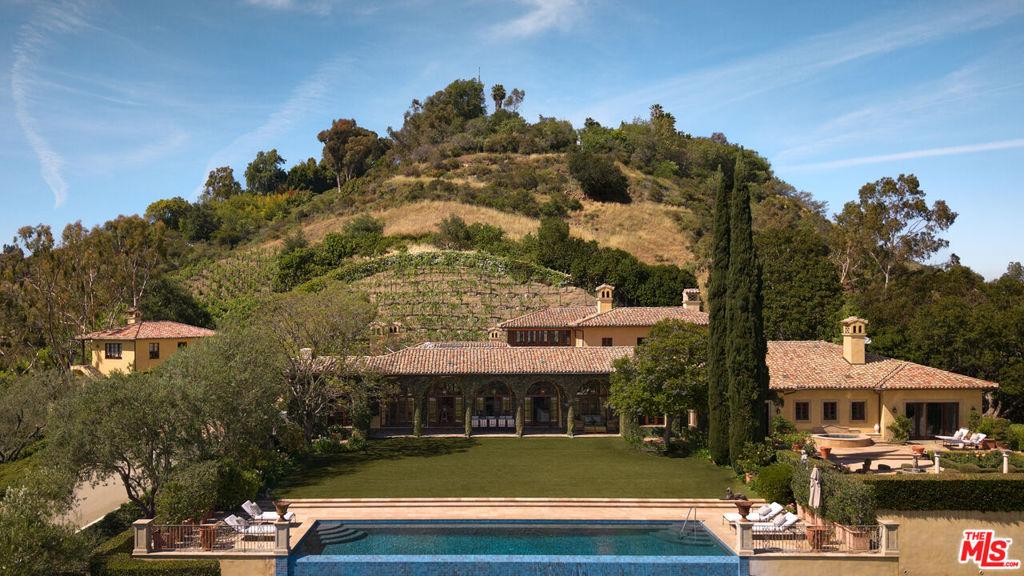
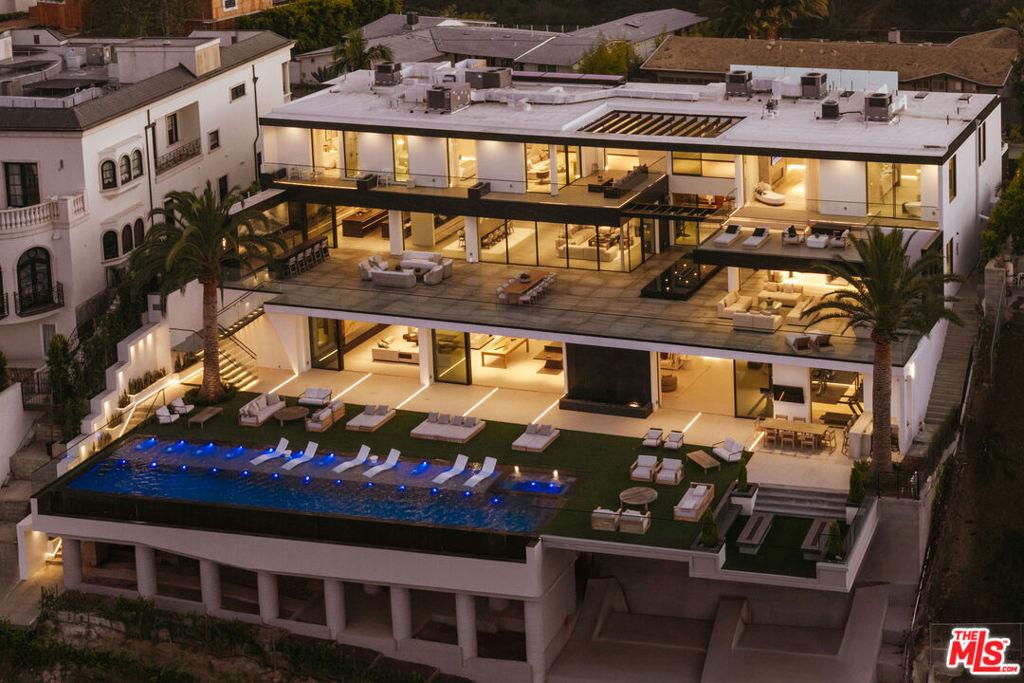
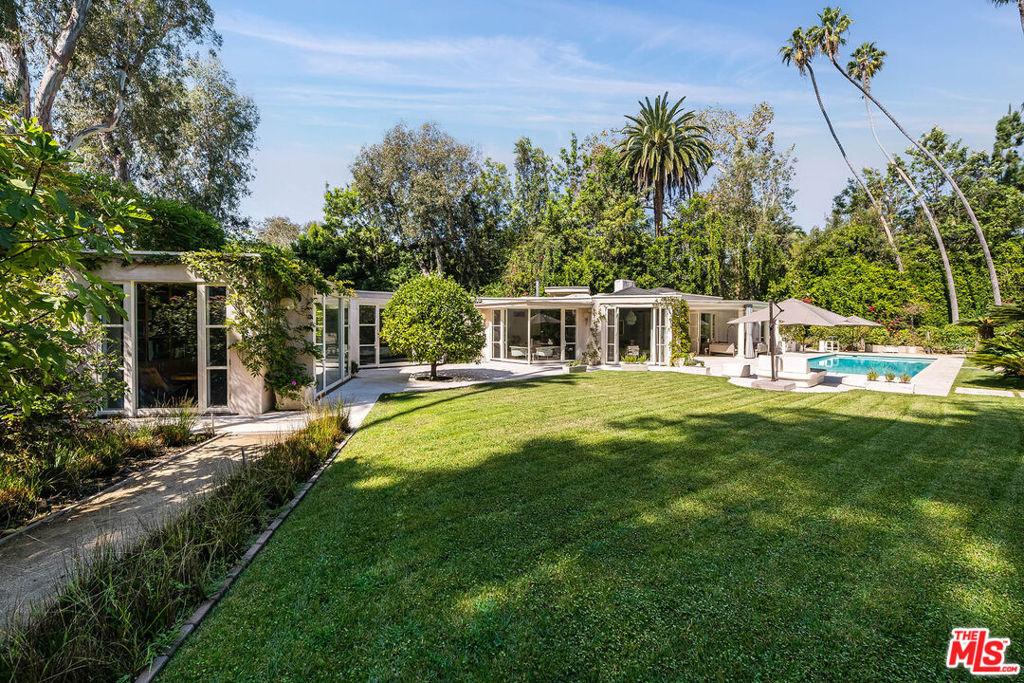
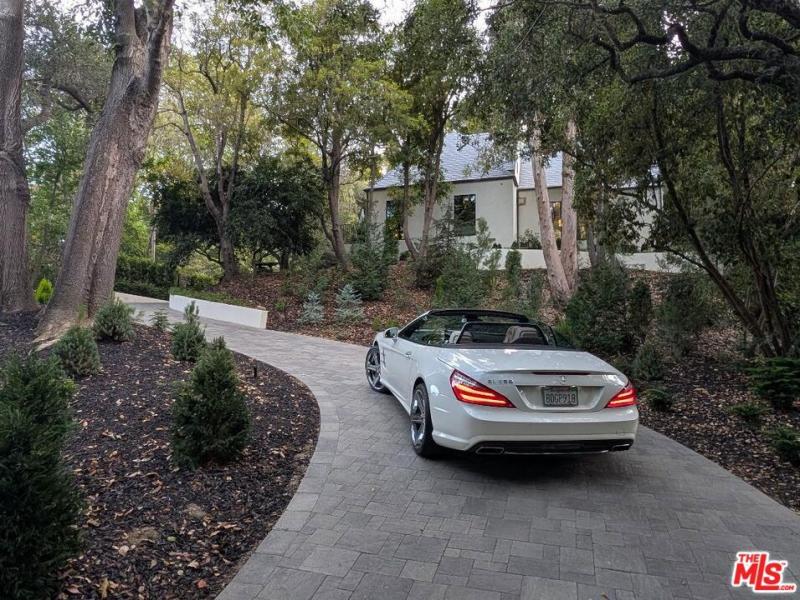
Vineyard Real Estate currently number 5 active listings with a median asking price of $5,950,000 (CRMLS, September 2026).
Vineyard real estate in Los Angeles is a small, specific market, and it exists closer to the city than most buyers expect — within 30 miles of downtown. The Malibu Coast AVA, established in 2014, anchors it, with vineyard properties concentrated in the Saddlerock, Mulholland, and Cornell areas of the Malibu mountains. Topanga Canyon and the upper elevations of the Santa Monica Mountains, including Calabasas and Lost Hills, hold smaller estates. Temecula Valley, roughly an hour out, is where production-scale buyers usually end up.
Most LA-area vineyard estates run 1 to 10 acres under vine, with the bulk in the 2–5 acre range — enough for 400 to 1,200 cases a year. Topanga parcels tend to be 5–20 acres total with 1–5 under vine. What varies most is infrastructure and water: a crush pad, temperature-controlled barrel storage, and a working winery building can represent $500K–$2M in improvements, and irrigation depends entirely on wells or agricultural water rights that need verifying before you buy.
Malibu has emerged as Southern California’s most acclaimed wine-producing area, with the Malibu Coast AVA (American Viticultural Area) established in 2014. Properties in the Malibu mountains — particularly in the Saddlerock, Mulholland, and Cornell areas — benefit from cool marine breezes from the Pacific, well-drained slopes, and warm but not extreme summer temperatures. The result is world-class Syrah, Cabernet Sauvignon, Grenache, and increasingly, Chardonnay and Pinot Noir grown just minutes from the beach. Properties like Saddlerock Ranch (now Malibu Wine Safaris) and the Rosenthal estate have put Malibu on the wine map globally.
Topanga’s micro-climate — cooler than the Valley, warmer than the coast — supports small-scale viticulture on estate properties with south-facing slopes. Vineyard estates here are typically smaller than Malibu’s agricultural holdings, often 5–20 acres total with 1–5 acres under vine, but they offer extraordinary privacy, canyon beauty, and proximity to both PCH and the Valley.
The mountain range that runs from Griffith Park to Malibu is dotted with properties where hobby viticulture has evolved into something more serious. Elevations of 1,000–2,000 feet, combined with the unique topography that channels coastal air inland, create conditions that support several red varietals. Properties in Calabasas’s upper elevations, Lost Hills, and the communities north of Malibu all offer vineyard potential for buyers with the right parcel.
While not Los Angeles proper, Temecula Valley’s wine country is within an hour of downtown LA and features some of California’s most established private estate wineries. Buyers seeking serious production-scale viticulture — 10+ acres under vine, full crush facility infrastructure, established varietals — sometimes find that Temecula delivers the wine estate experience at a meaningful price discount compared to Napa or Sonoma.
Most Los Angeles-area vineyard estates feature between 1 and 10 acres under vine, with the majority clustered in the 2–5 acre range. At 2–5 acres, you can produce 400–1,200 cases of wine annually — enough to supply personal needs, gift generously, and even license production under California’s cottage winery rules. Red varietals dominate: Cabernet Sauvignon, Syrah, and Grenache perform best in the warm Mediterranean climate of coastal LA.
A serious vineyard estate includes more than grapevines. Look for: an equipment barn or crush pad with adequate drainage, barrel storage (temperature-controlled is essential), bottling capability, and in the finest cases, a dedicated winery building with tasting room. These facilities add both utility and significant value — a well-equipped estate winery can cost $500K–$2M+ to establish from scratch.
Viticulture in Southern California requires irrigation — the dry summers that create perfect grape-growing conditions also demand a reliable water supply. Estates with private wells, agricultural water rights, or large-capacity water storage have a meaningful advantage. Verify water rights and historical usage before purchasing any property you intend to farm.
Beyond the winemaking economics, vineyard estates offer a way of living that’s unlike anything else available in the Los Angeles market. The rhythm of the agricultural calendar — pruning in winter, bud break in spring, canopy management in summer, harvest in fall — gives residents an engagement with natural processes that the typical LA lifestyle doesn’t offer. Harvest parties have become a beloved tradition among vineyard estate owners: picking, crushing, and celebrating the vintage with friends in the specific landscape that produced it.
There’s also an aesthetic dimension. Rows of vines in a well-tended vineyard are genuinely beautiful, and they transform with the seasons — dormant and sculptural in winter, dramatically lush in summer, fiery gold and red in fall. Estate owners consistently report that the vineyard landscape is among the most satisfying aspects of the property.
Vineyard properties in the LA area have proven to be resilient stores of value, but the calculus is more complex than a straightforward residential investment. The vineyard infrastructure itself depreciates and requires maintenance. Carrying the agricultural operation costs money annually. On the other hand, the uniqueness of these properties limits their supply permanently — you can’t build a new vineyard estate in Malibu because there’s no new land available — and that scarcity underpins values in the best locations.
California’s cottage winery laws allow limited commercial production from a private estate, which can offset some carrying costs for buyers who want to turn their hobby winery into a small commercial operation. Consult with an agricultural attorney before purchasing if commercialization is part of your plan.
Vineyard estates rarely appear publicly — their owners prize privacy and the properties transact through referrals and specialist networks more often than through MLS. The Knight Group maintains relationships with owners of vineyard estates throughout the Malibu wine country, Santa Monica Mountains, and broader LA area. If a vineyard estate is your goal, our off-market access is essential. Call us at 503-200-4823 to begin a confidential conversation.
Buyers looking at a vineyard in Los Angeles are really choosing between two different purchases. One is a planted, producing estate — mature vines, an established varietal mix, and the equipment to make wine on site. The other is a parcel with the right slope, elevation, and exposure but no vines yet. The first costs more up front and comes with a farming operation you inherit on day one. The second gives you control over varietal selection and layout, but you carry years of establishment before the first meaningful harvest, plus the cost of building crush, storage, and bottling capability from scratch.
Location shapes that decision. Malibu’s AVA parcels and the higher elevations of the Santa Monica Mountains rarely come to market, so buyers there usually take what is planted. Topanga’s smaller acreage suits an owner who wants a modest block rather than a commercial operation. Temecula is where buyers go when production scale, not proximity, is the priority. In every case, confirm the water source and the condition of the existing infrastructure before you commit — those two items drive the real cost more than the vines do.
Yes. California allows private wine production for personal use without a license. Commercial production (selling wine) requires a winery license, but the state offers streamlined cottage winery permits for small-scale estate operations. Requirements and quotas change; consult a California agricultural attorney for current rules.
Vineyard establishment costs in Southern California typically run $25,000–$50,000+ per acre, including vine material, trellis systems, irrigation, and labor through the first non-producing years. Vines take 3–5 years to reach production maturity. Factor this into your acquisition budget when considering a raw vineyard site versus an established one.
In the Malibu Coast AVA: Syrah, Cabernet Sauvignon, Grenache, and Sauvignon Blanc are the most successful. In warmer inland areas: Cabernet Sauvignon and Merlot. In the cooler elevated areas: Pinot Noir and Chardonnay show promise in select micro-climates.
A vineyard estate is part luxury property, part agricultural operation — and understanding both dimensions is essential before purchasing. The agricultural side involves real costs: vineyard management (typically contracted to a specialist viticulture firm at $3,000–$8,000/acre/year), water, pest management, harvest labor, equipment maintenance, and winemaking services if you’re not building your own facility. On 5 acres under vine, expect $20,000–$50,000 per year in farming costs alone, before winemaking.
Against these costs, consider the benefits: the IRS treats agricultural property favorably (active farming losses may be deductible against income; consult your tax advisor), Williamson Act enrollment (for qualifying agricultural land in California) provides significant property tax reductions in exchange for agricultural use commitments, and the vineyard itself generates product that has real value — personal use, gifts, and potentially licensed commercial sales.
Most private vineyard estate owners in the Los Angeles area don’t make their own wine in isolation — they work with contract winemakers who bring expertise, equipment access, and production networks to the relationship. Several boutique winemakers operate specifically in the Malibu Coast AVA and broader Southern California wine region, offering “custom crush” services that allow small-scale estate production without requiring a full on-site winery facility. The arrangement typically involves harvesting your grapes, transporting them to a custom crush facility, and collaborating with the winemaker on fermentation decisions, barrel selection, and final blending before the wine is returned to you for personal use or storage.
A vineyard estate requires specific due diligence that a standard luxury purchase inspection doesn’t cover. Before purchasing, engage a viticulture consultant to assess vine health, rootstock condition, irrigation infrastructure, and soil profile. Examine the well or water source — can it sustain the vineyard through a severe drought year? Review the prior vintages’ production records if available. Inspect all winery equipment (presses, tanks, pumps, barrel storage) for condition and code compliance. And critically, understand the current vineyard management contract — who manages the vines, what are the terms, and how will transition affect next season’s crop? Call The Knight Group at 503-200-4823 — we can connect you with specialist vineyard estate consultants as part of your due diligence team.
A vineyard estate is part luxury property, part agricultural operation — and understanding both dimensions is essential before purchasing. The agricultural side involves real costs: vineyard management (typically contracted to a specialist viticulture firm at $3,000–$8,000/acre/year), water, pest management, harvest labor, equipment maintenance, and winemaking services if you’re not building your own facility. On 5 acres under vine, expect $20,000–$50,000 per year in farming costs alone, before winemaking.
Against these costs, consider the benefits: the IRS treats agricultural property favorably (active farming losses may be deductible against income; consult your tax advisor), Williamson Act enrollment (for qualifying agricultural land in California) provides significant property tax reductions in exchange for agricultural use commitments, and the vineyard itself generates product that has real value — personal use, gifts, and potentially licensed commercial sales.
Most private vineyard estate owners in the Los Angeles area don’t make their own wine in isolation — they work with contract winemakers who bring expertise, equipment access, and production networks to the relationship. Several boutique winemakers operate specifically in the Malibu Coast AVA and broader Southern California wine region, offering “custom crush” services that allow small-scale estate production without requiring a full on-site winery facility. The arrangement typically involves harvesting your grapes, transporting them to a custom crush facility, and collaborating with the winemaker on fermentation decisions, barrel selection, and final blending before the wine is returned to you for personal use or storage.
A vineyard estate requires specific due diligence that a standard luxury purchase inspection doesn’t cover. Before purchasing, engage a viticulture consultant to assess vine health, rootstock condition, irrigation infrastructure, and soil profile. Examine the well or water source — can it sustain the vineyard through a severe drought year? Review the prior vintages’ production records if available. Inspect all winery equipment (presses, tanks, pumps, barrel storage) for condition and code compliance. And critically, understand the current vineyard management contract — who manages the vines, what are the terms, and how will transition affect next season’s crop? Call The Knight Group at 503-200-4823 — we can connect you with specialist vineyard estate consultants as part of your due diligence team.

Browse all Los Angeles real estate — or explore the full Los Angeles luxury real estate market.
In the Los Angeles market, homes marketed with vineyard estate represent properties where this feature is a meaningful, installed amenity — not simply a cosmetic aspiration. These include estate-size parcels (typically 5+ acres) with established wine grape plantings, crush pads and fermentation facilities, barrel storage, tasting room infrastructure, and residential structures.
The presence of a significant amenity like vineyard estate typically signals a level of investment in the property that correlates with broader quality across the home. Buyers who search specifically for this feature tend to be informed, motivated, and clear on what they want — which means the transaction tends to move faster once the right property is identified.
The buyer pool for Los Angeles homes with vineyard estate primarily consists of wine enthusiasts, lifestyle winemakers, buyers seeking agricultural tax status, farm-to-table lifestyle buyers, and investors in boutique estate production. Unlike the broader LA market where buyers are evaluating multiple competing properties, buyers searching for specific amenities often have a single defining requirement that narrows their search significantly — and makes them less price-sensitive once they find the right match.
Los Angeles is uniquely positioned as a market for rare amenity properties. The city’s entertainment industry has normalized extraordinary residential investments, its climate extends the usable year-round value of outdoor amenities, and its buyer pool includes both local high-net-worth individuals and international buyers who have self-selected for the city’s lifestyle proposition. Properties with distinctive amenities here attract broader interest than comparable properties in most US markets.
For buyers seeking homes with vineyard estate in Los Angeles, the most compelling opportunities rarely appear on the open market. Properties with significant amenity installations are often sold through private networks — estate attorneys, trusted listing agents, and relationship-based introductions — long before they hit Zillow, Redfin, or even the MLS. This off-market dynamic is especially pronounced for amenity-rich properties where sellers value privacy and targeted buyer selection over maximum marketing exposure.
The Knight Group operates extensively in the off-market segment for luxury and specialty-amenity properties. Our team maintains direct relationships with sellers, estate representatives, and other agents who manage high-value listings discretely. Buyers who work exclusively through public listing platforms miss a meaningful portion of the available inventory for properties with vineyard estate in the Los Angeles market.
Properties with significant amenities require a more detailed due diligence process than standard residential purchases. In addition to standard home inspection, buyers of Vineyard homes should evaluate: the permit status and sign-off documentation for any installed amenity infrastructure, the ongoing maintenance requirements and associated annual costs, insurance implications specific to the amenity type, and HOA or CC&R restrictions (if applicable) that govern use or future expansion of the facility.
The Knight Group coordinates specialized due diligence for specialty amenity properties and can connect buyers with inspection professionals who have direct experience evaluating the specific amenity type. This coordination is part of our standard buyer representation service for properties in this category.
Properties featuring Vineyard represent a specialized segment of the luxury market where buyer pools are smaller but motivation levels are significantly higher. Buyers who specifically search for Vineyard have typically already gone through a broader home search and narrowed their criteria to properties that include this specific feature — which means they arrive at the table with sharper intent and fewer competing priorities pulling them in different directions.
For sellers, the presence of Vineyard creates both an opportunity and a challenge. The opportunity is that the right buyer will pay a meaningful premium for a property that eliminates the need to retrofit or build out this feature post-purchase. The challenge is that overpricing on the basis of the feature — without accounting for the property’s overall condition, location, and comparables — can result in extended days on market that ultimately harm the final sale price.
The Knight Group takes a data-led approach to positioning Vineyard properties. That means reviewing recent sales of comparable properties with and without the feature, quantifying the actual premium the market has demonstrated (as opposed to the premium a seller assumes), and crafting marketing that speaks to the specific buyer who considers Vineyard a primary requirement rather than a nice-to-have.
If you’re looking to buy a property with Vineyard or sell one that includes it, contact The Knight Group to discuss current market conditions, realistic pricing, and the off-market channels that often surface these properties before they reach public listings.
Properties with vineyard estate are distributed across the Los Angeles market, but concentrate in neighborhoods where lot size, zoning, and buyer demographics align: Bel Air, the Hollywood Hills, Pacific Palisades, Malibu, Calabasas, Hidden Hills, and Agoura Hills. Each of these areas has specific zoning, HOA, and CC&R considerations that may affect how the amenity is used or expanded.
Significant amenity installations in Los Angeles require permits, and the permit history of an installed amenity is an important due diligence item. The Knight Group recommends verifying that all structures and installations have been properly permitted and signed off before committing to a purchase. Unpermitted work can affect financing, insurance, and future resale.
Properties in gated communities and planned developments may have HOA rules that govern the use or construction of certain amenity types. Before purchasing a property with vineyard estate in a managed community, The Knight Group recommends a full review of HOA documents, CC&Rs, and any architectural restrictions that might affect the amenity’s current use or future expansion.
Specialized amenities come with specialized insurance and operating cost considerations. The Knight Group can connect buyers with insurance brokers and property managers experienced with these property types to establish realistic ongoing cost estimates before purchase.
While Vineyard properties appear across Los Angeles County, they concentrate in specific geographic corridors where lot size, zoning, and buyer demographics align. Understanding which neighborhoods have the highest density of vineyard estate properties helps buyers focus their search efficiently and gives sellers context for positioning their property competitively within its geographic subset.
The Knight Group maps the inventory of specialty amenity properties by neighborhood on an ongoing basis. If you have a specific geographic preference within the Los Angeles market alongside your requirement for vineyard estate, we can provide a targeted inventory analysis and estimated time-to-find based on current market conditions.
The practical access requirements for properties with vineyard estate vary significantly by property type and location. Lot access, utility availability, fire-zone considerations (particularly relevant for estate properties in the Santa Monica Mountains and Malibu areas), and driveway and motor court configuration all affect the long-term usability of specialty amenity properties. The Knight Group evaluates these infrastructure factors as part of the buyer advisory process for properties in this category.
The greater LA area — including the Santa Clarita Valley, Malibu, and the Simi Valley-adjacent areas — supports a small but active estate winery community. These properties combine lifestyle value with potential agricultural income and are sought by buyers who want production capacity, not just aesthetic vineyard views. Understanding the supply dynamics for properties with this specific amenity is essential for buyers establishing price expectations and for sellers calibrating their pricing strategy.
Los Angeles homes with vineyard estate typically trade in the range of $2.5M to $12M+ — vineyard estate properties in the greater LA area represent a specialized and small inventory segment. Price is determined not only by the amenity itself but by the overall property context — lot size, neighborhood, total square footage, renovation quality, and view. The amenity alone does not determine value, but it does affect the depth and motivation of the buyer pool.
A significant portion of properties with rare luxury amenities in Los Angeles trade off-market. Sellers of these properties are often privacy-conscious, and buyers are often willing to move quickly when the right opportunity surfaces. The Knight Group maintains a network of relationships in this off-market segment and can provide access to properties that never appear on Zillow or Redfin.
Properties with distinctive, well-installed amenity packages have historically demonstrated resilience in the LA luxury market. The amenity serves as a differentiator that sustains buyer interest even in slower market periods. For investors, rental income potential is meaningful — furnished, amenity-rich properties in the LA market command premium short-term and executive rental rates.
The Knight Group has direct experience representing buyers and sellers of specialty amenity properties in Los Angeles. If you are searching for a property with vineyard estate, contact us to begin a targeted search — including properties not publicly listed — or to discuss your selling strategy if you own a property with this amenity.
The market for specialty amenity properties in Los Angeles does not follow the same seasonality patterns as the broader residential market. While standard homes tend to see peak inventory in spring and early summer, properties with vineyard estate often trade on individual owner timelines rather than seasonal patterns. This means buyers who are actively engaged with The Knight Group year-round — not just during peak season — have access to the broadest inventory over any given 12-month window.
From a seller’s perspective, the most motivated buyers for Vineyard properties are typically not seasonal — they are buyers who have a specific, defined requirement that transcends market timing preferences. When the right buyer and the right property connect, transactions can move quickly regardless of season.
Many buyers of properties with vineyard estate are evaluating whether to purchase an existing installation or buy a property with strong bones and add the amenity. Both strategies have merit depending on the specific amenity type, the buyer’s timeline, and the cost differential between a completed installation and the land/structure. The Knight Group has experience advising buyers on this build-versus-buy calculation for specialty amenity properties and can connect buyers with contractors and designers who specialize in the relevant amenity type.
Properties with well-documented, properly permitted, and professionally maintained specialty amenities have historically outperformed comparable non-amenity properties on both price appreciation and days-on-market in the Los Angeles luxury market. The amenity serves as a genuine differentiator in a market where buyers are increasingly sophisticated and are looking for properties that offer something that cannot easily be replicated elsewhere.
The Knight Group tracks the resale performance of specialty amenity properties over multiple market cycles. Contact us to discuss the specific appreciation profile for vineyard estate properties in the neighborhoods most relevant to your search.
Inventory for vineyard estate properties is constrained by definition — these are properties with a specific, significant installed amenity that limits the available pool. The Knight Group tracks both publicly listed and off-market opportunities for buyers with this requirement. Contact us to discuss current availability.
Pricing for properties with vineyard estate typically ranges from $2.5M to $12M+ — vineyard estate properties in the greater LA area represent a specialized and small inventory segment. The amenity itself affects price only in the context of the full property — location, condition, overall size, and the quality of the installation all contribute to value. The Knight Group can provide a current market analysis for the specific type of property you are considering.
Distinctive amenities can both accelerate and complicate resale. They accelerate it by attracting a specific, motivated buyer who has been actively searching. They can complicate it if the amenity is poorly maintained, unpermitted, or so specialized that the buyer pool becomes very narrow. Proper installation, permitting, and maintenance are the key variables that determine whether an amenity enhances or complicates resale.
Many of the best vineyard estate properties in LA are not publicly listed. The Knight Group maintains relationships with owners, listing agents, and estate attorneys that provide access to unlisted properties. Contact us directly to discuss your search — we can often surface opportunities before they come to market.
The Knight Group recommends requesting a full permit history from the county or city building department for any significant amenity installation. Properly permitted work will have final sign-off documentation, and the permit record should be verifiable through public records. The Knight Group coordinates permit verification as part of the standard buyer due diligence process for specialty amenity properties. Unpermitted installations carry risk for financing, insurance, and resale — it is always worth verifying before committing to a purchase.
Yes — a significant portion of the most compelling Vineyard properties in Los Angeles are sold before or without ever being publicly listed. The Knight Group maintains relationships in the off-market network for specialty amenity properties and can provide buyers with access to properties not available through standard listing platforms. This off-market access is one of the most meaningful advantages of working with a specialist agency rather than searching independently through public portals.
Selling a property with vineyard estate requires a targeted marketing approach. The buyer pool is specific, and marketing through general-audience channels often misses the most motivated buyers. The Knight Group’s approach for specialty amenity sellers focuses on off-market introductions to qualified buyers, precision digital marketing to targeted buyer demographics, and discreet representation that protects seller privacy while maximizing exposure to the right audience. Contact us to discuss our marketing approach for your specific property.
Explore more Lavish Ammenities neighborhoods:
Lucky for you we’re looking out.
Subscribe to this Custom Search to be alerted when new properties hit the market in the area.
Choose the frequency that works for you.