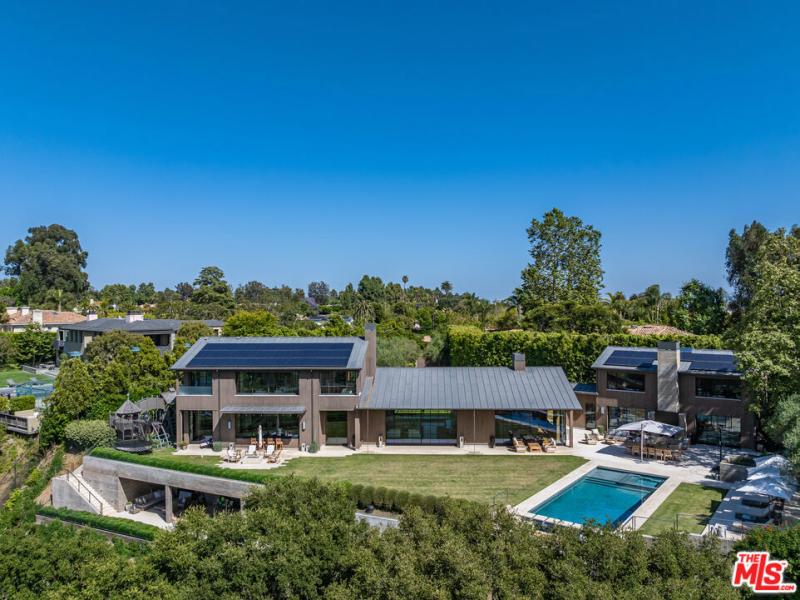
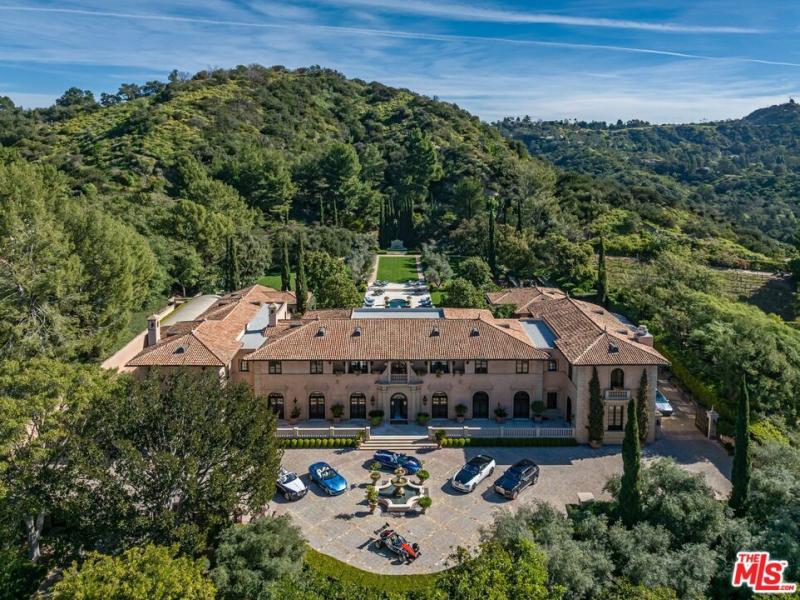
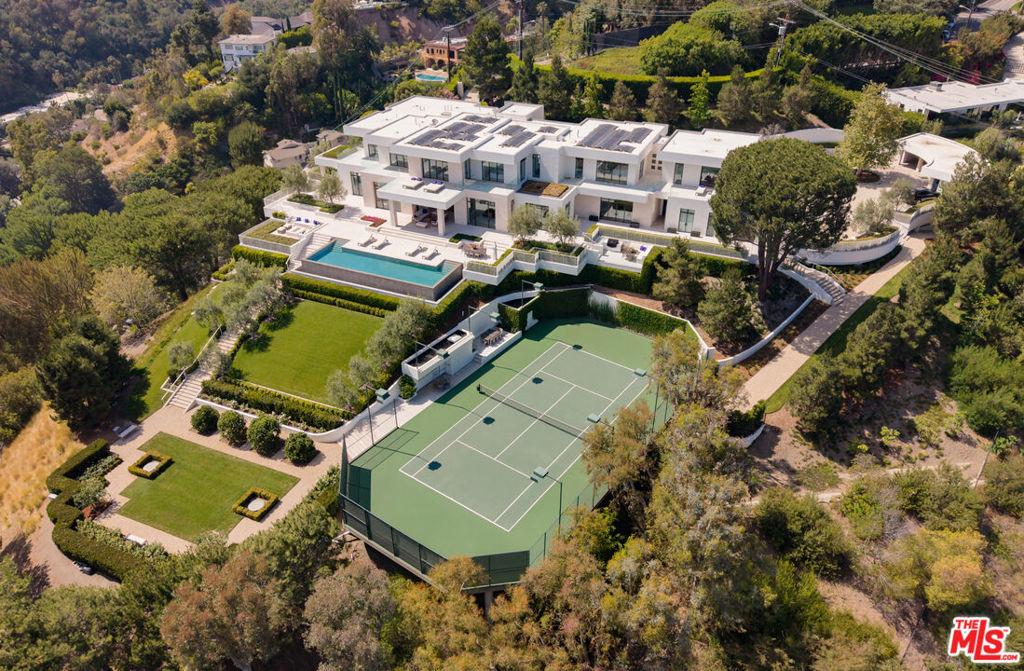
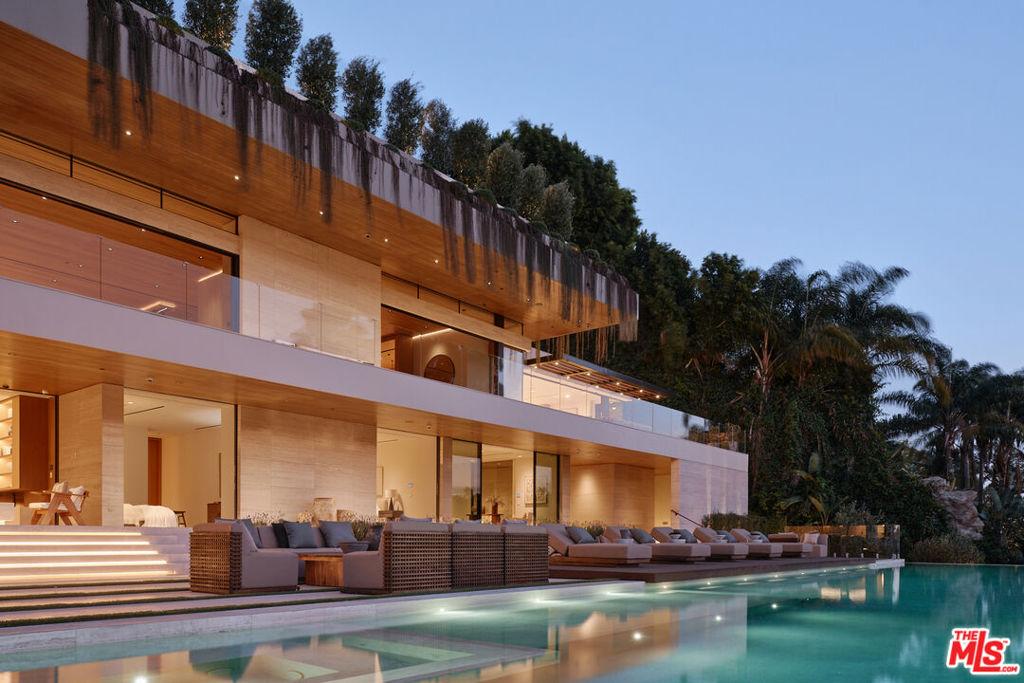
Homes for Sale in Westside Los Angeles
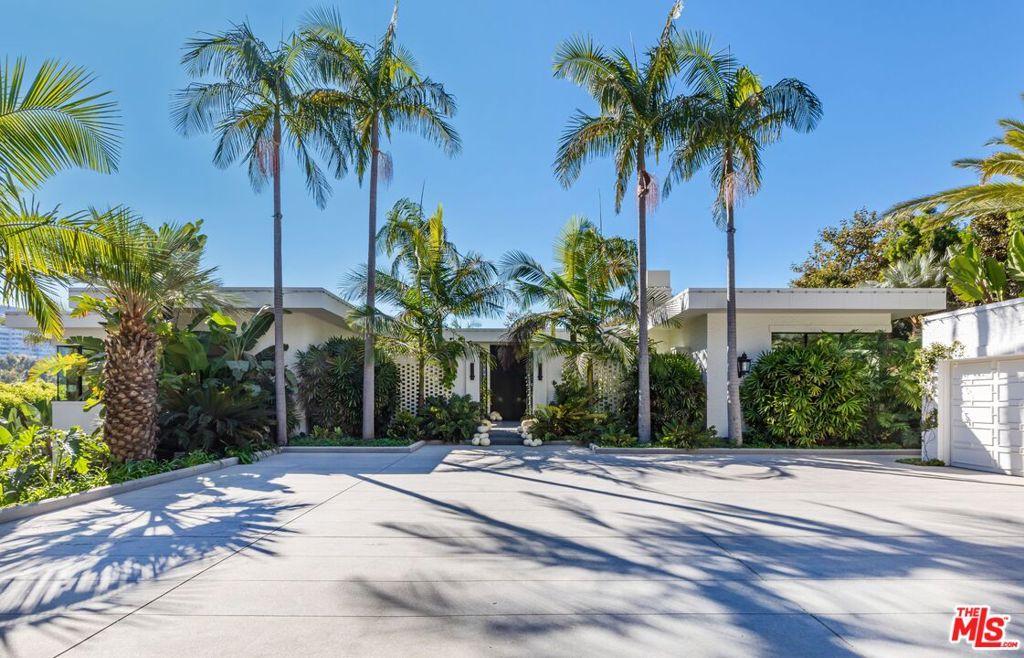
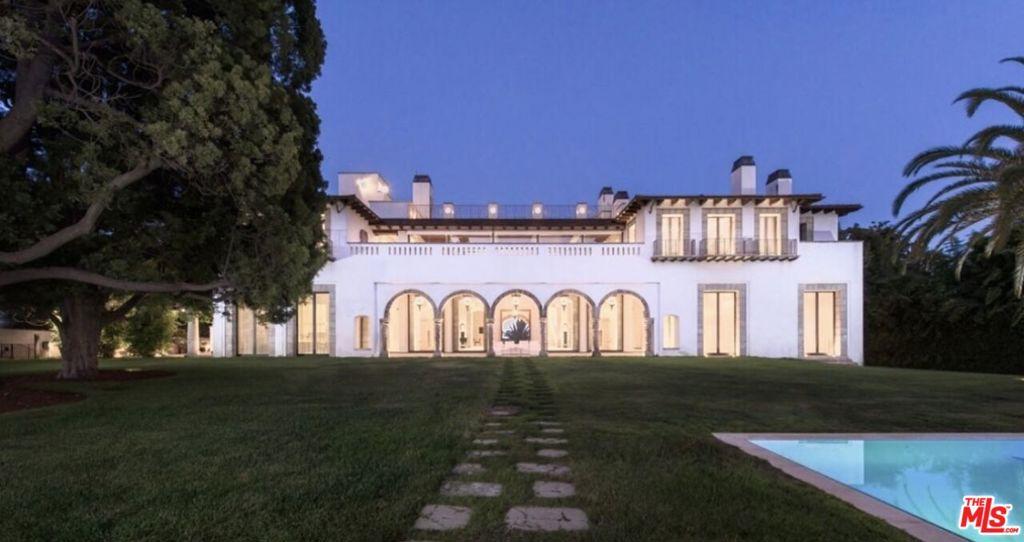
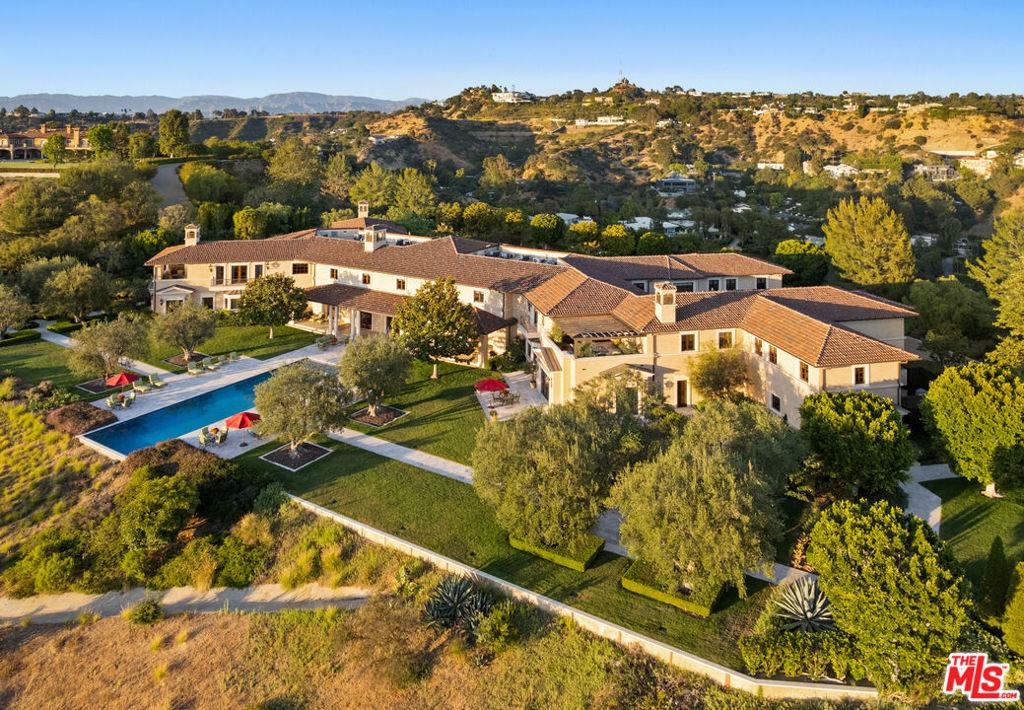
Homes for Sale Westside Los Angeles currently number 238 active listings with a median asking price of $19,973,500 (CRMLS, September 2026).
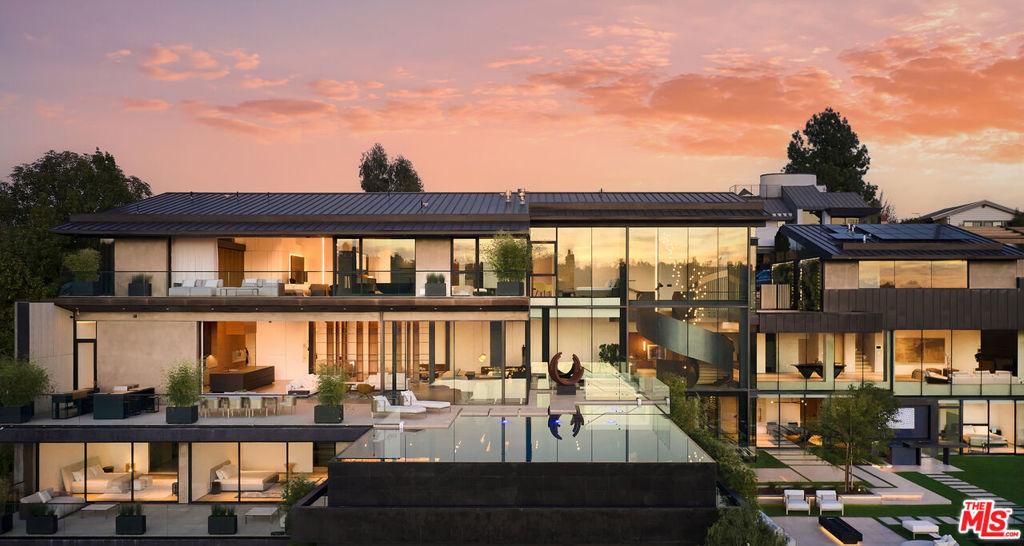
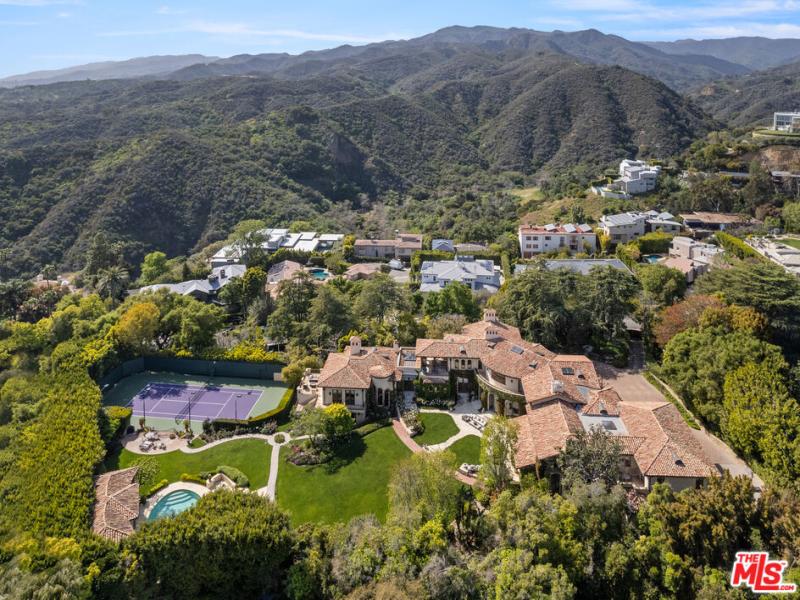
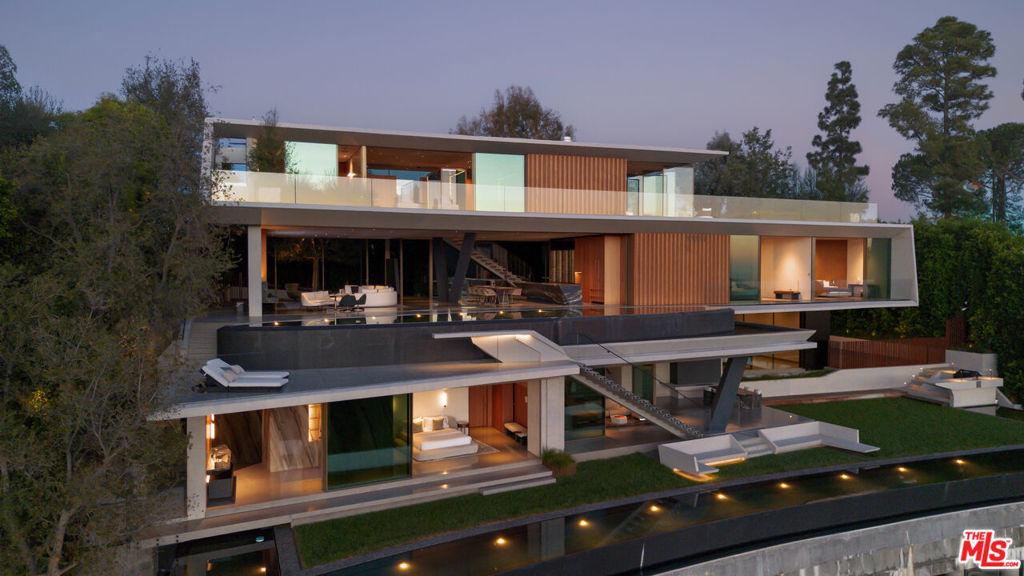
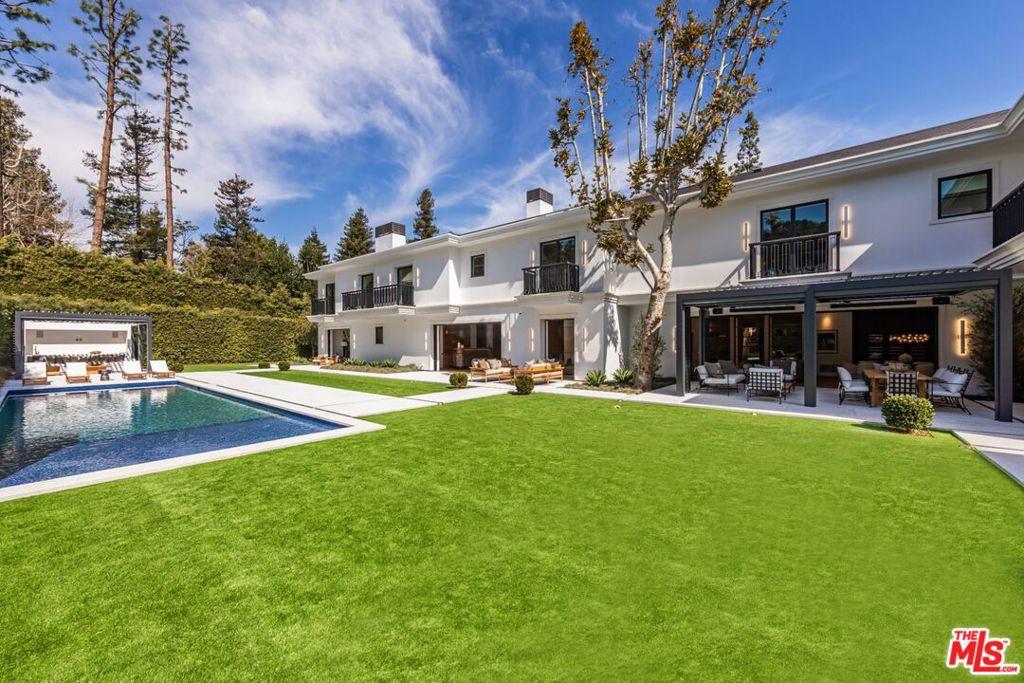
Most buyers searching homes for sale Westside Los Angeles are chasing four things at once: the coastal climate, the tech and media employment base, the school districts, and values that have held up across multiple market cycles. All four are true of the Westside. None of them are true uniformly across it. The Westside isn’t a neighborhood — it’s a geography covering everything from Century City glass towers to Mar Vista bungalows, and searching it without narrowing to two or three sub-areas means months of touring properties that share nothing but a direction from downtown.
The product range is genuinely extreme. Century City is almost entirely condo, $700K to $5M+. Mar Vista is flat-lot bungalow suburbia, Craftsman and Spanish Revival, $1.5M–$3.5M. Culver City runs $1.2M–$3M for single-family with condos starting below $700K. Cheviot Hills sits at $2M–$6M with Palms MS and Hamilton HS access. Prices climb as you move toward the Pacific.
A buyer who starts looking “on the Westside” without narrowing to two or three sub-areas based on commute needs, school priorities, lifestyle requirements, and price point will spend months touring properties that have nothing in common except their general direction from downtown. The first job of a Westside search is self-selection — figuring out which Westside you’re actually looking for.
The Market Right Now
The Westside has been the most consistently resilient section of the Los Angeles market across multiple cycles. The combination of coastal climate, technology employment concentration, school district quality, and structural supply constraints (very little buildable land remains for new SFR product) creates a demand floor that other LA sub-markets — the Valley, the SGV, the further reaches of the Eastside — cannot match.
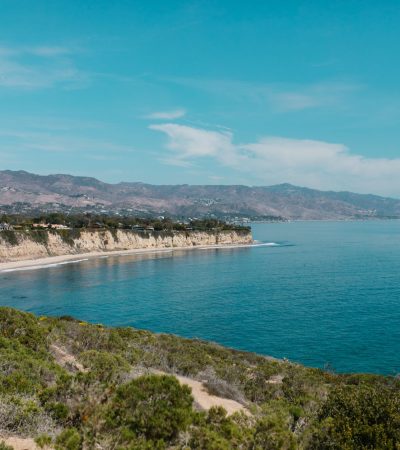
Within the Westside, the value gradient runs roughly east to west and north to south: the coastal premium is real and well-documented, and it gets more expensive as you approach the Pacific. The inland Westside (Culver City, West LA, Mar Vista) offers the strongest appreciation trajectory relative to current price point for buyers who are optimizing for value. The coastal Westside (Santa Monica, Pacific Palisades, Venice) offers the most premium experience but with the least upside relative to current entry prices.
TKG’s current read: Culver City and Mar Vista represent the Westside’s best risk-adjusted value for buyers in the $1.5M–$3M range. The inland Westside’s proximity to the technology employment corridor — Amazon Studios and Apple TV+ are based in Culver City, Sony Pictures is in Culver City — has driven meaningful appreciation over the past decade and is structurally likely to continue.
The Pockets That Matter (and What They’ll Cost You)
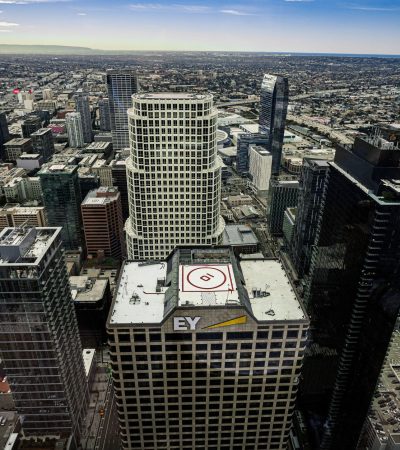
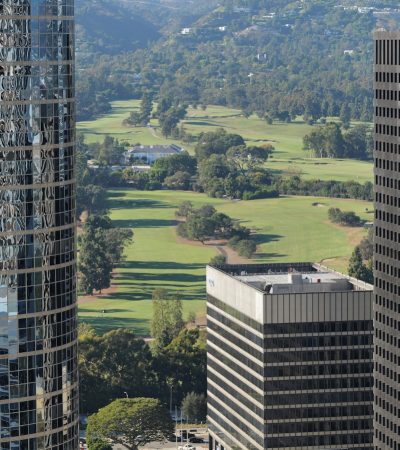
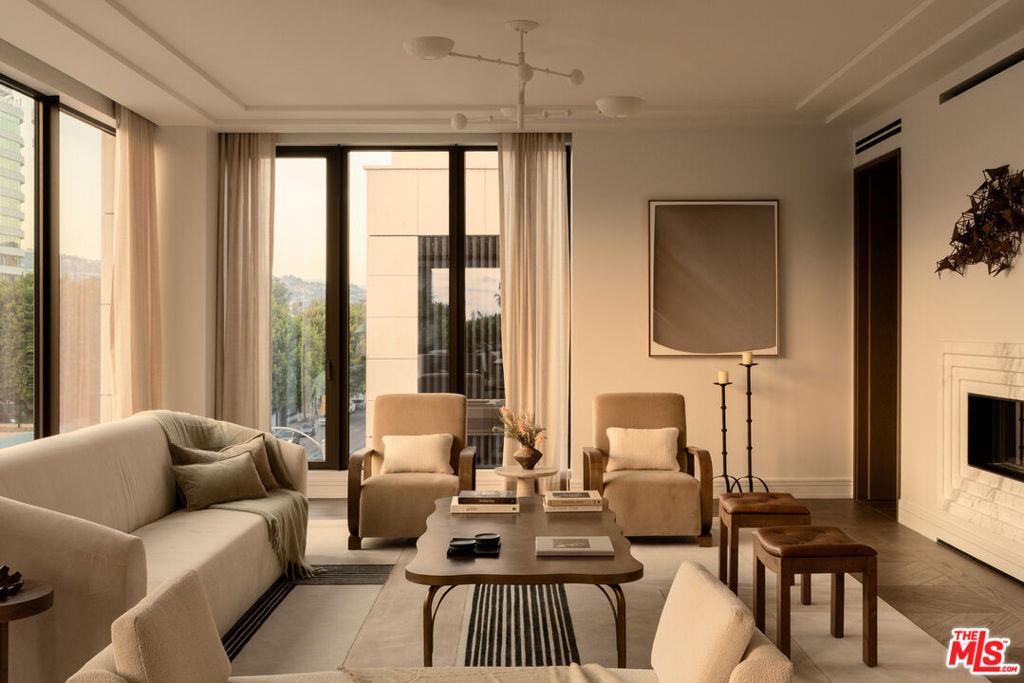
Century City — The Westside’s high-rise luxury market, built on the former 20th Century Fox backlot and concentrated in a small geography adjacent to Beverly Hills. Century City’s residential product is almost entirely condo — towers along Wilshire and Century Park East, ranging from 1970s buildings in various states of renovation to contemporary ultra-luxury towers with full-service amenities. Walking distance to Westfield Century City, close to Beverly Hills, strong CAA/UTA/WME walking-to-agency access. Price range: $700K–$5M+ for condo product, with outliers in the penthouse tier above that.
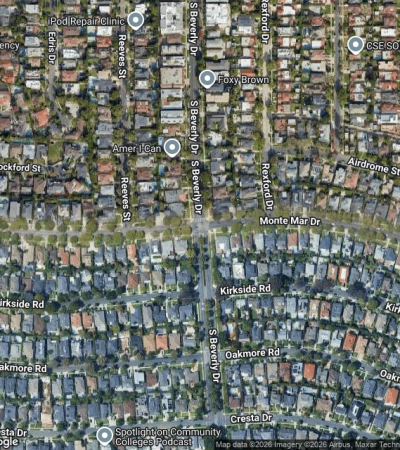
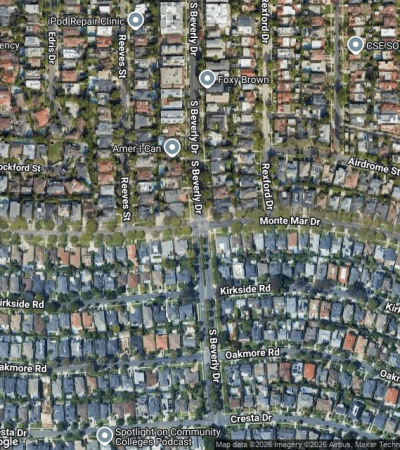
Cheviot Hills — South of Pico, east of Motor Avenue, and entirely unknown to buyers who haven’t done serious Westside research — which is its great advantage. Cheviot Hills is old-money residential on a human scale, with streets that have maintained their character for 60+ years and a residential density that feels genuinely suburban within the city. Strong public school access (Palms MS, Hamilton HS). Price range: $2M–$6M, with underpriced properties available for buyers who find the neighborhood before the algorithm does. One of the Westside’s better-value arguments.
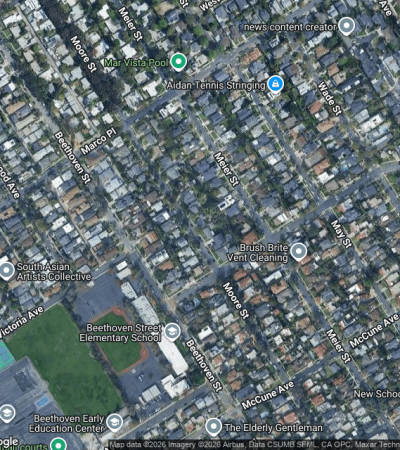
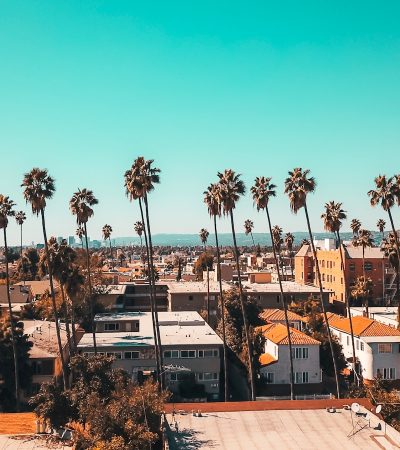
Mar Vista — The Westside’s value entry point and, increasingly, its appreciation story. Mar Vista’s bungalow stock — Craftsman, Spanish Revival, and mid-century vernacular — has appreciated consistently as Westside prices pushed buyers east from Santa Monica and Venice. The community has developed a genuine social identity around the Mar Vista Farmers Market, the local restaurant scene along Venice Boulevard, and a neighborhood character that feels more organic than managed. Price range: $1.5M–$3.5M, with the strongest appreciation track record of any Westside sub-market in the $1.5M–$2.5M range over the past decade.
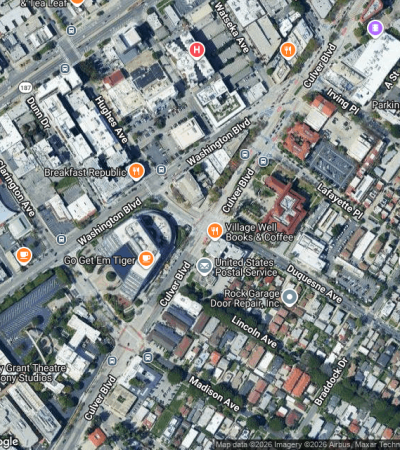
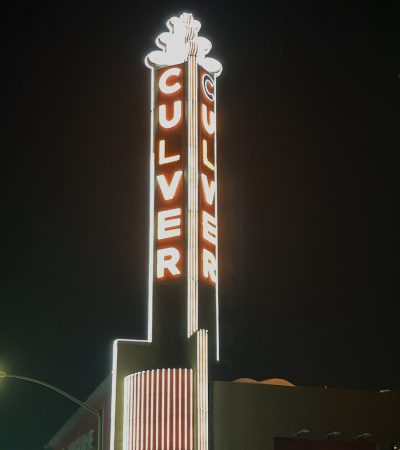
Culver City — The Westside’s most urban and walkable sub-market, with a commercial core (Downtown Culver City around Helms Bakery and Washington Boulevard) that has become one of the most active restaurant and bar districts in Los Angeles. Technology and creative industry employment base (Amazon Studios, Apple TV+, Sony Pictures, HBO Max) sustains a young professional buyer demographic that is actively reshaping the neighborhood’s residential market. Strong condo product alongside SFR stock. Price range: $1.2M–$3M for SFRs, with condo product starting below $700K.
Westwood — UCLA-adjacent, with a commercial strip along Westwood Village (increasingly vibrant after a long mid-period decline) and the Wilshire Corridor condo buildings between the village and Beverly Hills. The Wilshire Corridor represents the Westside’s most active high-rise condo market outside Century City. Price range: $700K–$3M across a wide product spectrum, from studio condos in older Wilshire Corridor buildings to fully renovated SFRs in the residential streets south of the village.
Beverlywood — One of the Westside’s most underexplored residential neighborhoods, with a strong Orthodox Jewish community identity that creates a specific and self-reinforcing social infrastructure (walkable to multiple synagogues, Jewish day schools, kosher restaurants). Family-oriented, residential in character, and relatively unknown to buyers from outside the community. Price range: $1.5M–$4M.
West LA / Sawtelle — The transitional corridor along Sawtelle Boulevard (Little Osaka, with the city’s best Japanese restaurant concentration) and the residential streets around it. Improving commercial infrastructure, good value relative to Santa Monica and Venice, strong renter-to-buyer pipeline from the large young-professional population. Price range: $1M–$2.5M for smaller SFRs, with condo product below that.
Who Buys Here and Why It Adds Up
The technology and media industry is the dominant demand driver across the Westside, and has been for a decade. The Silicon Beach employment corridor — which runs roughly from El Segundo through Venice, Playa Vista, and Culver City to Santa Monica — has produced a sustained and growing buyer cohort of employees, executives, and founders who want to live near where they work. This cohort has driven appreciation in Culver City, Mar Vista, Playa Vista, and Venice more than any other factor.
Families who want the Westside school district access — and specifically the Santa Monica-Malibu Unified and LA Unified Westside District schools — without Santa Monica pricing will increasingly find their answer in Mar Vista, West LA, and Culver City. The trade-off is modest: these sub-markets are slightly further from the beach, slightly more urban in character, and meaningfully more accessible in price.
Buyers who have determined that the Westside offers Los Angeles’ most durable long-term values — the combination of supply constraints, employment anchor, and coastal climate that has sustained appreciation through multiple downturns — and are willing to trade dramatic views or a prestigious address for consistent performance tend to find their answer in the inland Westside.
What to Know Before You Start Looking
The Westside’s breadth means that “looking on the Westside” without a defined sub-area is almost always a mistake. Start by mapping your genuine non-negotiables — commute destination, school requirement, lifestyle preference (walkable urban vs. residential suburban), and price range — and let those parameters narrow you to two or three sub-areas before scheduling a single showing. The buyers who spend months on unfocused Westside searches have almost always skipped this step.
The Westside is the most politically active housing policy geography in Los Angeles. Culver City, Mar Vista, and West LA are all active development and upzoning battlegrounds. The R1 zoning that defines much of the residential Westside is under sustained legislative pressure at both the state and city level, and the single-family residential character of specific sub-areas may change over the next decade in ways that current buyers should model. Buyers with strong preferences for neighborhood character stability should research current zoning proposals in their target sub-area before purchasing.
For buyers focused specifically on the coastal end of the Westside, see also Santa Monica and the Westside hub for detailed sub-market coverage. For buyers cross-shopping with the Valley at the same budget, see San Fernando Valley for the context on what that trade looks like.
What are homes for sale Westside Los Angeles actually like?
- Buyers searching homes for sale Westside Los Angeles typically chase coastal climate, tech and media employment, school districts, and values that hold across market cycles.
- Westside Los Angeles is a geography rather than a single neighborhood, stretching from Century City glass towers to Mar Vista bungalows.
- Product range across homes for sale Westside Los Angeles is genuinely extreme, spanning high-rise condo towers to flat-lot bungalow suburbia.
- Century City is almost entirely condo product within the Westside housing mix.
- Mar Vista offers flat-lot bungalow suburbia built around Craftsman and Spanish Revival housing stock.
- Culver City carries single-family stock alongside condo product at a lower entry point.
- Cheviot Hills pairs its housing stock with access to Palms Middle School and Hamilton High School.
- Prices across homes for sale Westside Los Angeles climb as buyers move toward the Pacific.
- Self-selection is the first job of a Westside search, narrowing to a few sub-areas by commute, schools, lifestyle, and price.
What is the market for homes for sale Westside Los Angeles like right now?
- Westside Los Angeles has been the most consistently resilient section of the Los Angeles market across multiple cycles.
- Structural supply constraints leave very little buildable land for new single-family product, creating a demand floor other Los Angeles sub-markets cannot match.
- Value gradient across homes for sale Westside Los Angeles runs roughly east to west and north to south, with a real and documented coastal premium.
- Inland areas including Culver City, West LA, and Mar Vista offer the strongest appreciation trajectory relative to current price point.
- Coastal areas including Santa Monica, Pacific Palisades, and Venice offer the most premium experience with the least upside relative to entry prices.
- Century City sits on the former Fox backlot beside Beverly Hills, with condo towers along Wilshire and Century Park East and Westfield Century City within walking distance.
- Cheviot Hills sits south of Pico and east of Motor Avenue as old-money residential on a human scale, with suburban density inside the city.
- Mar Vista has built a social identity around its farmers market, the Venice Boulevard restaurant scene, and neighborhood character that feels organic rather than managed.
- Culver City is the most urban and walkable sub-market among homes for sale Westside Los Angeles, anchored by Downtown Culver City near Helms Bakery and Washington Boulevard.
Who buys homes for sale Westside Los Angeles and why?
- Technology and media industry demand has been the dominant driver behind homes for sale Westside Los Angeles for a decade.
- Silicon Beach employment corridor runs roughly from El Segundo through Venice, Playa Vista, and Culver City to Santa Monica.
- Employees, executives, and founders who want to live near where they work form a sustained and growing buyer cohort here.
- Families seeking Santa Monica-Malibu Unified and LA Unified Westside District school access without Santa Monica pricing increasingly land in Mar Vista, West LA, and Culver City.
- Trade-off for those inland sub-markets is modest: slightly further from the beach, slightly more urban, and meaningfully more accessible in price.
- Buyers willing to trade dramatic views or a prestigious address for consistent performance tend to find their answer inland.
- Mapping non-negotiables first, including commute destination, school requirement, lifestyle preference, and price range, prevents months of unfocused searching.
- Homes for sale Westside Los Angeles sit in the most politically active housing policy geography in Los Angeles, with Culver City, Mar Vista, and West LA as upzoning battlegrounds.
- Buyers of homes for sale Westside Los Angeles who want neighborhood character stability should research current zoning proposals in their target sub-area before purchasing.