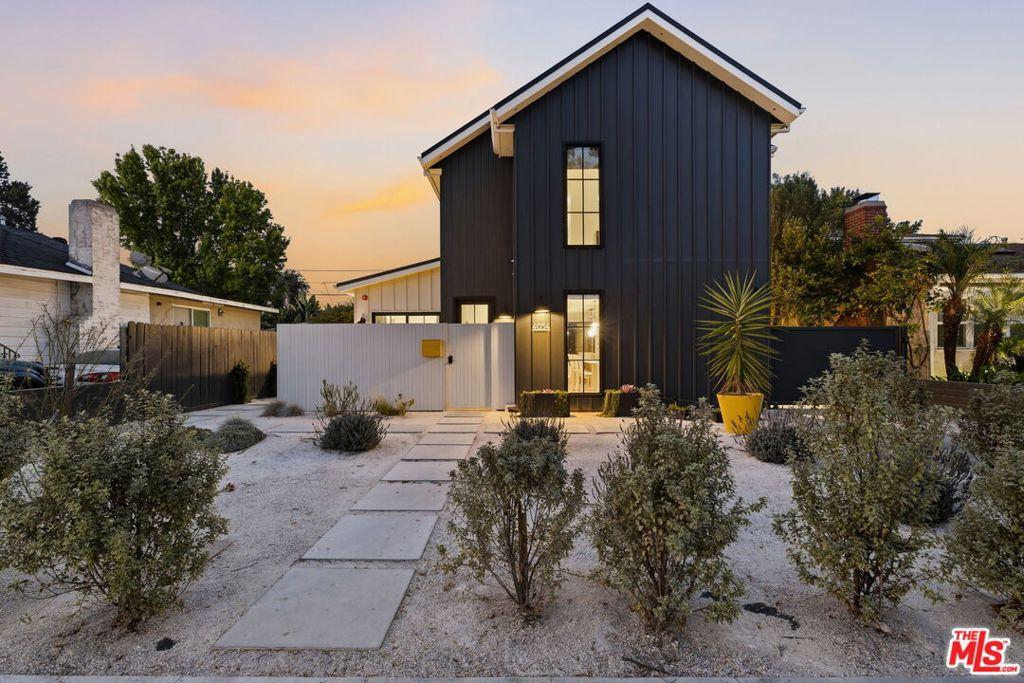
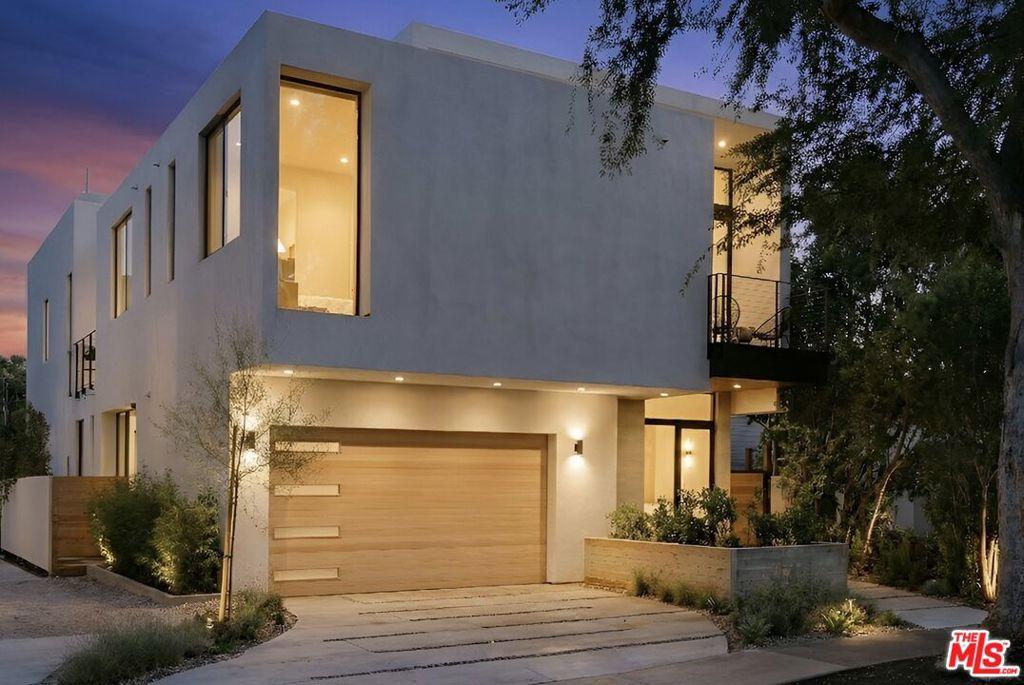
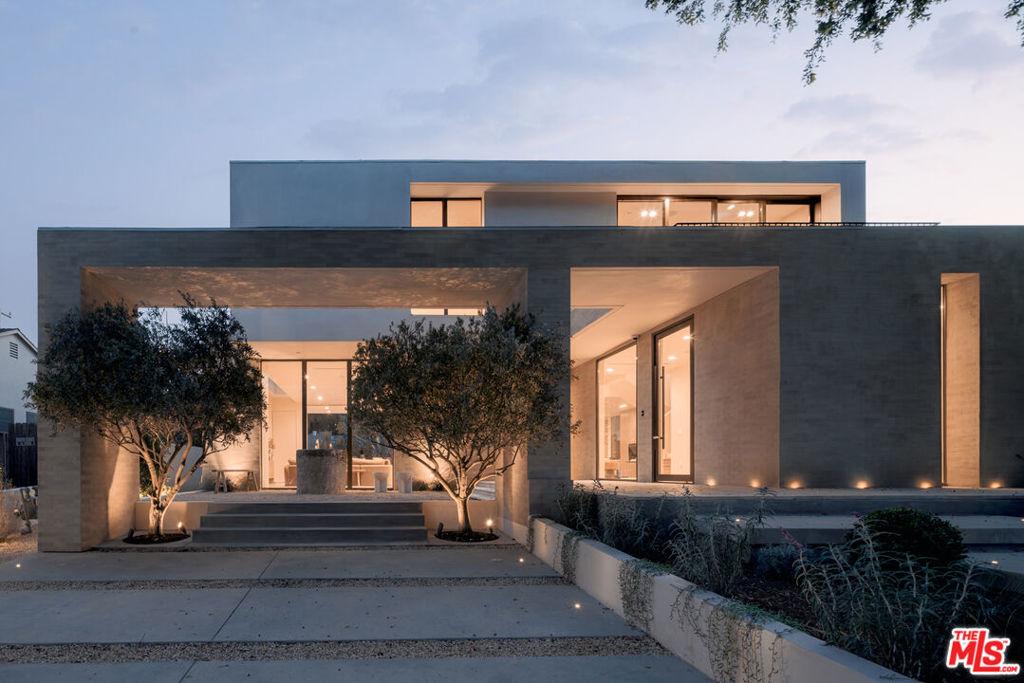
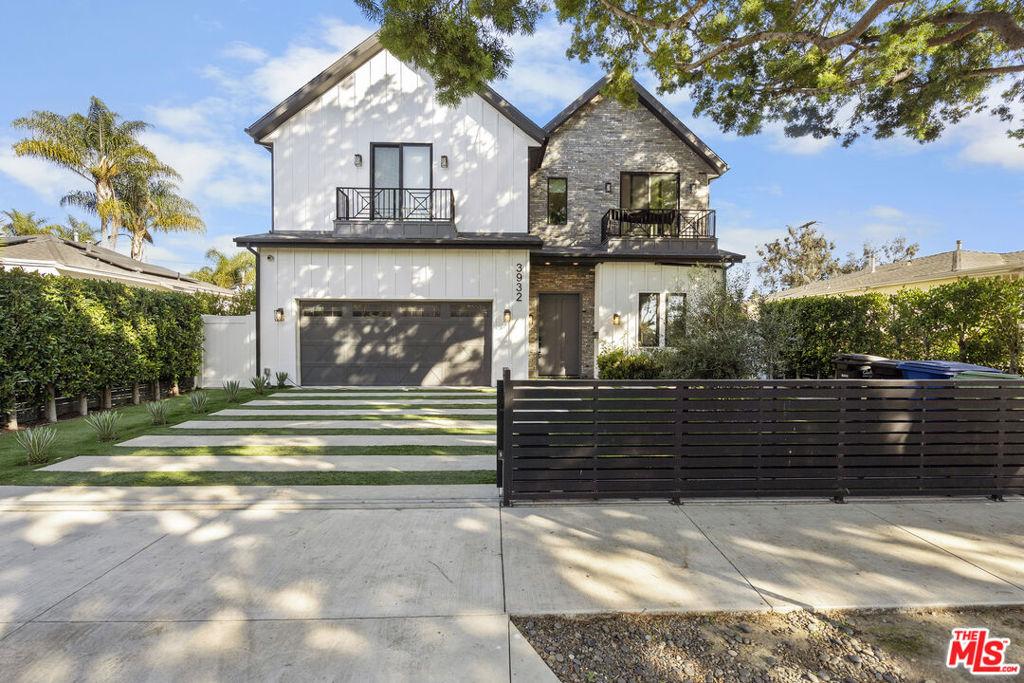
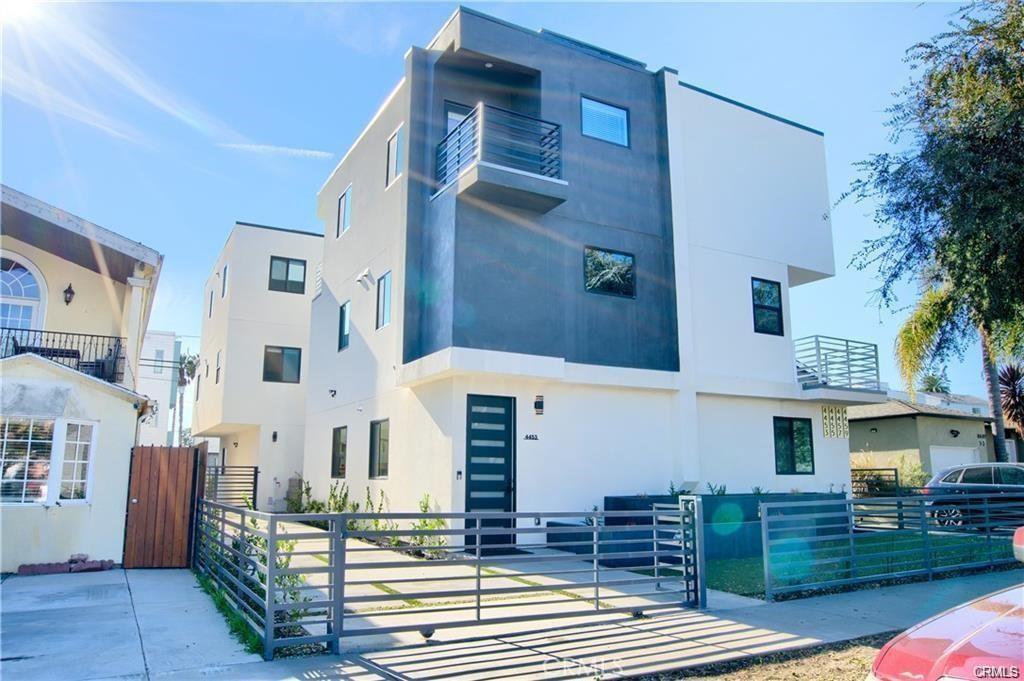
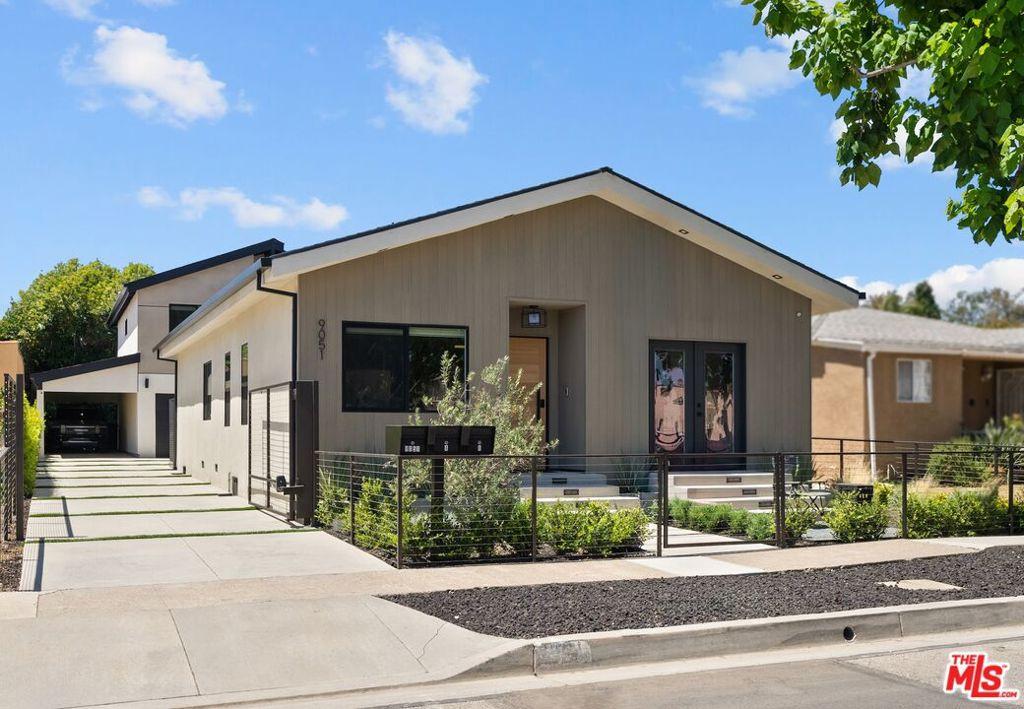
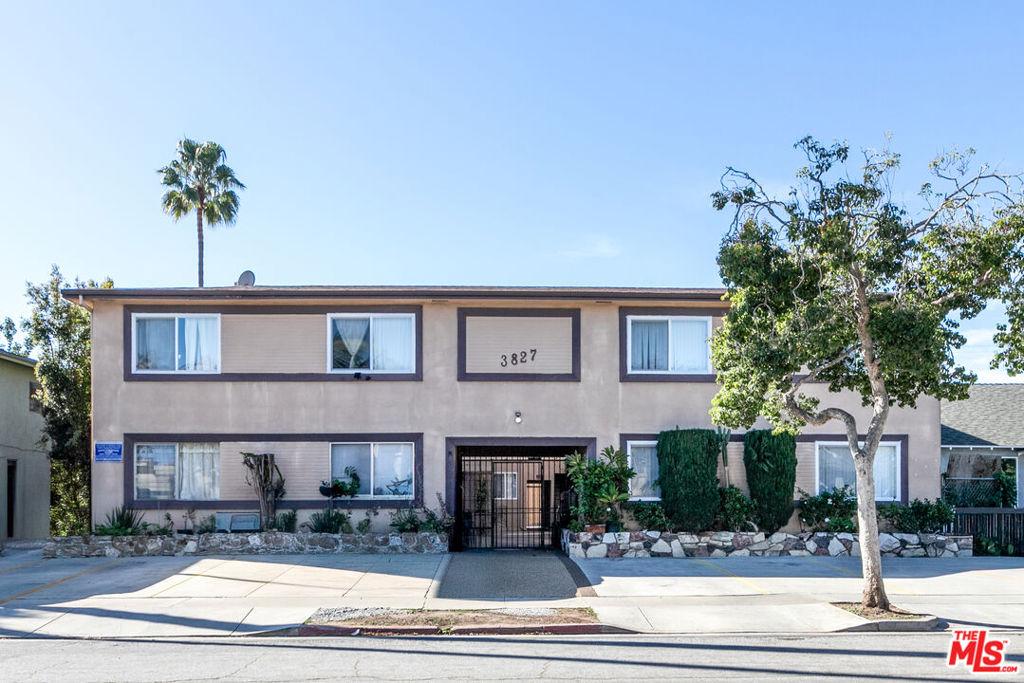
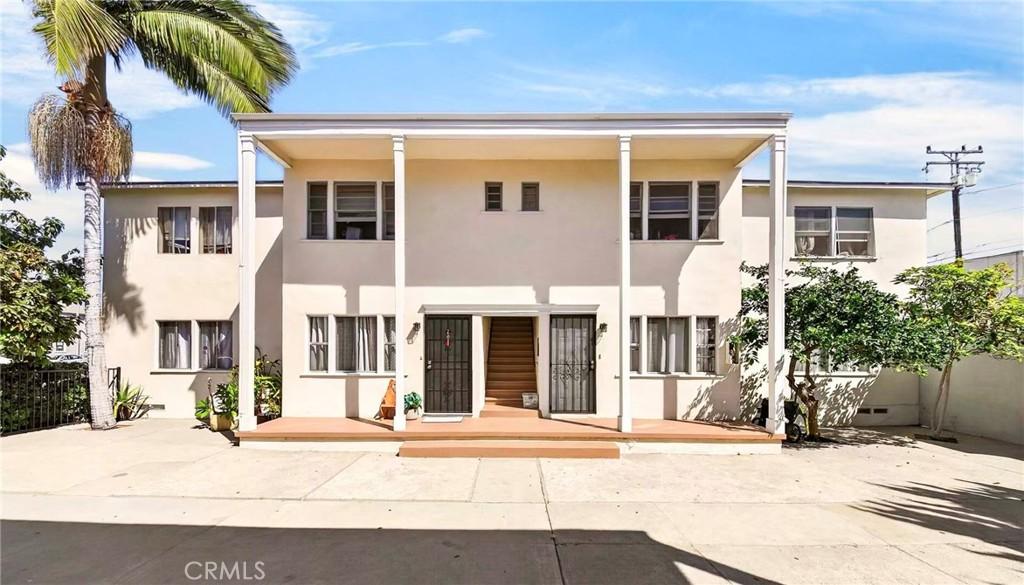
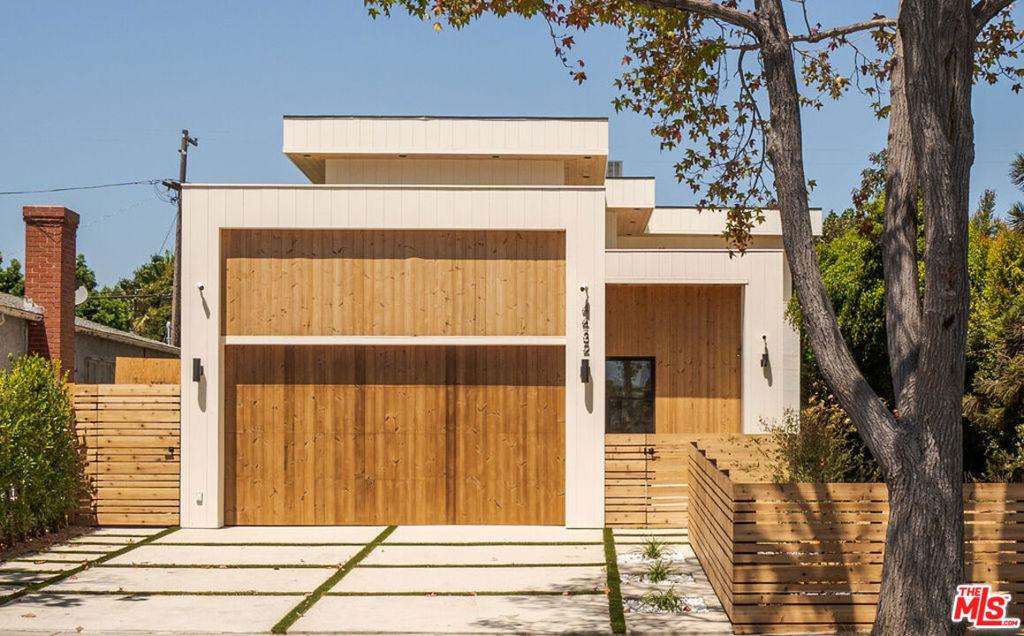
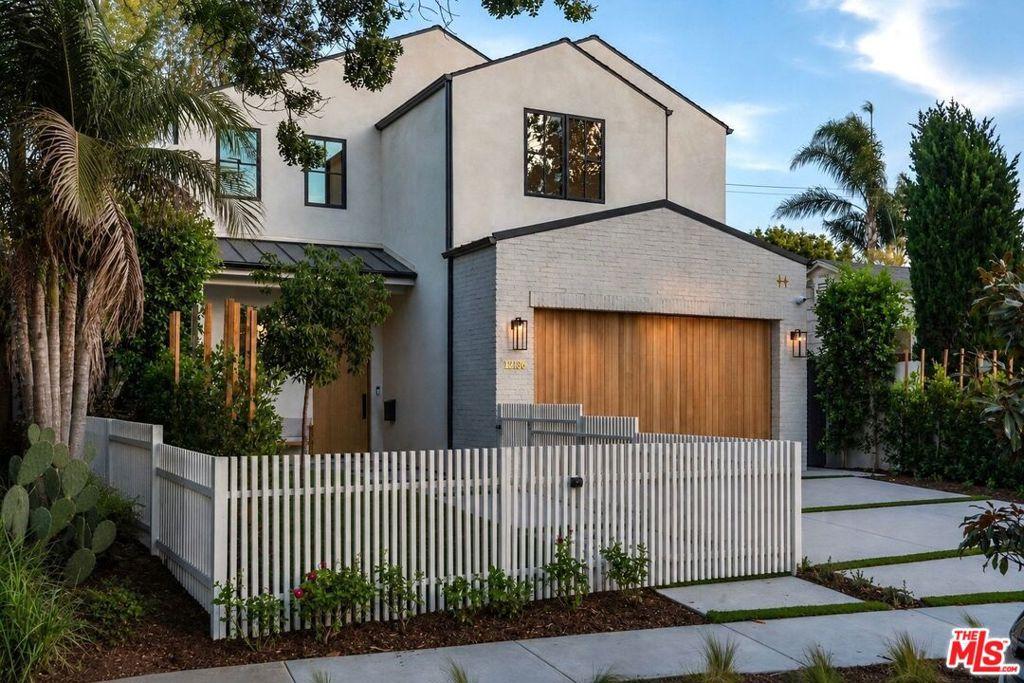
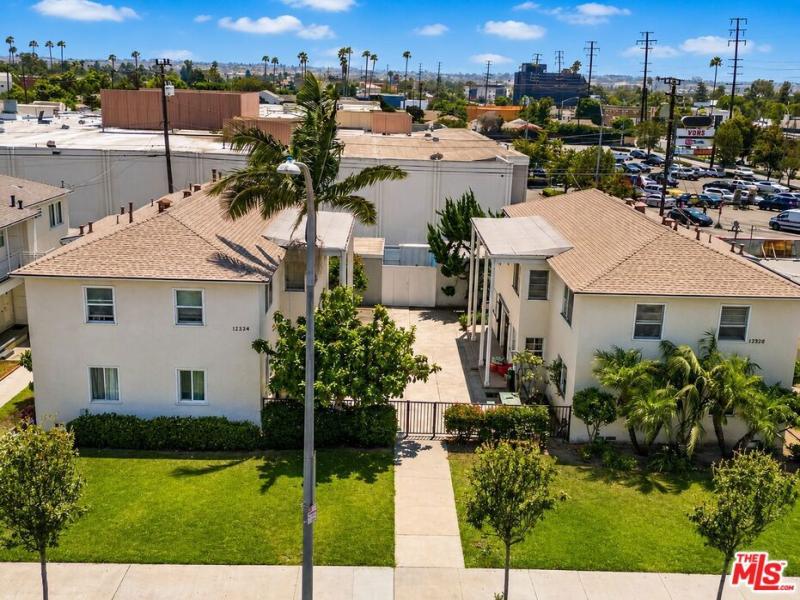
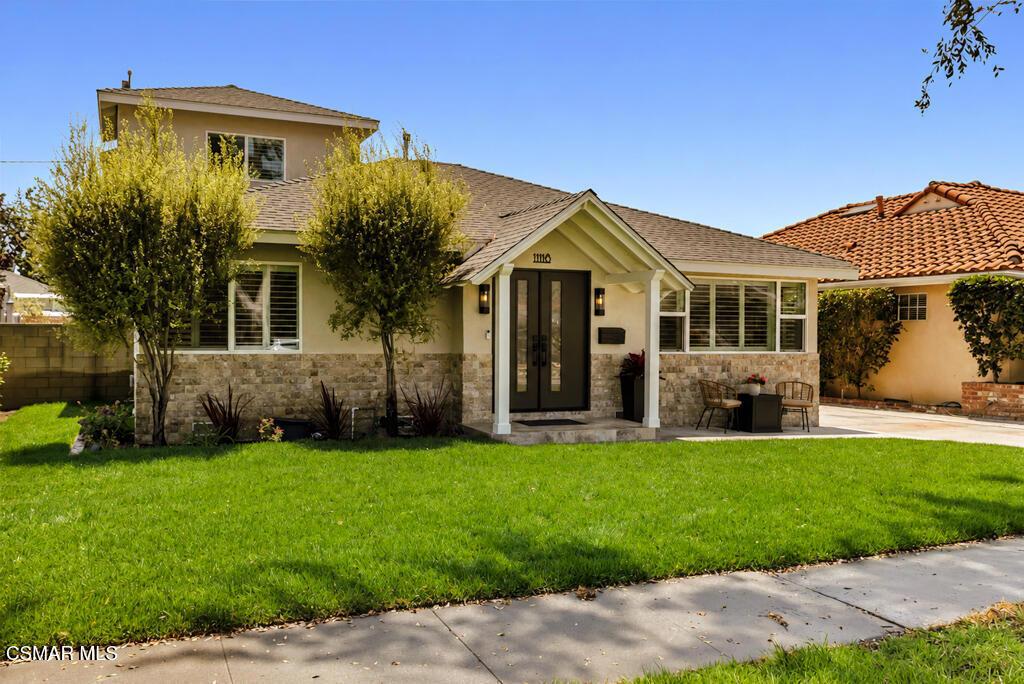
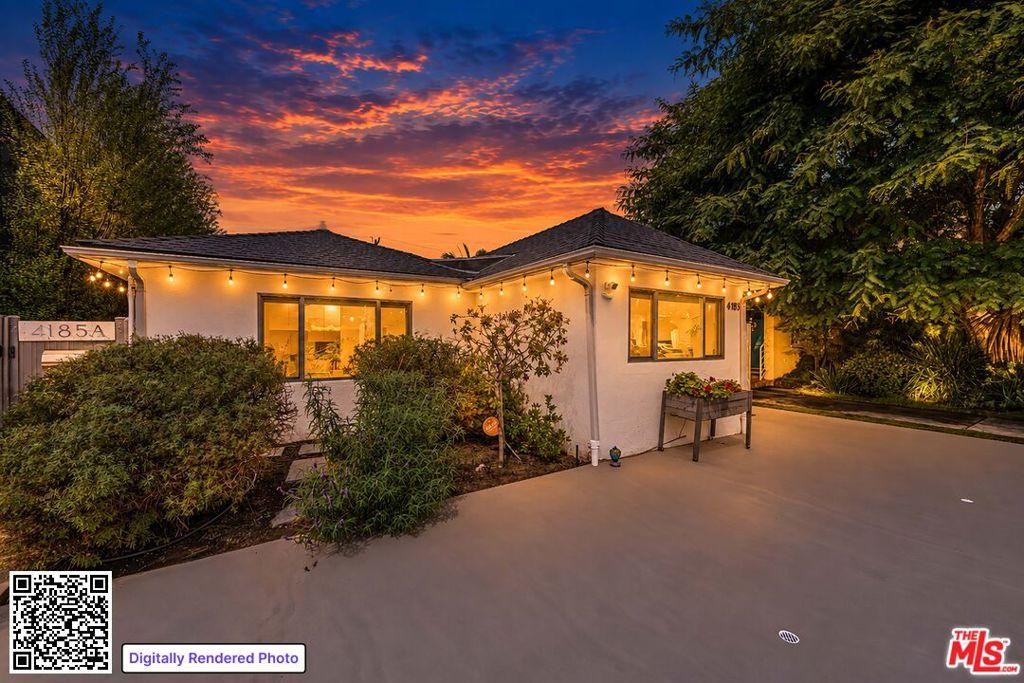
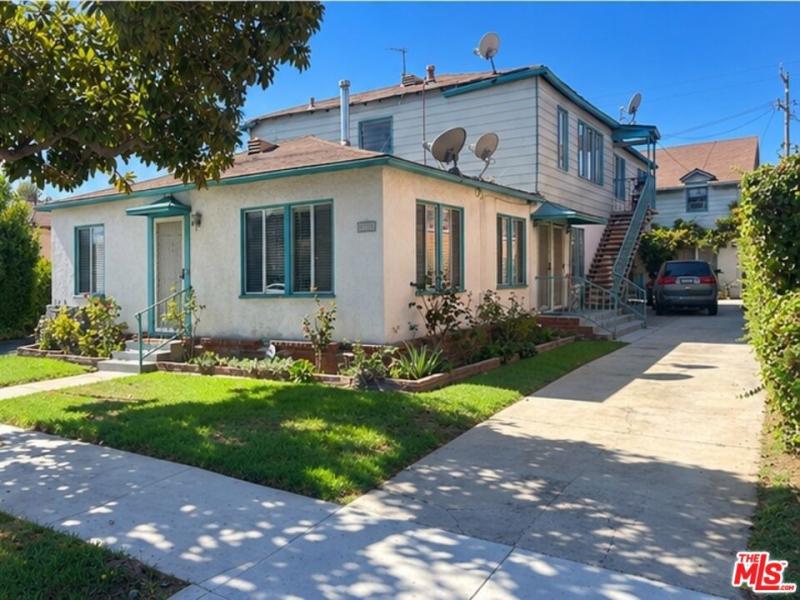
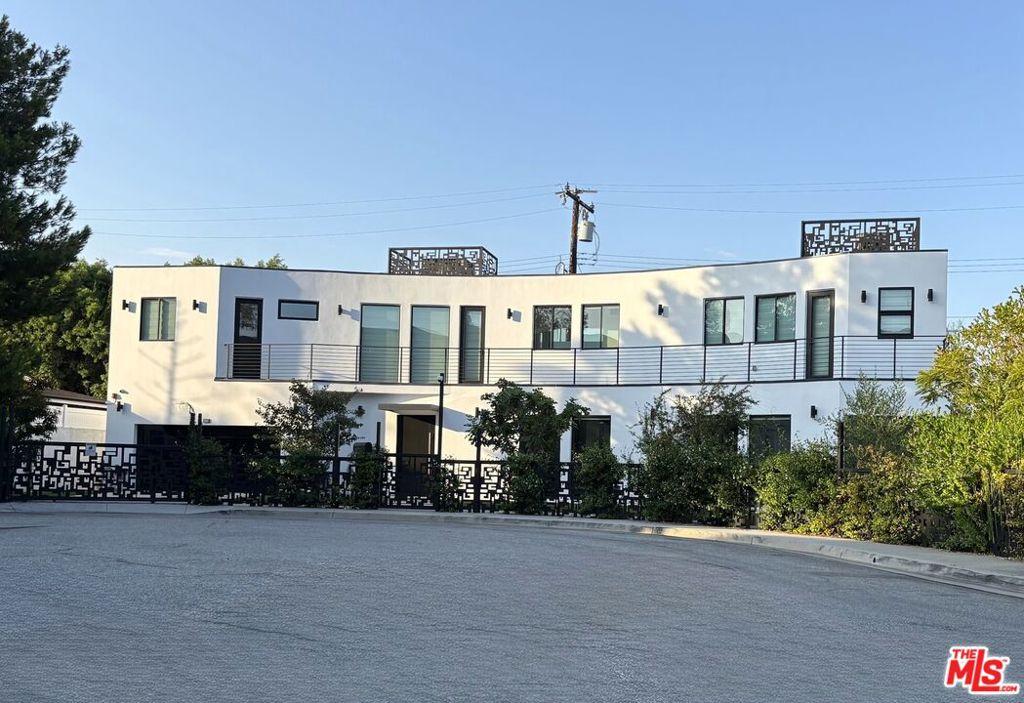
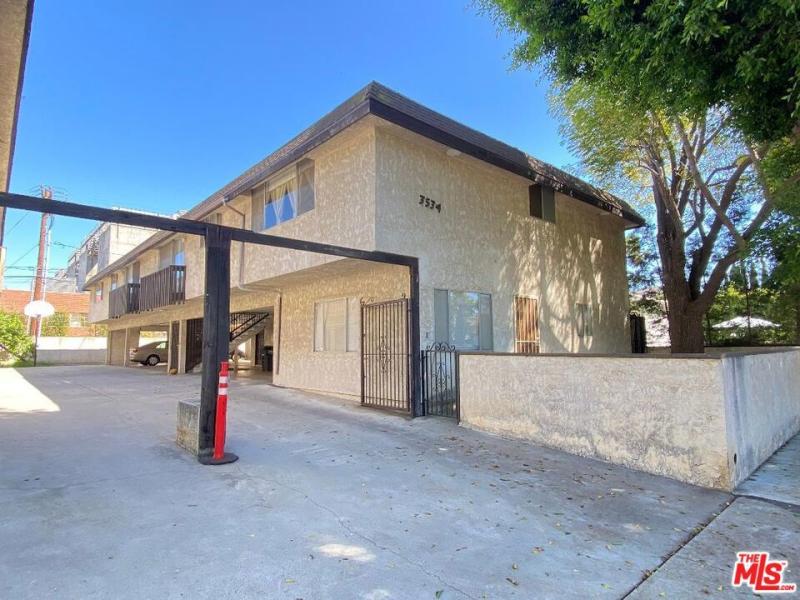
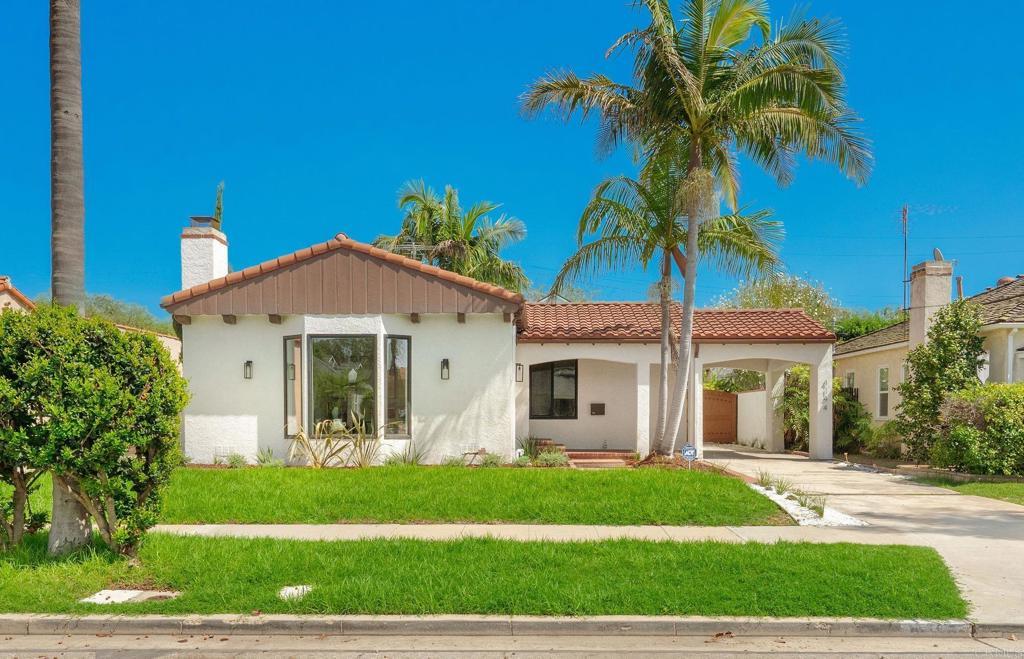
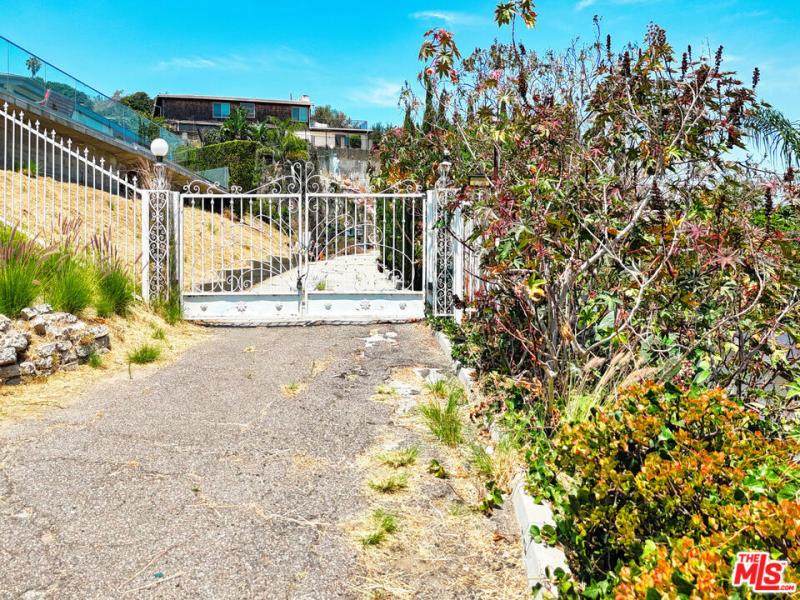
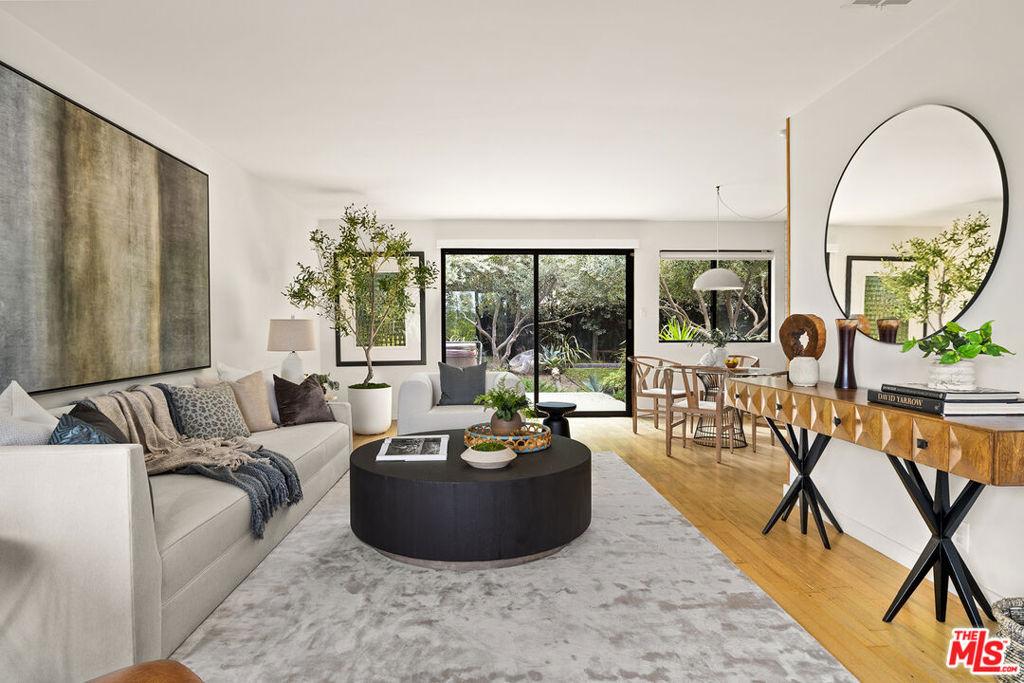
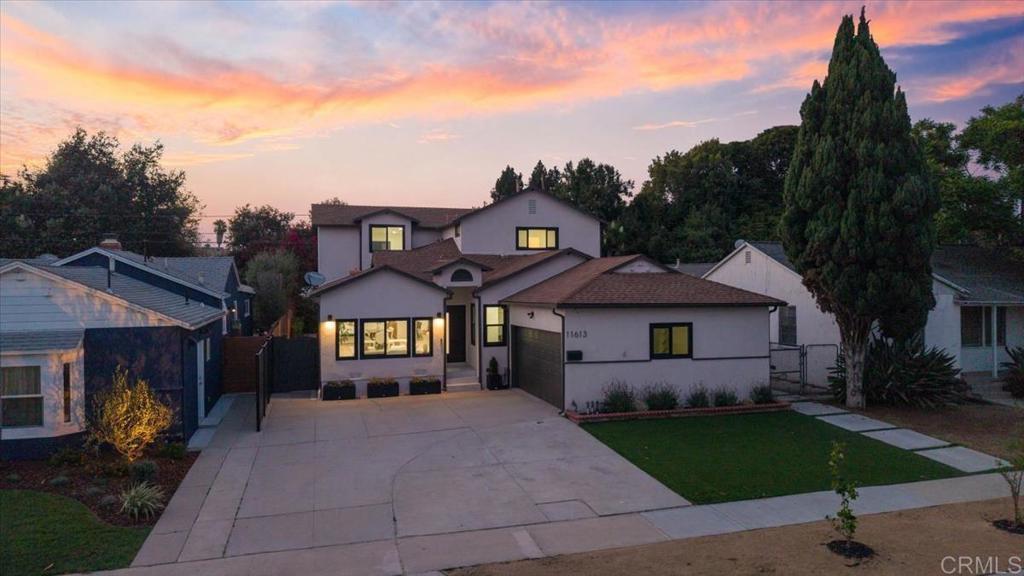
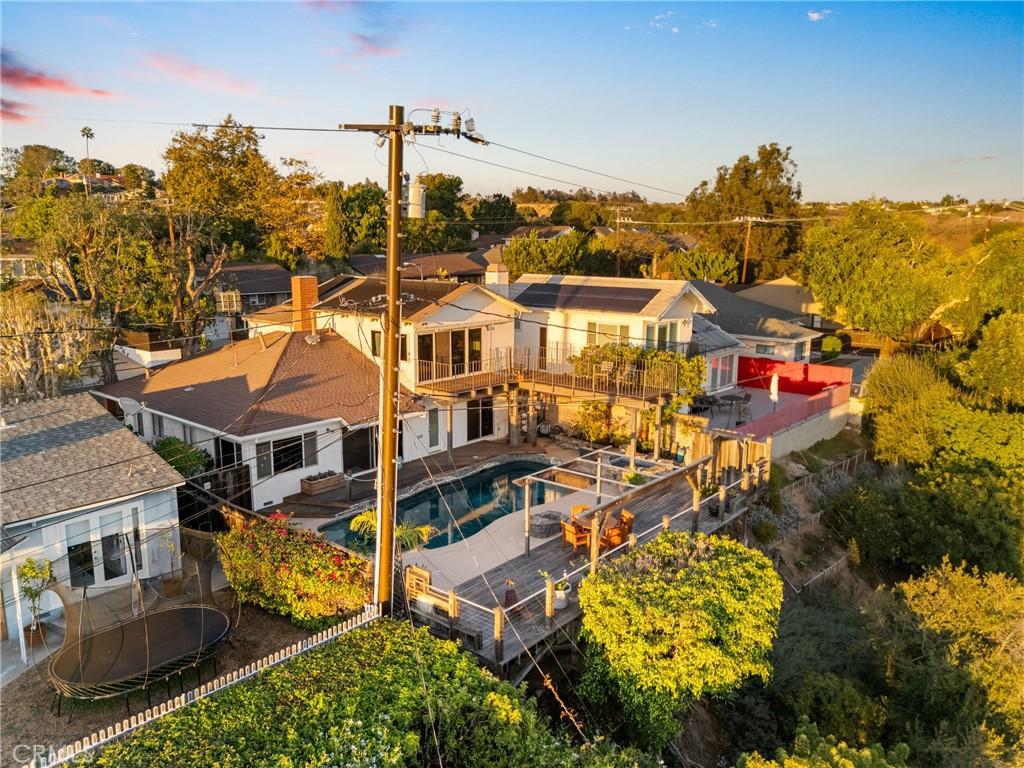
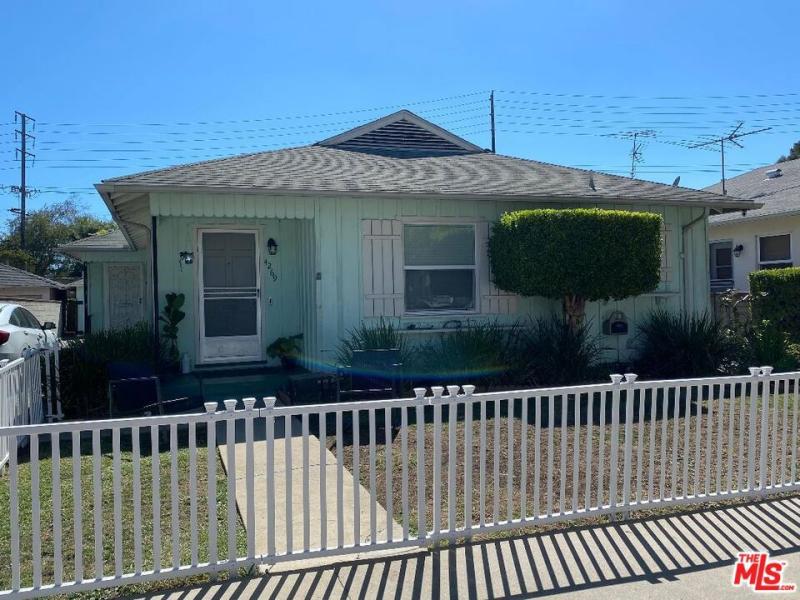
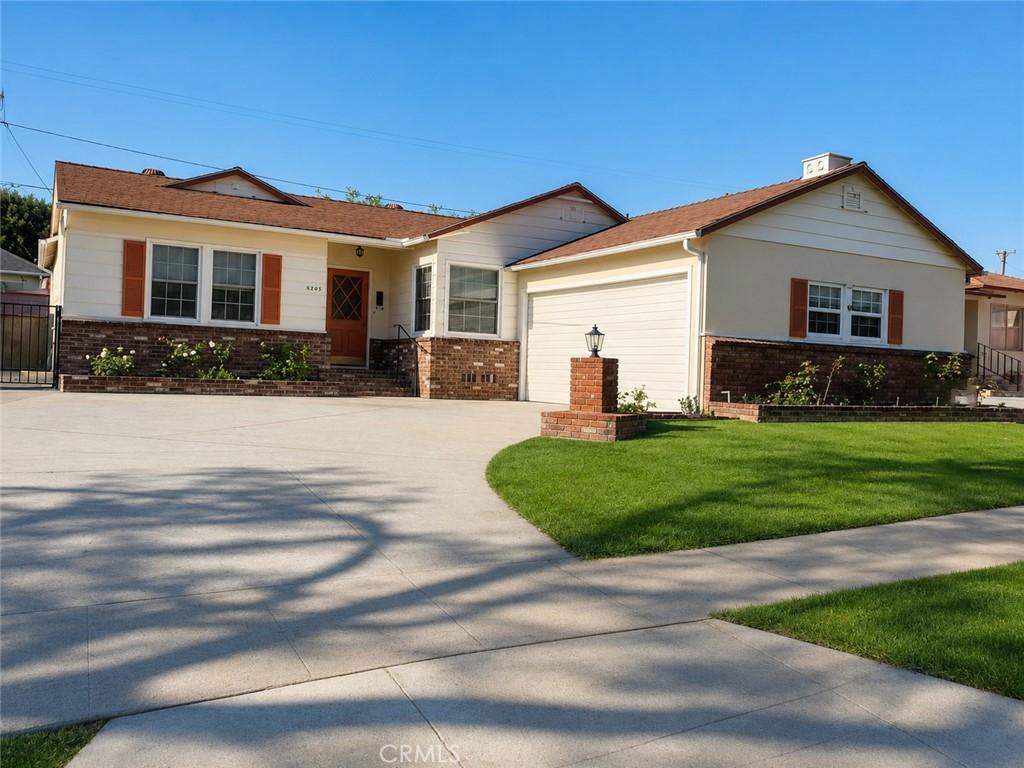
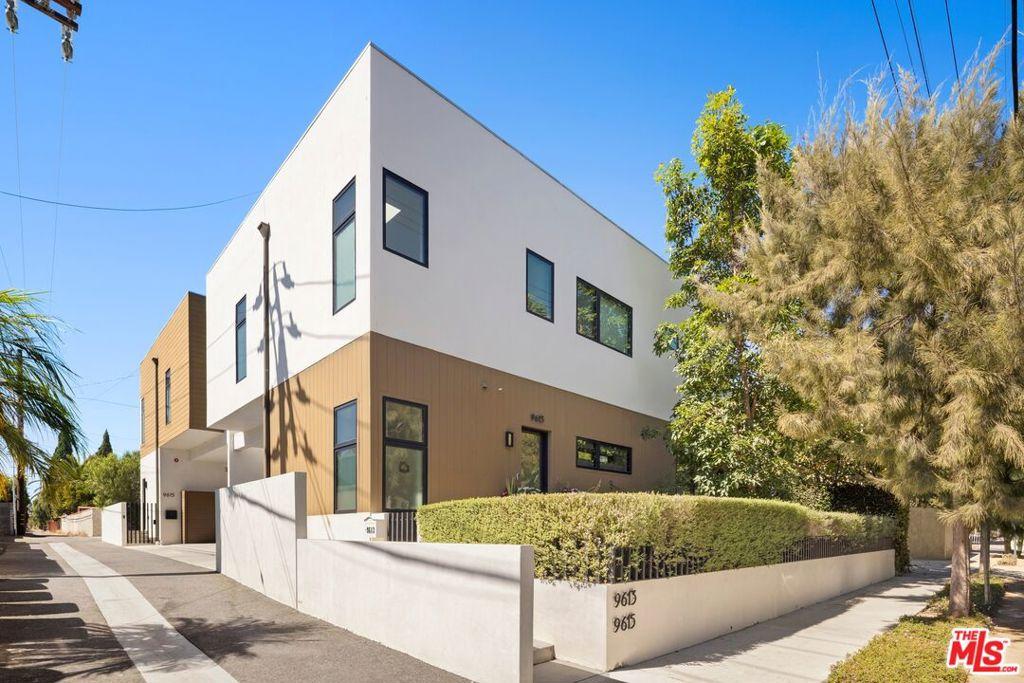
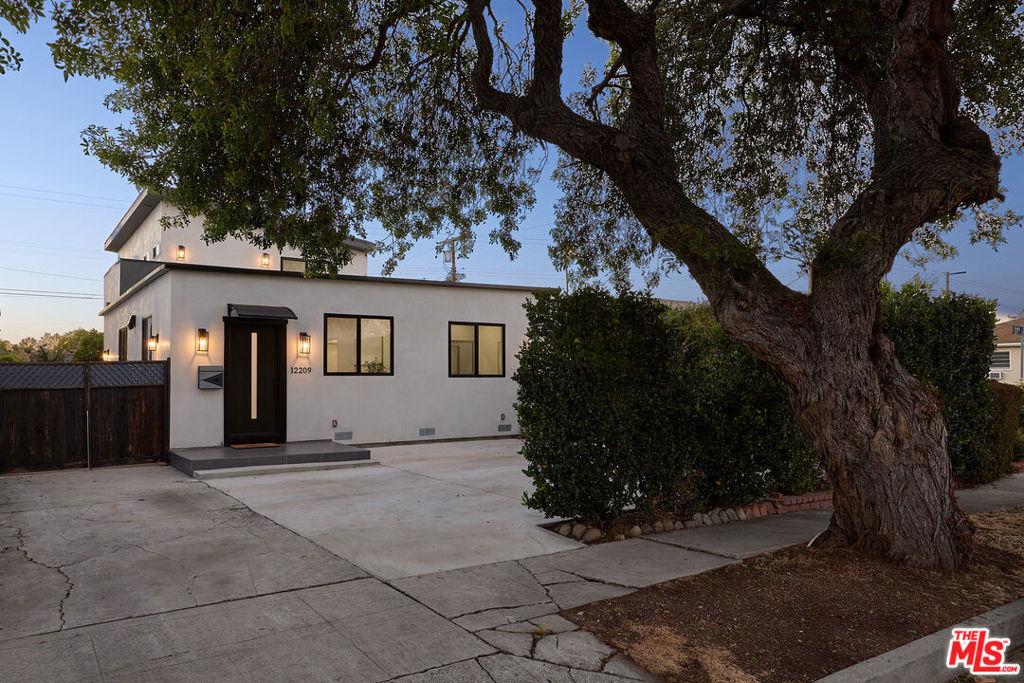
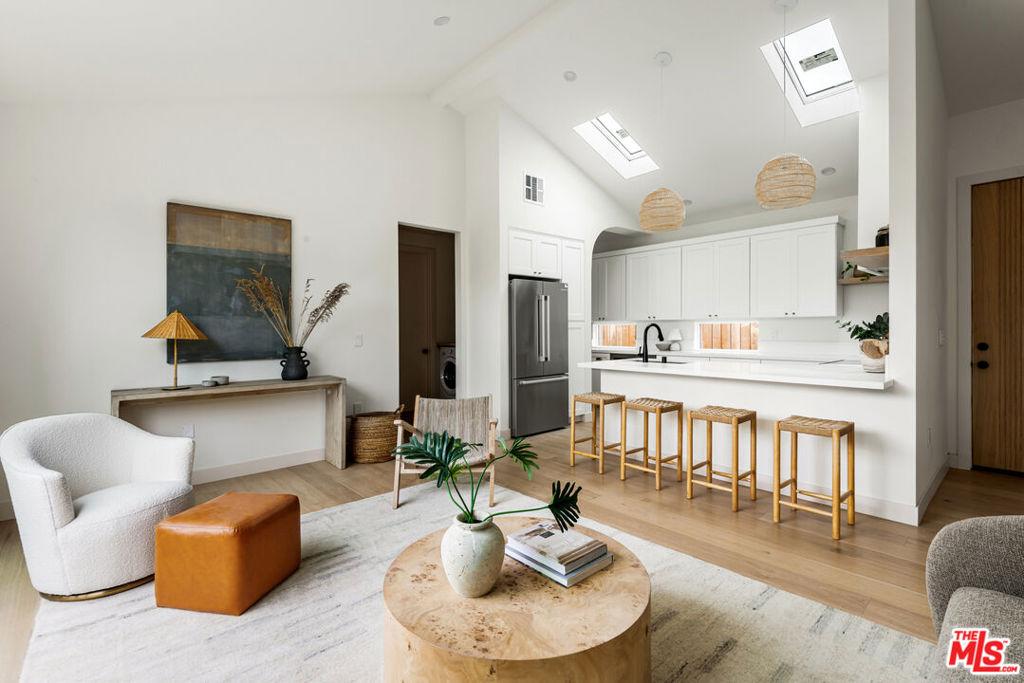
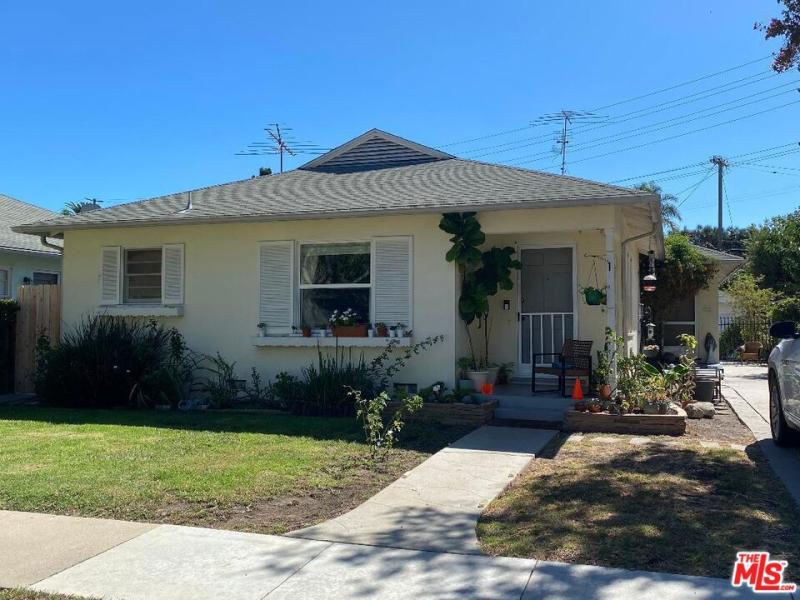
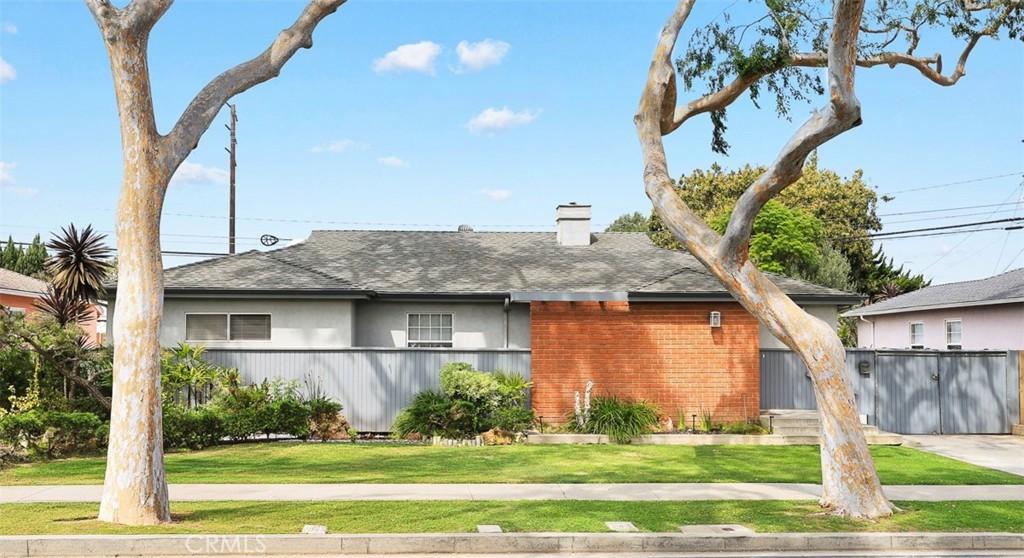
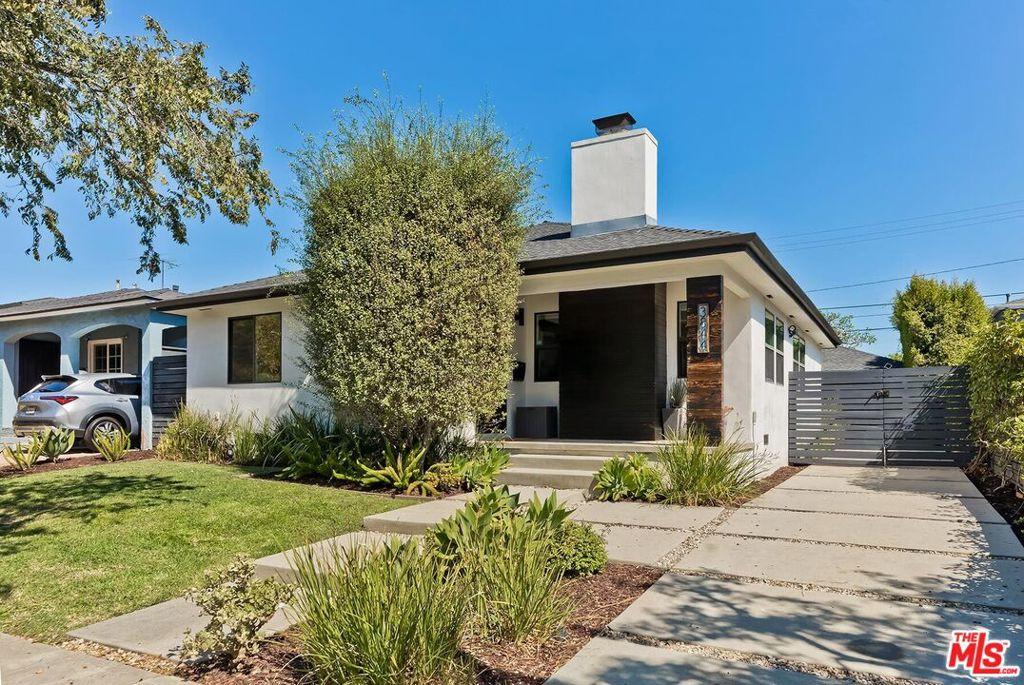
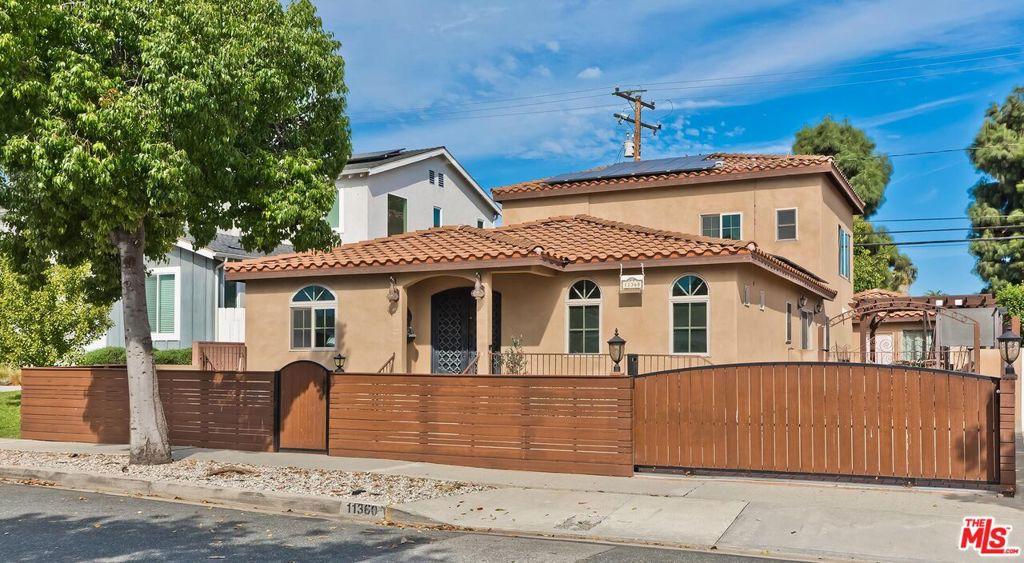
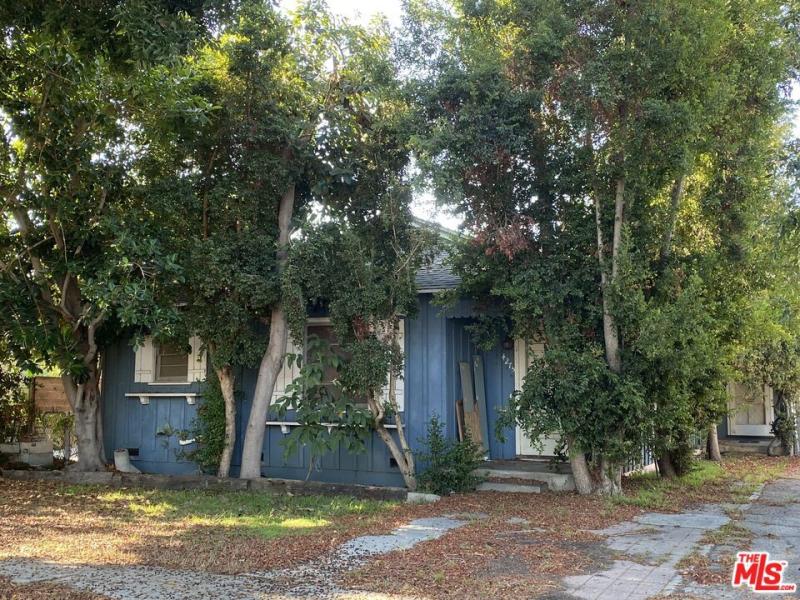
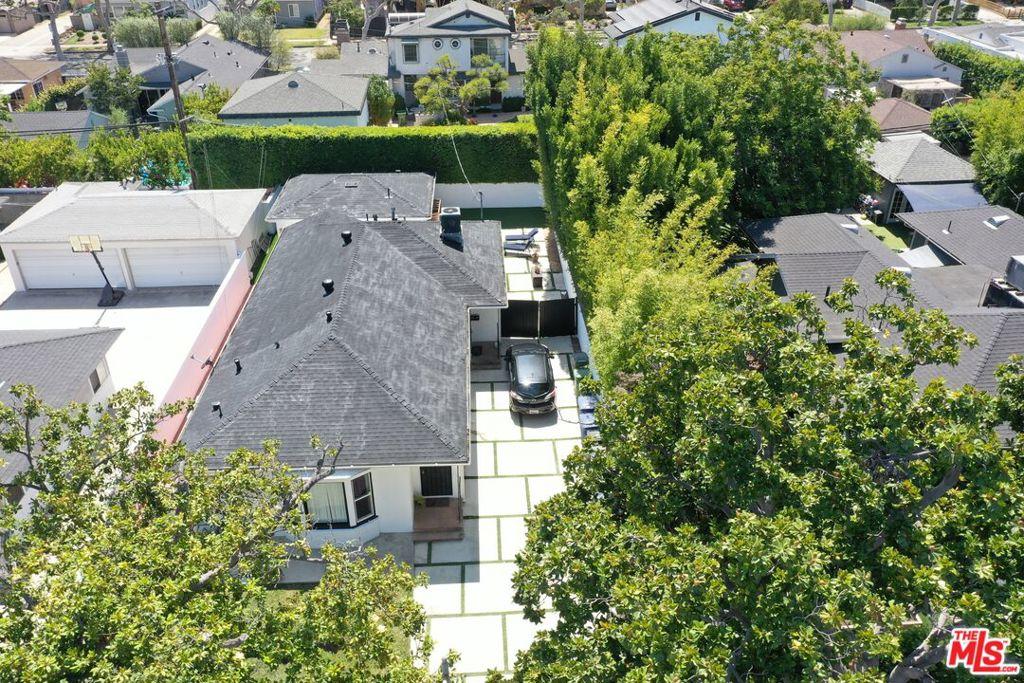
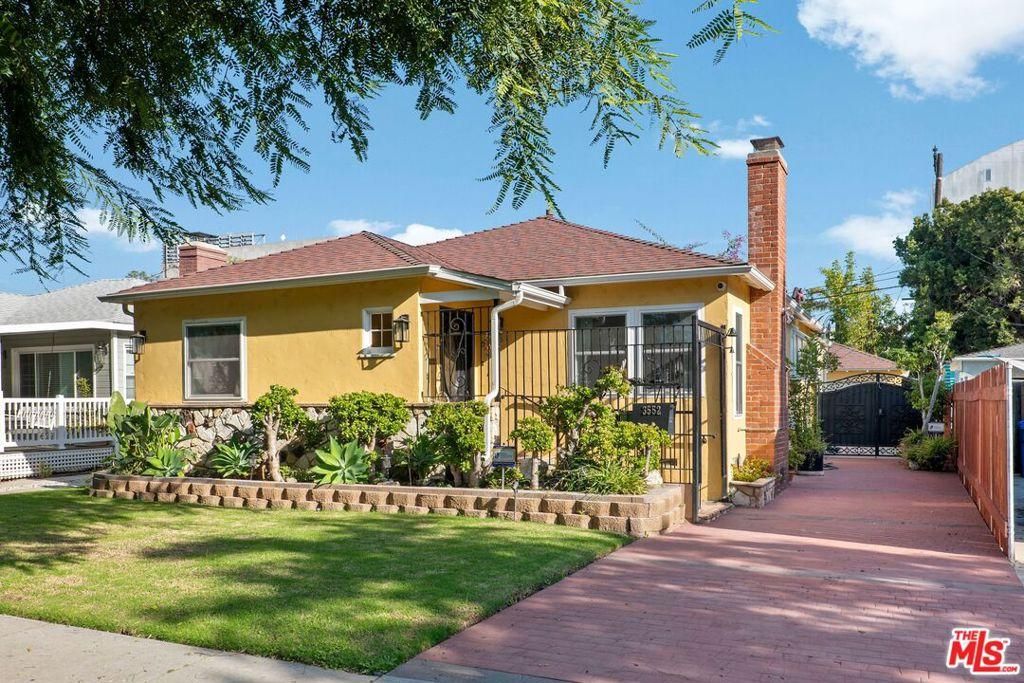
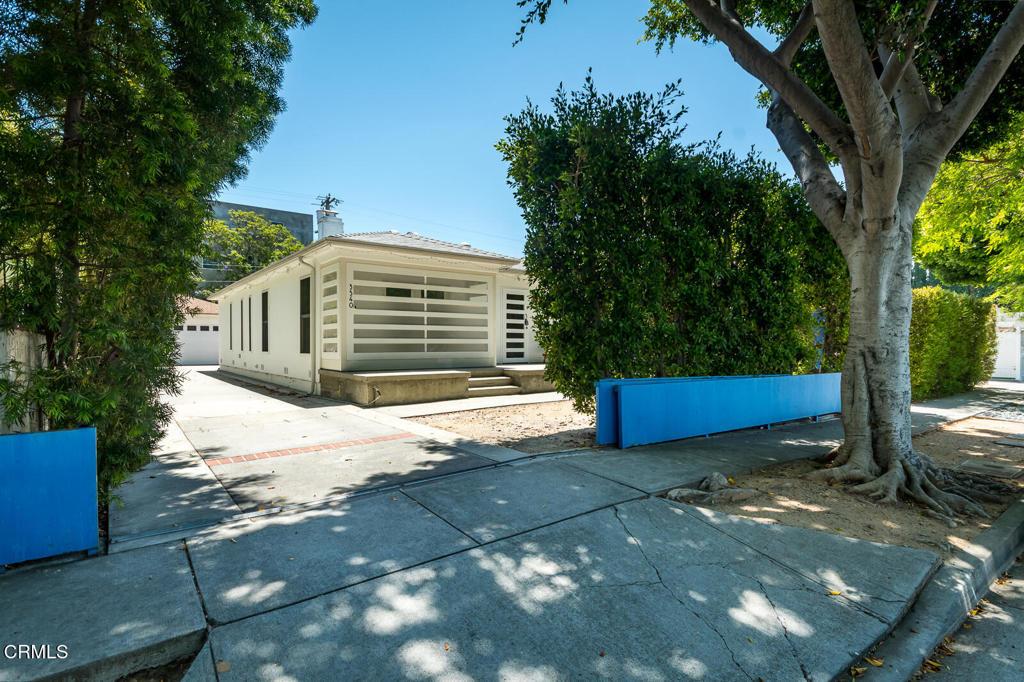
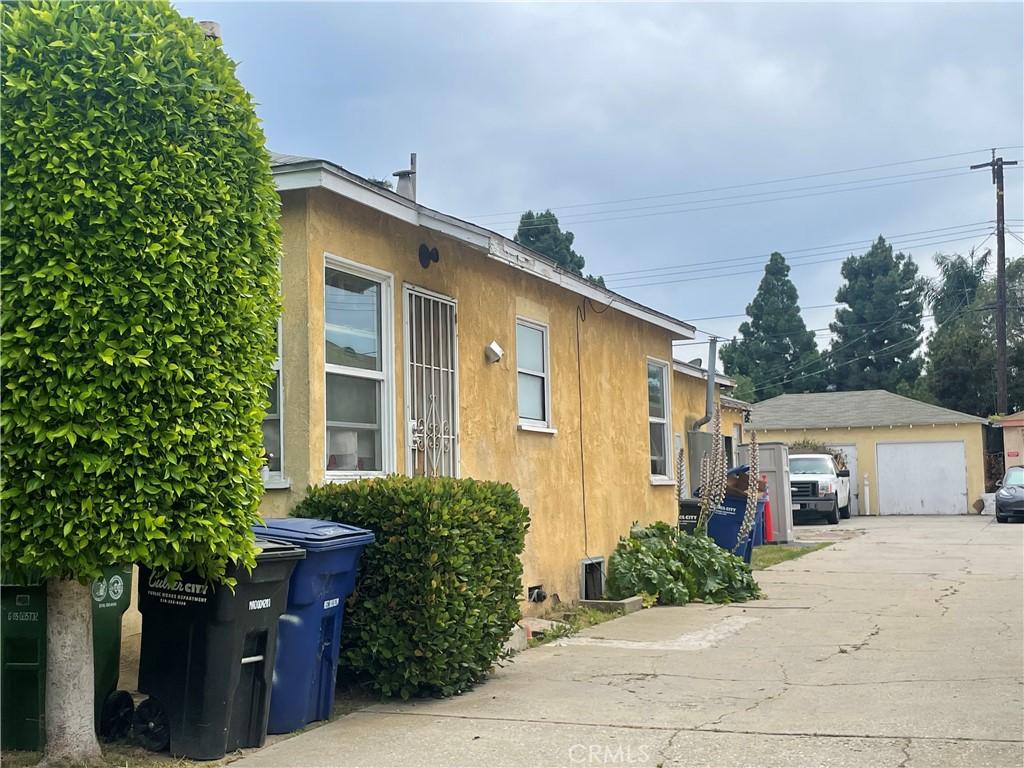
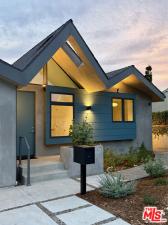
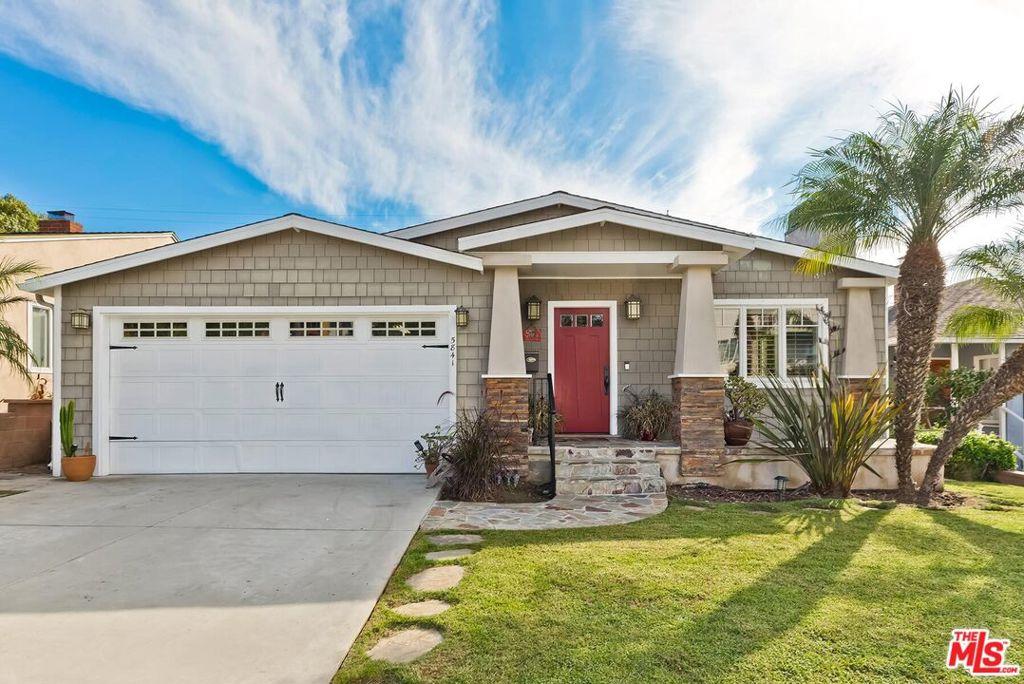
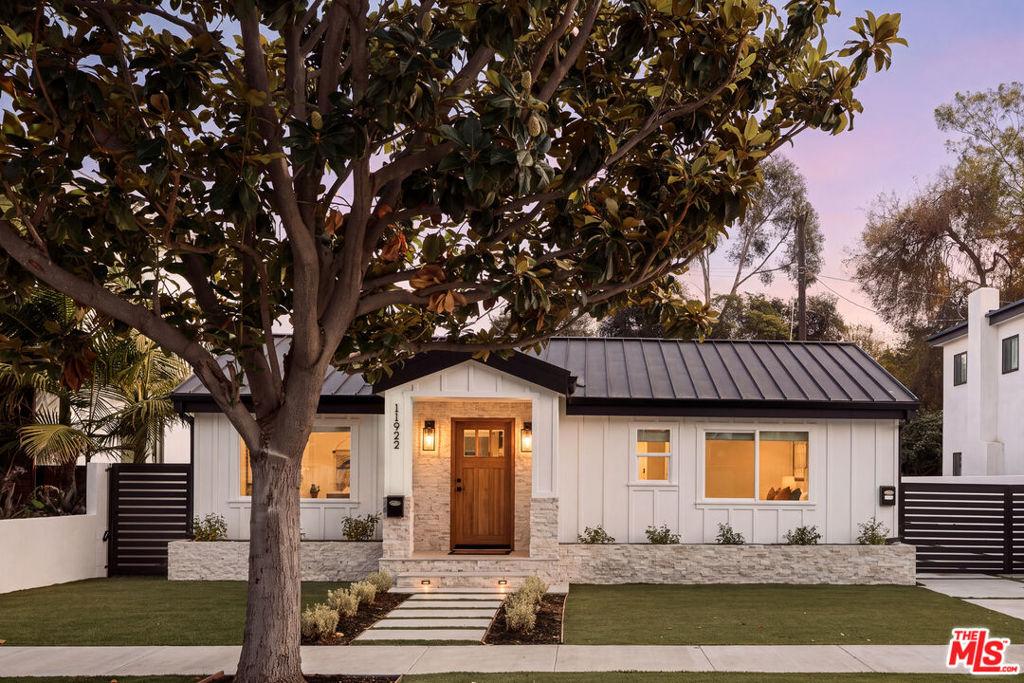
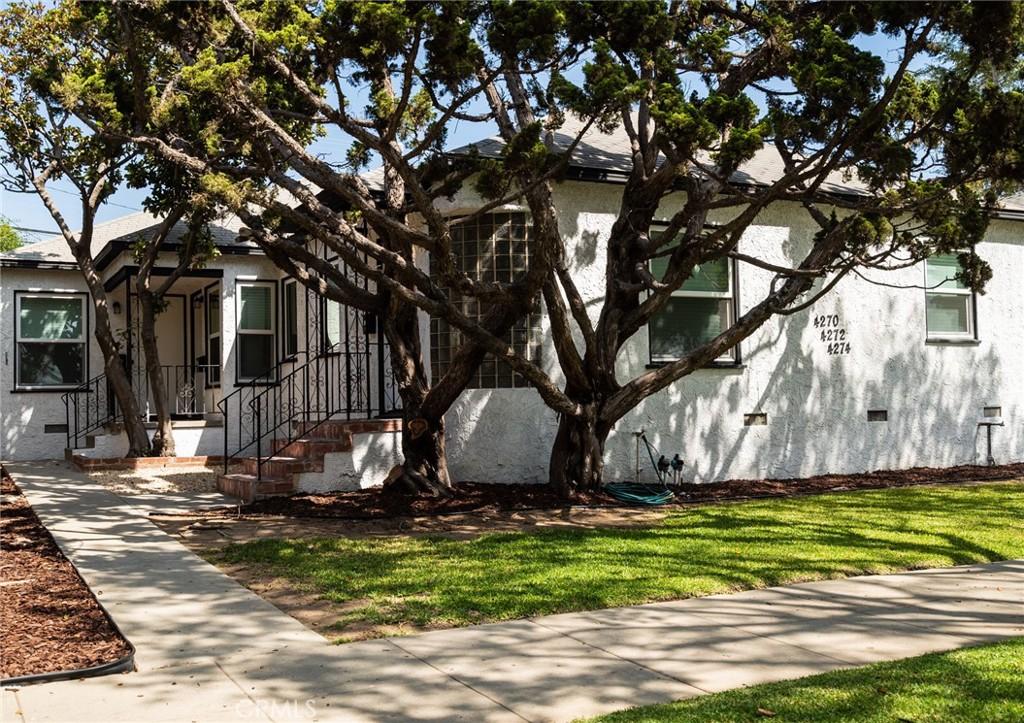
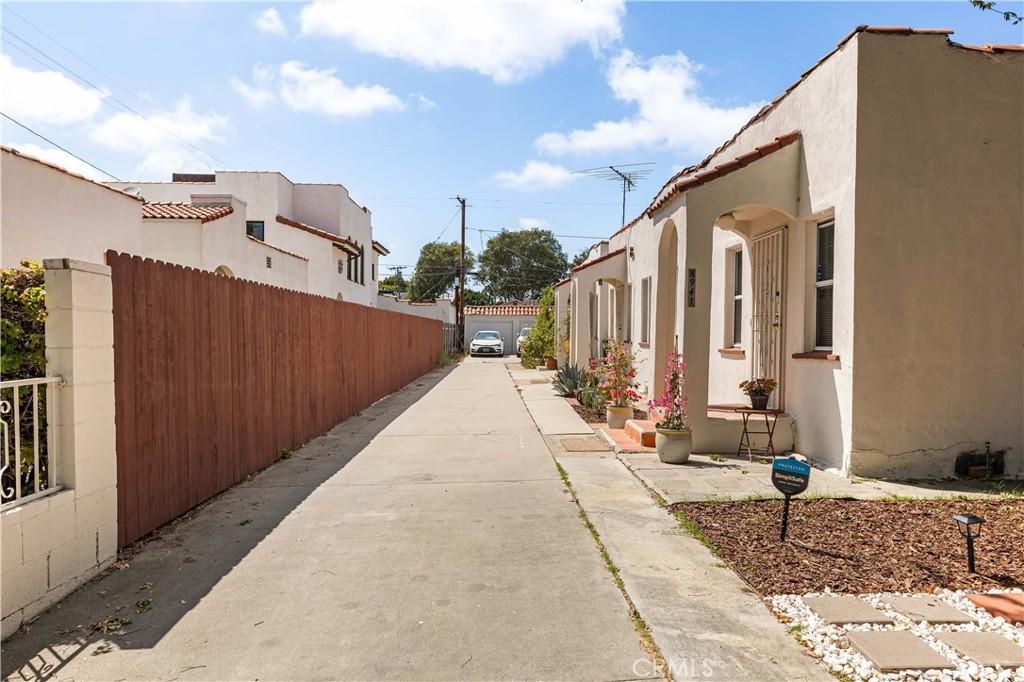
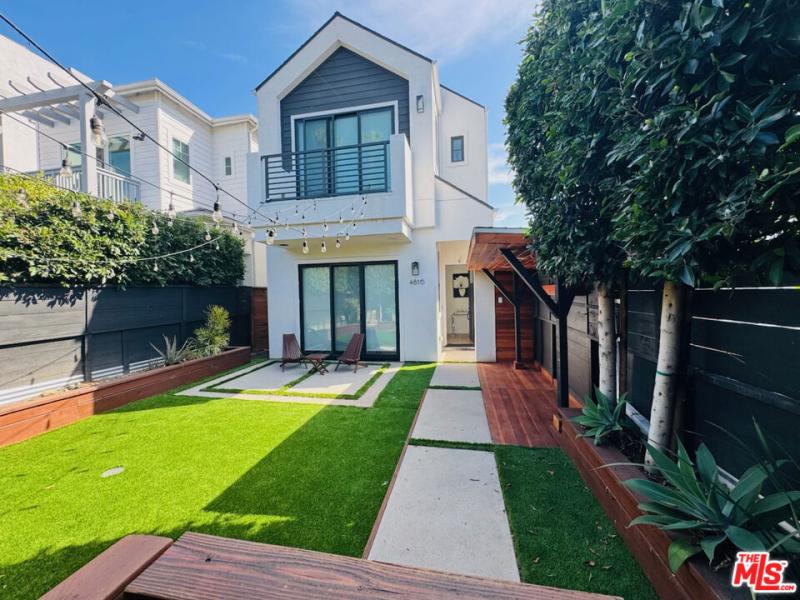
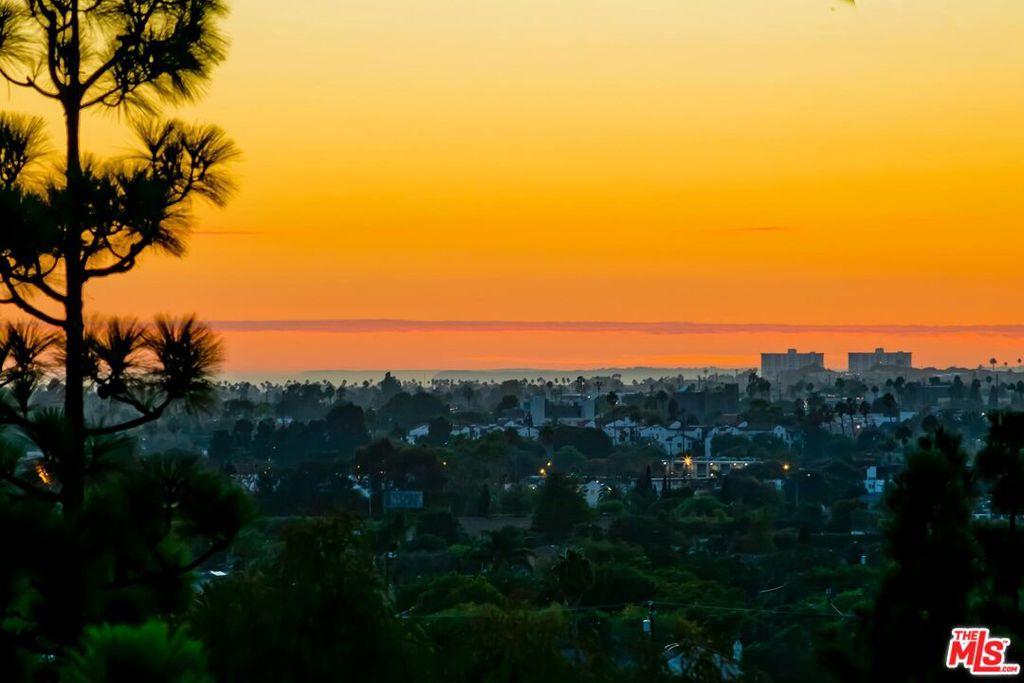
Culver City Homes for Sale currently number 112 active listings with a median asking price of $1,199,995 (CRMLS, September 2026).
Culver City homes for sale run from about $1.5M to $620.0M+, and the median sale price per square foot is $719 — down 12.1% from last year. Competition here stays consistent, so well-priced listings don’t sit long. It’s a polite bidding war: buyers move quickly, but without the frenzy you see elsewhere on the Westside. The Knight Group works this area directly and tracks off-market inventory that never reaches Zillow or Redfin, which is often how buyers get in ahead of the crowd.
What you’re buying varies a lot by pocket, and schools drive a good part of that. El Marino Language School offers Japanese and Spanish immersion, and Culver City Middle School ranks in the top 20% of middle schools in California — both pull steady demand into the neighborhoods that feed them. That’s a wide price band, so tell us your range and we’ll narrow it fast.
Buyers in Culver City should move on well-priced properties quickly — competition is consistent. The Knight Group tracks off-market inventory here and can provide early access.
The gap between the low and high end of the market here is enormous, which means the first real decision isn’t price — it’s location. Neighborhoods that feed El Marino Language School or Culver City Middle School carry steady demand year-round, and that demand shows up in how fast listings move and how much room you have to negotiate. If immersion programs or a top-ranked middle school matter to your family, expect more company at open houses in those pockets. If they don’t, you may find better value a few blocks over for a comparable property.
Because homes for sale in Culver City vary so widely by pocket, comparing an asking price against a citywide median tells you very little. Give us a range and the features you actually need, and we’ll show you which areas realistically fit — including quiet listings that haven’t hit the public sites yet.

Now, let’s talk speed. Homes in Culver City are hotter than a summer sidewalk, typically selling after just 77 days on the market. That’s up from 44 days last year, which means the market’s cooled off just enough for you to catch your breath before making an offer. But don’t dawdle,52% of homes still sell within 30 days. It’s like musical chairs, but instead of losing a seat, you lose your right property.
Here’s where it gets interesting: the median sale price per square foot is $719, down 12.1% since last year. That’s right, folks,you’re getting more bang for your buck. It’s like finding out your favorite boutique is having a sale, except instead of overpriced jeans, you’re buying a slice of California dream.
But despite some fluctuations, Culver City remains firmly in seller’s market territory. Homes are receiving an average of 4 offers and selling for about 1% above list price. It’s like a polite bidding war,competitive, but with a dash of West Coast chill.
To truly appreciate Culver City’s real estate market, you need to understand its process. Back in the 1920s, when Culver City was just a twinkle in Harry Culver’s eye, lots were selling for as little as $50. Fast forward to today, and those same lots are worth millions. It’s like watching a time-lapse video of a caterpillar turning into a butterfly made of gold.
In the 1970s and 80s, Culver City was primarily known for its movie studios and not much else. Houses were affordable, but the area lacked the cachet it has today. Then came the 1990s and early 2000s, when visionary developers and city planners started reimagining Culver City’s potential. They saw beyond the faded movie glamour and envisioned a walkable community that could attract both families and young professionals.
This transformation didn’t happen overnight. It was a slow burn, like a perfectly crafted TV series that builds to an epic finale. The opening of the Expo Line in 2012 was a game-changer, connecting Culver City to the rest of LA in a way it never had been before. Suddenly, living in Culver City meant you could have your cake (a community-oriented neighborhood) and eat it too (easy access to downtown LA and Santa Monica).
Culver City’s highly rated public schools have long been a draw for families, and this continues to have a significant impact on real estate values. Homes within the boundaries of top-performing schools like Farragut Elementary and Culver City Middle School often command a premium.
For example, a 3-bedroom home near Farragut Elementary recently sold for $1.7 million, about 15% above the neighborhood average. This school premium is a crucial factor to consider when looking at Culver City real estate, especially for families or investors targeting the family market.
Culver City’s rich history is one of its biggest selling points, and the city has made efforts to preserve its architectural heritage. This commitment to preservation has created a unique real estate landscape where historic homes coexist with modern developments.
The Culver City Historical Society has been instrumental in this effort, working to designate and protect historic properties. For buyers. This means opportunities to own a piece of history, from Art Deco apartments to mid-century modern gems.
One recent example is the restoration of the Robert Frost Auditorium at Culver City High School. This futuristic concrete structure, built in 1964, underwent a $6 million renovation that preserved its unique architecture while updating it for modern use. Projects like these not only maintain Culver City’s character but also contribute to the overall desirability of the area, supporting property values across the board.
So. What does all this mean for you, intrepid home seeker? It means Culver City is a market of opportunity, where savvy buyers can still find gems if they’re quick on the draw and know where to look. It’s a place where your investment isn’t just in four walls and a roof, but in a lifestyle that’s equal parts laid-back and.
As you embark on your Culver City home-buying adventure, remember: this isn’t just about square footage and school districts. It’s about joining a community that’s redefining what it means to live in LA. It’s about waking up to the smell of freshly baked croissants from your local patisserie, taking a stroll through tree-lined streets, and ending your day with a sunset view that makes you forget about your soul-crushing commute.
In Culver City, you’re not just buying a home,you’re buying into a vision of what life could be. And let me tell you. It’s a vision that looks pretty darn good from here.
Let’s cut through the real estate jargon and get to the heart of what makes Culver City tick. Sure, you could live anywhere in LA, but why settle for just any neighborhood when you could be part of a community that’s more connected than your LinkedIn profile?
Culver City isn’t just a place,it’s a character. It’s where the barista knows your name and your coffee order, where your neighbors actually wave instead of pretending they don’t see you, and where the local farmers market feels like a block party every weekend.
But let’s talk specifics, because I know you’re not just here for the warm fuzzies.
Education? Culver City’s got you covered like sunscreen on a beach day. The Culver City Unified School District is more impressive than your cousin’s Harvard degree. With a student-teacher ratio that would make private schools jealous and programs that nurture everything from STEM skills to the arts, your kids (or future kids, or neighbor’s kids you secretly wish were yours) are in good hands.
But it’s not just about test scores and fancy programs. Culver City schools have a secret weapon: community involvement. Parents here are more involved than a helicopter mom at a preschool picnic. There are booster clubs, volunteer programs, and fundraising events that would make a professional event planner sweat.
Now, let’s address the elephant in the room,or should I say, the Sony Pictures lot down the street. Yes, Culver City is still the Heart of Screenland, but it’s grown up from its Hollywood heyday. Today. It’s a perfect blend of that old-school movie magic and new-school tech innovation.
Amazon Studios has set up shop here, bringing with it a wave of creatives and techies who know the difference between good coffee and great coffee. But it’s not just the big names. Culver City is home to a active community of independent filmmakers, artists, and creators.
Take a stroll down Washington Boulevard, and you’ll find art galleries nestled between craft breweries and boutique shops. The Culver City Arts District is like a real-life Instagram feed, with murals and public art installations that change faster than your social media algorithm.
And let’s not forget the Culver Studios. This historic lot, where Gone with the Wind and Citizen Kane were filmed, is getting a $620 million makeover. It’s like your grandpa got a facelift and started dating supermodels.
But it’s not all work and no play. Culver City’s parks are like the community’s living rooms, only with better lighting and fewer arguments over the remote. From the sprawling Culver City Park to the intimate Carlson Park, there’s always a patch of green calling your name for a picnic, a jog, or a moment of zen when your boss is blowing up your phone.
Let’s take a virtual tour:
And let’s not forget the food scene. Culver City’s restaurants aren’t just places to eat,they’re culinary adventures that’ll make your taste buds think they’ve died and gone to flavor heaven. From high-end eateries that’ll impress your snobbiest foodie friend to hidden gems that’ll become your go-to comfort spots, Culver City’s got it all.
Here’s a taste:
But here’s the real kicker: Culver City is walkable. Yes, you read that right. In a city infamous for its car culture, Culver City is the unicorn of Los Angeles,a place where you can actually leave your car at home and not feel like you’re on a survivalist reality show.
The Expo Line (now part of the E Line) connects Culver City to downtown LA and Santa Monica. It’s like a magic carpet ride, except instead of Aladdin, you’re surrounded by commuters staring at their phones.
And for those times when you do need to drive, Culver City’s central location means you’re never too far from anywhere. Want to hit the beach? Santa Monica is a 15-minute drive. Craving some K-town BBQ? Koreatown is just 20 minutes away. It’s like living in the center of a delicious, culturally diverse donut.
Culver City isn’t just resting on its Hollywood laurels. It’s becoming a tech hub in its own right. With companies like Apple, Amazon, and HBO setting up offices here. It’s like Silicon Valley decided to have a beach day and never left.
This influx of tech companies is changing the landscape of Culver City, both literally and figuratively. New developments are popping up faster than you can say disruptive innovation, bringing with them a wave of young professionals looking for that perfect work-life balance.
Take Ivy Station, for example. This mixed-use development is anchored by WarnerMedia’s new offices and includes apartments, retail space, and a hotel. It’s like someone took all the coolest parts of urban living and put them in a blender with a shot of LA sunshine.
One of the things that sets Culver City apart is its commitment to community events. It’s like the city planners sat down and said, How can we make sure our residents actually like each other?
So, when you’re looking at those Culver City homes for sale, remember: you’re not just buying a property. You’re buying into a lifestyle that’s equal parts ambitious and laid-back, innovative and nostalgic. You’re joining a community where the American ideal got a modern makeover, complete with avocado toast and electric car charging stations.
In Culver City, you’re not just a resident,you’re part of something bigger. A community that’s writing the next chapter of LA’s story, one trendy coffee shop and tech startup at a time. And trust me. It’s a story you want to be part of.
Alright, future Culver City homeowner, let’s zoom in on the nitty-gritty. You’re not just buying a house; you’re picking a stage for your life’s next act. And in Culver City, every neighborhood is like a different genre of film,each with its own unique character and plot twists.
First up, we’ve got Downtown Culver City. This is where the action happens, folks. It’s the rom-com of neighborhoods,bustling, and guaranteed to give you that warm, fuzzy feeling. With its tree-lined streets and Art Deco buildings. It’s like stepping onto a movie set where you’re the star.
Fun Fact: The Culver Hotel, once owned by Charlie Chaplin, is rumored to have housed the Munchkins during the filming of The Wizard of Oz. It’s like living in a piece of Hollywood history, but with better Wi-Fi.
For those of you dreaming of a family-friendly sitcom setting, Culver West is your jam. Picture tree-lined streets, kids on bikes, and neighbors who actually bring you cookies when you move in. It’s not just a neighborhood; it’s a time machine to when community meant more than just a Facebook group.
Pro Tip: The annual Culver West Neighborhood Block Party is like Coachella for the PTA crowd. Expect bouncy castles, potluck dishes that could win cooking shows, and the kind of neighborly bonding that makes you forget you live in a major metropolis.
Now, let’s talk about Culver City’s crown jewel,Culver Crest. This hilltop haven is the blockbuster of Culver City real estate. With panoramic views that’ll make your Instagram followers weep with envy. It’s where the high rollers and ideal chasers collide.
Insider Scoop: The Culver Crest Neighborhood Association is more exclusive than the Oscars after-party. Getting on the board is like winning a golden ticket to Willy Wonka’s chocolate factory, but instead of chocolate. It’s prime real estate and social capital.
Fox Hills is like that indie film that becomes a surprise hit. Often overlooked. This neighborhood is a hidden gem for those in the know.
Hot Tip: The annual Fox Hills Community Festival is a melting pot of cultures, cuisines, and community spirit. It’s like a United Nations assembly, but with better food and fewer diplomatic crises.
Culver Village is where history meets hipster. It’s like your grandpa’s vintage record collection got a modern remaster.
Did You Know?: Some homes in Culver Village date back to the 1920s. Buying here is like getting a time machine, but with the option to install smart home technology.
Welcome to the future, or at least what architects in the 80s thought the future would look like. Hayden Tract is Culver City’s most avant-garde neighborhood.
Fun Fact: The iconic buildings in Hayden Tract, designed by Eric Owen Moss, have been featured in more car commercials and music videos than some Hollywood actors.
But Culver City isn’t just about the residential showstoppers. Let’s talk attractions, because your future home is more than just four walls and a roof,it’s a launchpad to adventure.
Pro Tip: The Culver Hotel’s happy hour is legendary. It’s where locals go to pretend they’re extras in a Humphrey Bogart film, sipping on craft cocktails and eavesdropping on industry gossip.
For the culture vultures, the Kirk Douglas Theatre is your ticket to world-class performances without the Hollywood price tag or attitude. It’s intimate. It’s edgy, and it’s proof that Culver City knows how to keep it classy.
Insider Scoop: The theater’s Block Party series showcases the best of LA’s smaller theaters. It’s like a greatest hits album of local theater, but with more leg room and fewer obscure German expressionist pieces.
And let’s not forget the Culver City Stairs. Part fitness challenge, part pilgrimage site for the health-conscious, these stairs are where dreams (and quads) are made. The view from the top? Pure magic. It’s the kind of spot that makes you grateful for your real estate choices, even as you’re gasping for air.
Local Legend: There’s an unspoken rule that you have to post at least one sweaty selfie from the top of the stairs on social media. It’s like a rite of passage for Culver City residents. Bonus points if you can make the LA smog look artistic in the background.
Fun Fact: The rooftop deck at Platform offers yoga classes with a view. It’s where you can downward dog while overlooking the city, pretending you’re in a high-budget wellness commercial.
In a city obsessed with the future, the Wende Museum takes a fascinating look back. Dedicated to Cold War-era artifacts and art from the Soviet Bloc. It’s like stepping into a John le Carré novel, but with better lighting and fewer spies (we think).
Insider Tip: The museum’s outdoor sculpture garden is a hidden gem. It’s the perfect spot for a quiet moment of reflection, or for staging your next album cover if you’re in an indie band.
Alright, aspiring Culver City homeowner, let’s talk turkey,or in this case, let’s talk trends. Because in the wild west of SoCal real estate, knowledge isn’t just power,it’s the difference between nabbing your right property and watching it slip through your fingers like sand at Venice Beach.
First things first: Culver City’s market is hotter than a jalapeno margarita on a summer day. But it’s not just hot; it’s evolving. It’s like watching a caterpillar turn into a butterfly, except the butterfly is worth a cool million and comes with a two-car garage.
On average, homes in Culver City sell after 52 days on the market compared to 44 days last year. There were 37 homes sold in January this year, down from 40 last year.
But it’s not just about the numbers. Culver City’s appeal lies in its unique blend of old and new. You’ve got historic neighborhoods like Culver Village, where 1920s bungalows sit next to sleek modern homes. It’s like a living museum of architectural styles, each house telling its own story.
Let’s zoom in on downtown Culver City for a moment. This area perfectly encapsulates the city’s evolution. In the early 2000s, it was a sleepy stretch with a few notable restaurants but not much buzz. Today? It’s a bustling hub of culture, cuisine, and commerce.
Take the Culver Hotel, for instance. This 1924 landmark went from being a neglected relic to a chic boutique hotel that’s the centerpiece of downtown. Properties surrounding the hotel have seen their values skyrocket. A commercial building at 9300 Culver Blvd., which sold for $3.9 million in 2004, was valued at over $20 million by 2019.
This transformation has had a ripple effect on residential real estate. Homes within walking distance of downtown now command premium prices, with buyers willing to pay top dollar for the convenience and lifestyle that comes with being in the heart of Culver City.
The arrival of major tech companies has been like adding rocket fuel to Culver City’s already hot real estate market. When Amazon leased 530,000 square feet of office space at the Culver Steps development in 2020, it sent shockwaves through the local real estate market. Suddenly, Culver City wasn’t just competing with other LA neighborhoods – it was playing in the big leagues with Silicon Valley and Seattle.
This influx of high-paying tech jobs has created a new class of buyers in Culver City. They’re young, affluent, and looking for homes that offer both luxury and convenience. As a result, we’re seeing a trend towards high-end renovations and new construction that caters to this demographic.
For example, a newly built home in the Culver Crest neighborhood recently sold for $3.6 million, setting a new record for the area. This 4,200-square-foot home has smart home technology, a home theater, and panoramic views of the city – exactly the kind of features that appeal to tech-savvy buyers.
While much of the focus is on buying homes, Culver City’s rental market is equally dynamic. With the influx of young professionals and the high cost of entry for homeownership, many are opting to rent. This has created opportunities for investors looking to capitalize on the strong rental demand.
For investors. This means potential for strong returns. A well-located duplex or small apartment building in Culver City could provide steady cash flow and long-term appreciation. It’s like having your avocado toast and eating it too.
Sustainability is more than just a buzzword in Culver City – it’s becoming a key factor in real estate. The city has been proactive in promoting green building practices, and buyers are increasingly looking for homes with eco-friendly features.
For example, the new Ivy Station development, a mixed-use project near the Expo Line station, has achieved LEED Gold certification. This focus on sustainability is trickling down to individual homes as well. Solar panels, energy-efficient appliances, and drought-resistant landscaping are becoming standard features in many Culver City listings.
This green trend is not just good for the environment – it’s good for property values too. Homes with green features are often commanding premium prices, as buyers are willing to pay more for lower utility costs and a smaller carbon footprint.
Let’s break it down:
Homes in Culver City are playing hard to get, but not too hard. They’re typically on the market for 77 days,up from 44 days last year. It’s like the market is giving you a chance to catch your breath before you dive in. But don’t get too comfortable,52% of homes still sell within 30 days. Blink, and you might miss your right property.
Here’s a fun fact: Back in the 1950s, the average time a home spent on the market was measured in months, not days. Now, in Culver City, if a home doesn’t sell in a month, people start wondering if it’s haunted or built on an ancient burial ground.
Here’s where it gets juicy. The median sale price per square foot is $719, down 12.1% since last year. That’s right, folks,you’re getting more house for your money. It’s like finding out your favorite restaurant started offering bigger portions without upping the price.
But let’s put this in perspective. In 1960, the median home price in Los Angeles County was about $15,000. Adjusted for inflation, that’s about $140,000 in today’s money. So while you might be getting more bang for your buck compared to last year, your grandparents are probably still shaking their heads in disbelief.
Homes are receiving an average of 4 offers and selling for about 1% above list price. It’s competitive, sure, but it’s not the all-out war it once was. Think of it as a gentlemanly duel rather than a UFC cage match.
Remember the housing bubble of 2008? That was like Black Friday shopping at Walmart. Today’s Culver City market is more like sample sale day at a boutique,still competitive, but with less chance of getting trampled.
Not all areas of Culver City are created equal. Studio Village is flexing with a median home value of $1,811,578, while Jefferson is keeping it real at $713,074. It’s proof that in Culver City, there’s a neighborhood (and price point) for everyone.
Speaking of neighborhoods, if you’re looking to expand your horizons beyond Culver City, you might want to check out some other hot spots in the LA area. For nature lovers, there are [homes for sale in Topanga Canyon](https://theknightgroupla.com/region/los-angeles/westside/homes-for-sale-
Verify current figures per MLS before making pricing decisions.
Culver City homes range $1.5M to $620.0M+ per current MLS data.
Yes. The Knight Group represents buyers and sellers here, including properties that never reach public listings. This matters most when inventory is tight.
Culver City Middle School : Ranked in the top 20% of middle schools in California.
The Culver City Unified School District serves Culver City.
The Knight Group can provide a current shortlist within 24 to 48 hours. Reach out directly or set an alert on this page.
Explore more Westside neighborhoods:
Lucky for you we’re looking out.
Subscribe to this Custom Search to be alerted when new properties hit the market in the area.
Choose the frequency that works for you.