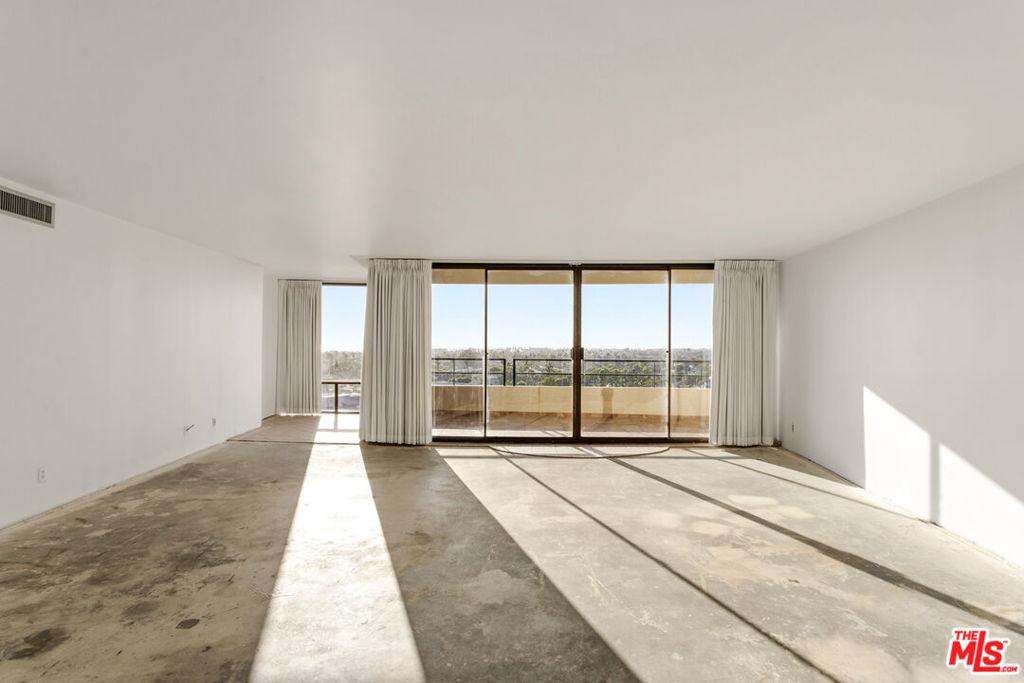
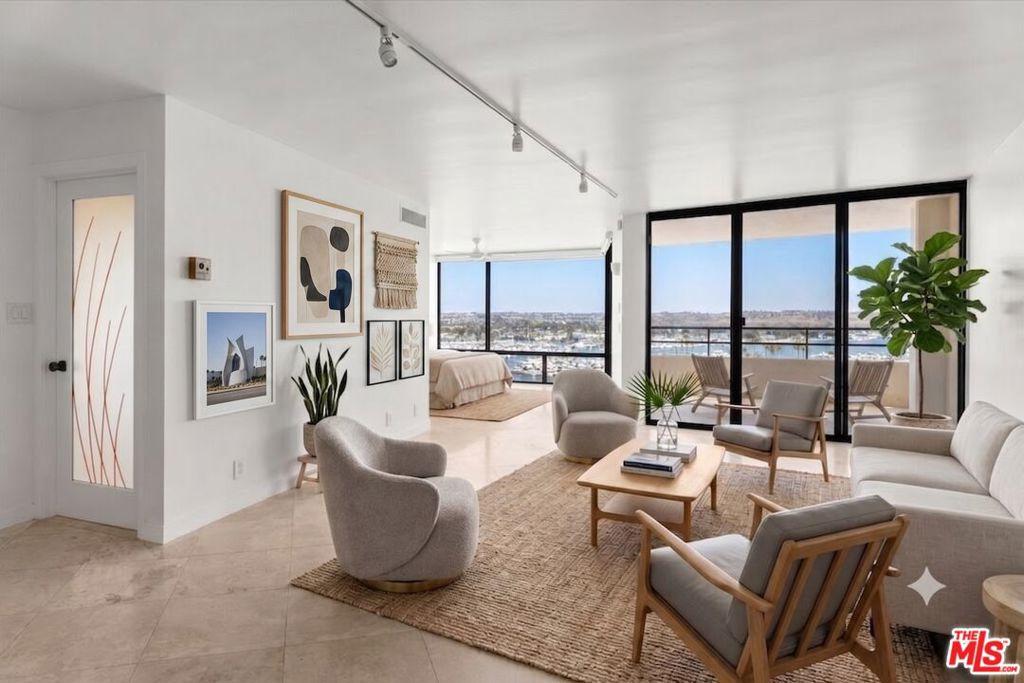
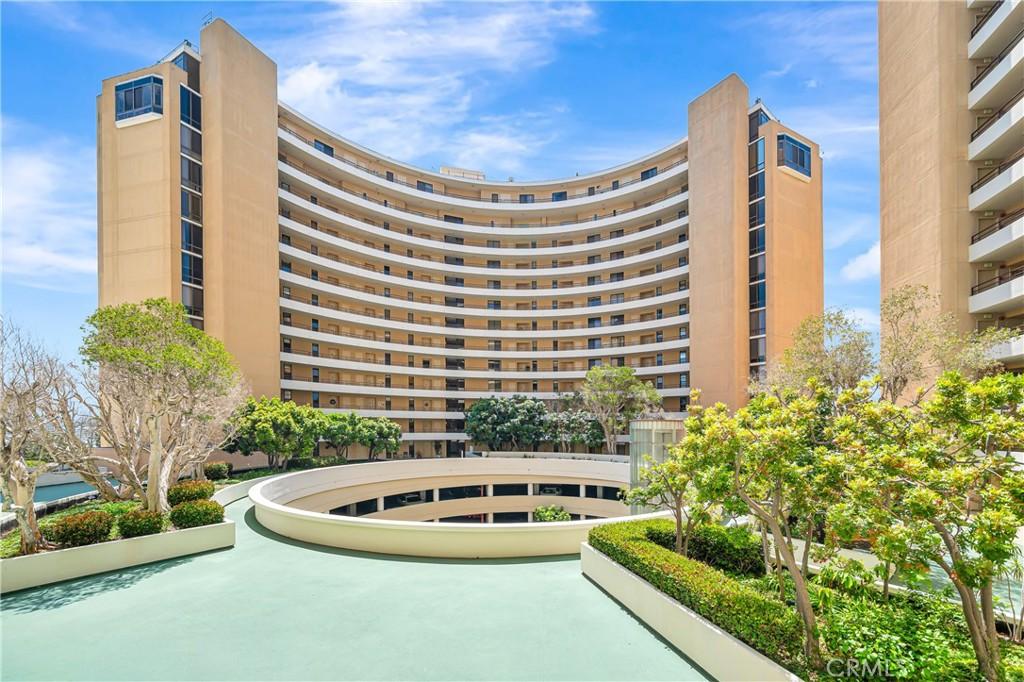
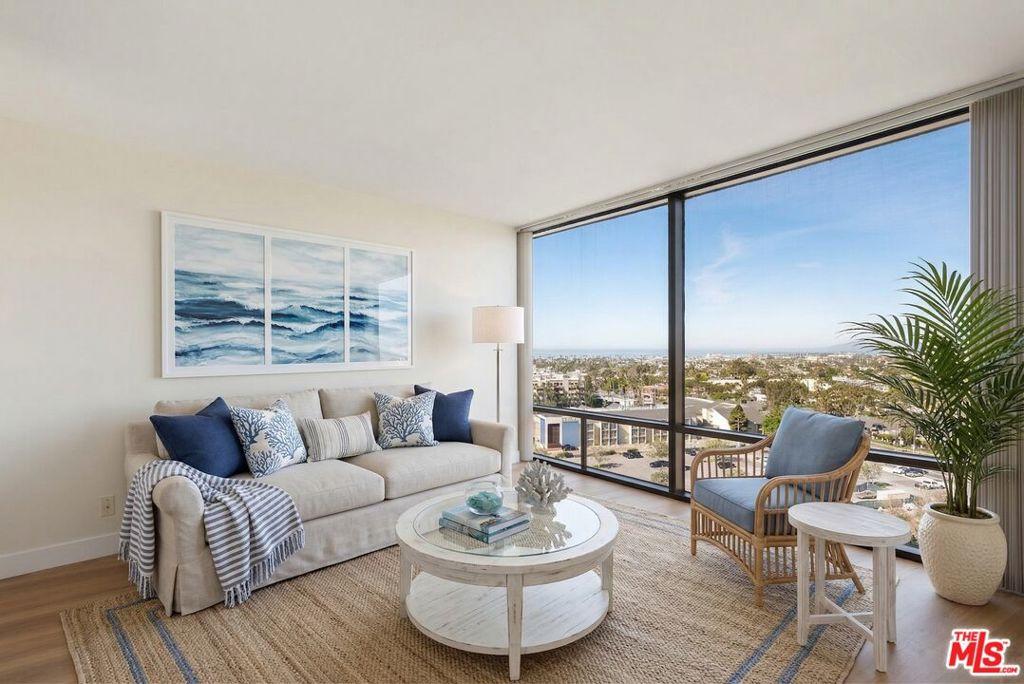
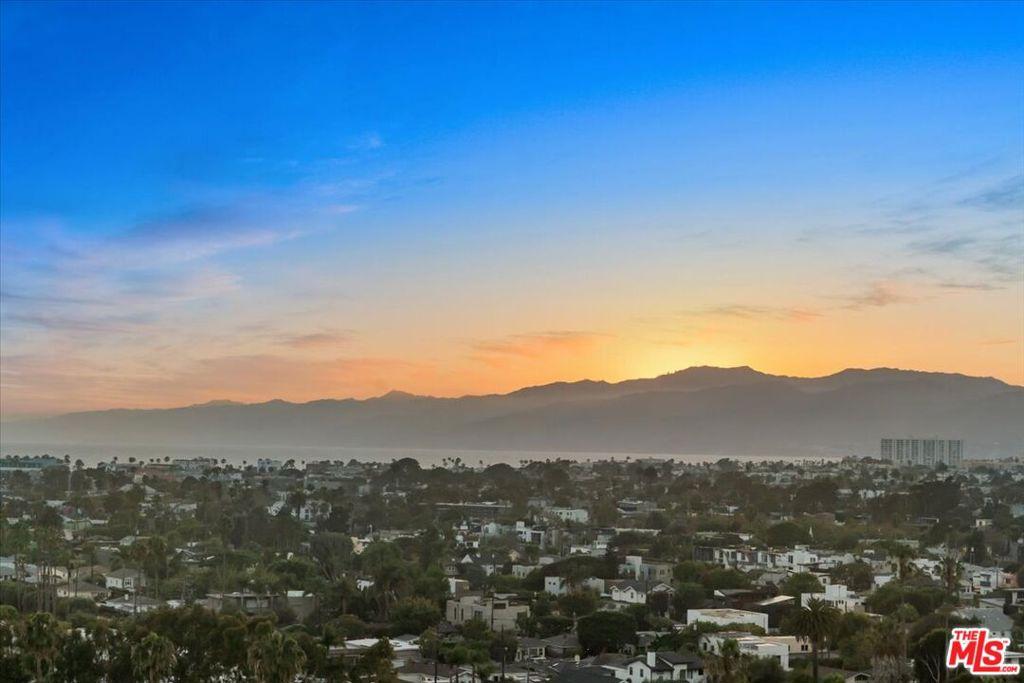
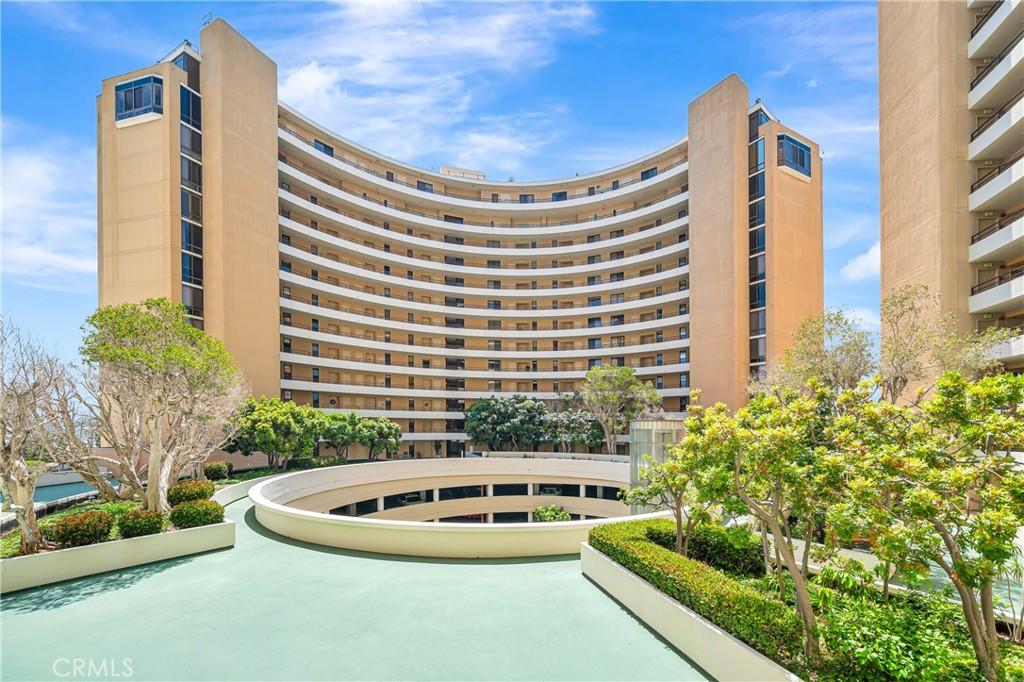
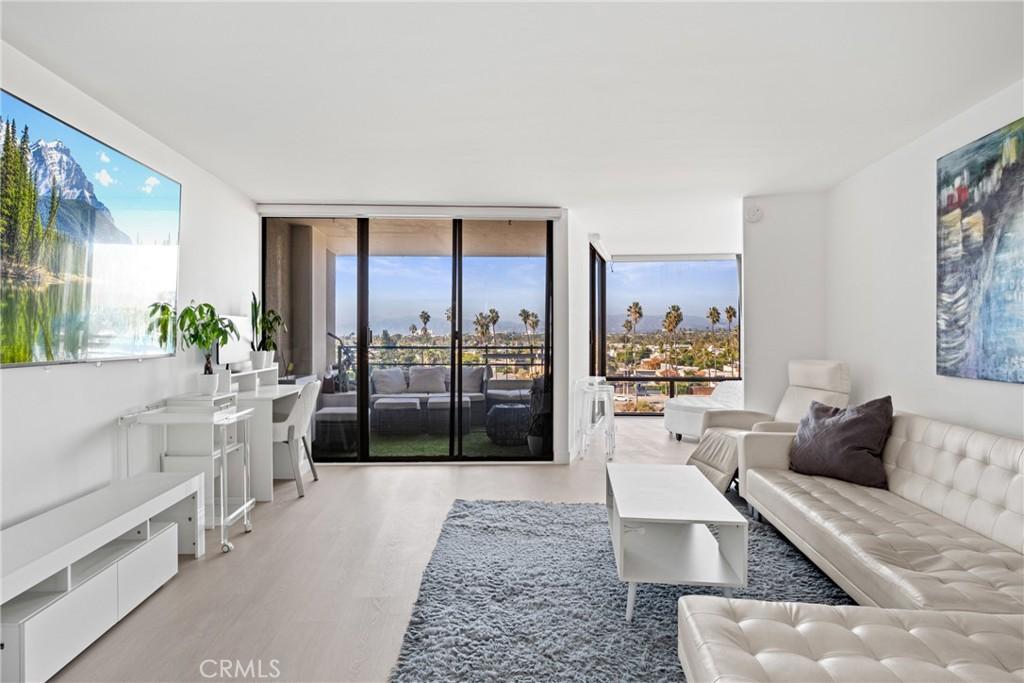
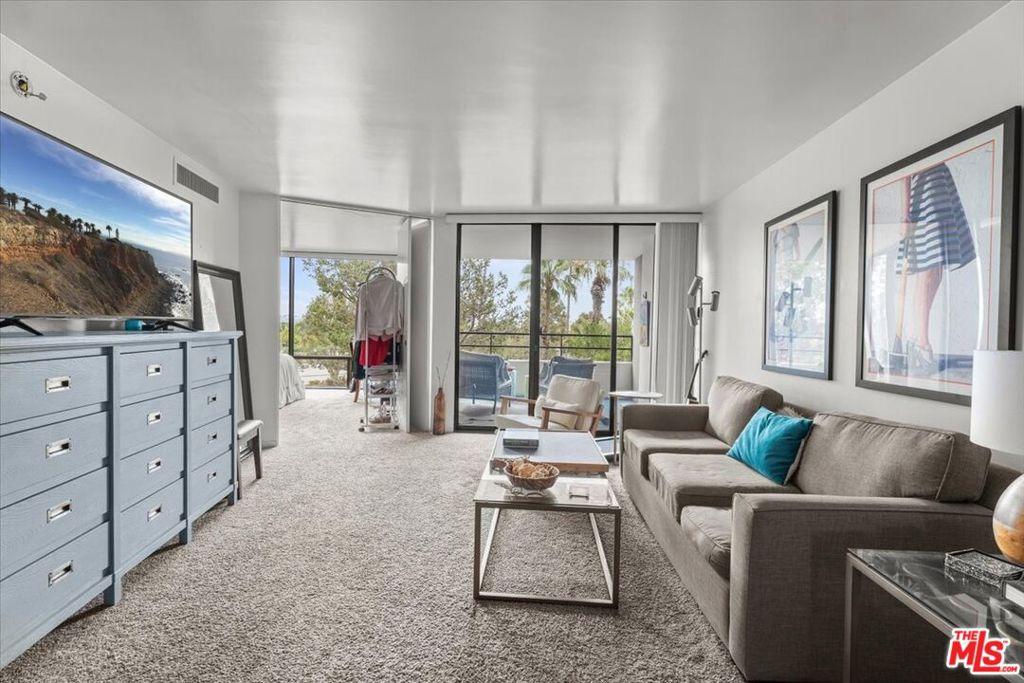
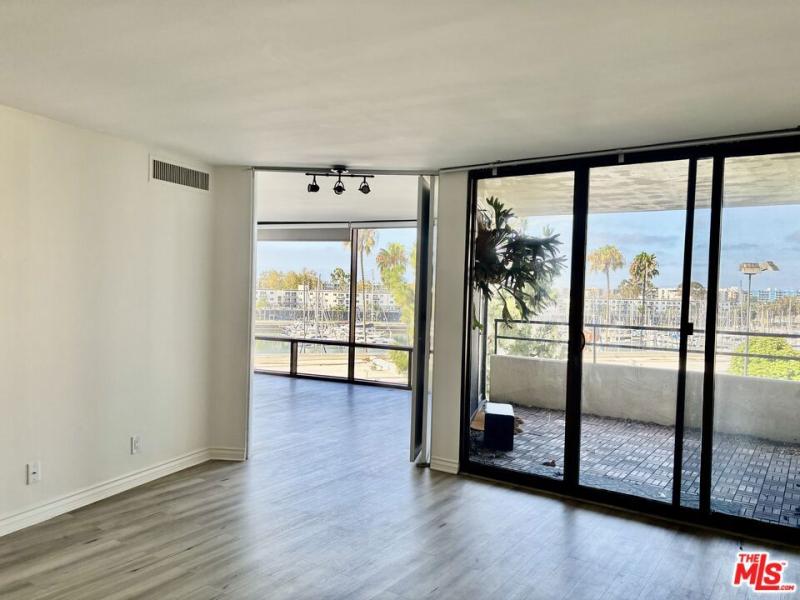
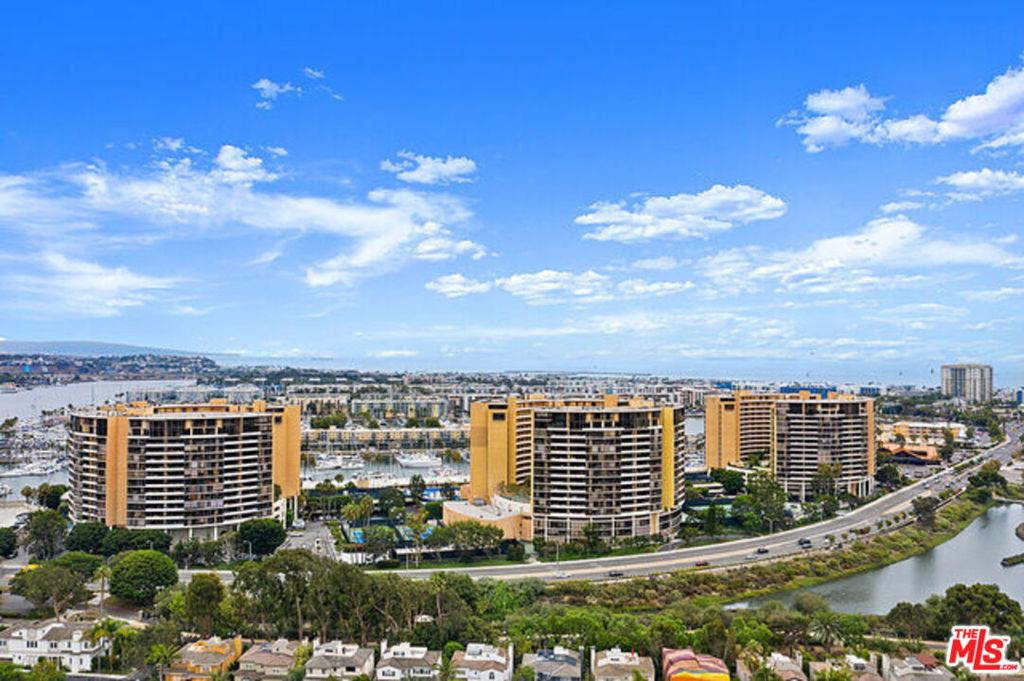
Marina Pointe is a community on the Los Angeles Westside — the coastal and near-coastal residential zone from Venice to Malibu where ocean access, Santa Monica Mountains proximity, and the technology and creative industry concentration that Silicon Beach sustains create a residential environment that commands among the highest prices in the Los Angeles metropolitan area. Marina Pointe is a residential community in the Marina del Rey and Playa Vista area — a bayside and canal-adjacent setting that provides water access and the planned community infrastructure of a developed coastal neighborhood near Silicon Beach’s technology employment corridor. Marina Pointe’s 2026 median home price of approximately $1.2 to $2 million reflects the marina and water adjacency, the Silicon Beach technology employment proximity, and the planned community character of the Playa Vista and Marina del Rey development.


Marina Pointe is one of the Westside’s distinct residential communities, marina pointe is a residential community in the marina del rey and playa vista area — a bayside and canal-adjacent setting that provides water access and the planned community infrastructure of a developed coastal neighborhood near silicon beach’s technology employment corridor within a broader Westside geographic zone whose diversity — from Venice’s bohemian beachfront to Malibu’s celebrity canyon estates to the LMU-adjacent Westchester neighborhoods — creates meaningful lifestyle and value differences that require community-specific research by buyers considering this area of Los Angeles.
Los Angeles Unified School District serves most of the Westside’s residential communities for public K-12 education, with specific campus assignments depending on address location. Several LAUSD magnet programs concentrate on the Westside, including strong programs at Venice High School and the various schools serving Westchester. The Malibu section of Santa Monica-Malibu Unified School District provides an alternative; many Westside families use private school options given the LAUSD campus variability and the high professional demographic that the Westside’s price premium attracts. School assignments should be verified with LAUSD or the relevant school district for any specific address.
The 10 Freeway and 405 Freeway provide the Westside’s primary freeway access. The 10 connects to downtown LA and continues east to San Bernardino; the 405 connects north to the San Fernando Valley (via Sepulveda Pass) and south to the South Bay and Orange County. The C Line Metro provides rail transit from Santa Monica and Culver City to downtown LA; the D Line (Purple Line) extension under construction will connect Westwood and Century City to the Metro system within the next several years. Pacific Coast Highway provides coastal connectivity northward to Malibu and southward to Palos Verdes. Most Westside residents remain primarily car-dependent despite the improving transit infrastructure.
The Silicon Beach technology corridor, concentrated along Lincoln Boulevard and in the Venice and Santa Monica commercial zones, creates significant technology professional employment that is within cycling or walking distance of many Westside residential addresses. Google’s Playa Vista campus, Snap’s Santa Monica offices, and dozens of smaller tech companies provide employment that generates consistent residential demand from the technology worker demographic whose compensation levels can access Westside pricing. The convergence of technology employment, beach lifestyle, and creative cultural identity in the Westside corridor has produced one of the most consistently in-demand residential zones in the United States over the past decade.
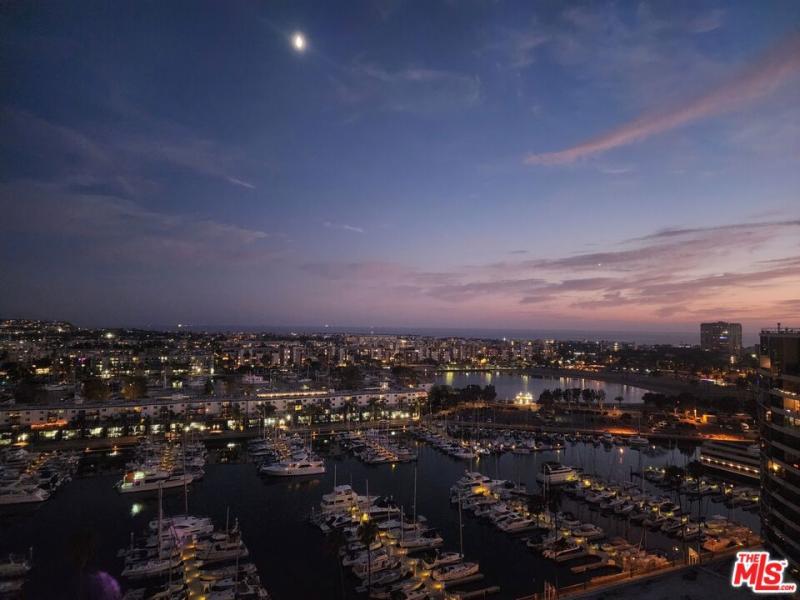
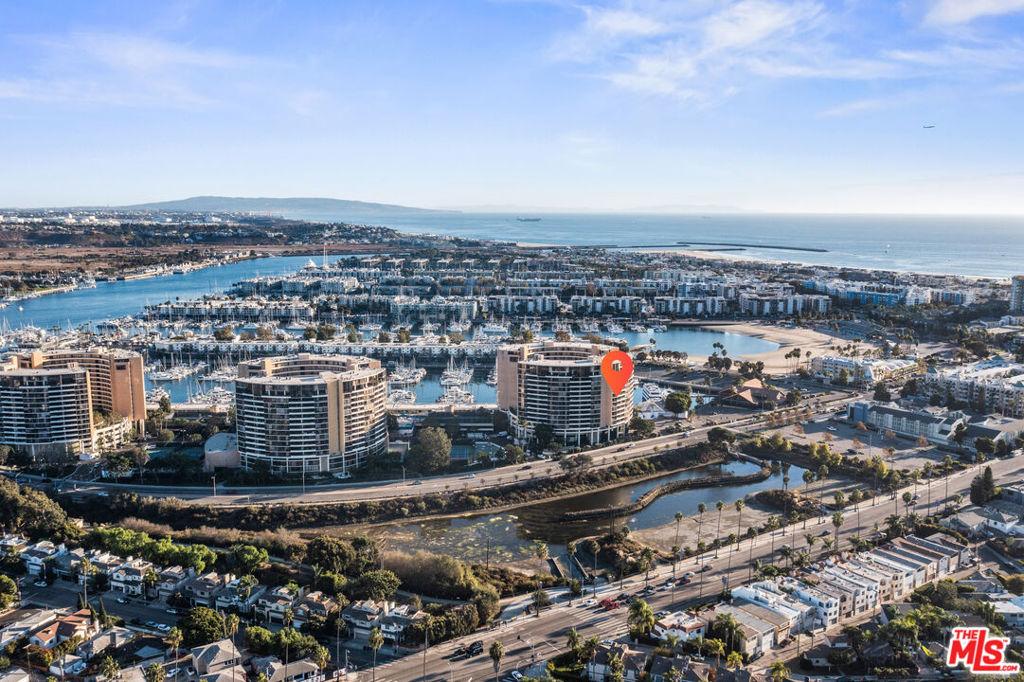
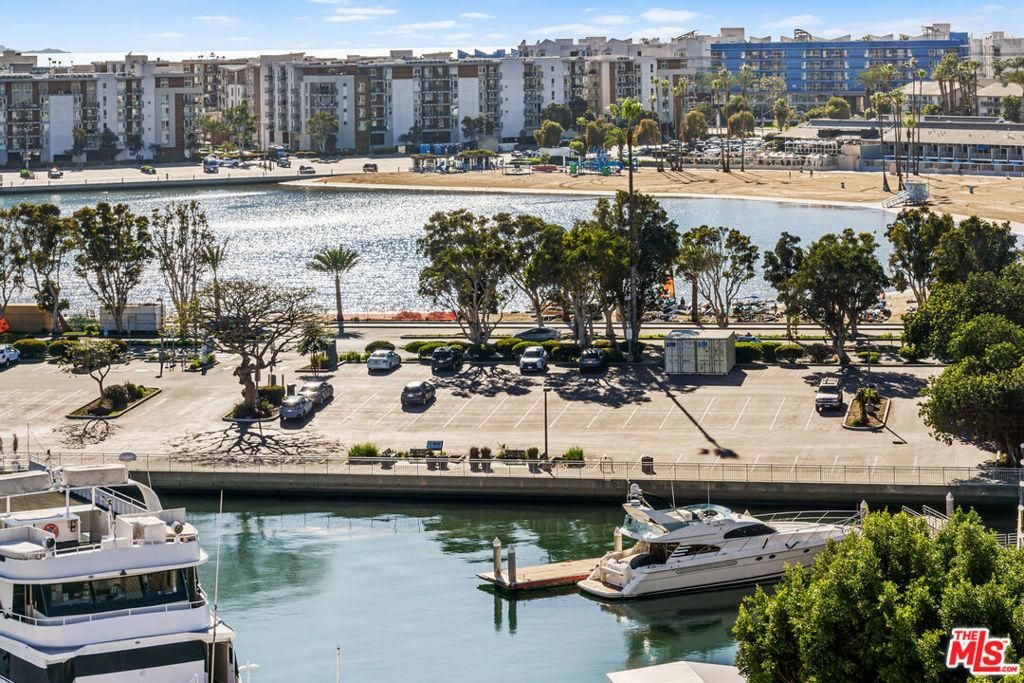
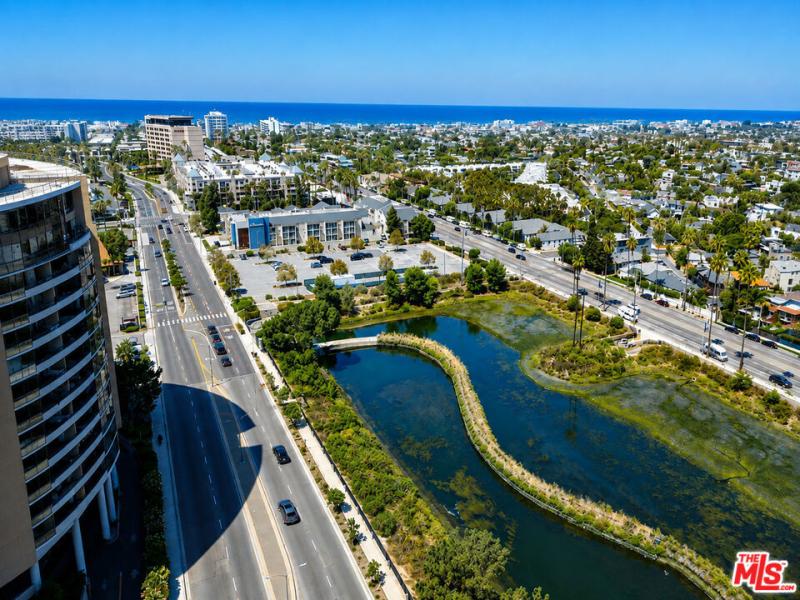
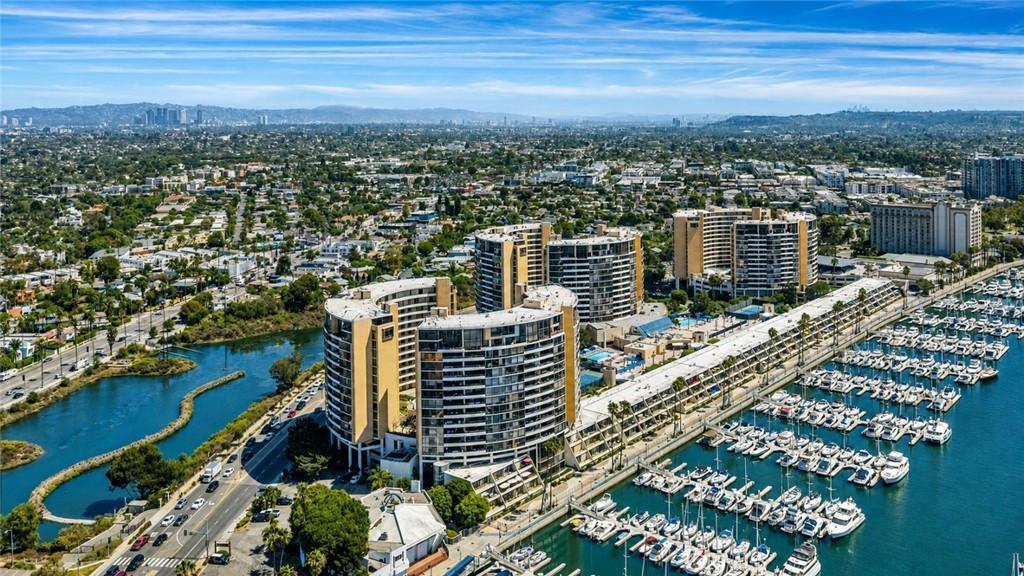
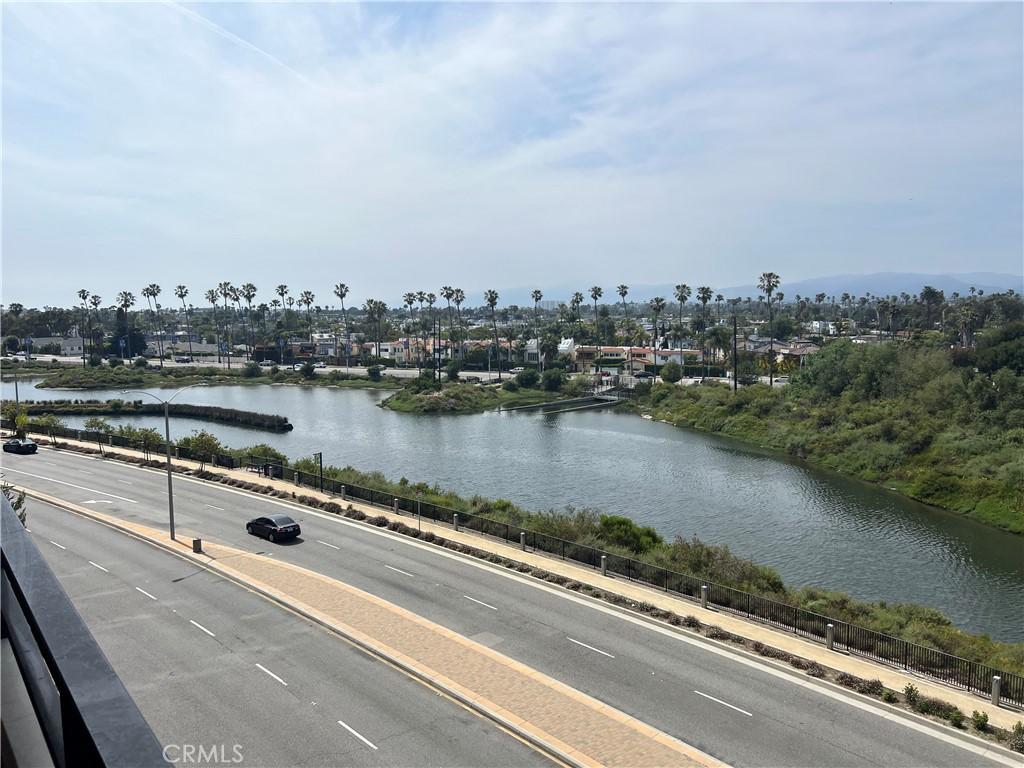
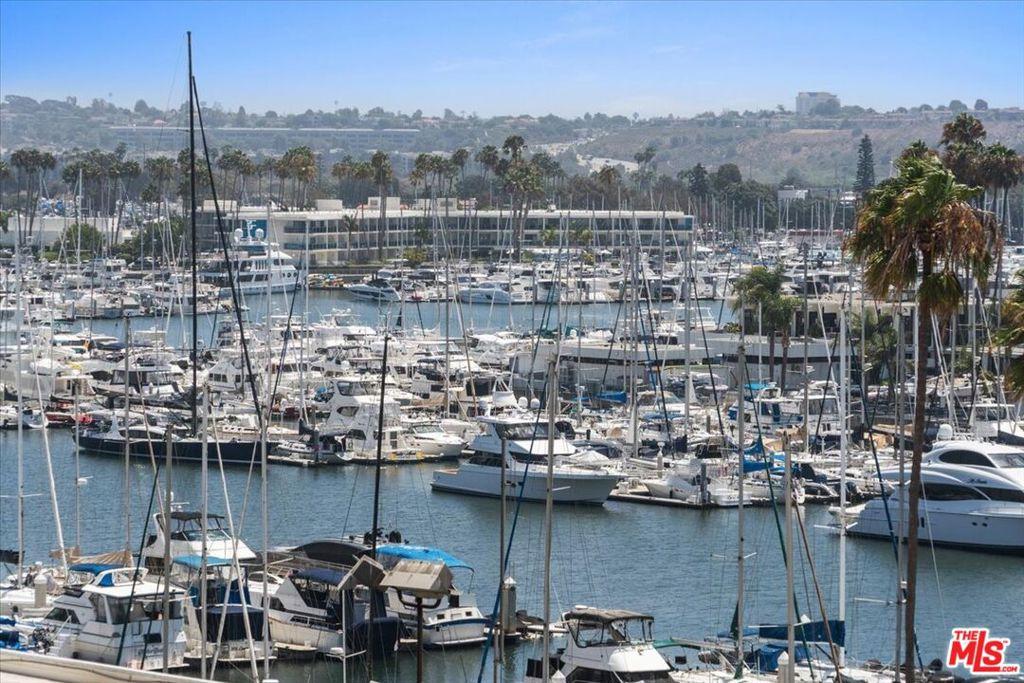
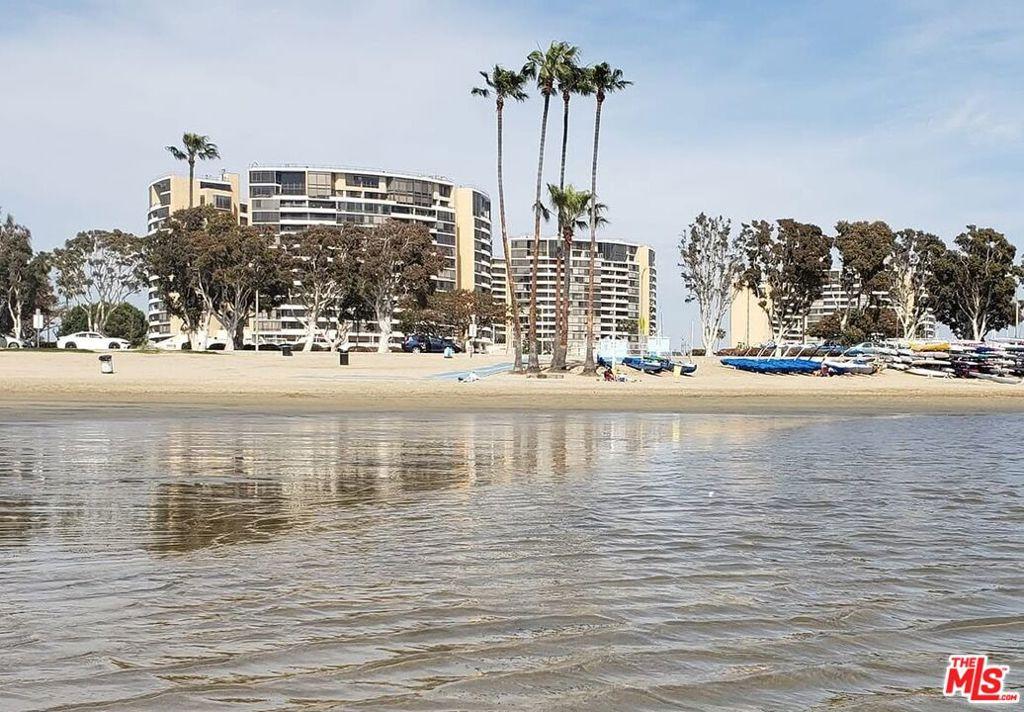
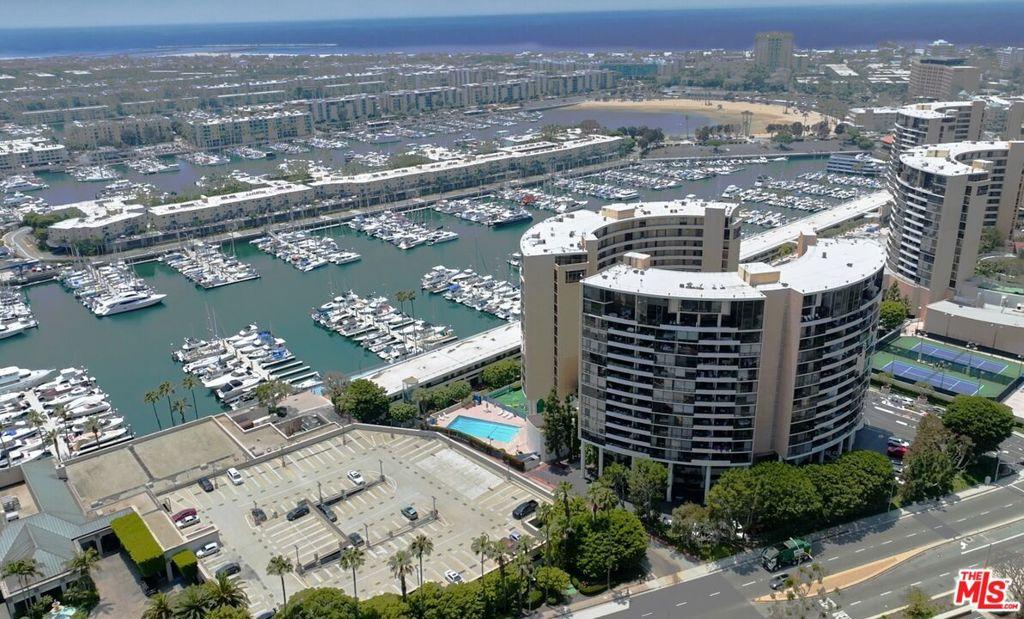
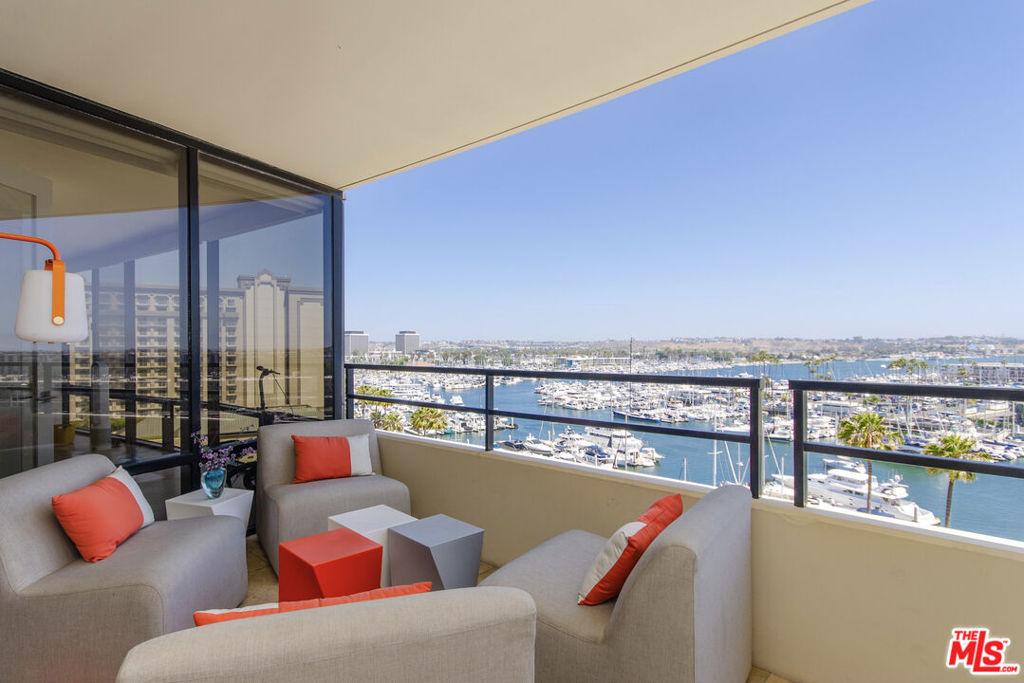
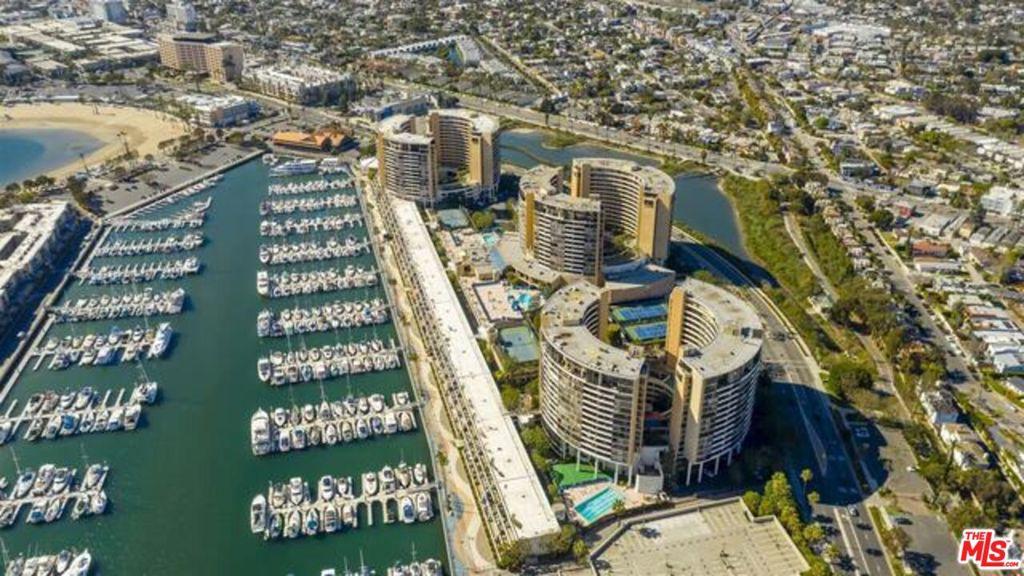
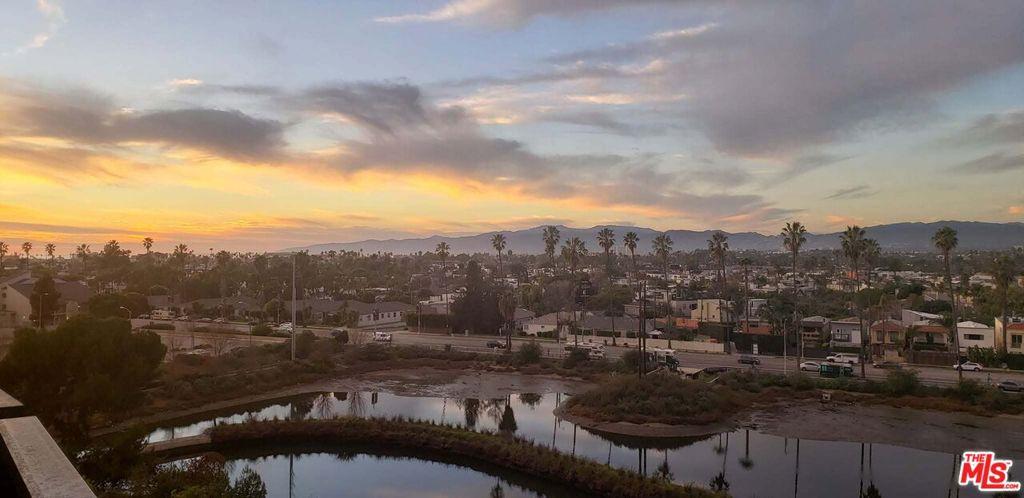
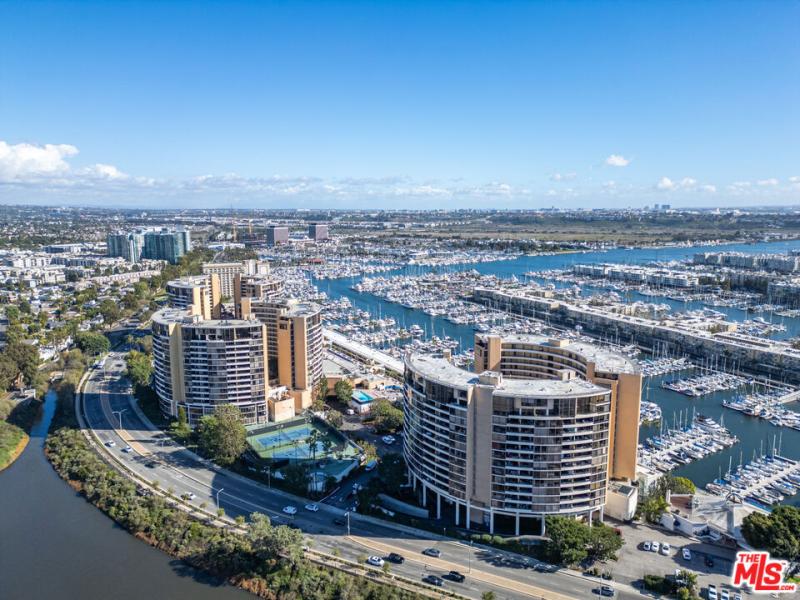
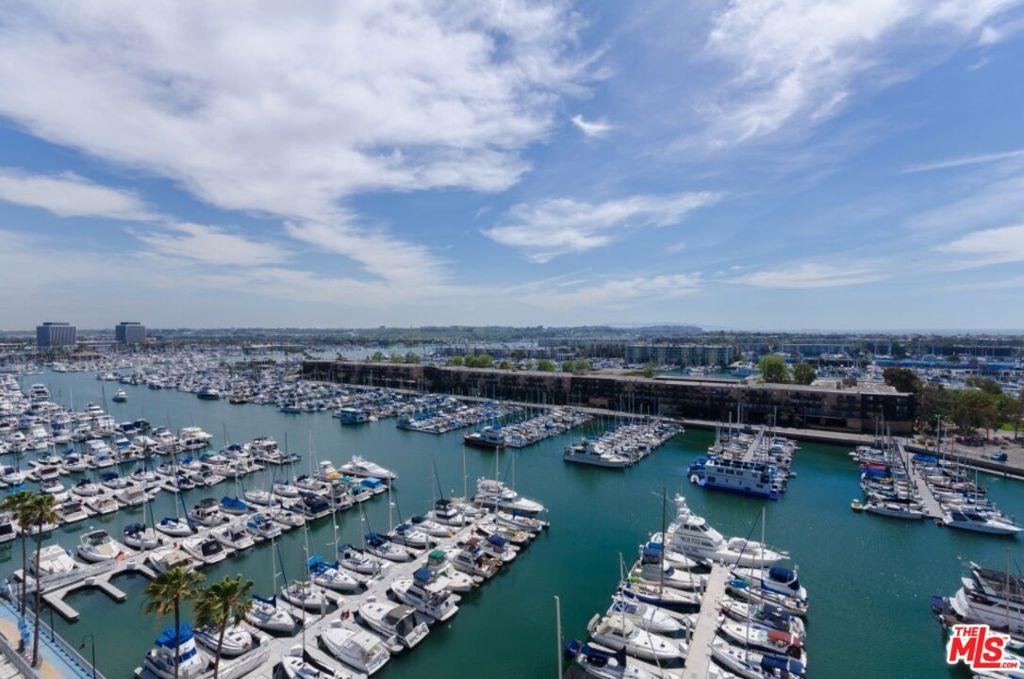
Marina Pointe is a residential community adjacent to Marina del Rey — the world’s largest man-made small-craft harbor, developed in the 1960s as a combined commercial marina and recreational boating destination that provides the waterfront lifestyle that the Los Angeles Westside’s flat coastal geography cannot provide as a natural feature. Marina del Rey’s 19 boat basins (approximately 5,000 boat slips), the water taxis, the waterfront restaurants along Fisherman’s Village and the marina’s perimeter, and the Ballona Creek access to the inland bike path network create the recreational and lifestyle infrastructure that the marina-adjacent residential communities access as their neighborhood amenity. Marina Pointe’s residential positioning at the marina’s gateway creates the waterfront lifestyle access alongside the Westside employment proximity (the Playa Vista tech campus and the Culver City studio corridor are within 5-10 minutes) that sustains the community’s professional and creative-class residential demand.
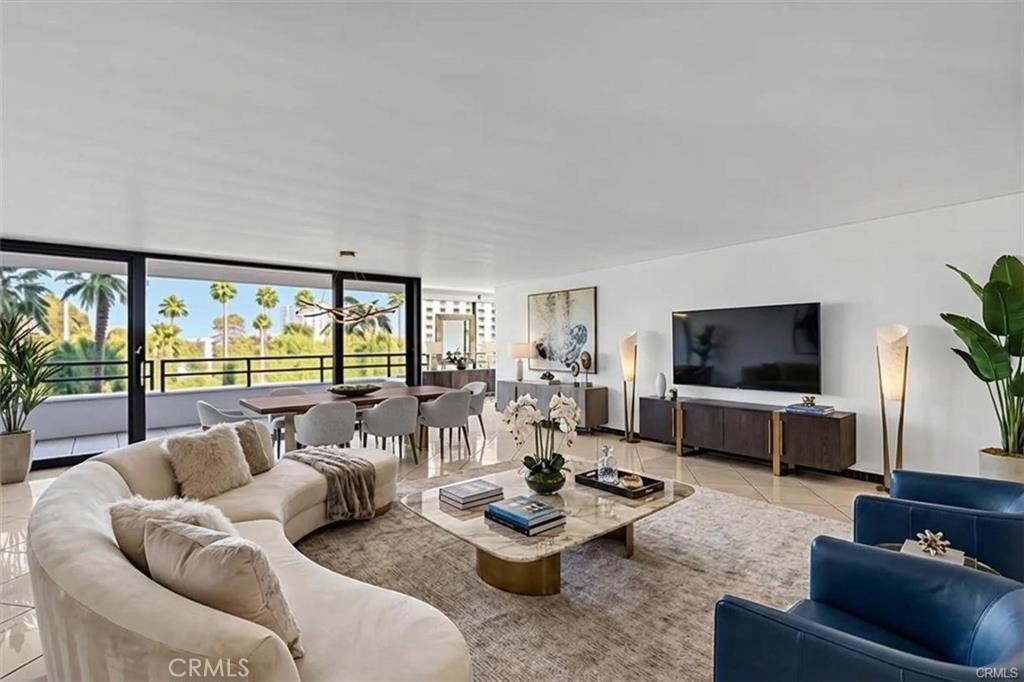
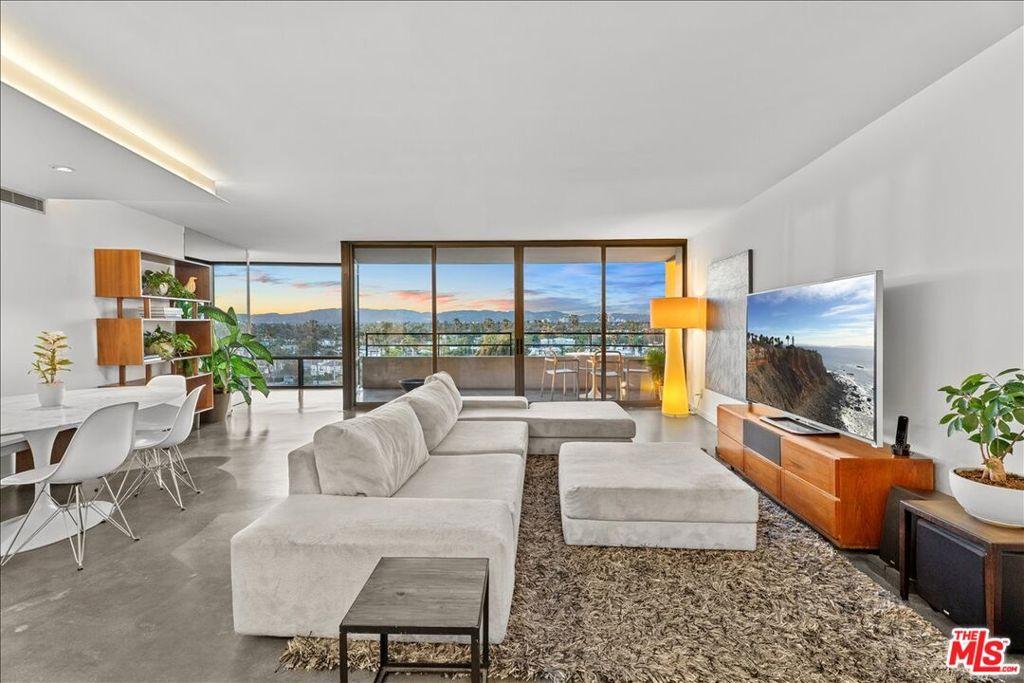
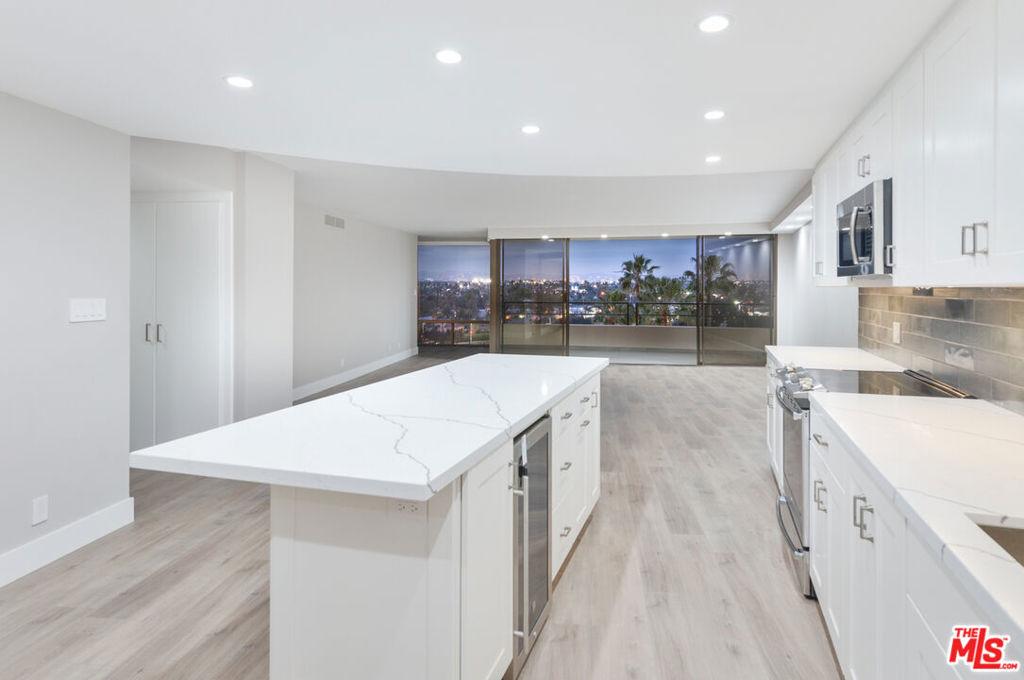
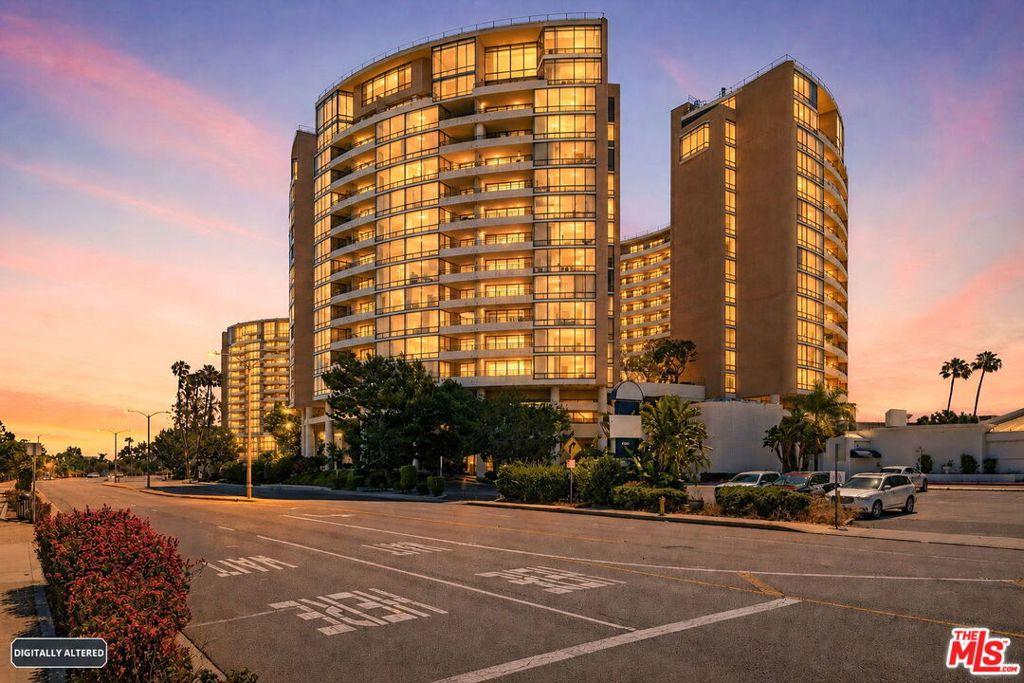
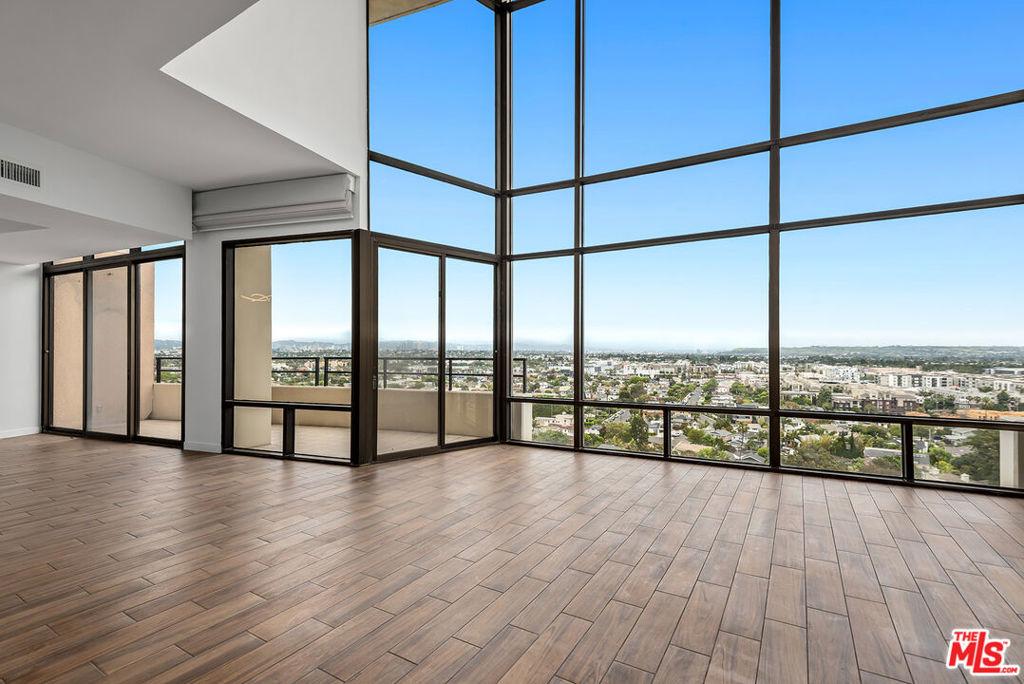
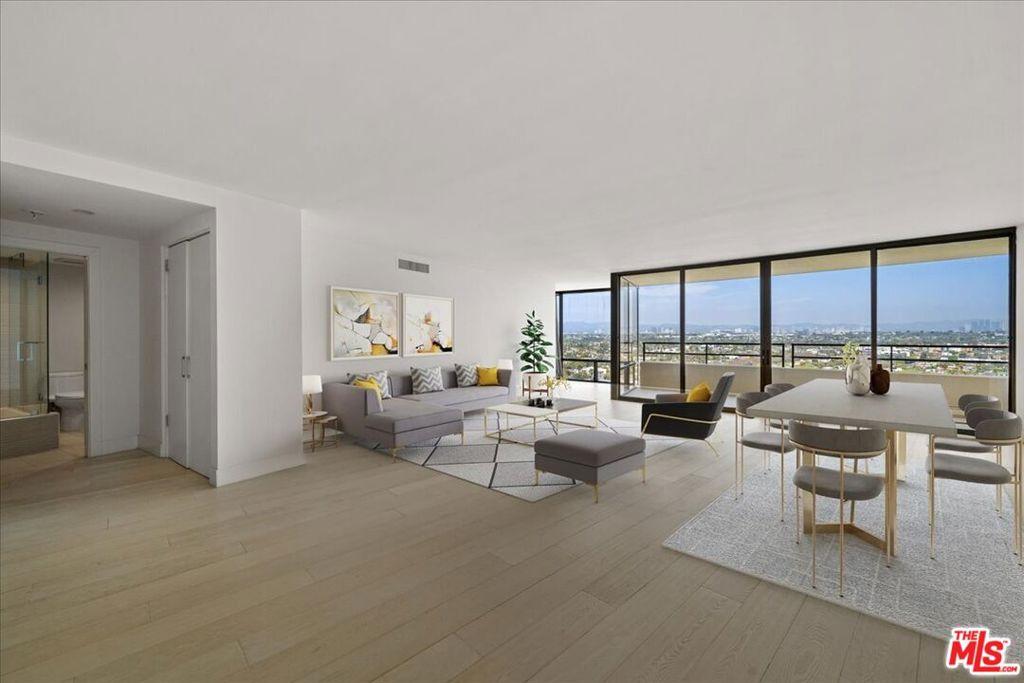
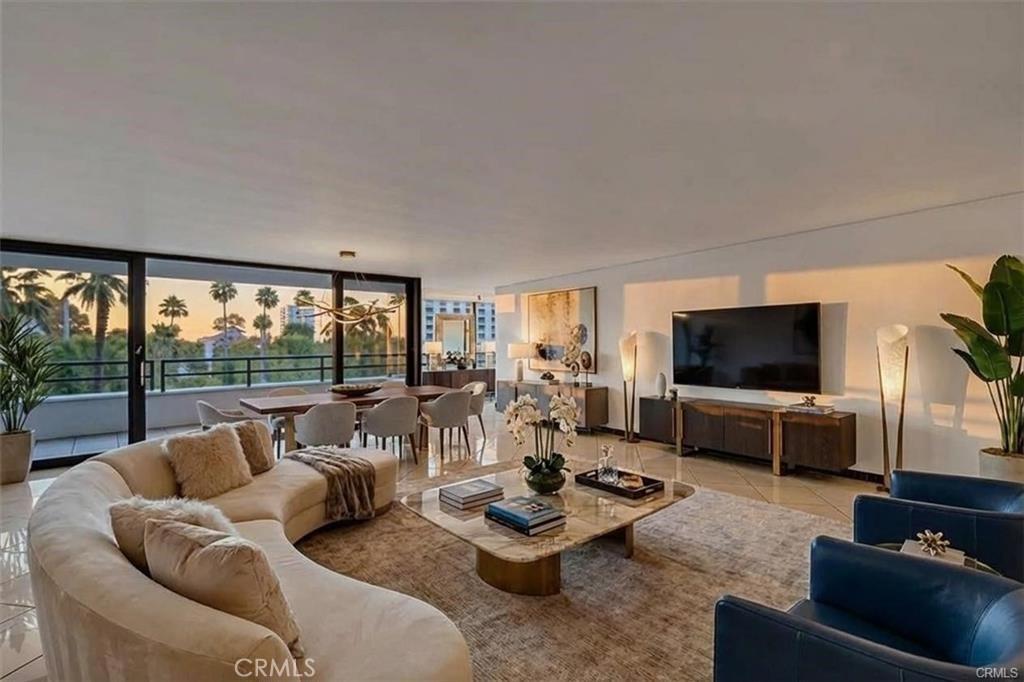
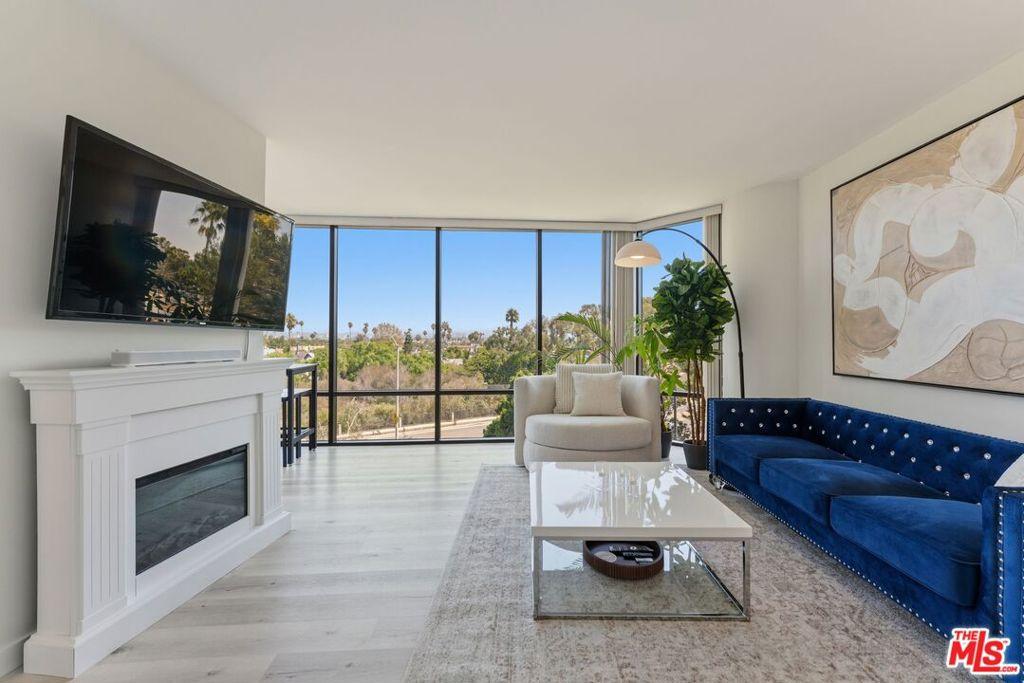
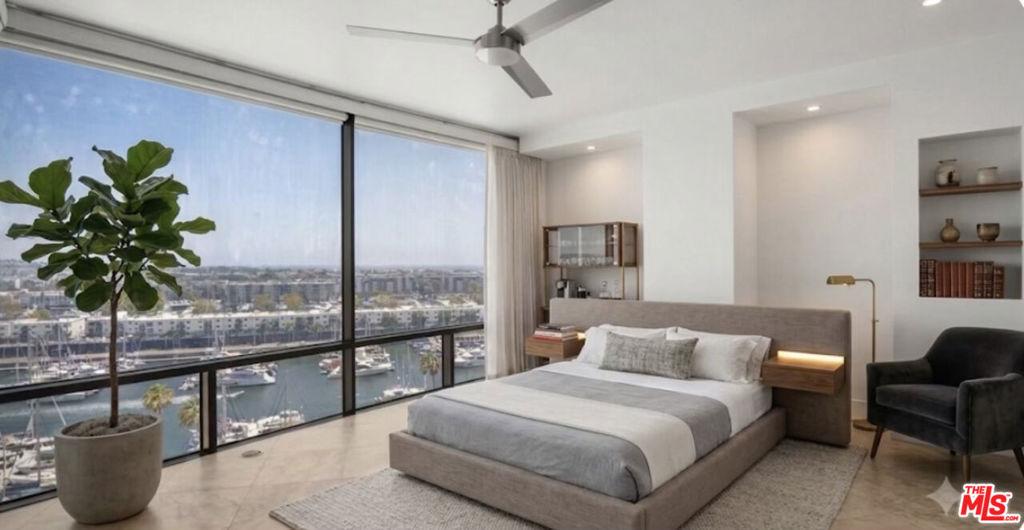
Marina Pointe’s residential market reflects the marina-adjacent Westside lifestyle premium — the condominiums and townhomes that the marina-adjacent development sustains at $900K-$2M+ for the ownership market, with the boating and waterfront lifestyle access that the Marina del Rey geography provides as the primary residential differentiation from the inland Westside residential alternatives.
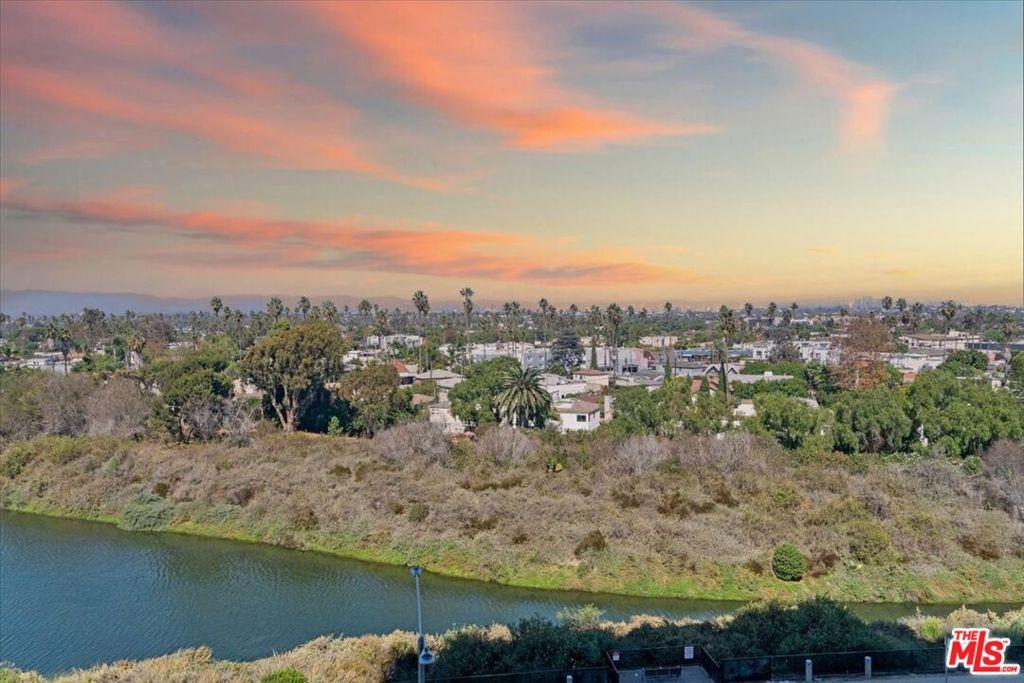
Marina Pointe’s positioning between Marina del Rey’s recreational waterfront and the Playa Vista tech campus creates the specific lifestyle-employment combination that the Silicon Beach residential market sustains. Playa Vista — the 1,087-acre master-planned community developed on the former Howard Hughes Aircraft factory and the Ballona Wetlands adjacent parcel — houses the Google YouTube offices, the Facebook/Meta campus, and the dozens of digital media and tech companies that have made “Silicon Beach” a genuine tech hub competing with San Francisco’s South Bay corridor for talent attraction. The Marina Pointe residential community’s proximity to these employers (10-minute commute by bike along the Ballona Creek bike path to the Playa Vista campus) creates the live-work-play access that the tech workforce specifically values — the ability to bike to the office from a waterfront address and access the marina’s recreational boating on the same day. The Ballona Creek Bike Path (a paved multi-use path connecting Marina del Rey to Culver City) provides the car-free commute option that the tech-cyclist demographic who has driven the bike-infrastructure investment throughout the Westside appreciates as a daily use amenity from the marina-adjacent residential community.
Marina del Rey and the adjacent Marina Pointe area offer both a robust rental market (the many apartment complexes around the marina serve the young professional workforce seeking the marina lifestyle without the ownership commitment) and the ownership market that the marina-view condominiums and the Playa Vista residential development sustains. The LAUSD’s Westside campuses serve the Marina del Rey area for K-12 education; the specific campus assignment for any marina-adjacent address should be confirmed with LAUSD, as the Westchester and Mar Vista area boundary assignments create some complexity in the marina-adjacent geography.
The Santa Monica Mountains provide the Westside’s most significant natural resource — a mountain range running through the center of the metropolitan area from Griffith Park to Point Mugu, providing trail access, open space, and the visual natural backdrop that distinguishes the Westside’s residential environment from the flat urban landscape east of the mountains. Topanga State Park, Malibu Creek State Park, and the Backbone Trail provide trail networks that active Westside residents use for hiking, mountain biking, and trail running without leaving the urban area. For residents of canyon communities like Topanga and Malibu’s Malibu Canyon or Latigo Canyon roads, the mountains are literally their backyard rather than a destination requiring a drive.
Venice’s boardwalk, canals, and Abbot Kinney Boulevard provide the cultural heart of the Westside’s creative economy — a neighborhood whose bohemian roots in the early twentieth century have evolved through multiple cultural cycles to sustain its identity as the most artistically and commercially vibrant beach neighborhood in the western United States. Abbot Kinney Boulevard’s restaurant and boutique concentration, the Venice canals’ residential character, and the boardwalk’s perpetual street performance culture create a neighborhood identity that cannot be replicated in the suburban residential alternatives that the Los Angeles basin offers at comparable price points. Venice is genuinely one of the most distinctive urban residential environments in the United States — a place whose cultural specificity has sustained its identity through gentrification pressures that have transformed most of the neighborhoods around it.
The Westside’s freeway access — the 10 Freeway (Santa Monica Freeway) and the 405 Freeway — connects the region to downtown Los Angeles, the South Bay, and the San Fernando Valley. The 1 (Pacific Coast Highway) provides coastal connectivity from Malibu through Santa Monica to the South Bay. The C Line (formerly Expo Line) Metro provides rail transit from Santa Monica and Culver City to downtown LA, with the D Line (Purple Line) extension under construction to connect Westwood and Century City to the broader Metro system. The Westside’s transit infrastructure, while improving, remains car-dependent for most residents’ daily travel needs.
The Westside is Los Angeles’s most diverse coastal residential zone — a collection of communities stretching from Venice’s beach bohemian character to Malibu’s celebrity canyon estates, from the LMU-adjacent Westchester residential neighborhood to the Topanga Canyon artisan community above PCH. The 2026 median home price across the Westside’s communities ranges from approximately $1.5 million in Westchester and Playa del Rey to $3 to $5 million in Brentwood and Pacific Palisades and $5 to $30 million or beyond in Malibu’s most premium oceanfront and canyon properties. The Westside’s defining appeal is the combination of ocean proximity, natural landscape access (the Santa Monica Mountains, Malibu Creek State Park, Topanga State Park), and the cultural creativity that Venice and the broader creative economy has sustained since the 1960s.
The technology industry’s “Silicon Beach” concentration along Lincoln Boulevard, Abbot Kinney, and the Venice/Santa Monica corridor has transformed the Westside’s economic identity from a purely entertainment-and-finance residential zone to a technology and creative industry hub. Google, Snap, Hulu, and scores of smaller technology companies have concentrated offices in the Venice and Santa Monica corridor, creating a significant tech professional residential demand that has pushed Westside pricing progressively higher over the past decade. The tech industry’s remote work adoption during and after the pandemic has made the Westside even more desirable for remote workers who want the lifestyle without the daily commute obligation.
Malibu’s specific position within the Westside is as the region’s ultimate luxury address — a 21-mile coastal city along Pacific Coast Highway where the combination of ocean frontage, mountain backdrop, and the celebrity residential concentration that PCH’s Malibu Colony and its peers represent creates a residential market with its own distinct price dynamics. Malibu properties with direct beach access command the highest per-square-foot values in all of Los Angeles County outside of a handful of Beverly Hills estates; Malibu’s canyon properties provide the mountain-ocean dual access that no other Southern California community can replicate.
The Westside of Los Angeles — encompassing the coastal and near-coastal communities from Malibu through Pacific Palisades, Brentwood, Bel Air, Westwood, UCLA, Century City, Culver City, Marina del Rey, Venice, Playa Vista, and Playa del Rey — is the most expensive and most sought-after residential geography in the Los Angeles metropolitan area, sustained by the convergence of ocean proximity, the entertainment and technology employment anchors (the studios in Culver City, the agencies in Beverly Hills, the tech companies of Silicon Beach), and the cultural and educational infrastructure (UCLA, the Getty Center, the Museum of Contemporary Art’s Geffen Contemporary, the Hammer Museum) that create the complete luxury urban lifestyle that the Westside’s residential character provides. The Westside’s pricing — typically $2M-$15M+ for single-family residential properties in the most desirable neighborhoods — reflects the supply constraint that ocean, mountains, and freeways create around one of the world’s most desirable residential landscapes.
The Westside’s residential diversity spans the full spectrum of the Los Angeles luxury market: from the oceanfront Malibu colony estates ($10M-$100M+) to the Venice Beach walk street cottages ($2M-$5M) and the Culver City urban loft condos ($800K-$1.5M) — the Westside geographic and lifestyle diversity creates the residential options across a wide price range within the shared premium of the coastal proximity and the Westside address identity. The Santa Monica-Malibu USD, the Los Angeles Unified School District’s Westside campuses (including Hamilton High School and the Los Angeles Center for Enriched Studies), and the Culver City USD provide the K-12 educational infrastructure that serves the Westside’s diverse residential geography with varying quality levels across the district boundaries.
Marina Pointe’s 2026 median home price of approximately $1.2 to $2 million reflects the marina and water adjacency, the Silicon Beach technology employment proximity, and the planned community character of the Playa Vista and Marina del Rey development. Current specific pricing data for Marina Pointe is available from The Knight Group. The Westside’s price range is among the broadest in the Los Angeles metropolitan area — Venice condominiums start below $1 million while Malibu oceanfront estates can exceed $50 million — making community-specific pricing information essential for any buyer evaluation.
Most Westside communities are served by Los Angeles Unified School District, with Malibu served by Santa Monica-Malibu Unified. LAUSD campus quality varies significantly across the Westside; specific campus assignments and their performance data should be researched for any address under consideration. Many Westside families use private schools given the LAUSD variability and the high professional demographic that supports private school enrollment across the region.
The Westside’s transit accessibility has improved with the C Line (formerly Expo Line) Metro extension to Santa Monica, and will improve further when the D Line (Purple Line) extension reaches Westwood and Century City. Current transit options include the C Line, multiple Big Blue Bus routes, and LADOT service. Most Westside residents still commute by car for most trips. For residents whose work destinations are on the C Line corridor (downtown LA, USC, Culver City), the Metro provides a viable car-free commute option.
Marina del Rey is the world’s largest man-made recreational harbor, covering approximately 800 acres of water with 19 boat basins that accommodate approximately 5,000 recreational vessels. The marina’s recreational offerings include: sailing (the numerous yacht clubs and sailing schools that operate from the marina basins), power boating (the boat rental services and the personal watercraft launch access), kayaking and paddleboarding (particularly on the protected inner basin waters), the water taxi system that connects the marina’s various sections by boat, and the fishing from the breakwater and the charter fishing boats that operate from the marina. The marina’s restaurant perimeter (the Fisherman’s Village with its Venetian-inspired architecture, the waterfront dining on Mindanao Way and Admiralty Way) provides the casual and upscale waterfront dining that the marina lifestyle sustains. The Ballona Creek bike path connects the marina to the Playa Vista area and the Santa Monica beach path system, creating the extended cycling infrastructure that sustains the active residential lifestyle that the marina-adjacent communities value.
Explore more Westside neighborhoods:
Lucky for you we’re looking out.
Subscribe to this Custom Search to be alerted when new properties hit the market in the area.
Choose the frequency that works for you.