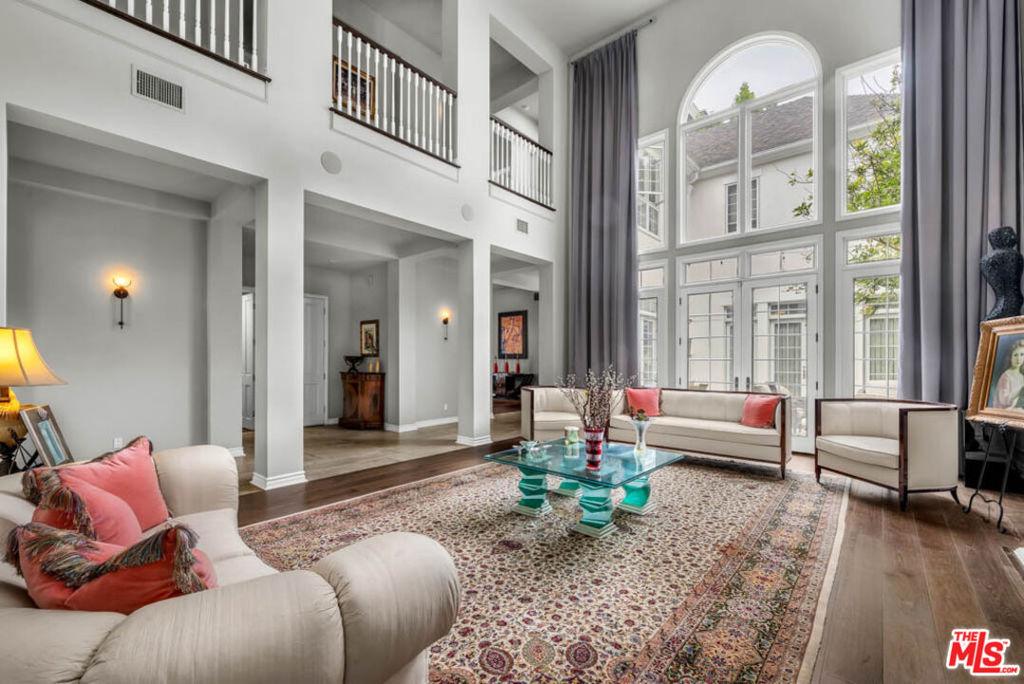
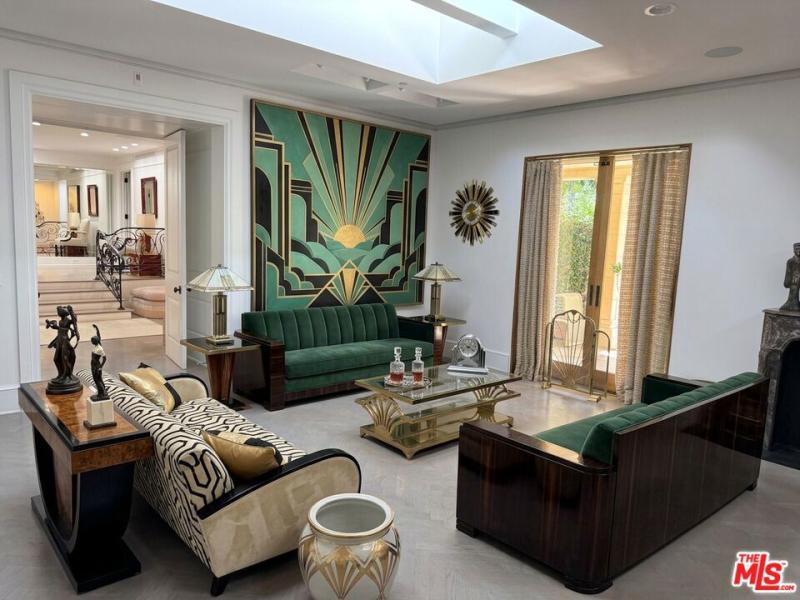
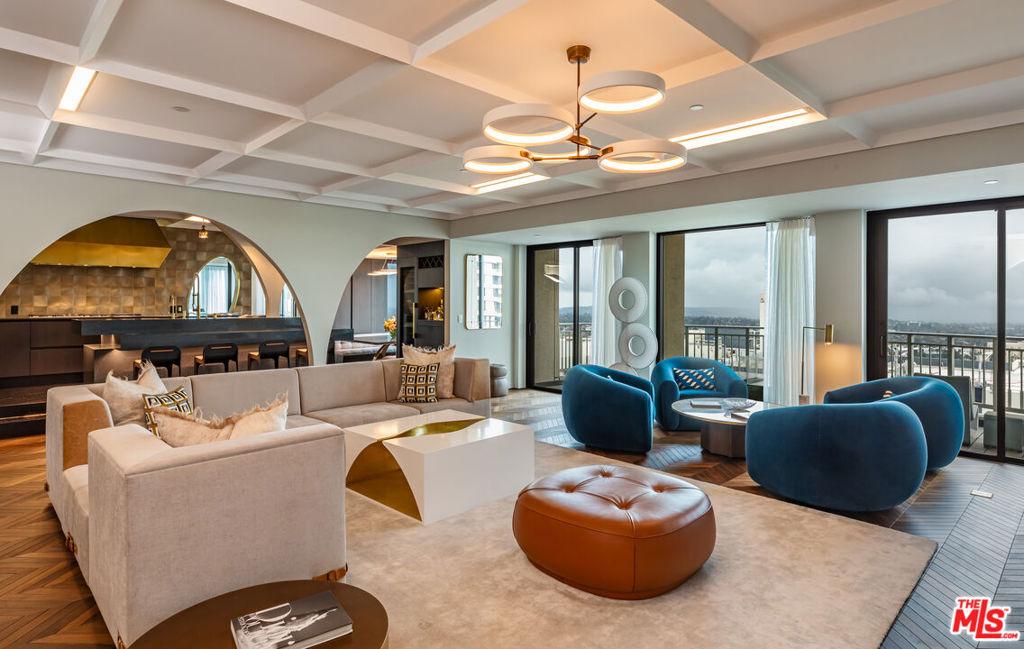
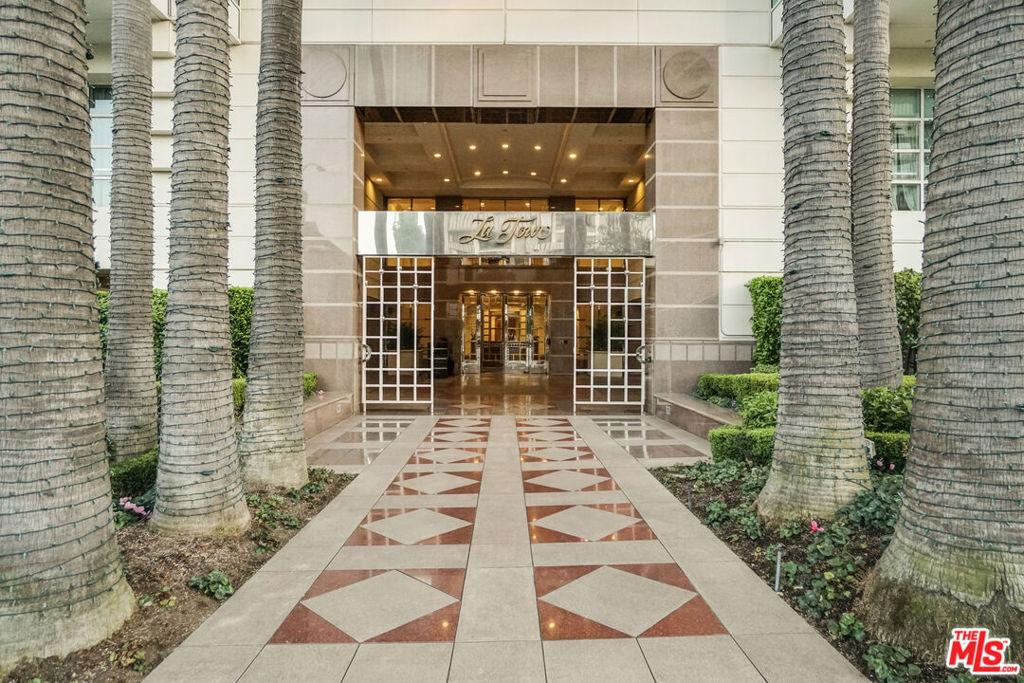
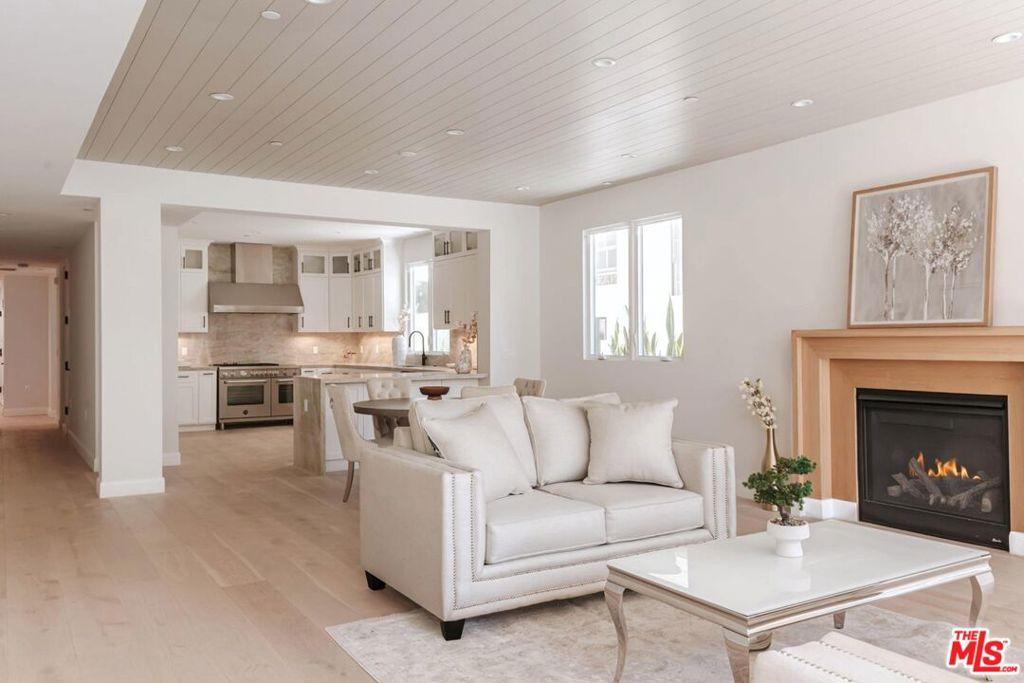
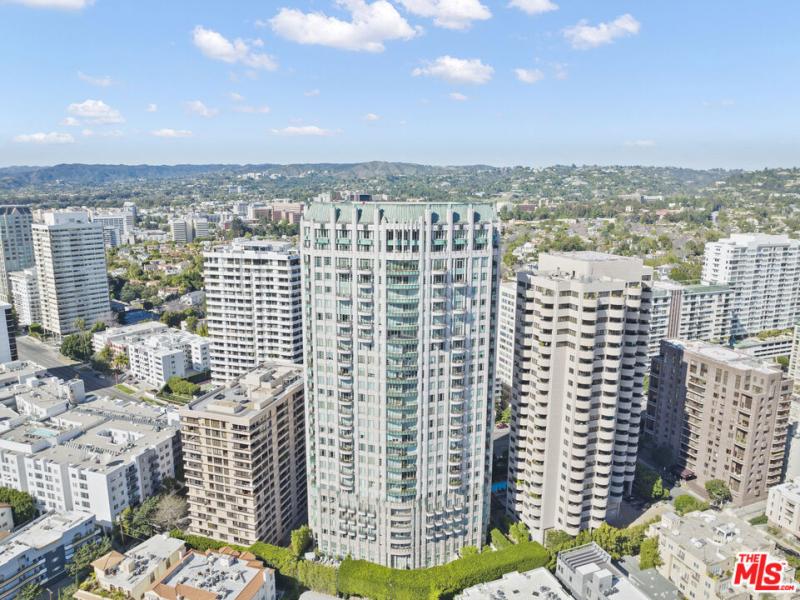
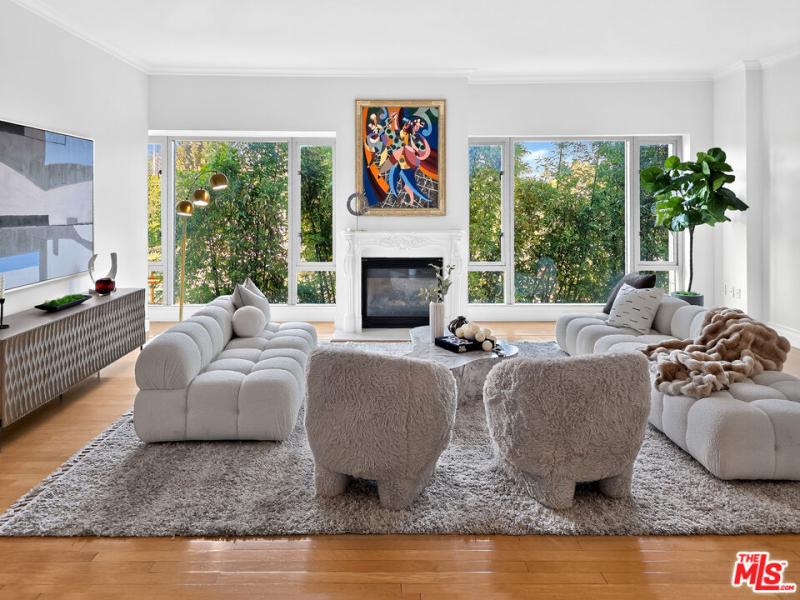
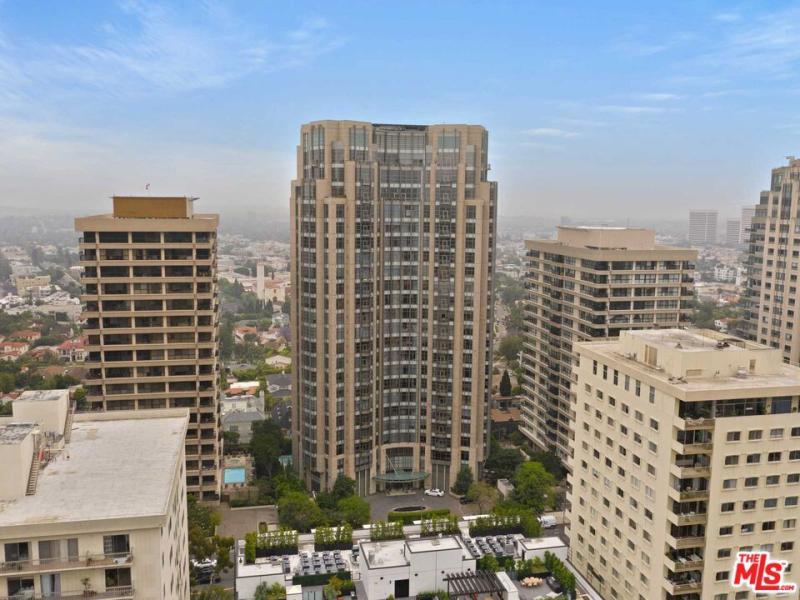
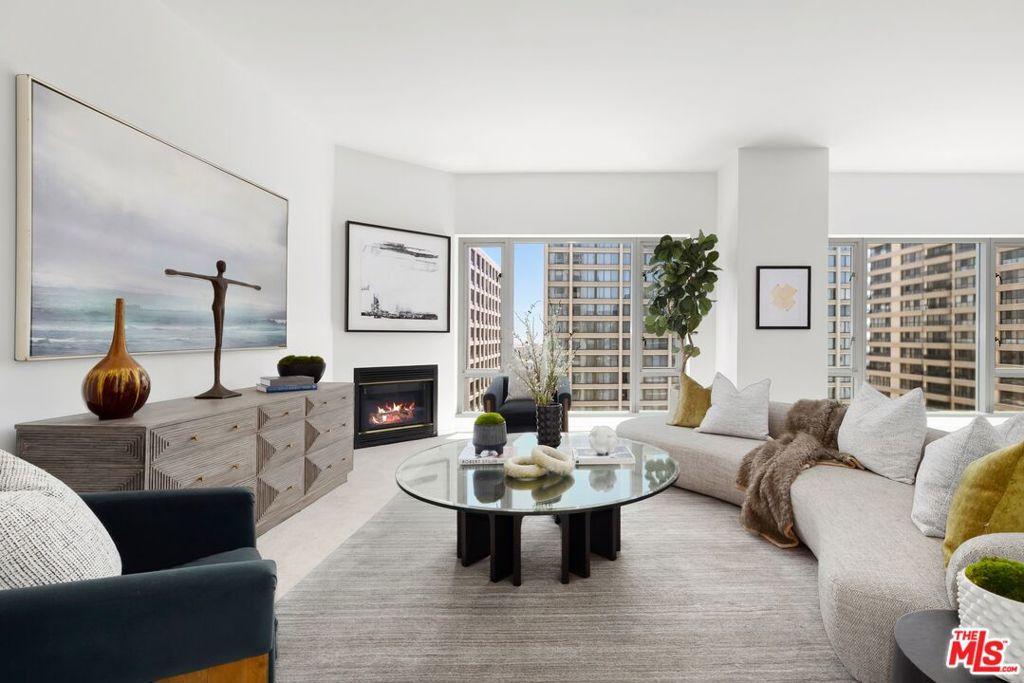
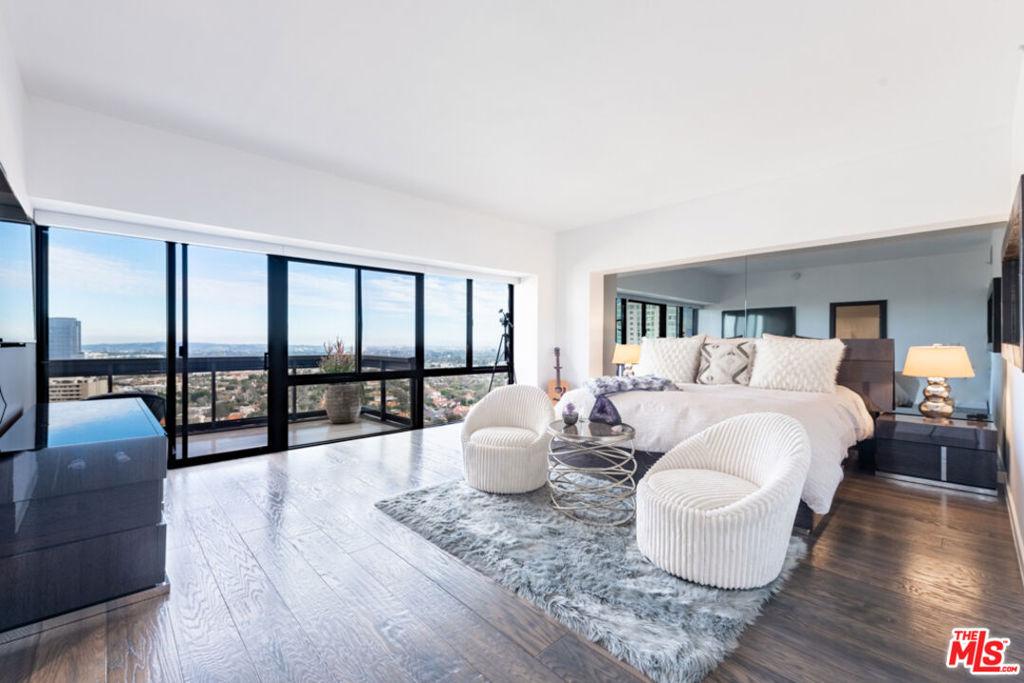
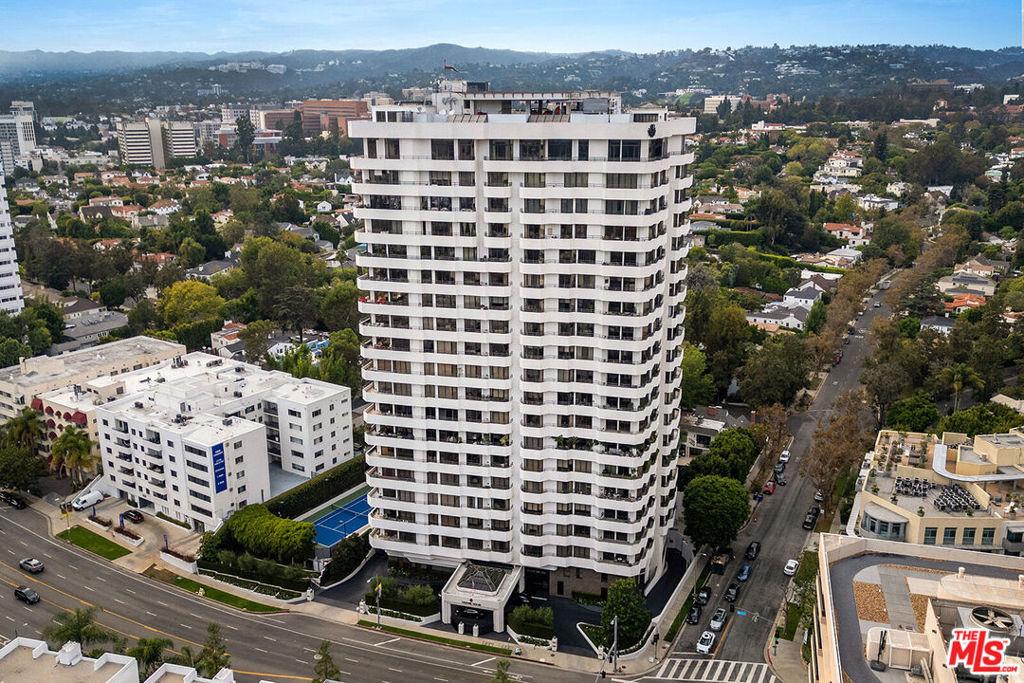
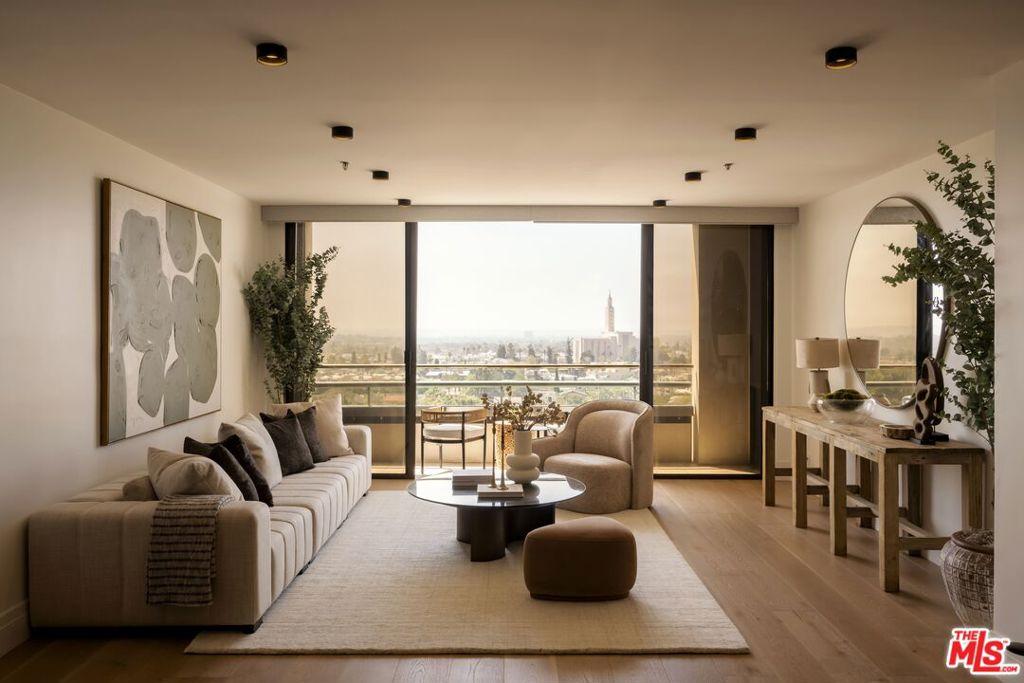
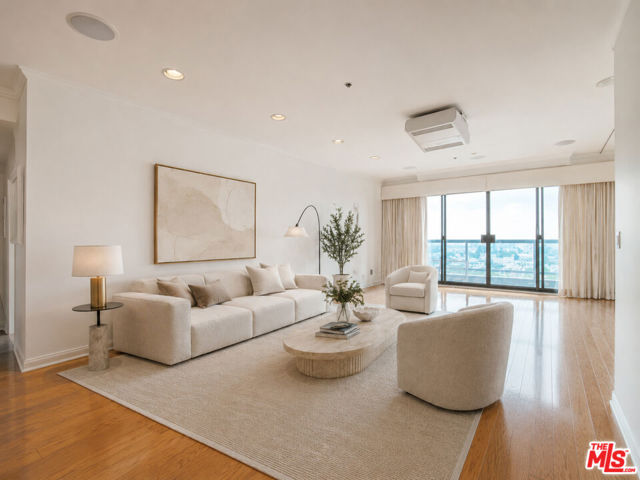
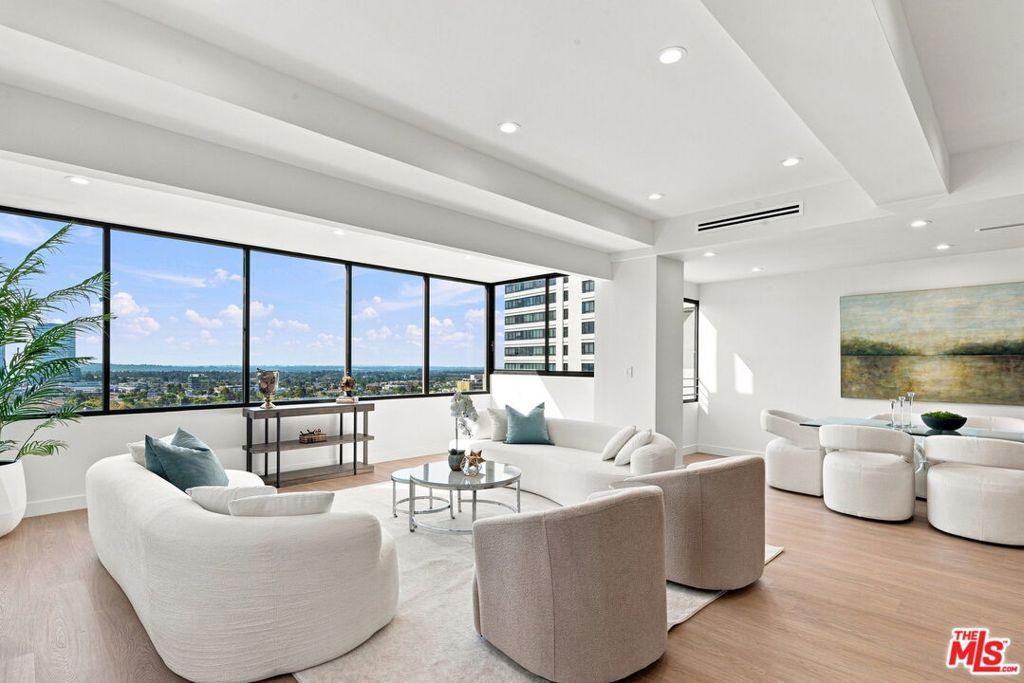
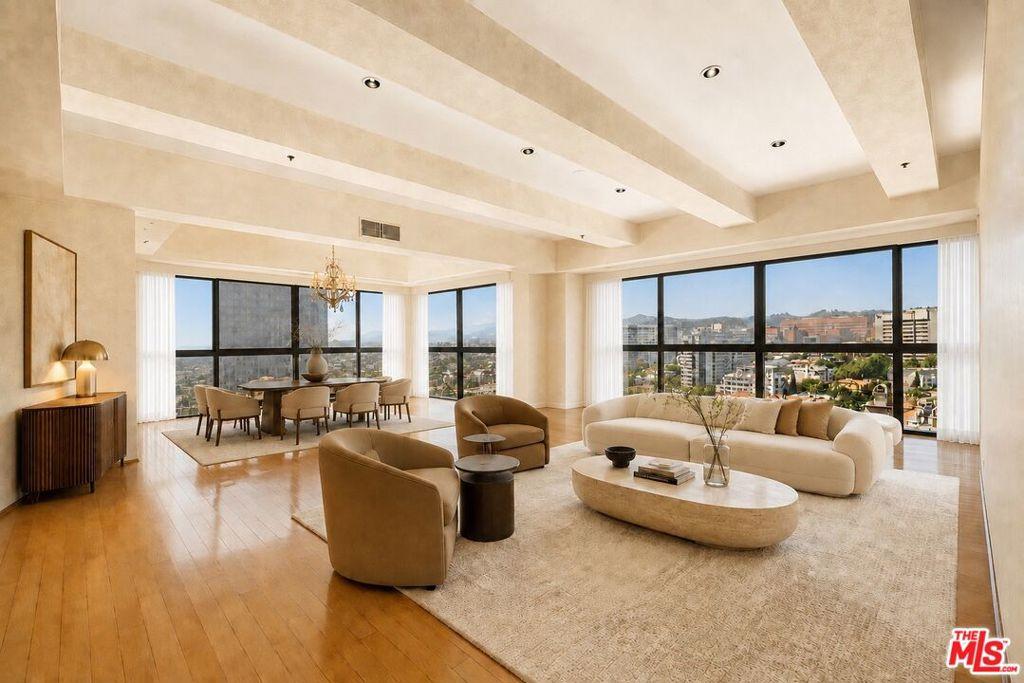
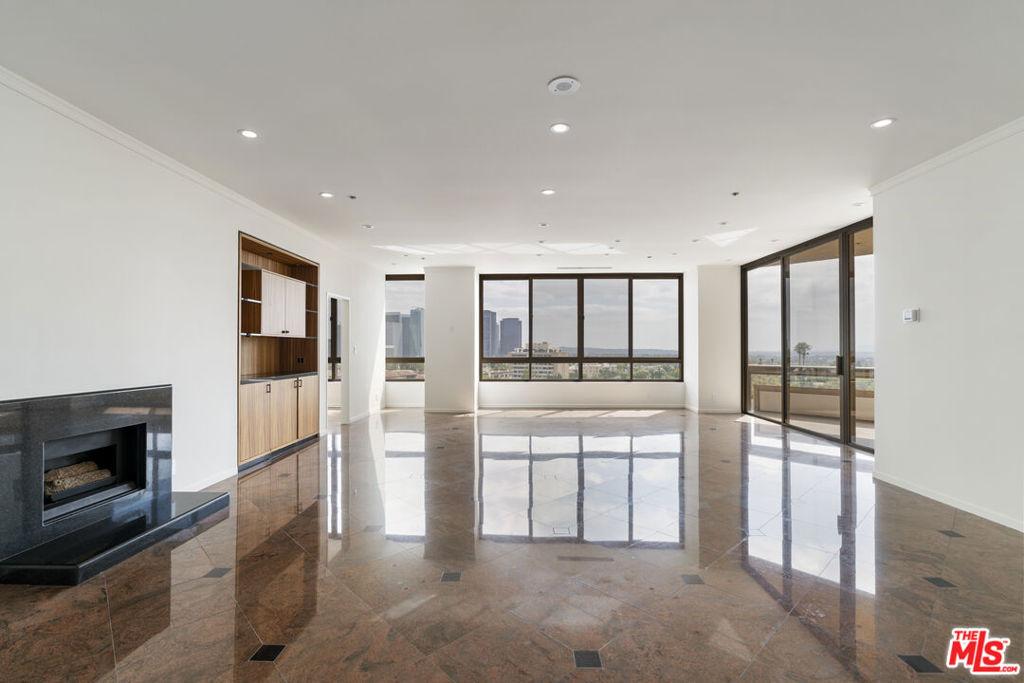
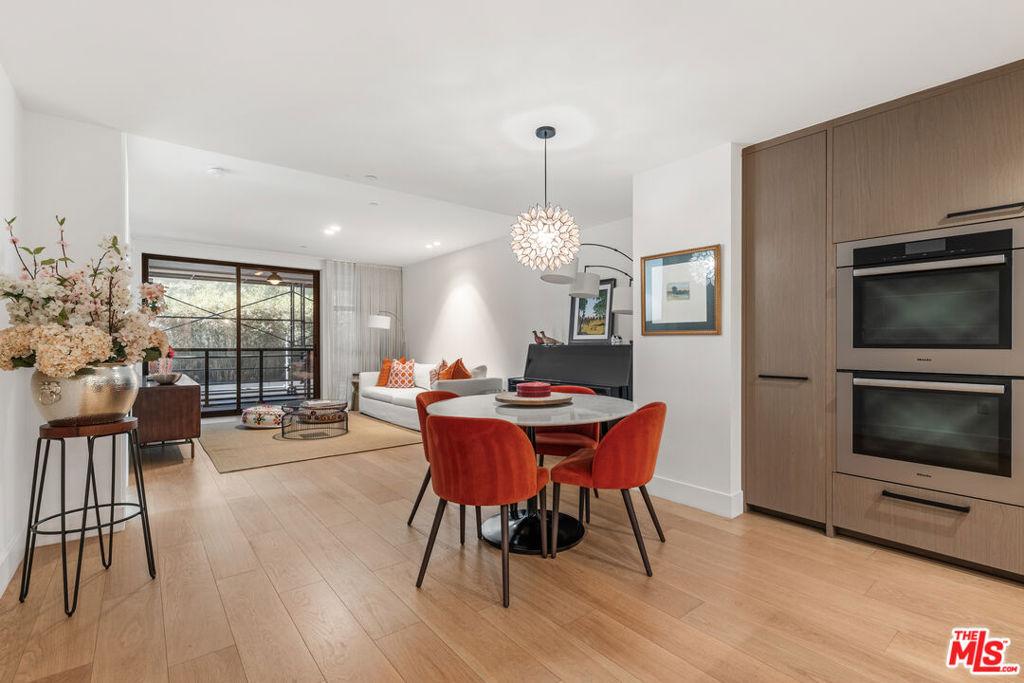
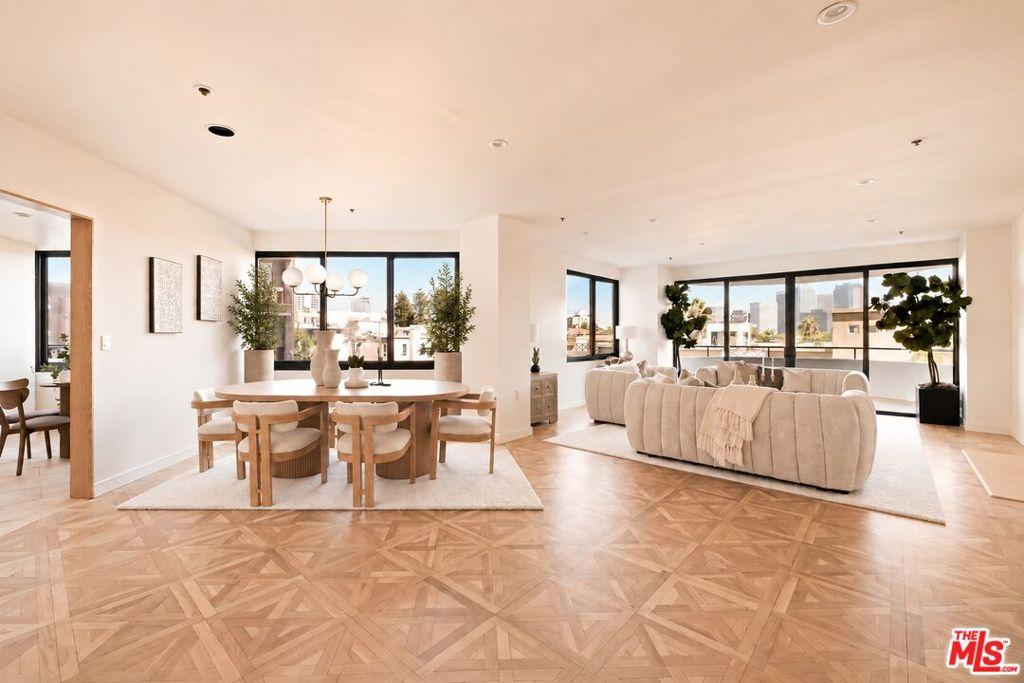
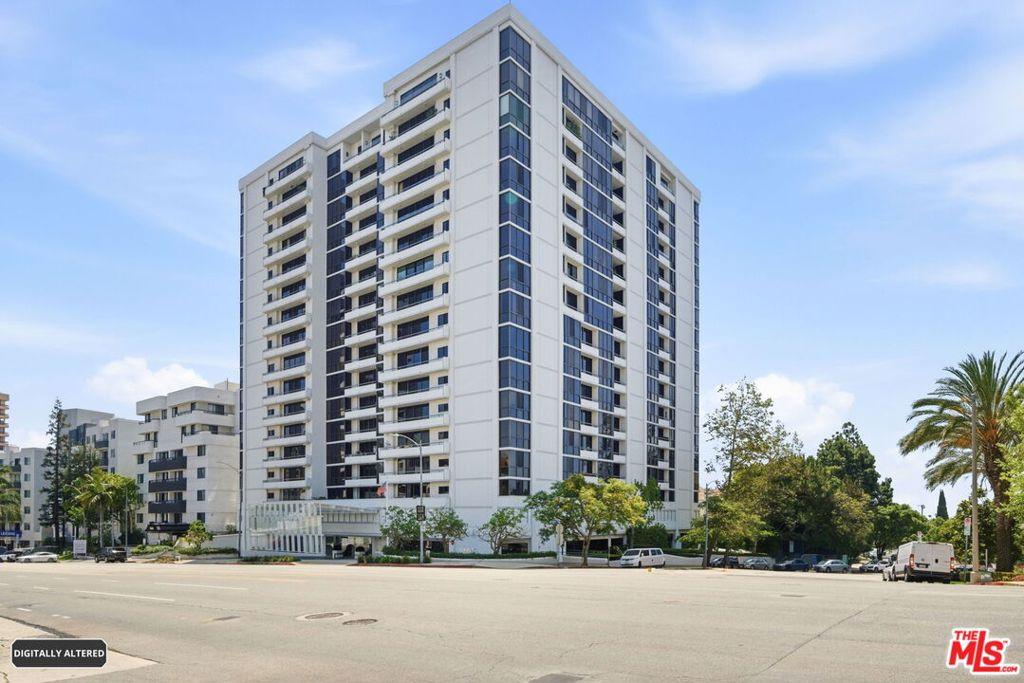
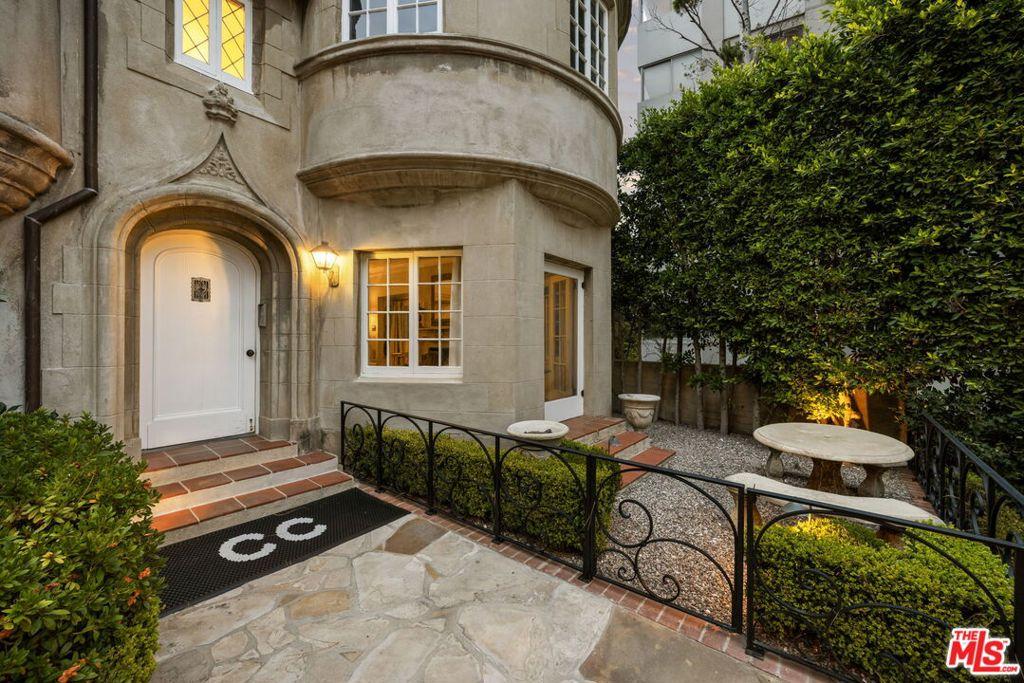
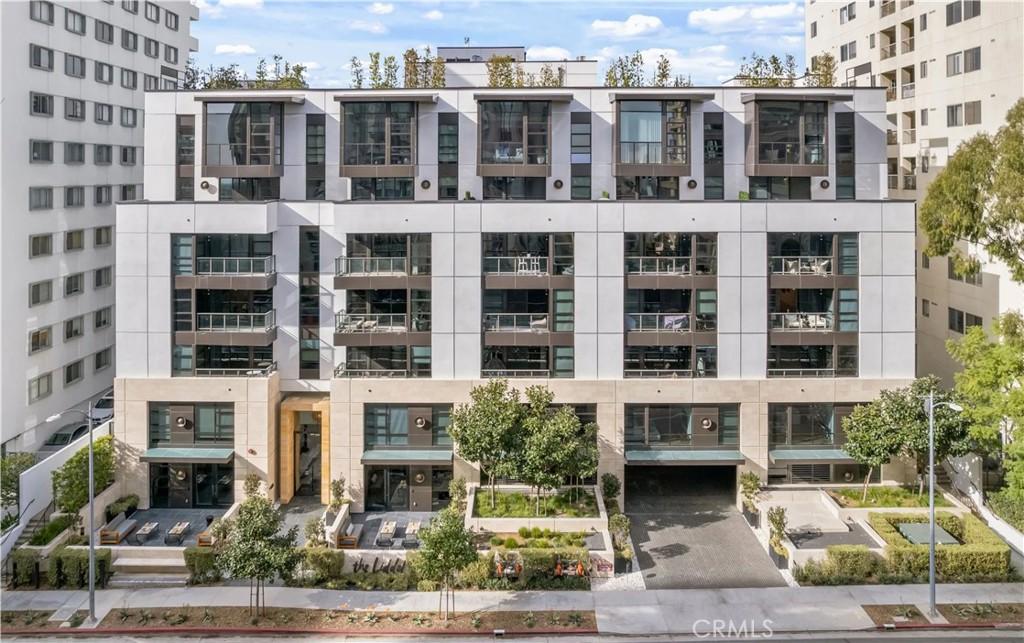
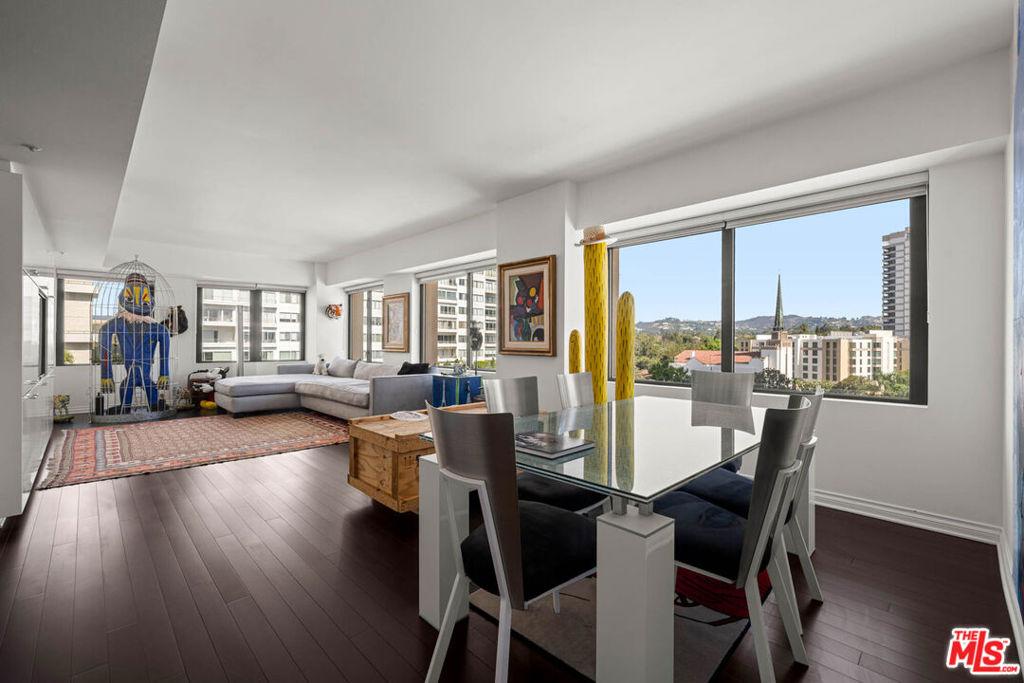
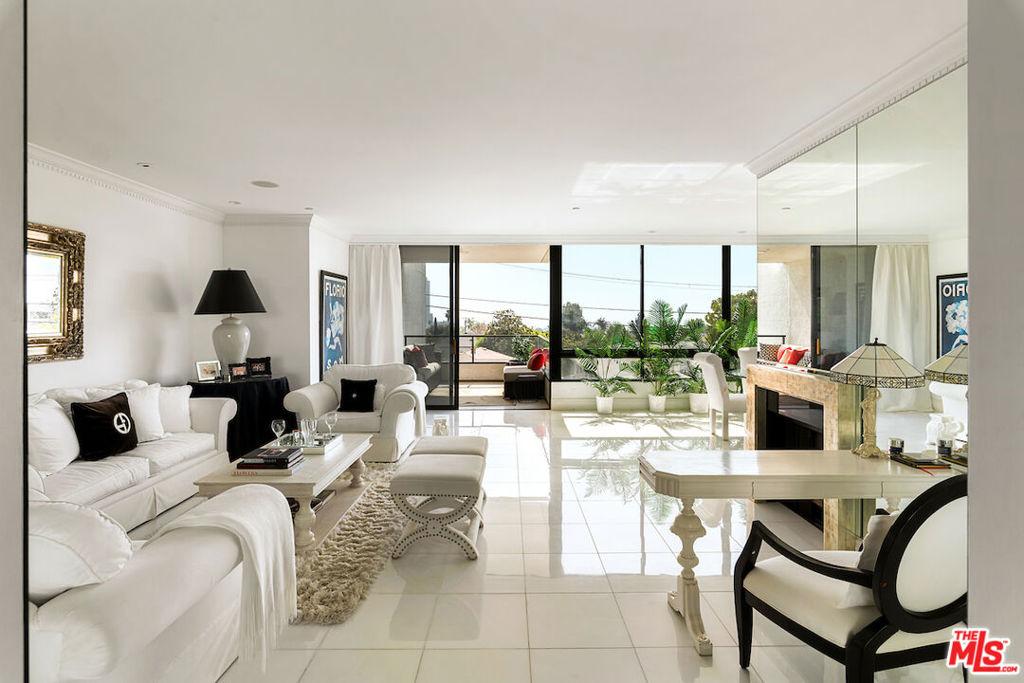
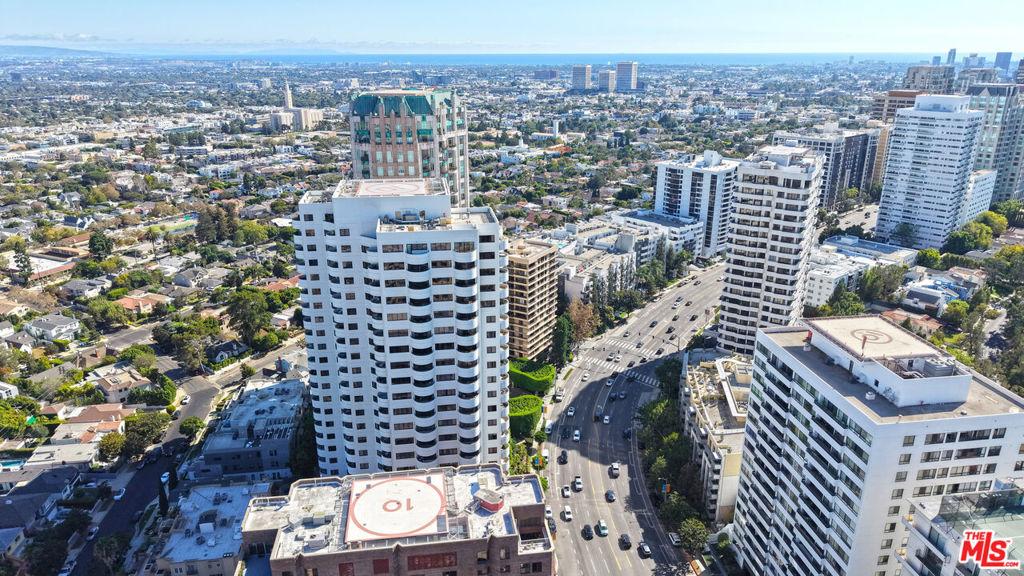
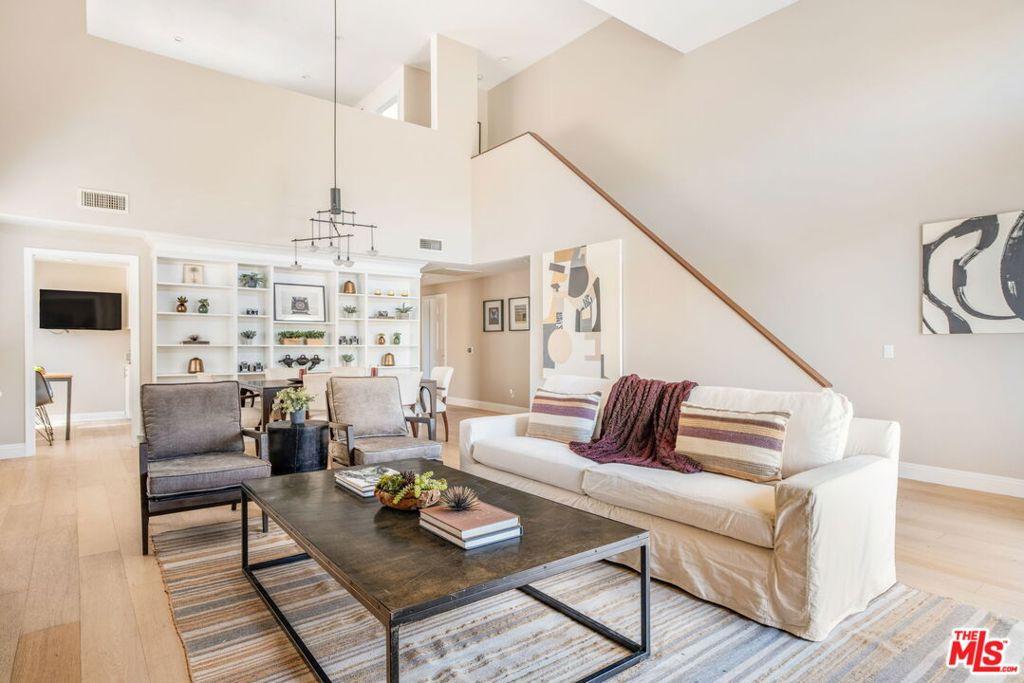
The Wilshire Corridor Lifestyle: More Than Just a Place to Live
Living in the Wilshire Corridor is about more than just having a luxury apartment. It’s about embracing a certain lifestyle. Here’s what you can expect:
Cultural and Social Scene
The Corridor’s prime location puts you at the heart of LA’s cultural scene. You’re just minutes away from world-class museums like the Los Angeles County Museum of Art (LACMA) and the Getty Center. For theater lovers, the Geffen Playhouse is practically in your backyard.
Social butterflies will find plenty of opportunities to mingle. Many buildings in the Corridor host regular social events for residents, from wine tastings to art exhibitions. And with neighbors ranging from entertainment executives to international entrepreneurs, you never know who you might meet in the elevator.
Dining and Shopping
Foodies, rejoice! The Wilshire Corridor puts you within easy reach of some of LA’s best dining experiences. From Michelin-starred restaurants to trendy cafes, your taste buds will never be bored. Some local favorites include:
For shopping, you’re spoiled for choice. Westwood Village offers a mix of boutique shops and familiar brands. And when you’re in the mood for some serious retail therapy, the luxury boutiques of Rodeo Drive are just a short drive away.
Wellness and Fitness
Health and wellness are a big part of the LA lifestyle, and the Wilshire Corridor doesn’t disappoint. Most buildings offer state-of-art fitness centers, but if you prefer to exercise outdoors, you’re in luck. The Holmby Park is perfect for morning jogs or afternoon picnics.
For those who prefer guided workouts, there are numerous boutique fitness studios in the area, including:
How sustainable is the Wilshire Corridor area?
In an era of increasing environmental awareness, you might be wondering about the ecological footprint of high-rise living. While it’s true that large buildings consume significant energy, many of the newer developments in the Wilshire Corridor are leading the way in green building practices.
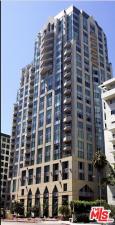
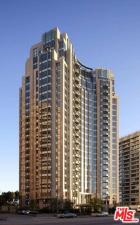
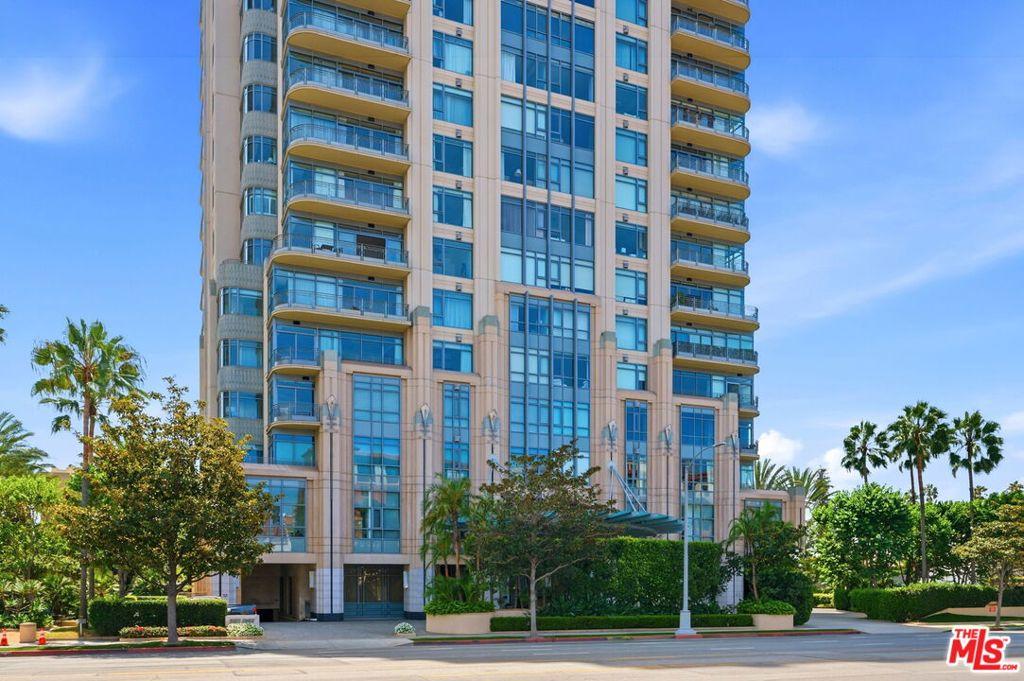
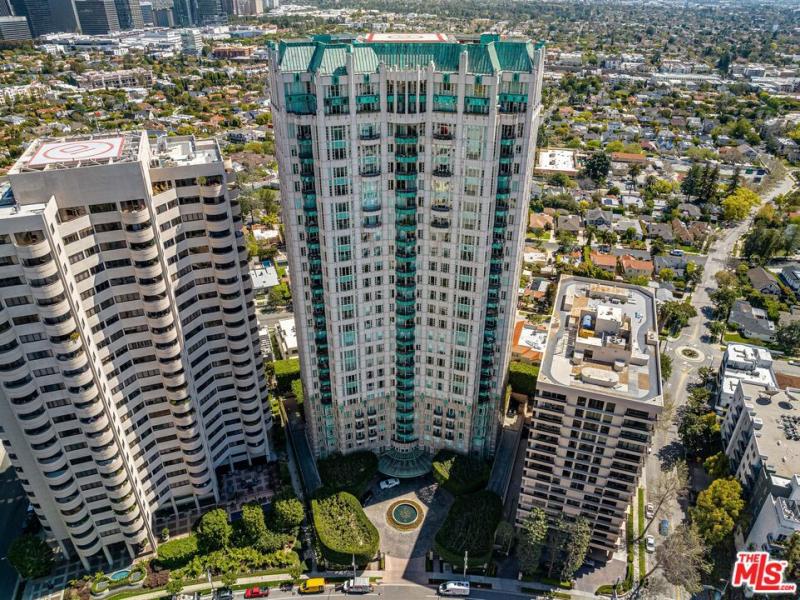
For example, The Century, one of the Corridor’s most prestigious addresses, has implemented several eco-friendly features:
- A state-of-the-art water recycling system
- Energy-efficient lighting and appliances
- Electric vehicle charging stations
- Green spaces and gardens to promote biodiversity
According to a study by the Urban Land Institute, high-density urban living, like that found in the Wilshire Corridor, can actually have a lower environmental impact per capita compared to suburban living. This is due to factors like reduced transportation needs and more efficient use of resources.
How do you get around Wilshire Corridor?
Wilshire Corridor is part of the Los Angeles rental market. Westwood Village , the neighborhood adjacent to the Corridor, was developed in the 1920s by the Janss Investment Company. Drive times to major employment centers vary by time of day. For renters commuting to the Westside, Downtown, or the San Fernando Valley, the specific street address matters more than the neighborhood name — test your commute before signing.
Public transit options in Wilshire Corridor vary. Some parts of the area are served by Metro bus lines; others are effectively car-dependent. If transit access is a priority, The Knight Group can filter available rentals by proximity to relevant routes.
What should you know about rental moving logistics?
Renters in Wilshire Corridor should budget for: first month plus last month plus security deposit (standard in this market), renter’s insurance (typically $15–$30/month), and parking if not included. Many properties in this area do not include utilities — confirm what’s covered in the lease before signing.
MarketTrends
The Price of Paradise: Market Trends in the Corridor
Now, let’s talk turkey. If you’re considering a lease on one of these luxury properties, you’re probably wondering what kind of damage we’re talking about to your bank account. these aren’t your average rental prices.
- One-bedroom units start around $3,500 per month
- Two-bedroom units range from $5,000 to $10,000 per month
- three-bedroom apartments can command $15,000 to $25,000 per month
- Penthouses and ultra-luxury units can soar well over $30,000 per month
These prices reflect a 15% increase from 2022, indicating a strong demand for luxury rentals in this area.
But. Despite these eye-watering prices, popularity for these luxury lease properties is surging. Recent listings are being snapped up faster than avocado toast at a millennial brunch spot. It seems the allure of living in LA’s most prestigious vertical neighborhood is stronger than ever.
Comparative Analysis: Wilshire Corridor vs. Other Luxury Areas in LA
To put these prices into perspective, let’s compare the Wilshire Corridor to other luxury areas in Los Angeles:
- Beverly Hills:
- Average rent for a 2-bedroom apartment: $4,500 – $8,000
- Pros: Prestigious zip code, high-end shopping
- Cons: More spread out, less of a vertical living experience
- Santa Monica:
- Average rent for a 2-bedroom apartment: $4,000 – $7,000
- Pros: Beach access, nightlife
- Cons: Heavy tourist traffic, fewer ultra-luxury options
- Downtown LA:
- Average rent for a 2-bedroom apartment: $3,500 – $6,000
- Pros: Urban lifestyle, cultural attractions
- Cons: Higher crime rates, less green space
The Wilshire Corridor stands out for its combination of luxury amenities, central location, and the unique high-rise living experience it offers.
The Hidden Costs of Luxury
Before you start packing your designer suitcases, there’s something you should know. Luxury condo maintenance isn’t for the faint of heart (or light of wallet). Those infinity pools and concierge services don’t pay for themselves. Many buildings in the Corridor have HOA fees that can rival a small mortgage payment.
According to The Wilshire Corridor, HOA fees in the area can range from $1,000 to over $3,000 per month, depending on the building and unit size. These fees typically cover:
- Building maintenance and repairs
- Security services
- Amenities upkeep (pools, gyms, etc.)
- Concierge services
- Some utilities
While these fees might seem steep, they’re a crucial part of maintaining the luxury lifestyle that the Wilshire Corridor is known for. They ensure that you’re living in a well-maintained, secure environment with top-notch amenities at your fingertips.
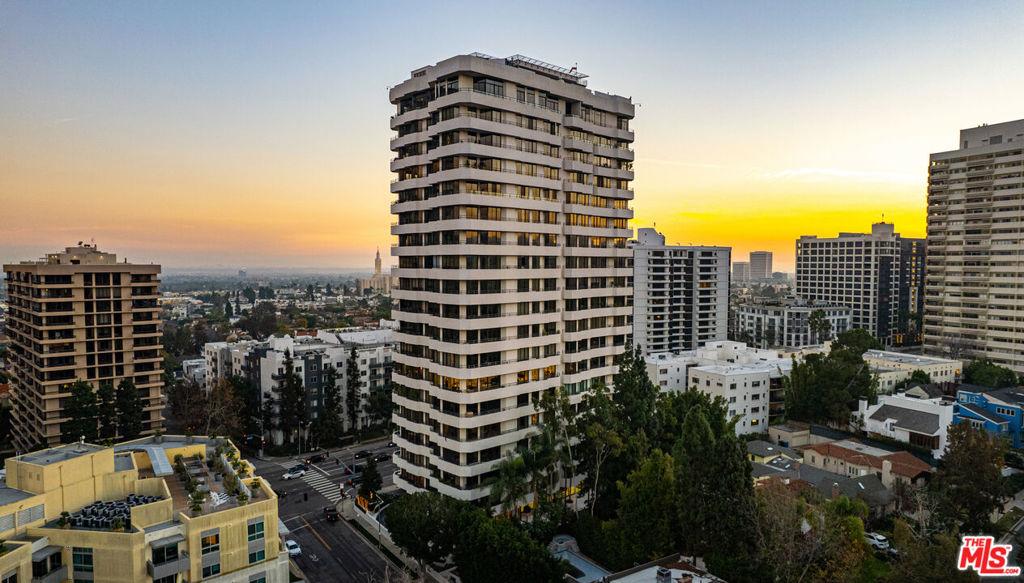
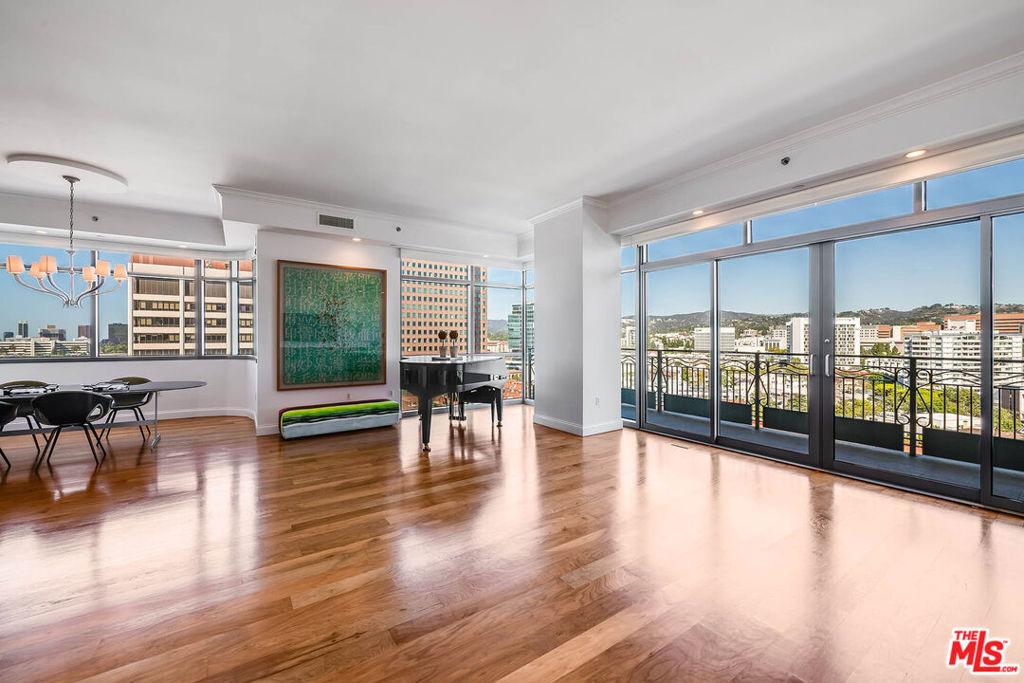
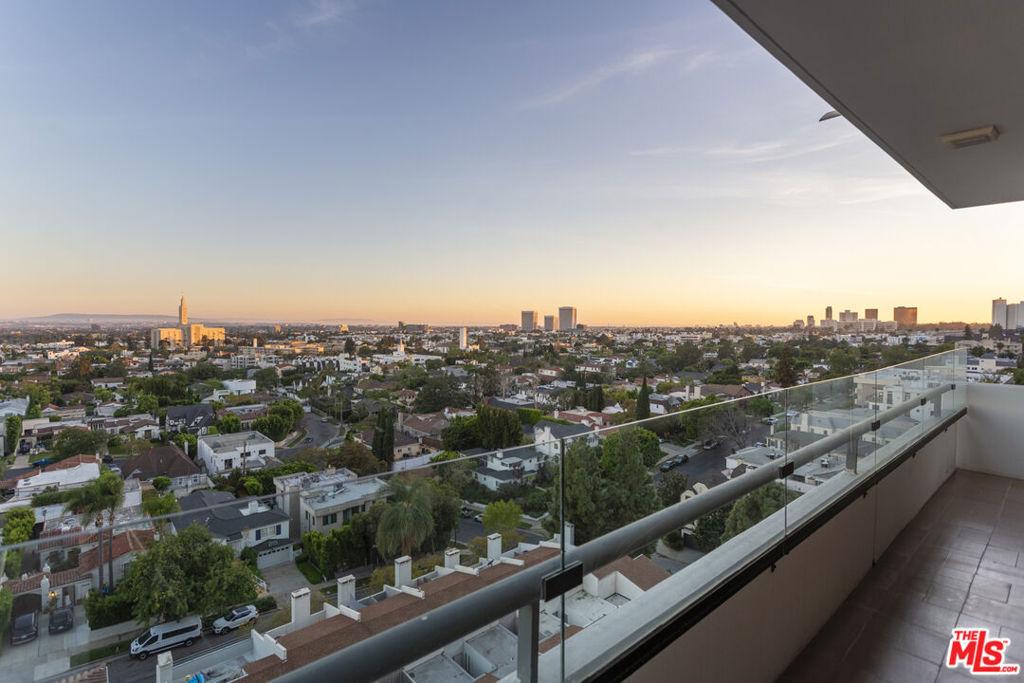
But hey, that’s the price of living large in LA, right? And when you’re sipping champagne on your balcony, watching the sunset paint the sky in shades of pink and gold, those fees will be the last thing on your mind.
What’s the future of Wilshire Corridor development?
As you consider making the Wilshire Corridor your home, you might be wondering about its future. Here’s what urban planners and real estate experts are saying:
- Continued Development: While the Corridor is already densely developed, there are still plans for new luxury buildings. The challenge will be balancing new development with maintaining the area’s character.
- Improved Public Transportation: The completion of the Metro Purple Line Extension will likely increase property values and make the area even more desirable.
- Sustainability Focus: Future developments are expected to place a greater emphasis on green building practices and sustainability.
- Evolving Amenities: As resident needs change, buildings are likely to adapt. We might see more co-working spaces, wellness centers, and technology-driven amenities in the future.
- Increasing Property Values: Given the limited space for new development and the area’s continued popularity, property values are expected to continue rising in the long term.
Verify current figures per MLS before making pricing decisions.
How does Wilshire Corridor’s rental market compare?
Los Angeles rental prices in areas like Wilshire Corridor are driven by a combination of location desirability, unit quality, and seasonal demand. The rental market here typically tightens in spring and summer (March–August) and softens slightly in fall and winter — though this varies year to year.
Renters negotiating in Wilshire Corridor should understand that landlords in desirable pockets rarely negotiate heavily on price. Where negotiation is possible, it’s more likely on lease start date, included utilities, or parking terms than on monthly rent. Price range in this area: $1,000 to $30,000 per month. Verify current availability directly.
What Drives Rent in Wilshire Corridor
The factors that drive rental pricing in Wilshire Corridor include proximity to employment corridors, school district quality, unit condition, and included parking. Understanding which factors you’re paying a premium for — and which you’re not getting — helps calibrate your offer. The Knight Group can provide a current rental comp analysis for this area.
What You Really Want to Know
Let’s address the elephant in the room, or rather, the questions you’re too polite to ask but are dying to know.
What amenities are typically included in Wilshire Corridor rentals?
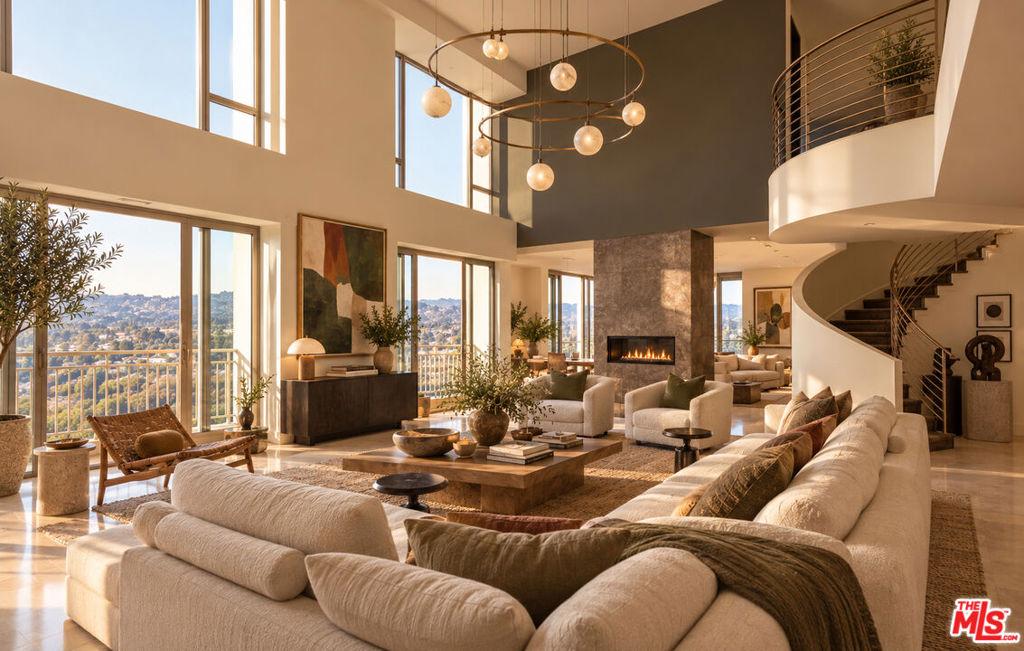
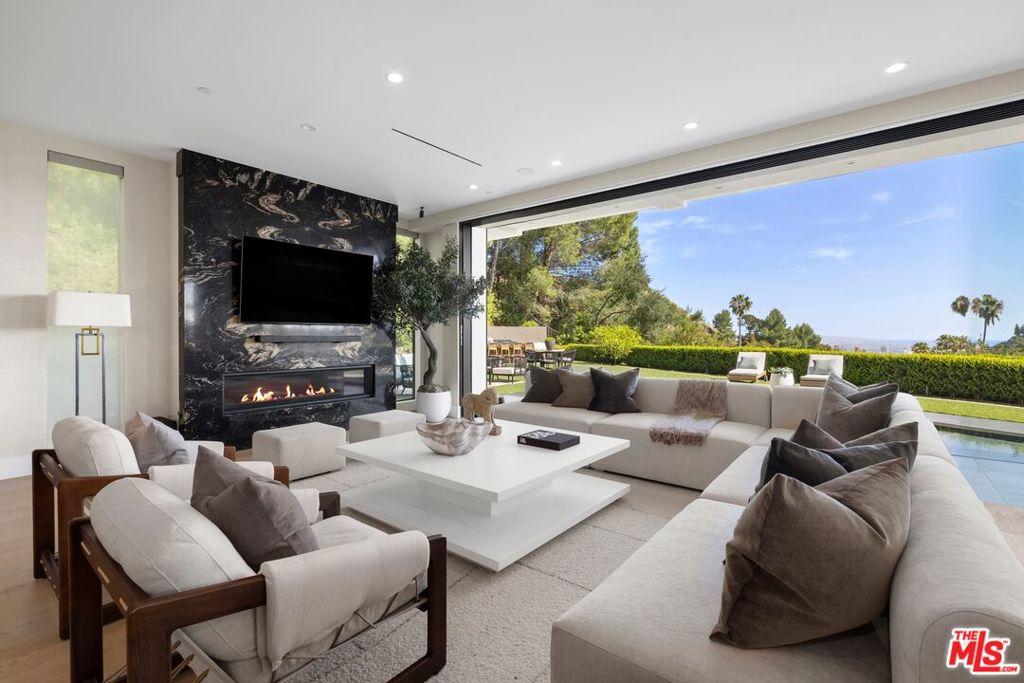
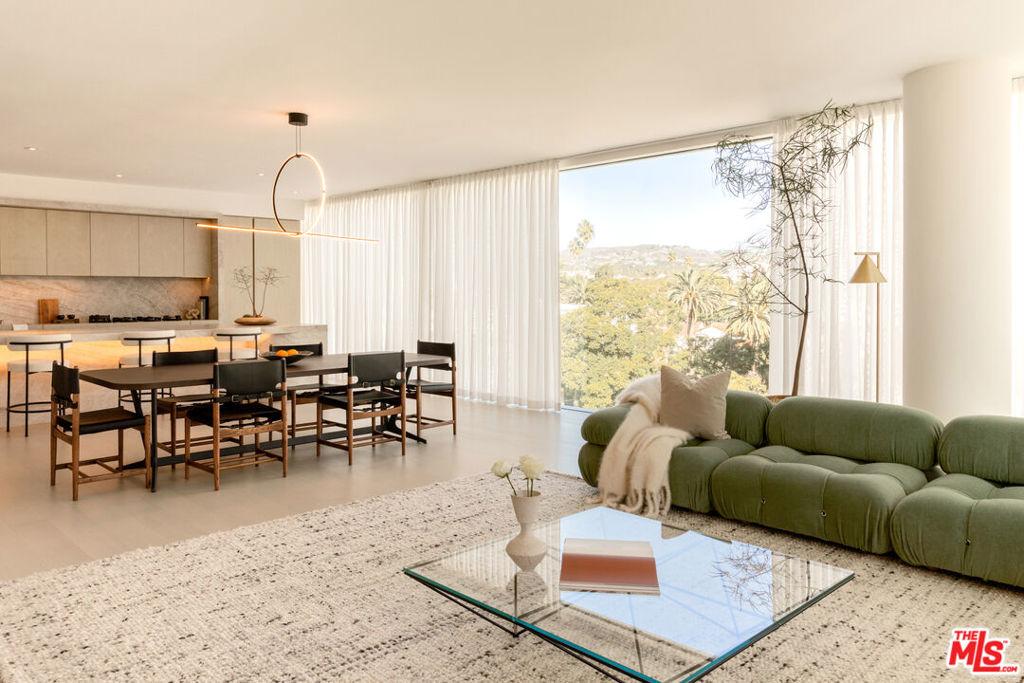
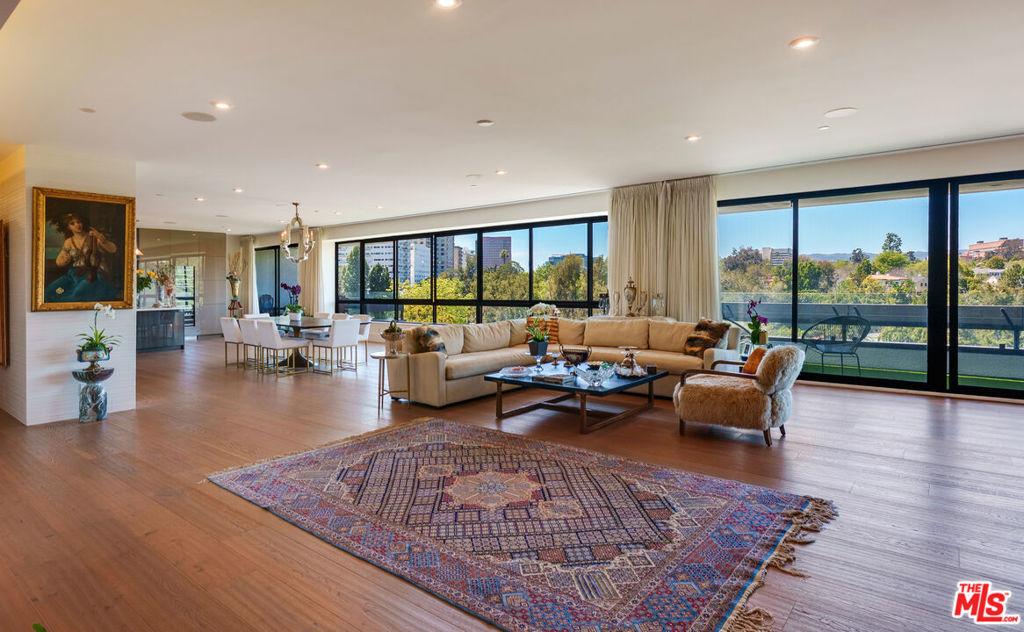
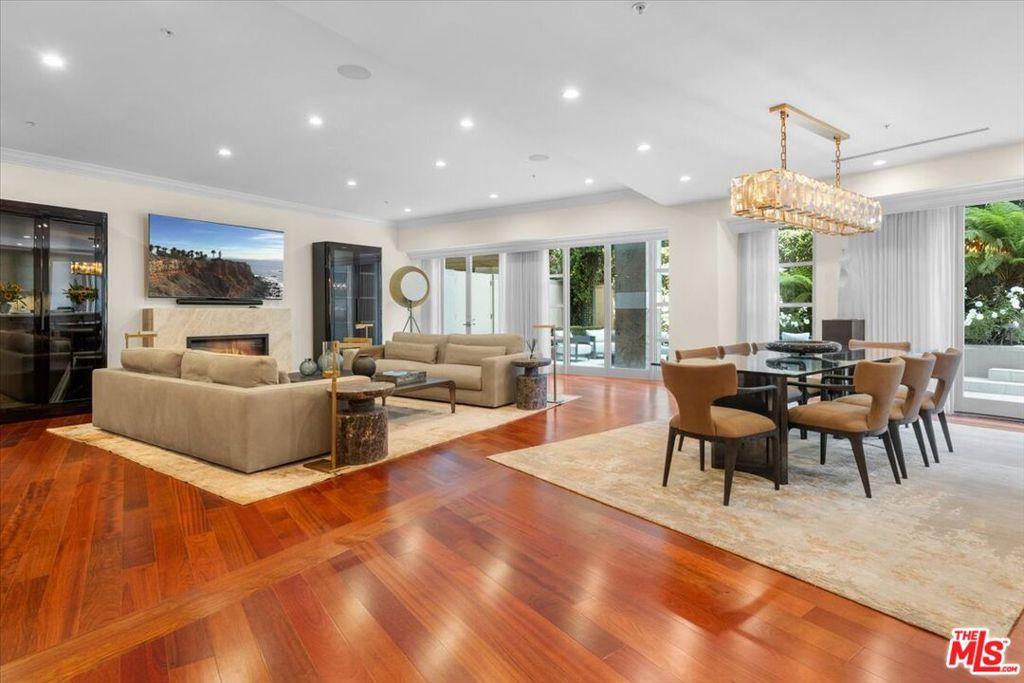
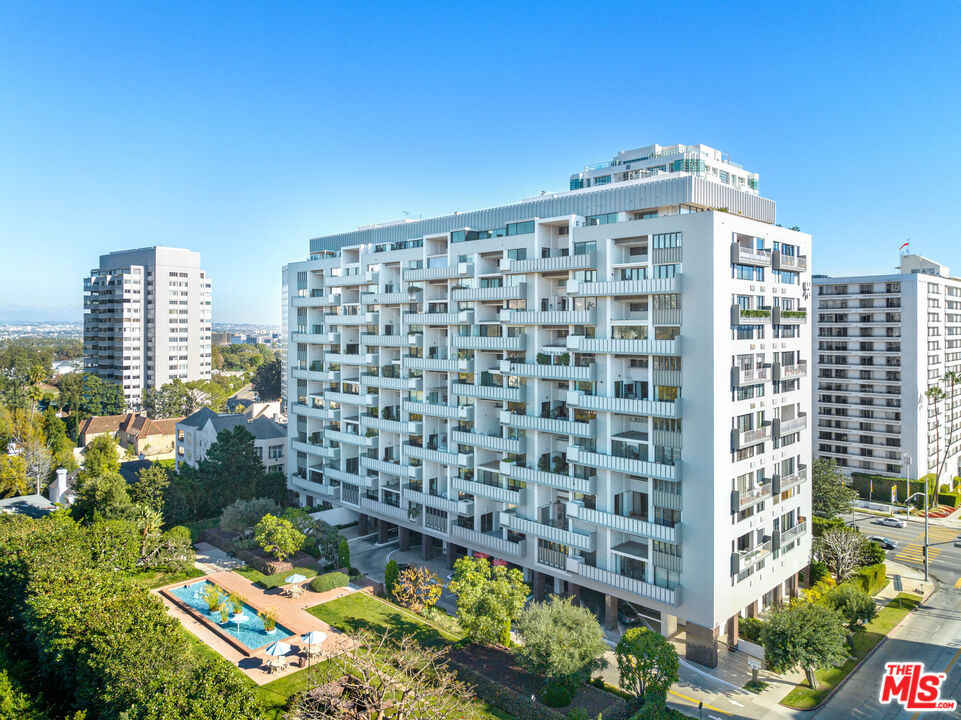
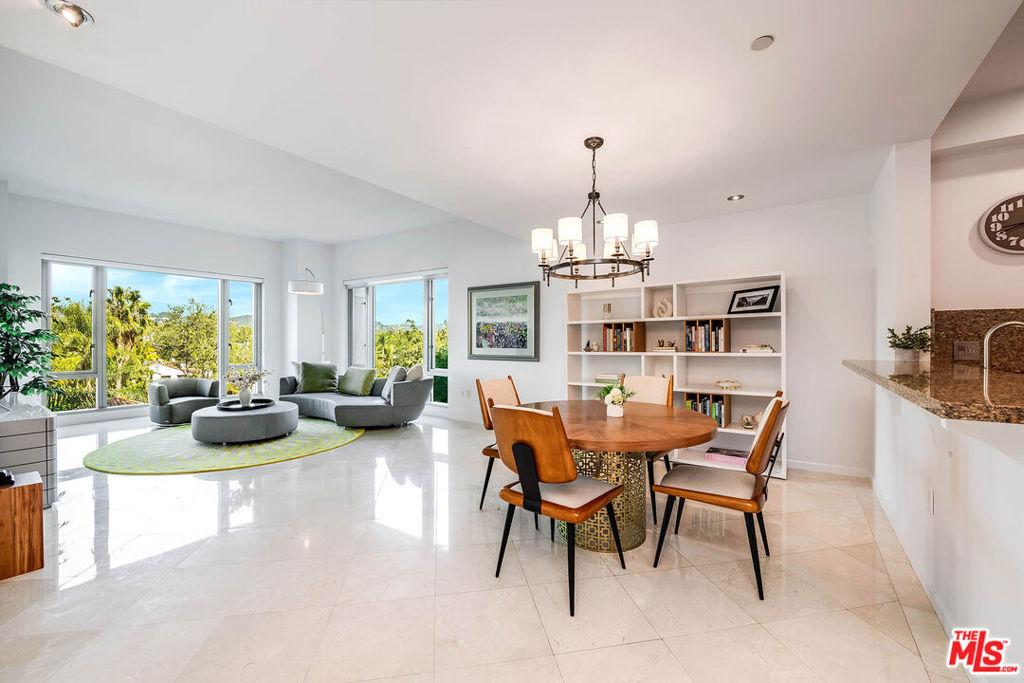
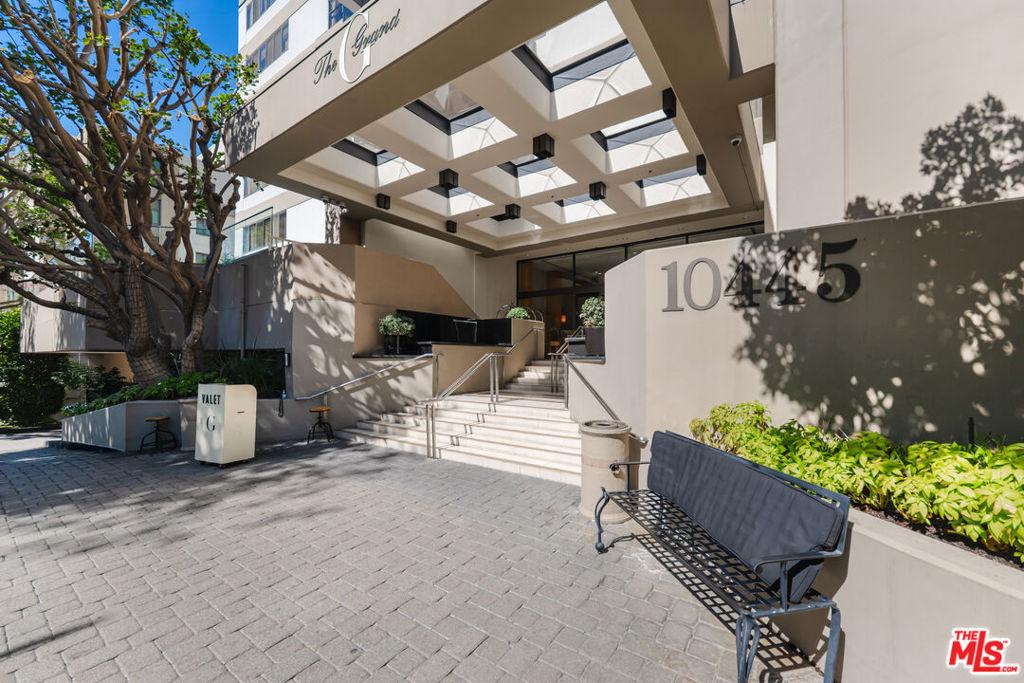
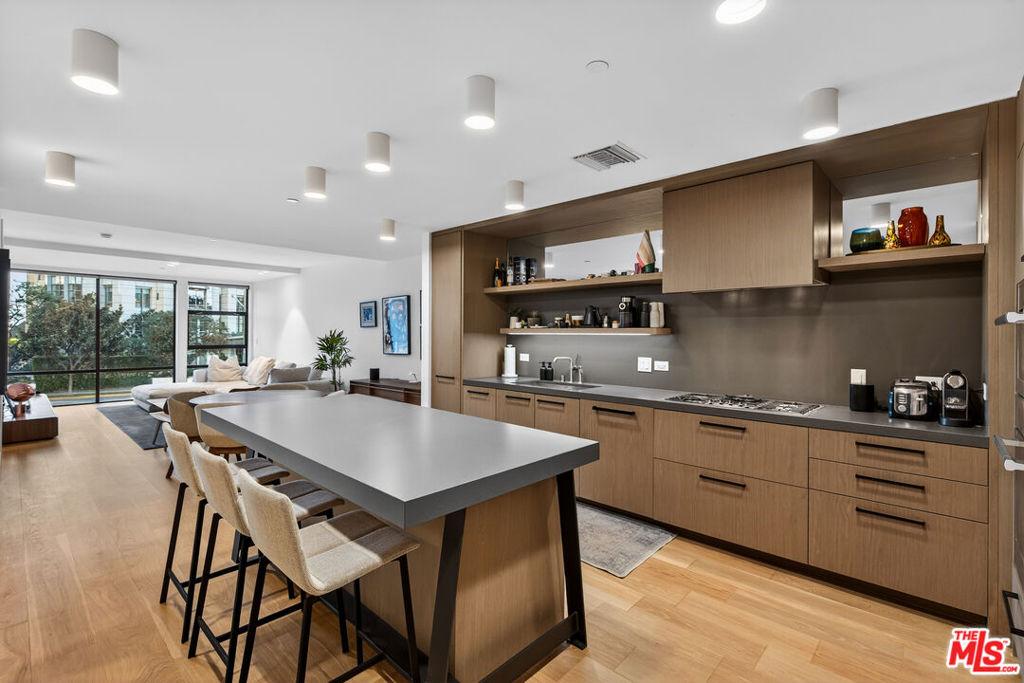
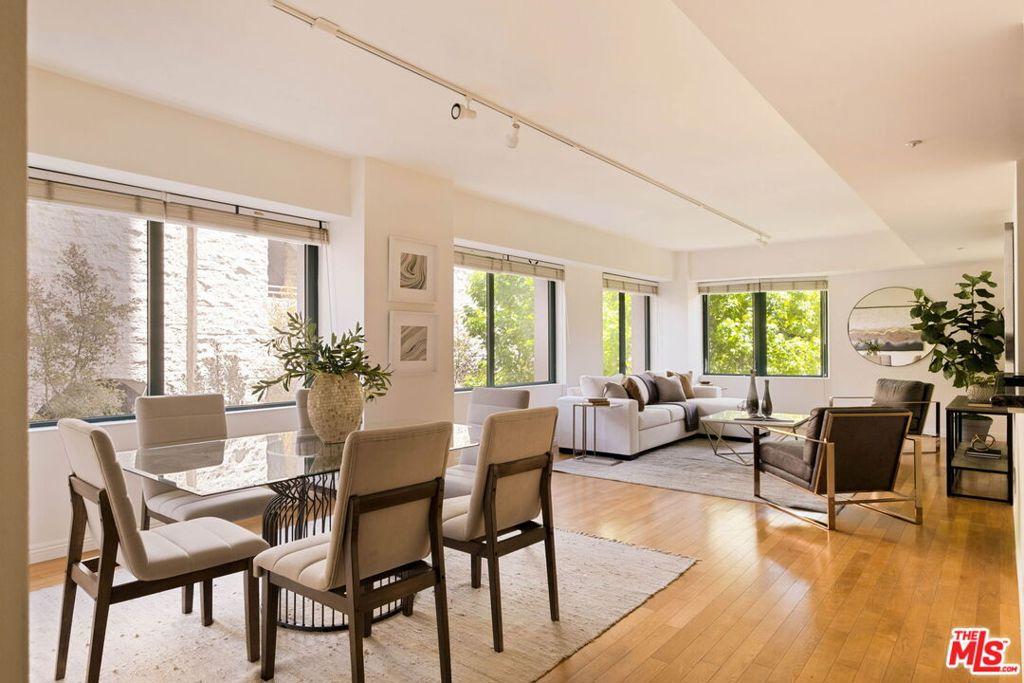
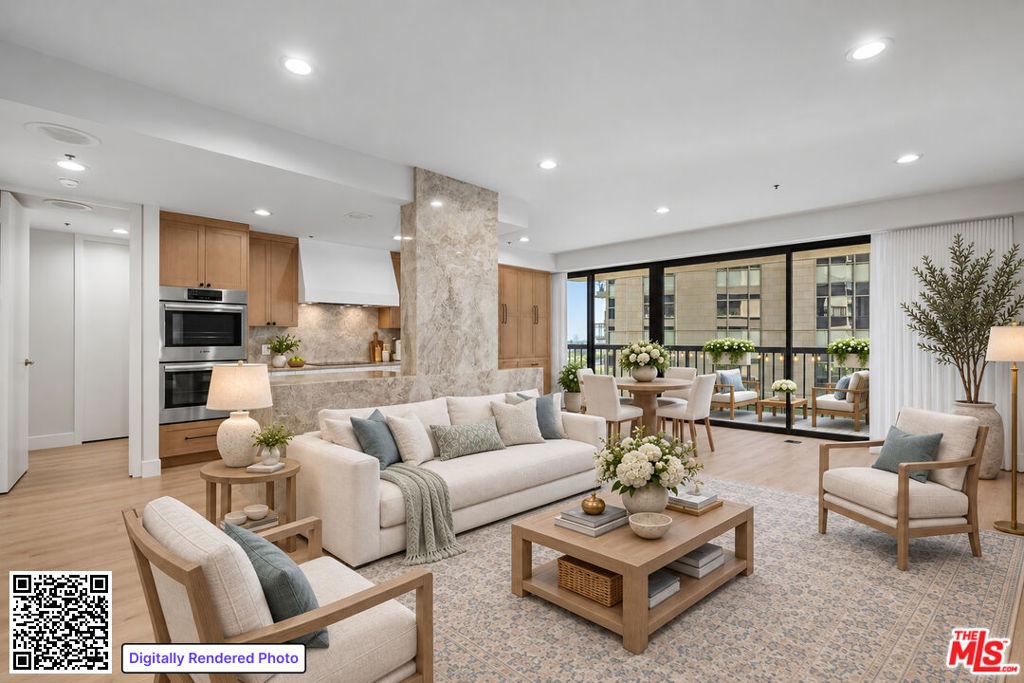
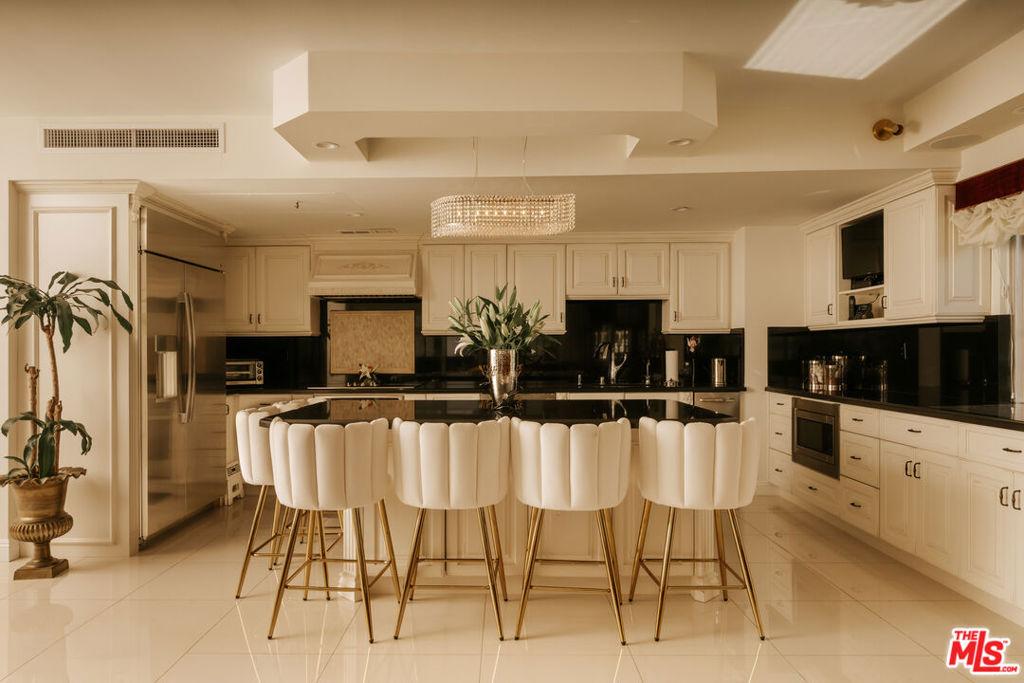
Prepare to be spoiled. We’re talking 24/7 concierge services, valet parking, rooftop pools with cabanas, fitness centers that would make your personal trainer weep with joy, wine cellars, private screening rooms, and in some cases, even pet spas. Yes, in the Wilshire Corridor, even Fido lives the high life.
Here’s a more detailed breakdown of common amenities:
- Security: 24/7 doorman, controlled access, and state-of-the-art security systems
- Fitness: Fully equipped gyms, yoga studios, and sometimes even private training rooms
- Relaxation: Spa facilities, massage rooms, saunas, and steam rooms
- Entertainment: Private movie theaters, game rooms, and lounges
- Business: Conference rooms and business centers for when you need to work from home
- Outdoor spaces: Landscaped gardens, barbecue areas, and sometimes even private parks
- Pet amenities: Dog walking services, grooming stations, and pet play areas
How does the cost of living in Wilshire Corridor compare to other LA neighborhoods?
Let’s not sugarcoat it, living in the Corridor isn’t cheap. You’re paying a premium for the location, the views, and the bragging rights. Compared to other upscale LA neighborhoods like Beverly Hills or Bel Air, you might save a bit on square footage. But remember, you’re not just paying for an apartment, you’re buying into a lifestyle.
Here’s a quick comparison of average monthly rents for a 2-bedroom apartment:
- Wilshire Corridor: $5,000 – $10,000
- Beverly Hills: $4,500 – $8,000
- Bel Air: $5,500 – $12,000
- Santa Monica: $4,000 – $7,000
- West Hollywood: $3,500 – $6,000
Keep in mind that these are averages, and prices can vary significantly based on specific buildings and amenities.
What about schools in the area?
Ah, the million-dollar question. While the Wilshire Corridor falls within the Los Angeles Unified School District, many residents opt for private education. The Center for Early Education and Harvard-Westlake School are popular choices among the Corridor’s well-heeled families.
Here are some highly-rated schools in the area:
- Public Schools:
- Private Schools:
But here’s a pro tip: always verify school information directly with the district. GreatSchools ratings are a starting point, not the final word.
What’s the demographic makeup of the Wilshire Corridor?
The Wilshire Corridor attracts a diverse group of residents, but there are some common threads. According to recent census data and real estate reports:
- The median age is around 45, higher than the LA average of 35.
- About 60% of residents have a bachelor’s degree or higher.
- The population is approximately 70% White, 15% Asian, 10% Hispanic, and 5% other ethnicities.
- Many residents work in industries like entertainment, finance, technology, and healthcare.
- There’s a mix of families, young professionals, and retirees, with a growing trend towards younger residents in recent years.
How’s the traffic and parking situation?
Ah, the eternal LA question. While the Wilshire Corridor’s central location means you’re close to everything, it also means you’re in the thick of LA traffic. However, many residents find that the convenience of the location offsets the traffic concerns.
Most buildings in the Corridor offer valet parking for residents and guests. Some even provide electric vehicle charging stations. If you’re concerned about parking, be sure to ask about the parking situation when you’re looking at apartments.
Public transportation is also an option. The Metro Purple Line Extension project, set to be completed in 2027, will add two new subway stations near the Wilshire Corridor, making it even easier to get around without a car.
How competitive is the rental market in Wilshire Corridor?
Competition in Wilshire Corridor varies by property type and season. Well-priced, well-maintained single-family rentals typically receive multiple applications within the first week. Apartment units move faster in spring and summer. The Knight Group can advise on timing and positioning your application for the properties you’re targeting.
What lease terms are typical in Wilshire Corridor?
Standard lease terms in Wilshire Corridor are 12 months. Month-to-month is available in some cases at a premium — typically $200–$500/month above the annual rate. Shorter-term (6-month) leases are less common but can be negotiated directly. The Knight Group can identify which landlords in Wilshire Corridor are open to non-standard terms.
Are pets allowed in Wilshire Corridor rentals?
Pet policies vary by landlord. Many Wilshire Corridor rentals accept pets with an additional deposit or monthly pet rent. Single-family homes are generally more pet-friendly than multi-unit buildings. The Knight Group can filter available rentals by pet policy to match your requirements.