Historic Filipinotown RentalsListings

Historic Filipinotown Rentals

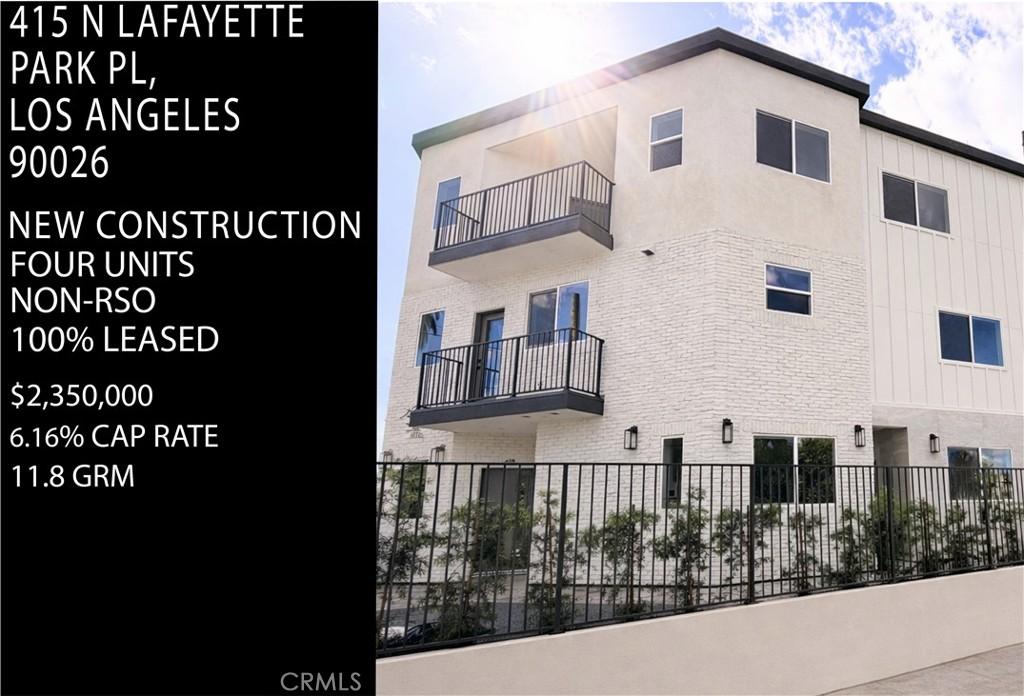
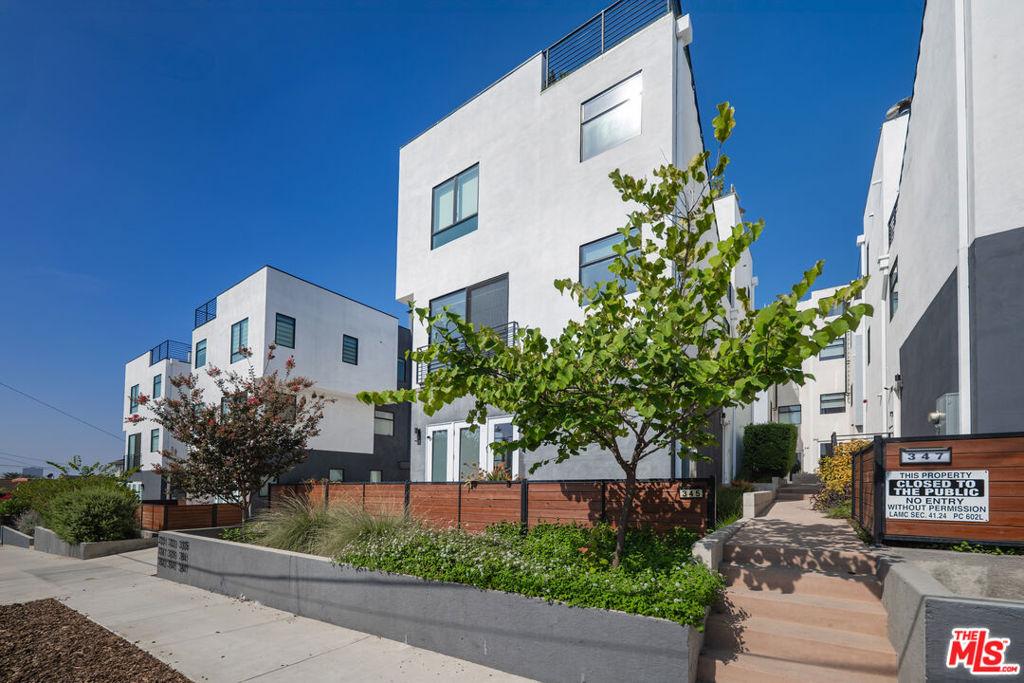
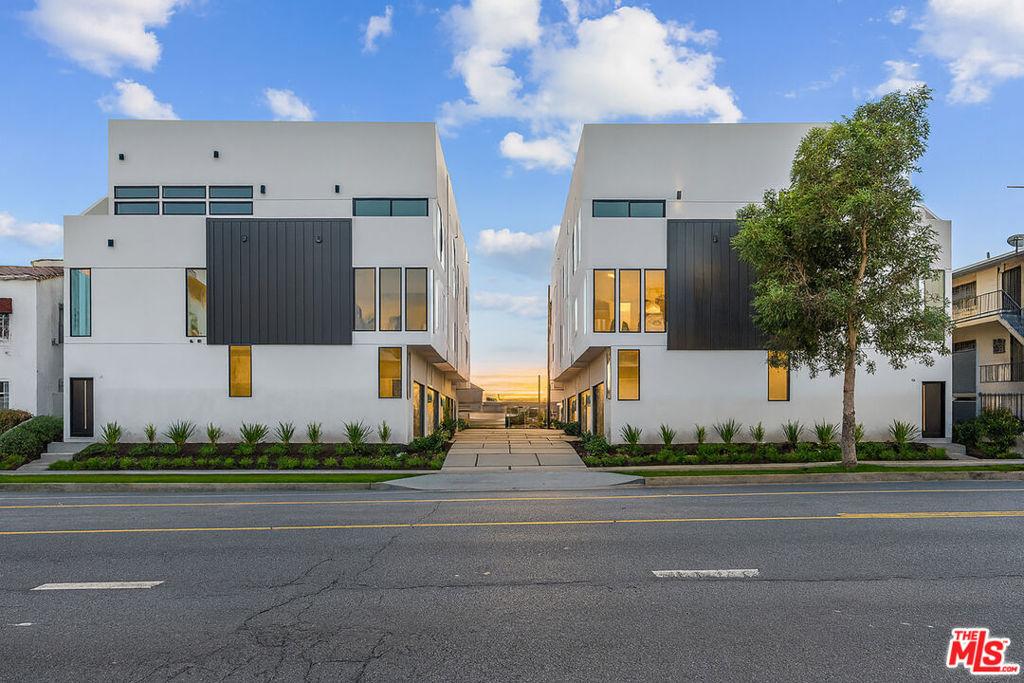
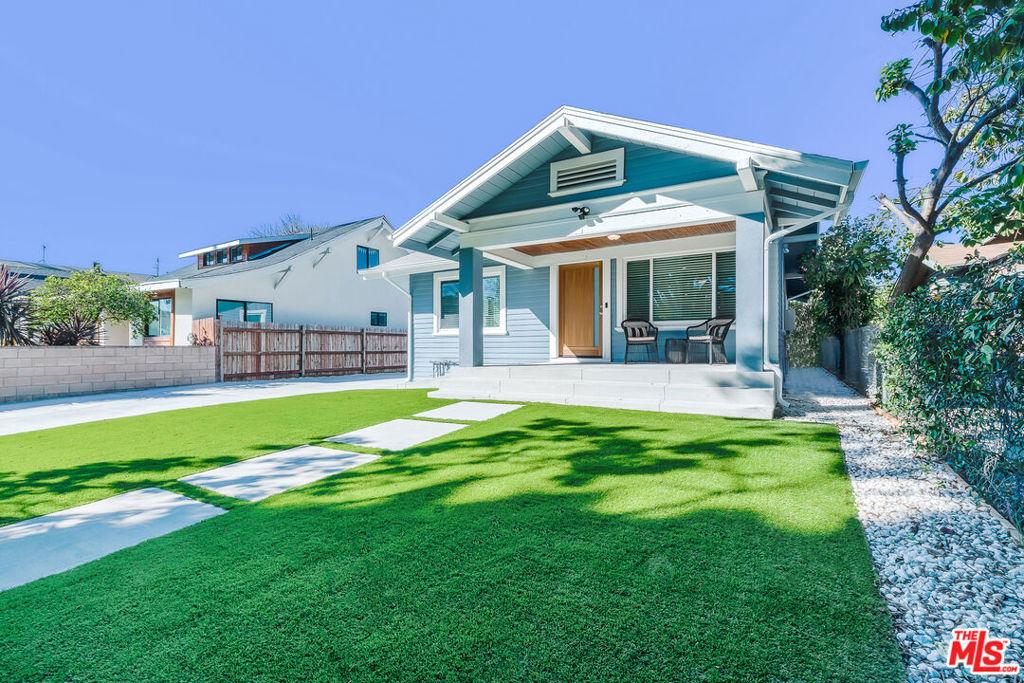
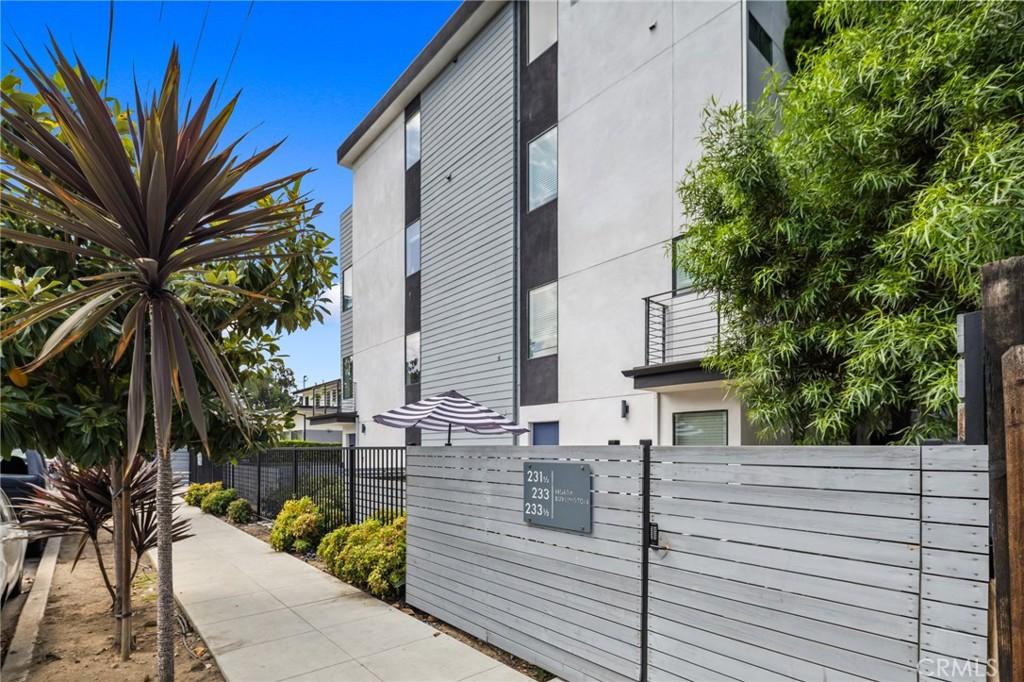
Historic Filipinotown Rentals. Rentals $1,500 to $2,800.+. The Knight Group sources rentals across on-market and off-market channels in this area.

Situated just west of Downtown Los Angeles, residents enjoy easy access to the city s bustling center while maintaining a distinct neighborhood feel. Residents also have access to nearby hospitals, ensuring healthcare is within reach. For instance, Griffith Park rentals offer proximity to one of LA s largest parks, providing a different living experience with abundant green spaces and outdoor activities.

Historic Filipinotown Rentals in Eastside

Community

What’s the community like in Historic Filipinotown?

Cultural Roots and Community Activities

One of the most striking aspects of Historic Filipinotown is its strong sense of community. The neighborhood’s cultural roots are evident in its street art, local businesses, and community events. Throughout the year, residents can participate in various festivals and cultural celebrations that showcase Filipino traditions and cuisine. Local restaurants offer authentic Filipino dishes, providing a taste of the Philippines right in the heart of Los Angeles.
Community Features and Amenities

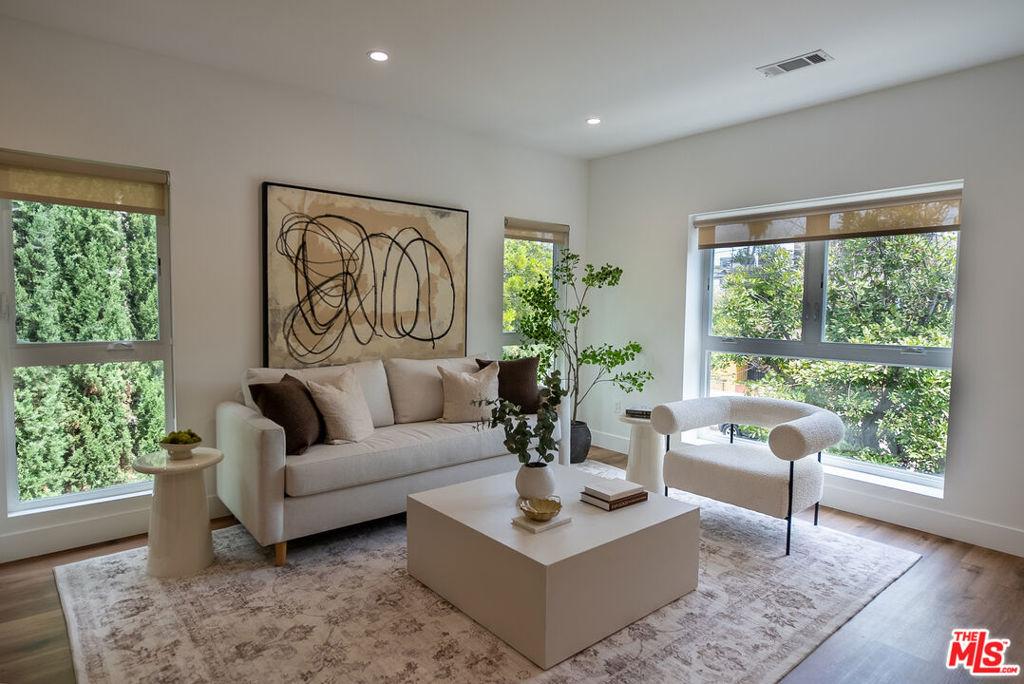
Beyond its cultural offerings, Historic Filipinotown has a range of amenities that make it an attractive place to live. The area is home to several public schools, making it ideal for families with children. Residents also have access to nearby hospitals, ensuring healthcare is within reach. For those who enjoy outdoor activities, the neighborhood features several parks and playgrounds. Public transit options are readily available, connecting residents to other parts of Los Angeles with ease.

While exploring Historic Filipinotown, you might also want to consider other nearby areas. For instance, Griffith Park rentals offer proximity to one of LA’s largest parks, providing a different living experience with abundant green spaces and outdoor activities.

Who Rents in Historic Filipinotown

Historic Filipinotown draws renters who prioritize situated just west of downtown los angeles, residents enjoy easy access to the city s bustling center while maintaining a distinct neighborhood feel. over square footage. The rental pool here is typically professional — medical staff, entertainment industry workers, and transplants who want a specific commute corridor before committing to a purchase.

Rental turnover in Historic Filipinotown varies by property type. Single-family rentals tend to attract longer-term tenants; apartment-style buildings see more annual turnover. Knowing which you’re entering matters for planning.

What rentals does The Knight Group offer here?

The Knight Group sources rentals in Historic Filipinotown across on-market and off-market channels. Property owners who prefer to screen tenants privately — without a public listing — contact The Knight Group directly. That off-market layer is often where the best properties sit.

For renters, we can move quickly when the right property surfaces. Reach out with your requirements and we’ll pull current availability across both channels.

How does the rental application process work?

Landlords in Historic Filipinotown typically screen for credit score (usually 650+), verifiable income (typically 2.5–3x monthly rent), and rental history. Self-employed applicants often need to provide two years of tax returns. The Knight Group can advise on how to position your application for the specific landlord type you’re approaching.

What are tenant rights in Historic Filipinotown?

Los Angeles County has extensive tenant protection ordinances that apply to many properties in Historic Filipinotown. Depending on the property’s age and whether it falls under LA’s Rent Stabilization Ordinance (RSO), your rights as a tenant regarding rent increases, eviction protections, and habitability standards may vary significantly. The Knight Group can help identify whether a specific property carries these protections before you sign.

What rental factors do renters often overlook?

Renters evaluating Historic Filipinotown often focus on monthly rent and square footage, and miss factors that significantly affect the experience: noise levels at the specific unit (test on a weekday evening and a weekend morning), natural light in winter months, quality of cell signal throughout the unit, and proximity of street parking if building parking isn’t included.

The lease itself deserves more attention than most renters give it. Key terms to review: notice requirements for non-renewal, conditions under which the landlord can enter, responsibility for pest control, and what happens to your deposit if the property is sold. The Knight Group can review lease terms before you sign and flag anything that’s non-standard for the Historic Filipinotown market.

Who Rents in Historic Filipinotown

The rental population in Historic Filipinotown tends to be employment-driven — people relocating for a specific job, in between home purchases, or choosing the area for its access to a particular employer cluster. This demand profile makes the Historic Filipinotown rental market relatively stable, as renters are here for reasons that persist beyond market cycles.

Understanding who your competition is for a unit helps renters in Historic Filipinotown move faster and submit stronger applications. If the landlord or property manager mentions a high volume of applications, come prepared with a complete package: income documentation at 2.5-3x the monthly rent, prior landlord references, and a brief cover note explaining your situation and move-in timeline. Landlords approve organized applicants faster.

How should you prepare to rent here?

The most effective approach to finding a rental in Historic Filipinotown is having your documentation ready before you start scheduling showings. Los Angeles landlords process multiple applications simultaneously and consistently favor applicants who can submit a complete package the same day as the showing. The standard package includes: proof of income (pay stubs, offer letter, or bank statements), government-issued ID, prior landlord contact information, and a brief note explaining your move-in timeline.

Income requirements in Historic Filipinotown typically require documented income at 2.5 to 3 times the monthly rent. Self-employed applicants should prepare 2 years of tax returns and 3 months of bank statements. For renters who are between jobs or relocating from out of state, a larger security deposit or prepaid rent can sometimes substitute for income documentation — ask the property manager before submitting.
Where can you find available units here?

Rental inventory in Historic Filipinotown moves quickly. Most units are listed and rented within 7-14 days during peak rental season (May through September). Searching on multiple platforms simultaneously — Zillow, Apartments.com, Craigslist, and direct property management company sites — gives the broadest view of current availability. Setting up alerts on major platforms as soon as you know your move-in window is the most reliable way to see new listings before they’re gone.

The Knight Group has relationships with property managers and private landlords throughout the Historic Filipinotown area and can surface off-market rental opportunities that don’t appear on public listings. If your timeline or criteria are specific, reach out directly — there are more options in Historic Filipinotown than any single search platform will show you.

Area Details

Area Details: Location and Housing Options

Location and Scenic Views

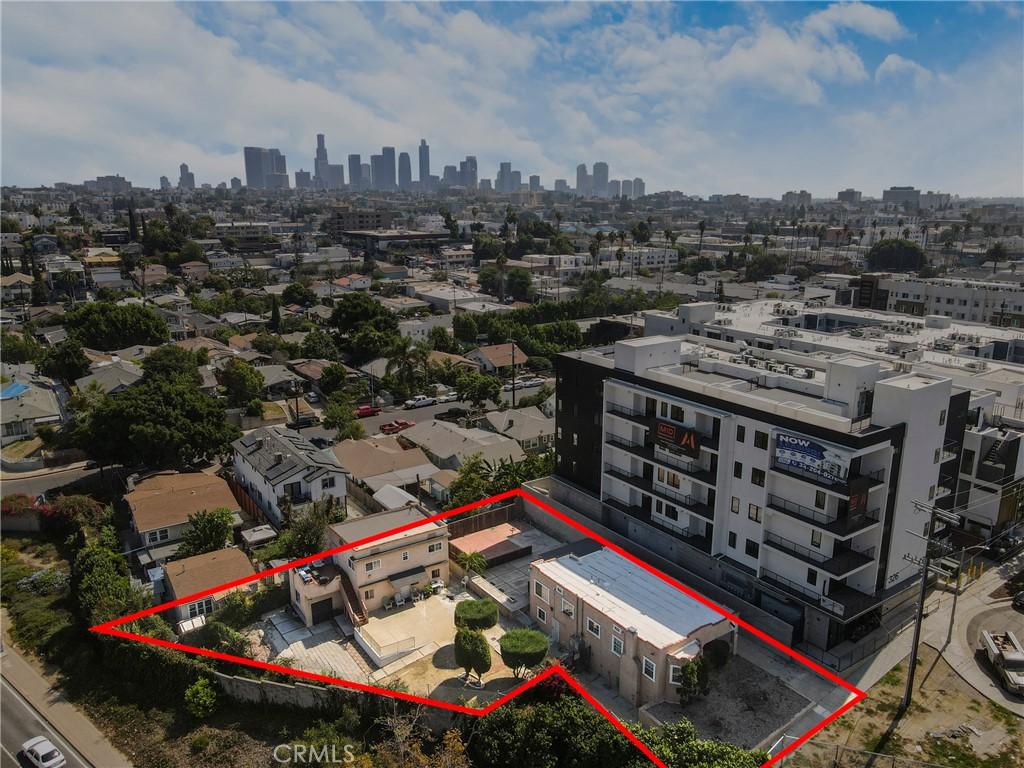
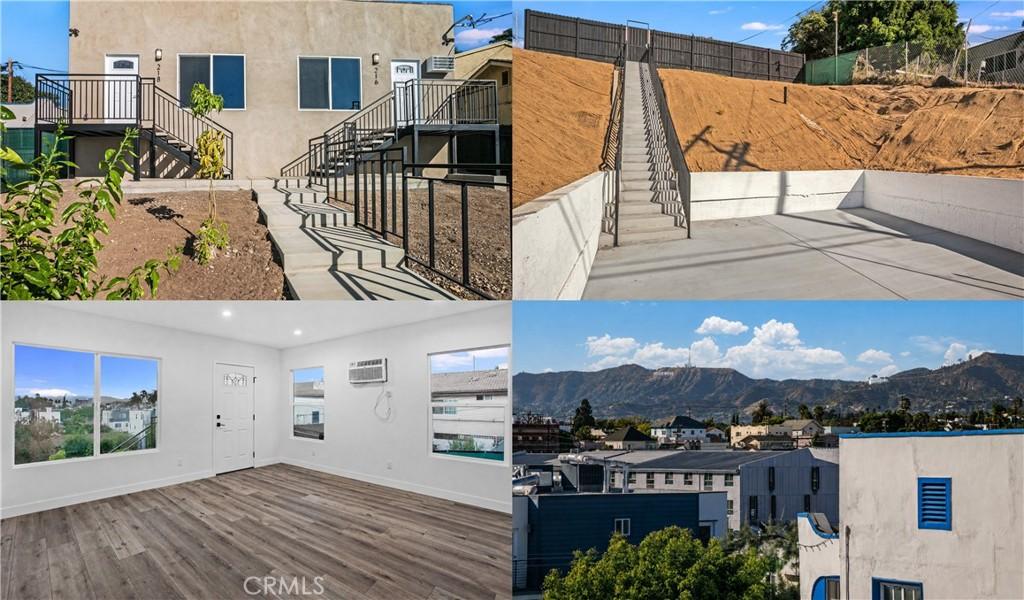
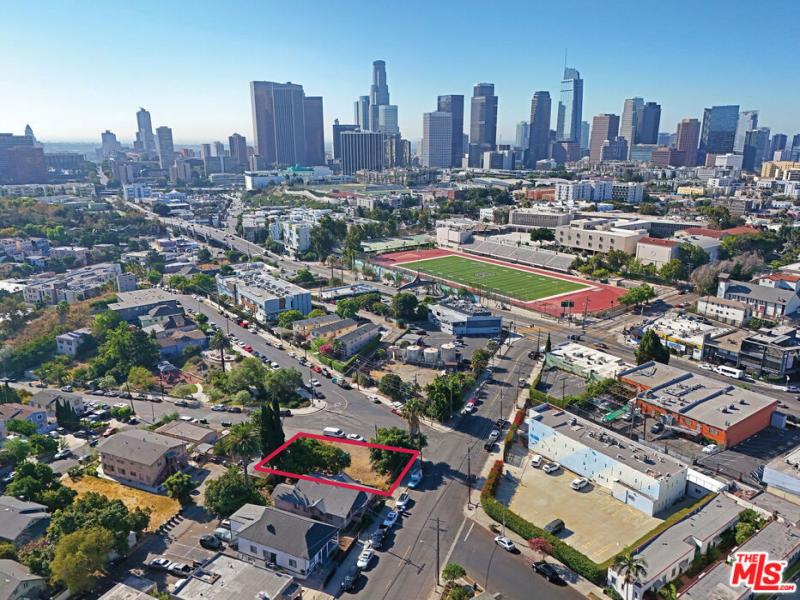
Historic Filipinotown’s central location is one of its biggest draws. Situated just west of Downtown Los Angeles, residents enjoy easy access to the city’s bustling center while maintaining a distinct neighborhood feel. Many apartments and homes in the area offer views of the Los Angeles skyline, adding to the appeal of living in this community.

Housing Options

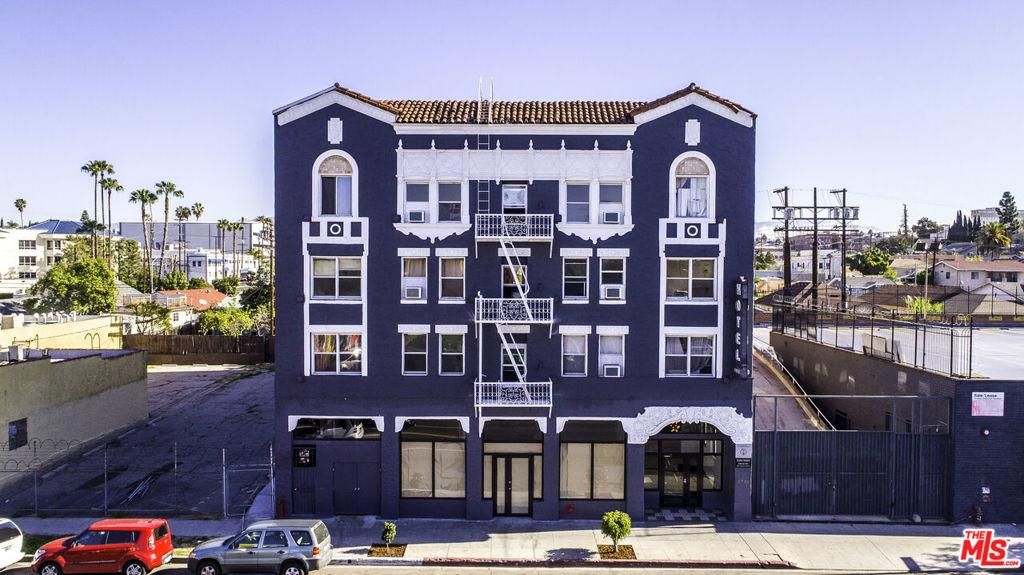
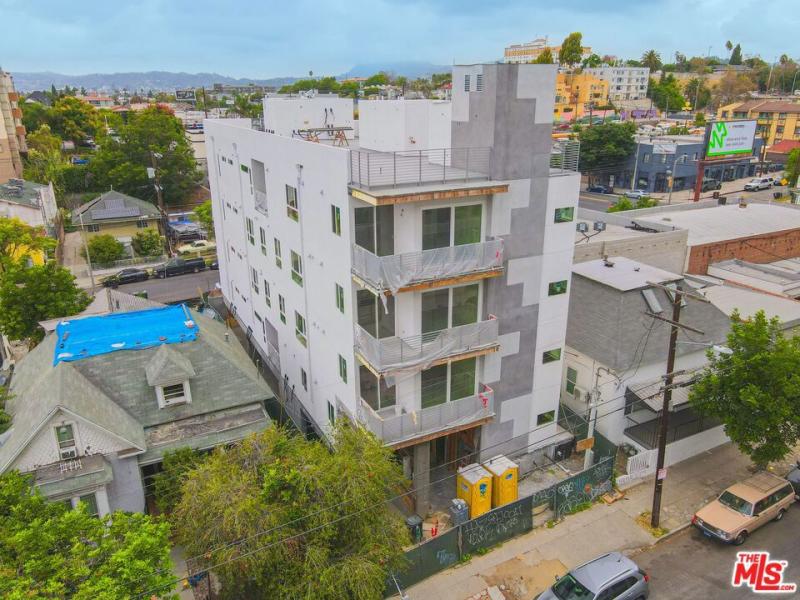
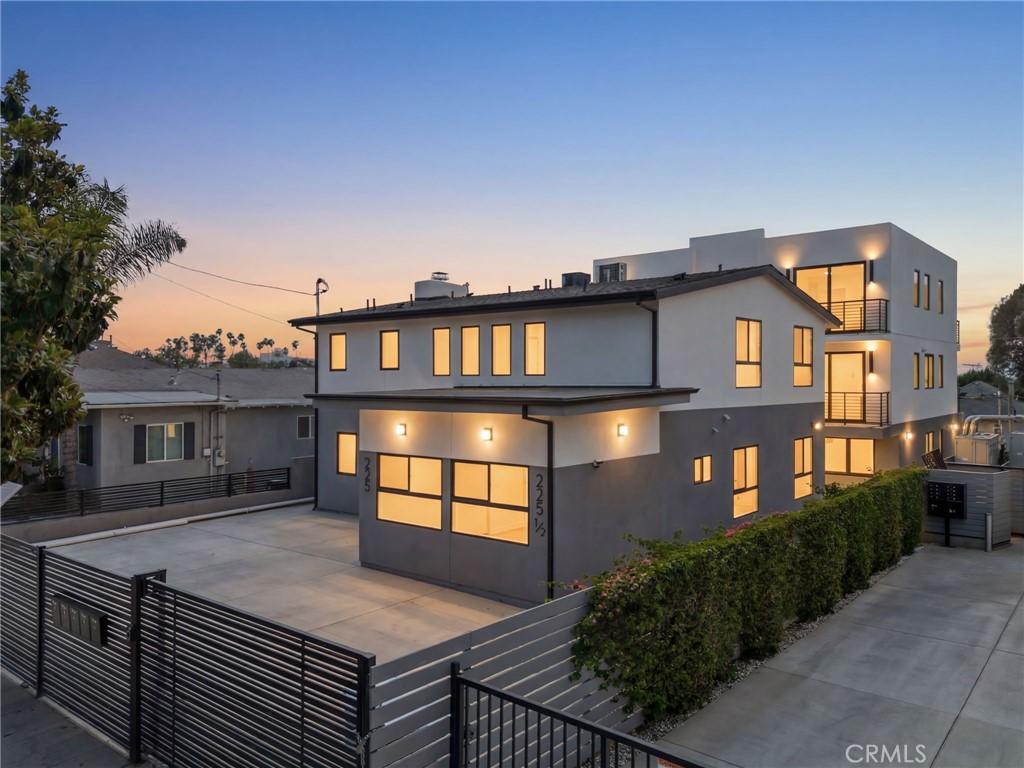
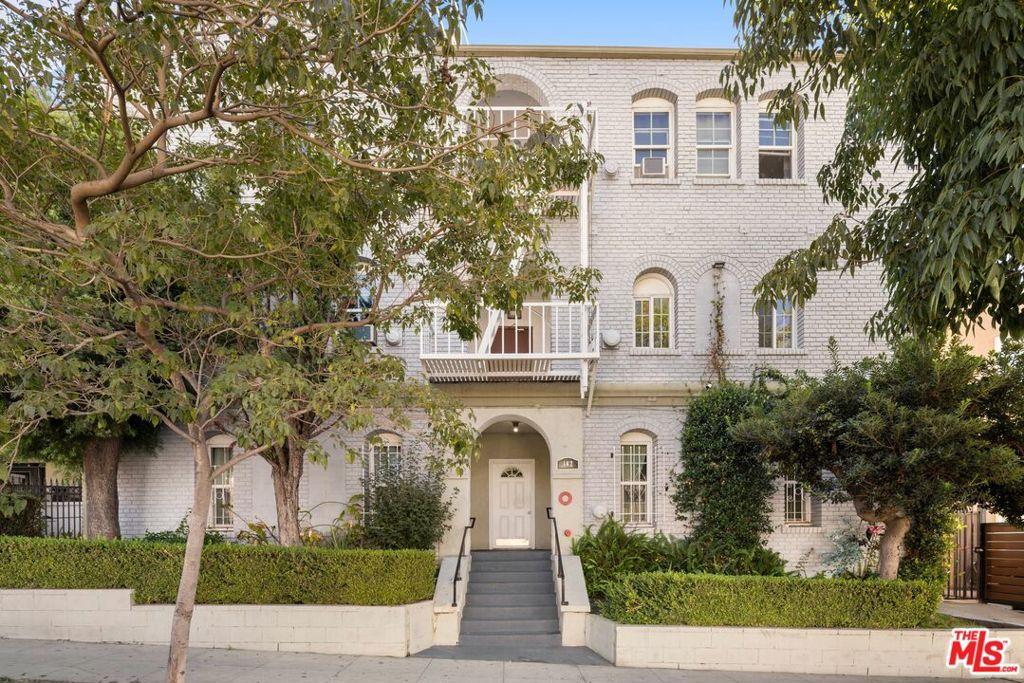
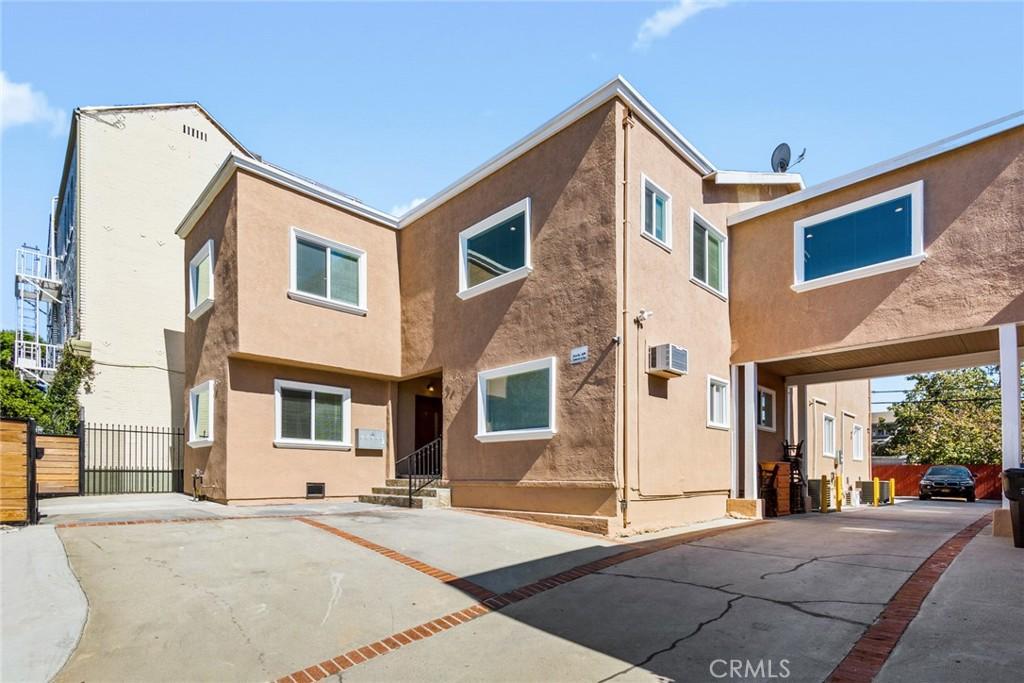
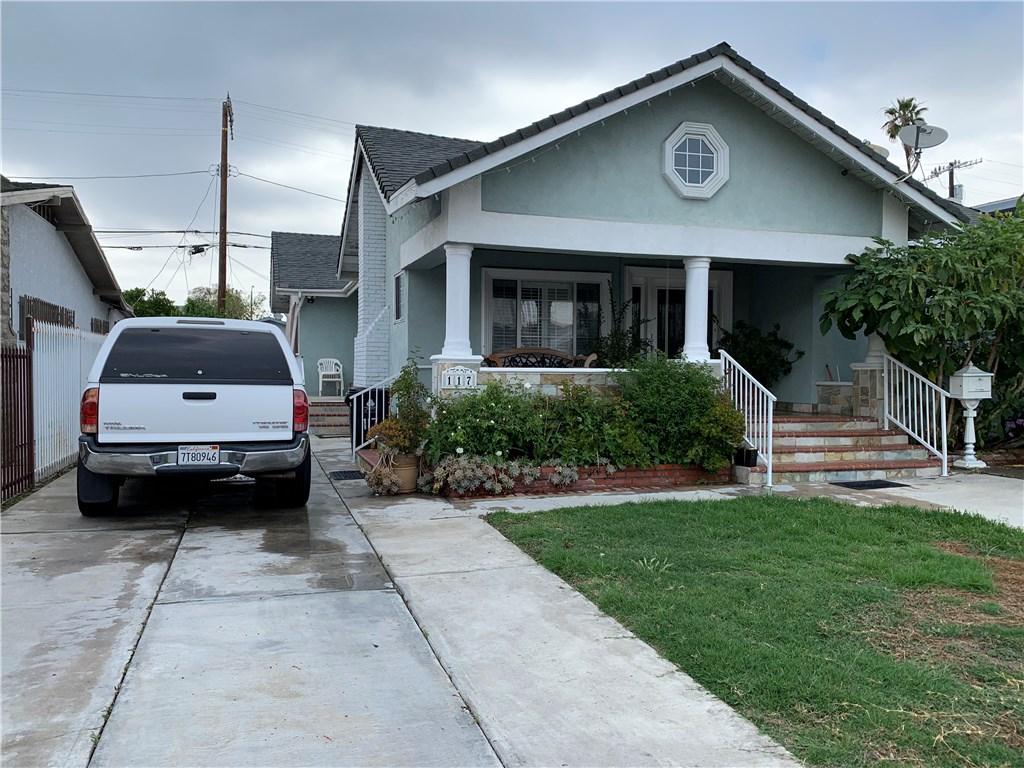
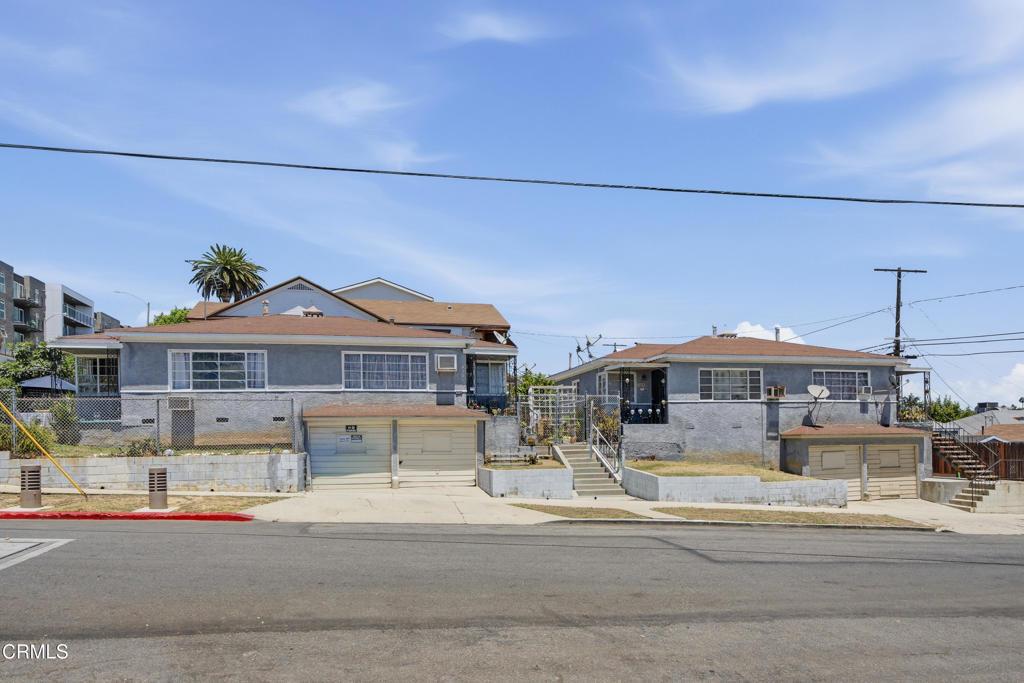
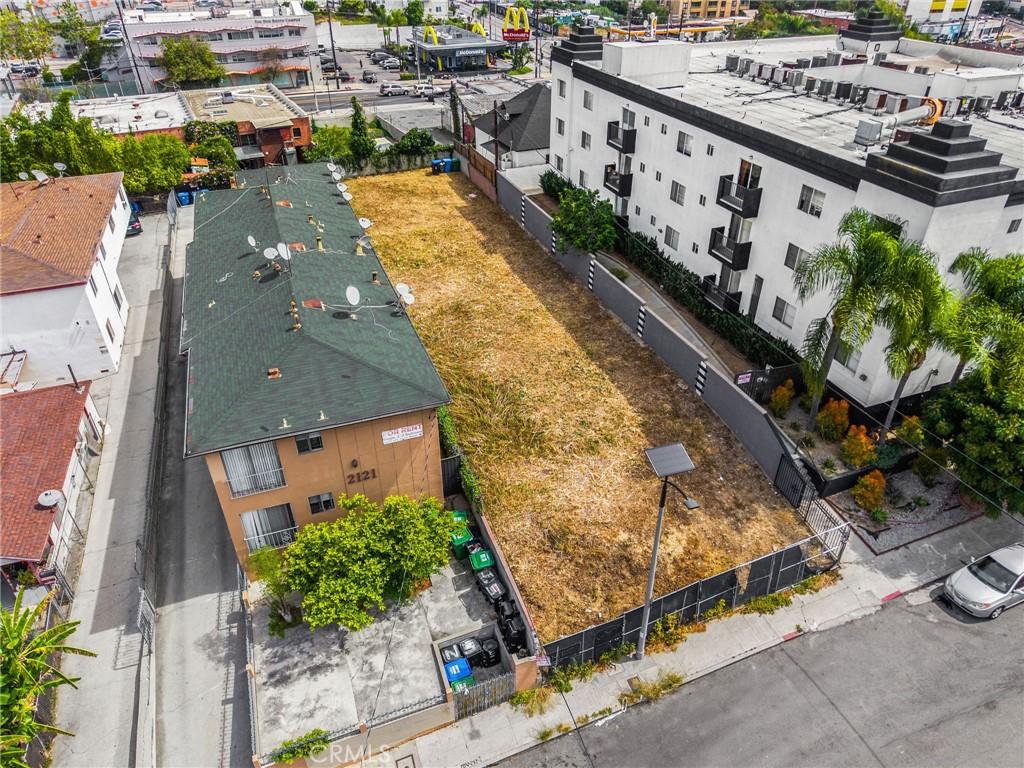
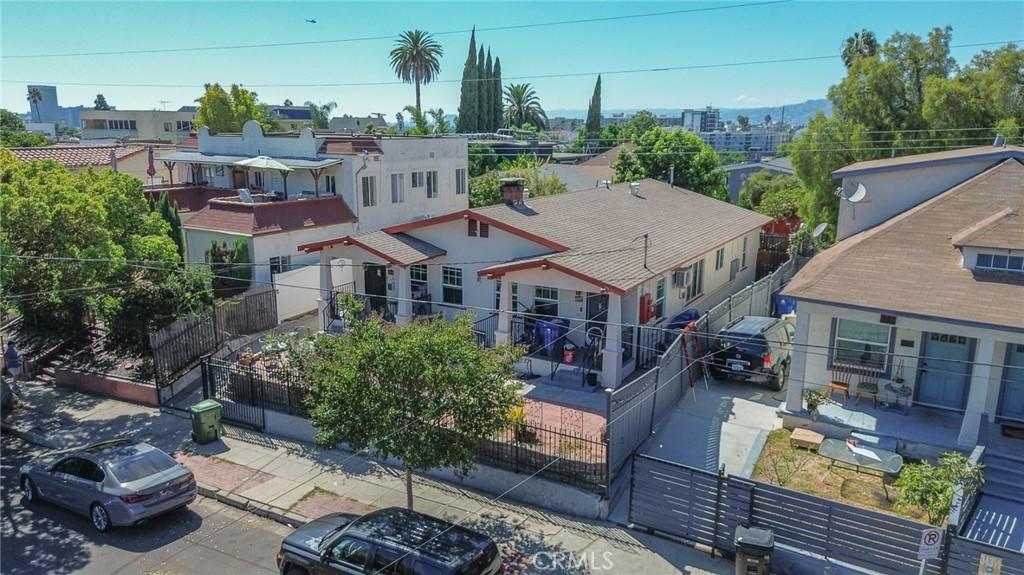
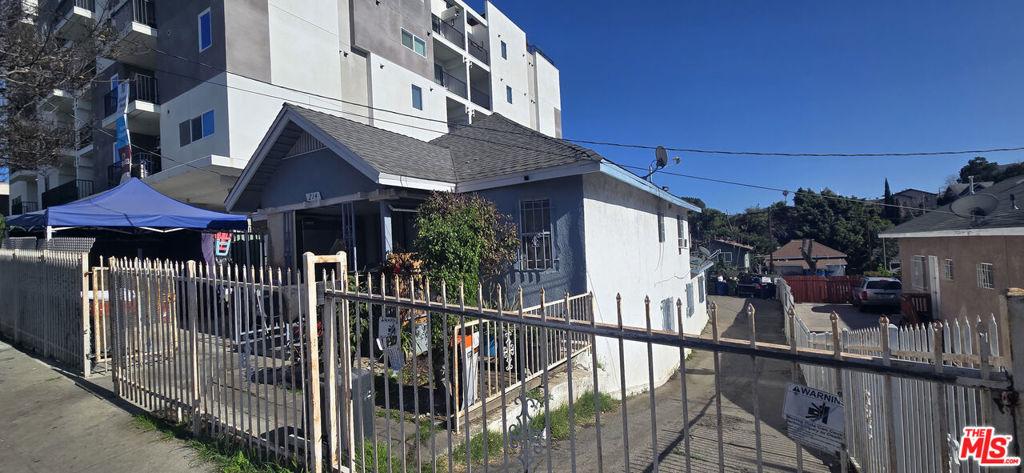
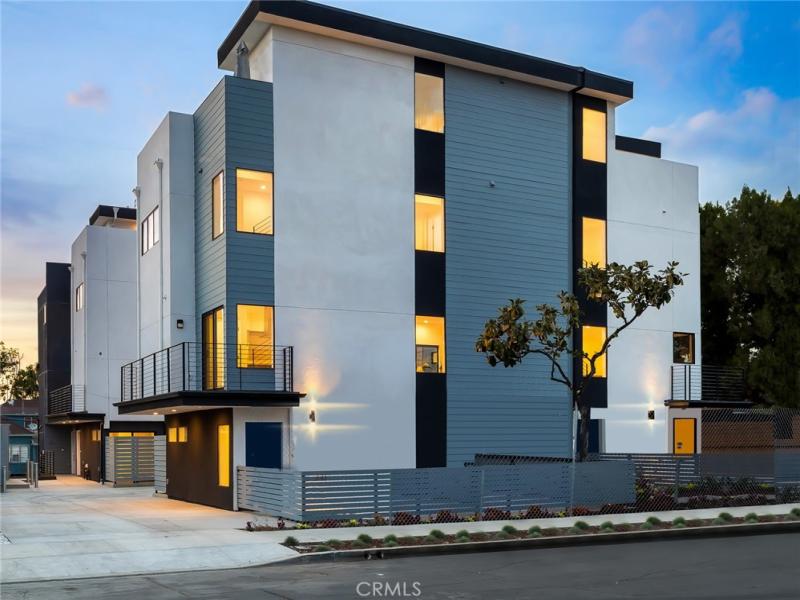
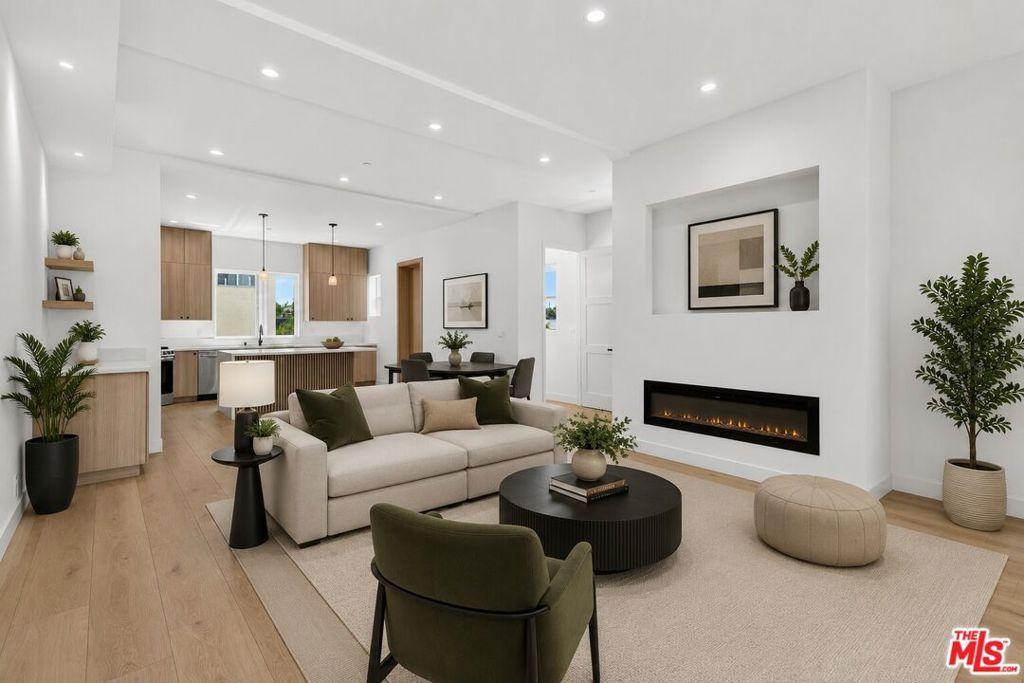
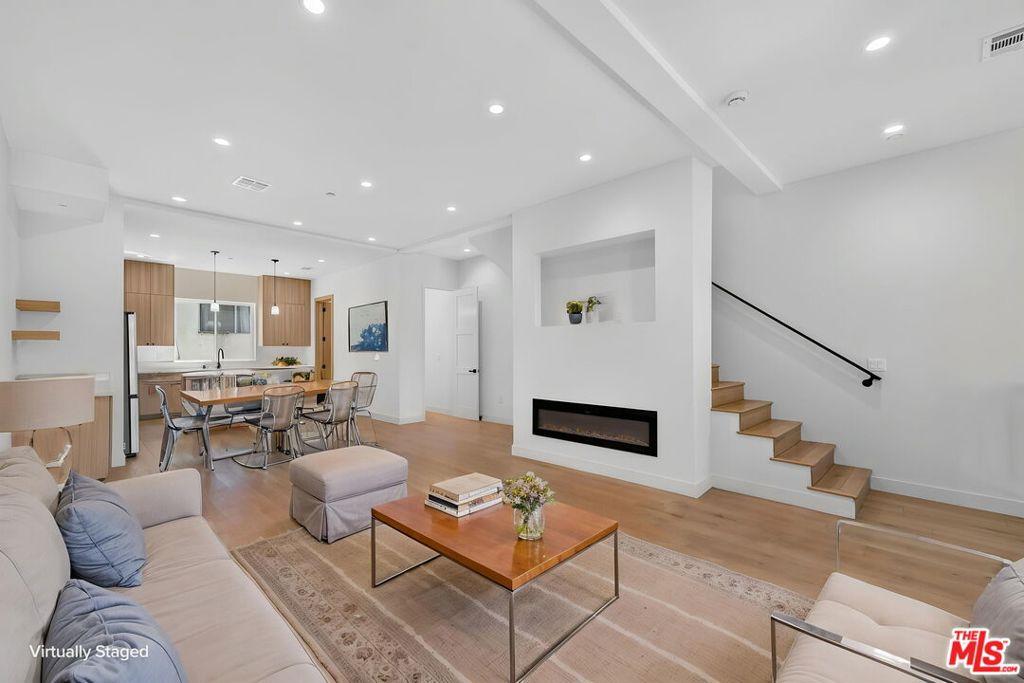
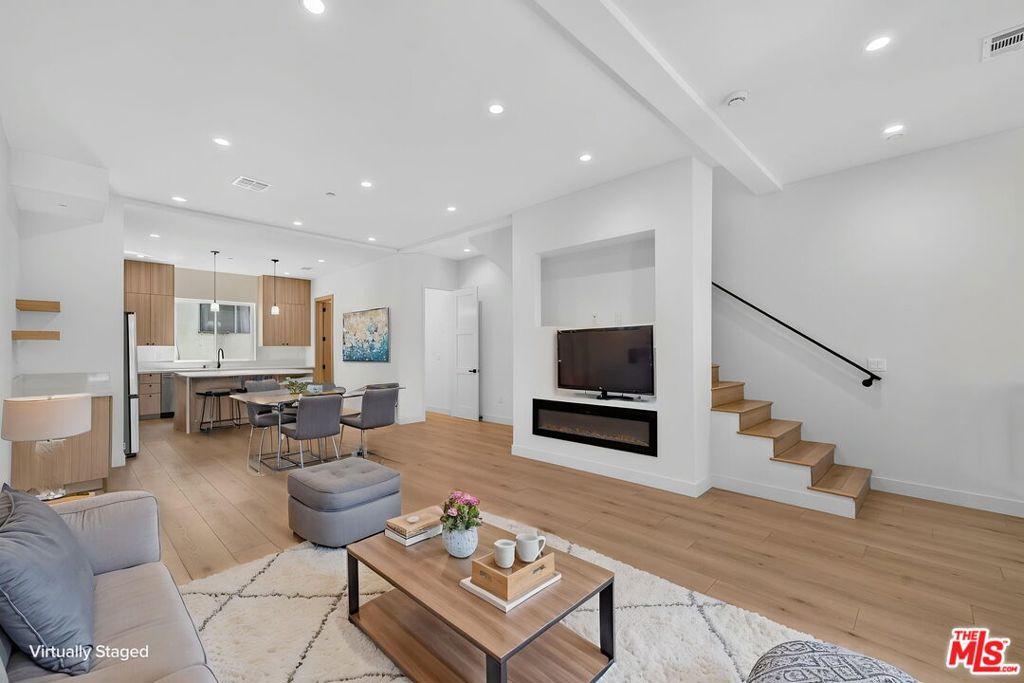
The rental market in Historic Filipinotown caters to a variety of preferences. You’ll find a mix of housing options, including apartments, condos, houses, and townhomes. This diversity allows renters to choose accommodations that best suit their lifestyle and budget.

For those interested in exploring more options in the surrounding areas, Eastside homes for rent offer additional choices in neighboring communities, each with its own unique character and amenities.

How do you get around Historic Filipinotown?

Historic Filipinotown is part of the Los Angeles rental market. Situated just west of Downtown Los Angeles, residents enjoy easy access to the city s bustling center while maintaining a distinct neighborhood feel. Drive times to major employment centers vary by time of day. For renters commuting to the Westside, Downtown, or the San Fernando Valley, the specific street address matters more than the neighborhood name — test your commute before signing.

Public transit options in Historic Filipinotown vary. Some parts of the area are served by Metro bus lines; others are effectively car-dependent. If transit access is a priority, The Knight Group can filter available rentals by proximity to relevant routes.

What should you know about rental moving logistics?

Renters in Historic Filipinotown should budget for: first month plus last month plus security deposit (standard in this market), renter’s insurance (typically $15–$30/month), and parking if not included. Many properties in this area do not include utilities — confirm what’s covered in the lease before signing.

Which utilities and services serve Historic Filipinotown?

Most rentals in Historic Filipinotown are served by Los Angeles Department of Water and Power (LADWP) for electricity and water. Some properties in the area may be served by SoCalGas for natural gas. Utility costs in Los Angeles are meaningful — budget $150–$300/month for a typical apartment depending on size, season, and efficiency of the unit.

Internet service options in Historic Filipinotown typically include Spectrum (cable), AT&T Fiber (where available), and in some buildings, Frontier. Confirm availability at the specific address before signing — fiber availability varies significantly by block in Los Angeles.

What to Verify Before Signing in Historic Filipinotown

Before signing a lease in Historic Filipinotown, verify: that the landlord is the actual property owner (or has documented authority to lease), that the property has no active code violations (searchable through LA’s LADBS), that the security deposit does not exceed two months’ rent (California law), and that the unit’s appliances and systems are in working order at the time of signing — document this in writing.

Ask about the building’s history with pest control, particularly for older buildings in Historic Filipinotown. Rodent and cockroach issues in multi-unit buildings are often building-wide rather than unit-specific, and disclosure obligations on this topic are limited. Neighbors in the building are often the most reliable source of information about recurring issues.

What’s Historic Filipinotown’s rental market history?

Rental markets in Los Angeles have gone through measurable cycles. The Historic Filipinotown area has historically held renter demand relative to surrounding areas, driven by proximity to employment centers, transit access, and the general quality of the rental stock. Understanding the historical pattern helps renters assess whether current rents are at a cyclical high or represent fair market value for the area.

For renters who may eventually consider purchasing, Historic Filipinotown and surrounding neighborhoods are worth understanding as a potential first purchase area. The Knight Group works with both renters and buyers in this market and can provide context on the path from renting to owning in this specific part of Los Angeles — without any pressure to move before you’re ready.

Market Trends

Market Trends: Rental Availability and Pricing

Rental Availability and Pricing

The rental market in Historic Filipinotown is dynamic, with availability and pricing fluctuating based on various factors. On average, renters can expect to find relatively affordable options compared to some of the more expensive neighborhoods in Los Angeles. The ApartmentAdvisor deal rating can be a useful tool for gauging the value of different rental properties in the area.

1-Bedroom and 2-Bedroom Rent

As of the latest data, the average rent for a 1-bedroom apartment in Historic Filipinotown ranges from $1,500 to $2,000 per month, while 2-bedroom units typically fall between $2,000 and $2,800. However, these prices can vary depending on factors such as location within the neighborhood, amenities offered, and the age and condition of the building.

If you’re considering alternatives, Elysian Heights rentals in the nearby area might offer different price points and community atmospheres worth exploring.

Verify current figures per MLS before making pricing decisions.

How does Historic Filipinotown’s rental market compare?

Los Angeles rental prices in areas like Historic Filipinotown are driven by a combination of location desirability, unit quality, and seasonal demand. The rental market here typically tightens in spring and summer (March–August) and softens slightly in fall and winter — though this varies year to year.

Renters negotiating in Historic Filipinotown should understand that landlords in desirable pockets rarely negotiate heavily on price. Where negotiation is possible, it’s more likely on lease start date, included utilities, or parking terms than on monthly rent. Price range in this area: $1,500 to $2,800 per month. Verify current availability directly.

What Drives Rent in Historic Filipinotown

The factors that drive rental pricing in Historic Filipinotown include proximity to employment corridors, school district quality, unit condition, and included parking. Understanding which factors you’re paying a premium for — and which you’re not getting — helps calibrate your offer. The Knight Group can provide a current rental comp analysis for this area.

Do Historic Filipinotown rental prices change seasonally?

The Historic Filipinotown rental market typically tightens in late spring and summer (April through August) when demand from job seekers, transplants, and students peaks. Winter months see softer competition and occasionally more landlord flexibility. Renters with schedule flexibility who can move in fall or winter often find better options with less competition.

Rental prices in Historic Filipinotown ($1,500 to $2,800/month) have moved with Los Angeles market trends broadly. Renters signing in a peak season should understand they’re likely paying closer to market rate. Renters in slow season may have more leverage on terms, move-in costs, or small upgrades. The Knight Group tracks current market velocity and can advise on timing.

What should renters ask before signing here?

Before signing a lease in Historic Filipinotown, ask the landlord or property manager: Why is the current tenant leaving? When was the unit last renovated and what was done? Are utilities separately metered or shared? What is the building’s policy on guests and lease transfers? Has there been any water intrusion, mold remediation, or pest treatment in the unit in the past three years? These questions surface issues that standard showings don’t reveal.

Also ask about parking specifically: Is assigned parking included in rent or separate? Is there a waiting list? What are guest parking options? In Los Angeles, parking logistics affect daily livability more than many buyers and renters expect. Rental range in Historic Filipinotown: $1,500 to $2,800/month.

What’s the rental outlook for Historic Filipinotown?

The Los Angeles rental market is one of the least elastic in the country — supply additions have consistently lagged demand growth, which keeps vacancies low and rents high relative to income levels. Historic Filipinotown reflects this general pattern, with rental demand historically supported by proximity to employment and lifestyle access that attracts a broad renter population.

For renters who anticipate being in Historic Filipinotown for two or more years, tracking the purchase market in parallel is worth doing — even if purchase isn’t imminent. The Knight Group regularly works with renters who use the renting period to build savings and understand the market, then transition to purchase when conditions and timing align. There’s no pressure to move before you’re ready, but having context early improves the eventual decision.

FAQs

FAQs About Historic Filipinotown Rentals

  1. What is the average rent in Historic Filipinotown?
    The average rent varies depending on the size and type of property, but generally ranges from $1,500 to $2,800 for 1-2 bedroom units.
  2. What amenities are available in the community?
    Historic Filipinotown offers a variety of amenities including public schools, parks, restaurants, cultural centers, and easy access to public transportation.

  3. How does Historic Filipinotown compare to other LA neighborhoods?
    Historic Filipinotown offers a unique blend of cultural richness and affordability compared to some other LA neighborhoods. Its central location and strong sense of community are major draws for many renters.
How competitive is the rental market in Historic Filipinotown?

Competition in Historic Filipinotown varies by property type and season. Well-priced, well-maintained single-family rentals typically receive multiple applications within the first week. Apartment units move faster in spring and summer. The Knight Group can advise on timing and positioning your application for the properties you’re targeting.

What lease terms are typical in Historic Filipinotown?

Standard lease terms in Historic Filipinotown are 12 months. Month-to-month is available in some cases at a premium — typically $200–$500/month above the annual rate. Shorter-term (6-month) leases are less common but can be negotiated directly. The Knight Group can identify which landlords in Historic Filipinotown are open to non-standard terms.

Are pets allowed in Historic Filipinotown rentals?

Pet policies vary by landlord. Many Historic Filipinotown rentals accept pets with an additional deposit or monthly pet rent. Single-family homes are generally more pet-friendly than multi-unit buildings. The Knight Group can filter available rentals by pet policy to match your requirements.

What happens at lease renewal in Historic Filipinotown?

Lease renewal terms in Historic Filipinotown depend on the landlord and whether the property falls under Los Angeles rent stabilization. Properties built before 1978 with certain characteristics may be subject to RSO caps on annual rent increases. Properties built after 1995 are generally not rent-stabilized. Confirm the property’s RSO status before signing — it significantly affects your long-term cost exposure.

Can I negotiate my rent in Historic Filipinotown?

Negotiation leverage in Historic Filipinotown depends on current market conditions. In a soft market with extended listing time, landlords may negotiate on move-in costs, pet deposits, or minor repairs. In a tight market, asking price is often firm. The Knight Group tracks current market velocity in Historic Filipinotown and can advise on whether negotiation is realistic before you begin a conversation with a landlord.

How do I get started with The Knight Group for rentals in Historic Filipinotown?

Reach out to The Knight Group with your requirements — size, budget, move-in timeline, must-haves. We’ll pull current availability in Historic Filipinotown including off-market rentals not on Zillow or Apartments.com. No fee to renters for our service.

What is the typical security deposit in Historic Filipinotown?

California law caps security deposits at two months’ rent for unfurnished units. Most landlords in Historic Filipinotown collect the maximum. The deposit must be returned within 21 days of move-out, with an itemized deduction statement for any amounts withheld. Document the unit’s condition in writing and with photos at move-in and move-out to protect your deposit. The Knight Group can advise on standard deposit norms for this specific market.

Can I sublet my rental in Historic Filipinotown?

Subletting in Historic Filipinotown depends entirely on your lease terms and the landlord’s policy. Most residential leases in Los Angeles prohibit subletting without landlord consent. Vacation rental platforms (Airbnb, VRBO) are also subject to Los Angeles short-term rental regulations, which require host registration and limit short-term rentals to primary residences. Confirm the policy before assuming subletting is an option.

What notice is required to end my lease in Historic Filipinotown?

Month-to-month leases in California require 30 days’ notice from the tenant, or 60 days if you’ve occupied for more than one year. Fixed-term leases require adherence to the lease end date. For properties covered by Los Angeles rent stabilization, additional tenant protections may apply to notice and just-cause eviction requirements. Confirm the terms in your specific lease before making any plans.

Hey, You ALMOST MISSED IT!

Lucky for you we’re looking out.

Subscribe to this Custom Search to be alerted when new properties hit the market in the area.

Choose the frequency that works for you.

get alerts

[showcaseidx_contact]