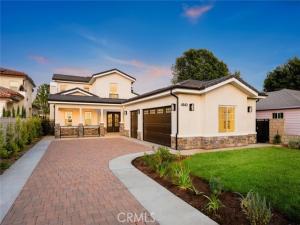
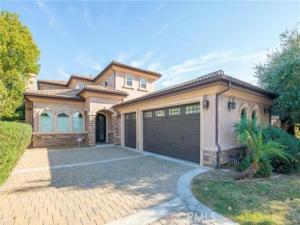
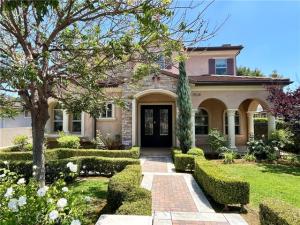
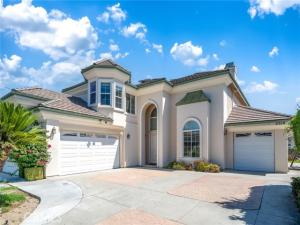
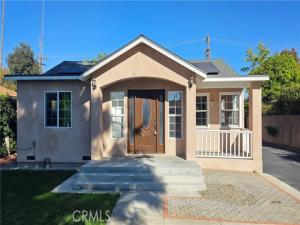
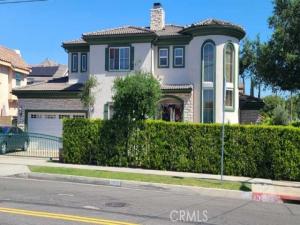
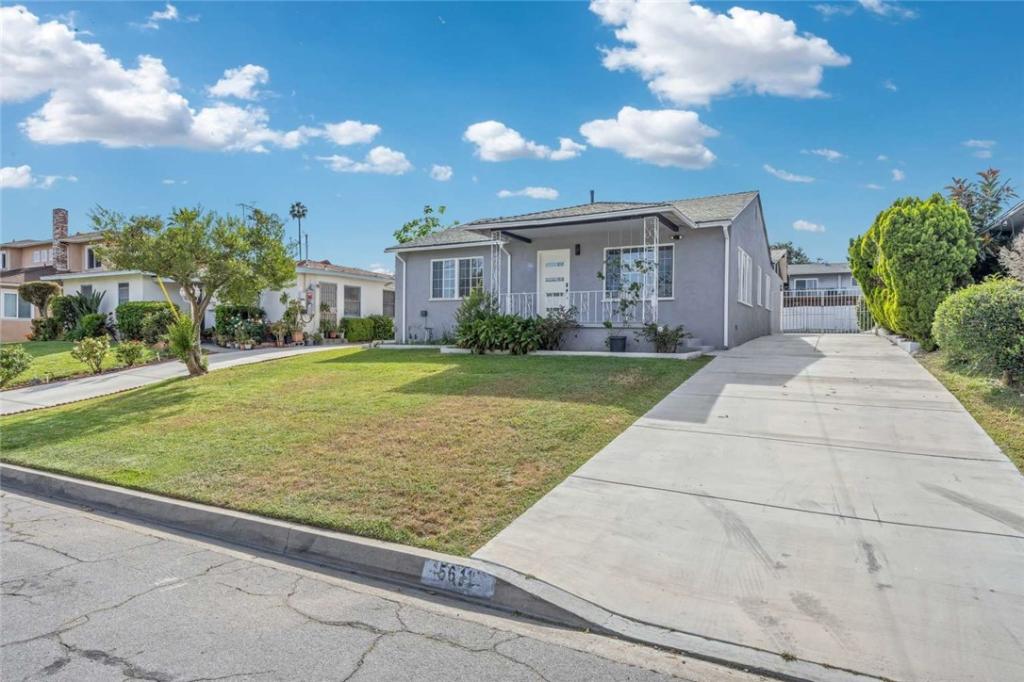
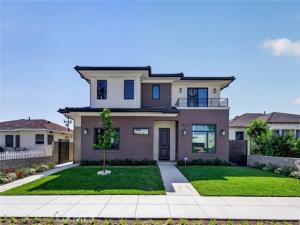
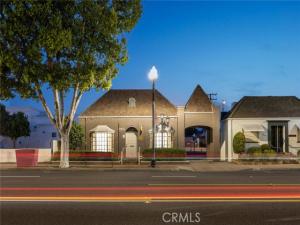
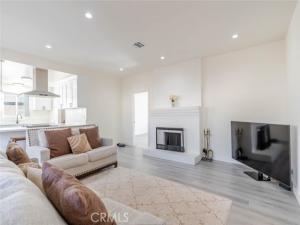
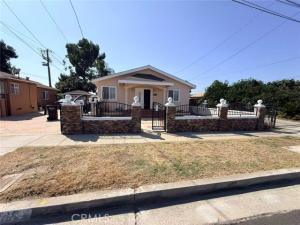
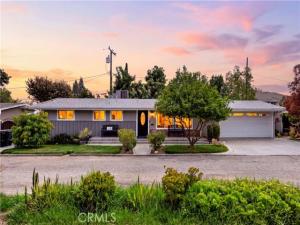
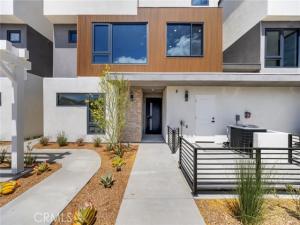
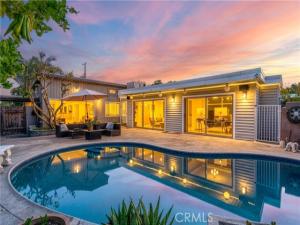
Temple City Homes for SaleListings

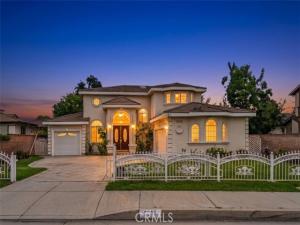
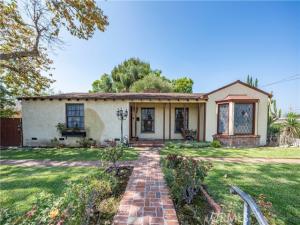
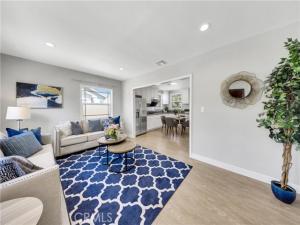
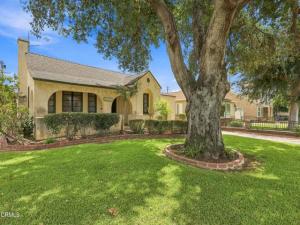
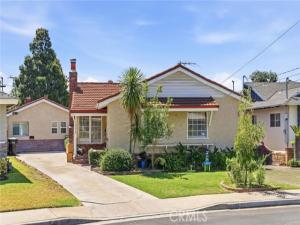
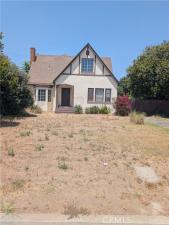
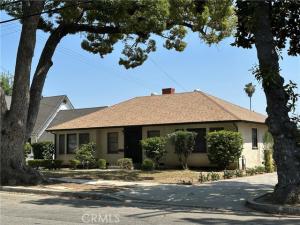
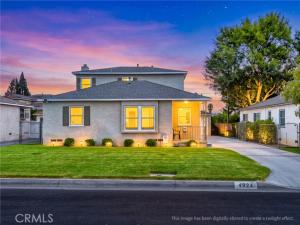
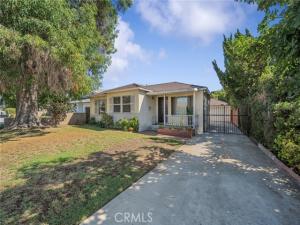
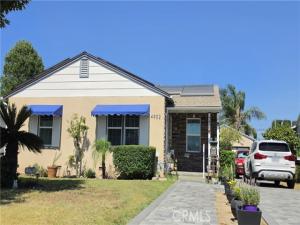
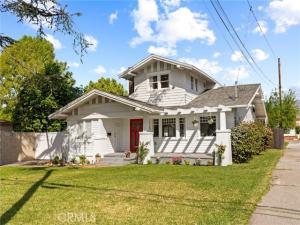
Temple City homes for sale ranging from $900,000 to $2,200,000+. An established San Gabriel Valley city of approximately 36,000 residents, Temple City offers buyers a combination of top-rated public schools, a walkable Las Tunas Drive commercial corridor, and a residential stock of post-war single-family homes that represents one of the strongest mid-tier values in the western SGV. The Knight Group works this area directly, including off-market inventory that does not reach Zillow or Redfin. Well-priced properties in Temple City attract consistent buyer interest; buyers should approach active listings with financing in place and a clear understanding of the current comparable sale pricing.

Temple City Homes for Sale in San Gabriel Valley

Community

Temple City: School District, Market Position, and Residential Character

Temple City is a 3.9-square-mile incorporated city in the western San Gabriel Valley, bordered by Arcadia to the north and east, San Gabriel to the west, and El Monte to the south. The city was incorporated in 1960 and has maintained a stable, residential identity since its post-war development era, with the bulk of its housing stock built between 1945 and 1975. Temple City’s identity in the regional real estate market is anchored primarily by the Temple City Unified School District, which consistently ranks among the top 10-15 school districts in Los Angeles County and has positioned Temple City as a destination for school-district-motivated buyers who find adjacent Arcadia’s prices prohibitive.
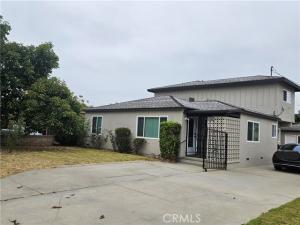
The Temple City Unified School District operates Oak Avenue Intermediate School and Temple City High School as its secondary schools, along with several elementary schools serving the city’s residential population. Temple City High School’s academic performance is consistently strong, placing in the top 15-20% of California high schools on standardized assessments, and the district’s overall academic culture reflects the community’s emphasis on education as a primary value driver for residential buyers. The TCUSD premium over adjacent Alhambra USD and El Monte USD is significant, and buyers who are evaluating Temple City specifically for school district quality should compare the TCUSD performance data to adjacent AUSD (Arcadia) and SGUSD (San Gabriel) to understand how the district competes in the mid-tier SGV school district hierarchy.

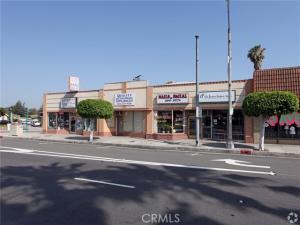
Las Tunas Drive is Temple City’s primary commercial corridor, a walkable street of restaurants, retail shops, and professional services that runs east-west through the center of the city. The corridor includes a concentration of Chinese and Chinese-American restaurants, bakeries, and specialty retail that reflects the city’s significant Chinese-American residential population. The Temple City Farmers Market operates weekly on the Las Tunas Drive corridor, providing a local agricultural market and a community gathering point for residents. The commercial environment of Las Tunas Drive is more modest than the regional retail corridors of adjacent Arcadia or the Valley Boulevard Asian commercial strip in San Gabriel, but it provides the essential day-to-day retail and dining infrastructure that supports the residential community without requiring residents to travel to adjacent cities for basic needs.

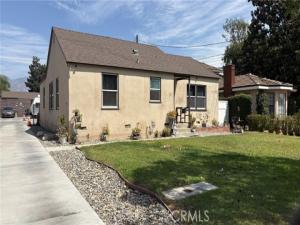
The residential neighborhoods of Temple City are organized around a grid street pattern that reflects the systematic post-war subdivision development of the late 1940s and 1950s. The housing stock is predominantly single-story ranch-style and traditional California ranch homes on lots ranging from 6,000 to 10,000 square feet, with occasional larger lots in the northern sections of the city near the Arcadia city boundary. The residential character is quiet and well-maintained, with a strong owner-occupant culture that has maintained the housing stock in generally good condition across the city’s residential streets. Temple City does not have the same concentration of teardown-and-replace new construction that has transformed large portions of Arcadia’s residential inventory, and buyers looking for mid-century original homes or renovation projects will find a more intact 1950s-1970s housing stock in Temple City than in adjacent Arcadia.

The current median home value in Temple City is approximately $950,000-$1,200,000, positioning it between Alhambra and San Gabriel on the lower end (slightly below Temple City) and Arcadia on the upper end (significantly above Temple City). The TCUSD premium over Alhambra USD and San Gabriel USD is the primary driver of Temple City’s price premium over those cities, while the AUSD premium over TCUSD explains a significant portion of the price gap between Temple City and Arcadia. Buyers who are specifically motivated by school district quality at an accessible price point typically find Temple City represents the best balance of TCUSD performance and price relative to AUSD/Arcadia in the mid-tier SGV market.

The commute infrastructure for Temple City residents positions the city well for buyers whose employment is in the Pasadena corridor, the 210 Freeway employment centers, or the central Los Angeles employment core. The 210 Freeway is accessible via the Rosemead Boulevard interchange to the north (via surface street connection through Arcadia), providing east-west freeway access. The 10 Freeway is accessible via Valley Boulevard to the south, approximately 10-15 minutes from central Temple City. The Metro A Line serves Temple City via the Temple City Station at Longden Avenue and Las Tunas Drive, providing a transit connection to Pasadena (approximately 15-20 minutes west) and to downtown Los Angeles via Pasadena (approximately 45-55 minutes total). Surface street access to San Gabriel, Arcadia, and Rosemead is straightforward and takes 10-20 minutes by car in most directions.

The Temple City Camellia Festival, held annually since 1944, is one of the city’s most recognized community traditions, celebrating the camellia flowers that have been a horticultural trademark of the city’s residential gardens since its early development. The festival, held in late winter when camellias are in peak bloom, draws regional attendance and reflects the city’s community engagement tradition. Temple City’s civic organizations, the Temple City Chamber of Commerce, and the city’s community events calendar collectively reflect a residential community that maintains a strong engagement with local identity and civic programming despite its relatively small size and geographic footprint.

The property due diligence scope for Temple City purchases should address the typical characteristics of the 1950s-1970s housing stock: galvanized plumbing, original electrical panels, single-pane windows, and unretrofitted foundations are common in properties that have not been comprehensively renovated. Buyers should engage a licensed general inspector and, for older unrenovated properties, a licensed structural engineer to assess the foundation condition and seismic upgrade requirements. The Temple City Building and Safety Division maintains permit records for properties within the city, and buyers should request the permit history for any improvements visible in the property to confirm compliance status. Temple City is not in a Very High Fire Hazard Severity Zone, which simplifies the homeowner insurance market relative to adjacent hillside communities and makes standard policy availability and pricing more straightforward for buyers.

The investment characteristics of the Temple City residential market reflect the TCUSD school district premium, the commute infrastructure, and the city’s established residential character. The market has demonstrated consistent appreciation over multi-year holding periods, supported by the structural supply constraint of a small incorporated city with essentially no vacant residential land for new development. The combination of school district quality, commute access, and cultural amenities at a price point accessible to the move-up buyer profile from adjacent Alhambra, San Gabriel, and El Monte creates a demand base that has historically supported Temple City property values through multiple market cycles.

Temple City: Neighborhood Character, Civic Life, and Long-Term Investment

The residential neighborhoods of Temple City are organized around a network of quiet, tree-lined streets that reflect the systematic 1950s-1960s subdivision development that built most of the city. The northern residential sections of the city, particularly the neighborhoods north of Las Tunas Drive and the streets adjacent to the Arcadia city boundary, contain the largest lots and the most consistent single-family residential character in the city, and these areas command the premium pricing within the Temple City market. The streets in the northern quadrant are characterized by single-story ranch homes set back from the curb on well-maintained lots, with mature street trees that were planted during the initial subdivision development and have grown to provide a shaded residential character that newer developments cannot replicate.

The central residential sections of Temple City, the areas on both sides of Las Tunas Drive within walking distance of the commercial corridor, are characterized by a mix of single-family homes and occasional multi-family residential buildings. These central areas offer the highest walkability scores in the city and the most convenient access to the Las Tunas Drive retail and dining, but they also experience more traffic and commercial activity than the quieter northern residential streets. Buyers who prioritize walkability over quiet residential character will find the central Temple City streets more aligned with that priority, while buyers who prioritize the quietest residential environment should focus their search in the northern quadrant.

The Temple City Parks and Recreation Department administers the city’s recreational programming through Live Oak Park (the primary community park at 10144 Bogue Street), Primrose Park, and the Temple City Recreation and Community Services Center. Live Oak Park includes an aquatic center with a public pool, sports fields, a community garden, and the historic Live Oak Dance Pavilion, which has been a community gathering venue since the 1940s. The Aquatic Center at Live Oak Park provides swim programming and open swim periods for the residential community, a notable amenity in a city without the private pool infrastructure that characterizes the premium western SGV residential markets. The Temple City Civic Center on Las Tunas Drive houses City Hall, the Community Development Department, and the Temple City Public Library, providing centralized access to city services for the residential community.

The Temple City Camellia Festival is the city’s signature annual community event, celebrating the camellia horticultural tradition that has been associated with the city’s residential gardens since its early development era. The festival, which has been held annually since 1944, includes a parade, a public garden tour, and community activities centered on Las Tunas Drive and Live Oak Park. The festival reflects Temple City’s mid-century origins as a residential community with a strong civic organization tradition, and it continues to draw community engagement from across the SGV as one of the longest-running horticultural festivals in Southern California.

For buyers who are evaluating the long-term investment characteristics of the Temple City residential market, the key factors that support the market’s value stability are: the TCUSD school district premium over adjacent lower-rated districts; the limited residential land area of the incorporated city (3.9 square miles) with no significant vacant parcel for new development; the consistent demand from the Chinese-American buyer profile that values both TCUSD school quality and the city’s cultural amenities; and the price accessibility relative to adjacent Arcadia that makes Temple City a perennial destination for move-up buyers from Alhambra, San Gabriel, and Rosemead. These structural demand drivers have supported Temple City residential property values through multiple market cycles and are unlikely to change in the medium term, providing a foundation for the long-term investment thesis in the city’s residential market.

The homeowner insurance market in Temple City is straightforward relative to adjacent hillside and foothill communities, as the city’s flat terrain and distance from the mountain interface places it outside the Very High Fire Hazard Severity Zone. Standard residential insurance policies are broadly available in Temple City at competitive rates, and buyers do not face the insurance availability constraints that affect hillside properties in Monrovia, Sierra Madre, La Canada Flintridge, and other foothill-adjacent SGV communities. This insurance market normality is a meaningful advantage for buyers who are comparing Temple City to foothill alternatives where insurance cost and availability have become significant variables in the total carrying cost calculation.

Temple City’s housing stock is predominantly occupied by owners rather than renters, reflecting the school-district-motivated buyer base that drives most purchase activity in the city. The owner-occupant culture has maintained the residential stock in consistently good condition relative to adjacent higher-renter-proportion cities like Alhambra and El Monte, and the streets in the northern residential quadrant in particular reflect the care that long-term owner-occupants take in maintaining properties in a community where they have made a significant long-term investment. Buyers who are evaluating Temple City against Alhambra on a pure price-per-square-foot basis will often find that the Temple City housing stock is better maintained on average, a quality differential that is not fully captured in the square footage comparison but that significantly affects the renovation cost and move-in readiness of comparable-priced properties in the two cities.

The property inspection process for Temple City’s 1950s-1970s housing stock should account for the typical characteristics of homes built during that era: galvanized steel plumbing, single-pane windows, original electrical panels, and foundation systems that predate modern seismic codes are common in homes that have not been comprehensively renovated. Buyers should engage a licensed general inspector and, for homes built before 1970 that have not had their mechanical systems updated, should budget for the plumbing, electrical, and seismic upgrade costs that are standard renovation requirements for homes of this vintage. The City of Temple City Building and Safety Division maintains permit records for properties within the city, and buyers should verify the permit history for any visible improvements or additions before completing a purchase. The total effective property tax rate in Temple City, including TCUSD bond obligations and county assessments, typically falls in the 1.20-1.30% range of assessed value.

For buyers comparing Temple City to adjacent Arcadia on a school-district-adjusted basis, the key observation is that TCUSD and AUSD serve overlapping price points from approximately $900K-$1.3M where move-up buyers from Alhambra and San Gabriel are most active. In that price range, Temple City properties often offer more interior square footage and larger lot sizes than comparable-priced Arcadia properties because Temple City’s price discount to Arcadia allows buyers to buy more house for the same dollar within a school district that, while lower-ranked than AUSD, still delivers strong academic outcomes. Buyers who are specifically comparing a specific Temple City property to a specific Arcadia property at similar price points should evaluate the lot size, the house condition, the school assignment, and the commute infrastructure simultaneously rather than treating the school district differential as the only variable. Contact The Knight Group for current Temple City active listings, off-market inventory, and comparable sale analysis calibrated to the specific sub-market within the city.

FAQs

What are the current home prices in Temple City?
Temple City homes currently list in the $900,000-$2,200,000 range depending on size, condition, and location within the city. The median home value is approximately $1,050,000-$1,200,000 as of mid-2026, with the most affordable options in the southern sections of the city closer to the 10 Freeway and the premium properties in northern Temple City near the Arcadia boundary commanding $1.4M-$1.8M+. The school district premium is most pronounced in the $900K-$1.3M range where school-district-motivated first-time and move-up buyers are most active.

How does Temple City USD compare to Arcadia USD and San Gabriel USD?
The Temple City Unified School District consistently ranks above San Gabriel USD and Alhambra USD in standardized assessment performance and college acceptance metrics, but below Arcadia USD. Temple City High School places in the top 15-20% of California high schools, while Arcadia High School places in the top 5-10%. Families who are specifically weighing the school district trade-off should request the current TCUSD performance data from the district directly and compare it to the current AUSD data to understand the gap between the two districts and whether it justifies the substantial price premium that Arcadia commands over Temple City for school-district-motivated buyers.

Does The Knight Group have off-market access in Temple City?
Yes. The Knight Group maintains direct coverage of the Temple City residential market and works with established owner-occupants and local agents who sometimes bring opportunities to buyer-side agent networks before listing on the MLS. In a market with limited inventory and consistent demand from school-district-motivated buyers, access to pre-market inventory can be a meaningful advantage. Contact The Knight Group to discuss your timeline and criteria.

What should buyers know about Temple City’s commute options?
Temple City offers a combination of freeway and transit commute options that position it well for buyers with employment in Pasadena, downtown Los Angeles, or the SGV employment corridors. The Metro A Line Temple City Station provides direct rail access to Pasadena (15-20 minutes) and downtown Los Angeles (45-55 minutes). The 210 and 10 freeways provide freeway access to the broader regional employment network. Car-dependent commuters will find Temple City’s surface street and freeway access straightforward for most San Gabriel Valley employment destinations.

Explore More

Hey, You ALMOST MISSED IT!

Lucky for you we’re looking out.

Subscribe to this Custom Search to be alerted when new properties hit the market in the area.

Choose the frequency that works for you.

get alerts

[showcaseidx_contact]