This site was last updated Jul-23-2026 7:03:05 am.
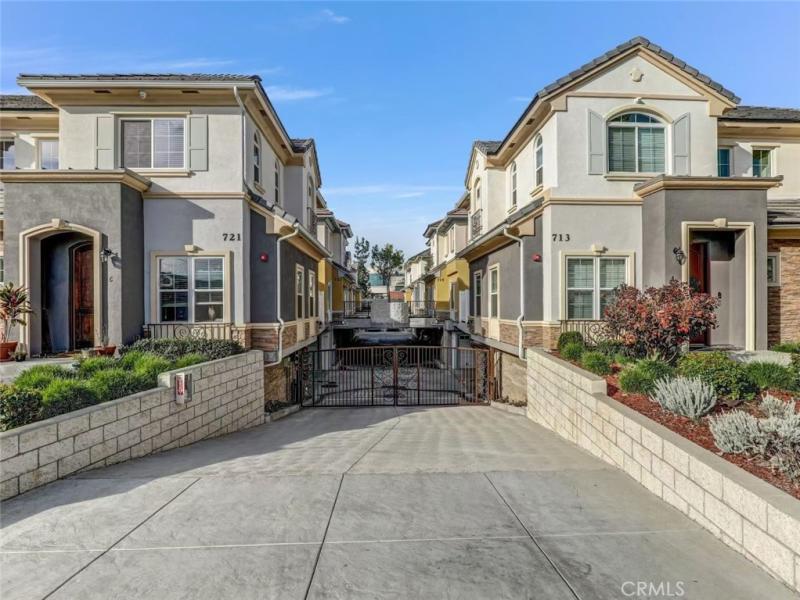
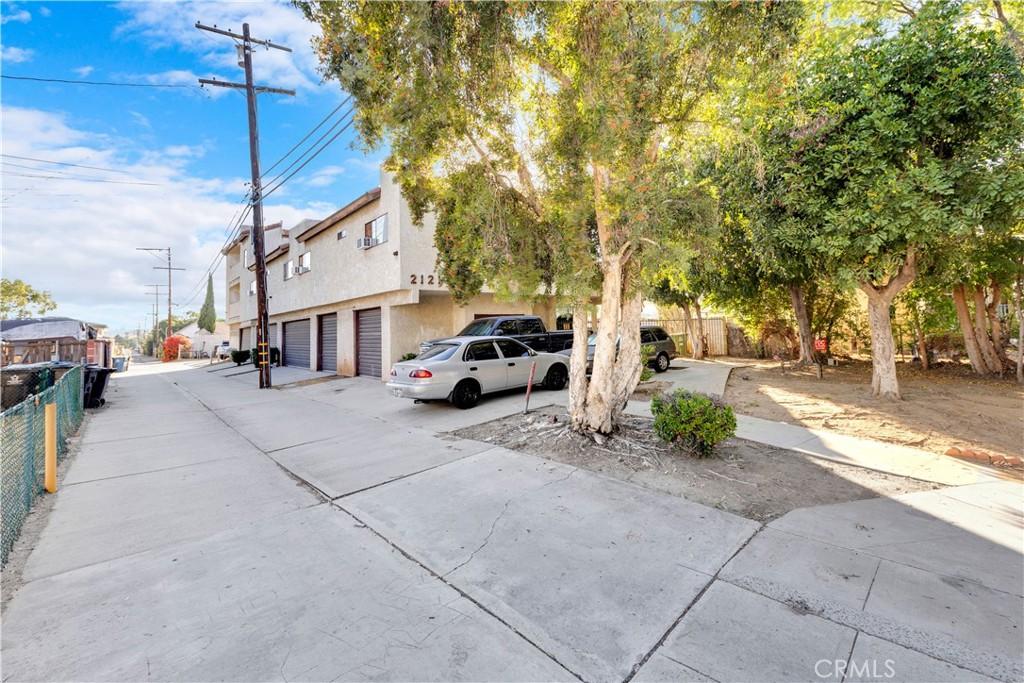
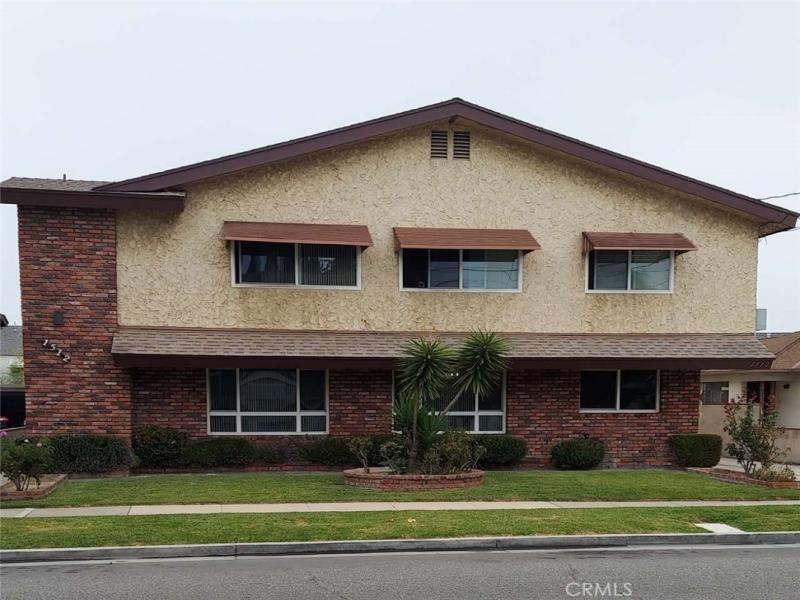
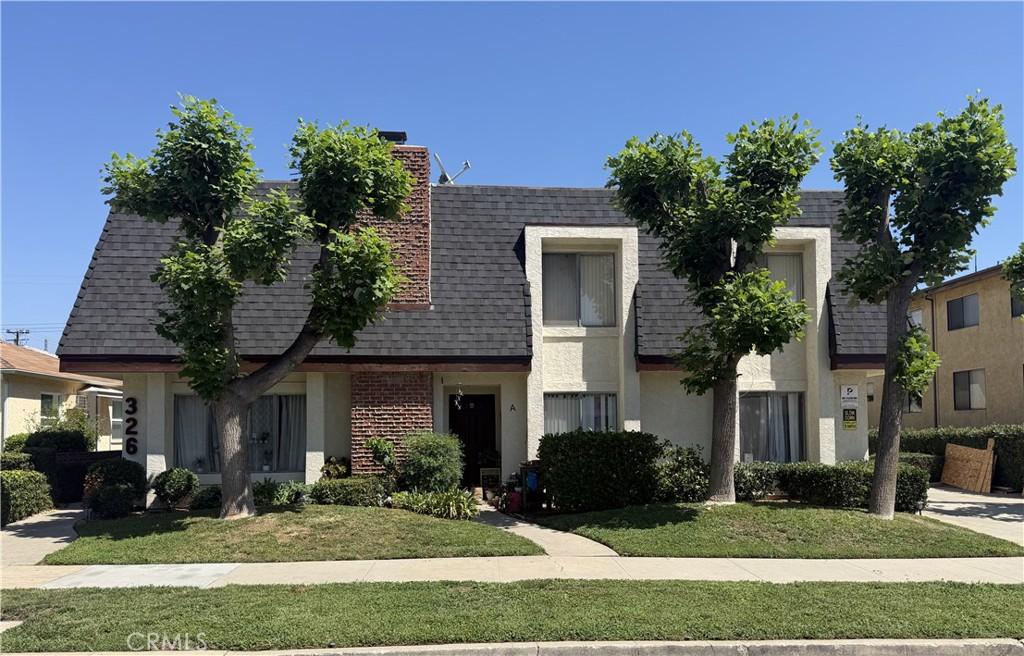
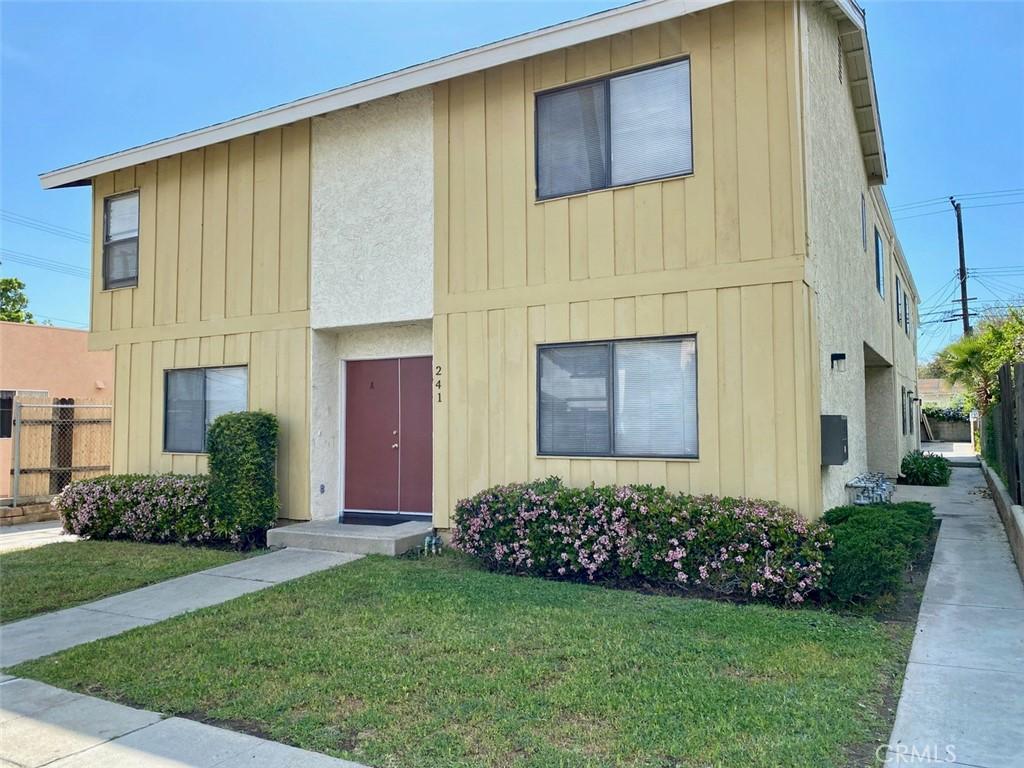
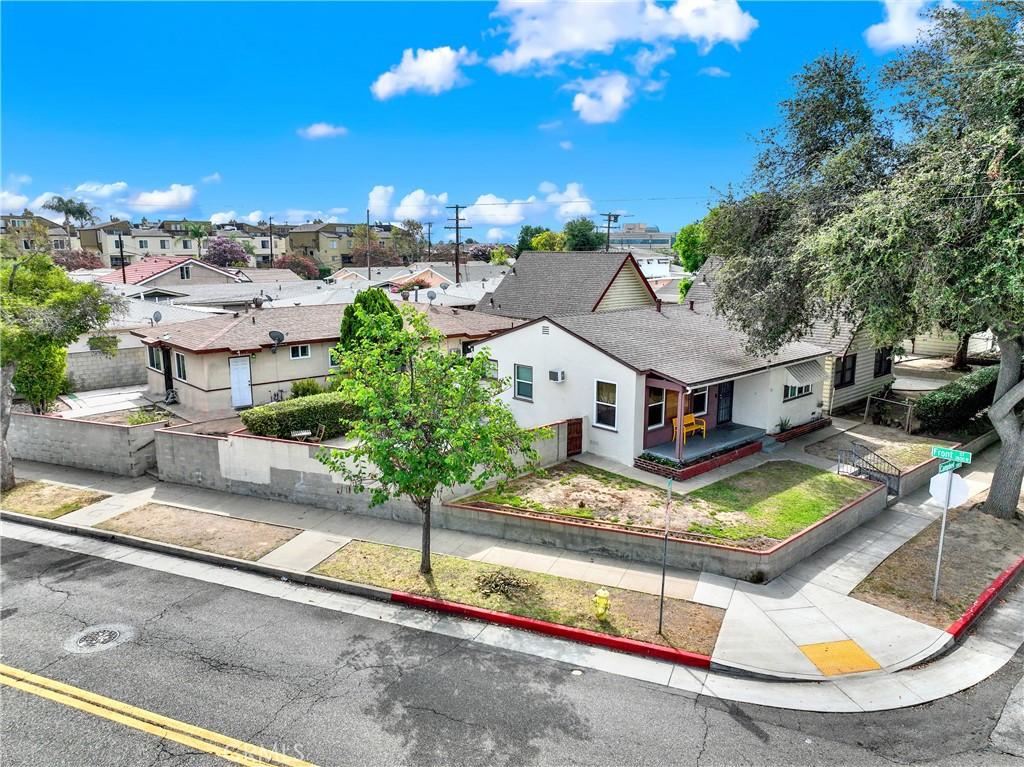
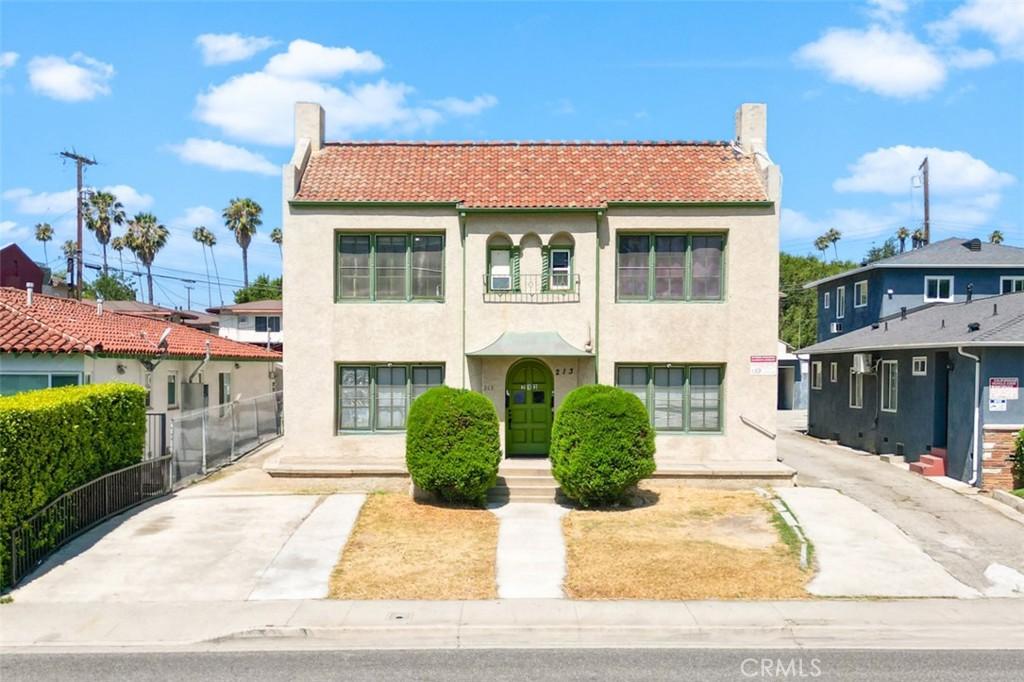
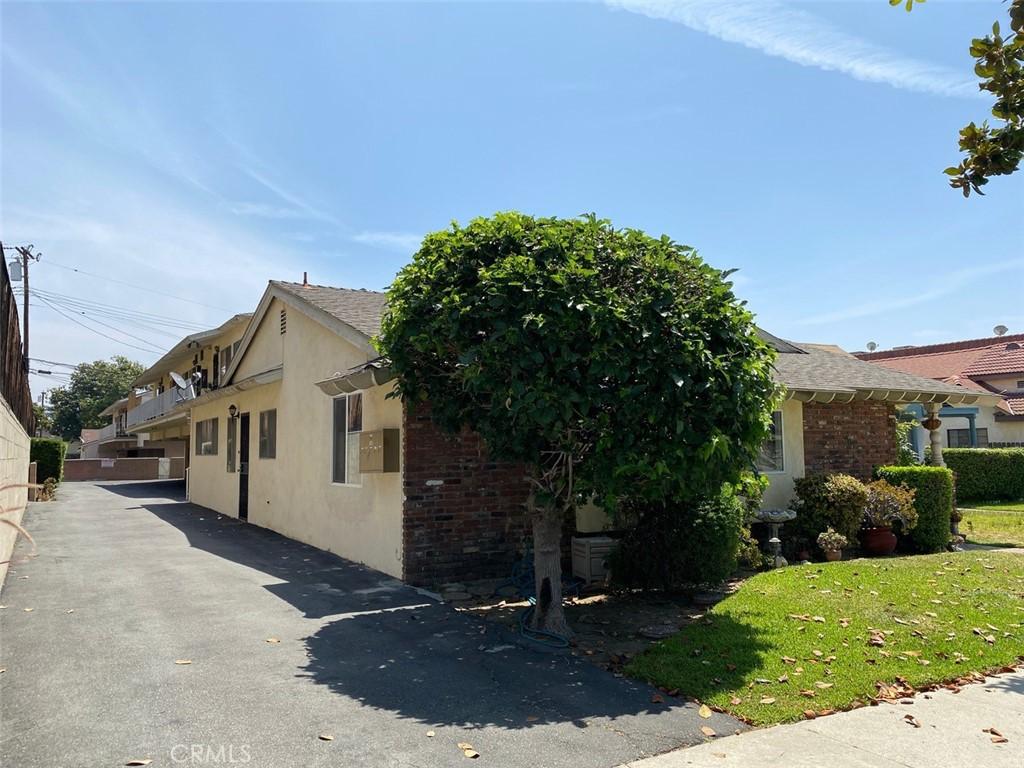
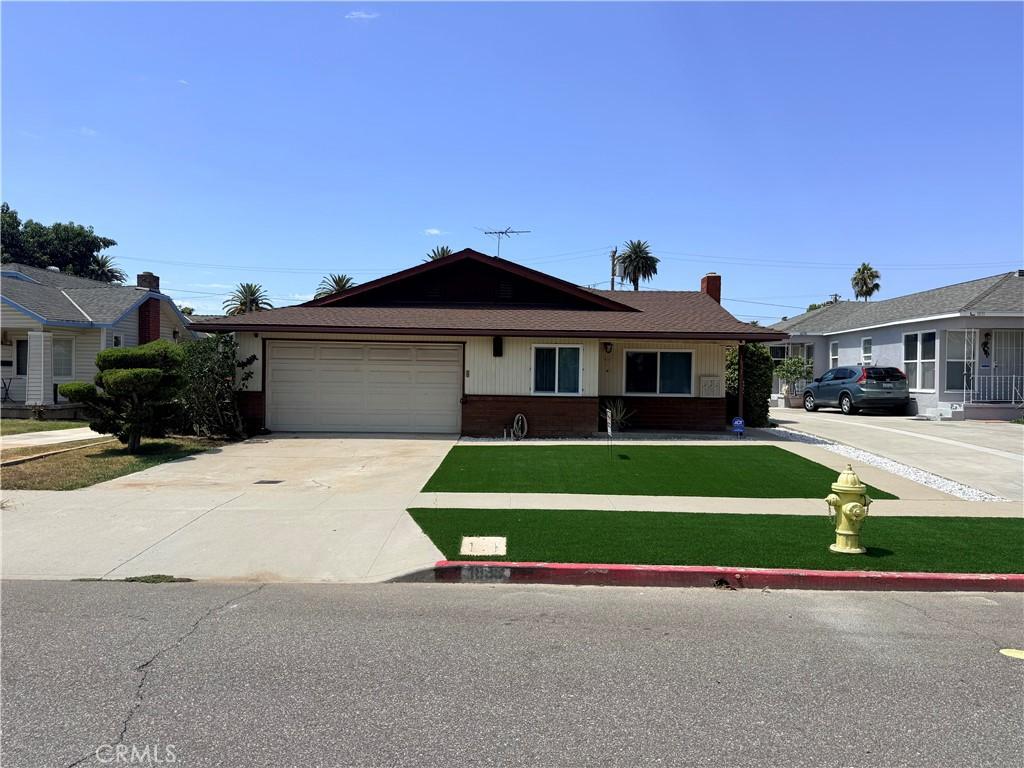
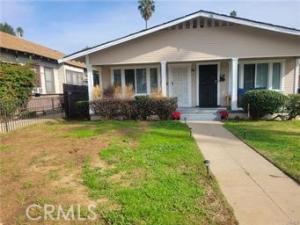
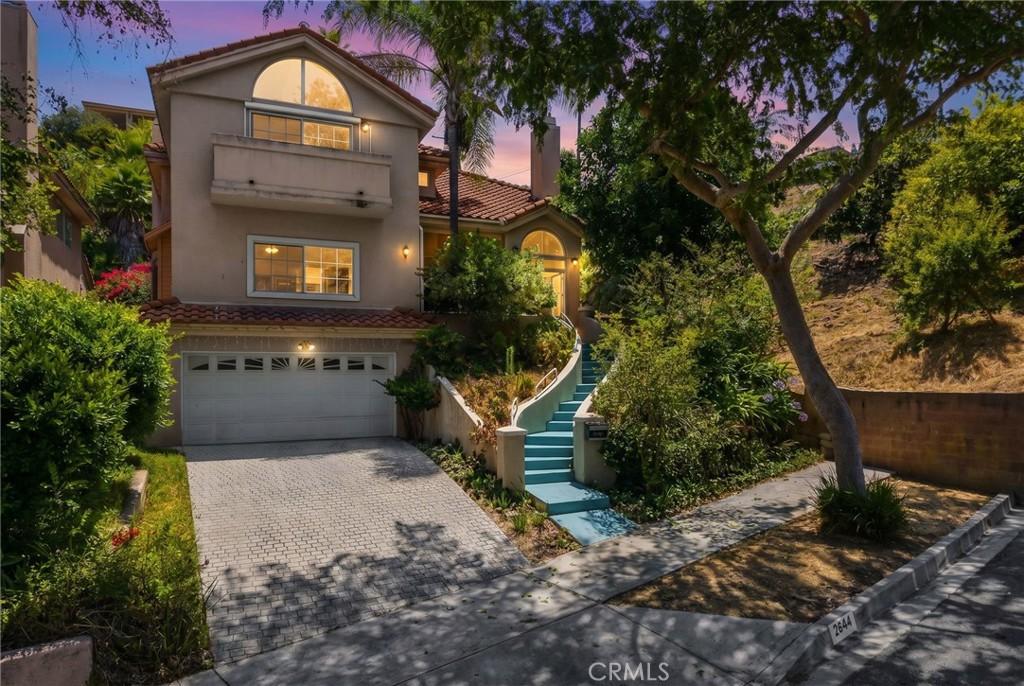
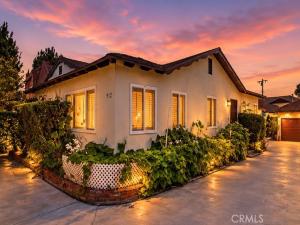
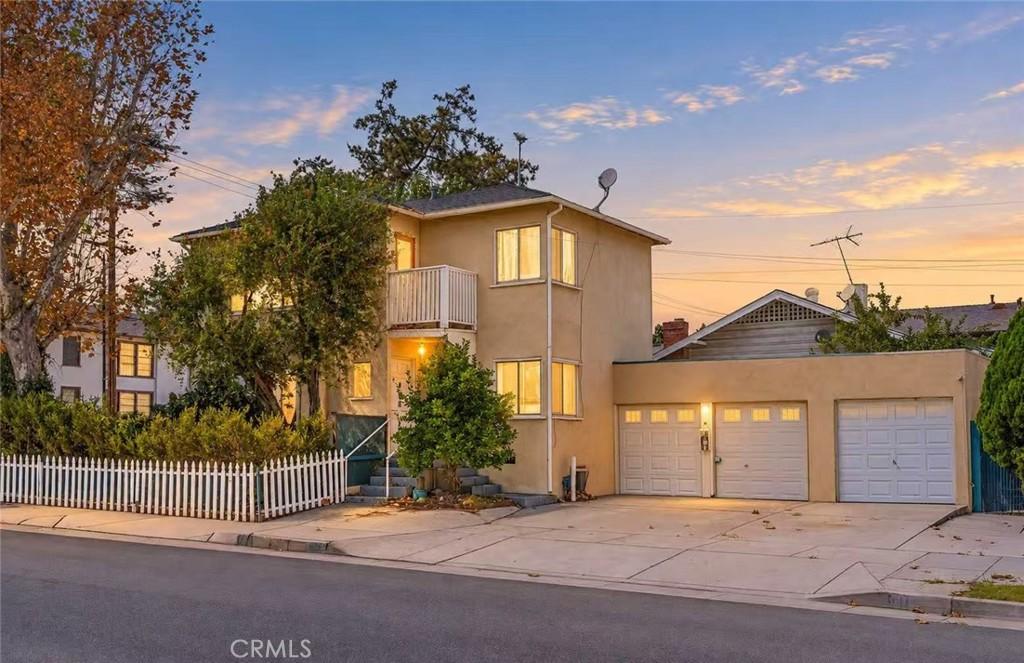
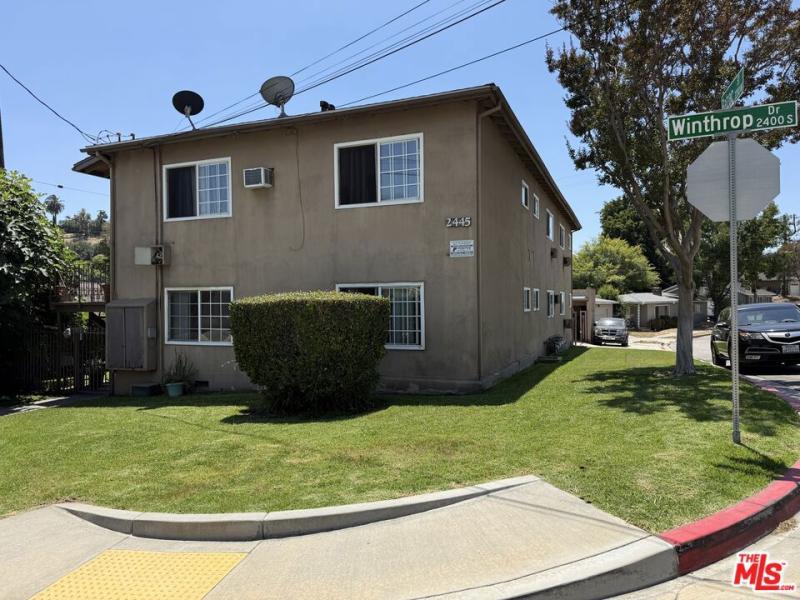
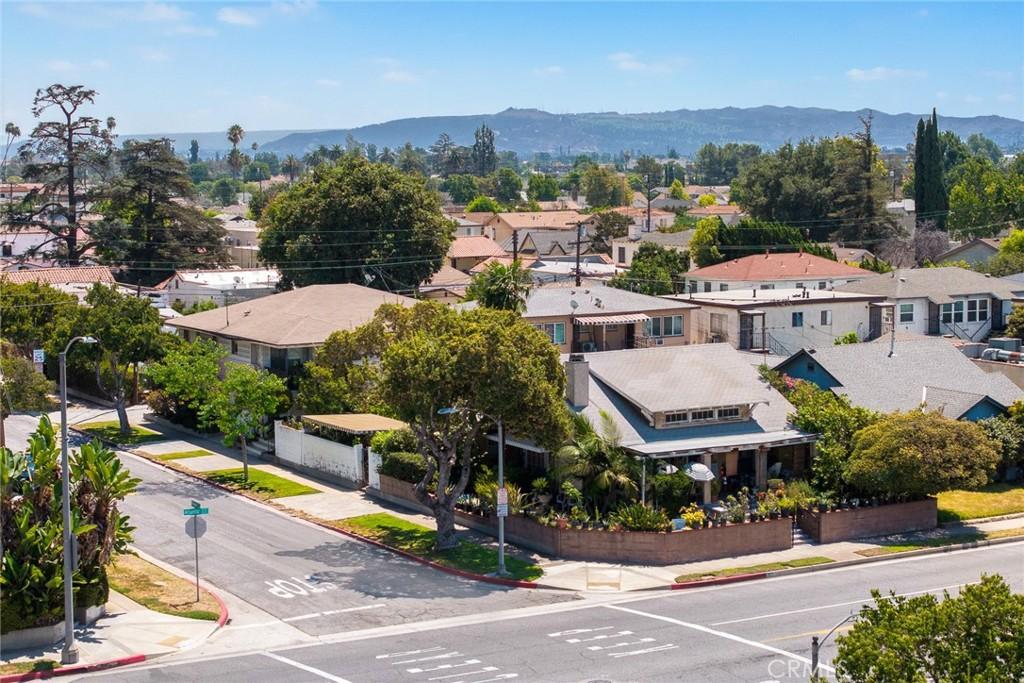
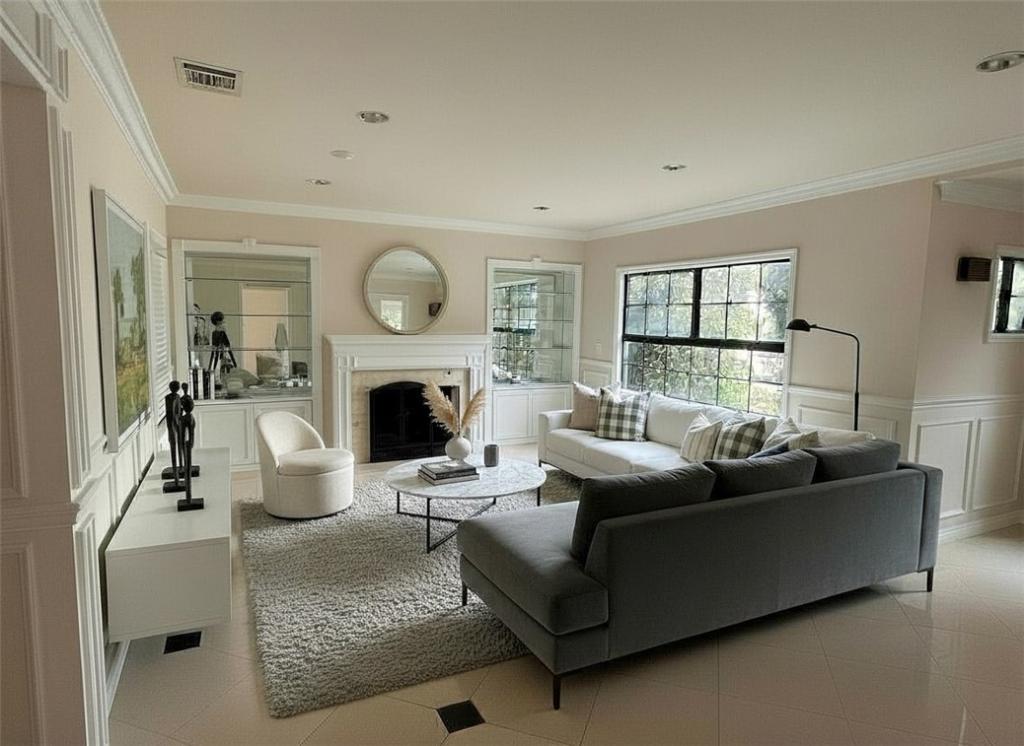
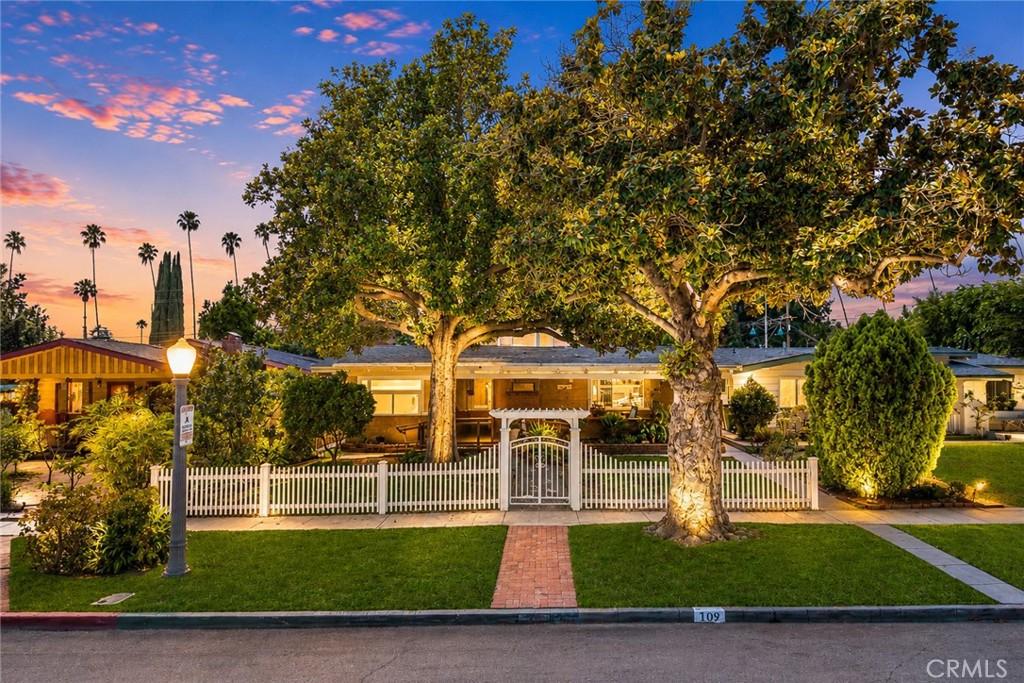
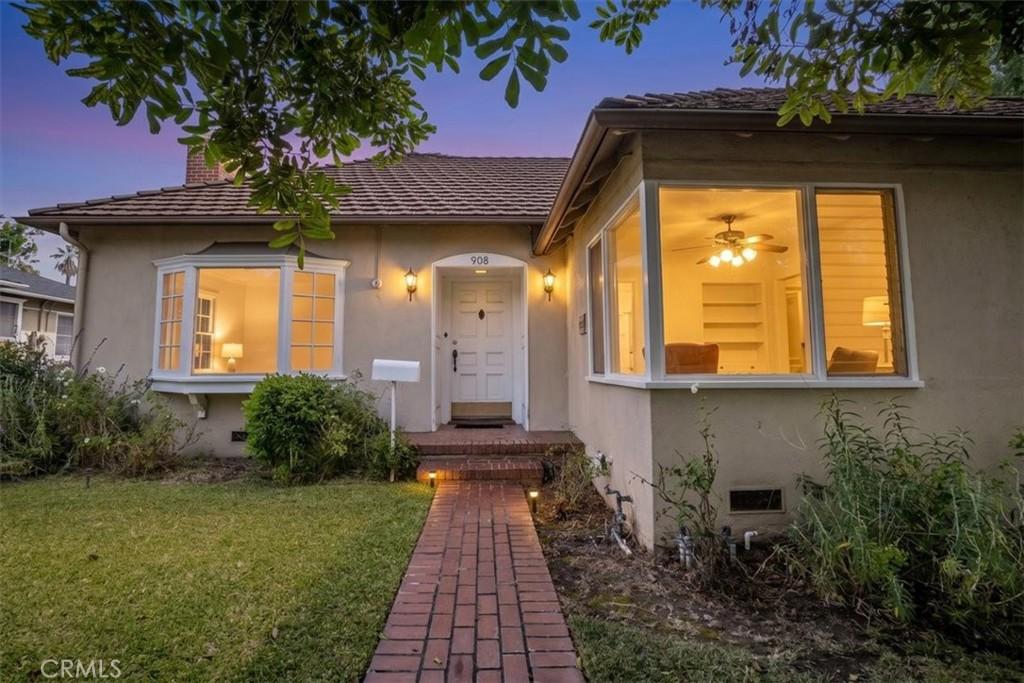
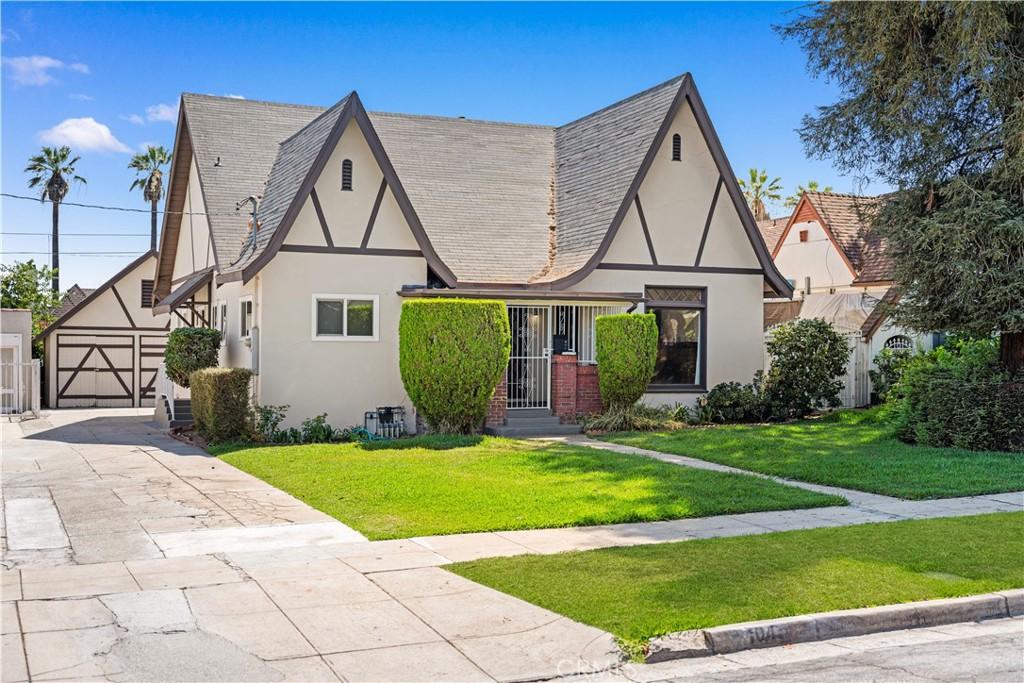
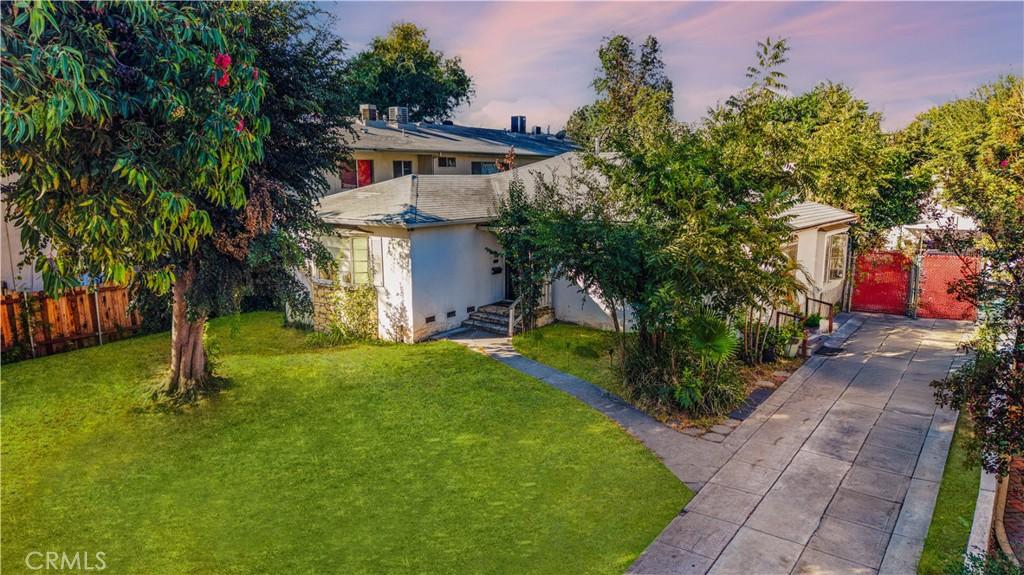
Alhambra homes for sale ranging from $800,000 to $1,800,000+. An established San Gabriel Valley city of 84,000 residents, Alhambra offers buyers a combination of central location, cultural diversity, and a stock of California bungalows and Spanish Colonial Revival homes that represents one of the most accessible entry points to the western San Gabriel Valley residential market. The Knight Group works this area directly, including off-market inventory that does not reach Zillow or Redfin. Properties here move on well-priced listings quickly; competition is consistent from first-time buyers, move-up families, and investors.
Alhambra occupies a 7.6-square-mile footprint at the western edge of the San Gabriel Valley, bordered by San Gabriel to the east, Temple City and Rosemead to the north, Monterey Park to the west, and the city of Los Angeles (El Sereno) to the northwest. The city was incorporated in 1903 and named after the palace complex in Granada, Spain, reflecting the Spanish Colonial heritage that shaped much of Southern California’s early built environment. Alhambra’s residential character was established primarily in the 1920s through 1950s, when the city developed as a commuter suburb connected to downtown Los Angeles by interurban rail, and that pre-war and mid-century housing stock forms the core of the current residential inventory.
The demographics of Alhambra reflect the broader San Gabriel Valley transformation of recent decades: the city has a significant Chinese-American and Chinese immigrant population that coexists with a long-established Hispanic community and a smaller Anglo professional population. This demographic mix has reshaped the retail and restaurant landscape along Valley Boulevard and Main Street, creating one of the most diverse commercial corridors in the San Gabriel Valley. The dining concentration along Valley Boulevard includes restaurants representing Cantonese, Shanghainese, Sichuan, Taiwanese, Vietnamese, and Korean cuisines alongside the Mexican restaurants and American chains that have served the city since earlier decades.
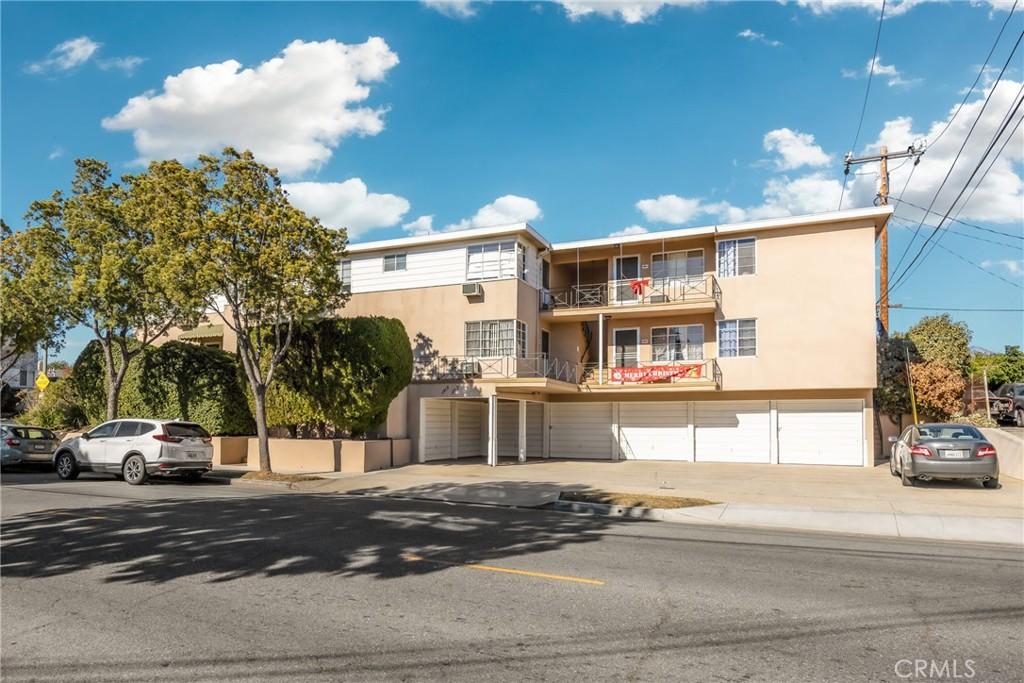
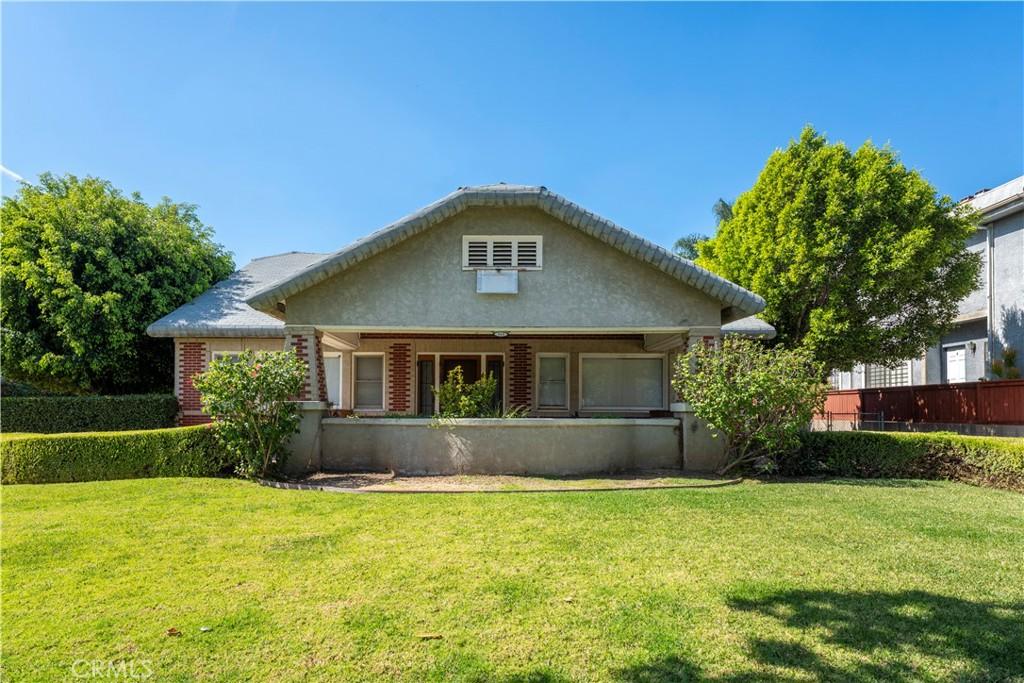
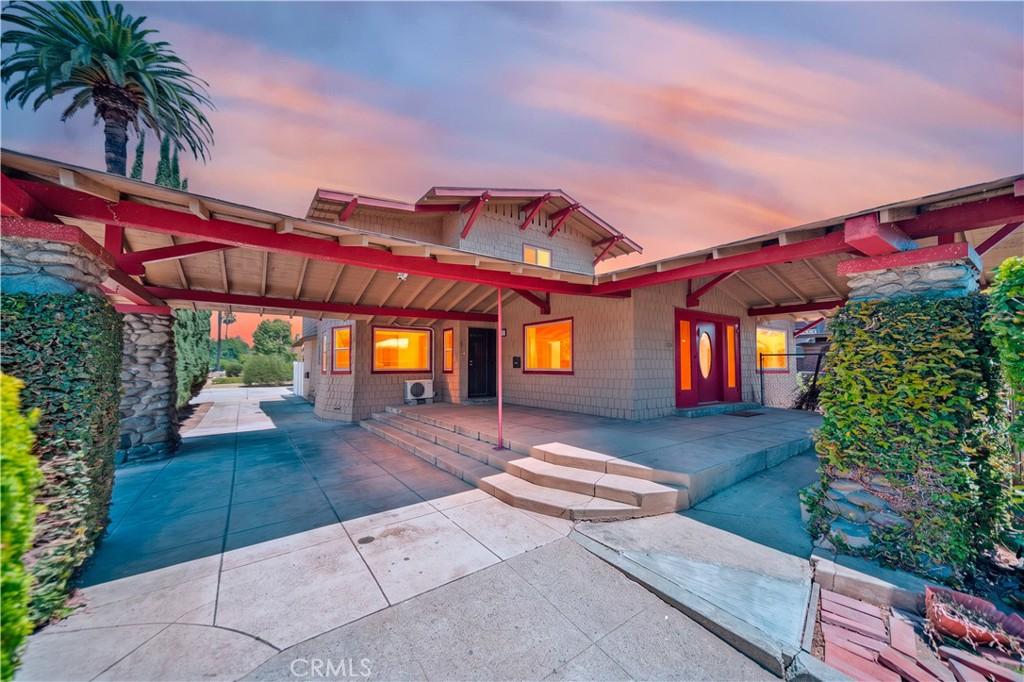
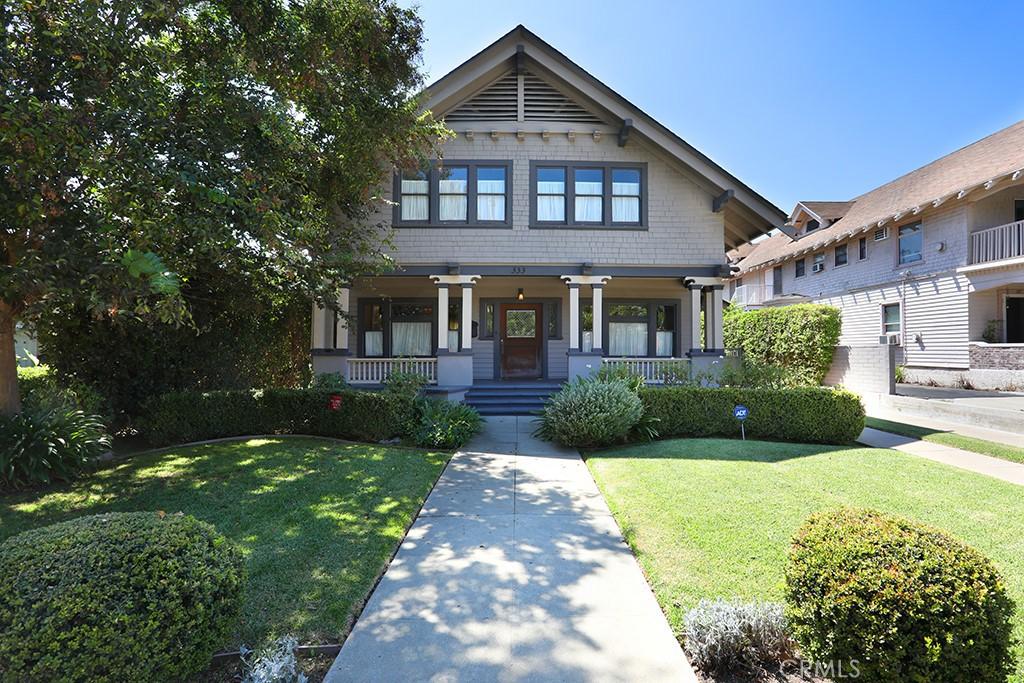
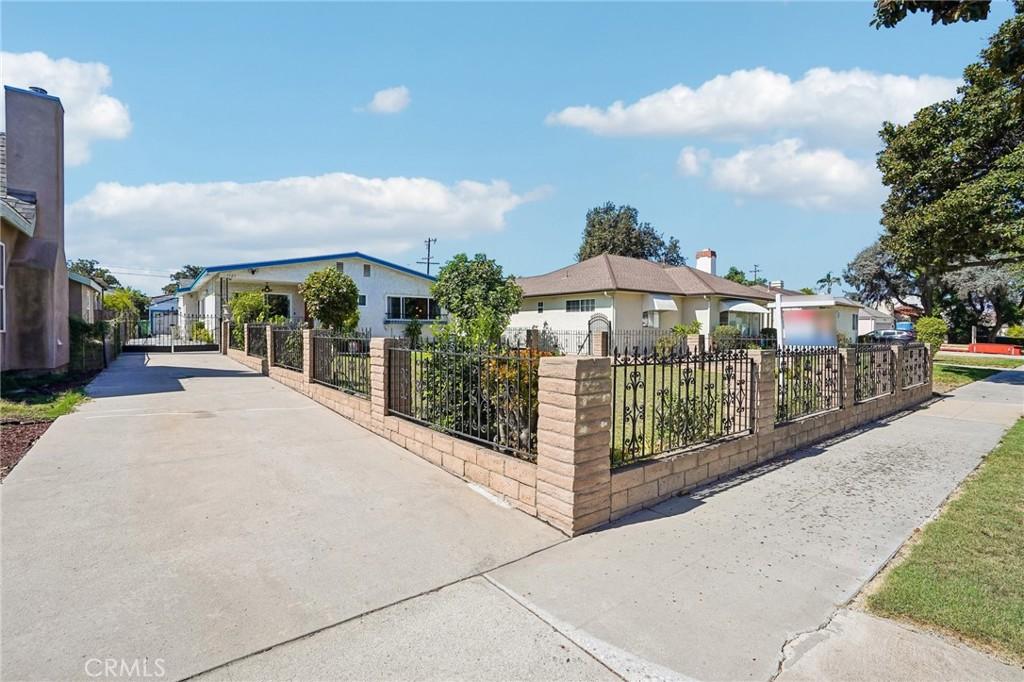
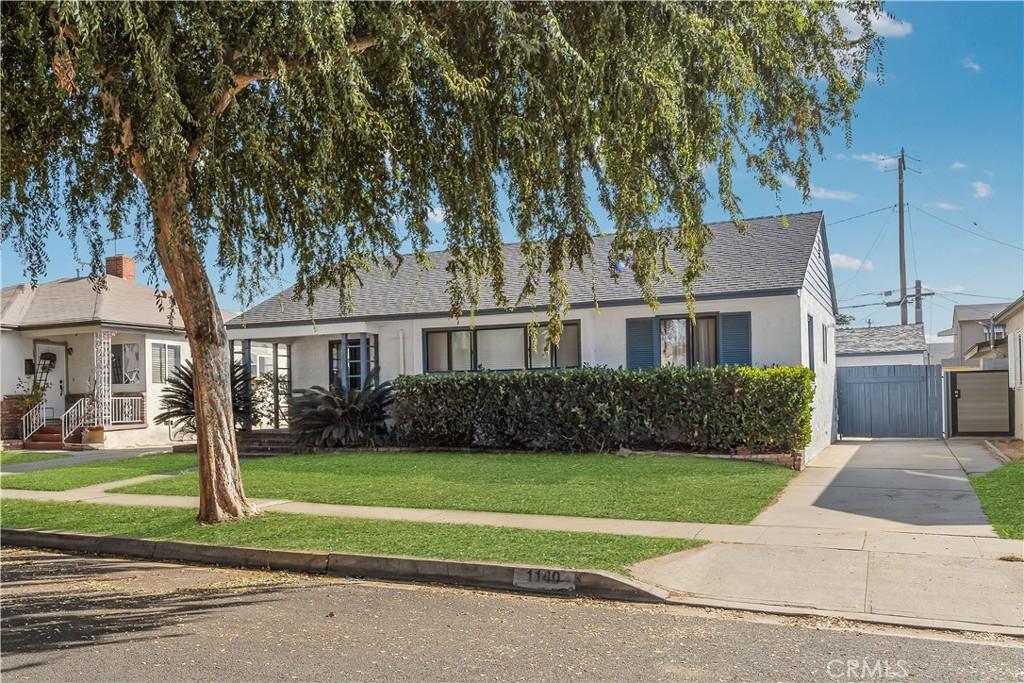
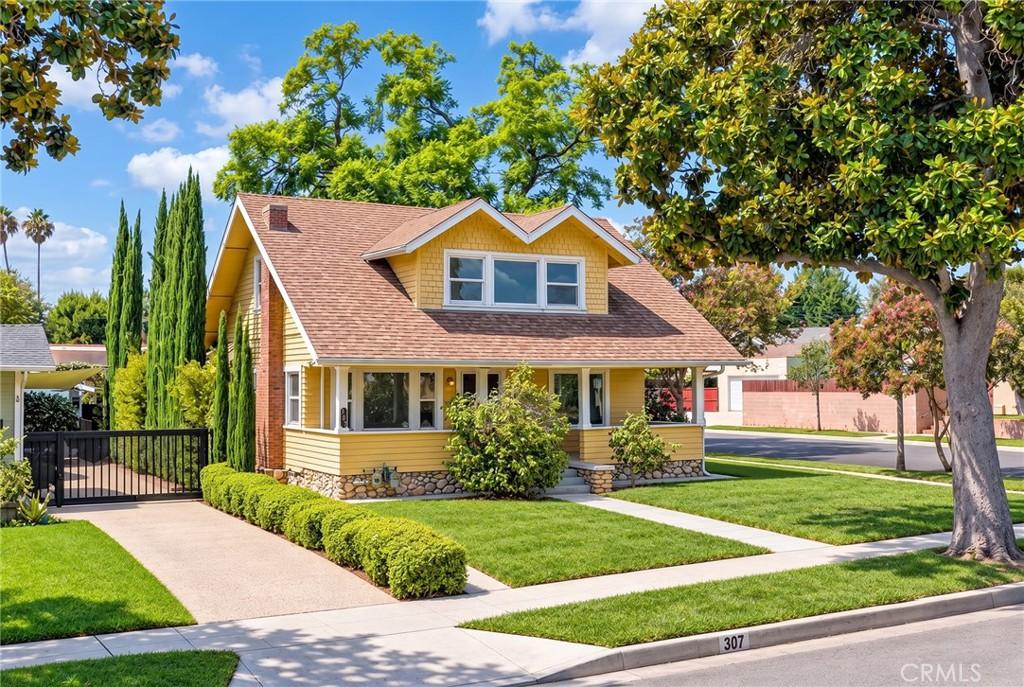
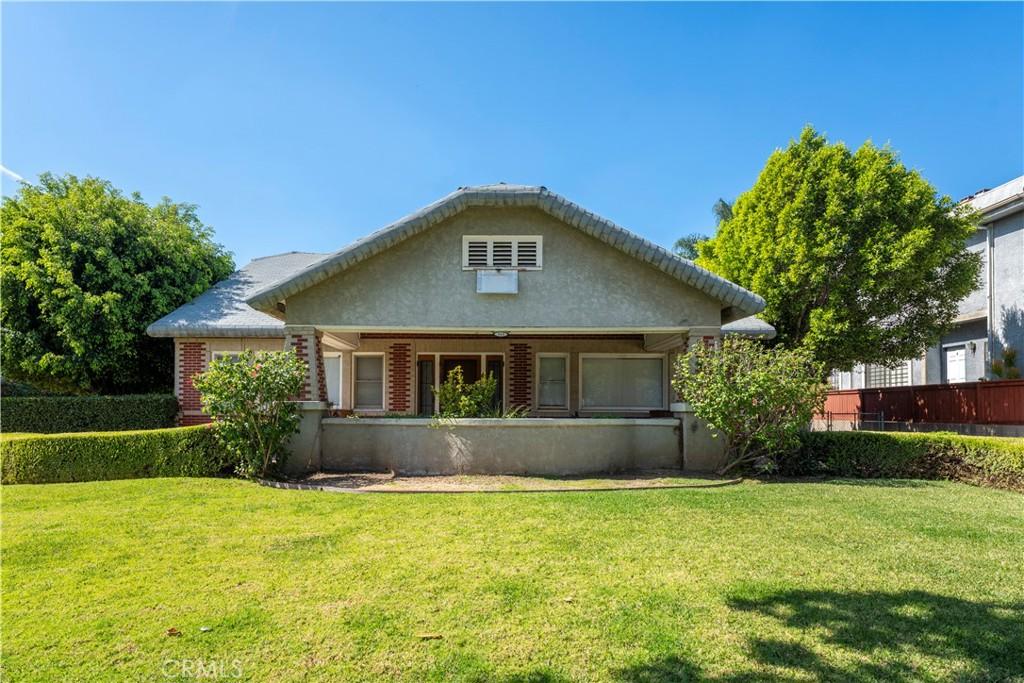
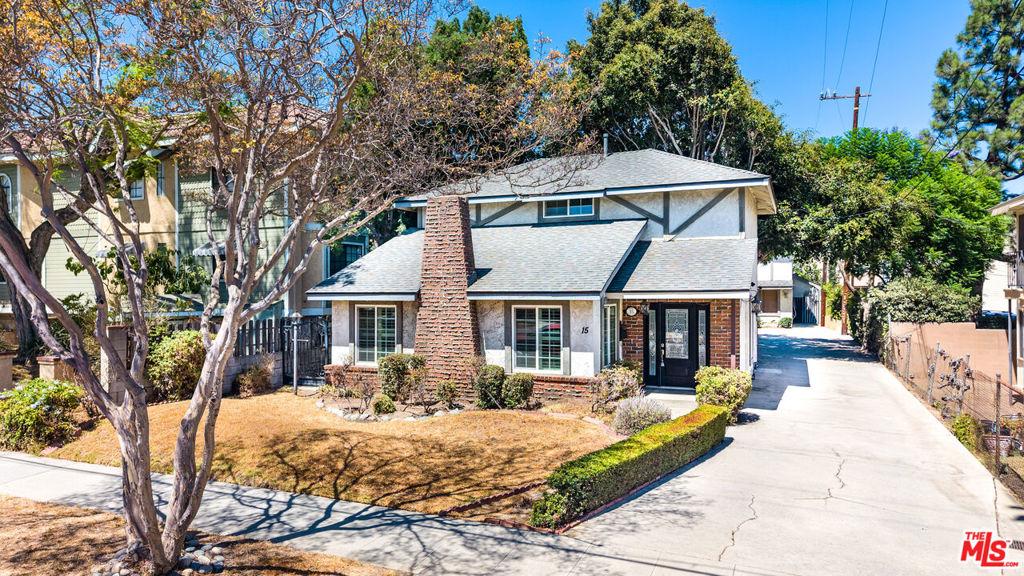
The residential neighborhoods of Alhambra span a range of character and price point. The northern sections of the city, particularly the area around Almansor Park and north of Valley Boulevard, contain some of the most intact pre-war housing stock, including California bungalows from the 1910s-1930s, Spanish Colonial Revival homes from the 1920s-1930s, and stucco cottages from the post-war era. The Ramona neighborhood in the southern section of the city and the areas adjacent to the 10 Freeway have a more mixed character with a higher proportion of multi-family housing and commercial uses. Buyers focused on the best single-family residential environment in Alhambra should concentrate their search in the northern portions of the city, particularly north of Valley Boulevard and east of Garfield Avenue.
Almansor Park at 800 S. Almansor Street is the city’s primary public green space, a 47-acre park that includes a golf course, recreation center, tennis courts, and a lake. The park serves as a community anchor for the residential neighborhoods of northern and central Alhambra and provides recreational programming through the Alhambra Parks and Recreation Department. The Alhambra community pool at Norwood Park and the Ramona Recreation Center supplement the primary park system and provide additional recreational programming for families and youth throughout the city.
The Alhambra Unified School District serves the city’s residential population along with portions of neighboring San Gabriel, Monterey Park, and Temple City. The district operates eight elementary schools, three middle schools, and two comprehensive high schools (Alhambra High School and Mark Keppel High School) plus San Gabriel High School (which serves the San Gabriel portion of the district). The district’s academic performance varies by school and program, and families with children should consult the district’s current school assignment boundaries and performance data when evaluating specific Alhambra addresses, as the quality and program availability can differ significantly between schools within the district.
The real estate market in Alhambra is characterized by consistent demand from a broad buyer profile that includes first-time buyers, move-up families trading into the SGV from higher-cost western Los Angeles markets, and Chinese-American buyers who value the community’s cultural amenities and school district access. The current median home value in Alhambra is approximately $900,000-$1,050,000, representing a significant discount to adjacent San Marino, South Pasadena, and Arcadia while sharing many of the same commute advantages and cultural amenities. The price-per-square-foot in Alhambra is among the most competitive in the western SGV, making it an attractive option for buyers who are priced out of the premium cities to the east and north.
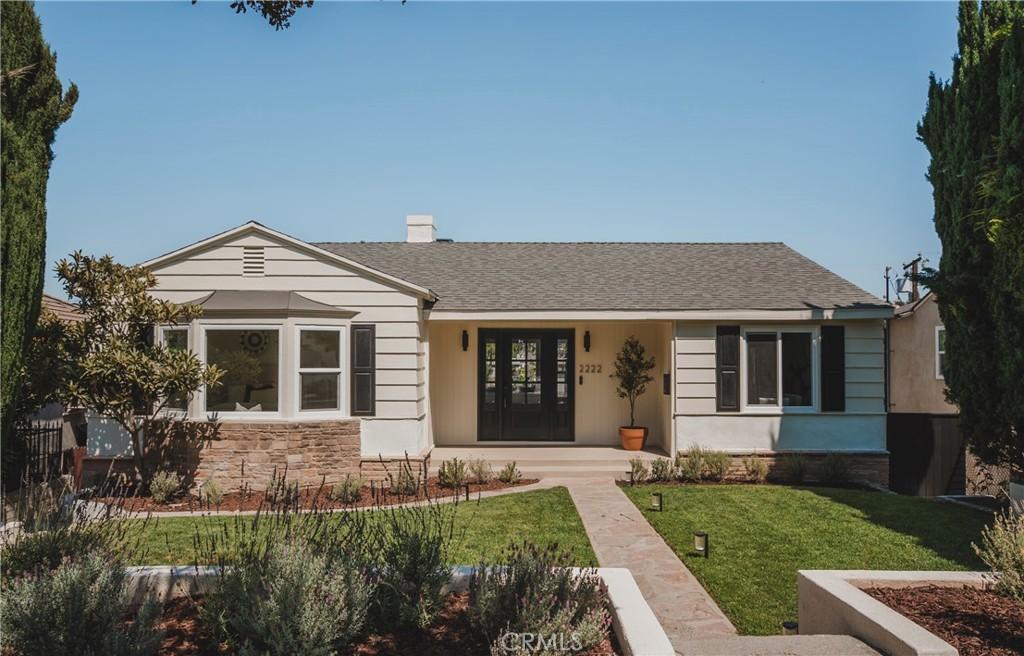
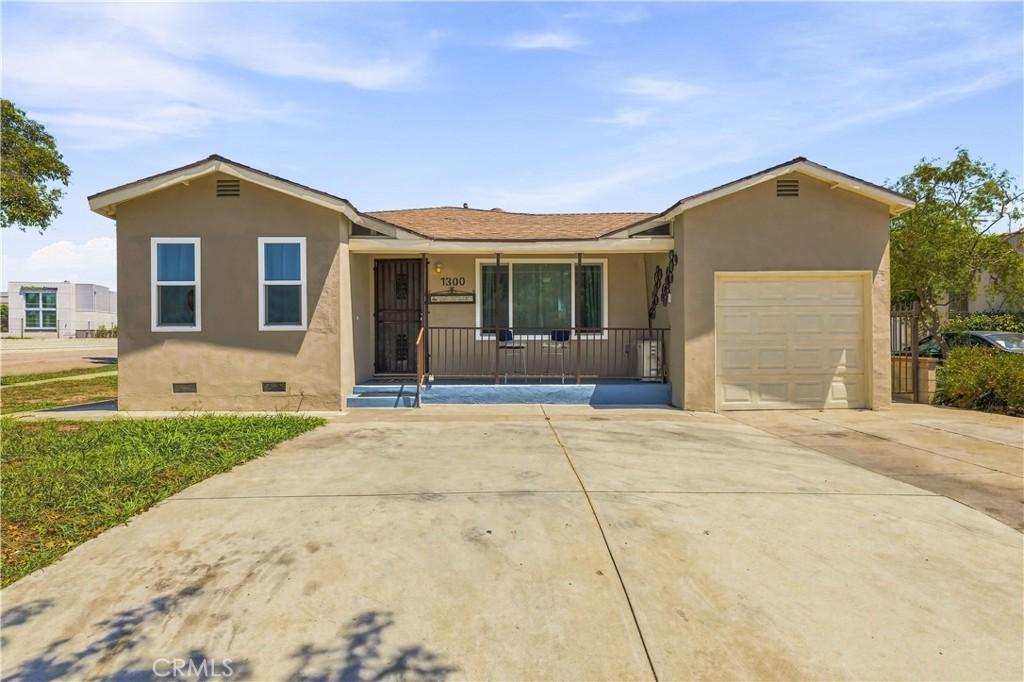
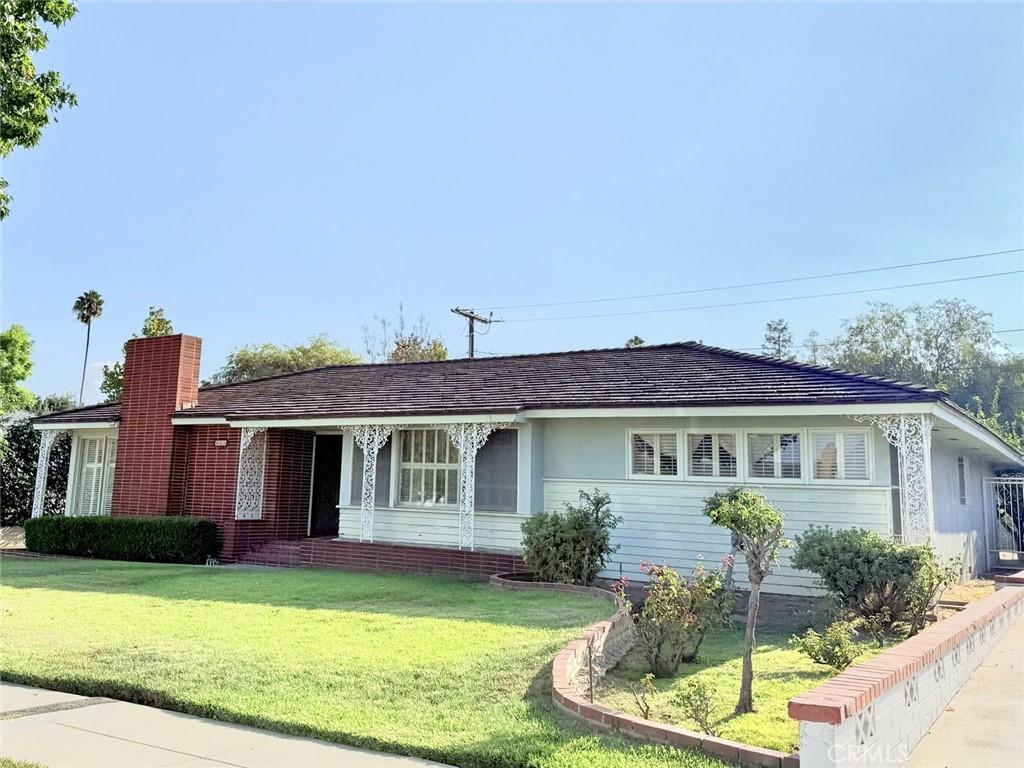
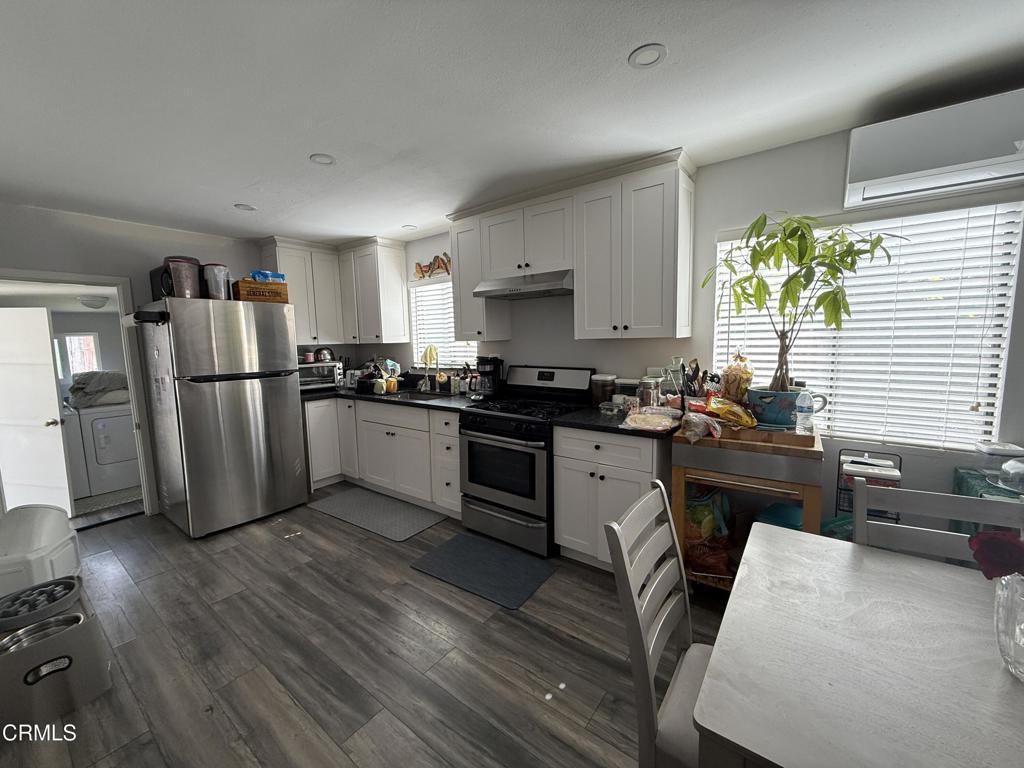
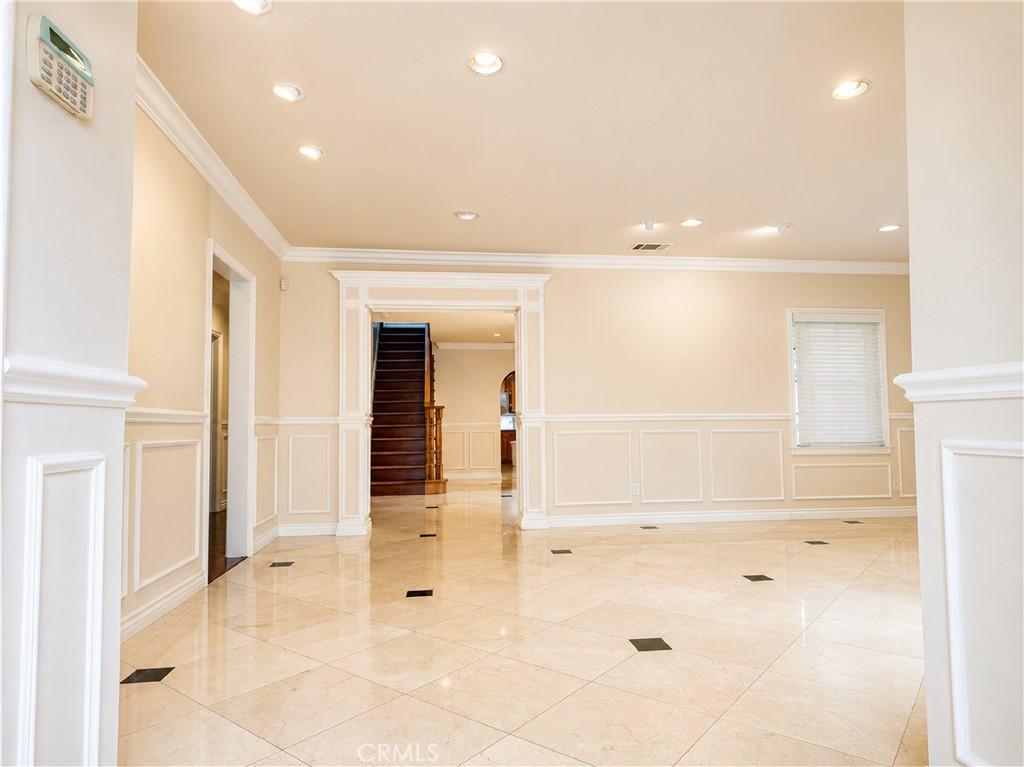
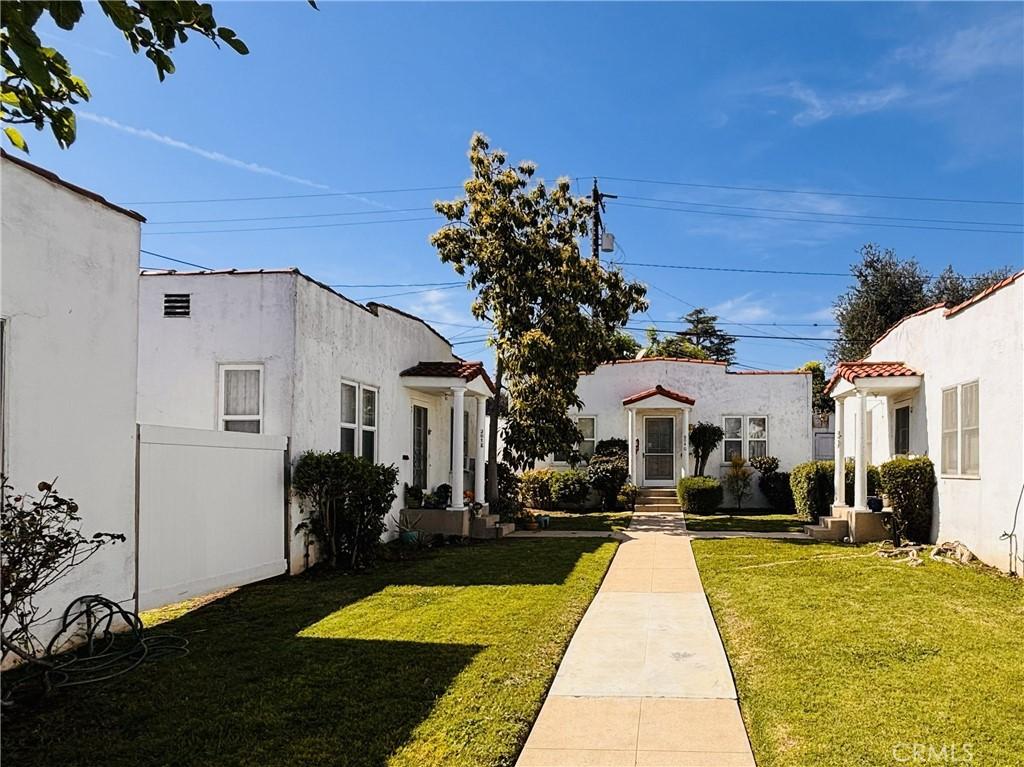
The Alhambra housing stock is predominantly single-family residential, with a mix of bungalows, stucco cottages, Spanish Colonial Revival, and ranch-style homes built between 1920 and 1970. Lot sizes in Alhambra are generally smaller than those in adjacent San Marino or Arcadia, typically ranging from 4,000 to 7,500 square feet for standard residential parcels, with occasional larger lots in the premium northern residential areas. Many homes have been significantly renovated, and buyers should evaluate the renovation quality and permit history carefully, as the volume of buyer demand in Alhambra has driven significant renovation and flip activity that ranges in quality from high-standard work to cosmetic-only upgrades on houses with deferred maintenance.
The commute infrastructure for Alhambra residents is well-positioned relative to the broader Los Angeles employment landscape. The 10 Freeway (San Bernardino Freeway) runs along the city’s southern edge and provides direct access to downtown Los Angeles (approximately 15-25 minutes by car) and to the Inland Empire employment corridor to the east. The Metro A Line (Gold Line) serves Alhambra via the Garfield station on Atlantic Boulevard, providing a transit option to Union Station and downtown Los Angeles for residents who prefer rail commuting over freeway driving. The commute to Pasadena via the 10 Freeway and then north on surface streets, or via the 710 and 210 interchange, takes approximately 20-35 minutes depending on traffic conditions.
Buyers evaluating Alhambra should be particularly attentive to the proximity to the 10 Freeway for noise exposure, as the residential areas closest to the freeway corridor experience significant traffic noise. The most desirable residential addresses in Alhambra are concentrated in the northern sections of the city, away from the freeway corridor and closer to the Almansor Park amenities and the quieter residential streets north of Valley Boulevard. The Bean Tract area in northern Alhambra, in the vicinity of Almansor Street and the Alhambra Golf Course, contains some of the largest and most well-preserved pre-war residential properties and commands the city’s top-tier prices.
The neighborhood character within Alhambra varies significantly from one area to the next, and buyers should understand the city’s internal geography before focusing their search. The northern quadrant of the city, roughly defined by Valley Boulevard to the south, Garfield Avenue to the west, Del Mar Avenue to the north, and the San Gabriel city limit to the east, contains the most cohesive single-family residential environment. The streets in this area, including neighborhoods around Almansor Park, the Alhambra Golf Course, and the Ramona neighborhood in the far east, offer the largest lots, the best-preserved pre-war housing stock, and the quietest residential character in the city.
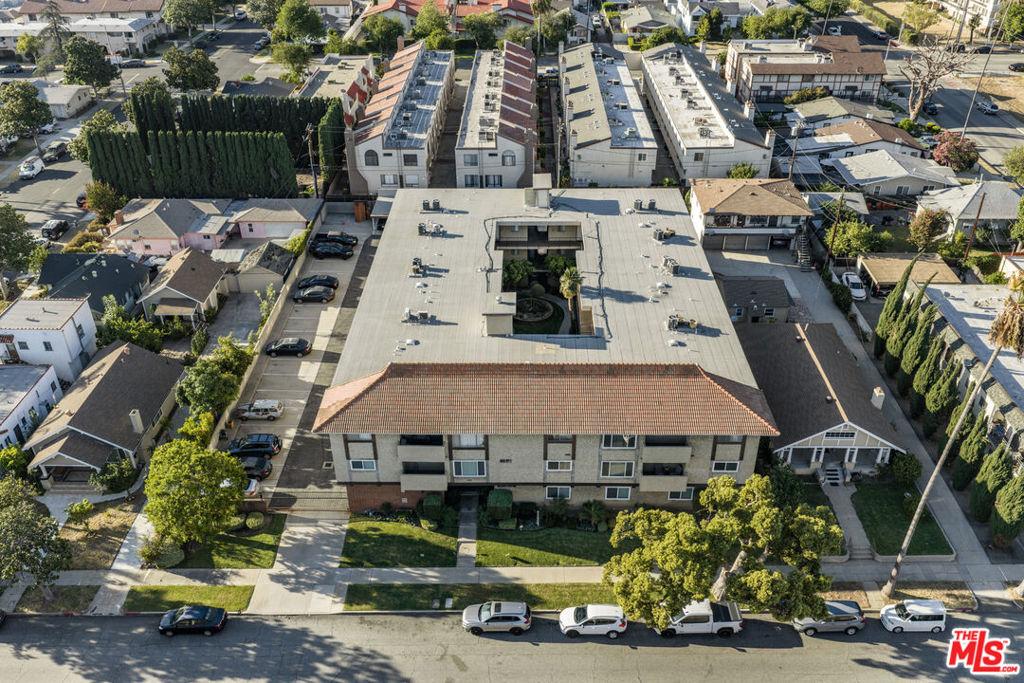
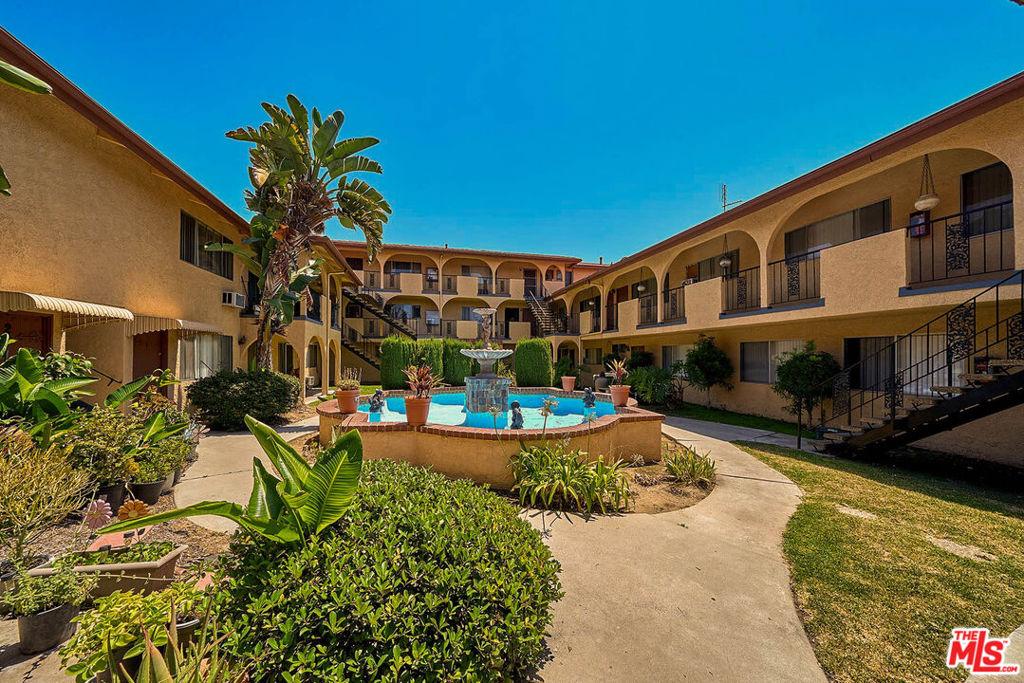
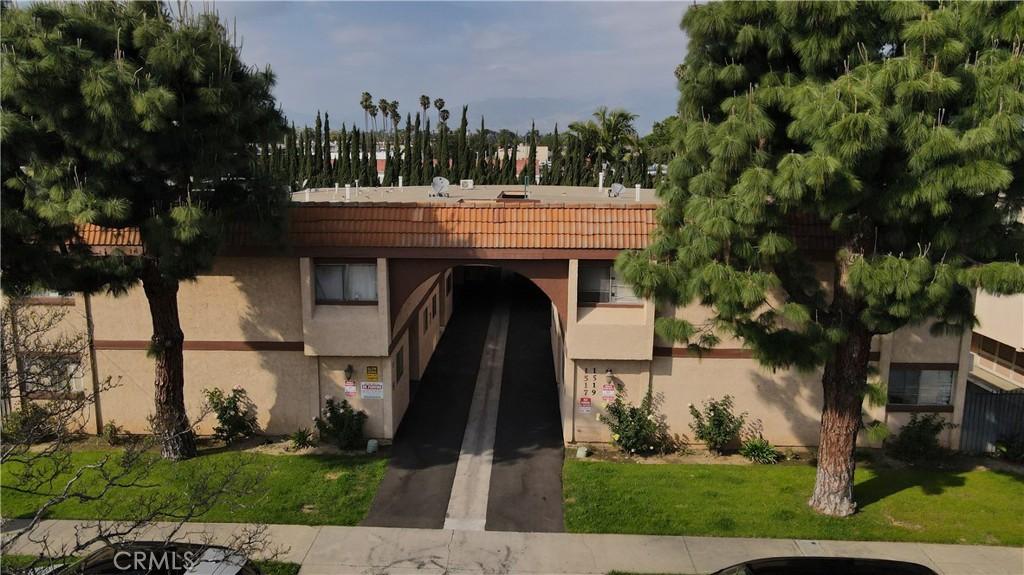
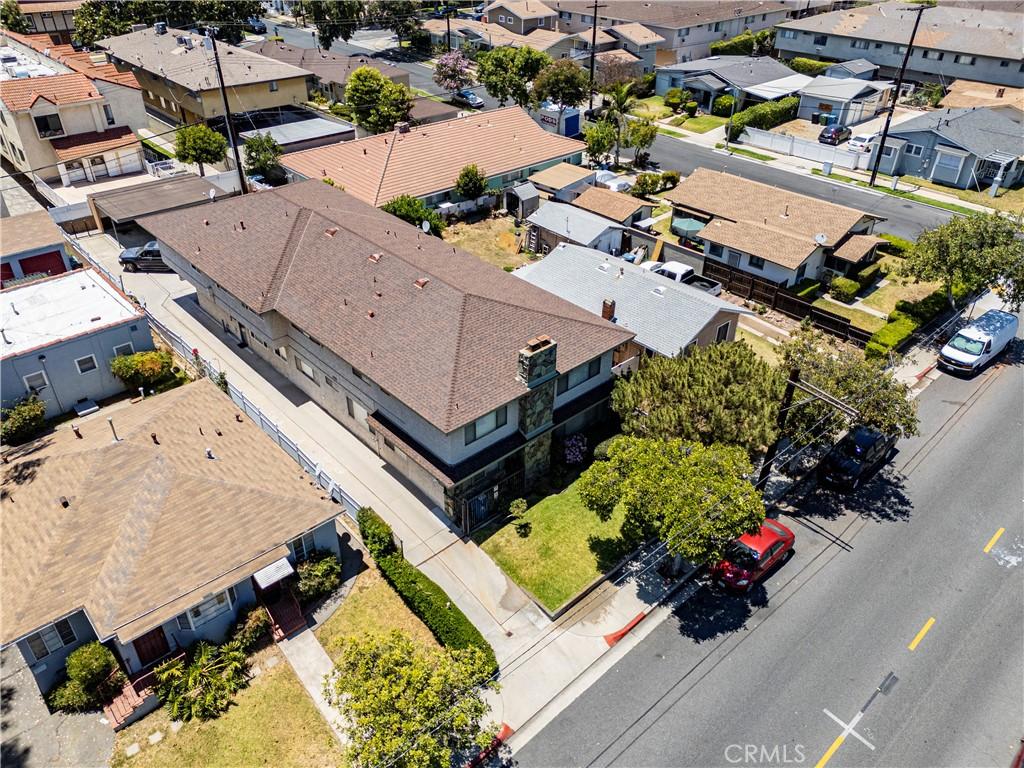
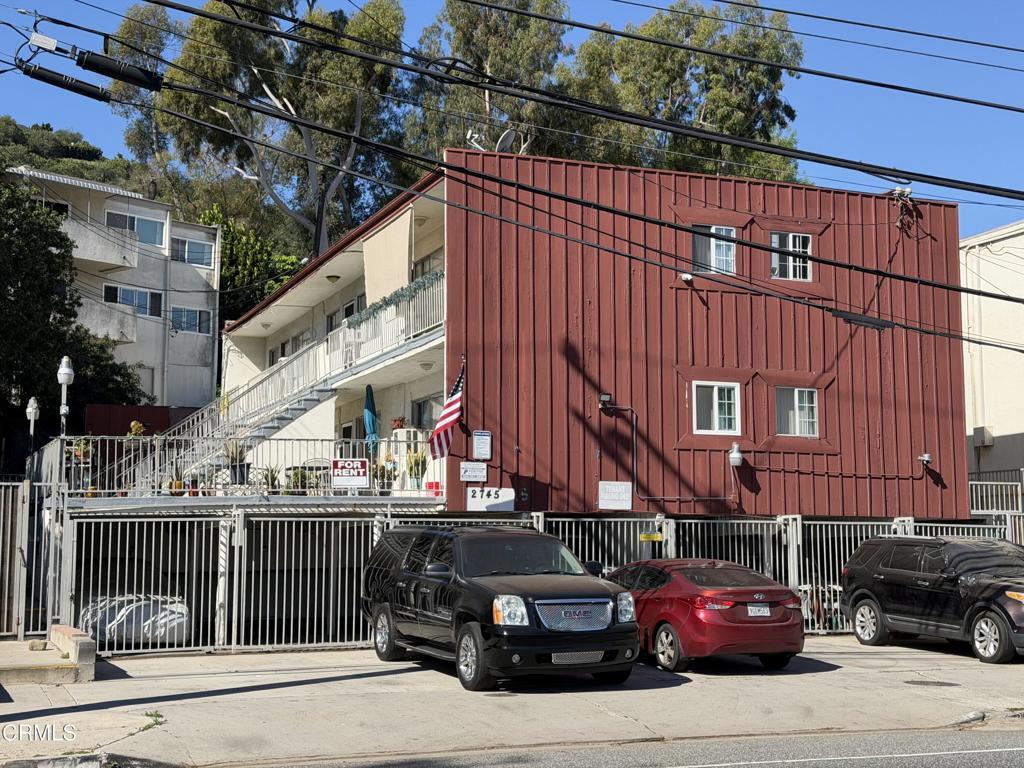
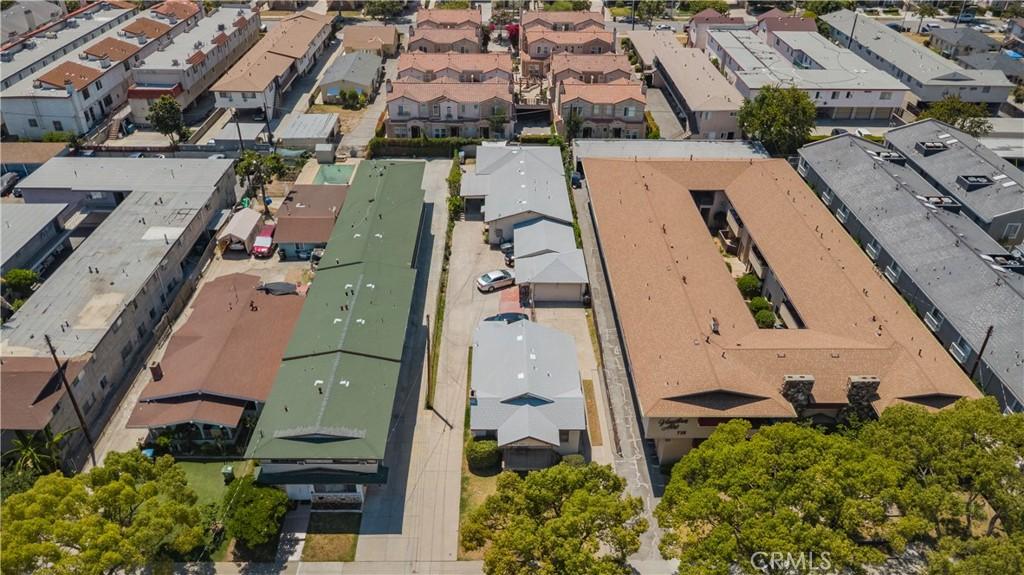
The central and southern sections of Alhambra, closer to Valley Boulevard and the 10 Freeway, have a more mixed character that includes apartment buildings, commercial uses, and single-family homes on smaller lots with less consistent maintenance. The areas immediately adjacent to the 10 Freeway are the lowest-priced in the city but also carry significant noise exposure from one of the highest-traffic freeway corridors in Southern California. Buyers with families who are prioritizing quiet, walkable residential streets should focus their search above Valley Boulevard and away from the freeway corridor.
The cultural amenities concentrated along Valley Boulevard represent one of Alhambra’s most distinctive characteristics and are a primary draw for buyers from the Chinese-American community who value proximity to the restaurant, retail, and service businesses that have transformed the corridor over the past three decades. The concentration of authentic regional Chinese cuisine, Asian supermarkets (including the 168 Market and related chains), bakeries, and specialty food retailers along Valley Boulevard and the cross streets makes Alhambra one of the best-supplied communities in the San Gabriel Valley for buyers who prioritize this specific cultural infrastructure. The proximity to the San Gabriel Square shopping center on the eastern edge of the city provides additional large-format retail access.
The Alhambra Farmers Market and the city’s annual events programming, including the Chinese New Year celebration, the July 4th Festival in Almansor Park, and the seasonal Holiday Market, provide a community event calendar that reflects the diversity of the residential population. The Alhambra Civic Center complex on First Street includes City Hall, the Alhambra Police Department headquarters, and the Alhambra Performing Arts Theatre, which hosts community theater, dance performances, and music events throughout the year. The Alhambra Main Library and the Millie Jones Memorial Branch Library provide library services to the community, with extended hours and programming that serves both the general population and the city’s significant immigrant and ESL population.
The investment case for Alhambra residential real estate is rooted in the city’s position at the western edge of the San Gabriel Valley, with direct freeway and transit access to downtown Los Angeles, the cultural infrastructure that attracts consistent demand from the Chinese-American buyer pool, and the relative affordability compared to adjacent premium markets. The city’s housing stock, while older, includes a meaningful proportion of properties that have been renovated to contemporary standards, and the demand for move-in-ready properties in Alhambra from both owner-occupants and investors supports strong pricing for the best-condition inventory.
Buyers who are considering Alhambra as an investment for rental income should note that the city has a significant renter population, with approximately 60% of the housing units renter-occupied according to census data. The rental demand in Alhambra is supported by the proximity to East Los Angeles College, California State University Los Angeles (accessible via the 10 Freeway), and the employment centers along the 10 corridor. Single-family homes in good condition in the northern residential neighborhoods of Alhambra have historically achieved strong rental rates relative to their purchase price, supporting investment returns that compare favorably to adjacent markets where purchase prices are higher but rental rates are not proportionally elevated.
The commute from Alhambra to downtown Los Angeles is among the most efficient in the San Gabriel Valley, taking 15-25 minutes by car via the 10 Freeway under favorable traffic conditions, or 25-40 minutes on the Metro A Line from the Garfield Station at Atlantic Boulevard. For buyers whose employment is in the Pasadena corridor, the commute is straightforward via surface streets or the 710 Freeway to the 210. The City of Industry and the eastern SGV employment centers are accessible via the 10 Freeway in 20-35 minutes. The commute flexibility that Alhambra’s central SGV position provides is a meaningful factor for buyers who are weighing the city against the premium western SGV markets where commute distances are similar but purchase prices are substantially higher.
The single-family home inspection process in Alhambra should account for the characteristics of the pre-war and mid-century housing stock that dominates the residential inventory. Galvanized steel plumbing, knob-and-tube or early aluminum wiring, original single-pane windows, and foundation systems that predate modern seismic codes are common in the 1920s-1950s housing stock. Buyers should engage a licensed structural engineer in addition to a general home inspector for older properties, and should budget for system upgrades as part of their renovation planning. Properties that have been recently renovated should be evaluated carefully for permit history: unpermitted work on renovated Alhambra properties is not uncommon, and buyers who assume that a renovated kitchen or bathroom was permitted should verify the permit record with the City of Alhambra Building and Safety Division before closing.
The property tax calculation for Alhambra purchases should account for the Alhambra Unified School District bond obligations, which add to the base 1% Proposition 13 rate and the various Los Angeles County supplemental assessments. Buyers should request a current property tax bill and a preliminary title report from the seller as part of their due diligence, and should understand the full supplemental assessment schedule before completing their financial analysis on any specific property. The total effective tax rate in Alhambra, including all special assessments and bond obligations, typically falls in the 1.15-1.30% range of assessed value, varying by specific parcel and assessment district.
For buyers who are comparing Alhambra to other accessible SGV markets, the key trade-offs are: Alhambra offers lower purchase prices than South Pasadena or Arcadia but a lower-rated school district; the cultural amenities of Valley Boulevard are unique to Alhambra among western SGV cities; the transit access via the A Line is an advantage over car-dependent markets to the east; and the central location on the 10 Freeway makes Alhambra one of the best-commute options in the SGV for buyers whose employment is in central or western Los Angeles. Buyers who are specifically motivated by school district quality and are not constrained by the South Pasadena or Arcadia price premiums will generally find those markets more aligned with that priority. Buyers who are motivated by value, cultural amenities, commute access, and a diverse community environment will find Alhambra is one of the stronger options in the western SGV at its price point.
The Knight Group maintains direct market coverage in Alhambra and can provide buyers with current off-market inventory access, a current comparable sale analysis calibrated to the specific sub-market within the city (northern residential vs. central vs. southern), and the agent relationships that make early access to pre-listing properties possible in a market where well-positioned homes frequently receive offers before they reach the broader MLS audience. For buyers who are evaluating Alhambra as part of a broader western SGV market search that includes South Pasadena, San Marino, and Arcadia, The Knight Group can provide a direct market comparison that helps buyers understand the specific trade-offs between those markets and make a financially informed buying decision.
Alhambra’s position on the western edge of the San Gabriel Valley means that buyers are never more than a 10-15 minute drive from the cultural institutions of Pasadena, the commercial corridors of Monterey Park and Temple City, and the entertainment destinations of Arcadia. The city’s central location, combined with its relative affordability, its cultural richness along Valley Boulevard, and its direct transit and freeway access to the Los Angeles employment core, makes Alhambra one of the most well-positioned residential markets in the San Gabriel Valley for buyers who are seeking a balance between value, access, and community character.
What are the current home prices in Alhambra?
Alhambra homes currently list in the $800,000-$1,800,000 range depending on size, condition, and specific location within the city. The median home value is approximately $900,000-$1,050,000 as of mid-2026, with the most affordable single-family options in the southern Alhambra neighborhoods near the 10 Freeway and the premium properties in northern Alhambra near Almansor Park commanding $1.2M-$1.6M+. The city’s pricing reflects its position as one of the more accessible western SGV markets relative to San Marino, Arcadia, and South Pasadena.
What is the Alhambra school district and how does it perform?
Alhambra is served by the Alhambra Unified School District, which operates two comprehensive high schools: Alhambra High School and Mark Keppel High School. The district’s performance is above the California state average but below the top-tier school districts in adjacent cities (SMUSD in San Marino, SPUSD in South Pasadena, and Arcadia USD). Families who are specifically motivated by school district quality as a primary buying criterion typically target adjacent cities. That said, the district’s specific schools and programs vary, and current enrollment and performance data should be verified directly with the district before making school-district-based buying decisions.
How does Alhambra compare to San Marino or South Pasadena?
Alhambra is priced significantly below San Marino (median ~$2.8M+) and below South Pasadena (median ~$1.5M+), reflecting the difference in school district quality, lot sizes, architectural heritage, and residential exclusivity. Buyers who want the western SGV location and cultural amenities but cannot reach San Marino or South Pasadena price points often find Alhambra’s northern residential areas (particularly the Bean Tract) offer the best combination of value, residential character, and SGV proximity. The commute advantage of all three cities is broadly similar.
Does The Knight Group have access to off-market Alhambra listings?
Yes. The Knight Group works the Alhambra market directly and maintains relationships with local agents and property owners who consider off-market sales before listing publicly. In a market where well-priced properties receive multiple offers within days of listing, access to pre-market inventory can be a meaningful buyer advantage. Contact The Knight Group to discuss your criteria and timeline.
Explore more San Gabriel Valley neighborhoods:
Lucky for you we’re looking out.
Subscribe to this Custom Search to be alerted when new properties hit the market in the area.
Choose the frequency that works for you.