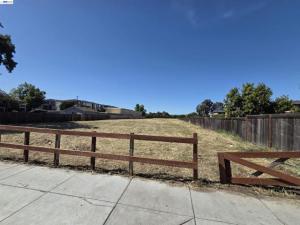
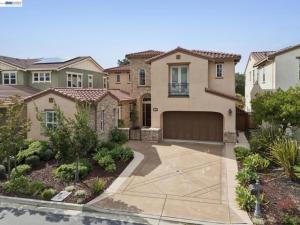
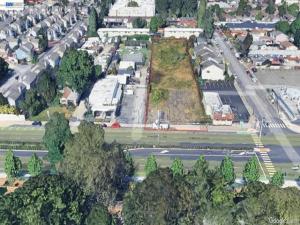
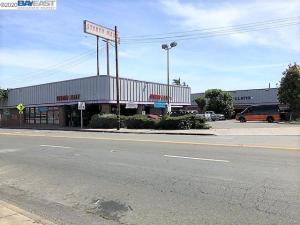
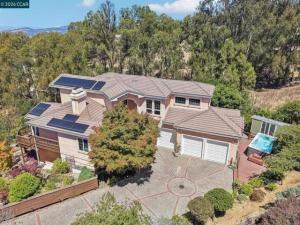
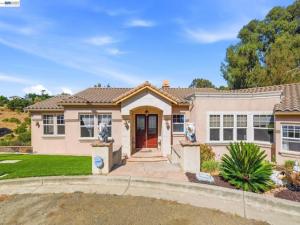
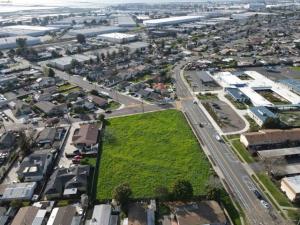
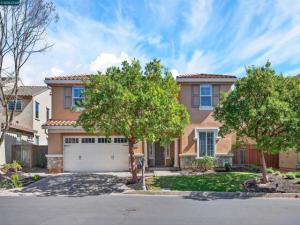
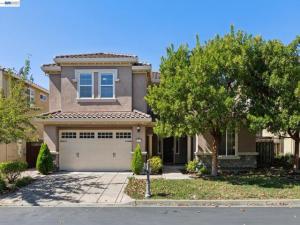
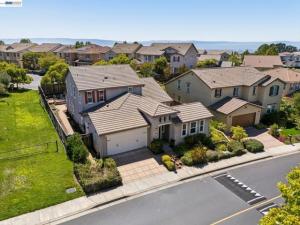
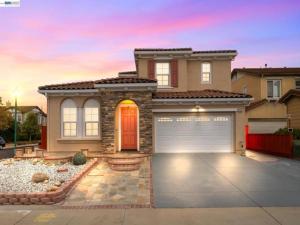
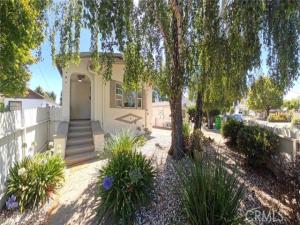
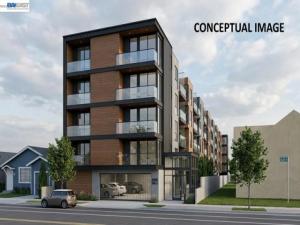
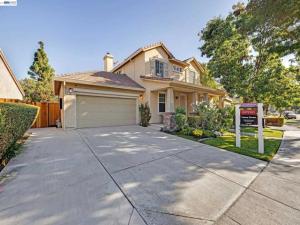
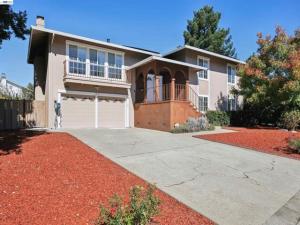
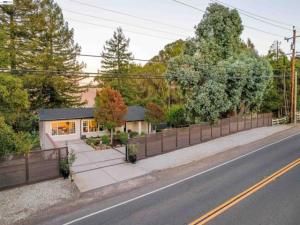
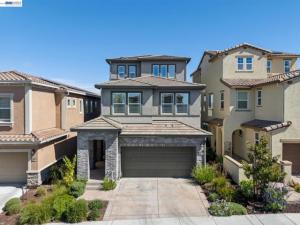
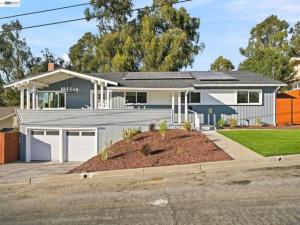
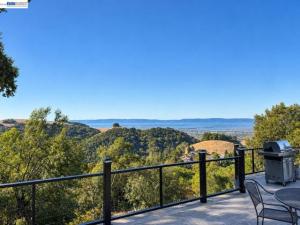
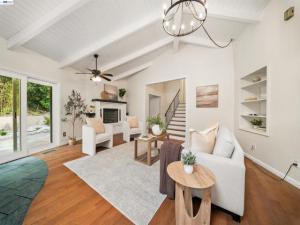
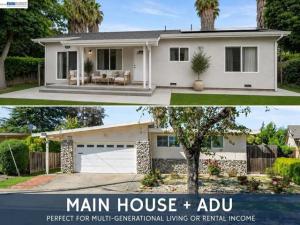
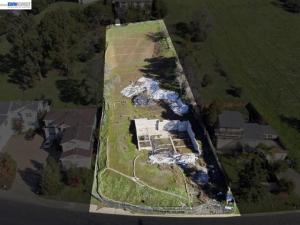
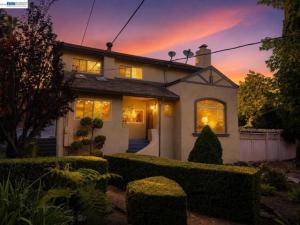
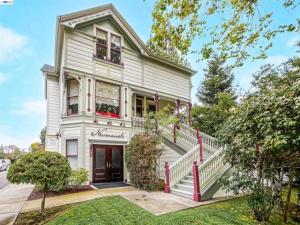
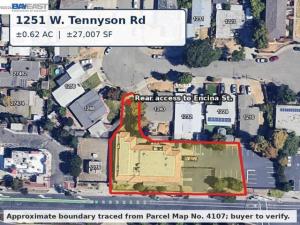
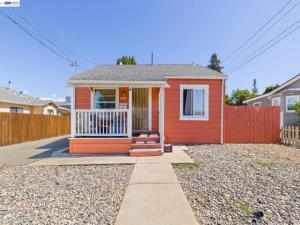
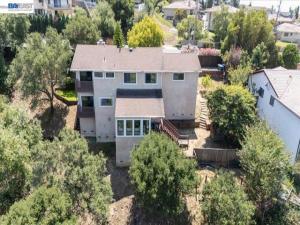
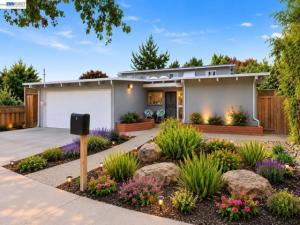
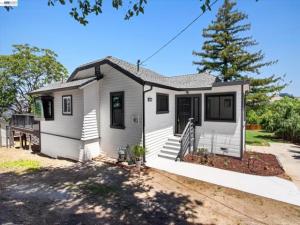
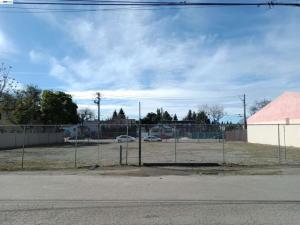
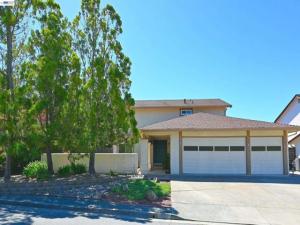
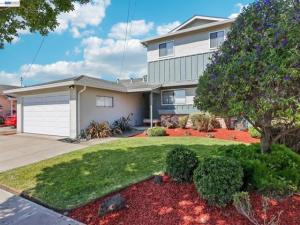
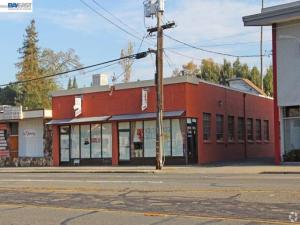
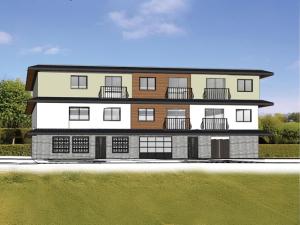
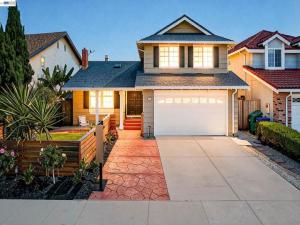
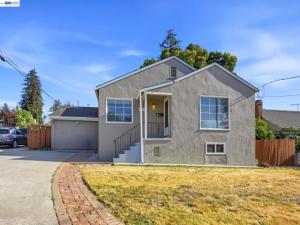
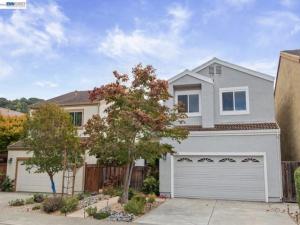
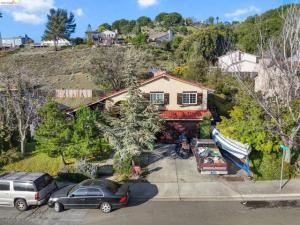
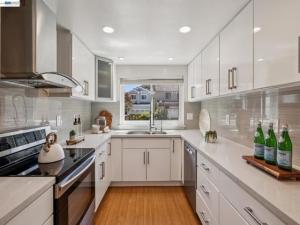
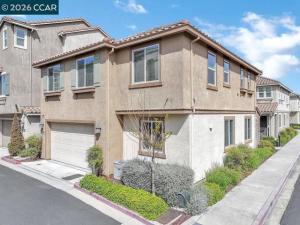
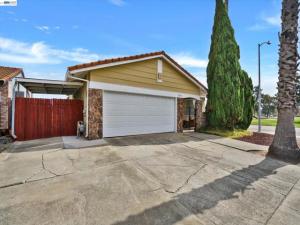
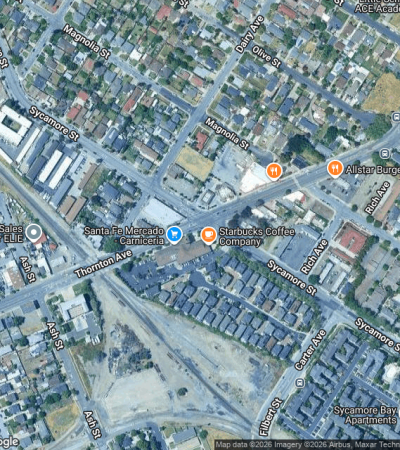
Hayward CA Homes for Sale currently number 154 active listings with a median asking price of $825,000 (CRMLS, September 2026).
Most buyers looking at Hayward CA homes for sale are here for one reason: two BART stations and East Bay connectivity at price points below San Leandro and Oakland. The city sits between Oakland and Fremont in Alameda County, running from the Bay shoreline and flatlands up through the hills to the Cal State East Bay campus. First-time buyers, investors, and families all compete here, and the university’s presence keeps rental demand steady year-round.
The housing stock is largely post-war single-family construction, with multi-unit properties mixed into the flatlands along Industrial and Mission Boulevards. Price and pace vary sharply by neighborhood. Well-priced flatlands homes from $750,000 to $950,000 often draw multiple offers and sell fast, while hillside properties east of Highway 238 at $1.1 million and up sit longer and leave more room to negotiate.
Hayward is one of Alameda County’s larger cities, occupying a central position in the East Bay between Oakland and Fremont. The city spans diverse terrain from the Bay shoreline and flatlands through the lower hills to the Cal State East Bay campus and the Hayward Hills above. With two BART stations, a significant Cal State University campus, and price points more accessible than neighboring San Leandro and Oakland, Hayward draws a wide range of buyers including first-time purchasers, investors, and families who want East Bay connectivity without paying Oakland or Berkeley premiums. This guide covers Hayward’s market, neighborhoods, and what buyers need to know to purchase effectively here.
Hayward’s market occupies the accessible-to-mid-range segment of Alameda County pricing. The city’s working-class history and mid-century housing stock have kept entry price points below neighboring San Leandro for single-family homes, while the presence of Cal State East Bay creates steady rental demand and supports the investment property market. Over the past decade, Hayward has seen significant buyer migration from Oakland as buyers priced out of the Inner East Bay sought alternatives with BART access and East Bay connectivity.
The flatlands neighborhoods along Industrial Boulevard and Mission Boulevard offer the most affordable price points in the city, with post-war single-family homes and multi-unit properties at prices that attract first-time buyers and investors. The hillside neighborhoods east of Highway 238 offer larger lots and Bay views at premium prices within the Hayward market, though these remain accessible relative to comparable hillside properties in Oakland and Berkeley.
The market here is broad and moves at different speeds depending on price point and neighborhood. Well-priced flatlands homes in the $750,000 to $950,000 range typically receive multiple offers and sell quickly. Hillside properties at $1.1 million and above have longer marketing periods and more negotiating room. Understanding which segment a buyer is targeting requires neighborhood-level analysis that city-wide averages do not provide.
Mount Eden, in the southern portion of Hayward near the San Lorenzo border, is one of the city’s more established residential neighborhoods with larger lots and mature landscaping. Properties here are predominantly post-war single-family homes with yard space, and the area has a quieter character than the more urban flatlands areas near downtown and the BART stations.
The Harder-Tennyson area in the northern and central flatlands provides the most accessible price points in the city and is the primary target for first-time buyers and investors. Housing stock here is compact post-war construction, and many properties have undergone partial renovation or conversion to multi-unit use over the decades. The proximity to South Hayward BART makes this area practical for commuters who rely on transit.
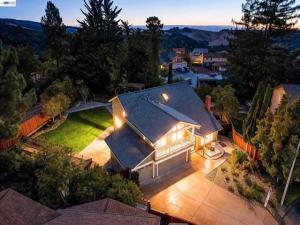
The Hayward Hills neighborhoods, accessible via Grove Way and Foothill Boulevard, occupy the hillsides above the Cal State East Bay campus. Homes here range from mid-century California Ranch designs to more recent construction with views toward the Bay and San Francisco. The East Bay Regional Park District’s Garin and Dry Creek Pioneer Regional Parks are accessible from the upper hillside streets.
Downtown Hayward along B Street and Mission Boulevard is the commercial center of the city, with city services, the main library, and a developing arts and restaurant district. The Hayward BART station is adjacent to downtown, making it the most transit-accessible area of the city. Investment in downtown streetscape and mixed-use development has been ongoing over the past decade.
Hayward Unified School District serves the city with a large network of elementary, middle, and high school campuses. The district serves a diverse student population, and campus performance varies significantly across the district’s geography. Buyers with school-age children typically research individual school ratings rather than relying on district averages, as the range of outcomes is substantial.
Moreau Catholic High School, a well-regarded private secondary school on Havana Avenue, draws students from across the East Bay South Bay corridor and is a specific option that buyers with Catholic school preferences investigate when considering Hayward addresses. The school’s reputation and facilities make it a competitive private alternative to the public options in the district.
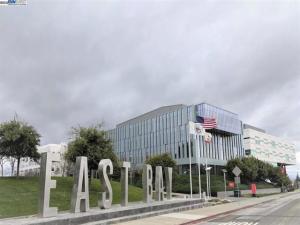
Cal State East Bay’s presence on the Hayward Hills campus creates a consistent pipeline of students into the local rental market and contributes to the educational character of the community. The university offers both undergraduate and graduate programs and serves a significant portion of commuter students from across the East Bay.
The East Bay Regional Park District’s network is highly accessible from Hayward, with Garin and Dry Creek Pioneer Regional Parks providing trail access to the hills east of the city. The parks connect to the broader East Bay ridgeline trail system that runs from the Coyote Hills in the south to Tilden Park in the north. San Jose Creek and the Hayward shoreline along the Bay provide additional recreation access at lower elevations.
The Mission Boulevard commercial corridor is the city’s primary retail and dining spine, with a mix of local businesses, ethnic restaurants reflecting the city’s demographic diversity, and service commercial operations. Downtown Hayward’s B Street has seen investment in independent restaurants and arts venues that have added cultural activity to the urban core.
The Hayward Area Recreation and Park District maintains an extensive network of community parks, pools, and recreation centers that serve the city’s family population. The network includes the H.A.R.D. Aquatic Center, sports fields, and senior centers distributed across the city’s neighborhoods.
Hayward is served by two BART stations: Hayward station near downtown and South Hayward station in the southern part of the city. Both serve the Dublin/Pleasanton and Fremont lines. Service from Hayward BART reaches Oakland’s 12th Street in approximately 20 minutes and San Francisco’s Embarcadero in approximately 45 minutes. South Hayward serves the southern residential areas and is particularly useful for residents commuting toward Fremont or Warm Springs.
I-880 is the primary freeway connection, running north to Oakland and south through Fremont to San Jose. I-580 provides access east to the Tri-Valley and west to the San Mateo Bridge. Highway 92 to the San Mateo-Hayward Bridge provides direct access to the Peninsula, making Hayward a practical choice for buyers who commute to Foster City, San Mateo, or other mid-Peninsula locations.
Post-war single-family homes from the 1950s through 1970s dominate the flatlands residential stock in Hayward. These are typically three-bedroom, one-to-two-bath homes on lots of 4,000 to 6,000 square feet, often with original systems that have been partially updated. The hillside areas have larger homes and lots, and some newer construction exists in the upper hillside areas developed in the 1980s and 1990s.
Multi-unit residential properties, including duplexes and small apartment buildings, are common in the flatlands areas near the BART stations and Mission Boulevard. These properties serve both investor and owner-occupant markets, with owner-occupants often occupying one unit while renting others to offset mortgage costs.
Hayward’s flatlands are subject to liquefaction hazard zones due to the alluvial soil conditions near the Bay. Buyers in these areas should review the Natural Hazard Disclosure for any property and factor foundation type and seismic risk into their assessment. Properties on hillside sites have different risk profiles but face fire hazard zone considerations in the eastern hills.
The Hayward Fault runs directly through the city, a fact that is significant for seismic risk assessment and was relevant to the 1868 earthquake that remains one of the most destructive in Bay Area history. Any home inspection in Hayward should include a thorough assessment of foundation type, cripple wall bracing, and soft-story characteristics.
The Knight Group serves Hayward buyers with neighborhood-level analysis across the city’s varied sub-markets. Knowing the difference between a flatlands investment opportunity and a hillside family home purchase requires different due diligence, different comparable sets, and different offer strategies. TKG provides that differentiation and prepares clients to compete effectively in whichever Hayward sub-market fits their goals. Connect with TKG to discuss current Hayward market conditions.
Connect with TKG about Hayward real estate.
Hayward's rental market serves a diverse population that includes Cal State East Bay students and staff, healthcare workers at St. Rose Hospital and the surrounding medical district, and East Bay workers who need BART access at an accessible rental cost relative to Oakland and Berkeley. This demographic diversity creates a stable and broad rental demand base that is less dependent on any single employer or economic sector than the more narrowly defined rental markets of adjacent cities.
Multi-unit properties near the Hayward BART station and along Mission Boulevard provide the strongest rental income per dollar invested among Hayward investment property types, though rent control provisions apply to older multi-unit properties in the city. Hayward's Just Cause eviction ordinance and rent stabilization provisions are factors buyers of pre-1979 vintage multi-unit buildings should review carefully before acquisition.
Industrial and commercial properties in Hayward's extensive industrial zones attract industrial investor attention, but residential investors typically focus on the Mission District commercial corridor neighborhoods, the BART-adjacent areas, and the hillside residential sections for rental income strategies.
What is the Hayward Area Recreation and Park District?
HARD (Hayward Area Recreation and Park District) is a special district that provides parks, recreation programs, and community facilities across a service area that includes Hayward and several surrounding communities. The district operates over 100 parks and recreation facilities and provides a broad range of programming for residents of all ages. HARD's presence and the quality of its facilities is a frequently cited quality-of-life asset for Hayward residents and contributes to the community's recreational character independently of city-level parks services.
How does Cal State East Bay affect the Hayward market?
CSUEB's presence creates consistent off-campus student and faculty housing demand, particularly in the properties near the campus in the Hayward hills area. Student-oriented rentals near campus benefit from annual demand renewal tied to enrollment cycles, but they also typically require more intensive management than professional-demographic rentals. Faculty and staff demand is more stable year-round. TKG advises buyers who are specifically targeting student-proximate rentals on the management considerations specific to this sub-market.
Is the Mission District comparable to Oakland's Fruitvale?
Hayward's Mission District has some commercial and cultural character similarities to Oakland's Fruitvale, with Spanish-language retail, restaurants, and services serving a predominantly Latino residential community. The Mission District's commercial activity is a genuine community asset that reflects Hayward's diverse population and cultural identity. Buyers who value urban cultural character alongside value pricing find the Mission District's character part of Hayward's appeal rather than a concern.
What flood and liquefaction risks exist in Hayward?
Hayward's flatlands near the Bay are subject to liquefaction potential in seismic events, and some Bay-adjacent areas are in FEMA Special Flood Hazard Areas. The Hayward Fault traverses the hillside areas of the city and is one of the most seismically active fault segments in California. Buyers should verify the seismic zone, liquefaction potential, and flood zone designation for any Hayward address as part of standard location due diligence.
Hayward's market has multiple buyer pools operating simultaneously: the BART-transit-optimizing buyer, the Cal State East Bay-adjacent buyer, the healthcare worker buyer, and the value-seeking Bay Area buyer who has been priced out of closer-in markets. The interaction of these multiple demand sources creates a market that is active in multiple seasons rather than exclusively spring-peaked. Properties that appeal specifically to the CSUEB buyer demographic see higher activity coinciding with academic cycle timing, while properties that are primarily transit-access driven follow the broader Bay Area spring peak pattern.
Hayward has a significant concentration of pre-war and early post-war housing stock that requires more detailed due diligence than newer construction. Foundation types in the older flatlands properties include raised wood construction, concrete slab, and in some cases basement configurations that are unusual for the East Bay suburban context. TKG recommends inspectors with specific experience in Hayward's older housing stock types to ensure the inspection scope is calibrated to the actual construction era and style of the specific property.
Hayward Unified School District is a large district serving a diverse population, and performance varies significantly across its campuses. The district operates numerous elementary schools across the city's residential areas, and the quality difference between the highest and lowest performing HUSD campuses is more pronounced than in smaller, more uniform districts. Families who are specifically school-motivated should research current campus-level data for the specific elementary school serving any Hayward address they are considering, rather than making assumptions based on district-wide averages.
Tennyson High School and Mt. Eden High School are the two comprehensive secondary campuses in Hayward, each serving different geographic sections of the city. Both campuses have athletic programs and a range of course offerings, but academic performance metrics differ. TKG verifies the specific high school and elementary assignment for any Hayward address for school-motivated buyers before any offer is made.
The Mission Boulevard corridor from the Hayward BART station south toward the city center is the commercial spine that connects Hayward's transit-access residential sections to the downtown. Investment in the Mission District arts and restaurant scene has been incremental but consistent, and the corridor is materially more activated for residents than it was a decade ago. The downtown Hayward area around Main Street and B Street has seen specific civic investment in park improvements and commercial activation programs that reflect the city's commitment to strengthening the downtown identity.
The hillside areas east of Highway 238 and above the flatlands provide a more suburban residential environment with the trail access of the East Bay hills and the HARD district parks. These sections have benefited from the overall appreciation in the Hayward market as buyers seeking alternatives to Oakland and Berkeley prices have moved their search radius eastward and found Hayward's hillside residential areas to be a practical and undervalued alternative.
Healthcare access in Hayward is anchored by St. Rose Hospital and the UCSF Benioff Children's Hospital East Bay campus on Highway 238, which together provide acute care, specialty services, and emergency care for the Hayward residential population. The Kaiser Permanente Hayward Medical Center on Foothill Boulevard provides comprehensive care for Kaiser plan members and is one of the larger Kaiser facilities in the East Bay. The availability of two major hospital systems within the city limits gives Hayward residents healthcare access that is better than most comparably priced East Bay communities.
Hayward's commercial infrastructure is more complete than many Bay Area cities at comparable price points. The Southland Mall, the Mission Boulevard and A Street commercial corridors, and the distribution of neighborhood commercial nodes across the city provide daily services, grocery access, and retail without requiring a long drive to a regional center. The range of restaurant and food service options in Hayward reflects the city's cultural diversity, with Vietnamese, Thai, Chinese, Indian, Mexican, and American dining options distributed across the commercial corridors.
Browse all Alameda County real estate.