The data relating to real estate for sale on this site comes from the Broker Reciprocity (BR) of the California Regional Multiple Listing Service. All properties are subject to prior sale, changes, or withdrawal. This site was last updated Oct 25 2026 10:43:46 pm.
Castro Valley CA homes for sale sit in a price tier between the Oakland hills and Hayward’s flatlands, which is why buyers who want a suburban setting with BART access keep landing here. Castro Valley is unincorporated, so Alameda County handles zoning, permitting, and code enforcement rather than a city government. That matters if you’re considering an ADU or a non-standard project. The most active segment runs from $700,000 to $1.1 million, and well-priced homes in that band often draw multiple offers within the first two weeks.
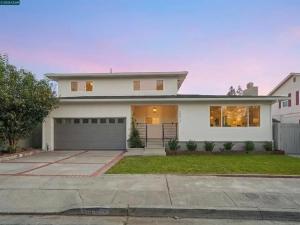
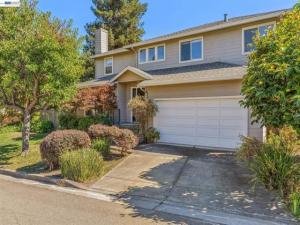
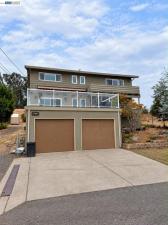
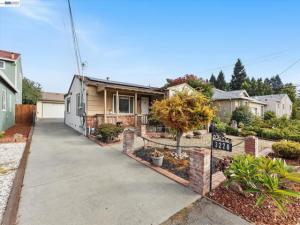
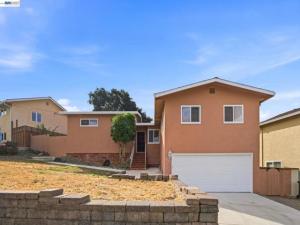
Most of the housing stock is post-war single-family homes on standard suburban lots, concentrated in the flatlands near Castro Valley BART and along Lake Chabot and Redwood Roads. Terrain drives the rest. Hillside properties command premiums for lot size and views, and planned communities like Five Canyons and Palomares Hills add newer construction, HOAs, and a car-dependent commute.
Castro Valley Real Estate | Homes for Sale in Castro Valley, CA
Castro Valley is an unincorporated community in eastern Alameda County, situated in a valley between San Leandro and Dublin with hillside neighborhoods rising above a flat commercial and residential core. As an unincorporated area governed by Alameda County rather than an independent city, Castro Valley has a distinct administrative character that affects zoning, permitting, and local services. Its school district, accessible price points relative to neighboring cities, and BART access make it a consistent draw for families and first-time buyers in the central East Bay market. This guide covers the Castro Valley real estate market, its neighborhoods, school options, and what buyers need to know before making an offer here.
Castro Valley Real Estate Market Overview
Castro Valley occupies a pricing tier between the higher-cost markets of the Oakland hills and Hayward’s more accessible flatlands, making it a target for buyers who want suburban character with BART connectivity at below-Oakland price points. The market here is driven primarily by families seeking school district access and single-family homes with yards at prices that leave room for renovation and improvement.
The flatlands near Castro Valley BART and along Eden Canyon Road offer the most accessible pricing in the community. Hill properties along the ridgelines above the valley command premiums for lot size and views toward the Bay or the Tri-Valley. The spread between flatlands and hillside pricing can be significant, and buyers who are flexible on terrain can find meaningfully different inventory at the same budget.
Because Castro Valley is unincorporated, Alameda County manages zoning and code enforcement. This creates some opportunities for buyers interested in ADU development, agricultural uses, or non-standard projects that might face more restriction in an incorporated city. It also means the regulatory environment is different from what buyers accustomed to incorporated East Bay cities may expect.
Inventory tends to run below buyer demand for well-priced single-family homes in the $700,000 to $1.1 million range, which is the most active segment of the market. Properties in this range typically receive multiple offers within the first two weeks. Correctly priced listings above this range may take longer to sell, providing buyers with more negotiating room.
Neighborhoods in Castro Valley
The flatlands core along Lake Chabot Road, Redwood Road, and the streets adjacent to Castro Valley BART is the most transit-accessible area of the community. Homes here are predominantly post-war single-family residences on standard suburban lots with mature landscaping. This section is most practical for commuters who rely on BART and AC Transit for their daily transportation.
Five Canyons is a master-planned hillside community in the southern portion of Castro Valley, developed primarily in the 1990s. The community has its own HOA, private trails, and a park. Homes in Five Canyons are newer than the rest of the community and offer views, and the HOA structure provides maintained common areas. Buyers here should review HOA financials and reserve fund status as part of pre-offer due diligence.
Palomares Hills is another planned hillside development in Castro Valley, accessed from Palomares Road. This community has a gated entrance, an HOA, and homes that range from townhomes to larger single-family estates on hillside lots. The area is known for its privacy and the quality of its maintained common areas, but the distance from BART and the hillside grade make it primarily a car-dependent lifestyle.
The Lake Chabot area, adjacent to the regional park of the same name, offers older single-family homes with park access and a more rural feel than the flatlands core. Properties along Lake Chabot Road and the surrounding streets tend to have larger lots and more established landscaping. Lake Chabot Regional Park provides hiking, biking, and boat rental access that residents use year-round.
Schools in Castro Valley
Castro Valley Unified School District is one of the primary draws for buyers considering this community. The district serves Castro Valley with elementary, middle, and high school campuses that perform at a consistently above-average level relative to comparable East Bay unified districts. Castro Valley High School has a track record for college preparation and offers a range of AP and honors courses.
Elementary campuses within the district include Chabot, Jensen Ranch, Marshall, Proctor, and Vannoy elementary schools, each serving distinct attendance areas within the community. Parents typically research individual school performance and program offerings rather than relying on district-wide averages, as there is variation across campuses.
The district is large enough to offer a range of electives and extracurricular programming but small enough that individual students are not anonymous. This community-scale characteristic is something Castro Valley families frequently cite as a reason they chose the district. There are limited private school options within Castro Valley itself, though access to Oakland and San Leandro private institutions is reasonable by car.
Lifestyle and Community in Castro Valley
Castro Valley’s most significant amenity is its access to the East Bay Regional Park District system. Lake Chabot Regional Park is accessible from the eastern edge of the community and offers 315 acres of lake and surrounding hills with hiking, mountain biking, and fishing. The parklands extend into the Cull Canyon and Don Castro Regional Recreation Areas, adding swimming lagoons and picnic facilities within a short drive or bike ride from most Castro Valley addresses.
The Castro Valley downtown along Castro Valley Boulevard offers local dining, services, and a library that anchor community life. The commercial character is suburban and local rather than destination-focused, but the available retail and dining options serve most day-to-day needs without requiring a drive to larger commercial centers in San Leandro or Hayward.
The community hosts a farmers market and seasonal events through the Castro Valley Forum, the community’s independent newspaper that reflects the civic engagement characteristic of unincorporated communities that lack a traditional city government structure. Neighborhood associations are active and provide community organizing around zoning, parks, and local services.
Commute and Transportation from Castro Valley
Castro Valley BART station is the community’s primary transit asset, providing direct service to Oakland, San Francisco, and Fremont on the Dublin/Pleasanton line. Commute times to San Francisco’s Embarcadero average 35 to 45 minutes depending on time of day and service frequency. The station is most accessible for residents in the flatlands core and requires a drive or bus connection for those in Five Canyons, Palomares Hills, or the higher hillside areas.
I-580 runs through the Castro Valley corridor and provides direct freeway access to Oakland to the west, the Tri-Valley to the east, and the Altamont Pass toward the Central Valley. This connection makes Castro Valley practical for buyers who commute toward Dublin, Pleasanton, or Livermore employment by car. Highway 238 connects to Hayward and the South Bay corridor.
AC Transit operates bus service along Castro Valley Boulevard and connecting routes to BART, but coverage is limited for residents in the hillside communities. Most residents in Five Canyons and Palomares Hills are car-dependent for daily transportation, which is a factor buyers should factor into their total commute assessment.
Types of Homes Available in Castro Valley
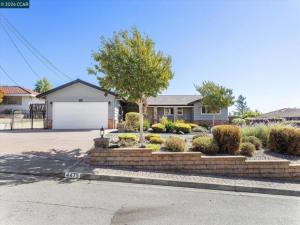
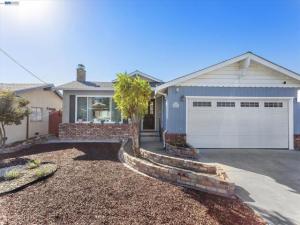
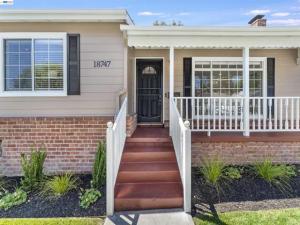
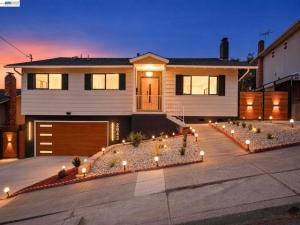
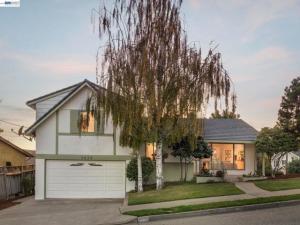
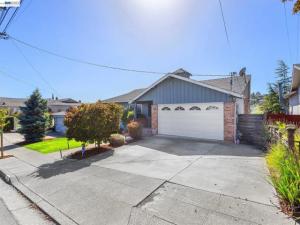
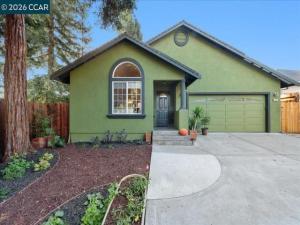
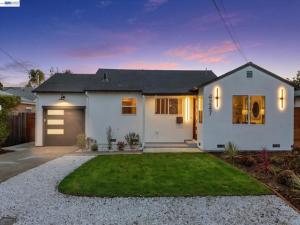
Post-war single-family homes from the 1950s through 1970s make up the majority of Castro Valley’s residential inventory. These are typically ranches and split-levels on lots of 5,000 to 8,000 square feet, with concrete driveways, attached garages, and yards. Many have been partially or fully renovated over the decades, and buyers will find a wide range of condition and finish quality in this segment.
Newer construction is primarily concentrated in the Five Canyons and Palomares Hills planned communities, where homes built in the 1990s and 2000s offer more contemporary floor plans and HOA-maintained common areas. These properties appeal to buyers who want newer systems and finishes without the renovation project that often comes with older stock.
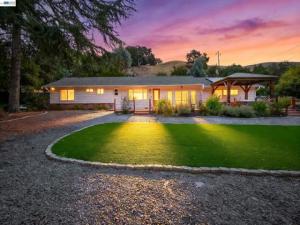
Larger hillside parcels exist in the more rural portions of the community along Palomares Road and the canyon areas. These properties sometimes include ADU structures, agricultural uses, or significant lot size, and attract a specific buyer profile seeking space and privacy at East Bay proximity.
What to Know Before Buying in Castro Valley
The unincorporated status of Castro Valley means that Alameda County Planning Department governs permits, zoning changes, and code compliance rather than a local city planning department. Buyers who are considering modifications, ADU additions, or business uses should verify county zoning and permit requirements early in the process. The county process can be slower and less predictable than in incorporated cities with dedicated planning staff.
Fire hazard severity zone designations affect the hillside communities, particularly Five Canyons and areas along the Palomares ridgeline. Buyers in these areas should verify insurance availability and cost, defensible space compliance, and access road adequacy. The community’s proximity to the Chabot Hills means that fire preparedness is part of the practical ownership experience for hill residents.
Working With TKG in Castro Valley
The Knight Group represents Castro Valley buyers and sellers with a process built on accurate market data and preparation before the offer stage. Castro Valley’s market moves quickly in the $700,000 to $1.1 million segment, and buyers who are not positioned to act within days of a listing going active frequently lose to prepared competitors. TKG prepares clients to respond quickly when the right property becomes available.
For sellers, TKG’s approach in Castro Valley focuses on accurate pricing, pre-listing preparation that maximizes appeal to the primary buyer demographic (school-seeking families and East Bay value buyers), and negotiation strategy through inspection and contingency periods. Connect with TKG to discuss the current Castro Valley market.
Current Castro Valley Listings
[28] – Unable to communicate with server. Timeout was reached
Castro Valley’s rental market is driven by its proximity to Hayward and the East Bay hill communities, and its reputation as one of the more family-friendly unincorporated areas in the region. Single-family homes with yards are the primary rental product, and demand is consistent from families who want the Castro Valley Unified school quality without the ownership cost that the market requires. Rental vacancy rates in Castro Valley are generally low, reflecting the supply constraint of a community with limited multi-unit construction and a housing stock dominated by owner-occupied single-family homes.
ADU opportunities are present in Castro Valley given the age and lot configuration of the existing housing stock. Single-family homes on larger lots often have detached garages or accessory structures that are eligible for conversion under current state ADU law. Buyers who identify ADU-capable properties and execute conversions can meaningfully increase their income position and the property’s resale value in a market where additional rental units are valued by the investor sub-set of the buyer pool.
Development and Future Outlook for Castro Valley
The Castro Valley BART station area has been identified as a priority area for transit-oriented development in the Bay Area’s regional planning framework. Over time, increased density near the BART station is expected to add housing supply and commercial activation in the immediate station area. For buyers targeting the BART-adjacent residential sections, this planned development context represents a long-term value driver as the area transitions from purely single-family residential to a more mixed-use transit-oriented character.
The Crow Canyon Road and Center Street commercial corridors have seen incremental improvement in retail and restaurant quality as the community’s income demographics have shifted toward more professional-class households seeking the school quality and value relative to Fremont, Dublin, and San Ramon. This commercial improvement is a quality-of-life enhancement that residential buyers benefit from directly.
Frequently Asked Questions About castro valley Homes for Sale
Is Castro Valley incorporated?
No. Castro Valley is an unincorporated community governed by Alameda County rather than an independent municipal government. This means Castro Valley lacks a city council, a dedicated police department (the Alameda County Sheriff provides law enforcement), and city-level planning authority. For most daily-life purposes, the unincorporated status is not material, but buyers who anticipate projects requiring planning or permit approvals should interact with Alameda County Planning rather than a city planning department.
How does Castro Valley Unified compare to surrounding districts?
Castro Valley Unified is a small, high-performing district that consistently exceeds state and county average academic metrics. The district’s focused size means strong parent-school relationships and a community investment in school quality that is easier to sustain in a small district than in larger regional districts. TKG verifies specific campus assignments for any Castro Valley address for school-motivated buyers.
What is the commute like from Castro Valley to San Francisco?
Castro Valley BART on the Fremont-Millbrae/BART line provides direct service to the Bay Area core. Commute times to San Francisco’s Embarcadero average 42 to 55 minutes. The BART station is not walkable from most Castro Valley residential streets, requiring a short car or bus connection. I-580 provides freeway access west toward Oakland and east toward Livermore. The combination of BART and freeway access makes Castro Valley a practical commute base for most Bay Area employment destinations.
Are there wildfire risks in Castro Valley?
The hillside areas of Castro Valley above the flatlands, particularly those bordering the East Bay hills open space, are subject to raise wildfire risk consistent with the broader Bay Area hills fire hazard designations. Buyers targeting hillside Castro Valley properties should verify fire hazard zone classification, review insurance availability and costs, and assess defensible space around any property before committing. TKG coordinates fire risk assessment and insurance pre-qualification for hillside Castro Valley transactions.
Castro Valley Buyer’s Market Timing and Strategy
Castro Valley follows the Bay Area seasonal pattern with the highest competitive activity from February through May. The combination of BART access and Castro Valley Unified’s strong school reputation makes the community particularly popular with school-seeking buyers who need to close before the fall school enrollment deadline. Buyers who are flexible on timing and can search outside the spring peak find less competition and more willingness from sellers to negotiate on price or terms.
The Castro Valley market has a characteristic dynamic where correctly priced properties in the primary school-seeking segments typically receive multiple offers, while properties with disclosure issues (deferred maintenance, sewer lateral problems, foundation concerns common in the older hillside stock) often sit for longer periods as buyers process the disclosure context. TKG uses this dynamic to help buyers identify properties where the extended days-on-market reflects a solvable issue rather than a fundamental market problem, creating potential for negotiated terms that are not available on clean competing properties.
Castro Valley Infrastructure and Hidden Costs
Castro Valley is served by Alameda County’s sewer system in the flatlands areas, but some hillside properties in the more rural sections above the developed residential areas are on septic systems. Septic system inspection and maintenance considerations are specific to those properties and should be part of the due diligence scope for any Castro Valley hillside property that is not served by municipal sewer. TKG confirms sewer versus septic status for any Castro Valley property early in the advisory process.
Earthquake risk in Castro Valley is meaningful: the Hayward Fault runs through the eastern portion of the community, and older wood-frame construction requires evaluation of foundation and seismic retrofitting status. The East Bay Hills community has experienced property damage in past seismic events, and buyers of pre-1980 construction should specifically budget for a seismic evaluation and any recommended retrofitting work as part of their total acquisition cost calculation.
Castro Valley Residential Character by Section
The flatlands around Castro Valley Boulevard and the BART station area provide the most transit-accessible and commercially walkable residential character in the community. Homes here are predominantly post-war ranch and contemporary construction on standard suburban lots. The Cull Canyon and Crow Canyon Road areas are the most suburban in character and provide the most conventional family residential environments.
The hillside sections above the flatlands, accessible via Redwood Road and the connecting canyon roads, provide larger lots, oak woodland character, and access to the East Bay hills trail network. These areas feel genuinely removed from the suburban flatlands character below and attract buyers who want more of a rural residential feel within commute distance of the Bay Area core.
What are Castro Valley CA Homes for sale actually like?
Castro Valley CA Homes sit in a price tier between the Oakland hills and Hayward’s flatlands, drawing buyers who want suburban settings with BART access.
Castro Valley is an unincorporated community, so Alameda County handles zoning, permitting, and code enforcement rather than an independent city government.
Unincorporated status matters most for buyers considering an ADU or a non-standard project that would face tighter restriction inside an incorporated city.
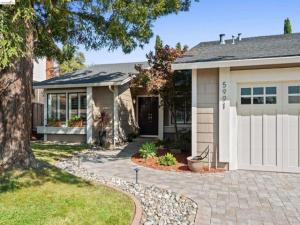
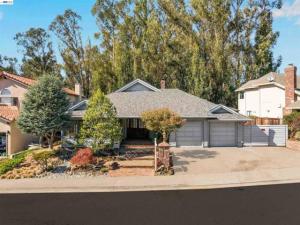
Most of the housing stock consists of post-war single-family homes on standard suburban lots with mature landscaping.
Flatlands inventory concentrates near Castro Valley BART and along Lake Chabot and Redwood Roads, the most transit-accessible part of the community.
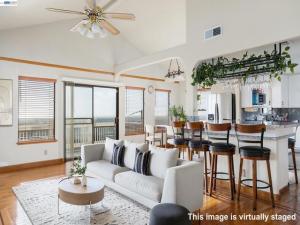
Hillside properties command premiums for lot size and views toward the Bay or the Tri-Valley.
Planned communities like Five Canyons and Palomares Hills add newer construction, HOA structures, and a car-dependent commute.
Castro Valley occupies a valley in eastern Alameda County between San Leandro and Dublin, with hillside neighborhoods rising above a flat commercial core.
School district quality, accessible price points relative to neighboring cities, and BART access make Castro Valley a consistent draw for families.
First-time buyers in the central East Bay market target Castro Valley CA Homes for suburban character at below-Oakland price points.
Demand is driven primarily by families seeking school district access and single-family homes with yards that leave room for renovation.
Eden Canyon Road and the flatlands near BART offer the most accessible pricing available in the community.
Buyers who stay flexible on terrain can find meaningfully different inventory at the same budget across Castro Valley CA Homes.
Five Canyons is a master-planned hillside community in the southern portion of Castro Valley with its own HOA, private trails, and a park.
Buyers in Five Canyons should review HOA financials and reserve fund status as part of their due diligence.
What is it like to live in Castro Valley CA Homes?
Castro Valley CA Homes sit within reach of the East Bay Regional Park District system, the community’s most significant amenity.
Lake Chabot Regional Park is accessible from the eastern edge of the community and offers lake and surrounding hills for hiking, biking, and fishing.
Cull Canyon and Don Castro Regional Recreation Areas add swimming lagoons and picnic facilities within a short drive or bike ride from most addresses.
Castro Valley Boulevard anchors the downtown with local dining, everyday services, and a library that supports community life.
Commercial character in Castro Valley is suburban and local rather than destination-focused, serving day-to-day needs without a drive to San Leandro or Hayward.
Castro Valley Forum, the community’s independent newspaper, supports a farmers market and seasonal events reflecting local civic engagement.
Neighborhood associations are active and organize around zoning, parks, and local services in place of a traditional city government structure.
Castro Valley BART station provides direct service to Oakland, San Francisco, and Fremont on the Dublin/Pleasanton line.
Flatlands residents reach the BART station most easily, while hillside households need a drive or bus connection to get there.
AC Transit runs bus service along Castro Valley Boulevard and connecting routes to BART, with limited coverage in the hillside communities.
Post-war ranches and split-levels with concrete driveways, attached garages, and yards make up the majority of residential inventory.
Newer construction in Five Canyons and Palomares Hills offers contemporary floor plans, newer systems, and HOA-maintained common areas.
Fire hazard severity zone designations affect the hillside portions of Castro Valley CA Homes, particularly Five Canyons and the Palomares ridgeline.
Are Castro Valley CA Homes a good investment?
Castro Valley CA Homes support a rental market driven by proximity to Hayward and the East Bay hill communities.
Single-family homes with yards are the primary rental product, drawing families who want Castro Valley Unified school quality without the ownership cost.
Rental vacancy stays generally low, reflecting limited multi-unit construction and a housing stock dominated by owner-occupied single-family homes.
ADU opportunities are present given the age and lot configuration of the existing housing stock across Castro Valley.
Detached garages and accessory structures on larger lots are often eligible for conversion under current state ADU law.
Investors who identify ADU-capable Castro Valley CA Homes and execute conversions can meaningfully increase income position and resale value.
Castro Valley BART station area has been identified as a priority area for transit-oriented development in the regional planning framework.
Increased density near the BART station is expected over time to add housing supply and commercial activation in the immediate station area.
Buyers targeting BART-adjacent residential sections gain a long-term value driver as the area shifts toward mixed-use transit-oriented character.
Crow Canyon Road and Center Street commercial corridors have seen incremental improvement in retail and restaurant quality.
Income demographics have shifted toward professional-class households seeking school quality and value relative to Fremont, Dublin, and San Ramon.
Castro Valley lacks a city council and a dedicated police department, with the Alameda County Sheriff providing law enforcement.
Castro Valley Unified is a small, high-performing district whose focused size supports strong parent-school relationships and community investment.
Castro Valley BART provides direct service to the Bay Area core, though the station is not walkable from most residential streets.
Hillside areas bordering the East Bay hills open space carry raised wildfire risk consistent with the broader Bay Area hills fire hazard designations.