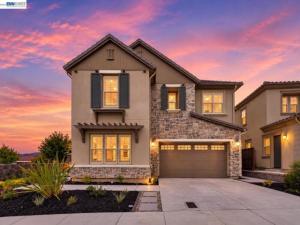
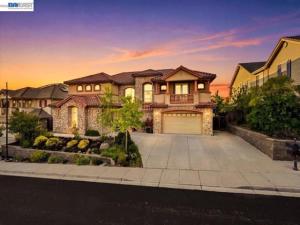
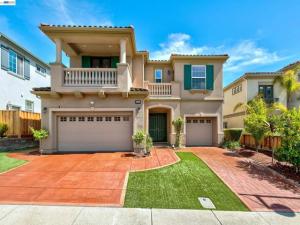
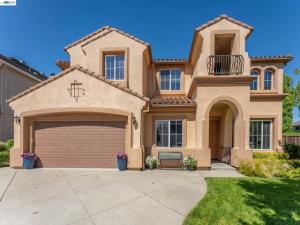
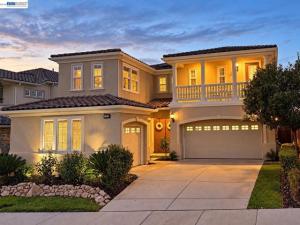
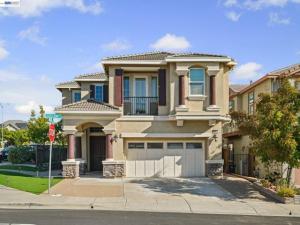
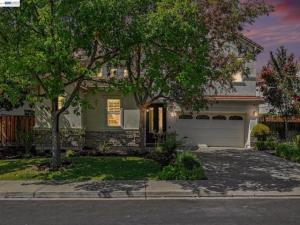
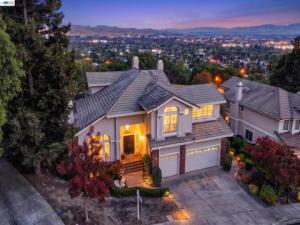
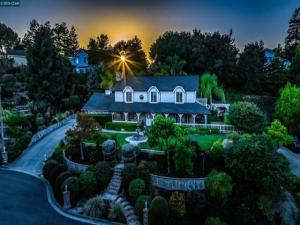
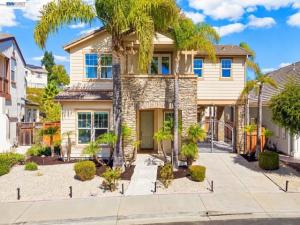
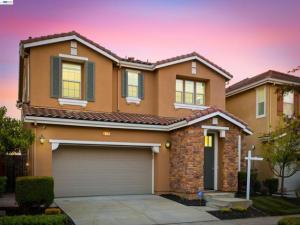
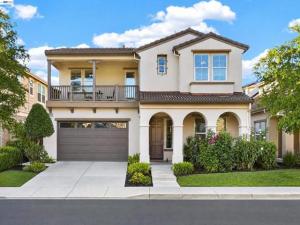
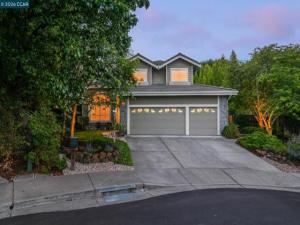
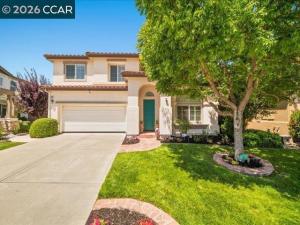
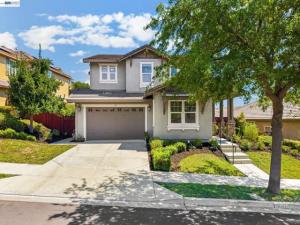
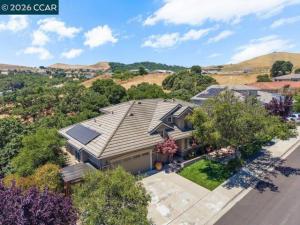
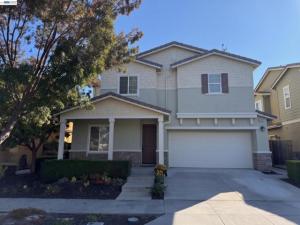
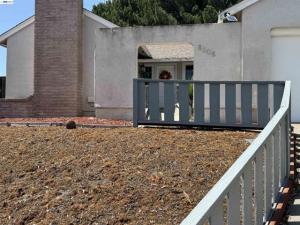
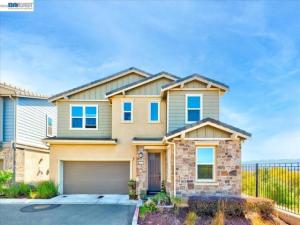
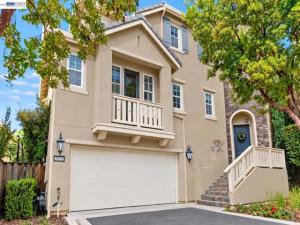
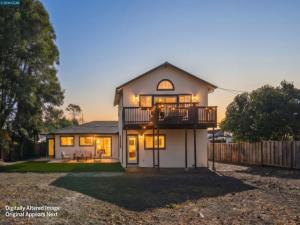
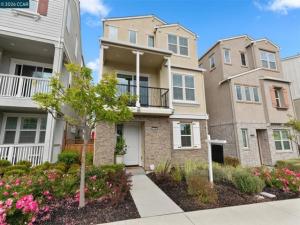
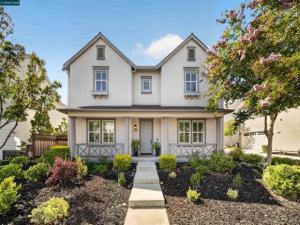
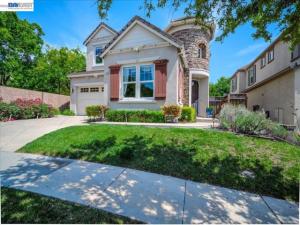
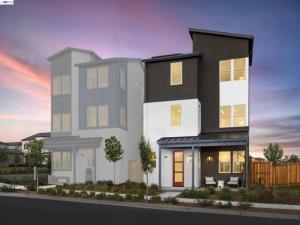
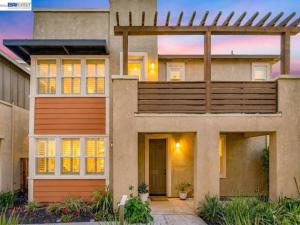
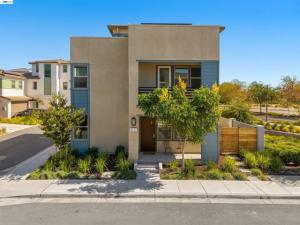
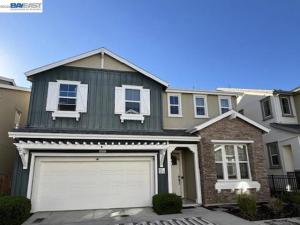
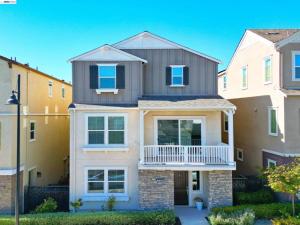
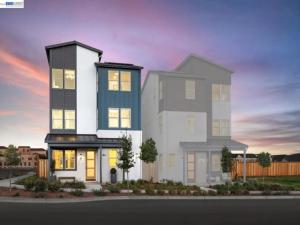
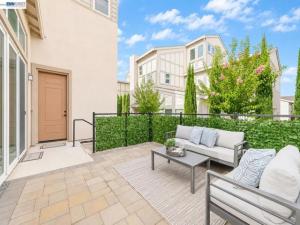
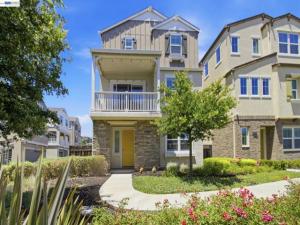
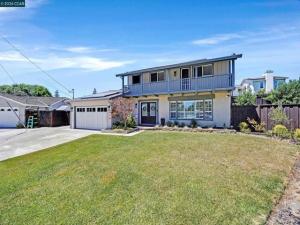
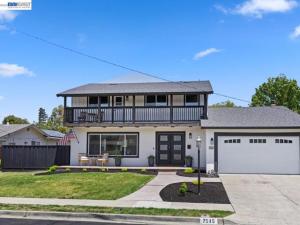
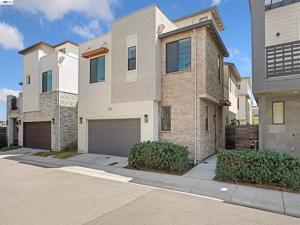
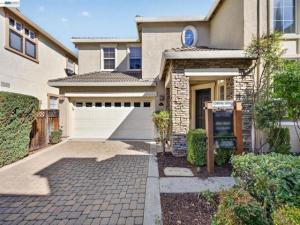
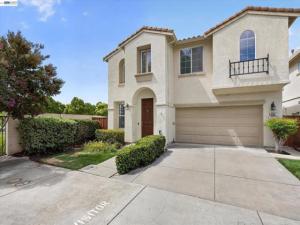
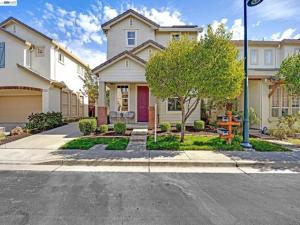
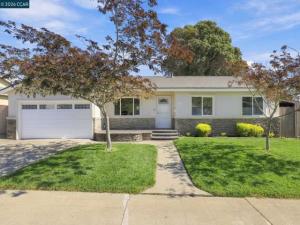
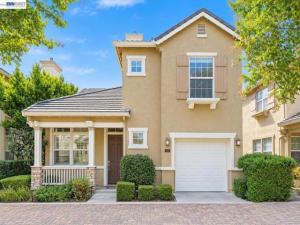
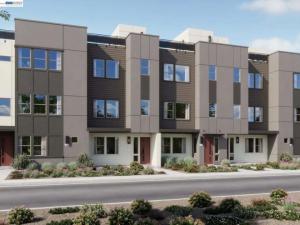
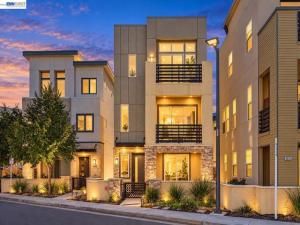
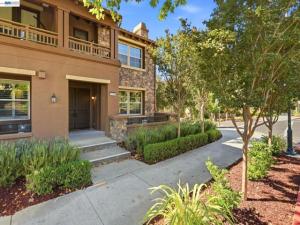
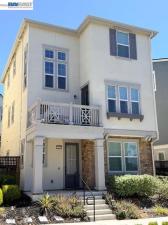
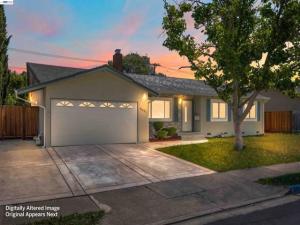
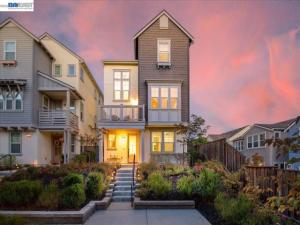
Dublin CA Homes for Sale currently number 34 active listings with a median asking price of $1,250,000 (CRMLS, September 2026).
If you’re looking at Dublin CA homes for sale, you’re looking at one of the Bay Area’s most active new construction markets. Dublin sits at the eastern edge of Alameda County with two BART stations and I-580 access, and over the past three decades it has gone from an agricultural crossroads to a city of master-planned communities. Most of our buyers here are families relocating from the Bay Area core and tech workers who want newer construction without paying Pleasanton or Danville prices.
Housing runs from townhomes in the $700,000s to single-family homes above $1.5 million in the Dougherty Valley-adjacent areas. Dublin Ranch and Fallon Village are flatland master-planned neighborhoods; Jordan Ranch and Schaefer Ranch sit in the western hills with larger lots and views but no walkable BART access. Older post-war stock near Dublin Boulevard and San Ramon Road prices below all of it. HOA dues and Mello-Roos assessments vary widely by community.
Dublin is a fast-growing Tri-Valley city at the eastern edge of Alameda County, connected to the Bay Area by two BART stations and I-580. Over the past three decades Dublin has transformed from a small agricultural crossroads into one of the Bay Area’s most active new construction markets, with master-planned communities that offer larger homes at price points below the Inner East Bay. The city is a primary destination for families relocating from the Bay Area core, technology workers seeking suburban space, and buyers who want newer construction without the premium of Pleasanton or Danville. This guide covers Dublin’s market, neighborhoods, schools, and what buyers need to know to compete effectively here.
Dublin’s market is characterized by a high volume of newer construction, active HOA communities, and a buyer pool dominated by tech industry employees and families with school-age children. The city has grown rapidly since the 1990s through a series of master-planned developments that have added significant inventory in phases, which creates a more tiered market than in cities with older, more uniform housing stock.
Price points span a wide range, from townhomes in the $700,000s to single-family homes in the $1.5 million-plus range for larger homes in the Dougherty Valley-adjacent communities. The relative value proposition compared to San Jose and Fremont has historically driven significant buyer migration from the South Bay, and the dual-income tech household remains the dominant buyer profile in Dublin’s middle and upper price tiers.
The market here moves in close correlation with tech sector employment cycles. In hiring expansions, competition for mid-range Dublin homes becomes intense. During correction periods, the market slows more than some East Bay cities because the buyer pool is more concentrated in the tech sector. Buyers who are attuned to this dynamic can find better negotiating leverage during pullback periods.
HOA communities dominate the newer sections of Dublin, and HOA fees, Mello-Roos community facility district assessments, and CFD bonds are a meaningful component of total monthly cost that buyers frequently underestimate when comparing Dublin to older East Bay markets without these structures. TKG provides clients with total cost of ownership analysis before offer submission to ensure there are no surprises on these components.
Dublin Ranch is one of the city’s largest master-planned communities, developed primarily in the early 2000s on former agricultural land in the eastern portion of the city. The community includes multiple phases with varying home sizes, architectural styles, and HOA structures. Dublin Ranch’s central parks, community pools, and retail integration make it a self-contained neighborhood with strong family appeal.
Fallon Village, in the northeastern part of Dublin near the Contra Costa County border, is among the city’s newer developments. Homes here are largely built in the 2010s and benefit from contemporary floor plans and green building standards relative to earlier phases. The proximity to Fallon Sports Park, one of the largest recreational facilities in the Tri-Valley, is a specific draw for families with children in youth athletics.
Jordan Ranch and Schaefer Ranch are hillside communities in the western hills of Dublin. These neighborhoods offer views, larger lots relative to the flatlands communities, and a more private residential setting. Schaefer Ranch in particular has a gateway community character with limited through-traffic. The grade and distance from BART make these areas primarily car-dependent but appealing to buyers who prioritize residential setting over transit access.
The downtown area near Dublin Boulevard and San Ramon Road includes older residential neighborhoods with post-war and mid-century homes at price points below the master-planned communities. These areas are increasingly competitive as buyers who want Dublin’s location and schools but cannot reach new-construction prices look for alternatives in the older stock.
Dublin Unified School District has built a strong reputation for academic performance alongside the city’s growth, with investment in school facilities that reflects the district’s expanding enrollment. Dublin High School and Valley High School serve the secondary grades, with Dublin High the larger and more established of the two.
Elementary campuses have been added across the new developments to serve the residential growth, and the district’s overall performance ratings have remained competitive with the Pleasanton and San Ramon Valley districts that serve the adjacent Tri-Valley communities. The school quality is a consistent driver of Dublin demand among families relocating from the Bay Area core who are doing school-district research as part of their community selection process.
Dougherty Valley High School, technically within the San Ramon Valley Unified School District, serves portions of Dublin’s Dougherty Valley area that fall within the SRVUSD attendance boundary. This creates a split within Dublin where some newer development is served by SRVUSD rather than DUSD, a distinction that matters to buyers specifically seeking one district over the other. TKG confirms attendance boundaries at the address level before clients commit to a property.
Dublin’s recreation infrastructure has grown alongside its residential development, with Fallon Sports Park, the Emerald Glen Recreation and Aquatic Complex, and the Dublin Library and Cultural Arts Center providing community amenities that support the city’s family demographic. The city has invested in parks, trails, and recreational facilities at a scale that matches its rapid residential growth.
The Iron Horse Regional Trail runs through Dublin, connecting to Danville to the south and Pleasanton to the west. This trail provides non-vehicle transportation and recreation access for cyclists, joggers, and walkers across the Tri-Valley. The trail connection is particularly valued by families and active residents who use it for weekend recreation and occasional bike commuting.
Hacienda Crossings, the primary commercial center in Dublin, offers retail, dining, and entertainment anchored by a large movie theater. The shopping and dining scene in Dublin is predominantly national chain-focused, which reflects the demographic profile of a fast-growing planned community. For independent dining and specialty retail, residents typically drive to Pleasanton’s historic downtown or access Oakland and Berkeley.
Dublin’s most significant asset for Bay Area commuters is its two BART stations: Dublin/Pleasanton BART on the south side of I-580 and West Dublin/Pleasanton BART on the western side of the city. Both stations serve the Dublin/Pleasanton line, providing direct service to Oakland’s 12th Street station and then transferring for Fremont, Richmond, and San Francisco directions. Peak-hour trains run every 15 minutes or better. Commute times to San Francisco’s Embarcadero average 55 to 65 minutes including the transfer.
I-580 provides direct freeway access to Oakland, Berkeley, and the Bay Bridge in the west, and to the Altamont Pass and Central Valley to the east. I-680 connects via the Pleasanton interchange to South Bay and Tri-Valley employment. For buyers who commute to Silicon Valley, the combination of I-580 to 680 south or the ACE Train from Pleasanton provides alternatives to the direct BART connection.
Dublin’s inventory is dominated by detached single-family homes built between 1990 and the present, with a meaningful segment of attached townhomes and condominium units in HOA communities near BART and commercial corridors. The diversity of construction eras means buyers can find homes ranging from early 1990s tract construction to contemporary builds with solar, EV charging infrastructure, and open-plan layouts.
Lot sizes vary considerably between the hilltop communities and the flatlands tracts. Hillside homes in Jordan Ranch and Schaefer Ranch often have larger lots with view premiums. Flatlands HOA communities typically have smaller rear yards and shared common spaces that substitute for individual lot amenity.
Mello-Roos assessments and CFD bonds are a meaningful component of total occupancy cost in most Dublin master-planned communities. These assessments fund community facility infrastructure from the original development and can add $300 to $800 or more per month to total housing costs beyond the mortgage. They are disclosed in the Natural Hazard Disclosure and CFD reports that are provided to buyers, but the dollar amounts require careful review.
HOA rules in Dublin communities vary significantly in restrictiveness. Buyers who plan to use the property as a short-term rental, modify the exterior, or operate a home business should verify HOA rules before committing. Some communities have specific rules around parking, landscaping, and exterior color that affect what buyers can do with their property after purchase.
The Knight Group serves Dublin buyers with a process that includes full Mello-Roos and CFD analysis, HOA document review, attendance boundary verification, and accurate comparable analysis across Dublin’s varied market segments. For sellers, TKG’s marketing reaches the specific buyer profiles, Tri-Valley tech employees, South Bay relocators, and school-seeking families, most likely to pay full value for Dublin properties. Connect with TKG to discuss the current Dublin market.
Connect with TKG about Dublin real estate.
Dublin's rental market is driven by employment in the Tri-Valley tech and biotech corridor, with Oracle, Workday, and other major employers drawing a professional renter demographic to the city. Single-family home rentals and newer townhome communities serve families who are waiting for a purchase opportunity or who are transferred into the area for work assignments. The rental vacancy rate in Dublin is among the lower in the Tri-Valley, reflecting the employment-driven demand that is more anchored than the school-only demand that drives some adjacent market rental pools.
New construction communities in Dublin include a mix of for-sale and for-rent product, with some build-to-rent developments specifically targeting the professional renter demographic. These professional-grade rental communities have introduced a level of amenity competition for institutional landlords that is worth monitoring for individual investor buyers who own single-family rentals in the same area. The rental demand is strong, but the institutional supply addition is a material market dynamic in Dublin's newer residential sections.
Dublin is one of the fastest-growing cities in the Bay Area, with substantial undeveloped land on the eastern side of the city along Fallon Road and the Dublin Ranch corridor still under active development. New master-planned communities continue to add housing supply at a rate that moderates price appreciation relative to supply-constrained adjacent markets. Buyers targeting Dublin should understand that new construction competition from current and pipeline projects is a structural feature of the Dublin market rather than a temporary condition.
The West Dublin/Pleasanton BART station and the Dublin/Pleasanton BART station provide the transit access that has attracted major employment centers to the Tri-Valley corridor. Ongoing transit investment and the potential for the BART extension to Livermore could further increase Dublin's connectivity if realized. The employment growth trajectory at Bishop Ranch and in the new Dublin tech campuses suggests continued population growth that will sustain housing demand even as supply continues to expand.
What Mello-Roos assessments apply to Dublin properties?
Most Dublin master-planned communities carry Community Facility District (Mello-Roos) assessments that fund infrastructure, schools, and community facilities built to support the development. These assessments vary by community and individual parcel and are disclosed in CFD annual reports provided during the transaction. TKG reviews the specific Mello-Roos assessment for any Dublin property as standard transaction due diligence, ensuring buyers understand the total monthly cost of ownership including the assessment before committing.
How does the Dublin school district compare to San Ramon Valley Unified?
Dublin Unified School District is a separate district from San Ramon Valley Unified, though the two are often compared given geographic proximity. Dublin Unified has shown consistent improvement in academic metrics as the district has grown and as the professional-class demographic has increased in the newer master-planned communities. San Ramon Valley Unified is generally considered to have higher aggregate performance metrics, which contributes to the price differential between comparable properties in Dublin versus San Ramon or Danville.
Is Dublin too far from San Francisco for daily commuting?
Dublin/Pleasanton BART provides BART system access with commute times to San Francisco's Embarcadero averaging 50 to 60 minutes. For most Bay Area professional commute patterns, this is within the range that Bay Area buyers typically accept, though it is at the longer end of the practical spectrum for daily commuting. Buyers who are commuting multiple times per week rather than daily find the commute time more manageable than full-time in-office commuters typically do.
What is the best area of Dublin for families?
Families who prioritize newer construction, HOA amenities, and established master-planned community character tend to target the Dublin Ranch and Positano developments in the eastern portion of the city. Families who want more established neighborhood character and lower HOA costs tend to look at the older residential sections near Village Parkway. TKG provides neighborhood-specific analysis by school attendance area for families targeting Dublin.
Dublin's market is active year-round due to its employment base, but the spring peak from March through May is the highest-competition period consistent with Bay Area norms. The newer master-planned sections of Dublin have a different competitive dynamic than the older central Dublin areas: new construction communities offer builder incentives that vary by phase and sales pace, and savvy buyers can sometimes access more favorable terms at the end of a sales phase than at the beginning when the builder is establishing price levels.
For resale properties in Dublin, the competitive dynamics are similar to other Tri-Valley markets: correctly priced family homes in desirable HOA communities with good school access receive multiple offers quickly. Properties with HOA management issues or deferred maintenance that affects the homeowner association's repair obligations create buyer hesitation that can work to advantage for buyers who have done their HOA document review and understand the actual financial health of the association.
Mello-Roos assessments are the most significant non-mortgage cost for Dublin buyers in the master-planned communities. These assessments fund infrastructure, schools, and public services specific to each development, and they are not disclosed prominently in the MLS listing. Buyers must request the specific CFD annual report during their due diligence period to understand the exact assessment obligation for any property. TKG treats CFD verification as a first-step advisory requirement for any Dublin buyer transaction before any offer is made.
HOA monthly fees in Dublin's master-planned communities range from $100 to $350 per month depending on the amenity level and maintenance scope of the specific community. These fees are in addition to the Mello-Roos assessment and the base property tax. A complete monthly cost analysis for a Dublin property includes the mortgage payment, property taxes, Mello-Roos assessment, and HOA fee, all of which TKG calculates for clients before making any comparative cost analysis between Dublin and competing markets.
Dublin, Pleasanton, and San Ramon are the three primary options in the Tri-Valley market for buyers who have identified the BART-connected southern Tri-Valley as their target. Dublin is generally the most accessible in price among the three, with Pleasanton slightly above and San Ramon above that for comparable property types. The school district distinction is significant: Dublin Unified is considered below Pleasanton Unified and San Ramon Valley Unified by most metrics, which explains the pricing relationship. Buyers who do not have a strong school quality preference and who prioritize newer construction, BART access (via the Dublin/Pleasanton station), and maximum square footage per dollar tend to land in Dublin. Buyers who weight school quality and downtown character more heavily tend to opt for Pleasanton or San Ramon.
Browse all Alameda County real estate.