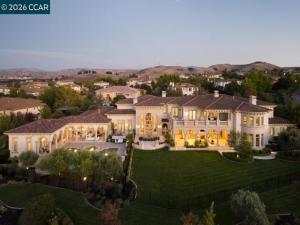
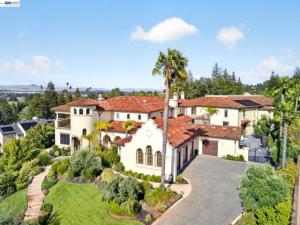
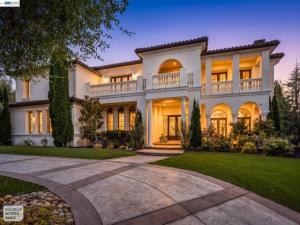
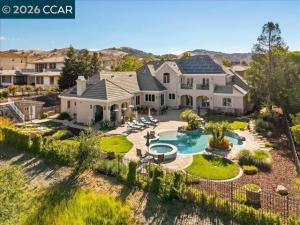
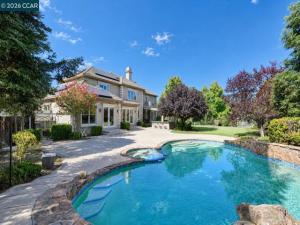
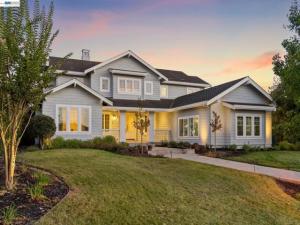
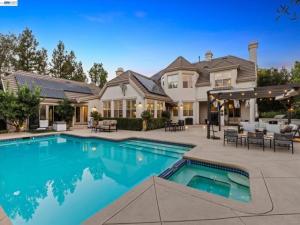
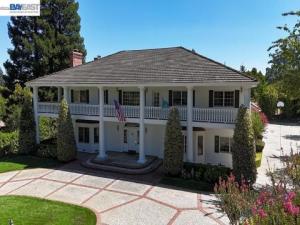
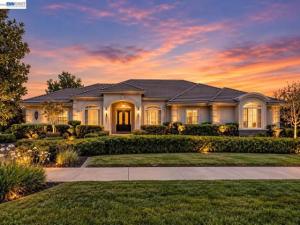
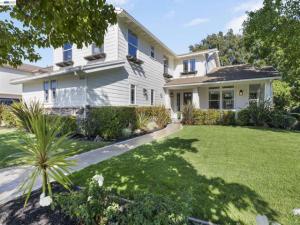
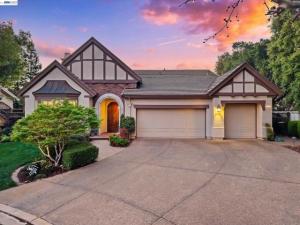
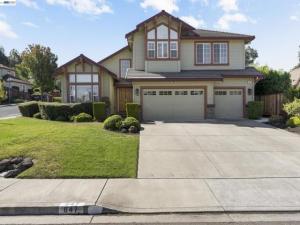
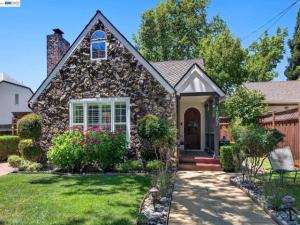
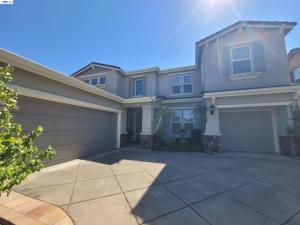
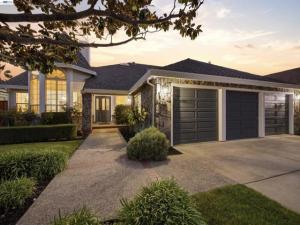
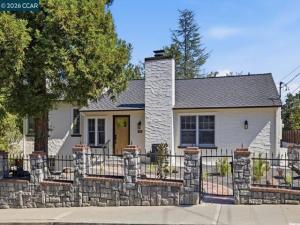
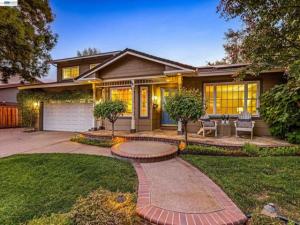
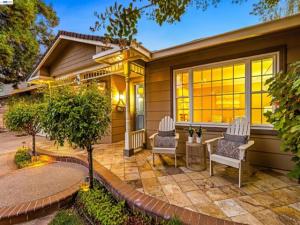
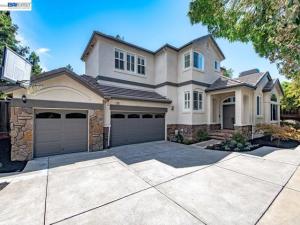
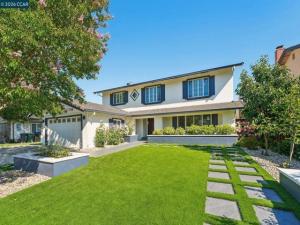
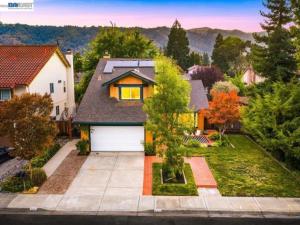
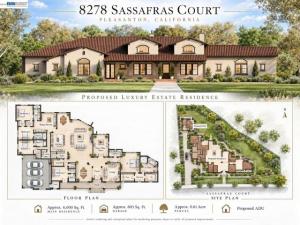
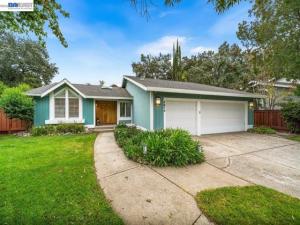
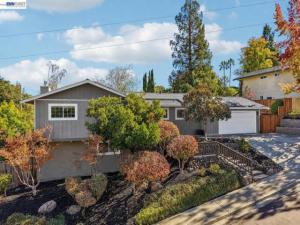
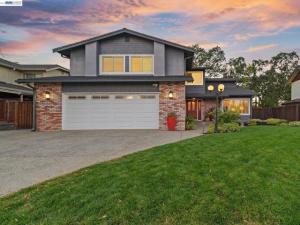
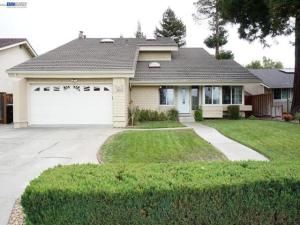
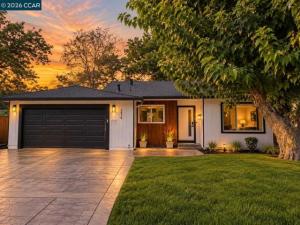
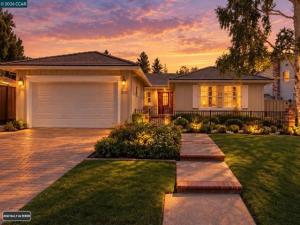
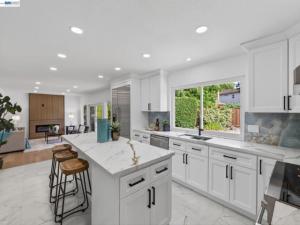
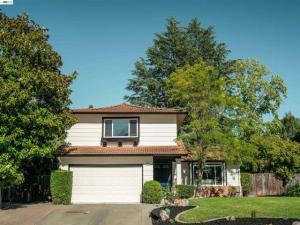
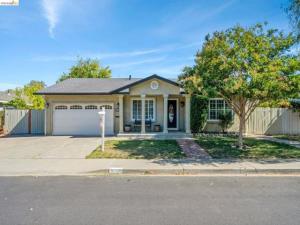
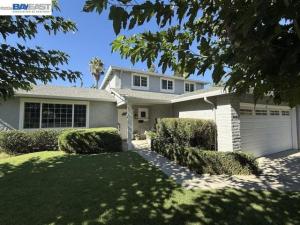
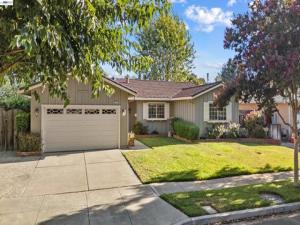
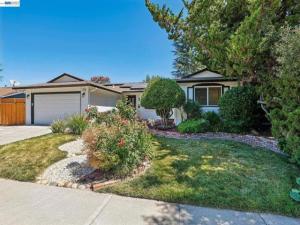
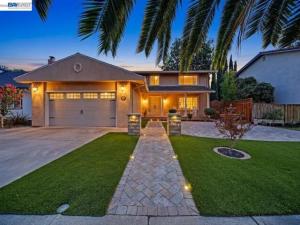
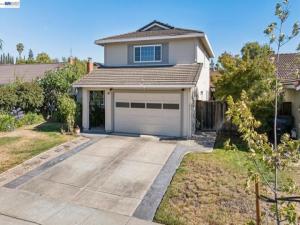
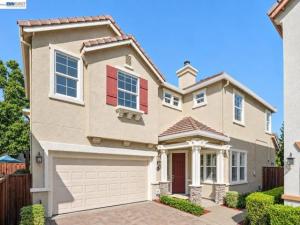
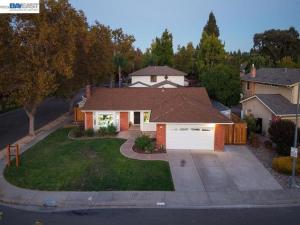
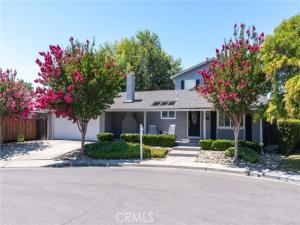
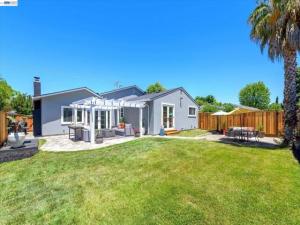
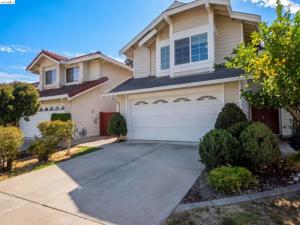
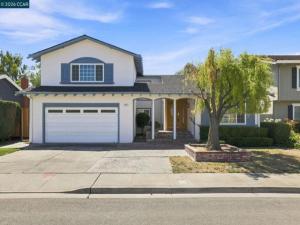
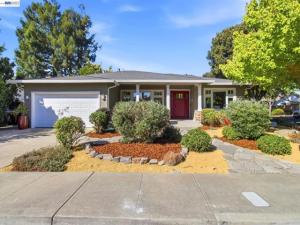
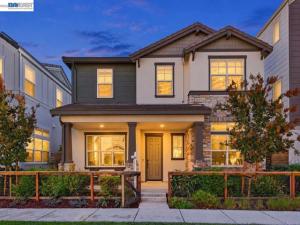
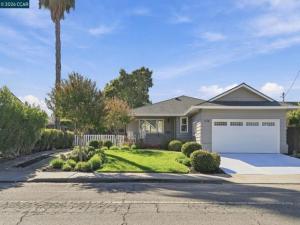
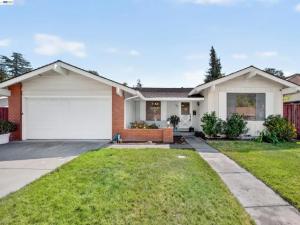
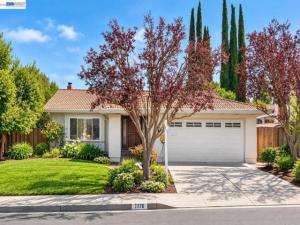
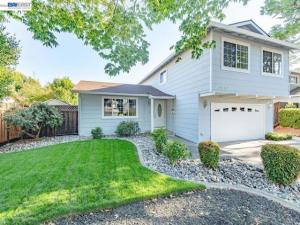
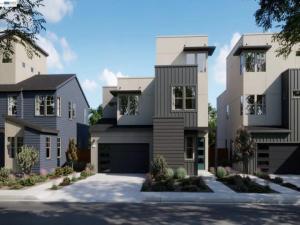
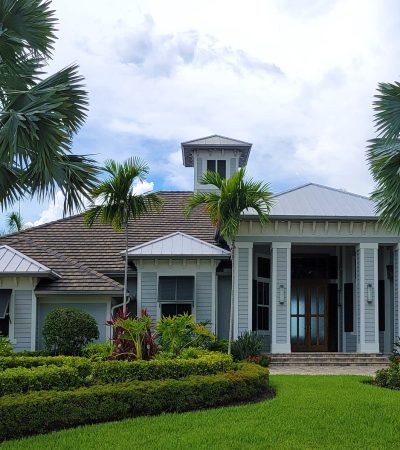
Homes for Sale in Pleasanton currently number 64 active listings with a median asking price of $1,448,500 (CRMLS, September 2026).
Homes for sale in Pleasanton draw buyers relocating from the Bay Area core and Silicon Valley who want Tri-Valley character without giving up amenities. The city pairs a walkable historic downtown on Main Street with Pleasanton Unified schools, dual BART stations, and ACE Train service to San Jose. Supply is structurally constrained — there is little undeveloped land, so most listings come from turnover in established neighborhoods. Correctly priced homes attract multiple offers and often sell above asking.
Pricing runs from townhomes and condominiums in the $700,000s to hillside properties approaching $3 million in the gated Ruby Hill community. The core detached single-family market sits between $1.1 million and $2.2 million, with lot size, hill position, and school proximity driving value. Pleasanton Meadows and Val Vista offer mid-1970s through 1990s homes on conventional lots; the Vineyard, in the eastern hills, has 1990s and 2000s construction on larger parcels.
Pleasanton is the upscale anchor of the Tri-Valley, combining a walkable historic downtown, top-ranked public schools, strong retail and dining amenities, and dual BART station access in a well-maintained suburban setting. The city consistently draws buyers who are relocating from the Bay Area core, Silicon Valley, and the broader tri-state corridor who want Tri-Valley character with full amenity access. For families prioritizing school quality and suburban quality of life, Pleasanton is one of the most sought-after addresses in the East Bay and commands pricing that reflects that demand. This guide covers Pleasanton’s market, neighborhoods, and what buyers need to know to compete effectively here.
Pleasanton’s market is driven by school quality and suburban quality of life more than any other single factor. The combination of Pleasanton Unified School District‘s performance and the city’s downtown character creates a buyer demand base that is relatively stable across economic cycles. When interest rates rise and discretionary buyers exit the market, Pleasanton’s school-driven demand persists because the decision to locate here is often more about the school district than about financing optimization.
Pricing in Pleasanton spans a wide range, from townhomes and condominium units in the $700,000s to hillside single-family homes approaching $3 million at the upper end of the Ruby Hill gated community. The core market for detached single-family homes in established neighborhoods runs from $1.1 million to $2.2 million, with lot size, hill position, and school campus proximity all influencing value within that range.
The inventory dynamic in Pleasanton is structural supply constrained. The city has limited undeveloped land, and most new inventory comes from turnover in existing residential neighborhoods rather than new construction. Correctly priced homes in the primary residential segments attract multiple offers and often sell above asking. Buyers who are not pre-approved and ready to move quickly frequently lose to prepared competitors.
Ruby Hill, the gated community in the southern hills above Pleasanton, operates as its own sub-market with a private golf course, HOA amenities, and a buyer demographic that prioritizes exclusivity and estate-scale properties. The HOA fees and entry gate protocol in Ruby Hill are factors that buyers in this segment should understand before focusing their search here.
The historic downtown along Main Street is the defining character element of Pleasanton that distinguishes it from neighboring Dublin and Livermore. The downtown corridor has independently owned restaurants, boutiques, wine bars, and service businesses that have maintained their presence through Bay Area retail consolidation. The Alameda County Fair, held annually at the Fairgrounds on Pleasanton’s northern edge, draws regional attendance and anchors a summer calendar of local events.
Pleasanton Meadows and Val Vista are established residential neighborhoods in the central and western portions of the city, with mid-1970s through 1990s single-family homes on conventional suburban lots. These areas provide mid-range Pleasanton pricing with good school access and proximity to downtown and the BART stations. They are the primary target for families entering the Pleasanton market at the lower end of the single-family price range.
The Vineyard neighborhood in the eastern hills of Pleasanton has newer construction from the 1990s and 2000s on larger lots with views toward the Livermore Valley. Properties here command premiums within the Pleasanton market for lot size and setting, and the Vineyard’s separation from the more dense flatlands gives it a quieter residential character.
Pleasanton Unified School District is consistently rated among the top school districts in Alameda County and the broader East Bay. The district operates Amador Valley High School and Foothill High School as the two comprehensive secondary campuses, both of which consistently place near the top of California public school rankings for academic performance, Advanced Placement participation, and graduate placement rates.
The elementary campuses within the district, including Donlon, Hart, Hearst, Lydiksen, and Valley View, are all highly rated and serve the distinct residential areas of the city. Middle school options include Thomas Hart Middle School and Harvest Park Middle School. The overall quality consistency across all grade levels and campuses is unusually high compared to most California unified districts, where performance variation by campus is the norm.
The Iron Horse Regional Trail runs through Pleasanton from north to south, connecting to Danville to the north and Dublin to the east. This multi-use trail provides daily exercise and recreational access without requiring a car, and the trail connection to the broader Tri-Valley system is a specific draw for cyclists and joggers who use it for both exercise and weekend recreation.
The Alameda County Fairgrounds host the annual fair in late June and early July, the largest county fair in California, drawing over 700,000 visitors. The venue also hosts year-round events, equestrian competitions, and the Livermore-Pleasanton Fire Department’s training facilities. For residents, the fairground proximity creates occasional traffic considerations during peak event periods but also provides accessible entertainment and local tradition.
The ACE Train, operated by Altamont Commuter Express, provides rail service from Pleasanton to San Jose, making the city practical for buyers who work in Silicon Valley and want Tri-Valley housing costs. The combination of BART and ACE provides Pleasanton with two distinct rail connections to the Bay Area employment network, an unusual advantage compared to most suburban communities.
Two BART stations serve Pleasanton: the Dublin/Pleasanton station on the north side of I-580 and the West Dublin/Pleasanton station on the western edge of the city near Highway 680. Both serve the Dublin/Pleasanton line providing direct service to Oakland, San Francisco, and Fremont. Peak-hour trains run every 15 minutes or better. Commute times from the Pleasanton stations to San Francisco’s Embarcadero average 55 to 65 minutes including the transfer at Bay Fair or similar.
I-580 provides the primary east-west freeway connection, with I-680 providing north-south access to the Tri-Valley corridor toward Danville and south toward San Jose. The ACE Train departs from the Pleasanton station near Bernal Avenue, providing peak-hour service to Lathrop, Stockton, and San Jose’s Diridon station for buyers with South Bay employment.
Pleasanton’s housing stock is predominantly single-family homes built between 1970 and 2005, with some newer construction in the eastern hills and Ruby Hill. Lot sizes in the flatlands neighborhoods average 5,000 to 7,000 square feet, with hillside and Ruby Hill properties often exceeding 10,000 square feet. Attached townhomes and condominium units are available near the BART stations and commercial corridors.
The Knight Group serves Pleasanton buyers with offer preparation calibrated to the real competitive environment in each sub-market. Whether targeting a flatlands home in the primary school attendance area or a Ruby Hill estate, TKG ensures clients understand comparable values, HOA obligations, and offer structure before they engage. Connect with TKG to discuss the current Pleasanton market.
Connect with TKG about Pleasanton real estate.
Pleasanton's rental market is anchored by the Hacienda Business Park employment base and the Stoneridge Mall commercial corridor, which together draw a significant professional renter population to the city. The Pleasanton Unified School District premium creates additional rental demand from families who want PUSD access while completing a purchase process. Vacancy rates in Pleasanton are generally low, and the demand profile is more employment-anchored than many comparable Tri-Valley cities.
The Hacienda Business Park, one of the largest master-planned business parks in the Bay Area, provides on-site or near-site employment for thousands of workers whose residential demand is concentrated in Pleasanton and the surrounding Tri-Valley communities. This employment anchor creates residential demand that is somewhat independent of Bay Area core commute patterns, which is a stabilizing factor in Pleasanton's market across rate cycles.
How does the Pleasanton downtown compare to other Tri-Valley downtowns?
Pleasanton's Main Street downtown is one of the most successful small-city commercial districts in the East Bay, with independently owned restaurants, wine bars, specialty retail, and services that have maintained their presence through Bay Area retail shifts. The weekly farmers market and the annual Pleasanton Downtown Summer Concert series reflect a community investment in the downtown character that distinguishes it from the more mall-oriented commercial infrastructure of Dublin and San Ramon. Buyers who value walkable commercial access alongside school quality specifically target Pleasanton's downtown-adjacent residential neighborhoods for this combination.
What is the Pleasanton BART commute profile?
West Dublin/Pleasanton BART station is the primary BART access point for Pleasanton residents. The station is in the western portion of the city near the I-580/I-680 interchange, and commute times to San Francisco's Embarcadero average 50 to 60 minutes. The station is not walkable from most Pleasanton residential addresses and requires a car or bus connection. Pleasanton buyers who use BART typically drive to the station, and the available parking capacity at the station affects the practicality of daily rail commuting.
How does Pleasanton Unified compare to Dublin Unified?
Pleasanton Unified School District is generally considered to have higher aggregate academic performance metrics than Dublin Unified, which contributes to the price premium that Pleasanton commands over comparable Dublin properties for school-seeking buyers. The districts are adjacent but administratively separate, and the specific campus serving a given address is determinative for buyers making the cross-district comparison. TKG verifies district and campus assignments for any Pleasanton or Dublin address as a standard component of school-motivated buyer representation.
Pleasanton follows the standard Bay Area spring peak with February through May being the highest competition period. The Pleasanton Unified School District premium drives a school-seeking buyer demographic that is specifically active during this window as families aim to close before the following school year. Properties in the highest-regarded PUSD attendance zones, particularly near Amador Valley High School, tend to see the most intense competition in the spring market window.
Pleasanton's downtown-adjacent neighborhoods have a somewhat distinct buyer demographic from the hillside and eastern master-planned sections. Buyers who are specifically targeting the Main Street walkability and the downtown community character are a self-selected group who will pay a premium for properties within walking distance. This walkability premium is isolable from the school-district premium and represents a separate value driver in Pleasanton's most central residential neighborhoods.
Pleasanton properties in most of the city are served by municipal water from the Zone 7 Water Agency system, shared with the broader Tri-Valley. Sewer service is provided by the Livermore-Amador Valley Water Management Agency across most of Pleasanton's residential areas. These regional utility arrangements are stable and well-funded, without the infrastructure risk that characterizes smaller private utility districts in some Bay Area rural areas.
The Pleasanton Unified School District levies parcel taxes in addition to state property taxes, which represent an additional annual ownership cost for Pleasanton homeowners. These parcel taxes fund the above-state-average expenditure per pupil that PUSD's academic reputation is partly built on. TKG discloses all applicable Pleasanton parcel tax obligations during the early buyer advisory phase to ensure clients calculate accurate total annual ownership costs before making comparative decisions between Pleasanton and adjacent markets.
Pleasanton and Livermore are the two Tri-Valley cities that share a border and serve as the most direct comparison for buyers who are optimizing for Tri-Valley location at the most accessible price within the area. Livermore is generally 10 to 20 percent below Pleasanton for comparable property types, reflecting the school district differential (PUSD above Livermore USD on most metrics), the downtown character difference (Pleasanton's Main Street is more activated than Livermore's downtown historically, though Livermore's downtown has improved), and the relative wine country adjacency difference (Livermore is more directly embedded in the wine country landscape). Buyers who weight school quality most heavily tend toward Pleasanton; buyers who prioritize wine country lifestyle, the national laboratory employment, and accessible price tend toward Livermore.
ValleyCare Medical Center in Pleasanton, affiliated with Stanford Health Care, provides comprehensive acute care, emergency services, and access to Stanford's specialist network from a facility within the city limits. This Stanford Health Care affiliation is the same system that serves Livermore, and gives Pleasanton residents access to referral pathways and subspecialty care that community hospitals without academic medical center affiliations cannot provide. The proximity of ValleyCare to both Pleasanton and Livermore residential areas gives the Tri-Valley corridor healthcare infrastructure comparable to what larger Bay Area cities provide.
Pleasanton's commercial retail infrastructure is among the most complete in the Tri-Valley, with the Stonebridge Shopping Center, multiple grocery anchored neighborhood centers, and the downtown Main Street corridor collectively providing daily services, major retail, and specialty dining within the city without requiring a trip to Dublin or San Ramon for most household needs. For residents who value commercial completeness alongside school quality and transit access, Pleasanton's infrastructure is a specific competitive advantage.
Pleasanton's growth has been shaped by deliberate policy choices that have maintained the city's residential quality while managing commercial and industrial development to support the tax base without undermining the residential character. The Hacienda Business Park has attracted a range of corporate tenants whose employees have supported housing demand in Pleasanton and the broader Tri-Valley. The city's slow-growth policies have constrained new residential supply relative to demand, which has contributed to the consistent appreciation in the existing housing stock.
The city's investment in its downtown commercial district through streetscape improvements, event programming, and historic preservation has maintained Main Street as a genuine community gathering place rather than allowing it to hollow out as many suburban downtowns have done. The weekly farmers market, the annual events calendar, and the concentration of independently owned restaurants on Main Street reflect the community's active support for the downtown's commercial character as a civic asset. For buyers who value a functioning downtown alongside transit access and school quality, Pleasanton's investment in Main Street is a genuine differentiator within the Tri-Valley market.
Healthcare access via ValleyCare, employment proximity to Hacienda and Bishop Ranch, and school quality via PUSD collectively create a self-reinforcing value case that has supported Pleasanton's price premium within the Tri-Valley for multiple market cycles. TKG's view is that the fundamentals supporting Pleasanton's relative position within the Tri-Valley are durable.
A disproportionate number of Pleasanton buyers are repeat buyers who are upgrading from a first purchase in Dublin, Livermore, or another Tri-Valley community. The pattern reflects Pleasanton's position in the Tri-Valley pricing hierarchy as the premium community that buyers aspire to once their equity accumulation allows a trade-up. This repeat-buyer profile contributes to the community's stability and to the quality of the social environment, because the households who have self-selected for the Pleasanton premium have typically made a deliberate and considered commitment to the community rather than arriving as first-time buyers who are simply maximizing square footage per dollar without strong community affiliation.
Pleasanton's community governance has historically prioritized the residential quality and the downtown character in land use decisions, which has produced a community that feels more intentional and curated than communities that have grown through less managed development processes. The trade-off for this managed growth approach is that Pleasanton has not grown its housing stock as rapidly as Dublin or Livermore, which has constrained supply and supported price appreciation. Buyers who are attracted to Pleasanton for its community character are in part benefiting from the decades of governance decisions that maintained that character against development pressure.
Browse all Alameda County real estate.