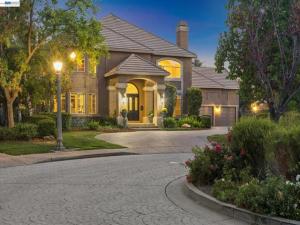
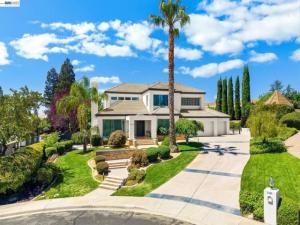
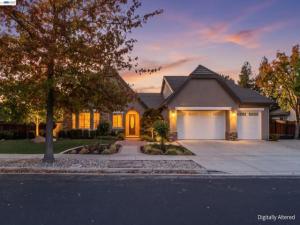
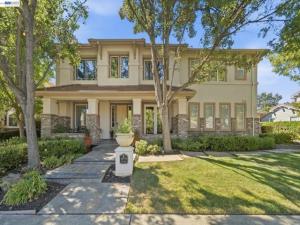
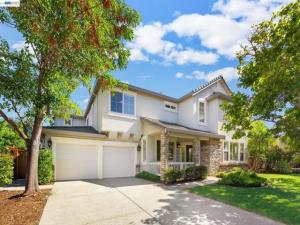
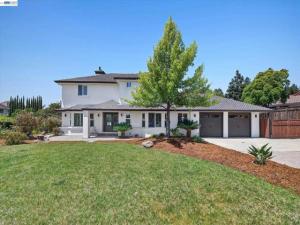
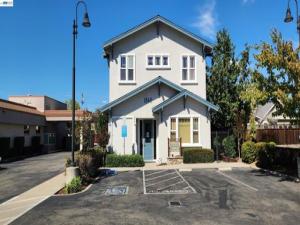
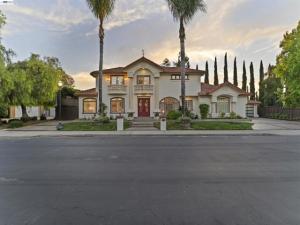
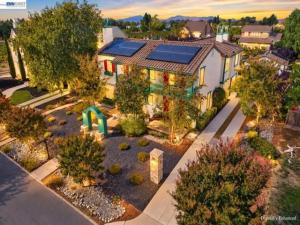
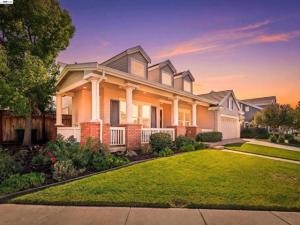
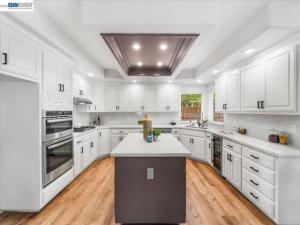
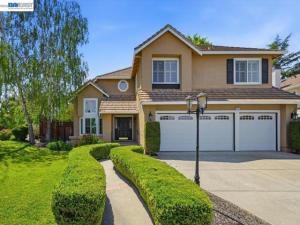
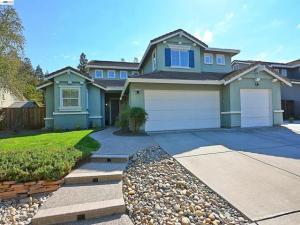
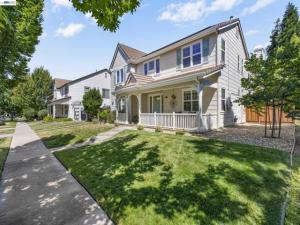
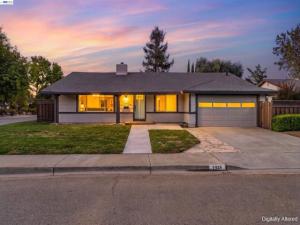
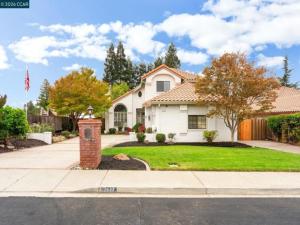
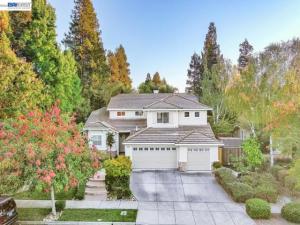
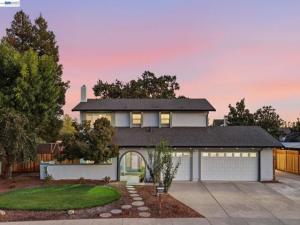
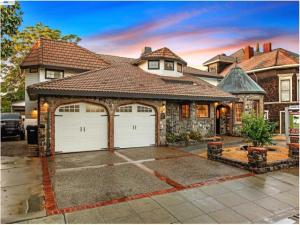
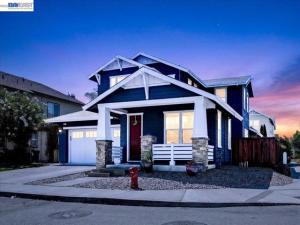
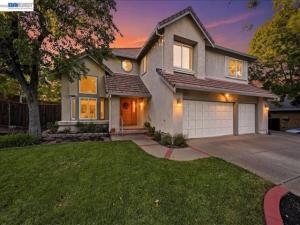
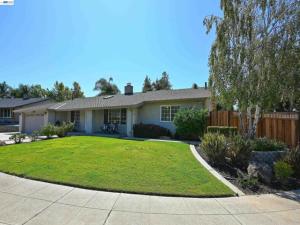
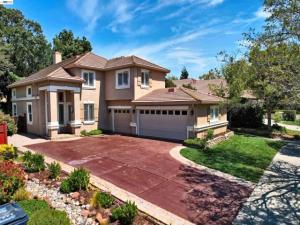
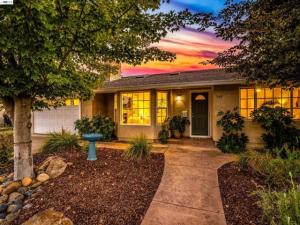
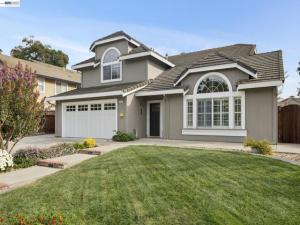
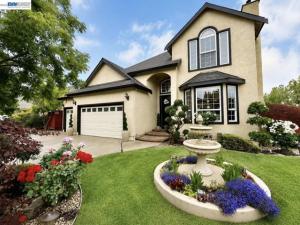
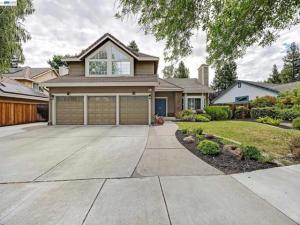
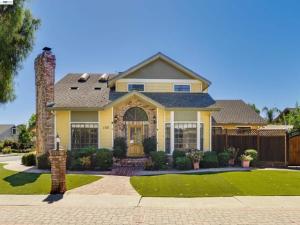
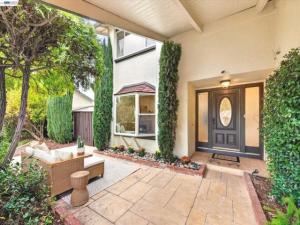
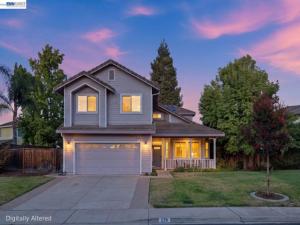
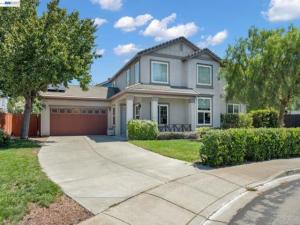
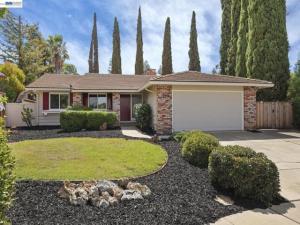
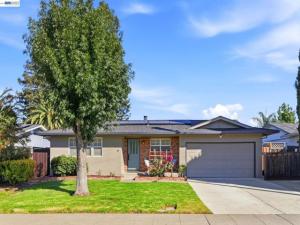
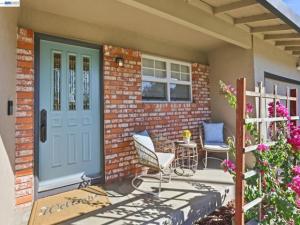
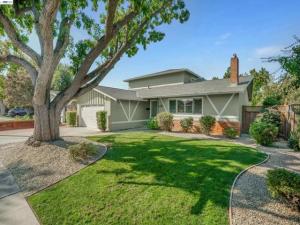
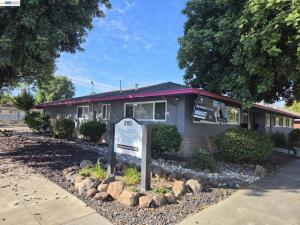
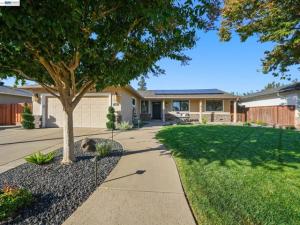
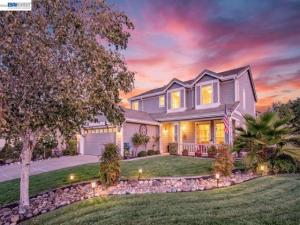
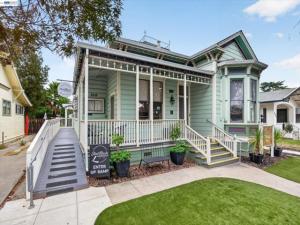
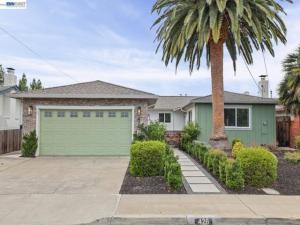
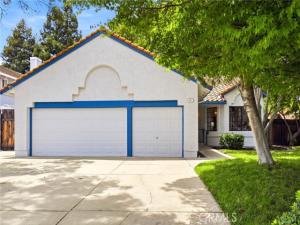
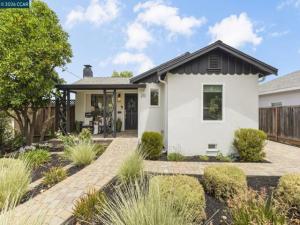
Homes for Sale in Livermore currently number 54 active listings with a median asking price of $1,095,000 (CRMLS, September 2026).
Buyers looking at homes for sale in Livermore are usually here for one of two reasons: work at Lawrence Livermore National Laboratory or Sandia National Laboratories, or Tri-Valley schools and space at prices that come in under Pleasanton and Dublin. Both groups get the same city — a revitalized downtown around the Bankhead Theater and the First Street tasting rooms, and wine country along Tesla and Arroyo Roads that’s minutes from most addresses.
Housing stock varies a lot by where you look. Springtown in the northwest holds late-1960s ranch homes at accessible prices. Sunset West and Portola run 1970s through 1990s suburban, close to downtown. Granada is mid-century on mature streets. Eastern Livermore — Alden Lane, Sunset North, East Avenue near the vineyards — is the newer construction, with contemporary floor plans and longer commutes west.
Livermore is the easternmost city in Alameda County, situated at the mouth of the Livermore Valley where the East Bay hills give way to California’s agricultural interior. The city combines a significant scientific and technology employment base, a revitalized historic downtown, an established wine country identity, and Tri-Valley price points that are generally accessible relative to the western East Bay. For buyers priced out of Dublin and Pleasanton who still want Tri-Valley connectivity and suburban character, Livermore offers a compelling alternative with its own distinct identity beyond simply being the cheaper Tri-Valley option. This guide covers the Livermore real estate market in full.
Livermore’s market is anchored by two distinct demand segments: the national laboratory and technical employment community centered on Lawrence Livermore National Laboratory and Sandia National Laboratories, and the broader Tri-Valley family market that chooses Livermore for school quality and value relative to Pleasanton and Dublin. These two segments create overlapping but different buyer profiles that shape the city’s pricing and competitive dynamics.
The LLNL and Sandia employment base creates a specific buyer profile of highly credentialed scientists and engineers who have stable government contractor employment, relatively high salaries, and multi-decade housing stability. This buyer group has historically purchased and held properties longer than typical Bay Area buyers, creating low turnover in certain segments and consistent floor support for values even during broader market downturns.
Eastern Livermore has seen significant new construction over the past two decades, with master-planned communities adding inventory at mid-range prices. This inventory is generally more competitive on price per square foot than comparable new construction in Dublin or Pleasanton but at the cost of longer commutes to Bay Area employment centers. Buyers who commute toward the Central Valley or work remotely find the trade-off particularly attractive.
The downtown Livermore revitalization has added a distinct quality-of-life dimension to the city that was not present two decades ago. The Bankhead Theater, the active wine tasting room corridor along First Street, and the concentration of independent dining options have made downtown Livermore a genuine destination rather than a pass-through commercial corridor. This transformation has added buyer appeal beyond the pure value-and-schools calculation that dominated earlier in the city’s growth.
The Springtown neighborhood in the northwest quadrant of the city was among the first large residential developments in Livermore, built in the late 1960s. The area has a mix of original ranch-style homes and updated properties at accessible price points. Proximity to I-580 and the BART connection at the Dublin/Pleasanton station makes Springtown relatively practical for BART commuters willing to drive to the station.
The Sunset West and Portola neighborhoods in the western and central portions of the city offer 1970s through 1990s suburban housing with established landscaping and conventional residential character. These areas are convenient to downtown Livermore and provide mid-range pricing that serves families and move-up buyers within the city.
Eastern Livermore’s newer communities, including Alden Lane, Sunset North, and the areas along East Avenue near the vineyards, represent the more recent development phases. These neighborhoods have contemporary floor plans, HOA amenities in some communities, and proximity to the wine country character of the eastern end of the valley. Agricultural conservation easements adjacent to some of these developments protect the vineyard character.
The Granada neighborhood in central Livermore, centered on Granada High School’s attendance area, is one of the city’s most established residential communities with mid-century homes on mature-landscaped streets. The area has a settled feel that appeals to buyers seeking established community character over newer construction.
Livermore Valley Joint Unified School District serves the city with a network of elementary, middle, and high school campuses. The district has two comprehensive high schools: Livermore High School in the central-western part of the city, and Granada High School serving the central portion. Both are considered strong public high schools with competitive academic programs and comprehensive extracurricular offerings.
The district’s performance overall is rated above average relative to comparable East Bay unified districts, though below the top-tier levels of Pleasanton Unified and San Ramon Valley Unified. For many families the trade-off, meaningfully lower purchase prices in Livermore versus a modest academic performance differential versus Pleasanton, favors Livermore on a financial basis.
Vineyard High School, the district’s continuation and alternative education campus, and East Avenue Middle School serve specific programs within the district. Elementary schools are distributed across the city’s neighborhoods with attendance boundary assignments relevant to buyers with primary school children.
The Livermore wine country is one of California’s oldest wine regions, with Wente Vineyards and Concannon Vineyard among the historic estates that have operated in the Livermore Valley since the 1880s. The wine tourism infrastructure along Tesla Road and Arroyo Road provides tasting rooms, dining, and event venues that are accessible within minutes of most Livermore residential addresses. For buyers who value wine culture and weekend agricultural tourism, Livermore’s proximity to its wine country is a genuine lifestyle differentiator from Dublin and Pleasanton.
The Bankhead Theater and the Bothwell Arts Center anchor Livermore’s cultural programming, with a year-round calendar of performances, exhibitions, and community events that rival larger Bay Area cultural venues relative to the city’s size. The downtown First Street corridor provides dining, tasting rooms, and retail that make Livermore’s downtown one of the more walkable and engaging small-city downtowns in the East Bay.
The Livermore Valley Open Space District preserves significant tracts of hillside and agricultural land surrounding the city, with trail access from multiple residential neighborhoods. Del Valle Regional Park provides lake swimming, camping, and boating in the hills south of the city, and the Ohlone Wilderness Trail provides a multi-day backcountry hiking experience starting from the Del Valle trailhead.
Livermore lacks a BART station within its boundaries, though a BART extension to downtown Livermore has been in planning for years with varying timelines. The nearest BART access is at the Dublin/Pleasanton station, approximately 8 to 12 minutes by car from most Livermore addresses. The ACE Train, operated by Altamont Commuter Express, runs from the Livermore station to San Jose’s Diridon station, providing a rail connection to Silicon Valley that BART does not offer directly.
I-580 is the primary freeway connection, running west to Dublin, Pleasanton, Oakland, and the Bay Bridge, and east to the Altamont Pass and the Central Valley. For buyers commuting to the Central Valley, Sacramento, or Stockton, Livermore’s I-580 access makes it significantly more practical than western East Bay addresses. Highway 84 via the Dumbarton Bridge provides Peninsula access from the western edge of the Tri-Valley.
Livermore’s housing stock ranges from the post-war ranches of Springtown (1960s) to contemporary new construction in eastern Livermore (2010s-present). The range of construction eras and property types is wide, with buyers able to choose between affordable older stock in need of updating, mid-range 1980s and 1990s homes in move-in condition, and newer construction with contemporary features. Lot sizes tend to be larger than comparable properties in Dublin due to lower density development patterns in Livermore’s older sections.
The Knight Group assists Livermore buyers in navigating the city’s varied inventory, from Mello-Roos analysis in new HOA communities to assessment of older stock condition and update costs. For sellers, TKG’s marketing reaches the specific buyer profiles, Tri-Valley value-seekers, technical professionals, and wine country lifestyle buyers, who are most likely to pay full market value. Connect with TKG to discuss the current Livermore market.
Connect with TKG about Livermore real estate.
Livermore's rental market is driven by the national laboratory employment base at Lawrence Livermore National Laboratory, the broader Tri-Valley tech employment corridor, and the Livermore Valley wine country lifestyle character that attracts professional renters who value the agricultural adjacency and the community's growing downtown entertainment district. The rental demographic in Livermore is more employment-anchored than commute-distance-limited compared to outer East Bay communities, which creates a more stable year-round occupancy pattern.
The downtown Livermore area near the Bankhead Theater and the First Street entertainment corridor has seen significant commercial and residential development investment in recent years. Mixed-use rental properties near the downtown benefit from the nightlife and entertainment activation that has made downtown Livermore a regional destination, not just a local commercial center. This downtown revitalization is a specific value driver for properties in the downtown-adjacent residential sections.
How does the national laboratory employment affect Livermore's real estate?
Lawrence Livermore National Laboratory is operated by the University of California and employs approximately 7,000 workers, making it one of the largest employers in the Tri-Valley area. The laboratory's federal funding provides a degree of employment stability that is different from private sector technology employment, and the resulting residential demand from laboratory employees and contractors creates a consistent and economically anchored buyer and renter pool. Properties near the laboratory access gates attract specific demand from LLNL-employed households.
Is Livermore's wine country character growing?
Yes. The Livermore Valley AVA (American Viticultural Area) has developed a growing regional wine tourism identity that competes favorably with Napa and Sonoma for day visitors and wine enthusiasts from across the Bay Area. New tasting rooms, upscale restaurants, and wedding and event venues along Livermore Avenue and the Wetmore Road wine corridor have strengthened the agritourism character that is a specific lifestyle asset for Livermore residents. This character is not just marketing, it is a genuine quality-of-life dimension that increasingly differentiates Livermore from other Tri-Valley communities.
What is the commute from Livermore to San Francisco?
The East Dublin/Pleasanton BART station, accessible from Livermore via I-580, provides BART system access with commute times to San Francisco's Embarcadero averaging 60 to 70 minutes. Livermore does not have its own BART station, and the drive-to-BART journey from eastern Livermore addresses adds 15 to 25 minutes to the total commute time. The I-580 corridor provides direct freeway access to Dublin and the broader Bay Area, with some peak-hour congestion at the Dublin interchange.
Are there Mello-Roos districts in Livermore?
Yes. Several of Livermore's master-planned developments carry Community Facility District assessments that fund infrastructure and community facilities. TKG reviews the specific CFD assessment for any Livermore property as standard transaction due diligence. The CFD status and annual assessment amounts are disclosed in reports provided during the transaction, and TKG ensures clients have reviewed and understood all assessment obligations before committing.
Livermore's market has two distinct competitive periods: the spring buyer surge from February through May that mirrors the Bay Area norm, and a second wave of activity in September and October when Lab employees returning from summer field assignments re-enter the market. This dual-peak dynamic means that Livermore has fewer of the true off-season lulls that some Bay Area markets experience, and buyers who are planning on autumn timing to find reduced competition may find that the Lab employee seasonal cycle has filled some of that demand gap.
New construction in Livermore's eastern sections remains an active competitive factor for resale in the same neighborhoods. Builders offer incentives and financing packages that affect the resale competitive environment, and buyers who are evaluating both new construction and resale in the same Livermore sub-market should have TKG conduct a side-by-side cost comparison including builder incentives, Mello-Roos, and HOA before making a final choice between new and resale options.
Zone 7 Water Agency provides the primary treated water supply for Livermore and the broader Tri-Valley area, sourced from a combination of local groundwater, EBMUD connections, and State Water Project allocations. Water availability and cost in the Tri-Valley is a regional factor that affects development capacity and long-term infrastructure planning. Buyers in the newer eastern Livermore developments are within the Zone 7 service area and have access to the same regional supply infrastructure as other Tri-Valley communities.
Rural and semi-rural properties in the Livermore Valley wine country east of the city may be on private well water supplies. Well condition, water yield, and water quality testing are specific due diligence items for these properties that are not applicable to city-served residential addresses.
The Livermore Valley American Viticultural Area includes over 50 wineries and tasting rooms across the valley floor and the surrounding foothills, making it one of the more concentrated wine tourism destinations in the Bay Area. Residents of Livermore have immediate access to winery visits, vineyard dinners, and the seasonal harvest activities that draw visitors from across Northern California. The combination of proximity to these agricultural and culinary experiences, combined with the relatively accessible real estate prices compared to Sonoma or Napa, is a quality-of-life argument for Livermore that resonates strongly with buyers who want agricultural lifestyle character within Bay Area employment range.
The Bankhead Theater, a professionally managed performing arts venue in downtown Livermore, brings Broadway touring productions, symphony performances, and headline music acts to the Tri-Valley on a regular basis. The theater's programming calendar has expanded significantly as the facility has matured, and the events it hosts draw audiences from across the Tri-Valley and eastern Alameda County, reinforcing downtown Livermore's identity as the cultural center of the eastern Bay Area.
Livermore is served by the ValleyCare Health System, which is affiliated with Stanford Health Care and provides comprehensive acute care, emergency services, and specialty care at the ValleyCare Medical Center on Vineyard Avenue. The Stanford affiliation gives Livermore residents access to subspecialty care and referral networks that smaller independent community hospitals cannot provide, which is a specific healthcare quality-of-life advantage for Livermore residents compared to some smaller Tri-Valley communities. Kaiser Permanente also operates a facility in the Livermore area for Kaiser plan holders.
The Livermore community supports an active senior services infrastructure through the Livermore Area Recreation and Park District and the Tri-Valley retreat social services network. The combination of a growing professional population and a significant established senior population in the city has produced a community services infrastructure that serves both demographics with appropriate programming and support resources.
Buyers choosing Livermore over other Tri-Valley options are typically making a specific calculation: they want the most square footage and lot size their budget allows, they are comfortable with the valley's summer heat, and they see the wine country and outdoor recreation access as positive lifestyle features rather than peripheral novelties. The buyer who chooses Livermore over Pleasanton is usually accepting a slightly longer BART commute in exchange for meaningfully more interior space or a better-positioned home within their budget. The buyer who chooses Livermore over Dublin is similarly prioritizing the established community character and the more developed downtown over Dublin's newer construction and proximity to Bishop Ranch employment.
Livermore's school district, the Livermore Valley Joint Unified School District, has consistently performed above state average on academic metrics while maintaining a broad range of athletics, arts, and career technical education programs at the high school level. Livermore High School and Granada High School both offer strong AP course selections, and the competition for enrollment in elective and enrichment programs at both schools reflects the parent investment in academic achievement that characterizes the LVJUSD school community. For school-motivated Tri-Valley buyers, LVJUSD's performance record is a compelling factor that holds the district in the comparison set alongside SRVUSD despite the distance between the two systems.
Browse all Alameda County real estate.