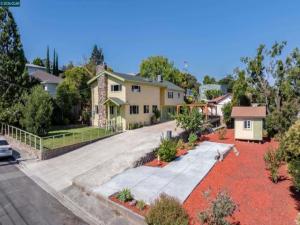
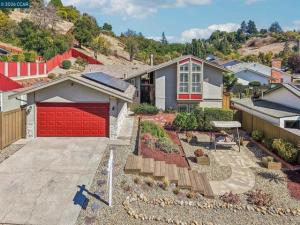
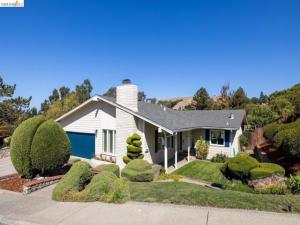
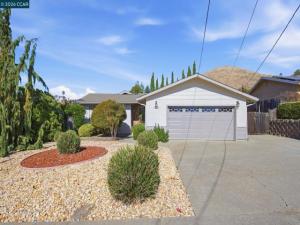
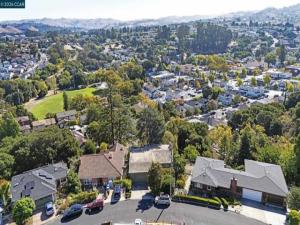
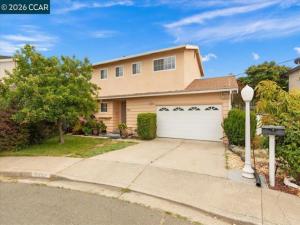
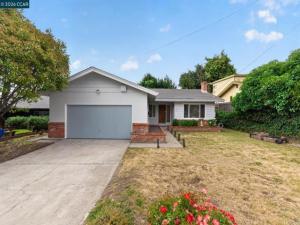
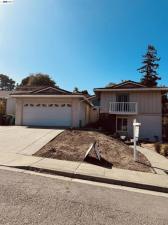
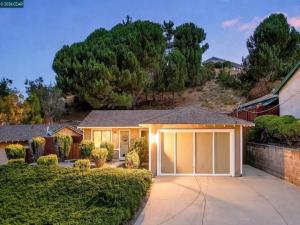
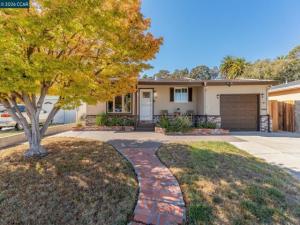
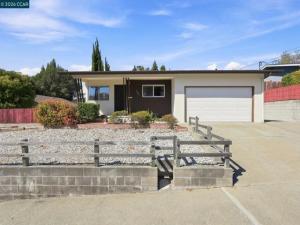
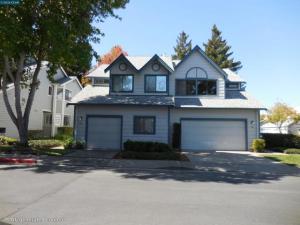
Pinole is a west Contra Costa County city on the I-80 corridor between Hercules and Richmond, with a historic old town district along San Pablo Avenue that is one of the Bay Area’s more authentic small-city downtown areas, a residential character built around post-war single-family homes on manageable lots, and prices that are among the most accessible in the broader West Contra Costa market for detached single-family ownership. For buyers who need a Bay Area home in the $600,000 to $900,000 range with a yard and proximity to I-80 freeway access, Pinole occupies a practical and underappreciated position in the regional market. This guide covers Pinole’s real estate market, neighborhoods, schools, lifestyle, and what buyers need to know.
Pinole’s market serves buyers who are either making a value comparison to comparable properties in El Cerrito, Richmond, or San Pablo, or who are stretching to the West Contra Costa market from the more expensive East Bay communities to the south. The city’s relative lack of visibility compared to its neighbors, combined with genuine post-war neighborhood character and a walkable old town, creates a value opportunity that well-informed buyers recognize while less-researched buyers sometimes overlook.
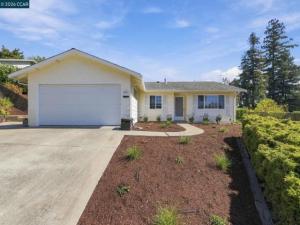
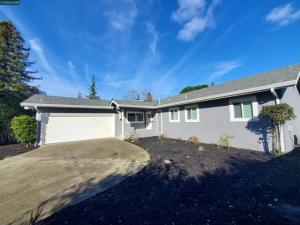
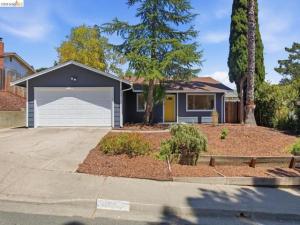
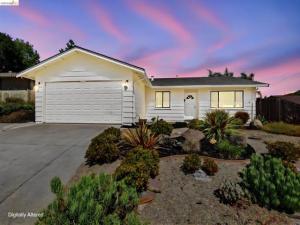
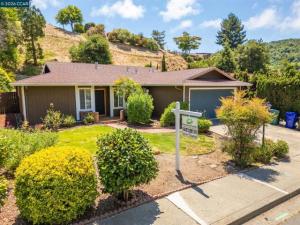
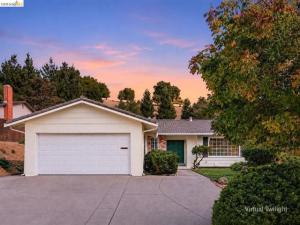
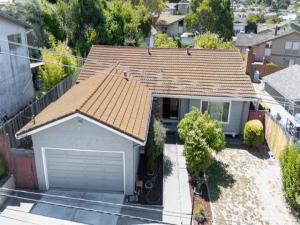
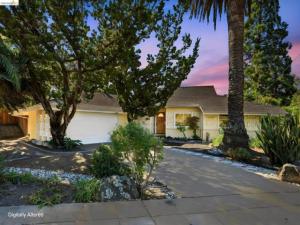
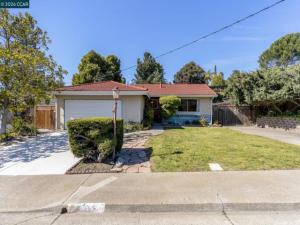
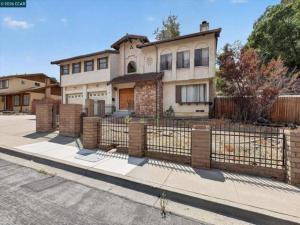
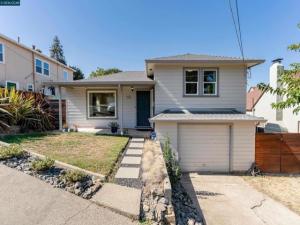
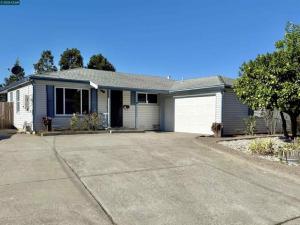
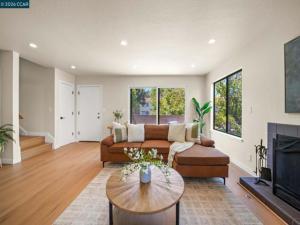
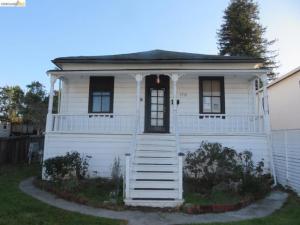
The housing stock is predominantly post-war single-family homes from the 1940s through the 1960s, providing renovation opportunity for buyers who want to improve and build equity, and move-in-ready options for buyers who have purchased updated properties. The price-to-square-foot ratio in Pinole is among the most favorable in the West Bay for detached single-family homes, which attracts buyers who prioritize home size and yard space per dollar over proximity to BART or Berkeley.
Investment activity is present in Pinole as buyers from the more expensive adjacent markets look for value-add opportunities that are no longer available at accessible prices in El Cerrito or Albany. The combination of accessible purchase prices, improving old town commercial activity, and I-80 access makes Pinole an interesting investment thesis for buyers with rehabilitation capability and a patient horizon.
Old Town Pinole along San Pablo Avenue is the city’s historic commercial and civic center, with several independent restaurants, the Pinole Arts building, and the Friday night street activity that reflects the community’s investment in activating its historic downtown. Properties within walking distance of the old town benefit from the commercial walkability that is unusual at Pinole’s price points in the broader West County market.
The hillside residential neighborhoods east of I-80, accessible via Pinole Valley Road and Alhambra Valley Road, provide more rural residential character on larger lots with access to the Pinole Valley Regional Park and the East Bay hills trail network. Properties in these upper hillside areas attract buyers who want more space and natural setting within the Pinole market and are willing to trade some commercial convenience for the hillside character.
The flatlands neighborhoods in the western portion of Pinole provide the most conventional suburban residential character, with standard post-war single-family homes on compact lots at the most accessible prices in the city.
West Contra Costa Unified School District serves Pinole. Pinole Valley High School is the city’s secondary campus, a comprehensive high school with a developing academic and athletics program. Elementary performance within WCCUSD varies, and buyers should verify the specific campus serving their address and review current campus-level performance data before committing to a Pinole property with school quality as a primary driver.
Pinole Valley Regional Park provides over 2,000 acres of open space in the hills east of the city, with trail access for hiking, equestrian use, and nature observation. The park’s creek corridors and oak woodland provide the kind of accessible natural environment that is a genuine quality-of-life asset for Pinole residents, particularly those in the hillside residential areas with direct trail access from their neighborhoods.
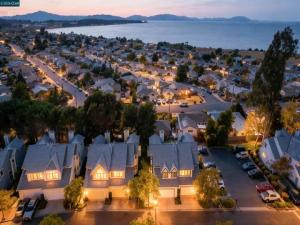
The San Pablo Bay shoreline is accessible from the western portions of Pinole and the adjacent communities, providing waterfront walking and bird watching at the salt marsh areas that were restored as part of the broader Bay Area wetland restoration projects. The shoreline access gives Pinole a waterfront character that is not immediately obvious from its inland residential neighborhoods.
Pinole does not have a BART station within its city boundaries. The nearest BART access is at El Cerrito del Norte, approximately 10 to 15 minutes south by car, or Richmond BART, approximately 10 to 15 minutes south. AC Transit bus service connects Pinole to the BART network. I-80 provides direct freeway access south toward Berkeley and Oakland and north toward Vallejo and Sacramento. Commute times from Pinole to San Francisco average 55 to 75 minutes depending on mode and route. For buyers who drive to work in the East Bay or commute to Sacramento, Pinole’s I-80 position provides freeway practicality that is a specific advantage.
Pinole’s housing stock is predominantly post-war single-family homes from the 1940s through the 1970s on lots ranging from 5,000 to 8,000 square feet in the flatlands to larger hillside parcels east of the freeway. Condition varies from original to fully updated, and the renovation potential in the older stock is a consistent draw for improvement-minded buyers. Some newer construction and infill development is present near the commercial corridors.
The Knight Group serves Pinole buyers with the West County market analysis that identifies value relative to El Cerrito, Hercules, and Richmond. For buyers who are making the value decision in this market, TKG provides the neighborhood-specific data and older housing stock due diligence coordination that ensures informed purchase decisions. Connect with TKG to discuss the current Pinole market.
No properties found. |
Connect with TKG about Pinole real estate.
Pinole's rental market serves a working-class and middle-income demographic that needs west county housing at accessible rent levels. The combination of accessible rents, I-80 access, and a modest community identity centered on the Old Town district attracts renters who want a non-urban Bay Area address at lower cost than El Cerrito or Richmond. Vacancy rates in Pinole are moderate, reflecting the balance between accessible demand at the lower price points and the limited appeal of the community's car-dependent commercial character for renters who prioritize walkable urban access.
Investment buyers in Pinole target the value-add opportunity in the post-war housing stock, where acquisition prices allow for renovation investment that is unusual in more expensive west county markets. The I-80 access is an investment thesis element: tenants who commute to Oakland or Sacramento on I-80 find Pinole's freeway position practical, and the consistent demand from these commuter households reduces vacancy risk relative to communities with less freeway access.
What makes Old Town Pinole worth considering?
Old Town Pinole along San Pablo Avenue is one of the more authentic examples of a Bay Area small-city historic commercial district, with a handful of independently owned restaurants, art spaces, and the Friday evening Main Street programming that the city sponsors. The district is modest in scale compared to Danville's Hartz Avenue or Pleasanton's Main Street, but it provides a genuine neighborhood commercial identity that is lacking in many West County communities of comparable size. For buyers who value community character and local commercial investment, Old Town Pinole is a specific draw that distinguishes the city from its more purely suburban West County neighbors.
Is Pinole Valley Regional Park accessible from residential Pinole?
Yes. The Pinole Valley Regional Park staging area is accessible from the eastern residential sections of Pinole, and some hillside properties have trail access directly from adjacent streets. The park's 2,000-plus acres provide trail access for hiking, cycling, and equestrian use in the Coast Range foothills east of the city. For active outdoor buyers, the practical trail access from Pinole's residential areas is a specific lifestyle advantage that is worth investigating for properties in the eastern sections of the city.
Pinole occupies the middle-accessible tier of the West County market, below El Cerrito in price and transit access but above El Sobrante in community infrastructure and commercial character. For buyers who have been priced out of El Cerrito and who need more commercial infrastructure than El Sobrante provides, Pinole is the practical middle option. The I-80 access that Pinole provides is a specific advantage for buyers who commute by car rather than by transit, and for Sacramento-bound commuters who use I-80 east, Pinole's position is actually better than El Cerrito's from a pure freeway access standpoint.
Pinole properties pay West Contra Costa County parcel taxes that support fire district operations and some community services, in addition to the base Contra Costa County property tax structure. The overall annual tax burden in Pinole is comparable to other Contra Costa County cities without city-level special parcel taxes. No Mello-Roos community facility districts are applicable in the older Pinole residential neighborhoods, which is a cost advantage compared to newer master-planned communities in eastern Contra Costa County.
Pinole Valley High School has been the subject of improvement initiatives within West Contra Costa Unified, with targeted investments in facilities, programming, and academic support that have modestly improved campus outcomes in recent years. The school's career technical education programs and athletics have maintained community support even during periods of overall district performance challenges. Buyers who are specifically school-motivated and are considering Pinole should review current Pinole Valley High and the specific elementary campus data at the address level, as WCCUSD has significant intra-district variation that city-level and district-level generalizations obscure.
For buyers who are commuting to Oakland or the central East Bay, Pinole's I-80 south provides direct freeway access that reaches downtown Oakland in approximately 20 to 30 minutes off-peak, with peak-hour times varying depending on I-80 congestion levels. For Sacramento commuters, I-80 east from Pinole provides the most direct route, with Sacramento reachable in approximately 90 to 100 minutes off-peak. This dual commute practicality, Bay Area core via I-80 south and Sacramento Valley via I-80 east, is a specific advantage for dual-income households where one earner commutes Bay Area and the other commutes Sacramento direction. The number of Bay Area households in this employment geography is limited but real, and Pinole's I-80 position at the intersection of both commute directions is specifically valuable for those households.
The AC Transit bus service on San Pablo Avenue connecting Pinole to the El Cerrito del Norte and Richmond BART stations provides a transit alternative to driving for BART-dependent commuters who want to avoid the drive-to-station-parking dynamic at the more crowded stations. Bus frequency on the San Pablo corridor during peak hours is adequate for commuters who are willing to plan around the bus schedule, and the total BART-access commute time from Pinole via bus-to-BART is comparable to the drive-to-BART time at off-peak hours.
Pinole's planning and development activity over the past decade has focused on the Pinole Valley Road corridor and the Hercules-Pinole BART station access improvements that have been under discussion as part of the broader I-80 corridor transit and development planning. The Western Contra Costa Transportation Advisory Committee and regional planning bodies have included Pinole in transit-oriented development scenarios that would concentrate higher-density residential and commercial development around the planned transit improvements. If these transit improvements proceed, Pinole's proximity to the planned BART access point would substantially change its development trajectory and its residential market positioning.
The Pinole Valley Park and the Pinole Valley Creek trail provide the community's primary green space and recreational trail access. The park's baseball and soccer fields, picnic facilities, and creek-side trail are actively used by the residential population and reflect the city's investment in family-oriented recreation infrastructure. The Contra Costa County library branch in Pinole provides community programming and information access that supplements what the city's modest community center programming provides.
For buyers who are making a first-time East Bay homeownership purchase and are working with a budget that Hercules or El Cerrito cannot accommodate, Pinole provides the most direct step-up into West County homeownership while retaining the I-80 commute access and the basic community infrastructure that first-time buyers prioritize. The expectation should be set that Pinole's commercial and service infrastructure is thinner than Hercules's and substantially thinner than El Cerrito's, but that the lifestyle fundamentals for a working family are achievable within the community.
Pinole was incorporated in 1903, making it one of the older incorporated cities in Contra Costa County, and the city's historic downtown on San Pablo Avenue retains a modest collection of early 20th century commercial buildings that represent the community's origins as a stop on the historic stage road between San Francisco and Sacramento. The Pinole Creek watershed, which runs through the city from the hills to the Bay, was the site of the original pinole grain processing that gave the community its name, and the creek corridor is now a park and trail system that provides the community's primary linear green space and active transportation route.
The Pinole Valley Road corridor, extending east from the city's downtown into the hills, provides access to the newer residential subdivisions that were developed in the 1970s and 1980s as the city grew from its original valley floor footprint into the surrounding hillsides. These hillside neighborhoods offer larger lots, more suburban residential character, and some view parcels that trade at a premium over the valley floor inventory. The hillside addresses also carry the wildfire risk exposure and insurance considerations that apply to all East Bay hills residential communities, and buyers of upper Pinole properties should incorporate the insurance market research into their pre-offer process.
Pinole's proximity to Giant Road and the connection to Point Richmond via the Richmond Parkway gives the community convenient access to the Point Richmond waterfront and the Richmond Ferry terminal, which extends Pinole's practical commute and recreation geography beyond what the I-80 corridor alone suggests. Point Richmond's commercial district is within 10 to 15 minutes by car from most Pinole addresses and provides a supplemental dining and retail option that Pinole residents use when the city's own more limited commercial offerings don't meet their needs. For a broader range of dining, retail, and cultural programming, both El Cerrito's San Pablo Avenue and the Berkeley commercial districts are within 20 minutes by car.
Pinole Valley High School is the community's comprehensive public high school within the West Contra Costa Unified School District. The school's athletics programs, including its track and cross country teams that use the surrounding hillside terrain, and its performing arts program reflect the investment the school and the parent community have made in extracurricular depth alongside the standard academic curriculum. Buyers who are researching the Pinole High experience should visit the campus and speak with current parents rather than relying solely on district-level performance metrics, as the campus culture and specific program strengths at Pinole High are not fully captured by the aggregate district data that tends to dominate online school evaluation resources.
Browse all Contra Costa County real estate.
The Knight Group is here to help you with all your realty needs. To get started, fill out the form below and one of our experienced agents will contact you as quickly as possible.
Copyright © 2024 The Knight Group.
All rights reserved. License: 02133297
Lucky for you we’re looking out.
Subscribe to this Custom Search to be alerted when new properties hit the market in the area.
Choose the frequency that works for you.