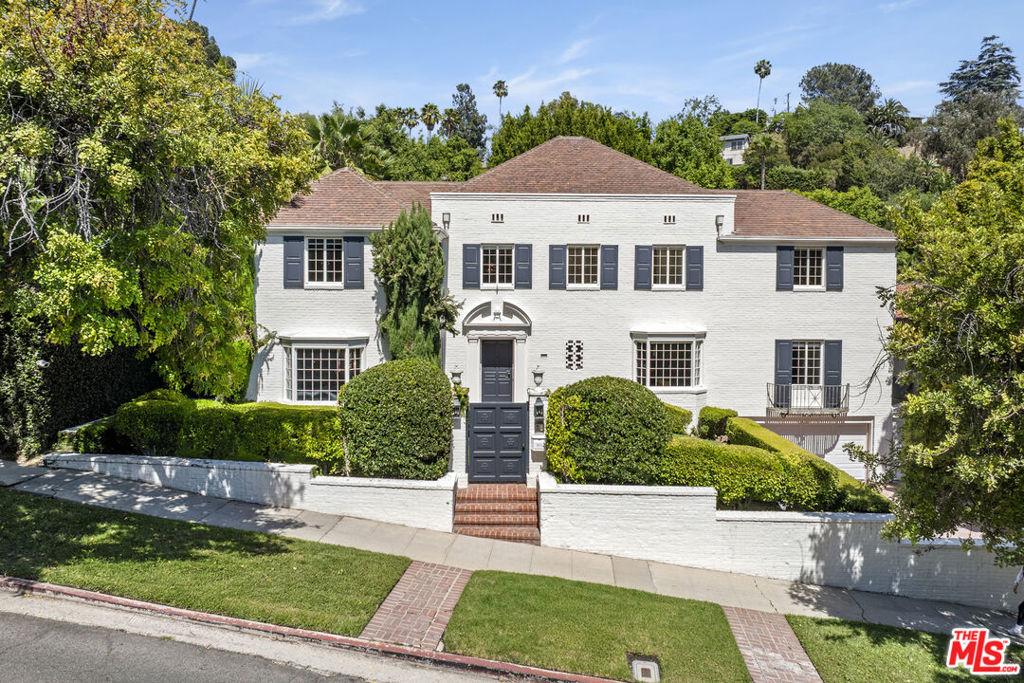
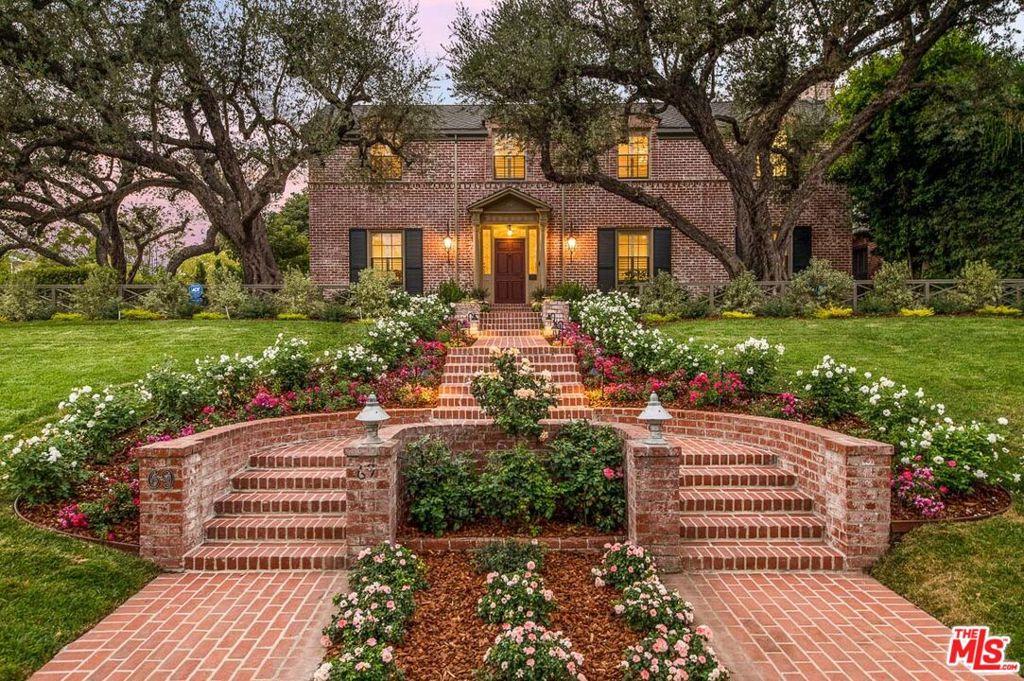
Colonial Homes for Sale Los AngelesListings

Colonial Homes for Sale Los Angeles

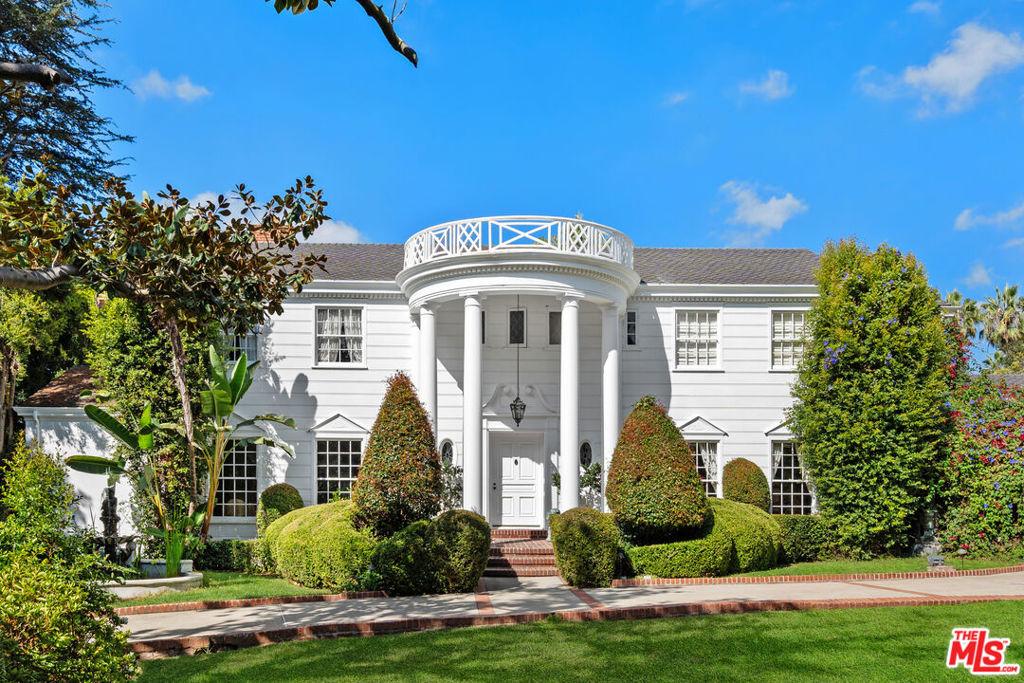
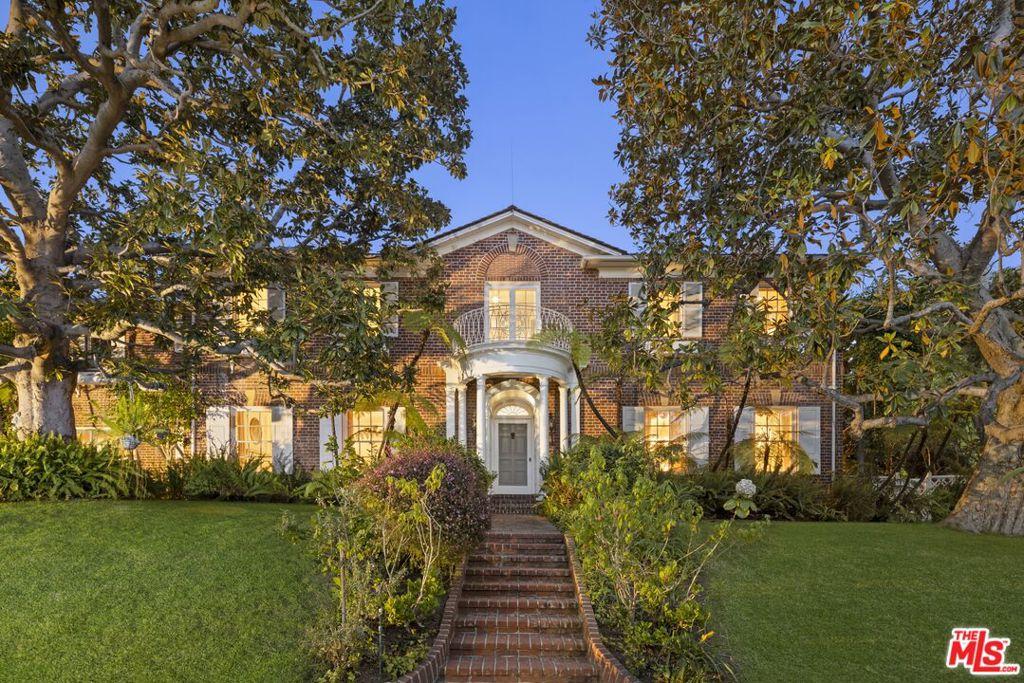
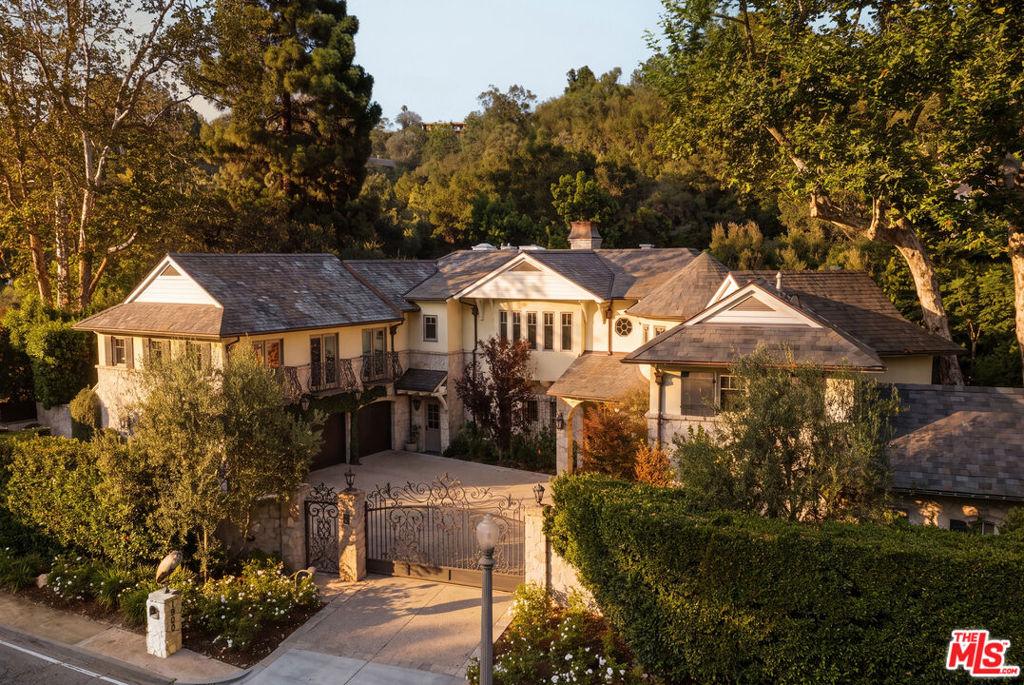
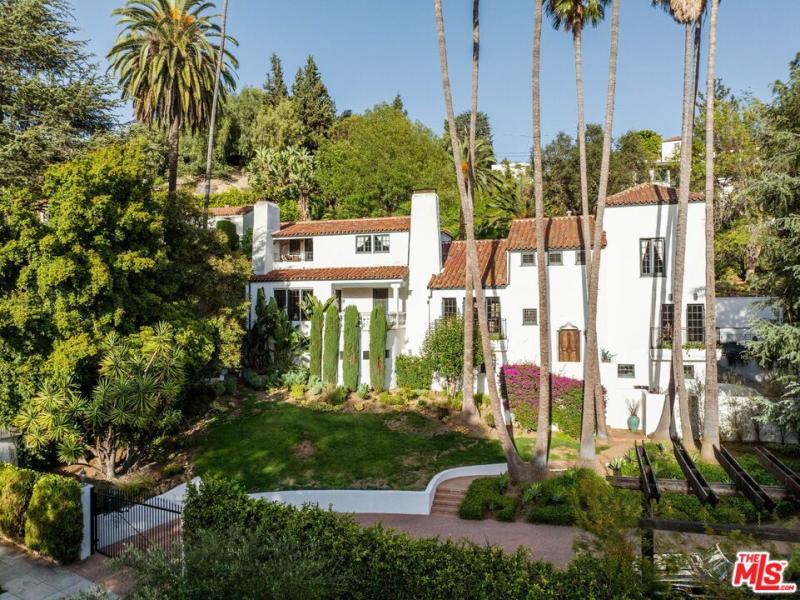
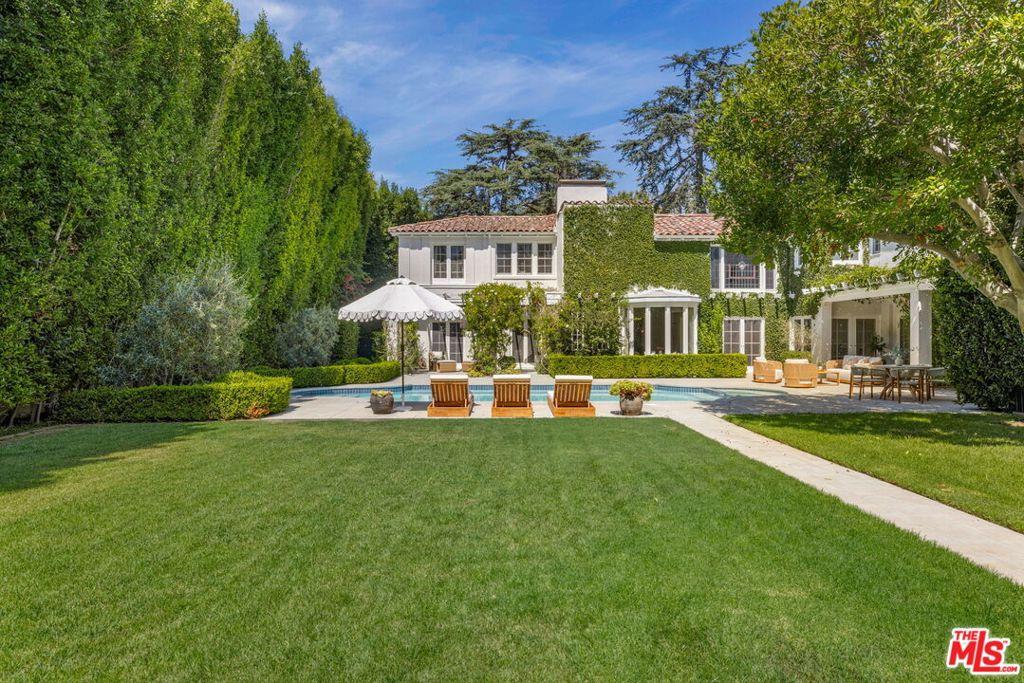
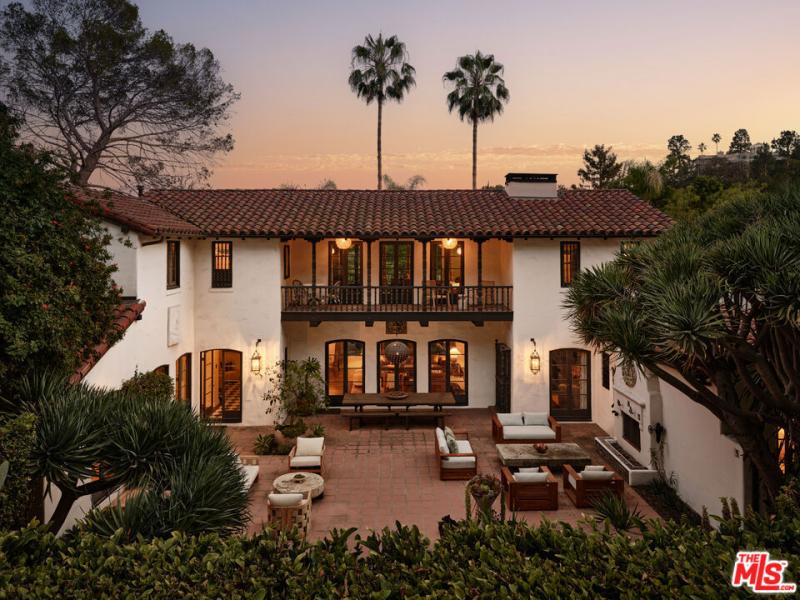
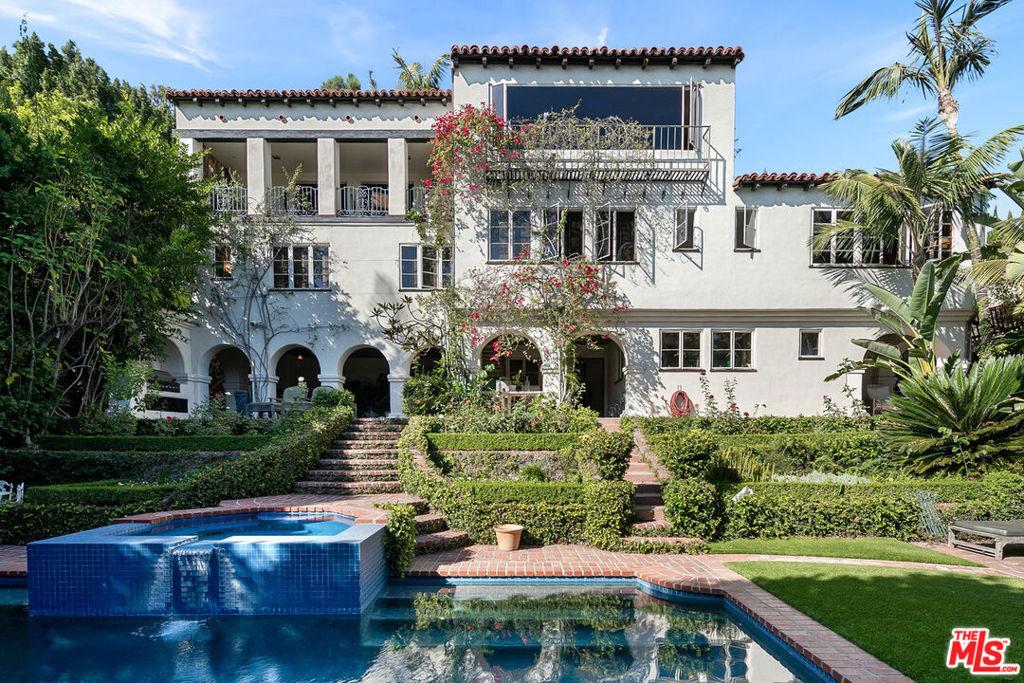
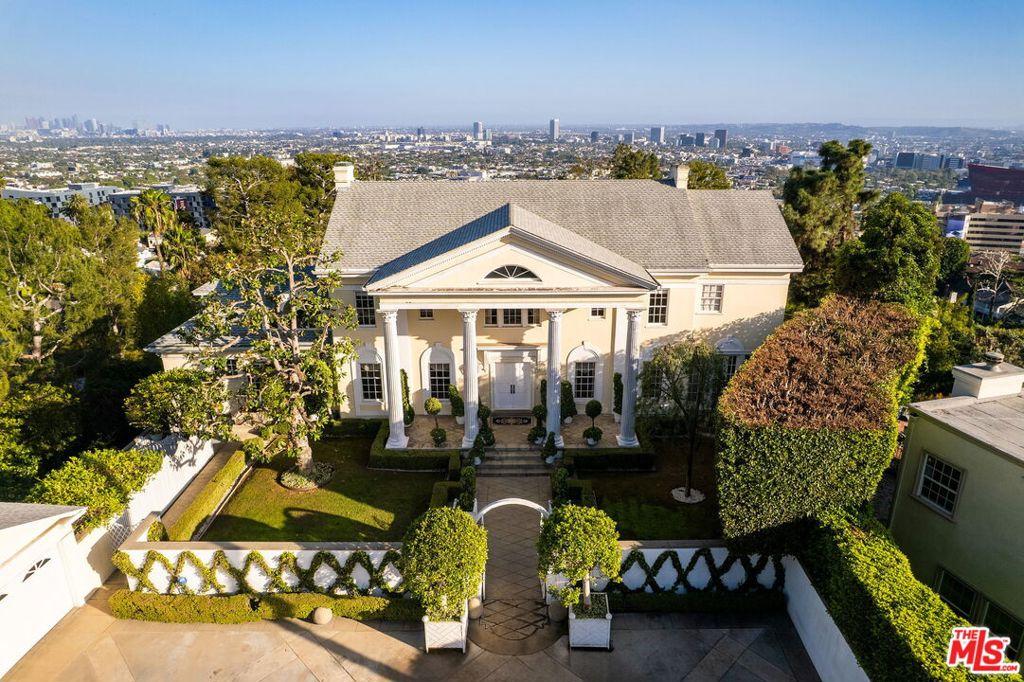
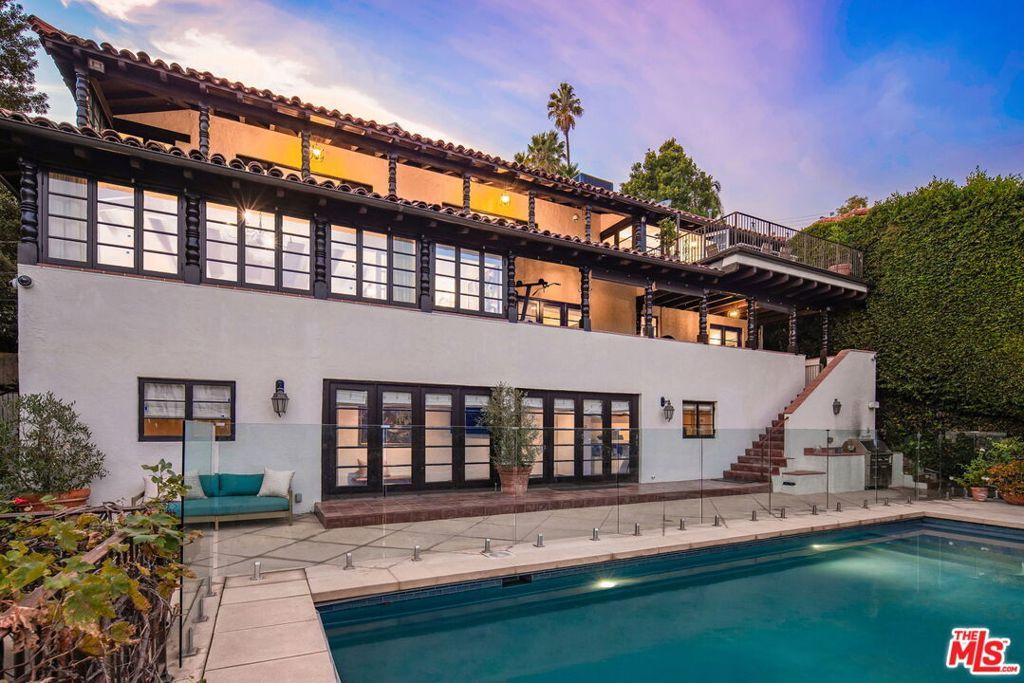
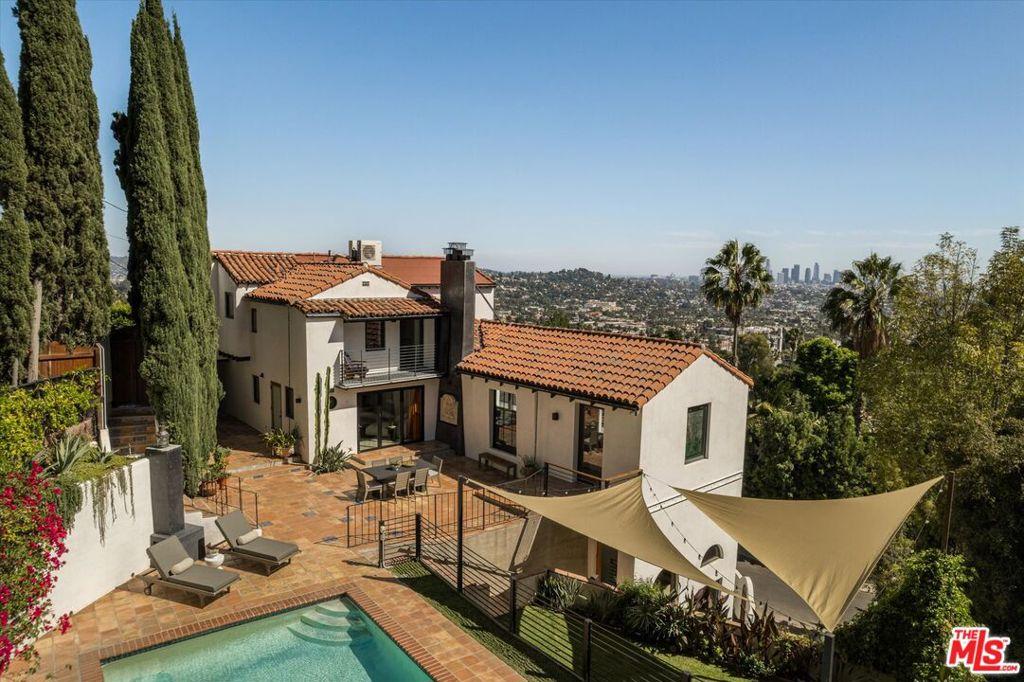
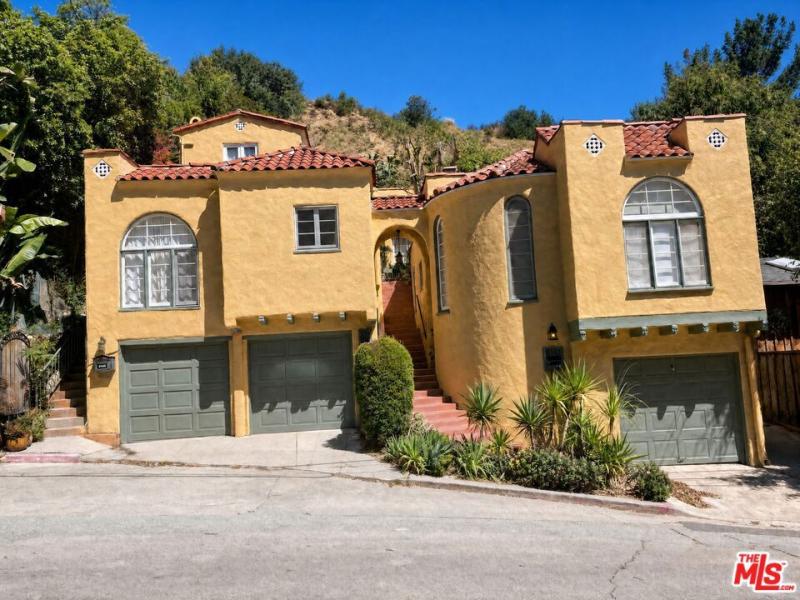
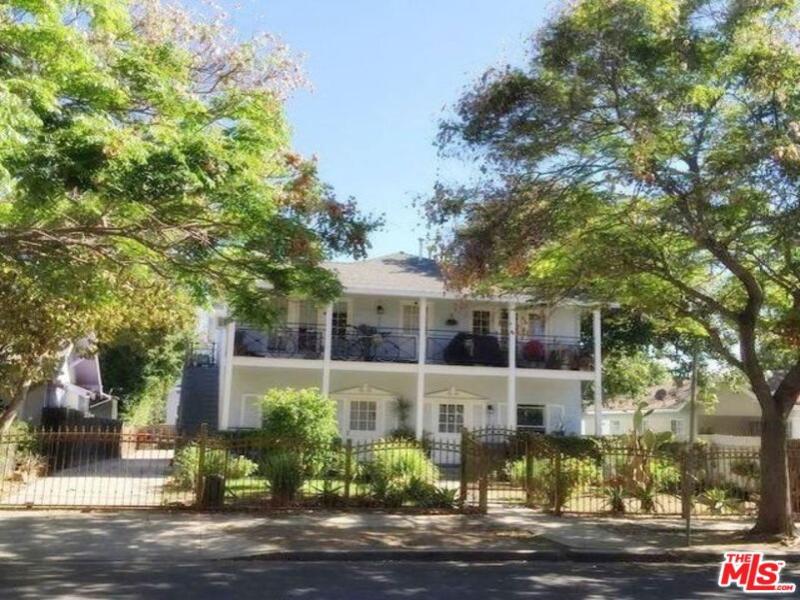
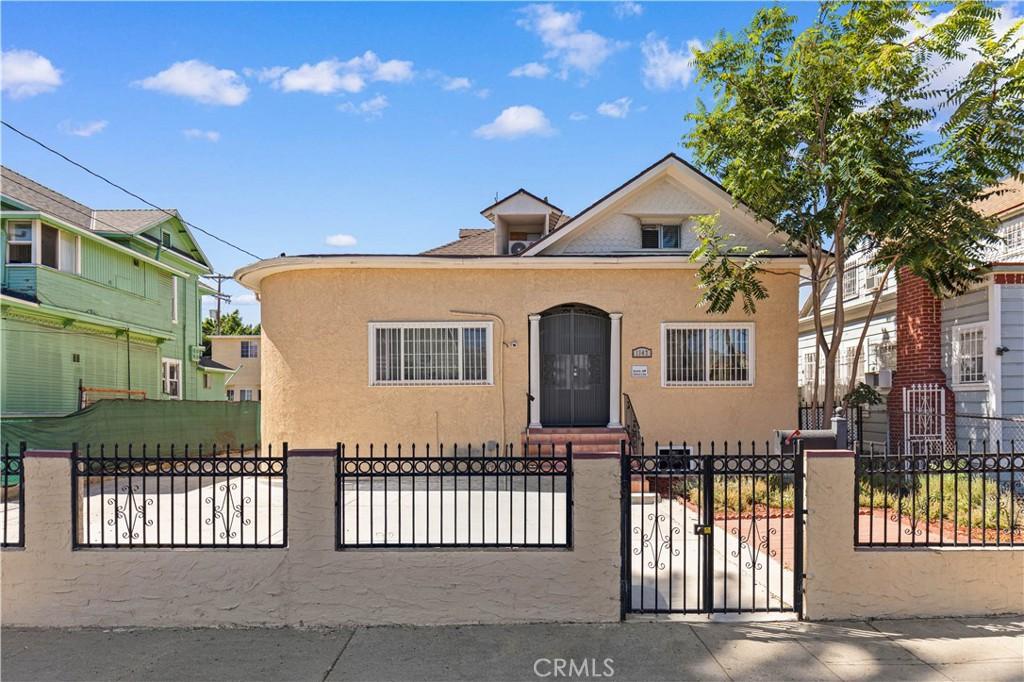
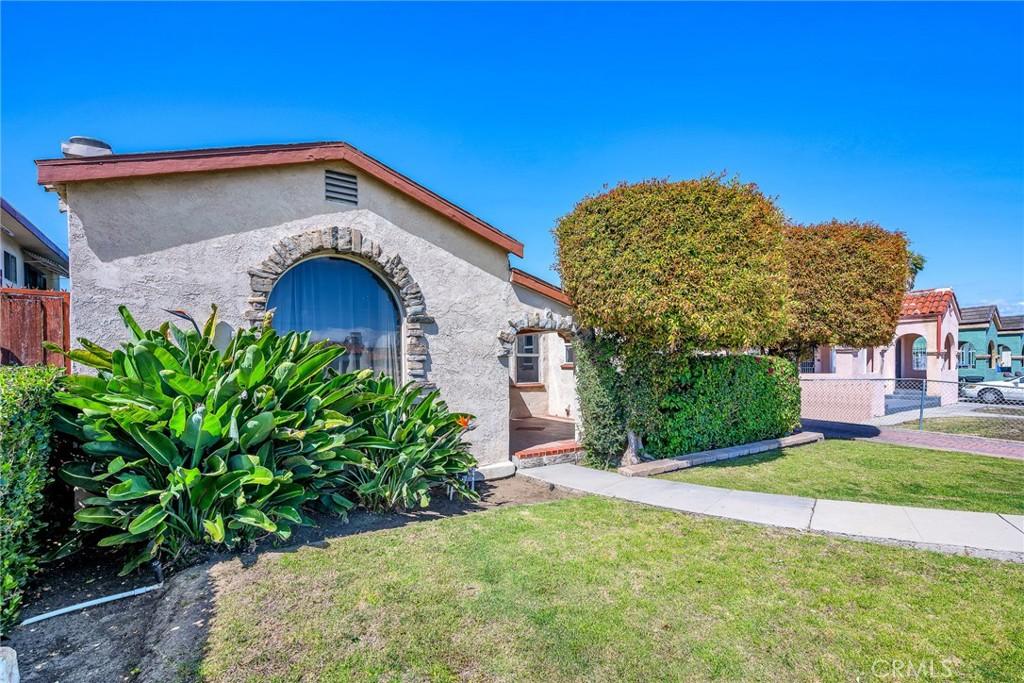
Colonial Los Angeles homes for sale ranging from $1.5M to $5.0M+. Exploring Colonial Home Hotspots Beyond the Columns: Discovering More Colonial Gems While Hancock Park and Windsor Square might be the reigning monarchs of LA s colonial scene, they re not the only players in the game. The Knight Group works this area directly, including off-market inventory that never reaches Zillow or Redfin.

Green Spaces: Griffith Park: 4,310 acres of hiking trails, picnic spots, and the occasional coyote sighting. The market for colonial homes in Los Angeles is hotter than a Valley heatwave. Price Points: Expect to see prices ranging from $1.5 million to $5 million+, depending on location and condition.

Buyers in Colonial Los Angeles should move on well-priced properties quickly — competition is consistent. The Knight Group tracks off-market inventory here and can provide early access.

Colonial Homes for Sale Los Angeles in Architecture

Community

What makes Colonial architecture timeless in LA?

The Colonial Conundrum: Why These Homes Are LA’s Best-Kept Secret

Picture this: You’re cruising down Sunset Boulevard, palm trees swaying in the breeze, when suddenly, you spot it, a pristine colonial home nestled among the Spanish style homes for sale and mid century Los Angeles marvels. It’s like finding a lobster roll at a taco stand, unexpected, but oh so delightful.

Colonial homes in Los Angeles are the architectural equivalent of a time machine, transporting you back to an era of elegance and symmetry. But they’re not just pretty faces. These homes offer a unique blend of historical charm and modern comfort that’s hard to resist.

Why You’ll Fall Head Over Heels for a Colonial Home

owning a colonial home in LA is like wearing a vintage Rolex to a pool party. It’s a statement. But beyond the bragging rights, here’s why you might want to consider making one of these beauties your own:

  1. Timeless Curb Appeal: Those symmetrical facades and crisp white exteriors never go out of style. Your Instagram feed will thank you.

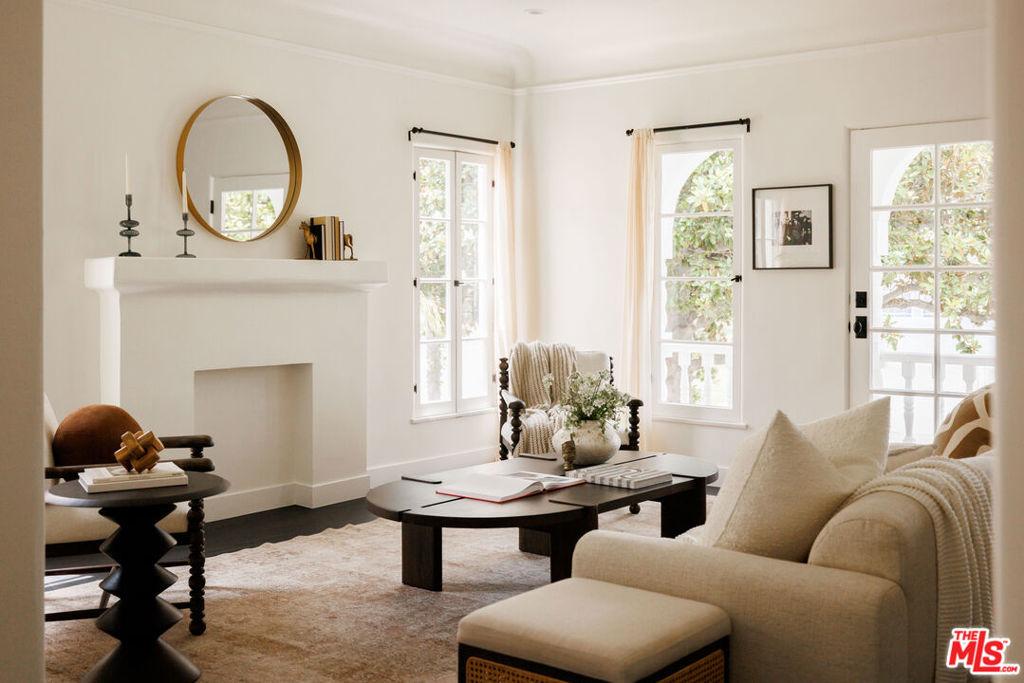
  2. Spacious Interiors: High ceilings and large rooms mean you can finally display that life-size Star Wars Stormtrooper without feeling cramped.

  3. Versatility: Colonial homes adapt well to modern renovations. Want a home office with a view of the Hollywood sign? Done.

  4. Investment Potential: These architectural gems tend to hold their value well. Think of it as a piggy bank with pillars.

the Colonial Union: Current Market Trends

Now, let’s talk numbers. The market for colonial homes in Los Angeles is hotter than a Valley heatwave. Here’s what you need to know:

  • Limited Supply: Colonial homes make up less than 5% of the LA housing market, making them rare and sought-after.
  • Rising Demand: Millennials and Gen X buyers are increasingly drawn to the character and charm of these homes.
  • Price Points: Expect to see prices ranging from $1.5 million to $5 million+, depending on location and condition.
  • Competitive Bidding: Be prepared for multiple offer situations. These homes often sell faster than you can say George Washington slept here.

Remember, in the world of Los Angeles architectural homes for sale, colonial homes are like avocados, they’re not always easy to find, but they’re worth the hunt.

What’s the community like in Colonial LA?

Where the Colonials Roam: LA’s Hidden Pockets of Historical Charm

You might think finding a colonial home in LA is like spotting a snowman in Death Valley, nearly impossible. But fear not, intrepid home seeker! There are several neighborhoods where these architectural gems are hiding in plain sight.

Hancock Park: Where Old Money Meets New Dreams

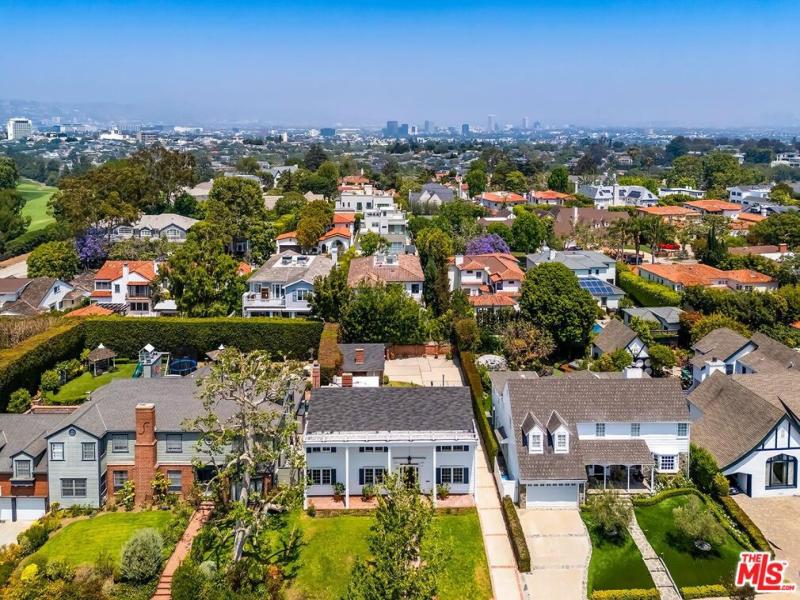
Imagine strolling down tree-lined streets, the scent of jasmine in the air, as you admire one stately colonial after another. Welcome to Hancock Park, the crown jewel of LA’s colonial home scene.

  • Median Home Price: $2.5 million (but hey, who’s counting?)
  • Notable Features: Large lots, mature trees, and enough architectural eye candy to give you sugar shock

Windsor Square

Just east of Hancock Park lies Windsor Square, where colonial homes rub shoulders with other historical beauties. It’s like a block party for architecture nerds.

  • Median Home Price: $2.1 million
  • Notable Features: Wide streets, vintage lampposts, and enough charm to make Mary Poppins jealous

Living the Colonial Dream: Amenities and Features

Owning a colonial home in these neighborhoods isn’t just about the house. It’s a lifestyle. Here’s what you can expect:

  • Top-Notch Schools: Because nothing says I’ve made it like sending your kids to a school with a waiting list longer than the line at In-N-Out. The local Hancock Park Elementary School has a 9/10 rating on GreatSchools.org.

  • Green Spaces Galore: Larchmont Village and local parks offer plenty of opportunities to flex your colonial home ownership in public. The Hancock Park Homeowners Association maintains over 20 acres of green space within the neighborhood.

  • Shopping and Dining: From high-end boutiques to trendy eateries, you’re never far from civilization (or a good latte). The Larchmont Village shopping district features over 50 local businesses within walking distance of many colonial homes.

Straight from the Horse’s Mouth: Resident Testimonials

Don’t just take our word for it. Here’s what some lucky colonial homeowners have to say:

Moving from New York, I never thought I’d find a home with this much character in LA. Our colonial in Windsor Square feels like a slice of the East Coast, but with better weather!, Sarah T., Marketing Executive

We fell in love with our Hancock Park colonial the moment we saw it. The neighborhood feels like a small town in the middle of the city. Plus, our Halloween decorations look amazing on the porch columns!, Mike and Lisa R., Entertainment Industry Professionals

Our colonial home has been in the family for three generations. The sense of history and community in this neighborhood is unparalleled. We’ve seen property values steadily rise over the years, but the real value is in the lifestyle and connections we’ve made here., Robert C., Retired Attorney


Area Details

Where are Colonial home hotspots in LA?

Beyond the Columns: Discovering More Colonial Gems

While Hancock Park and Windsor Square might be the reigning monarchs of LA’s colonial scene, they’re not the only players in the game. Let’s take a whirlwind tour of other areas where you might stumble upon your right property:

Pasadena: Where History and Hipsters Collide

Just a stone’s throw from downtown LA (okay, maybe a catapult’s throw), Pasadena offers a treasure trove of colonial homes amidst its tree-lined streets.

  • Notable Areas: Bungalow Heaven, Oak Knoll
  • Median Home Price: $1.8 million
  • Fun Fact: Home to the annual Rose Parade, where your colonial’s front yard might just become prime viewing real estate
San Marino: For When Money Is No Object
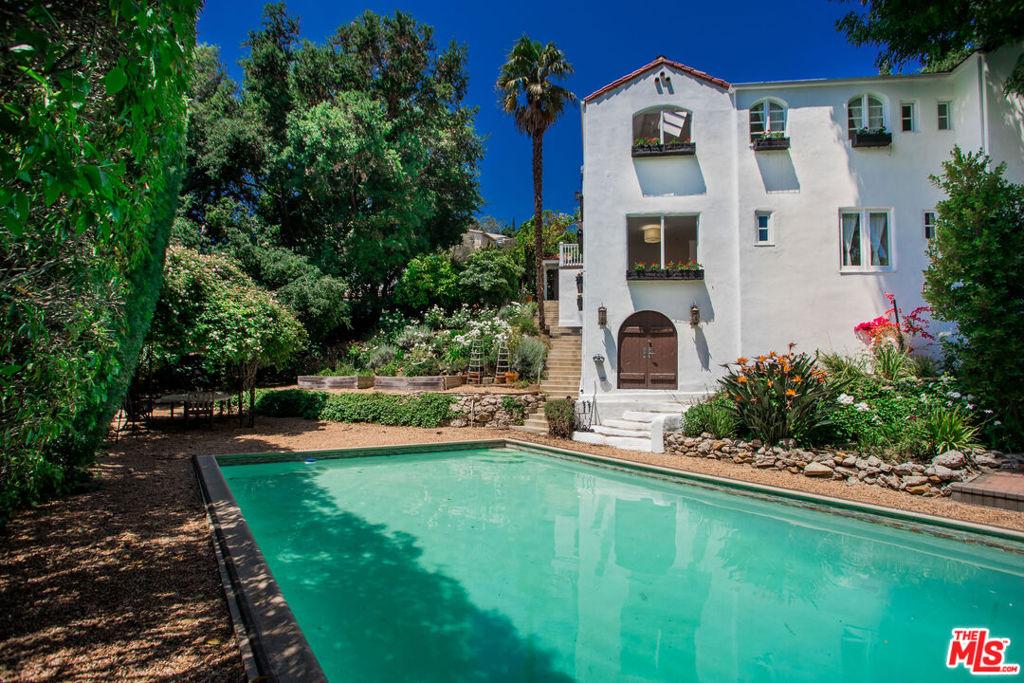
If your budget is as expansive as your dreams, San Marino might be your colonial paradise.

  • Notable Areas: Estate Section
  • Median Home Price: $3.2 million
  • Bragging Rights: Home to the Huntington Library, where you can pretend you’re in an English country estate (but with better tacos nearby)

Neighborhood Perks: More Than Just Pretty Facades

Cultural Attractions:
  • The Los Angeles County Museum of Art (LACMA): Because nothing says cultured homeowner like discussing modern art over brunch. LACMA hosts over 150 special events annually for members, many of whom are local colonial homeowners.
  • The Hollywood Bowl: Enjoy world-class performances under the stars (and maybe catch a glimpse of your colonial from the cheap seats). The Bowl offers a Neighbor Night concert series exclusively for residents of nearby historic neighborhoods.
Green Spaces:
  • Griffith Park: 4,310 acres of hiking trails, picnic spots, and the occasional coyote sighting. The park’s Observatory offers free stargazing nights, perfect for those colonial home balconies.
  • The Huntington Gardens: 120 acres of botanical bliss, perfect for pretending you’re in a Jane Austen novel. Members (many of whom are local colonial homeowners) get exclusive early morning access to the gardens.
Dining and Shopping:
  • Larchmont Village: Quaint shops and cafes that’ll make you forget you’re in a major metropolis. The annual Larchmont Family Fair draws over 10,000 visitors and is a major community event for colonial homeowners.
  • The Grove: High-end shopping and dining, because your colonial home deserves some equally fancy neighbors. The Grove’s Concierge Service offers personal shopping and dining reservations for local residents.

Getting Around: Because Even Colonial Homeowners Need to Commute

Living in a colonial doesn’t mean you’re stuck in the 18th century. Here’s how you’ll navigate modern LA:

  • Metro Purple Line Extension: Coming soon to a neighborhood near you (well, by 2027). The extension is expected to increase property values along its route by up to 15%, according to a recent LA Metro study.
  • Major Freeways: The 10, 101, and 5 are all within reach (but you’ll probably be stuck in traffic regardless). Many colonial homeowners in these areas report commute times 20% lower than the LA average, thanks to their central locations.
  • Rideshare Services: Because nothing says LA lifestyle like ordering an Uber to take you three blocks. Several neighborhoods with high concentrations of colonial homes have partnered with rideshare companies to offer discounted rates for local residents.

Remember, owning a colonial home in LA isn’t just about the property. It’s about embracing a lifestyle that blends historical charm with modern convenience. Just don’t be surprised if you start talking about parlors and drawing rooms unironically.

How’s the commute in Colonial LA?

Just east of Hancock Park lies Windsor Square, where colonial homes rub shoulders with other historical beauties. Drive times to major employment centers vary by time of day — this is Los Angeles. Buyers prioritizing specific commutes should test their route at the relevant time before committing to an address.

Most buyers in Colonial Los Angeles are car-dependent for daily errands. The Walk Score and transit access vary by specific street. If walkability is a priority, The Knight Group can identify which streets within Colonial Los Angeles score highest before narrowing your search.

What is Colonial’s neighborhood infrastructure like?

The Colonial Los Angeles area is served by standard Los Angeles infrastructure: LADWP for utilities, LAPD or LASD for public safety depending on the specific address, and LAUSD or a local district for schools (confirm your specific school assignment by address). Trash collection, street maintenance, and other city services generally reflect the standards of the surrounding area.

For buyers coming from out of state or out of the area: property taxes in Los Angeles County are assessed at purchase price. Expect approximately 1.1–1.25% of purchase price annually, depending on any local supplemental levies.

Market Trends

The Colonial Chronicles: Navigating LA’s Real Estate Rollercoaster

Buckle up, future colonial homeowners, because we’re about to dive into the wild world of LA real estate trends. It’s a market more unpredictable than a Hollywood plot twist, but fear not, we’ve got the inside scoop.

Current Market Snapshot: Hot, Hot, Hot!

Market figures below are directional — contact us for current MLS data.

As of 2023. The market for colonial homes in Los Angeles is sizzling like asphalt in August. Here’s what you need to know:

  • Average Days on Market: 14 (Blink and you might miss it)
  • Median Sale Price: $2.7 million (Up 8% from last year)
  • Bidding Wars: More common than celebrity sightings at Chateau Marmont

Why the frenzy? Well, it turns out that in a city known for its cutting-edge everything, people are craving a slice of timeless Americana. Go figure.

Crystal Ball Gazing: Future Trends

While we can’t predict the future (if we could, we’d be living in our own colonial mansion on the moon), here are some educated guesses:

  1. Renovation Revolution: Expect to see more colonials getting modern makeovers, blending historical charm with smart home technology. (Alexa, start the tea kettle in the parlor, would you?) A survey by the National Association of Home Builders found that 68% of colonial homeowners in LA plan to incorporate smart home features in the next two years.
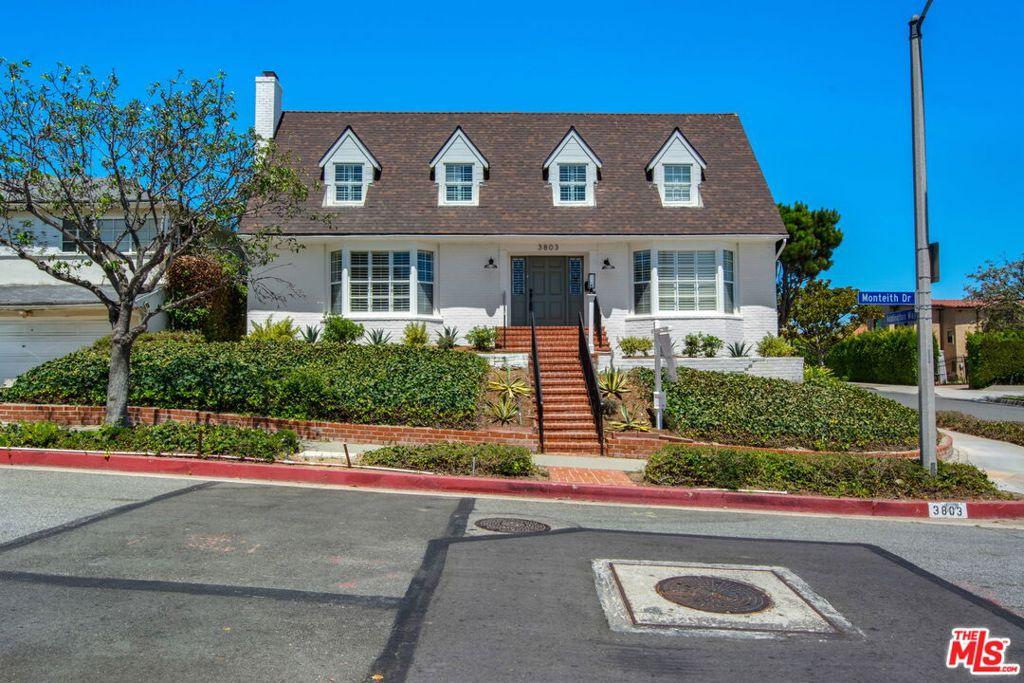
  2. Generational Shift: As more millennials enter their prime home-buying years, expect increased competition for these character-filled homes. A study by Realtor.com shows that millennial buyers are 25% more likely to prioritize historical charm in their home search compared to previous generations.

Impact on Property Value: Your Colonial Cash Cow

Investing in a colonial home in LA isn’t just about owning a piece of history. It’s about smart financial planning. Here’s why:

  • Scarcity Factor: With limited supply and increasing demand, colonial homes are like the Birkin bags of real estate, rare and valuable. A study by the LA Historical Society found that colonial homes represent only 3.2% of the city’s housing stock. Yet account for 7.5% of all luxury home sales.

  • Renovation Potential: The ability to modernize while maintaining historical character means these homes have serious upside potential. A report by Remodeling Magazine shows that historically sensitive renovations in colonial homes can yield up to a 95% return on investment.

  • Location, Location, Location: Many colonial homes are in established, desirable neighborhoods, which helps maintain and increase value. The Los Angeles Times reports that neighborhoods with high concentrations of colonial homes have seen property values increase 15% faster than surrounding areas over the past decade.

  • Historical Cachet: owning a colonial home gives you instant real estate street cred. It’s like the vintage Rolex of the housing market. A survey by Luxury Portfolio International found that 72% of high-net-worth individuals consider historical significance a key factor in their home-buying decisions.

Remember, while these trends are promising, the real estate market can be as unpredictable as LA traffic. Always consult with a local expert (like yours truly) before making any major decisions.

And hey, even if the market takes a dip, you’ll still have those gorgeous columns to admire while you wait for the next upswing. After all, colonial homes have weathered a few storms over the centuries, they’re not about to let a little market volatility cramp their style.

FAQs

Frequently Asked Questions

Your Burning Questions About Colonial Homes in LA, Answered

buying a colonial home in Los Angeles isn’t exactly like picking up a loaf of sourdough at Gjusta. It’s a big decision with lots of moving parts. So, we’ve compiled some of the most common questions we get from prospective colonial homeowners. Consider this your cheat sheet to colonial home buying in LA.

What makes a colonial home in LA unique compared to other styles?

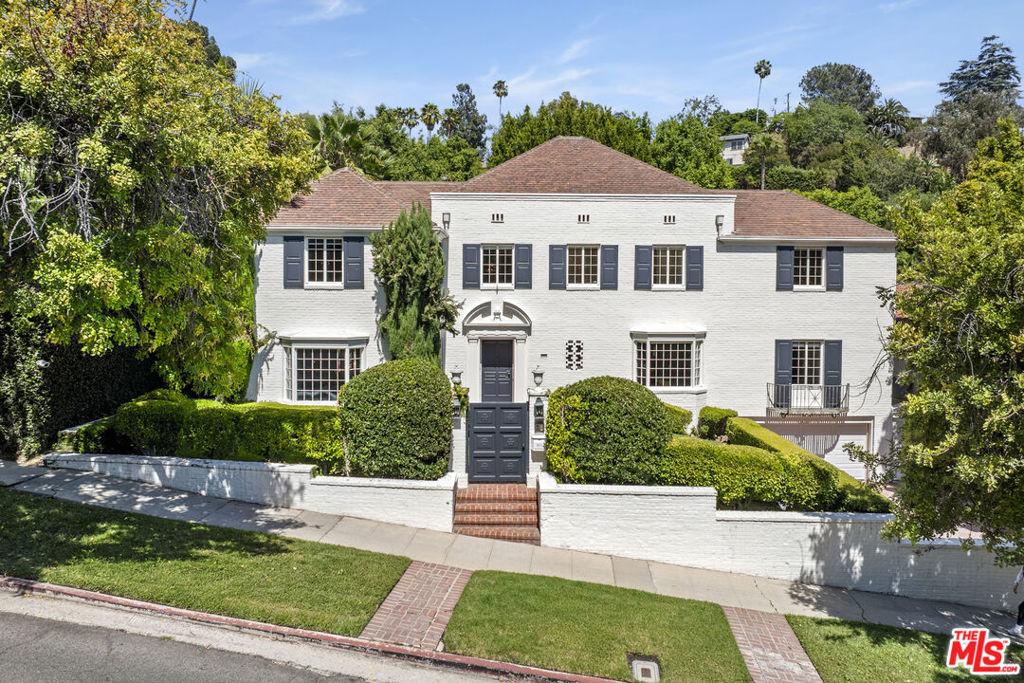
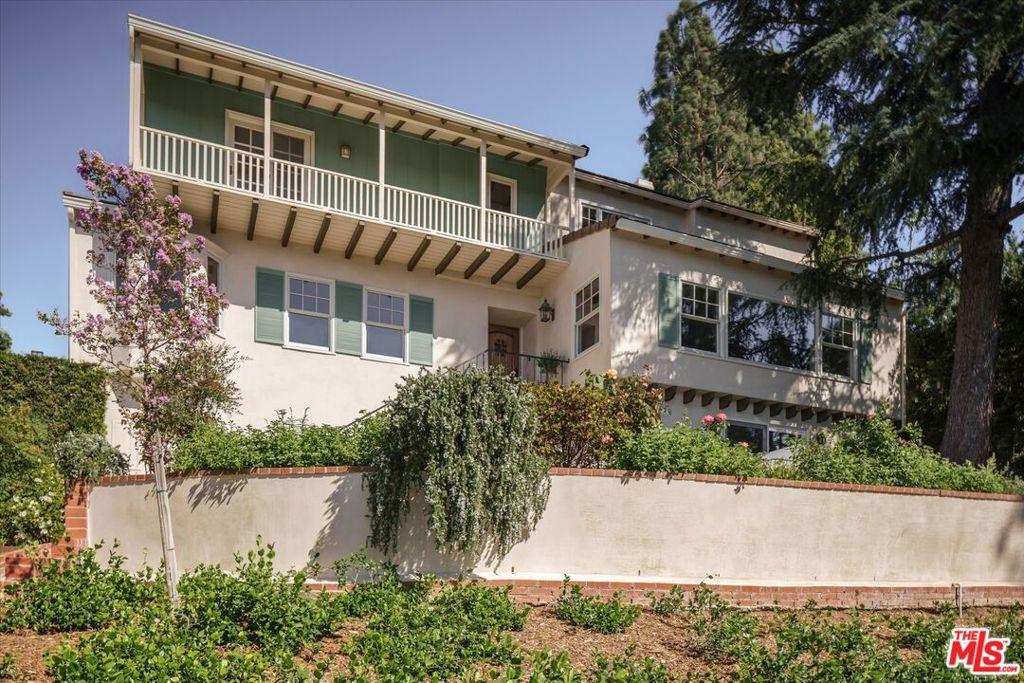
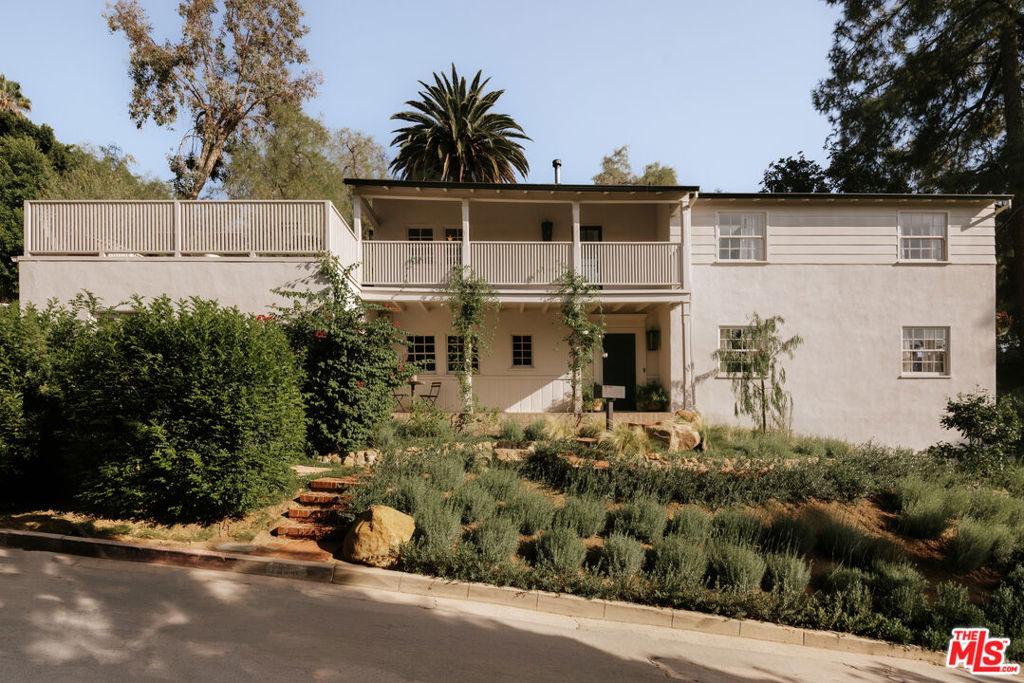
Ah, the million-dollar question (sometimes literally). LA colonials are like the cool kids who transferred from the East Coast. They stand out in a sea of Mediterranean homes for sale Los Angeles and Los Angeles bungalows. Key features include:

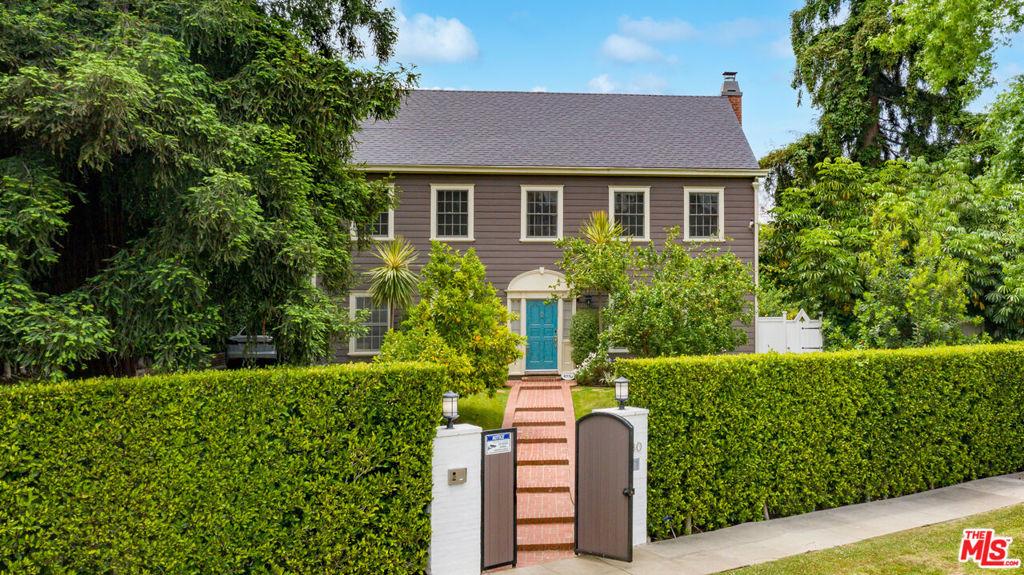
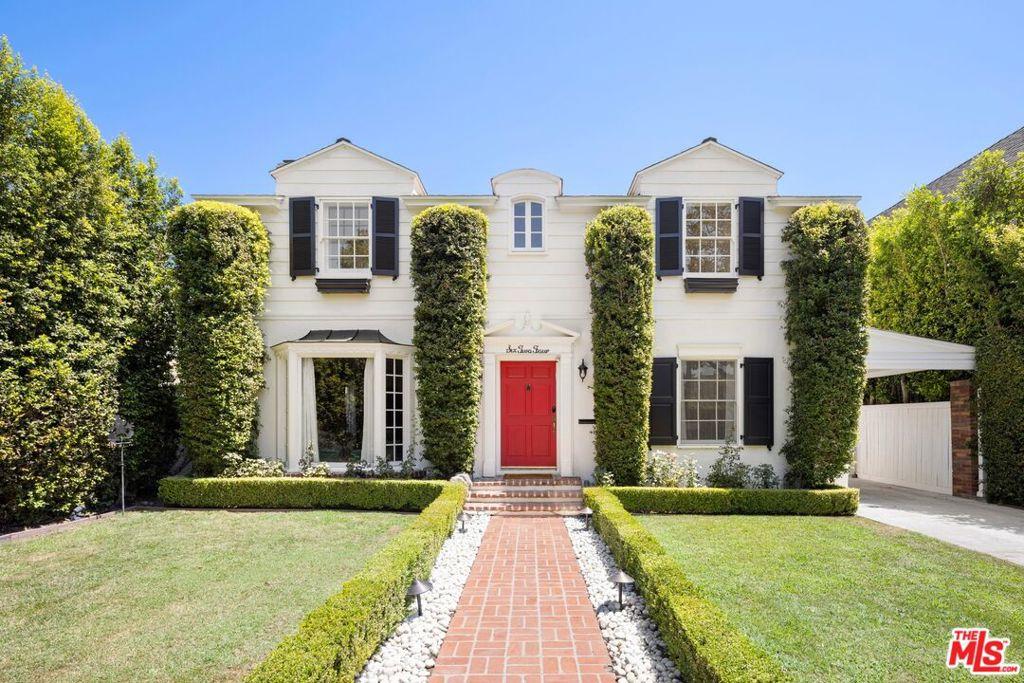
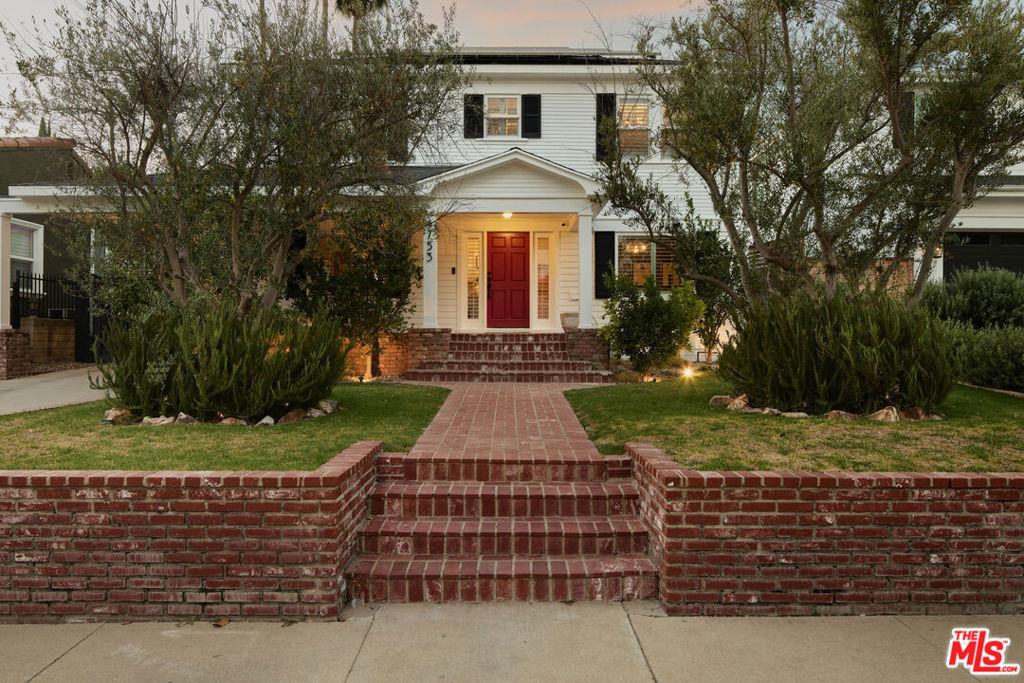
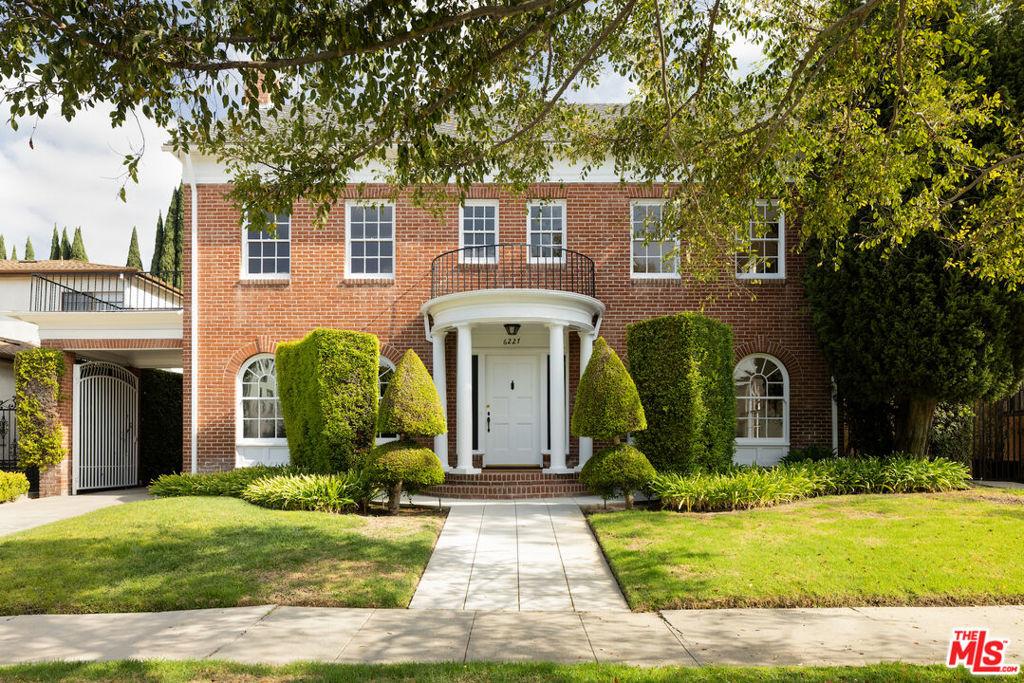
  • Symmetrical facades with centered front doors
  • Multi-pane windows (perfect for dramatically gazing out of)
  • Side-gabled roofs
  • Classic color schemes (think white with black shutters)

Plus. They often come with a side of Hollywood history. Your home’s previous owner might have been a silent film star or a retired vaudeville performer. Beat that, modern condos!

How can I find colonial homes for sale in Los Angeles?

Great question! Here are some insider tips:

  1. Work with a specialized agent (ahem, like us) who knows the colonial market inside and out.
  2. Set up alerts on real estate websites for keywords like colonial, traditional, and East Coast style.
  3. Drive through neighborhoods like Hancock Park and Windsor Square. You might spot a For Sale sign before it hits the market.
  4. Network at local historical societies. They often have the inside scoop on upcoming listings.
  5. Be prepared to move fast. These homes often sell quicker than you can say George Washington slept here.

What should I consider when buying a colonial home in Los Angeles?

Excellent query, dear Watson. Here’s your checklist:

  1. Historical Significance: Check if the home is on any historical registers. It’s cool for bragging rights but might limit renovation options. The Los Angeles Office of Historic Resources can provide information on a property’s historical status.

  2. Renovation Potential: Many buyers want to modernize while maintaining character. Make sure the home’s structure allows for your ideal updates. A survey by the National Association of Realtors found that 73% of colonial homebuyers planned some form of renovation within the first year of ownership.

  3. Energy Efficiency: Older homes can be drafty. Look into costs for updating insulation and windows. The Department of Energy estimates that properly insulating an older home can reduce heating and cooling costs by up to 15%.

  4. Neighborhood Zoning: Some areas have strict rules about exterior changes. Make sure your ideal porch addition is actually allowed. The LA City Planning Department offers online resources to check zoning regulations for specific neighborhoods.

  5. Earthquake Readiness: This is LA, after all. Check the home’s seismic retrofitting status. The LA Department of Building and Safety requires seismic retrofitting for certain older homes and provides a searchable database of compliance status.

  6. School Districts: Even if you don’t have kids, good schools boost property values. The California Department of Education provides detailed information on school performance in different neighborhoods.

Remember, buying a colonial home in LA is like adopting a high-maintenance pet, it requires love, attention, and a healthy bank account. But the rewards? Absolutely priceless.

Are colonial homes in LA a good investment?

Short answer: Yes. Long answer: Yeeeeeeees.

Colonial homes in Los Angeles tend to hold their value well and often appreciate faster than other styles. Why? They’re rare, they’re in desirable neighborhoods, and they have a timeless appeal that never goes out of style.

Plus, in a city where the new and shiny often takes center stage, these classic beauties stand out. It’s like owning a vintage Chanel in a sea of fast fashion, always in demand.

Can I modernize a colonial home without losing its character?

Absolutely! It’s all about striking a balance. Here are some tips:

  • Update kitchens and bathrooms while keeping some period details. A study by Remodeling Magazine found that kitchen remodels in historical homes can recoup up to 80% of their cost at resale.
  • Add smart home technology discreetly. The National Association of Home Builders reports that 81% of buyers want smart home features, even in historical properties.
  • Maintain the exterior’s classic look while upgrading for energy efficiency. Energy Star certified windows can lower household energy bills by an average of 12%.
  • Open up floor plans selectively to create modern flow without losing all the original walls. Architectural Digest suggests that thoughtful open-concept renovations can increase a historical home’s value by up to 20%.

Explore More

Hey, You ALMOST MISSED IT!

Lucky for you we’re looking out.

Subscribe to this Custom Search to be alerted when new properties hit the market in the area.

Choose the frequency that works for you.

get alerts

[showcaseidx_contact]