Fixer Upper Homes for Sale in Los AngelesListings

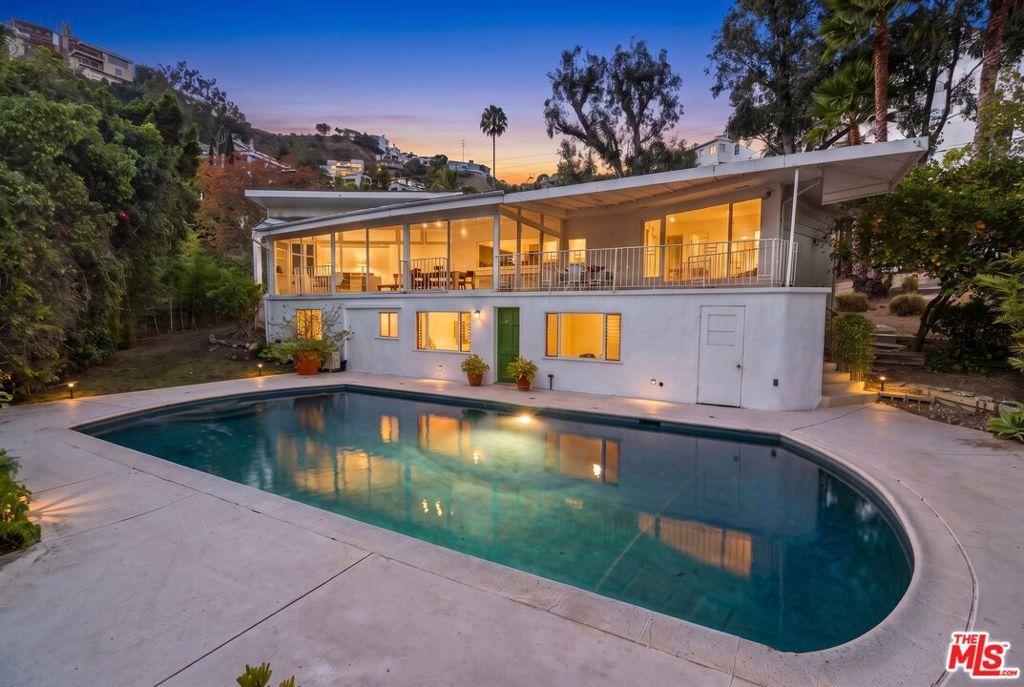
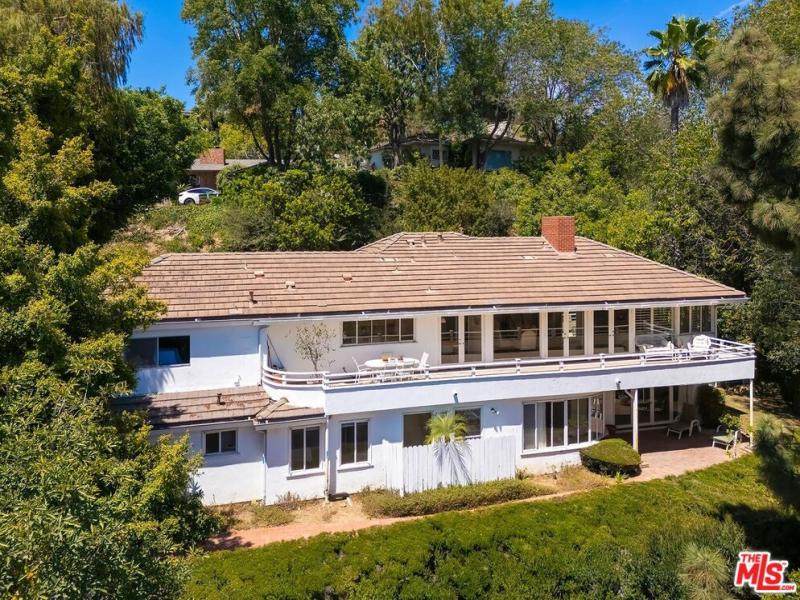
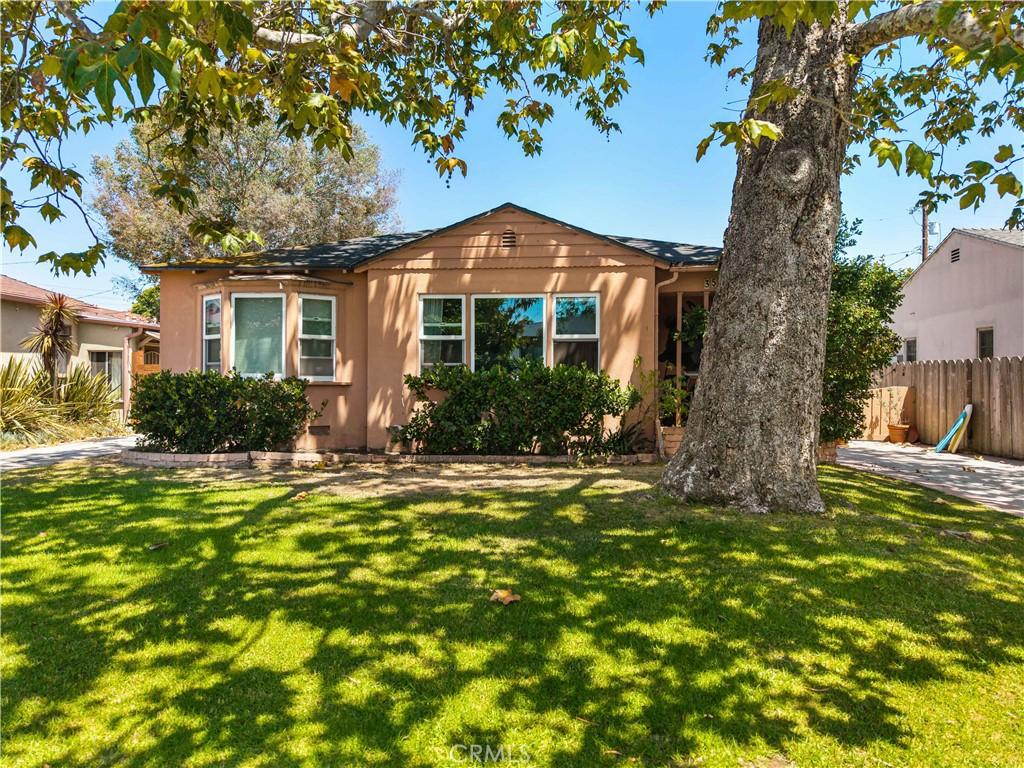
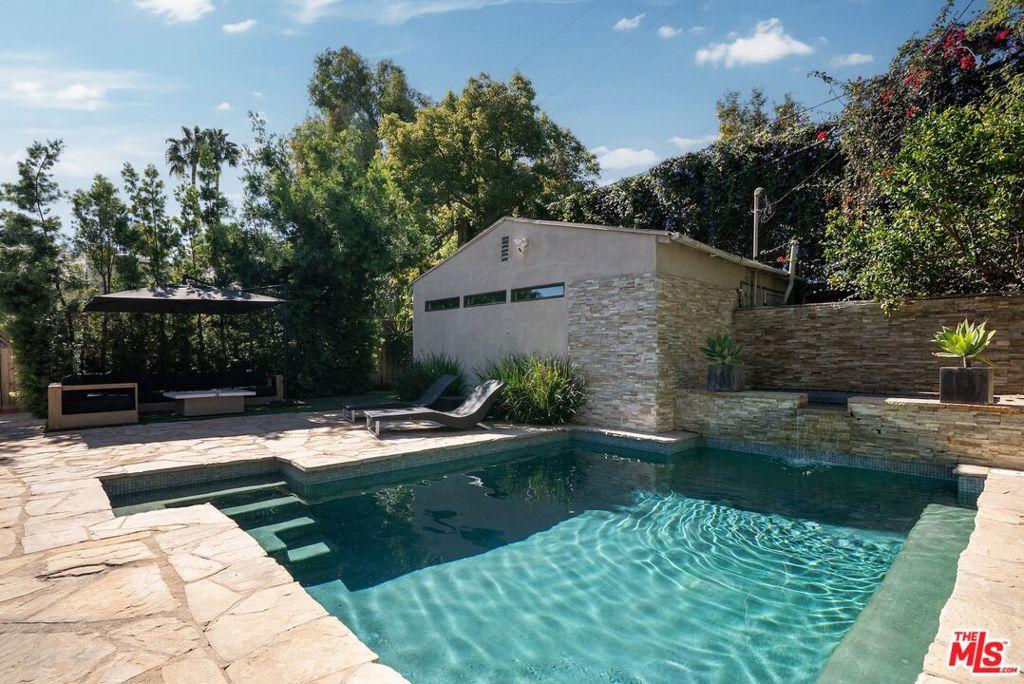
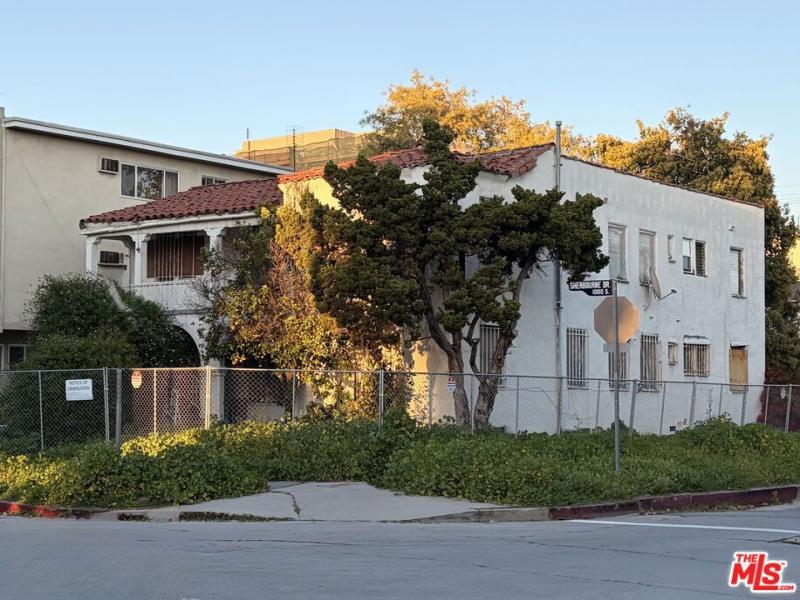
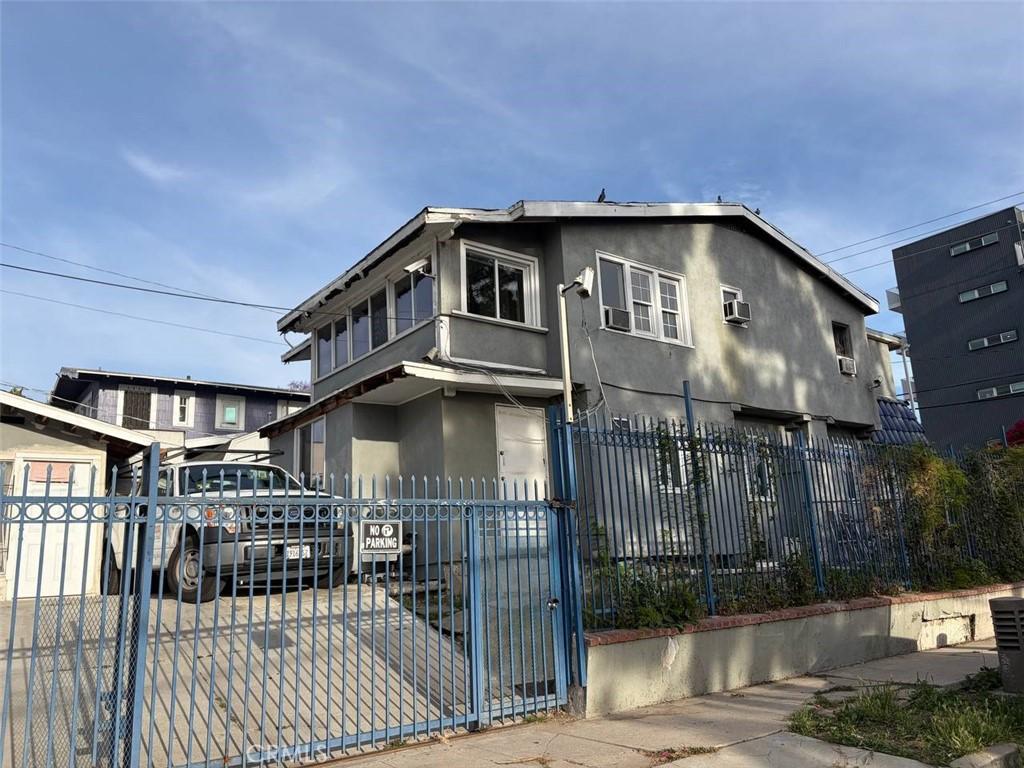
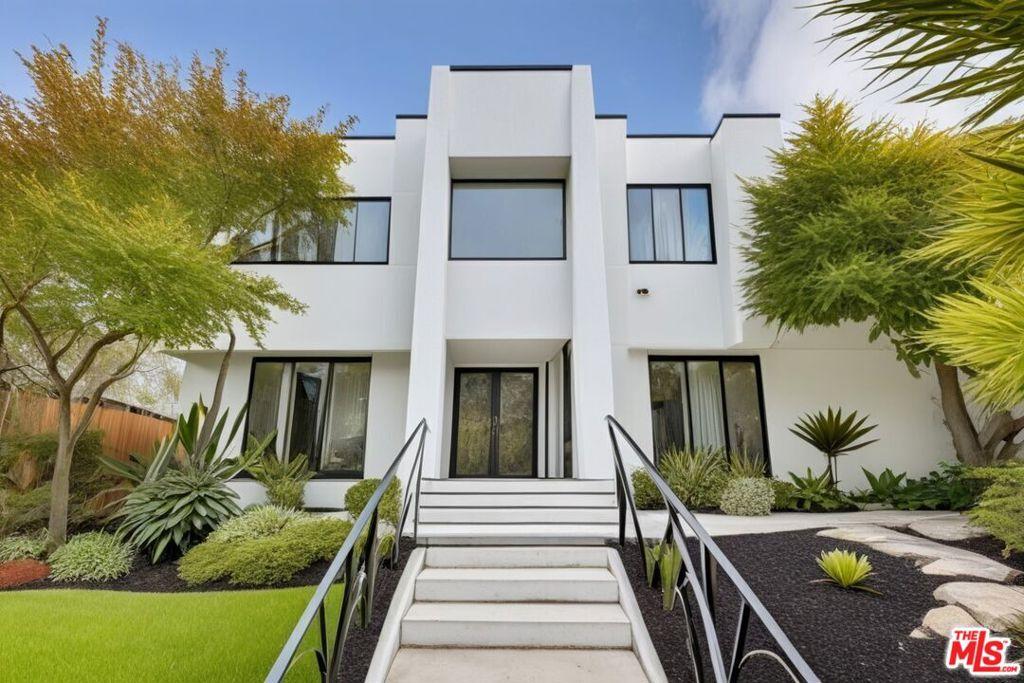
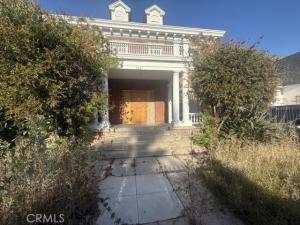
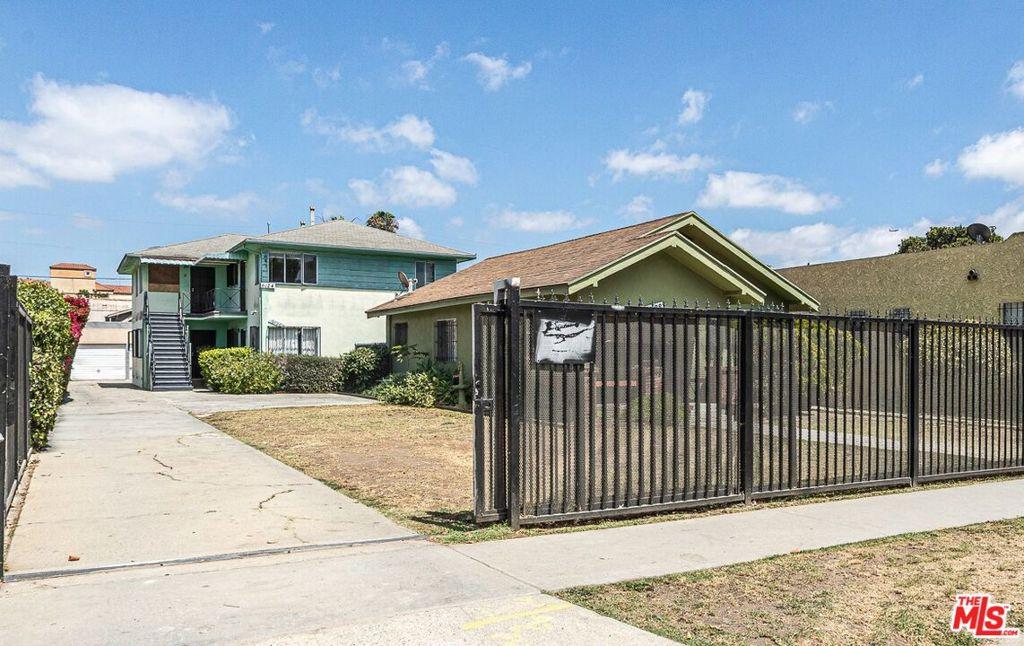
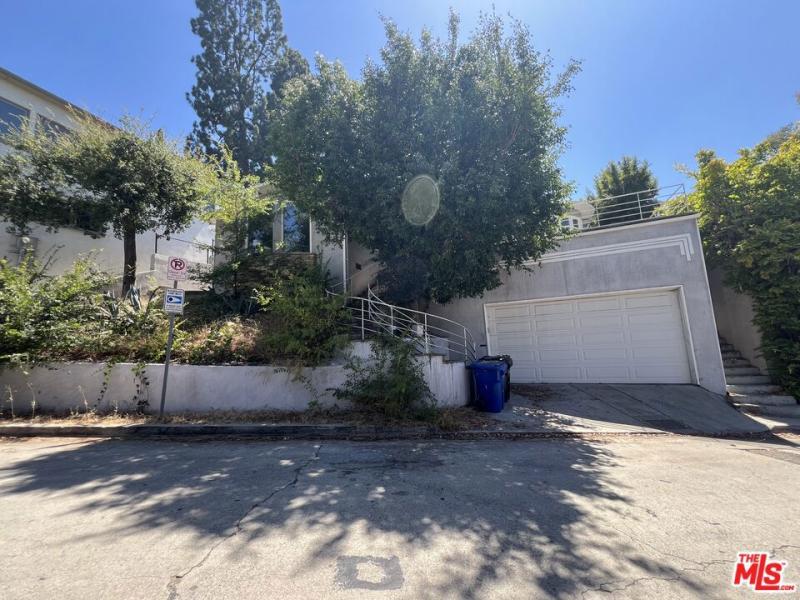
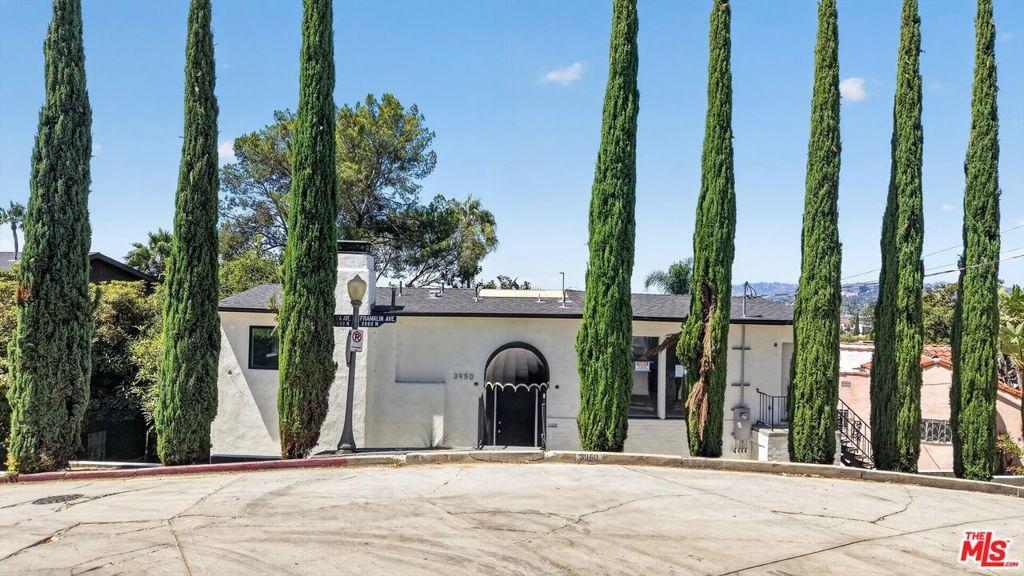
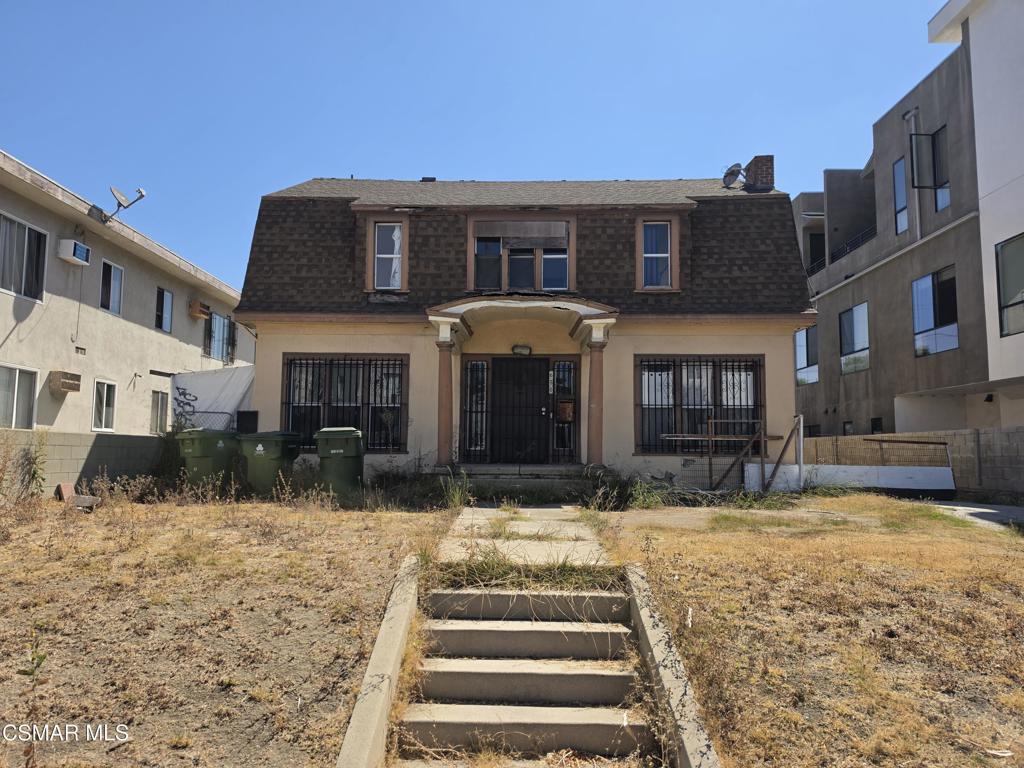
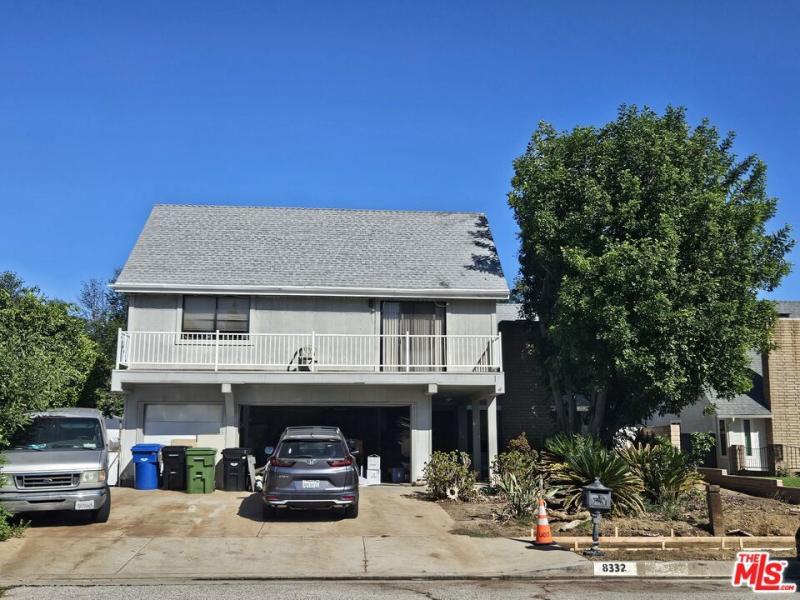
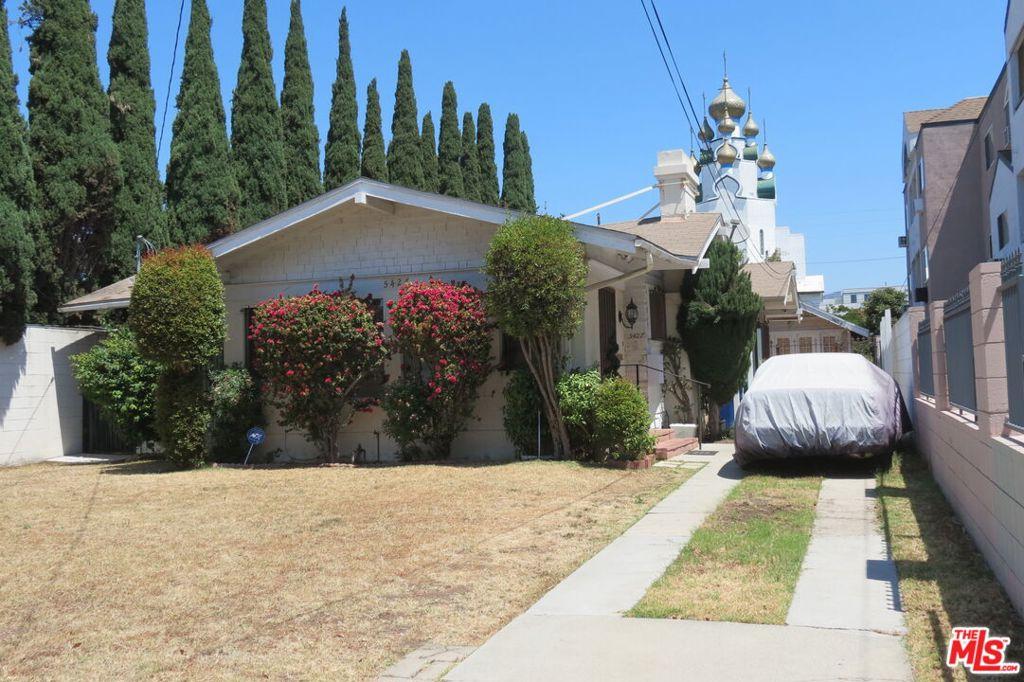
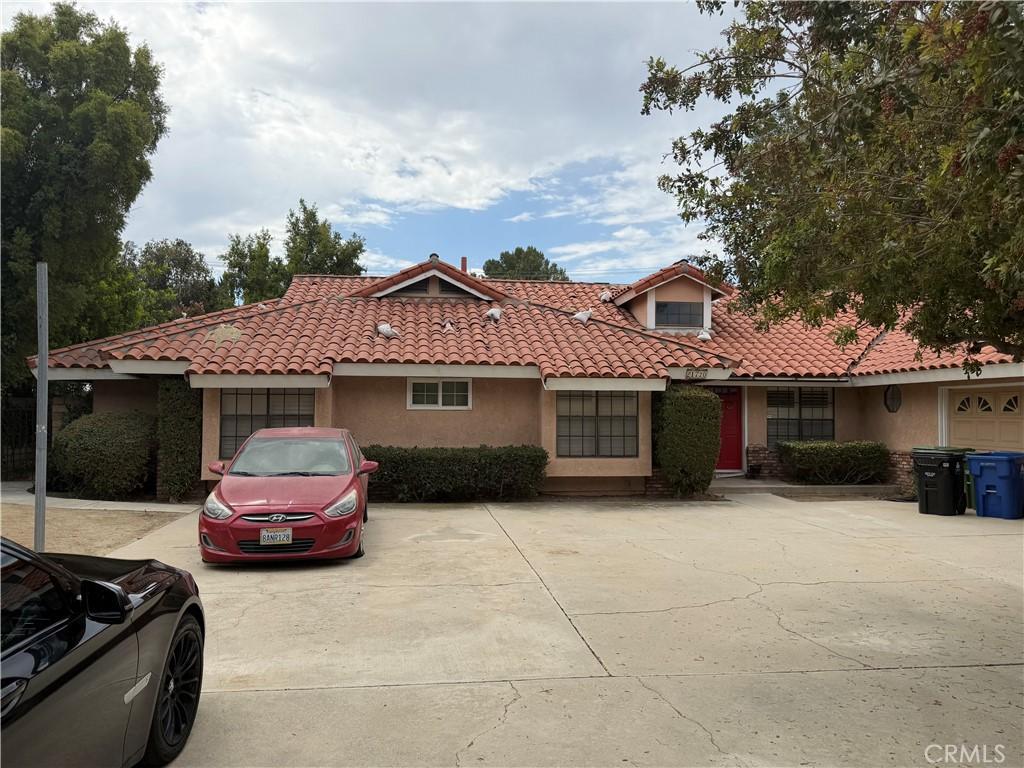
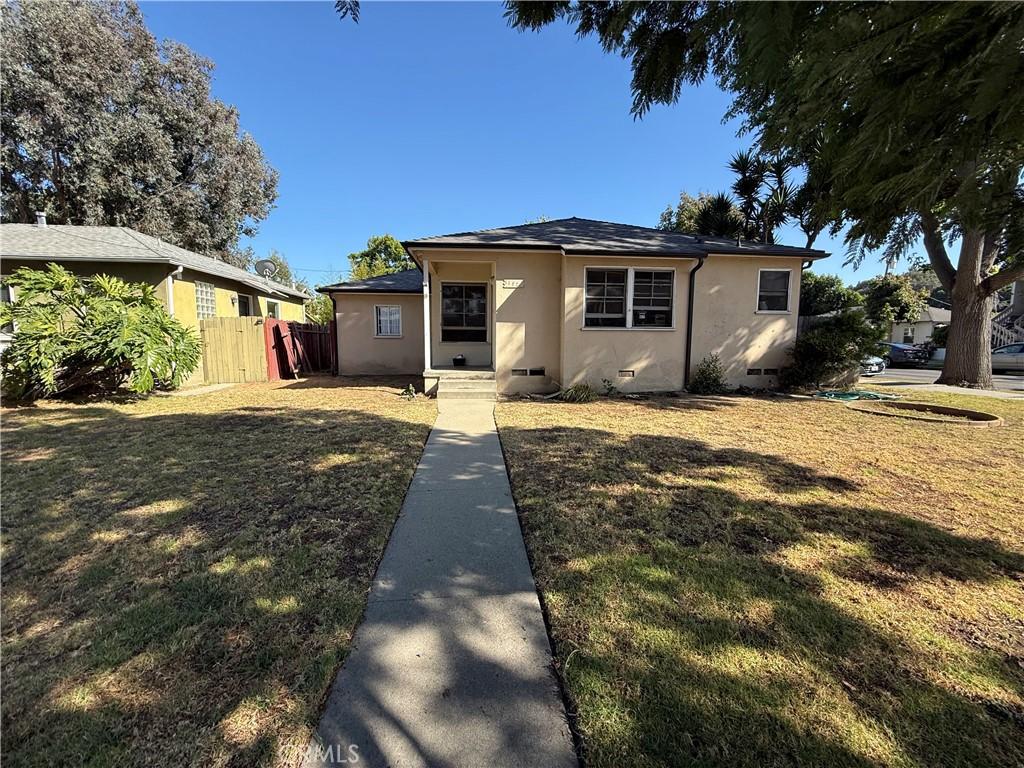
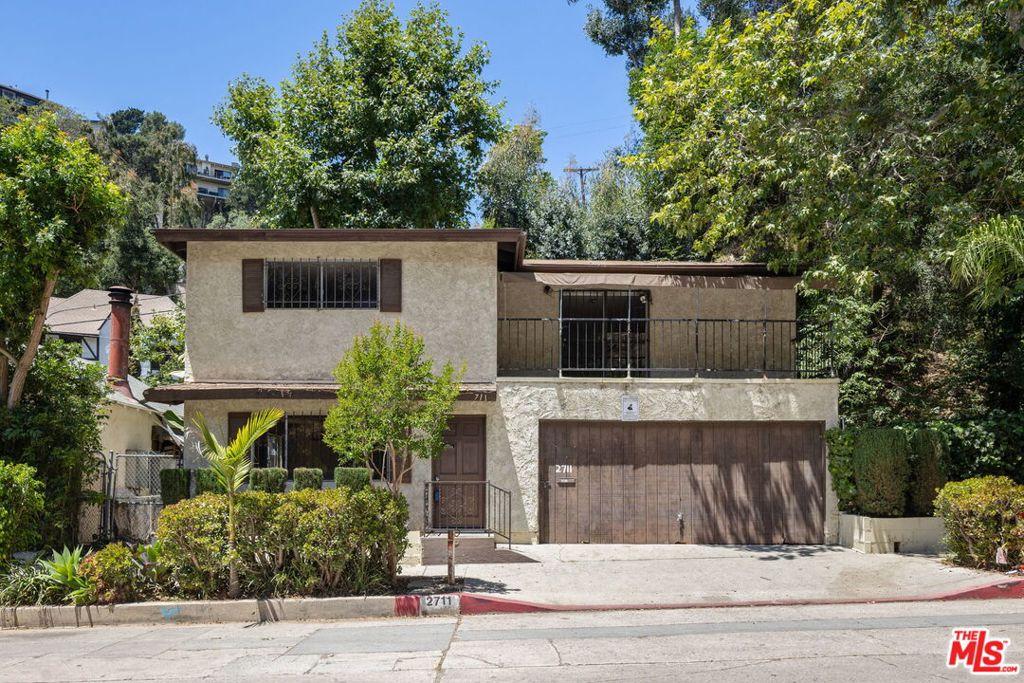
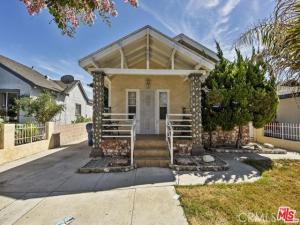
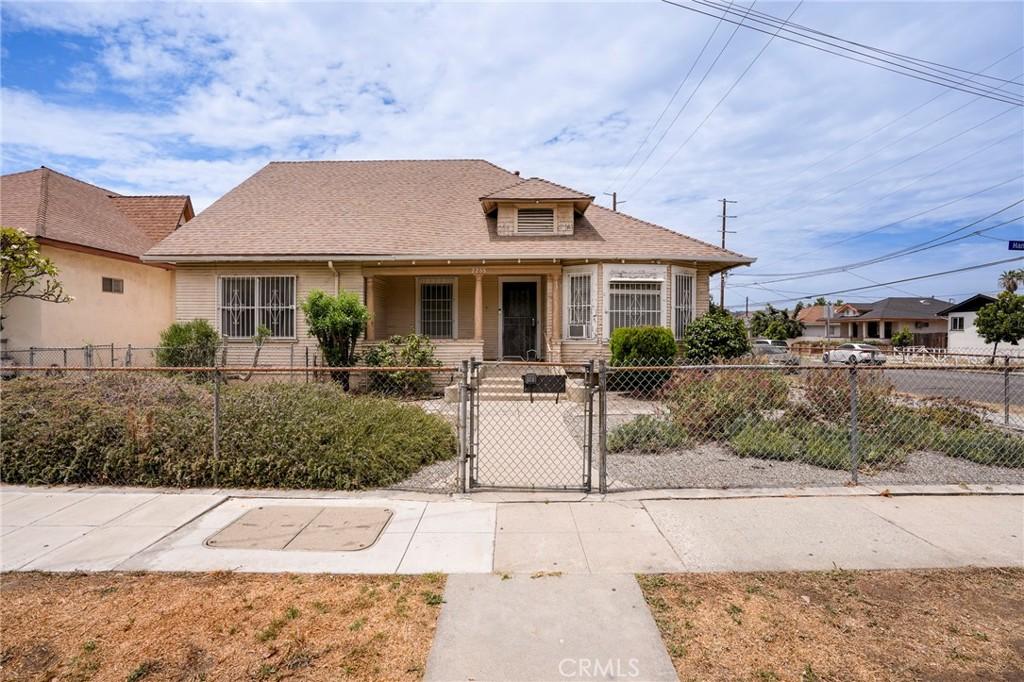
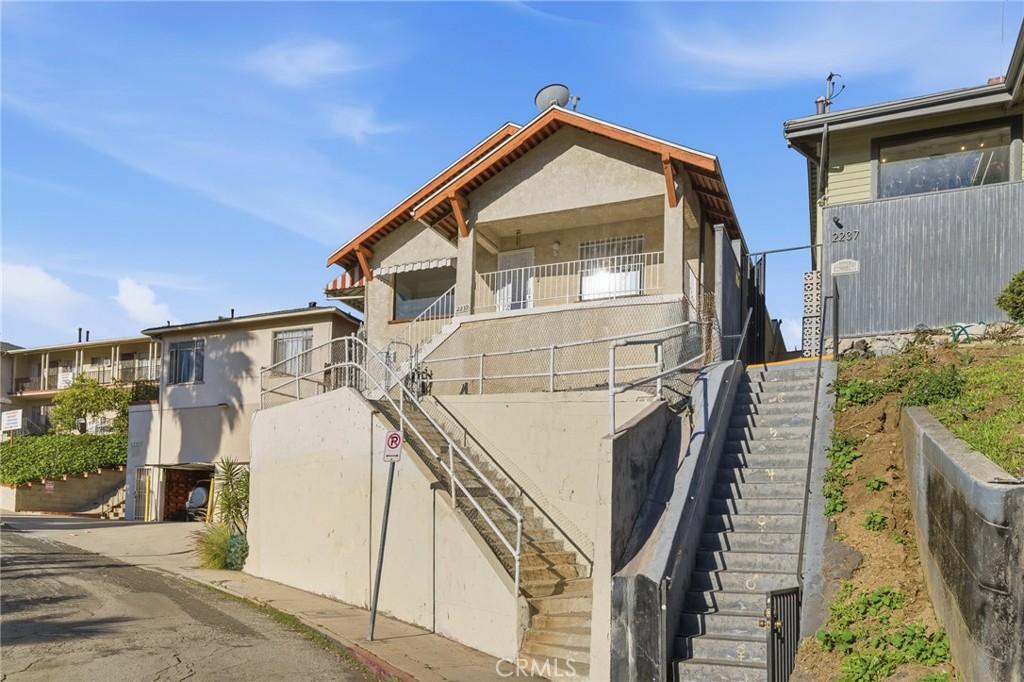
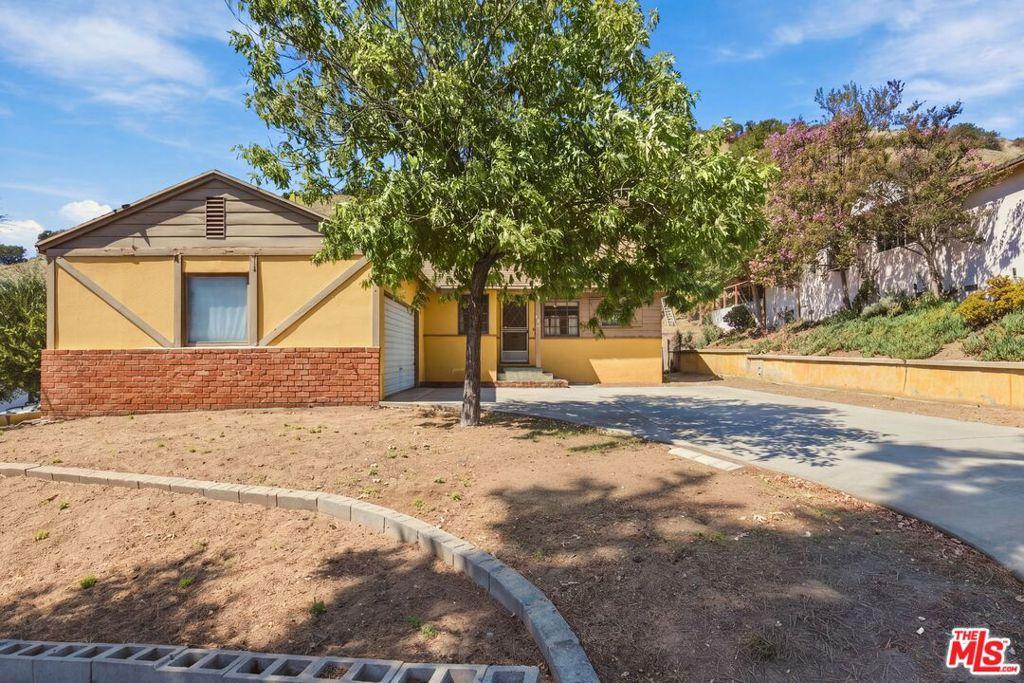
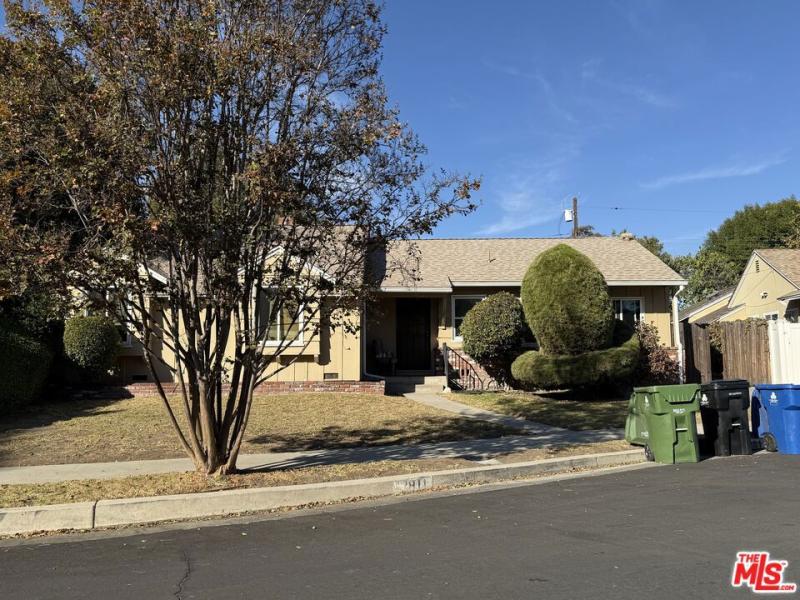
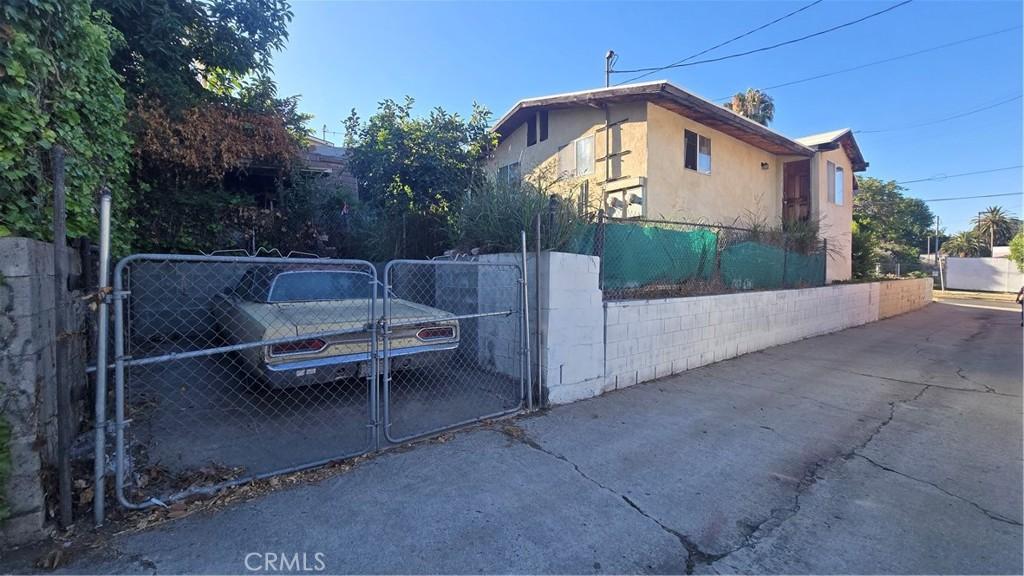
Fixer-upper homes for sale in Los Angeles are priced from roughly $1.0M to $1.5M+, with entry points near $635K in emerging areas like Boyle Heights (median listing price per Realtor.com). A fixer in LA is rarely cheap: you’re buying location and land, then adding a renovation budget on top.

Here’s the play. The value is in the spread between purchase price, renovation cost, and after-repair value. We work these deals directly, including off-market inventory that never hits the portals. Below: where LA’s real fixer opportunities are, what the numbers look like now, and how to underwrite the renovation before you write the offer.

Fixer Upper Homes for Sale in Los Angeles in Architecture

Community

Fixer-Upper Homes in Los Angeles: The Real Cost

A fixer-upper in Los Angeles is a strategy, not a bargain. You’re buying the worst house on a block you believe in, then spending to bring it to the block’s ceiling. Done right, renovation cost plus purchase price lands below what a finished comparable sells for. Done wrong, the contractor quotes erase the spread.

  • Location ceiling. The neighborhood’s top sale caps your after-repair value. Buy where the ceiling is rising.
  • Scope honesty. Cosmetic work is predictable. Structural, foundation, and permits are where budgets break.
  • Hold plan. Flip math and live-in math are different. Know which one you’re running before you offer.

Next move: send us the address. We’ll pressure-test the spread before you commit.

Area Details

Where are LA’s best fixer-upper opportunities?

From Hidden Gems to Diamond Districts: Where to Find Your Fixer-Upper

East LA: Where History Meets Opportunity

First up, we’ve got East LA. This isn’t just where you go for the best tacos in the city (though that’s definitely a perk). It’s also a goldmine for fixer-uppers. Neighborhoods like Boyle Heights and El Sereno are seeing a surge of interest from buyers looking to renovate.

Boyle Heights

Boyle Heights, with its rich cultural heritage and proximity to downtown, is becoming a hotspot for fixer-upper enthusiasts. According to Realtor.com, the median listing price in Boyle Heights is $635,000, but fixer-uppers can often be found for under $500,000.

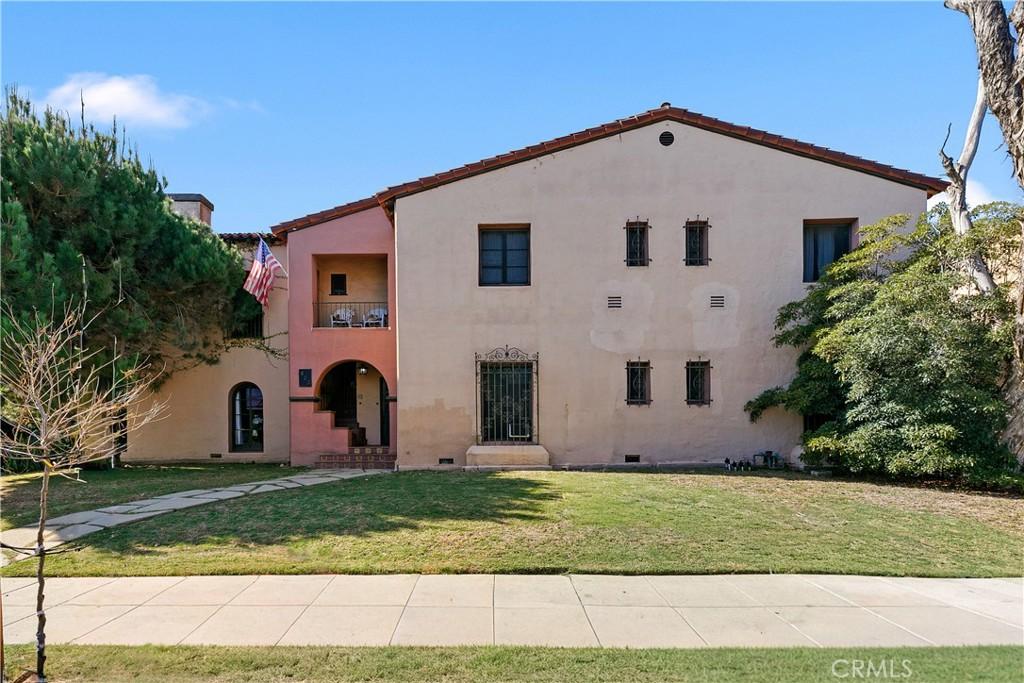
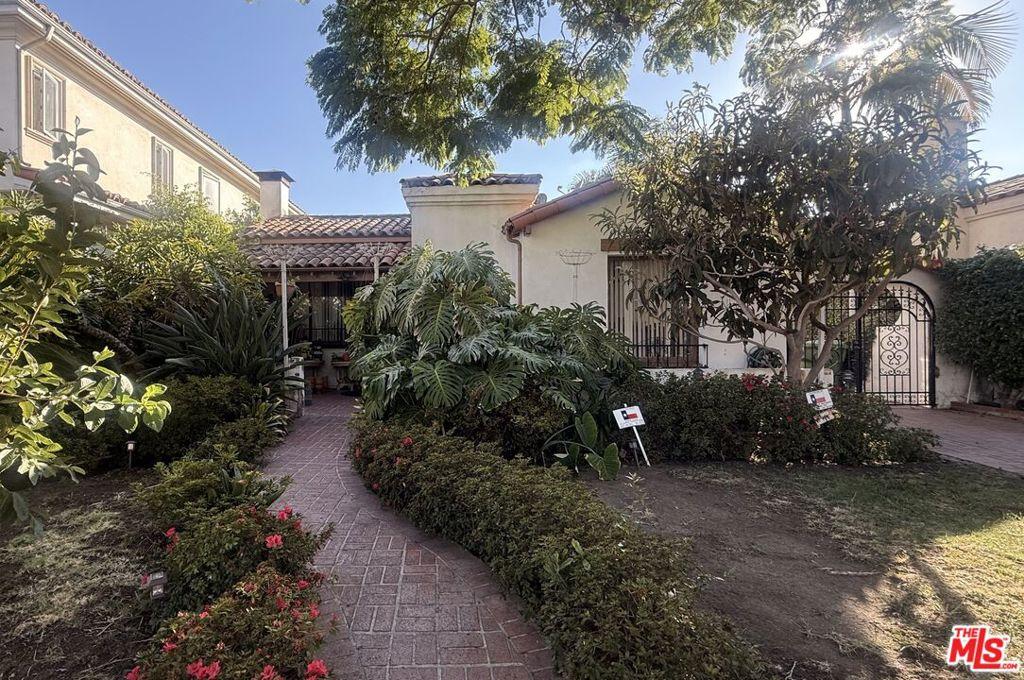
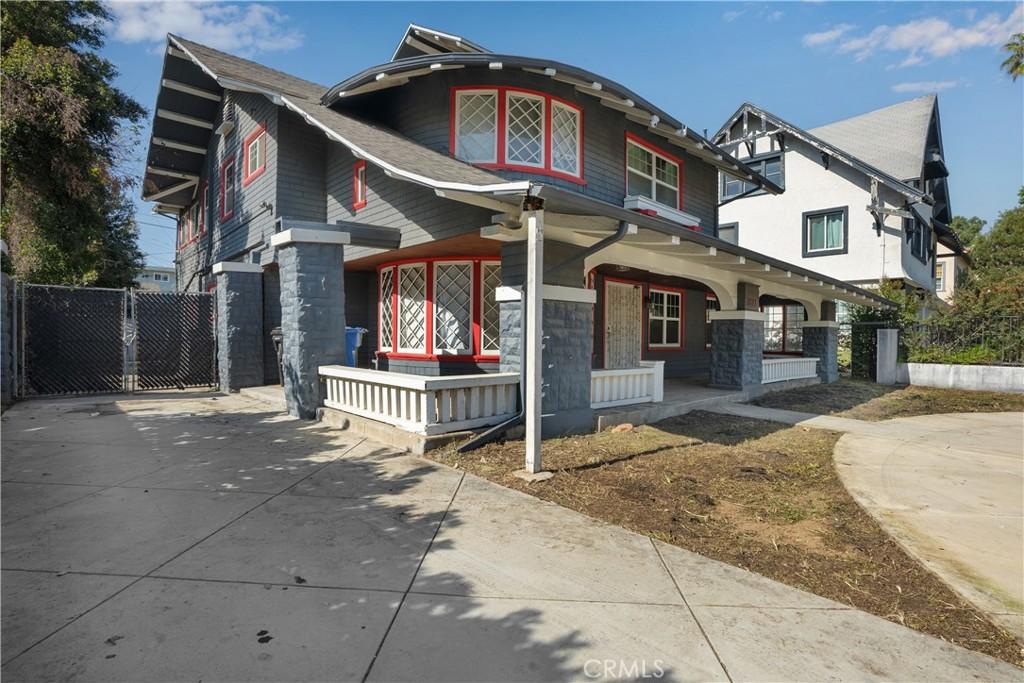
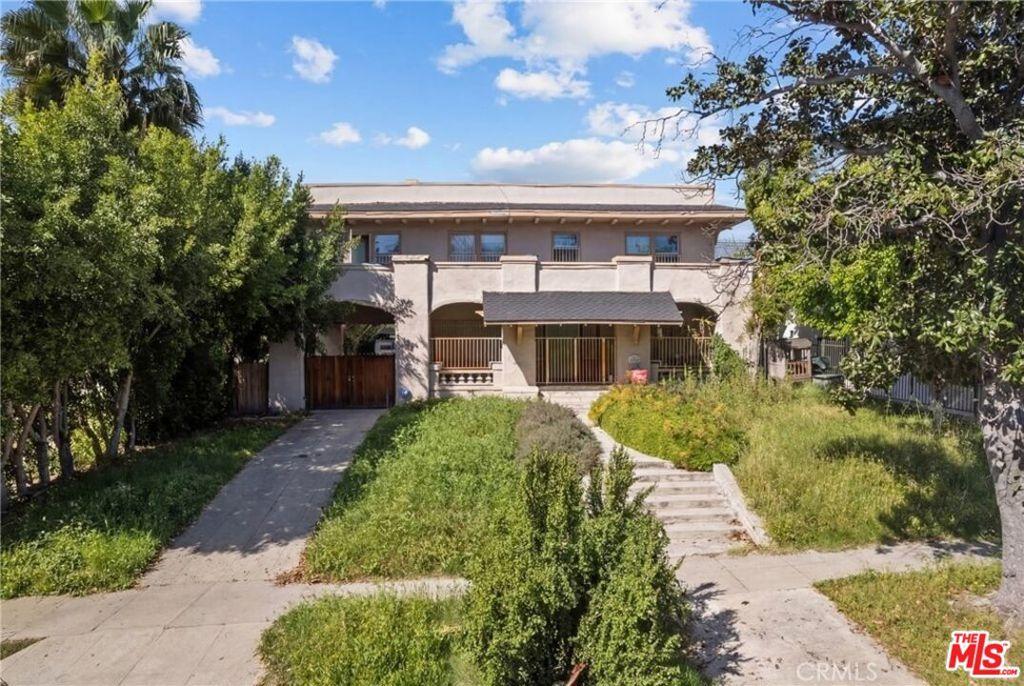
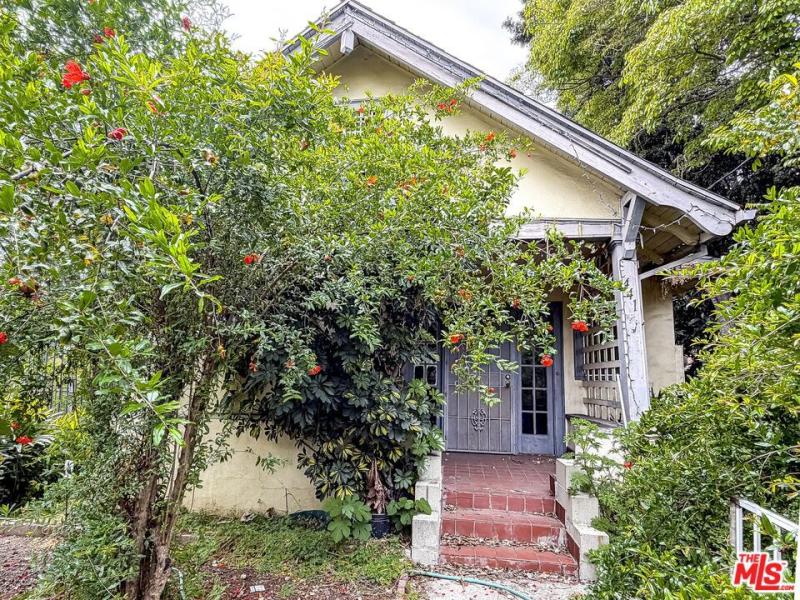
Boyle Heights offers a unique opportunity for buyers. We’re seeing a lot of beautiful Craftsman and Spanish Revival homes from the 1920s and 30s that just need some TLC. The neighborhood’s strong sense of community and improving infrastructure make it an attractive option for long-term investment., Maria Gonzalez, local real estate agent

El Sereno: The Next Big Thing?

El Sereno, often overlooked in favor of its trendier neighbors, is starting to attract attention from savvy buyers. The housing stock here tends to be older, think los angeles bungalow and Spanish Revival homes that are just begging for some TLC. Plus, with the Metro Gold Line expansion, these areas are more connected to the rest of the city than ever before.

Recent data from Redfin shows that home values in El Sereno have increased by 15% over the past year, with fixer-uppers still available in the $600,000 to $700,000 range.

South LA: Renaissance in Progress

Moving west, let’s talk about South LA. Now, I know what you’re thinking, isn’t that area rough? Well, parts of it used to be, sure. But neighborhoods like West Adams and Leimert Park are undergoing a renaissance.

West Adams: Historic Charm Meets Modern Convenience

West Adams is a treasure trove of los angeles architectural homes for sale, many of which are ripe for renovation. You can find some seriously gorgeous Victorian and Craftsman homes here for a fraction of what you’d pay in more established areas.

A study by the USC Price School of Public Policy found that property values in West Adams have increased by 76% over the past five years, outpacing many other areas of LA. Fixer-uppers in this neighborhood are currently selling for an average of $750,000, with fully renovated homes fetching well over $1 million.

Leimert Park: Cultural Hub on the Rise

Leimert Park, known for its strong African American cultural heritage, is another area to watch. With the new NFL stadium and entertainment complex in nearby Inglewood, property values in the surrounding areas are poised to skyrocket.

According to Zillow, the median home value in Leimert Park is $785,000, but fixer-uppers can still be found for under $700,000. The neighborhood’s strong sense of community and upcoming metro station make it an attractive option for long-term investment.

The Valley: More Than Just Suburbia

Now, if you’re looking for something a little more… let’s say up and coming, cast your eyes towards the San Fernando Valley. Yes, that San Fernando Valley, the one you probably only know from Valley Girl references. But trust me, areas like Van Nuys and North Hollywood (NoHo to the cool kids) are where it’s at for fixer-upper potential.

Van Nuys: Affordable with Room to Grow

Van Nuys offers a mix of post-war ranch homes and mid-century gems, many of which are prime candidates for renovation. The median home price in Van Nuys is $720,000, according to Realtor.com, but fixer-uppers can often be found for under $600,000.

Van Nuys is attracting a lot of first-time buyers and investors. The homes here are generally larger than what you’d find closer to the city center, and there’s still room for appreciation. We’re seeing a lot of creative renovations that are really transforming the neighborhood., David Lee, Valley-based real estate investor

North Hollywood: Arts District on the Rise

NoHo, with its active arts district and metro access, is becoming increasingly popular among young professionals and creatives. You can still find mid-century homes here that just need a little love to shine.

Recent data from Redfin shows that the median sale price in North Hollywood is $850,000, but fixer-uppers are available in the $700,000 to $800,000 range.

The Outskirts: Where Affordability Meets Potential

But let’s say you’ve got champagne taste on a beer budget. Don’t worry, I’ve got you covered. Check out the outskirts of some of LA’s more desirable neighborhoods.

Atwater Village: Hip Adjacent

Located next to trendy Los Feliz, Atwater Village offers the chance to buy into an area on the rise without completely emptying your bank account. The median home price here is $1.1 million, according to Zillow, but fixer-uppers can still be found for under $900,000.

Jefferson Park: Historic Charm at a Discount

Bordering Culver City, Jefferson Park is home to many hollywood spanish los angeles style homes ripe for renovation. The median home price in Jefferson Park is $850,000, but fixer-uppers are often listed for around $700,000.

What market trends affect LA fixer-uppers?

As for market trends, well. It’s LA, things change faster than a starlet’s hair color. But generally speaking, we’re seeing steady appreciation across most areas, with some neighborhoods experiencing double-digit growth year over year.

A report by the Los Angeles County Economic Development Corporation projects continued growth in the LA real estate market, with a particular emphasis on areas with good public transit access and walkable neighborhoods.

The key is to look for areas with strong fundamentals, good schools, low crime rates, access to public transportation, rather than trying to chase the next hot neighborhood.

And here’s a pro tip: pay attention to zoning changes and infrastructure projects. That sleepy residential street might be the next big thing if the city approves mixed-use development or extends a Metro line nearby. It’s all about thinking long-term and seeing the potential not just in the house, but in the entire area.

Remember, when it comes to fixer-uppers, you’re not just buying a house, you’re buying potential. And in LA, that potential is as big as your dreams… and your renovation budget. So grab your toolbelt, put on your visionary goggles, and let’s find you a diamond in the rough that’s just waiting to shine.

Market Trends

The LA Fixer-Upper Market Now

LA’s fixer-upper market is defined by scarcity, not discounts. Inventory is tight, and any listing priced below neighborhood median draws multiple offers, fixer or not. The signal that matters: how far below the renovated comparable a fixer is priced, and whether that gap survives the contractor bid.

FAQs

The Nitty-Gritty: What You Really Want to Know About LA Fixer-Uppers

Alright, I can practically hear your thoughts from here. This all sounds great, you’re thinking, but what about [insert very specific concern here]? Don’t worry, I’ve got you covered. some of the most common questions about buying fixer-upper homes in Los Angeles.

What exactly is a fixer-upper?

Ah, the eternal question. In LA terms, a fixer-upper can range from
eeds a little TLC to was this place used to film a horror movie? Generally, we’re talking about homes that need significant repairs or updates. This could mean anything from a new kitchen to a complete overhaul of plumbing and electrical systems. The key is potential, you’re not buying what the house is, you’re buying what it could be.

According to a survey by Zillow, 60% of homebuyers are open to a house that needs some work. But some work is a spectrum:

  • Minor fixer-upper: Mostly cosmetic issues, maybe some outdated fixtures or appliances
  • Moderate fixer-upper: Needs significant updates but is still livable
  • Major fixer-upper: Requires extensive renovation, possibly including structural work

A true fixer-upper isn’t just about slapping on a coat of paint. It’s about seeing the bones of a house and envisioning what it could become with the right vision and investment., Mike Holmes, celebrity contractor and host of Holmes on Homes

How much should I budget for renovations?

How long is a piece of string? Renovation costs can vary wildly depending on the scope of work and the finishes you choose. As a very rough rule of thumb, budget at least 20% of the home’s purchase price for renovations. So if you buy a $500,000 fixer-upper, be prepared to sink another $100,000 into it. And then add another 20% on top of that for unexpected issues. Because trust me, there will be unexpected issues.

According to HomeAdvisor’s 2023 True Cost Report, here are some average costs for common renovation projects in Los Angeles:

  • Kitchen remodel: $30,000 – $80,000
  • Bathroom remodel: $15,000 – $30,000
  • New roof: $8,000 – $20,000
  • Foundation repair: $5,000 – $25,000

Remember, these are averages. Your mileage may vary, especially in LA where everything seems to cost a little (or a lot) more.

Can I get a loan to cover both the purchase and the renovations?

Yes, and hallelujah for that. There are several loan options designed specifically for fixer-uppers. The FHA 203(k) loan is popular for first-time buyers, allowing you to finance both the purchase and renovation costs in one mortgage. For higher-end properties, a conventional renovation loan might be a better fit. Just be prepared for a bit more paperwork and a slightly higher interest rate.

Here’s a quick breakdown of some popular renovation loan options:

  1. FHA 203(k) Loan:
  2. Can finance up to $35,000 in renovations
  3. Lower credit score requirements (minimum 580)
  4. 3.5% down payment

  5. Fannie Mae HomeStyle Renovation Mortgage:

  6. Can finance renovations up to 75% of the home’s post-renovation value
  7. Higher credit score requirements (minimum 620)
  8. 3% down payment for first-time buyers, 5% for others

  9. VA Renovation Loan:

  10. Available to eligible veterans and service members
  11. Can finance 100% of the home’s value plus renovation costs
  12. No down payment required

Renovation loans can be a game-changer for buyers looking at fixer-uppers. They allow you to roll the cost of repairs into your mortgage, which can make a huge difference in terms of affordability., Lisa Chen, Mortgage Broker specializing in renovation loans

How do I know if a fixer-upper is worth the investment?

This is where doing your homework pays off. Look at comparable sales in the area, what are fully renovated homes going for? Then subtract your expected renovation costs from that figure. If the result is significantly higher than the asking price of the fixer-upper, you might have a winner. Also, consider the neighborhood, is it up-and-coming? Are there good schools nearby? These factors can add value beyond just the physical improvements to the house.

Here’s a simple formula to help you evaluate a fixer-upper:

  1. Estimated value of the home after renovations: $800,000
  2. Minus purchase price: $600,000
  3. Minus estimated renovation costs: $150,000
  4. Equals potential profit: $50,000

Remember. This is a simplified example. You’ll also need to factor in carrying costs, potential market changes, and a buffer for unexpected expenses.

Do I need to hire a contractor, or can I DIY?

Unless you’re a licensed contractor yourself (in which case, want to be friends?), you’ll probably need to hire professionals for at least some of the work. Electrical, plumbing, and structural changes almost always require permits and inspections in LA. That said, if you’re handy, there’s plenty you can do yourself to save money. Just be realistic about your skills and time, what starts as a fun DIY project can quickly turn into a nightmare if you’re in over your head.

According to the National Association of the Remodeling Industry, here’s a rough breakdown of what homeowners typically DIY vs. hire out:

  • DIY: Painting (75%), landscaping (64%), minor plumbing repairs (55%)
  • Hire Out: Electrical work (87%), roofing (83%), HVAC (82%)

The key to a successful renovation is knowing your limits. There’s no shame in hiring professionals for complex work. In fact, it often saves money in the long run by avoiding costly mistakes., Sarah Thompson, Licensed General Contractor in Los Angeles

How long does a typical renovation take?

In LA? Longer than you think. Between permit delays, contractor schedules, and the inevitable surprises that come with older homes, even a quick renovation can easily stretch to 6 months or more. Major overhauls can take a year or longer. Plan accordingly, especially if you’re living in the home during renovations. (Pro tip: keeping your relationship intact during a live-in renovation should qualify you for some kind of medal.)

Here’s a rough timeline for a typical whole-house renovation in LA:

  1. Planning and Design: 1-3 months
  2. Permitting: 2-4 months (yes, really)
  3. Demolition: 2-4 weeks
  4. Major Systems (electrical, plumbing, HVAC): 2-3 months
  5. Framing and Drywall: 1-2 months
  6. Finishes (flooring, cabinets, countertops): 2-3 months
  7. Final Touches: 1 month

Total: 9-16 months

Remember. This is just an estimate. Your timeline may vary depending on the scope of work and any unforeseen issues.

Are there any tax benefits to buying a fixer-upper?

Potentially, yes. If you buy a historic home, you might qualify for property tax reductions under the Mills Act. Additionally, energy-efficient upgrades can sometimes qualify for tax credits. And don’t forget, the interest on your mortgage and any home equity loans used for improvements is usually tax-deductible.

Some potential tax benefits to look into:

  1. Mills Act: Can reduce property taxes by 20-70% for historic homes
  2. Federal Tax Credits: Up to 30% for solar panel installation
  3. California Property Tax Exclusion: Up to $75,000 for solar energy systems
  4. Mortgage Interest Deduction: Can deduct interest on up to $750,000 of mortgage debt

Always consult with a tax professional to understand how these might apply to your specific situation.

What’s the biggest mistake people make when buying fixer-uppers in LA?

Underestimating. Underestimating the cost, underestimating the time, underestimating the stress. It’s easy to get caught up in the after photos you see on TV, but the reality is often messier, more expensive, and more time-consuming than you expect. Go in with your eyes open, a healthy contingency fund, and a good sense of humor. You’ll need all three.

According to a survey by the National Association of Realtors, here are the top regrets of fixer-upper buyers:

  1. Underestimating renovation costs (63%)
  2. Unexpected issues discovered during renovation (60%)
  3. Renovation taking longer than expected (55%)
  4. Difficulty finding reliable contractors (48%)
  5. Stress of living through a renovation (40%)

The biggest mistake I see is buyers not doing their due diligence. Get a thorough inspection, understand the true cost of renovations, and have a realistic timeline. A fixer-upper can be a great investment, but only if you go in with your eyes wide open., Robert Martinez, Real Estate Attorney specializing in property law

Remember, buying a fixer-upper in LA is not for the faint of heart. But

Explore More

Hey, You ALMOST MISSED IT!

Lucky for you we’re looking out.

Subscribe to this Custom Search to be alerted when new properties hit the market in the area.
Choose the frequency that works for you.

get alerts

[showcaseidx_contact]