Browse all Los Angeles real estate — or explore the full Los Angeles luxury real estate market.

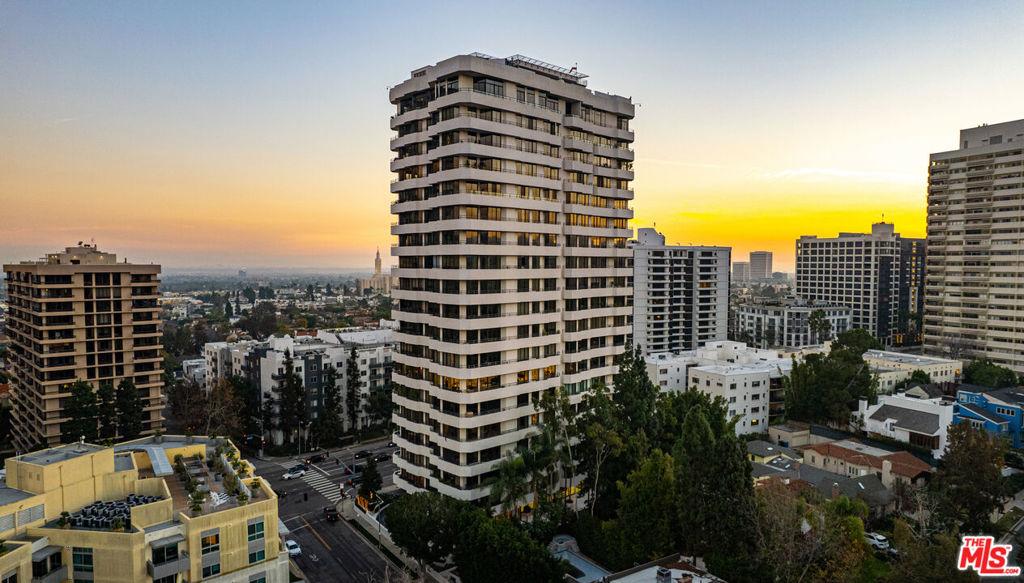

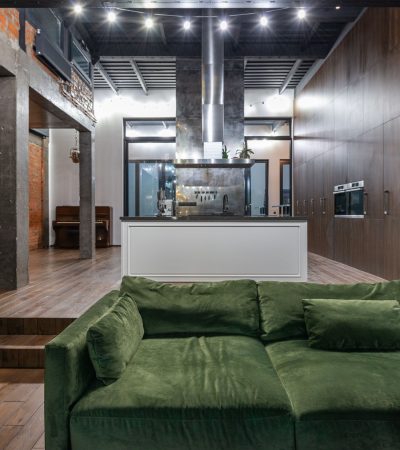
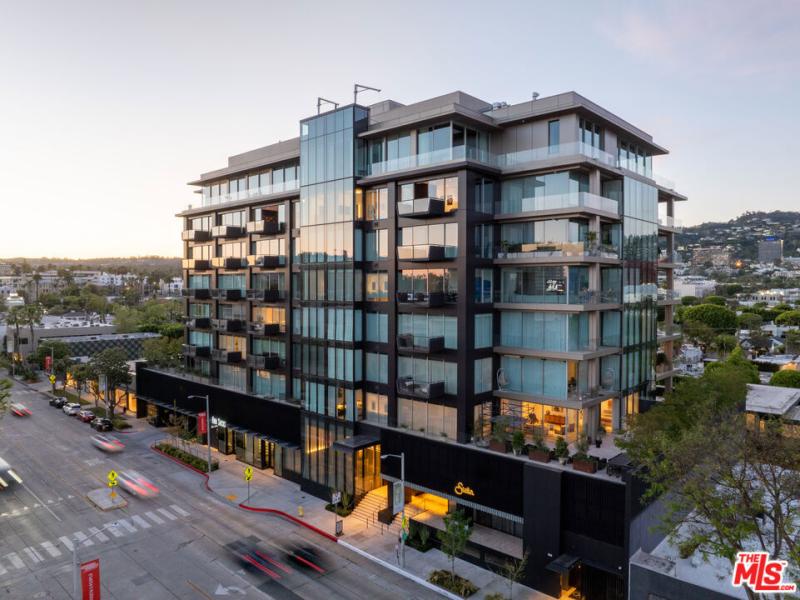
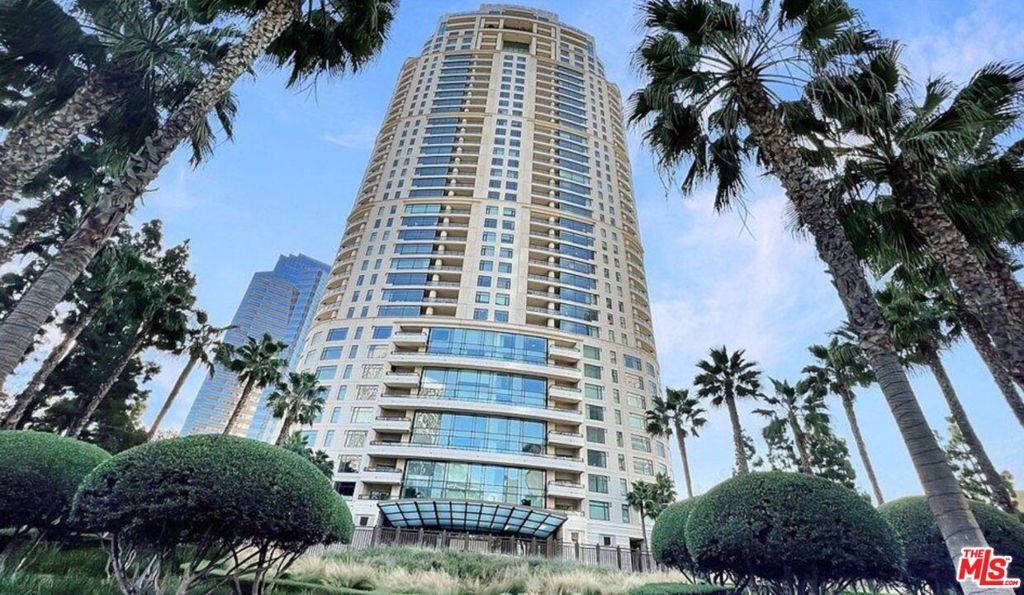
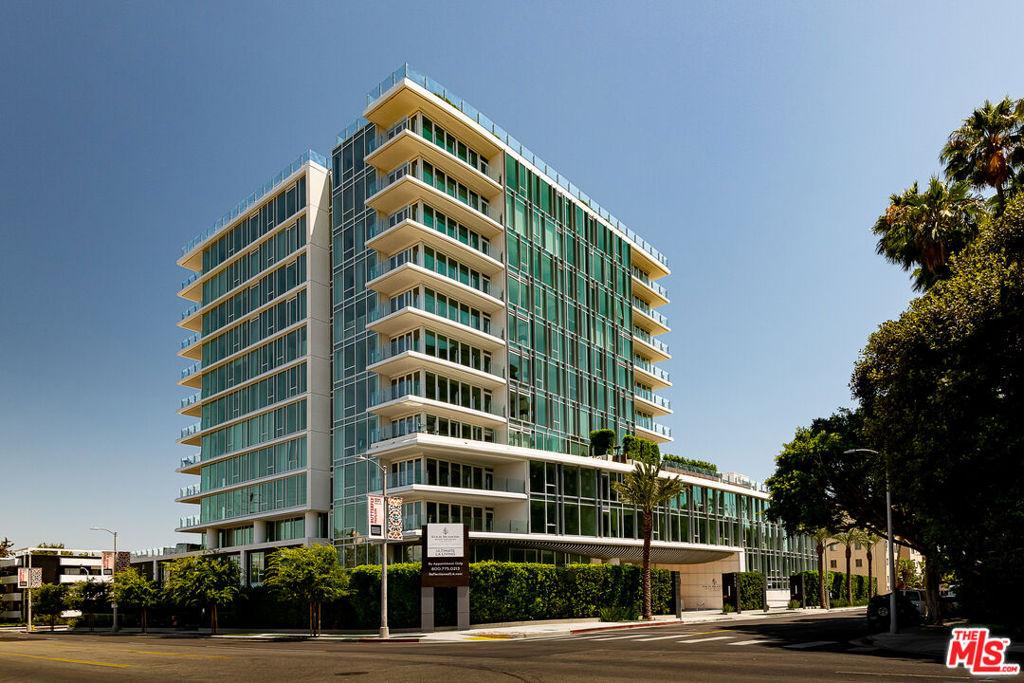
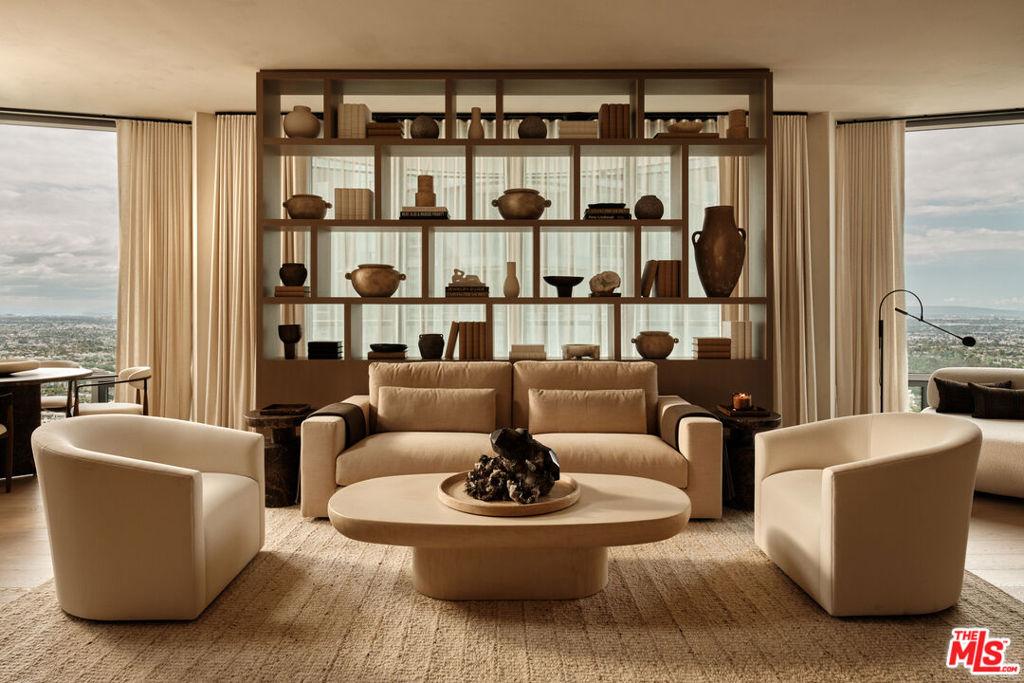
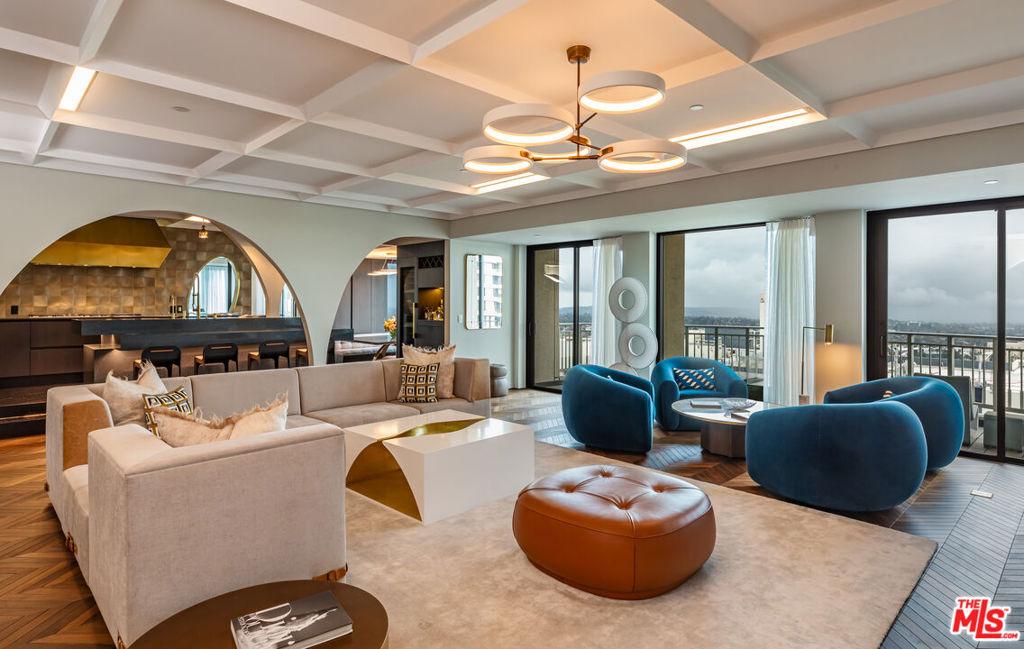
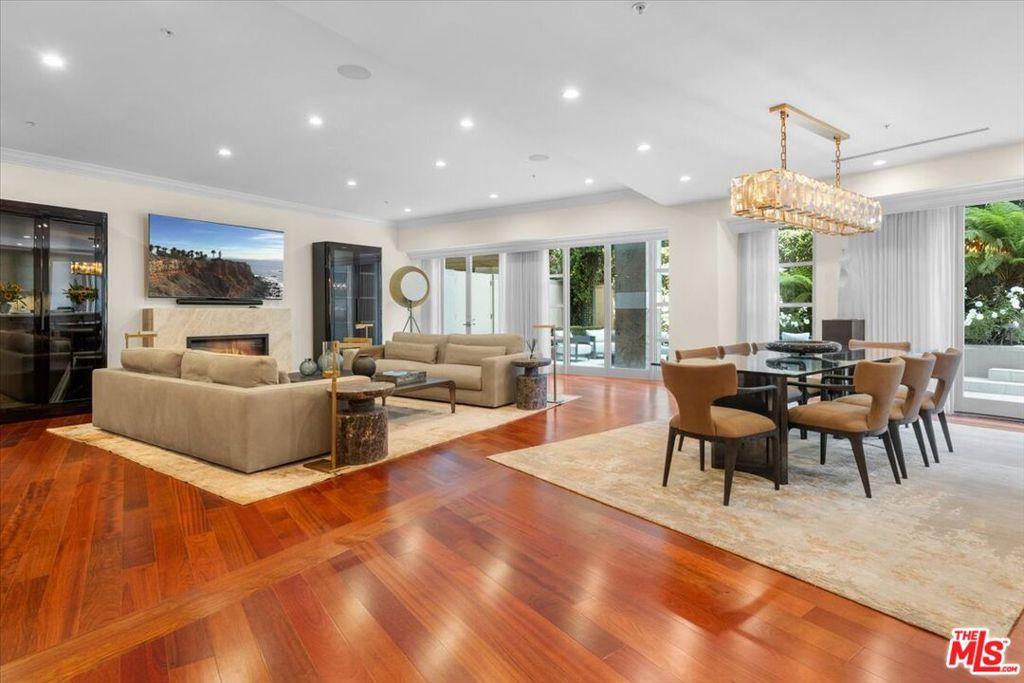
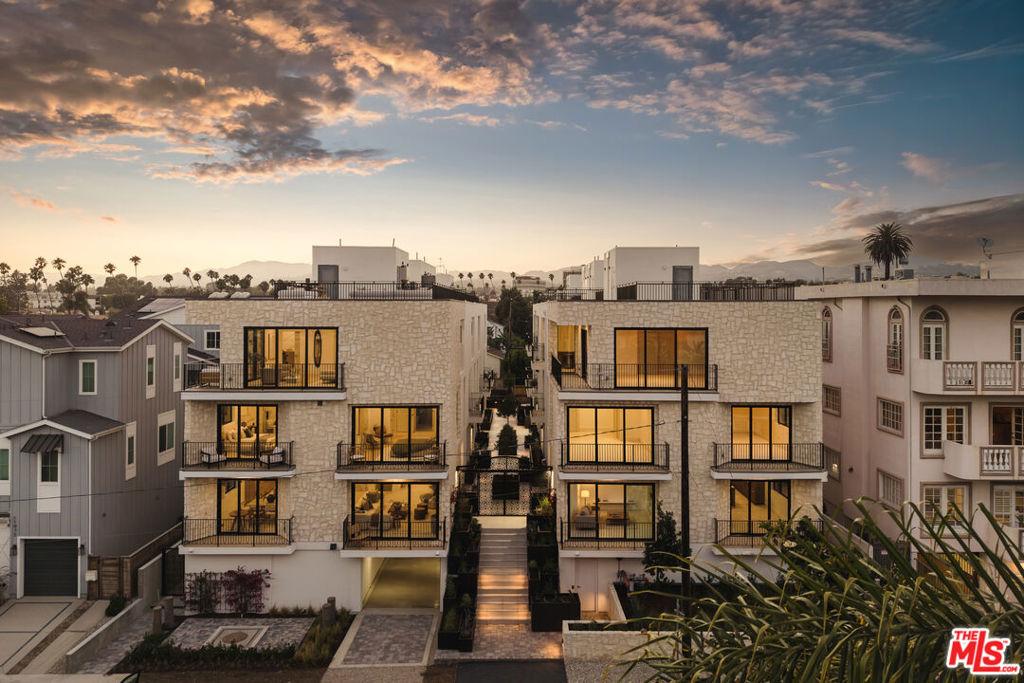
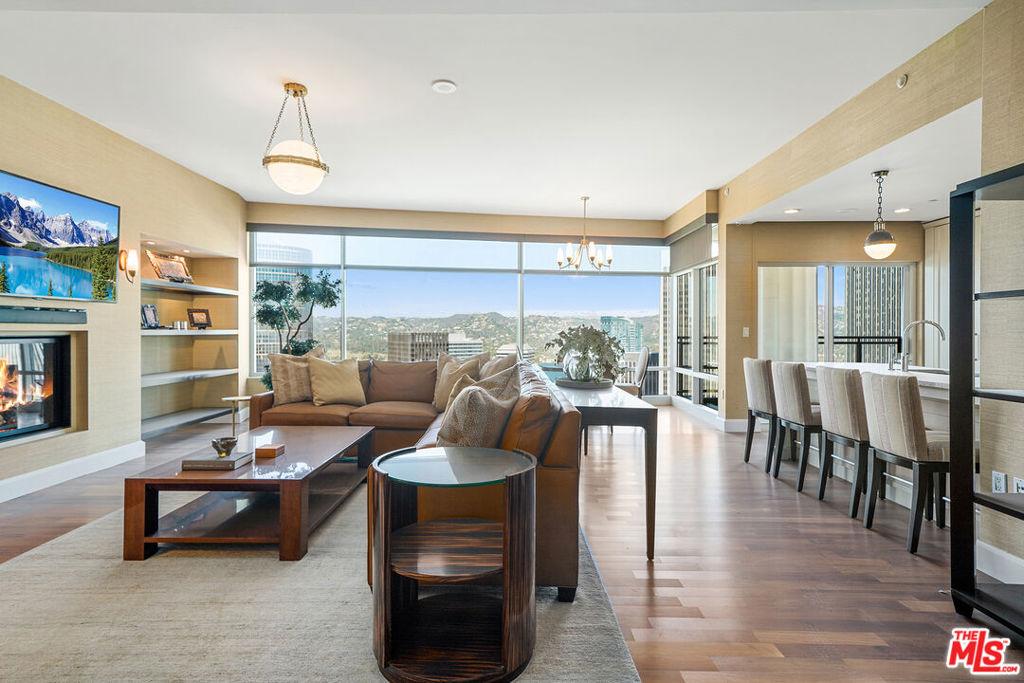
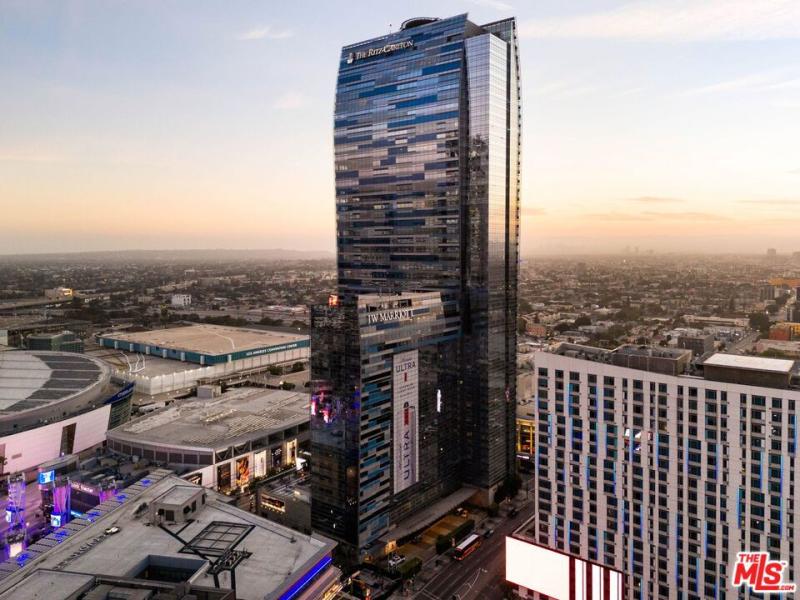
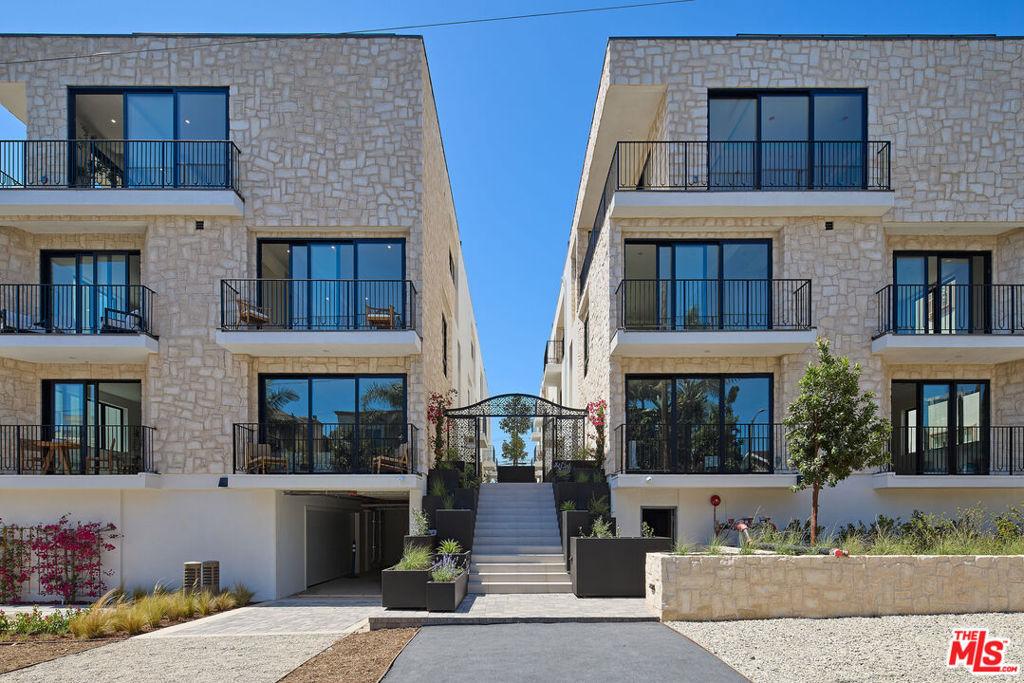
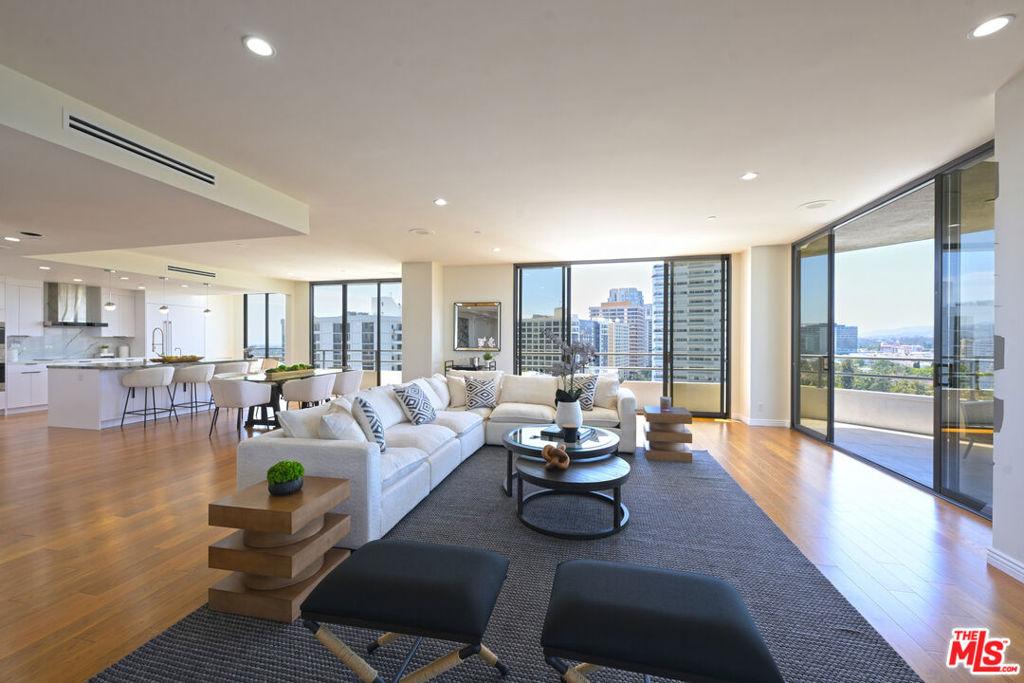
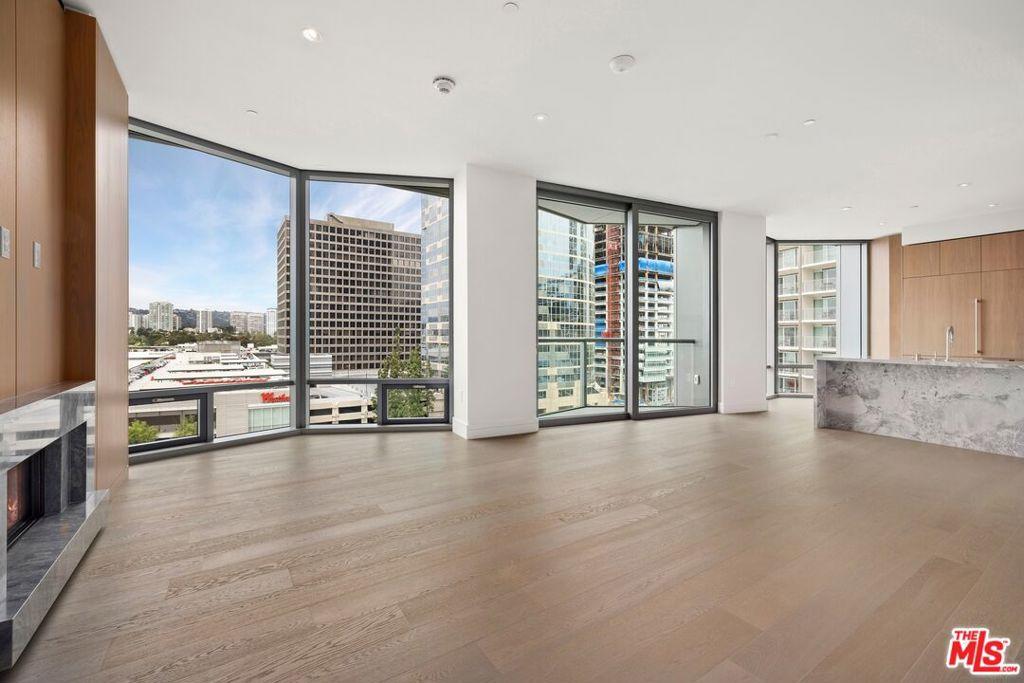
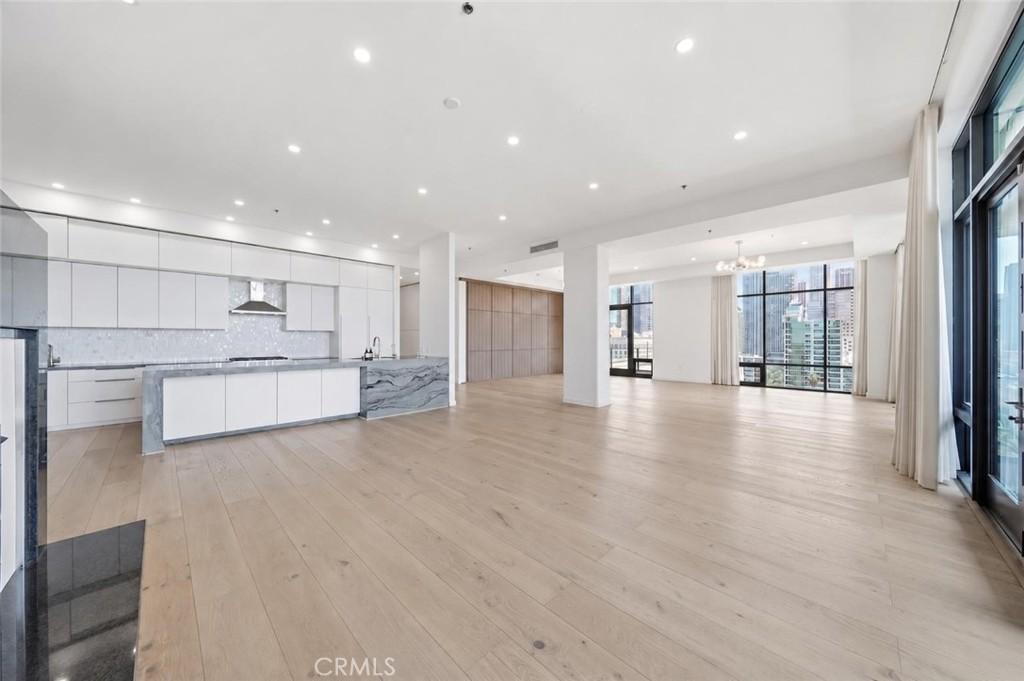
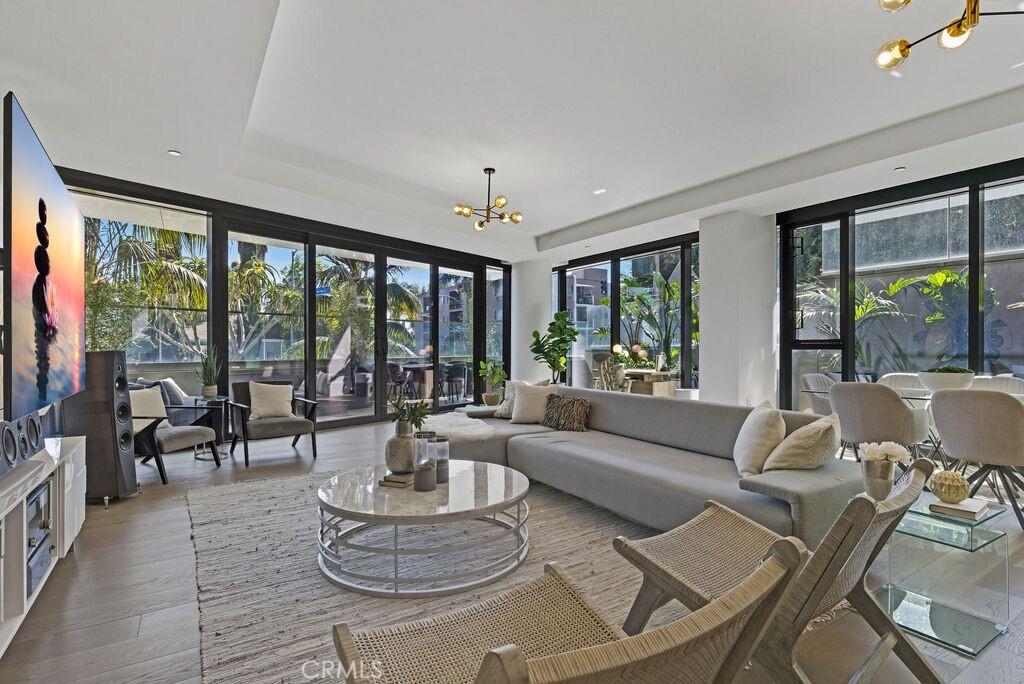
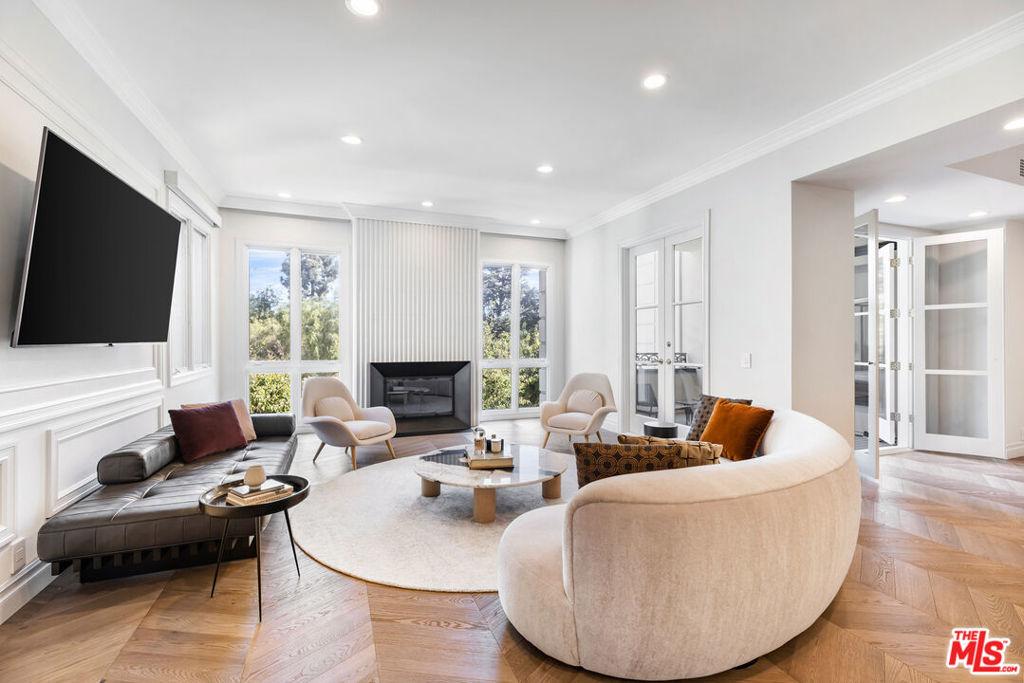
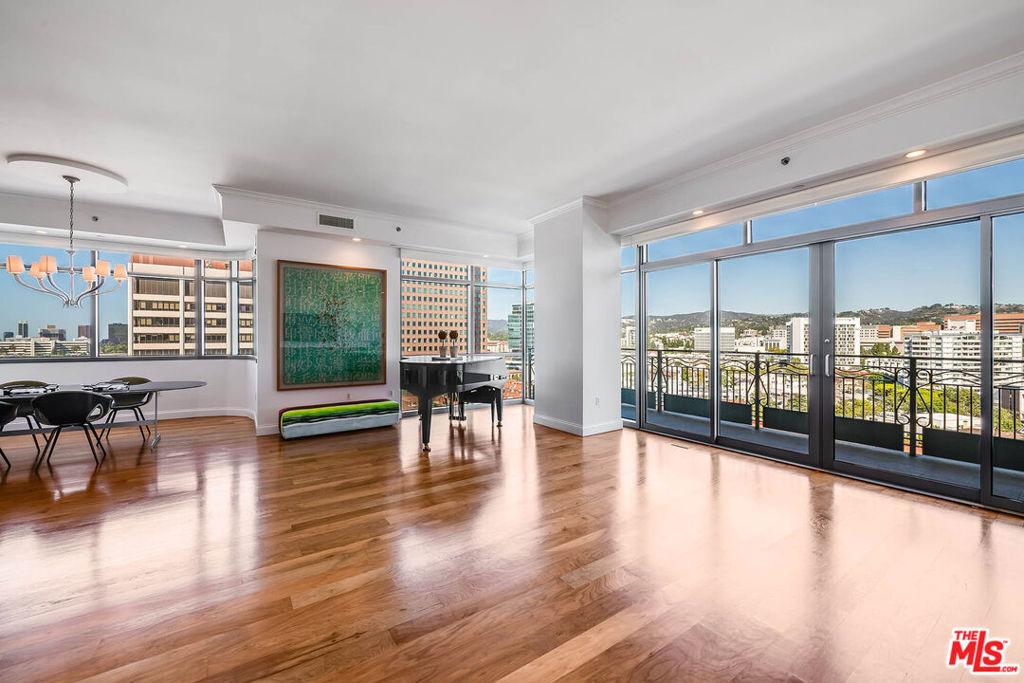
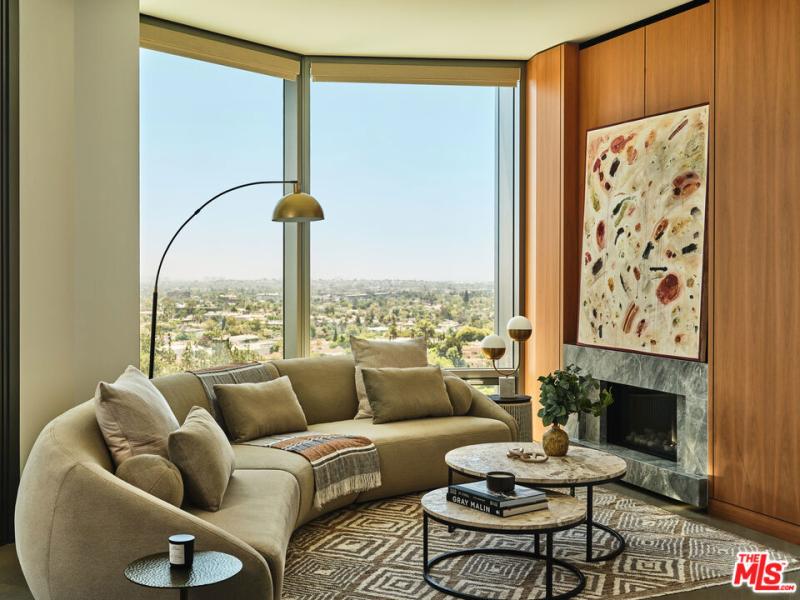
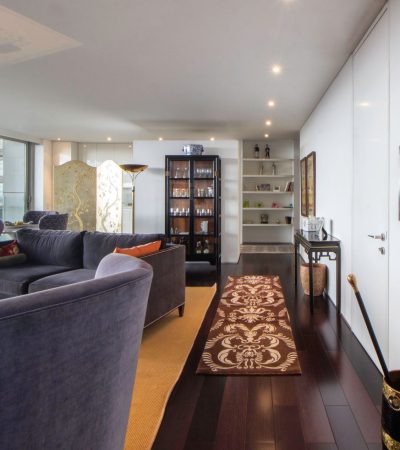
The Los Angeles condo market is not one thing. It’s the Ritz-Carlton Residences in Downtown where the address comes with a hotel-level amenity stack and a white-glove service culture. It’s an Arts District loft in a converted 1920s warehouse where exposed concrete and steel beams are the primary design language. It’s a 1970s building in West Hollywood where the bones are solid, the HOA fees are real, and the ocean-adjacent lifestyle is three miles closer than anything you’d find at the same price point inland. It’s a boutique low-rise in Brentwood where there’s no doorman and the building has 12 units and a courtyard, and that’s the entire value proposition. These are not the same product, the same buyer, or the same investment. and treating them as interchangeable because they all have “condo” in the listing description is how buyers end up in the wrong purchase.
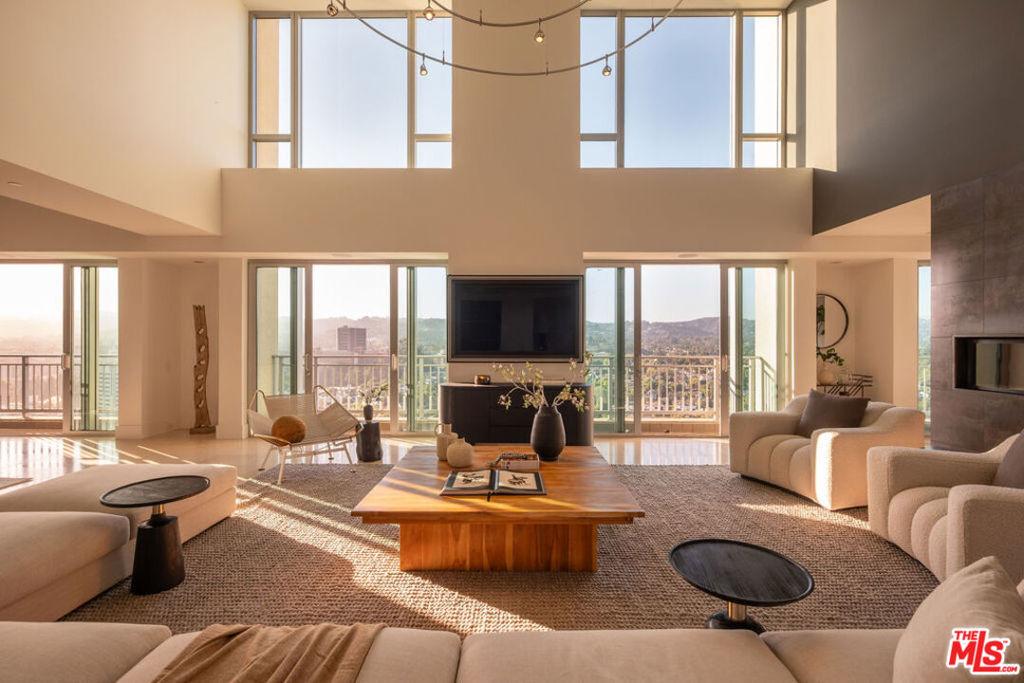
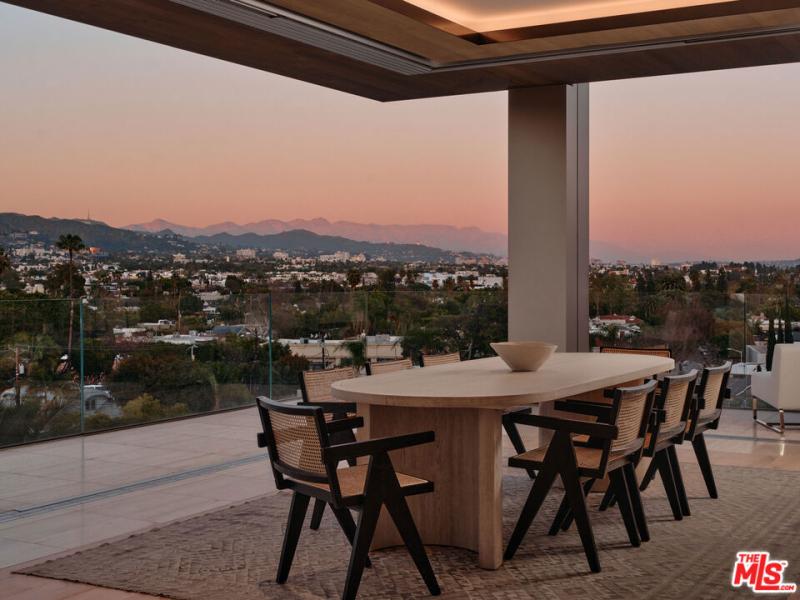
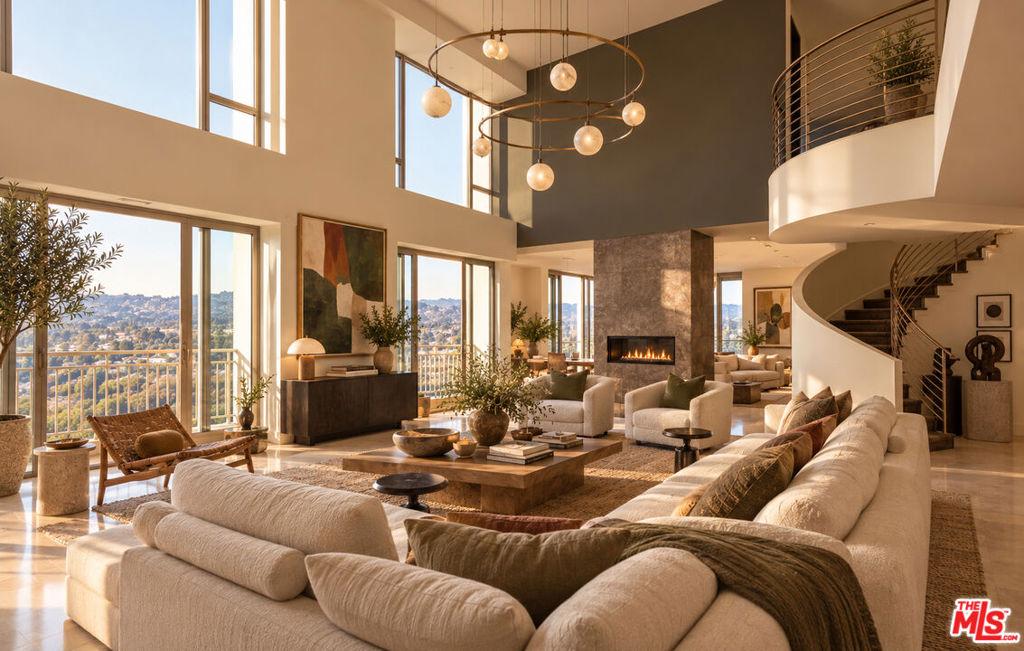
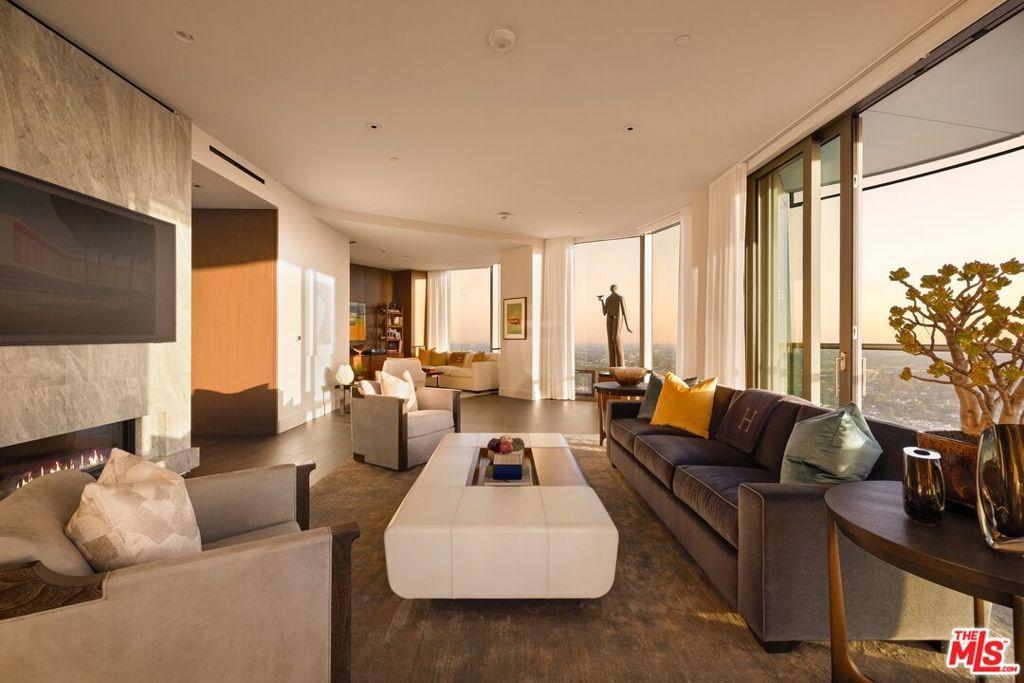
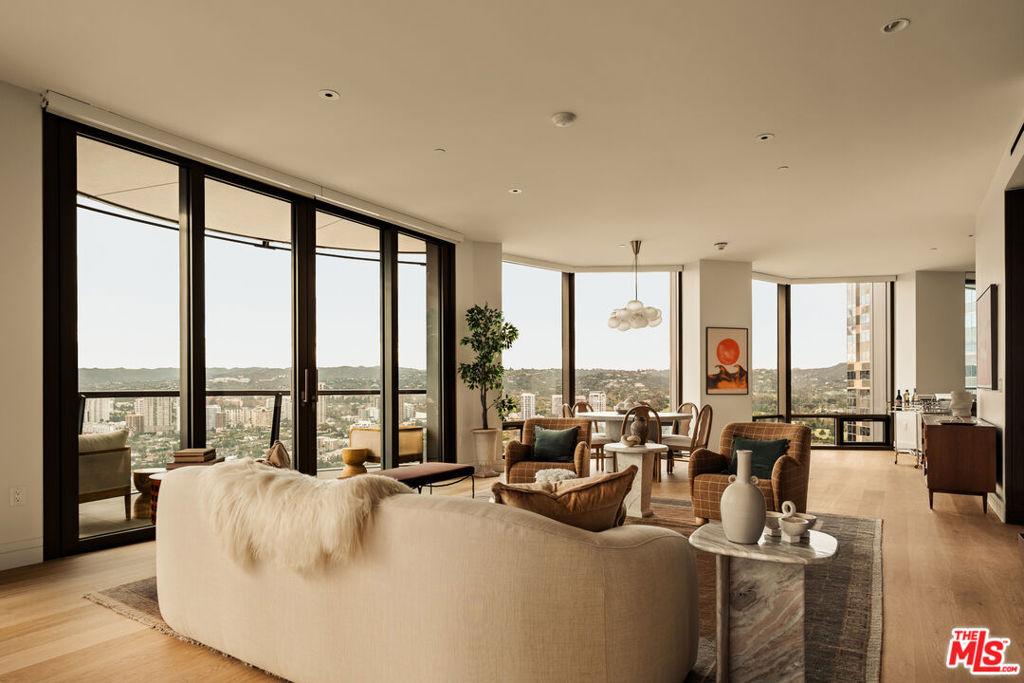
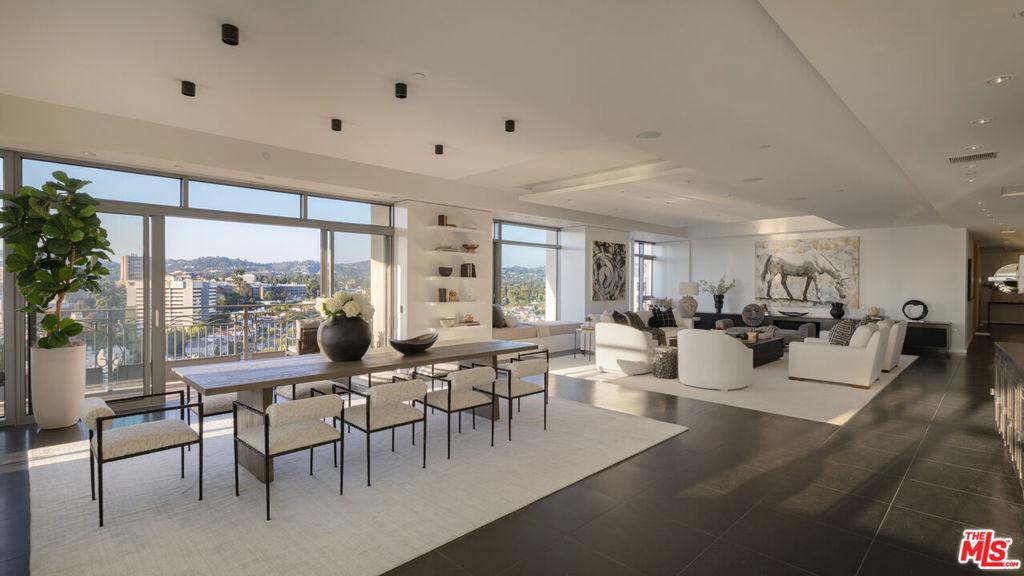
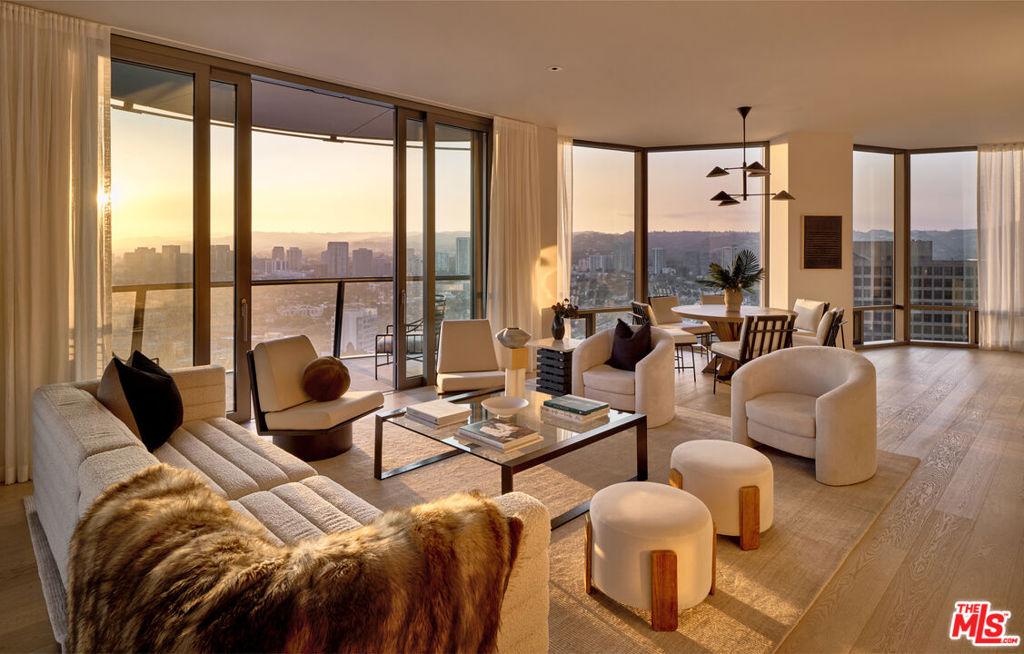
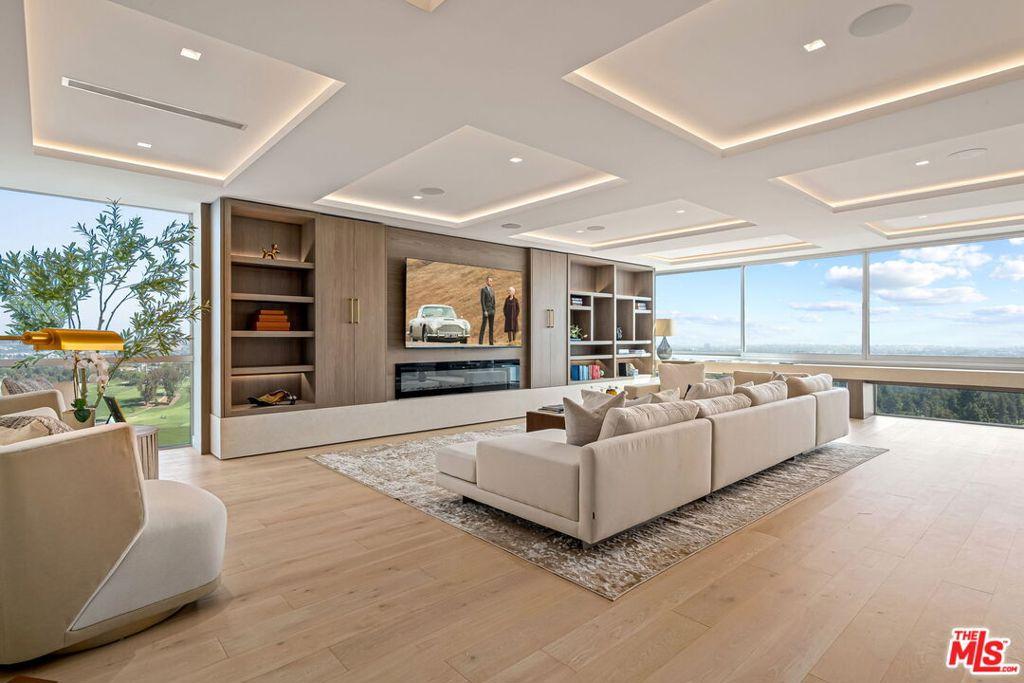
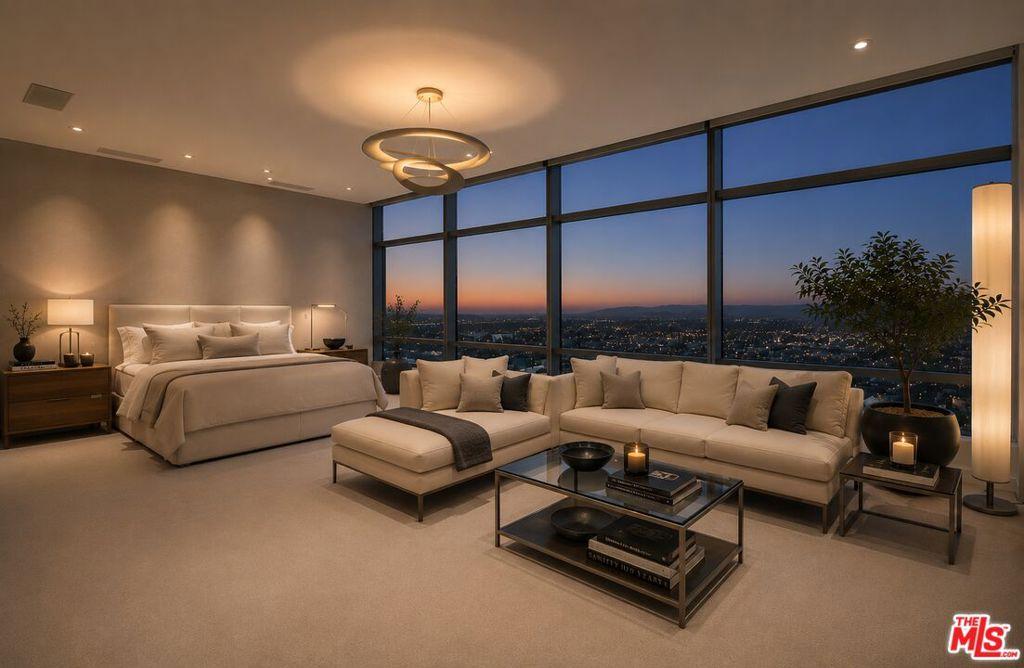
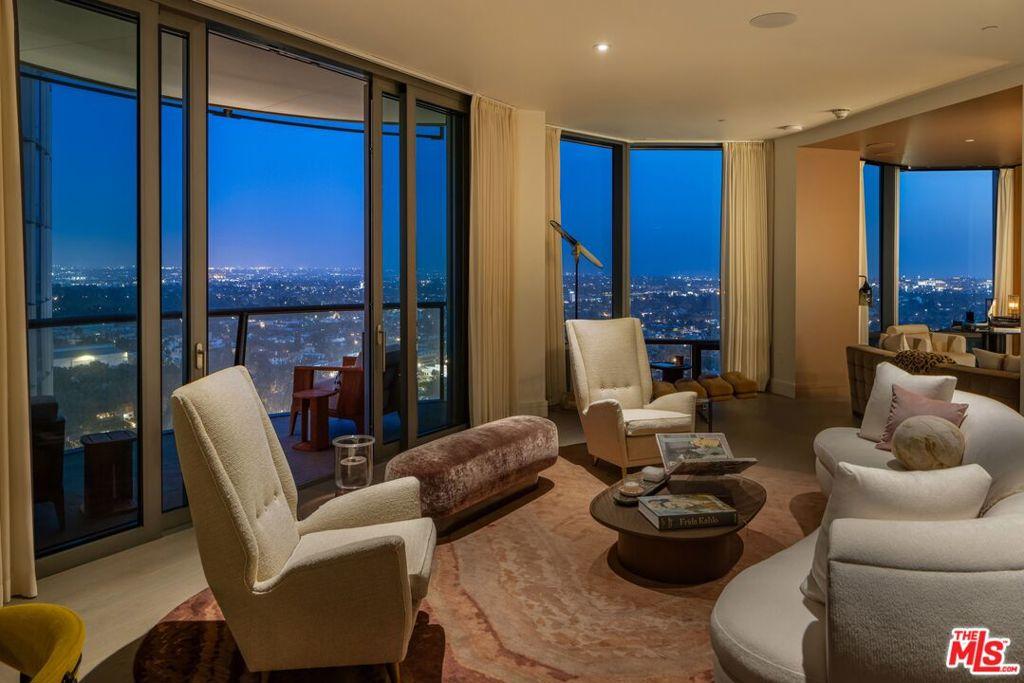
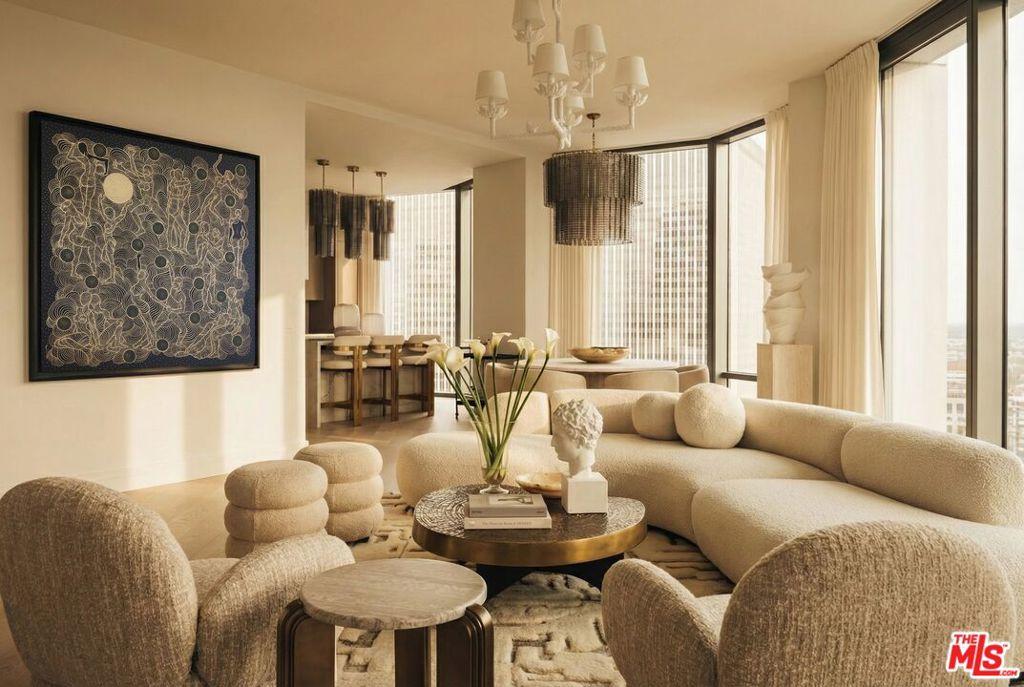
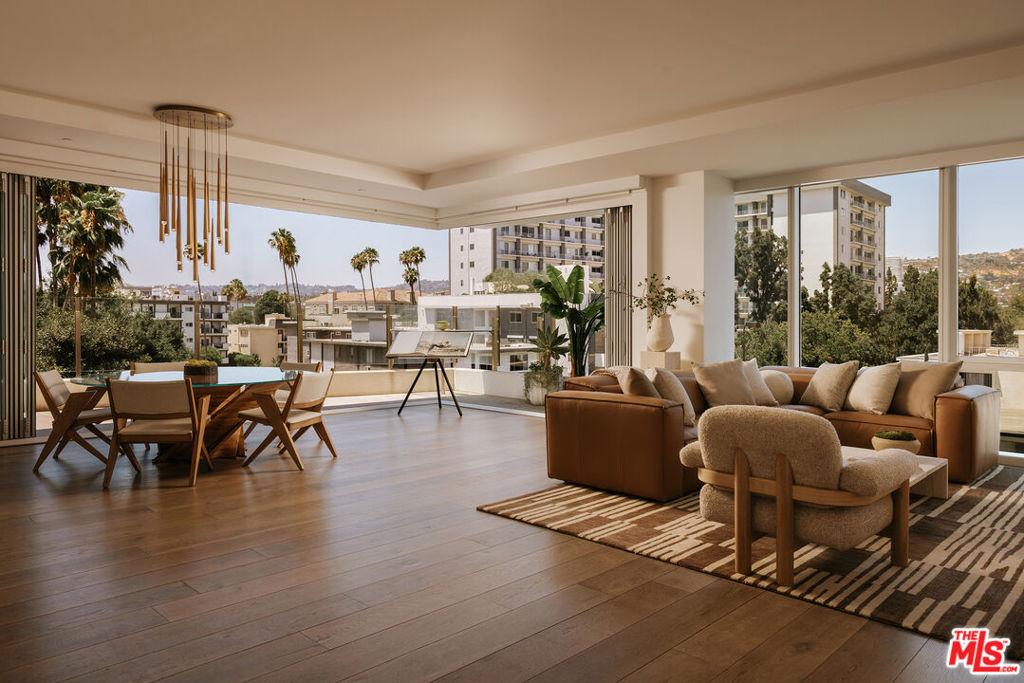
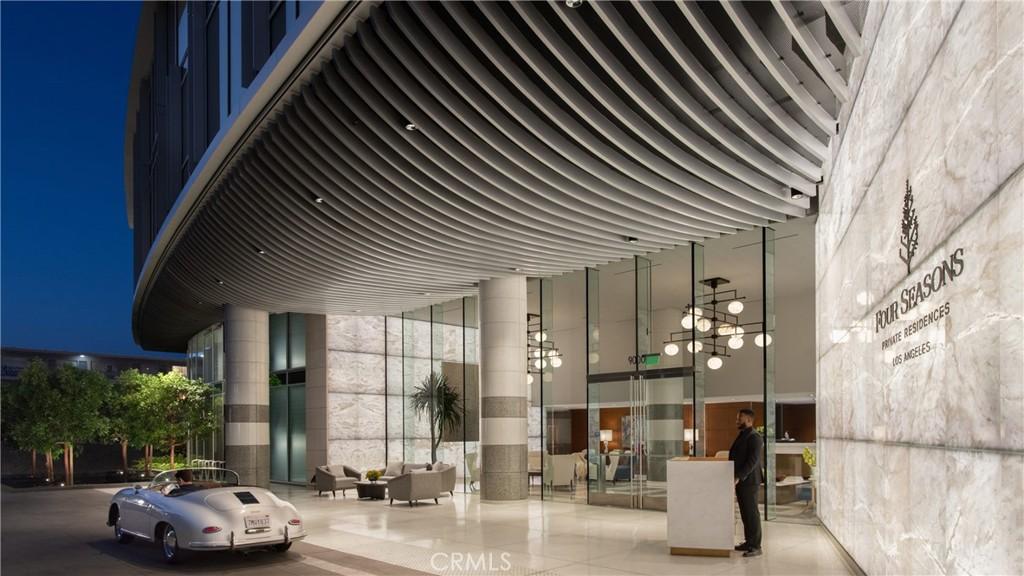
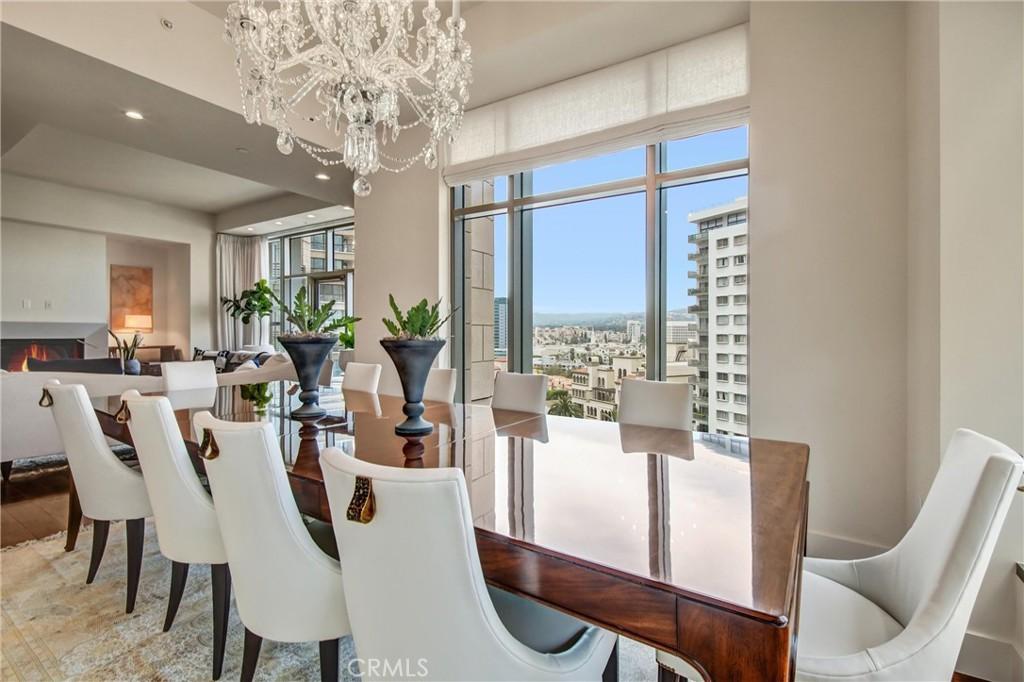
Condos for sale in Los Angeles span from $450,000 for a starter unit in a mid-century complex in Koreatown to $8 million for a penthouse at a new luxury high-rise in Century City. The market is wide enough that price alone tells you almost nothing. What the price tells you something about is what geography and building type you can access. and those two variables determine everything else about what you’re buying.
The LA condo buyer is not a single profile. There are four distinct archetypes and each arrives at the condo market from a different starting point.
The priced-out single-family buyer has worked the math and concluded that the house they want in the neighborhood they want costs $400,000 more than their budget. A condo in the same neighborhood. smaller, shared walls, HOA fees. brings them into their target zip code. This is the most common condo buyer in LA and also the one most likely to feel ambivalent about the purchase. They’re buying what they can afford, not what they envisioned.
The lifestyle buyer has made a conscious, affirmative choice. They want a lock-and-leave property. They travel, they don’t want to manage a yard, they want building amenities rather than a private pool, and they value urban proximity over square footage. This buyer is often a young professional in the tech or media industry, a couple without children, or someone who has already owned a house and decided the maintenance overhead was not worth it.
The downsizing buyer is coming down from a larger property. typically a house in Brentwood, Pacific Palisades, or the Westside. and wants to stay in their neighborhood while eliminating the physical and logistical burden of a large house. This buyer often has the budget for the most desirable building in their target neighborhood. They are specifically not comparing price per square foot; they are comparing which building in their neighborhood they want to live in.
The investor is buying for income. This might be a long-term rental investor targeting a building near UCLA or USC with structural rental demand, or it might have been (before restrictions tightened) a short-term rental investor. The STR landscape in LA has changed materially in recent years. most condo buildings have rental restrictions, many cities in the metro restrict short-term rentals at the municipal level, and the income projections that worked in 2019 look very different in 2026.
Los Angeles’ condo inventory is dominated by aging mid-century stock. Much of the city’s condo supply was built in the 1960s, 1970s, and 1980s. a building cohort that is now 40 to 60 years old and facing a reckoning that is specifically relevant to buyers. These buildings were not designed to the engineering or energy standards of contemporary construction. Many have deferred maintenance that the HOA has been managing around rather than addressing. Some have capital reserves that are significantly below what they would need to fund necessary improvements.
The geography of the building stock breaks into rough categories that help buyers understand what they’re looking at:
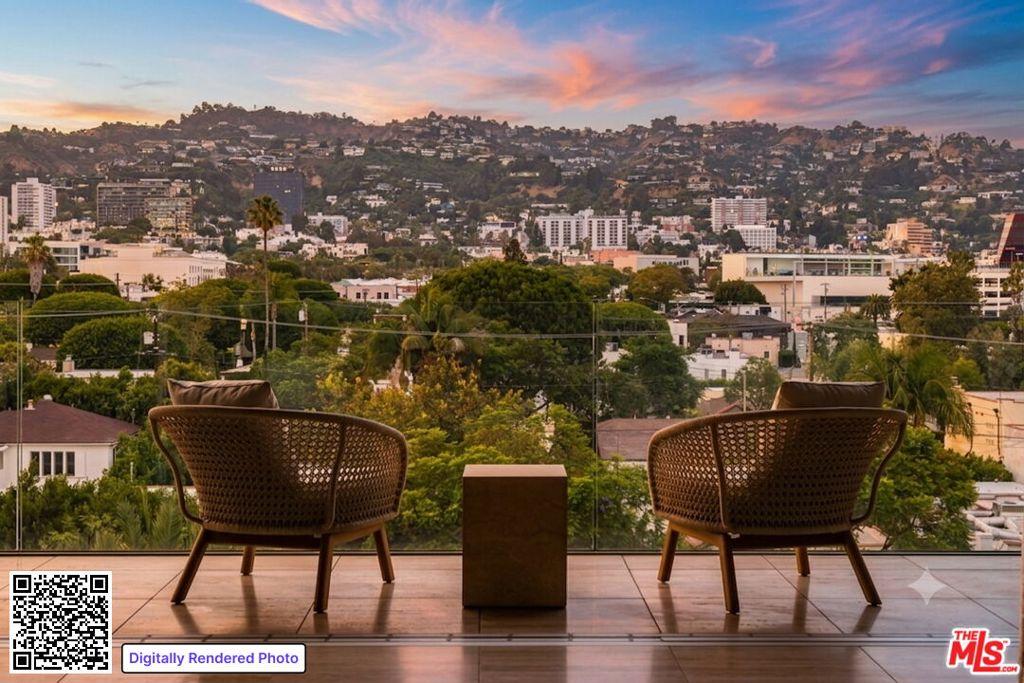
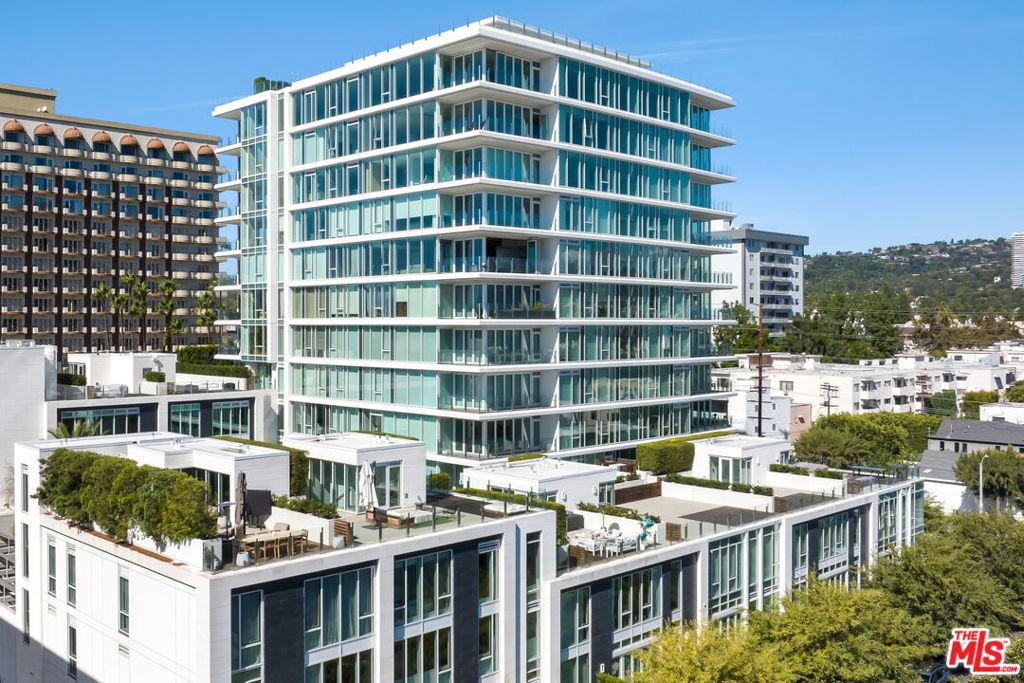
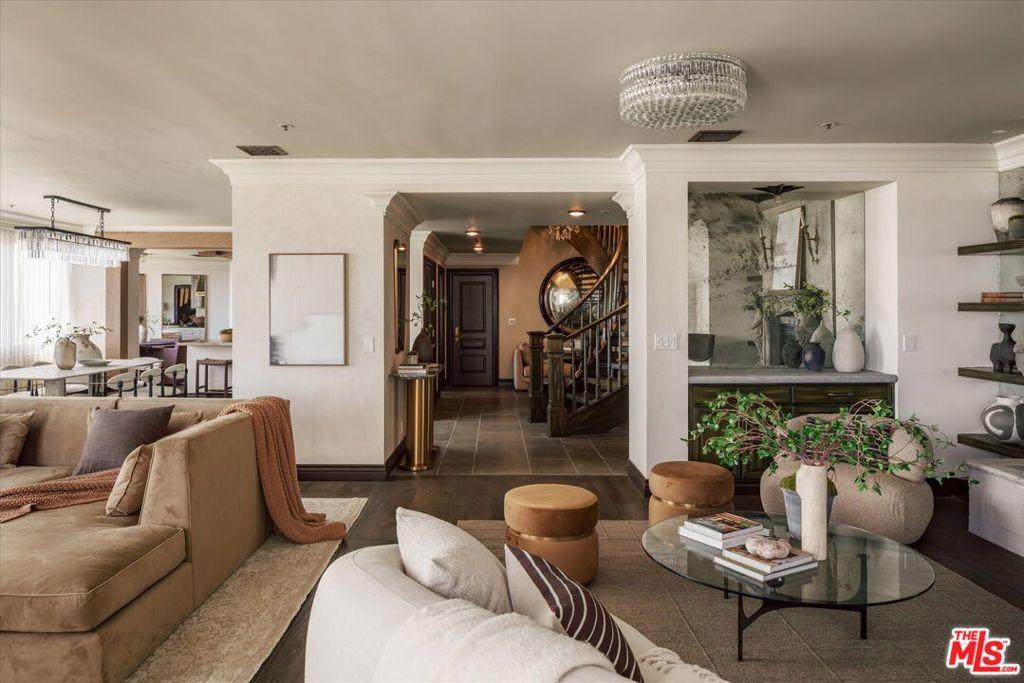
Westside condos (Santa Monica, Beverly Hills, Brentwood, Westwood, West Hollywood, Malibu, Marina del Rey) skew toward mid-rise and boutique low-rise buildings in neighborhoods with high residential prestige. The ocean-adjacent buildings command location premiums that can make an older unit in a deferred-maintenance building competitive with a newer inland unit simply because of the address. Beverly Hills has its own luxury building typology. white-glove service, concierge, doormen. that doesn’t exist at the same concentration elsewhere in LA. Santa Monica has oceanfront buildings that trade almost entirely on proximity to the coast.
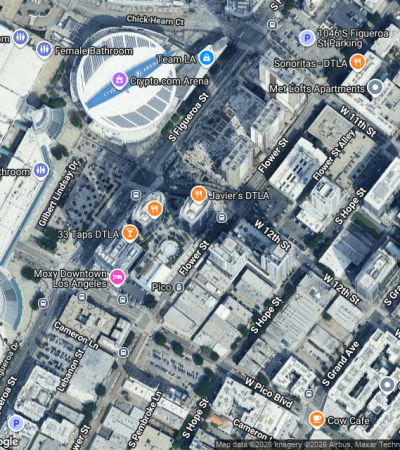
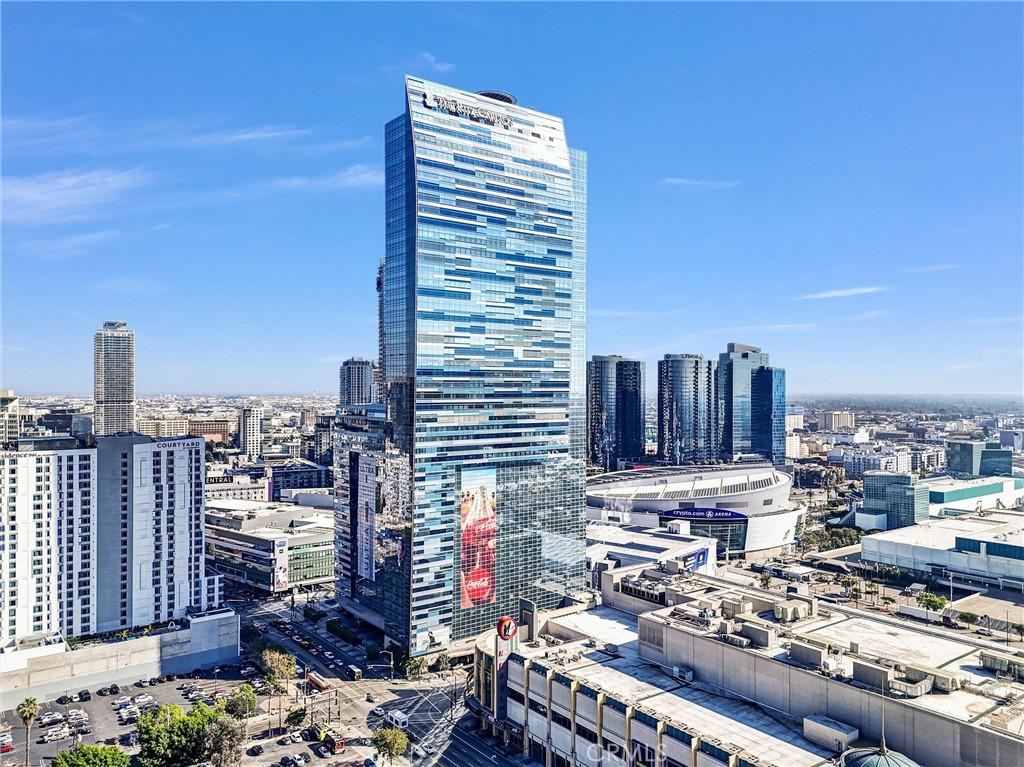
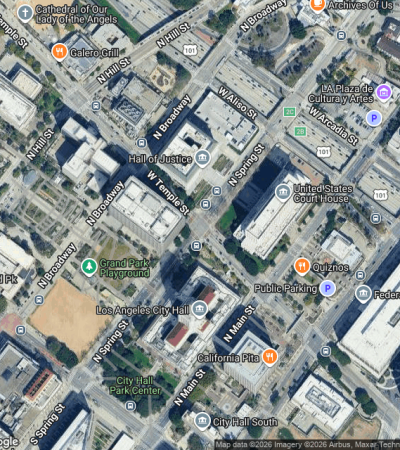
Downtown and urban core condos (DTLA, Koreatown, Silver Lake, Echo Park) are the most diverse product category. Arts District lofts in converted industrial buildings are the most distinctive condo product in the city. a genuinely different physical experience from a standard residential building. South Park high-rises near Crypto.com Arena represent a more conventional urban high-rise typology. The pricing spread in DTLA is the widest in any sub-market in this guide.
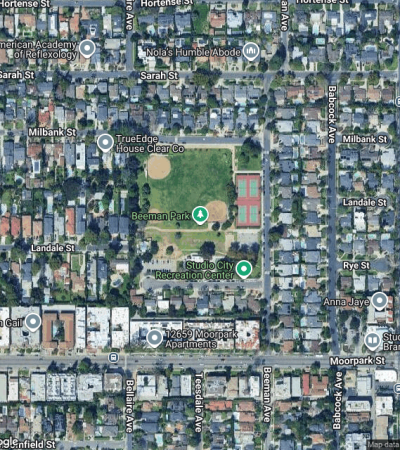
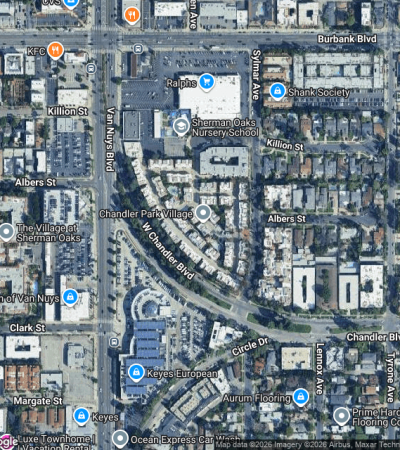
Valley condos (Studio City, Sherman Oaks, Encino, Woodland Hills, Burbank, Glendale) offer the most attainable pricing in the LA condo market for buyers who want a decent building quality and reasonable square footage. These buildings are less frequently written about but represent a significant share of the actual condo transaction volume in LA.
Eastside condos (Silver Lake, Los Feliz, Echo Park, Highland Park) reflect the demographic and aesthetic shift that has transformed these neighborhoods. The inventory here tends toward smaller buildings, lofts, and adaptive reuse projects that match the aesthetic sensibility of the buyer who moved to these neighborhoods in the first place.
The LA condo market has specific softness in 2025-2026 that creates opportunity and risk simultaneously. Days on market for condos have extended across most sub-markets, inventory has increased from the historically low levels of 2021-2022, and some buildings with documented deferred maintenance have seen price corrections as buyers factor in the full ownership cost.
Under $600,000: Primarily Valley condos, older Koreatown buildings, and entry-level units in Burbank and Glendale. Expect older stock, standard amenities, and buildings where the HOA fees are modest because the building has been managed to avoid expenditures rather than because it’s in excellent condition.
$600,000-$1,000,000: This range opens up Westside access in older buildings, well-maintained Valley units in better locations, Silver Lake and Los Feliz inventory, and the entry tier of Santa Monica’s inland buildings. The HOA fees at this tier tend to be more honestly reflective of what it costs to run the building.
$1,000,000-$2,000,000: Westside access in better-quality buildings, Beverly Hills mid-market, newer DTLA high-rises, and the lower tier of luxury Westside addresses. At this price point, the building matters as much as the unit. buyers should spend time understanding what they’re buying into, not just which unit they’re choosing.
$2,000,000+: Luxury Westside buildings, penthouses in Beverly Hills and Century City, ocean-front positions in Santa Monica and Malibu. This tier competes directly with entry-level house prices in the same neighborhoods and the comparison is usually worth making explicitly before committing to a condo at this price.
The HOA is the defining fact of condo ownership in LA that buyers most consistently underestimate before purchase. The monthly HOA fee is a floor, not a ceiling. The HOA can assess additional costs. special assessments. when the building needs work that the regular dues don’t cover. In a market where much of the stock is 40-60 years old and has deferred maintenance, the assessment risk is real.
Before buying, read the HOA reserve study. This is a document that calculates what the HOA has saved versus what it should have saved for future capital expenditures. A building that is significantly underfunded. particularly one that hasn’t replaced mechanical systems, elevators, or roofs within expected service life. is a building where a special assessment is likely. These assessments can run from $5,000 to $50,000 per unit depending on the building’s size and what needs to be done.
California’s rental restriction landscape for condos is complex and has become more so. Many buildings prohibit short-term rentals entirely. Some limit the percentage of units that can be rented to long-term tenants. These restrictions are in the CC&Rs and they are binding. buyers who are purchasing with rental income expectations need to read the CC&Rs before signing a purchase contract, not after.
The parking situation varies wildly by building and by neighborhood. Older buildings often have one assigned space per unit. not two, not a guest space, not a second space for purchase. In neighborhoods where street parking is also restricted, this creates a material daily life constraint that buyers who drive don’t fully register until they own.
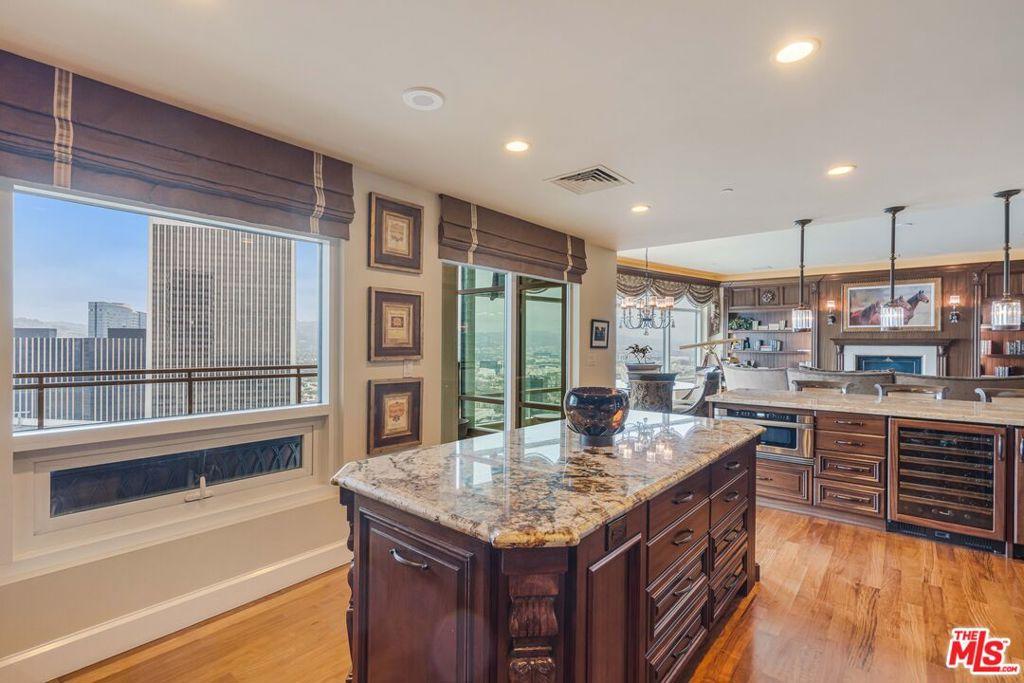
The old-stock reality. LA’s condo market is disproportionately old construction. If you are buying a 1970s or 1980s building, you are buying something that was built to codes and standards that are 40-50 years obsolete. That doesn’t make it a bad purchase. many of these buildings are well-maintained, well-located, and priced to reflect the tradeoff. but it means the due diligence process needs to focus on what the building actually is, not just what the unit looks like after renovation. A freshly renovated kitchen in a 1978 building doesn’t tell you whether the plumbing beneath it has been replaced.
The maintenance-free illusion. Condos are lower-maintenance than houses, not zero-maintenance. The HOA handles the building’s exterior and common areas. The unit interior is still your responsibility. And the HOA’s decisions. about when to repair, what to defer, how to manage capital reserves. are made by a board that may or may not have a long-term financial view. Understanding the HOA’s track record and financial condition is as important as the inspection report.
The comparison to a house. At the $1M-$2M range in LA, the condo-versus-house comparison is worth making explicitly. In some neighborhoods. Beverly Hills, Santa Monica, Brentwood. a condo at $1.5M and a house at $2M are close enough in price that the decision comes down to what you actually want to live in, not just what you can afford. In other neighborhoods. Valley suburbs. a condo at $700K competes with houses at $900K, and the square footage and outdoor space differences are more pronounced. The point is not that one is better than the other. The point is that the comparison should be made consciously, not by default.
TKG’s LA condo inventory spans over 488 pages across every major neighborhood and building type in the city.
Santa Monica Condos. Ocean-proximity premium. The Westside’s most competitive condo market by price per square foot.
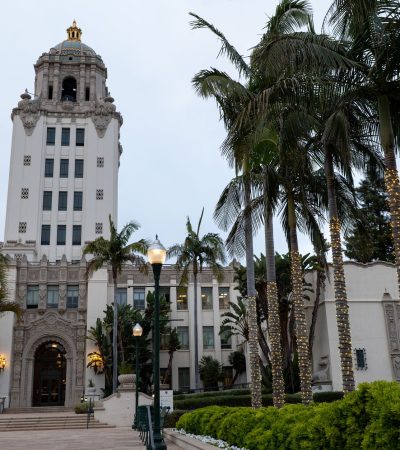
Beverly Hills Condos. The 90210 address premium in building form. White-glove service culture, 74 buildings in TKG’s inventory.
West Hollywood Condos. The most walkable residential neighborhood in LA outside DTLA. 41 buildings in inventory.
Brentwood Condos. Boutique low-rise in one of the Westside’s most prestigious neighborhoods. 23 buildings in inventory.
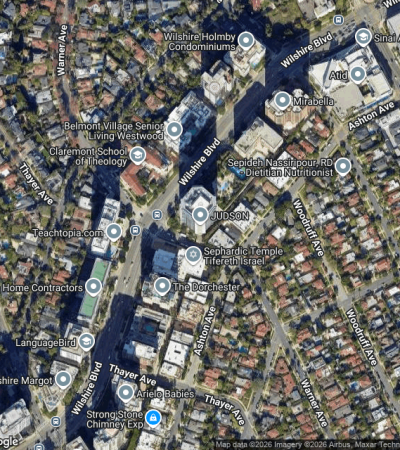
Westwood Condos. UCLA-proximity demand and the Wilshire Corridor tower market. 27 buildings in inventory.
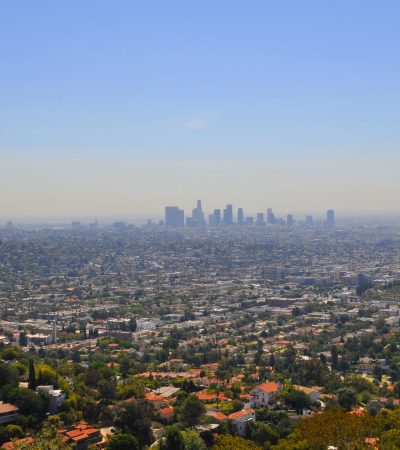
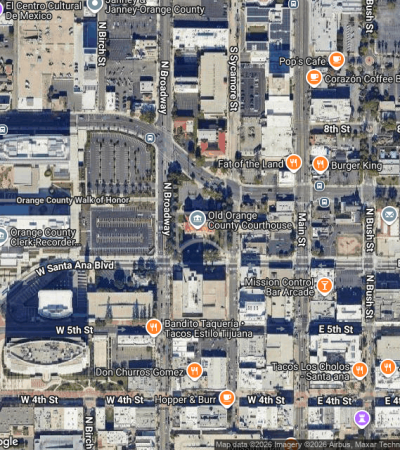
Downtown Los Angeles Condos. Arts District lofts, South Park high-rises, and the widest price range in any LA sub-market.
Marina del Rey Condos. Marina lifestyle access at a meaningfully lower price point than Santa Monica.
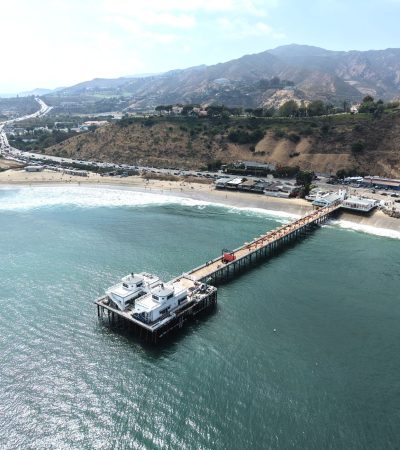
Malibu Condos. Beach colony communities. Ocean access as the primary product differentiator.
There are over 35 condo sub-hubs in TKG’s LA inventory. If you don’t see your neighborhood here, contact us. we cover the full city.
The Knight Group works with buyers and sellers across the Los Angeles condo market. Call us at 503-200-4823 or use the contact form below to connect with an agent who knows your target neighborhood specifically.
The Knight Group is here to help you with all your realty needs. To get started, fill out the form below and one of our experienced agents will contact you as quickly as possible.
Copyright © 2024 The Knight Group.
All rights reserved. License: 02133297
Lucky for you we’re looking out.
Subscribe to this Custom Search to be alerted when new properties hit the market in the area.
Choose the frequency that works for you.