Niche Community

Harbor Gateway Homes for Sale

Harbor Gateway Homes for SaleListings

Harbor Gateway Port of LA Cities Homes for Sale

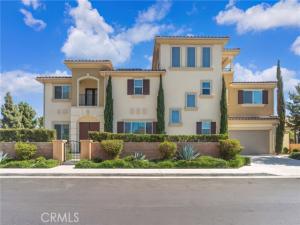
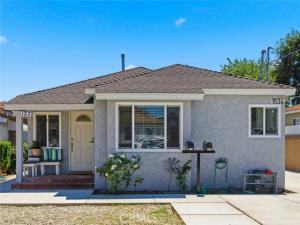
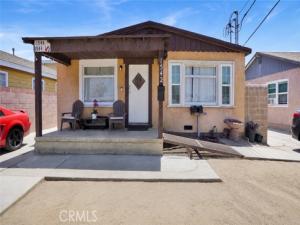
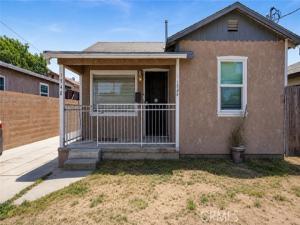
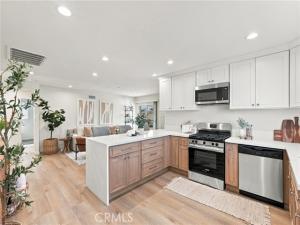
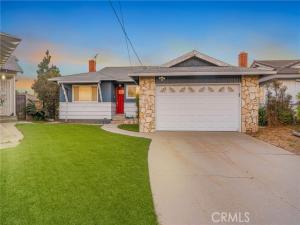
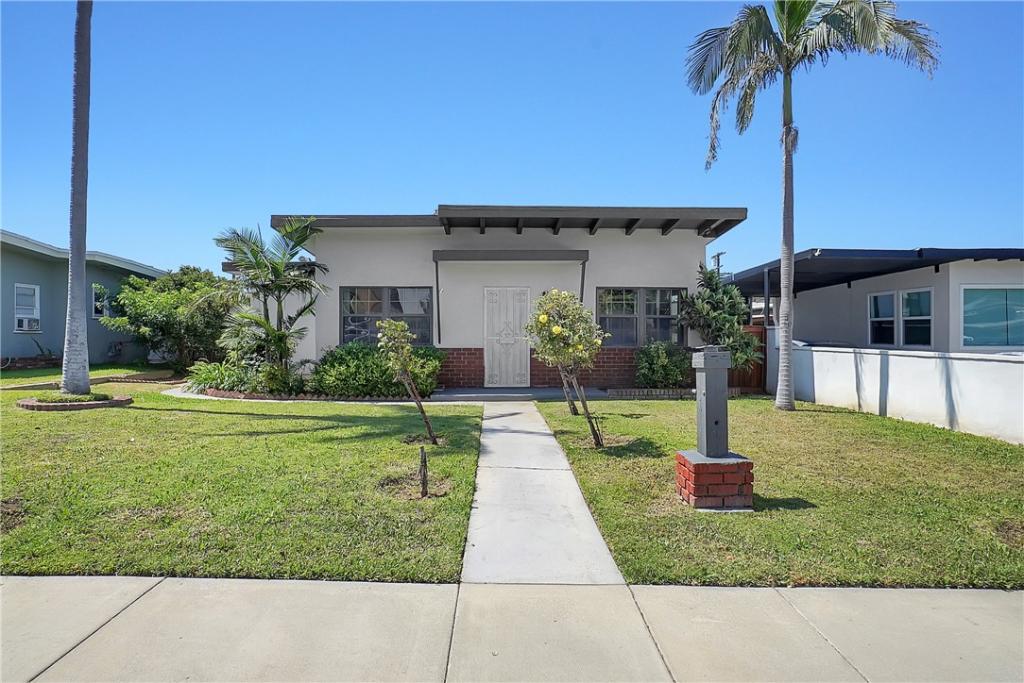
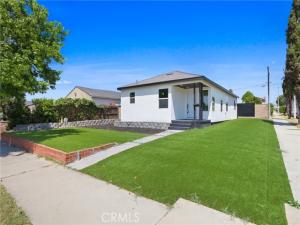
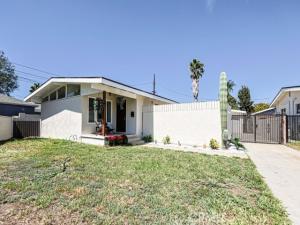
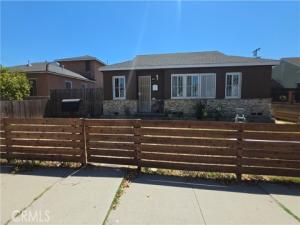
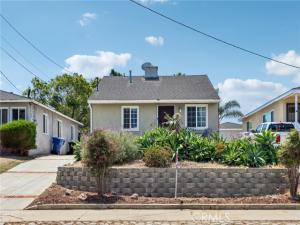
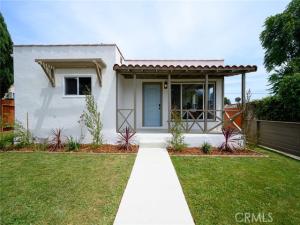
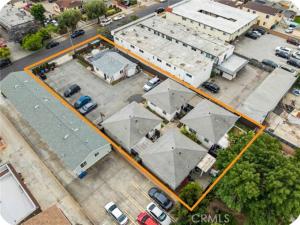
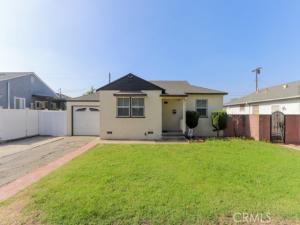
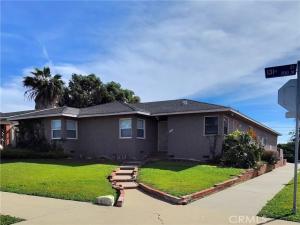
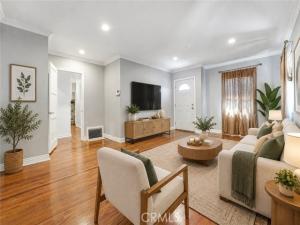
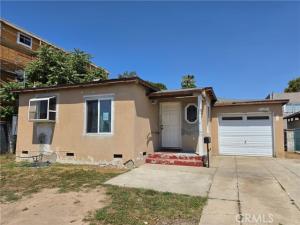
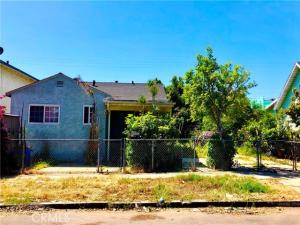
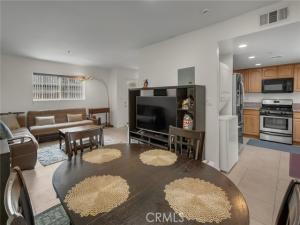
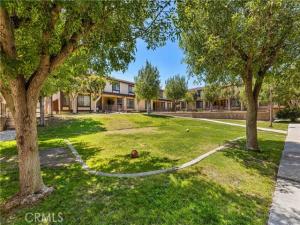
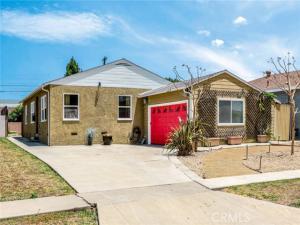
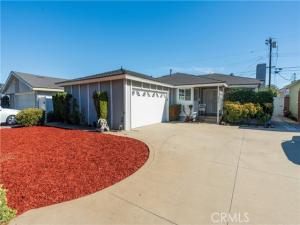
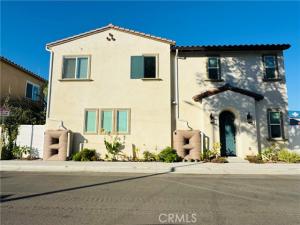
Harbor Gateway Port of La Cities Homes for Sale currently number 60 active listings with a median asking price of $999,445 (CRMLS, September 2026).

Harbor Gateway port of LA cities homes for sale generally run about $650,000 to $800,000 in 2026, which puts this corridor among the more attainable options in the Port of Los Angeles Cities region. Harbor Gateway is a narrow strip of Los Angeles city territory running south from South LA to the Harbor — land the city annexed to keep a connection to its port facilities. That history explains the shape of the place: a long residential corridor strung along the 110 Freeway, with working-class communities shaped by the port’s economic gravity.

Expect neighborhoods that read as working-class residential rather than resort-adjacent, even though Long Beach’s urban beach lifestyle sits nearby. The corridor’s linear geography is the main variable — where you land along the strip determines how quickly you reach downtown LA via the 110 versus the Port of LA at the south end, and pricing within that $650,000 to $800,000 band tracks that positioning.

Harbor Gateway Homes for Sale in Port of la Cities Homes for Sale

Community

What is Harbor Gateway?

Harbor Gateway is one of the Port of LA Cities region’s distinct communities, harbor gateway is a narrow strip of los angeles city territory that runs south from south la to the harbor — a residential corridor created when los angeles annexed the land to maintain a connection to its port facilities, with communities along the 110 freeway that have working-class residential identities shaped by the port’s economic gravity within a regional zone defined by its maritime heritage, the port’s logistical and industrial employment, the beach access that Long Beach and San Pedro provide, and the working-class residential character that the port’s employment base sustains across multiple communities at the southern edge of Los Angeles County.

The school districts serving the Port of LA Cities region vary significantly. Long Beach Unified is the third-largest school district in California, with strong magnet and specialized school programs alongside the challenges of serving a large, diverse urban population. Lakewood Unified serves Lakewood with above-average academic outcomes for the region. Los Angeles Unified serves the Harbor neighborhoods (San Pedro, Wilmington, Harbor City, Harbor Gateway) with the LAUSD’s characteristic campus-level variability. The specific school assignment for any address should be verified with the relevant district office.

The 405 Freeway, 710 Freeway, and 91 Freeway provide the region’s primary freeway connectivity to the broader Los Angeles metropolitan area. The A Line (Blue Line) Metro connects Long Beach to downtown Los Angeles with stations throughout the Long Beach urban core. The Long Beach Airport (also known as LGB) provides an alternative to LAX for regional air travel — smaller, less congested, and accessible within 15 minutes from most of the Port of LA Cities zone. The Port of Los Angeles and Port of Long Beach collectively employ thousands of workers directly and indirectly through the logistics, trucking, warehousing, and maritime service industries they generate.

The waterfront redevelopment projects along San Pedro’s West Harbor and the Long Beach waterfront are reshaping the harbor region’s residential desirability — new retail, restaurant, and entertainment facilities on the waterfront are transforming former industrial spaces into the kind of activated urban waterfront that catalyzes residential investment in surrounding neighborhoods. For buyers who are timing their entry into the harbor region’s residential market, the waterfront development trajectory is a significant factor in the long-term residential value outlook for communities closest to the revitalized waterfront infrastructure.

Harbor Gateway: LA’s Narrow Connection to the Port

Harbor Gateway is one of Los Angeles’s most geographically unusual neighborhoods — a narrow corridor of City of Los Angeles territory (in some sections less than half a mile wide) that extends south from the main body of the city through the unincorporated communities and independent cities of the Southeast to connect the City of LA to the Harbor area. The “gateway” designation reflects this geographic function: the narrow strip of City territory that maintains the connection to the Port of Los Angeles — a geographic artifact of the 1906 annexation that brought the Harbor area into the City of Los Angeles’s jurisdiction in order to control the port’s development. Harbor Gateway’s residential character reflects the working-class communities along the I-110 corridor that the strip’s geography has produced — the commercial and residential fabric of a narrow urban corridor rather than the conventional neighborhood geographic footprint.

Harbor Gateway’s residential market provides the working-class south-city affordability that the corridor’s commercial and residential fabric sustains — the apartments, small homes, and multi-family buildings that the I-110-adjacent corridor includes at the South Los Angeles-Harbor interface pricing tier. The community’s strip geography creates the transportation corridor character that the I-110’s parallel route sustains through the neighborhood.

Why is Harbor Gateway’s location unique?

Harbor Gateway’s narrow strip geography — the result of the 1906 Shoestring Annexation that connected the City of LA to its harbor — creates the specific residential experience of living in a community that is effectively a corridor rather than a conventional neighborhood with equal geographic expansion in all directions. The community’s primary commercial spine along Figueroa Street and Vermont Avenue provides the commercial access that the working-class residential population uses for daily needs; the I-110 freeway runs parallel through the western edge of the strip, providing the transportation infrastructure that sustains the commute access to Downtown and the Harbor. The Harbor Gateway’s neighborhood councils (North Harbor Gateway and South Harbor Gateway) engage with the specific infrastructure and service delivery issues that a narrow corridor community faces — the freeway noise mitigation, the commercial corridor maintenance, and the public safety coordination with both LAPD (which serves the LA City portions) and the adjacent unincorporated community’s Sheriff coverage. The diverse residential fabric reflects the corridor’s position between the South LA working-class residential landscape and the Harbor area’s maritime and industrial character.

Area Details

How close is Harbor Gateway to the port and beach?

San Pedro is the historic maritime community at the tip of the Palos Verdes Peninsula’s base — a neighborhood with a distinct waterfront identity anchored by the Port of Los Angeles’s terminal facilities, the USS Iowa museum, the Ports O’ Call Village (being redeveloped as the West Harbor waterfront development), and the historic downtown that the Croatian, Italian, and other European maritime immigrant communities built in the early twentieth century. San Pedro’s artistic community — the last remaining working-class artist enclave in the Los Angeles basin that maintains genuine affordability alongside genuine maritime character — gives it a cultural identity that distinguishes it from the purely industrial port communities that Wilmington represents.

Lakewood is the region’s quintessential postwar planned residential community — developed in the early 1950s from former sugar beet fields as one of the largest planned housing developments in American history, where 17,000 homes were constructed at an unprecedented scale that made Lakewood a model for the mass-produced postwar suburb. Lakewood’s Lakewood Center shopping mall (one of the nation’s first), the Long Beach airport proximity, and the Lakewood Unified School District’s solid academic performance sustain a stable residential identity six decades after the original development. Signal Hill’s elevated terrain provides hilltop views over the Long Beach basin, and the city’s small size (approximately 11,000 residents) and independent governance allow it to maintain a character distinct from the surrounding Long Beach geography.

The 405, 710, and 91 Freeways provide the harbor region’s primary freeway connectivity — the 405 running north to LAX and the Westside, the 710 running north to downtown LA and the I-10 connection, and the 91 running east to the Inland Empire and Riverside County. The Blue Line (A Line) Metro provides rail transit from downtown Long Beach to downtown Los Angeles (approximately 55 minutes). The harbor region’s freeway and port proximity makes it a logistics employment hub and a commuter destination that draws workers from across the southern Los Angeles County area.

What is the price range in Harbor Gateway?

Harbor Gateway’s 2026 median home price of approximately $650,000 to $800,000 reflects the linear corridor geography, working-class residential character, and proximity to both downtown LA via the 110 and the Port of LA. Current specific pricing data for Harbor Gateway is available from The Knight Group. The Port of LA Cities region spans a wide price range from working-class communities like Wilmington to premium coastal neighborhoods in Long Beach’s Belmont Shore; any specific community’s pricing requires the context of its position within the region’s residential hierarchy.

How far is Harbor Gateway from downtown Los Angeles?

The Port of LA Cities communities are approximately 20 to 30 miles south of downtown Los Angeles by freeway. The 710 Freeway provides the most direct connection, with off-peak travel times of 30 to 45 minutes extending to 60 to 90 minutes during peak commute hours. The A Line Metro from downtown Long Beach to downtown LA takes approximately 55 minutes. For Port of LA Cities residents who work in downtown LA, the commute is among the longer in the Los Angeles County context, though the trade-off of lower housing costs and beach access typically motivates the lifestyle choice.

Is Harbor Gateway close to the beach?

Beach proximity in the Port of LA Cities region depends on the specific community. Long Beach’s Belmont Shore and Naples have direct beach access; San Pedro’s Cabrillo Beach is accessible by car within 5 minutes of most San Pedro addresses. Carson, Lakewood, and the Harbor neighborhoods are 5 to 15 minutes from the nearest beach by car. The region’s southern position means the ocean’s moderating influence on temperatures is present across the area even for communities not directly adjacent to the beach.
Why does Harbor Gateway exist as a narrow strip of LA City territory?

Harbor Gateway’s narrow strip configuration results from the Shoestring Annexation of 1906 — the controversial land annexation that the City of Los Angeles undertook to connect its territory to the Port of Los Angeles at San Pedro without having to incorporate the intermediate communities (Gardena, Compton, and the other Southeast LA communities) that lay between the city and the harbor. The Los Angeles City Charter required that all territory within the city form a contiguous area; the port’s value as a commercial asset was so significant that the city chose the narrow corridor annexation over leaving the port outside city limits or annexing the intermediate communities’ residents who might have opposed incorporation. The resulting strip — in some locations as narrow as 0.3 miles wide for several miles of its north-south extent — is one of the most unusual municipal boundary configurations in American cities, visible in any map of LA’s city limits as the distinctive south-pointing corridor that connects the port to the main city body.

ExploreMore

Explore more Port Of La Cities neighborhoods:

Embarking on a property search akin to a treasure hunt, each click unravels the tapestry of possibilities. The search isn’t just a mere quest; it’s a personalized journey through architectural narratives, neighborhood nuances, and the pulse of a city’s heartbeat. Every keystroke reveals a spectrum of homes, each with its own story waiting to be discovered. It’s not merely a search; it’s a curated exploration of lifestyles and possibilities, guided by the rhythm of one’s aspirations. Let your curiosity run wild as you explore these similar custom searches.
GetAlerts

Signup for email alerts when properties match your interest!

Hey, You ALMOST MISSED IT!

Lucky for you we’re looking out.

Subscribe to this Custom Search to be alerted when new properties hit the market in the area.

Choose the frequency that works for you.