What is the Long Beach market like right now?
Long Beach is tracked as a distinct sub-market of Port of la Cities, and its figures diverge from the parent average. The measurements below come from CRMLS listing data as of September 2026.
- Active listings: 187 in Long Beach, priced at a median of $2,300,000 as of September 2026.
- Median asking price per square foot in Long Beach: $822.
- Median list price across 893 tracked Long Beach properties: $1,050,000.
- Median lot size in Long Beach: 5,608 sq ft.
- Median living area in Long Beach: 1,528 sq ft.
- Median days on market in Long Beach: 26.
- Housing stock in Long Beach was built between 1901 and 2026, with a median year of 1947.
- Typical Long Beach home height: 1 story.
How much do homes in Long Beach actually sell for?
Long Beach trades close to asking price. Across 411 recorded sales, homes traded at a median of 99.5% of their original asking price after a median 16 days on market (CRMLS, September 2026). Asking prices are what sellers hope for; these are the numbers they accepted.
- Homes in Long Beach sold for a median of 99.5% of their original asking price across 411 recorded sales.
- Median time on market in Long Beach: 16 days.
- 24% of Long Beach sellers reduced their price before selling.
- 38% of sales in Long Beach closed above the original asking price.
- Median recorded sale price in Long Beach: $1,020,000.
- Median recorded price per square foot in Long Beach: $726.
Where price resistance shows up in Port of la Cities
Negotiating room is not evenly distributed across price. Measured across recorded sales in this dataset, the gap between asking and accepted widens sharply at the top of the market.
- Under $1M: sold at a median 98.7% of original ask after 20 days, with 33% of sellers reducing (1316 sales).
- $1M-$2M: sold at a median 99.3% of original ask after 19 days, with 28% of sellers reducing (1571 sales).
- $2M-$5M: sold at a median 98.9% of original ask after 22 days, with 20% of sellers reducing (752 sales).
- $5M and above: sold at a median 91.3% of original ask after 54 days, with 24% of sellers reducing (174 sales).
How is the Port of Los Angeles Cities Real Estate real estate market?
The Port of Los Angeles Cities encompasses the residential communities clustered around and adjacent to the Port of Los Angeles and Port of Long Beach — the busiest port complex in the Western Hemisphere — including the LA neighborhoods of San Pedro, Wilmington, Harbor City, and Harbor Gateway, and the independent cities of Long Beach, Carson, Lakewood, and Signal Hill. The 2026 median home price across these communities ranges from approximately $600,000 to $800,000 for entry-level and working-class communities like Wilmington and Harbor Gateway to $900,000 to $1.3 million in Lakewood and Signal Hill’s premium residential sections, with Long Beach spanning the entire range from its affordable inland districts to its premium Belmont Shore and Naples beachfront neighborhoods.
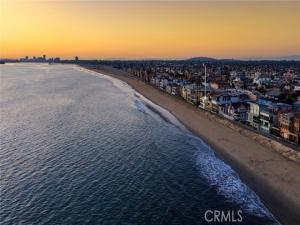
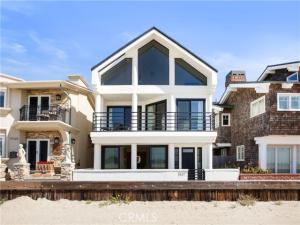
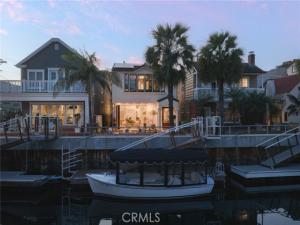
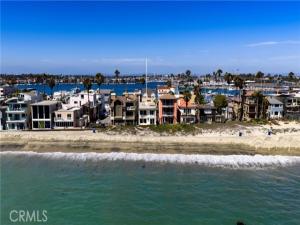
Long Beach is the region’s most significant residential city — a city of approximately 470,000 residents and the second-largest in Los Angeles County, where the Port of Long Beach’s employment, the California State University Long Beach campus, the Aquarium of the Pacific, and the urban beach lifestyle of Belmont Shore create a complete city with its own distinct identity outside of the Los Angeles metropolitan context. Long Beach’s residential neighborhoods range from the historic craftsman homes of Bluff Park to the 1950s ranch houses of Los Altos to the multi-million-dollar beachfront estates of Belmont Shore and Naples Island, providing a full price spectrum within a single city that functions as a distinct metropolitan center in its own right.
The logistics and distribution industry concentration around the ports — warehouses, trucking terminals, container yards, and the supporting industrial services that the world’s busiest port complex generates — creates significant working-class and blue-collar employment that shapes the residential character of Wilmington, Harbor City, and the industrial zones adjacent to the port terminals. The port’s economic scale ($200 billion or more in annual trade value) sustains a regional employment base that indirectly benefits residential demand across the entire southern Los Angeles County area, even for residents whose employment is not directly port-related.
Port of LA, Harbor, and Long Beach Real Estate: Waterfront Identity and Industrial Resilience
The Port of Los Angeles and Long Beach harbor complex — the busiest container port in the Western Hemisphere, processing over 9 million TEUs annually through its 17 cargo terminals — creates the industrial and employment identity that the surrounding residential communities (San Pedro, Wilmington, Harbor City, Harbor Gateway, Carson, Long Beach, Lakewood, and Signal Hill) are built around. San Pedro’s transformation from a working port town to a waterfront destination has accelerated with the Ports O’Call Village redevelopment (now West Harbor), the AltaSea ocean research facility, and the investment in the Downtown San Pedro waterfront that seeks to create the mixed-use urban waterfront character that ports-turned-attractions in Baltimore, Boston, and San Diego have demonstrated. The San Pedro community’s Greek, Croatian, and Italian fishing heritage creates the distinctive cultural identity that the neighborhood’s murals, the Croatian Cultural Center, and the San Pedro Fish Market sustain as residential development brings new demographics to the historic waterfront district.
Long Beach — the second-largest city in Los Angeles County, with approximately 466,000 residents — functions as a complete urban environment within the LA metropolitan area: the downtown waterfront (the Aquarium of the Pacific, the Queen Mary, the Convention Center), the diverse neighborhood fabric from Belmont Shore’s beach-adjacent restaurant scene to the historic Bungalow Heaven residential district, and the Port of Long Beach’s massive economic contribution sustain a city identity that provides the full-service urban lifestyle at pricing typically $300K-$500K below comparable Westside LA addresses. Signal Hill’s elevated mesa within Long Beach’s urban fabric provides the neighborhood character and the oil derrick history (the small city was once the highest-producing oil field per square mile in the world) that creates Signal Hill’s distinct identity within the Long Beach metropolitan landscape. Lakewood’s 1950s planned community character — one of the first and most studied planned postwar suburbs in America — provides the established residential stability that Lakewood’s community identity sustains.
What is the market for Homes For Sale In Long Beach like?
- Port of Los Angeles Cities encompasses residential communities clustered around the busiest port complex in the Western Hemisphere, including San Pedro, Wilmington, Harbor City, and Harbor Gateway.
- Independent cities of Long Beach, Carson, Lakewood, and Signal Hill round out the port region alongside the harbor neighborhoods of Los Angeles proper.
- Entry-level and working-class pricing centers on Wilmington and Harbor Gateway, while Lakewood and Signal Hill’s premium residential sections sit at the top of the range.
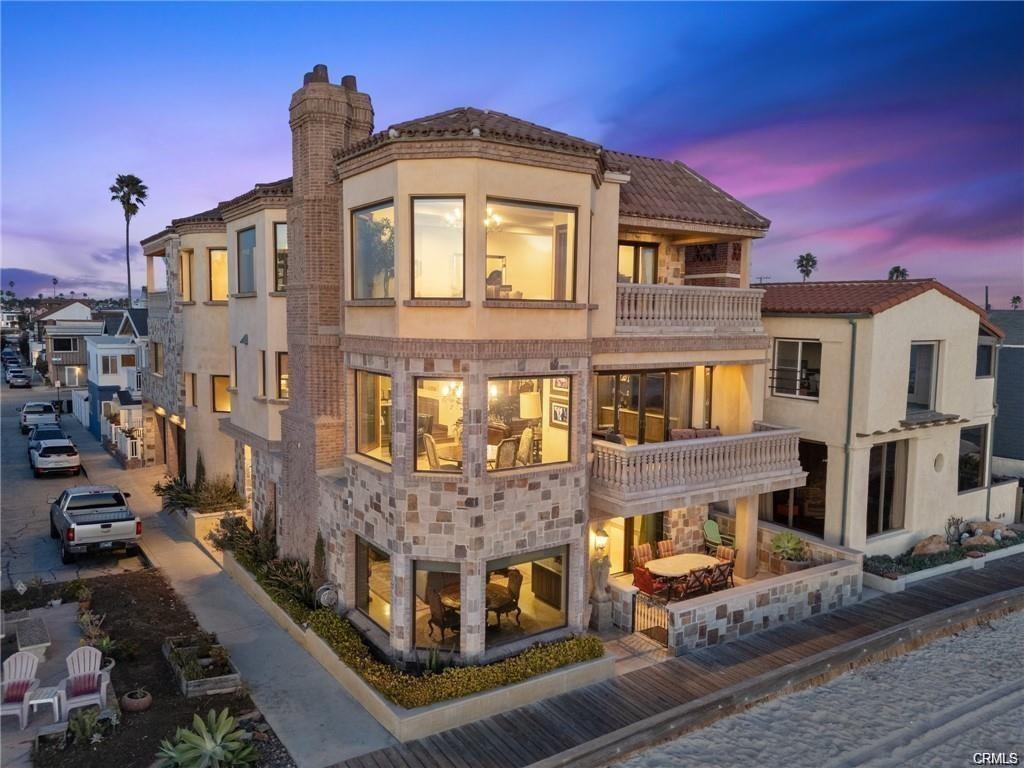
- Homes For Sale In Long Beach span the entire regional price range, from affordable inland districts to the premium Belmont Shore and Naples beachfront neighborhoods.
- Long Beach ranks as the region’s most significant residential city and the second-largest in Los Angeles County, with an identity outside the Los Angeles metropolitan context.
- Port of Long Beach employment, the Cal State Long Beach campus, the Aquarium of the Pacific, and Belmont Shore beach living create a complete city.
- Housing stock among Homes For Sale In Long Beach runs from historic craftsman homes in Bluff Park to ranch houses in Los Altos to beachfront estates in Naples Island.
- Logistics and distribution concentration around the ports brings warehouses, trucking terminals, container yards, and supporting industrial services to the harbor economy.
- Working-class and blue-collar employment shapes the residential character of Wilmington, Harbor City, and the industrial zones adjacent to the port terminals.
- Port economic scale sustains a regional employment base that lifts residential demand even for residents whose jobs are not directly port-related.
- San Pedro’s shift from working port town to waterfront destination accelerates through the West Harbor redevelopment, the AltaSea ocean research facility, and downtown waterfront investment.
- Greek, Croatian, and Italian fishing heritage lives on through San Pedro’s murals, the Croatian Cultural Center, and the San Pedro Fish Market.
- Buyers comparing Homes For Sale In Long Beach with Westside Los Angeles addresses find full-service urban lifestyle, a downtown waterfront, and the Queen Mary at meaningfully lower pricing.