Signal HillListings

Signal Hill Real Estate | Los Angeles County, CA

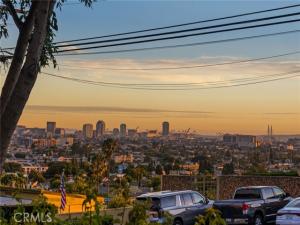
Signal Hill is a community in the Port of Los Angeles Cities region — the cluster of neighborhoods and independent cities adjacent to the Port of Los Angeles and Port of Long Beach, the busiest port complex in the Western Hemisphere, where maritime employment, working-class residential communities, and the urban beach lifestyle of Long Beach create a diverse residential zone at the southwestern corner of the Los Angeles metropolitan area. Signal Hill is a small, elevated incorporated city of approximately 11,000 residents surrounded by the city of Long Beach — a hilltop community with panoramic views over the Long Beach basin that developed as an oil field in the early twentieth century and has transitioned to a primarily residential identity with commercial development along the major boulevards. Signal Hill’s 2026 median home price of approximately $800,000 to $1.1 million reflects the hilltop views, independent city governance, and residential quality above the Long Beach basin that commands a premium within the southern Los Angeles County market.

[showcaseidx_hotsheet name=”Los Angeles”]

Signal Hill in Port of LA Cities

Community

What should I know about Signal Hill?

Signal Hill is one of the Port of LA Cities region’s distinct communities, signal hill is a small, elevated incorporated city of approximately 11,000 residents surrounded by the city of long beach — a hilltop community with panoramic views over the long beach basin that developed as an oil field in the early twentieth century and has transitioned to a primarily residential identity with commercial development along the major boulevards within a regional zone defined by its maritime heritage, the port’s logistical and industrial employment, the beach access that Long Beach and San Pedro provide, and the working-class residential character that the port’s employment base sustains across multiple communities at the southern edge of Los Angeles County.

The school districts serving the Port of LA Cities region vary significantly. Long Beach Unified is the third-largest school district in California, with strong magnet and specialized school programs alongside the challenges of serving a large, diverse urban population. Lakewood Unified serves Lakewood with above-average academic outcomes for the region. Los Angeles Unified serves the Harbor neighborhoods (San Pedro, Wilmington, Harbor City, Harbor Gateway) with the LAUSD’s characteristic campus-level variability. The specific school assignment for any address should be verified with the relevant district office.

The 405 Freeway, 710 Freeway, and 91 Freeway provide the region’s primary freeway connectivity to the broader Los Angeles metropolitan area. The A Line (Blue Line) Metro connects Long Beach to downtown Los Angeles with stations throughout the Long Beach urban core. The Long Beach Airport (also known as LGB) provides an alternative to LAX for regional air travel — smaller, less congested, and accessible within 15 minutes from most of the Port of LA Cities zone. The Port of Los Angeles and Port of Long Beach collectively employ thousands of workers directly and indirectly through the logistics, trucking, warehousing, and maritime service industries they generate.
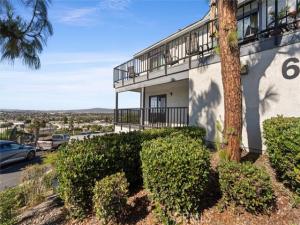
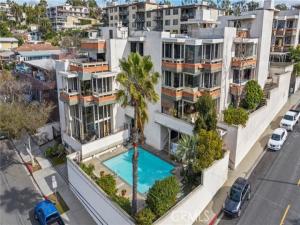
The waterfront redevelopment projects along San Pedro’s West Harbor and the Long Beach waterfront are reshaping the harbor region’s residential desirability — new retail, restaurant, and entertainment facilities on the waterfront are transforming former industrial spaces into the kind of activated urban waterfront that catalyzes residential investment in surrounding neighborhoods. For buyers who are timing their entry into the harbor region’s residential market, the waterfront development trajectory is a significant factor in the long-term residential value outlook for communities closest to the revitalized waterfront infrastructure.

Signal Hill: Oil Legacy and Independent Enclave Within Long Beach

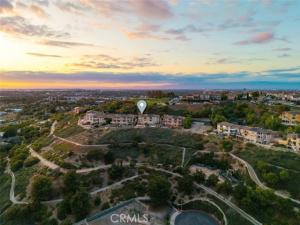
Signal Hill is an independently incorporated city completely surrounded by the City of Long Beach — a 2.2-square-mile municipality whose elevated hilltop position (visible throughout the South Bay as a distinctive mesa rising above the flat Long Beach grid) once held the highest-producing oil field per square mile in the world during the 1920s oil boom, with derricks so numerous that photographs of the hill from the 1920s show an almost continuous forest of oil derricks. The oil legacy is visible in the active wellheads that still operate on Signal Hill’s slopes, maintained by the oil companies whose mineral rights persist alongside the residential and commercial development that the hilltop now primarily hosts. The elevated positioning creates the residential premium that views across the Los Angeles Basin toward the San Gabriel Mountains and toward the Pacific provide from Signal Hill’s residential streets.

Signal Hill’s residential market benefits from the independent city character and the elevated positioning that the hilltop creates — the new residential construction and the established single-family homes that Signal Hill’s residential fabric includes are priced at a premium over comparable Long Beach properties for the view and the independent-city character. Signal Hill’s small municipal government provides the local control and the city services that residents of a 2.2-square-mile incorporated city with a substantial commercial tax base can access more responsively than the larger Long Beach municipal system provides to its more numerous constituent neighborhoods.

What new developments are happening in Signal Hill?

Signal Hill’s hilltop mesa has been the site of significant new residential development in the past two decades — the planned residential communities on the hilltop’s eastern and northern edges have created the townhome and single-family residential product that supplements the older mid-century residential character that the original Signal Hill neighborhoods sustain around the active oil wells. The new development has brought the master-planned residential quality (gated townhome communities, new single-family subdivisions) to the hilltop terrain, creating residential product that sustains the city’s population growth alongside the appreciation of the original residential stock. The city’s small size (2.2 square miles) and the hilltop panoramic views create the neighborhood identity that the Signal Hill community — the Long Beach-embedded independent city on the hill — sustains as a distinct residential address. The Long Beach Unified School District’s campuses serve Signal Hill’s student population; the proximity to Long Beach City College provides the community college access that the city’s residential population uses for the continuing and higher education access that the adjacent Long Beach educational infrastructure provides.

Area Details

Why is Signal Hill desirable in the Harbor?

San Pedro is the historic maritime community at the tip of the Palos Verdes Peninsula’s base — a neighborhood with a distinct waterfront identity anchored by the Port of Los Angeles’s terminal facilities, the USS Iowa museum, the Ports O’ Call Village (being redeveloped as the West Harbor waterfront development), and the historic downtown that the Croatian, Italian, and other European maritime immigrant communities built in the early twentieth century. San Pedro’s artistic community — the last remaining working-class artist enclave in the Los Angeles basin that maintains genuine affordability alongside genuine maritime character — gives it a cultural identity that distinguishes it from the purely industrial port communities that Wilmington represents.

Lakewood is the region’s quintessential postwar planned residential community — developed in the early 1950s from former sugar beet fields as one of the largest planned housing developments in American history, where 17,000 homes were constructed at an unprecedented scale that made Lakewood a model for the mass-produced postwar suburb. Lakewood’s Lakewood Center shopping mall (one of the nation’s first), the Long Beach airport proximity, and the Lakewood Unified School District’s solid academic performance sustain a stable residential identity six decades after the original development. Signal Hill’s elevated terrain provides hilltop views over the Long Beach basin, and the city’s small size (approximately 11,000 residents) and independent governance allow it to maintain a character distinct from the surrounding Long Beach geography.

The 405, 710, and 91 Freeways provide the harbor region’s primary freeway connectivity — the 405 running north to LAX and the Westside, the 710 running north to downtown LA and the I-10 connection, and the 91 running east to the Inland Empire and Riverside County. The Blue Line (A Line) Metro provides rail transit from downtown Long Beach to downtown Los Angeles (approximately 55 minutes). The harbor region’s freeway and port proximity makes it a logistics employment hub and a commuter destination that draws workers from across the southern Los Angeles County area.

Market Trends

How is the Port of Los Angeles Cities Real Estate real estate market?

The Port of Los Angeles Cities encompasses the residential communities clustered around and adjacent to the Port of Los Angeles and Port of Long Beach — the busiest port complex in the Western Hemisphere — including the LA neighborhoods of San Pedro, Wilmington, Harbor City, and Harbor Gateway, and the independent cities of Long Beach, Carson, Lakewood, and Signal Hill. The 2026 median home price across these communities ranges from approximately $600,000 to $800,000 for entry-level and working-class communities like Wilmington and Harbor Gateway to $900,000 to $1.3 million in Lakewood and Signal Hill’s premium residential sections, with Long Beach spanning the entire range from its affordable inland districts to its premium Belmont Shore and Naples beachfront neighborhoods.

Long Beach is the region’s most significant residential city — a city of approximately 470,000 residents and the second-largest in Los Angeles County, where the Port of Long Beach’s employment, the California State University Long Beach campus, the Aquarium of the Pacific, and the urban beach lifestyle of Belmont Shore create a complete city with its own distinct identity outside of the Los Angeles metropolitan context. Long Beach’s residential neighborhoods range from the historic craftsman homes of Bluff Park to the 1950s ranch houses of Los Altos to the multi-million-dollar beachfront estates of Belmont Shore and Naples Island, providing a full price spectrum within a single city that functions as a distinct metropolitan center in its own right.

The logistics and distribution industry concentration around the ports — warehouses, trucking terminals, container yards, and the supporting industrial services that the world’s busiest port complex generates — creates significant working-class and blue-collar employment that shapes the residential character of Wilmington, Harbor City, and the industrial zones adjacent to the port terminals. The port’s economic scale ($200 billion or more in annual trade value) sustains a regional employment base that indirectly benefits residential demand across the entire southern Los Angeles County area, even for residents whose employment is not directly port-related.

Port of LA, Harbor, and Long Beach Real Estate: Waterfront Identity and Industrial Resilience

The Port of Los Angeles and Long Beach harbor complex — the busiest container port in the Western Hemisphere, processing over 9 million TEUs annually through its 17 cargo terminals — creates the industrial and employment identity that the surrounding residential communities (San Pedro, Wilmington, Harbor City, Harbor Gateway, Carson, Long Beach, Lakewood, and Signal Hill) are built around. San Pedro’s transformation from a working port town to a waterfront destination has accelerated with the Ports O’Call Village redevelopment (now West Harbor), the AltaSea ocean research facility, and the investment in the Downtown San Pedro waterfront that seeks to create the mixed-use urban waterfront character that ports-turned-attractions in Baltimore, Boston, and San Diego have demonstrated. The San Pedro community’s Greek, Croatian, and Italian fishing heritage creates the distinctive cultural identity that the neighborhood’s murals, the Croatian Cultural Center, and the San Pedro Fish Market sustain as residential development brings new demographics to the historic waterfront district.

Long Beach — the second-largest city in Los Angeles County, with approximately 466,000 residents — functions as a complete urban environment within the LA metropolitan area: the downtown waterfront (the Aquarium of the Pacific, the Queen Mary, the Convention Center), the diverse neighborhood fabric from Belmont Shore’s beach-adjacent restaurant scene to the historic Bungalow Heaven residential district, and the Port of Long Beach’s massive economic contribution sustain a city identity that provides the full-service urban lifestyle at pricing typically $300K-$500K below comparable Westside LA addresses. Signal Hill’s elevated mesa within Long Beach’s urban fabric provides the neighborhood character and the oil derrick history (the small city was once the highest-producing oil field per square mile in the world) that creates Signal Hill’s distinct identity within the Long Beach metropolitan landscape. Lakewood’s 1950s planned community character — one of the first and most studied planned postwar suburbs in America — provides the established residential stability that Lakewood’s community identity sustains.

FAQs

What is the price range in Signal Hill?

Signal Hill’s 2026 median home price of approximately $800,000 to $1.1 million reflects the hilltop views, independent city governance, and residential quality above the Long Beach basin that commands a premium within the southern Los Angeles County market. Current specific pricing data for Signal Hill is available from The Knight Group. The Port of LA Cities region spans a wide price range from working-class communities like Wilmington to premium coastal neighborhoods in Long Beach’s Belmont Shore; any specific community’s pricing requires the context of its position within the region’s residential hierarchy.

How far is Signal Hill from downtown Los Angeles?

The Port of LA Cities communities are approximately 20 to 30 miles south of downtown Los Angeles by freeway. The 710 Freeway provides the most direct connection, with off-peak travel times of 30 to 45 minutes extending to 60 to 90 minutes during peak commute hours. The A Line Metro from downtown Long Beach to downtown LA takes approximately 55 minutes. For Port of LA Cities residents who work in downtown LA, the commute is among the longer in the Los Angeles County context, though the trade-off of lower housing costs and beach access typically motivates the lifestyle choice.

Is Signal Hill close to the beach?

Beach proximity in the Port of LA Cities region depends on the specific community. Long Beach’s Belmont Shore and Naples have direct beach access; San Pedro’s Cabrillo Beach is accessible by car within 5 minutes of most San Pedro addresses. Carson, Lakewood, and the Harbor neighborhoods are 5 to 15 minutes from the nearest beach by car. The region’s southern position means the ocean’s moderating influence on temperatures is present across the area even for communities not directly adjacent to the beach.

Is oil still being extracted in Signal Hill?

Yes — oil production continues in Signal Hill today, though at a fraction of the volumes that the 1920s peak production sustained. The producing wells that remain active on Signal Hill’s slopes operate under the long-term mineral rights leases that the major oil companies (primarily Signal Hill Petroleum and the predecessors to major oil companies) hold; these mineral rights are separate from the surface property rights that residential and commercial development has produced, meaning that oil companies can continue operating wells on their mineral rights even as the surrounding surface has been developed into a residential community. The active wells are visually distinctive (the typical pump jack “nodding donkey” mechanism) and create the industrial-within-residential character that Signal Hill’s oil legacy uniquely produces. California’s extensive well abandonment regulations and the Signal Hill’s municipal oversight of the producing wells sustain the environmental management that mitigates the impact of active oil production within a residential community.

Explore More

Explore more Port Of La Cities neighborhoods:

Hey, You ALMOST MISSED IT!

Lucky for you we’re looking out.

Subscribe to this Custom Search to be alerted when new properties hit the market in the area.

Choose the frequency that works for you.

get alerts

[showcaseidx_contact]