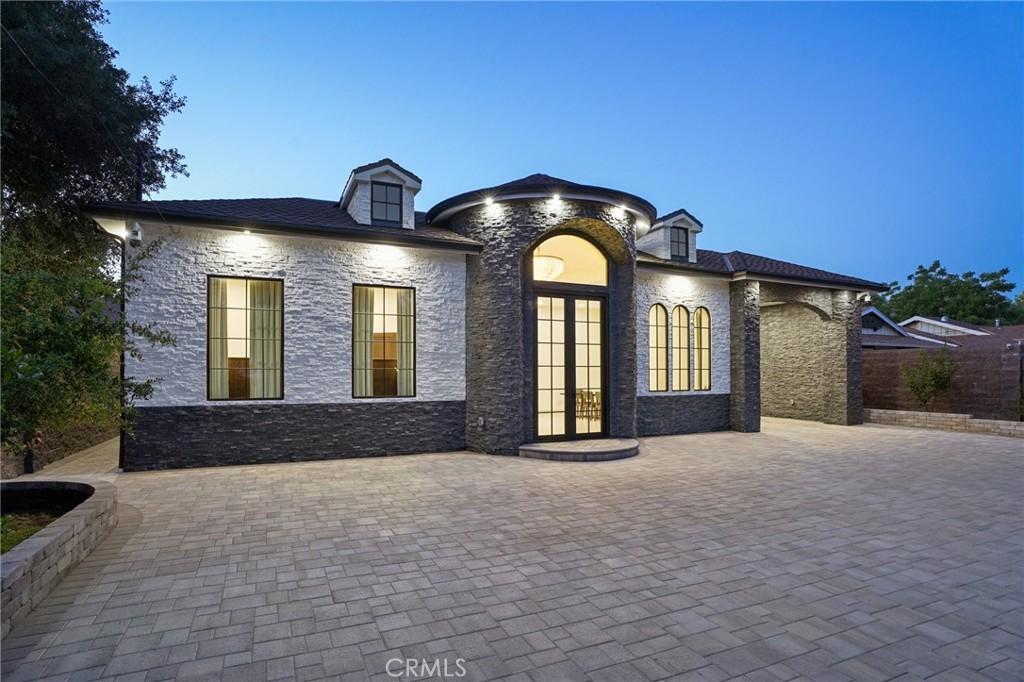
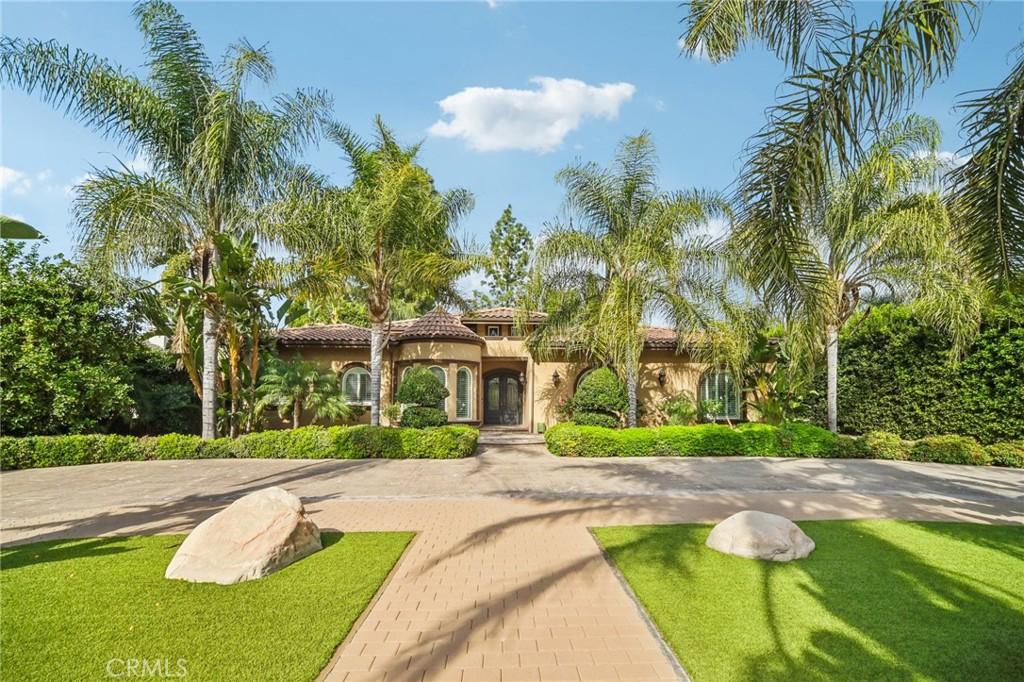
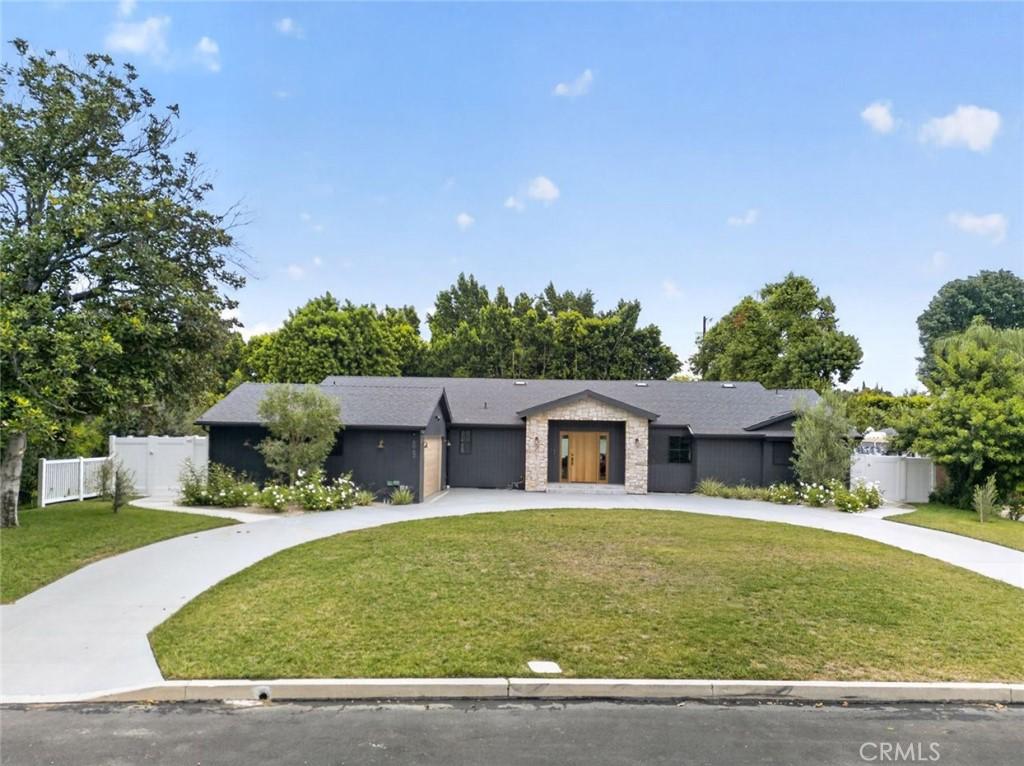
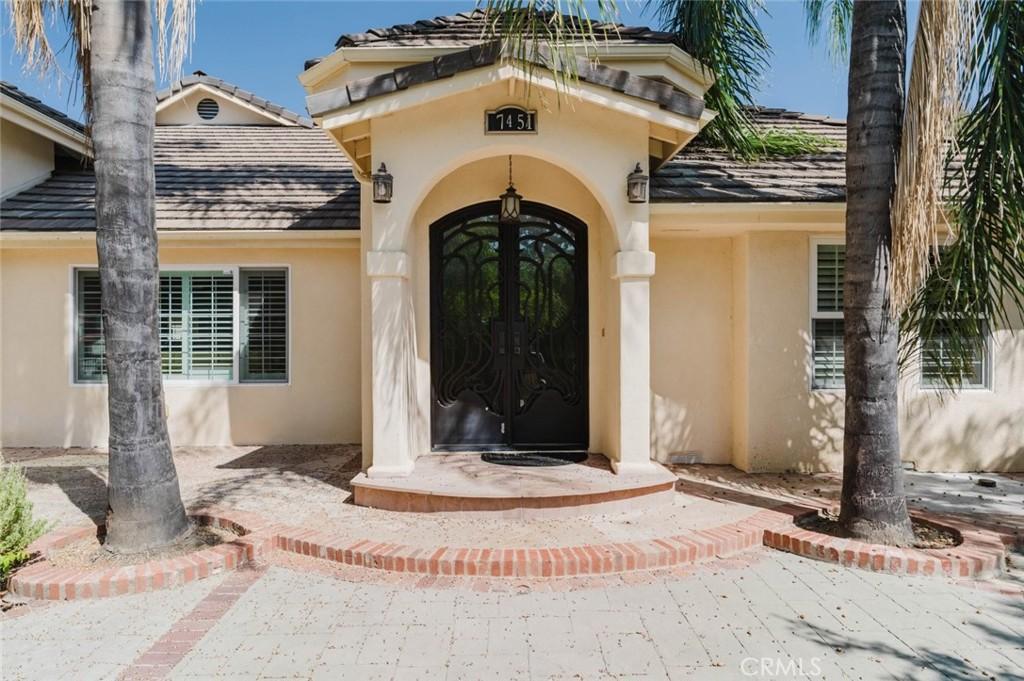
Northridge Homes for SaleListings

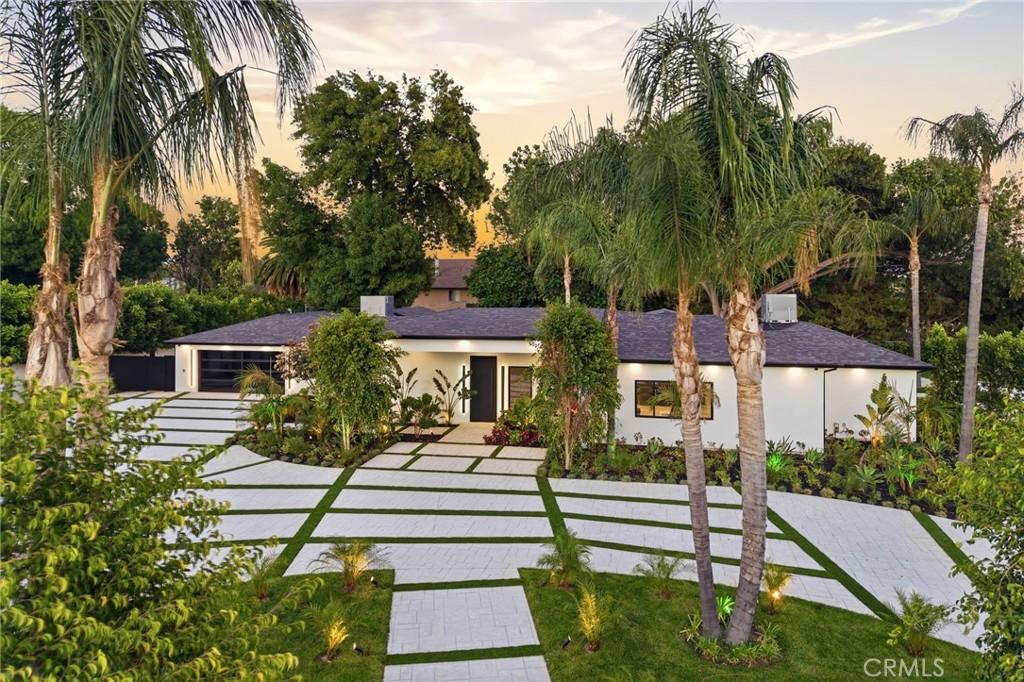
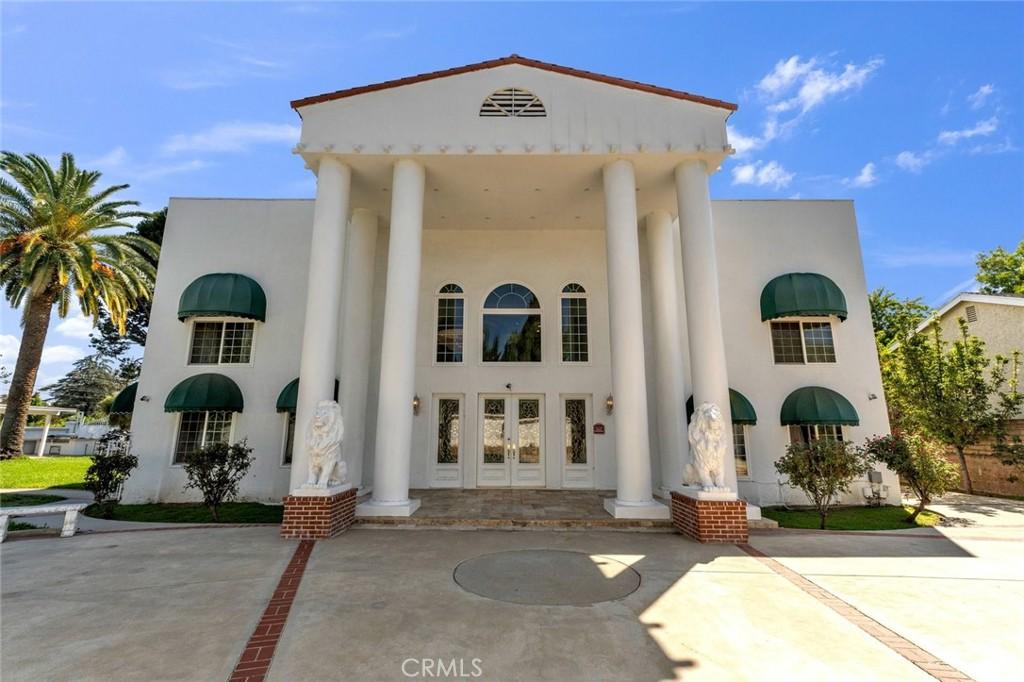
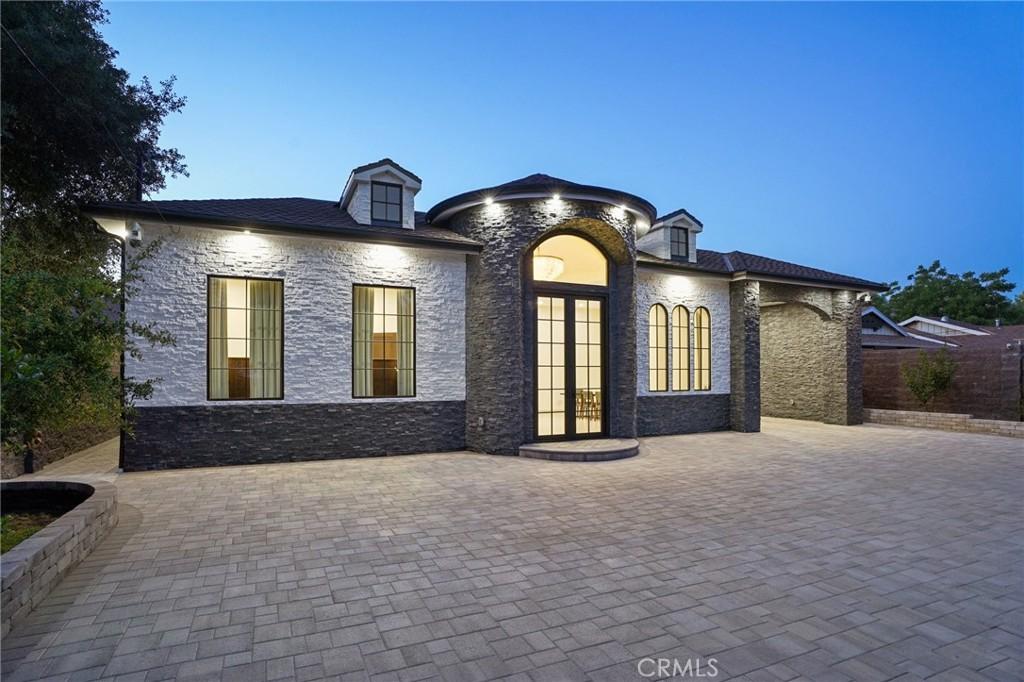
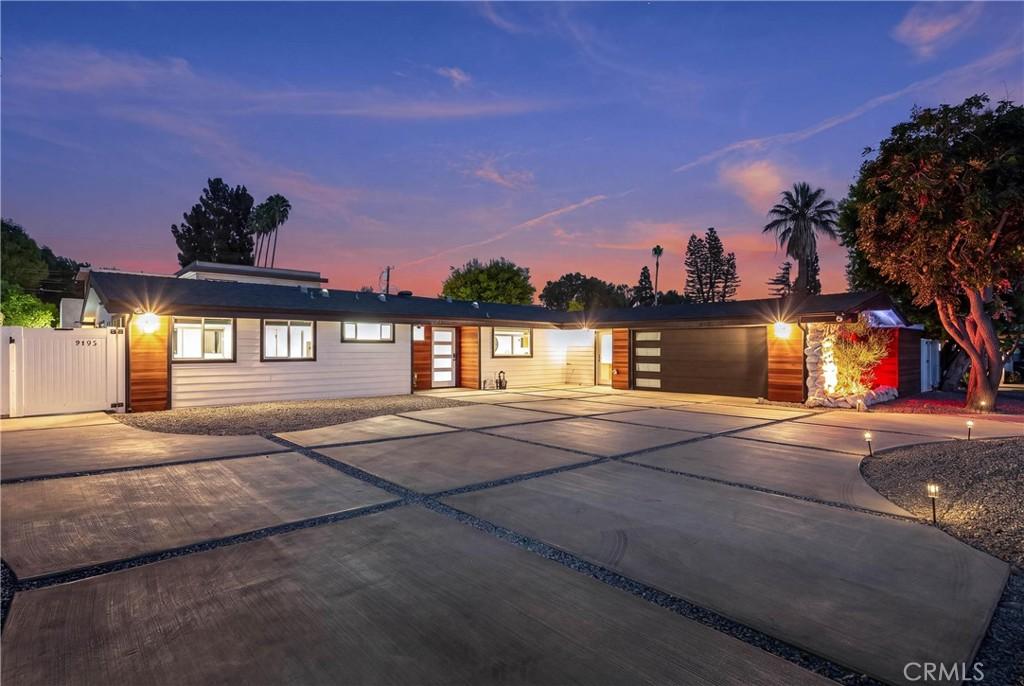
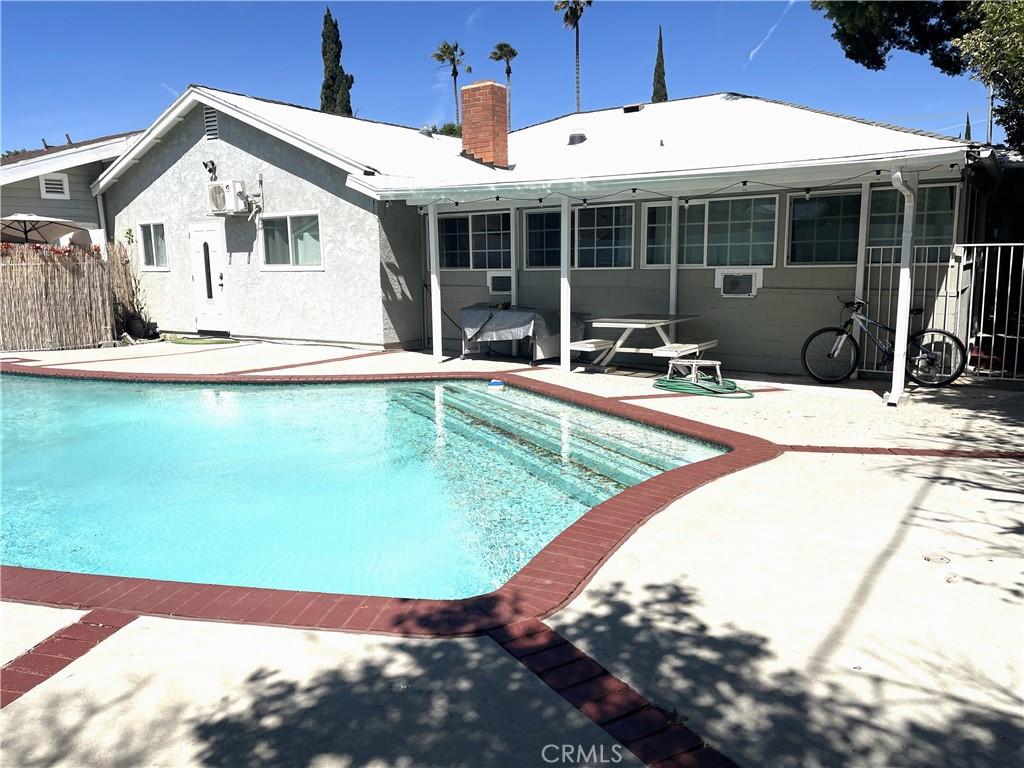
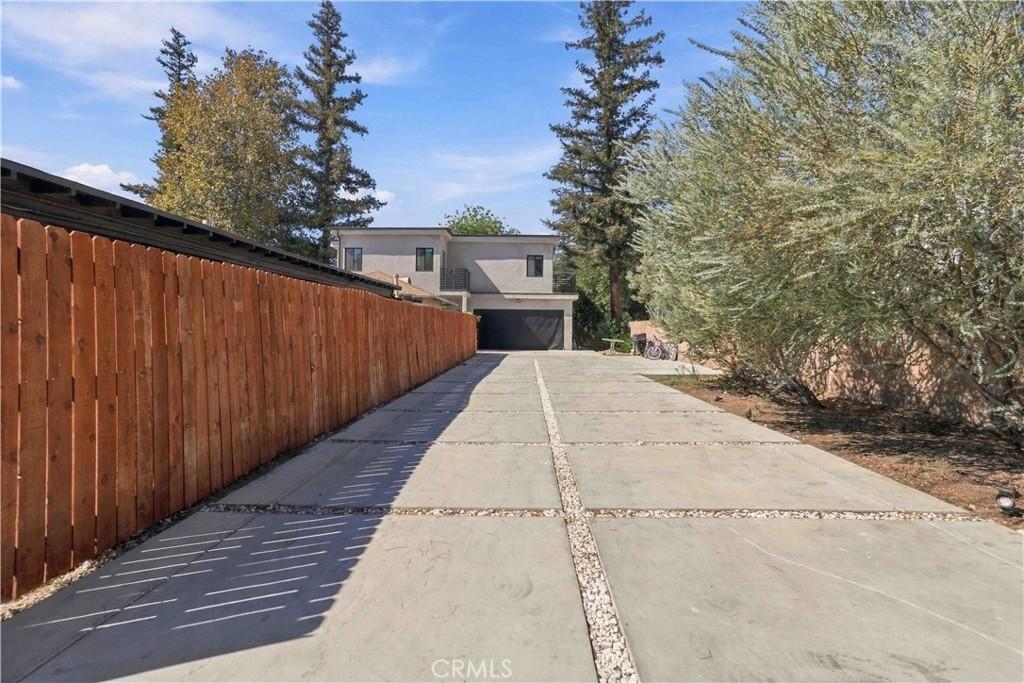
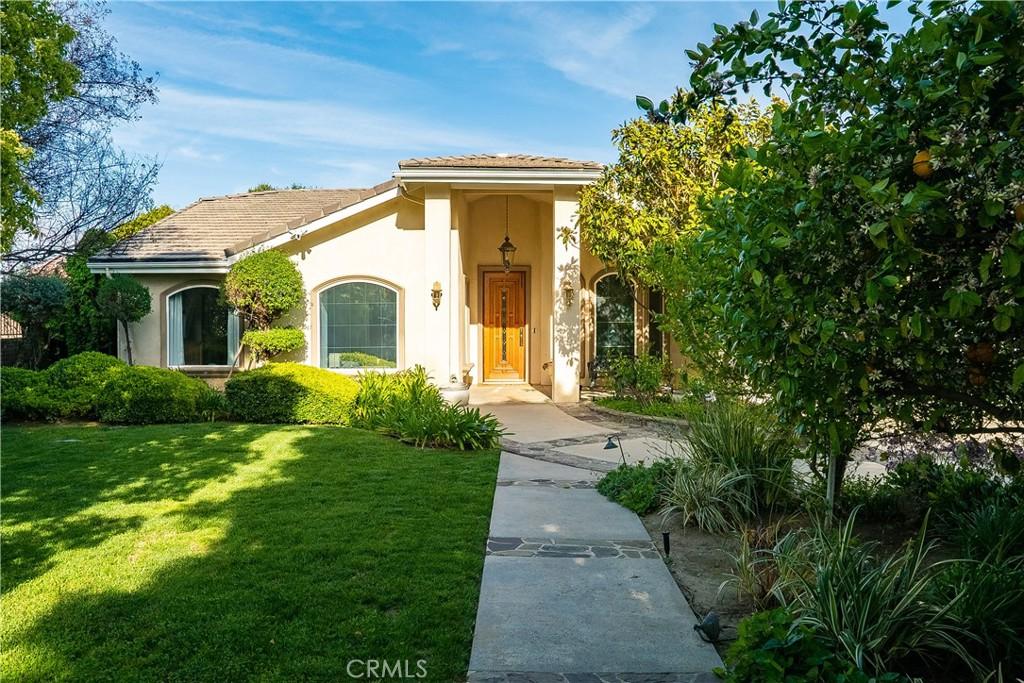
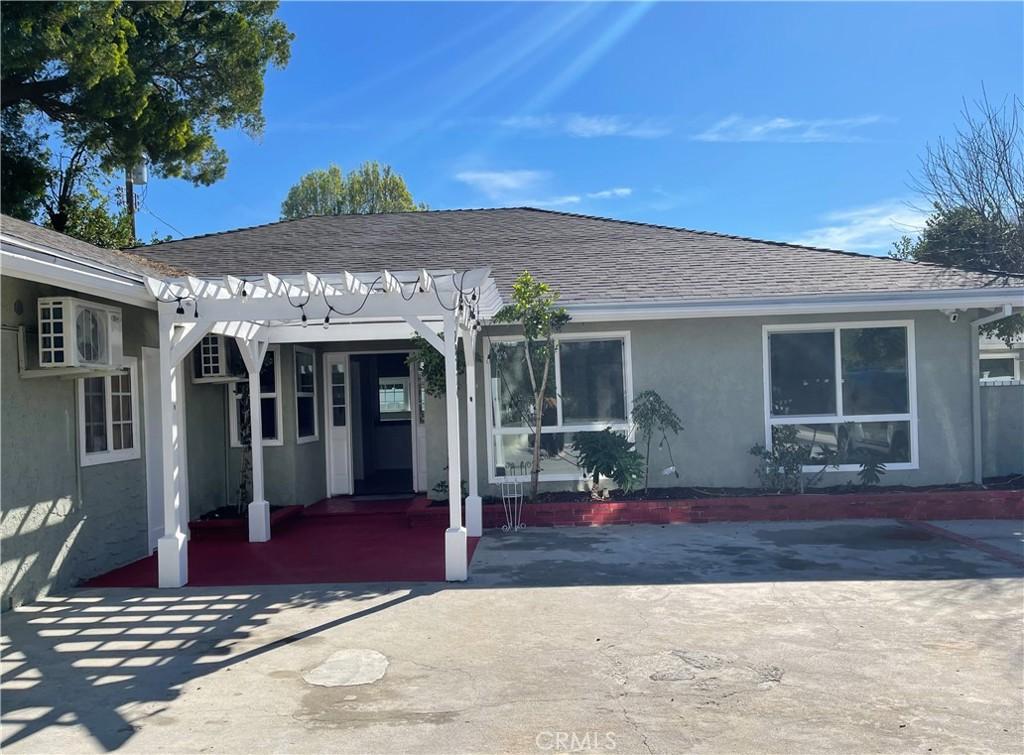
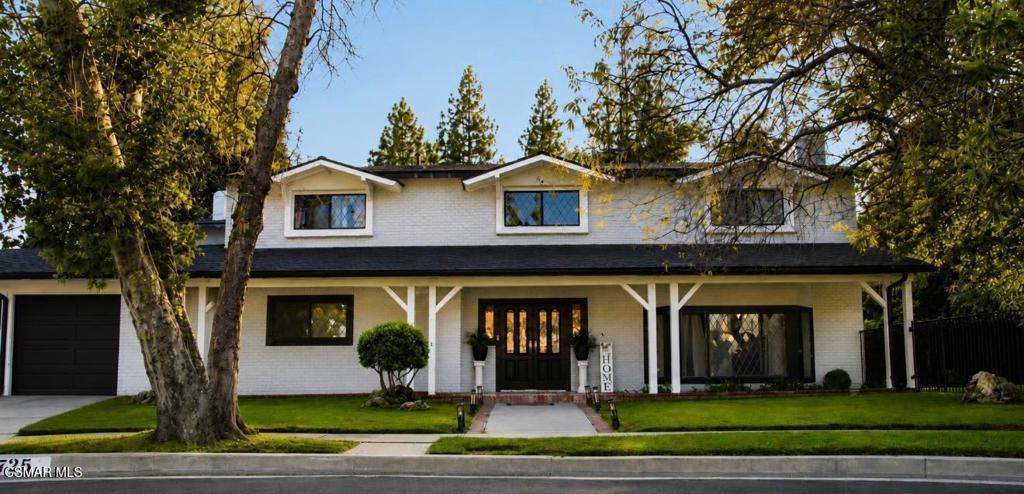
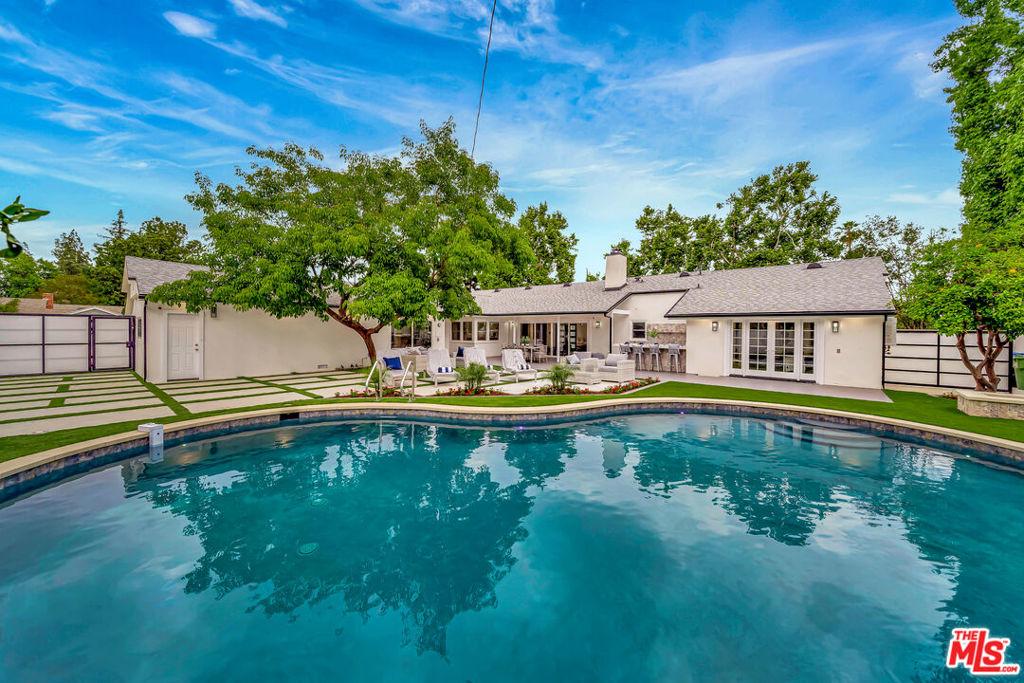
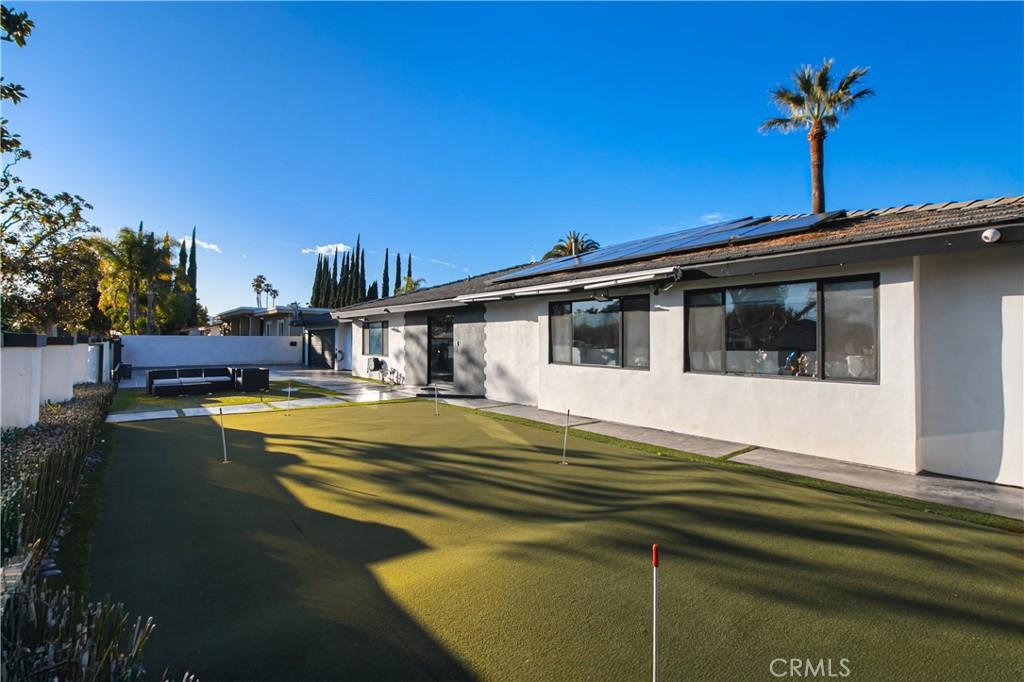
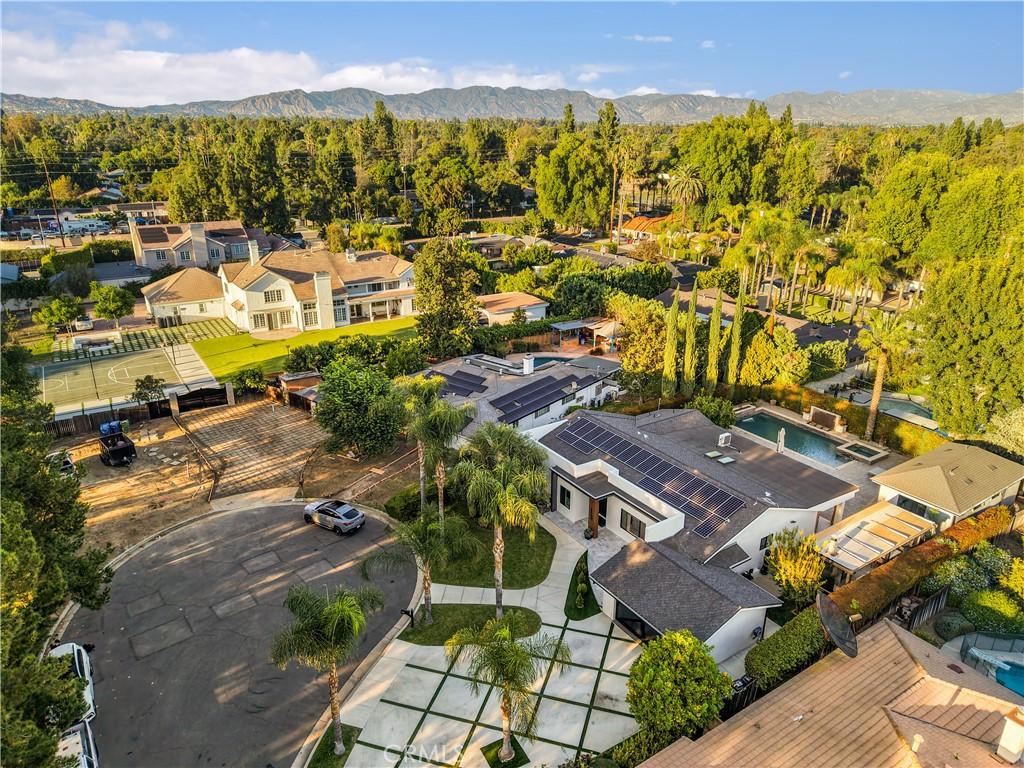
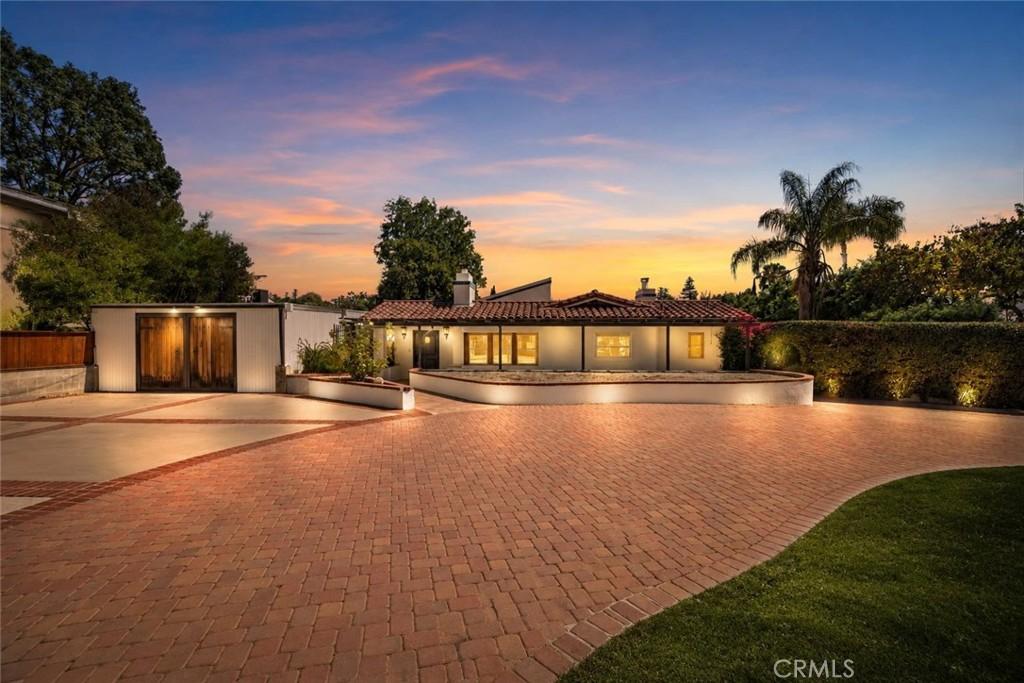
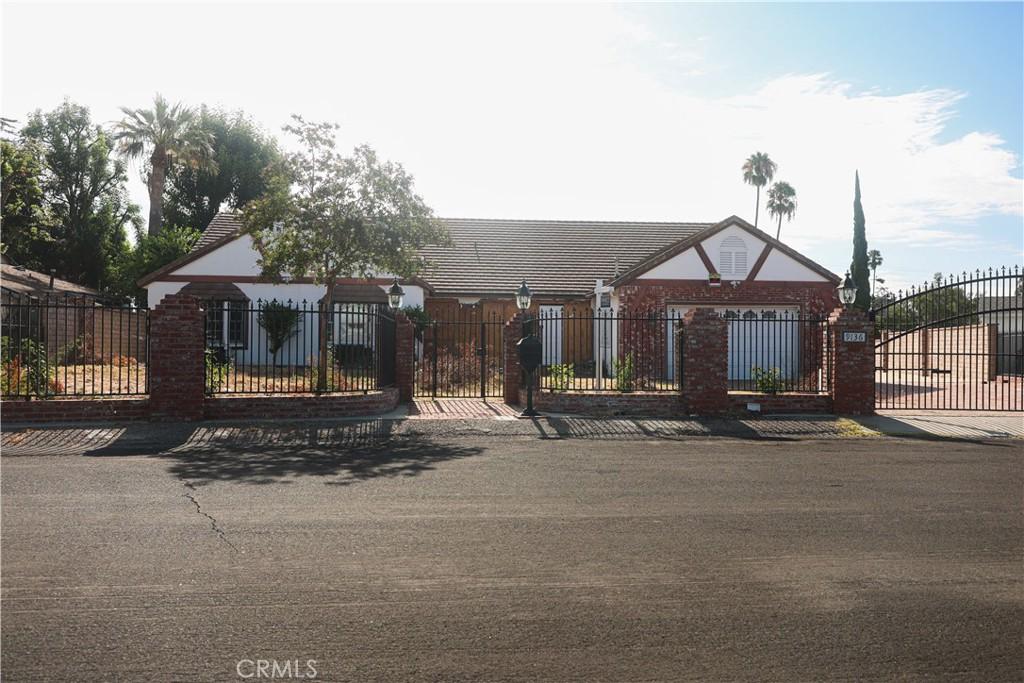
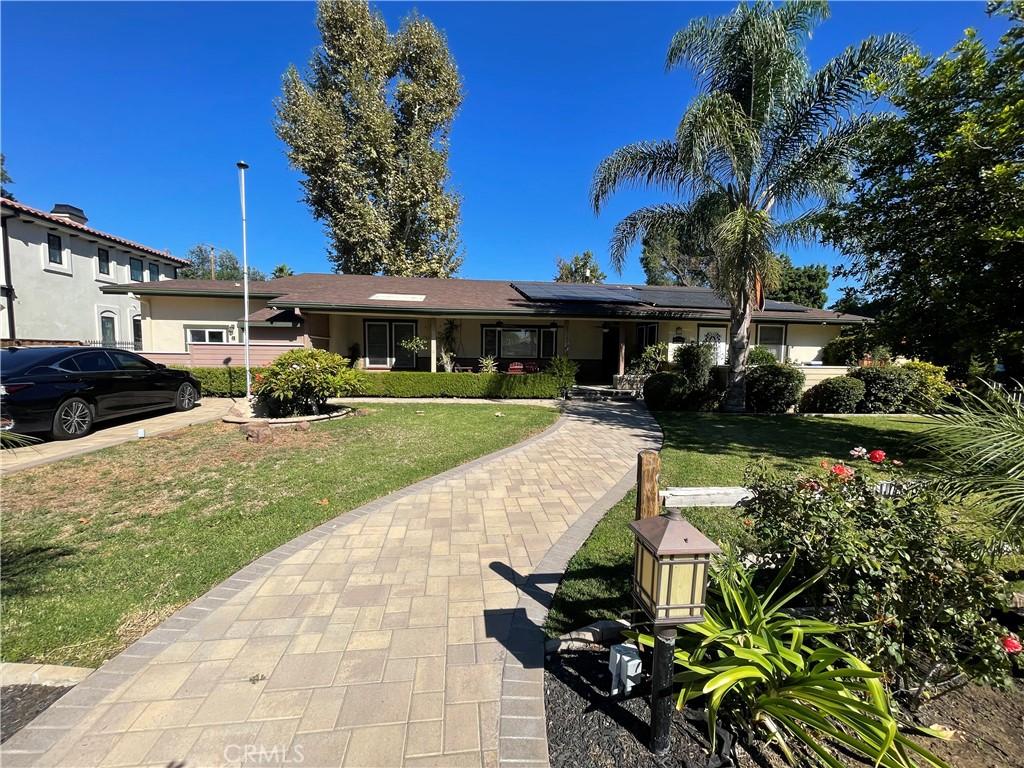
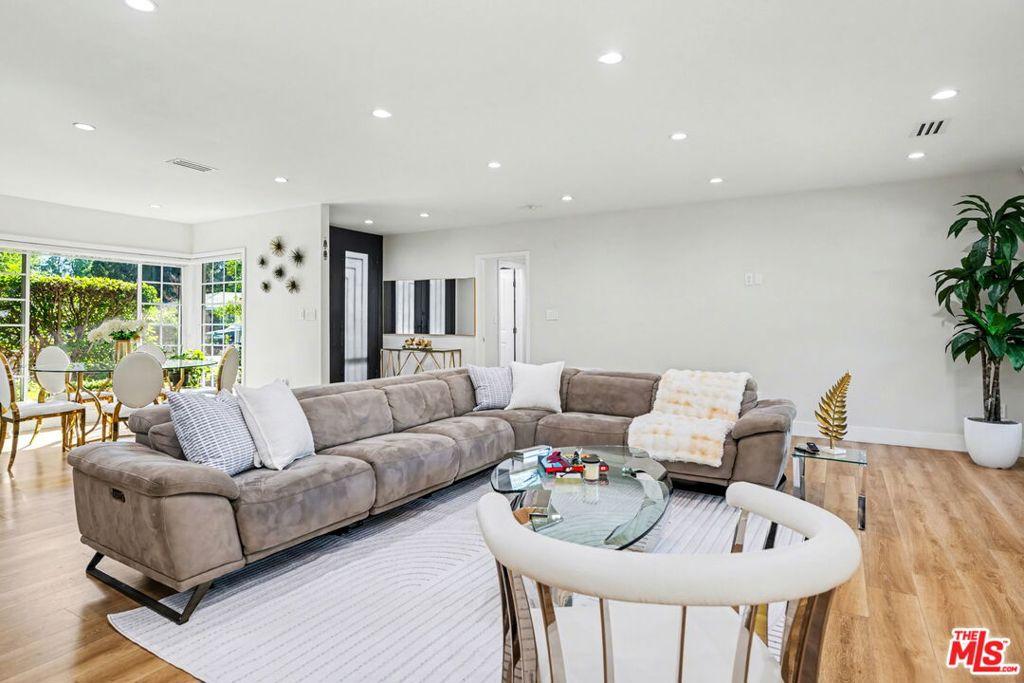
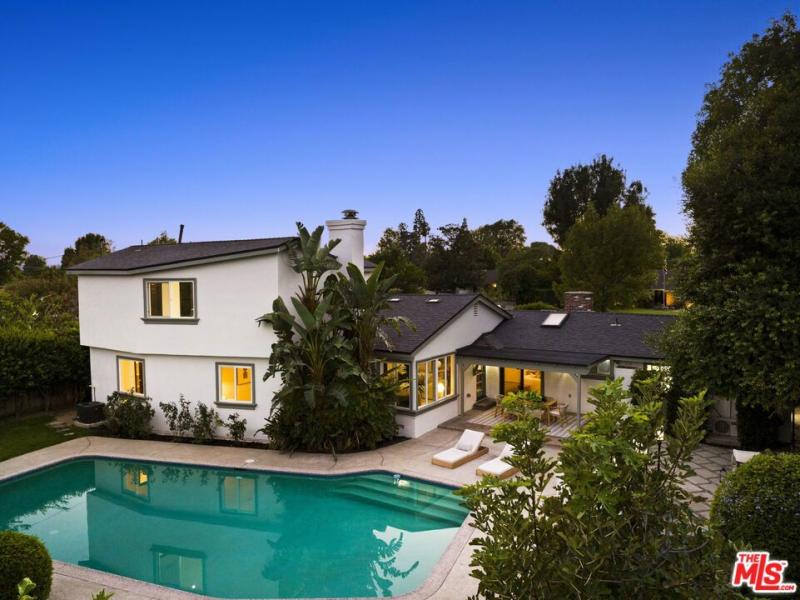
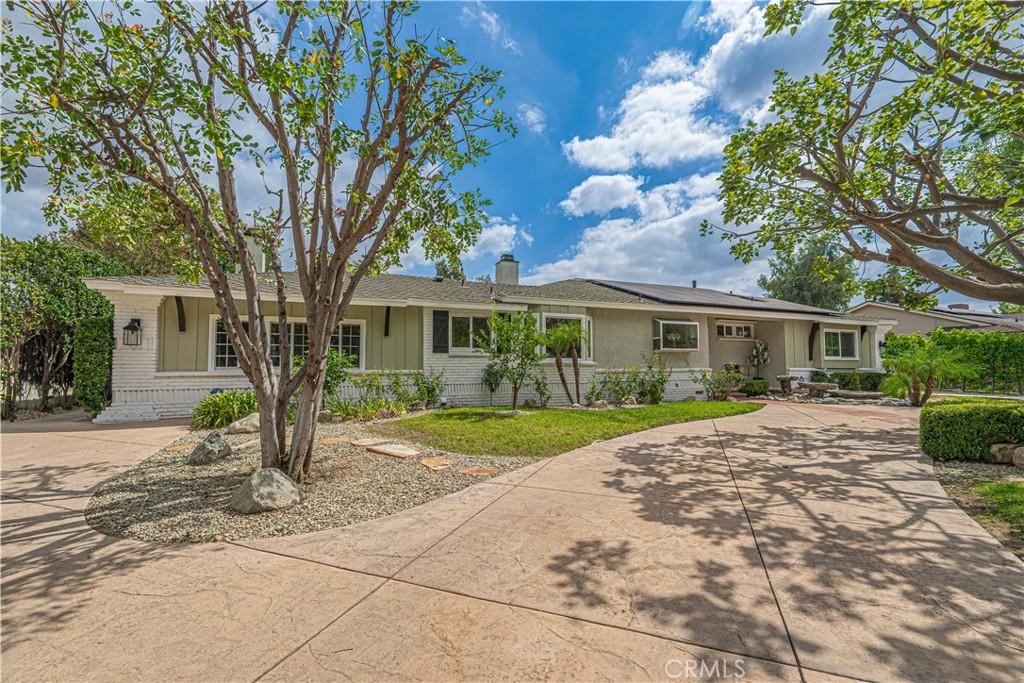
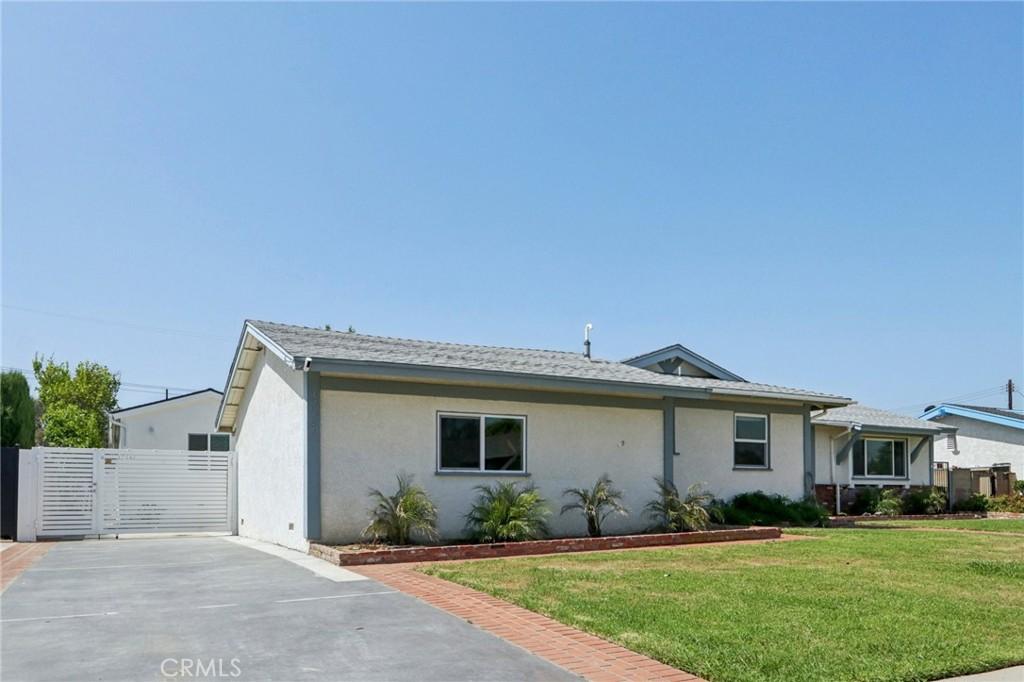
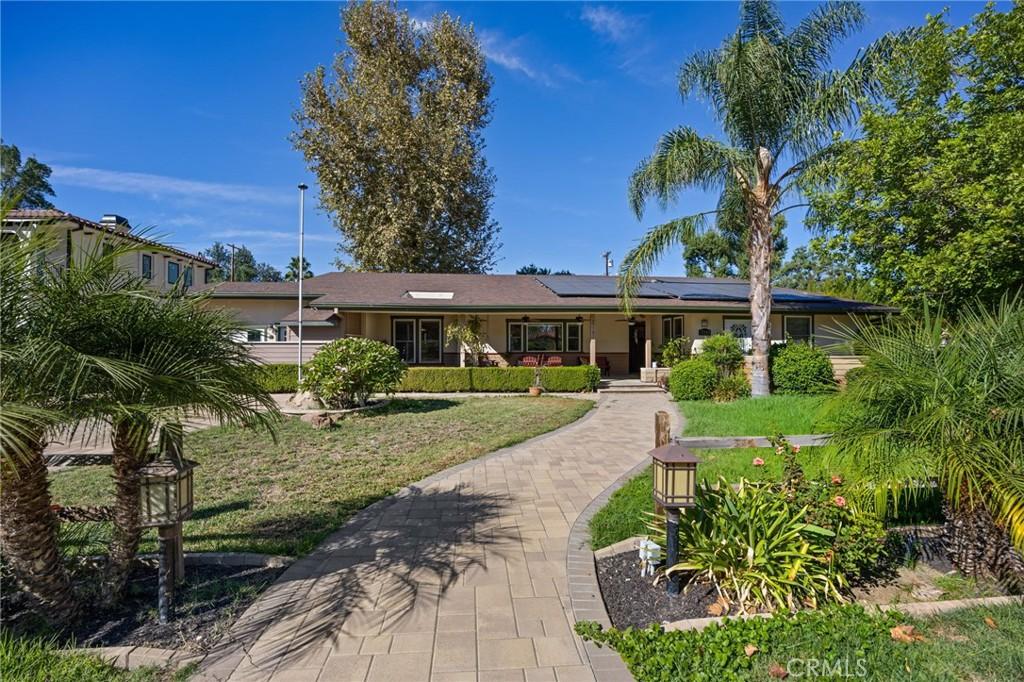
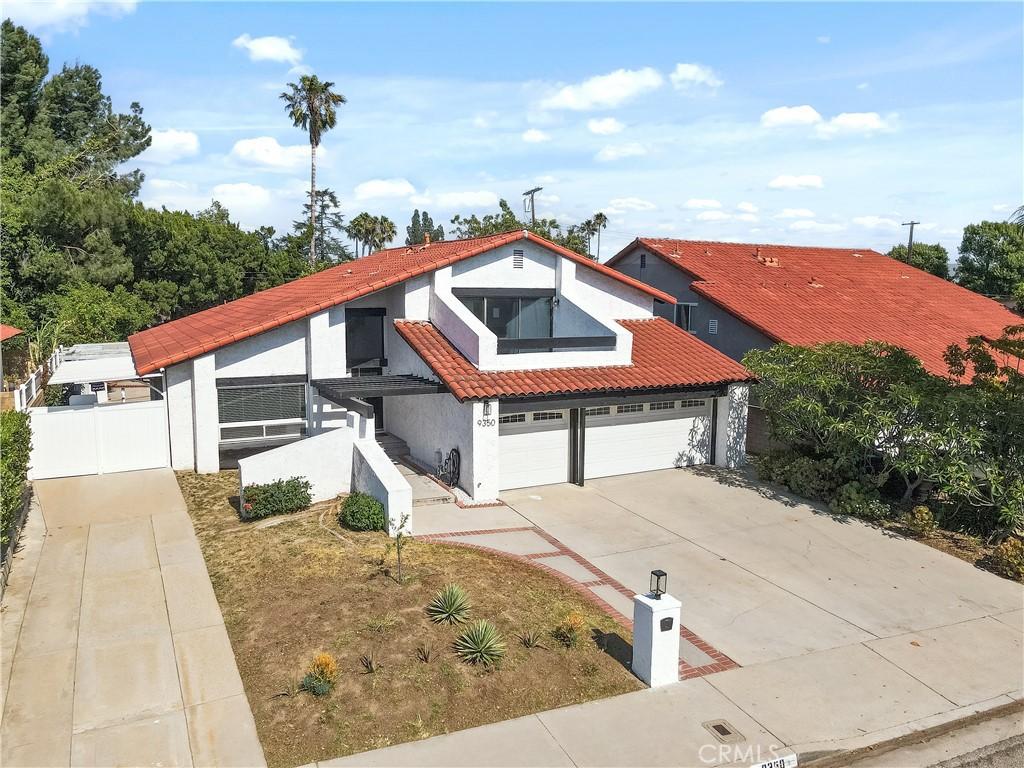
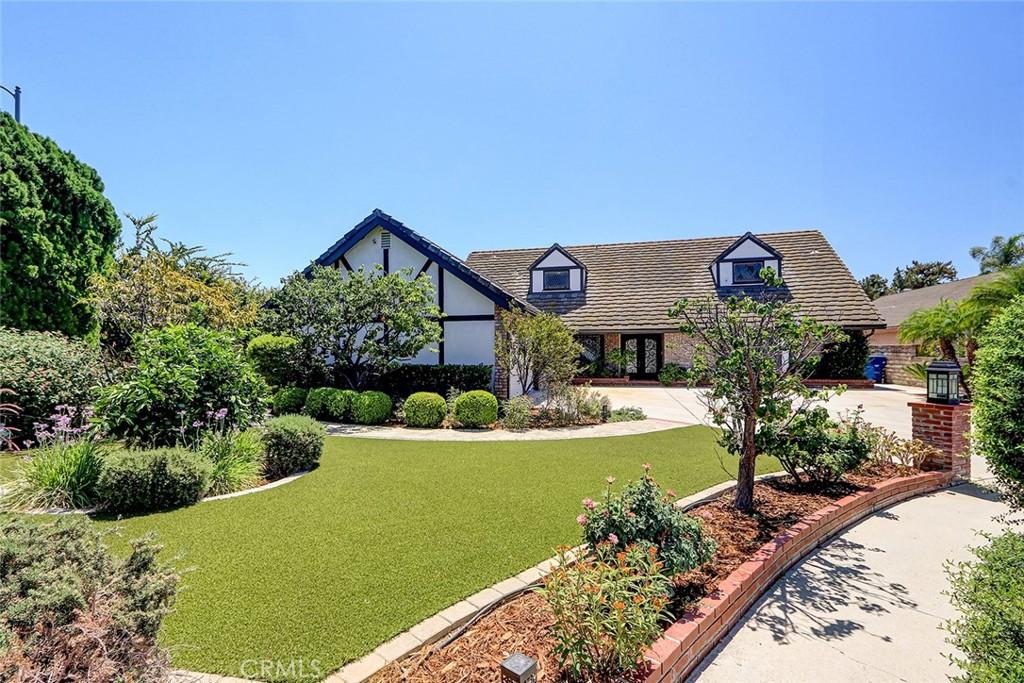
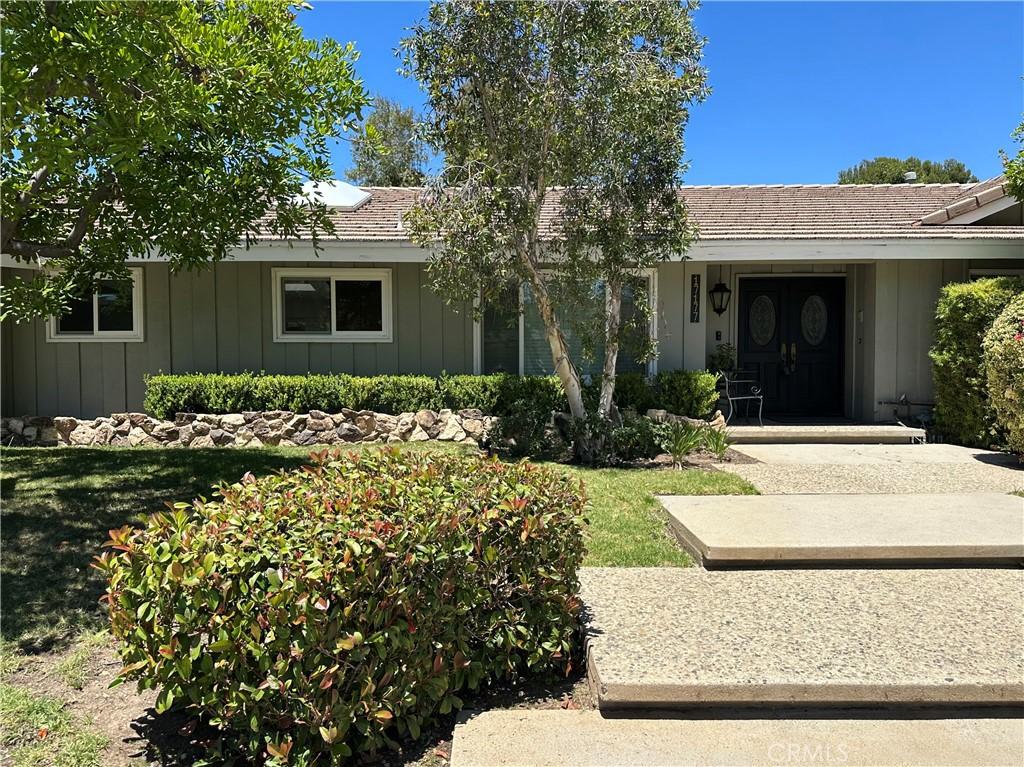
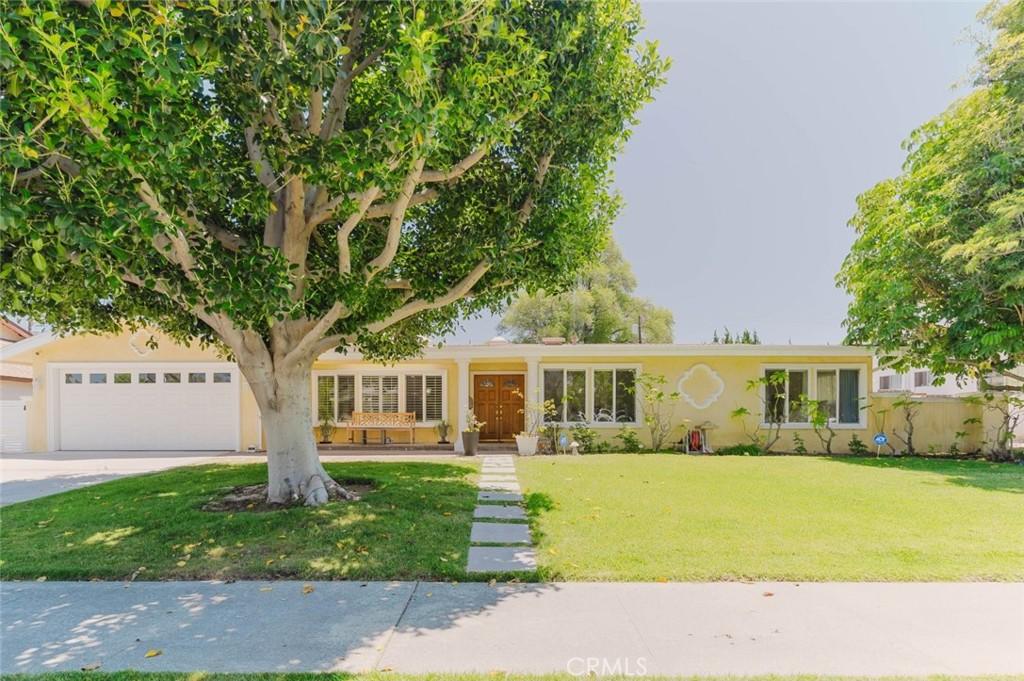
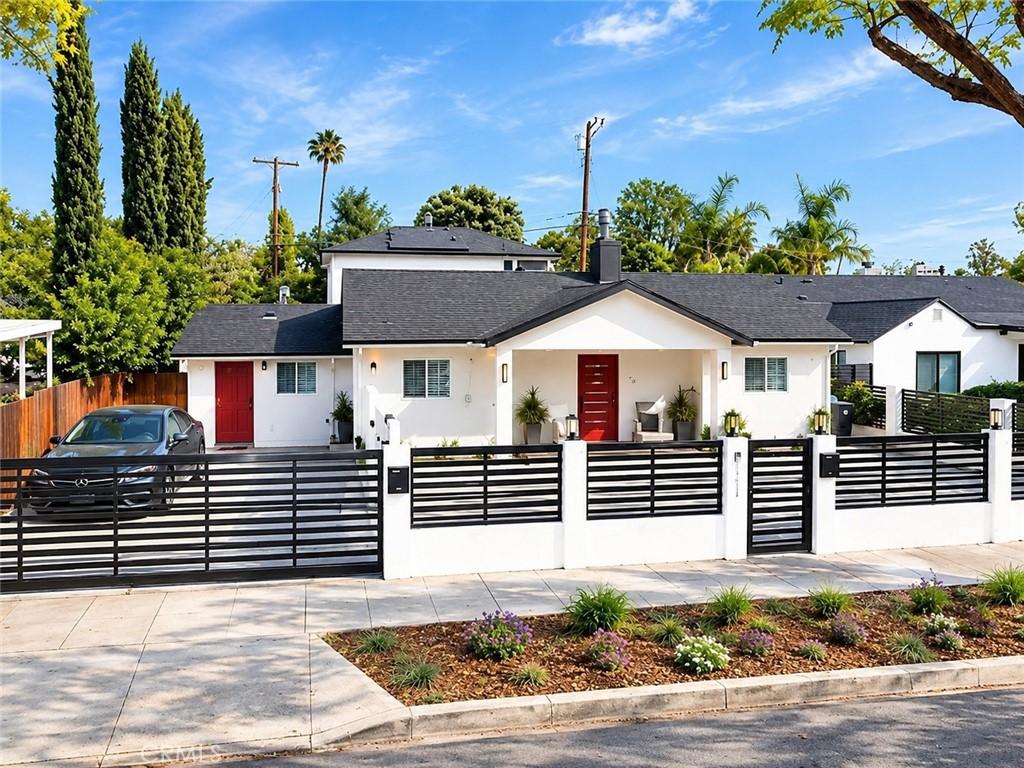
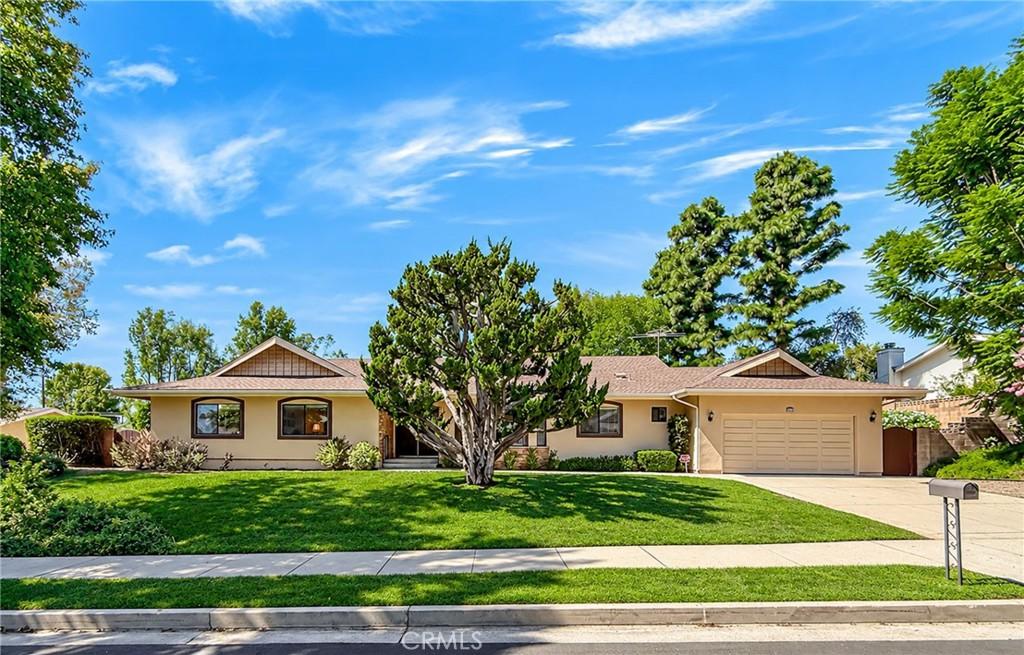
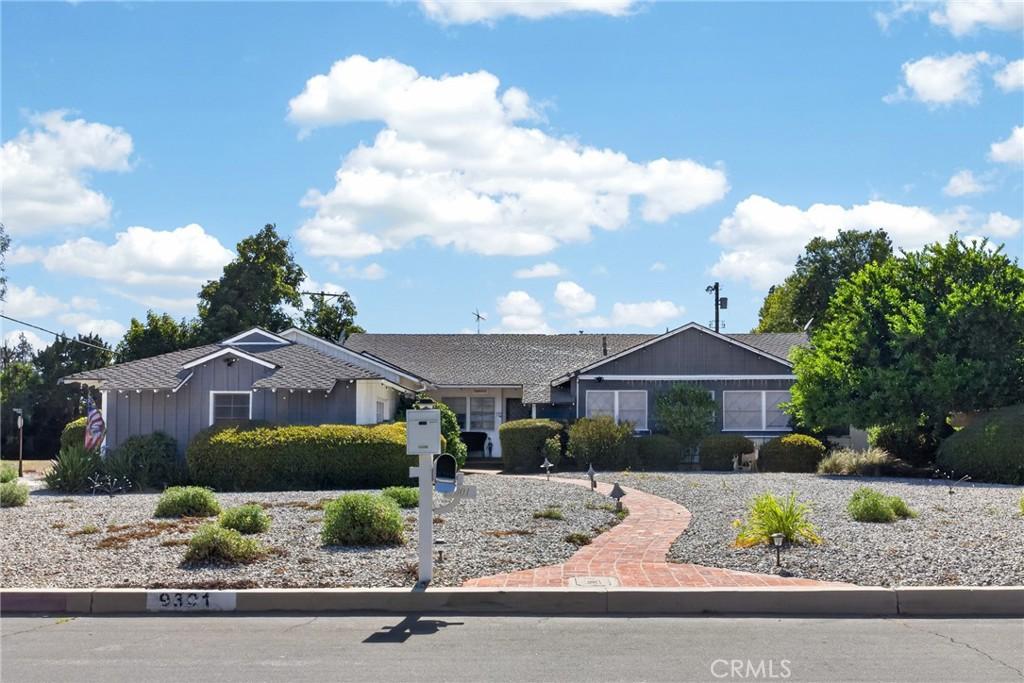
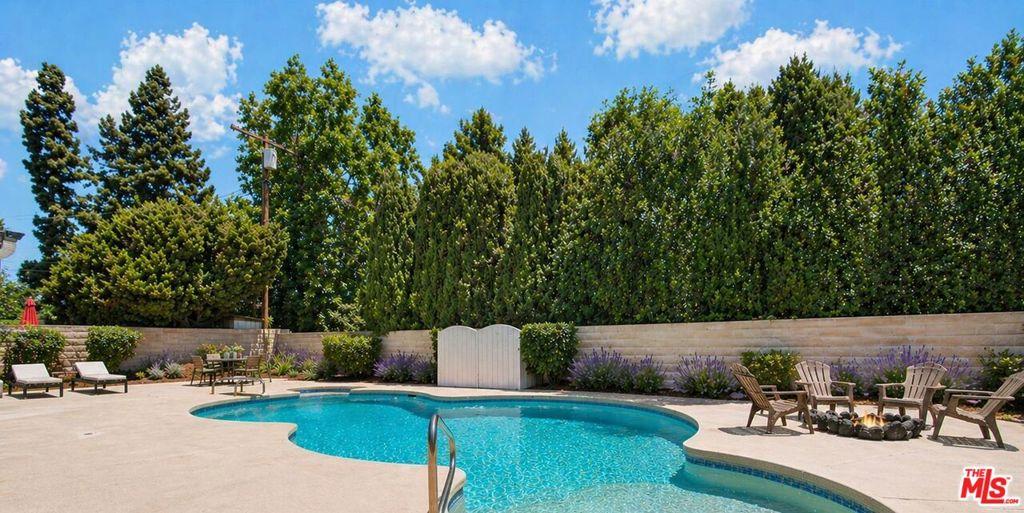
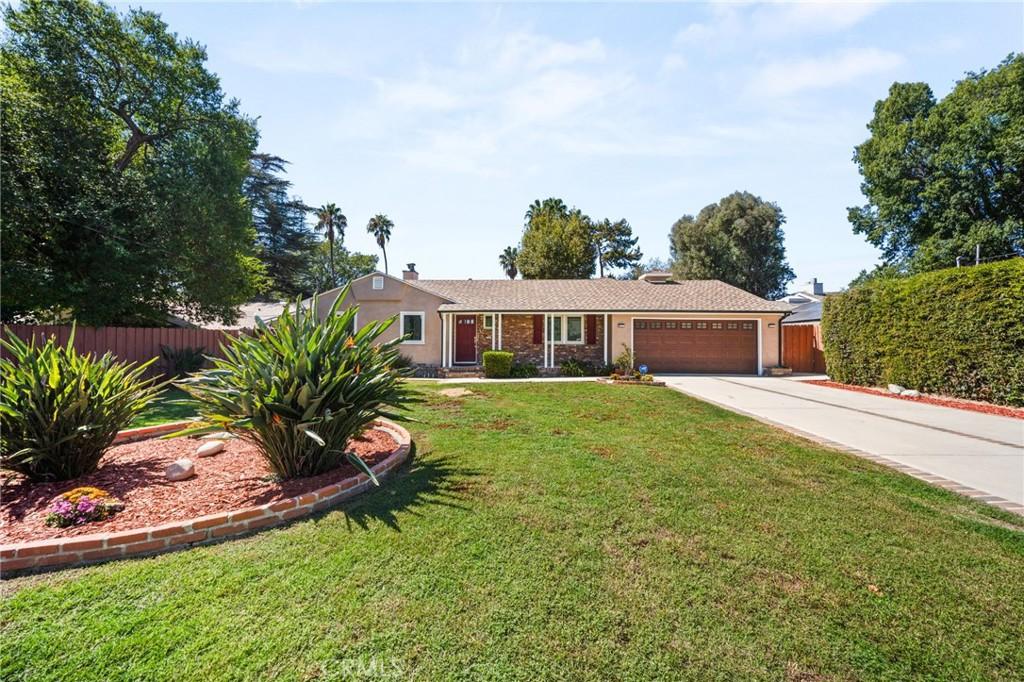
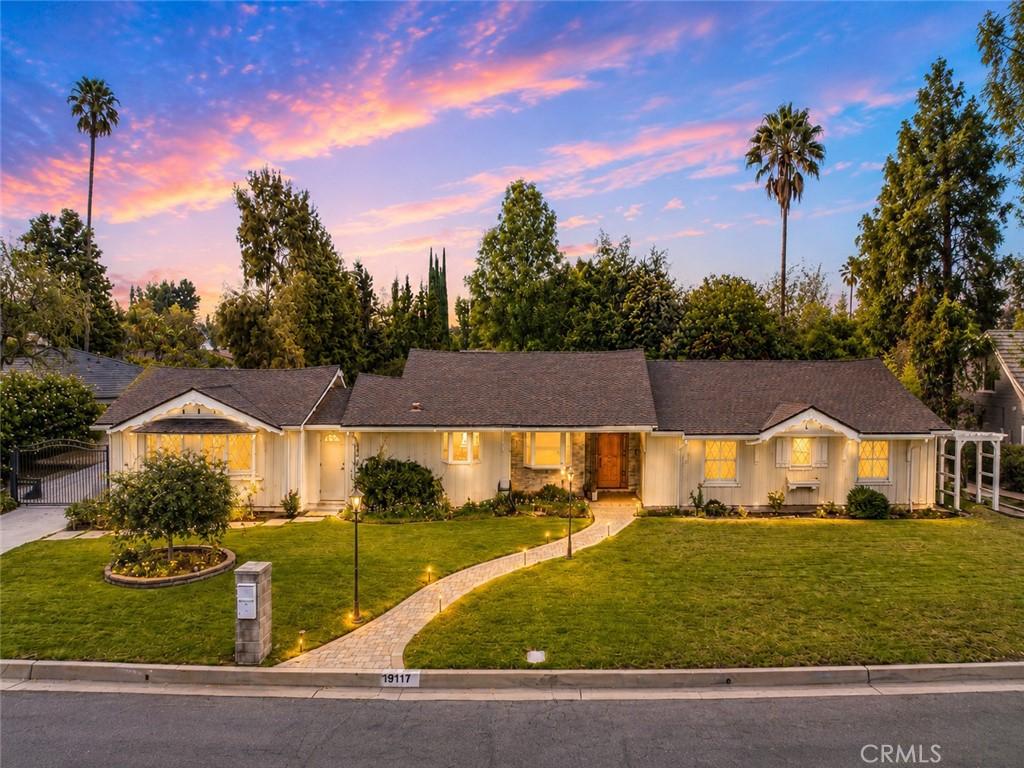
Northridge is one of the largest residential communities in the San Fernando Valley, spanning roughly 13 square miles of flat and gently rolling terrain anchored by the CSUN campus. The market runs a clear value gradient: school boundaries, freeway proximity, and campus distance move pricing block to block across single-family stock built from the 1950s onward. Browse current Northridge listings below, or contact The Knight Group directly for on- and off-market options and a read on where the leverage sits in this market.

Northridge Homes for Sale in San Fernando Valley

Community

Northridge is one of the larger named communities in the San Fernando Valley, covering approximately 13 square miles of flat and gently rolling terrain in the north-central SFV. The neighborhood is bounded by Granada Hills and Chatsworth to the north, Reseda and Lake Balboa to the south, Mission Hills and North Hills to the east, and West Hills to the west. Northridge’s geographic scale means that the experience of living in the neighborhood varies significantly by specific location: properties near the 118 Freeway corridor to the north have different ambient conditions than properties in the southern sections near the CSUN campus, and properties on the western edge near the Chatsworth border are meaningfully different from those on the eastern edge adjacent to North Hills and Arleta.

Northridge is one of the few City of Los Angeles neighborhoods with a direct institutional anchor, a regional mall, and multiple freeway connections within its own boundaries. This combination of assets supports long-term residential demand across multiple buyer profiles.

What kinds of homes are in Northridge?

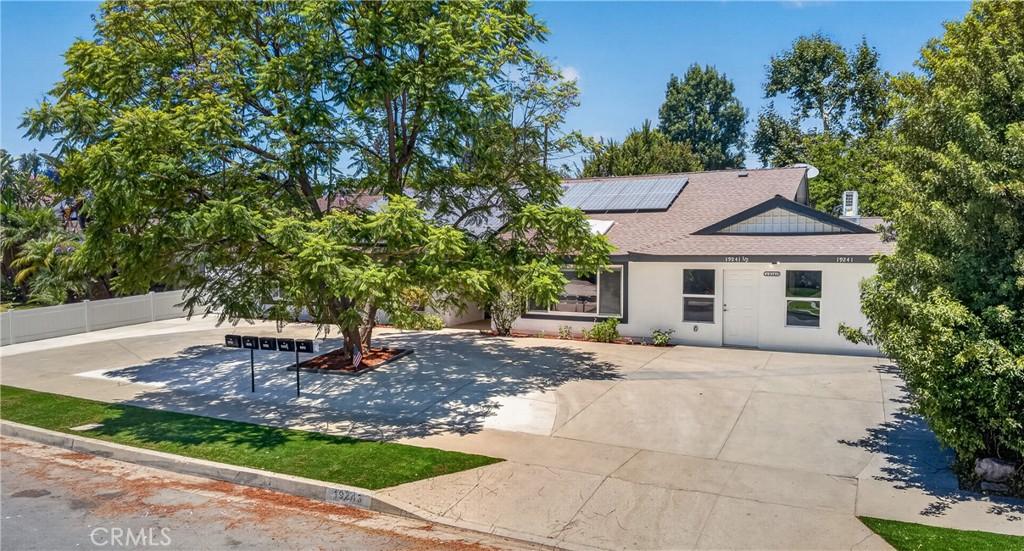
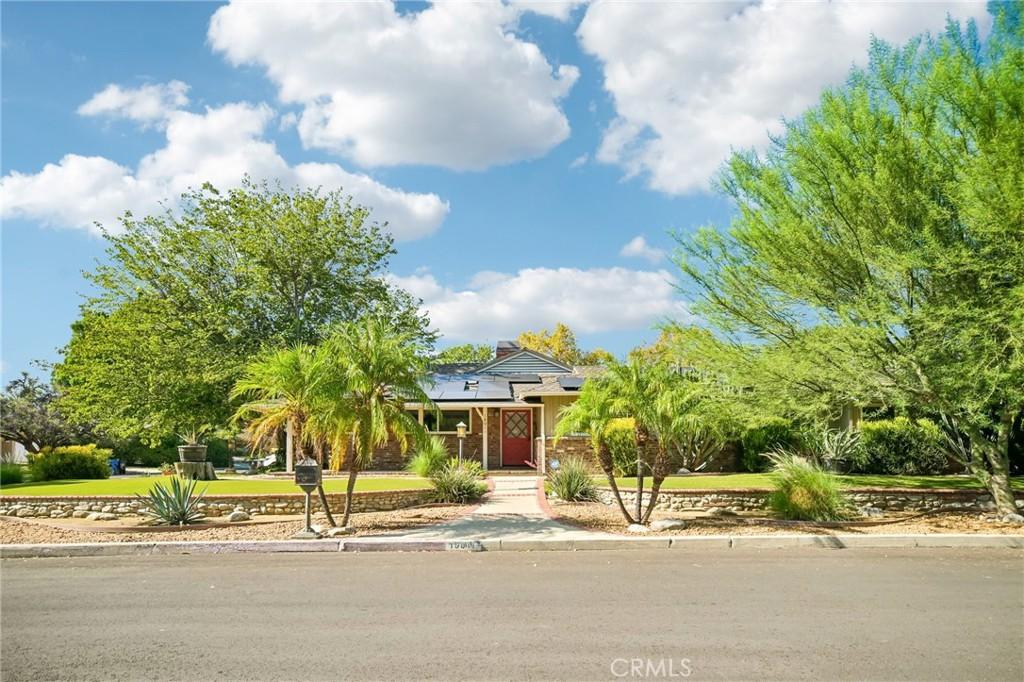
Northridge’s single-family housing stock includes construction from multiple eras: 1950s and 1960s standard post-war tract homes in the southern and central sections, 1970s and 1980s development in the northern sections, and scattered 1990s and 2000s construction including the post-earthquake rebuilding. Lot sizes vary from standard 6,000 to 7,500 square foot lots in the tract sections to larger parcels in the northern sections approaching the 118 Freeway corridor. The variation in construction era means that buyers in Northridge encounter a wider range of systems ages and structural standards than in communities with more uniform development timelines.

How is the commute from Northridge?

The Northridge Fashion Center, a major regional mall on Plummer Street at Reseda Boulevard, is the primary enclosed retail destination for the northern SFV. The mall’s anchor tenants and inline retail draw shoppers from Granada Hills, Porter Ranch, Chatsworth, and the surrounding communities, making the Northridge intersection of Plummer and Reseda one of the highest-traffic commercial intersections in the northern SFV. The surrounding commercial corridors support a mix of restaurants, services, and specialty retail that meets most household needs without requiring a longer drive to the Sherman Oaks or Warner Center retail destinations to the south and west.

The 118 Freeway (Ronald Reagan Freeway) runs along Northridge’s northern boundary, providing east-west freeway connectivity across the northern SFV toward the 5 Freeway interchange in Sylmar to the east and the 118’s terminus at the 101/23 interchange in Thousand Oaks to the west. The 405 Freeway is accessible from Northridge via Nordhoff Street or Roscoe Boulevard, approximately 3 to 5 miles east of the community’s center. The combination of 118 and 405 access provides Northridge residents with reasonable freeway connectivity to the broader LA metro network, though the northern SFV location means that drives to the Westside or downtown are longer than from more centrally located SFV communities.

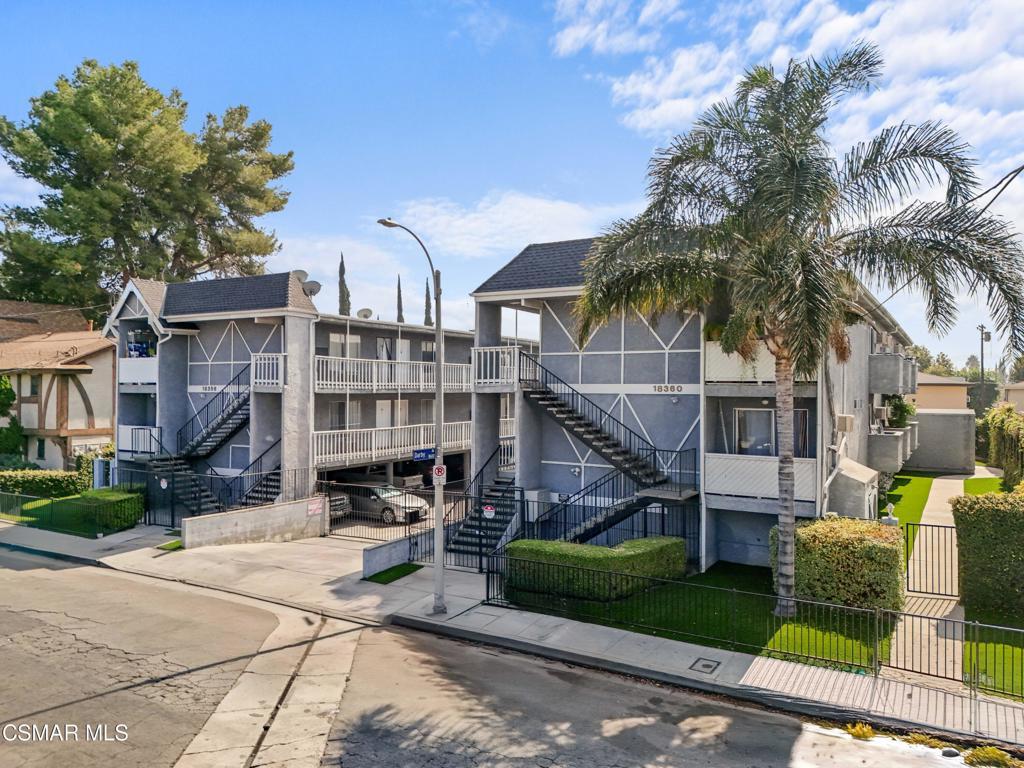
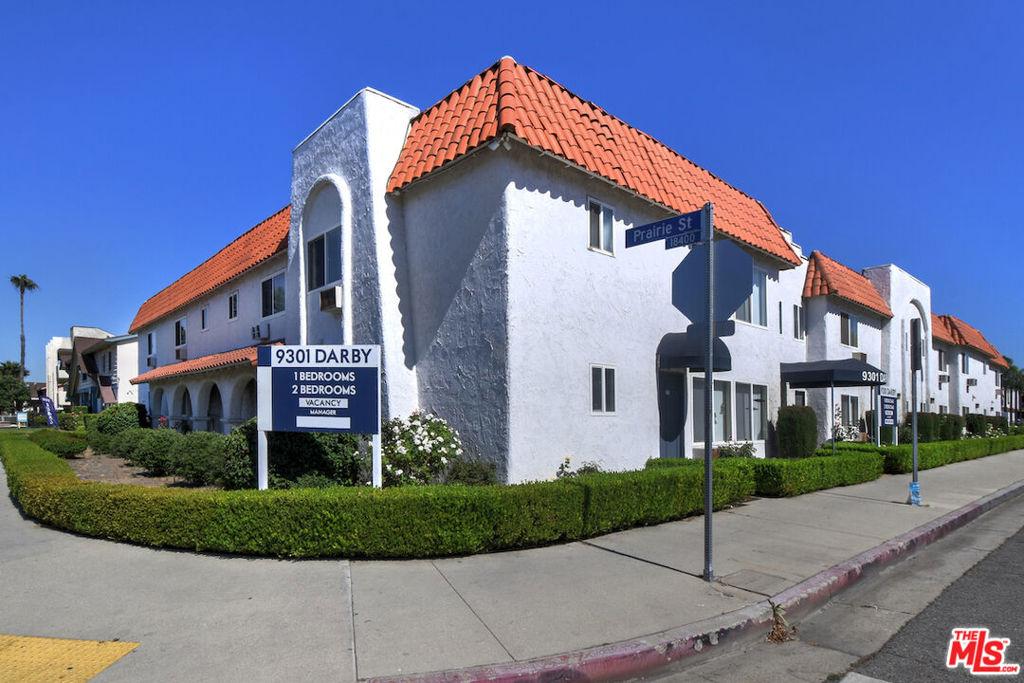
The central Northridge residential sections between Nordhoff Street and Roscoe Boulevard are the most densely developed portion of the community, with standard-lot post-war homes on the interior blocks and multi-family apartment buildings concentrated along the commercial corridors. The CSUN campus influence is most pronounced in this zone, and the buyer profile in the central sections includes a larger proportion of faculty, staff, and university-affiliated households than is typical of the northern sections. Properties in the CSUN-adjacent central Northridge area that are suitable for multi-generational use or for partial rental income can appeal to both the faculty-buyer and investor markets simultaneously.

Reseda Boulevard runs north-south through the eastern portion of Northridge and is the community’s primary north-south surface street connection. Devonshire Street and Rinaldi Street provide east-west connectivity across the northern sections of the community. The 118 Freeway at Reseda Boulevard, Tampa Avenue, and Zelzah Avenue provides the primary freeway access. The freeway’s north side connection to the I-5 Freeway at Sylmar enables quick access to the Santa Clarita Valley, while the freeway’s western extension toward the 23 Freeway and Thousand Oaks provides access to the western Conejo Valley employment corridor.

What are the schools like in Northridge?

School assignments in Northridge fall primarily within the Los Angeles Unified School District. Northridge Middle School, on Darby Avenue, serves much of the central community’s 6th through 8th grade population. High school assignments include Granada Hills Charter High School for portions of the northern sections (one of the highest-rated LAUSD schools in the valley) and other LAUSD high schools for the central and southern sections. The specific school assignment varies significantly by address within Northridge’s large geographic area, and buyers prioritizing school assignment should verify their specific address’s assignment through LAUSD’s school finder before selecting a property.

Northridge’s position on the northern edge of the Los Angeles basin means that it receives some of the highest summer temperatures of any City of Los Angeles neighborhood, as the marine layer that moderates coastal and mid-valley temperatures often does not penetrate as far north as Northridge during summer afternoons. Properties in Northridge that have mature tree canopies or effective shade structures, and that have been updated with modern HVAC systems, provide significantly better summer comfort than unrenovated properties on exposed south-facing lots. Buyers who are sensitive to summer heat should evaluate the specific site conditions of any Northridge property during the summer months or request historical utility bills to assess the cooling cost profile. The Knight Group provides buyer representation across Northridge and the northern San Fernando Valley. Contact our office for current listing inventory, school assignment verification support for specific addresses in the northern sections, and a buyer consultation tailored to your Northridge search criteria and budget range.

What is the price range in Northridge?

The Northridge residential market features a price gradient that corresponds closely with school assignment geography and street character. The northern sections of Northridge, particularly the blocks between Rinaldi Street and the 118 Freeway and between Lindley Avenue and Louise Avenue, are the most sought-after within the community because of their proximity to the Granada Hills Charter High School attendance area and the larger lot sizes that characterize this section. Properties on these streets in the northern Northridge area can command pricing that approaches or overlaps with the southern Granada Hills market, reflecting the importance buyers place on the school assignment in this tier of the SFV market.

The Northridge home market rewards buyers who understand the neighborhood’s geographic scale and take the time to differentiate between the northern, central, and southern sections before beginning their active property search. A buyer targeting school assignment in the northern sections and treating the CSUN-adjacent central sections as equivalent to the northern sections will find poor-fit properties; similarly, an investor focused on student rental demand who searches only in the northern sections will miss the most relevant inventory concentration. Buyers and investors who approach Northridge with a section-specific understanding of the market find that the neighborhood’s scale creates opportunities that are not available in smaller, more uniform SFV communities.

Property values in Northridge have historically been supported by the community’s institutional anchor in CSUN and the sustained demand for housing near the campus. The university’s ongoing enrollment of approximately 37,000 students creates a rental demand base that provides consistent absorption for the multi-family housing market in the CSUN-adjacent area, while the professional and faculty household demand for owner-occupied homes supports the single-family market in the central and northern sections. Northridge benefits from this dual-demand driver in a way that purely residential SFV communities without institutional anchors do not, which contributes to the market’s resilience through broader economic cycles. Contact The Knight Group for a current Northridge market analysis at your target price range and section preference.

What are the parks and recreation like in Northridge?

Chatsworth Reservoir, located at the western edge of Northridge near the Chatsworth border, provides a large open-water feature adjacent to the community that contributes to the western Northridge area’s appeal for buyers who want water or open-space adjacency without the premium pricing of a lakefront or hillside address. The reservoir and the surrounding Chatsworth Reservoir Recreation Area provide a local recreational resource that is accessible from the western Northridge streets within a 10 to 15 minute drive.

The Balboa Park portion of the Sepulveda Basin Recreation Area is accessible from Northridge’s eastern edge via Balboa Boulevard, providing the large-scale outdoor recreation amenity base that benefits multiple SFV communities including Northridge. The park’s sports fields, picnic areas, and the adjacent Balboa Golf Course and Encino Golf Course are within a 10 to 15 minute drive from most Northridge addresses. The proximity to this recreational infrastructure is an underappreciated quality-of-life asset for Northridge households with active outdoor recreation preferences, since the Sepulveda Basin scale and variety are not replicated by any park facility directly within Northridge’s own boundaries.

Who buys in Northridge, and is it a good investment?

California State University, Northridge (CSUN) is the dominant institutional presence in the southern portion of the neighborhood, with its 356-acre campus on Nordhoff Street generating substantial student enrollment (approximately 37,000 students) and a corresponding demand for both rental and owner-occupied housing in the surrounding blocks. The university’s presence as an employer, a cultural venue, and a source of neighborhood commercial demand has shaped the residential and commercial character of the area within a roughly one-mile radius of campus. The CSUN Performing Arts Center, the Oviatt Library, and the university’s various sports facilities contribute to the area’s activity base, and the university’s relationship with its surrounding neighborhood is one of the defining characteristics of the Northridge residential market.

The Knight Group provides buyer and seller representation across all sections of Northridge, from the CSUN-adjacent central sections to the northern sections near the Granada Hills boundary. Our familiarity with the Northridge school assignment geography, the post-earthquake structural update history across the community, and the specific street-level value differences that the neighborhood’s large geographic size creates allows us to give buyer clients the targeted analysis they need to make confident decisions in the Northridge market. Contact our office for current listing inventory, recent sale comparables, and a buyer consultation covering Northridge and the adjacent northern SFV communities.

Buyers targeting the northern Northridge sections for Granada Hills Charter High School eligibility should begin their search with a school boundary verification for specific streets before investing significant time in those properties. The school boundary is detailed at the address level, and adjacent streets can fall on different sides of the boundary. Early address-level verification prevents the disappointment of finding a preferred property after significant due diligence investment, only to confirm it is outside the target attendance zone. The Knight Group can assist with this verification process as a standard part of our buyer services in the northern Northridge and Granada Hills market.

What should buyers know about insurance and risk in Northridge?

The January 17, 1994 Northridge earthquake (M6.7) was centered approximately 1 mile south of the Northridge community boundary, and the event caused catastrophic structural damage to apartment buildings and wood-frame residential structures across the northern SFV. The earthquake’s name reflects its proximity to this community, and Northridge has since been synonymous with the event in public consciousness even though the damage was distributed broadly across the SFV. The post-earthquake rebuilding and retrofitting that followed has substantially updated much of the structural inventory in Northridge, and buyers purchasing post-1994 construction or properties that underwent significant seismic retrofitting are acquiring structures that reflect improved building standards. The 1971 Sylmar earthquake had previously damaged portions of the northern SFV and also prompted structural upgrades in the Northridge area.

What is the price range for Northridge homes?

Northridge single-family home prices have ranged from approximately $700,000 for smaller post-war ranch homes requiring updates to over $1.3 million for larger, fully renovated homes with updated systems and expanded footprints on the better residential streets. The northern sections closer to Granada Hills and Porter Ranch tend to command higher prices within the Northridge range due to proximity to the Granada Hills Charter High School attendance area and the more established character of those streets. Properties in the CSUN-adjacent southern sections attract a mix of faculty buyers, investors serving the student rental market, and owner-occupants who value campus proximity.

How was Northridge affected by the 1994 earthquake?

The 1994 Northridge earthquake caused the most expensive earthquake damage in United States history at that time, with total losses estimated at $20 billion or more. Within the Northridge community, multi-family apartment buildings constructed in the 1960s and early 1970s under pre-seismic-code standards suffered the most severe structural failures, and a significant number of apartment complexes were demolished and rebuilt in the years following. Single-family homes across the neighborhood sustained varying degrees of damage, and the post-earthquake retrofit and rebuilding activity over the subsequent decade has substantially updated the structural character of much of the housing stock. Buyers purchasing pre-1994 construction in Northridge should confirm the seismic retrofit history of any property as part of their inspection due diligence.

Is Northridge a good area to buy near CSUN?

Proximity to CSUN creates a specific buyer and investor profile in the blocks surrounding the campus. Owner-occupant buyers who want walkable campus access for family members attending the university find that the streets between Nordhoff and Lassen, and between Lindley and Darby Avenues, provide the closest residential access. Investors buying within 0.5 to 1 mile of the campus can access consistent student rental demand that supports occupancy through the academic year. The trade-off for investors is that student-oriented rental properties may experience higher turnover and maintenance intensity than general-market rentals. Contact The Knight Group for a CSUN-area market analysis and current listing inventory review.

FAQs

Frequently Asked Questions: Your Northridge Real Estate Queries Answered


Q: What’s the average home price in Northridge?

A: As of November 2024, the median sold price for homes in Northridge is $1,063,333. But remember, averages are like bikinis. What they reveal is suggestive, but what they conceal is vital. The price can vary significantly based on the specific neighborhood and property features.


Q: How often are new listings updated in Northridge?

A: New listings pop up faster than you can say avocado toast. But don’t worry, we’ve got our finger on the pulse of the Northridge market 24/7. On average, we see about 30-40 new listings each month, but this can fluctuate based on market conditions.


Q: What are the best schools in the Northridge area?

A: Northridge is home to some top-notch schools, including Granada Hills Charter High School and Nobel Middle School. But let’s be real, with Cal State Northridge in your backyard, your kids will be breathing in success before they even hit puberty. Here’s a quick rundown:

  • Granada Hills Charter High School: 9/10 rating on GreatSchools.org
  • Nobel Middle School: 8/10 rating
  • Beckford Charter for Enriched Studies: 9/10 rating (elementary)


Q: What’s the crime rate like in Northridge?

A: Northridge is generally considered a safe area. According to AreaVibes, the crime rate in Northridge is 28% lower than the Los Angeles average and 18% lower than the national average.


Q: Are there any upcoming development projects in Northridge?

A: Yes! There are several exciting projects in the pipeline:

  • The Northridge Mall is undergoing a major renovation, set to include new dining and entertainment options.
  • A new mixed-use development is planned near the CSUN campus, which will include student housing and retail spaces.
  • The city is investing in infrastructure improvements, including road repairs and park upgrades.


Q: How do property taxes in Northridge compare to other areas of Los Angeles?

A: Property taxes in Northridge are generally in line with the rest of Los Angeles County. The base tax rate is 1% of the assessed value, with additional local assessments that can bring the total to around 1.2-1.3%. However, newer developments may have higher Mello-Roos taxes.


Q: What’s the commute like from Northridge to downtown Los Angeles?

A: The commute can vary depending on traffic, but on average:

  • By car: 30-60 minutes (depending on traffic)
  • By public transit: 60-90 minutes (using the Metro Orange Line and Red Line)

Many Northridge residents find the trade-off of a longer commute worth it for the suburban lifestyle and larger homes.


Q: Are there any hidden gems or local favorites in Northridge?

A: Absolutely! Here are a few local favorites:

  • Brent’s Deli: A Northridge institution known for its massive sandwiches
  • Humble Bee Bakery & Cafe: A charming spot for brunch and baked goods
  • Los Toros Mexican Restaurant: Serving up delicious Mexican fare since 1967
  • Northridge Recreation Center: A great place for family activities and sports

So there you have it, folks. Northridge isn’t just a place to live. It’s a lifestyle, an investment, a community. It’s where your California dreams come to life, where your future takes root, where your story unfolds.

Hey, You ALMOST MISSED IT!

Lucky for you we’re looking out.
Subscribe to this Custom Search to be alerted when new properties hit the market in the area.

Choose the frequency that works for you.

get alerts

[showcaseidx_contact]