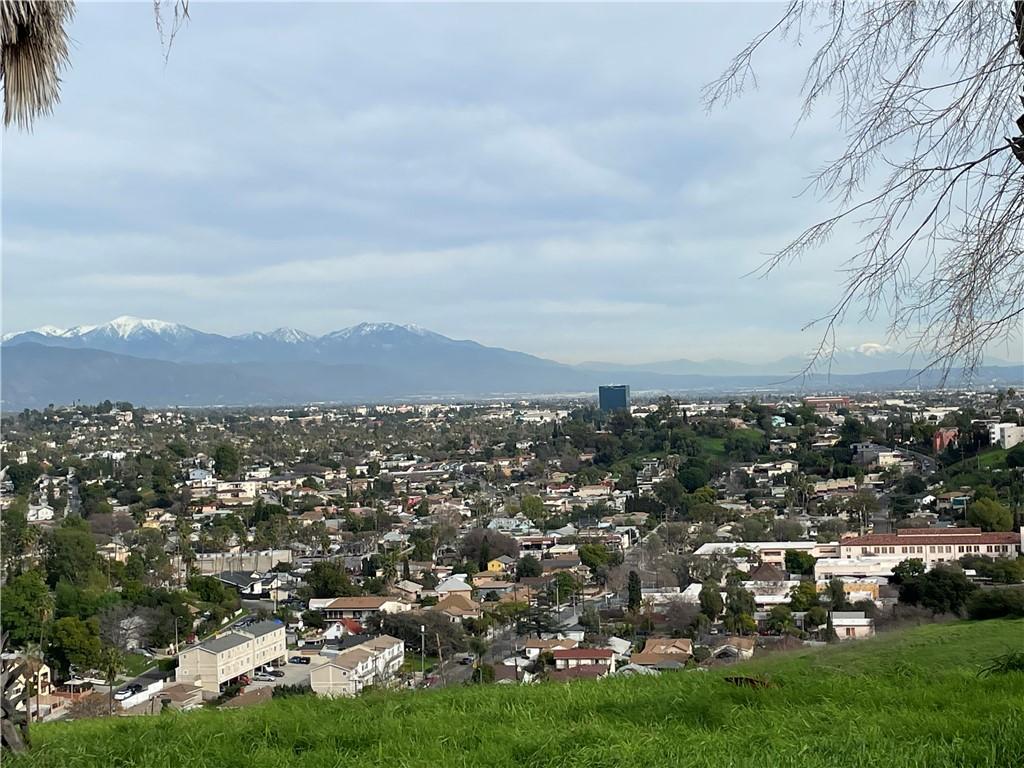
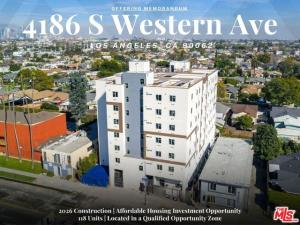
Central Alameda is a neighborhood in South Los Angeles — the communities south of the 10 Freeway in the city of Los Angeles where historically Black and Latino working-class communities maintain distinct cultural identities and where the K Line Metro extension and adjacent Inglewood entertainment investment have increased residential attention. Central Alameda is a South Los Angeles neighborhood along the Central Avenue and Alameda Street corridors — the historic heart of the African-American commercial and entertainment district that sustained one of the most vibrant Black cultural scenes in the United States from the 1920s through the 1950s. South Los Angeles provides city of Los Angeles homeownership access at pricing significantly below comparable distances from downtown in other directions, with improving transit infrastructure and proximity to a range of employment centers including downtown LA, LAX, and the South Bay.
Browse all Los Angeles real estate — or explore the full Los Angeles luxury real estate market.
Central Alameda is one of South Los Angeles’s established neighborhoods, central alameda is a south los angeles neighborhood along the central avenue and alameda street corridors — the historic heart of the african-american commercial and entertainment district that sustained one of the most vibrant black cultural scenes in the united states from the 1920s through the 1950s within a residential zone that has maintained significant homeownership stability across decades despite economic challenges that have made South LA a consistent target of community development investment and advocacy by residents who have built generational equity in the area’s single-family homes.
Los Angeles Unified School District serves Central Alameda for K-12 education. The specific campus assignment and academic performance for Central Alameda addresses should be verified with LAUSD, as South LA campus performance varies significantly and individual school research is important for buyers with school-age children. Charter school options provide alternatives to assigned campuses in many South LA areas, and the district’s magnet program structure offers additional choices for families who successfully navigate the enrollment process.
The 110 Freeway provides downtown LA access within approximately 10 to 15 minutes from most South LA addresses. The K Line Metro connects South LA to the Crenshaw corridor, Culver City, and LAX via the Expo/C Line connection, improving transit options significantly for residents near the line’s stations. South LA’s proximity to downtown, the South Bay employment corridor, and LAX creates a central position within the Los Angeles metropolitan area’s employment geography that its pricing does not fully reflect relative to equivalently positioned communities in other directions from downtown.
South LA’s residential stock is predominantly mid-century single-family homes — bungalows, California colonials, and wood-frame construction from the 1930s through 1960s development era — on standard 5,000 to 7,000 square foot lots. The renovation opportunity in this housing stock is significant for buyers who can invest in kitchen, bath, and system updates that bring properties to competitive condition within the local market. Many South LA properties have been in the same family ownership for multiple generations, creating a homeownership culture of stability that differs from the more transient demographic patterns in other parts of the Los Angeles residential market.
Central Alameda is the South Los Angeles residential community adjacent to the Alameda Corridor — the 20-mile dedicated freight rail corridor connecting the Ports of Los Angeles and Long Beach to the national rail network at the downtown rail yards, one of the most significant freight infrastructure projects in American history. The Alameda Corridor’s dedicated freight rail (keeping port cargo trains off the at-grade street crossings that the pre-Corridor routing created) significantly reduced the truck traffic and rail congestion in the communities along the corridor’s path; the Corridor’s trench design (the rail runs in a concrete trench through the mid-section) created the “below-grade” separation that reduced noise and surface-level impacts on the adjacent residential communities. Central Alameda’s residential character reflects the working-class Latino community that has sustained the South LA industrial corridor’s residential fabric alongside the port-related employment that the Corridor infrastructure serves.
Central Alameda’s position along the Alameda Street industrial corridor creates the environmental justice context that the community’s advocates have engaged with — the diesel particulate pollution from freight trucks traveling Alameda Street between the ports and the rail yards, the industrial land uses that border the residential community, and the cumulative health impacts that the South LA industrial corridor’s air quality creates for the residential communities in its shadow. The electrification of port cargo-handling equipment and the gradual transition to zero-emission trucks that California’s advanced clean truck regulations are mandating create the improvement trajectory that will reduce the industrial corridor’s air quality impacts on Central Alameda’s residential community over the coming decade. The South LA transit infrastructure (the Metro Silver Line BRT along the Harbor Transitway and the developing K Line connection) provides the transit access that the community’s transit-dependent residential population requires.
Central Alameda’s residential character reflects the industrial corridor community’s specific experience of living alongside the largest freight infrastructure investment in American history — the Alameda Corridor’s 20-mile dedicated freight rail expressway that passes through the community’s geography creates both the employment base (port and logistics employment) and the environmental burden (the operational impacts of a major freight corridor) that define Central Alameda’s residential context. The community’s resilience in maintaining the residential fabric — the working-class homes, the corner stores, and the neighborhood services — alongside the industrial corridor’s operations reflects the South LA working-class community’s capacity to sustain neighborhood life within challenging environmental and infrastructure contexts. The Nickerson Gardens housing development (one of the largest public housing projects in the western United States, adjacent to Central Alameda’s residential fabric) creates the public housing community whose population and social needs shape the service infrastructure that the neighborhood sustains alongside the working-class homeowner and renter community. The Metro Silver Line BRT (the bus rapid transit service along the I-110’s Harbor Transitway) provides the transit access that connects Central Alameda to Downtown and the South Bay without the surface street congestion that the industrial corridor’s truck traffic creates.
The K Line (formerly Crenshaw/LAX Line) Metro extension provides new transit connectivity from South Los Angeles to LAX, Inglewood, Culver City, and the broader Metro network — infrastructure investment that has improved the commute options available to South LA residents and that has generated residential investment attention from buyers who anticipate the price appreciation that transit-oriented development typically accelerates. The line’s Crenshaw stations connect the South LA residential corridor to the Westside employment corridor and LAX without requiring the freeway driving that most South LA residents have historically relied on for regional mobility.
The 110 Freeway (Harbor Freeway) provides South LA’s primary north-south freeway connection to downtown LA (approximately 10 to 15 minutes north) and to the South Bay and Harbor communities to the south. The 10 Freeway is accessible to the north, and the 105 Freeway (Century Freeway) connects the southern portion of South LA to LAX and to the 405. South LA’s freeway access is generally good for the interior of the Los Angeles basin, providing connectivity to downtown, the South Bay, and LAX that is competitive with communities at significantly higher price points in other directions from downtown.
South LA’s cultural life is anchored by the African-American community institutions that have sustained the Crenshaw and South Central corridor’s cultural identity — churches, community organizations, historically significant civil rights sites, and the food culture that has sustained the community’s daily life across generations of resident families. The Leimert Park Village, while technically in its own sub-neighborhood, is accessible from South LA’s communities and provides an arts and cultural district that showcases the African-American creative community that has sustained the South LA corridor’s cultural vitality through economic and social challenges that other parts of the city have not faced to the same degree.
South Los Angeles encompasses the residential communities south of the 10 Freeway in the city of Los Angeles — communities including Florence, Broadway-Manchester, and Central Alameda where historically Black and increasingly Latino working-class communities have maintained residential stability across decades of economic and social challenge. The 2026 median home price in South Los Angeles ranges from approximately $550,000 to $750,000, making the area one of the most affordable homeownership opportunities within the city of Los Angeles proper, within distances of downtown LA and the Staples Center corridor that would command significantly higher prices in other directions from the city center.
South Los Angeles’s residential market has been influenced by the SoFi Stadium development in adjacent Inglewood and the ongoing investment in the Crenshaw District, Metro’s Crenshaw/K Line extension, and the broader South LA economic development that community advocates and investors have pursued across multiple economic cycles. Property values in portions of South LA closest to the Crenshaw line and the Inglewood entertainment complex have increased more rapidly than historical norms, creating early-stage gentrification dynamics that differ from the more advanced gentrification visible in adjacent Highland Park or Echo Park.
Los Angeles Unified School District serves South LA’s K-12 population. South LA’s LAUSD campuses reflect the district’s variability — some campuses have strong academic programs and engaged parent communities; others face the resource and performance challenges that high-poverty urban schools historically confront. Specific campus assignments and performance data should be researched for any address under consideration. The K Line (formerly Crenshaw/LAX Line) Metro extension provides improved transit access that connects South LA to Culver City, LAX, and the broader Metro network.
South Los Angeles — the broad residential and commercial territory south of the I-10 freeway and west of the Long Beach Freeway (I-710) — is experiencing the residential investment cycle that the combination of its proximity to major employment centers (USC, downtown, the port corridor), its transit infrastructure (multiple Metro rail lines traverse South LA), and its relative affordability within the Los Angeles market create as the city’s residential demand expands southward from the Westside and Downtown. The communities of Broadway-Manchester, Central Alameda, and the Florence district represent the South LA neighborhoods where the working-class and working-poor residential base that South LA’s demographics reflect is beginning to attract the investment buyers and the first-generation homebuyers who price into South LA’s market as the Westside and Mid-City reach price points beyond their reach. USC’s University Village development and the medical campus’s expansion have created a new employment anchor in the northern South LA corridor; the Banc of California Stadium (LAFC soccer) and the SoFi Stadium’s Inglewood positioning create the sports venue economic activity that sustains the South LA and gateway corridor’s commercial economy.
South LA’s residential market reflects the pricing that the neighborhood’s historical disinvestment has sustained at a discount to comparable-quality housing in other LA Basin locations — the single-family homes and duplexes that the working-class residential fabric sustains are priced in the $500K-$900K range that represents significant value relative to the million-dollar-plus pricing that comparable structures command in West Adams, Culver City, or Inglewood’s emerging market. The investment opportunity in South LA is accompanied by the displacement concern that rapid appreciation brings to the renter-majority communities that South LA’s residential demographics represent; the local Community Land Trust movements, the tenant protection ordinances, and the affordable housing development that community organizations sustain reflect the active community organizing that seeks to shape the investment cycle’s outcomes for existing residents alongside the real estate opportunity the market creates for buyers.
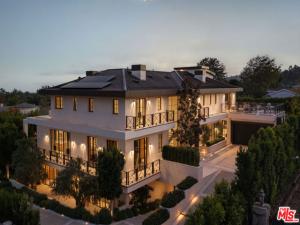
South Los Angeles pricing ranges from approximately $550,000 to $750,000 for single-family homes, with specific pricing within Central Alameda depending on property size, condition, and location within the neighborhood. Multi-family properties and smaller condominiums can be acquired at lower price points; completely renovated homes in the best locations can achieve above the range. South LA’s pricing is among the most accessible for city of Los Angeles ownership within reasonable distance of downtown.
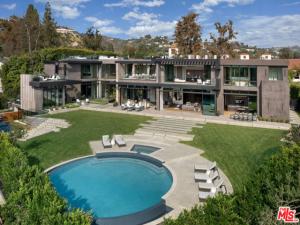
The K Line (formerly Crenshaw/LAX Line) Metro extension provides South LA with improved transit connectivity to the Westside, Culver City, and LAX. Bus service connects South LA neighborhoods to the Metro stations and to downtown LA via the 110 Freeway transit corridor. The specific transit access from Central Alameda depends on its proximity to Metro stations and bus routes. For residents who work in downtown LA or on the Westside along the Metro corridor, public transit provides a viable commute alternative to driving.
Several factors are driving increased residential investment attention in South Los Angeles: the K Line Metro extension improving transit access; the SoFi Stadium and Intuit Dome entertainment complex in adjacent Inglewood generating economic activity and commercial investment in the corridor; the overall Los Angeles housing shortage pushing buyers who are priced out of more central neighborhoods to consider South LA’s more accessible pricing; and the general pattern of urban gentrification following transit investment and sports venue development that has transformed adjacent neighborhoods in other Los Angeles districts.
The Alameda Corridor is a 20-mile dedicated freight rail expressway connecting the Ports of LA and Long Beach to the BNSF and Union Pacific intermodal rail yards near Downtown LA. Completed in 2002 at a cost of approximately $2.4 billion, the Corridor consolidated the cargo rail traffic from multiple at-grade rail crossings onto a single below-grade rail express, eliminating approximately 200 at-grade crossings that had created hours of daily delays for surface traffic crossing the freight rail lines. The environmental impact on the residential communities along the corridor has been mixed: the freight rail consolidation reduced street-level rail noise and traffic delay, but the diesel truck traffic that distributes port cargo from the rail yards to the distribution centers throughout the region continues to use Alameda Street and the I-710 freeway corridor, sustaining the air quality challenge that the communities along these routes have documented and organized around.
South LA is served by Metro’s Silver Line Bus Rapid Transit (BRT) service along the I-110 Harbor Freeway’s dedicated bus-only transitway lanes — a high-frequency, limited-stop bus service that uses the freeway’s center lanes (separated from car traffic) to provide fast, reliable transit between San Pedro and Downtown Los Angeles with intermediate stops in the Harbor Gateway, South LA, and Downtown corridor. The Silver Line’s transitway operation delivers transit times competitive with driving during non-congestion periods (approximately 30-40 minutes from South LA to Downtown), significantly faster than surface bus service. The transitway stations (El Camino College, Vermont/Athens, Harbor Fwy/Martin Luther King Jr., and others) provide the access points that Central Alameda and the surrounding South LA communities use for the Downtown commute. The K Line’s (Crenshaw/LAX Line) coordination with the Silver Line at the Harbor Fwy/Martin Luther King Jr. Station creates the transfer connection that sustains the multi-line transit network access from South LA to the broader Metro system.
Explore more South Los Angeles neighborhoods:
Lucky for you we’re looking out.
Subscribe to this Custom Search to be alerted when new properties hit the market in the area.
Choose the frequency that works for you.