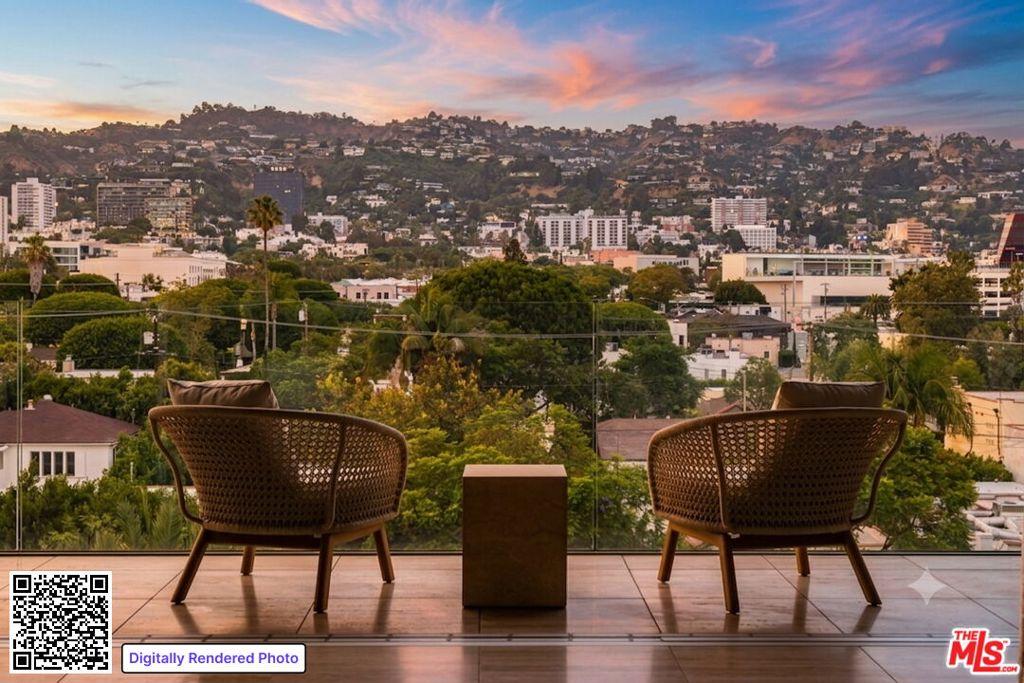
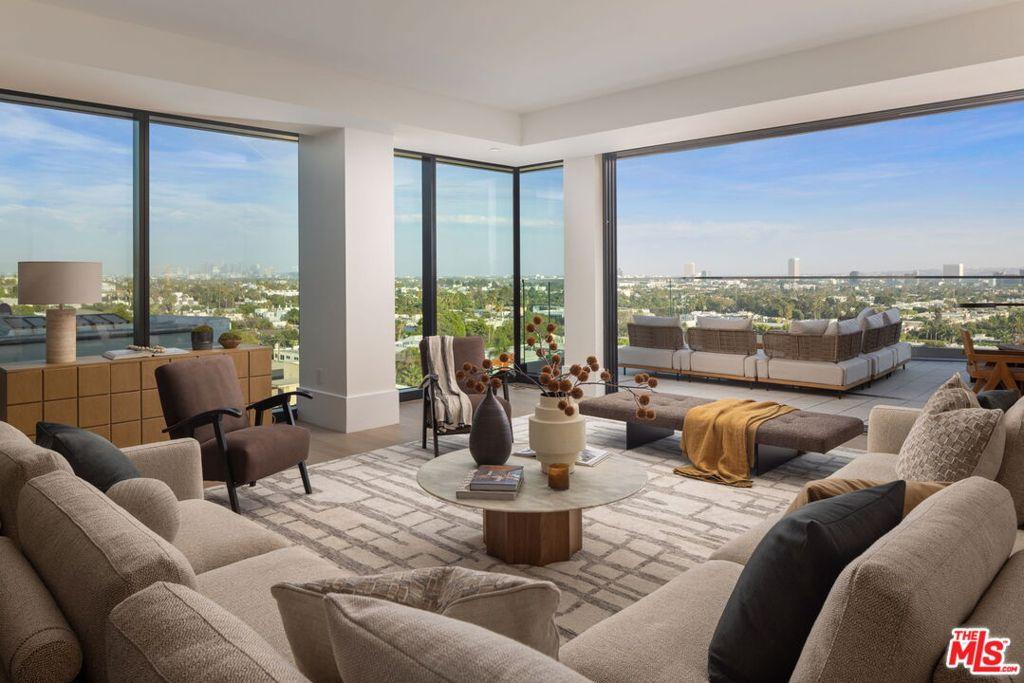
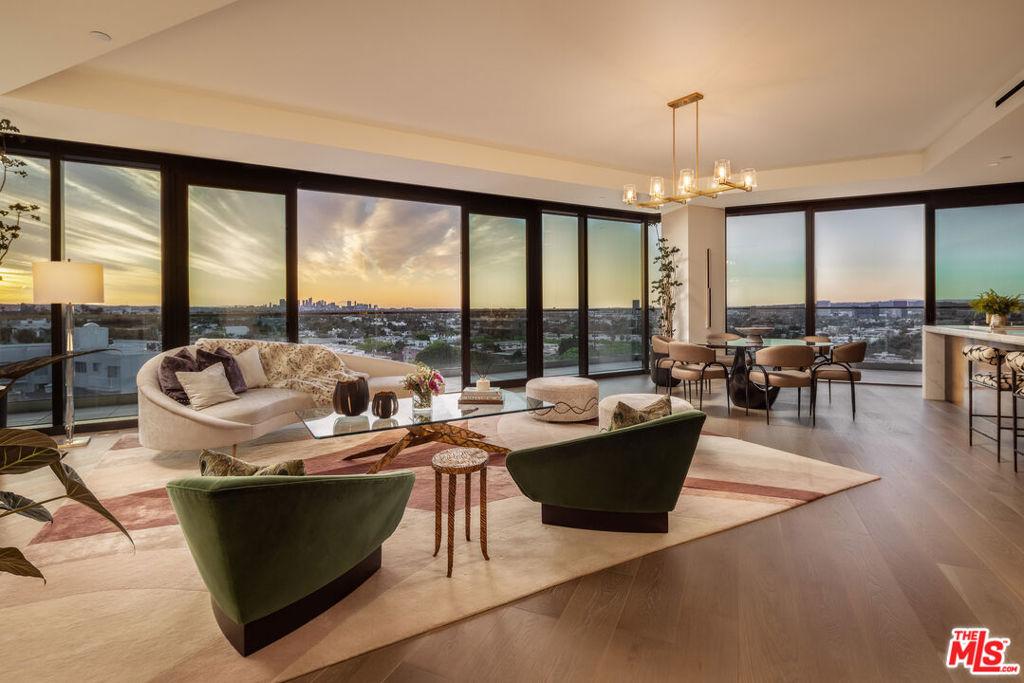
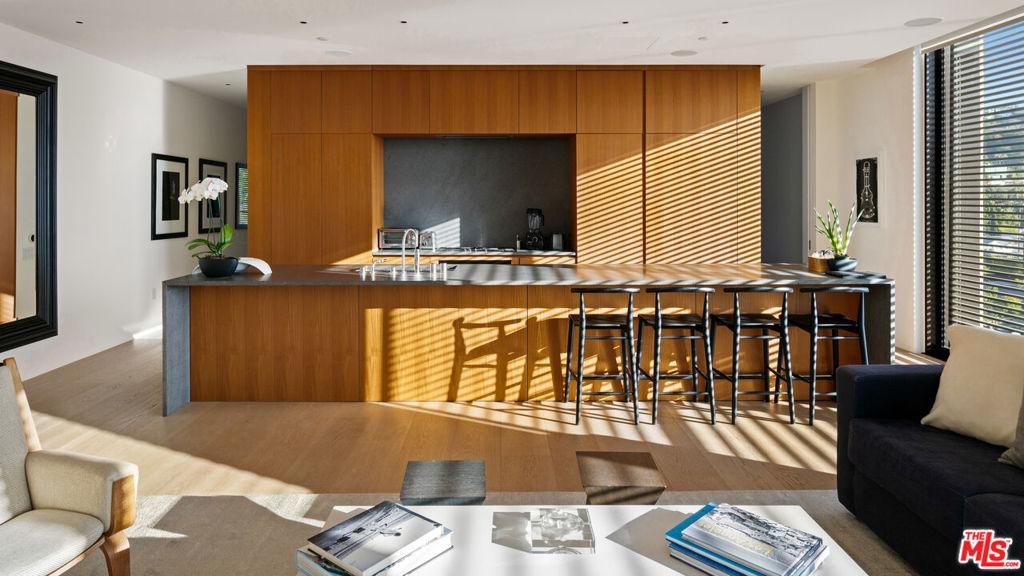
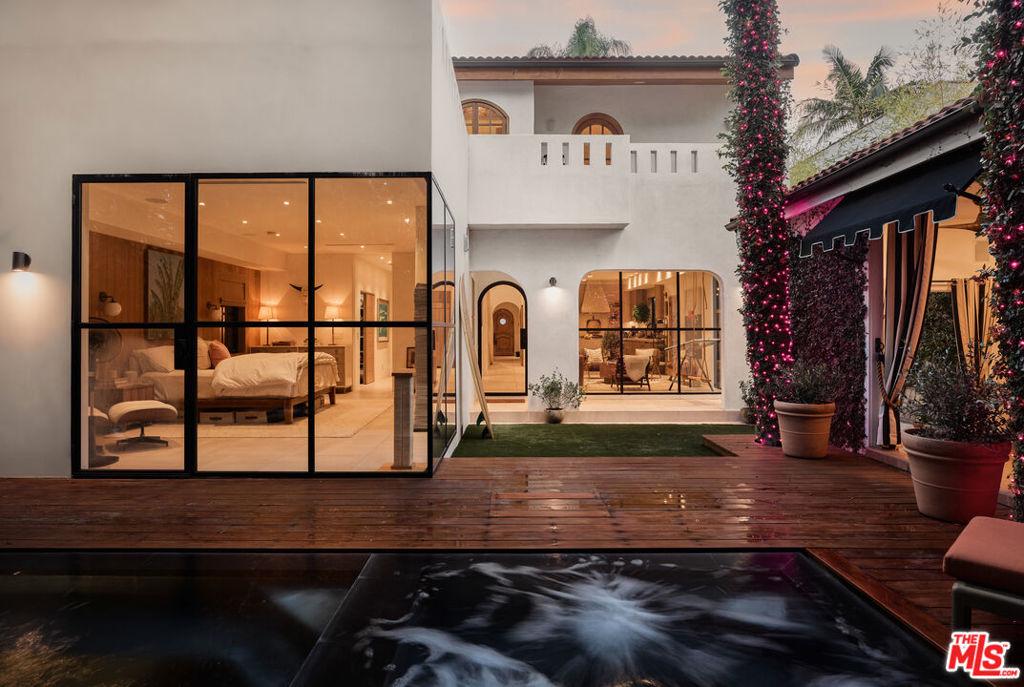
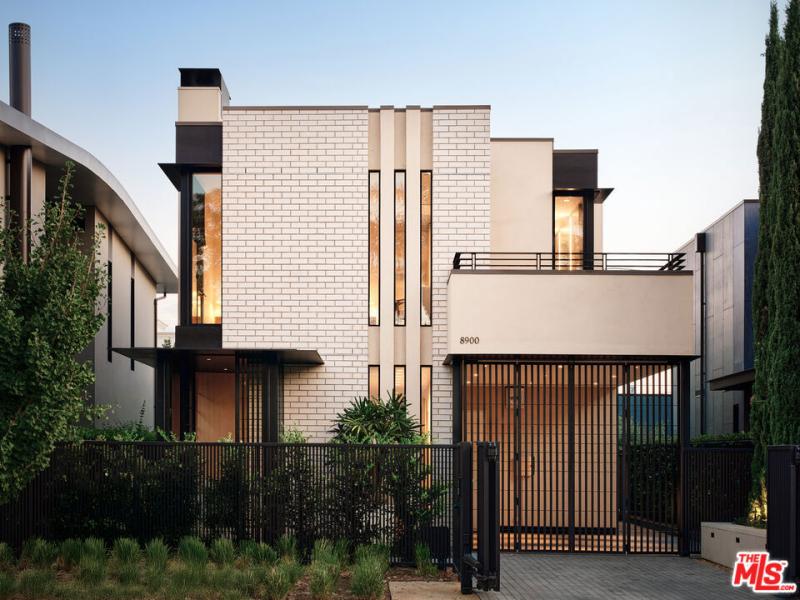
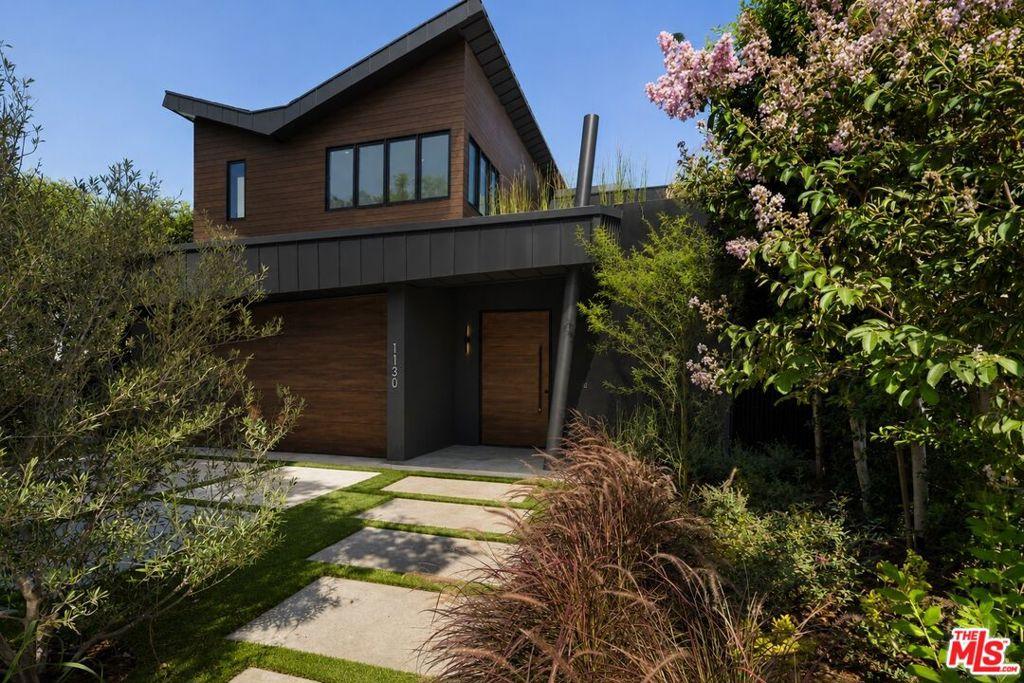
Browse all Los Angeles real estate — or explore the full Los Angeles luxury real estate market.
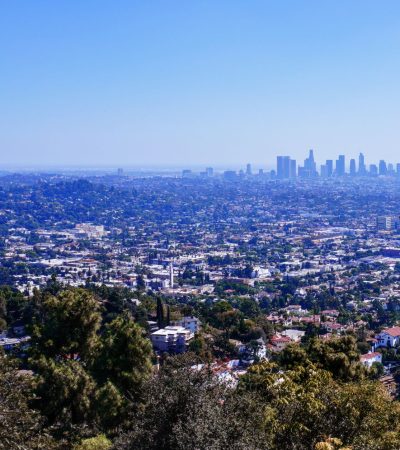
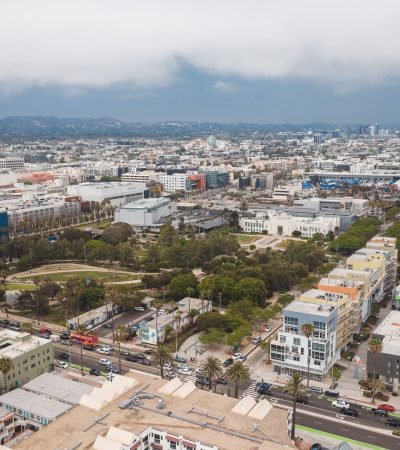
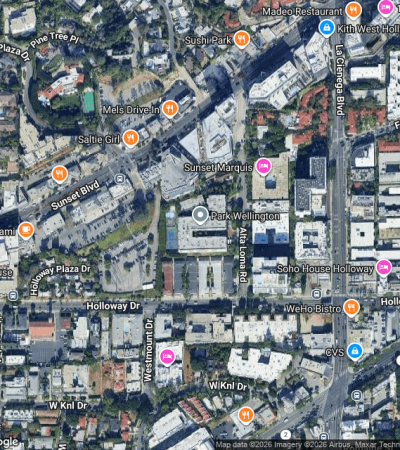
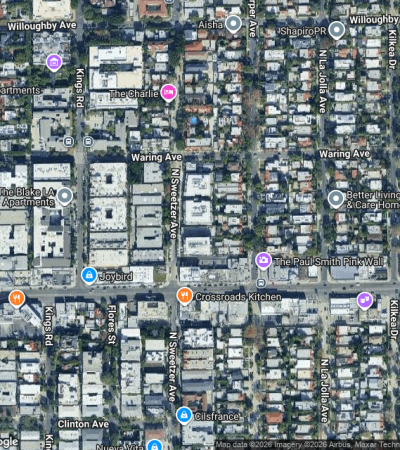
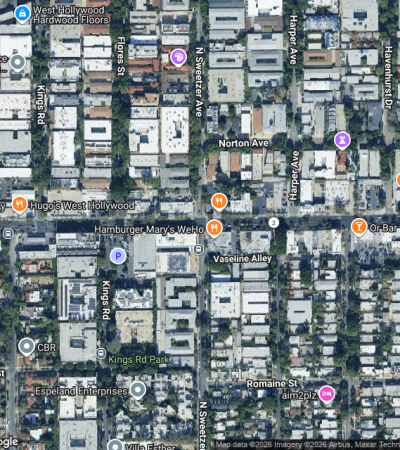
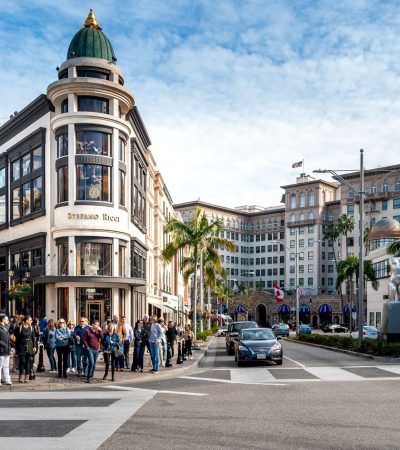
West Hollywood’s walkability score is not a statistic to cite. it’s the central fact of why people buy condos here. In a metropolitan area defined by car dependence, West Hollywood has achieved something that most LA neighborhoods can only approximate: a residential and commercial density that allows residents to walk to dinner, to the gym, to the dry cleaner, to the farmers’ market, and to one of the highest concentrations of restaurants and bars per square mile in California without needing to locate their car keys. Buyers who are tired of driving everywhere in Los Angeles and who can’t afford or don’t want the density of Downtown. West Hollywood is their answer.
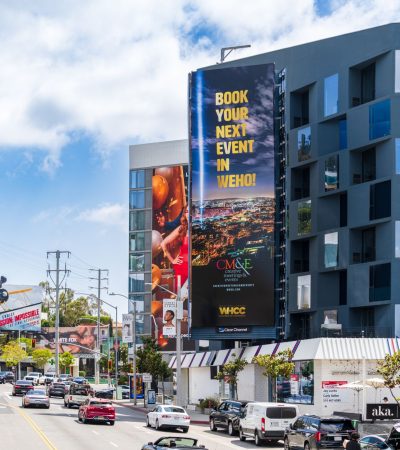
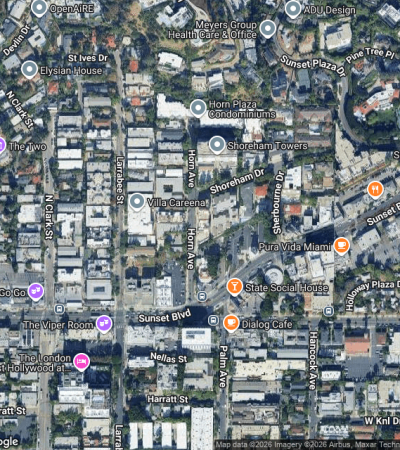
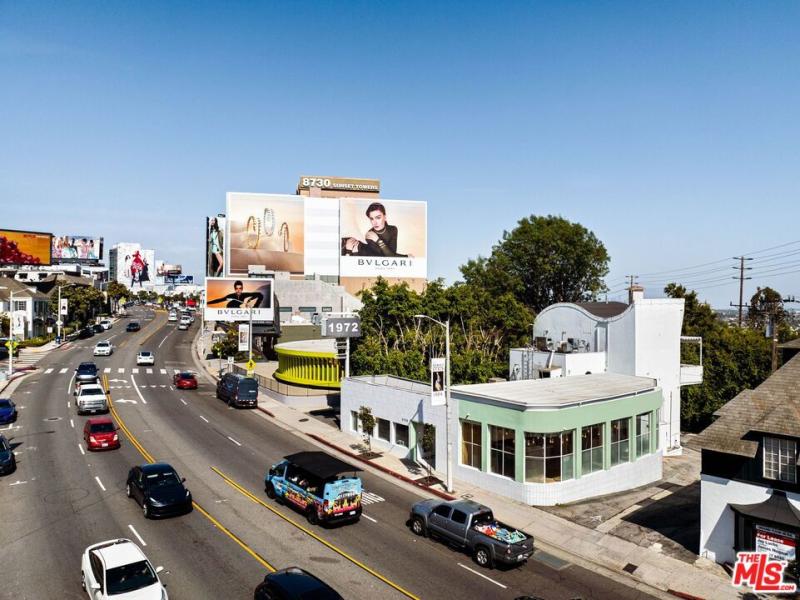
This specific quality of West Hollywood’s urban environment is what distinguishes west hollywood condos for sale from condos in every adjacent neighborhood. Beverly Hills has more prestigious buildings but you drive to everything. Silver Lake has walkability in a concentrated village area but a fraction of WeHo’s commercial density. The Sunset Strip corridor. the restaurants, the clubs, the hotels on Sunset, the boutiques on Santa Monica Boulevard. is not a destination that WeHo residents commute to. It’s the neighborhood they live in.
West Hollywood’s condo buyer profile is among the most cohesive in the LA market. buyers here share a specific set of lifestyle values that the neighborhood delivers on.
The urban lifestyle buyer is the defining WeHo archetype: someone for whom walkability and neighborhood density are non-negotiable purchase criteria. This buyer has typically lived in New York, Chicago, London, or another walkable city and found themselves unable to accept the suburban house-and-car paradigm when they moved to Los Angeles. They identified West Hollywood as the LA neighborhood that most closely matches the urban lifestyle they moved from. They are not comparing WeHo to Beverly Hills or Brentwood. They are comparing WeHo to their previous apartment in the West Village or Notting Hill.
The LGBTQ+ community buyer is a significant and established part of the West Hollywood condo market. WeHo has been the center of LGBTQ+ life in Los Angeles for decades, and the community infrastructure. the bars, the organizations, the social networks, the Revel Pride parade. creates a residential demand base that is specific and consistent. Buyers who want to live in a community with established LGBTQ+ cultural infrastructure find West Hollywood uniquely capable of delivering that in an LA context.
The entertainment industry professional is the third significant buyer type. The studios. Sunset Studios, the Sunset Strip adjacent production companies, the management firms and agencies that cluster on the Sunset Strip and in the adjacent streets. put a specific buyer pool within walking or biking distance of WeHo residences. Entertainment professionals who value the after-work proximity to the Strip’s social infrastructure find WeHo a natural home.
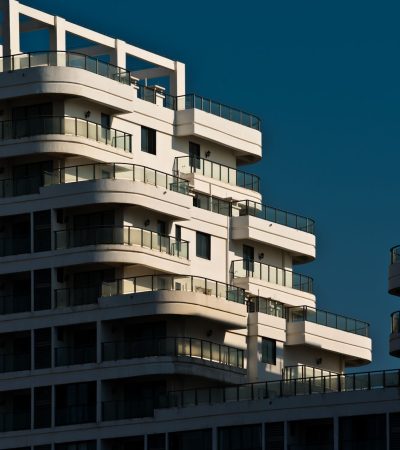
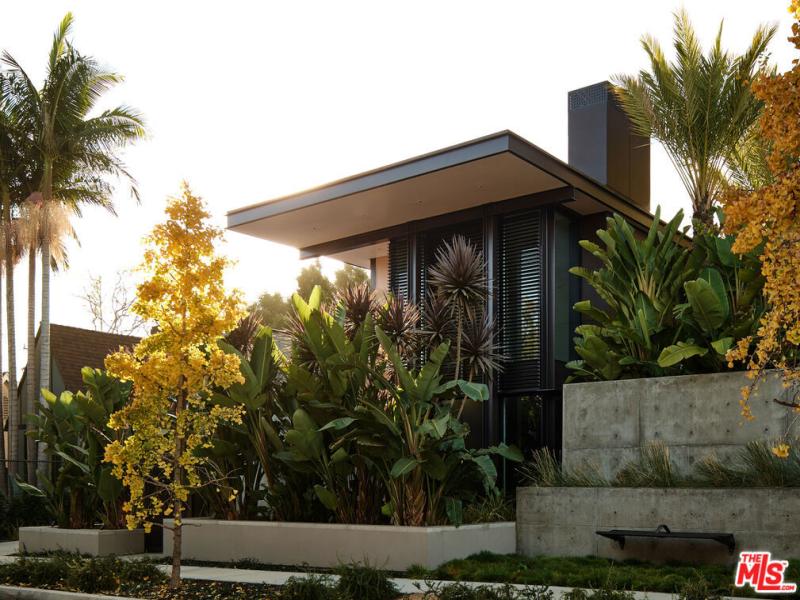
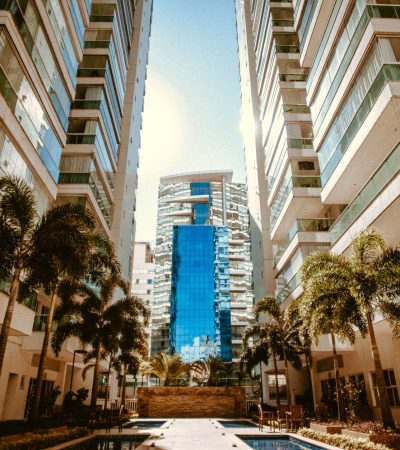
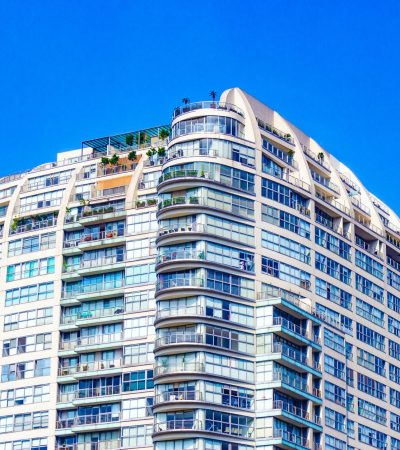
West Hollywood’s condo inventory is a mix of eras and building types that reflects the city’s development history and its unique status as an incorporated city with denser zoning than the surrounding unincorporated LA County.
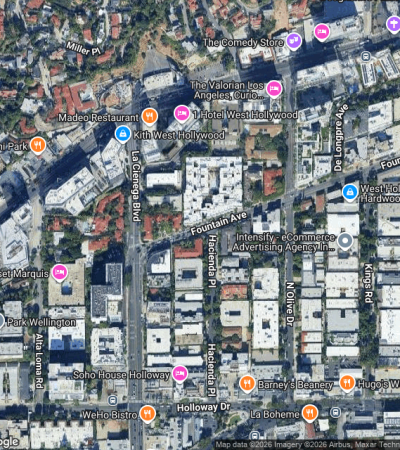
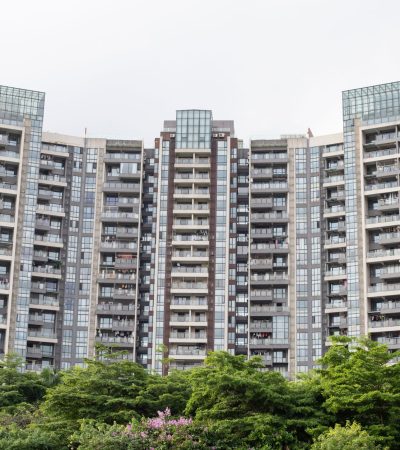
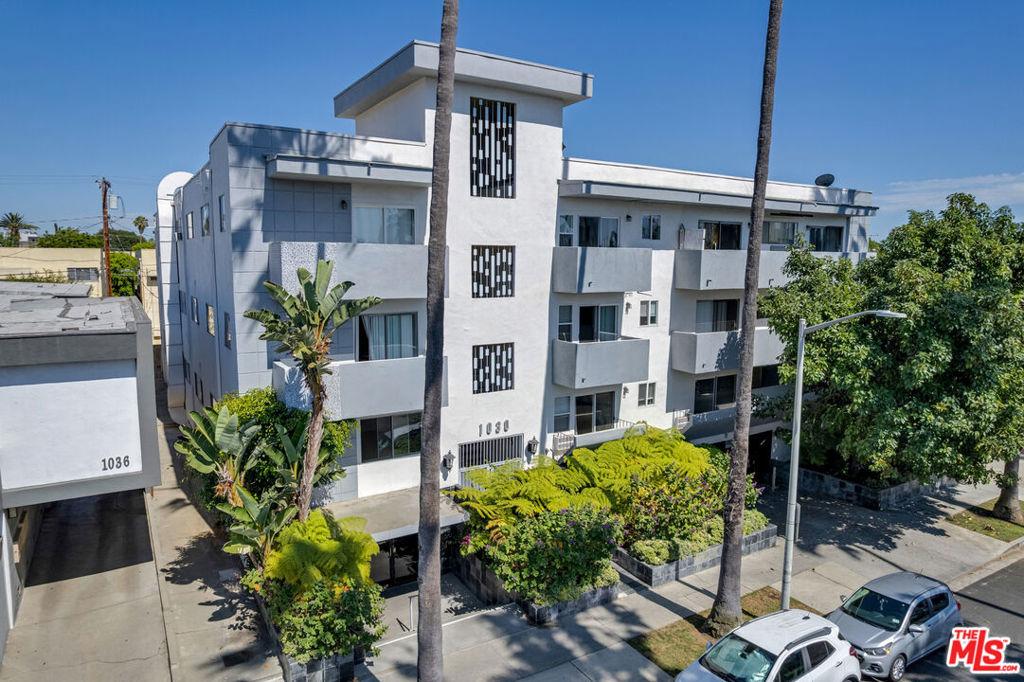
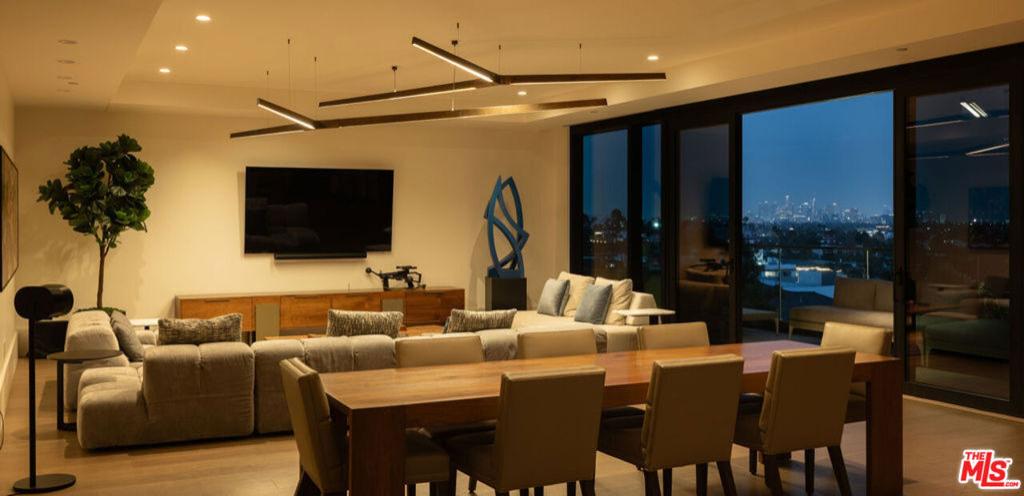
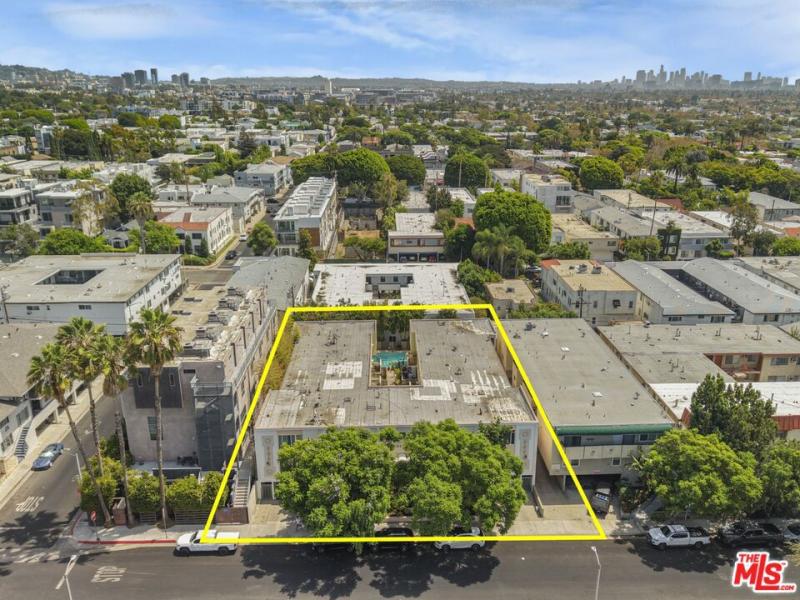
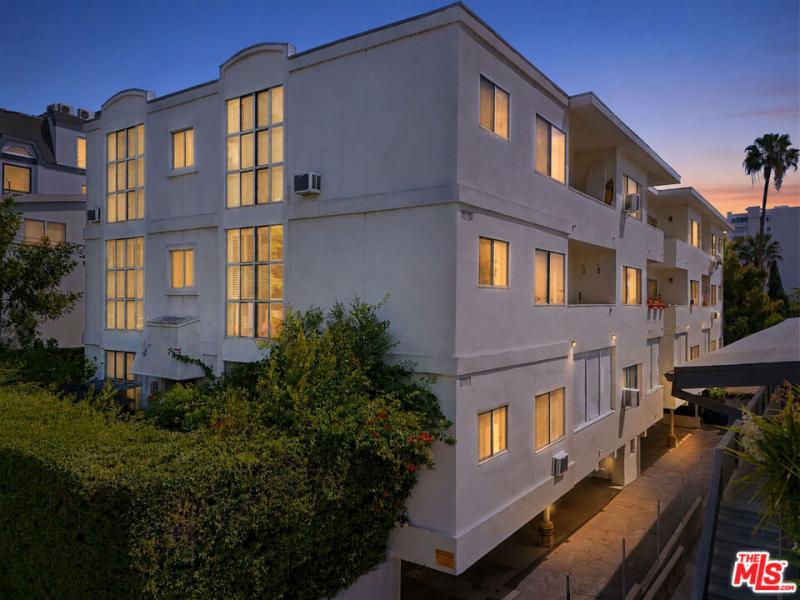
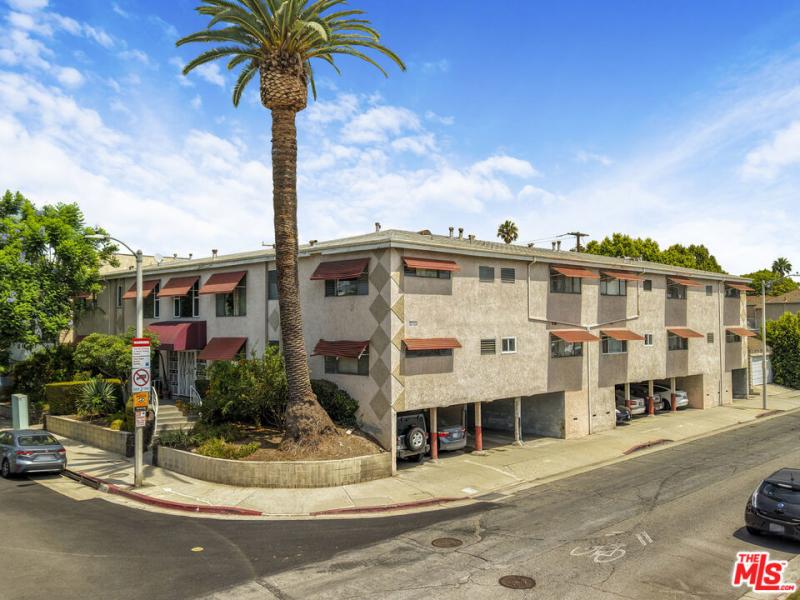
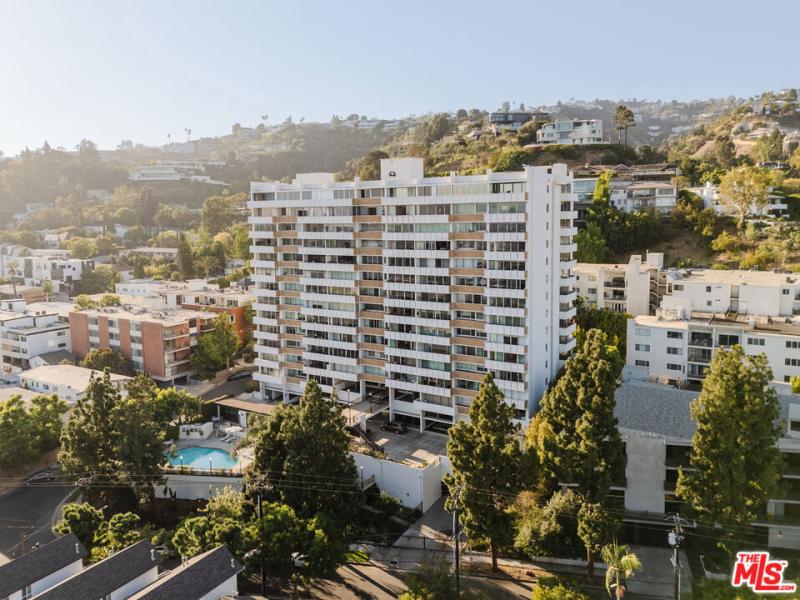
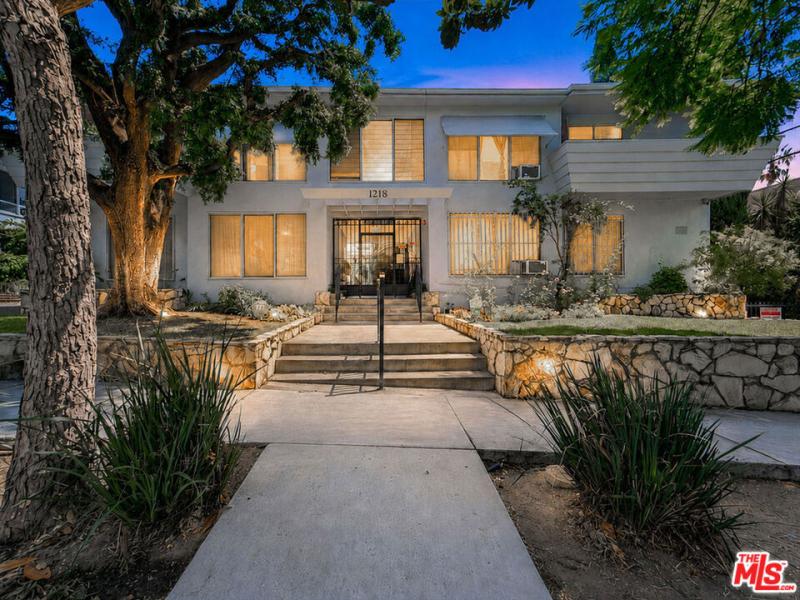
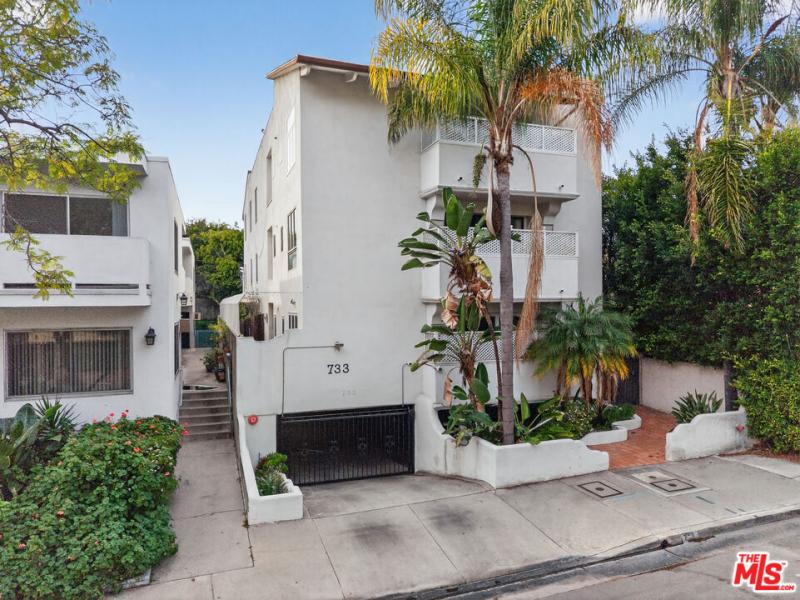
The dominant stock is 1960s-1980s mid-rise buildings on and near Fountain Avenue, Santa Monica Boulevard, and the residential streets between Sunset Strip and Melrose. These are the buildings that define the mass of the WeHo condo market: 4-10 stories, 20-60 units, standard California mid-century construction with renovated common areas in the better-maintained examples. Many of these buildings have been significantly updated. new lobbies, renovated pool areas, modernized mechanical systems. while retaining the building footprint and structural character of their original construction.
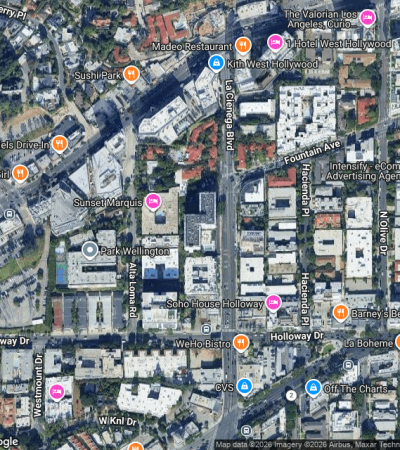
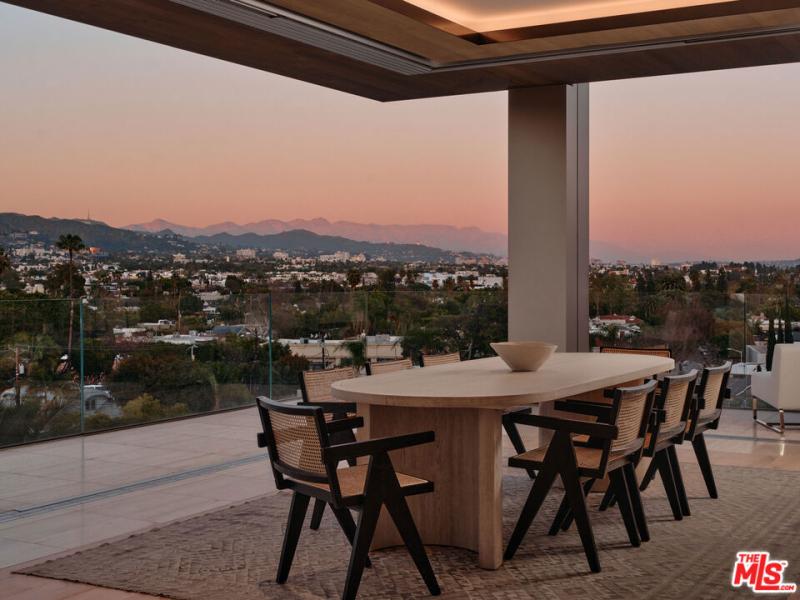
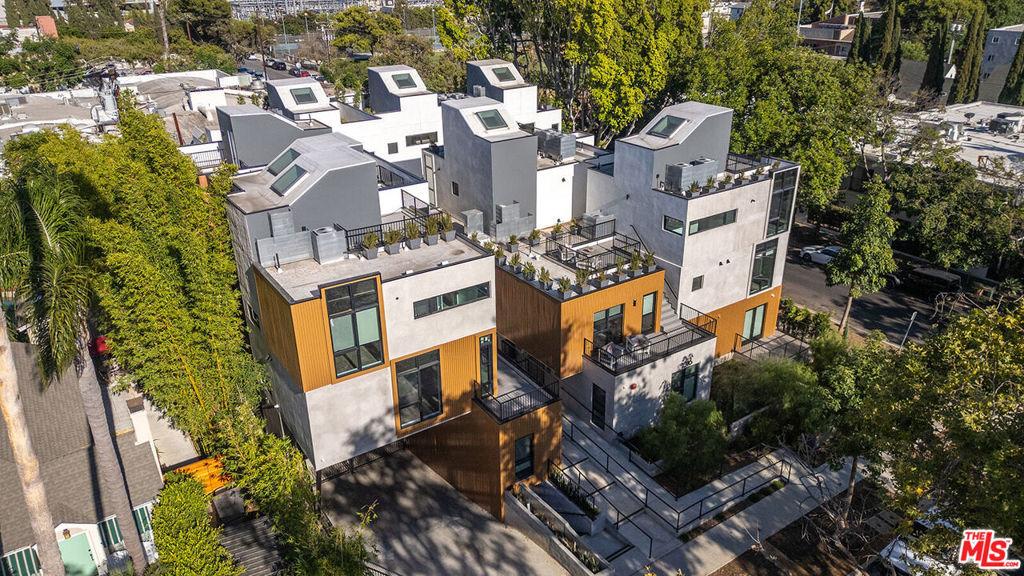
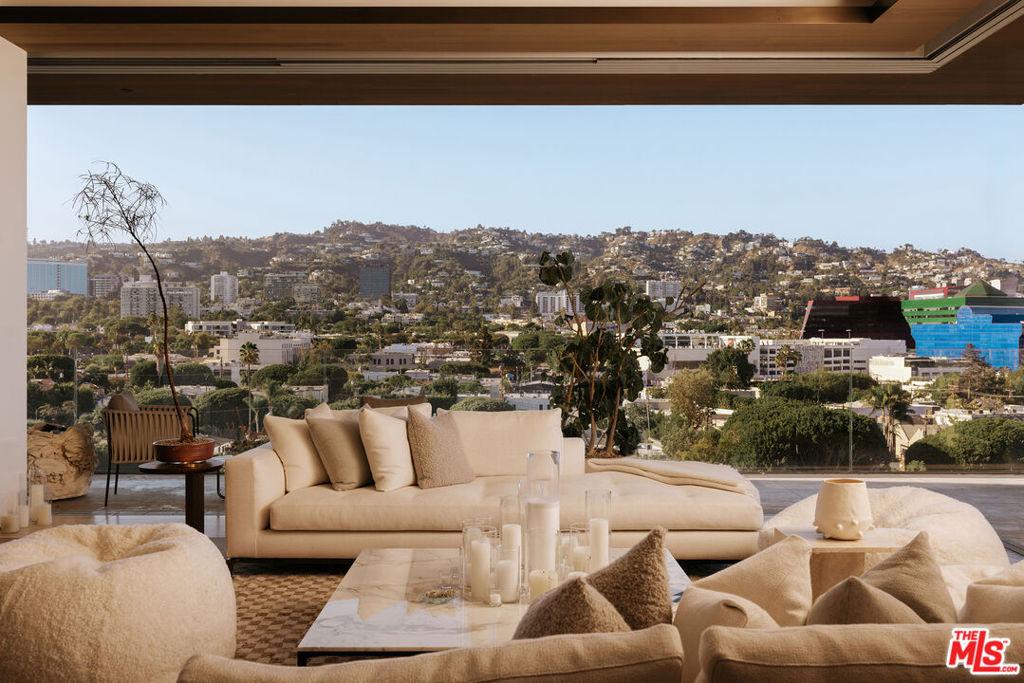
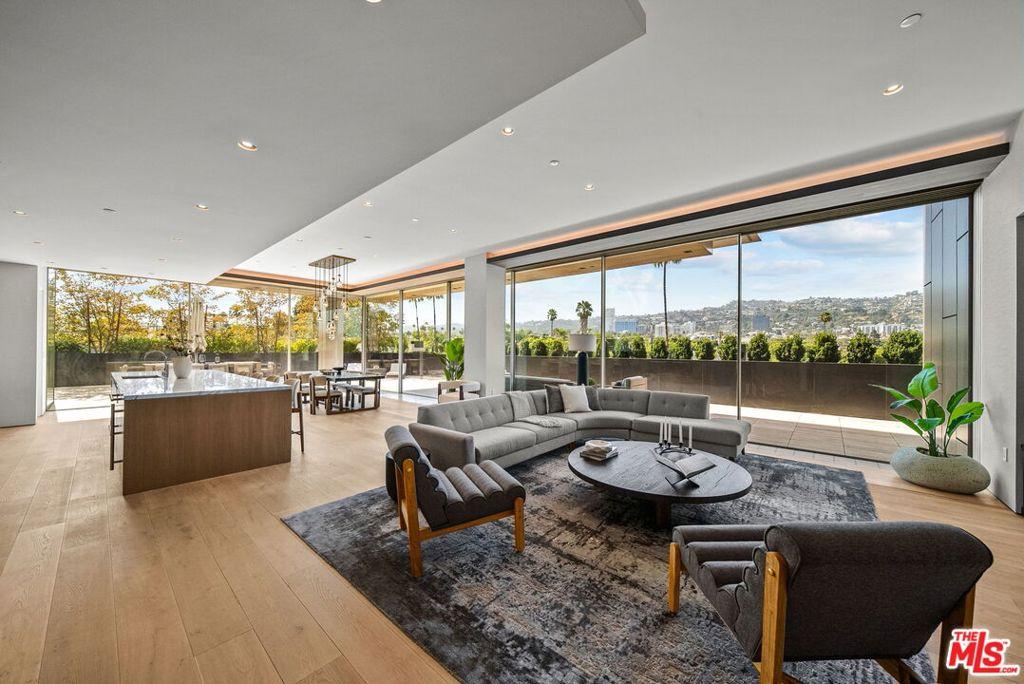
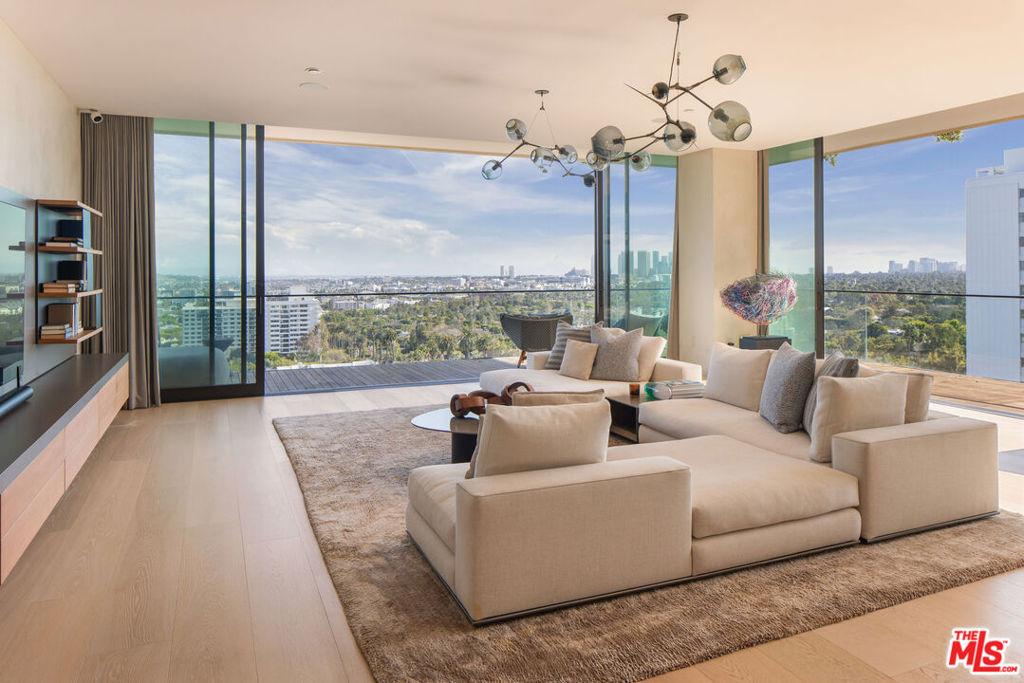
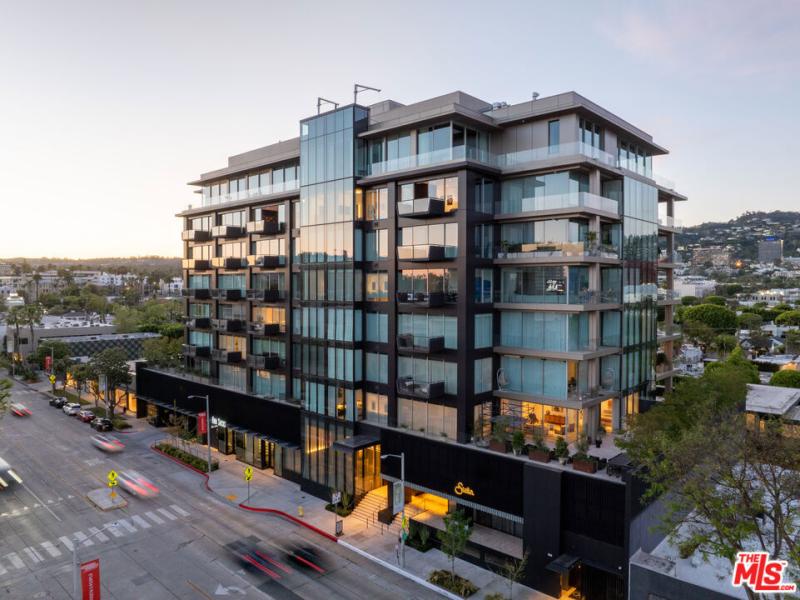
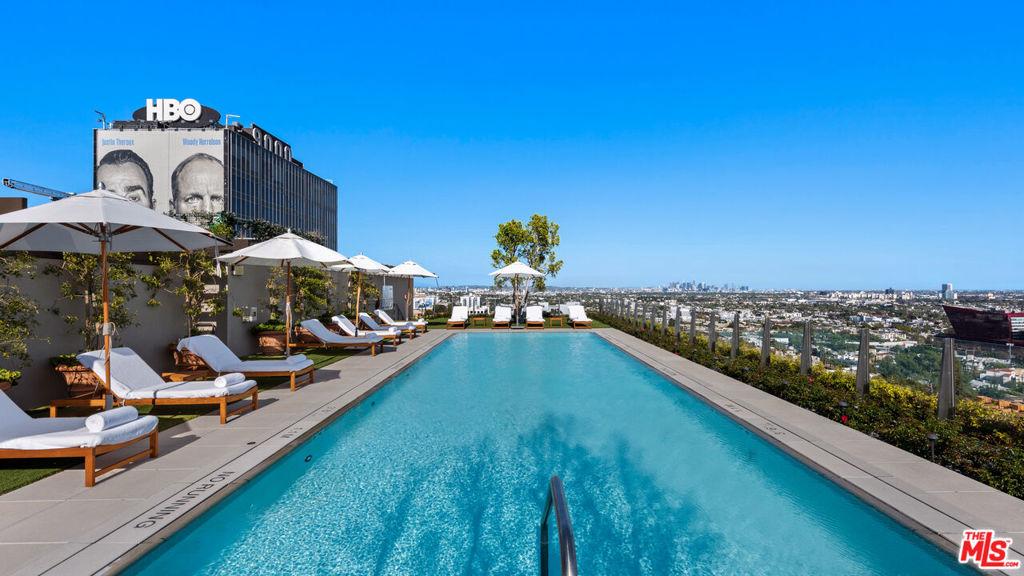
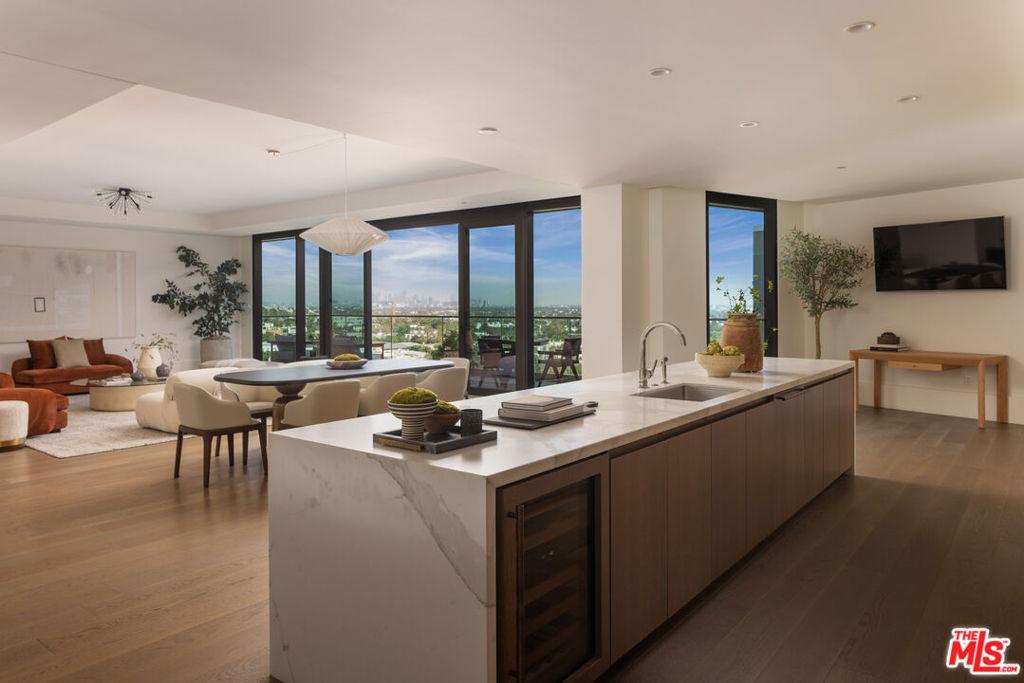
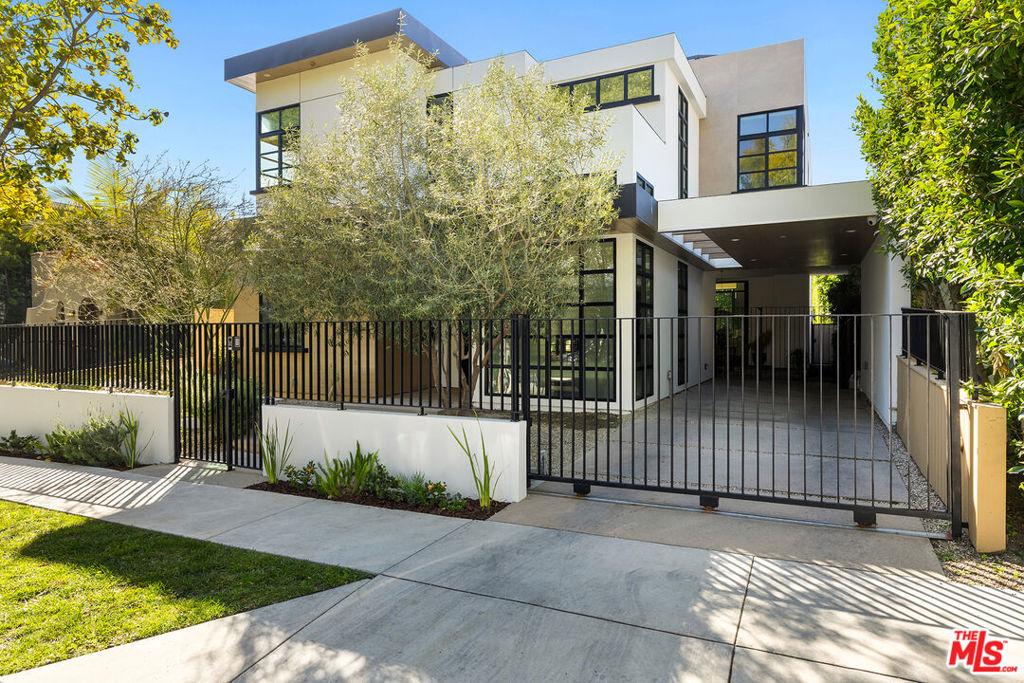
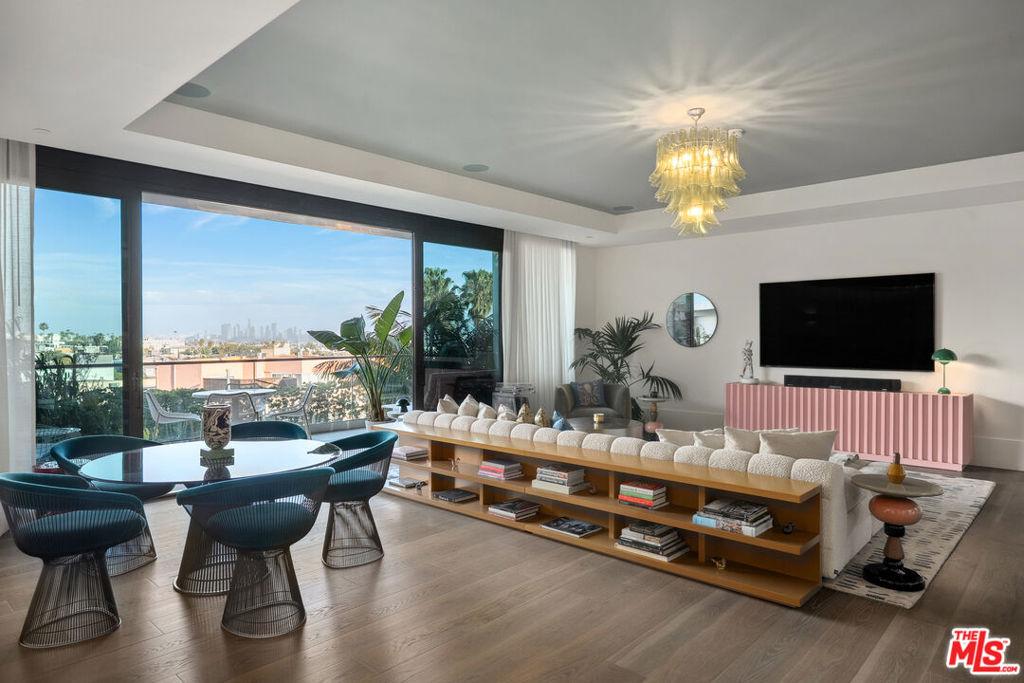
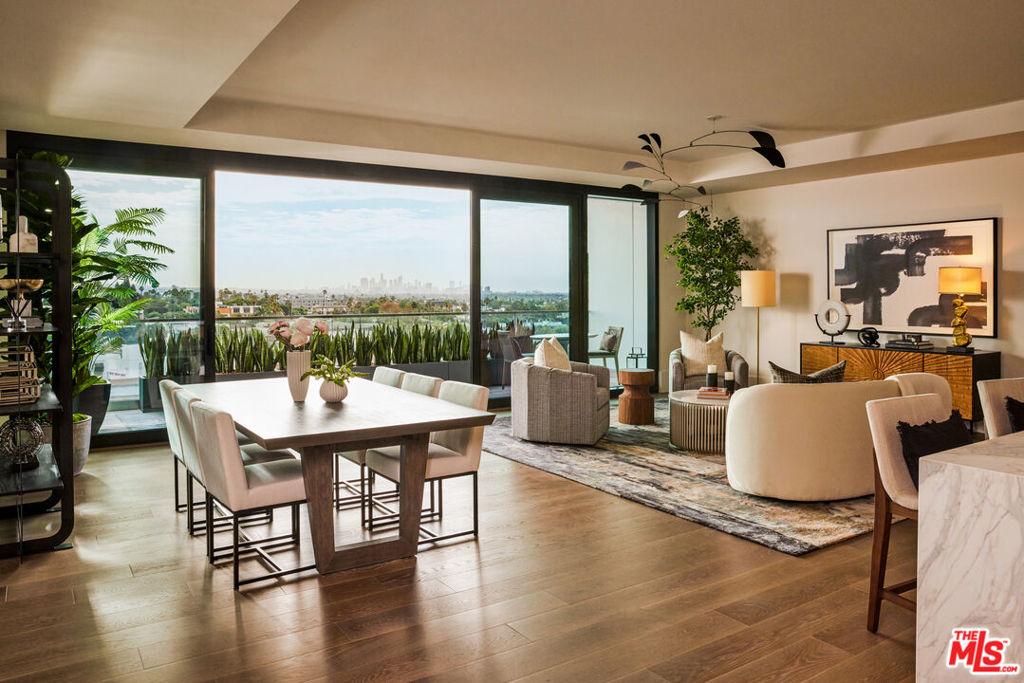
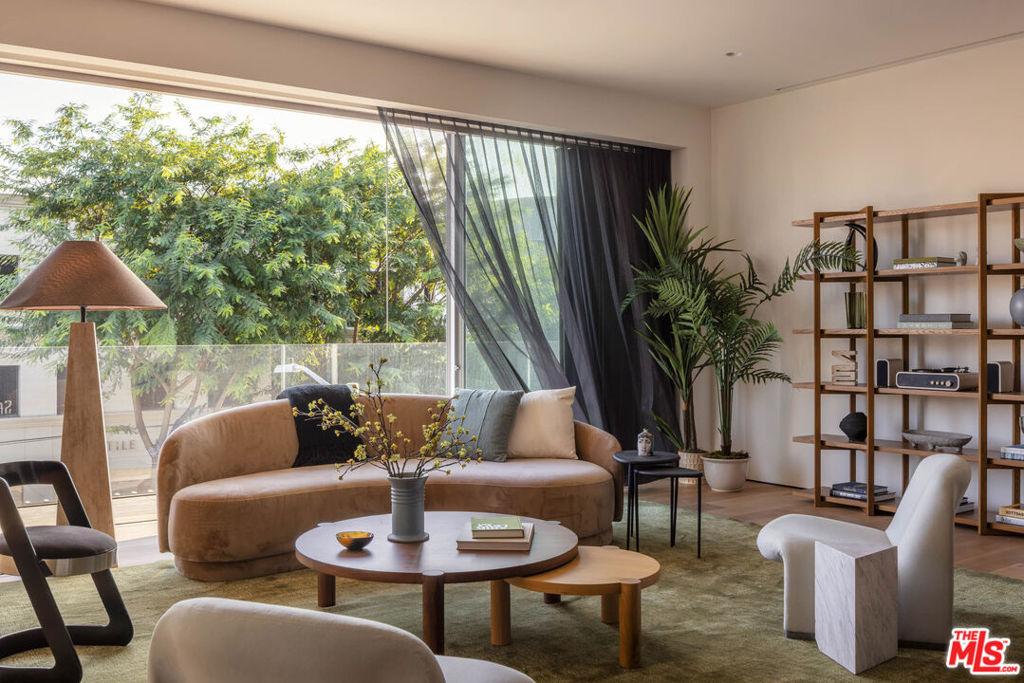
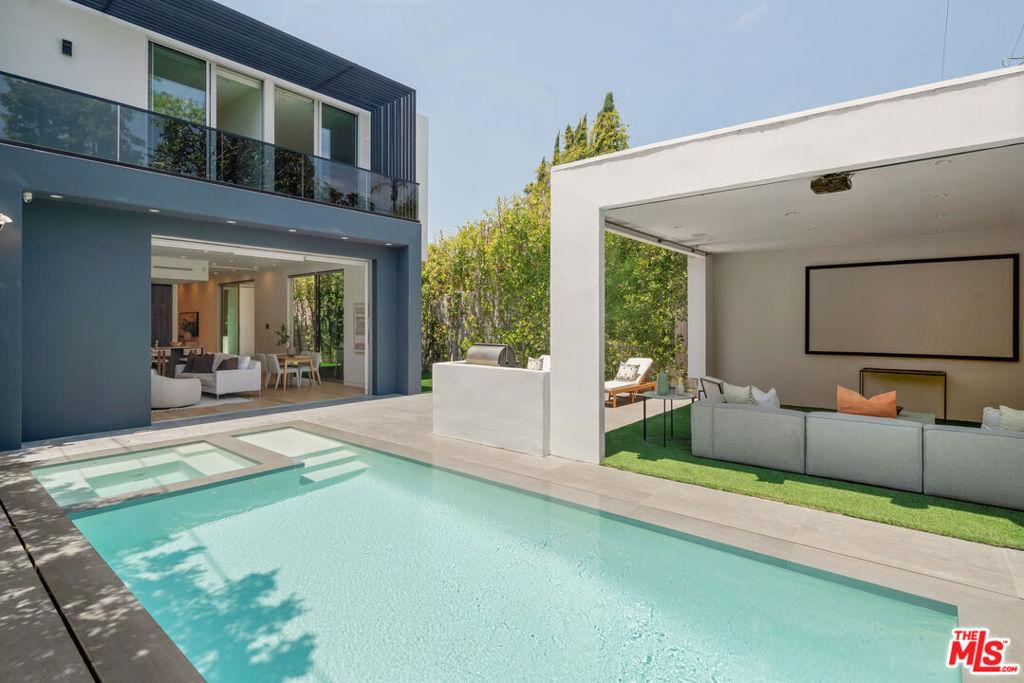
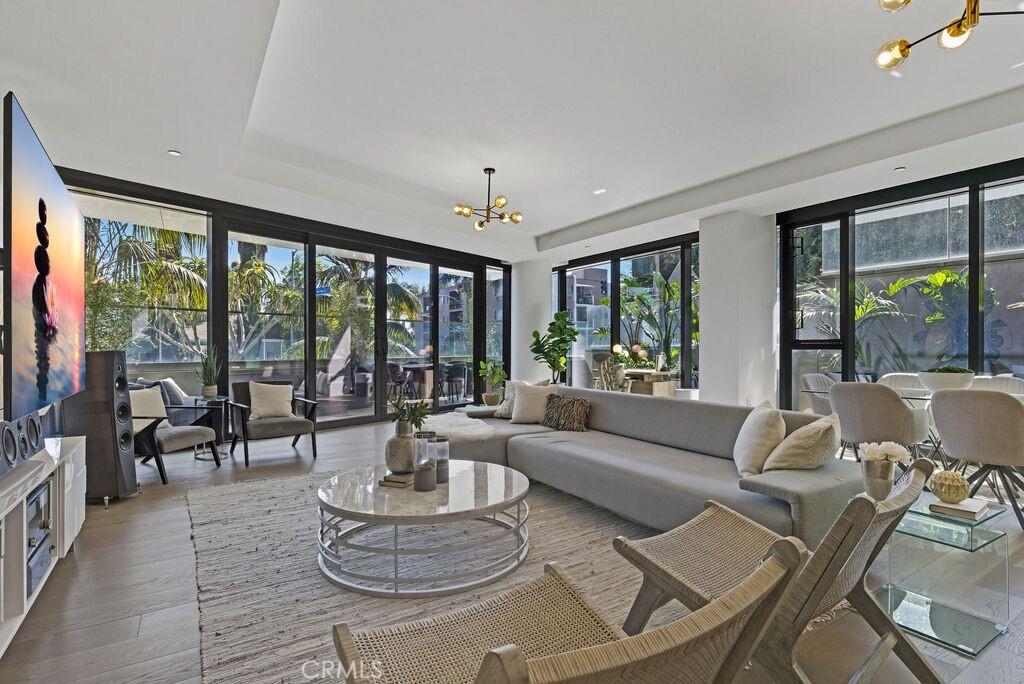
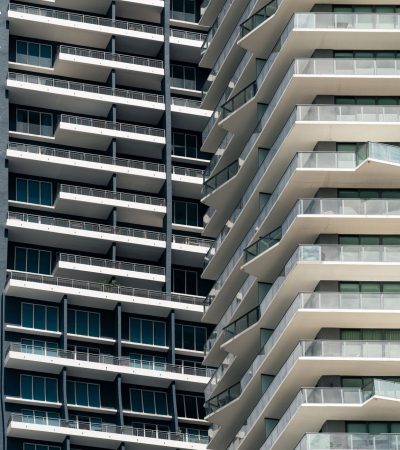
The newer boutique buildings reflect WeHo’s zoning flexibility and the infill development that has occurred as the neighborhood’s desirability has grown. West Hollywood allows some of the densest residential zoning in the region, and the newer buildings tend to be larger, more amenity-rich, and better suited to the contemporary buyer than the older mid-rise stock. These buildings cluster near the Melrose and La Cienega corridors and on the newer development sites that the city has permitted.
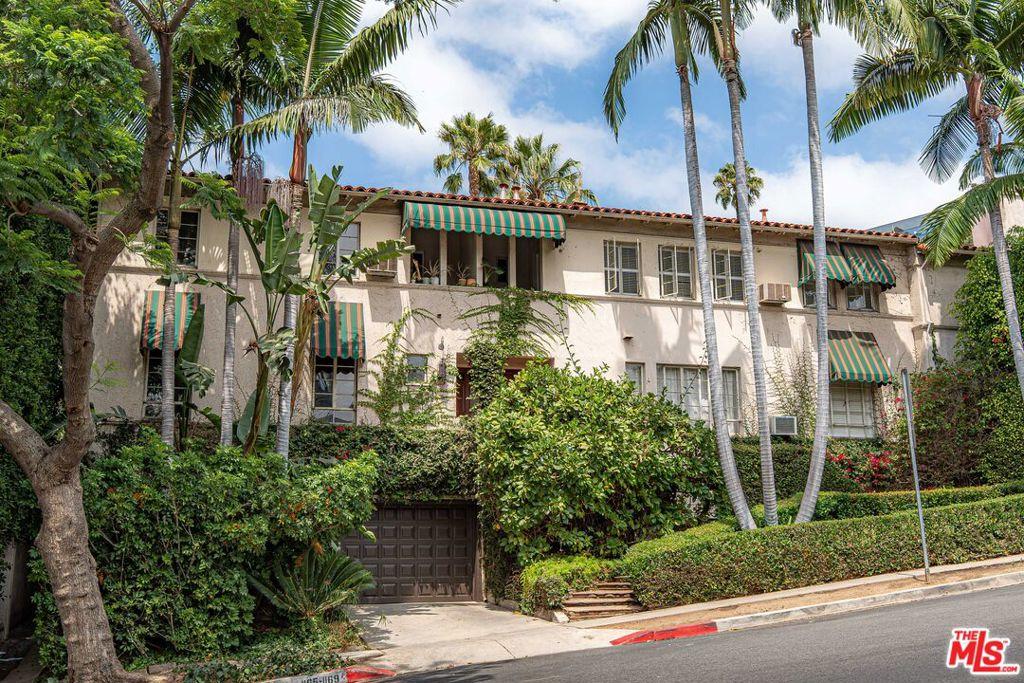
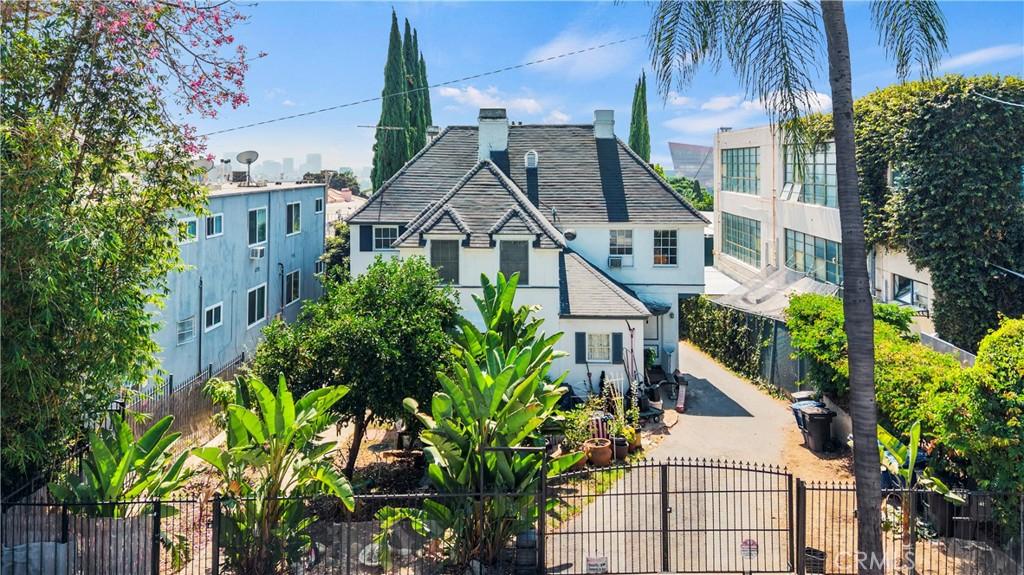
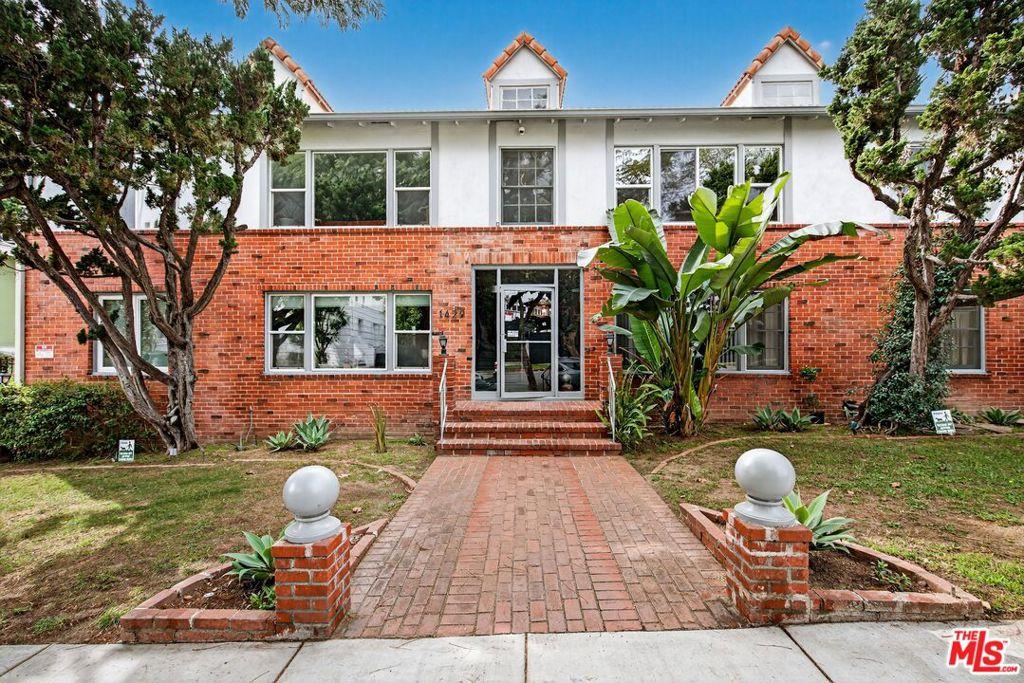
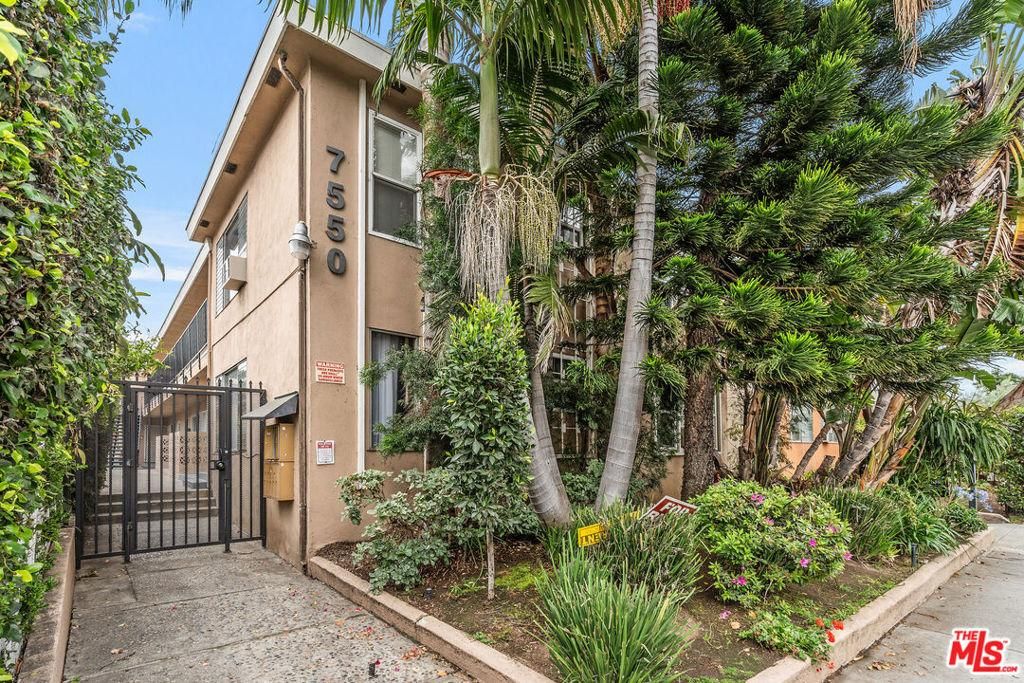
Converted apartment-to-condo buildings are another WeHo category. older apartment buildings that have been converted to condo ownership, often with a higher proportion of in-unit renovation than the common area infrastructure would suggest. These buildings can offer value but require HOA due diligence that distinguishes between buildings with genuine reserves and those that converted without establishing adequate capital reserves.
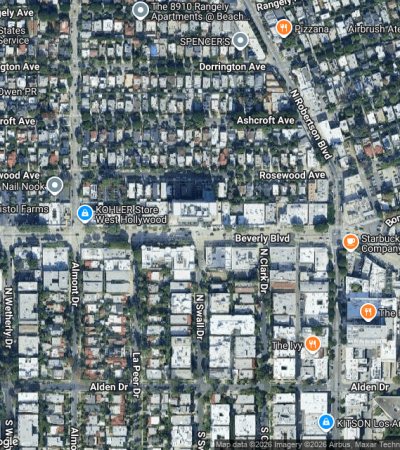
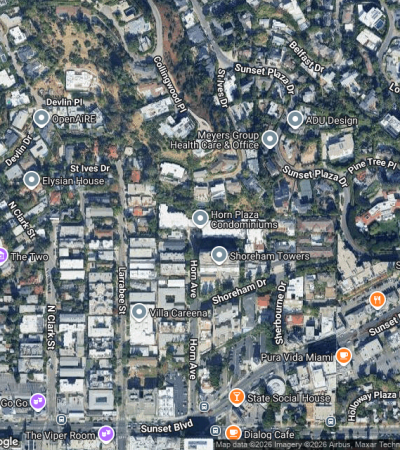
TKG’s West Hollywood condo inventory includes 41 specific buildings across the Sunset Strip, Santa Monica Boulevard, and Fountain Avenue corridors.
The comparison that buyers most frequently run is West Hollywood against Beverly Hills or Silver Lake. the two nearest neighborhoods that attract overlapping buyer profiles.
West Hollywood versus Beverly Hills: Beverly Hills has more prestigious buildings with more complete amenity stacks, better parking, and a quieter residential environment. It also has significantly higher pricing, effectively no LGBTQ+ community infrastructure, and the feeling of a city organized primarily around the interests of its wealthiest residents rather than a community organized around its residents’ shared lifestyle. The buyer who wants the building lifestyle chooses Beverly Hills. The buyer who wants the neighborhood lifestyle chooses West Hollywood.
West Hollywood versus Silver Lake: Silver Lake has the arts-and-crafts bungalow character, the Sunset Junction commercial node, and a more bohemian residential identity that attracts a different buyer profile. Silver Lake’s walkability is concentrated around the reservoir and the Sunset Junction area rather than distributed across the neighborhood the way WeHo’s is. Silver Lake prices have appreciated significantly in the past decade, erasing what was once a meaningful price advantage over WeHo. The buyer who finds Silver Lake’s commercial density insufficient and wants the full restaurant-and-bar concentration of the Strip will find WeHo the more satisfying answer.
The city of West Hollywood’s municipal governance is worth noting as a distinct ownership consideration. WeHo is an independent incorporated city. not part of the City of Los Angeles. with its own city council, its own code enforcement, and its own public services. The city has historically been more progressive in its approach to land use and renter protection, and it maintains a level of community services and street-level maintenance that reflects active city management of the commercial corridors. The city’s identity is part of what buyers are purchasing when they buy in WeHo.
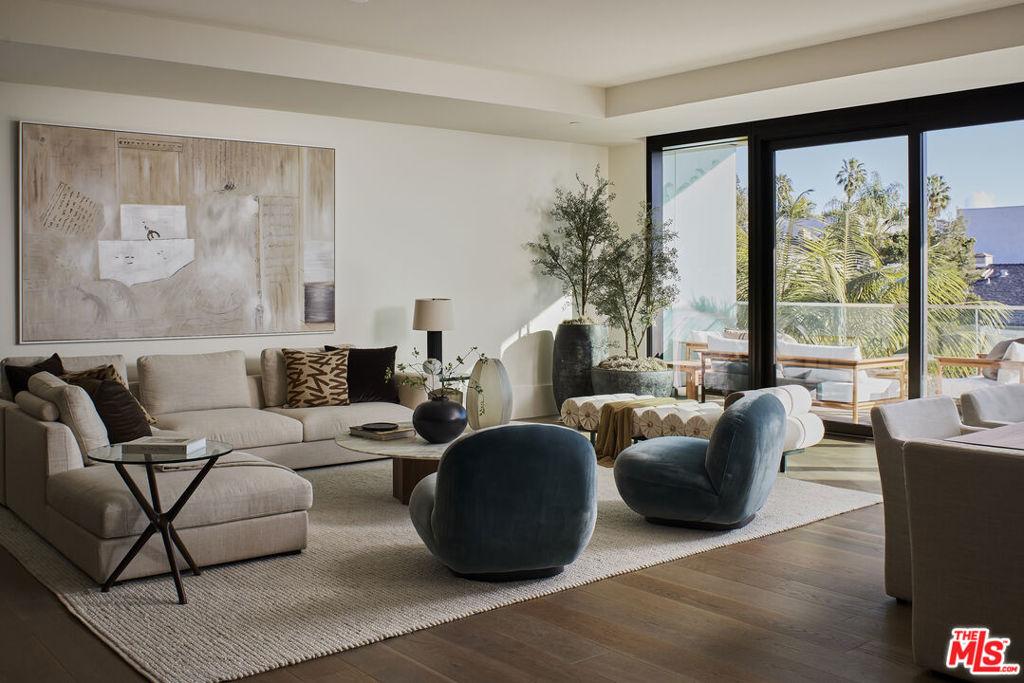
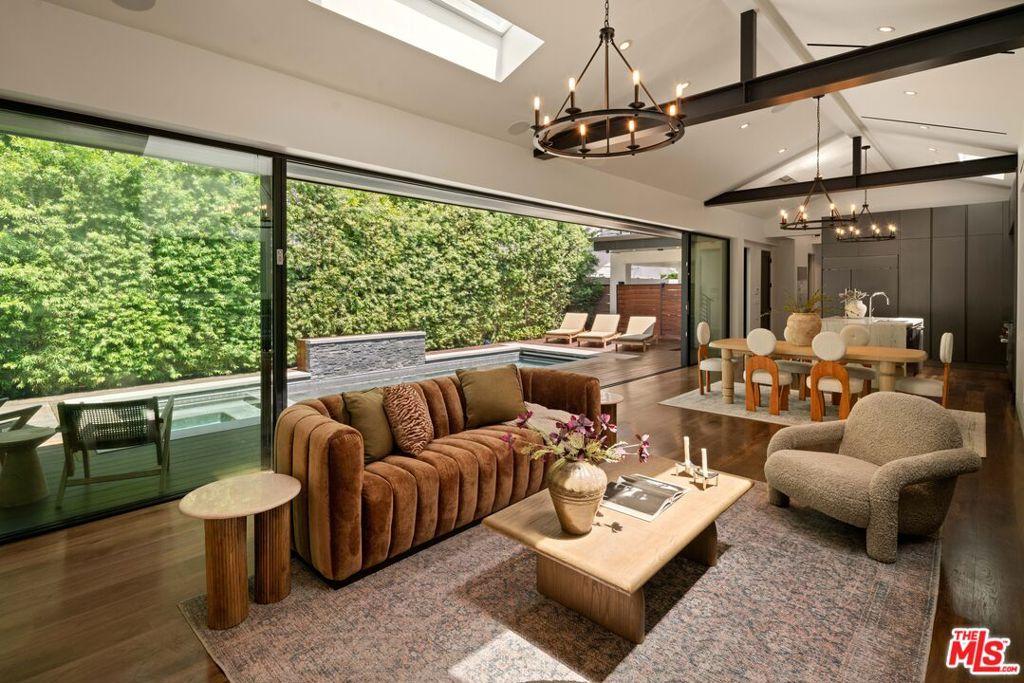
West Hollywood condos for sale range from approximately $600,000 for a studio or small one-bedroom in an older building to $2,000,000-plus for significant 2-3 bedroom units in newer or premium buildings.
The WeHo price advantage relative to Beverly Hills and Santa Monica is real and measurable. A 2-bedroom condo in West Hollywood at $1,000,000-$1,400,000 competes with buildings that would require $1,500,000-$2,000,000 in Beverly Hills for similar square footage and building quality. The price differential reflects the neighborhood prestige difference. WeHo is a highly desirable urban neighborhood, but it doesn’t carry the Beverly Hills or Santa Monica address premium. and it creates genuine value for buyers who specifically want the urban lifestyle West Hollywood delivers.
Current market pricing: – Studio/1-bedroom: $600,000-$900,000 in the standard mid-rise building stock – 2-bedroom: $900,000-$1,400,000 in well-maintained buildings – 3-bedroom/premium units: $1,400,000-$2,000,000-plus in newer buildings or significantly renovated units
Price per square foot runs approximately $600-$1,000 across the market, with the Sunset Strip-adjacent and newly constructed buildings at the high end.
Noise is the first and most important ownership reality in WeHo. This is not a caveat to bury in section 5. It is the central daily-life fact that buyers who don’t live in West Hollywood consistently underestimate and buyers who live here calibrate their unit selection around. The Sunset Strip generates nighttime noise. music from venues, street activity, the sound of the entertainment district at 1 AM. that is audible in residential buildings within several blocks of Sunset Boulevard. Santa Monica Boulevard has its own commercial and nightlife corridor that produces similar effects. Buildings on Fountain Avenue or on the residential streets north or south of the main commercial corridors are substantially quieter than buildings immediately adjacent to Sunset or Santa Monica.
Before buying a specific WeHo unit, visit it at night. Friday and Saturday night. Stand on the balcony or near the windows. The noise environment you’re accepting is the noise environment of the specific location, not the neighborhood in aggregate.
Parking is constrained by the city’s walkability. West Hollywood’s density means that street parking is competitive and buildings typically provide one assigned space per unit. The city’s walkability is genuinely useful for daily movement. many WeHo residents find that they use their cars significantly less than in other LA neighborhoods. but the car doesn’t disappear. Visitors face street parking that is permit-restricted and competitive on weekend evenings. Building guest parking, if it exists, is typically limited.
Some buildings near the entertainment corridors have HOA restrictions on short-term or party-house rentals that were enacted in response to specific incidents involving residential unit use as event venues. If rental income or short-term rental is part of your purchase intention, verify the CC&Rs specifically for any WeHo building.
The noise is real and building-location-specific. Sunset Strip proximity and Santa Monica Boulevard adjacency are the two noise sources that will define your ownership experience in ways that daytime open house visits don’t reveal. Buildings on residential streets between the corridors. Fountain, Waring, Hacienda. are quieter. Buildings on or immediately adjacent to the entertainment corridors are not. The noise floor at those locations is a permanent feature of the ownership, not a phase the neighborhood is going through.
The HOA age and reserve status matters in the older mid-rise stock. WeHo’s dominant 1960s-1980s buildings have capital expenditure cycles that are comparable to similar-era buildings in Santa Monica or Brentwood. The reserve study is required reading. Buildings that have maintained adequate reserves are identifiable; buildings that have been managed to minimize monthly HOA fees at the expense of capital investment are also identifiable, and the pending assessments are real.
The entertainment adjacency that makes WeHo special is also its primary daily-life constraint. This is the honest version of the WeHo value proposition. The Sunset Strip proximity, the Santa Monica Boulevard density, the nightlife and restaurant concentration. these are features that attract buyers. They are also the source of the noise, the parking competition, and the weekend foot traffic that are the daily-life friction of the neighborhood. The buyer who fully prices both sides of this is the buyer who ends up satisfied with a WeHo condo. The buyer who idealizes the upside and discounts the friction often isn’t.
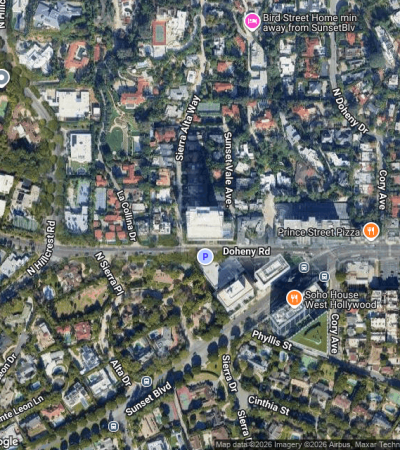
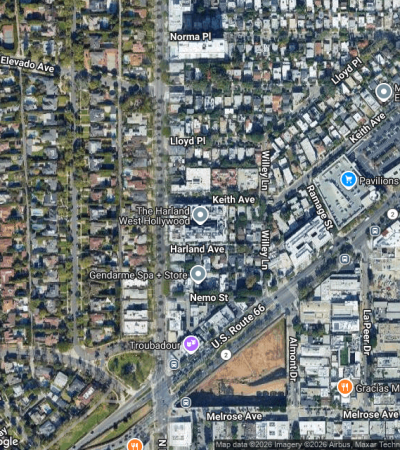
TKG’s West Hollywood condo inventory includes 41 specific buildings along the Sunset Strip, Santa Monica Boulevard, and the residential streets between them.
Condos for Sale in West Hollywood. TKG’s full West Hollywood condo search index, covering all 41 buildings.
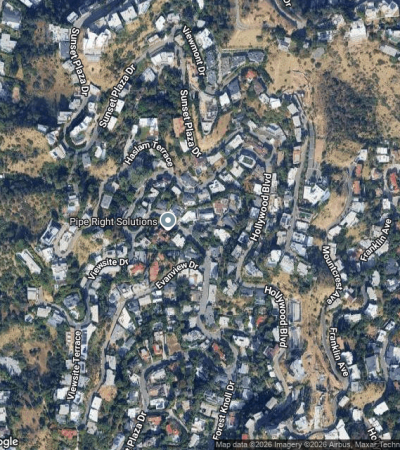
Sunset Hills Homes for Sale. The Sunset Hills area of West Hollywood, positioned between the Strip and the residential streets.
Melrose Park Homes for Sale. The Melrose corridor buildings with access to WeHo’s restaurant and boutique commercial district.
The 41 West Hollywood condo buildings in TKG’s inventory span the full city from the Sunset Strip south to Melrose. Contact us for building-specific guidance.
The Knight Group serves buyers and sellers in West Hollywood and across the Westside. Call us at 503-200-4823 or use the contact form below to connect with an agent who knows West Hollywood’s condo building landscape specifically.
The Knight Group is here to help you with all your realty needs. To get started, fill out the form below and one of our experienced agents will contact you as quickly as possible.
Copyright © 2024 The Knight Group.
All rights reserved. License: 02133297
Lucky for you we’re looking out.
Subscribe to this Custom Search to be alerted when new properties hit the market in the area.
Choose the frequency that works for you.