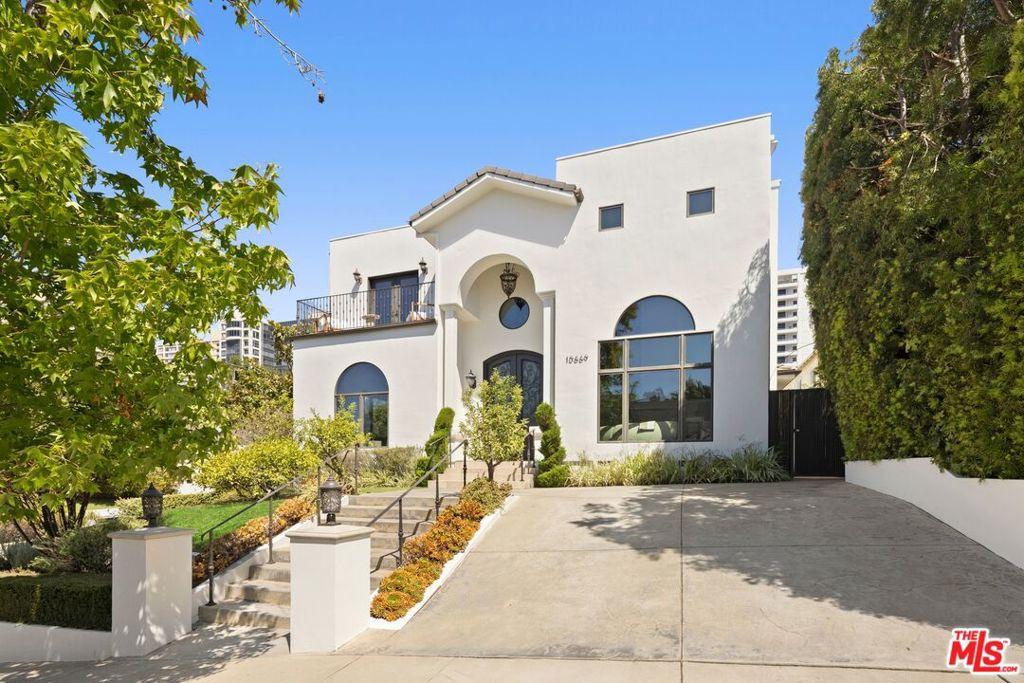
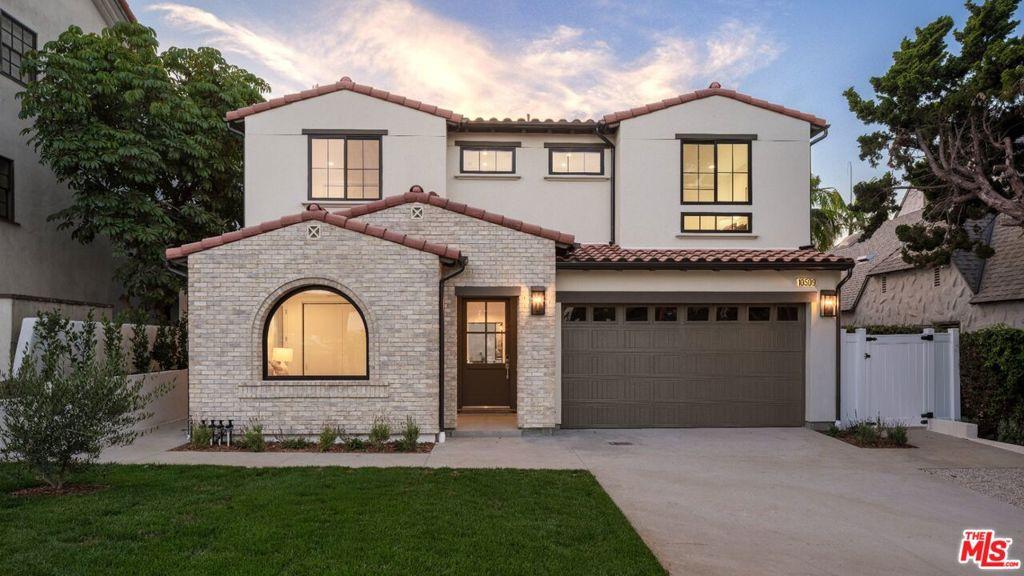
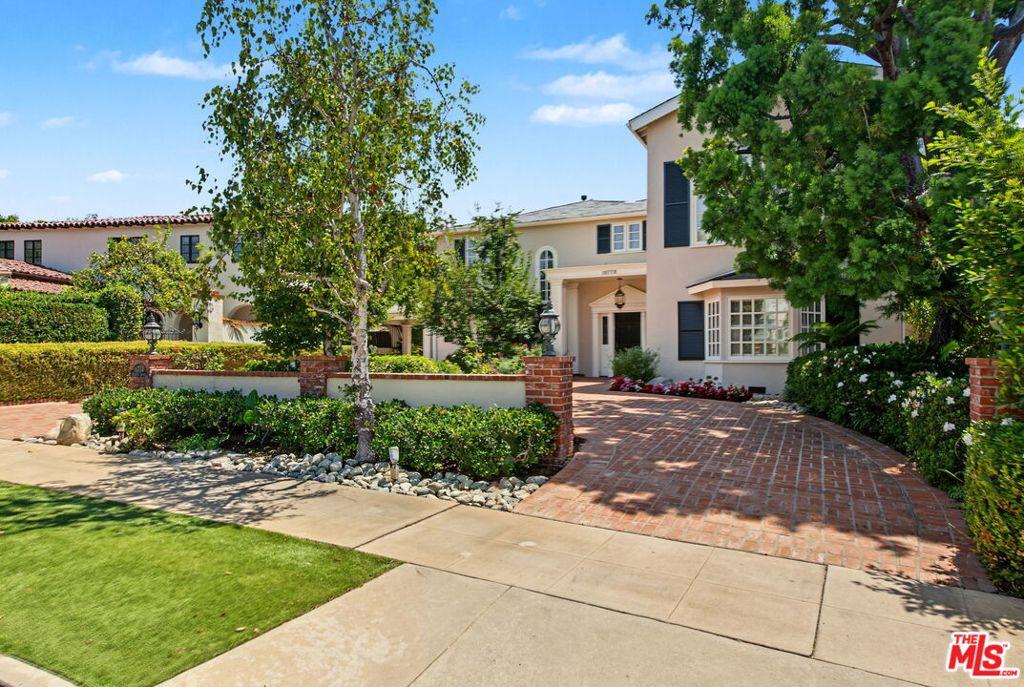
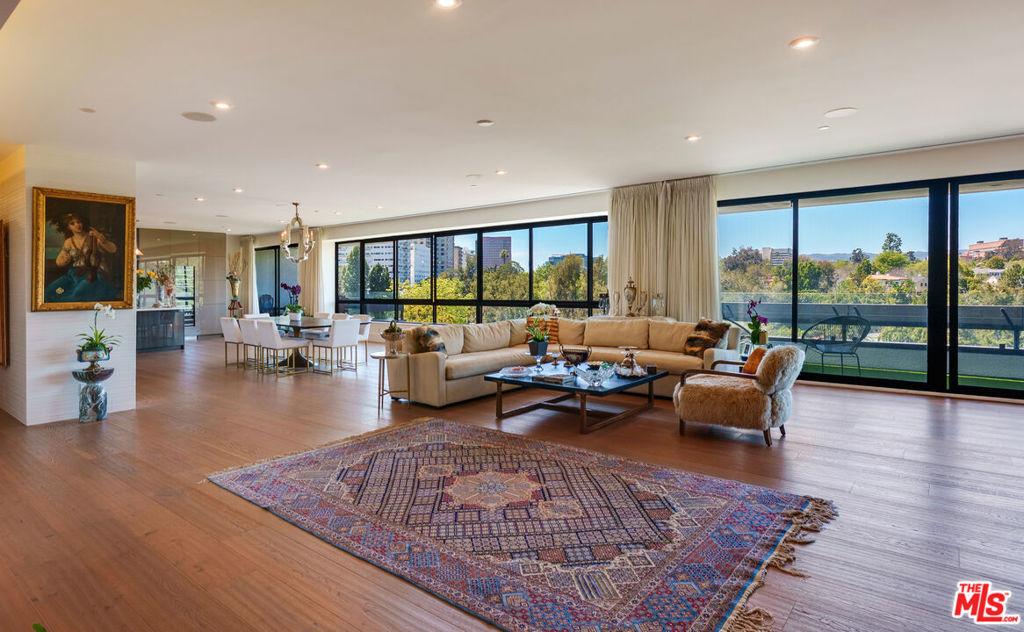
Westwood Condos

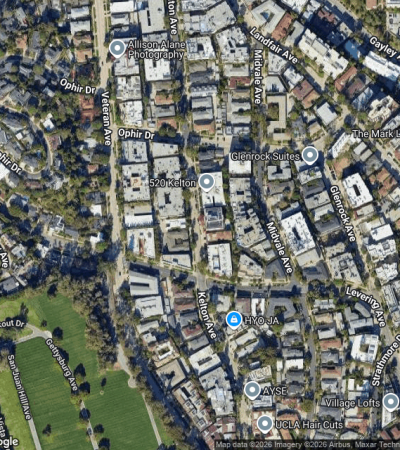
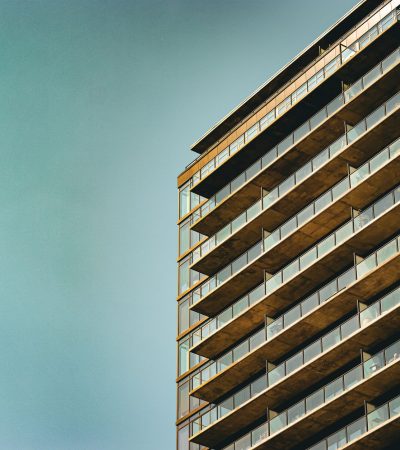
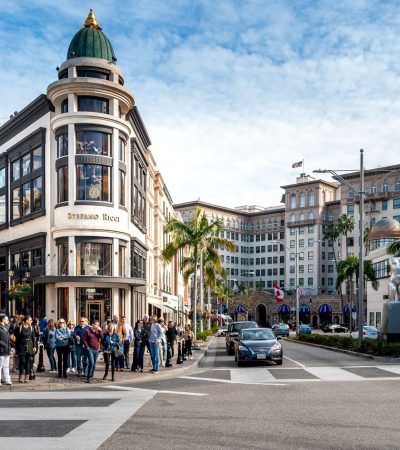
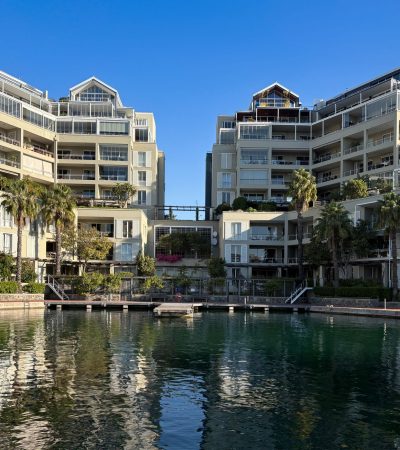
Westside condos adjacent to UCLA, from the Wilshire Corridor high-rises to the Westwood Village commercial core.

Browse all Los Angeles real estate — or explore the full Los Angeles luxury real estate market.
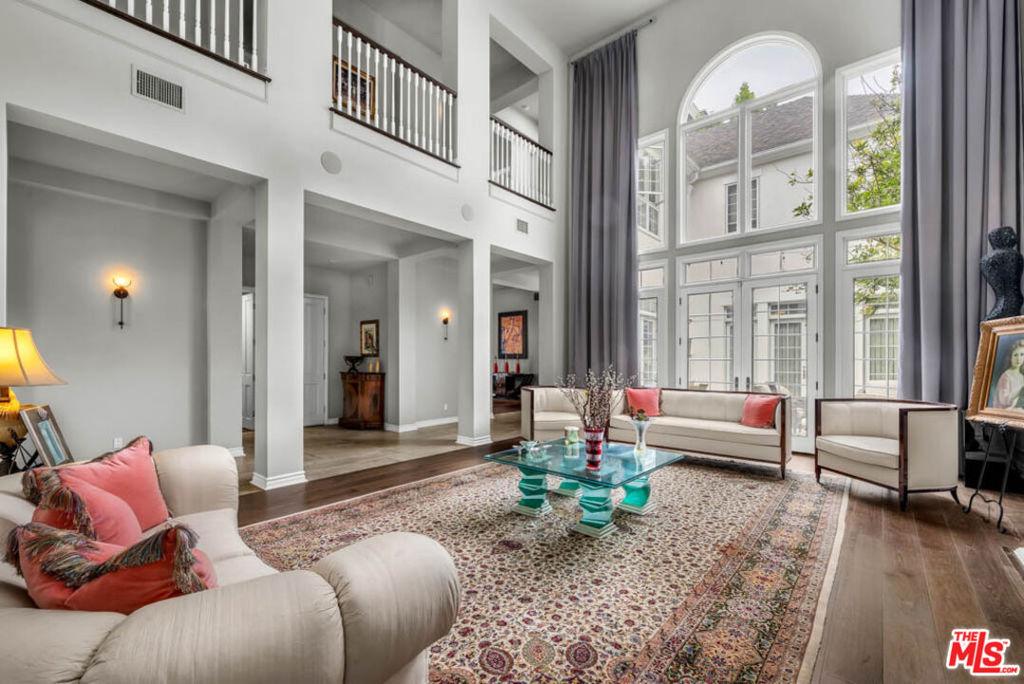
Our extensive guide through the neighborhoods below will help you identify the one for you.
Westwood Condos for Sale: The UCLA Effect, the Wilshire Corridor, and What They Mean for Buyers

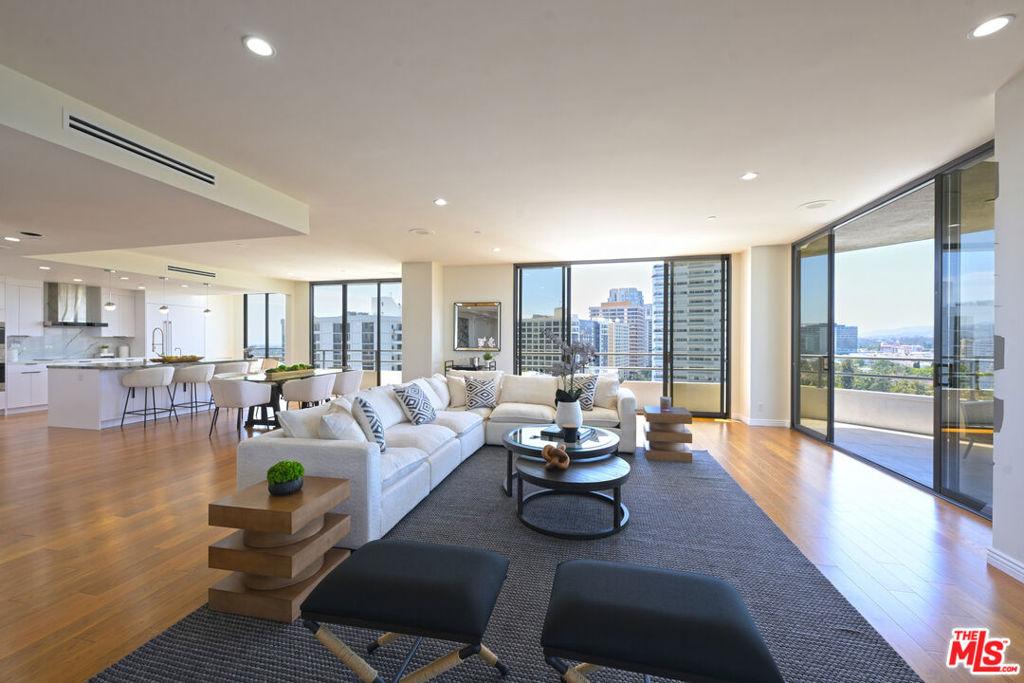
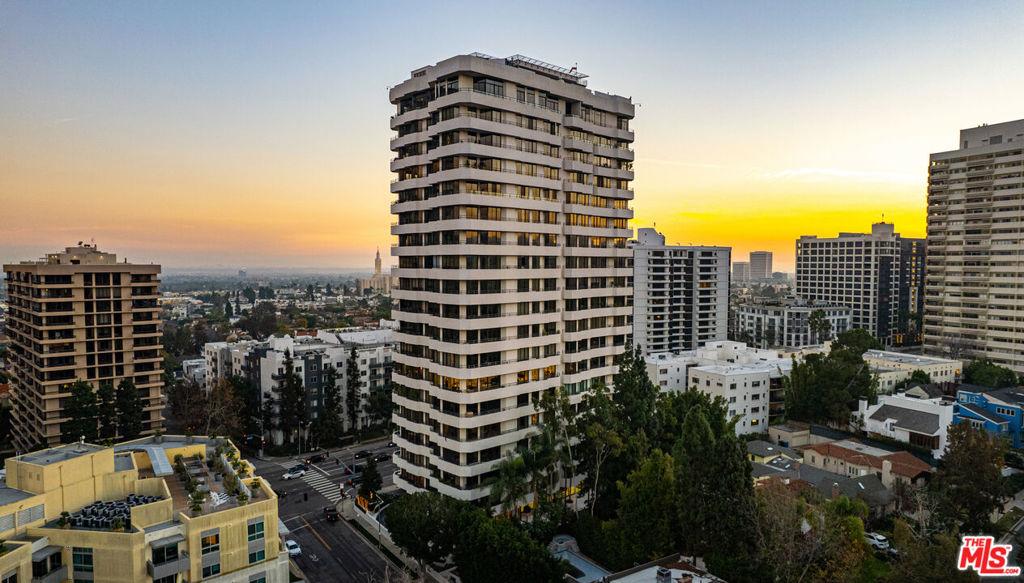
Westwood has two condo markets and they behave differently from each other. The Wilshire Corridor towers. the stretch of luxury high-rises along Wilshire Boulevard from Westwood into Brentwood, built primarily in the 1960s and 1970s. are their own micromarket, with full-service building infrastructure, doormen, concierge, and price-per-square-foot dynamics that put them in Beverly Hills territory despite being in Westwood’s zip code. The Village-adjacent buildings. lower-rise, smaller-footprint condos on the residential streets surrounding UCLA’s commercial village. are a different purchase entirely, driven by walkability to campus and the built-in demand from the academic and healthcare community.

The thread connecting both markets is UCLA. The university defines Westwood’s demand base more completely than any single institution defines any other LA neighborhood. The University of California, Los Angeles has approximately 45,000 students, 24,000 faculty and staff, and a world-class medical center on its eastern edge. The proximity of this employment and educational concentration creates a structural demand for housing in Westwood that insulates the market from the softness that affects other LA neighborhoods. Buyers who understand the UCLA effect on Westwood’s housing demand are buyers who understand why westwood condos for sale hold their value.


Who is buying condos in Westwood?

The Westwood condo buyer pool breaks into two distinct groups that almost never compete for the same properties.

The UCLA-connected buyer is the dominant driver of demand in the Village-adjacent market: faculty members who want walking distance to their offices or labs, healthcare professionals at Ronald Reagan UCLA Medical Center who want an easy commute, graduate students with purchasing capacity (often funded by technology or consulting careers between degrees), and parents purchasing a unit for a UCLA student who are investing in real estate rather than paying rent. This buyer is not necessarily a long-term holder. the purchase horizon may be 4-7 years, tied to an academic appointment or a family member’s academic career. which creates consistent resale liquidity from the turnover of UCLA-connected buyers.

The lifestyle and prestige buyer is the primary driver of the Wilshire Corridor market. This buyer is looking for a white-glove building lifestyle in a Westside location, often with a Beverly Hills or Brentwood comparison also in progress. The Wilshire Corridor towers offer full-service building infrastructure. doormen, concierge, valet parking, pool and fitness facilities. at prices that are generally 20-30% below comparable Beverly Hills buildings, with the tradeoff being that they’re located in Westwood rather than 90210. For buyers who are buying the building lifestyle rather than specifically the Beverly Hills address, the Wilshire Corridor represents genuine value.


What kinds of condo buildings are in Westwood?

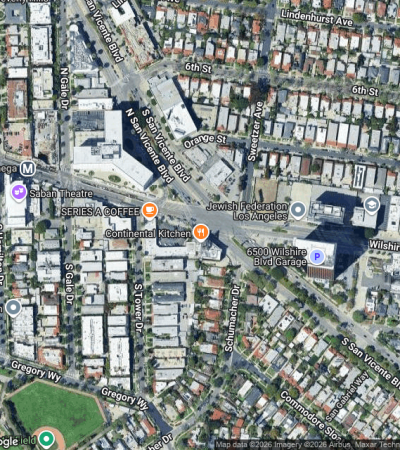
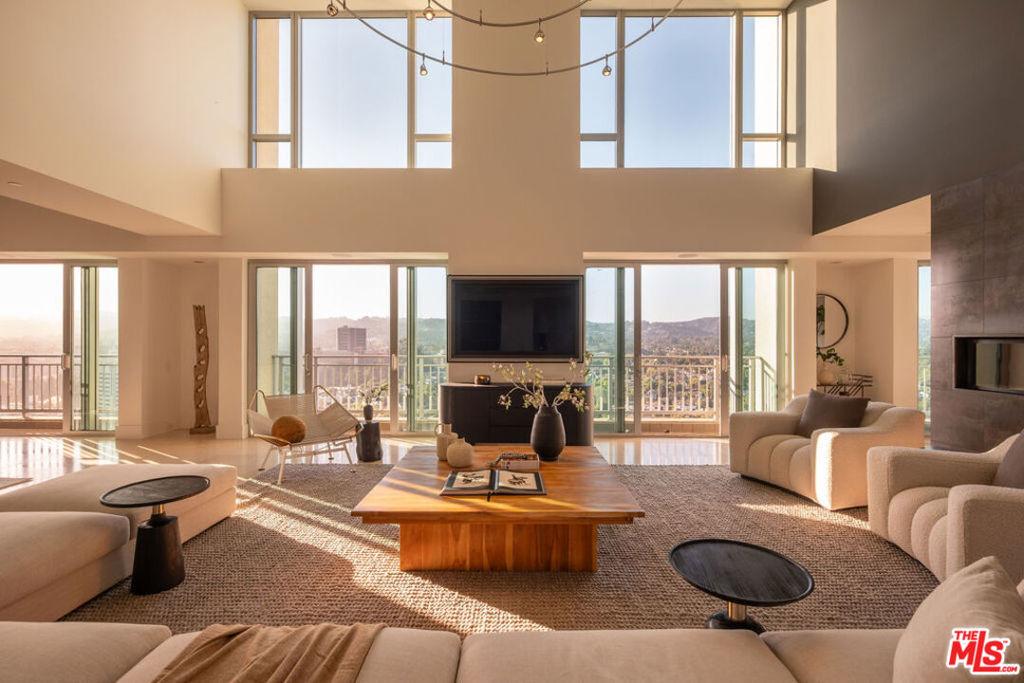
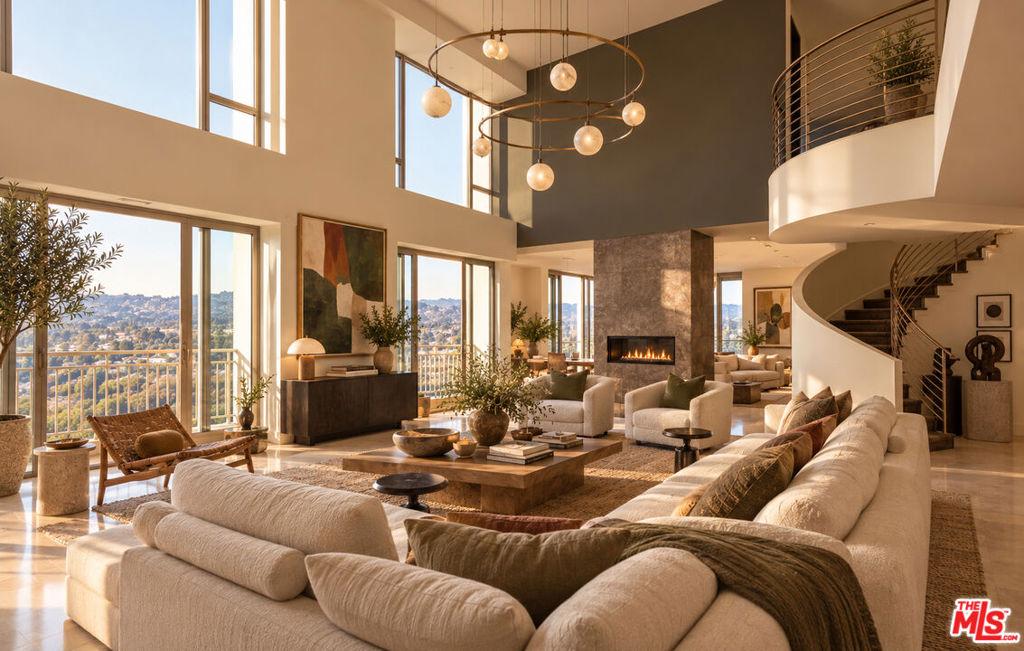
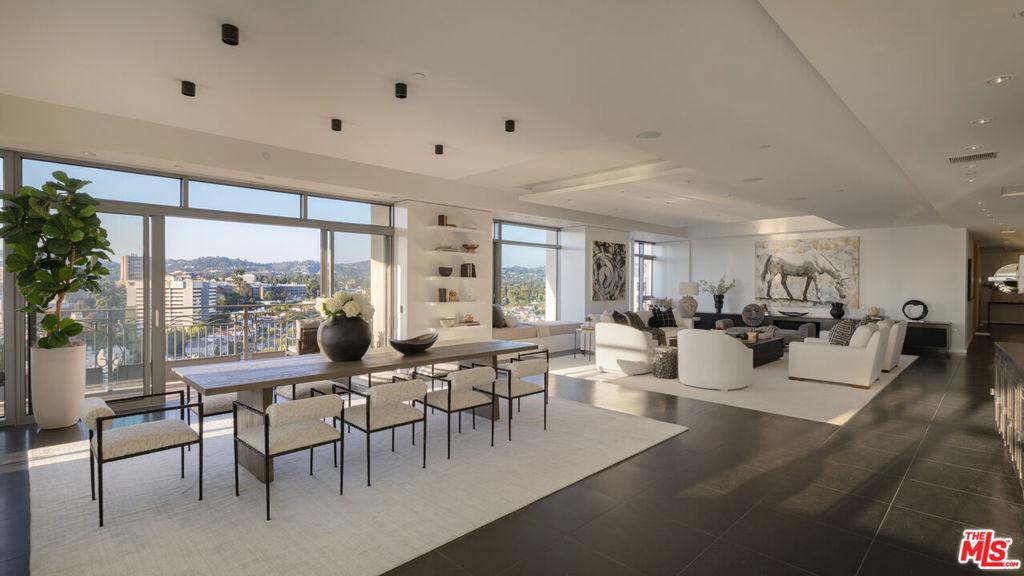
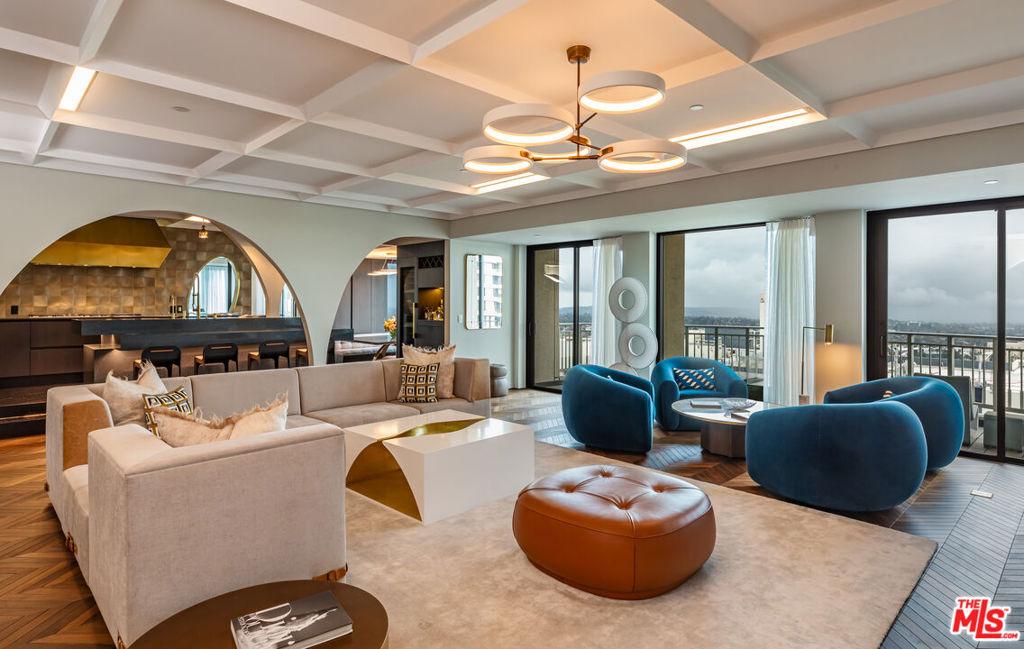
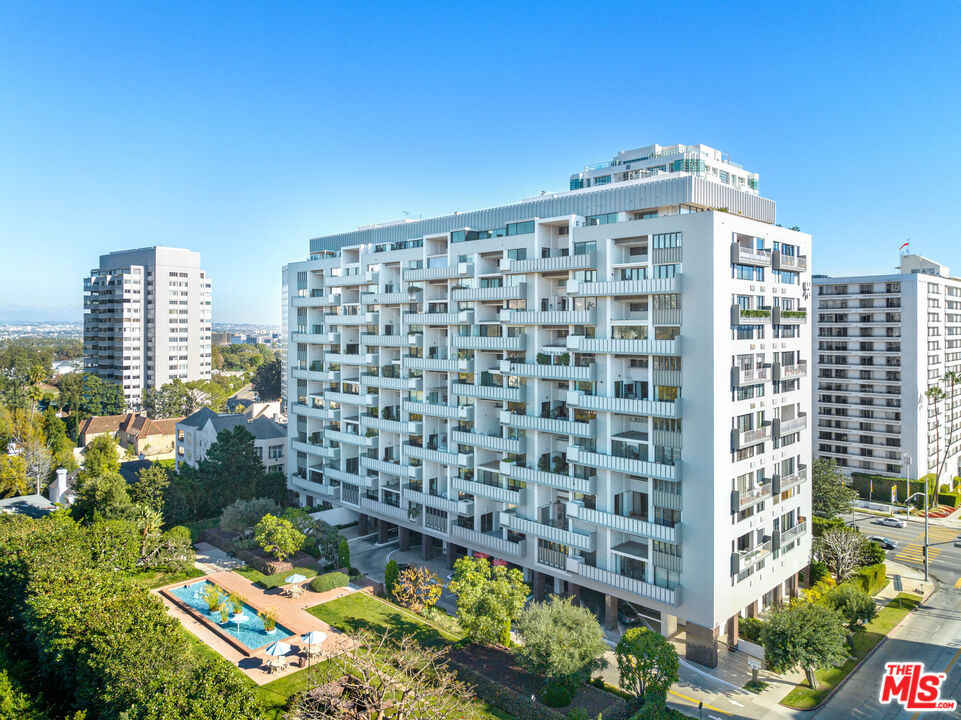
The Wilshire Corridor is Westwood’s defining building category: a string of mid-rise and high-rise luxury towers along Wilshire Boulevard, starting at the western end of Beverly Hills and continuing through Westwood toward Brentwood. These buildings were constructed primarily in the 1960s and 1970s during a high-rise residential development boom on the Westside, and they remain among the most architecturally distinctive older luxury buildings in the LA market.

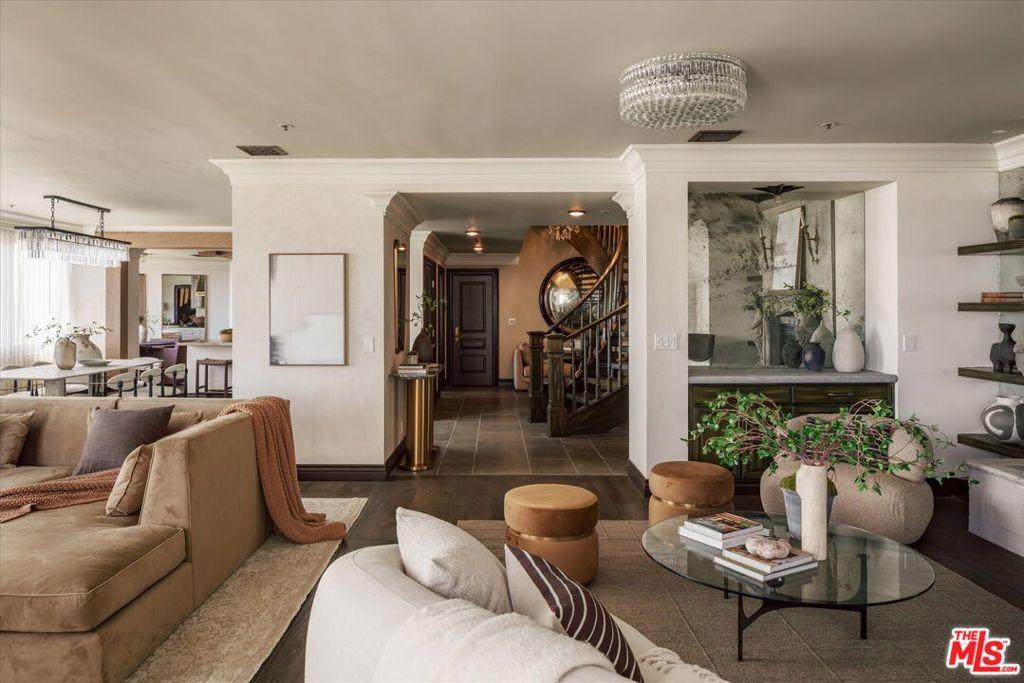
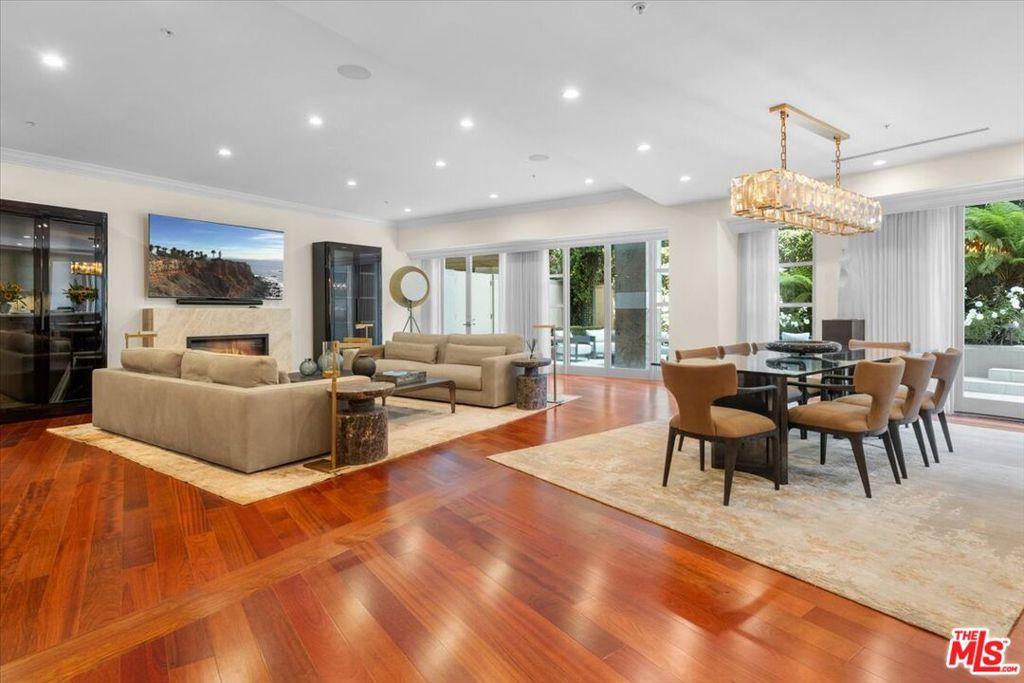
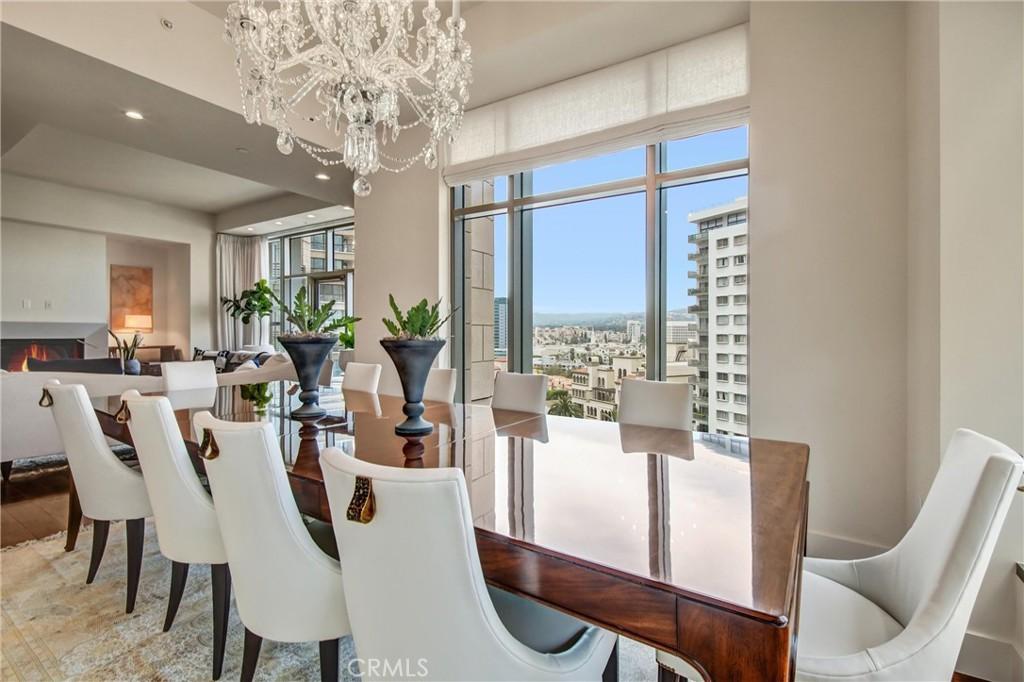
The Corridor’s most notable buildings include The Wilshire and similar full-service towers that established the model of doorman-and-concierge residential living in Westwood. The buildings typically have 10-25 floors, units ranging from studios to multi-bedroom residences, and amenity packages that include pool and fitness facilities, secure parking, and lobby-level services. Many have been substantially renovated while maintaining their building footprint.

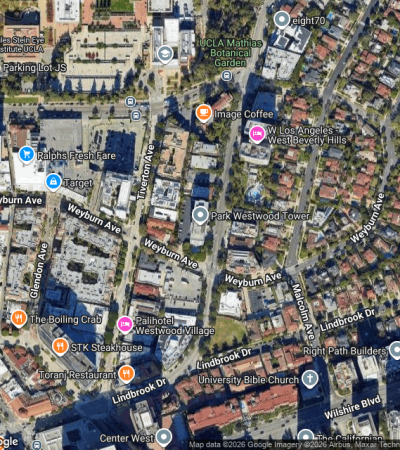
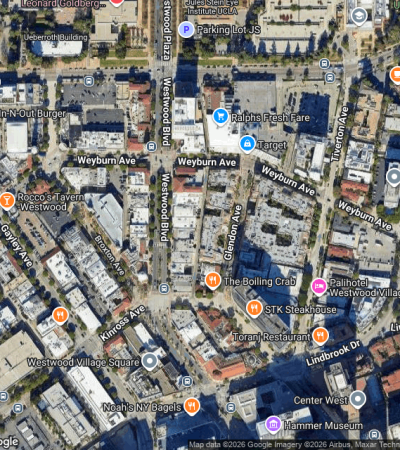
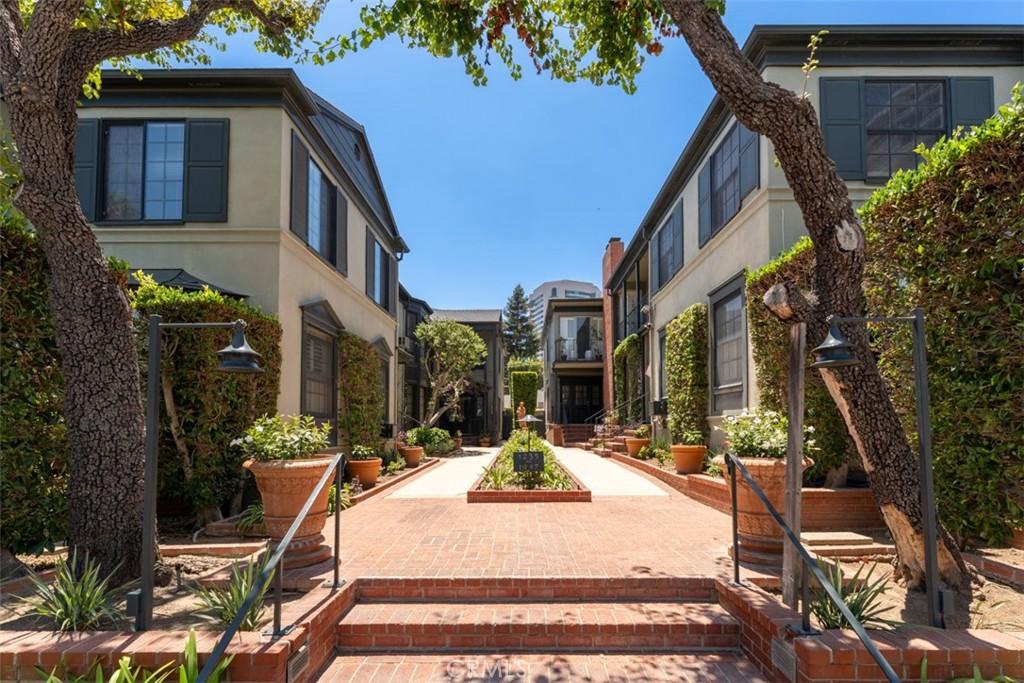
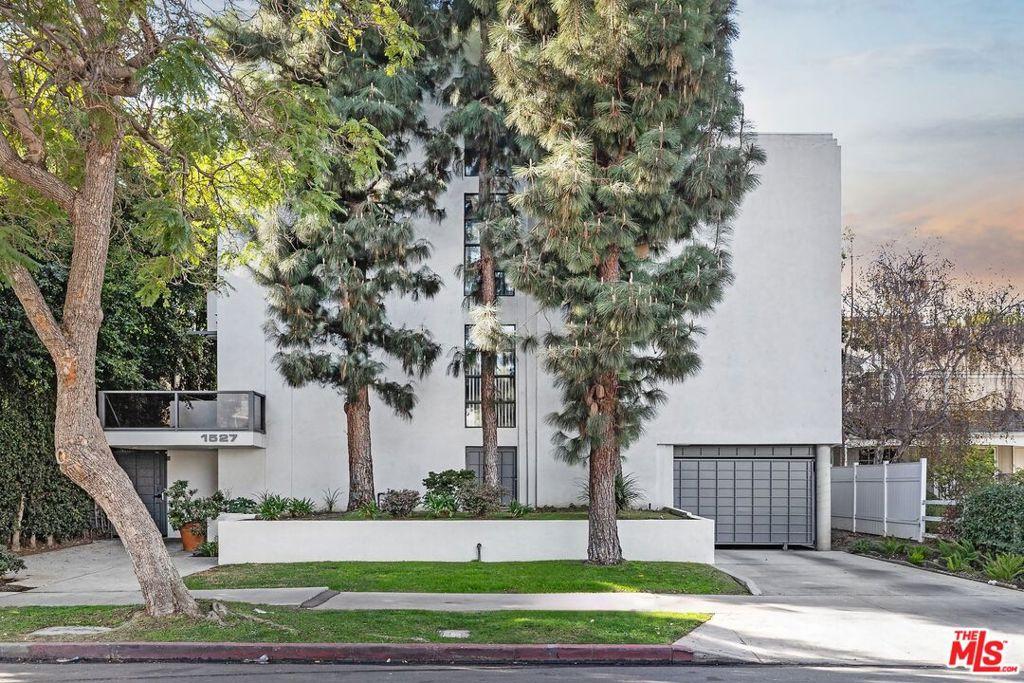
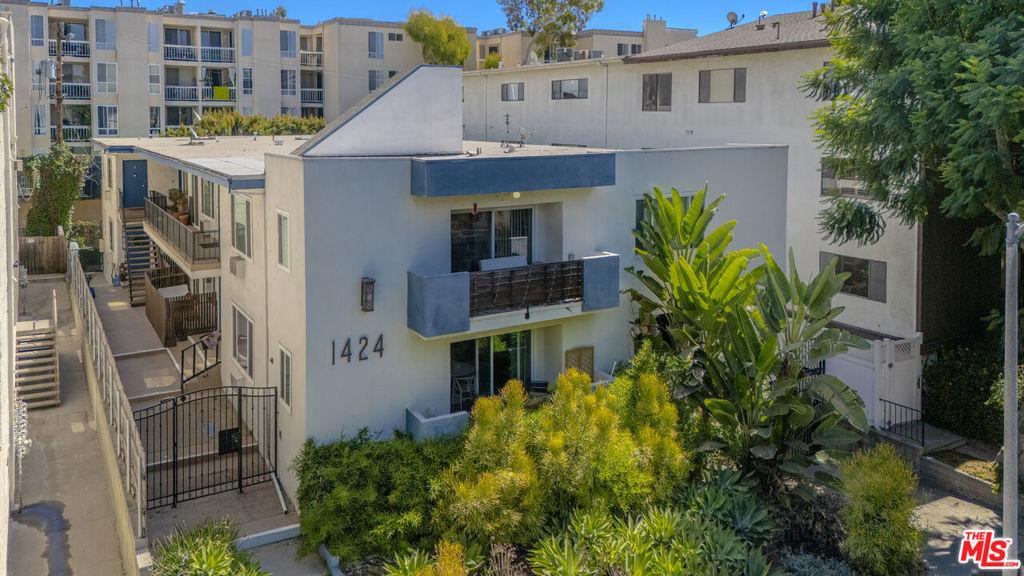
The Village-adjacent market includes smaller mid-rise buildings within walking distance of Westwood Village’s commercial district. the Broxton Avenue shopping and dining corridor, the Fox Village Theatre, the retail that serves the UCLA community. These buildings are generally 4-8 stories, 20-50 units, with more modest amenity stacks than the Corridor towers but with the pedestrian access to campus that the Corridor towers can’t offer.

The Wilshire Corridor specifically: the UCLA research shows that this stretch is the densest concentration of full-service luxury condo buildings in the LA metro outside of Century City, and the 27 pages in TKG’s Westwood inventory represent this building stock across both the Corridor and the Village market.


What does a condo cost in Westwood?

Westwood condos for sale range from approximately $700,000 for a studio or one-bedroom in a smaller Village-adjacent building to $2,500,000-plus for a significant unit in a premium Wilshire Corridor tower.

The price structure within Westwood is clear: – Wilshire Corridor towers: $900,000-$2,500,000 for 1-3 bedroom units. The premium positions. higher floors, specific view orientations, significant renovation. command the upper end. Price per square foot at $600-$1,000+. – Village-adjacent buildings: $700,000-$1,500,000 for 1-2 bedroom units. More accessible pricing relative to the Corridor, with walkability to campus as the primary value driver.

The Westwood market benefits from structural demand insulation that many LA condo markets don’t have. The UCLA rental demand. thousands of students and staff who need housing within walking or biking distance of campus. creates a floor on pricing that prevents the inventory-driven corrections that affect more speculative condo markets. Westwood condos in good positions hold their value more consistently than comparable buildings elsewhere in the Westside.

Investment consideration: the UCLA rental demand creates legitimate long-term rental investment logic for Westwood condos. A well-located 2-bedroom unit within walking distance of campus can be rented consistently to graduate students, visiting faculty, or medical residents. The rental income profile is stable and the tenant pool is relatively low-risk. Buyers who are considering the Westwood condo market as an investment should model the rental income against the HOA fees and mortgage payment before committing.


Are Westwood condos a good rental investment?

The UCLA rental demand creates an investment argument for Westwood condos that is specific and measurable. The graduate student and medical resident population in Westwood. drawn by the proximity to the medical school, the law school, and the main academic campus. creates a tenant pool that is transient by definition (3-7 year academic cycles) but structurally constant. Graduate enrollment at UCLA has grown consistently, and the Ronald Reagan UCLA Medical Center expansion has added healthcare professional housing demand on top of the academic base.

A well-located 2-bedroom unit in Westwood within walking distance of campus can produce monthly rents in the $3,500-$5,500 range depending on building condition and unit renovation. At the mid-range of Westwood condo pricing ($1,200,000-$1,600,000), the gross yield is modest by speculative investment standards. typically 2.5-4% before HOA and operating costs. But the investment case is not about yield; it is about asset quality and demand stability. Westwood condos tend to hold their value through market softness because the UCLA demand floor doesn’t go away when interest rates rise or when other LA neighborhoods correct.

The resale market for Westwood condos has historically benefited from a consistent buyer pool. UCLA-connected buyers entering the ownership market at the same rate that prior UCLA-connected buyers cycle out. This turnover dynamic creates a liquid resale market that many other LA condo sub-markets don’t have.


What does condo ownership involve in Westwood?

The Wilshire Corridor towers have the highest HOA fees in Westwood relative to building age, and the age is the reason. These are 50-60 year-old buildings with full-service infrastructure that costs real money to maintain: elevator systems, lobby-level staffing, pool and fitness facility maintenance, and the ongoing capital expenditure required to keep a 1960s or 1970s building in competitive condition. Monthly HOA fees in the Corridor towers typically run $1,000-$2,500 per month for 1-2 bedroom units.

The reserve study is mandatory due diligence in the Corridor towers. Buildings of this age have substantial capital expenditure cycles. elevator replacements, mechanical system upgrades, plumbing infrastructure work. that the HOA must fund either from reserves or through assessments. Buildings with well-funded reserves and transparent financial management are identifiable by reading the reserve study and HOA financials. Buildings with underfunded reserves and deferred maintenance are also identifiable. and buyers should use that information in pricing negotiations.

The parking and traffic situation in Westwood is the most consistently underestimated friction point among buyers. Westwood Village is a congestion point. the intersection of Wilshire and Westwood Boulevards is one of the most heavily trafficked intersections in West Los Angeles, and the UCLA game days and event calendar amplify the congestion seasonally. Parking for residents is generally adequate in building garages, but guest parking is limited in most buildings and street parking in Westwood is restricted and competitive. The Village walkability is real and useful; the driving and parking experience requires calibration.


What are the trade-offs of a Westwood condo?

The Wilshire Corridor HOA fees are high relative to the building vintage. $1,500 per month for a 1-2 bedroom unit in a 1970s building is a real cost that needs to be included in the housing cost comparison against alternatives. The full-service building lifestyle justifies the fee for buyers who want it. For buyers who don’t need a doorman and concierge, the fee calculation may favor a newer building with lower HOA costs elsewhere in the Westside.

UCLA demand is a feature until the lease situation changes. The UCLA rental demand that insulates Westwood’s market value is dependent on the university’s footprint and the demand from its community. UCLA has been a stable and growing institution for decades, and the medical center’s expansion plans suggest continued demand growth. But buyers who are explicitly banking on UCLA-driven appreciation should understand that this driver is not guaranteed to persist indefinitely.

The parking friction is a daily-life condition. Buyers who visit Westwood during a weekend open house do not experience what the Tuesday morning parking situation looks like when game day is the following weekend and Wilshire is already at capacity. Drive your actual route at your actual time before committing to a Westwood address.

The house-versus-condo comparison matters at the upper end of the Westwood budget. A $2 million Wilshire Corridor unit competes with houses in Cheviot Hills, Rancho Park, and parts of West LA at the same price. The buyer spending $2 million in Westwood on a condo should run the comparison against what $2 million buys in houses within 3 miles, and make the conscious choice rather than the default one.

Wilshire Corridor HOA fees are high relative to buildings in comparable positions. At $1,500-$2,500 per month for a 1-2 bedroom unit, the monthly HOA carries a real weight in the total cost of ownership. That fee is buying full-service building infrastructure in a 50-60 year old structure. which means it is also funding the capital expenditure cycle that a building of that age requires. Buyers who want lower HOA fees in the Westwood area will find them in Village-adjacent buildings, but they’ll be trading the Corridor’s service stack for the more basic amenity level of smaller residential buildings. The tradeoff is explicit and worth making deliberately.


Where can I see condos for sale in Westwood?

TKG’s Westwood inventory includes 27 pages covering the Wilshire Corridor tower market and the UCLA Village-adjacent buildings.

Westwood Condos for Sale. TKG’s full Westwood condo search index, covering both the Wilshire Corridor and Village-adjacent markets.

Wilshire Corridor Homes for Sale. The Corridor’s full-service luxury towers from Westwood through Brentwood.

Wilshire Corridor Rentals. Rental market data for the Corridor that contextualizes the investment potential.

The 27 Westwood condo pages in TKG’s inventory span both the Corridor and Village markets. Contact us for building-specific recommendations.


The Knight Group serves buyers and sellers in Westwood and the Wilshire Corridor market. Call us at 503-200-4823 or use the contact form below to connect with an agent who knows this neighborhood’s condo building landscape.

Work With Us

The Knight Group is here to help you with all your realty needs. To get started, fill out the form below and one of our experienced agents will contact you as quickly as possible.

The Knight Group Logo

The Knight Group

8560 W Sunset Blvd., Floor 3
West Hollywood, CA 90069
503-200-4823
[email protected]

Copyright © 2024 The Knight Group. 
All rights reserved.  License: 02133297

Hey, You ALMOST MISSED IT!

Lucky for you we’re looking out.

Subscribe to this Custom Search to be alerted when new properties hit the market in the area.

Choose the frequency that works for you.

get alerts

[showcaseidx_contact]