Century City Condos

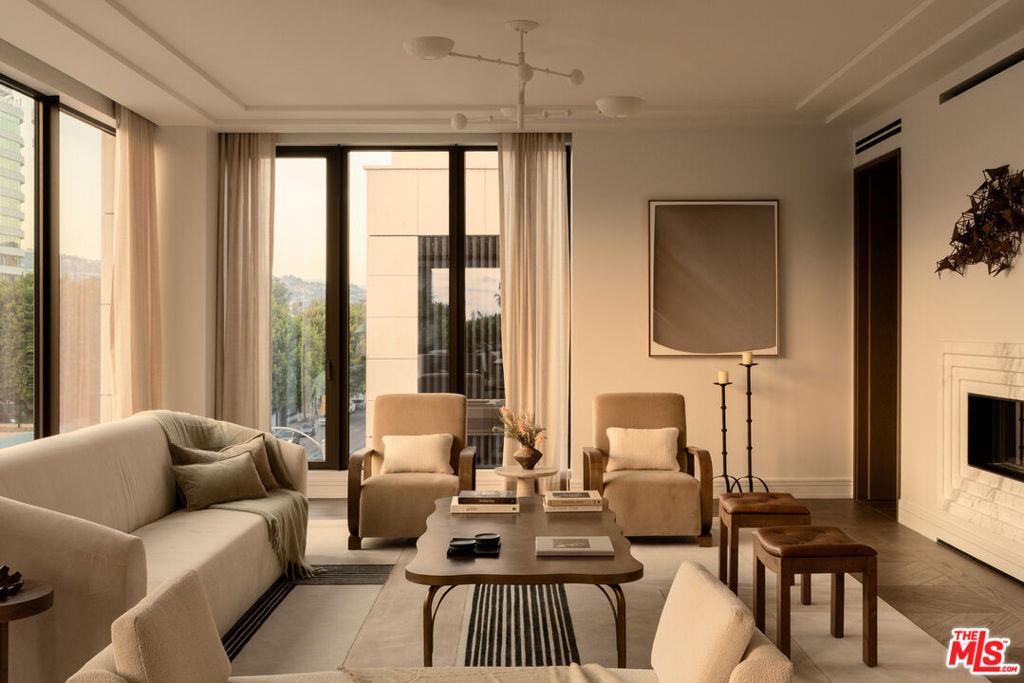
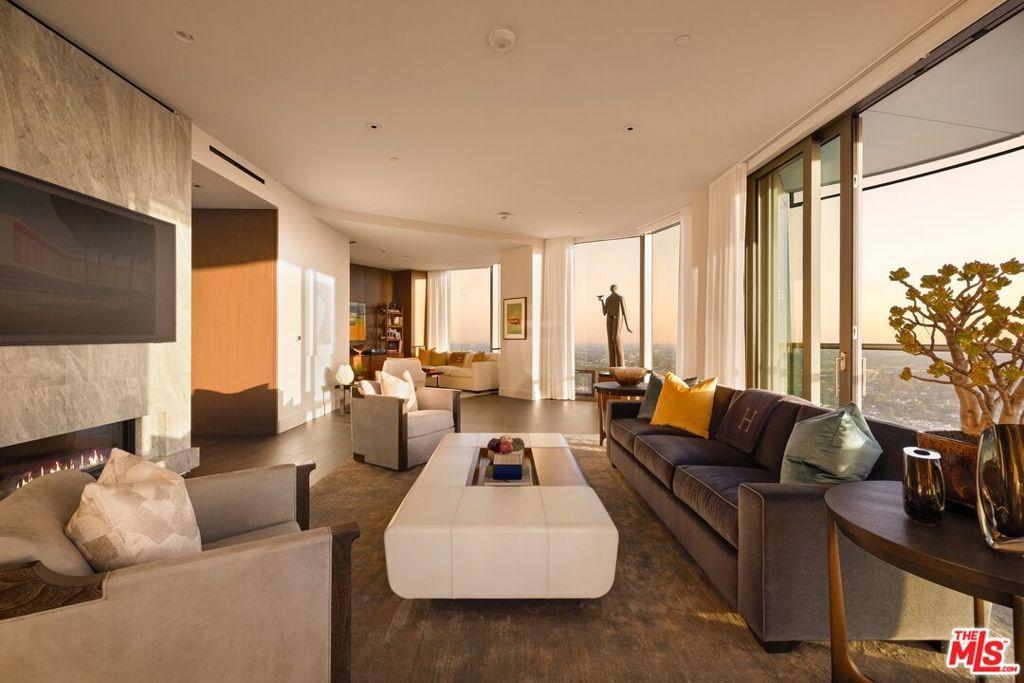
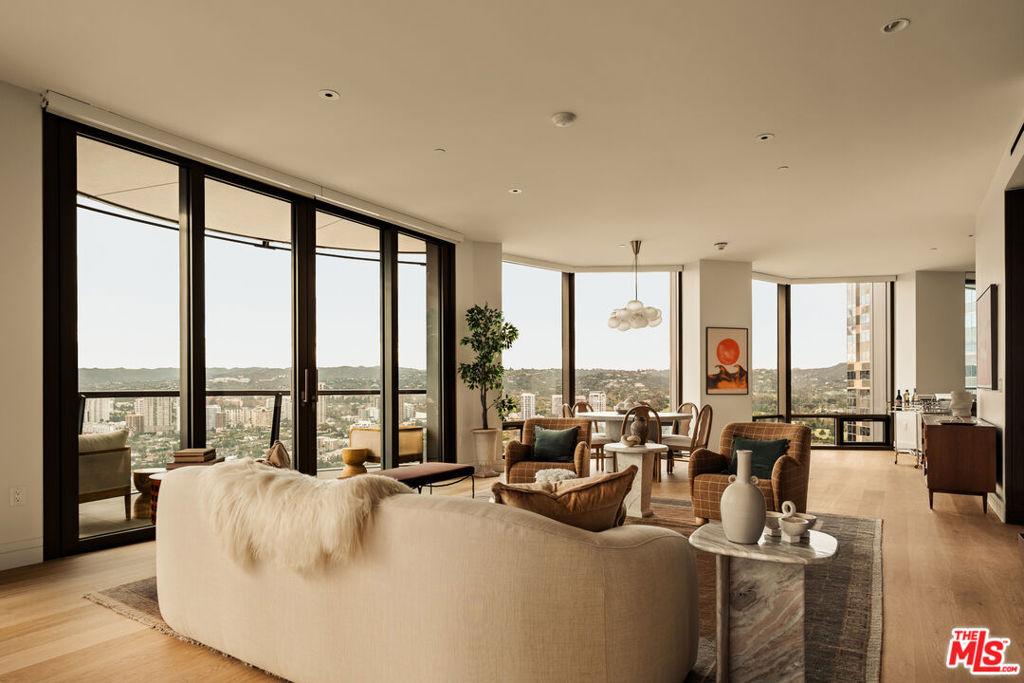
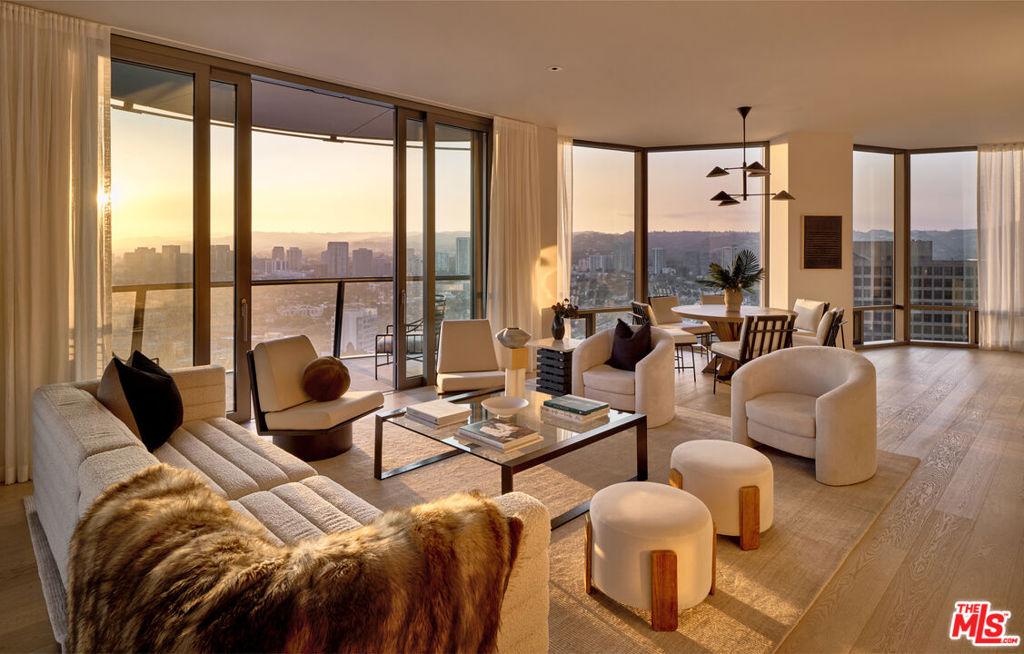
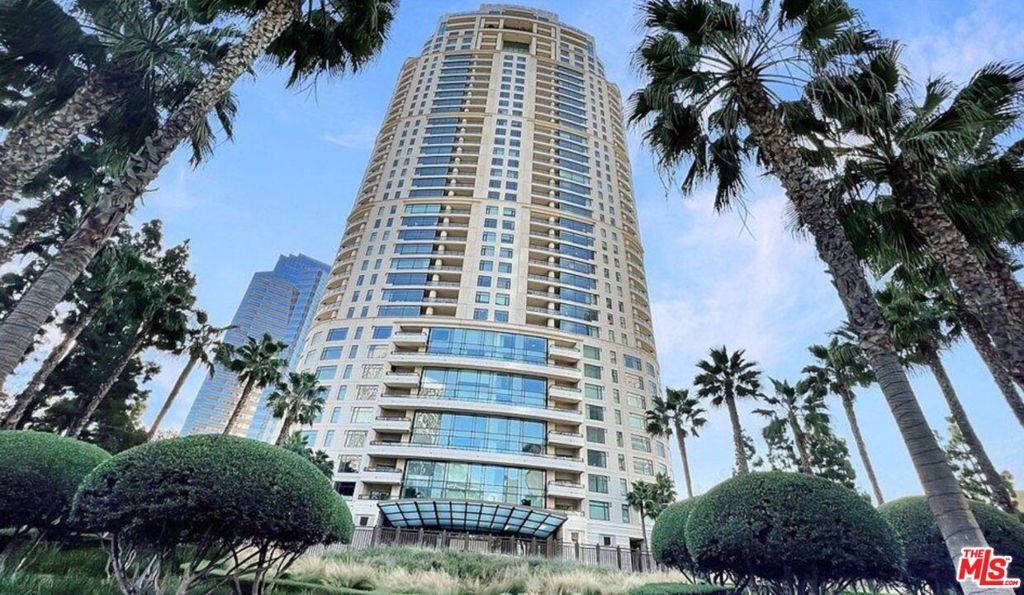
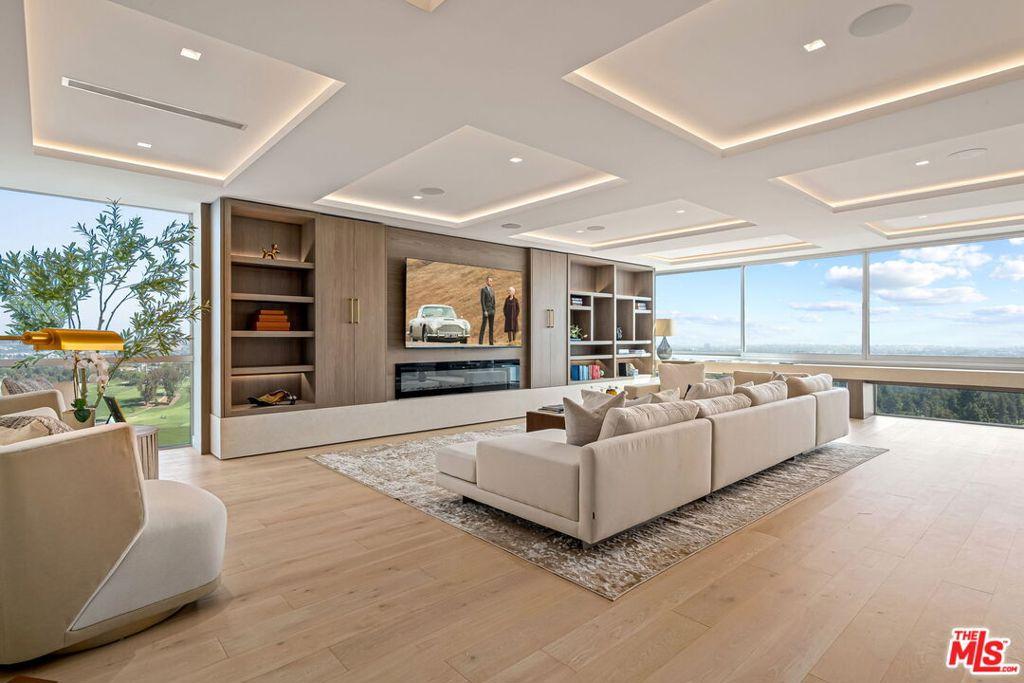
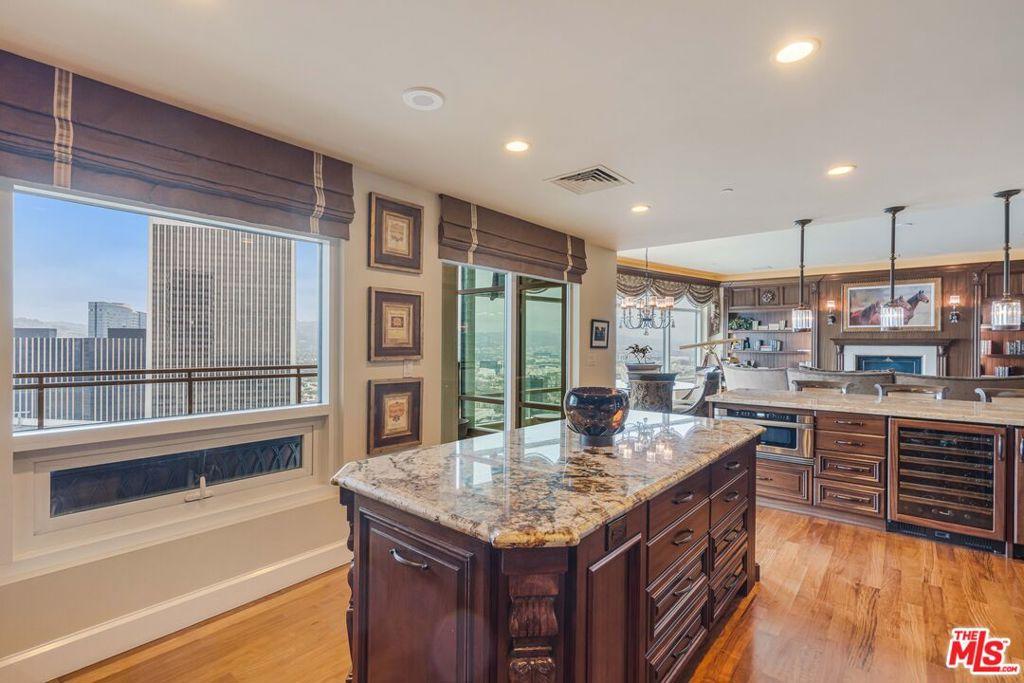
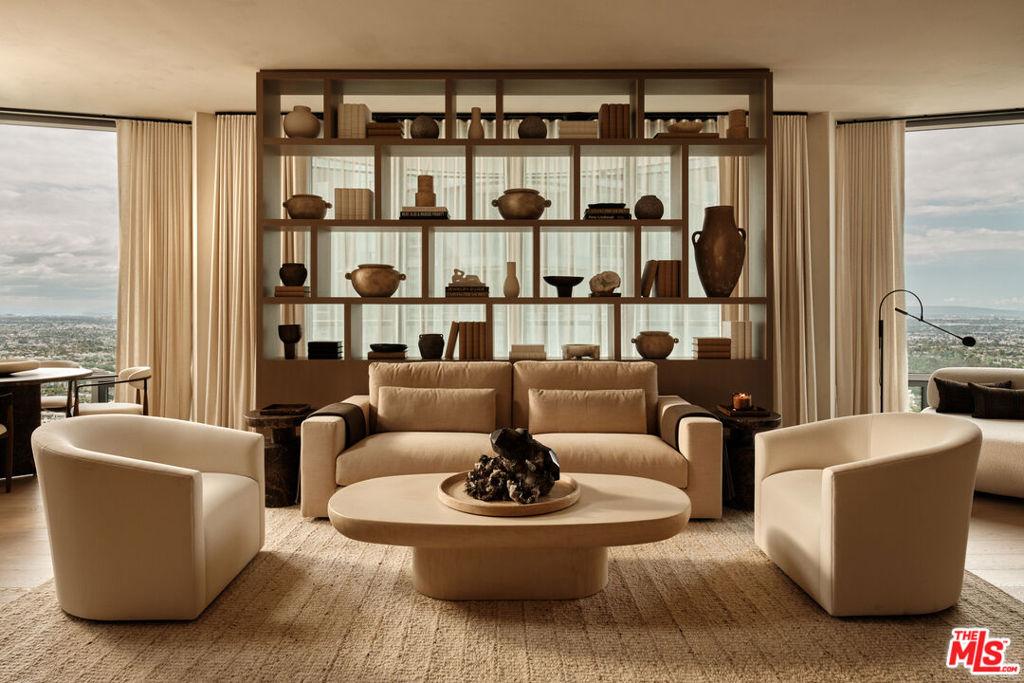
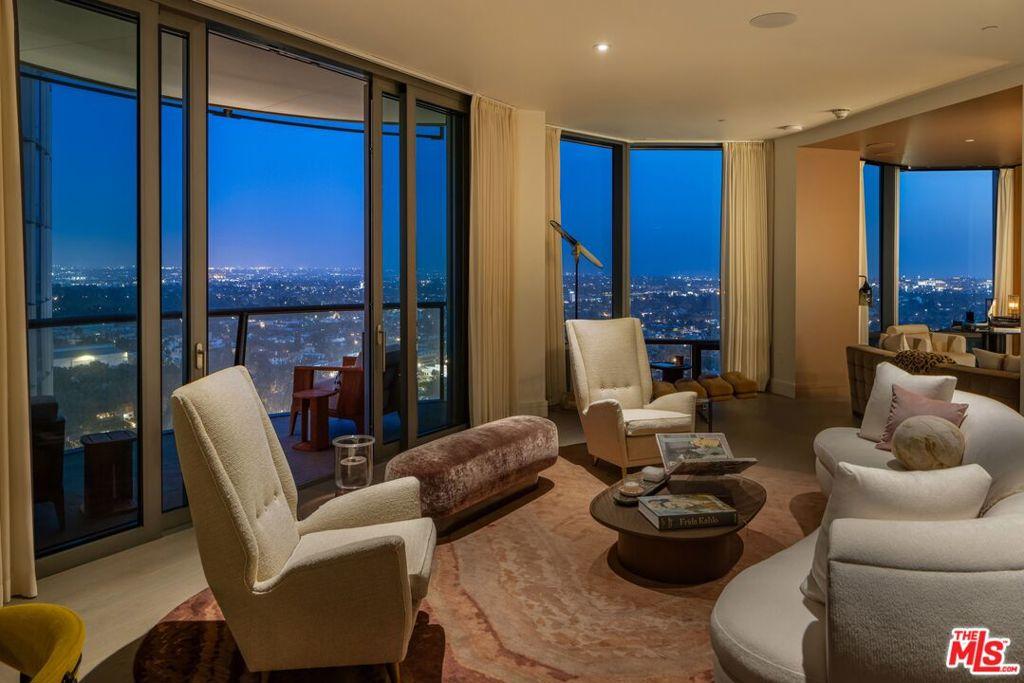
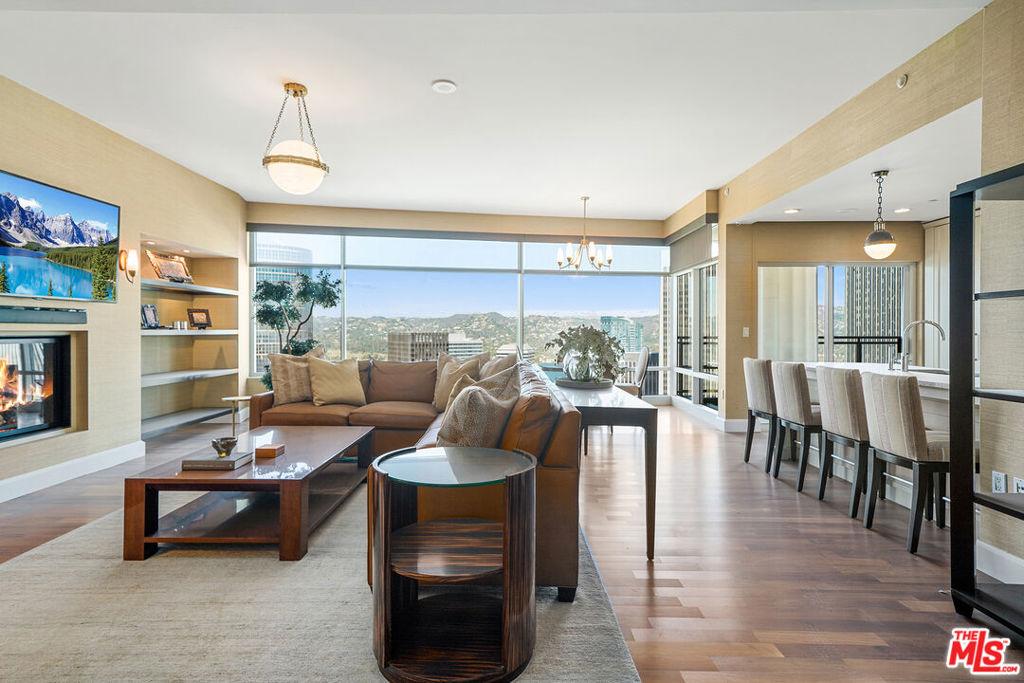
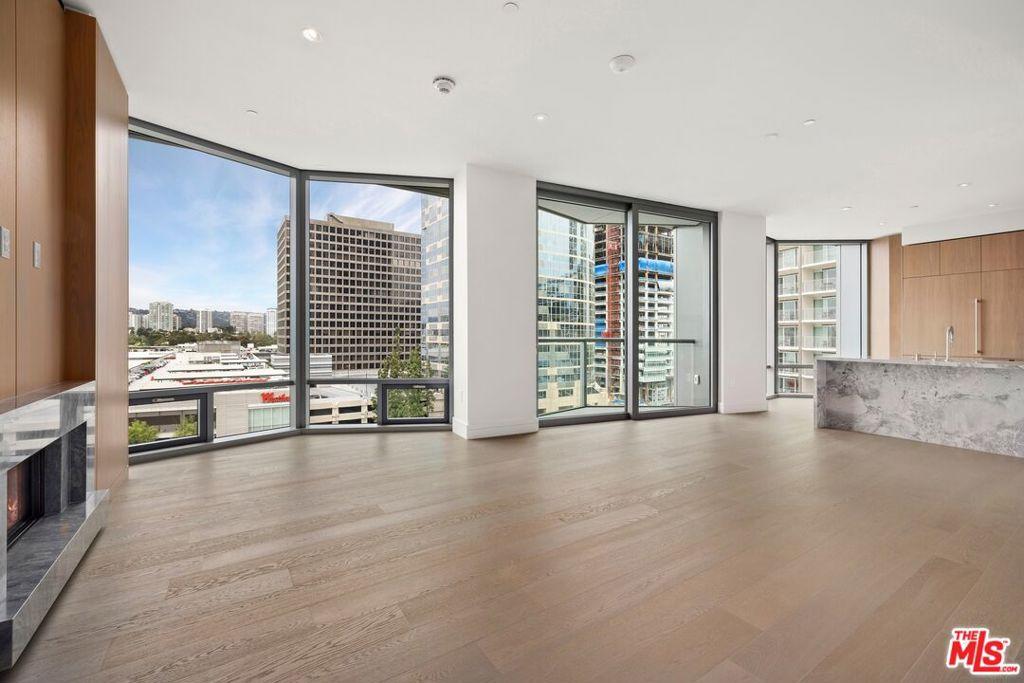
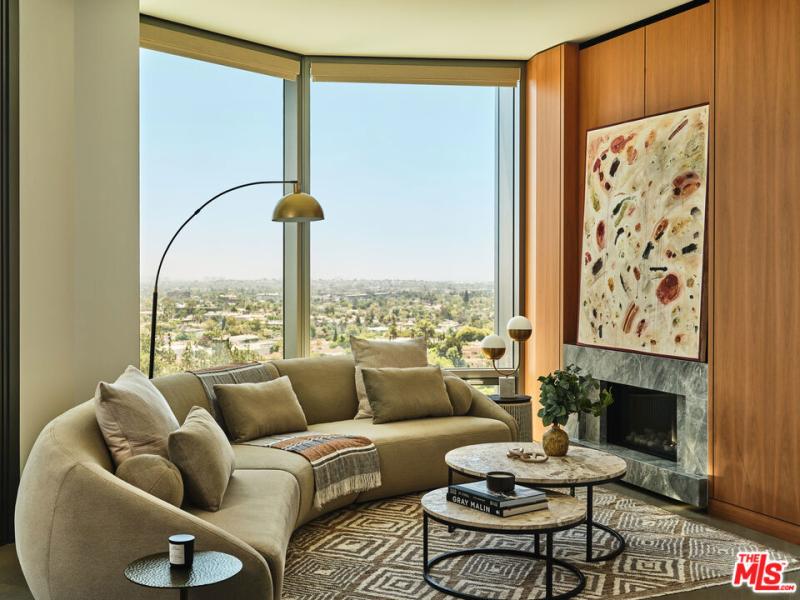
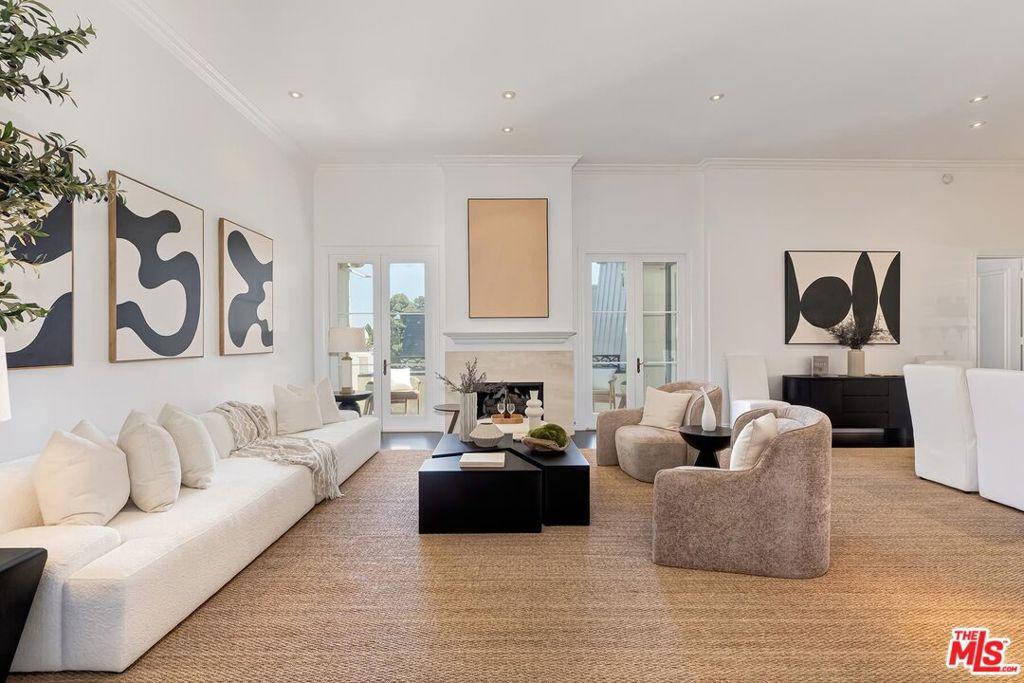
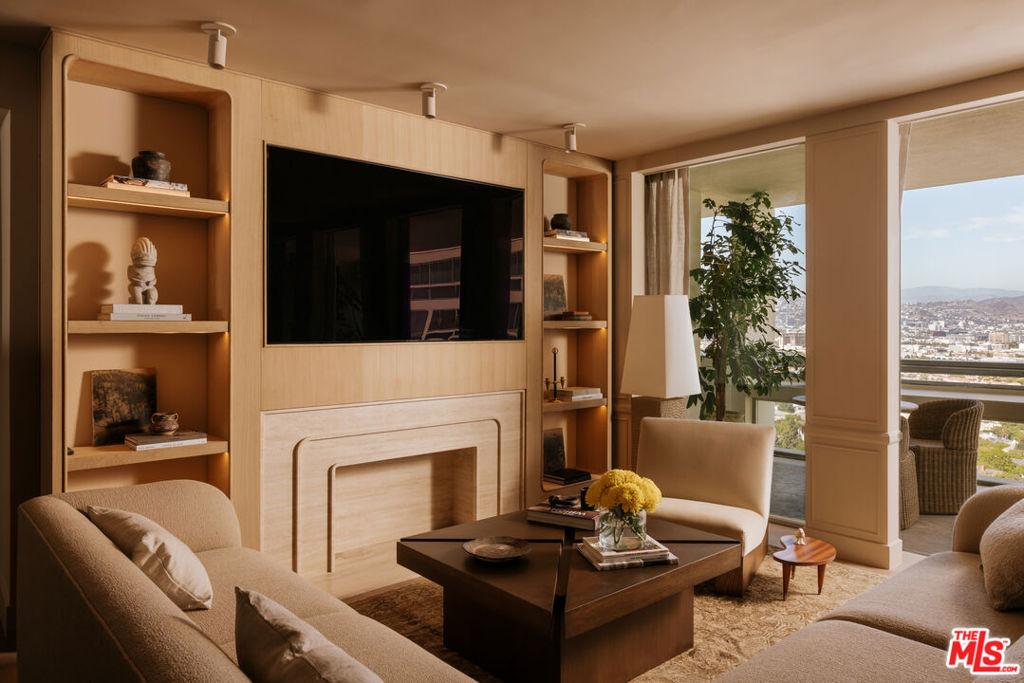
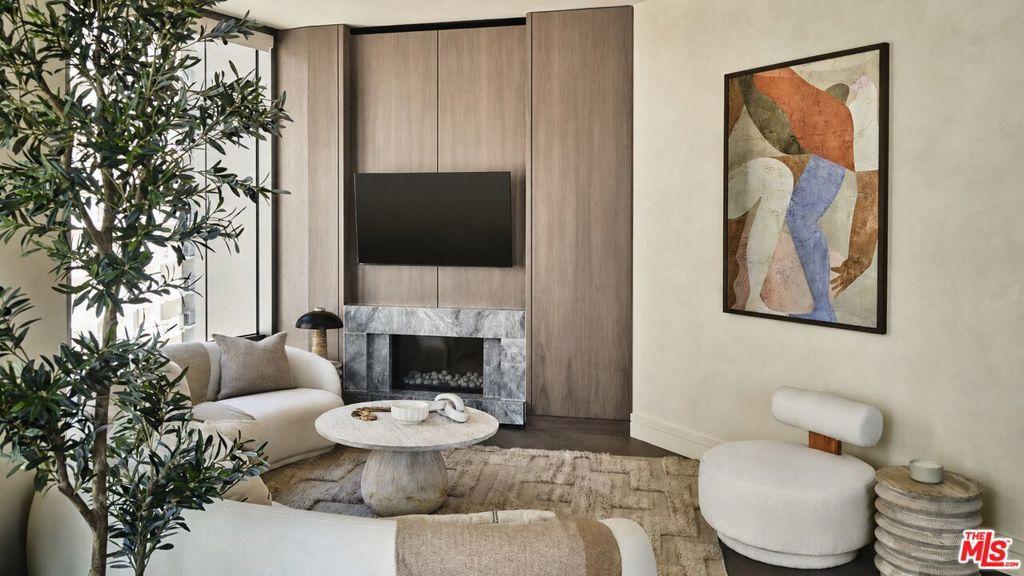
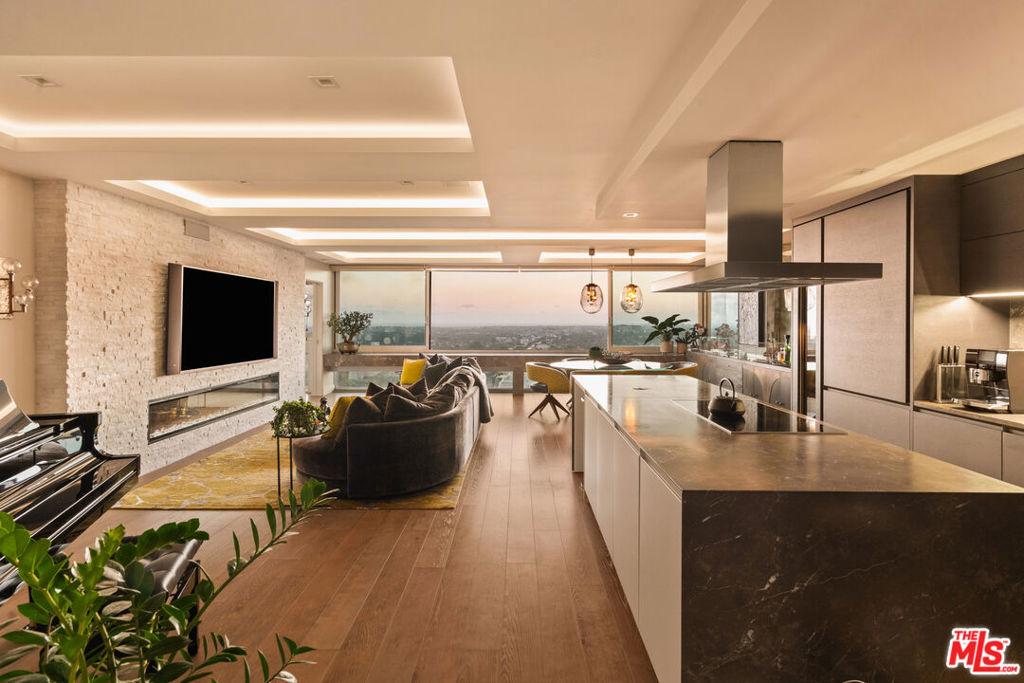
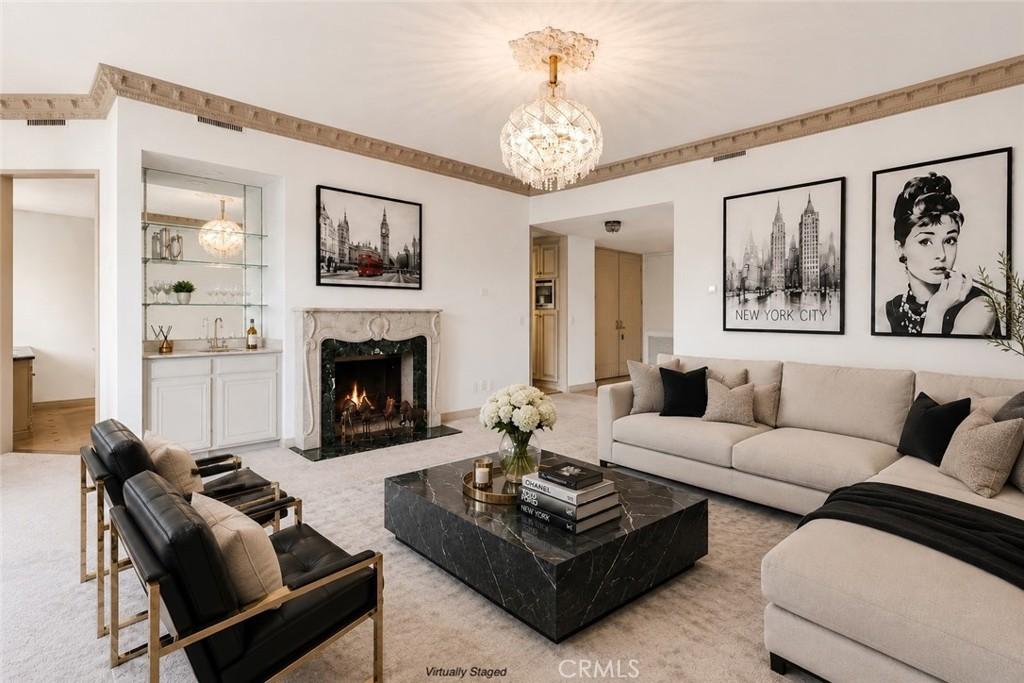
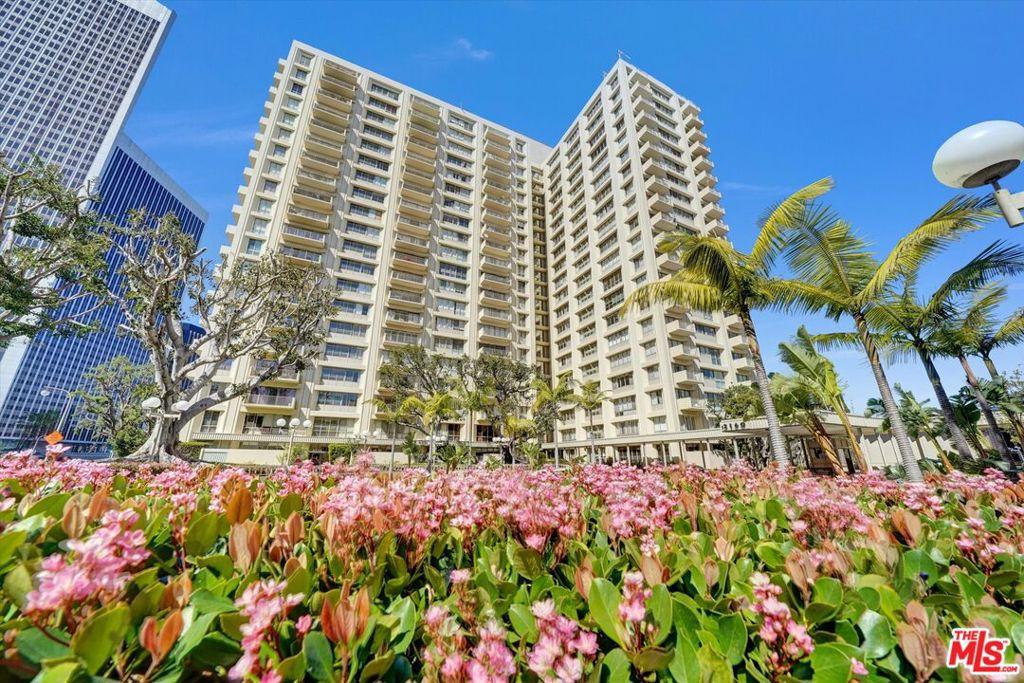
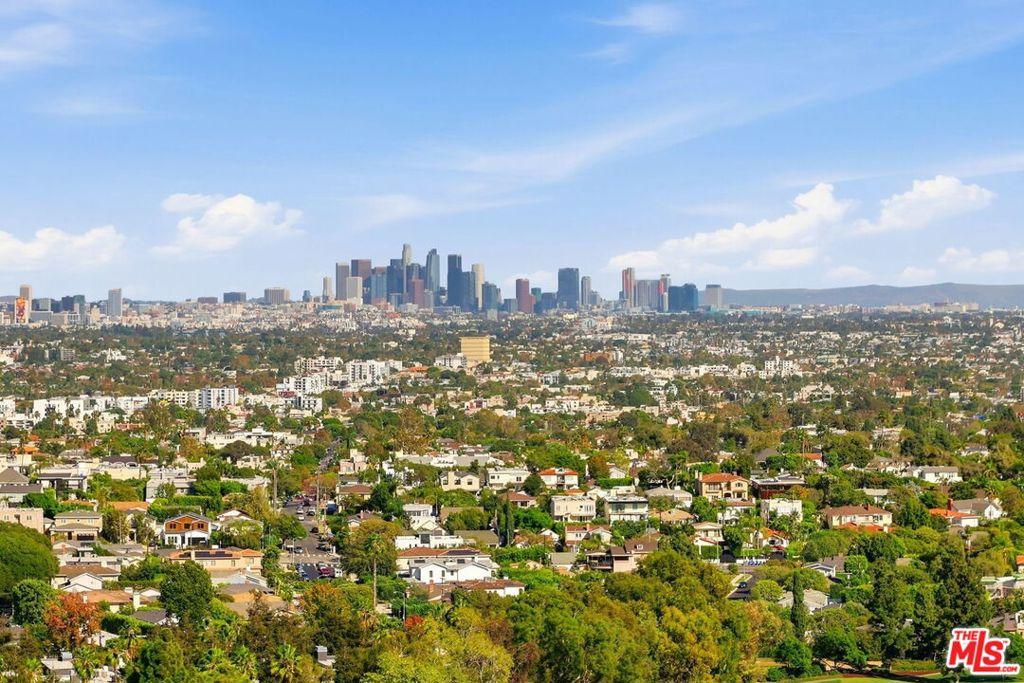
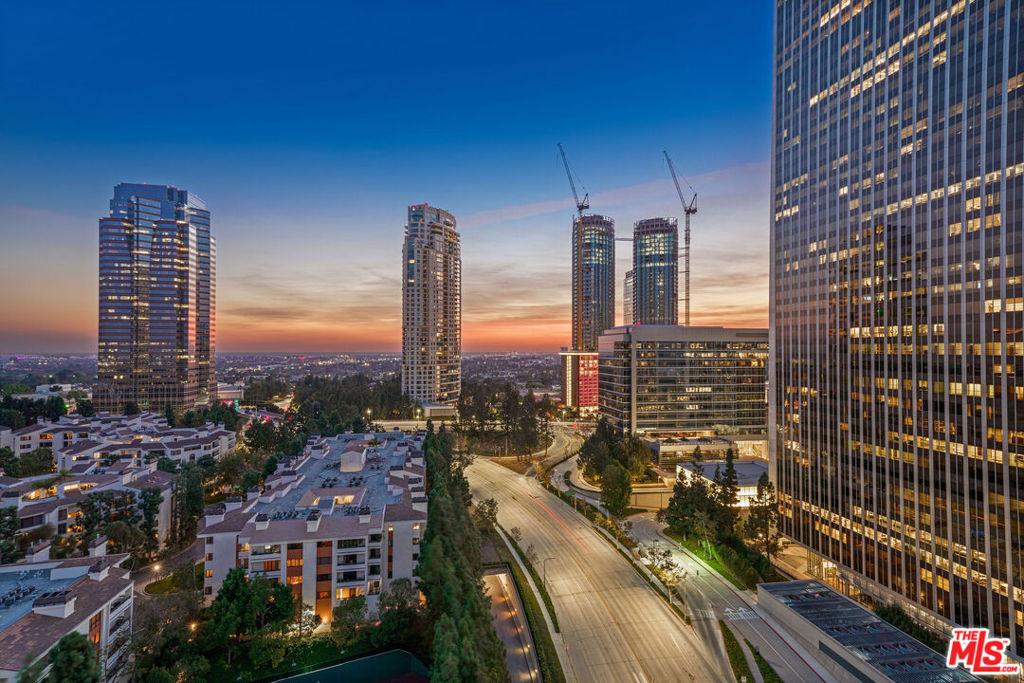
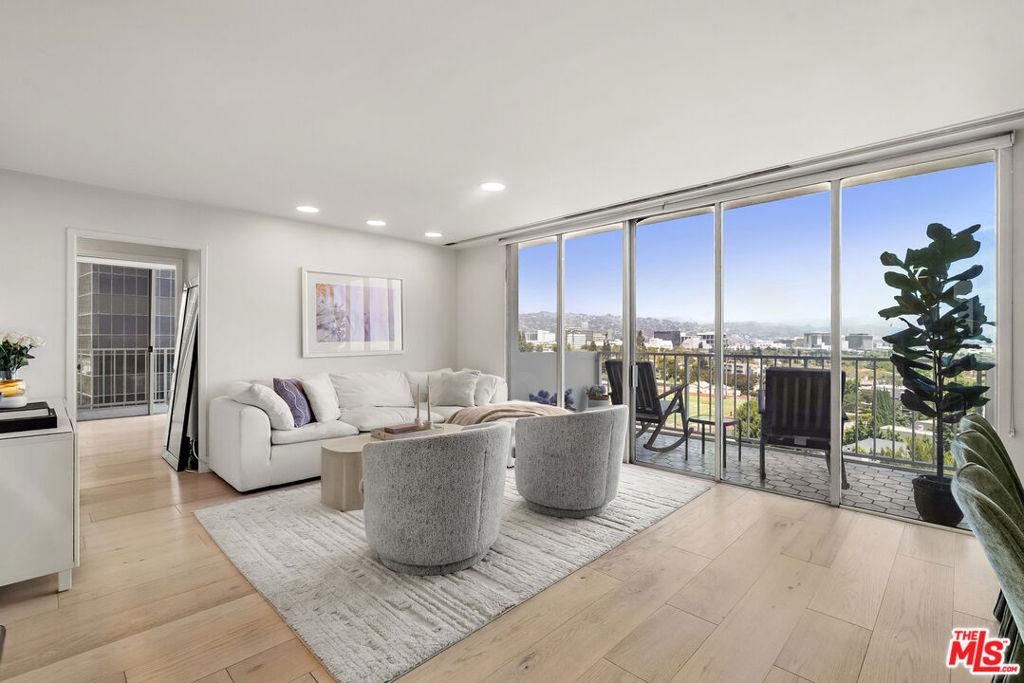
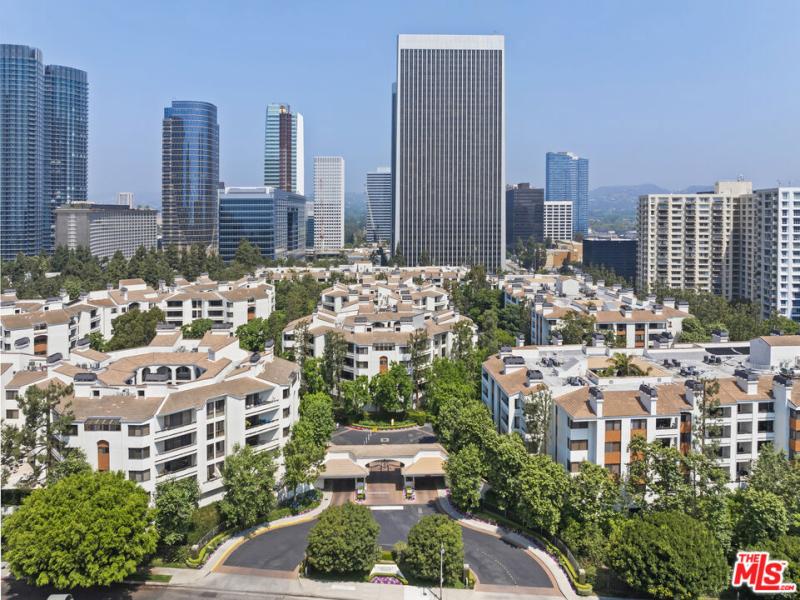
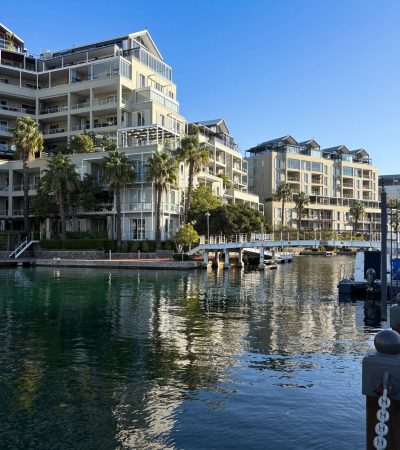
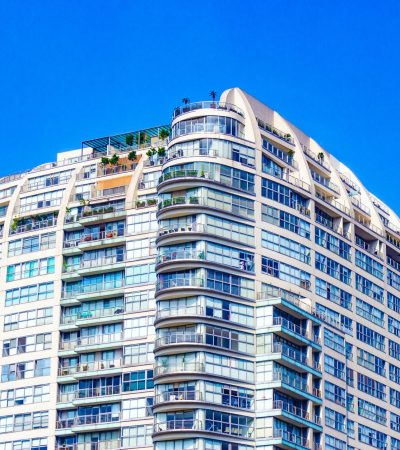
High-rise Westside condos overlooking Beverly Hills and Century City's office towers, moments from Westfield Century City.

Browse all Los Angeles real estate — or explore the full Los Angeles luxury real estate market.

Our extensive guide through the neighborhoods below will help you identify the one for you.

What are Century City condos?

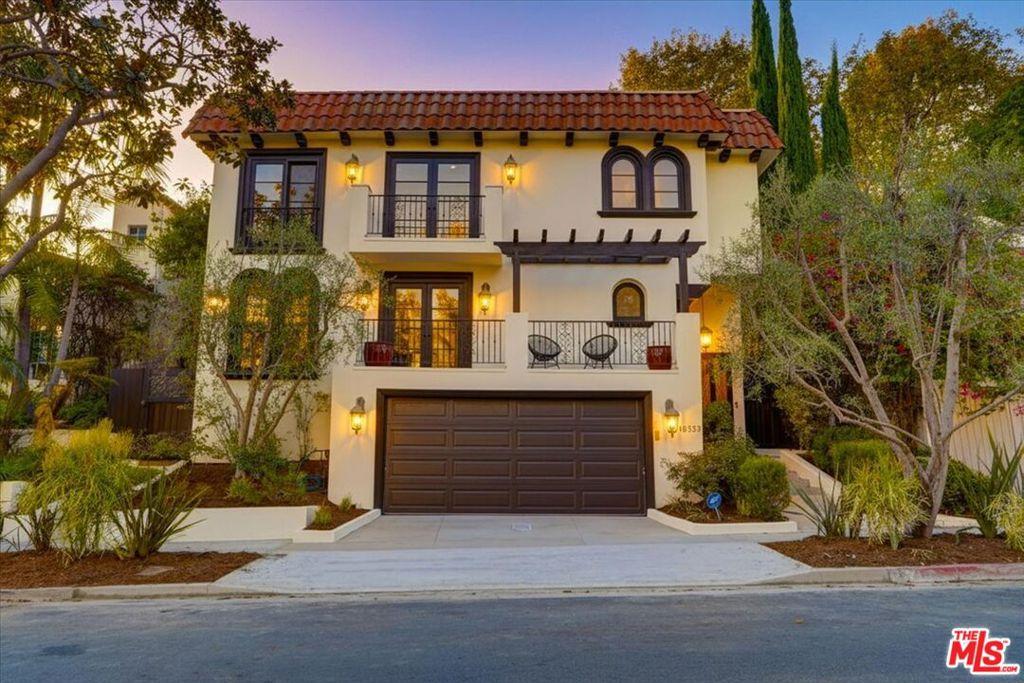
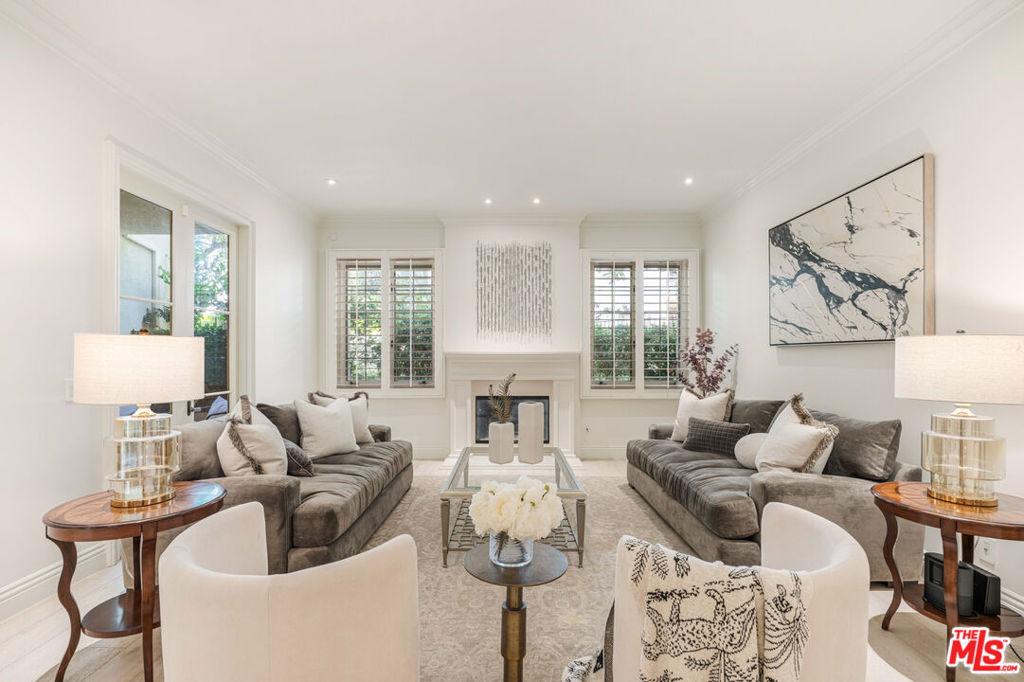
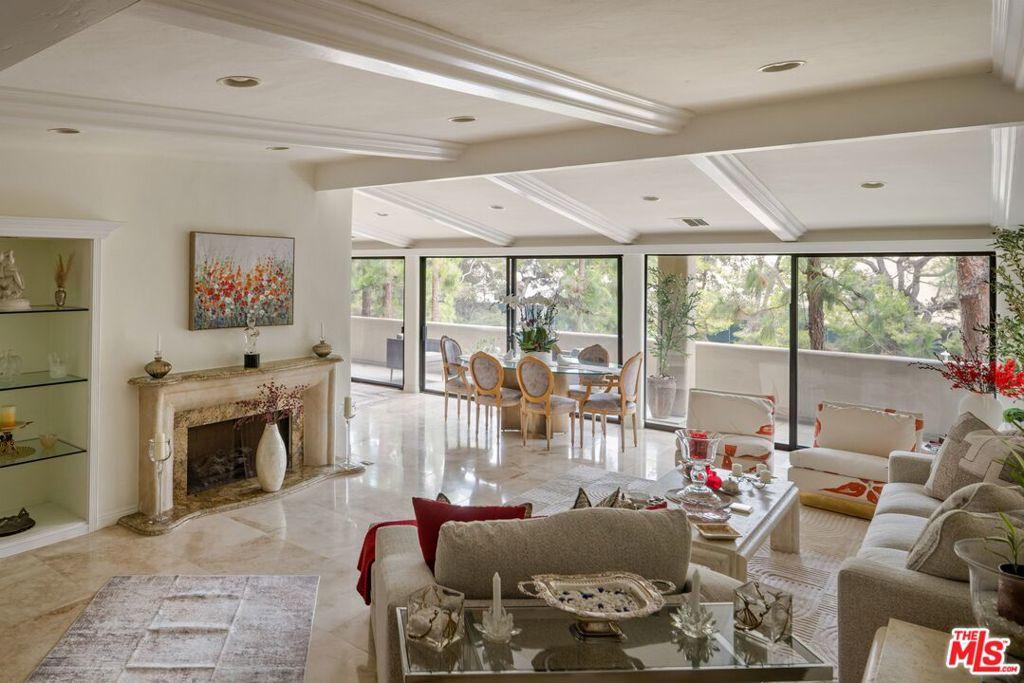
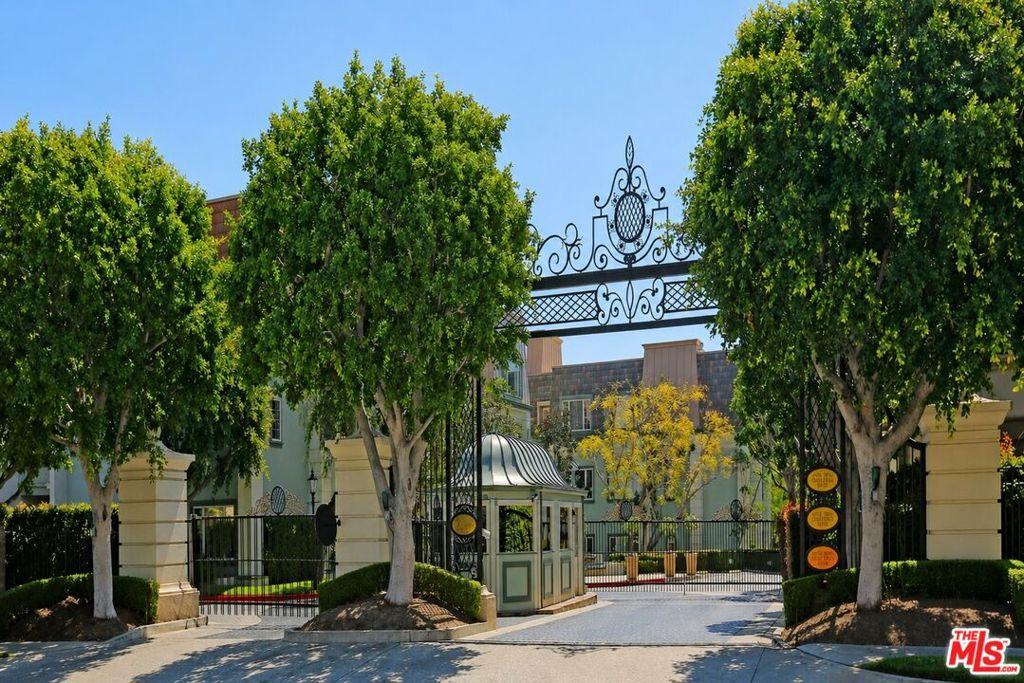
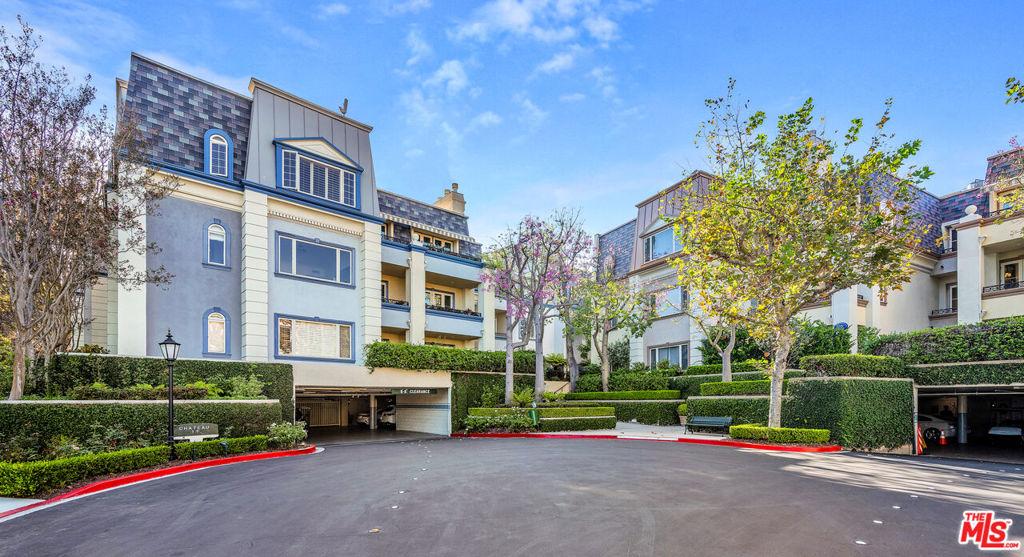
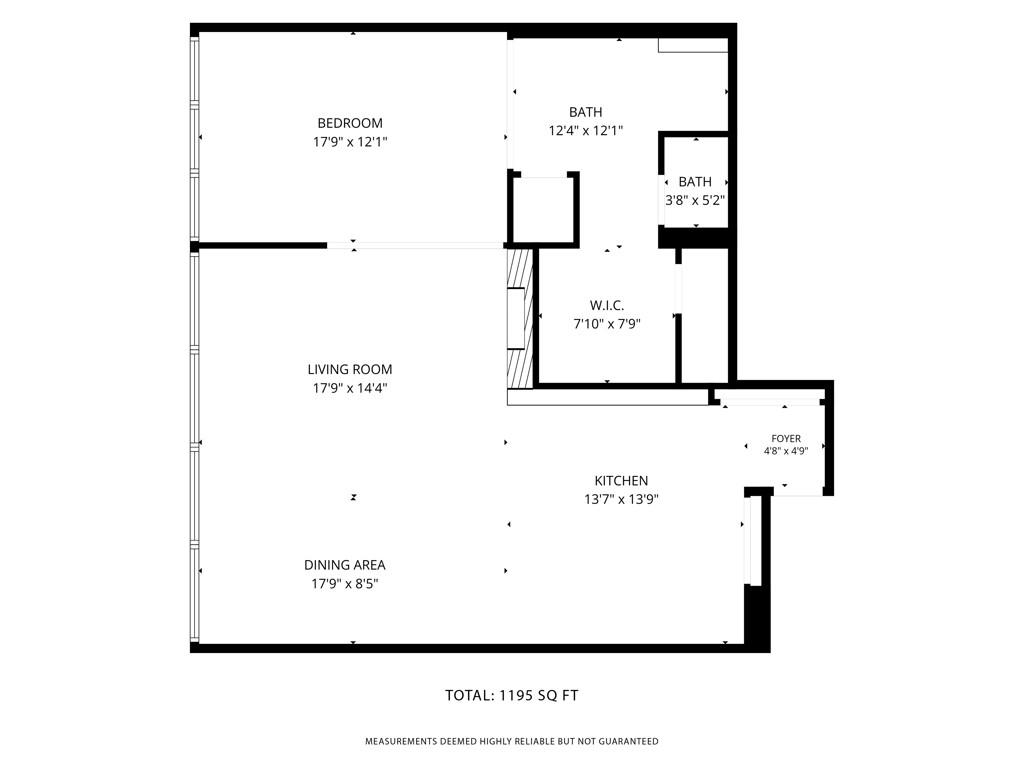
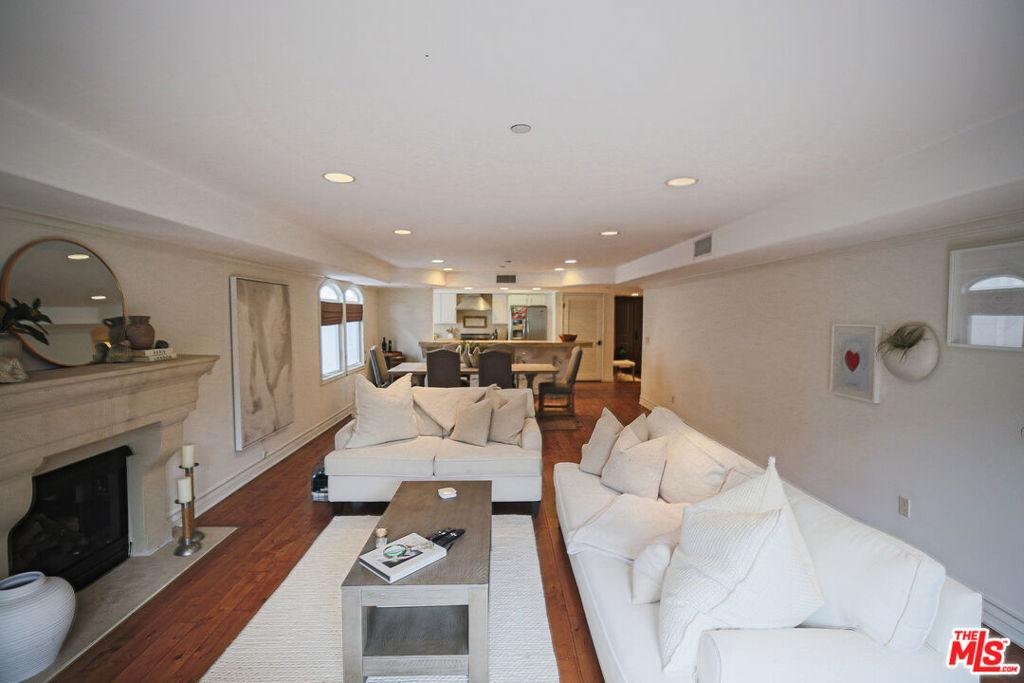
Century City condos are high-rise and garden-style ownership units inside a 176-acre planned district on the Westside of Los Angeles, bounded by Santa Monica Boulevard, Beverly Hills, Pico Boulevard, and Century Park West. The ZIP code is 90067. Almost the entire residential stock is attached: towers, mid-rises, and gated townhome enclaves governed by homeowners associations under California’s Davis-Stirling Act. There are effectively no detached single-family homes in the district.

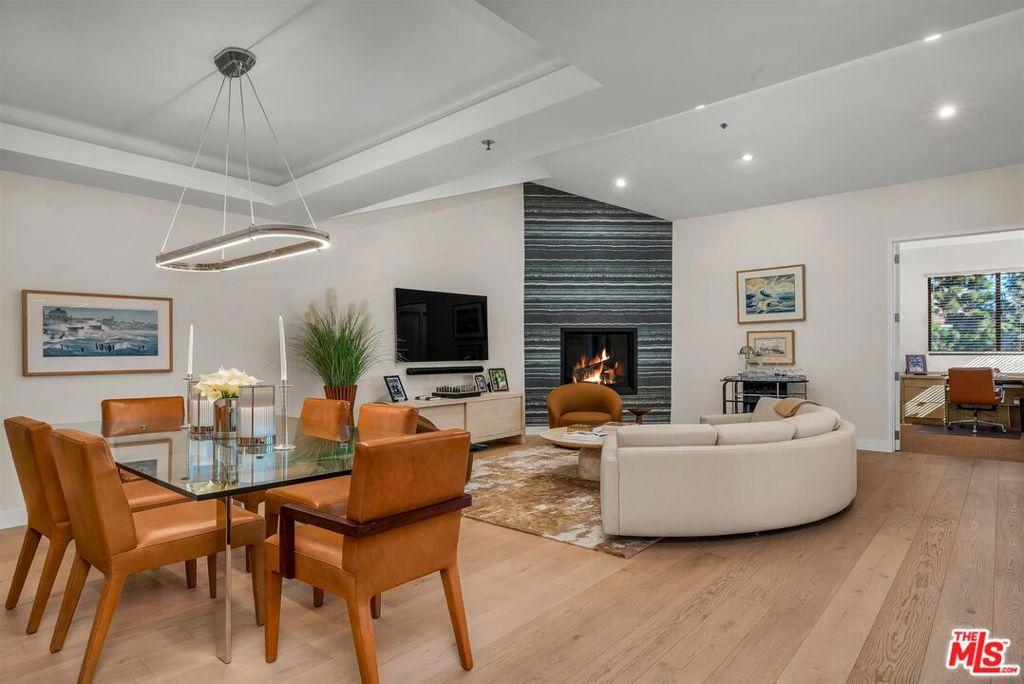
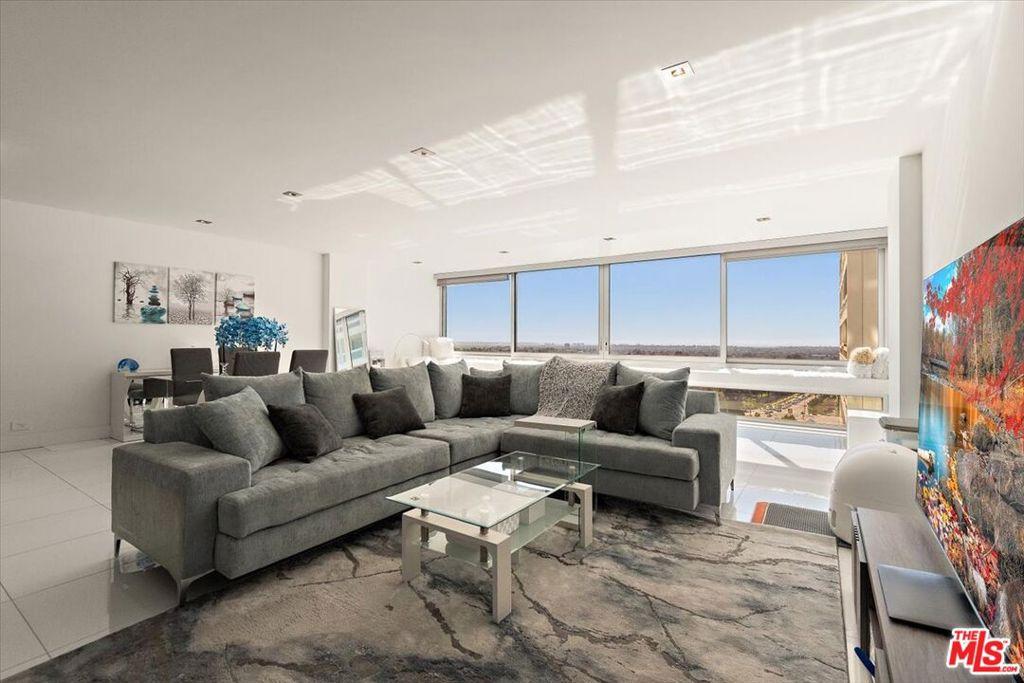
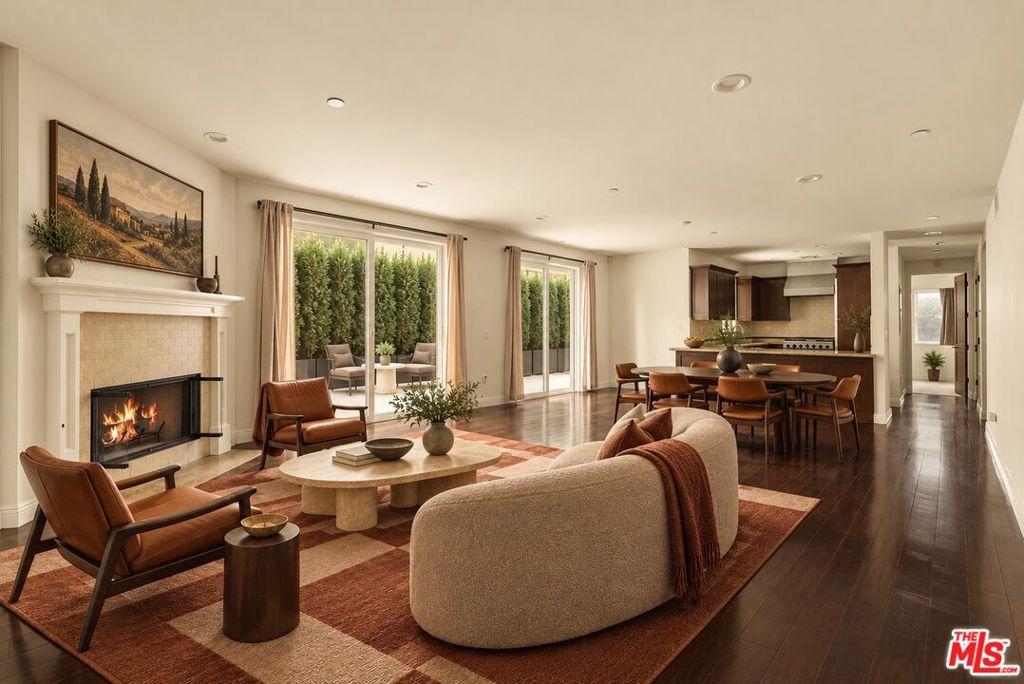
The value proposition is specific. You get a doorman building with real amenities, wide view planes across the basin, and a walkable radius that includes a major shopping center, a medical campus, and the office towers where much of the city’s entertainment and legal business gets done. You give up land, yard, and control. In exchange, maintenance lands on the association rather than on you. That trade works well for some buyers and poorly for others, and we say so before you write an offer.

Browse the current Century City listings below, or contact The Knight Group and we will pull the building-level detail public portals do not show: reserve position, litigation status, recent special assessments, and how each tower has actually traded.

Where exactly is Century City, and what does it border?

Century City sits between Beverly Hills and Westwood. Its eastern edge is the Beverly Hills city line, which matters for taxes, policing, and school assignment. Per Wikipedia’s district profile, the whole area comprises a single census tract, 2679.01, making it one of the smallest formally defined neighborhoods in Los Angeles by area and by residential population.

That compactness is the point. Century City was drawn as a district, not a subdivision, and the grid was built around superblocks rather than a continuous neighborhood fabric. Avenue of the Stars runs north to south through the center, crossed by Constellation and Olympic. Most residential addresses sit toward the western and southern portions, while the office core clusters along Avenue of the Stars and Century Park East.

Because Century City is inside the City of Los Angeles and not inside Beverly Hills, city rules apply: Los Angeles municipal transfer taxes, Los Angeles Fire Department service through Station 92, and Los Angeles Police Department coverage through the West Los Angeles station. The Beverly Hills adjacency does not carry Beverly Hills municipal services.

Why was Century City built the way it was?

The land was the 20th Century Fox backlot. Under financial pressure from the production of Cleopatra, Fox sold roughly 180 acres in 1961 to developer William Zeckendorf and the Alcoa aluminum company for $54 million. The two formed a joint venture and retained Welton Becket and Associates, then the largest architectural firm in Los Angeles, for a master plan. Becket’s 1961 plan organized the site into quadrants divided by Avenue of the Stars and Olympic Boulevard, allocating roughly 75 acres to residential use and 85 to commercial.

Development began in 1963 with the Gateway West Building. The Century Plaza Hotel, designed by Minoru Yamasaki, opened in 1966, and Century City Medical Plaza followed in 1969. The Century Plaza Towers, two 44-story office buildings at 2029 and 2049 Century Park East, were completed in 1975 and renovated in 2008, according to the Los Angeles Conservancy.

This history explains the condo stock. Because the plan zoned for density from the start, Century City got residential towers decades before most of the Westside did, and kept getting them: 1964 modernist towers, 1980s garden enclaves, and 2009-to-2021 full-service high-rises, all inside a walkable half-mile.

Which buildings and communities make up the Century City condo market?

The market is understood building by building, not by street. A survey of the anchors:

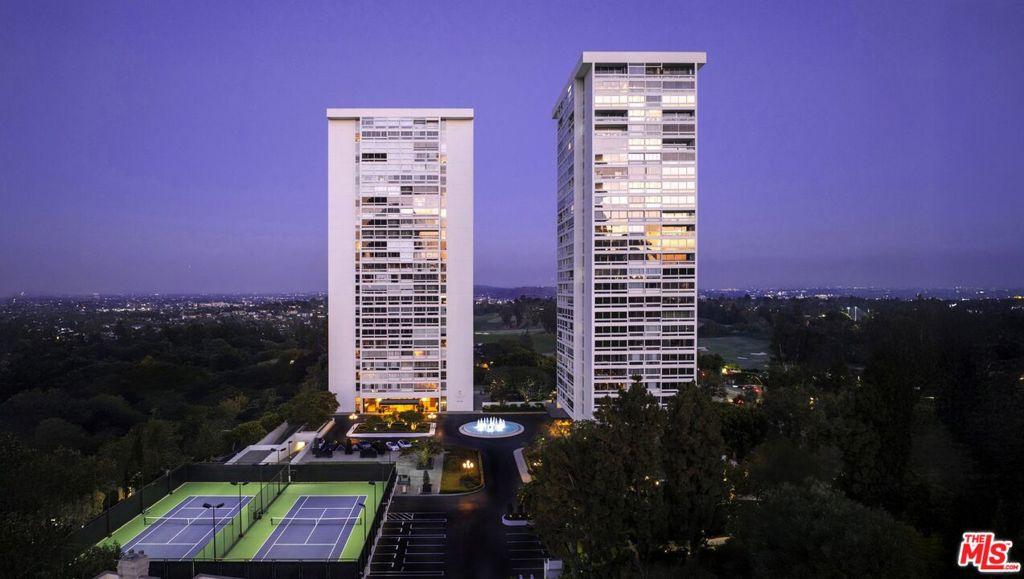
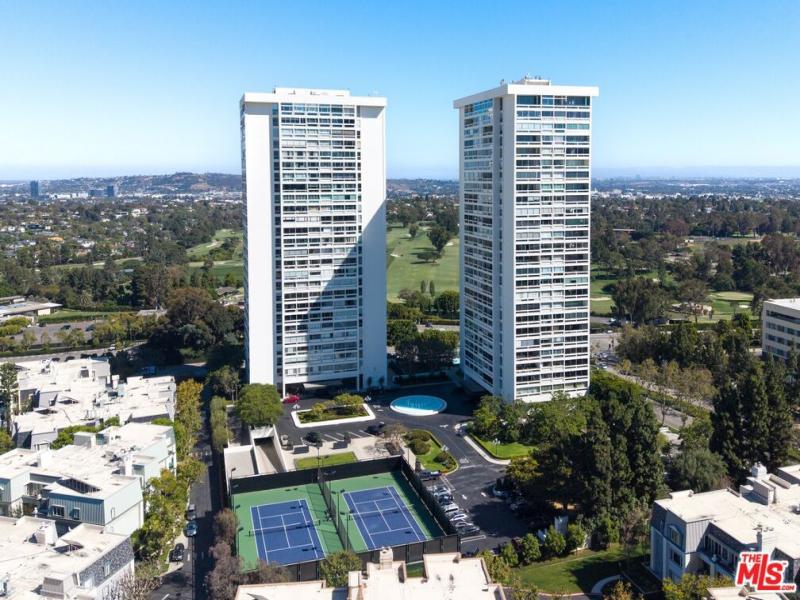
Century Towers, at 2220 and 2222 Avenue of the Stars, is the district’s original residential project. The twin 28-story towers were designed by I.M. Pei and built in 1964 on a six-acre site, opening as apartments and converting to condominiums in 1973. Units here trade on view plane and renovation condition more than on building amenity.

The Century, at 1 West Century Drive, was designed by Robert A.M. Stern Architects, developed by Related Companies, and completed in late 2009. It rises 42 stories and 481 feet with 140 units on nearly four acres, built where the St. Regis Los Angeles previously stood. It is the reference point for the top of this market.

Park Elm at Century Plaza is twin 44-story towers designed by Pei Cobb Freed and Partners, with 268 condominiums and interiors by Yabu Pushelberg, completed in 2021. Originally marketed as the Century Plaza Tower Residences, the towers sit on the redeveloped Century Plaza site and share amenity infrastructure with the hotel.

Fairmont Century Plaza Residences, at 2025 Avenue of the Stars, comprises 63 residences on the top floors of the restored Yamasaki hotel, which closed for renovation in 2016 and reopened on September 27, 2021 under Fairmont management. Owners get hotel service delivery, a different ownership experience than a standalone association.

Century Woods, on Century Woods Way, dates to 1983 and was designed by Cliff May, the architect most associated with the California ranch house. Building data compiled by HighRisesCondos.com lists 82 units across three stories, roughly 2,487 to 5,121 square feet. It is the low-density alternative to tower living inside the same ZIP code.

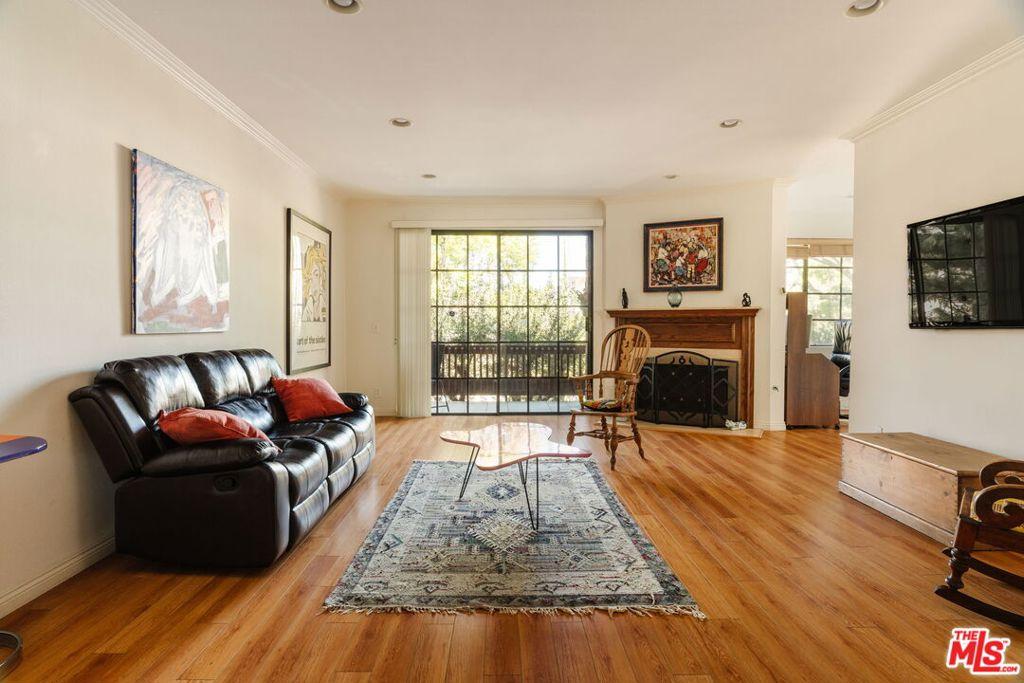
Century Hill, addressed 2100 through 2500 Century Hill, was built in 1980 and is listed at 280 units in three-story configurations. Le Parc occupies Empyrean Way. Both are gated garden communities rather than high-rises, and both carry different price points and dues structures than the newer towers.

For current inventory and recent closed sales across the district, start with our Century City condo listings page. If you are comparing two towers head to head, ask us for the side-by-side rather than reading portal estimates. Automated valuation models handle high-rise condos poorly, because floor, exposure, and stack differences are not in their inputs.

What does a Century City condo actually cost?

Prices are high and have moved sharply. Redfin reported a median sale price of $2,236,836 for condos and co-ops in the 90067 ZIP code in May 2026, up 28.6 percent year over year. At the same reading, Redfin showed 74 condos listed at a median asking price of $2.99 million, with typical time on market around 75 days.

Read those two numbers together. The closed median tells you what buyers paid. The list median, well above it, tells you sellers are asking more than the market has recently cleared, and the 75-day marketing period tells you those asks are not being met instantly. Negotiation still exists here.

Range matters more than median in this district. A one-bedroom in an older mid-rise and a full-floor unit in a 2021 tower are not the same asset and should never be compared on price per square foot alone. Floor level, exposure, renovation condition, and association health can each move value more than square footage does. We will not quote a per-foot number for “Century City” as a whole, because that number will not help you decide anything.

What do HOA dues buy in a Century City building?

Dues here are substantial and they are not optional. Full-service towers carry 24-hour front desk and security staffing, valet, concierge, pool and fitness facilities, package handling, common-area utilities, master insurance, elevator maintenance, and reserve contributions for building systems. Newer buildings add screening rooms, private dining rooms, wine storage, guest suites, and dog runs. Every line item is funded by monthly assessments.

We do not publish dues figures here, because they change by building, by unit size, and by budget year, and a stale number is worse than none. Ask us for the current assessment on a specific unit and we will get it from the association, not from a listing sheet. The question is not whether dues are high. It is whether they are high enough to fund what the building will need over the next decade. An underfunded association with low dues costs more to own than a well-funded one with high dues, because the shortfall arrives as a special assessment at the worst possible time.

What should I review in the HOA documents before removing contingencies?

This is the highest-leverage part of a Century City purchase, and it is where most buyers move too fast. Under California Civil Code section 4525, the seller must deliver a packet including the CC&Rs, articles, bylaws, operating rules, the annual budget report, and the most recent reserve study summary, along with current and pending assessments, enforcement actions, and any association litigation.

Read the reserve study first. It must disclose the reserve balance, the funding plan, the percentage of full funding, and whether the board has deferred or eliminated any components. As of January 1, 2025, California reserve studies must also account for gas, water, and electrical service lines, which in older towers can be a meaningful new exposure.

Then read the structural inspection report. Senate Bill 326 required condominium associations to inspect exterior elevated elements such as balconies and walkways by January 1, 2025, on a recurring nine-year cycle tied to the reserve study. AB 2579 extended only the SB 721 deadline that applies to apartment buildings; the condominium deadline was not extended. As of January 1, 2026, SB 410 added the most recent SB 326 report to the Civil Code 4525 packet. In a district with this many balconied towers, that report is not a formality.

Finally, read the litigation disclosure and the board minutes. Active construction-defect or governance litigation can affect lender approval of the project, which affects your financing and your future buyer’s. Conventional, FHA, and VA lending all look at project-level health, not just your credit file.

How is the commute, and what changes when the subway opens?

Today, Century City is a car district with short local trips and painful regional ones. Interstate 405 and Interstate 10 are both close, which is an advantage until either is congested, at which point the Westside grid absorbs the overflow and Santa Monica, Olympic, and Pico slow down together. If you work in Century City, Beverly Hills, or Westwood, the commute is a non-issue and often a walk. If you work in Downtown Los Angeles, Burbank, or the South Bay, price the drive honestly before you buy.

That changes with Metro. The D Line Extension will place a Century City station at Avenue of the Stars and Constellation Boulevard as part of Section 2, slated to open in Spring 2027, sitting between Beverly Drive station toward Downtown and Westwood/UCLA station to the west. Construction on Section 2 began in 2018.

Our read: rail access to Downtown, Koreatown, the Miracle Mile, and UCLA is a structural change for a district whose appeal has always been capped by regional access. It is also not yet operating. Do not assume the station is already priced in, and do not assume it will not be by the time you close. Ask us where a specific building sits relative to the station entrance, because a five-minute walk and a fifteen-minute walk are different products.

What is daily life like at street level?

The center of gravity is Westfield Century City. Westfield completed a $1 billion renovation of the 1.3-million-square-foot center in October 2017, delivering a three-level Nordstrom, a rebuilt Bloomingdale’s, a two-level Macy’s, an Equinox club, and the West Coast’s first Eataly, alongside more than 200 shops and restaurants. For residents of the surrounding towers, it functions less like a mall and more like a main street.

The daytime population is professional. Creative Artists Agency has anchored 2000 Avenue of the Stars with more than 240,000 square feet and roughly 850 local employees, and has committed to a new headquarters tower at 1950 Avenue of the Stars. Law firms, investment managers, and financial services tenants fill the rest. The rhythm is specific: busy weekday lunch hours, quiet weekend mornings, and residents who largely chose to live where they work. Healthcare is immediate, with the Century City Medical Plaza on site since 1969.

Which schools serve Century City?

Century City is inside Los Angeles Unified School District boundaries. Beverly Hills High School sits on the district’s border but belongs to Beverly Hills Unified School District, which serves the City of Beverly Hills, not Century City addresses. This catches buyers regularly.

Private and independent options in and near the district include Lycée Français de Los Angeles on Pico Boulevard, Temple Isaiah, and VINCI Academy. Nearby LAUSD schools include Westwood Charter Elementary and Emerson Community Charter Middle School. Boundaries change and magnet, charter, and open-enrollment admissions run on their own timelines. Verify current assignment with the district for the exact address rather than relying on any listing site, including this one.

What taxes and rules apply when I sell a Century City condo?

Because Century City is inside the City of Los Angeles, Measure ULA applies. For transactions closing after June 30, 2026, the thresholds are $5,400,000 and $10,900,000. Sales above $5,400,000 but below $10,900,000 are taxed at 4 percent; sales at or above $10,900,000 are taxed at 5.5 percent. The tax applies to the full sale price, not only the amount above the threshold, and the thresholds adjust annually by the Chained Consumer Price Index. This sits on top of standard city and county documentary transfer taxes.

The cliff effect is real and it shapes behavior at the top of this market. A sale just over a threshold can carry a materially larger tax bill than one just under it, which affects pricing, concessions, and timing for high-end tower units. If your unit is near a threshold, that conversation happens before you set an asking price, not after you get an offer. Confirm current rates with the Los Angeles Office of Finance and your tax counsel, since the figures adjust annually and ballot activity around the measure has continued.

A condominium purchase also brings you into a governance structure, not just a title. Davis-Stirling governs how your association assesses, enforces, discloses, and maintains. Rental restrictions, minimum lease terms, pet policies, and renovation rules are set by each building’s documents and vary widely across Century City. If you intend to lease the unit, read the CC&Rs on leasing before you go into contract.

Who is Century City right for, and who should look elsewhere?

Century City works well for buyers who want service, security, and a lock-and-leave property: Westside professionals, second-home owners, downsizers leaving larger houses, and international buyers who prefer a managed building to a maintained lot. The district has historically skewed older than the city average, and the amenity model reflects that.

It works poorly for buyers who want a yard, a garage they control, an ADU, or the ability to renovate without board approval. It demands tolerance for HOA governance: budgets, board politics, and occasional special assessments. We would rather tell you Century City is the wrong district in the first conversation than sell you a unit you resent in year two.

Frequently asked questions about Century City condos

Is Century City part of Beverly Hills?

No. Century City is a neighborhood within the City of Los Angeles. It borders Beverly Hills on its eastern edge, which is why the two are often conflated, but Century City addresses receive Los Angeles municipal services and fall under Los Angeles city ordinances including Measure ULA.

Are there any single-family homes in Century City?

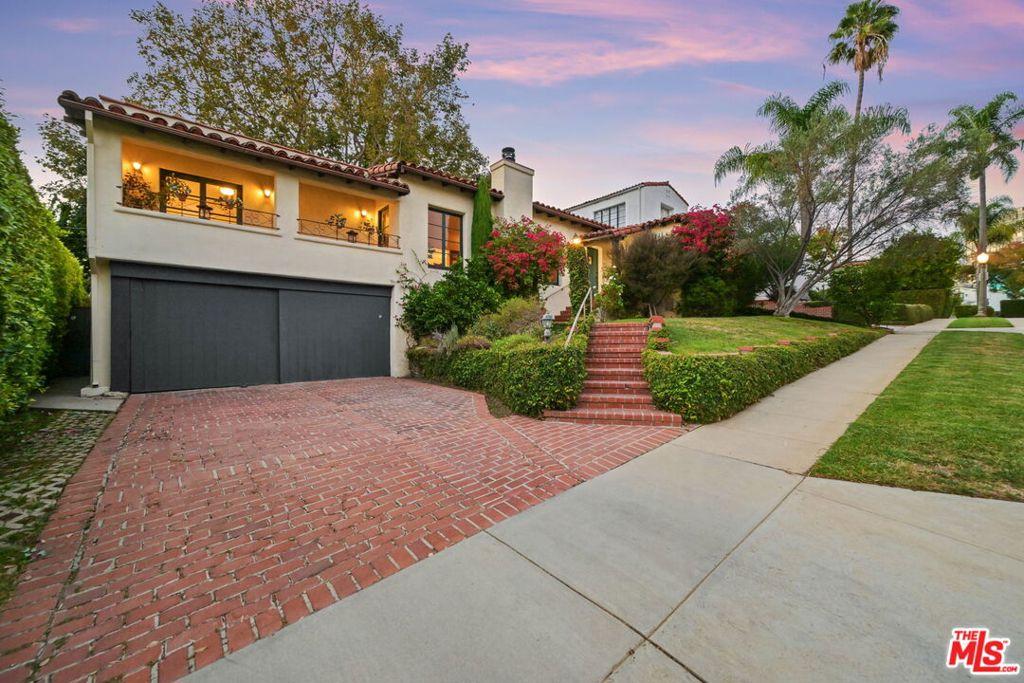
Effectively no. The district was master-planned around commercial towers and attached residential density. Buyers seeking detached houses on the Westside typically look to Beverly Hills, Westwood, Cheviot Hills, or Beverlywood. We can run those comparisons for you.

Will the new Metro station affect condo values?

The Century City station is slated to open in Spring 2027 as part of D Line Extension Section 2. Rail access historically supports value in dense, employment-heavy districts, but nobody can accurately quote the size or timing of the effect on a specific building in advance. Treat it as a favorable structural factor, not as a number in your underwriting.

Can I rent out a Century City condo?

It depends on the building. Leasing rules, minimum lease terms, and caps on the number of leased units are set by each association’s governing documents, and some Century City buildings are investor-friendly while others are not. Review the CC&Rs and any rental-restriction amendments during your contingency period, and confirm how they interact with applicable state and city rental regulations.

What is a special assessment, and how do I see the risk in advance?

A special assessment is a charge beyond regular dues to fund a cost the reserves cannot cover, such as facade repair, elevator replacement, or plumbing recapitalization. You spot the risk in the reserve study percent-funded figure, in the board minutes, and in the SB 326 exterior elevated element report, which California added to the standard condo disclosure packet effective January 1, 2026 under SB 410.

How long do Century City condos take to sell?

Redfin data for the 90067 ZIP code showed homes typically spending around 75 days on market as of its May 2026 reading. Correctly priced, well-presented units in strong buildings move faster than that.

Is Century City walkable?

Within the district, yes. Westfield Century City, the office towers, the medical plaza, and most residential buildings sit within a short walk of each other. Beyond the boundaries, walkability drops off quickly.

How does The Knight Group work in the Century City condo market?

We work building by building. Before you tour, we pull the association’s most recent budget, reserve study summary, and disclosure packet, and we look at how your specific stack has traded rather than at the district average. On the sell side, we price against closed comparables in your building and floor band, not the neighborhood median, and we plan around the Measure ULA thresholds before the listing goes live rather than after an offer arrives.

We will tell you which buildings we think are well run and which we have reservations about, and we will show you the documents behind that view. We will also tell you when a different Westside submarket fits better. Precision is worth more than enthusiasm on a purchase this size. Review the inventory below, or reach out and we will assemble a building-level comparison for the units you are considering.

Work With Us

The Knight Group is here to help you with all your realty needs. To get started, fill out the form below and one of our experienced agents will contact you as quickly as possible.


The Knight Group Logo

The Knight Group

8560 W Sunset Blvd., Floor 3
West Hollywood, CA 90069
503-200-4823
[email protected]

Copyright © 2024 The Knight Group. 
All rights reserved.  License: 02133297

Hey, You ALMOST MISSED IT!

Lucky for you we’re looking out.

Subscribe to this Custom Search to be alerted when new properties hit the market in the area.

Choose the frequency that works for you.

get alerts

[showcaseidx_contact]