Fire Risk:
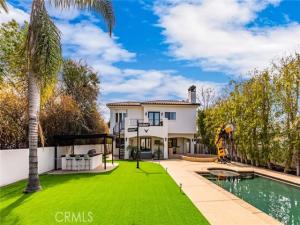
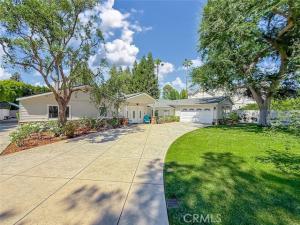
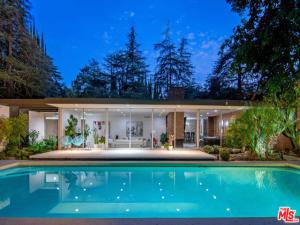
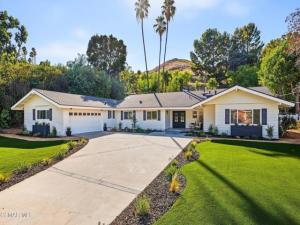
Climate: The larger lots and mature landscaping typical of Forest Hills Estates’ 1928-era and later homes provide more tree cover and shade than newer, more densely built tracts, while the area still experiences typical San Fernando Valley summer heat.
Getting Around: Forest Hills Estates is positioned for convenient access to Woodland Hills’ main commercial corridors along Ventura Boulevard, with the 101 freeway reachable within a short drive.
Schools:
Water: Water service is provided by the Los Angeles Department of Water and Power (LADWP).
What are the schools like in Woodland Hills?
Los Angeles Unified School District (LAUSD) serves this area. Within the neighborhood’s draw zone, families typically access Haynes Charter, Robert Frost Middle, and El Camino Real Charter. LAUSD and private school options are also available for families pursuing specialized programs in math, arts, or bilingual education. The availability of strong public schools at multiple grade levels is a consistent driver of demand in this area.
How do you commute from Forest Hills Estates?
Residents commute primarily via Ventura Blvd, the 101 Freeway, and De Soto Ave, with typical drive times of 25–50 minutes to Warner Center, Burbank, and Century City. For buyers who prioritize non-freeway alternatives, local surface streets and rideshare coverage are solid. Remote work has reduced the commute calculus for many buyers in this market, but access to major employment corridors still factors into pricing at the neighborhood level.
What dining and shopping is near Forest Hills Estates?
Day-to-day conveniences are handled by The Village at Westfield Topanga, Ventura Blvd restaurant corridor, and Warner Center. Grocery options, pharmacies, fitness studios, and coffee shops are accessible without significant driving. The mix of national brands and local independents gives the area a lived-in feel that distinguishes it from purely commercial suburban centers.
What outdoor activities are near Forest Hills Estates?
Outdoor recreation centers on Topanga State Park, the Nash Bridges filming locations, and Westfield Topanga. Year-round outdoor activity is the norm in Southern California, and this neighborhood’s access to trails, parks, and recreational facilities is a meaningful part of the value proposition for active buyers. Nearby options expand the range further for buyers who prioritize specific activities like cycling, hiking, or swimming.
What is it like to live in a House In Forest Hills?
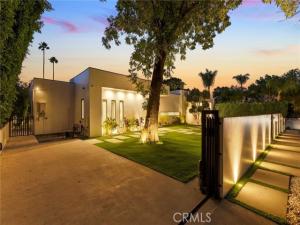
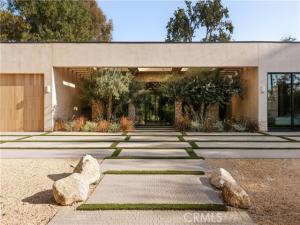
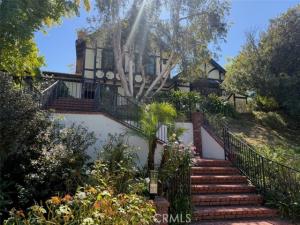
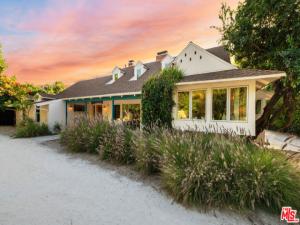
- Forest Hills Estates homes sit on larger lots with mature landscaping that provide more tree cover and shade than newer, densely built tracts.
- Summer heat in Forest Hills Estates remains typical of the San Fernando Valley despite the additional shade the mature landscaping provides.
- A House In Forest Hills is positioned for convenient access to Woodland Hills’ main commercial corridors along Ventura Boulevard.
- Water service for Forest Hills Estates comes from the Los Angeles Department of Water and Power.
- Los Angeles Unified School District serves the area surrounding a House In Forest Hills.
- Families in the neighborhood draw zone typically access Haynes Charter, Robert Frost Middle, and El Camino Real Charter.
- Private school options join LAUSD choices for families pursuing specialized programs in math, arts, or bilingual education.
- Strong public schools at multiple grade levels remain a consistent driver of demand throughout Forest Hills Estates.
- Remote work has reduced the commute calculus for many buyers, though access to major employment corridors still factors into neighborhood pricing.
- Day-to-day conveniences near a House In Forest Hills include The Village at Westfield Topanga, the Ventura Boulevard restaurant corridor, and Warner Center.
- Outdoor recreation centers on Topanga State Park, the Nash Bridges filming locations, and Westfield Topanga for hiking, cycling, and swimming.
MarketTrends
Pricing Snapshot: As of mid-June 2026, Woodland Hills citywide has a median sale price around $1,340,000, up 6.3% year over year, or about $614 per square foot (down 1.8% year over year), with a median list price around $1,470,000, or about $640 per square foot. About 223 homes were on the market with 67 recently sold, homes typically going pending in around 53 days at about 99.8% of list price, buyers averaging roughly four offers per home, and a typical down payment around 17.0% (source: Redfin).
Recent Sales and Inventory: With home sizes ranging from about 2,137 to 7,082 square feet and an overall average around 3,882 square feet, Forest Hills Estates homes are considerably larger than the Woodland Hills citywide average, which generally puts total sale prices well above the citywide median even when the per-square-foot rate is comparable.
Price Trends: The neighborhood’s small size, about 53 residences, means relatively few homes come to market in a given year, and the larger 5-bedroom, 4-bathroom properties typical of the area have continued to draw buyers looking for more space than standard Woodland Hills tracts offer. When a Forest Hills Estates home does list, its size and lot generally place it well above the citywide median on a total price basis, even in years when per-square-foot pricing across Woodland Hills is flat.
How is the Woodland Hills real estate market?
Woodland Hills is the western SFV’s most diverse housing market by price tier: the Warner Center high-rise condo zone trades $450K-$850K; the south-of-Ventura flat residential grid trades $1.0M-$1.8M for single-family; and the north-of-Ventura hillside estates command $2.0M-$5.5M+ for the view properties above the boulevard. The Warner Center employment hub (home to major employers including Warner Bros. Games, Anthem Blue Cross, and the many commercial office tenants in the WB Building and adjacent towers) creates a walk-or-bike-to-work buyer profile from the adjacent residential neighborhoods that few SFV communities can match. The Ventura Boulevard commercial corridor provides the retail and dining infrastructure; the US-101 freeway access at multiple Woodland Hills interchanges connects the western SFV to Downtown (30-35 minutes), the Westside via the 405 interchange at Calabasas (20-25 minutes), and the Conejo Valley employment corridor to the west. Woodland Hills’ appreciation over the past decade has outpaced the broader SFV average due to the Warner Center employment growth and the continued investment in the western boulevard commercial corridor.
What is the market like for a House In Forest Hills?
- Forest Hills Estates homes are considerably larger than the Woodland Hills citywide average, putting total sale prices well above the citywide median.
- Per-square-foot pricing in Forest Hills Estates can look comparable to Woodland Hills overall while total prices still land far higher.
- The small size of Forest Hills Estates means relatively few homes come to market in a given year.
- Larger properties typical of a House In Forest Hills continue drawing buyers who want more space than standard Woodland Hills tracts offer.
- Size and lot generally place a House In Forest Hills well above the citywide median on a total price basis.
- Flat per-square-foot pricing across Woodland Hills has not stopped Forest Hills Estates listings from clearing the citywide median.
- Woodland Hills ranks as the western San Fernando Valley’s most diverse housing market by price tier.
- The Warner Center high-rise condo zone, the south-of-Ventura flat residential grid, and north-of-Ventura hillside estates form the three Woodland Hills tiers.
- Warner Center serves as an employment hub anchored by major employers including Warner Bros. Games, Anthem Blue Cross, and commercial office tenants.
- Walk-or-bike-to-work buyer profiles emerge from residential neighborhoods adjacent to Warner Center, a pattern few San Fernando Valley communities can match.
- The Ventura Boulevard commercial corridor supplies the retail and dining infrastructure serving buyers of a House In Forest Hills.
- Woodland Hills appreciation has outpaced the broader San Fernando Valley average due to Warner Center employment growth and boulevard commercial investment.
What is Forest Hills Estates known for?
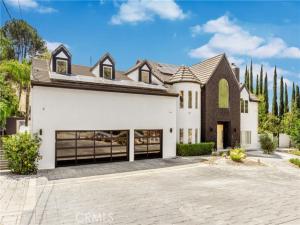
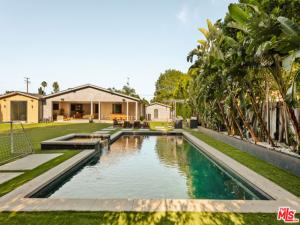
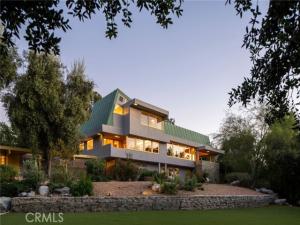
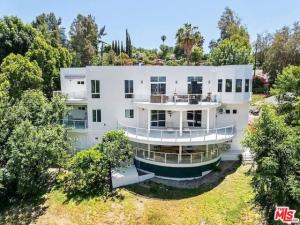
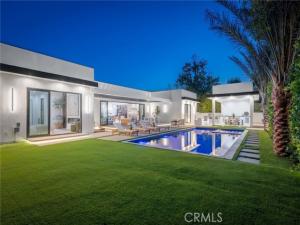
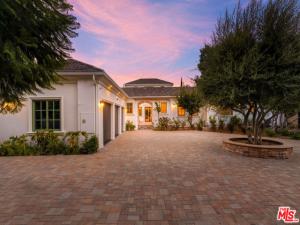
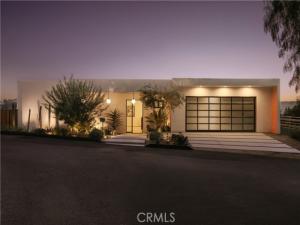
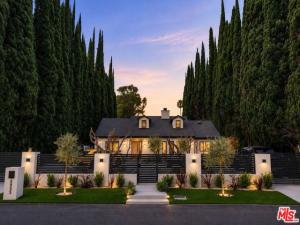
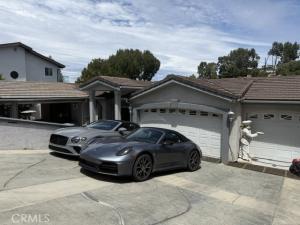
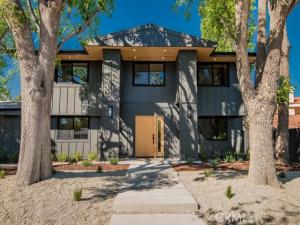
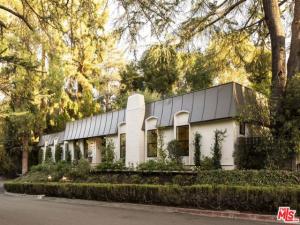
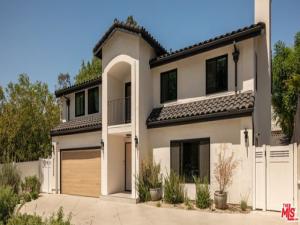
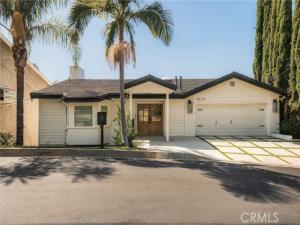
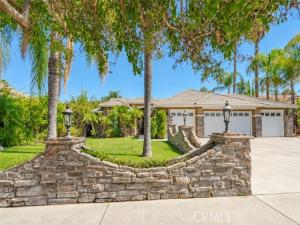
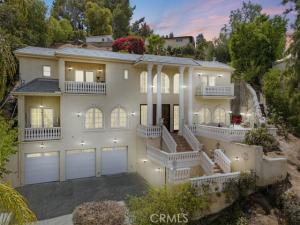
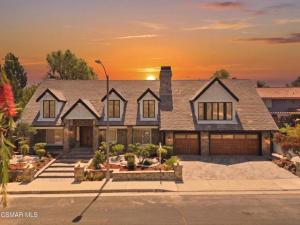
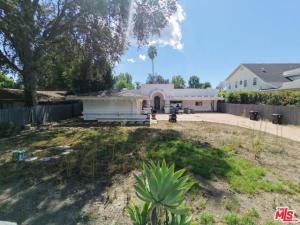
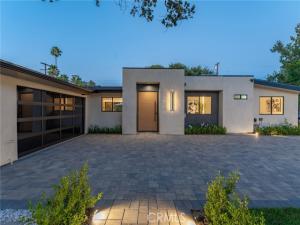
Forest Hills Estates is a small, upscale neighborhood of about 53 residences in Woodland Hills, known for larger, well-established homes dating back to 1928.
How big are the homes in Forest Hills Estates?
Home sizes range from about 2,137 to 7,082 square feet, with an overall average around 3,882 square feet, and a typical property is a 5-bedroom, 4-bathroom home.
Why does Forest Hills Estates have low turnover?
With only about 53 residences in the neighborhood, relatively few homes come to market in a given year compared to larger surrounding tracts.
How competitive is the market for homes in Woodland Hills?
Competition varies significantly by price point and condition. Turnkey single-family homes in desirable pockets of Woodland Hills often attract multiple offers — particularly when listed under $900K. Fixer-uppers and properties with deferred maintenance see much softer competition. Working with an agent who has real-time visibility into days-on-market and offer-history data is critical to calibrating your bid strategy correctly.
Is Woodland Hills a good area for long-term appreciation?
Woodland Hills has demonstrated consistent appreciation over the past decade, supported by Woodland Hills offers more square footage per dollar than most Valley markets, attracting value-driven buyers. While no market guarantees future returns, the fundamentals here — limited land supply, strong school performance, and proximity to employment — align with the characteristics that historically underpin sustained appreciation in Southern California. The Knight Group can provide a detailed appreciation analysis for specific streets or sub-neighborhoods on request.
What should buyers know about off-market homes in Woodland Hills?
A meaningful percentage of transactions in Woodland Hills — particularly in the upper price tiers — never hit the MLS. Sellers who want privacy, convenience, or to avoid the preparation costs of a listed sale often prefer a direct buyer introduction. The Knight Group maintains an active off-market network in Woodland Hills and can present qualified buyers to sellers before a property is listed. If your target property type is not available on-market, a conversation with our team about off-market options is worth having.
How do I find the right neighborhood within Woodland Hills?
Woodland Hills contains multiple distinct micro-neighborhoods, each with its own character, price range, and amenity profile. The differences between a north-of-Ventura address and a south-of-Ventura address in this area, for example, can be meaningful in terms of pricing, lot size, and school assignment. The Knight Group provides neighborhood-level guidance — not just city-level — to ensure buyers understand exactly what they are buying into before making an offer.
What is the typical home price in Forest Hills Estates Woodland Hills?
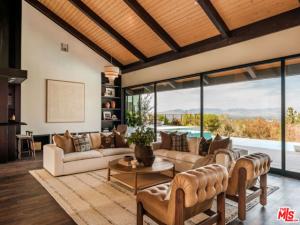
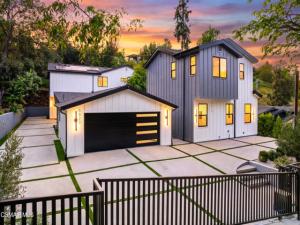
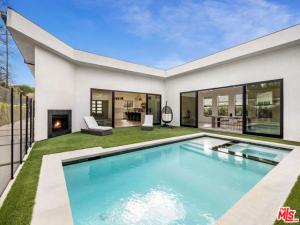
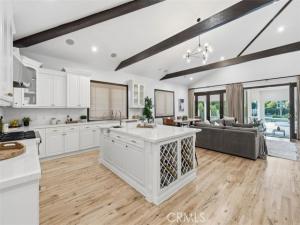
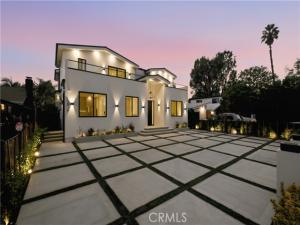
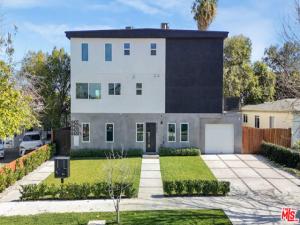
Forest Hills Estates properties typically trade in the $1.8M-$4.5M range, reflecting the estate lot sizes, the hillside views, and the mature residential character that distinguishes the neighborhood from the flat Woodland Hills grid. The lower end of the range reflects dated originals or smaller hillside homes; the upper end reflects the fully updated or newly built estate properties with contemporary finishes, pool, and the full hillside amenity package. The VHFHSZ fire insurance cost (typically $4,000-$10,000+/year for specialty coverage) should be factored into the total cost of ownership analysis.