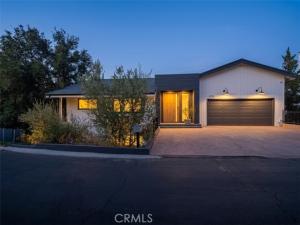
Fire Risk: Warner Center sits on flat ground at the commercial core of Woodland Hills, well away from the Santa Monica Mountains foothills that carry the highest wildfire designations in the city.
Climate: As a dense, heavily paved commercial and residential core, Warner Center can run slightly warmer in summer than tree-lined residential pockets elsewhere in Woodland Hills, though the area’s parks provide some relief.
Getting Around: Warner Center sits at the junction of Topanga Canyon Boulevard and Victory Boulevard, with Westfield Topanga and The Village within walking distance for many residents, and the 101 freeway reachable within a short drive.
Schools: Warner Center is known for access to reputable charter schools in the surrounding area.
Water: Water service is provided by the Los Angeles Department of Water and Power (LADWP).
What are the schools like in Woodland Hills?
Los Angeles Unified School District (LAUSD) serves this area. Within the neighborhood’s draw zone, families typically access Haynes Charter, Robert Frost Middle, and El Camino Real Charter. LAUSD and private school options are also available for families pursuing specialized programs in math, arts, or bilingual education. The availability of strong public schools at multiple grade levels is a consistent driver of demand in this area.
How do you commute from Warner Center?
Residents commute primarily via Ventura Blvd, the 101 Freeway, and De Soto Ave, with typical drive times of 25–50 minutes to Warner Center, Burbank, and Century City. For buyers who prioritize non-freeway alternatives, local surface streets and rideshare coverage are solid. Remote work has reduced the commute calculus for many buyers in this market, but access to major employment corridors still factors into pricing at the neighborhood level.
What dining and shopping is near Warner Center?
Day-to-day conveniences are handled by The Village at Westfield Topanga, Ventura Blvd restaurant corridor, and Warner Center. Grocery options, pharmacies, fitness studios, and coffee shops are accessible without significant driving. The mix of national brands and local independents gives the area a lived-in feel that distinguishes it from purely commercial suburban centers.
What outdoor activities are near Warner Center?
Outdoor recreation centers on Topanga State Park, the Nash Bridges filming locations, and Westfield Topanga. Year-round outdoor activity is the norm in Southern California, and this neighborhood’s access to trails, parks, and recreational facilities is a meaningful part of the value proposition for active buyers. Nearby options expand the range further for buyers who prioritize specific activities like cycling, hiking, or swimming.
What is it like to live in Warner Center Woodland Hills Homes?
- Warner Center Woodland Hills Homes sit on flat ground at the commercial core of Woodland Hills, away from the Santa Monica Mountains foothills.
- Wildfire designations that rank highest in the city apply to the foothills, not to this flat commercial core of Woodland Hills.
- Summer temperatures here can run slightly warmer than tree-lined residential pockets elsewhere in Woodland Hills, given the dense, heavily paved surroundings.
- Parks throughout the area provide some relief from the heat that dense paving and commercial development tend to hold.
- Warner Center Woodland Hills Homes cluster at the junction of Topanga Canyon Boulevard and Victory Boulevard, the spine of the surrounding street grid.
- Westfield Topanga and The Village fall within walking distance for many residents, putting shopping and dining outside the car entirely.
- Freeway access is a short drive away, keeping the wider region reachable without long approach routes through residential streets.
- Reputable charter schools in the surrounding area are a well-known part of what draws families to Warner Center Woodland Hills Homes.
- Los Angeles Unified School District serves this area, with Haynes Charter, Robert Frost Middle, and El Camino Real Charter in the draw zone.
- Private school options join district programs for families pursuing specialized instruction in math, arts, or bilingual education.
- Commuters rely primarily on Ventura Boulevard, the freeway, and De Soto Avenue to reach employment centers in Burbank and Century City.
- Topanga State Park, local trails, and nearby recreational facilities support cycling, hiking, and swimming for buyers who prioritize active outdoor routines.
What is Warner Center?
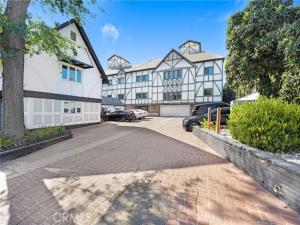
Warner Center is the commercial and residential heart of Woodland Hills, combining office towers, hotels, and a major shopping and dining complex with about 2,608 residences, mostly condos and apartment-style homes.
What types of homes are in Warner Center?
Home sizes range from about 600 to 2,170 square feet, with an overall average around 1,100 square feet, and a typical property is a 2-bedroom, 2-bathroom home in a condo or apartment-style building.
What is within walking distance of Warner Center homes?
Westfield Topanga and The Village, with stores like Target, Whole Foods, and Trader Joe’s, are within walking distance for many residents, along with several parks and reputable charter schools.
How competitive is the market for homes in Woodland Hills?
Competition varies significantly by price point and condition. Turnkey single-family homes in desirable pockets of Woodland Hills often attract multiple offers — particularly when listed under $900K. Fixer-uppers and properties with deferred maintenance see much softer competition. Working with an agent who has real-time visibility into days-on-market and offer-history data is critical to calibrating your bid strategy correctly.
Is Woodland Hills a good area for long-term appreciation?
Woodland Hills has demonstrated consistent appreciation over the past decade, supported by Woodland Hills offers more square footage per dollar than most Valley markets, attracting value-driven buyers. While no market guarantees future returns, the fundamentals here — limited land supply, strong school performance, and proximity to employment — align with the characteristics that historically underpin sustained appreciation in Southern California. The Knight Group can provide a detailed appreciation analysis for specific streets or sub-neighborhoods on request.
What should buyers know about off-market homes in Woodland Hills?
A meaningful percentage of transactions in Woodland Hills — particularly in the upper price tiers — never hit the MLS. Sellers who want privacy, convenience, or to avoid the preparation costs of a listed sale often prefer a direct buyer introduction. The Knight Group maintains an active off-market network in Woodland Hills and can present qualified buyers to sellers before a property is listed. If your target property type is not available on-market, a conversation with our team about off-market options is worth having.
How do I find the right neighborhood within Woodland Hills?
Woodland Hills contains multiple distinct micro-neighborhoods, each with its own character, price range, and amenity profile. The differences between a north-of-Ventura address and a south-of-Ventura address in this area, for example, can be meaningful in terms of pricing, lot size, and school assignment. The Knight Group provides neighborhood-level guidance — not just city-level — to ensure buyers understand exactly what they are buying into before making an offer.
Is the Warner Center area a good place to live without a car?
Warner Center is the most car-optional address in the western SFV: the Westfield Topanga and the Village at Westfield Topanga shopping centers (with grocery, dining, entertainment, and retail) are walkable from the Warner Center residential towers; the Metro G Line provides transit to North Hollywood; and the office towers within the Warner Center commercial complex are accessible on foot or by bike for the resident who works in the area. It is not entirely car-free (the broader SFV requires a car for most activities outside the Warner Center core), but it offers a significantly more transit and pedestrian-friendly experience than the typical SFV suburban residential neighborhood.