Browse all Monterey County real estate.

Browse all Monterey County real estate.
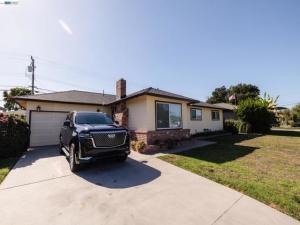
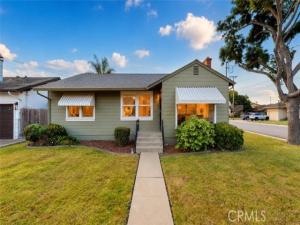
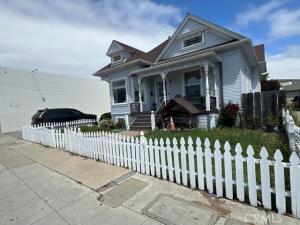
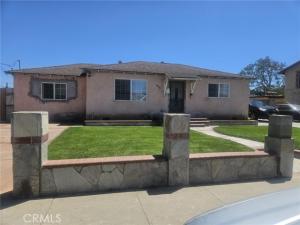
Homes for Sale in Salinas currently number 92 active listings with a median asking price of $695,000 (CRMLS, September 2026).
If you’re looking at homes for sale in Salinas, you’re looking at the most attainable entry point into Monterey County. Salinas is the county’s largest city, about 19 miles inland from Monterey by road, with Highway 101 running through it and Route 68 connecting west to the coast. Estimates of the median vary by source, from roughly $691,905 to about $809,500, which tells you something real: this is a mixed market, and a single average describes almost none of it.
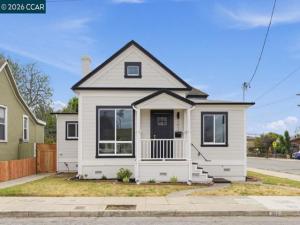
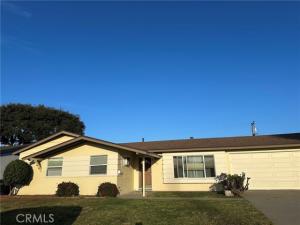
Most of what sells here is detached single-family housing with actual yards. The range runs from the older, denser Alisal on the east side at the affordable end, through established South Salinas near Hartnell Park and Salinas High, to newer Creekbridge and the hillside homes of Toro Park along the 68 corridor, where the median runs near $1,183,000. Inventory is limited and well-priced homes move fast.
Browse the current Salinas listings below, or contact The Knight Group to talk through which part of the city fits how you actually live and what you plan to spend.
Salinas sits inland in the Salinas Valley, roughly 19 miles from the city of Monterey by road, per Travelmath. U.S. Route 101 runs directly through the city and is the spine of the region: it connects north toward San Jose and the wider Bay Area and south down the valley toward Paso Robles and beyond. State Route 68, sometimes called the Monterey-Salinas Highway, links the city west to the coast and Highway 1.
That position matters for two reasons. First, it puts the beaches, aquarium, and golf of the Monterey Peninsula within a short drive without paying peninsula prices. Second, it makes Salinas a commuter option for people who work in Monterey or the South Bay but want more house for the money. The trade-off is real: Route 68 and 101 both carry commute traffic at peak hours, so test your specific drive before you commit to a neighborhood.
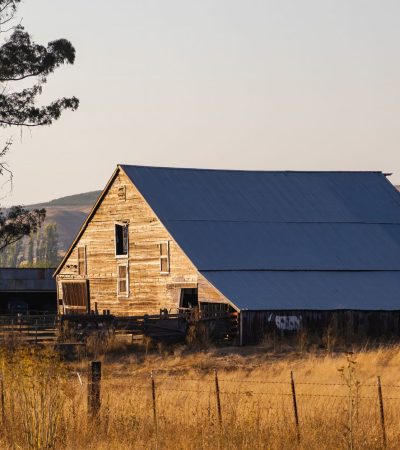
The land around the city is farmland. The Salinas Valley is one of the most productive agricultural regions in the country, and that open, cultivated landscape defines the edges of nearly every Salinas neighborhood.
Salinas earned the nickname because the surrounding valley grows an enormous share of the nation’s lettuce and leafy greens. Per See Monterey and regional reporting, the local agricultural industry is valued in the billions of dollars annually, with crops that include lettuce, strawberries, spinach, cauliflower, celery, artichokes, garlic, and grapes.
This is not a decorative fact. Agriculture is the economic engine that keeps the Salinas job market stable and, in turn, keeps housing demand steady. Major produce companies are headquartered here: Taylor Farms, one of the largest fresh-cut vegetable producers in the world, moved its corporate headquarters into a tower in Oldtown Salinas in 2015. When you buy in Salinas, you are buying into an economy that does not rise and fall on a single tech cycle. It rises and falls on food, which people buy in every economy.
Prices depend on which source and which month you look at, and the estimates diverge. NeighborhoodScout has reported a median home value near $772,797. Zillow’s typical home value came in lower, around $691,905, while separate MLS-based figures put the single-family median closer to $809,500 in early 2026 and around $738,000 by May 2026. Read that spread as a signal: Salinas is a genuinely mixed market where a modest Alisal bungalow and a Toro Park hillside home are both “Salinas,” and averaging them produces a number that describes neither.
What holds across sources is the shape of the market. Redfin has described Salinas as a seller’s market with limited inventory and homes selling close to or slightly above asking. That means competitive offers on well-priced listings and little room for a buyer who moves slowly. It also means sellers with a clean, correctly priced home have leverage.
The honest framing for a buyer: Salinas is not cheap by national standards, but it is one of the more attainable entry points to Monterey County. For a seller, the scarcity of inventory works in your favor, provided you price to the actual comparable set and not to a coastal fantasy.
Salinas breaks into distinct districts, each with its own price tier and character.
South Salinas is one of the older and more established parts of the city, running south from downtown toward the farmland. It carries a mix of housing and dining along Main Street, sits near Hartnell Park and Salinas Valley Health Medical Center, and feeds Salinas High School. Homes.com has reported a South Salinas median sale price near $780,000. This is a walkable, mature part of town for buyers who want established streets over new construction.
Toro Park sits southwest of the city proper along the Highway 68 corridor, tucked into the rolling hills near Toro County Park. It is the top price tier in the Salinas market. Homes.com has cited a Toro Park single-family median near $1,183,000, reflecting larger lots, newer and larger homes, and strong local schools. If your budget reaches this level and you want space and a semi-rural setting while staying close to both Salinas and Monterey, this is the area to study.
Creekbridge is a suburban district northeast of the hospital, built largely in the late 1990s and early 2000s. Homes.com has reported a Creekbridge median around $765,000, with proximity to Natividad Park, golf, and shopping. It is a common landing spot for first-time buyers and for people relocating from more expensive coastal markets who want a newer, low-maintenance home.
The Alisal, on the east side, is one of the most densely settled and historically working-class parts of Salinas, with its own school district and a strong agricultural-worker heritage. It generally sits at the more affordable end of the city’s price range.
Oldtown and downtown form the commercial and cultural core, home to the National Steinbeck Center, boutiques, and restaurants. Housing here trends toward older stock and some multifamily.
Salinas is served by several districts rather than one, and that structure matters when you pick an address. The Salinas Union High School District covers grades 7 through 12 across roughly 13 schools and about 15,000 students, per Wikipedia, including Salinas High, North Salinas High, Everett Alvarez High, Alisal High, and Rancho San Juan High.
Below the high school level, the city is divided among feeder elementary districts. The Alisal Union School District serves grades K through 6 with roughly 12 schools on the east side. The Santa Rita Union Elementary School District serves grades K through 8 with elementary and middle schools in the northern part of the city. Additional districts, including Salinas City Elementary, cover other neighborhoods.
The practical point: two homes a mile apart can feed entirely different elementary and middle schools. If schools drive your purchase, confirm the exact attendance boundary for a specific parcel before you write an offer, rather than trusting a neighborhood name. The Knight Group can pull the district and school assignment for any address you are considering.
Salinas is a working city with deep cultural roots, not a resort town. The California Rodeo Salinas, which began as a Wild West show in 1911, runs each July and is one of the largest rodeos in the country and the largest in the state, per See Monterey. The National Steinbeck Center anchors Oldtown and honors the city’s most famous native, novelist John Steinbeck, who was born here in 1902 and set much of his fiction in this valley. A Steinbeck Festival brings lectures, music, and events to the center.
Day to day, the appeal is a farm-to-table food scene fed by the surrounding fields, farmers markets, and easy access to the outdoors: Toro County Park for hiking, the coast a short drive west, and the golf and beaches of the Monterey Peninsula within reach. The climate is moderate, cooled by Pacific breezes, with milder summers than the inland valleys farther east.
Understand the trade-off clearly. Salinas gives you authentic community, real affordability relative to the coast, and proximity to Monterey’s amenities. It does not give you a beach town’s polish or a downtown-Monterey walk to the water. Buyers who want the coast without coastal prices use Salinas as the smart compromise.
The investment case rests on the local economy. Because agriculture drives employment here, the job base is less exposed to the boom-and-bust swings of tech-heavy regions. That supports steady rental demand and a floor under home values. Single-family detached homes make up the majority of the housing stock, per NeighborhoodScout, with a meaningful share of apartments and smaller multifamily buildings that appeal to income investors.
The counterweight is the same seller’s-market dynamic that helps sellers: tight inventory and competitive pricing make it harder to buy well, and thin margins punish overpaying. As with any market, the return depends on the entry price and the specific property, not on the city’s reputation. Bring a clear budget and a disciplined offer strategy.
A few items deserve real diligence. First, school boundaries, as noted, cross neighborhood lines and change the value proposition of otherwise similar homes. Second, some newer subdivisions in California carry Mello-Roos special taxes that fund infrastructure and are added on top of standard property tax. These are not universal in Salinas, but if you are buying newer construction, ask directly whether a Community Facilities District tax applies to the parcel, because it changes your monthly cost.
Third, confirm the true commute for your job. Salinas works as a value play precisely because it is inland, but Route 68 and Highway 101 congestion at peak hours is a genuine daily cost for peninsula and South Bay commuters. Drive it at the hour you would actually drive it. Fourth, in a fast market, get pre-approved and be ready to write a clean, competitive offer rather than assume you will have time to deliberate.
The short version: Salinas trades ocean proximity for space and affordability. Coastal Monterey County cities like Monterey, Pacific Grove, Carmel, and Pebble Beach command a premium for the water, the weather, and the scarcity of land. Salinas, 19 miles inland, gives you more home, more lot, and a lower price for the same money, at the cost of a drive to the beach.
For many buyers that is the right trade. A family that needs four bedrooms and a yard, or an agricultural professional working the valley, gets far more in Salinas than the coast will ever offer at the same budget. For a buyer whose entire reason for being in Monterey County is to walk to the water, the coast is worth the premium. The Knight Group can run both scenarios side by side so the trade-off is a decision, not an accident.
Start by deciding whether commute, budget, or lot size drives your decision, because those three pull in different directions here. If your ceiling is firm and you want to be in the market now, the east side and the older stock closer to the city center give you the most room. If you can stretch, the 68 corridor buys you hillside lots and a shorter run to the coast, but it competes with a much smaller pool of listings. Buyers relocating from the peninsula or the South Bay often land in the newer suburban tracts because the maintenance load is lighter and the layouts are familiar.
Whatever tier you shop, come prepared. Salinas real estate moves quickly when a home is priced correctly, so have financing in place and be ready to view within days of a listing going live rather than waiting for a weekend open house.
Yes. Salinas sits inland and consistently prices below the coastal Monterey Peninsula cities. Buyers routinely get more square footage and larger lots in Salinas for the same budget that would buy a smaller home near the water.
Toro Park, along the Highway 68 corridor toward Monterey, is the top price tier. Homes.com has cited a single-family median near $1,183,000, reflecting larger homes, bigger lots, and its semi-rural hillside setting.
Creekbridge is a common entry point. Built largely in the late 1990s and early 2000s, it offers newer homes near parks, golf, and shopping, with a median Homes.com has reported around $765,000. South Salinas is a more established alternative near downtown.
Recent data from Redfin has described Salinas as a seller’s market, with limited inventory and homes selling close to or above asking. Buyers should be pre-approved and ready to write competitive offers on well-priced listings.
The city of Monterey and its coastline are roughly 19 miles away by road, per Travelmath, typically via State Route 68 to Highway 1. Plan for commute-hour traffic on that corridor.
Agriculture. The Salinas Valley is known as the Salad Bowl of the World and grows a large share of the nation’s lettuce and leafy greens. Major produce companies, including Taylor Farms, are headquartered here, which supports a stable local job base.
Some newer subdivisions in California carry Mello-Roos special taxes, which fund infrastructure on top of regular property tax. It is not universal in Salinas. Always ask whether a specific parcel sits in a Community Facilities District before you buy newer construction.
Multiple districts do. The Salinas Union High School District covers grades 7 through 12 citywide, while separate elementary districts, including Alisal Union, Santa Rita Union, and Salinas City Elementary, serve the lower grades by area. Confirm the exact assignment for any address.
The Knight Group represents buyers and sellers across Monterey County, and Salinas is a core part of that footprint. For buyers, that means matching your budget to the right district, pulling the exact school assignment and any special-tax status for a parcel before you offer, and building a competitive offer strategy for a market where good listings move quickly.
For sellers, it means pricing to the real comparable set for your specific neighborhood rather than a citywide average that flatters or undersells your home, then positioning it to capture the leverage that current low inventory provides. Salinas is a market of distinct pockets, and precision beats generalities in every one of them.
Browse the Salinas listings below, then contact The Knight Group to talk through your budget, your commute, and the neighborhoods that actually fit. We will give you the trade-offs straight, so the decision is yours to make with full information.
Lucky for you we’re looking out.
Subscribe to this Custom Search to be alerted when new properties hit the market in the area.
Choose the frequency that works for you.