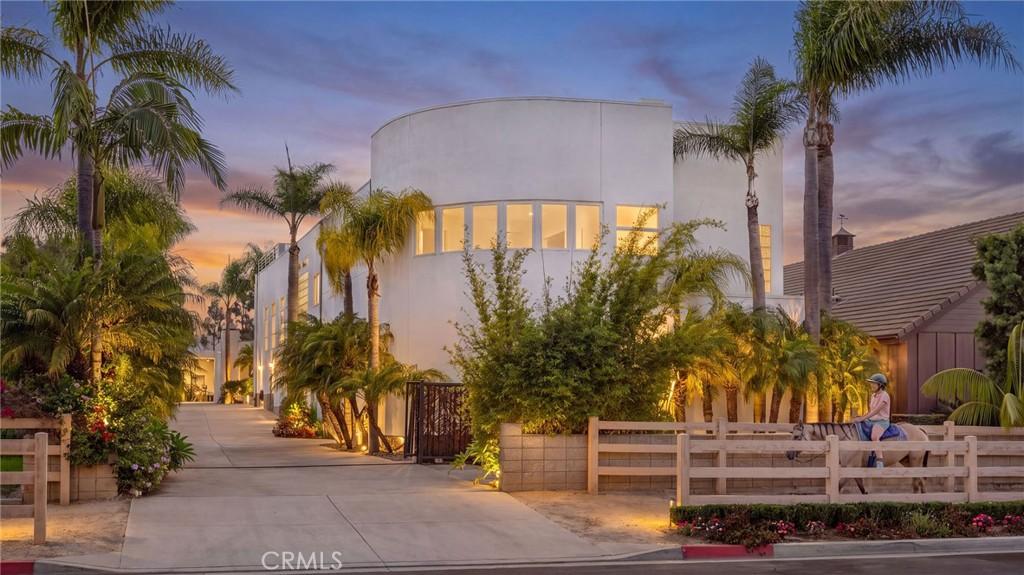
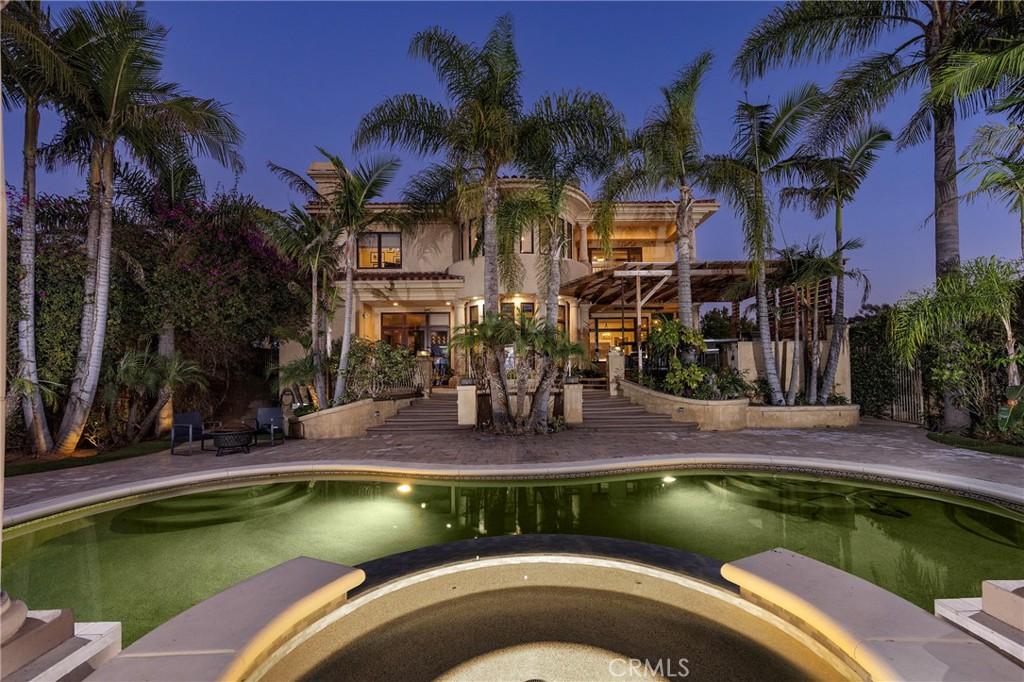
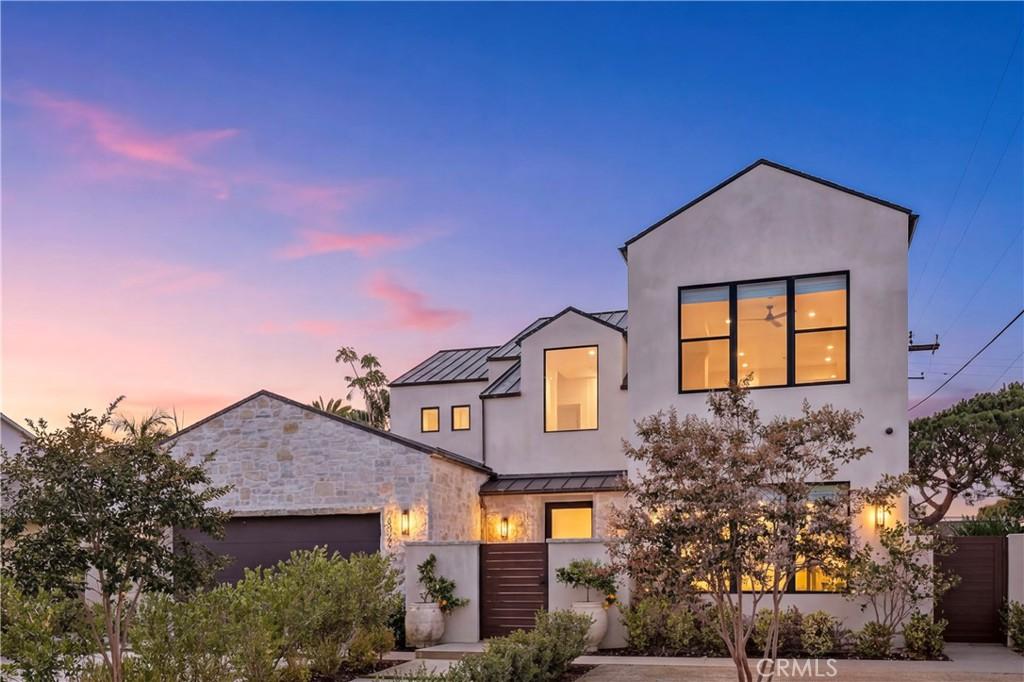
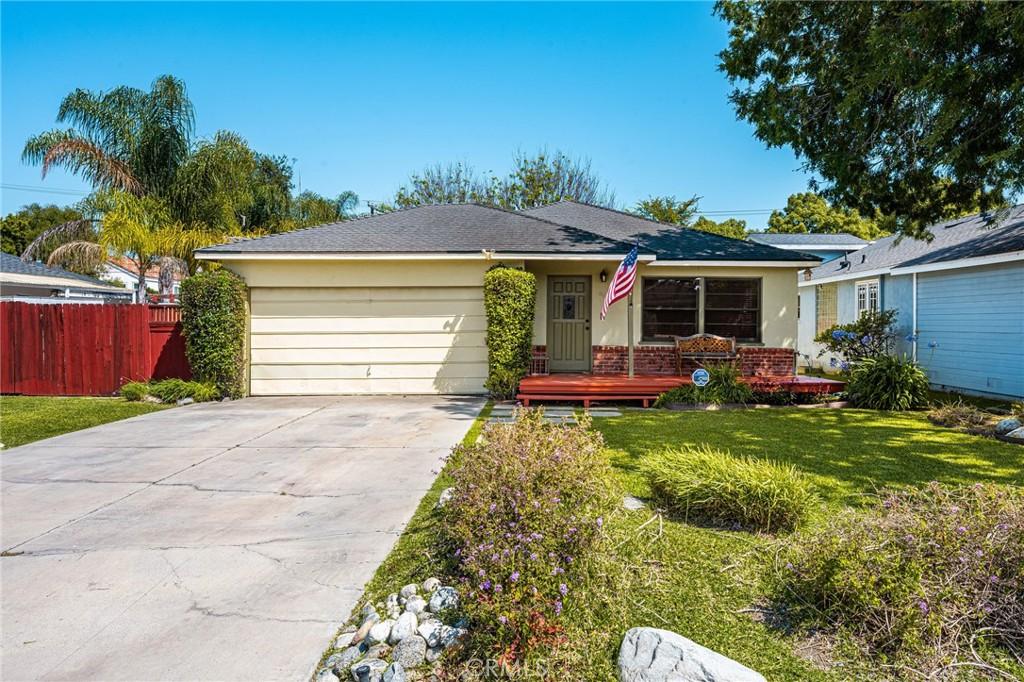
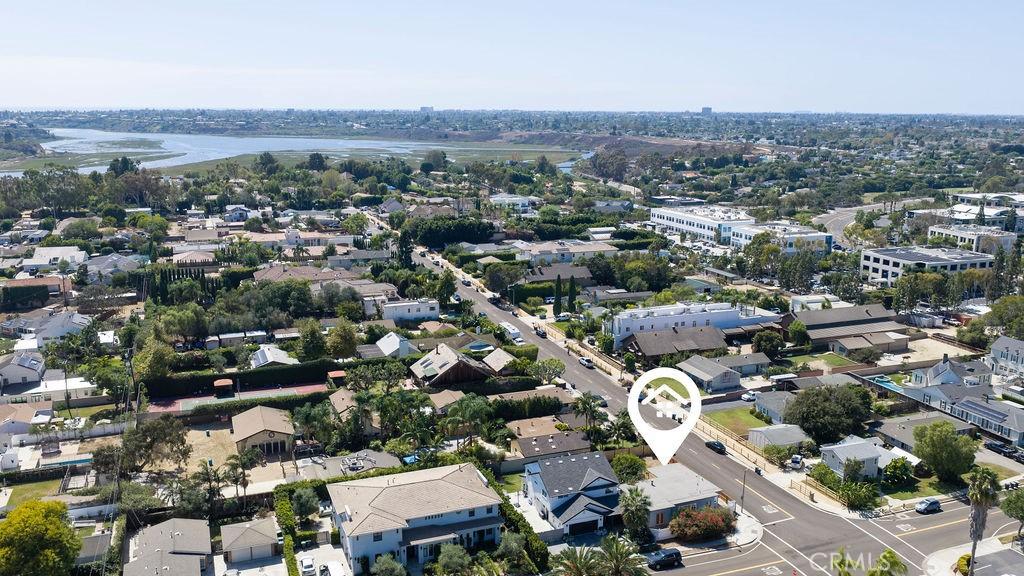
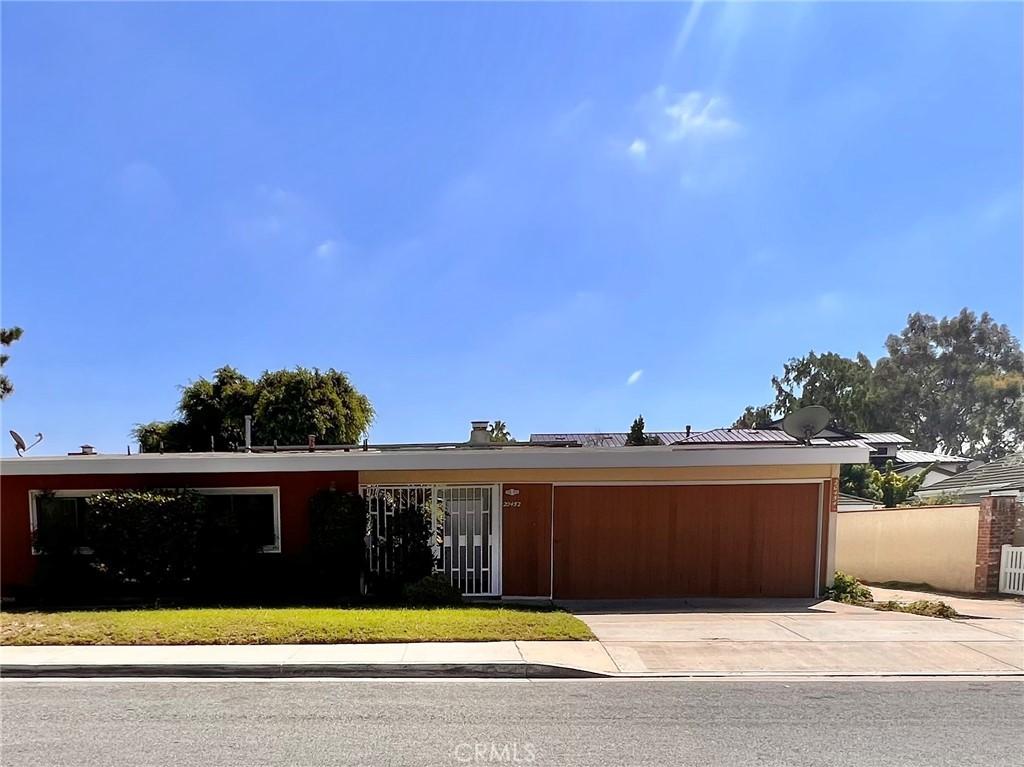
Santa Ana Heights Homes for Sale currently number 4 active listings with a median asking price of $6,649,500 (CRMLS, September 2026).
Browse all Orange County real estate.
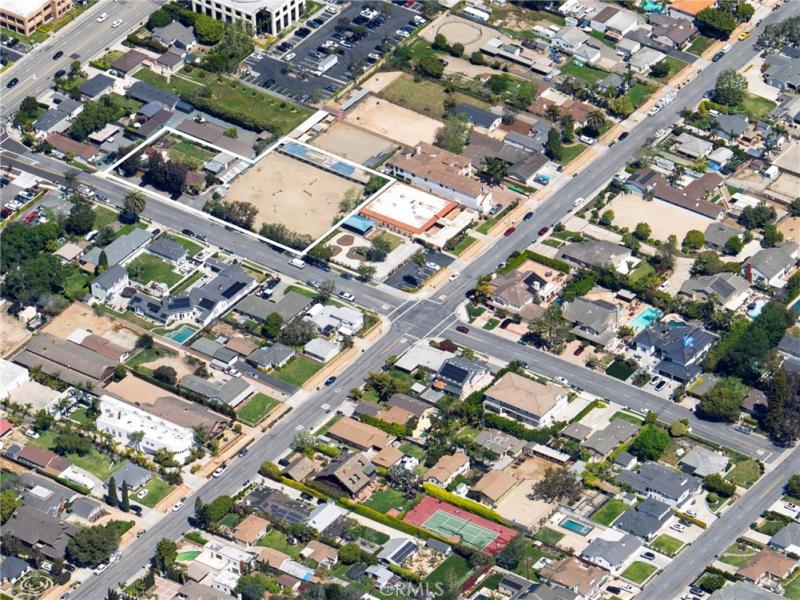
Santa Ana Heights sits near John Wayne Airport, a semi-rural pocket within reach of the coast that’s historically been known for larger residential lots and, in some areas, equestrian-friendly zoning.
Santa Ana Heights’ lots tend to run larger than typical Costa Mesa tract lots, and some areas carry a history of equestrian use or zoning that allows horse-keeping, an unusual configuration this close to the Orange County coast and John Wayne Airport.
Santa Ana Heights’ location near John Wayne Airport is a double-edged consideration: it offers convenience for frequent flyers, but buyers should factor in aircraft noise and confirm any flight-path disclosures for specific properties.
Santa Ana Heights’ 78-day average days-on-market, the longest of any Costa Mesa niche community covered here, likely reflects the more specialized nature of larger-lot and equestrian-zoned properties: these appeal to a narrower buyer pool than standard tract homes, which takes longer to find.
Santa Ana Heights is managed by a homeowners association that maintains common areas, enforces architectural standards to preserve neighborhood character, and manages any shared amenities. HOA fees at Santa Ana Heights vary by property type and unit size. Buyers should request the current HOA financial statements, CC&Rs, and reserve fund status as part of their due diligence. Understanding HOA financial health is particularly important for communities with significant shared infrastructure such as community pools, fitness facilities, or large-scale landscaping programs.
Santa Ana Heights attracts Costa Mesa buyers who specifically value the combination of community-scale living and Costa Mesa’s broader lifestyle access. The community’s established residential community character makes it particularly appealing to buyers who are downsizing from larger single-family homes and want to simplify exterior maintenance while maintaining a residential feel rather than transitioning to a high-rise or generic apartment complex. Families with school-age children benefit from Newport-Mesa Unified School District assignments, specifically the Costa Mesa High School and Estancia High School pathway, which serves most of Costa Mesa’s residential areas.
Homes in Santa Ana Heights were built as part of a planned development with a defined set of floor plans, though individual owners have modified their units over time through permitted additions and interior reconfigurations. Standard floor plans at Santa Ana Heights range from CRMLS listing data shows homes currently listed in Santa Ana Heights ranging from 932 to 7,300 square feet, with a median of 3,962 (5 active listings as of August 29, 2026). to . Most homes feature two-car garage parking, with some units offering additional driveway or community visitor parking. Buyers interested in specific floor plans should ask The Knight Group for a list of what has sold in Santa Ana Heights over the past 12 to 24 months to understand what plan types come available and at what price range.
Santa Ana Heights falls within the Newport-Mesa Unified School District, which serves both Costa Mesa and Newport Beach for grades K-12. Confirm the exact attendance boundary for a specific address with the district.
Costa Mesa maintains its own fire department, Costa Mesa Fire & Rescue, with six stations citywide (source: City of Costa Mesa Fire & Rescue). As a semi-rural pocket with larger lots, Santa Ana Heights’ wildfire-hazard profile should be confirmed for the specific property, particularly any with horse facilities or larger undeveloped portions of the lot. Buyers should pull the fire hazard severity zone disclosure for the specific address and get an insurance quote early given current California homeowners insurance market conditions.
The Mesa Water District provides water service to most of Costa Mesa, including Santa Ana Heights, drawing on local groundwater and imported supplies (source: Mesa Water District). Confirm the water provider for the specific address.
Santa Ana Heights’ inland position near John Wayne Airport gives it a moderate climate, with less marine layer influence than coastal Costa Mesa neighborhoods, and warmer summer afternoons typical of inland Orange County.
Given Santa Ana Heights’ proximity to John Wayne Airport, buyers should confirm any aircraft noise disclosures and consider visiting a prospective property at different times of day to assess noise levels firsthand.
Santa Ana Heights sits near John Wayne Airport, with access to the 405 and 73 freeways. Its location offers convenient access to both Costa Mesa and Newport Beach.
Costa Mesa has one of Orange County’s most diverse dining scenes, centered on the Metro Pointe, Triangle Square, and South Coast Drive corridors. The 17th Street commercial district has developed as a restaurant and bar destination. South Coast Plaza provides unmatched luxury retail access, with Nordstrom, Neiman Marcus, Bloomingdale’s, and hundreds of brand and boutique retailers within one complex. The Lab and The Camp, adjacent lifestyle retail centers, anchor an outdoor dining and shopping district frequented by Costa Mesa residents.
Costa Mesa is one of the better-positioned cities in Orange County for multi-directional commuters, with direct access to the 405, 55, and 73 freeways. John Wayne Airport is immediately adjacent, with noise considerations for some residential areas near its approaches but significant convenience for frequent fliers. Irvine’s employment centers are 15 to 20 minutes east on the 405. Newport Beach’s business and financial district is 10 minutes west. Los Angeles is 45 to 60 minutes north.
Santa Ana Heights residents have direct access to Costa Mesa’s outdoor recreation infrastructure. 10 minutes to Newport Beach, Crystal Cove State Park accessible via PCH provide the primary beach destinations within or near Costa Mesa. Costa Mesa occupies a unique position in Orange County: a city with strong arts infrastructure, a vibrant dining scene, immediate proximity to Newport Beach, and residential prices that remain more accessible than its coastal neighbors. Parks within or adjacent to Santa Ana Heights include , with additional county and state parks accessible within a 10 to 15-minute drive.
As of June 14, 2026, Santa Ana Heights carries 7 active listings, an average of 78 days on market, an average price of $906.03 per square foot, and a median list price of $2,200,000 (source: RubyHome MLS data, June 14, 2026).
Santa Ana Heights’ median list price of $2,200,000 sits in the upper tier of Costa Mesa’s niche communities, close to Mesa Verde Inner Loop ($2,289,000) and below Mesa Del Mar ($2,325,000), The Bird Streets ($2,450,000), and Eastside Costa Mesa ($2,570,000). Its $906.03 per-square-foot average is more moderate, reflecting that Santa Ana Heights’ premium comes more from larger lot sizes than from a high per-square-foot rate.
With 7 active listings and a 78-day average days-on-market, the slowest of any Costa Mesa niche community covered here, Santa Ana Heights moves notably slower than Mesa Verde (54 days) or even The Bird Streets (51 days), consistent with its more specialized, larger-lot inventory.
Larger lots, privacy, and in some areas equestrian-friendly zoning drive demand for Santa Ana Heights, appealing to a specific buyer profile willing to accept a longer search and sale process, and proximity to John Wayne Airport’s aircraft noise, in exchange for space that’s unavailable elsewhere in Costa Mesa.
Homes in Santa Ana Heights have historically traded in the range of $700,000 to $3M, though active listing prices at any given time reflect current market conditions and the specific floor plan, renovation level, and positioning within the community. Properties with view corridors, premium lot positions, or significant interior upgrades trade at the upper end of the community’s range, while standard-condition homes on interior lots represent the entry point. Buyers should request a detailed comparable sales analysis from The Knight Group before making any offer, as the Santa Ana Heights market is small enough that a few recent transactions can significantly influence perceived value.
Costa Mesa’s residential market reflects its position as the most accessible entry into the Newport Beach-adjacent coastal zone. Buyers who cannot afford Newport Beach prices but want the lifestyle adjacency find Costa Mesa’s residential market compelling. The city’s west-side neighborhoods, closest to Newport Harbor, trade at higher prices than east-side tracts near the 55 freeway. Costa Mesa’s strong rental demand, driven by proximity to OCC and the city’s employment centers, creates consistent investor interest in its condominium and townhome market alongside the owner-occupant buyer pool.
Costa Mesa attracts a diverse buyer pool. Young professionals and couples purchasing their first home find Costa Mesa more accessible than Newport Beach at comparable lifestyle proximity. Families value the Newport-Mesa Unified school district and the Estancia and Costa Mesa high school programs. Arts and entertainment professionals appreciate the city’s cultural infrastructure and dining scene. Investment buyers target the city’s robust rental market, particularly in condo communities near OCC and the South Coast Metro employment corridor.
Costa Mesa has historically appreciated at rates consistent with the broader coastal Orange County market, benefiting from its proximity to Newport Beach without carrying Newport Beach’s price ceiling. The city’s strong rental market supports consistent demand for income-producing properties. HOA-managed communities in Costa Mesa maintain strong owner-occupant ratios, which supports community quality and long-term price stability. Within Santa Ana Heights specifically, turnover tends to be lower than in open-market neighborhoods because residents who choose HOA-managed communities often have longer ownership horizons. This lower inventory turnover means that when a Santa Ana Heights home comes available, it faces significant buyer interest and typically does not remain on market for extended periods. Buyers who want to position themselves for off-market Santa Ana Heights opportunities should engage The Knight Group early, as the best transactions in tight communities like Santa Ana Heights often happen before a property is formally listed.
A portion of Santa Ana Heights’s residential transactions occur off-market or through agent-to-agent channels before formal MLS listing. The Knight Group’s active presence in Costa Mesa’s luxury community market and its access to Compass Private Exclusives provide buyers with a view of Santa Ana Heights inventory that does not appear on Zillow, Redfin, or other consumer portals. For buyers who are specifically targeting Santa Ana Heights as their community of choice, The Knight Group can provide proactive outreach to current residents who may be considering a move before they formally list their property.
Santa Ana Heights is a semi-rural pocket near John Wayne Airport known for larger lots and, in some areas, equestrian-friendly zoning, an unusual configuration this close to the Orange County coast.
As of June 14, 2026, Santa Ana Heights has 7 active listings with a median list price of $2,200,000 and an average of $906.03 per square foot (source: RubyHome MLS data, June 14, 2026).
Some areas of Santa Ana Heights carry a history of equestrian-friendly zoning. Confirm current zoning status for the specific property, as this can vary by parcel.
Santa Ana Heights falls within the Newport-Mesa Unified School District, which serves Costa Mesa and Newport Beach for grades K-12. Confirm the exact attendance boundary for a specific address with the district.
Given its proximity to John Wayne Airport, yes, this is a consideration. Buyers should confirm any flight-path or noise disclosures and consider visiting a prospective property at different times of day.
Santa Ana Heights’ 78-day average days-on-market, the longest in Costa Mesa, likely reflects that larger-lot and equestrian-zoned properties appeal to a narrower buyer pool than standard tract homes.
Santa Ana Heights’ median price ($2,200,000) is close to the Inner Loop’s ($2,289,000), but Santa Ana Heights’ premium comes from larger lots and a semi-rural setting, while the Inner Loop’s comes from golf course proximity and a higher per-square-foot rate ($1,252.03 versus $906.03).
Browse other Costa Mesa neighborhoods: Costa Mesa Homes for Sale | Central Costa Mesa | College Park | Eastside Costa Mesa | Harbor Gateway District | Mesa Del Mar | Mesa Verde | Mesa Verde Inner Loop | South Coast Metro | Southwest Costa Mesa | The Bird Streets | Westside Costa Mesa
Signup for email alerts when properties match your interest!