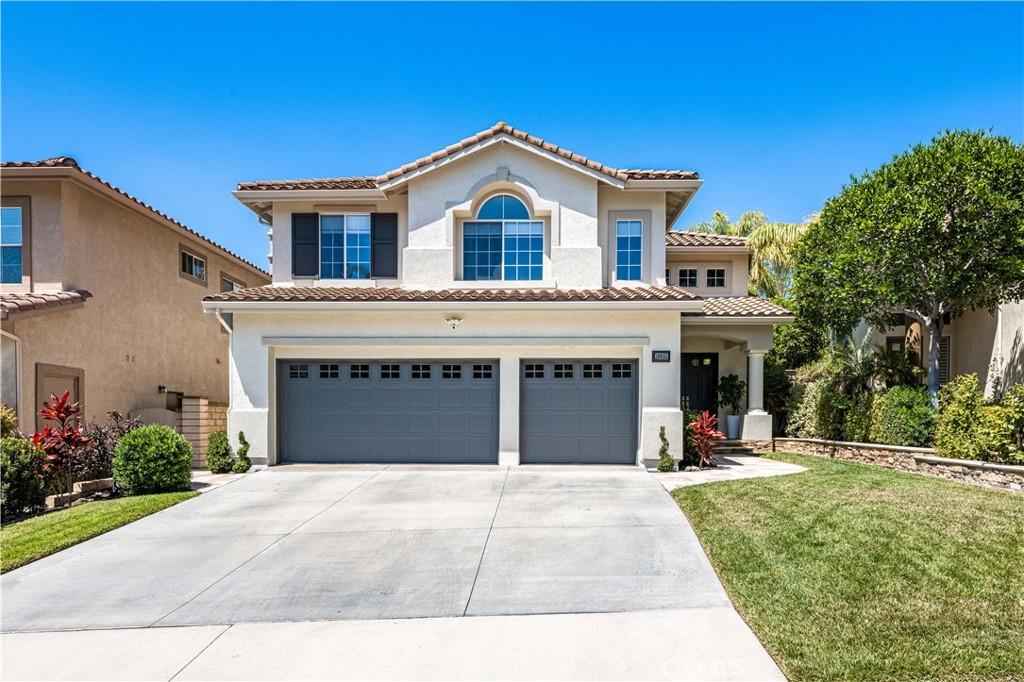
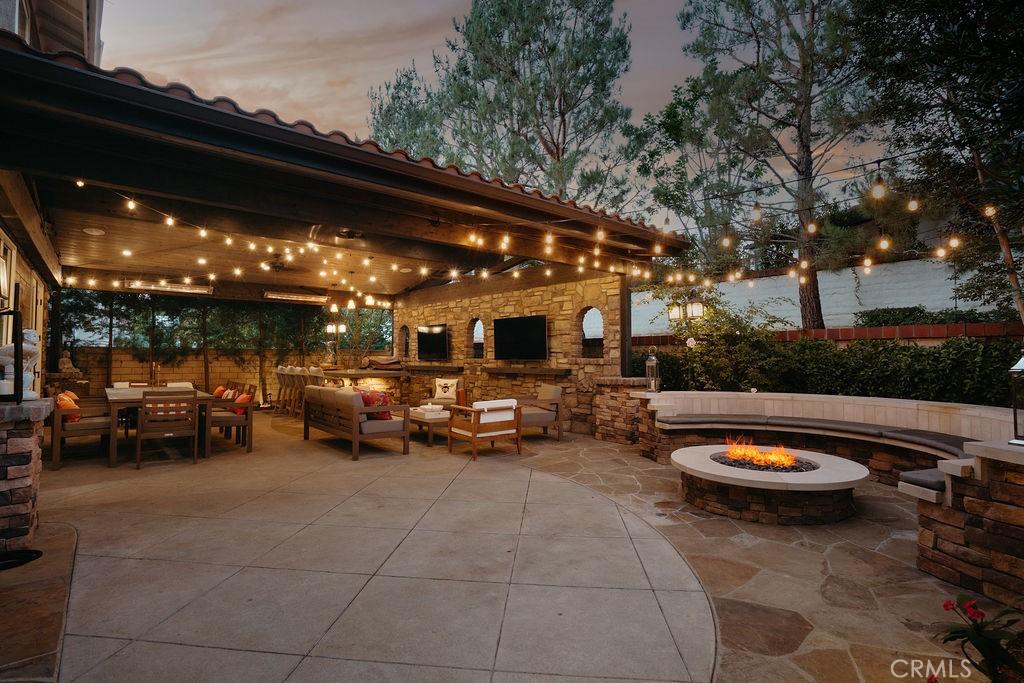
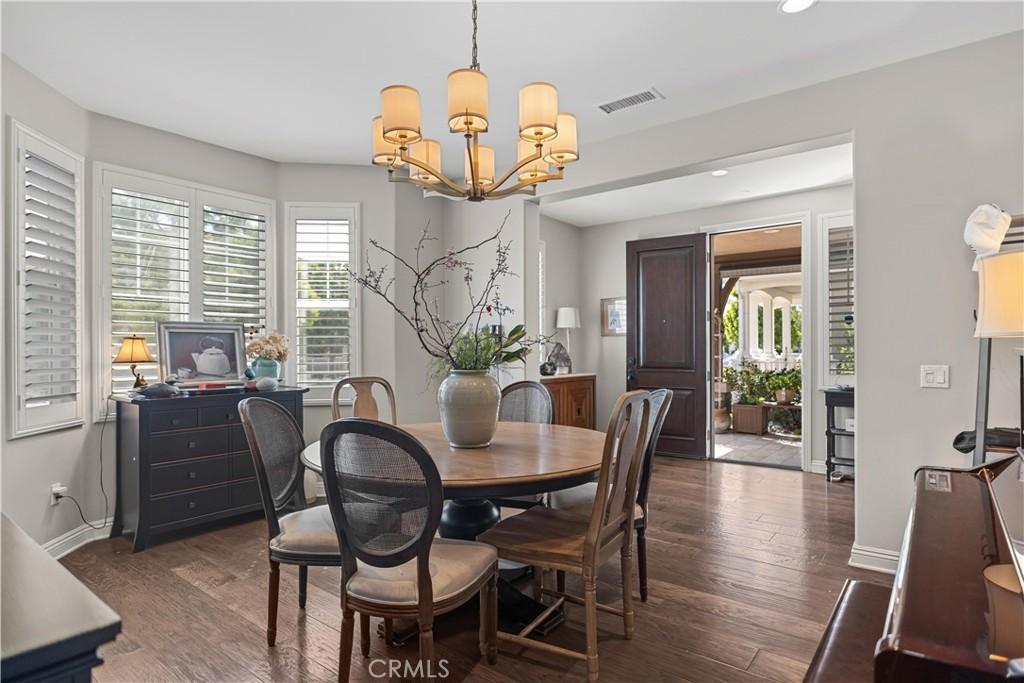
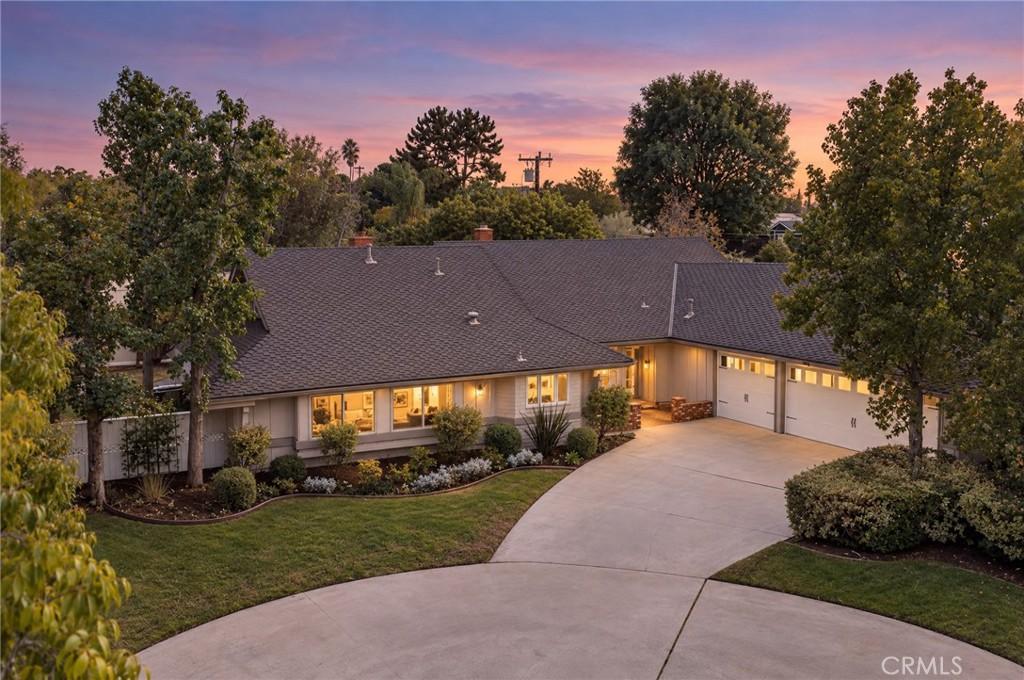
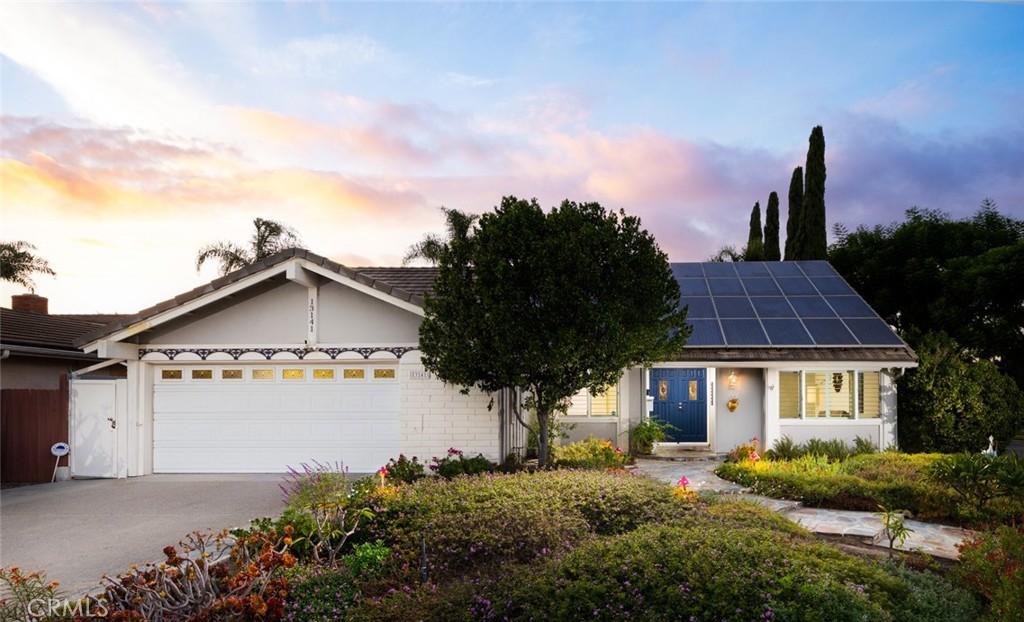
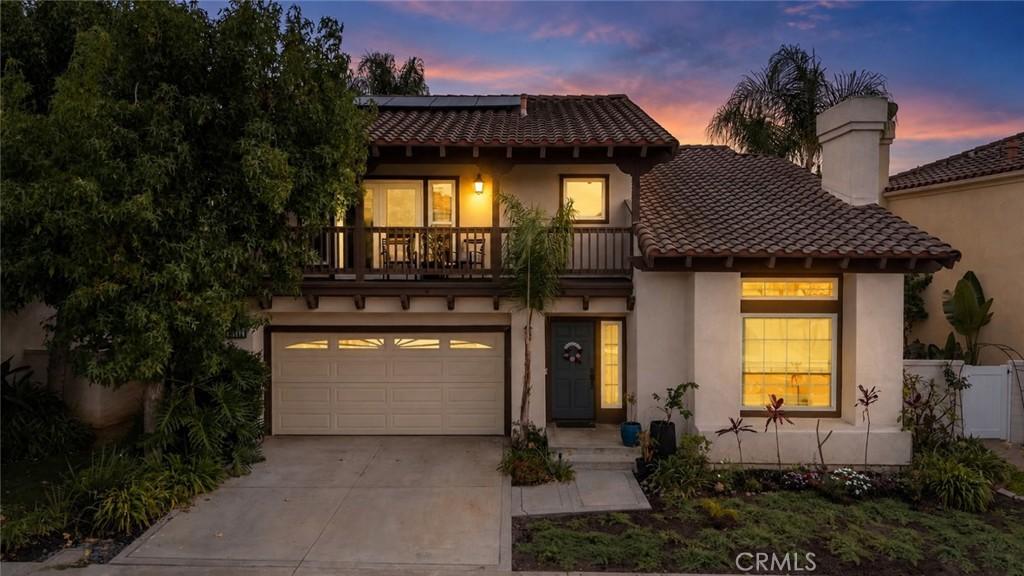
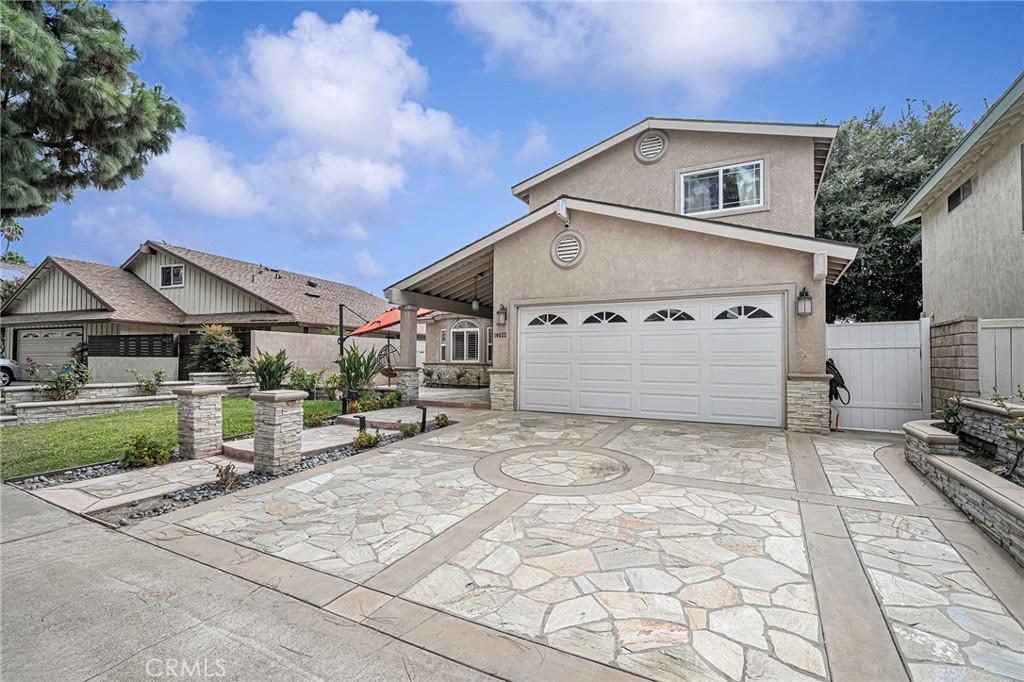
Homes for Sale in Tustin, CA
Homes for sale in Tustin cover three very different eras of building, all inside one city and one school district. Tustin sits where the I-5 meets State Route 55, minutes from Irvine’s job centers and the John Wayne Airport area, and prices here have generally run below neighboring Irvine for comparable space. You get central Orange County access without paying the top of the county’s price band.
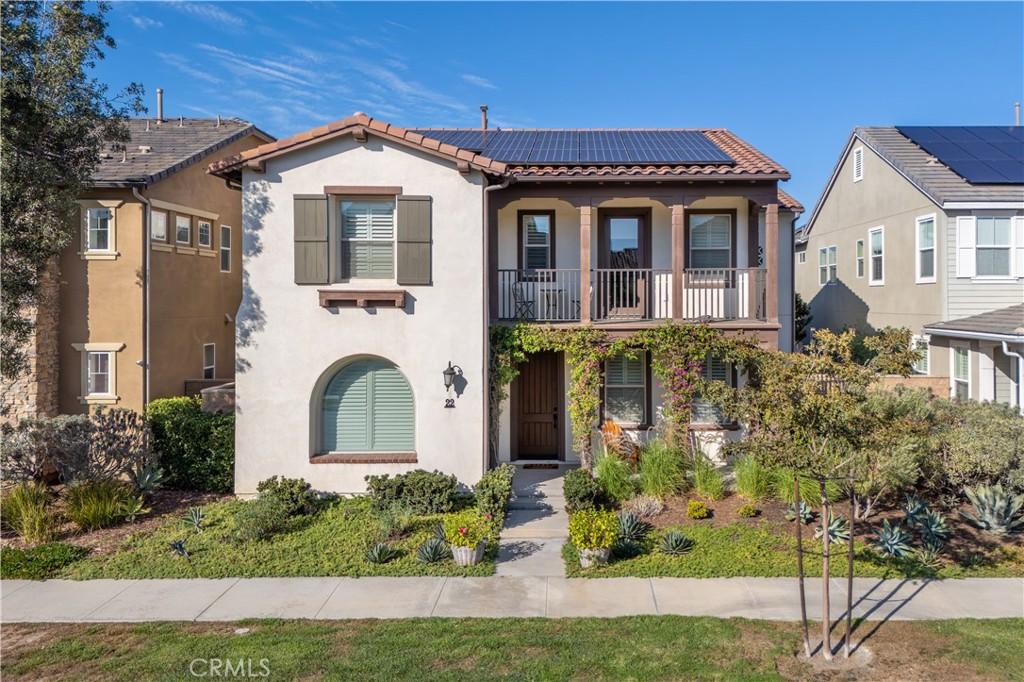
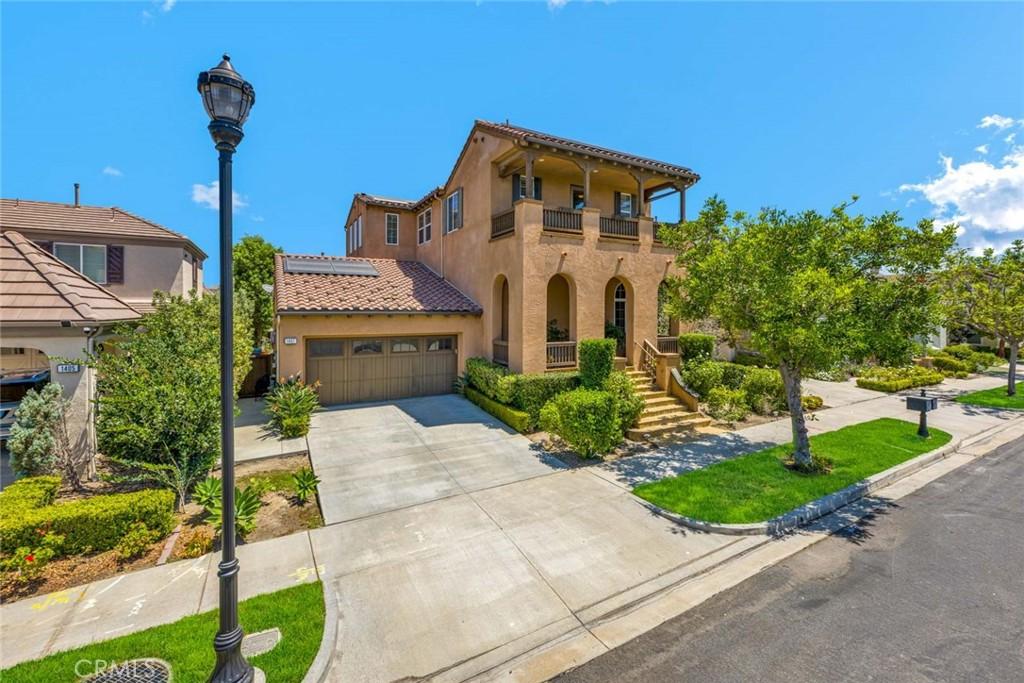
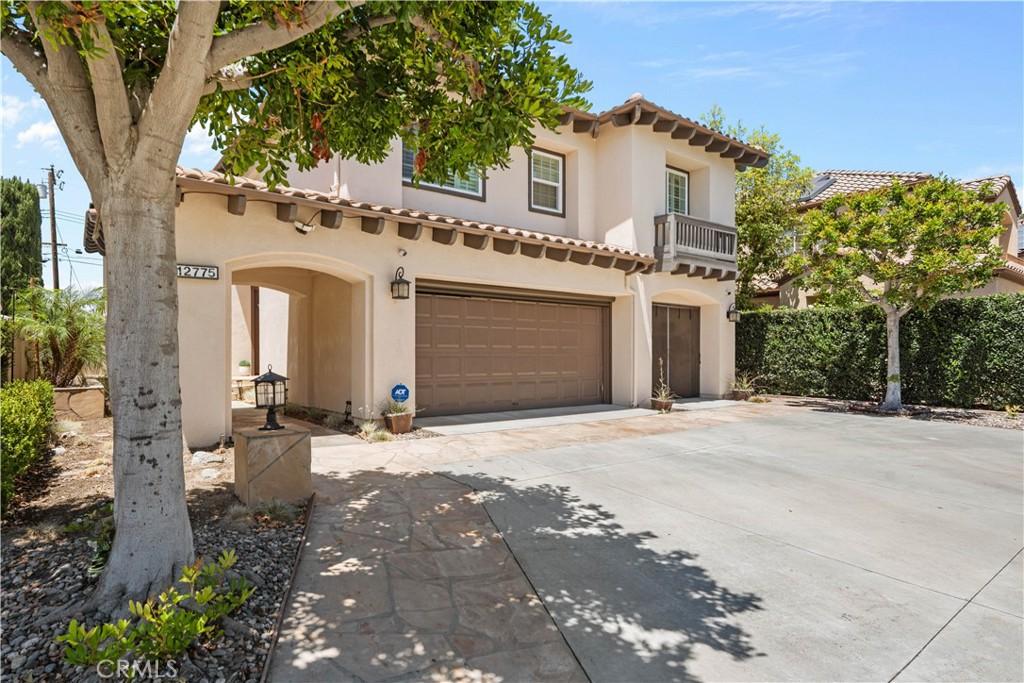
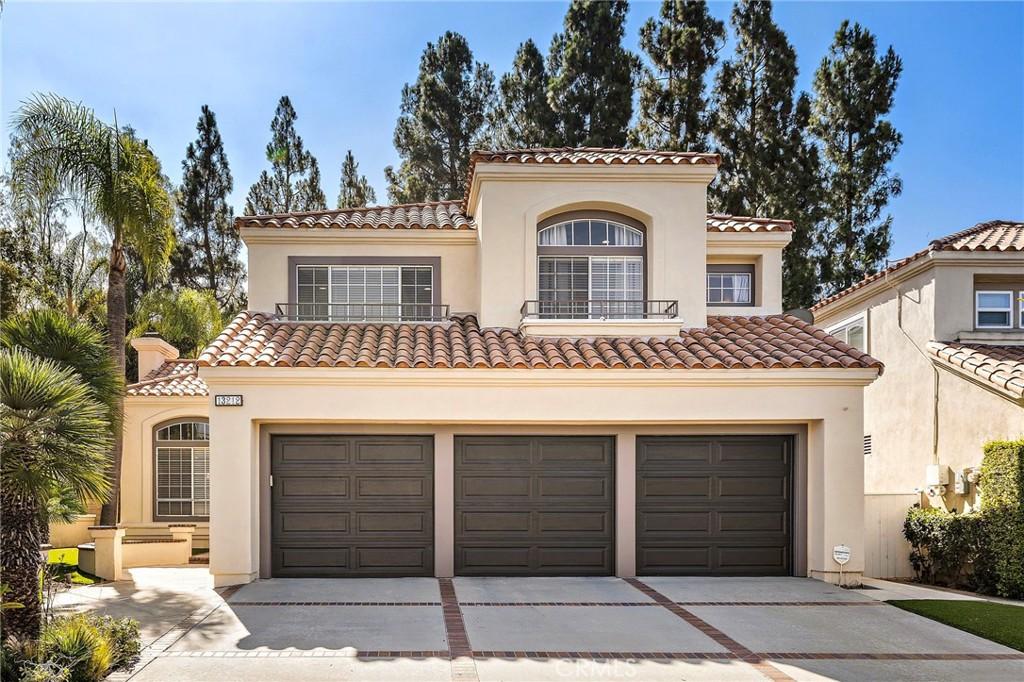
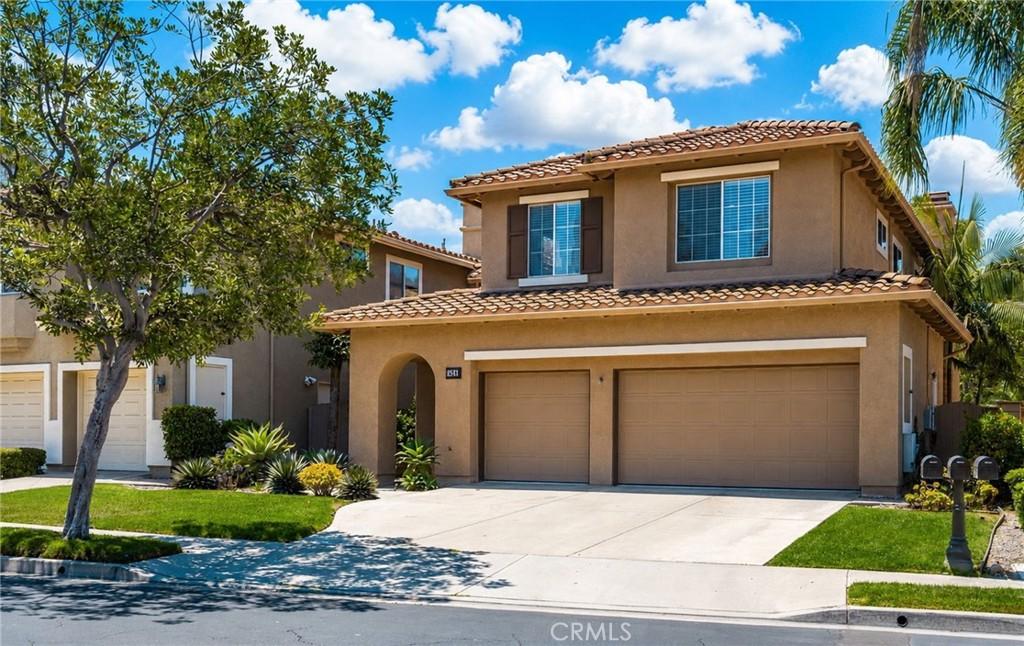
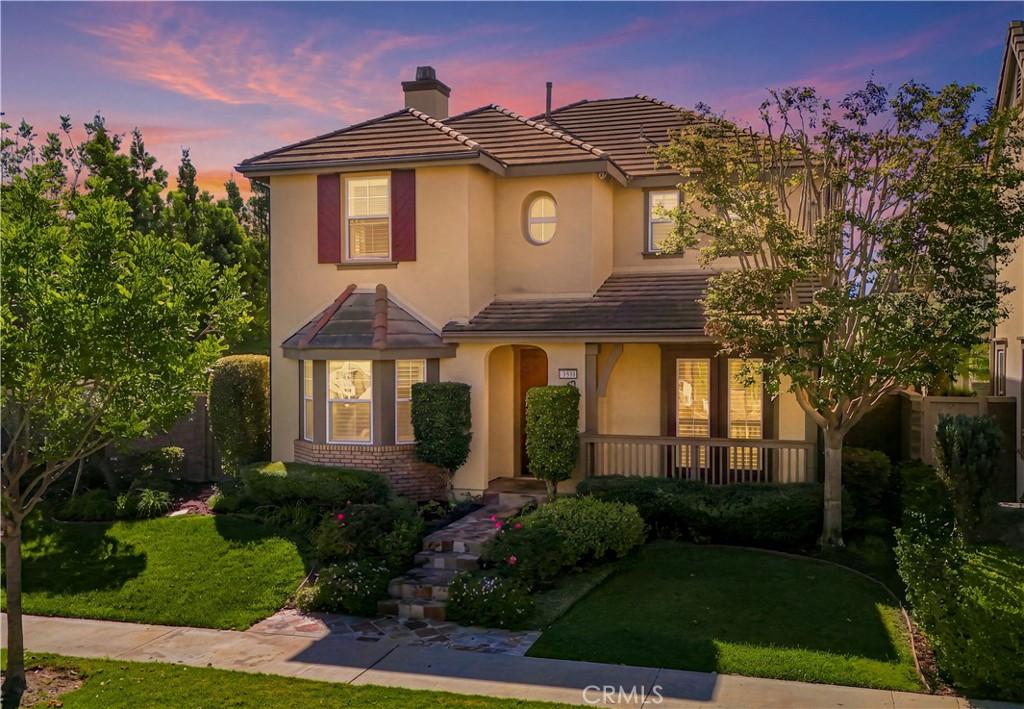
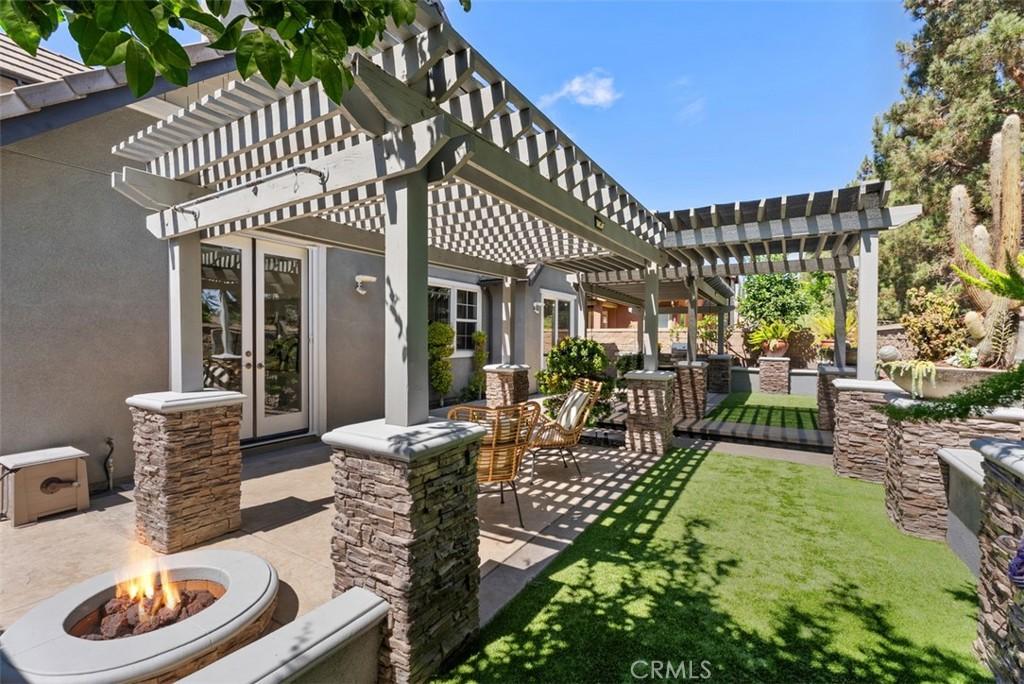
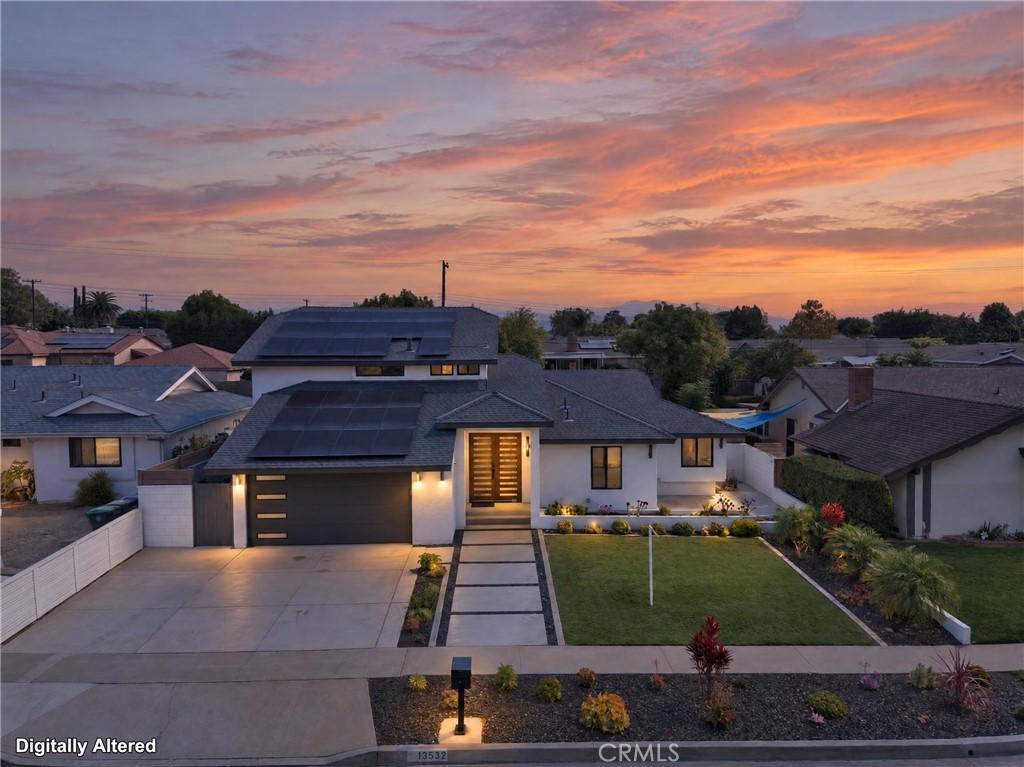
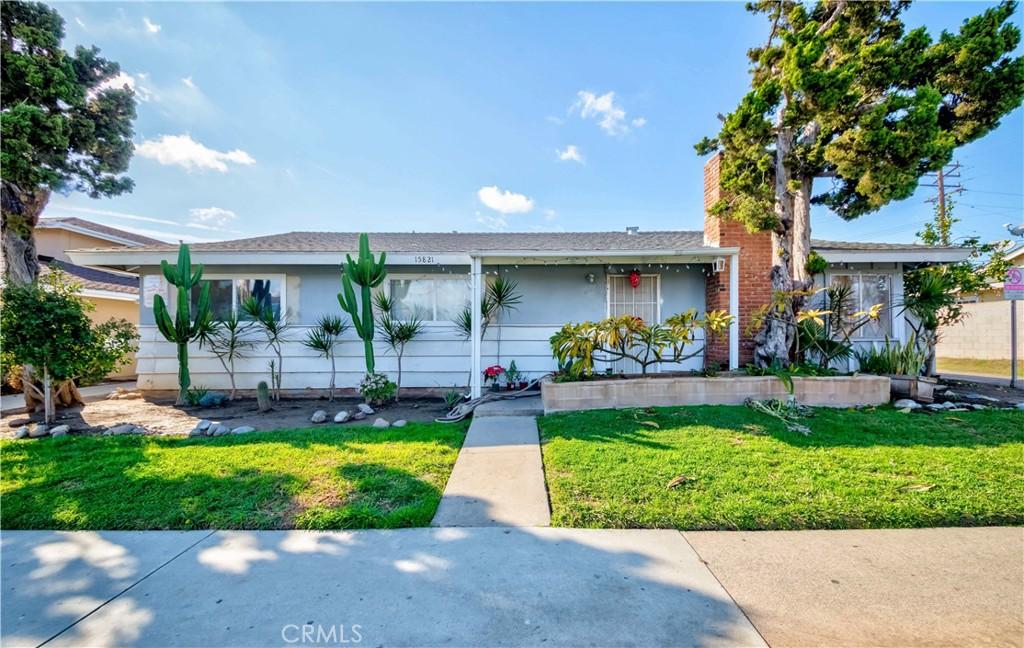
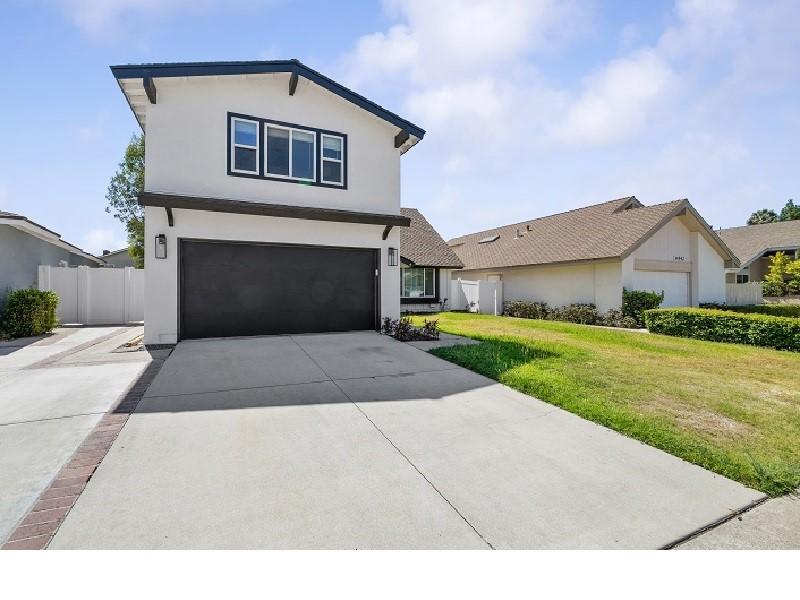
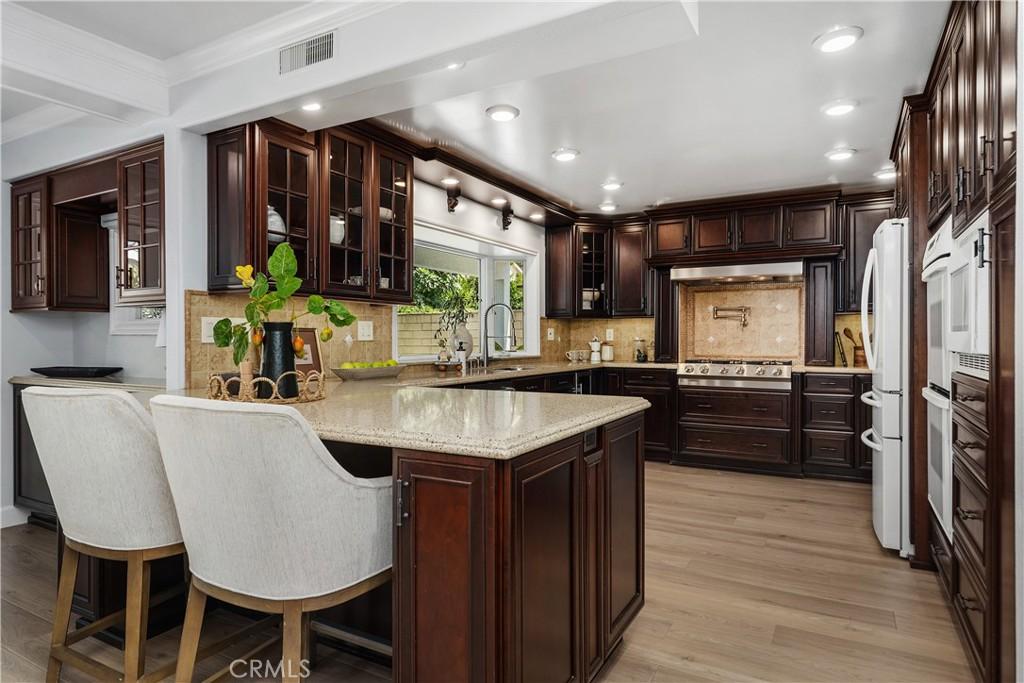
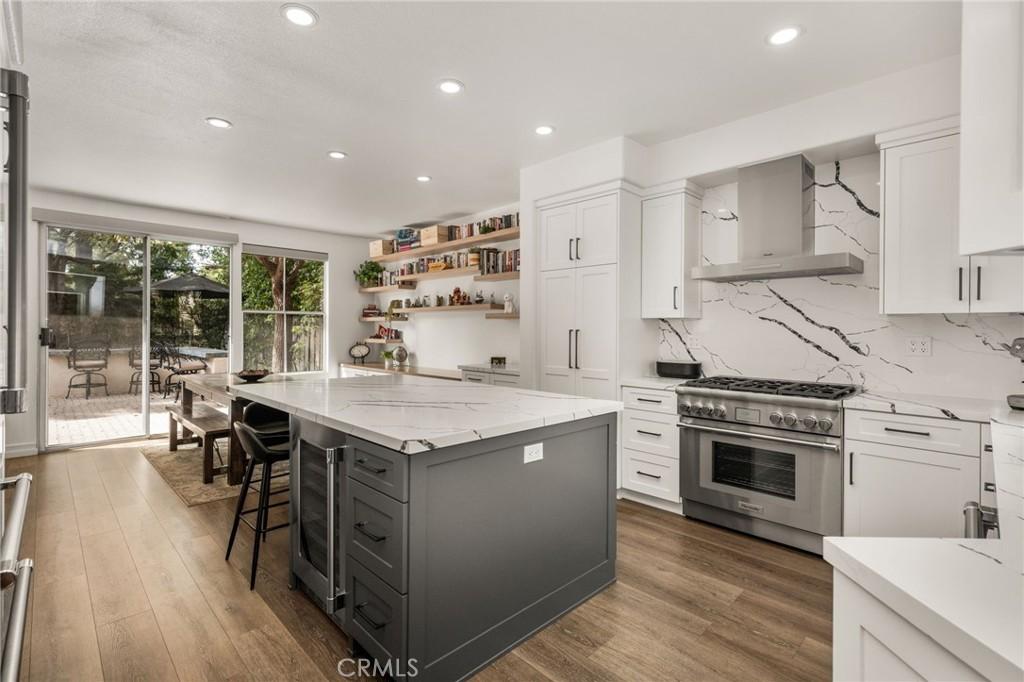
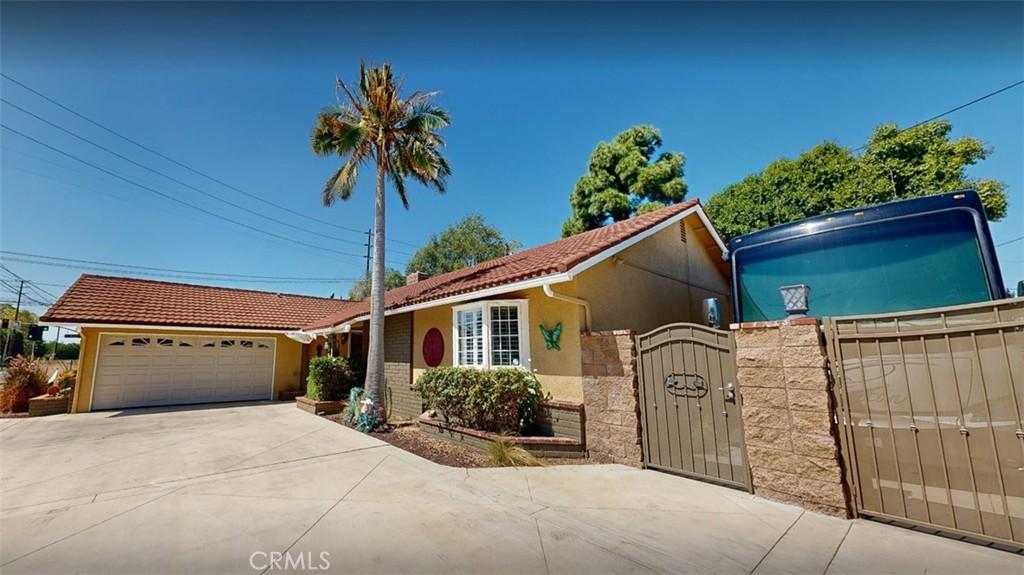
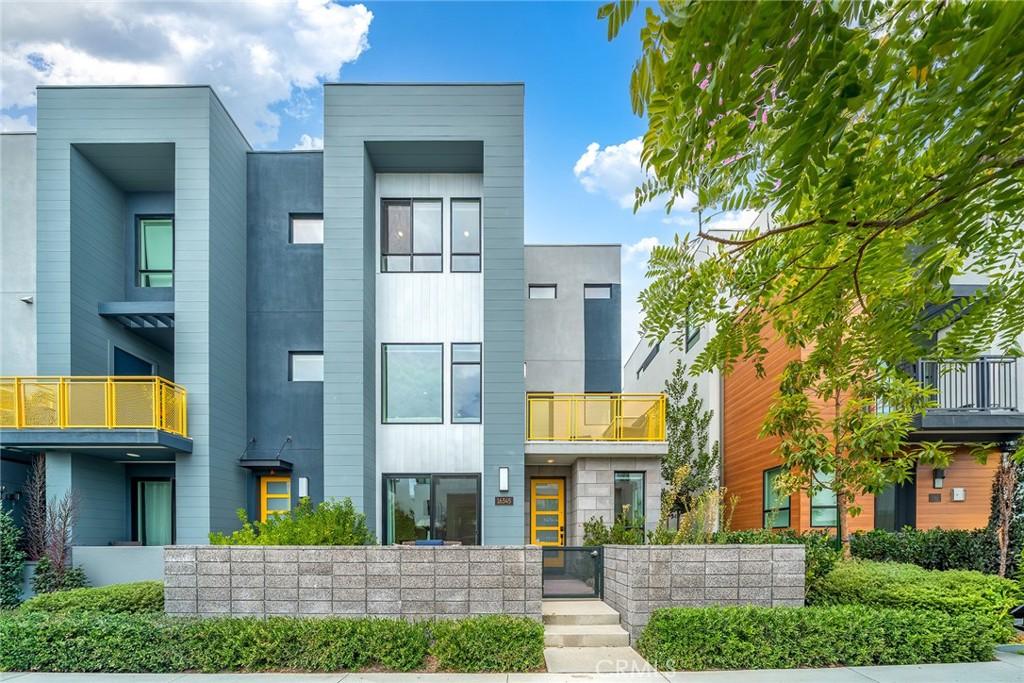
The stock ranges from restored Craftsman and bungalow homes on tree-lined Old Town streets, to golf-course neighborhoods in Tustin Ranch, to new townhomes and condos at Tustin Legacy on the former Marine Corps Air Station. What changes most between them is monthly cost: Old Town homes usually carry no HOA, Tustin Ranch adds association dues, and Tustin Legacy carries Mello-Roos. Compare total carry, not list price.
Browse the active listings below, or contact The Knight Group to talk through which part of Tustin fits your budget, your commute, and your tolerance for special assessments. The tax and HOA math varies sharply by district here, and that difference is worth understanding before you write an offer.
What are the main areas within Tustin?
Tustin breaks into three distinct areas, and they were built in three different eras. Old Town Tustin is the historic core, centered on Main Street and El Camino Real, with buildings dating to the 1880s. Tustin Ranch is the 1980s-and-1990s master-planned community on former Irvine Ranch citrus land, wrapped around a championship golf course. Tustin Legacy is the newest area, a large redevelopment of the former Marine Corps Air Station that has been adding homes, offices, and retail since the 2000s.
Each area carries a different cost structure and a different feel. Old Town homes are older and generally carry no HOA. Tustin Ranch is suburban, planned, and organized around amenities. Tustin Legacy is the place to look for newer construction, but it also carries Mello-Roos financing that older parts of the city do not. Knowing which of the three you are standing in tells you most of what you need to know about the monthly cost.
What is Old Town Tustin like?
Old Town Tustin is the city’s historic center. The area grew around a cluster of commercial buildings on Main Street and El Camino Real that date to the 1880s, when early businesses included a blacksmith shop, a combined grocery and meat market, and a feed store. Notable surviving structures include the Stevens House, an 1887 Queen Anne Victorian built of redwood shipped from Eureka, and the Tustin Garage, built in 1915 in Mission Revival style, which served travelers on the road between Los Angeles and San Diego before the freeways existed.
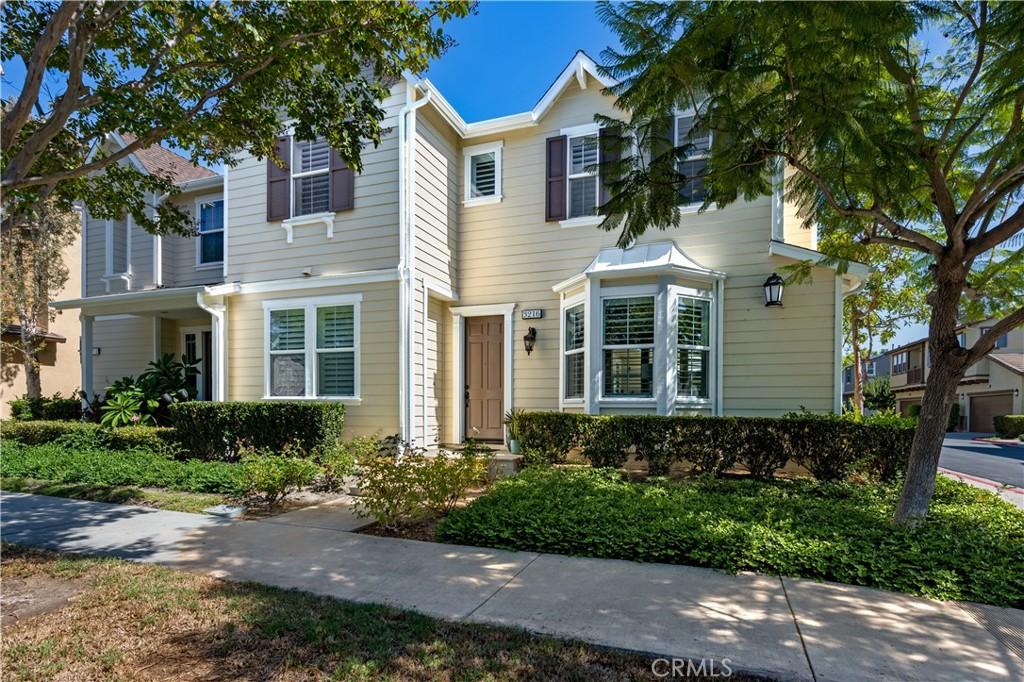
The residential stock is older and varied: vintage bungalows, Craftsman cottages, and California ranch homes, many of them restored with original detail intact. The streets are walkable and tree-lined, and the area supports independent shops, local restaurants, and a weekly farmers market. Peppertree Park anchors community events, hosting concerts and theater in warmer months and serving as the main stage during the annual Tustin Street Fair and Chili Cook-Off. The Tustin Area Museum at 395 El Camino Real preserves local history, including the city’s first fire truck, a converted 1912 Buick.
The trade-off in Old Town is the trade-off of any historic district. Homes are older, so buyers should budget for the condition realities of early-20th-century construction: foundations, wiring, plumbing, and roofs on their own timelines. Historic-district rules can also affect exterior changes. Against that, most Old Town homes carry no HOA, which is unusual in Orange County and a real monthly savings compared with the planned districts.
What is Tustin Ranch, and who is it built for?
Tustin Ranch is a master-planned community on the east side of the city. The Irvine Company moved to develop it in 1982, and Orange County approved construction in 1986. The land was historically part of the Irvine Ranch and had been a citrus operation before development. The original plan called for roughly 7,000 residential units across a wide range of housing types, from apartments to large single-family homes.
The organizing feature is the Tustin Ranch Golf Club, an 18-hole championship course on a 165-acre property that winds through the community and includes several man-made lakes. Most of the neighborhoods within Tustin Ranch are arranged around this course. The result is a planned, amenity-oriented environment: manicured streetscapes, association-maintained common areas, and a layout designed in the 1980s and 1990s rather than grown up piecemeal over a century.
Tustin Ranch suits buyers who want newer-than-Old-Town construction, HOA-maintained surroundings, and proximity to Irvine’s schools and job centers. The cost side is the HOA structure and, in some tracts, additional assessments, so a buyer comparing a Tustin Ranch home to an Old Town home should compare total monthly carry, not just list price. The Knight Group can pull the specific HOA and any Mello-Roos figures for a given address so the comparison is real rather than assumed.
What is Tustin Legacy, and why is it different?
Tustin Legacy is the redevelopment of the former Marine Corps Air Station Tustin, and it is the newest housing in the city. The base was established in October 1942 and served as a Navy and Marine Corps helicopter training facility until it was decommissioned in 1999 following the Base Realignment and Closure process. The City of Tustin was designated the local redevelopment authority and completed an initial reuse plan in 1996. The project has been converting roughly 1,600 acres of former base land into a mixed-use community of housing, offices, retail, and parks ever since.
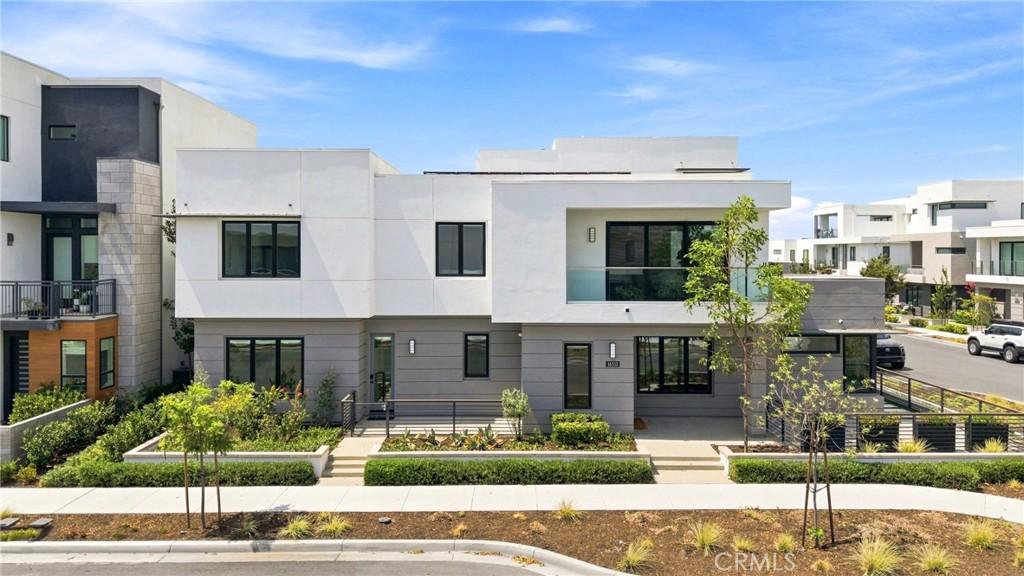
This is where to look for new construction and recent townhome and condo product. It is also home to The District, a large retail center that opened in August 2007, and to newer employment and mixed-use projects on the former airfield. For buyers who want a home built in the last two decades rather than one built in the last century, Tustin Legacy is the answer within the city.
The important caveat is financing. Parcels inside the Tustin Legacy redevelopment zone are generally subject to Community Facilities District assessments, a form of Mello-Roos used to fund the infrastructure built as part of the base conversion. New product built in the 2010s and 2020s can carry decades of bond service from the formation date, and the amount varies by parcel and phase. Before making an offer on a Tustin Legacy home, request the CFD disclosure and calculate the full annual burden: base property tax, Mello-Roos, and HOA together. That combined number, not the sticker price, is what you are actually signing up to pay.
What happened to the Tustin blimp hangars?
Two enormous wooden blimp hangars were the visual signature of the former air station, and they are part of any honest description of the area today. On November 7, 2023, the historic North Hangar caught fire. The 17-story structure, about 1,000 feet long and 300 feet wide and built with roughly two million board feet of Douglas fir, burned and repeatedly reflared over about 24 days before the fire was declared out on December 1, 2023. Fire officials pulled responders back during the blaze over concerns the structure could collapse.
The Navy handled the cleanup and, per Stars and Stripes reporting in September 2025, had spent roughly $129.8 million on the abatement and debris removal after the fire, with fieldwork that began in July 2024 and ran into 2025. The South Hangar, a near-twin a few hundred feet away, was untouched by the fire. Buyers looking at Tustin Legacy should understand that the site’s history and its ongoing redevelopment are live topics locally, and it is reasonable to ask about the status and future plans for the remaining hangar site during a purchase.
What do homes cost in Tustin?
Tustin pricing sits in the low-seven-figure range citywide, though the figure moves with the source and the month. Reported 2026 medians clustered around and above $1 million: Houzeo cited a median near $1,125,000, while other 2026 snapshots put recent sale medians closer to $1.2 million and one May 2026 reading near $1,028,000. The spread reflects different data windows and neighborhood mix more than any single “true” number.
Treat those figures as orientation, not appraisal. What a specific home costs depends on its area, its age, its lot, and its assessment structure. An Old Town Craftsman with no HOA, a Tustin Ranch home with association dues, and a Tustin Legacy townhome carrying Mello-Roos can list at similar prices and cost very different amounts to own month to month. The Knight Group can run current comparable sales for the exact pocket you are considering so you are working from live data rather than a citywide median.
What schools serve Tustin?
Most of Tustin is served by the Tustin Unified School District, which also covers parts of Irvine and unincorporated county areas. The district operates 18 elementary schools, one K-8 school, five middle schools, four high schools, and alternative and adult programs. In some Tustin Ranch cases, students may attend Irvine Unified rather than Tustin Unified depending on the specific address.
Because attendance boundaries do not follow neighborhood names cleanly, school assignment is one of the details worth verifying by address rather than by district reputation. If schools are driving your search, confirm the assigned elementary, middle, and high school for any specific home before you fall for it. The Knight Group can check the attendance boundary for a given address so you are not relying on a general assumption about “Tustin schools.”
How is the commute from Tustin?
Tustin’s central-county position is one of its strongest selling points. The city is served by the I-5 and State Route 55, which connect it to Orange County’s major job centers, and it sits close to Irvine and the John Wayne Airport employment area. For drivers, most in-county commutes are short outside of peak hours.
For transit users, the Tustin Metrolink station at 2975 Edinger Avenue sits just off the I-5 and connects to Santa Ana, Anaheim, Irvine, and Los Angeles. That makes Tustin workable for someone commuting north toward Los Angeles County without wanting to drive the full distance. As with any Southern California location, the honest caveat is that freeway commute times swell during rush hours, so if your job is in a fixed location it is worth test-driving the route at the hour you would actually travel.
What is there to do in Tustin?
Day-to-day life in Tustin splits along the same lines as its housing. Old Town offers the walkable, small-scale experience: independent shops, local restaurants, the weekly farmers market, and community events at Peppertree Park, including summer concerts and theater and the annual Street Fair and Chili Cook-Off. The Tustin Area Museum adds a local-history anchor on El Camino Real.
On the retail and recreation side, The District at Tustin Legacy provides large-format shopping, dining, and entertainment in one place, and the Tustin Ranch Golf Club provides championship golf on the east side of the city. Between the historic downtown, the golf-course community, and the newer retail district, Tustin covers a wide range of lifestyles inside one set of city limits, which is part of why buyers with different priorities all end up shortlisting it.
What should buyers watch out for in Tustin?
Three things deserve attention before you commit. First, the assessment structure varies enormously by area. Old Town homes often carry no HOA; Tustin Ranch homes typically carry association dues; and Tustin Legacy homes generally carry Mello-Roos on top of any HOA. Two homes at the same price can have very different monthly costs, so always compare the full carry.
Second, age and condition track the era. Old Town’s early-20th-century homes reward inspection scrutiny on systems and structure. Newer Tustin Legacy product is younger but comes with the CFD financing described above. Neither is a problem on its own; both are things to price in with eyes open.
Third, verify the specifics by address. School assignment, HOA dues, and Mello-Roos amounts all vary parcel to parcel and are not reliably predicted by the neighborhood name. The single most useful thing a buyer can do here is request the disclosures and run the real numbers before writing an offer, which is exactly the kind of due diligence The Knight Group handles as a matter of course.
How Do Buyers Decide Between Tustin’s Three Districts?
Start with how long you plan to stay and how much variability you can absorb. An older Old Town house shifts cost into repairs you schedule yourself, and the timing is partly yours to control: a roof or a panel upgrade can wait a season if it has to. A Tustin Legacy townhome shifts cost the other direction, into fixed monthly obligations that arrive whether or not anything needs fixing. Tustin Ranch sits between the two, with dues covering common areas and, in some tracts, assessments layered on top. None of these is automatically the better deal.
The second question is what you want from the surroundings. Walkable streets, independent shops, and a weekly farmers market point one direction; golf-course frontage and maintained landscaping point another; new construction near The District points a third. Tustin real estate rewards buyers who name that preference early, then price the carrying cost against it rather than the reverse.
Frequently Asked Questions About tustin Homes for Sale
Is Tustin a good place to buy in Orange County?
Tustin appeals to buyers who want central-county access and housing variety without paying the top of the county’s price band. It offers historic homes, a golf-course community, and new construction inside one city and largely one school district, which is unusual range for a single market.
What is the difference between Tustin Ranch and Tustin Legacy?
Tustin Ranch is the 1980s-and-1990s master-planned community on former Irvine Ranch citrus land, organized around a golf course. Tustin Legacy is the newer redevelopment of the former Marine Corps Air Station and is where most new construction is, but it generally carries Mello-Roos financing that Tustin Ranch and Old Town do not.
Do homes in Tustin have Mello-Roos?
It depends on the area. Homes in the Tustin Legacy redevelopment zone are generally subject to Community Facilities District (Mello-Roos) assessments funding the base-conversion infrastructure, and those can run for decades. Old Town and older Tustin Ranch homes typically do not carry Mello-Roos. Always request the CFD disclosure for a specific address.
What school district is Tustin in?
Most of Tustin is served by Tustin Unified School District, which operates 18 elementary schools, a K-8 school, five middle schools, and four high schools. Some Tustin Ranch addresses fall under Irvine Unified instead, so confirm the assignment by address.
How much do homes cost in Tustin?
Reported 2026 medians ranged from roughly $1,028,000 to about $1.2 million depending on the source and month, with Houzeo citing a median near $1,125,000. The right number for your search depends on the specific area and home type, so it is best to run current comparables for the pocket you are targeting.
Does Old Town Tustin have HOA fees?
Most Old Town Tustin homes carry no HOA, which is a genuine monthly savings compared with the city’s planned districts. In exchange, the homes are older and may be subject to historic-district considerations, so budget for the condition realities of early-20th-century construction.
Is Tustin a good commuter location?
Yes. Tustin sits at the I-5 and State Route 55 near Irvine’s job centers, and the Tustin Metrolink station on Edinger Avenue connects to Santa Ana, Anaheim, Irvine, and Los Angeles. Freeway times still swell at peak hours, so test your specific route.
What happened to the Tustin hangars?
The historic North Hangar at the former Marine Corps Air Station burned in a fire that started November 7, 2023 and was declared out on December 1, 2023. The Navy conducted a cleanup reported at roughly $129.8 million as of September 2025. The South Hangar was not damaged.
How does The Knight Group work in Tustin?
The Knight Group treats Tustin as three markets, not one, because the cost math is different in each. The first thing we do on a Tustin search is pin down which area a home sits in and pull the real numbers that go with it: HOA dues, any Mello-Roos or CFD assessment, the assigned schools by address, and current comparable sales for that specific pocket. That turns a citywide median into a decision you can actually make.
From there the work is straightforward and grounded. We flag the trade-offs honestly, whether that is the condition profile of an Old Town Craftsman or the decades of bond service on a new Tustin Legacy townhome, and we make sure the disclosure documents are in hand before you write an offer. If you are weighing Tustin against Irvine or another central-county option, we will lay out the numbers side by side. Start by browsing the listings below, then contact The Knight Group to build a shortlist that fits your budget and your commute.
What are homes for sale in Tustin like?
- Homes for sale in Tustin cover three very different eras of building, all inside one city and one school district.
- Tustin prices have generally run below neighboring Irvine for comparable space, giving central Orange County access without the top of the county’s price band.
- Housing stock ranges from restored Craftsman and bungalow homes on Old Town streets to golf-course neighborhoods and new townhomes.
- Old Town Tustin is the historic core, centered on Main Street and El Camino Real, with commercial buildings dating to the earliest era.
- Tustin Ranch is the master-planned community built on former Irvine Ranch citrus land and wrapped around a championship golf course.
- Tustin Legacy is the newest area, a large redevelopment of the former Marine Corps Air Station adding homes, offices, and retail.
- Monthly cost changes most between the districts: Old Town usually carries no HOA, Tustin Ranch adds dues, Tustin Legacy carries Mello-Roos.
- Buyers looking at homes for sale in Tustin should compare total carry rather than list price alone.
- Old Town residential stock includes vintage bungalows, Craftsman cottages, and California ranch homes, many restored with original detail intact.
- Streets in Old Town are walkable and tree-lined, supporting independent shops, local restaurants, and a weekly farmers market.
- Peppertree Park anchors community events, hosting concerts and theater in warmer months and serving as the main stage during the annual Street Fair.
- The Tustin Area Museum on El Camino Real preserves local history, including the city’s first fire truck, a converted Buick.
- Historic-district rules can affect exterior changes in Old Town, and older homes carry condition realities across foundations, wiring, plumbing, and roofs.
- The Knight Group can talk through which part of Tustin fits a buyer’s budget, commute, and tolerance for special assessments.
What should buyers know before touring homes for sale in Tustin?
- Assessment structure varies enormously by area, so two homes at the same price can carry very different monthly costs.
- Old Town homes often carry no HOA, Tustin Ranch homes typically carry association dues, and Tustin Legacy homes generally carry Mello-Roos.
- Citywide medians serve as orientation rather than appraisal for homes for sale in Tustin, since data windows and neighborhood mix move the figure.
- Cost for a specific home depends on its area, its age, its lot, and its assessment structure.
- Tustin Unified School District serves most of the city and also covers parts of Irvine and unincorporated county areas.
- Attendance boundaries do not follow neighborhood names cleanly, making school assignment a detail worth verifying by address rather than district reputation.
- Some Tustin Ranch students may attend Irvine Unified rather than Tustin Unified depending on the specific address.
- Tustin’s central-county position ranks among its strongest selling points for buyers weighing commute against price.
- Freeway commute times swell during rush hours, so test-driving a route at the actual travel hour is worth the effort.
- Old Town offers the walkable, small-scale experience with independent shops, local restaurants, a weekly farmers market, and events at Peppertree Park.
- The District at Tustin Legacy provides large-format shopping, dining, and entertainment in one place on the retail and recreation side.
- Tustin Ranch Golf Club provides championship golf on the east side of the city.
- Homes for sale in Tustin appeal to buyers with different priorities because the historic downtown, golf-course community, and retail district sit inside one city.
Are homes for sale in Tustin a good buy in Orange County?
- Homes for sale in Tustin appeal to buyers who want central-county access and housing variety without paying the top of the county’s price band.
- Historic homes, a golf-course community, and new construction sit inside one city and largely one school district, which is unusual range.
- Tustin Ranch is the master-planned community on former Irvine Ranch citrus land, organized around a golf course.
- Tustin Legacy is the newer redevelopment of the former Marine Corps Air Station and holds most of the city’s new construction.
- Community Facilities District assessments generally apply in the Tustin Legacy redevelopment zone, funding base-conversion infrastructure and running for decades.
- Old Town and older Tustin Ranch homes typically do not carry Mello-Roos, so requesting the CFD disclosure for a specific address matters.
- Some Tustin Ranch addresses fall under Irvine Unified instead, making assignment worth confirming by address.
- Most Old Town homes carry no HOA, a genuine monthly savings compared with the city’s planned districts.
- Older Old Town homes may be subject to historic-district considerations, so budget for the condition realities of early-century construction.
- The historic North Hangar at the former Marine Corps Air Station burned in a fire, while the South Hangar was not damaged.
- The Knight Group treats homes for sale in Tustin as three markets rather than one, because the cost math differs in each.
- Pinning down HOA dues, any CFD assessment, assigned schools by address, and current comparable sales turns a citywide median into a decision.
- The Knight Group flags trade-offs honestly and makes sure disclosure documents are in hand before a buyer writes an offer.