Browse all Orange County real estate.
Orange is a mid-sized city in northern Orange County built around one of the best-preserved historic cores in the state. Its Old Towne district was listed on the National Register of Historic Places in 1997 and is the largest National Register district in California, which gives the city a specific identity that most of the county lost to postwar tract development. You buy in Orange for one of two reasons: an original Craftsman or Spanish Colonial house near the Plaza, or a newer home in the quieter hillside and master-planned pockets east of the historic center.
The value proposition is inventory that does not exist elsewhere in the county at this scale. Blocks of pre-1930 architecture, walkable streets, a working antiques district, and Chapman University all sit inside a one-square-mile grid. That scarcity holds price and it also introduces trade-offs: historic overlay rules, older systems, and smaller lots in the core.
Browse the current Orange listings below, or contact The Knight Group to talk through which part of the city fits what you are trying to buy.
Orange sits in northern Orange County, roughly 3 miles north of Santa Ana. The city covers 25.82 square miles and reported a population of 139,911 in the 2020 census. That puts it among the larger cities in the county by land area while keeping a lower profile than coastal names like Newport Beach or Irvine.
Position is the practical advantage here. Orange is central to the county’s job centers rather than tucked at one edge, which shortens commutes in several directions at once. The city touches Anaheim to the north, Santa Ana to the south and west, and the foothills to the east, so you can move between an entry-level neighborhood and a hillside one without leaving the same school district.
Freeway access defines commuting in Orange. Interstate 5 runs through the city, along with State Route 57 (the Orange Freeway), State Route 22 (the Garden Grove Freeway), and State Route 55 (the Costa Mesa Freeway). The junction where the 5, the 57, and the 22 meet is known as the “Orange Crush” and is one of the busiest interchanges in Orange County.
That density of freeways is a genuine benefit and a genuine cost. From most Orange neighborhoods you can reach Downtown Santa Ana, Anaheim, Irvine, or the 91 corridor quickly. The flip side is traffic noise and congestion near the Orange Crush, and it is worth checking how close a specific home sits to the 5, the 57, or the 55 before you commit. Homes deeper into Old Towne or the eastern hills trade a longer drive to the on-ramp for a quieter street.
Old Towne is the reason serious buyers look at this city. The district measures roughly one square mile, was listed on the National Register of Historic Places in 1997, and is the largest National Register district in California. Orange holds the second largest concentration of historic buildings of any city in the state. The architecture inside the district spans Craftsman Bungalow, Spanish Colonial Revival, Victorian, and Mediterranean Revival.
At the center is the Plaza, a traffic circle and fountain that anchors the surrounding grid of shops, restaurants, and the antiques district. This is one of the few places in Orange County where you can own an original early-twentieth-century home and walk to a commercial core rather than drive to a mall.
The historic status is also a rulebook. Homes inside the district carry preservation expectations, and exterior changes can require review. That protects your neighbors’ facades and yours, but it means a renovation is not a blank check. If you are buying in Old Towne to remodel, budget for the process, not just the materials.
Orange splits roughly into two housing stories. The first is Old Towne and the older grid around it: Craftsman bungalows, Spanish Colonial Revival, Victorian, and Mediterranean Revival homes on smaller, walkable lots, many predating 1930. These are character purchases, and condition varies widely because the housing is a century old.
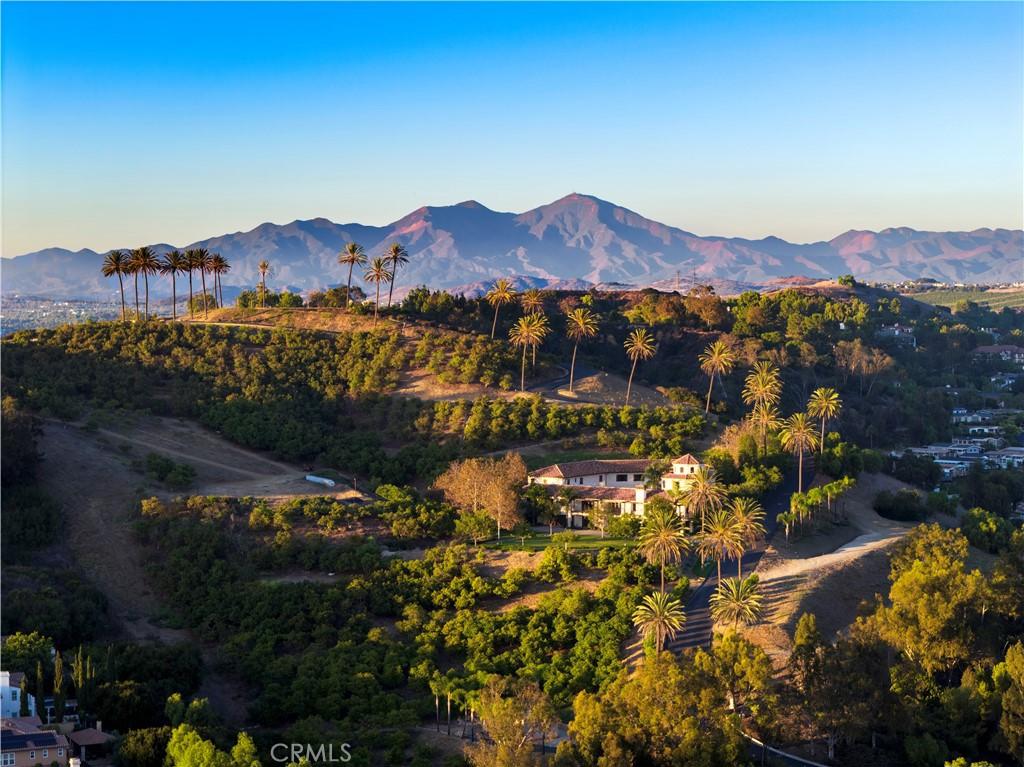
The second story is everything built east and north of the historic core: postwar ranch neighborhoods, later tract housing, and hillside and master-planned pockets closer to the foothills. These homes give you newer systems, larger lots in some tracts, and hillside views, without the historic-district review process. The trade-off is a longer drive to the Plaza and less of the walkable, pre-war texture that draws people to Old Towne in the first place.
Because the two markets behave differently on price and condition, it pays to decide which one you are actually shopping before you tour. The Knight Group can pull comparable sales for the specific pocket you are considering rather than a citywide average that blends both.
Orange is a move-up and character-driven market rather than an ultra-luxury coastal one. Prices are supported by scarcity in Old Towne, by proximity to jobs and Chapman University, and by strong ongoing demand for a walkable historic core that the rest of the county cannot replicate. Original historic homes near the Plaza tend to command a premium over comparable square footage in the newer eastern tracts.
We are not going to quote a median figure here, because a single number blends a one-bedroom bungalow, a hillside five-bedroom, and a condo into a misleading average. If you want current pricing for a specific neighborhood or home type, ask The Knight Group for a focused comparable-sales pull. That is a more honest read than a citywide median.
Chapman University sits inside Old Towne and is one of the city’s largest employers, listed among the top ten with roughly 1,300 employees. Its campus is woven into the historic grid rather than set apart on a suburban parcel, which shapes the surrounding blocks.
For buyers, Chapman means two things. It sustains steady rental demand near the core, which matters if you are considering an income property or a home you might rent later. It also brings student foot traffic and parking pressure to the closest streets. If quiet is the priority, look a few blocks out from campus; if rental yield is the priority, proximity to Chapman is a feature.
Most of the city is served by Orange Unified School District, which enrolls approximately 28,000 students across several cities. Because the district reaches beyond Orange’s borders, school assignment depends on the specific address, not on the city name.
That is the single most important thing to verify before you buy for schools. Two homes a mile apart in Orange can feed different schools, and boundary lines move. The Knight Group can confirm the current assigned schools for any address you are serious about, so you are not relying on a listing’s summary or a dated ranking.
The city runs two very different retail experiences. Old Towne’s Plaza district is the walkable one: an antiques district, independent restaurants, and small storefronts inside the historic grid. It is a destination in its own right and a reason people drive into Orange on weekends.
On the other end is The Outlets at Orange, an outdoor shopping center that includes a skatepark and a bowling center along with national retailers. Between the two, residents get both a character-driven main street and large-format shopping without leaving the city. St. Joseph Hospital, run by the Sisters of St. Joseph and employing roughly 3,500 people, along with nearby medical centers, also makes Orange a health-care hub, which supports both jobs and services close to home.
Orange sits at the center of one of the county’s densest medical employment clusters. UC Irvine Medical Center, located in the city, employs roughly 4,995 people. Children’s Hospital of Orange County employs about 3,938, and St. Joseph Hospital about 3,500. Chapman University adds roughly 1,300.
For a buyer, that concentration is a stability signal. A city anchored by hospitals and a university has a broad, recession-resistant employment base and a built-in pool of renters and move-up buyers. If you work in health care or education, Orange may put you within a short commute of your job, which is worth weighing against price when you compare it to farther-out options.
Orange has a clearer investment case than most of the county, and it comes down to two anchors. Chapman University, with roughly 1,300 employees and a student body inside Old Towne, produces steady demand for rentals near the core. The medical cluster around UC Irvine Medical Center, Children’s Hospital of Orange County, and St. Joseph Hospital adds a second, non-student pool of professional renters who want a short commute to work.
That combination gives you two distinct rental strategies in one city. A home or unit near Chapman leans toward student and staff tenants and higher turnover. A property near the hospitals or with easy freeway access leans toward longer-term professional tenants. Neither is automatically better; they carry different management effort and different vacancy patterns. What they share is a demand base that does not depend on a single employer or a single freeway, which is the kind of diversification that holds up when one sector softens. If you are buying to rent, tell The Knight Group which tenant profile you want and we will point you at the neighborhoods that actually serve it.
The texture of Orange depends on where you land. Near the Plaza, life is walkable in a way that is rare for the county: the antiques district, independent restaurants, and small storefronts are a short walk from the surrounding homes, and Chapman keeps the core active. It draws weekend visitors, so the closest blocks trade quiet for foot traffic.
Move east and north and the pace changes to a more standard suburban rhythm, with hillside streets, newer housing, and larger-format shopping at The Outlets at Orange, which includes a skatepark and a bowling center. The climate is typical inland Southern California: hot summers, with a record high of 113 degrees in June 2016, and light rainfall averaging about 13.84 inches a year, mostly between November and April. For a buyer, the practical question is how much walkable core you want versus how much space and how new a house, because Orange genuinely offers both and they sit only a few miles apart.
The city was originally called Richland. It was renamed Orange in 1873 after the post office rejected the Richland application because another Richland already existed in Sacramento County. Orange incorporated on April 6, 1888.
That early founding is why the historic core exists at all. The city was laid out and largely built before the automobile reshaped Southern California, which is how it kept a compact, walkable grid and the dense stock of pre-1930 architecture that the National Register recognized in 1997. When you buy an original home here, you are buying into a settlement pattern that most of Orange County paved over decades ago.
Every strong market has costs, and Orange’s are specific. First, the historic overlay: homes in Old Towne carry preservation rules that can constrain exterior renovation, so factor review timelines and requirements into any remodel plan. Second, age of housing: a century-old bungalow can carry older plumbing, wiring, and foundations, which makes the inspection more important, not less.
Third, freeway proximity and the Orange Crush: the same access that shortens commutes brings noise and congestion near the interchanges, so check a home’s distance from the 5, 57, 55, and 22. Fourth, climate: the area sees hot summers, with a record high of 113 degrees recorded in June 2016, and modest rainfall averaging about 13.84 inches a year, concentrated November through April. As with any Southern California foothill-adjacent city, confirm the fire hazard designation and insurance availability for a specific address before you remove contingencies. The Knight Group will flag these on a home-by-home basis rather than in the abstract.
It is, if you want original historic architecture and a walkable core, and if you accept the trade-offs. Old Towne is the largest National Register district in California and offers Craftsman, Spanish Colonial Revival, Victorian, and Mediterranean Revival homes near the Plaza. In exchange you take on preservation rules and older building systems. It suits a buyer who values character and location over a turnkey, low-maintenance house.
The city covers 25.82 square miles and reported a population of 139,911 in the 2020 census. It sits in northern Orange County, about 3 miles north of Santa Ana.
Most of the city is served by Orange Unified School District, which enrolls roughly 28,000 students across several cities. Because the district extends beyond Orange itself, the assigned schools depend on the exact address. Confirm current assignments before buying for schools.
Orange has unusually direct freeway access, with Interstate 5, State Route 57, State Route 55, and State Route 22 all serving the city. The 5/57/22 junction, the “Orange Crush,” is one of the busiest interchanges in the county. Access is a strength; proximity to the interchange also means traffic and noise, so location within the city matters.
Both. The historic homes concentrate in and around Old Towne, while newer postwar tracts, hillside neighborhoods, and master-planned pockets sit east and north of the core. If you want newer systems and larger lots without historic-district review, look outside Old Towne.
The city is anchored by large, stable employers, including UC Irvine Medical Center, Children’s Hospital of Orange County, St. Joseph Hospital, and Chapman University. That health-care and education base supports steady housing demand and gives the market a broad foundation.
It depends entirely on the address, particularly for homes closer to the eastern foothills. California fire hazard designations and insurance availability vary block by block, so verify both for any specific home before removing contingencies. The Knight Group checks this per property rather than assuming a citywide answer.
Scarcity. Old Towne is the largest National Register district in the state and Orange holds the second largest concentration of historic buildings in California. That supply cannot be replicated, and demand for a walkable historic core keeps pricing on original homes firm relative to comparable square footage in the newer eastern tracts.
We treat Orange as two markets, not one, and we price and advise accordingly. For an Old Towne purchase, that means walking you through the historic overlay, ordering a thorough inspection on century-old systems, and pulling comparable sales from the specific blocks near the Plaza rather than a citywide average. For a home in the newer eastern neighborhoods, it means focusing on lot, condition, school assignment, and hillside fire and insurance factors.
Our job is to name the trade-offs before you make an offer, not after. If you are weighing Orange against another Orange County city, or deciding between the historic core and a newer tract inside it, browse the current listings below and then contact The Knight Group. We will give you a focused read on the neighborhoods and homes you are actually considering.
The Knight Group is here to help you with all your realty needs. To get started, fill out the form below and one of our experienced agents will contact you as quickly as possible.
Copyright © 2024 The Knight Group.
All rights reserved. License: 02133297
Lucky for you we’re looking out.
Subscribe to this Custom Search to be alerted when new properties hit the market in the area.
Choose the frequency that works for you.