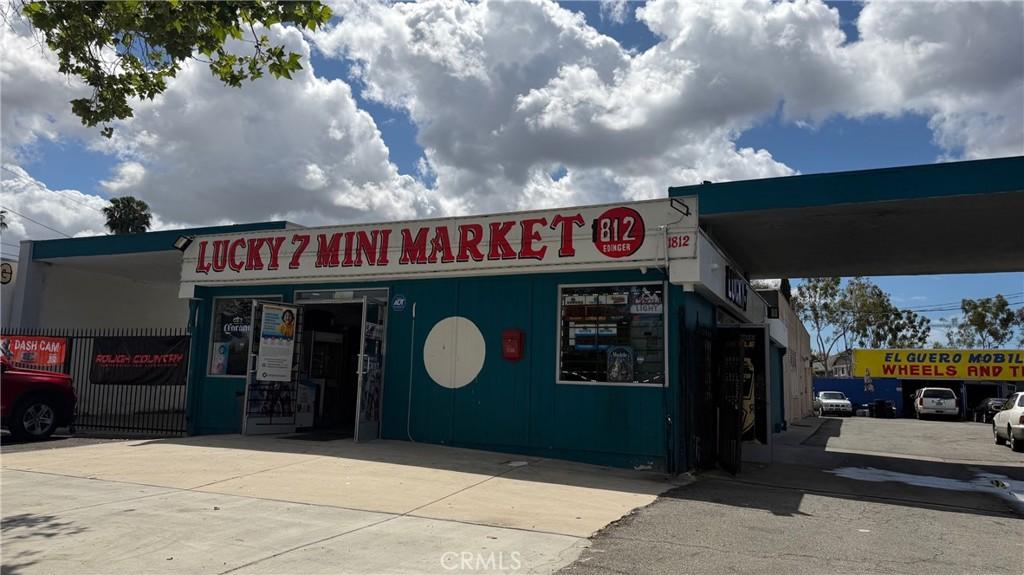
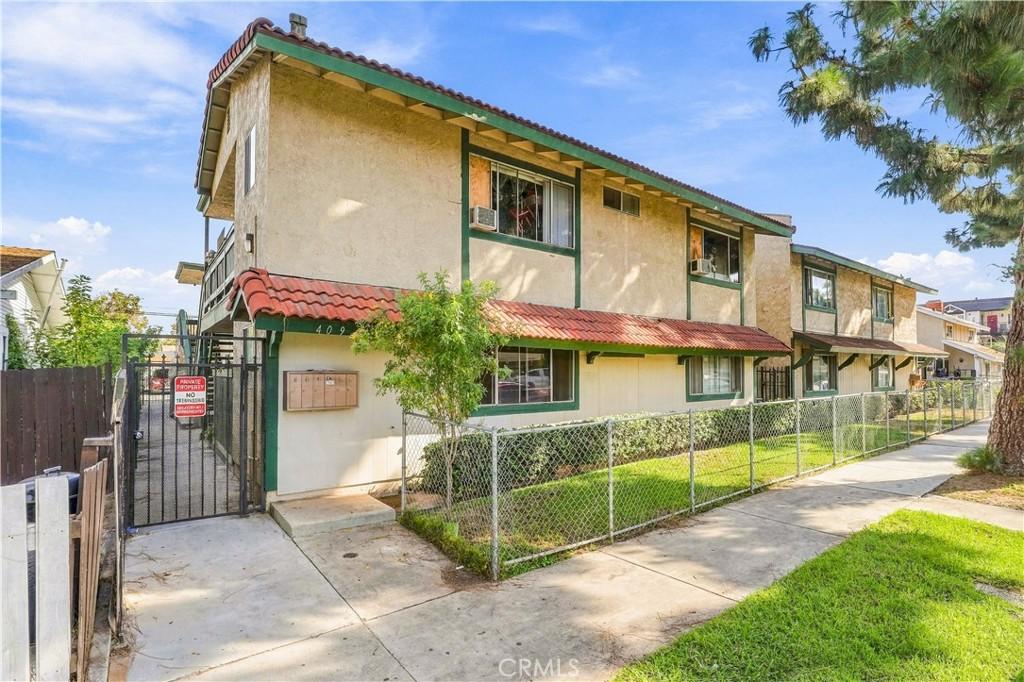
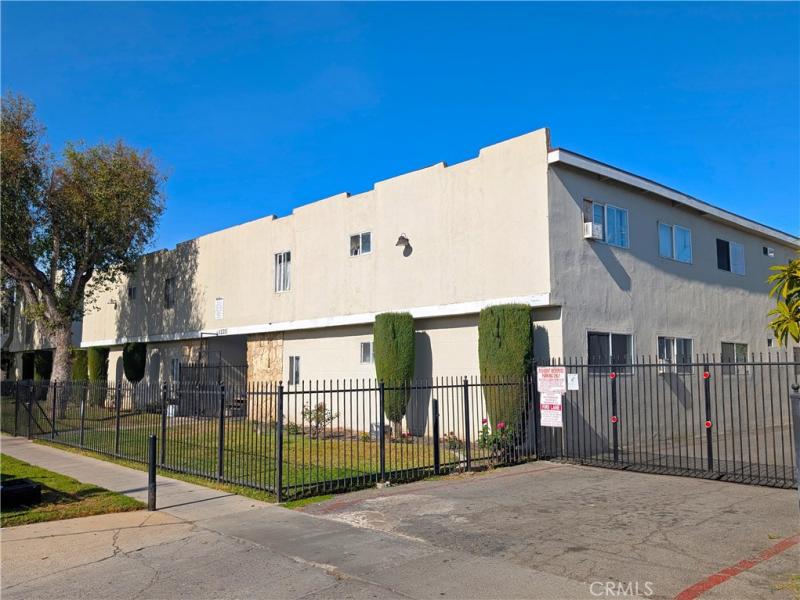
Homes for Sale in Santa Ana
Homes for sale in Santa Ana cover a wider range than almost anywhere else in Orange County, and that starts with the city itself. Santa Ana is the county seat, home to the courts and county agencies that employ 19,179 people and anchor a real downtown. It counted 310,227 residents in the 2020 census, third largest in Orange County. What buyers come for is the combination: an urban core, early-twentieth-century neighborhoods with genuine period architecture, and central-county freeway access, usually at a lower entry price than the coastal or master-planned cities nearby.
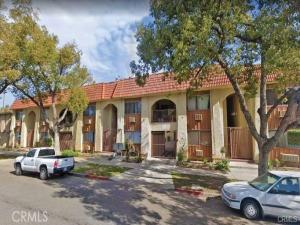
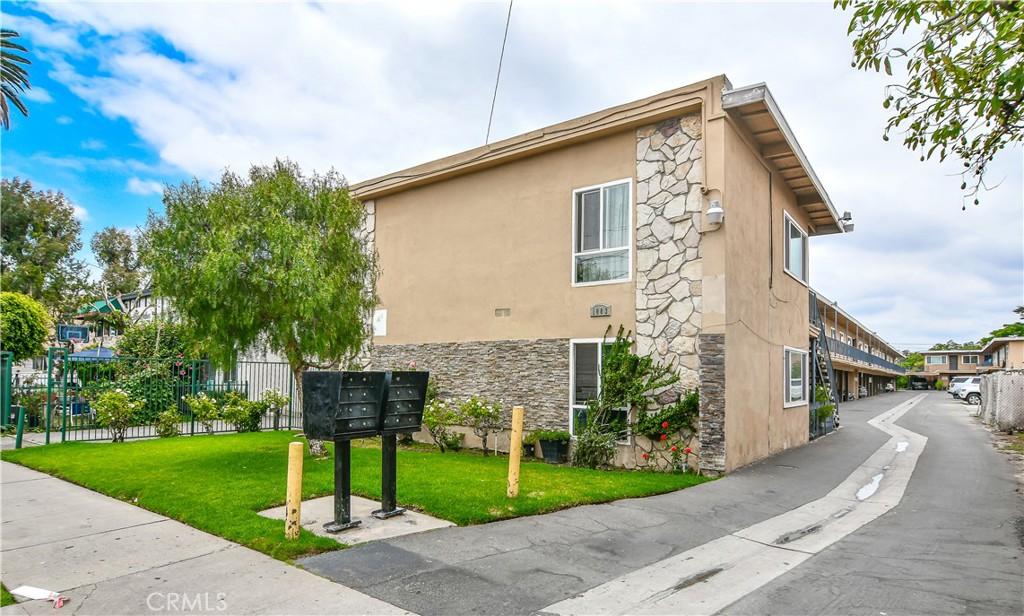
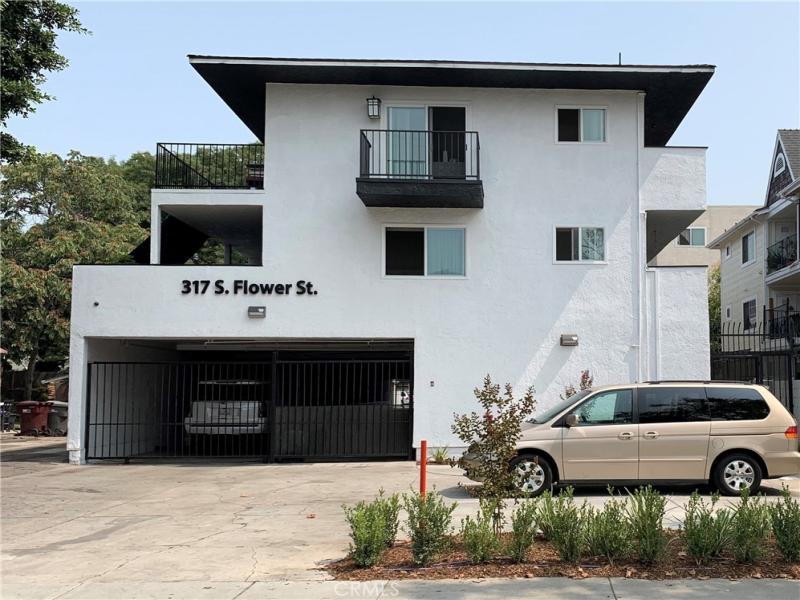
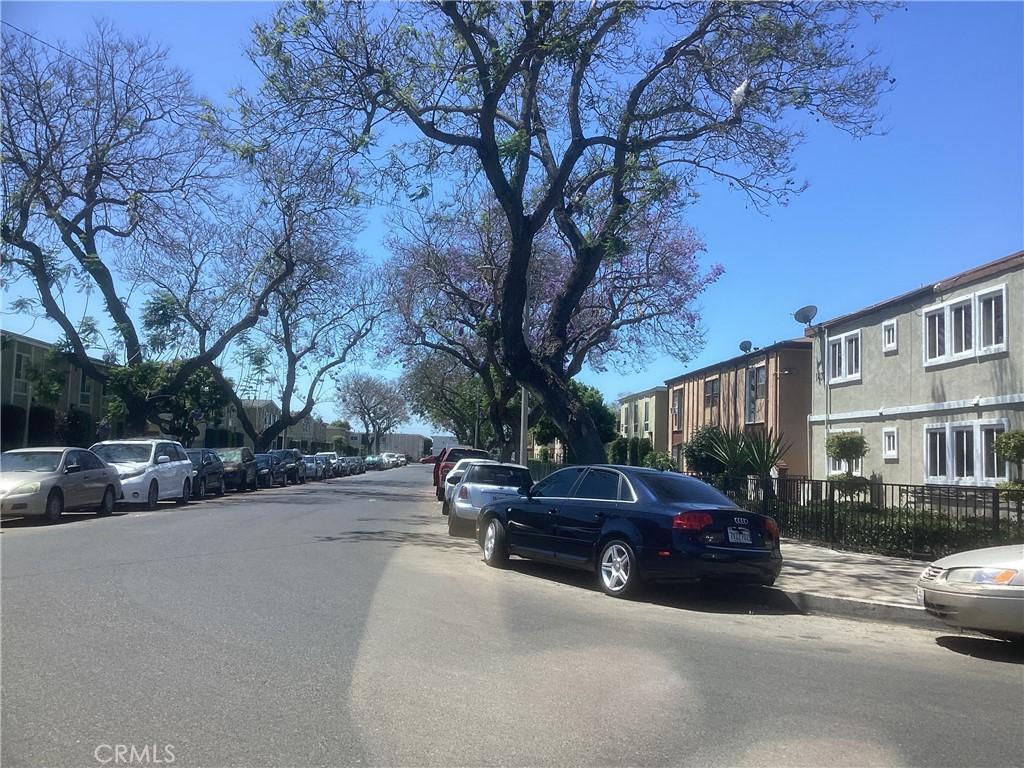
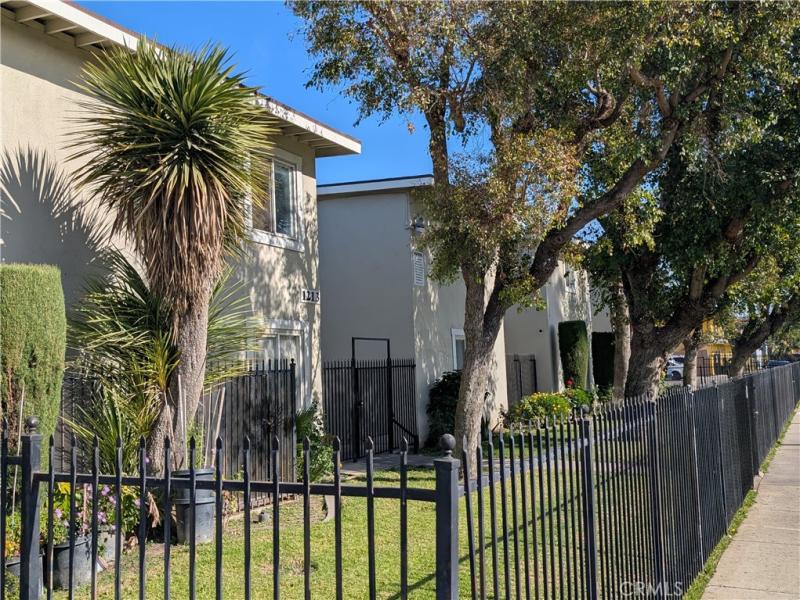
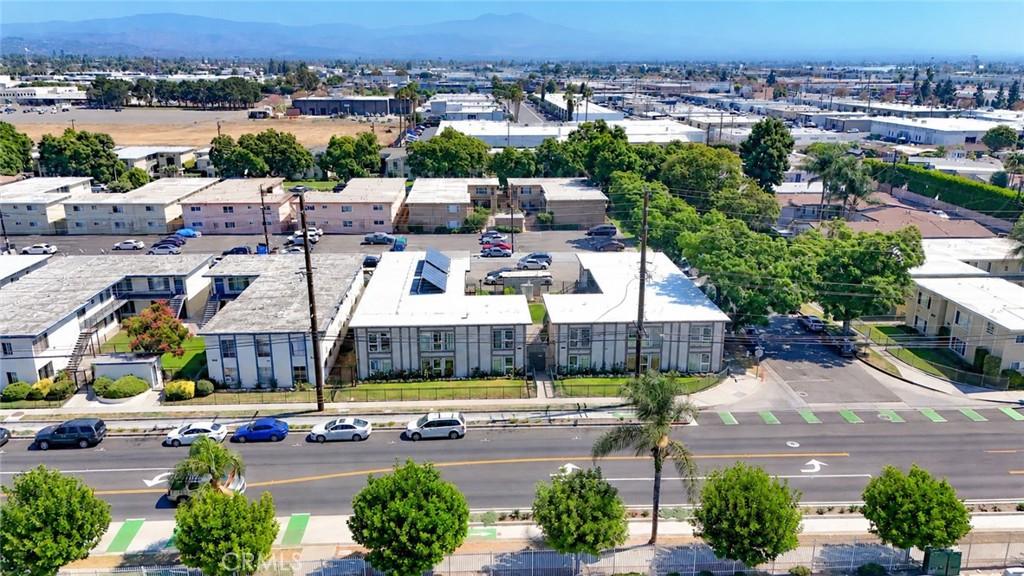
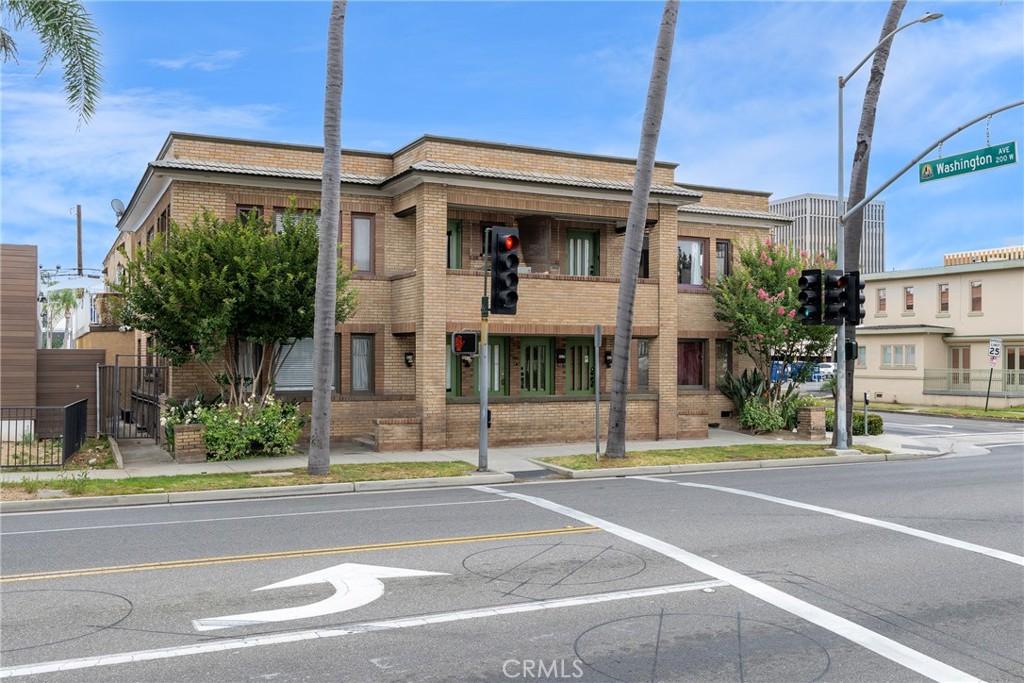
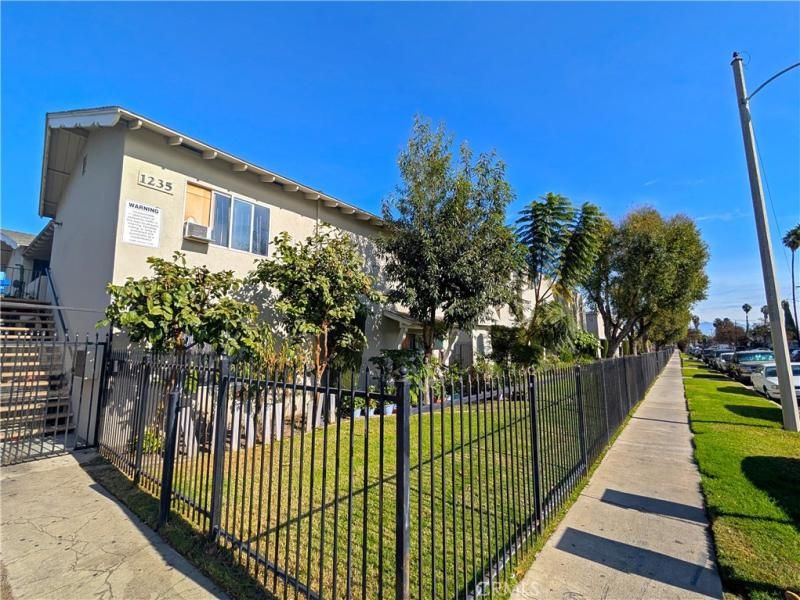
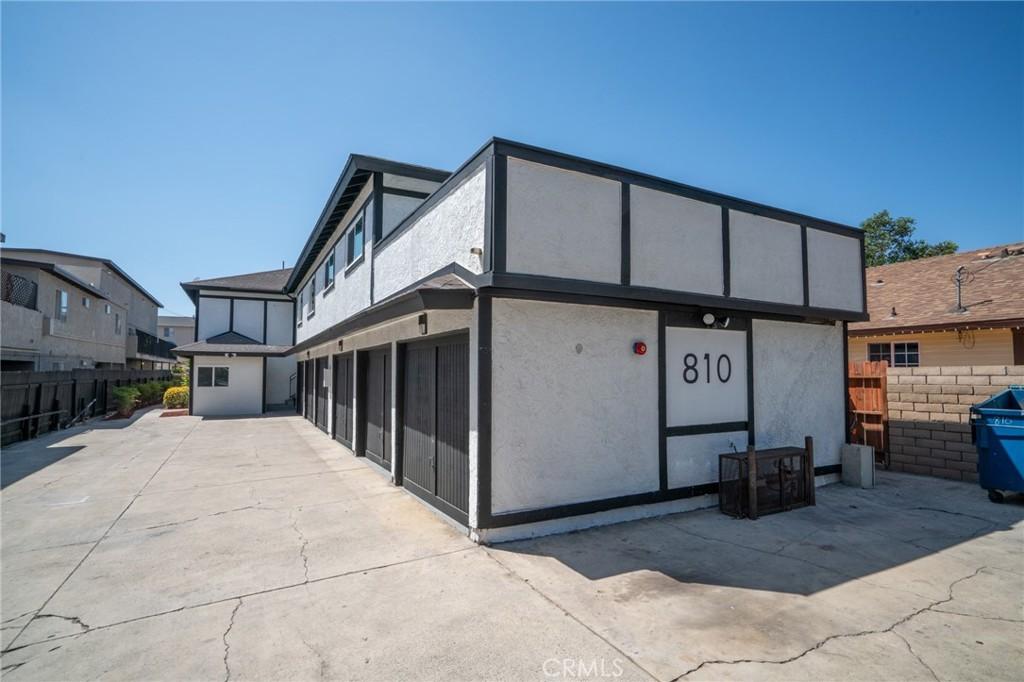
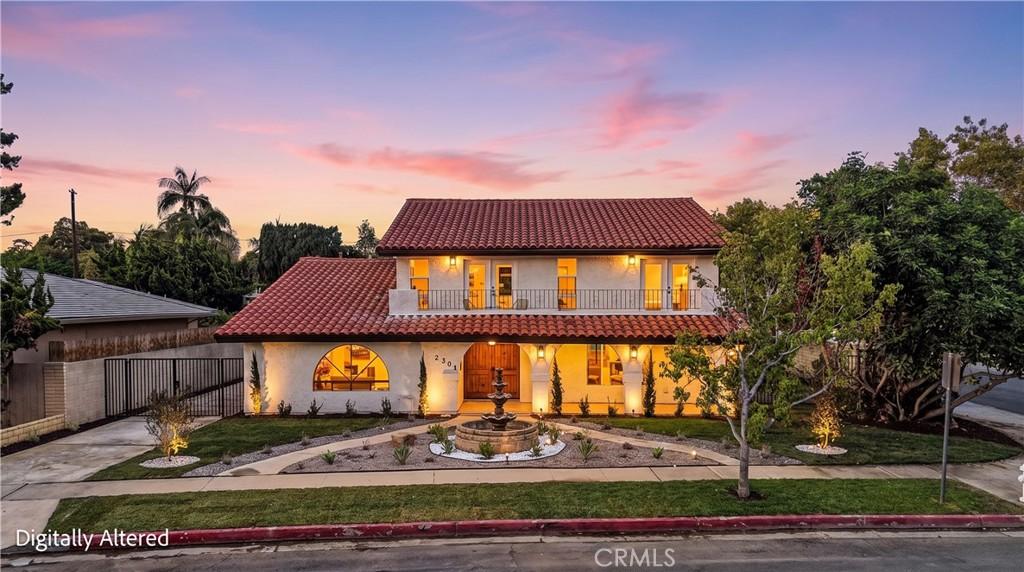
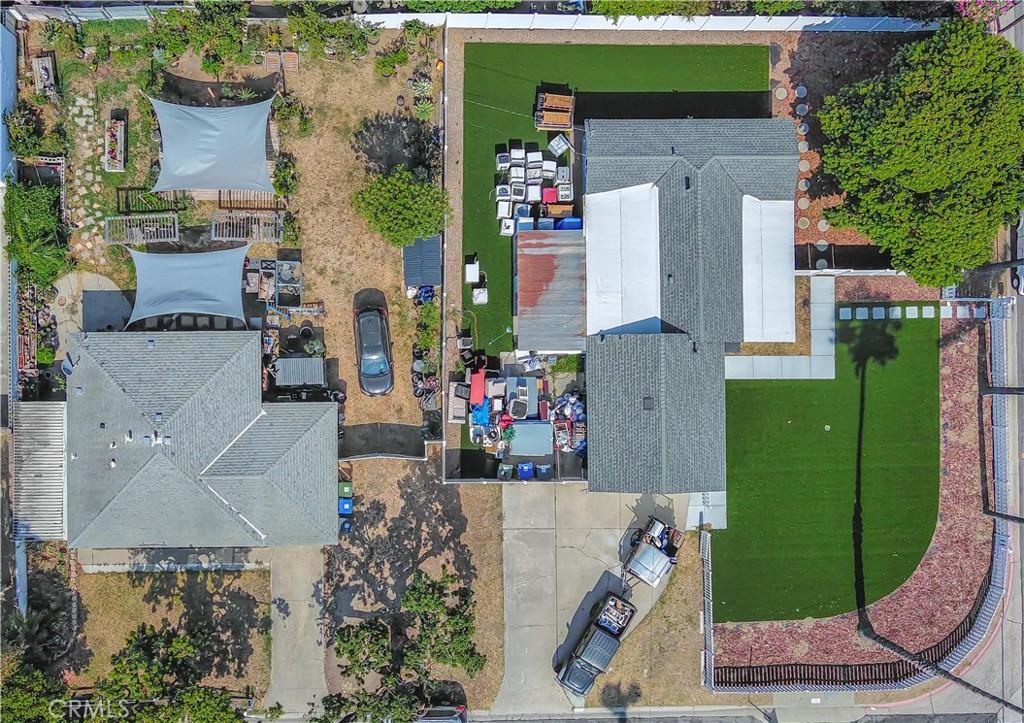
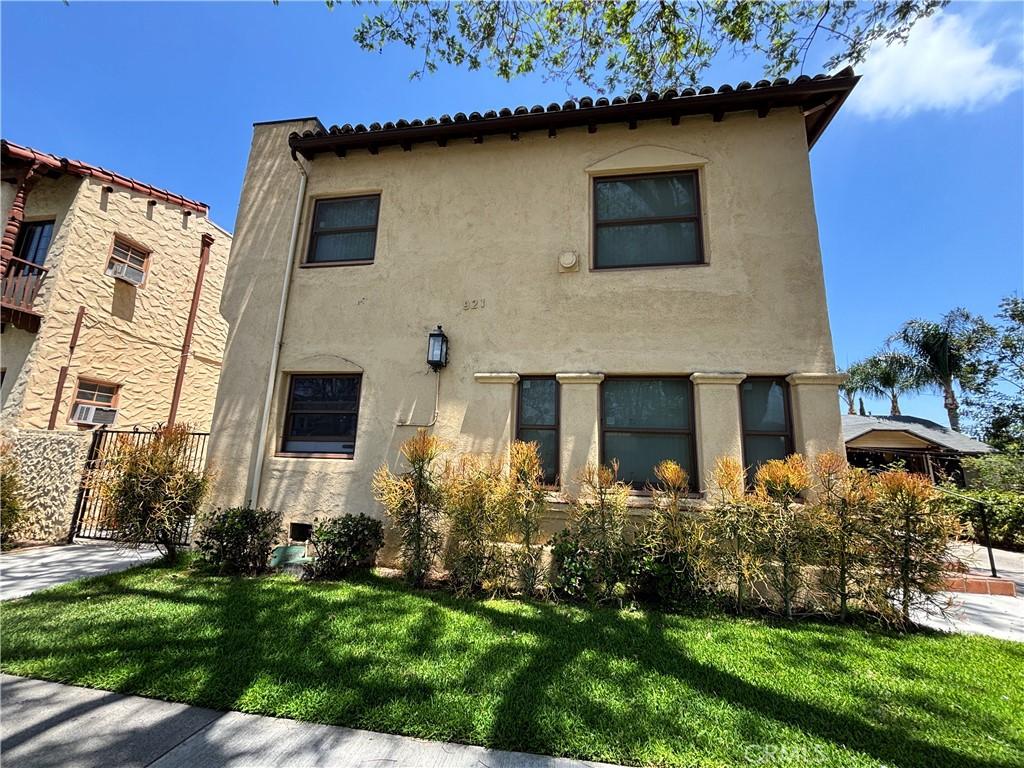
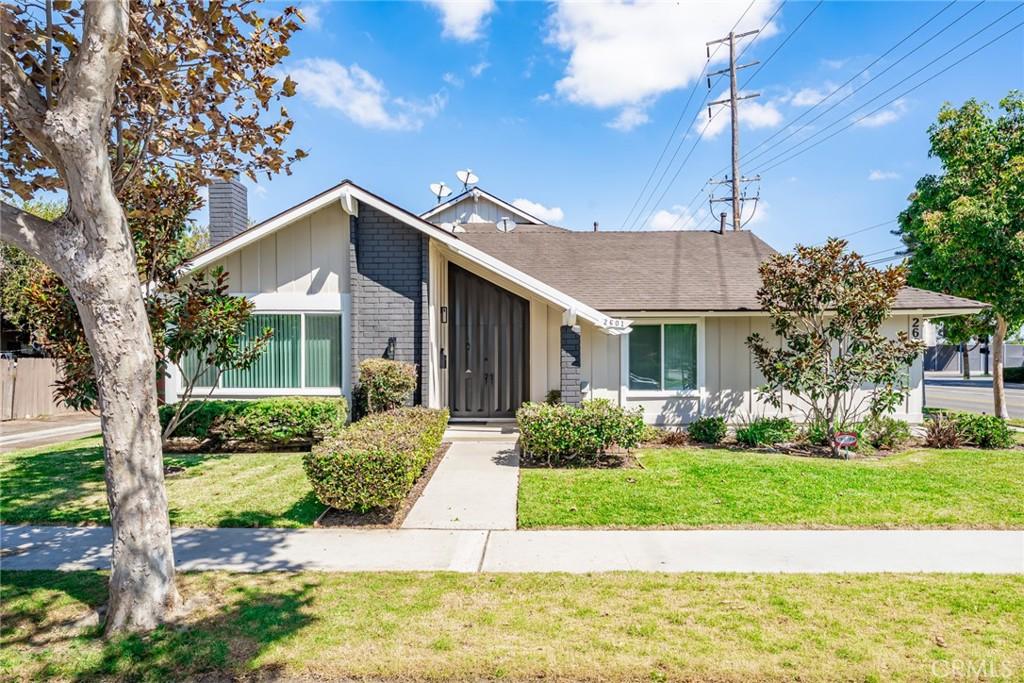
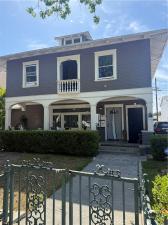
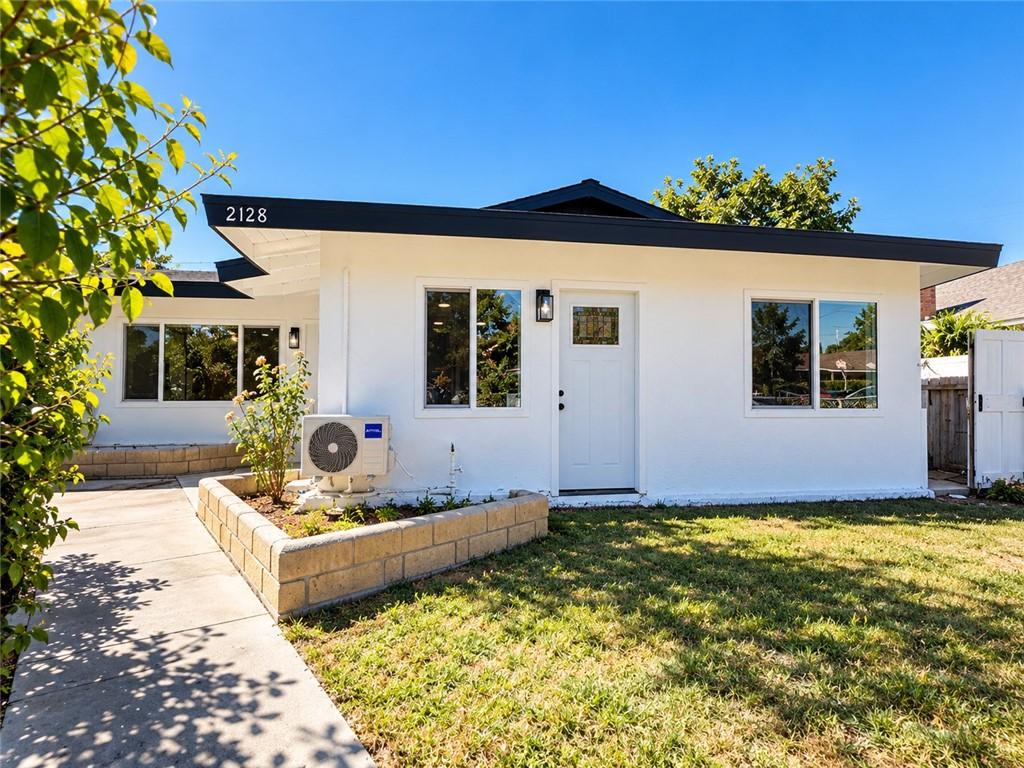
The housing stock shifts by neighborhood. Around downtown and historic districts like French Park, you find detached single-family homes from the early 1900s, some from the late 1800s, on established lots. Farther out, it moves toward mid-century and later houses, townhomes, condos, and newer live-work lofts, with denser contemporary product in South Coast Metro and Metro East. Value here is block-specific, so ask for comparables in the exact area rather than a citywide average.
Browse the current Santa Ana listings below, or contact The Knight Group to talk through which part of the city fits what you are trying to buy.
Where does Santa Ana sit within Orange County?
Santa Ana occupies the geographic center of Orange County. It is ringed by freeways and shares borders and commercial districts with several surrounding cities. The Santa Ana River runs through the west end of the city; it is largely channelized and seasonal today, though it produced several severe floods over the twentieth century before the dams and channels went in.
The city is not one uniform place. It breaks into distinct areas with different characters. Downtown Santa Ana is the historic core, dense and walkable, built around Fourth Street and the civic buildings. Midtown runs along Main Street and holds several of the city’s cultural institutions. South Coast Metro, on the southern edge, is shared with Costa Mesa and contains South Coast Plaza, one of the largest retail and corporate districts in the region. Metro East, near the freeway interchange, has been planned as a mixed-use growth area. Understanding which of these you are buying into matters more here than in a town with a single dominant style.
Why does being the county seat matter to a homebuyer?
The county-seat status is not just a title. Orange County government is the single largest employer in the city, with 19,179 employees reported in the city’s 2024 Annual Comprehensive Financial Report. That concentration of courts, agencies, and legal and professional offices anchors downtown and keeps a steady daytime population and demand for nearby housing.
It also shapes the housing pattern. Because the civic and commercial core was built out early, the residential neighborhoods that grew up around it are older than the tract housing that defines much of Orange County. That is the source of Santa Ana’s historic pockets. If you want a home with genuine period architecture rather than a 1970s or later subdivision, the county seat is one of the few places in the county where that stock exists in quantity.
What are Santa Ana’s historic neighborhoods?
Santa Ana holds several designated historic areas, which is unusual for Orange County. The city was claimed in 1869 by William H. Spurgeon, incorporated in 1886 with a population of about 2,000, and became the seat of the newly formed Orange County in 1889. That early start left a stock of homes and civic buildings that later cities never accumulated.
The French Park Historic District is one of the formally recognized residential districts. Downtown itself contains recognized historic districts as well, and several historic homes dating from the late 1800s survive in and around the core. Their preservation remains an active issue as downtown continues to redevelop, which is worth knowing: buying in or near a historic district can bring both the appeal of period housing and the review requirements that come with historic designation.
The civic landmarks reinforce the point. The Old Orange County Courthouse, at 211 West Santa Ana Boulevard, opened in September 1901 in a Romanesque Revival style. It was listed on the National Register of Historic Places in 1977 and is designated California Historical Landmark No. 837; today it operates as a museum and has served as a filming location. Downtown also holds the Santora Building, built in the California Churrigueresque style, which is one of the anchors of the arts district. These are the kinds of structures that give the historic pockets their character.
What does the housing stock actually look like?
Santa Ana’s housing is more varied than most Orange County cities. In and near downtown and the historic districts, you find detached single-family homes from the early twentieth century, some dating to the late 1800s, on established lots with mature landscaping. These are the properties buyers come to Santa Ana specifically to find, and they trade differently from newer product: condition, prior renovation quality, and any historic-district status all move the price.
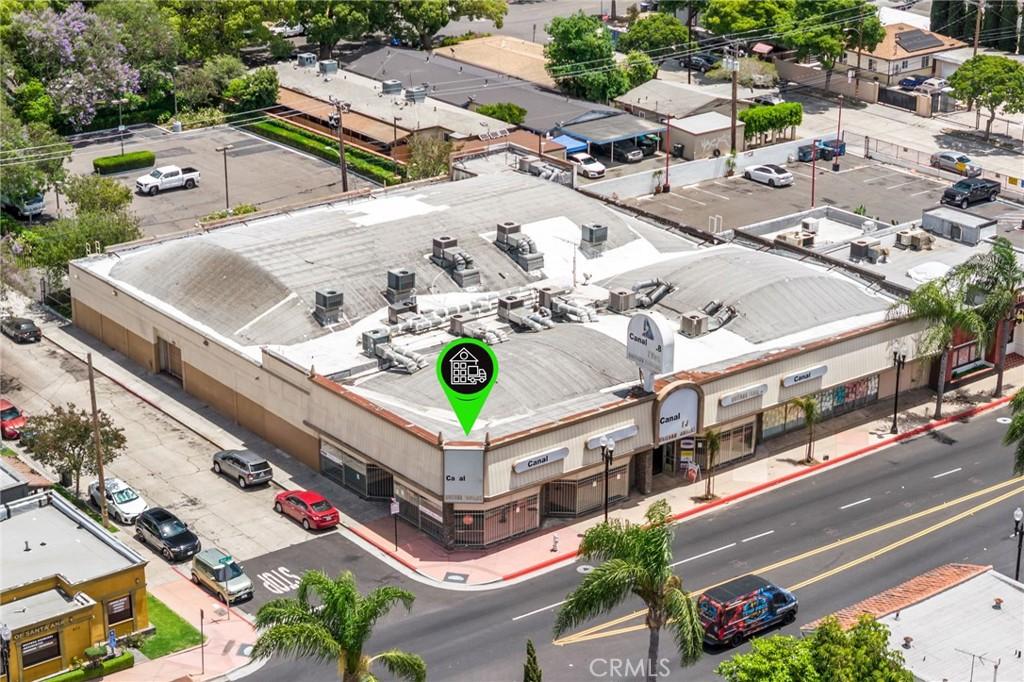
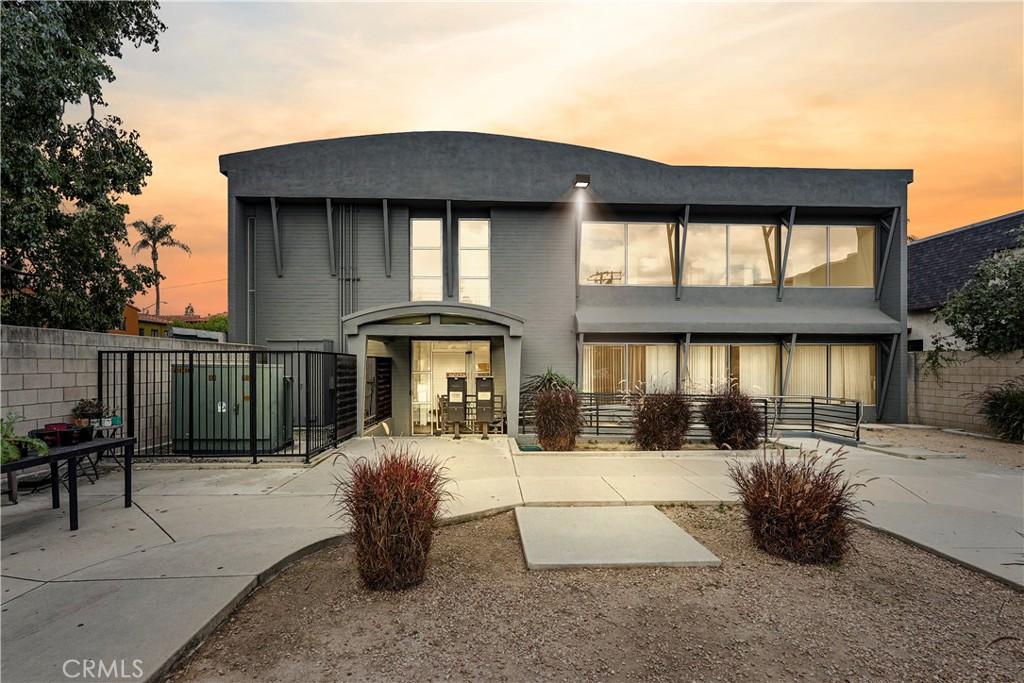
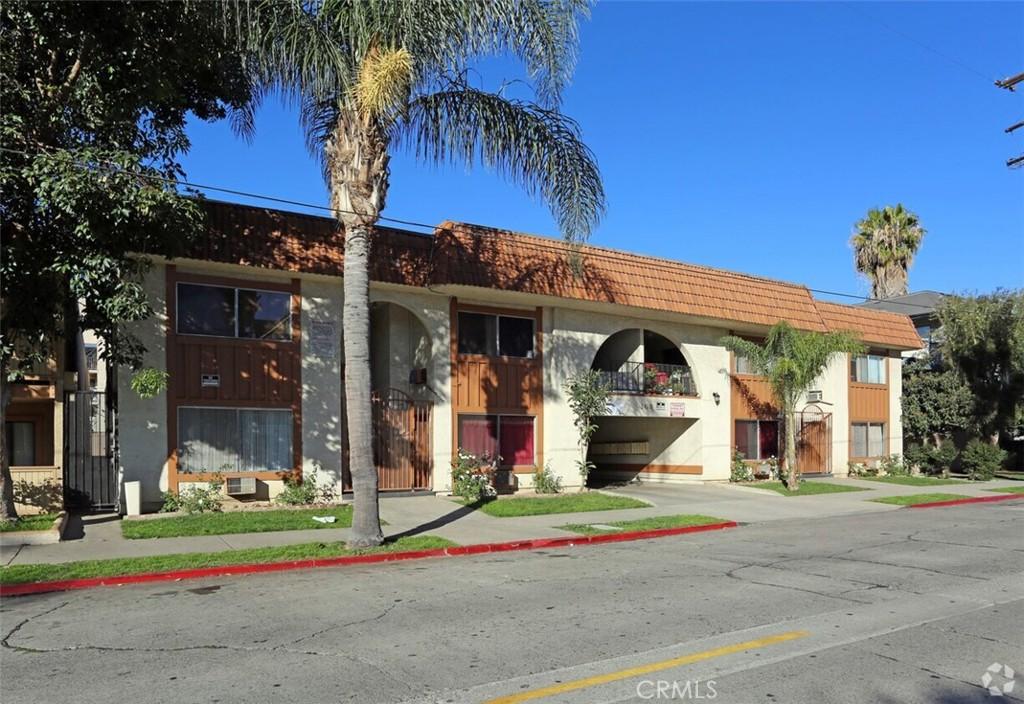
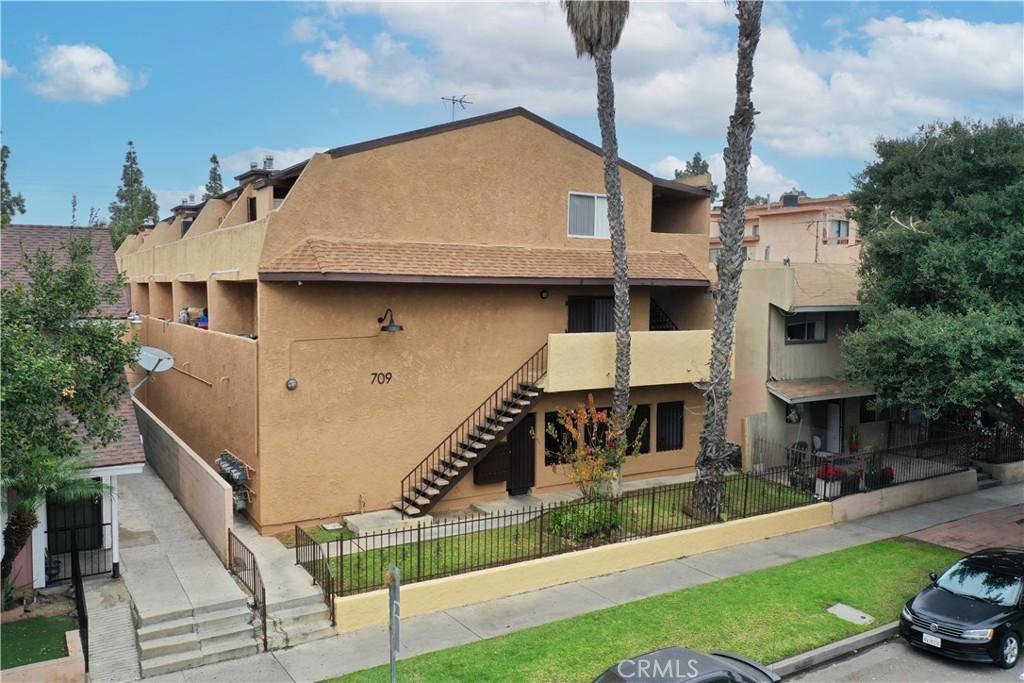
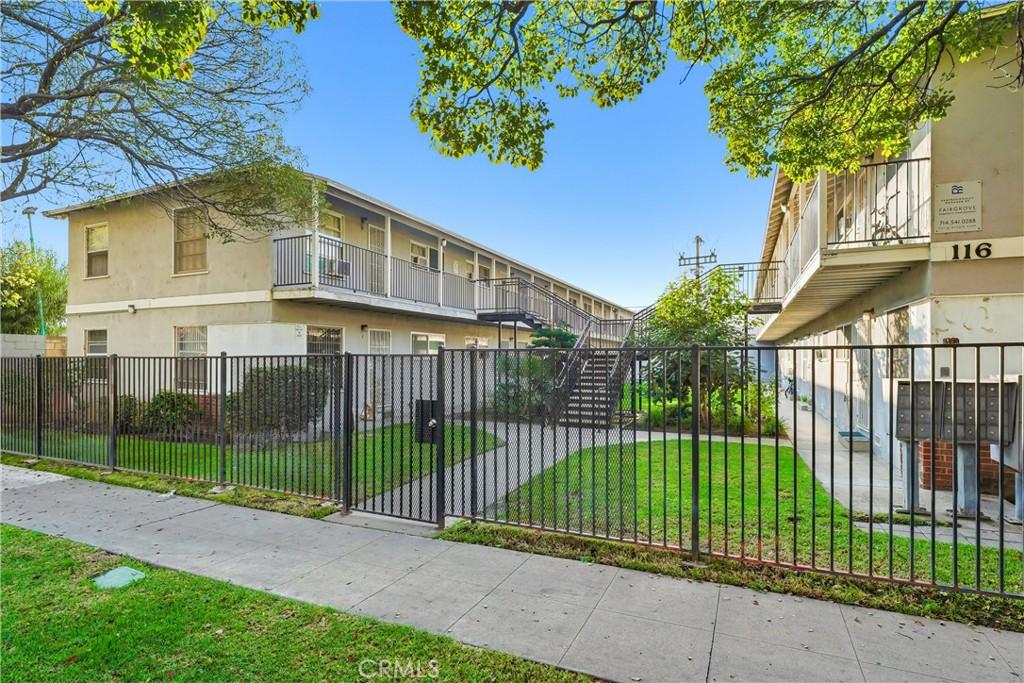
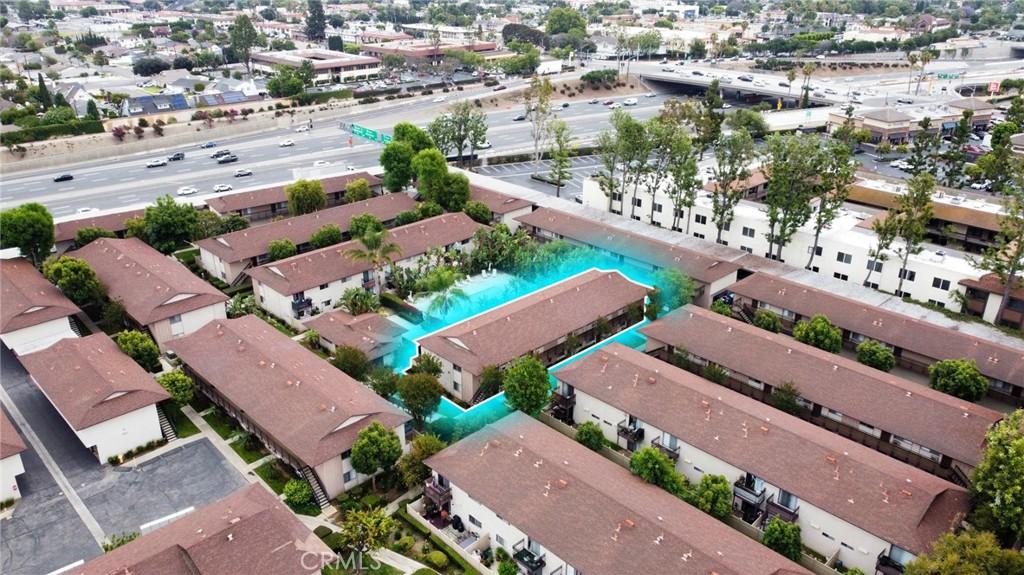
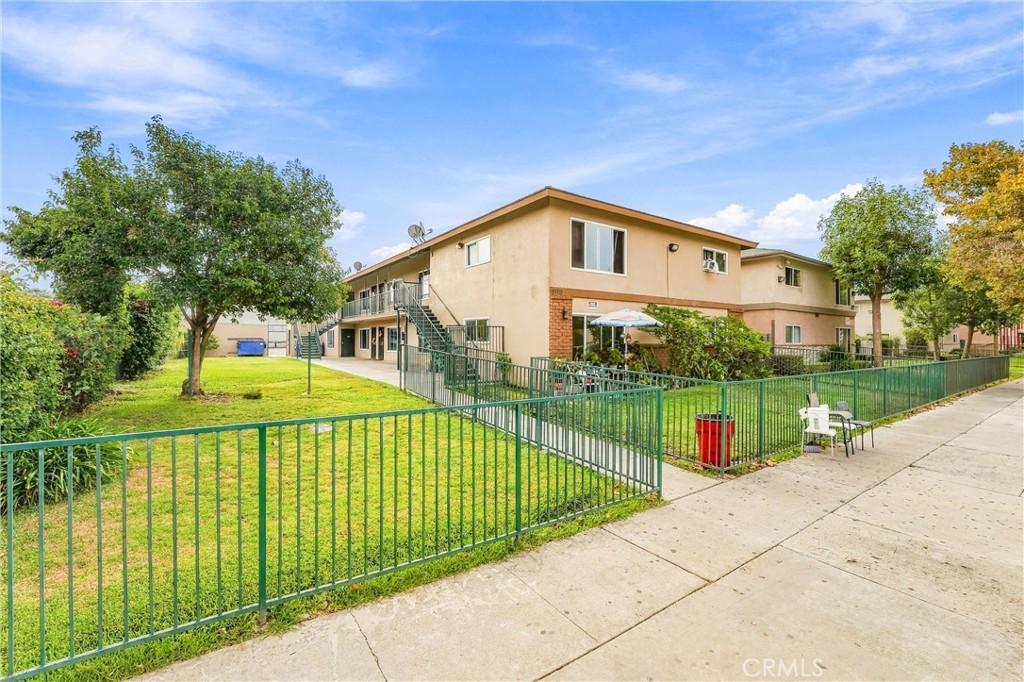
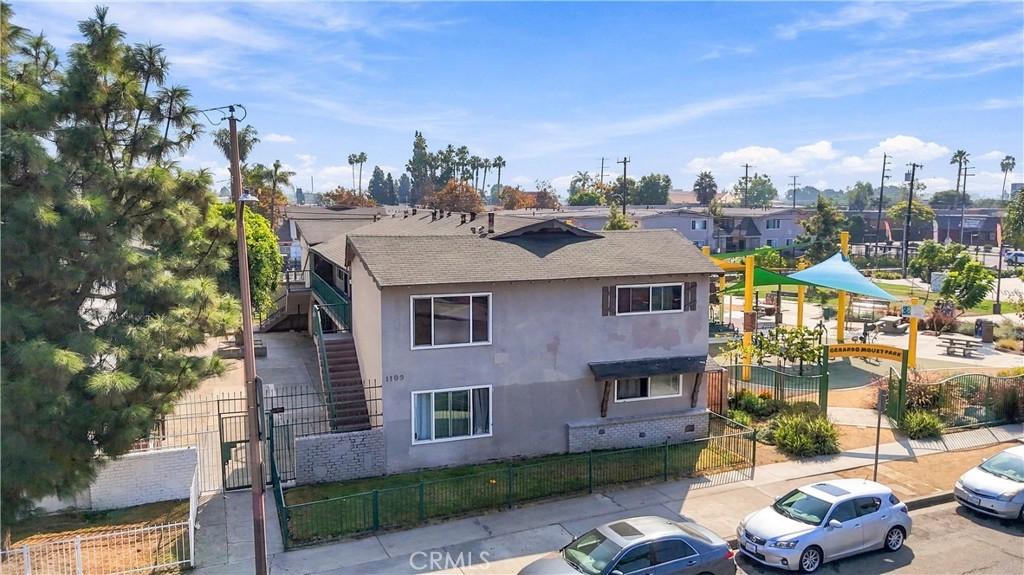
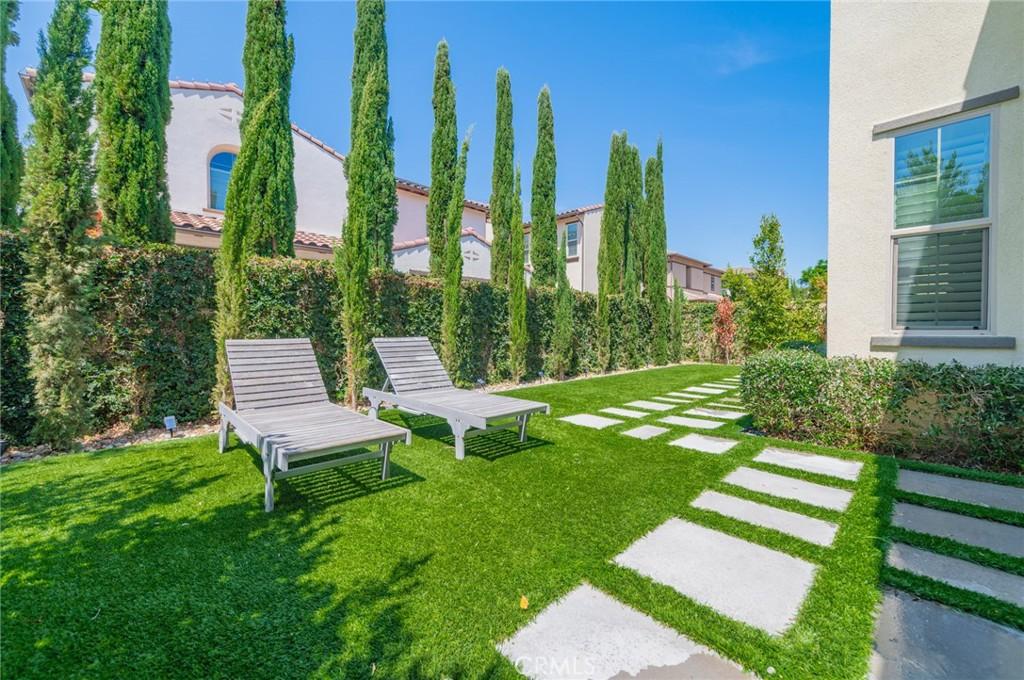
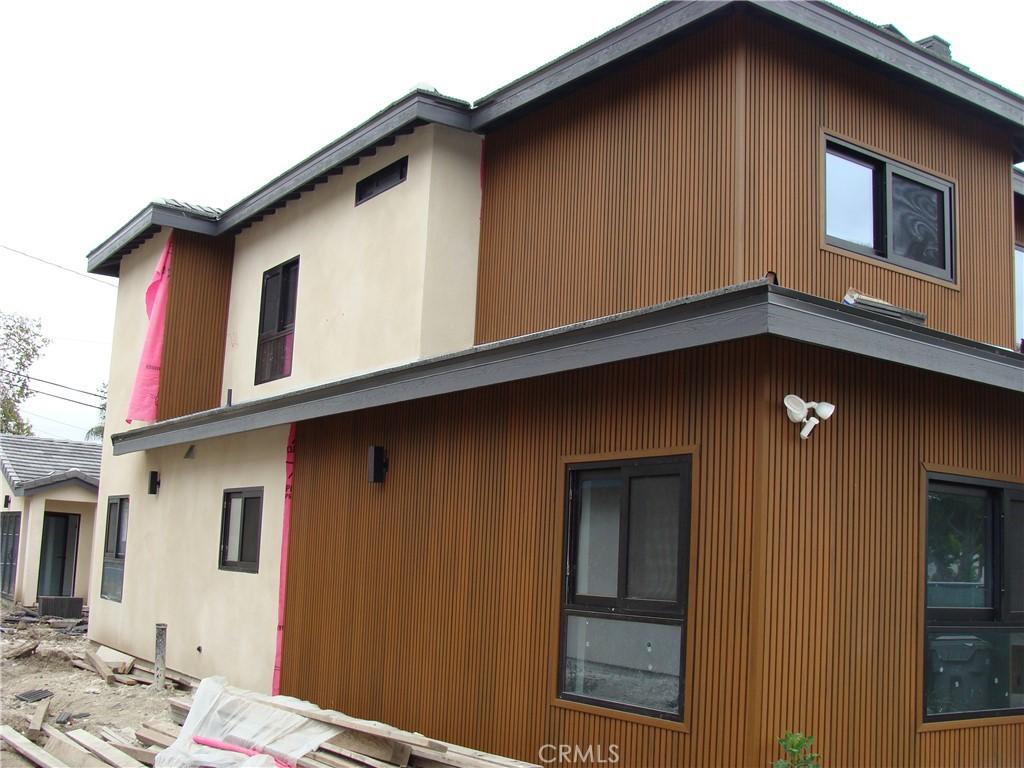
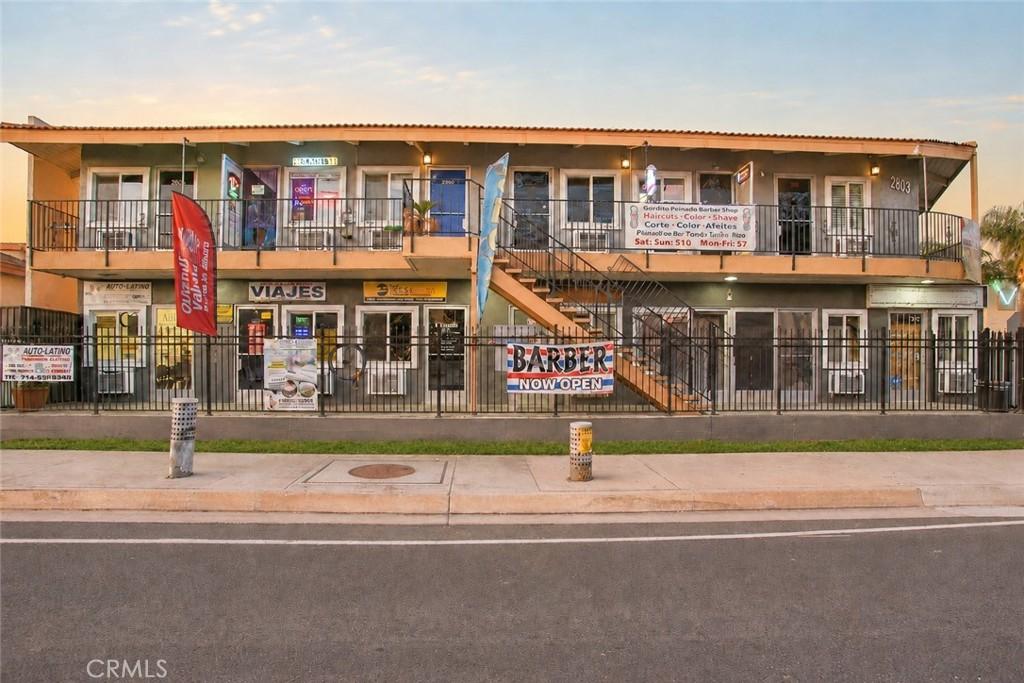
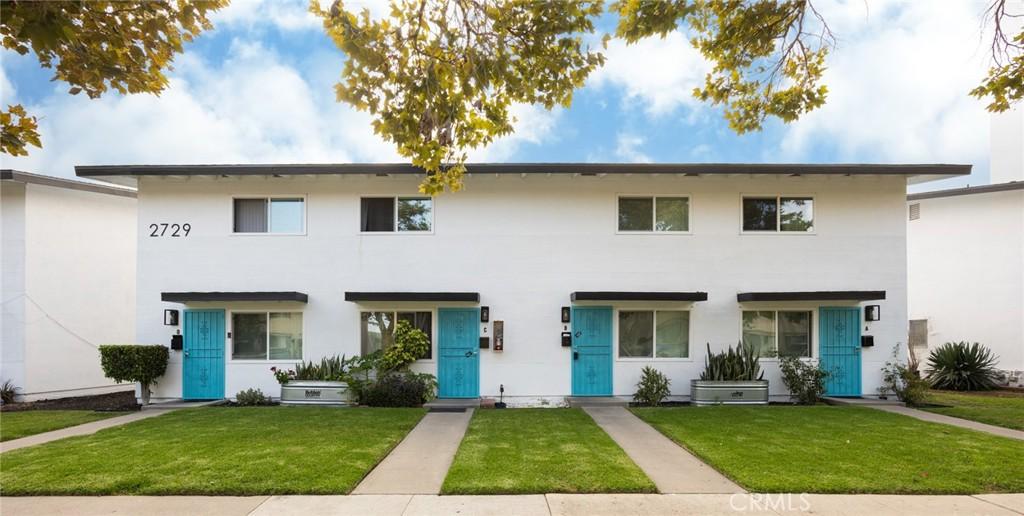
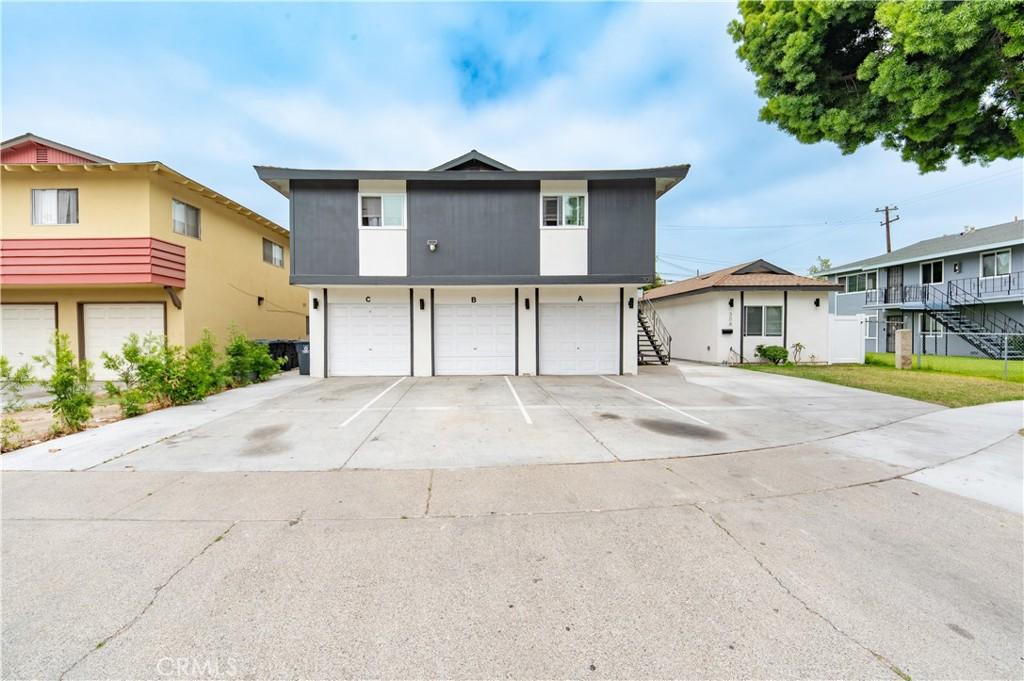
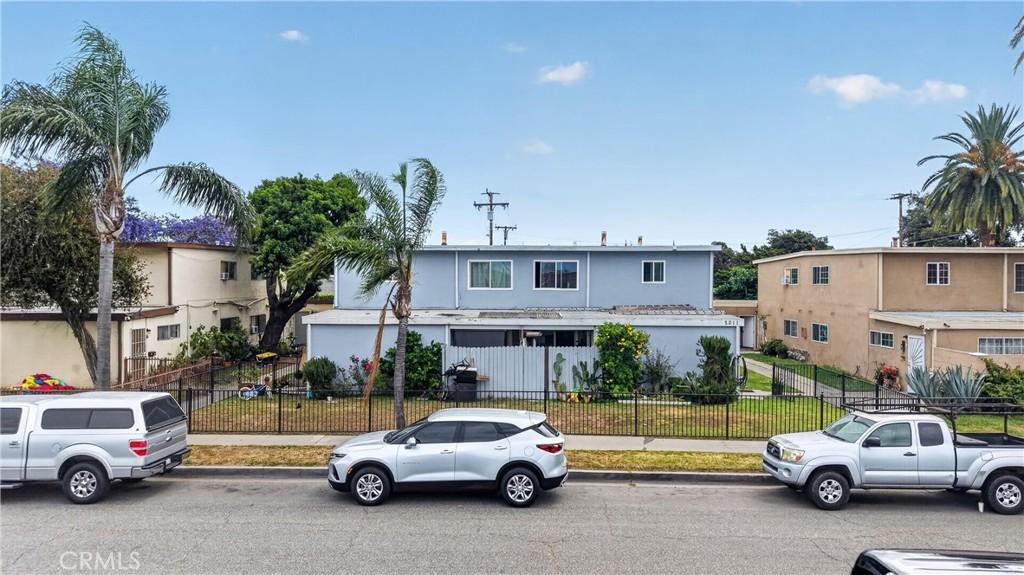
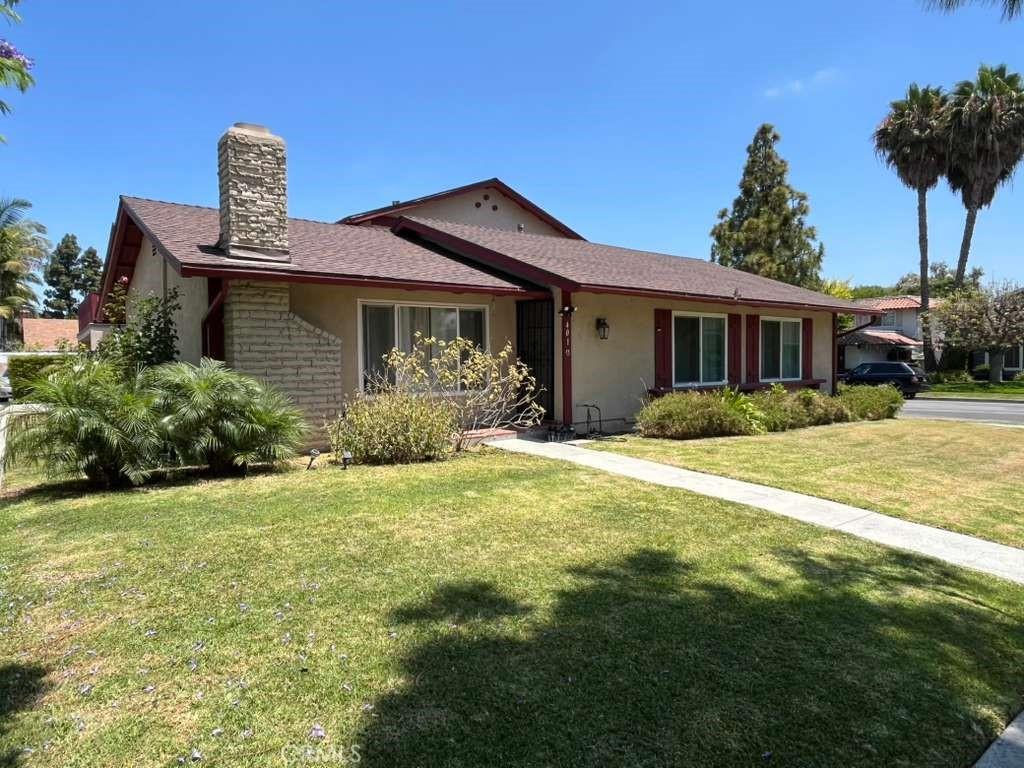
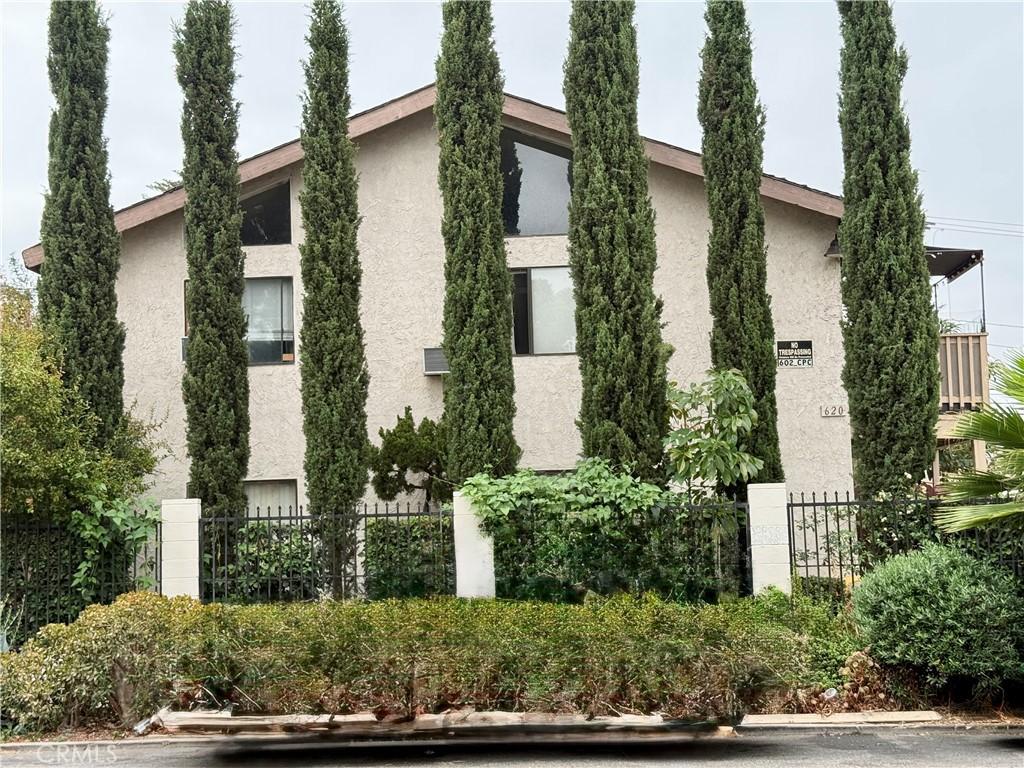
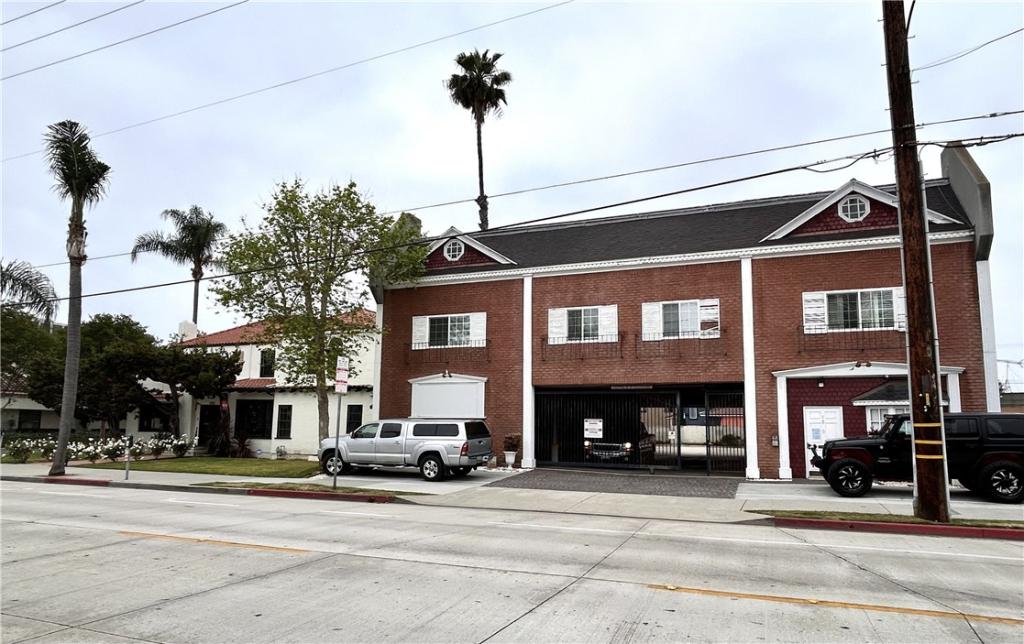
Away from the historic core, the stock shifts toward mid-century and later single-family homes, townhomes, and condominiums, including newer live-work and loft product tied to the downtown revitalization. South Coast Metro and Metro East carry denser, more contemporary housing. Because the range is this wide, a single citywide price figure tells you very little. The honest answer is that value in Santa Ana is neighborhood-specific and often block-specific. For current pricing in the exact area you are considering, ask The Knight Group for a pull on active and recently closed comparables rather than relying on a city average.
What is downtown Santa Ana and the Artists Village?
Downtown Santa Ana is the cultural and commercial heart of the city and one of the more active urban cores in Orange County. Fourth Street and the surrounding blocks have grown into a commercial and entertainment center, and the area has been through sustained revitalization since the 1980s. For a buyer, downtown means walkability, restaurants and nightlife, and proximity to the civic buildings, traded against the density and noise that come with any urban core.
The Artists Village grew up around Cal State Fullerton’s Grand Central Art Center and was built to draw artists and young professionals into live-work lofts and new businesses. The Yost Theater, which reopened in 2009, sits within this district, and the Santora Building anchors the arts blocks. If a walkable, arts-oriented, urban setting is what you want, this is where Santa Ana delivers it, and it is a genuinely different product from the county’s suburban norm.
How do you get around Santa Ana, and what is the commute like?
Santa Ana is one of the best-connected cities in Orange County for freeway access, which is both its convenience and its trade-off. Interstate 5, the Santa Ana Freeway, runs through the city, as do State Route 55, State Route 22, the Garden Grove Freeway, and Interstate 405 along the edges. That central position puts most of the county within a reasonable drive, and it is a major reason the city works for commuters who need to reach several job centers.
Rail and transit are unusually strong for the area. The Santa Ana Regional Transportation Center, built in 1985, connects Amtrak and regional rail service, giving residents an option that most Orange County cities lack. The flip side of sitting inside a freeway ring is traffic and, near the interchanges, road noise, so proximity to a freeway is a factor to weigh when you compare specific homes.
What is the job market and who are the major employers?
Santa Ana has a real employment base rather than being purely residential. Per the city’s 2024 Annual Comprehensive Financial Report, the County of Orange leads with 19,179 employees, followed by the Santa Ana Unified School District at 5,985 and Santa Ana College within the Rancho Santiago Community College District at 4,271. Several companies are headquartered in the city as well, including Behr Paint, First American Corporation, and Ingram Micro.
For a buyer, a deep local job base tends to support steadier housing demand and shorter commutes for anyone working in county government, education, or the professional and legal services that cluster around the courts. It also means daytime activity and traffic in the civic and commercial districts, which is a reasonable trade for the convenience.
What schools serve Santa Ana?
Most of the city is served by the Santa Ana Unified School District, which is also one of the largest employers in the city. Higher education is anchored by Santa Ana College, a public two-year community college within the Rancho Santiago Community College District. As with any large district, school assignment and individual school quality vary by attendance area, so a family buying for schools should verify the specific assigned schools for any address rather than relying on the district name alone. The Knight Group can point you to the current boundary and enrollment details for a given home.
What is the weather and are there natural risks to know?
Santa Ana has a hot semi-arid climate: hot, dry summers and mild winters, with rainfall averaging about 12.54 inches per year. The record high was 112 degrees, set on June 14, 1917, and the record low was 16 degrees, on January 12, 1989. In practice that means a long dry season and comfortable winters, typical of central Orange County.
The one physical risk worth naming is water. The Santa Ana River runs through the west end of the city and caused several severe floods during the twentieth century before it was channelized and controlled by upstream dams. It is largely seasonal now, but for homes near the river corridor, flood zone status is a specific item to check during due diligence. As with any purchase, confirm the flood designation and insurance implications for the exact parcel before you commit.
What is daily life and community like in Santa Ana?
Santa Ana is a Latino-majority city with a strong cultural identity. As of the 2020 census, Hispanic or Latino residents made up 76.7 percent of the population, and that heritage shapes the food, the businesses, and the events across the city, particularly downtown and along Fourth Street. For many buyers that culture is a large part of the appeal; it gives the city a specific, lived-in character rather than a generic suburban feel.
Everyday amenities are close at hand. The Bowers Museum, started in the 1930s, and the Santa Ana Zoo, opened in 1960, sit within the city, and Discovery Cube Orange County draws families from across the region. Retail runs from the historic downtown blocks to MainPlace Mall, which opened in 1958 and was rebuilt into MainPlace in 1987, to the large South Coast Metro district on the southern edge. Between the museums, the arts venues, the zoo, and the shopping, a Santa Ana resident does not have to leave the city for most of daily life, which is part of what the central-county location buys you.
What should a buyer weigh before choosing Santa Ana?
Santa Ana is a trade-off city, and the honest case for it rests on being clear about both sides. On the upside: genuine period architecture and historic districts that are rare in Orange County, a real urban downtown with arts and dining, central freeway and rail access, a deep civic and professional job base, and generally lower entry pricing than the coastal and master-planned cities nearby.
On the other side: the housing stock is old in the historic areas, which means renovation, systems, and, in designated districts, historic-review considerations. It is a dense, urban city rather than a quiet suburb, with the traffic and activity that come with a county seat. And value swings sharply by neighborhood and even by block, so a citywide average will mislead you. None of these are reasons to avoid Santa Ana. They are reasons to buy the specific street, not the city name, and to underwrite condition and location carefully.
How Do Buyers Compare Neighborhoods Before Making an Offer?
Because the city spans period houses near the civic core and denser contemporary product toward South Coast Metro and Metro East, shopping Santa Ana real estate works best when you narrow to two or three areas first and judge each on its own terms. An older detached house on an established lot and a newer loft or townhome are different purchases: different maintenance expectations, different renovation histories, different resale audiences. Decide which trade you actually want before you start touring, or every showing will feel like a comparison between things that were never comparable.
From there, the practical checks are local. Ask what the block looks like, not just the listing. Confirm whether a property sits inside a designated historic district and what review that adds to future exterior work. Weigh proximity to the downtown core and the freeways against how quiet you want the street. Then have The Knight Group pull active and closed sales within that specific pocket, so your offer reflects the neighborhood you are buying rather than the city as a whole.
Frequently Asked Questions About santa ana Homes for Sale
Is Santa Ana a good place to buy an older or historic home?
Yes, if period architecture is what you want. Santa Ana is one of the few Orange County cities with formally recognized historic districts, including French Park and the downtown historic districts, plus homes dating to the late 1800s. Buying in a designated district can bring review requirements for exterior changes, so factor that into your plans before you commit.
Why is Santa Ana more affordable than nearby Orange County cities?
Entry pricing in much of Santa Ana runs below the coastal and master-planned cities, largely because of its older, denser, more urban character and its central rather than coastal location. That said, pricing varies widely by neighborhood, and the historic pockets and South Coast Metro area can carry a premium. Ask for a comparables pull on the specific area before assuming a citywide number applies.
Is Santa Ana a good commuter location?
It is one of the better-connected cities in the county. Interstate 5, State Route 55, State Route 22, and Interstate 405 all serve the city, and the Santa Ana Regional Transportation Center adds Amtrak and regional rail. The trade-off is traffic and, near the freeways, road noise, so weigh a home’s distance from the interchanges.
What is there to do in Santa Ana?
Downtown Santa Ana and the Artists Village anchor the cultural scene, with dining, nightlife, live-work lofts, and venues like the Yost Theater. The city is also home to the Bowers Museum, which started in the 1930s, the Santa Ana Zoo, opened in 1960, and Discovery Cube Orange County. South Coast Plaza, in the South Coast Metro area shared with Costa Mesa, is a major retail destination.
Are there flood or natural-hazard concerns in Santa Ana?
The Santa Ana River runs through the west side of the city and caused several severe floods in the twentieth century before it was channelized and dam-controlled. It is largely seasonal now, but flood zone status is a real item to verify for homes near the river corridor. Confirm the flood designation and insurance for any specific parcel during due diligence.
What schools serve Santa Ana?
Most of the city falls within the Santa Ana Unified School District, and Santa Ana College serves as the local community college. School quality and assignment vary by attendance area, so verify the assigned schools for a specific address rather than relying on the district name.
How large is Santa Ana?
The 2020 census recorded 310,227 residents, making Santa Ana the third most populous city in Orange County after Anaheim and Irvine, and the 14th most populous in California. It has been the county seat since 1889.
How do I find out what a specific Santa Ana home is worth?
Because value here is neighborhood and block specific, a citywide average is not reliable. The Knight Group can run active and recently sold comparables for the exact area and property type you are considering and walk you through what actually drives the number.
How does The Knight Group work in Santa Ana?
The Knight Group represents buyers and sellers across Orange County, and Santa Ana is a market that rewards local, neighborhood-level knowledge rather than broad assumptions. Because the city ranges from historic districts to newer urban product to the South Coast Metro corridor, the first step is matching what you want to the specific part of the city that delivers it, then underwriting condition, location, and any historic-district or flood considerations honestly.
If you are considering Santa Ana, start by browsing the current listings below to see what is on the market. When you are ready, contact The Knight Group for a comparables pull on the exact neighborhood you are weighing, a clear read on the trade-offs, and representation through the offer and close. We would rather tell you where a home is a poor fit than sell you the city name.
What are homes for sale in Santa Ana like?
- Homes for sale in Santa Ana cover a wider range of housing types than almost anywhere else in Orange County.
- Santa Ana serves as the county seat of Orange County, home to the courts and county agencies that anchor a real downtown.
- Buyers come for the combination of an urban core, period neighborhoods, and central-county freeway access at a lower entry price.
- Housing stock shifts by neighborhood, so the character of a purchase depends heavily on which part of the city you choose.
- Historic districts like French Park hold detached single-family homes from the early twentieth century on established lots.
- Farther from downtown, homes for sale in Santa Ana move toward mid-century and later houses, townhomes, condos, and live-work lofts.
- South Coast Metro and Metro East carry denser contemporary product rather than the older detached stock found near the core.
- Value in Santa Ana is block-specific, so comparables for the exact area matter more than any citywide average.
- Santa Ana occupies the geographic center of Orange County, ringed by freeways and sharing borders and commercial districts with surrounding cities.
- The Santa Ana River runs through the west end of the city, largely channelized and seasonal today after dams and channels went in.
- Downtown Santa Ana is the historic core, dense and walkable, built around Fourth Street and the civic buildings.
- Midtown runs along Main Street and holds several of the city’s cultural institutions.
- South Coast Metro sits on the southern edge, shared with Costa Mesa, and contains South Coast Plaza as a major retail and corporate district.
- Orange County government stands as the single largest employer in the city, concentrating courts, agencies, and legal and professional offices downtown.
- Homes for sale in Santa Ana include genuine period architecture in quantity, a stock that later Orange County cities never accumulated.
What is it like to live in homes for sale in Santa Ana?
- Santa Ana carries a real employment base rather than functioning as a purely residential city on the edge of the county.
- The County of Orange leads local employment, followed by the Santa Ana Unified School District and Santa Ana College.
- Companies headquartered in the city include Behr Paint, First American Corporation, and Ingram Micro.
- A deep local job base tends to support steadier housing demand and shorter commutes for buyers working in county government or education.
- Daytime activity and traffic in the civic and commercial districts come with the convenience of living near the courts.
- Most of the city is served by the Santa Ana Unified School District, itself one of the largest employers in Santa Ana.
- Santa Ana College anchors higher education as a public two-year community college within the Rancho Santiago Community College District.
- School assignment and individual school quality vary by attendance area, so families should verify assigned schools for a specific address.
- Santa Ana has a hot semi-arid climate, with hot dry summers, mild winters, and a long dry season typical of central Orange County.
- Flood zone status is a specific due-diligence item for homes for sale in Santa Ana near the river corridor.
- Santa Ana is a Latino-majority city whose heritage shapes the food, the businesses, and the events, particularly downtown and along Fourth Street.
- Everyday amenities sit close at hand, including the Bowers Museum, the Santa Ana Zoo, and Discovery Cube Orange County.
- Retail runs from the historic downtown blocks to MainPlace to the large South Coast Metro district on the southern edge.
- Homes for sale in Santa Ana appeal to buyers who want a real urban downtown with arts, dining, and central freeway and rail access.
- Older housing stock in the historic areas means renovation, systems, and historic-review considerations for homes for sale in Santa Ana within designated districts.
What should buyers know before buying homes for sale in Santa Ana?
- Entry pricing across much of Santa Ana runs below the coastal and master-planned cities because of its older, denser, more urban character.
- Pricing for homes for sale in Santa Ana varies widely by neighborhood, with historic pockets and South Coast Metro carrying a premium.
- The Santa Ana Regional Transportation Center adds Amtrak and regional rail to the city’s connections.
- Traffic and road noise near the freeways are the trade-off, so weigh a home’s distance from the interchanges.
- Downtown Santa Ana and the Artists Village anchor the cultural scene with dining, nightlife, live-work lofts, and venues like the Yost Theater.
- The Bowers Museum, the Santa Ana Zoo, and Discovery Cube Orange County give residents cultural and family destinations inside the city.
- South Coast Plaza, in the South Coast Metro area shared with Costa Mesa, stands as a major retail destination.
- The Santa Ana River runs through the west side of the city and is largely seasonal now after channelization and dam control.
- Flood zone status remains a real item to verify for homes near the river corridor before committing to a purchase.
- Most of the city falls within the Santa Ana Unified School District, with Santa Ana College serving as the local community college.
- School quality and assignment vary by attendance area, so verify assigned schools for a specific address rather than relying on the district name.
- Santa Ana ranks among the most populous cities in Orange County, after Anaheim and Irvine, and has long been the county seat.
- Value across homes for sale in Santa Ana is neighborhood and block specific, which makes a citywide average unreliable for pricing decisions.
- The Knight Group can run active and recently sold comparables for the exact area and property type you are considering.