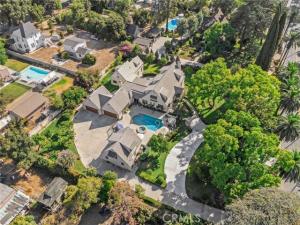
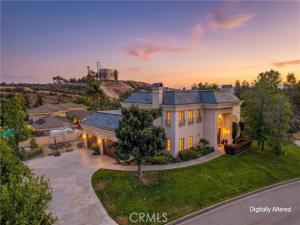
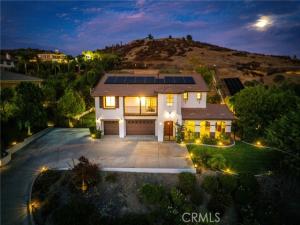
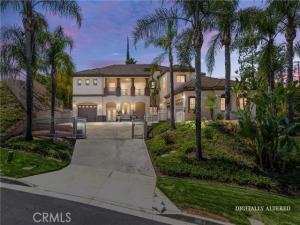
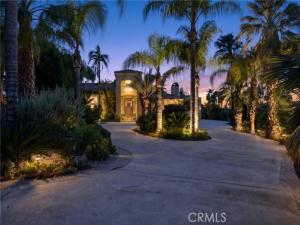
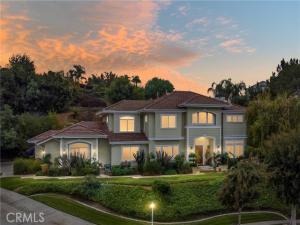
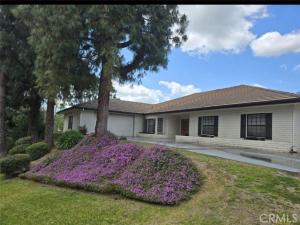
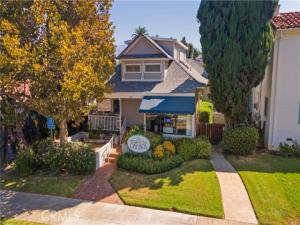
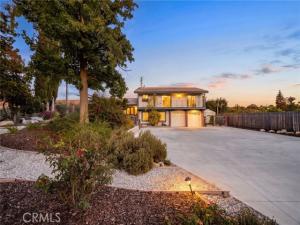
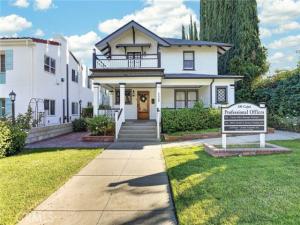
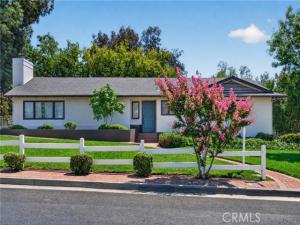
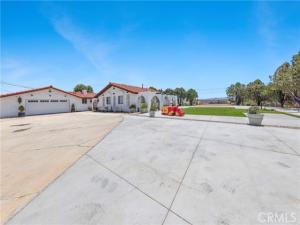
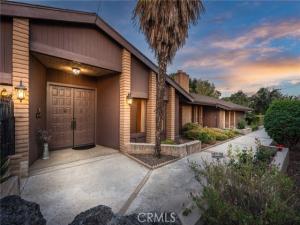
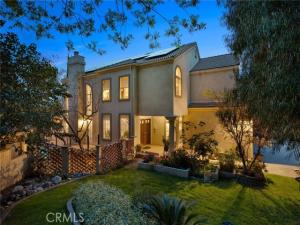
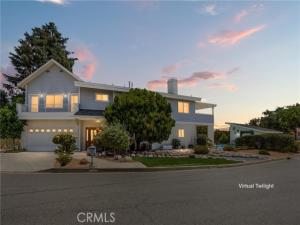
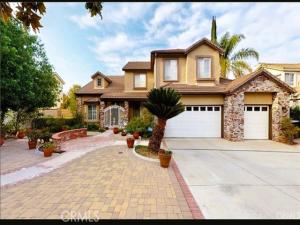
Homes for Sale in Redlands, California
Homes for Sale in Redlands currently number 200 active listings with a median asking price of $679,249 (CRMLS, September 2026).
The homes for sale in Redlands sit about 60 miles east of downtown Los Angeles, in a city built on citrus money and still shaped by it. Founded in 1881 and incorporated in 1888, Redlands kept its Victorian mansions, its tree-lined streets, and a walkable historic downtown anchored by the University of Redlands. Buyers get architecture and mature landscaping at prices below coastal Los Angeles and Orange County, in exchange for a longer commute west on I-10 and an inland climate.
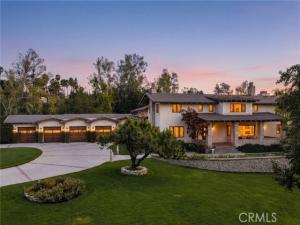
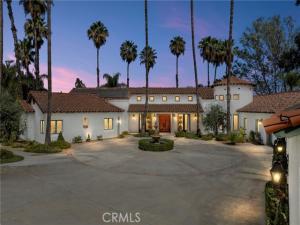
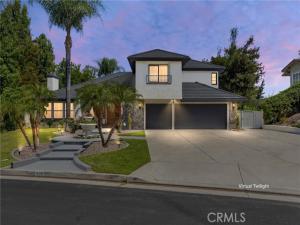
Single-family detached homes make up roughly two-thirds of the city’s housing units, so you are shopping houses, not condos. Median values have run in the low-to-mid $700,000s, but that number hides a lot: Redlands Classic and Citrus carry period detail and older-home maintenance, Redlands Village puts you walking distance from downtown, and Live Oak Canyon means larger estates, bigger lots, and equestrian property in the southern hills.
Browse the active Redlands listings below, or contact The Knight Group to talk through which pocket of the city fits how you actually plan to live.
Where is Redlands and how do you get around?
Redlands sits at the base of the San Bernardino Mountains along Interstate 10, midway between Los Angeles and Palm Springs. I-10 is the primary artery west toward the Los Angeles basin and east toward the desert, and State Route 210 connects the city north and west across the Inland Empire.
Rail access changed in late 2022. Metrolink‘s Arrow line opened on October 24, 2022, running a nine-mile corridor from the San Bernardino Transit Center to the University of Redlands, with stops including a Redlands-Downtown station. That gives residents a fixed-rail connection into the broader San Bernardino transit network without driving. For most commuters, though, Redlands remains a car-first city, and a job on the west side of Los Angeles means a long daily drive on I-10.
Esri, the global mapping software company, keeps its world headquarters in Redlands, which anchors a base of local white-collar employment that many inland cities lack.
Why does Redlands look the way it does?
Redlands was founded in 1881 and incorporated in 1888, taking its name from the red soil that made the area productive for agriculture. In the late 1800s the navel orange thrived in that soil, and Redlands became one of the largest citrus producers in the world for decades, at its peak farming thousands of acres of groves. The wealth that citrus generated earned the city nicknames like the City of Millionaires and the City of Beautiful Homes.
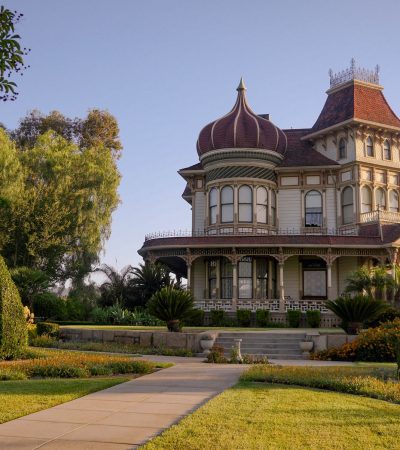
That history is still visible in the housing stock. Redlands retains landmark late-Victorian houses including the Kimberly Crest House, the Edwards Mansion, and the Morey Mansion, which was built in 1890 for the Morey family with profits from the sale of their citrus nursery. Whole blocks of the older city have changed little in more than a century, which is a large part of what buyers are paying for.
Single-family detached homes are the dominant housing type in Redlands, making up roughly two-thirds of the city’s housing units, so most buyers here are shopping houses rather than condos or townhomes.
What does the Redlands housing market look like?
Redlands is a mid-to-upper tier inland market. NeighborhoodScout has reported a median home value in the low-to-mid $700,000s for the city, and listing data through 2025 showed median list prices in the low $700,000s with modest year-over-year appreciation. Those figures move with the cycle, so treat them as a directional read rather than a fixed number, and ask for a current comparable-sales analysis on any specific street before you make an offer.
Inventory in Redlands tends to run tight, which means well-priced homes in the desirable pockets move quickly and buyers should expect competition. Pricing varies widely by neighborhood: a grove estate in the southern hills and a smaller home near the northern edge of the city are not the same market, even inside the same ZIP code.
The practical implication is that a citywide median tells you very little about what you will actually pay. The number that matters is the comparable set for the specific block and home type you want, and that is where local representation earns its keep.
Which Redlands neighborhoods should you know?
Redlands is often discussed in broad zones: South Redlands, Downtown, North Redlands, West Redlands, and Live Oak Canyon are among the most sought-after areas. South Redlands carries much of the city’s citrus-era character and is prized for its mountain views, while the southern hills hold larger estates and grove properties.
The Knight Group organizes Redlands into focused community pages so you can compare like with like. Below is a survey of the areas we cover, each with its own listings.
Redlands Classic is the heart of what the city is known for: the older, historic-character part of Redlands where the Victorian and early-twentieth-century architecture concentrates. Buyers drawn here want period detail, mature street trees, and proximity to the historic core, and they accept the maintenance realities that come with older homes.
Citrus ties directly to the industry that built the city and to Citrus Avenue, the long-standing spine of the community. This is where the grove heritage is most legible, and it is worth knowing that Redlands High School, the oldest California public high school still operating on its original site, sits at 840 East Citrus Avenue.
Redlands Village orients toward the walkable center of town, close to the downtown shopping, restaurants, and cultural venues. If living within a short walk of the historic downtown matters to you, this is the pocket to study first.
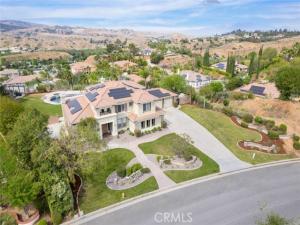
Live Oak, associated with the Live Oak Canyon area in the city’s southern hills, offers larger estates along winding roads, a mix of substantial and modest homes, several small farms, and an equestrian character. Sale prices here have run higher than the citywide figure in recent reporting, reflecting the land and the setting. Expect bigger lots, more privacy, and the practical considerations that come with hillside and grove properties.
University Grove takes its identity from the University of Redlands, one of the more attractive college campuses in the region and a major driver of the city’s cultural and rental activity. Homes near the university appeal to buyers who value the campus setting, the walkability, and, for some, the rental demand a university generates.
What are the schools like in Redlands?
Redlands Unified School District serves the city. Public reporting has described the district as running roughly 25 schools with just under 20,000 students, organized as elementary schools serving transitional kindergarten through fifth grade, four middle schools (Beattie, Cope, Clement, and Moore), and three comprehensive high schools: Redlands High School, Redlands East Valley High School, and Citrus Valley High School, plus an alternative setting at Orangewood High School.
School attendance boundaries do not follow neighborhood marketing names, so confirm the assigned schools for any specific address rather than assuming a home is zoned to a particular campus. If schools are a priority in your search, tell us early and we will screen listings against the boundaries that matter to you.
What is the setting and climate like?
Redlands sits in the San Bernardino Valley at the foot of the mountains, which shapes both the appeal and the practical realities of living here. The elevation and mountain backdrop give many neighborhoods, particularly in South Redlands and the southern hills, direct views of the San Bernardino range. That same geography puts the city in an inland climate: hot, dry summers and cooler winters, with the seasonal Santa Ana wind pattern that drives regional fire risk.
The citrus heritage is not only historical. Grove and orchard properties still exist across the city, and it is possible to buy homes on acreage with mature citrus and fruit trees, especially in the southern and eastern reaches of Redlands. Those properties carry their own upkeep and water considerations, and they are a genuinely different purchase from a standard suburban lot. If a grove property is what draws you here, plan for the maintenance and the irrigation cost as part of your budget, not an afterthought.
What is there to do in Redlands?
Downtown Redlands is the city’s center of gravity, with historic buildings, independent boutiques, cafes, and restaurants concentrated within an easy walk. The Redlands Bowl, an amphitheater dating to 1924, hosts free performances through the summer and is one of the longest-running events of its kind in the country.
The A.K. Smiley Public Library, established in 1894, is a nationally recognized Moorish Revival building and a civic landmark in its own right. It houses the Lincoln Memorial Shrine, described as the only museum and archive dedicated to Abraham Lincoln and the American Civil War west of the Mississippi. The University of Redlands adds concerts, lectures, and campus life to the mix. For buyers, the point is that Redlands has a real town center and a genuine cultural calendar, which is not something every inland city can claim.
What are the risks and trade-offs of buying in Redlands?
Fire is the risk to underwrite honestly. Redlands sits against the San Bernardino Mountains and the San Bernardino National Forest, one of the more wildfire-prone forest areas in the country, with arid conditions, flammable vegetation, steep slopes, and seasonal Santa Ana winds. California’s Office of the State Fire Marshal has updated its Fire Hazard Severity Zone maps under recent state law to classify areas as moderate, high, or very high, and parts of the Redlands area fall within elevated zones. That designation can affect insurance availability and cost, defensible-space obligations, and, in some cases, building requirements.
Before you commit to a specific property, especially in the southern hills or near the wildland edge, check its exact hazard-zone designation and get an insurance quote in writing early in escrow rather than assuming coverage will be routine. Older homes in the historic neighborhoods carry their own considerations: original systems, potential updates to electrical and plumbing, and, where a home is a designated landmark, constraints on what you can change.
The other trade-off is location. Redlands rewards people whose lives are centered in the Inland Empire or who can absorb a long westbound commute. If your job and social life sit on the west side of Los Angeles, be clear-eyed about the drive before you fall for a grove-lined street.
What should you budget for beyond the purchase price?
The sticker price is only part of the cost of owning in Redlands, and the extras here are not trivial. Insurance is the first line to pencil out, because homes in or near elevated fire hazard zones can face higher premiums or limited carrier options, and that cost is recurring for as long as you own. Get a written quote during escrow rather than after.
Older homes in the historic neighborhoods can carry deferred maintenance and system updates: electrical, plumbing, foundation, and roofing on a century-old house all deserve inspection scrutiny. Grove and acreage properties add irrigation, tree care, and sometimes well or septic considerations. None of these are reasons to avoid Redlands, but they are reasons to buy with a clear-eyed budget and a thorough inspection rather than a rushed one. We build these carrying costs into the conversation before you make an offer, not after you own the problem.
Is Redlands a good place to invest?
Redlands has drawn interest from buyers looking for value relative to coastal Southern California, with a stable local employment base and consistent housing demand. Investment potential varies significantly by neighborhood, and the areas just outside the historic core are sometimes cited as having room to appreciate.
We do not make blanket promises about returns. What we can do is model a specific property against real rent and sale comparables, factor in the carrying costs that matter here (insurance in particular, given fire zoning), and tell you whether the numbers work. That analysis is property-specific, not citywide.
How should you approach a Redlands home search?
Start by deciding what you are actually buying: character or convenience. A century-old house in the historic core comes with detail you cannot replicate and upkeep you cannot skip — roofs, foundations, plumbing, and windows all age on their own schedule, so budget for inspections that go deeper than a standard walkthrough. A newer house elsewhere in the city trades that character for lower maintenance risk. Lot size, mountain views, and equestrian use point you toward the southern hills, while walkability to downtown points you toward the center of town.
Then be honest about the drive. The I-10 commute west is the single biggest variable in whether the value here works for your household, and it is worth timing at rush hour before you commit. Once you narrow the trade-offs, Redlands real estate rewards block-level research over citywide numbers, and The Knight Group can pull current comparables for the specific streets you are considering.
Frequently Asked Questions About redlands Homes for Sale
Is Redlands expensive compared to the rest of the Inland Empire?
Redlands generally prices above the Inland Empire average, reflecting its architecture, downtown, and school reputation, while still sitting well below coastal Los Angeles and Orange County. Recent median values have run in the low-to-mid $700,000s citywide, but the figure varies widely by neighborhood and moves with the market, so use it only as a starting point.
What kind of homes does Redlands have?
Predominantly single-family detached houses, which make up roughly two-thirds of the housing stock. The range runs from historic Victorian and early-twentieth-century homes near the center to larger grove and hillside estates in the south, with newer construction elsewhere in the city.
Can I commute to Los Angeles from Redlands?
Yes, but plan realistically. I-10 is the main route west and traffic is significant during peak hours. Metrolink’s Arrow line, opened in 2022, connects Redlands to the San Bernardino transit network, but most commuters still drive, and a west-Los-Angeles job means a long daily trip.
Does Redlands have a wildfire risk?
Parts of the Redlands area fall within elevated fire hazard severity zones under California’s updated state maps, given its position against the San Bernardino Mountains. Risk is property-specific. Check the exact designation for any home and secure an insurance quote early, especially for homes near the wildland edge or in the southern hills.
What are the best neighborhoods in Redlands?
It depends on what you want. South Redlands and the Live Oak Canyon area are prized for views, larger lots, and grove character; the historic core and downtown-adjacent areas appeal to buyers who want architecture and walkability; and the university area suits those who value the campus setting. Compare them directly on our community pages above.
Is Redlands good for families?
Redlands Unified School District operates three comprehensive high schools and a network of elementary and middle schools, and the city offers parks, a walkable downtown, and cultural programming. Confirm the assigned schools for any specific address, since boundaries do not match neighborhood names.
Are there historic-home restrictions I should know about?
Redlands takes its architectural heritage seriously, and some homes carry landmark or historic designations that can limit exterior changes and require specific review for renovations. If you are buying an older home with plans to remodel, verify the property’s status before you write an offer.
How competitive is the Redlands market?
Inventory tends to be tight, and well-priced homes in desirable pockets move quickly. Serious buyers should be pre-approved and ready to view and act promptly, particularly in the most sought-after neighborhoods.
How does The Knight Group work in Redlands?
We represent buyers and sellers across Redlands and the wider San Bernardino County market, and we treat each neighborhood on its own terms rather than quoting a citywide average and calling it analysis. For buyers, that means screening listings against the criteria that actually govern your decision: school boundaries, fire-zone designation and insurability, commute reality, lot and grove considerations, and the maintenance profile of older homes.
For sellers, it means pricing to the true comparable set for your block and home type, and positioning the specific strengths of your property to the buyers most likely to value them. Start with the community pages above to see current listings, then contact The Knight Group to talk through your search or your sale. We will give you a precise read on your options, including the trade-offs, so you can decide with the full picture in front of you.
What are Homes For Sale In Redlands like?
- Homes For Sale In Redlands sit east of downtown Los Angeles in a city built on citrus money and still visibly shaped by it.
- Redlands kept its Victorian mansions, tree-lined streets, and a walkable historic downtown anchored by the University of Redlands.
- Single-family detached houses dominate Homes For Sale In Redlands, so most buyers here are shopping houses rather than condos or townhomes.
- Redlands Classic and Citrus carry period detail alongside the maintenance profile that comes with older homes.
- Redlands Village puts buyers within walking distance of the downtown core and its shops and restaurants.
- Live Oak Canyon offers larger estates, bigger lots, and equestrian property in the southern hills of the city.
- Metrolink’s Arrow line links the San Bernardino Transit Center to the University of Redlands with a Redlands-Downtown station among its stops.
- Esri, the global mapping software company, keeps its world headquarters in Redlands and anchors local white-collar employment.
- Landmark late-Victorian houses including Kimberly Crest House, the Edwards Mansion, and the Morey Mansion survive in the older city.
- Inventory across Homes For Sale In Redlands tends to run tight, so well-priced homes in desirable pockets attract real competition.
What is it like to live in Homes For Sale In Redlands?
- Redlands sits in the San Bernardino Valley at the foot of the mountains, which shapes both the appeal and the practical realities.
- South Redlands and the southern hills give many Homes For Sale In Redlands direct views of the San Bernardino range.
- Inland climate here means hot, dry summers and cooler winters, with a seasonal Santa Ana wind pattern driving regional fire risk.
- Grove and orchard properties still exist across the city, with acreage carrying mature citrus and fruit trees.
- Acreage buyers should plan for irrigation cost and grove upkeep as part of the budget rather than an afterthought.
- Downtown Redlands serves as the city’s center of gravity, with historic buildings, independent boutiques, cafes, and restaurants within an easy walk.
- The Redlands Bowl amphitheater hosts free summer performances and ranks among the longest-running events of its kind in the country.
- The A.K. Smiley Public Library stands as a nationally recognized Moorish Revival building and a civic landmark in its own right.
- The Lincoln Memorial Shrine, housed at the library, is described as the only museum and archive west of the Mississippi dedicated to Abraham Lincoln.
- The University of Redlands adds concerts, lectures, and campus life to the cultural calendar available to residents.
- Fire is the risk to underwrite honestly, given arid conditions, flammable vegetation, steep slopes, and seasonal Santa Ana winds.
- Fire Hazard Severity Zone designations can affect insurance availability and cost, defensible-space obligations, and in some cases building requirements.
- Older Homes For Sale In Redlands may need electrical, plumbing, foundation, and roofing scrutiny, and landmark status can constrain changes.
- Homes For Sale In Redlands reward buyers whose lives center on the Inland Empire or who can absorb a long westbound commute.
Who buys Homes For Sale In Redlands and why?
- Redlands generally prices above the Inland Empire average, reflecting its architecture, downtown, and school reputation.
- Homes For Sale In Redlands still sit well below coastal Los Angeles and Orange County, which draws value-minded inland buyers.
- Single-family detached houses make up the bulk of the housing stock, so most searches here center on standalone homes.
- Historic Victorian and early-twentieth-century homes cluster near the center of the city for buyers who want period architecture.
- Larger grove and hillside estates sit in the south, with newer construction found elsewhere across Redlands.
- Metrolink’s Arrow line connects Redlands to the San Bernardino transit network, though most commuters here still drive.
- Wildfire risk is property-specific, so buyers should check the exact hazard designation and secure an insurance quote early.
- South Redlands and the Live Oak Canyon area are prized for views, larger lots, and grove character.
- Buyers who want architecture and walkability gravitate toward the historic core and downtown-adjacent streets.
- Families look at Redlands Unified School District, city parks, a walkable downtown, and cultural programming.
- School boundaries do not match neighborhood names, so confirm the assigned schools for any specific address.
- Some Homes For Sale In Redlands carry landmark or historic designations that limit exterior changes and require review for renovations.
- Serious buyers pursuing Homes For Sale In Redlands should be pre-approved and ready to view and act promptly.