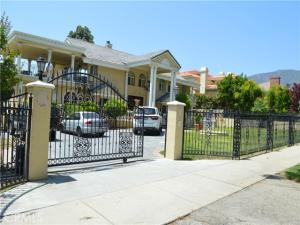
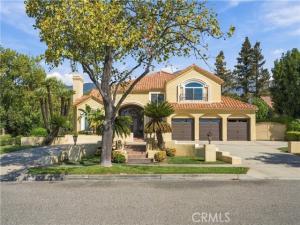
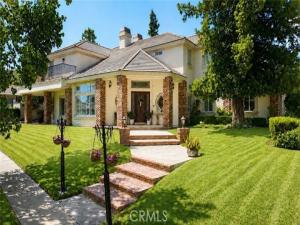
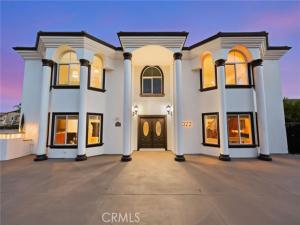
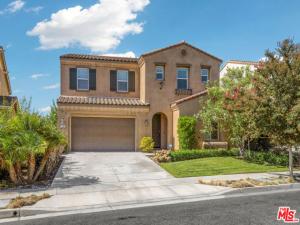
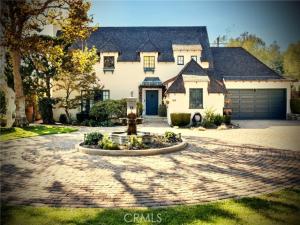
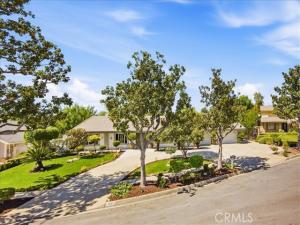
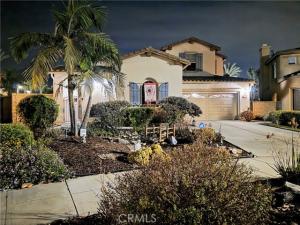
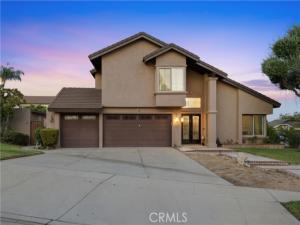
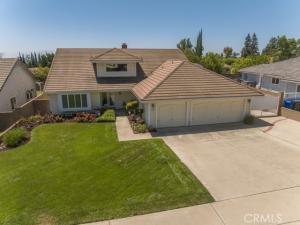
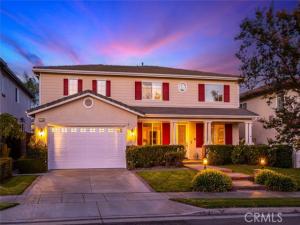
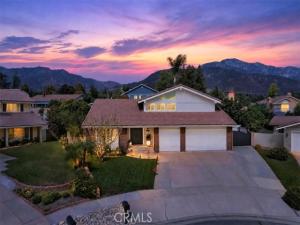
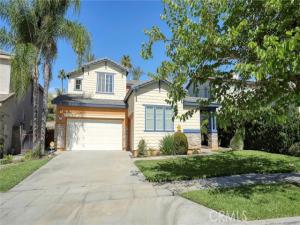
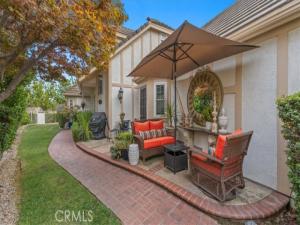
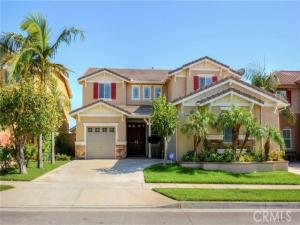
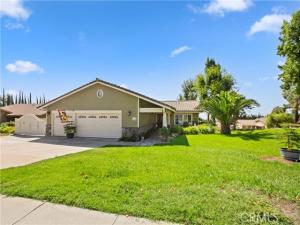
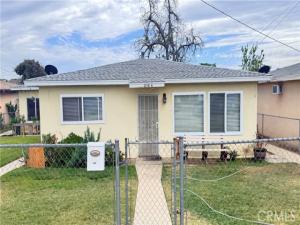
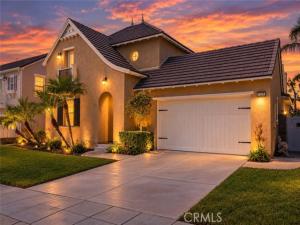
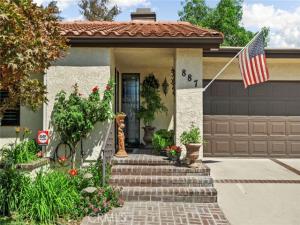
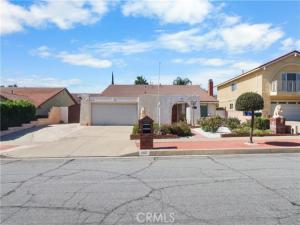
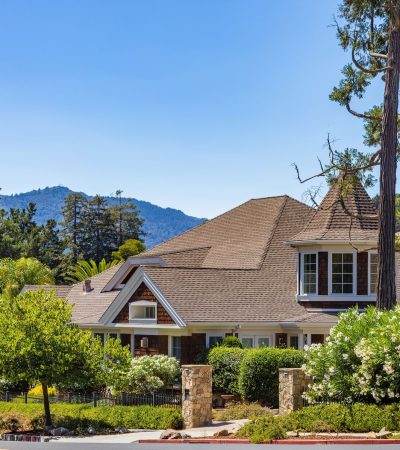
Upland San Bernardino County Homes for Sale
Upland San Bernardino County Homes for Sale currently number 142 active listings with a median asking price of $758,950 (CRMLS, September 2026).
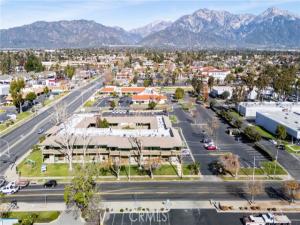
Upland San Bernardino County homes for sale sit at the base of the San Gabriel Mountains, between the 10 and the 210. The housing stock runs on two clocks. South and central Upland holds the older grid near downtown, including early-1900s Craftsman and Spanish homes on established streets, usually without an HOA. The north side, closer to the 210, is where the planned communities sit: Westridge at Sycamore Hills, The Colonies, Upland Hills Country Club, and townhomes at The Orchards.
North Upland generally prices above the older grid south of Foothill Boulevard, so a citywide number tells you less than a comparable sale on the street you are targeting. Browse the listings on this page, or contact The Knight Group and we will match the search to your budget, commute tolerance, and the specific streets that hold value.
The communities below cover the range. Browse the listings on this page, or contact The Knight Group and we will match the search to your budget, commute tolerance, and the specific streets that hold value.
Where is Upland and how is the commute to Los Angeles?
Upland is bracketed by two freeways. Interstate 10 runs along the south edge of the city and State Route 210 crosses the north side, so most neighborhoods are within a few minutes of a freeway on-ramp. Foothill Boulevard, the old Route 66 alignment, runs east to west through the middle of town as the main surface arterial.
The bigger asset for LA-bound commuters is rail. The Upland Metrolink station sits at 300 East A Street on the San Bernardino Line, which runs commuter trains into Downtown Los Angeles Union Station. Metrolink operates 34 trains on the San Bernardino Line on a typical weekday, 17 in each direction, with reduced weekend service. That gives a household one member who can commute by rail while the other keeps a car for local trips.
Be honest about the drive. A car commute from Upland to Downtown Los Angeles or the Westside runs long in peak traffic, and the 10 through this corridor is heavily used. If a daily in-office LA commute is non-negotiable, weigh the Metrolink schedule against your actual work hours before you commit to a neighborhood on the far north side of the city, which adds surface-street minutes to reach the station.
What does the Upland housing market look like?
Upland is a mid-to-upper-tier Inland Empire market. The estimated median house or condo value in 2024 was $802,100, per city-data.com, which places Upland above the county median but well below coastal Los Angeles pricing. Over the prior ten years, annual home appreciation averaged 6.33 percent, tracking near the national rate, per NeighborhoodScout.
Ownership is split. City-data.com reports roughly 56 percent of Upland households own their homes and about 44 percent rent, so the city carries a meaningful rental and townhome segment alongside its owner-occupied single-family core. That mix matters if you are buying as an investor or if you want a neighborhood that skews heavily toward long-term owners.
Price inside the city varies by area more than the citywide median suggests. North Upland, closer to the mountains and the newer gated communities, generally commands more than the older grid south of Foothill Boulevard. Ask us for the current comparable sales on any specific community before you anchor on a citywide number, because the median blends condos, townhomes, and large custom homes into one figure.
Which neighborhoods and communities make up Upland?
Upland is a collection of distinct communities rather than one uniform tract. The pages below cover the specific enclaves we track, and each links to current listings.
Westridge at Sycamore Hills sits on the north side near the 210, part of the newer Sycamore Hills area off Baseline Road. This is where much of Upland’s recent construction has landed, with contemporary floor plans and community amenities that the older grid does not offer.
Upland Hills Country Club is built around the golf course of the same name. Buyers who want a golf-oriented setting, or homes that back to fairways and open space, concentrate their search here.
The Orchards is a townhome community, which makes it one of the more accessible entry points into Upland for first-time buyers or anyone wanting a lower-maintenance property with less yard.
Upland Knolls is a residential Upland enclave. If you are targeting an established pocket of single-family homes rather than new construction, this is one of the areas to compare against The Colonies and the country club neighborhoods.
Chelsea Park is another Upland residential community worth putting on your comparison list, particularly if you want to weigh a specific tract against the larger master-planned options on the north side.
The Colonies is one of Upland’s better-known planned communities on the northeast side, dating to the early 2000s. It sits next to Colonies Crossroads, the large outdoor shopping center anchored by national retailers, so daily errands and dining are within a short drive rather than a freeway trip.
What are the newer communities like versus the older parts of Upland?
Upland runs on two clocks. The southern and central grid around downtown holds the oldest housing, including early-1900s architecture tied to the city’s founding, on established tree-lined streets. The northern edge, closer to the 210 and the mountains, is where planned communities and newer construction sit, including the Sycamore Hills area and The Colonies.
The trade-off is straightforward. Older Upland gives you mature landscaping, larger original lots in some pockets, character architecture, and typically no homeowners association. Newer north-side communities give you current floor plans, updated systems, and shared amenities, usually with an HOA and, in some planned developments, special assessments. Neither is better in the abstract. It depends on whether you value character and lower carrying costs or turnkey construction and amenities.
Should I buy a single-family home, a townhome, or a condo in Upland?
All three exist in Upland, and the right answer depends on budget and how much maintenance you want to own. Detached single-family homes are the core of the market and hold the widest resale demand, but they carry the highest price and the most upkeep. Townhomes, such as those in The Orchards, lower the entry price and hand off exterior maintenance to an association, at the cost of shared walls and monthly dues. Condos sit at the most accessible end and suit buyers prioritizing price and low maintenance over yard and privacy.
For any attached property, the homeowners association is part of what you are buying. California attached communities operate under the Davis-Stirling Act, and the association’s financial health, reserve funding, and rules govern your carrying cost and what you can do with the unit. Before you commit to a townhome or condo, review the HOA budget, reserve study, and meeting minutes. We help buyers read those documents, because a low-dues community with an underfunded reserve can be more expensive over time than a higher-dues community that is well run.
How does Upland compare to nearby Inland Empire cities?
Upland sits among Rancho Cucamonga, Ontario, Claremont, and Montclair, and each trades differently. Upland’s pitch is its blend of a walkable historic downtown, foothill proximity, and a wide housing range from character homes to new construction, at a median that runs above the county figure but below the coast. Neighboring cities may offer newer inventory, different school boundaries, or a lower entry price. The point is not that Upland always wins, it is that the right city depends on the specific streets, school assignment, and commute that matter to you. We are happy to run a side-by-side on the cities you are weighing before you narrow the search.
What schools serve Upland?
What is there to do in Upland?
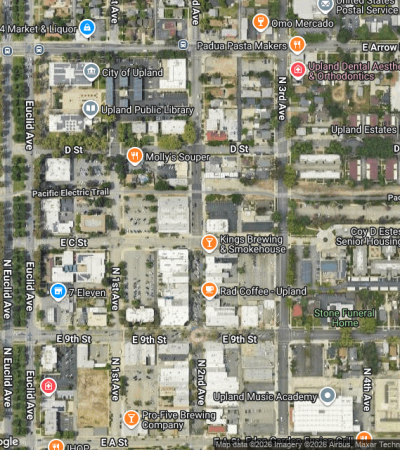
Upland’s identity is tied to historic Route 66, which runs through town as Foothill Boulevard. Downtown Upland centers on the corner of Foothill Boulevard and Euclid Avenue and mixes Route 66 nostalgia, pioneer-era architecture, and a stock of local restaurants and shops. Euclid Avenue itself is a wide, planned boulevard with a landscaped median that dates to the city’s original design.
For everyday retail, Colonies Crossroads on the northeast side is the largest concentration of shopping, with national big-box stores and more than a dozen restaurants across a multi-block outdoor center. The city also maintains more than 20 parks, including Memorial Park and Cabrillo Park, which offer pools, playgrounds, sport courts, and picnic areas.
The mountains are the other draw. Mount San Antonio, known locally as Mount Baldy and the highest peak in the San Gabriel Mountains, sits roughly 10 miles north of the city and puts hiking and, in winter, snow within a short drive. That proximity is a real quality-of-life feature and a reason north Upland commands a premium.
What history shaped Upland?
Upland was incorporated on May 15, 1906, and was originally called North Ontario. The area was laid out during the citrus era by the Chaffey brothers, whose planning is still visible in Euclid Avenue’s width and central median. The city’s agricultural roots ran to citrus groves, and remnants of that history survive in street names and older properties.
The most recognizable landmark is the Madonna of the Trail statue at Euclid Avenue and Foothill Boulevard. It is one of twelve identical monuments placed across the country to honor American pioneer women, and Upland’s was dedicated on February 1, 1929. It stands about 18 feet tall and remains a fixture of the historic downtown intersection.
What should buyers know about costs and risk factors?
Two cost factors deserve attention in Upland. First, several of the planned and gated communities on the north side carry homeowners association dues, and some newer developments include special financing districts. We do not quote HOA dues or special-assessment figures from memory, because they vary by community and change over time. Ask us, and we will pull the current dues, what they cover, and any assessment attached to a specific address before you commit.
Second is the mountain edge. North Upland and the adjacent unincorporated foothill areas sit closer to wildland, which can affect fire-hazard classification and insurance. If you are looking at a home on the far north side or against open space, factor an insurance quote into your budget early, because premiums in foothill zones can move the monthly payment more than buyers expect. This is a reason to price insurance before you fall for a specific house, not after.
Summer heat is the third practical factor. Upland runs hot in summer as an inland valley city, so functioning air conditioning and the condition of the HVAC system are worth checking closely during inspection.
Who is Upland a good fit for?
Upland fits buyers who want detached single-family space, planned-community options, and mountain access at a price below coastal Los Angeles County, and who can either commute by Metrolink or absorb a longer drive west. It works well for families drawn to a full range of housing from character homes to new construction, and for buyers who want walkable historic-downtown character on one side of town and turnkey amenities on the other.
It fits less well if you need a short daily car commute into central or west Los Angeles, or if inland summer heat is a dealbreaker. Naming those trade-offs up front is the point. We would rather you rule Upland in or out on the real facts than discover the commute the week after closing.
What Should You Weigh Before Buying in Upland?
Start with the trade-off that shapes almost every decision here: age of construction against location within the city. If you want an HOA-free lot with mature trees and original architecture, your search belongs in the older grid south of Foothill Boulevard, and your budget should account for updating systems in a home built decades ago. If you would rather buy current floor plans and shared amenities, look north toward Sycamore Hills and The Colonies, and ask what the monthly dues cover and whether any special assessments apply.
The second thing to weigh is distance to the A Street Metrolink station, because a few extra surface-street minutes each morning compound over years. Upland real estate also splits by tenure, with a rental and townhome segment sitting alongside the owner-occupied core, so tell us whether you want a long-term-owner street or a property that can rent.
Frequently Asked Questions About upland Homes for Sale
Is Upland a good place to buy a home?
It depends on your priorities. Upland offers more square footage and planned-community options than comparable coastal markets, with a 2024 median home value around $802,100 per city-data.com and long-run appreciation near the national average per NeighborhoodScout. The trade-off is commute distance to Los Angeles and inland heat. For buyers who value space and mountain access over a short LA drive, it is a strong fit.
How far is Upland from Los Angeles?
Upland is in the western Inland Empire, directly east of the Los Angeles County line, bracketed by Interstate 10 and State Route 210. The Upland Metrolink station on the San Bernardino Line runs commuter trains into Downtown Los Angeles Union Station, which is the more predictable option than driving in peak traffic.
Which Upland neighborhoods are newest?
Most recent construction is on the north side near the 210, including the Sycamore Hills area and communities such as Westridge at Sycamore Hills. The Colonies on the northeast side is a planned community dating to the early 2000s. Older housing, including early-1900s architecture, sits in and around the historic downtown grid.
Do homes in Upland have HOA dues?
Some do and some do not. Many north-side planned and gated communities carry homeowners association dues, while much of the older grid south of Foothill Boulevard does not. Dues and any special assessments vary by community, so confirm the exact figures for a specific address before making an offer. We will pull them for you.
What school district serves Upland?
Most of the city is served by the Upland Unified School District, a K-12 public district headquartered on North Euclid Avenue. School assignment follows attendance boundaries that can change, so verify the assigned schools for any specific address rather than assuming based on the city name.
Is wildfire a concern in Upland?
It depends on location within the city. Homes on the far north side and against the foothills sit closer to wildland and may fall into higher fire-hazard classifications that affect insurance. Homes in the central and southern grid are farther from that edge. Price an insurance quote early for any foothill-adjacent property.
What is there to do in Upland?
Historic Route 66 runs through town as Foothill Boulevard, anchoring a downtown with pioneer-era architecture and the Madonna of the Trail statue. Colonies Crossroads is the main shopping center, the city maintains more than 20 parks, and Mount Baldy in the San Gabriel Mountains is about 10 miles north for hiking and winter recreation.
What kinds of homes can I buy in Upland?
The range is wide: townhomes in communities such as The Orchards, golf-adjacent homes at Upland Hills Country Club, established single-family enclaves like Upland Knolls and Chelsea Park, planned-community homes in The Colonies, and newer construction in the Sycamore Hills area. That spread means Upland can work for a first-time buyer or a move-up buyer depending on the community.
How The Knight Group works in Upland
We treat Upland as a set of distinct micro-markets, not a single average. Before you tour, we pull the current comparable sales for the specific community you are considering, confirm any HOA dues or special assessments, and verify the assigned schools for the exact address. On foothill-adjacent homes, we push you to get an insurance quote early so the real monthly cost is on the table before you fall for a house.
If you are weighing Upland against other Inland Empire cities, or weighing north-side new construction against the older downtown grid, that is a conversation worth having before you start touring. Browse the community listings on this page, then contact The Knight Group and we will build the search around your budget, your commute, and the trade-offs you are actually willing to make.
What is it like to buy Upland San Bernardino County Homes?
- Upland San Bernardino County homes for sale sit at the base of the San Gabriel Mountains, bracketed between two major freeways on the south and north edges.
- North Upland, closer to the freeway on the city’s upper edge, is where the planned communities sit rather than the original downtown grid.
- Westridge at Sycamore Hills, The Colonies, Upland Hills Country Club, and townhomes at The Orchards make up the planned-community side of the city.
- North Upland generally prices above the older grid south of Foothill Boulevard, so a citywide number tells buyers less than a comparable sale on the target street.
- The Upland Metrolink station on East A Street serves the San Bernardino Line, which runs commuter trains into Downtown Los Angeles Union Station.
- Metrolink service on the San Bernardino Line runs in both directions on a typical weekday, with reduced service on weekends.
- Rail access lets one household member commute by train while the other keeps a car for local trips around town.
- A car commute from Upland to Downtown Los Angeles or the Westside runs long in peak traffic on a heavily used corridor.
- Buyers with a non-negotiable in-office Los Angeles commute should weigh the Metrolink schedule against actual work hours before committing to a far north-side neighborhood.
- Upland San Bernardino County homes sit in a mid-to-upper-tier Inland Empire market, priced above the county median but well below coastal Los Angeles.
- Ownership in Upland splits between owner-occupied households and renters, so the city carries a meaningful rental and townhome segment alongside its single-family core.
- Upland San Bernardino County homes span a collection of distinct communities rather than one uniform tract, each with its own comparable sales.
What is there to do around Upland San Bernardino County Homes?
- Euclid Avenue is a wide, planned boulevard with a landscaped median that dates to the city’s original design.
- Colonies Crossroads on the northeast side is the largest concentration of shopping, with national big-box stores and restaurants across a multi-block outdoor center.
- Memorial Park and Cabrillo Park are among the city parks offering pools, playgrounds, sport courts, and picnic areas to residents.
- Mount San Antonio, known locally as Mount Baldy, is the highest peak in the San Gabriel Mountains and sits north of the city.
- Mountain proximity puts hiking and winter snow within a short drive, a quality-of-life feature that helps north Upland command a premium.
- Upland was originally called North Ontario and was laid out during the citrus era by the Chaffey brothers.
- The Madonna of the Trail statue at Euclid Avenue and Foothill Boulevard honors American pioneer women and remains a fixture of the historic downtown intersection.
- Several planned and gated communities on the north side carry homeowners association dues, and some newer developments include special financing districts.
- North Upland and adjacent unincorporated foothill areas sit closer to wildland, which can affect fire-hazard classification and insurance premiums.
- Summer heat is a practical factor for Upland San Bernardino County homes, so air conditioning and HVAC condition are worth checking closely during inspection.
- Upland San Bernardino County homes fit buyers wanting detached single-family space, planned-community options, and mountain access below coastal Los Angeles County pricing.
- Upland San Bernardino County homes fit less well for buyers needing a short daily car commute into central Los Angeles or unwilling to tolerate inland heat.
What kinds of Upland San Bernardino County Homes can I buy?
- The Upland Metrolink station on the San Bernardino Line offers a more predictable option than driving into Downtown Los Angeles during peak traffic.
- Most recent construction sits on the north side, including the Sycamore Hills area and communities such as Westridge at Sycamore Hills.
- The Colonies on the northeast side is a planned community, while older housing sits in and around the historic downtown grid.
- Many north-side planned and gated communities carry homeowners association dues, while much of the older grid south of Foothill Boulevard does not.
- Dues and special assessments vary by community, so buyers should confirm exact figures for a specific address before making an offer.
- School assignment follows attendance boundaries that can change, so verify the assigned schools for a specific address rather than assuming by city name.
- Homes on the far north side and against the foothills may fall into higher fire-hazard classifications that affect insurance costs.
- Homes in the central and southern grid sit farther from the wildland edge than foothill-adjacent properties on the city’s upper side.
- Upland San Bernardino County homes include townhomes at The Orchards, golf-adjacent homes at Upland Hills Country Club, and established enclaves like Upland Knolls and Chelsea Park.
- Upland San Bernardino County homes also include planned-community properties in The Colonies and newer construction in the Sycamore Hills area.
- Upland San Bernardino County homes span a wide enough range to work for a first-time buyer or a move-up buyer depending on community.
- The Knight Group treats Upland as a set of distinct micro-markets, pulling comparable sales, confirming dues, and verifying assigned schools before touring.