
Rancho Monserate Real Estate: Bonsall’s Heritage Ranch Estate Community
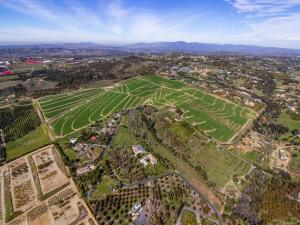
Rancho Monserate is one of North County San Diego’s most distinctive estate communities, occupying the terrain around the historic Rancho Monserate land grant that once defined a large portion of what is now the Bonsall and Fallbrook zone. The community combines the heritage character of an area with genuine 19th-century ranching history, the natural landscape of California coastal sage scrub and coastal live oak woodland, and the large-parcel estate residential character that the North County inland zone’s agricultural zoning has maintained. Properties in Rancho Monserate carry a sense of historical continuity that newer estate communities built on subdivided agricultural land cannot replicate.
The Rancho Monserate property has its roots in the 1846 Mexican land grant to Ysidro María Osuna, part of the great rancho land system of pre-American California. The transition of the rancho land from cattle grazing to agriculture to estate residential over the course of 150 years gives the area a layered history that is physically present in the mature trees, the remnant adobe structures and stone foundations on some parcels, and the road alignments that follow the historic ranch roads rather than the grid layout of suburban development. For buyers who value historical context in their property, Rancho Monserate’s roots in California’s rancho era create an authenticity that the manufactured “hacienda” aesthetic of newer developments cannot achieve.
Landscape and Natural Setting
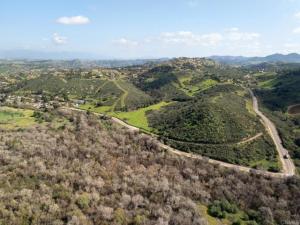
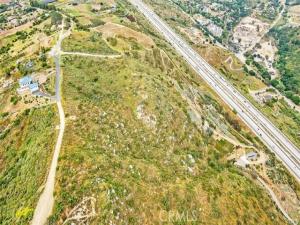
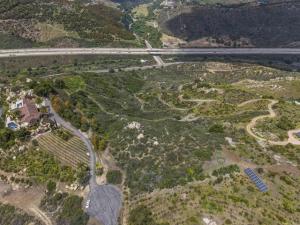
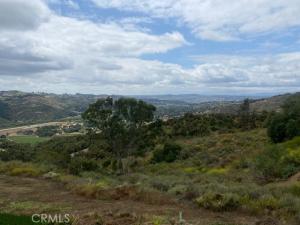
The Rancho Monserate area encompasses gently rolling hillside terrain with elevations ranging from approximately 300 to 700 feet above sea level, with the San Luis Rey River valley visible to the north and the Peninsular Ranges as the eastern backdrop. The natural landscape is predominantly coastal sage scrub and chaparral on the south-facing exposures, transitioning to coastal live oak woodland in the drainage corridors and north-facing slopes. The mature oaks in the riparian corridors are particularly significant, with specimen trees reaching 60 to 80 feet in height and canopy spreads of 40 to 60 feet that create the forest-floor experience that mature oak woodland delivers.
The Monserate Mountain trail system, which rises from the western edge of the community to the 1,000-foot summit of Monserate Mountain, is one of the area’s premier recreational assets. The summit trail delivers panoramic views from the Pacific coast to the Palomar Mountain range, and the trail’s 5-mile round trip from the community’s trailhead provides a fitness resource that residents consistently cite as one of the most meaningful quality-of-life advantages of the Rancho Monserate location. The mountain’s protected status as part of the San Diego County open space network ensures that the trail and the summit views will be maintained permanently.
The San Luis Rey River, which flows through the valley below the community, supports a riparian corridor that the Audubon Society and the California Department of Fish and Wildlife have identified as significant bird habitat, particularly during the spring and fall migration periods. The river corridor’s protected status creates a permanent open space buffer to the north of the community that maintains the rural character and prevents the kind of adjacent development that erodes rural residential quality in communities without such natural buffers.
Property Sizes and Character
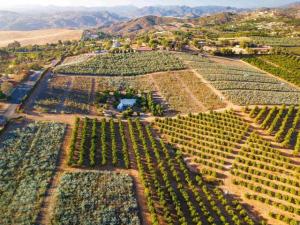
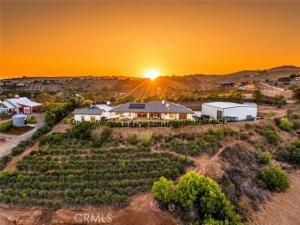
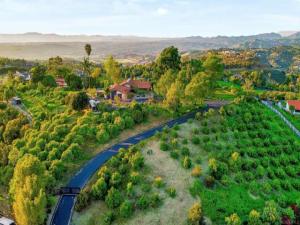
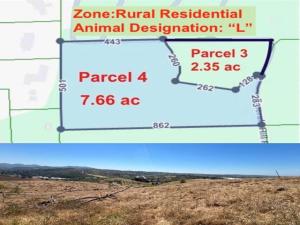
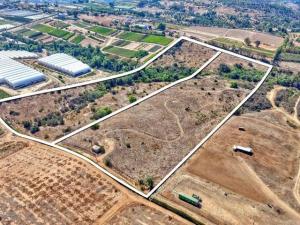
Properties in Rancho Monserate range from 5 to 40-plus acres, reflecting the large-parcel rural character of the land grant heritage. The parcel sizes are the primary driver of both price and lifestyle: the 5-to-10-acre properties at the smaller end provide the space for basic equestrian facilities and agricultural gardens without the management commitment of the larger ranches, while the 20-to-40-acre properties at the upper end of the range support genuine working agricultural operations, comprehensive equestrian programs, and the full rural lifestyle that the rancho heritage represents. Many of the larger parcels have been farmed for avocado, citrus, or tree-fruit production within the past two decades, and some retain active agricultural operations that produce income while the owner occupies the residential structure.
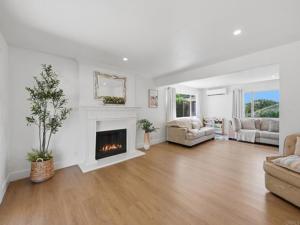
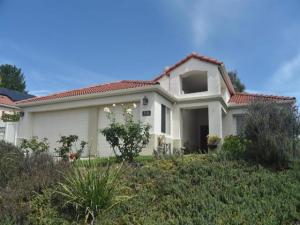
The residential structures on Rancho Monserate properties reflect the full range of construction eras from the 1940s adobe-influenced farmhouses at the oldest properties to the early 2000s Mediterranean estate homes at the most recently developed parcels. The variety of construction eras gives the community an organic character that a single-era development community cannot replicate, and buyers who value architectural authenticity over architectural consistency consistently prefer this character.
Agricultural Operations and Income Potential
Rancho Monserate’s agricultural heritage is not purely historical. Several properties within the community maintain active avocado or citrus operations that generate income offsetting the carrying costs of the property. The North County San Diego avocado market, while subject to the variability of annual crop yields and commodity pricing, provides a legitimate income stream for properly managed orchard operations. The 2023 Hass avocado prices and the sustained consumer demand for California avocados maintain the economics of small-scale agricultural production on Rancho Monserate properties at a level that makes the agricultural use financially meaningful rather than purely a tax classification.
Water access for agricultural operations is managed through the Rainbow Municipal Water District, which serves the Rancho Monserate area. Agricultural water rates from the Rainbow district are structured to support both residential and agricultural users, though the tiered pricing that incentivizes conservation means that active irrigation for orchard operations represents a meaningful operating cost that should be factored into the agricultural income modeling before purchasing a property with active orchard operations.
School and Community Access
Rancho Monserate falls within the Bonsall Unified School District for K-12 education, with the same Bonsall Union Elementary and Bonsall High School campuses that serve the broader Bonsall community. The small district’s close-knit educational environment is well-matched to the rural community character of Rancho Monserate, and the school-community connections that develop in a small rural district, where families see each other at school events, community gatherings, and the agricultural community events that mark the North County rural calendar, reinforce the community bonds that Rancho Monserate residents consistently describe as a primary quality-of-life advantage over more urban alternatives.
Commute and Remote Work Context
Rancho Monserate’s position in the Bonsall hills is a 15-to-20-minute drive from the SR-76 and I-15 interchange, providing freeway access to North County’s employment corridors. The Carlsbad Research Center runs approximately 35 to 45 minutes via I-15 south and SR-78 west. The Vista and Oceanside commercial and light-industrial zones run 30 to 40 minutes. Downtown San Diego is a 65-to-80-minute commute, positioning the community as practical for North County employment rather than the downtown San Diego market. The remote work transition that the 2020-era pandemic catalyzed has been particularly impactful for Rancho Monserate’s buyer pool: buyers with remote work flexibility who had previously not considered Bonsall are now actively targeting the community because the acreage, the lifestyle, and the price-per-acre value relative to North County’s coastal communities make a compelling case when the daily commute constraint is removed.
Market Pricing
$1.5M-$2.5M: Entry ranch properties in Rancho Monserate. 5 to 10 acres with modest agricultural or equestrian improvements, older residential structures in good condition, and the natural landscape character of the community. This tier attracts the buyer who wants the rancho heritage and the acreage but is not yet at a life stage where the upper tier’s premium is appropriate.
$2.5M-$4.5M: The community’s estate range. 10 to 25 acres with updated or custom residential structures, established agricultural operations, comprehensive equestrian facilities, and the view and landscape positions that define the community’s premium offerings. These properties compete with Fallbrook’s upper-end estate market and the secondary positions in Rancho Santa Fe for the buyer whose preference for working-ranch character over gated amenity community structure drives the location decision.
Above $4.5M: The community’s largest and most significant estate properties: 25 to 40-plus acres with multi-structure residential compounds, professional-grade agricultural or equestrian facilities, and the kind of property scale that creates genuine operational independence. These transactions are infrequent and tend to move slowly, as the buyer pool for a 30-acre working ranch at this price point is inherently small.
Who Buys in Rancho Monserate
Rancho Monserate attracts buyers who have specifically researched the North County rural estate market and positioned themselves to acquire a property with genuine historical character, meaningful acreage, and the natural landscape that the Monserate Mountain setting delivers. Buyers in their 50s and 60s transitioning from suburban or coastal San Diego County properties to the rural lifestyle that Rancho Monserate provides are the primary demographic, often using equity from coastal properties to acquire a working ranch that represents a lifestyle change rather than simply a housing transaction. Agricultural entrepreneurs who want a platform for small-scale organic farming, specialty crop production, or agritourism are a growing segment of the buyer pool, attracted by the area’s agricultural heritage and the growing market for locally produced specialty food products in North County’s restaurant and farmers market network.
Frequently Asked Questions
Is the historic Rancho Monserate building accessible? The rancho-era structures associated with the original land grant are in various states of preservation. Some properties within the community include adobe remnants or stone foundations from the rancho period. The historical society in Bonsall has documentation on the rancho’s history that is accessible to researchers and prospective buyers interested in the area’s heritage. The Bonsall Library and the San Diego History Center in Balboa Park are additional resources for historical documentation.
What is the trail access from Rancho Monserate? Monserate Mountain’s trailhead is accessible from within the community, providing a 5-mile round-trip hike to the 1,000-foot summit. The San Luis Rey River trail, the regional trail network managed by the San Diego County Parks and Recreation Department, is accessible within a short drive of the community. Equestrian trail access on private easements within the community is part of the rural culture that the area’s equestrian operations have maintained historically.
What agricultural uses are permitted? The agricultural zoning (A70 or A72, depending on specific parcel) that applies to most Rancho Monserate properties permits a wide range of agricultural uses: orchard crops, vegetable production, livestock (horses, cattle, goats, pigs, sheep), poultry, beekeeping, and related agricultural structures (barns, equipment storage, processing facilities for on-property crops). Commercial agricultural operations, including farm stands and agritourism, require additional permits but are generally permitted on appropriately zoned parcels. Verify specific permitted uses with San Diego County Planning and Development Services for each parcel.
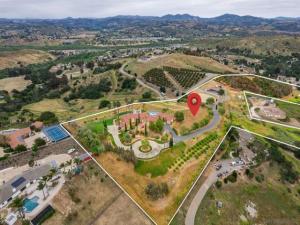
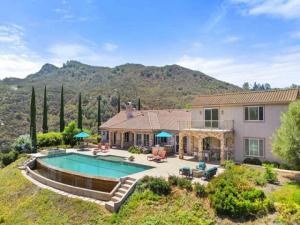
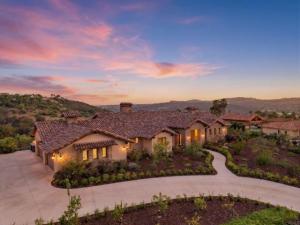
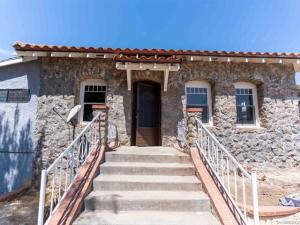
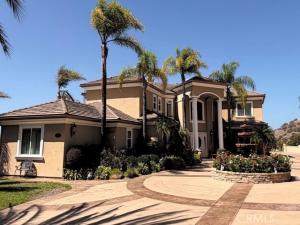
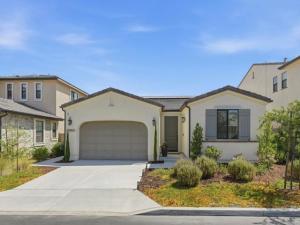
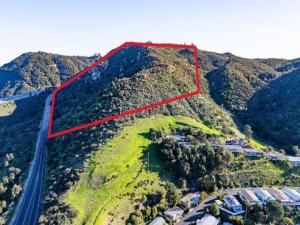
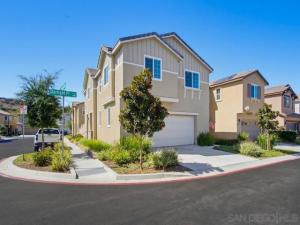
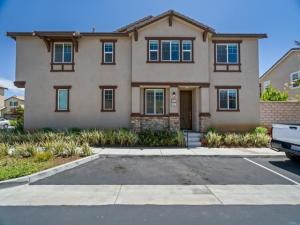
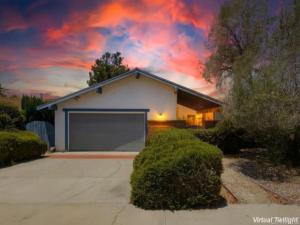
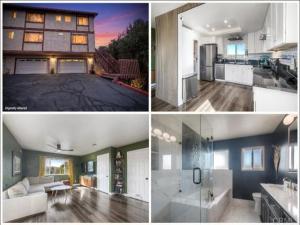
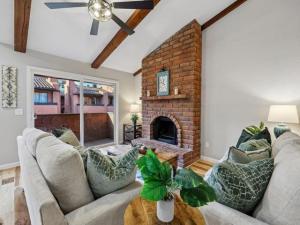
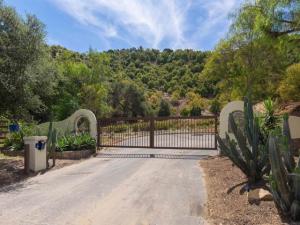
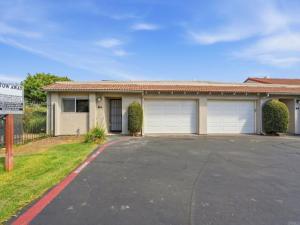
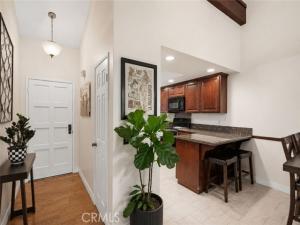
Current Rancho Monserate Listings



This site was last updated Oct 21 2026 7:14:03 am.