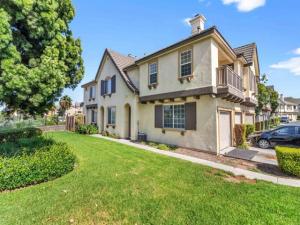
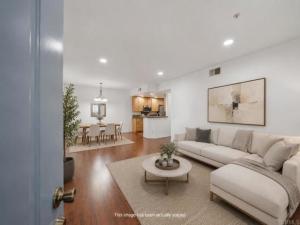
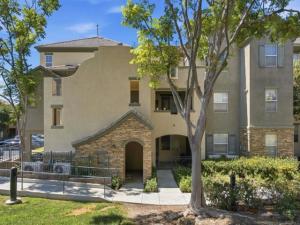
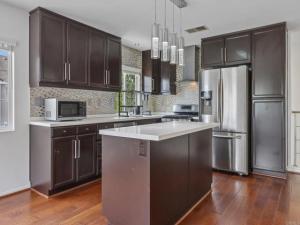
Otay Ranch Real Estate | Chula Vista, CAListings

Chula Vista, San Diego County Homes for Sale

This page covers real estate listings and neighborhood information for Chula Vista, San Diego County. San Diego County offers a world-class combination of coastal access, military and tech employment, and year-round Mediterranean climate. Whether you are searching for a primary residence, investment property, or vacation home, The Knight Group provides access to both on-market and off-market opportunities in Chula Vista.

Browse current listings below, or contact The Knight Group directly to discuss your specific search criteria. Our team provides market intelligence that goes beyond publicly listed homes — including off-market opportunities and data on recent sales not yet reflected in online portals.

Otay Ranch Real Estate: Chula Vista’s Premier Master-Planned Village Network

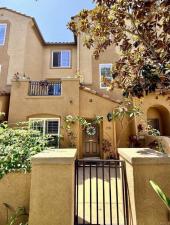
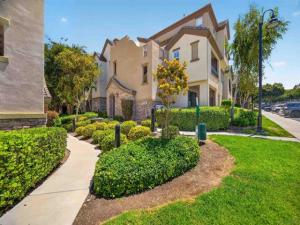
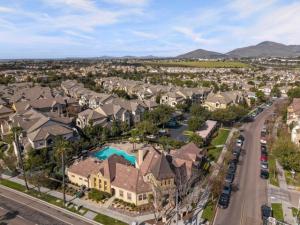
Otay Ranch is the largest master-planned development in California history by total acreage, a 23,000-acre planned community in eastern Chula Vista that has been developed in phases since the mid-1990s and now contains more than 15,000 homes across a series of distinct Villages, each with its own character, amenity level, and buyer profile. The scale of Otay Ranch is genuinely unusual in the California residential development landscape: it is not a single neighborhood or a single master plan, but a collection of planned villages that share infrastructure, a Town Center, and the Chula Vista planning framework while each maintaining distinct architectural character and community identity.

For buyers evaluating Otay Ranch, the most important first step is understanding that “Otay Ranch” is a marketing umbrella rather than a single neighborhood. The Village of Montecito, the Village at Otay Ranch (the original village), Village Seven, and the newer Villages that have come online in the 2010s and 2020s each have different builders, different amenity packages, different HOA structures, and different price points. The Otay Ranch experience varies substantially between villages, and buyers who have toured one village have seen only a fraction of what the broader development offers.

The macro case for Otay Ranch is consistent across all its villages: the most professionally planned, most amenity-rich new construction available in San Diego County’s South Bay at price points substantially below comparable product in the North County coastal zone. The planned infrastructure, the park system, the school access, and the community design quality that the Otay Ranch development team has maintained across three decades of buildout is the foundation of the community’s appeal, and that foundation applies across all the villages within the master plan boundary.

Village Structure and Character

The Otay Ranch master plan organizes development into villages, each planned around a central civic core (typically a park, community building, and gathering space), with residential neighborhoods radiating outward from that core. This village structure is the foundation of Otay Ranch’s community character: rather than a uniform residential carpet, the development creates a series of distinct places within the overall plan. The Village of Montecito and the Village at Otay Ranch were developed in the late 1990s and early 2000s and have fully matured landscaping, established community networks, and the school and retail infrastructure that a 20-plus-year-old community possesses. The newer villages in the eastern sections of the master plan (Village Eight, Village Nine, and the Millenia section of Village Two) have newer construction, more contemporary architecture, and ongoing development activity but lack the established landscape maturity of the original villages.

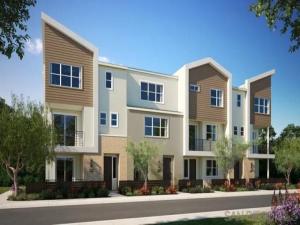
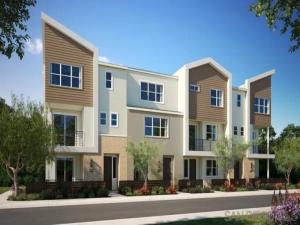
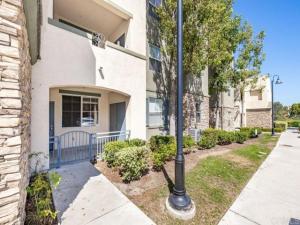
Milenia, Otay Ranch’s urban-mixed-use village, represents the development’s most ambitious architectural departure: a walkable, higher-density mixed-use village with multifamily residential above retail, a town square format, and the urban planning principles of transit-oriented development applied to a suburban San Diego County location. Milenia appeals to the buyer who wants the convenience of walkable retail access and the contemporary high-density residential format, in contrast to the traditional single-family village character of the original Otay Ranch villages. For buyers evaluating Otay Ranch, the choice between Milenia’s urban format and the single-family village character of the established villages is a lifestyle decision as much as a real estate decision.

Schools Within Otay Ranch

Otay Ranch is served by the Sweetwater Union High School District for high school and the Chula Vista Elementary School District for K-6 education, with the two-district structure that characterizes Chula Vista’s public school system. The CVESD elementary schools within Otay Ranch include Olympic View, Wolf Canyon, Ranchview, Hedenkamp, and Otay Ranch Elementary schools, among others. These schools serve the planned communities within their attendance boundaries with facilities built to accommodate the planned development population, and the CVESD’s overall performance metrics are among the stronger in the South Bay region relative to comparable demographic profiles.

Otay Ranch High School, built to serve the master-planned community’s high school population, is the primary SUHSD campus serving Otay Ranch students. The school’s facilities are among the most modern in the district, built with the development’s anticipated student population in mind, and include athletic facilities, performing arts infrastructure, and technology resources that reflect a purpose-built school for a planned community rather than a historically built campus that has been retrofitted for current enrollment. Eastlake High School serves portions of the community’s western sections. The college-going rates and AP program participation rates at both SUHSD campuses serving Otay Ranch are among the higher within the Sweetwater district.

Amenities and Recreation Infrastructure

Otay Ranch’s planned recreation infrastructure is one of its primary competitive advantages over comparable South Bay neighborhoods. The master plan includes community parks at regular intervals throughout the development, with the larger regional parks providing athletic fields, pool facilities, community recreation centers, and the civic gathering spaces that organic suburban development rarely provides at this density. The Otay Ranch Town Center, the commercial and dining hub of the master plan, provides a walkable retail destination for residents throughout the development with a range of dining from fast-casual to sit-down, a full-service Target, and the supporting service retail that a complete community shopping center provides.

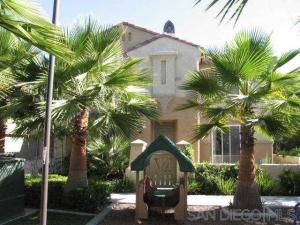
The Otay Ranch Greenbelt provides a continuous trail corridor connecting the development’s villages, creating a walking, running, and cycling network that allows residents to move through the community on dedicated paths rather than along streets. The planned trail system is substantially better than what organic suburban development typically provides, and families with children specifically cite the safe off-street connectivity as a practical daily-life advantage. The lakes within certain Otay Ranch villages (the Village at Otay Ranch’s lake feature and the Eastern Lake area) provide the waterfront amenity that is unusual in inland San Diego County at this price point.

HOA Structure and Costs

Otay Ranch’s HOA structure is layered: a master community association that manages the greenbelt, the major parks, and the community-wide infrastructure; and village-level sub-associations that manage the amenities specific to each village. Most Otay Ranch buyers pay dues to both the master association and their village sub-association. Combined HOA dues in Otay Ranch typically range from $150 to $400 per month depending on the village and the amenity level the sub-association maintains. Villages with pools, fitness centers, and comprehensive community amenities are at the higher end; villages with primarily park and greenbelt maintenance are at the lower end.

The HOA fee range is a meaningful ongoing cost that buyers should factor into their total monthly housing cost analysis. At $150-$400 per month, the HOA cost is equivalent to the difference between several mortgage interest rate points, and buyers who are comparing Otay Ranch to non-HOA South Bay neighborhoods should account for the HOA cost in their cost comparison. The other side of the equation is the amenity value and the maintenance-free lifestyle that the HOA infrastructure provides: no home maintenance of common areas, professional management of community standards, and the amenity access that the fees fund.

Commute and Transit Access

Otay Ranch’s eastern Chula Vista position creates a specific commute geography. The primary freeway connection is I-805 via Olympic Parkway or Eastlake Parkway, with the I-805 interchange accessible in 5 to 12 minutes from most Otay Ranch villages. The commute to downtown San Diego via I-805 northbound runs 25 to 40 minutes depending on traffic patterns and the specific departure point within the large development. The commute to the South Bay employment corridor (Chula Vista medical, commercial, and light-industrial) runs 10 to 20 minutes. The commute to the Kearny Mesa technology zone runs 40 to 55 minutes.

The Otay Ranch Transit Center and the express bus routes serving the community provide a public transit alternative to the I-805 corridor for commuters targeting downtown San Diego or the employment centers along the trolley network. The planned SR-11 expressway, intended to improve cross-border access to the Otay Mesa Port of Entry and eventually connect to a new international crossing, will improve the commute geography for the growing Otay Mesa employment zone when the project is completed. The border-adjacent employment in the maquiladora and logistics sector in Otay Mesa is a significant employment category for Otay Ranch’s buyer pool, and the border proximity is an amenity for buyers with family or business connections in Tijuana and Baja California.

Market Dynamics and Pricing

Otay Ranch’s market pricing varies significantly by village, construction era, and specific product type. The full range within the Otay Ranch umbrella spans from the $500s for attached product in the older villages to the $1.3M-plus range for premium single-family homes in the newer, more upscale village phases.

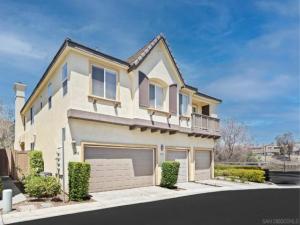
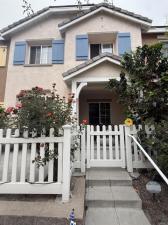
$550K-$750K: Attached product (townhomes, condominiums) and smaller single-family homes in the established villages. This tier is the primary entry point for first-time buyers entering Otay Ranch and for buyers transitioning from rental housing who want ownership in a planned community with strong amenities and school access.

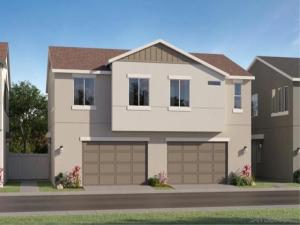
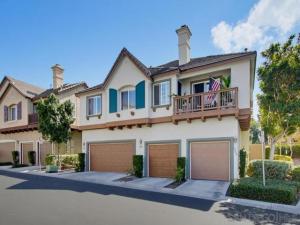
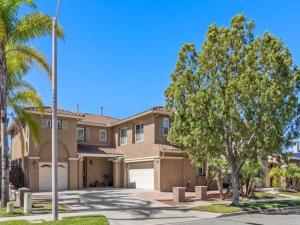
$750K-$1.1M: The core Otay Ranch single-family range. 1,800 to 2,800 square foot homes on standard lots with garage, backyard, and the full suite of planned community amenities. This tier attracts the South Bay family buyer who has been tracking the Otay Ranch market and is buying a family home with a 10-to-15-year planning horizon.

$1.1M-$1.5M: Premium single-family product in the newer villages (Village Eight, Millenia single-family, and the upscale sections of the Village of Montecito) with the largest floor plans, the most contemporary architectural standards, and the best view positions within the development. This tier attracts buyers who could afford comparable-priced product in San Diego’s established neighborhoods but prefer the master-planned amenity infrastructure and the new construction quality of Otay Ranch.

Who Buys in Otay Ranch

Otay Ranch’s buyer pool is diverse in a way that reflects the development’s scale. South Bay families who have been tracking the master plan for years and are buying their first or second San Diego County home. Military families based at Naval Amphibious Base Coronado, NASSCO, or Naval Air Station North Island who specifically want the planned community structure and the school access that Otay Ranch provides. Relocation buyers from outside San Diego County who have researched the South Bay market and found Otay Ranch’s combination of planned amenities, school quality, and new construction value compelling. And investors who target Otay Ranch’s rental market for the military renter demand base that the South Bay’s active duty population provides.

Frequently Asked Questions

Which Otay Ranch village should I target? The answer depends on whether you prioritize established community character and mature landscaping (Village at Otay Ranch, Village of Montecito from the original development phases) or newer construction and the most contemporary architecture (Village Eight, Millenia). Established villages tend to have more mature community networks, established school enrollment capacity, and landscape maturity; newer villages have fresher construction and the benefit of the development team’s refinement of the master plan over time. Both have merit; the decision should align with your specific priorities.

Are there Mello-Roos taxes in Otay Ranch? Yes. Like virtually all master-planned development in California developed since the mid-1980s, Otay Ranch properties carry Mello-Roos community facilities district assessments. The Mello-Roos amount varies by specific parcel location within the development and by when the specific area was developed. Buyers should obtain a Natural Hazard Disclosure Report and the specific CFD assessment schedule for any property they are purchasing and factor the Mello-Roos into their monthly cost analysis. The assessments typically range from $150 to $450 per month per household depending on the specific district.

How do the Otay Ranch schools compare to the broader Sweetwater district? The schools serving Otay Ranch generally perform above the Sweetwater Union High School District average, reflecting the planned community’s demographic characteristics. Otay Ranch High School’s college-going rates and AP participation rates are among the higher within SUHSD. The CVESD elementary schools within Otay Ranch have ratings that track above the district average on most performance metrics. School performance should be verified with current data from the California School Dashboard before relying on historical performance information in a buying decision.

What is the Mello-Roos sunset date? Mello-Roos bonds have fixed maturity dates, typically 25 to 35 years from issuance. The specific sunset date for any parcel’s CFD can be found in the CFD disclosure report available from the seller or from San Diego County’s CFD database. Buyers who are planning a long-term hold of 20-plus years should note when the Mello-Roos obligation expires and factor the reduction in carrying cost at that point into their long-term financial planning for the property.

Current Otay Ranch Listings
Connect with TKG about Otay Ranch real estate.

[showcaseidx_hotsheet name=”Los Angeles”]

Otay Ranch Real Estate | Chula Vista, CA in Chula Vista

Community

What should I know about Chula Vista?

San Diego County offers a world-class combination of coastal access, military and tech employment, and year-round Mediterranean climate. Within this broader regional context, Chula Vista occupies a distinct position — with its own micro-market dynamics, neighborhood character, and buyer profile that differentiates it from adjacent communities.

Buyers who choose Chula Vista often do so for a specific combination of reasons: the character of the housing stock, proximity to employment or lifestyle amenities, school district access, or simply the feel of the community itself. These qualitative factors are difficult to quantify in MLS data but play a central role in long-term ownership satisfaction and resale performance.

What architectural style defines Chula Vista?

The residential inventory in Chula Vista spans a range of architectural periods and property types, from single-family homes on standard city lots to estate properties on larger parcels. The mix of housing options means that buyers at multiple price points are often competing for similar neighborhoods — which keeps absorption rates competitive across market cycles.

Condition and presentation matter significantly in Chula Vista’s market. Well-maintained, updated homes consistently outperform deferred-maintenance properties on both price-per-square-foot and days-on-market. The Knight Group tracks this bifurcation at the neighborhood level to advise buyers and sellers on realistic price expectations.

Why Buyers Choose Chula Vista

The factors most frequently cited by buyers who choose Chula Vista include its position within San Diego County, access to local schools and amenities, and the relative value it offers compared to coastal or premium adjacent markets. For buyers relocating from higher-cost areas, Chula Vista often provides a meaningful quality-of-life upgrade at a price point that enables ownership rather than rental. For local move-up buyers, it represents a natural next step in accumulating equity in a growing market.

How do I buy a home in Chula Vista?

Buyers targeting Chula Vista should approach the market with a clear sense of their priorities and a financing situation that allows them to move quickly when the right property appears. The inventory in this area tends to absorb well-priced properties faster than buyers expect — particularly when a home is updated, well-located within the area, and priced within the most active demand tier.

The most common mistake buyers make in Chula Vista is treating early viewings as low-stakes exploration. By the time a listing has been toured casually and a buyer decides they want it, a serious competing buyer has often already submitted an offer. Working with The Knight Group means you’re identifying opportunities earlier and positioned to act with confidence rather than urgency-driven concessions.

Pre-approval with a reputable local lender is a baseline expectation in this market. Sellers in Chula Vista routinely request proof of funds or pre-approval letters before accepting showing appointments on competitive listings. Having that documentation prepared signals that you’re a serious buyer and often earns better access to sellers who might otherwise prioritize buyers who have demonstrated financial readiness.

What should I know about selling in Chula Vista?

Sellers in Chula Vista benefit from positioning their home within the first two weeks of listing at the right price — not an aspirational price. The local buyer pool responds to new inventory quickly, and well-priced homes in strong condition often see their most competitive offers in the first seven to ten days. Overpricing at the outset frequently results in price reductions that train buyers to expect further reductions, ultimately yielding a lower sale price than a correctly priced launch would have achieved.

Pre-listing preparation matters more in Chula Vista than in markets where buyers routinely expect to do work. Buyers here are often purchasing at or near the top of their financial capacity, which makes deferred maintenance and cosmetic updates feel more consequential. Minor investments in paint, landscaping, and hardware updates consistently return multiples of their cost in buyer perception and final sale price.

The Knight Group’s approach to seller representation includes a detailed comparable market analysis specific to the immediate neighborhood, not just the broader city, along with photography and marketing positioning calibrated to the specific buyer demographic most likely to value your home’s distinguishing features.

Is Chula Vista real estate a good long-term investment?

Residential real estate in Chula Vista has demonstrated consistent long-term appreciation driven by a combination of supply constraints, strong employment access, and sustained buyer demand from multiple demographic groups. The Southern California market overall maintains one of the most reliable appreciation profiles in the country, and well-located properties within established neighborhoods like those in Chula Vista tend to outperform broader market averages.

Buyers who approach their purchase with a five-to-ten year horizon are typically well-served in this market. Short-term ownership in any market carries more risk, and Chula Vista is no exception — transaction costs make short holding periods less predictable. But buyers who commit to the area and allow appreciation to compound alongside principal paydown historically achieve meaningful equity positions.

Rental demand in Chula Vista also supports the investment thesis for buyers who may need flexibility. The rental pool is active and can absorb well-maintained single-family homes and condominiums at rates that, in many cases, offset carrying costs meaningfully. The Knight Group can provide current rental comparable data to help buyers model ownership scenarios accurately.

How established is The Knight Group in Chula Vista?

The Knight Group maintains an active presence in Chula Vista and the surrounding areas — not just as a transactional brokerage, but as a genuine local resource for buyers and sellers who want an informed, strategic partner throughout the process. Our familiarity with this specific market means we can identify when a listing is priced correctly versus aspirationally, when a neighborhood’s trajectory is improving, and when off-market opportunities are worth pursuing before they reach the MLS.

For buyers, that local knowledge translates into better targeting of time and energy — focusing on properties and pockets that genuinely fit your criteria rather than touring everything in a zip code. For sellers, it means pricing decisions grounded in what this specific street and neighborhood are actually clearing at, not what a broader market index suggests.

We work with a limited number of clients at any given time to ensure that every buyer and seller receives the level of attention and market intelligence that a significant financial transaction deserves. If you’re considering a purchase or sale in Chula Vista and want to understand what’s currently available — including off-market inventory we’re tracking — reach out to The Knight Group directly for a confidential initial conversation.

Are there off-market homes in Chula Vista?

A meaningful percentage of transactions in Chula Vista and surrounding Southern California markets occur before a property is listed publicly. These off-market deals happen through professional networks, direct buyer-seller introductions, and relationships that agents cultivate over years of consistent local engagement. Buyers who work exclusively through listing portals see only the public-facing portion of available inventory — often the fraction that didn’t transact quietly.

The Knight Group maintains active relationships with homeowners in Chula Vista who have expressed interest in selling — on their terms and timeline, without the disruption of a public listing process. For the right buyer, these conversations can surface properties that would otherwise never appear on Zillow or the MLS. This kind of access requires trust built over time, not a database subscription.

If you’re researching Chula Vista and want a candid assessment of what’s available, what’s realistic at your budget, and how the current competitive dynamic affects your strategy — The Knight Group is the right starting point. We’re available for confidential initial conversations with no obligation, because we believe that an informed buyer or seller makes better decisions for everyone involved.

What’s the winning strategy in Chula Vista?

Buyers targeting Chula Vista benefit from working with a specialist who understands the specific inventory dynamics, competitive patterns, and neighborhood distinctions that don’t appear in aggregated market data. The Knight Group actively monitors both listed and off-market opportunities in Chula Vista to give clients early access to properties before they reach a broader audience.

Financing preparation is essential in this market. Sellers in Chula Vista regularly require proof of pre-approval or funds before scheduling showings on competitive listings. Having documentation ready allows buyers to move immediately when the right property becomes available, which frequently makes the difference between securing a property and watching it go to a faster-moving competitor.

Area Details

What are the schools like in Chula Vista?

Residents of Chula Vista are primarily served by San Diego Unified School District or the relevant local district (many SD cities have their own districts). School performance and district boundaries are meaningful factors in Chula Vista’s real estate market — buyers with school-age children consistently prioritize this variable when evaluating specific neighborhoods and property addresses. The Knight Group can advise on current school assignments for specific properties before you make a commitment.

Getting Around: Commute and Transit

I-5, I-15, and SR-78 are the primary commute corridors; Coaster commuter rail serves the coastal cities north of downtown. Typical commute times from Chula Vista to key employment destinations range from 20–50 minutes to downtown San Diego, Sorrento Valley tech corridor, and the military installations throughout the county. The growing prevalence of remote and hybrid work arrangements has reshaped how buyers evaluate commute factors — but freeway access, transit proximity, and drive time to major employment corridors remain meaningful pricing inputs at the neighborhood level.

What local shops and restaurants does Chula Vista have?

Day-to-day conveniences in and around Chula Vista include grocery stores, pharmacies, and retail services accessible without significant driving. downtown San Diego’s Gaslamp Quarter and Little Italy, plus distinct dining scenes in coastal cities like La Jolla, Del Mar, and Encinitas give residents options for dining out across a range of price points and cuisines. The quality of daily-life infrastructure — how easily residents can handle errands, dining, and entertainment — is a consistent factor in neighborhood desirability that the raw MLS data does not capture.

What outdoor activities are near Otay Ranch Real Estate | Chula Vista, CA?

Residents of Chula Vista have access to San Diego beaches, the Torrey Pines State Reserve, Anza-Borrego Desert State Park, and the mountains of East County. Southern California’s year-round mild climate extends the effective use of outdoor recreation in ways that are difficult to replicate in most US markets — a genuine quality-of-life advantage that buyers from out-of-state consistently cite as a primary motivation for relocating.

Market Trends

How is the Chula Vista Real Estate real estate market?

San Diego County is one of the most constrained real estate markets in the US — geographic barriers (ocean, mountains, military land) limit supply while strong job growth in biotech, defense, and tourism sustains demand. Within this context, Chula Vista occupies a specific position determined by its location within the county, its housing stock characteristics, and the buyer profile it attracts.

Who Is Buying in Chula Vista

The buyer pool in Chula Vista primarily consists of military-affiliated buyers, tech and biotech professionals, retirees from colder climates, and LA buyers seeking more affordability. Understanding the composition of active buyers is important for sellers calibrating price expectations and for buyers developing competitive offer strategies — different buyer types have different urgency, financing structures, and decision timelines.

What can I expect to pay for homes in Chula Vista?

Pricing in Chula Vista reflects prices range from under $700K in east county communities to $3M+ in coastal La Jolla and Del Mar. The Knight Group tracks current active listings, pending transactions, and recent closed sales to provide clients with real-time market context — not lagging data from quarterly reports. If you are evaluating a specific property in Chula Vista, we can provide a comparable sales analysis and current days-on-market data before you make an offer.

Is Otay Ranch Real Estate | Chula Vista, CA a good real estate investment?

For buyers evaluating Chula Vista as an investment, San Diego County has historically demonstrated resilience across market cycles — driven by structural supply constraints and consistent population and job growth. The Knight Group works with both primary-residence buyers and investors and can provide market-specific analysis to inform your decision. planned communities throughout SD county carry HOA fees; military-adjacent neighborhoods and older in-city areas typically have none

How can The Knight Group help my Chula Vista purchase?

The Knight Group operates across the full Southern California and select Northern California market. Our team combines local market knowledge with access to off-market inventory — particularly relevant in supply-constrained markets like San Diego County where publicly listed homes represent only a portion of available opportunities. Contact us to discuss your specific goals in Chula Vista.

FAQs

What is the real estate market like in Chula Vista?

San Diego County is one of the most constrained real estate markets in the US — geographic barriers (ocean, mountains, military land) limit supply while strong job growth in biotech, defense, and tourism sustains demand. In Chula Vista specifically, buyers should expect a competitive market for well-priced, move-in-ready homes. The Knight Group can provide a current market analysis for Chula Vista that includes days-on-market trends, price-per-square-foot comparisons, and recent off-market sales data.

Is Chula Vista a good place to buy real estate?

San Diego County has demonstrated consistent appreciation over the long term due to supply constraints and a strong demand base. Chula Vista’s position within the county — its school district access, commute convenience, and lifestyle amenities — makes it a market where buyers who purchase for fundamentals tend to hold up well across cycles. As with any real estate decision, timing, condition, and pricing matter. The Knight Group helps buyers evaluate specific opportunities rather than making blanket market-level calls.

What types of homes are available in Chula Vista?

The housing stock in Chula Vista typically includes a mix of single-family homes, townhomes, and condominiums, with property age and lot size varying by sub-neighborhood. The Knight Group can help you identify inventory that matches your specific criteria — including off-market properties not publicly listed. Buyers who rely solely on Zillow and Redfin see only a portion of what is actually available in many San Diego County neighborhoods.

How do I get started with buying in Chula Vista?

The Knight Group recommends starting with a consultation to understand your timeline, budget, and property preferences. We will then provide a tailored set of on-market and off-market opportunities in Chula Vista and help you evaluate pricing, condition, and competitive positioning before making an offer. Contact us through the form below or call us directly to schedule a consultation.

Hey, You ALMOST MISSED IT!

Lucky for you we’re looking out.

Subscribe to this Custom Search to be alerted when new properties hit the market in the area.

Choose the frequency that works for you.

get alerts

[showcaseidx_contact]